Arjuna versus Karna
Duryodhan versus Bheem
Shikandin versus Bheeshma
Dhritarashtra versus himself
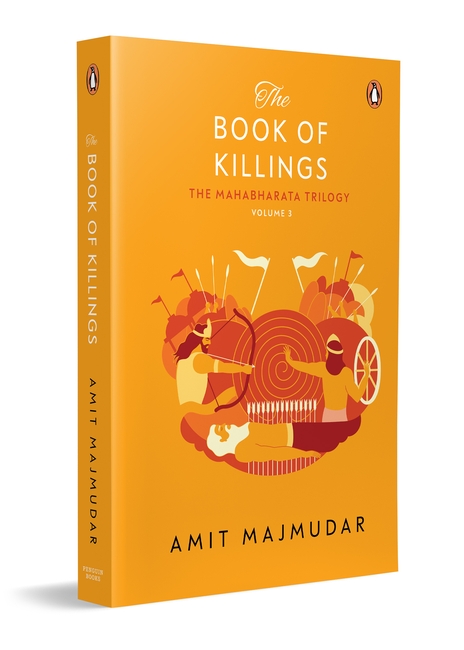
The war between the two sets of cousins is ready to blow up. Krishna has just finished singing the Gita to Arjuna. The war is about to start….and this is a war like no other with boons, curses, tricks, strategies and games deployed to maximise each side’s chances of victory.
The Book of Killings is the eagerly awaited third instalment of the Mahabharata trilogy, which began explosively with The Book of Vows and was then followed by The Book of Discoveries. Imagined afresh and composed in a style that captures the power, charm and ambiguity of Vyasa’s Mahabharata, this book dramatizes the 18-day epic war and its aftermath in the Mahabharata.
Grounding his telling in the original Sanskrit version, Majmudar has recreated the ancient epic for a contemporary audience. His finest work yet, this is one of the most accessible, magical and unputdownable retellings of the Mahabharata.

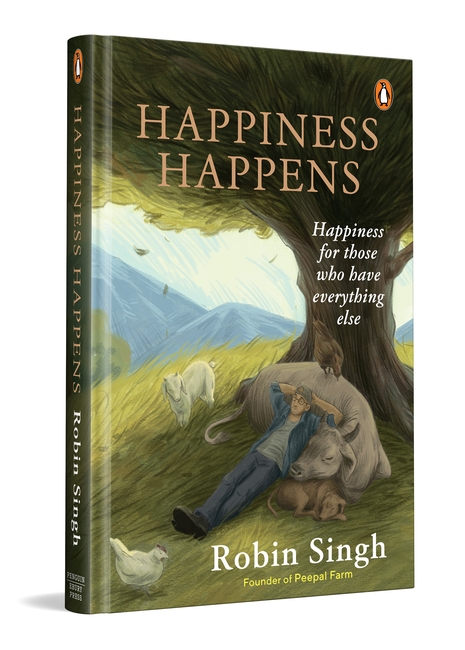
Robin Singh had everything he wanted and more—well-settled in the US, financial freedom, married to the love of his life—except he was not happy. It was in his pursuit of happiness that he stumbled across purpose. It eventually took giving up on happiness and pursuing purpose before he realised that he had finally found what he had been looking for.
This is a book about what happened between him exiting his tech company and starting Peepal Farm—an animal rescue centre. It is a compilation of all the answers he got along the way and the questions he asked to get those answers. He still can’t tell you what is life or why is life . . . but he can answer why to live and how to live.
Happiness Happens is ultimately an exploration of what really makes us happy. It is Robin’s journey told simply, with the hope that it will reach people who are dissatisfied with how they have been living but haven’t yet been able to answer how else to live.

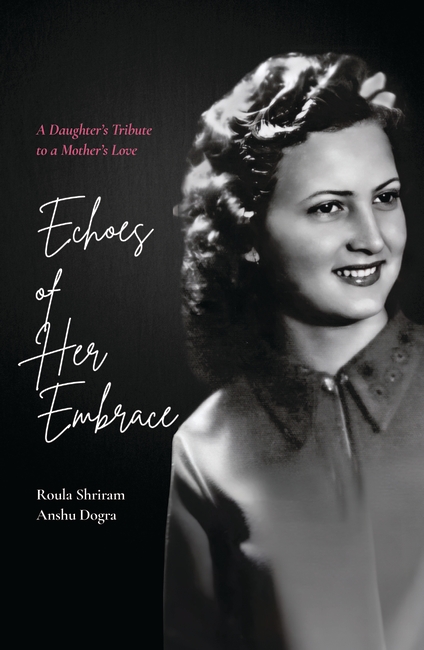
‘Aphrodite! The name has always struck me as perfectly fitting for my wonderful mother.’
Aphrodite Krishnamurti’s life is a testament to resilience, love, and transformation. From the sun-drenched days of Doxato, Greece, to the bustling high streets of Kavala, her childhood was filled with laughter and imagination. Despite the upheavals of the Second World War that engulfed Greece during this period, Aphrodite faced every challenge with unwavering dignity.
Love found her in the form of a young Indian medical officer, P. V. Krishnamurti, whose arrival on Greek shores marked the beginning of a new chapter. Her life spanned three continents, and she navigated each with composure and confidence. Her deep bond with her daughter, rooted in unwavering support and encouragement, is the heart of this story. This book delves into the enduring power of a mother’s love, and a unique mother-daughter relationship that has only deepened over time.
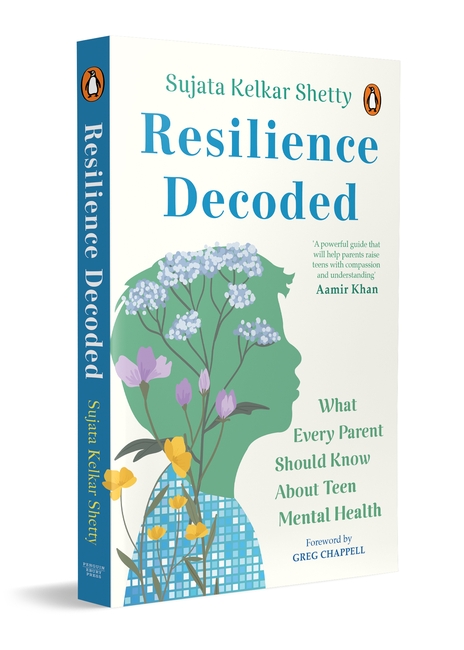
Adolescence has always been turbulent, but today’s teens face a perfect storm: a rewired digital world, mounting academic pressures and the lingering effects of a global pandemic. Anxiety and depression are soaring, and parents are left wondering—how do I protect my child?
This groundbreaking book is your roadmap. Blending cutting-edge neuroscience, real-life stories and actionable strategies, it reveals how to:
• Harness the ‘Ferrari brain’: Understand your teen’s rapidly developing mind and turn vulnerabilities into strengths.
• Boost resilience daily: From sleep to nutrition, creativity to digital boundaries, master the habits that fortify mental health.
• Navigate social media’s pitfalls: Learn why screens are the new cigarettes and how to set life-saving limits.
• Talk—and listen—like never before: Break through the silence with communication that builds trust, not walls.
Packed with insights from psychologists, educators and teens themselves, this isn’t just a parenting guide—it’s a lifeline. Because resilient teens start with resilient parents.
Equip yourself. Empower them. The time to act is now.
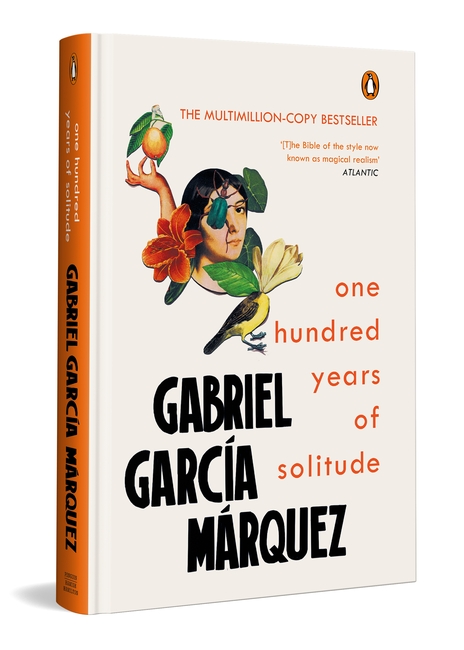
Gabriel García Márquez has been one of the literary giants of the past century; his body of work is an undisputed cultural landmark and a touchstone for countless readers and writers alike.
One Hundred Years of Solitude is a true classic, a timelessly fascinating and intricately patterned work of fiction and a joyful, irrepressible celebration of humanity. This iconic work is the perfect celebration of Marquez’s extraordinary impact on the modern world and his phenomenal literary achievements.

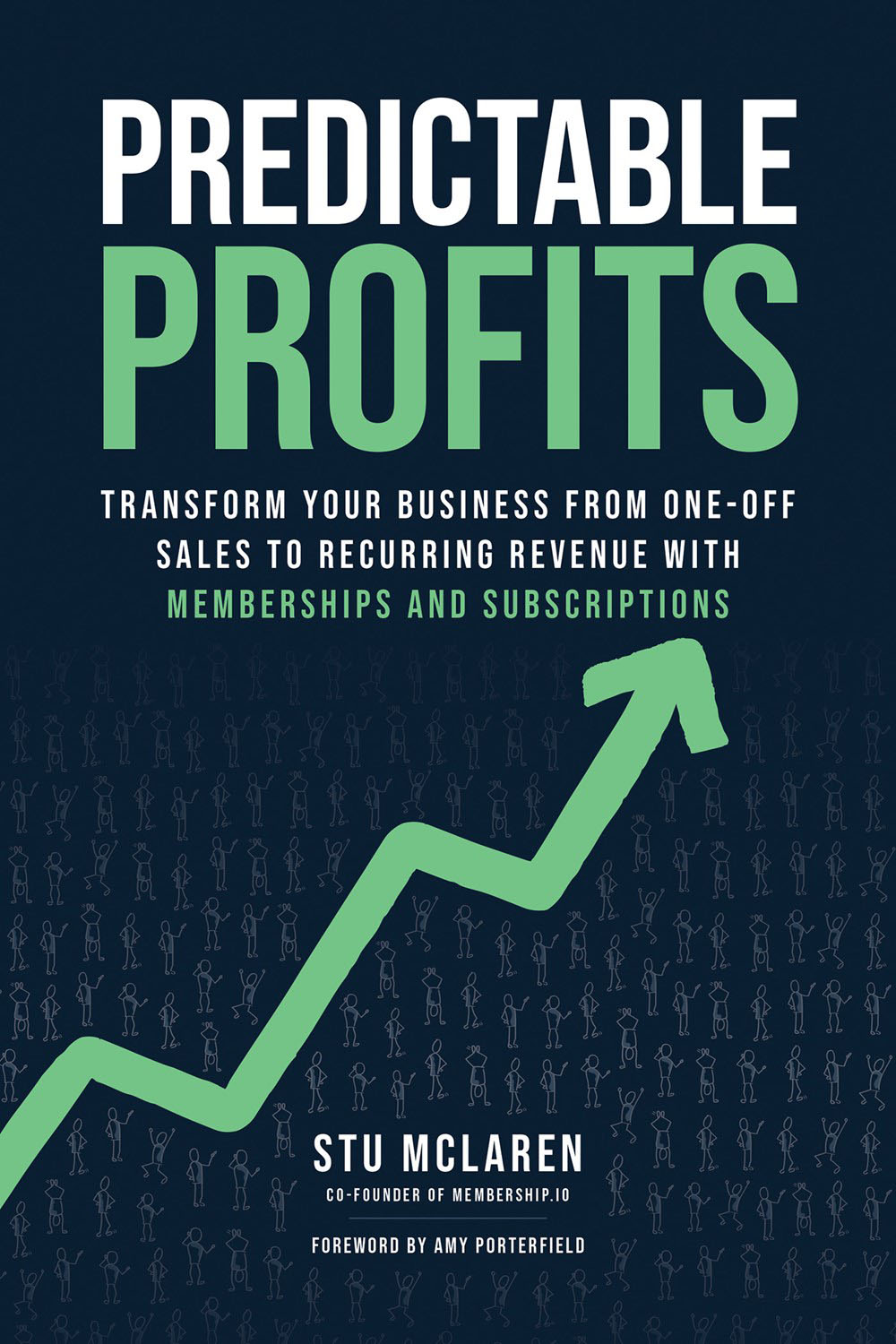
Launch, grow, and scale your membership business
What if you could stop chasing one-off sales and build a business that pays you consistently, month after month?
In Predictable Profits, membership expert Stu McLaren pulls back the curtain on how to create a thriving membership business that doesn’t just bring in revenue—but does so predictably, allowing you to focus on what truly matters.
Drawing on nearly two decades of membership experience, Stu shares:
• Three telltale signs that you have a perfect market for a membership site
• How to effortlessly attract new members—even if you don’t like to “sell”
• Why closing your doors will lead to faster and more explosive growth in your membership
• A simple blueprint for creating irresistible content that keeps your members coming back for more
• What to do in the first 30 days to triple the lifetime value of your members
Predictable Profits is packed with real-life success stories, actionable insights, and all the inspiration you need to build a membership site that does more than just generate revenue—it creates financial stability, positive impact, and ultimate freedom.
Turn what you already know, love, and do into a thriving online business. This remarkable book will show you how.

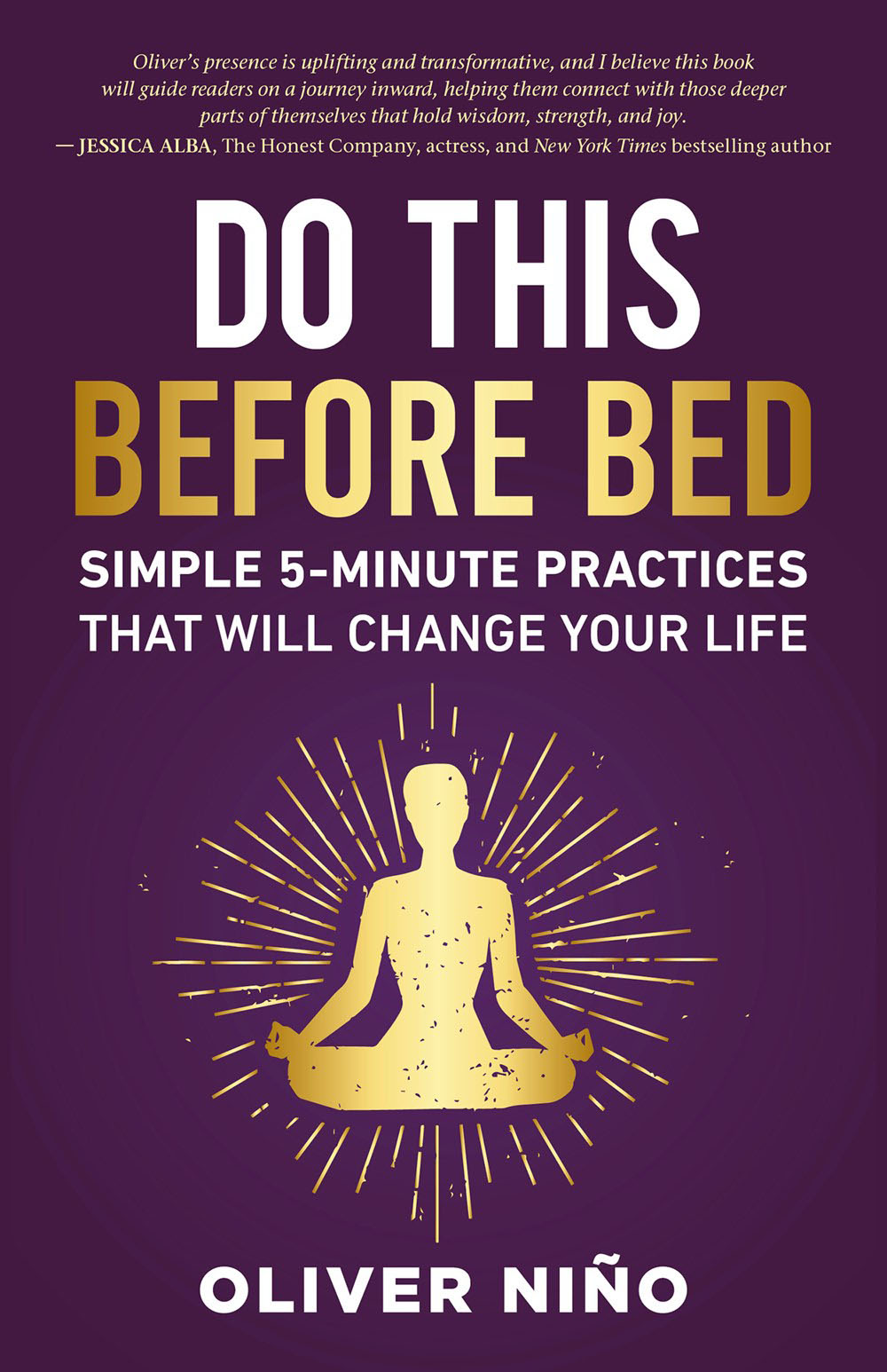
Transform your nightly routine into a gateway to abundance and fulfillment with Do This Before Bed, where practical wisdom meets spiritual insight for tangible, life-changing results.
NEW YORK TIMES BESTSELLER!
USA TODAY BESTSELLER!
Discover the transformative power of your nightly routine in Do This Before Bed. Drawing from two decades of expertise as an energy healer and spiritual activator, Oliver Nino offers a treasure trove of practices to elevate every aspect of your life.
The period right before you go to sleep is a fruitful time for co-creating with the universe and whatever we focus on before we go to bed sets the pace for how we experience our waking life. In this practical guide, you’ll learn how to harness the untapped potential of your mind, emotions, and energy before drifting off to sleep. By capitalizing on this crucial “real estate” of your consciousness, you can set the stage for a life filled with love, joy, clarity, purpose, and abundance.
Whether it’s visualization, intention setting, breathwork, light therapy, movement, or journaling, each practice is designed to catalyze profound identity shifts and accelerate your journey toward fulfillment.
From foundational routines to situational practices for healing and manifestation, these simple yet effective exercises can be seamlessly integrated into your nightly ritual.
Accessible and easy to implement, Do This Before Bed is more than just a book—it’s a practical companion for anyone seeking to optimize their life and amplify their well-being. Embrace these rituals and watch as inner transformation becomes as natural as your daily habits. Get ready to unlock your fullest potential and embark on a journey toward a life of abundance and joy.
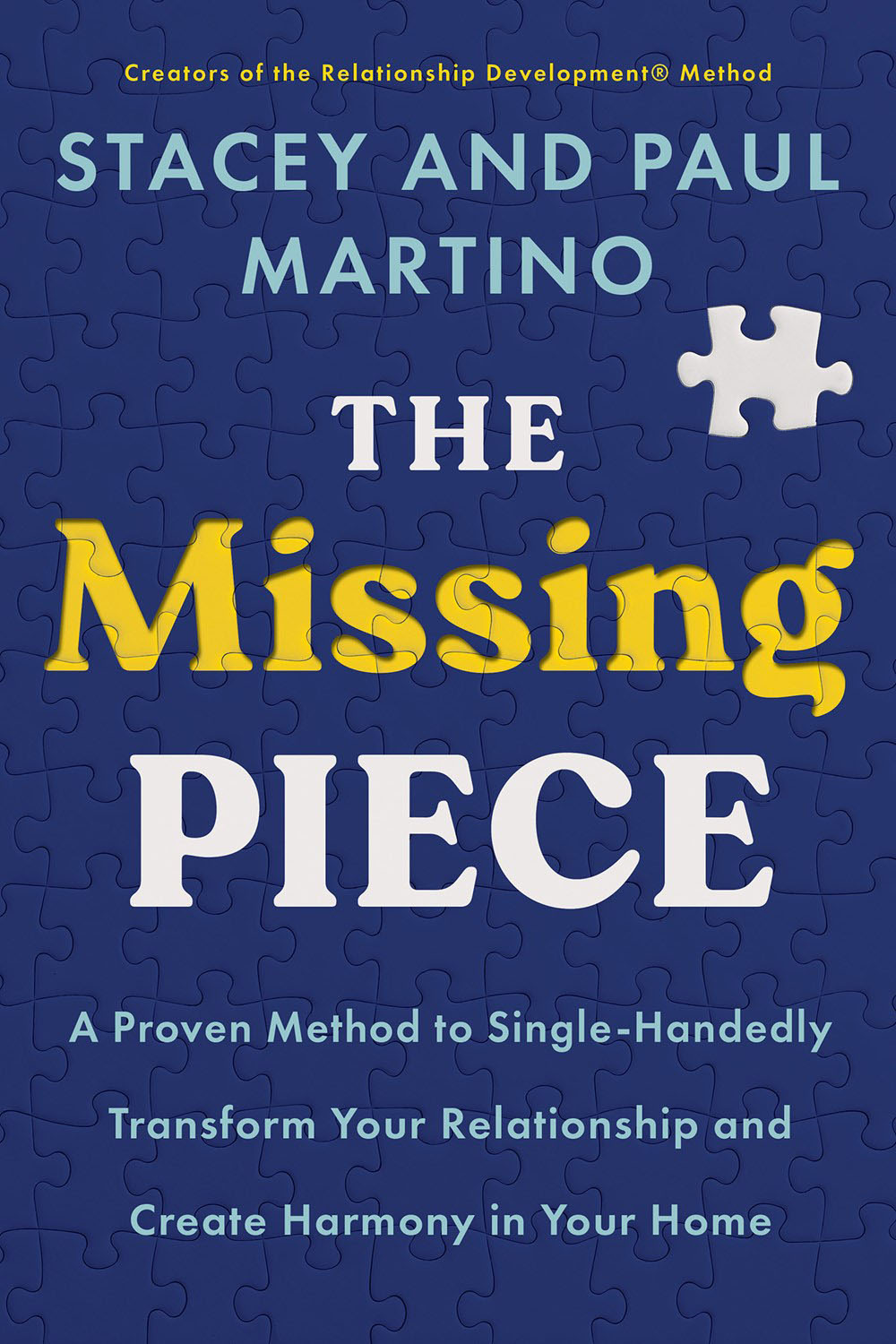
Relationship experts Stacey and Paul Martino share their norm-shattering method to single-handedly transform your relationship, create unshakable love, and unleash deeper passion.
After 14+ years of helping thousands of people to save their marriages, Stacey and Paul Martino are finally releasing their book to share their unique Relationship Development® Methodology with the world.
The surprising paradigm the Martinos’ have uncovered has been The Missing Piece in our knowledge of human relationships. They demonstrate why the old relationship paradigm is broken, why couples work is actually destructive, and how their norm-shattering one-person methodology can be easily learned by the reader to enable them to single-handedly transform their marriage, stop the kerfuffles, and bring harmony back to their home.
The Martinos have proven that marriage isn’t a “mental health” or even a personality issue. Instead, thriving relationships are the result of a skill set that nobody else has been able to figure-out, until now.
Packed with tools, this book demonstrates how one person can quickly begin to transform their relationship, without compromise or pleasing and without having to convince their partner to get on board.
At a time when divorce rates are sky high and families are unnecessarily suffering, The Missing Piece provides powerful solutions to help the reader navigate real-life situations harmoniously, regardless of what they are currently facing.
Written in a relatable and actionable style, this book is an indispensable guide.
There has never been a book published which promises a one-person relationship method before. But this isn’t just a theory or idea, the Relationship Development Methodology has been proven by many students, over many years. Now it’s your turn to finally get The Missing Piece.

FINALLY GET EVERYTHING YOU WANT OUT OF LIFE
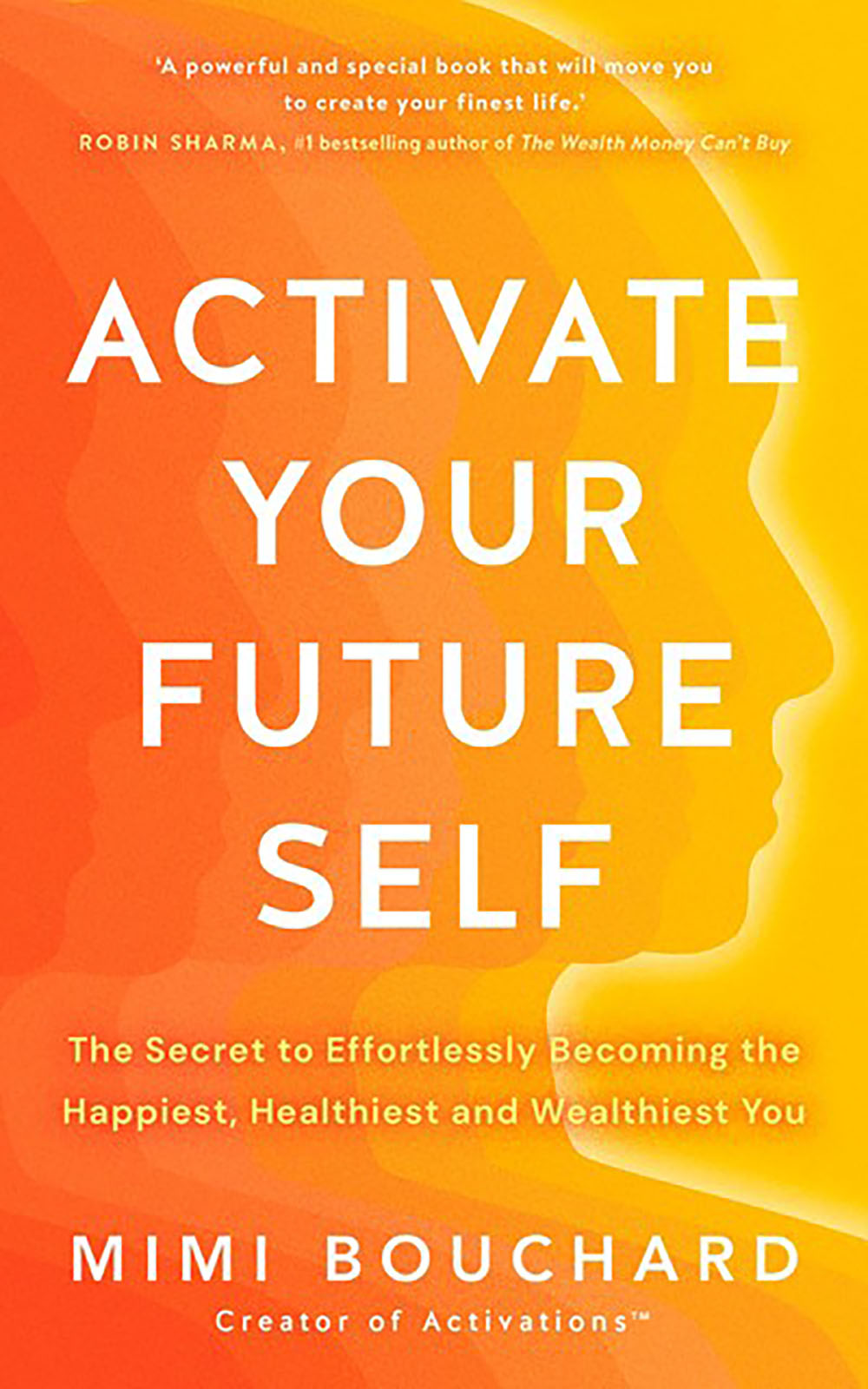
In this transformative book, Mimi Bouchard, founder of the revolutionary Activations app, offers simple but powerful strategies to shift every aspect of your life – from your health and relationships to your career and finances – and help you become the happiest, most successful, most abundant version of yourself. You’ll discover how to:
• Gain clarity on what your dream life looks like and what you really want
• Change your self-image and become your Future Self through visualization, mental rehearsal, Activations, writing prompts and more
• Maintain your Future Self frequency every day using Mimi’s unique achievement tool, the Bounce Back Rate™
You have potential inside of you that you haven’t tapped into yet. This book will show you how to achieve that potential, quickly recover from setbacks and finally become who you’ve always wanted to be. Remember: to create the life you want, you must first become the kind of person that has it.
It’s time to activate your Future Self.
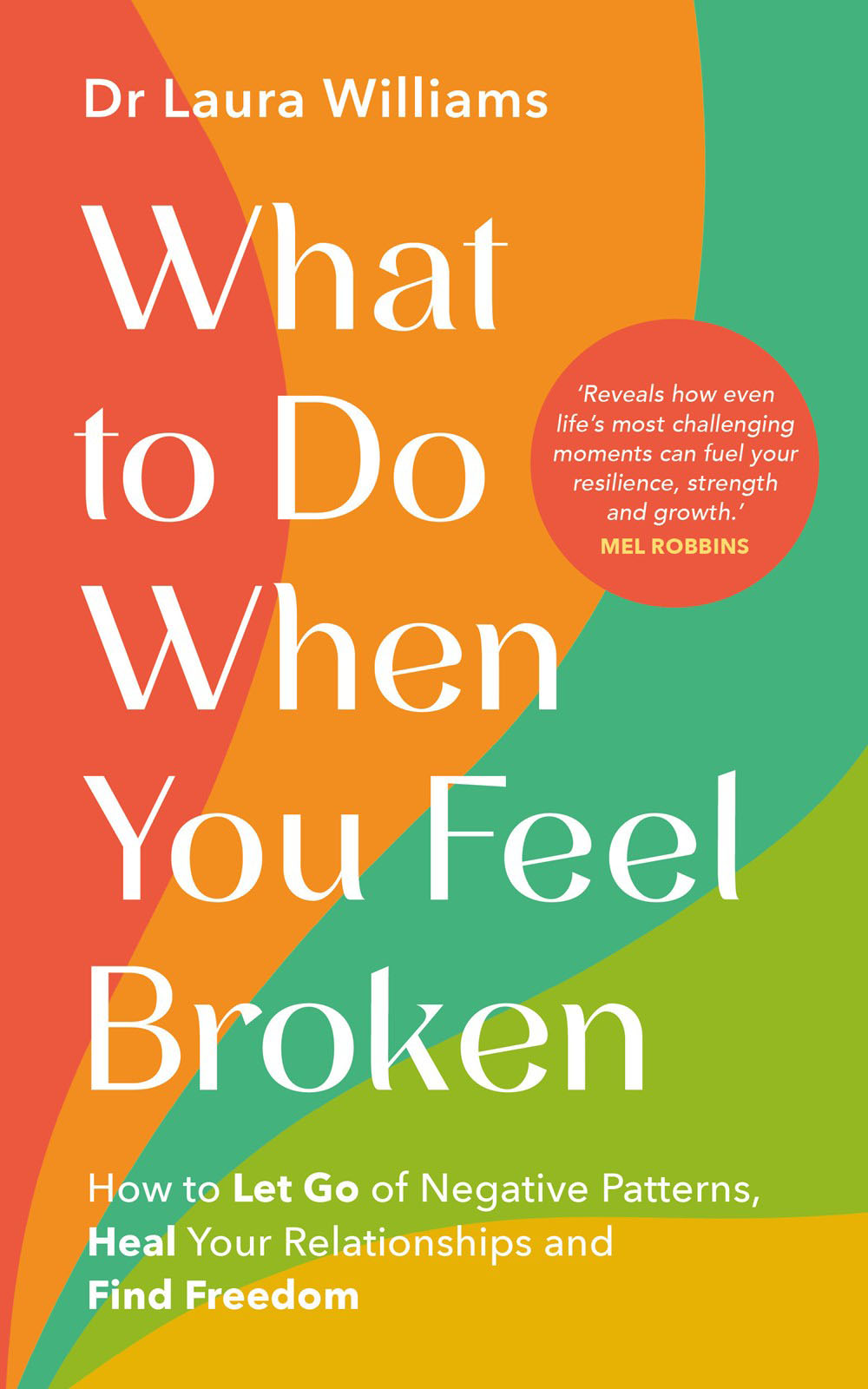
‘Trauma doesn’t have to be the end of your story—it can be the beginning of a new, stronger chapter.What to Do When You Feel Broken dives deep into the transformative process known as post-traumatic growth, revealing how even life’s most challenging moments can fuel your resilience, strength, and growth.’
—Mel Robbins, bestselling author and host of The Mel Robbins Podcast
You’re not broken. Learn how your past impacts your present and develop the mindset you need to break damaging patterns.
Clinical psychologist Dr Laura Williams’ life turned upside down when her husband suddenly died at the age of 37, when they had three young children. This trauma forced her to reconsider the psychological teachings she’d used professionally to help hundreds of others and apply them to her own life.
Dr Laura uses her own personal story to illustrate key psychological concepts we can all benefit from applying to our own lives. You’ll learn how to:
• Get to know yourself fully and understand what drives your behaviour and how it impacts your relationships
• Examine your early conditioning to gain new insight into destructive feelings that you may have repressed for years
• Use Dr Laura’s four-step HEAL framework to move forward consciously on a new path
The toolbox of knowledge and techniques in this book will empower you to pick up your ‘broken parts’ and put them back together to live life with resilience, wisdom and fortitude.