



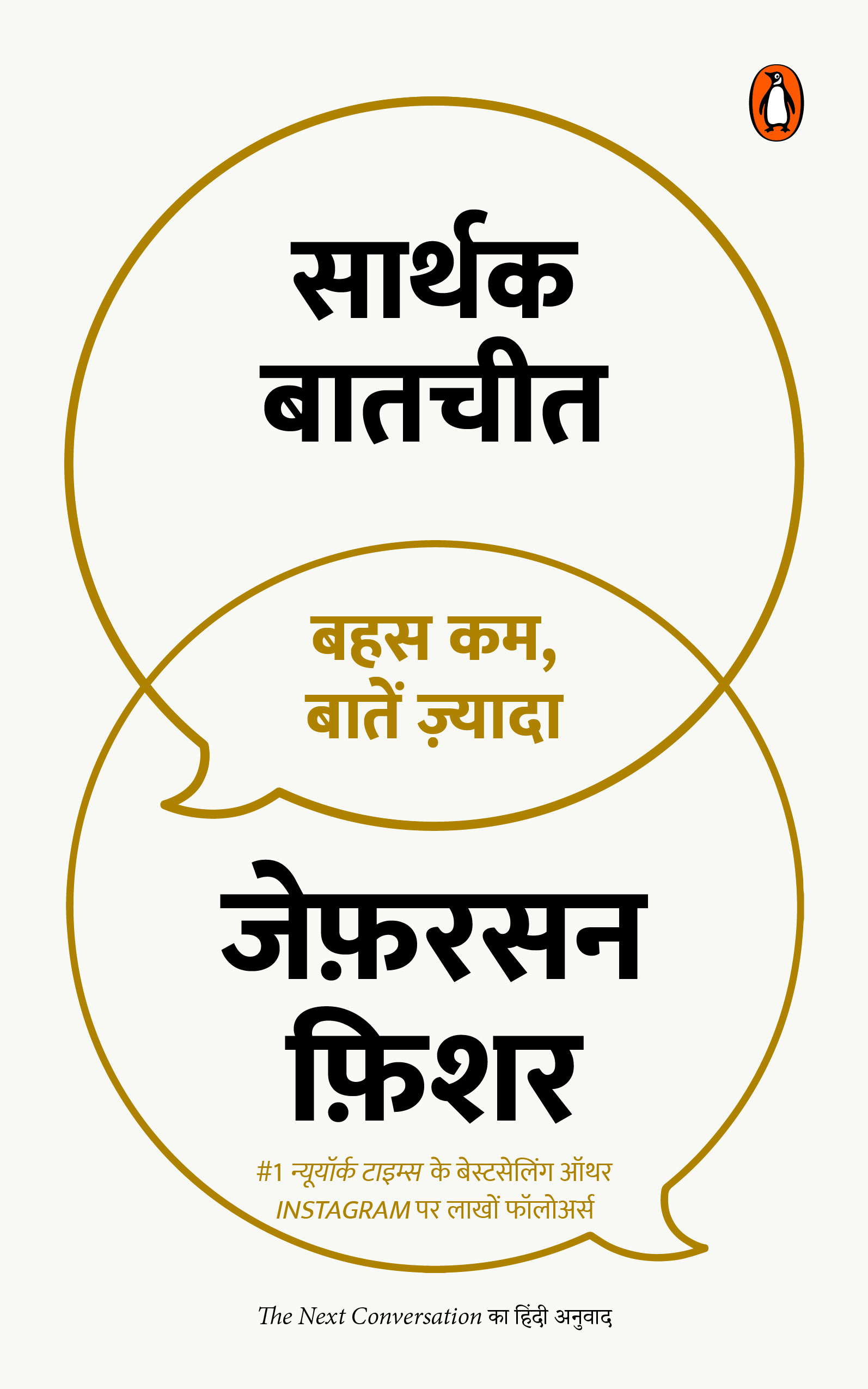
फिशर ने छोटे, सरल, व्यावहारिक वीडियो के जरिये लाखों फालोअर्स बनाए हैं, जो लोगों को कम बहस और ज्यादा बात करने के गुर सिखाते हैं। चाहे यह किसी बेकाबू बातचीत को संभालने का मसला हो, किसी जटिल व्यक्तित्व से निपटना हो, या आत्मविश्वास के साथ अपनी बात पर अड़े रहना, धरातल से जुड़े उनके तरीकों ने अनगिनत लोगों को जीवन की सबसे कठिन परिस्थितियों से निपटने में मदद की है। अब, पहली बार फिशर ने अपनी तीन हिस्सों वाली संचार प्रणाली (इसे नियंत्रण के साथ कहें, इसे आत्मविश्वास के साथ कहें, इसे जुड़ाव के लिए कहें) के अहम पहलुओं को अलग-अलग तरीकों से पेश किया है, जिसे सहज अंदाज में किसी भी तरह के हालात में लागू किया जा सकता है।
Catagory: Non Fiction
non fiction main category
The Step Child
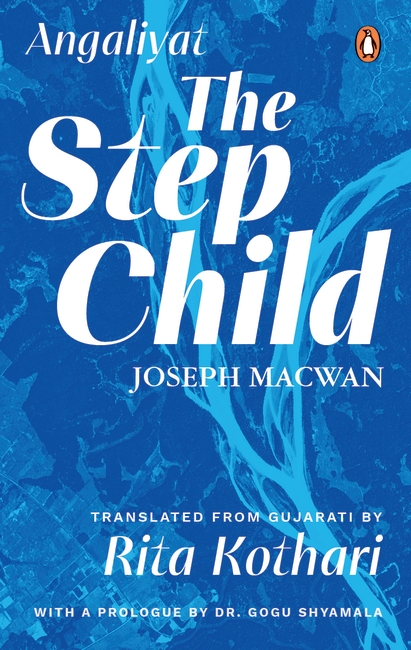
Angaliyat tells the story of oppression and exclusion by transforming the vanquished into the victor, by turning the periphery into the core. The portrayal of Methi and Kanku as ‘pure’ women challenges the age-old perceptions of higher castes which denigrate the practice of remarriage among ‘backward’ communities. The stepchild who follows the mother to a new home holding her finger or angali, remains on the periphery of the stepfather’s family. Significant from several points of view, the novel provides a view of the ‘history from below’. Caught in external and internal forms of colonization, the community of weavers, the Vankars, is subject to oppression from the more powerful upper caste of the Patels.
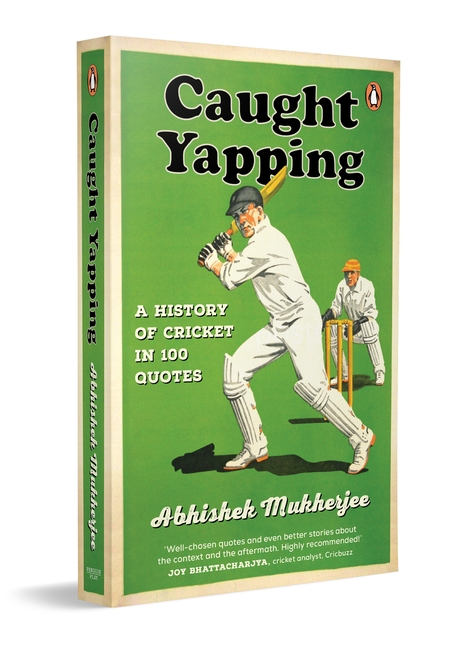
Caught Yapping
‘I do not want to see you, Mr Warner. There are two teams out there; one is trying to play cricket; and the other is not.’
‘There is a little bit of the whore in all of us, gentlemen. What is your price?’
‘Thank you for making my tournament a success.’
‘Girls don’t play cricket.’
Bodyline, World Series Cricket and IPL—all seminal events in the game’s history and succinctly captured in the quotes above by Bill Woodfull, Kerry Packer and Lalit Modi, respectively. And a casual comment made by a policeman to Rachael Heyhoe, which spurred her on to become a cricketer and eventually organize the World Cup, two years before the men’s!
Caught Yapping takes a never-trodden before route to narrate the history of cricket, using the medium of quotes to do the talking.
Why quotes?
Cricket has inspired considerable literature and continues to do so. Then there are words the people of cricket have spoken on the field, in press conferences, in commentary boxes and elsewhere. These are tales that scorecards do not tell, stories of heroes and villains, rises and falls, temptations and resistance, inclusions and exclusions. This book chronicles the history of cricket, and history means little without the people. And what better way to tell the story of the people than in their own words?
Nehru’s India Hindi / Nehru Ka Bharat / नेहरु का भारत
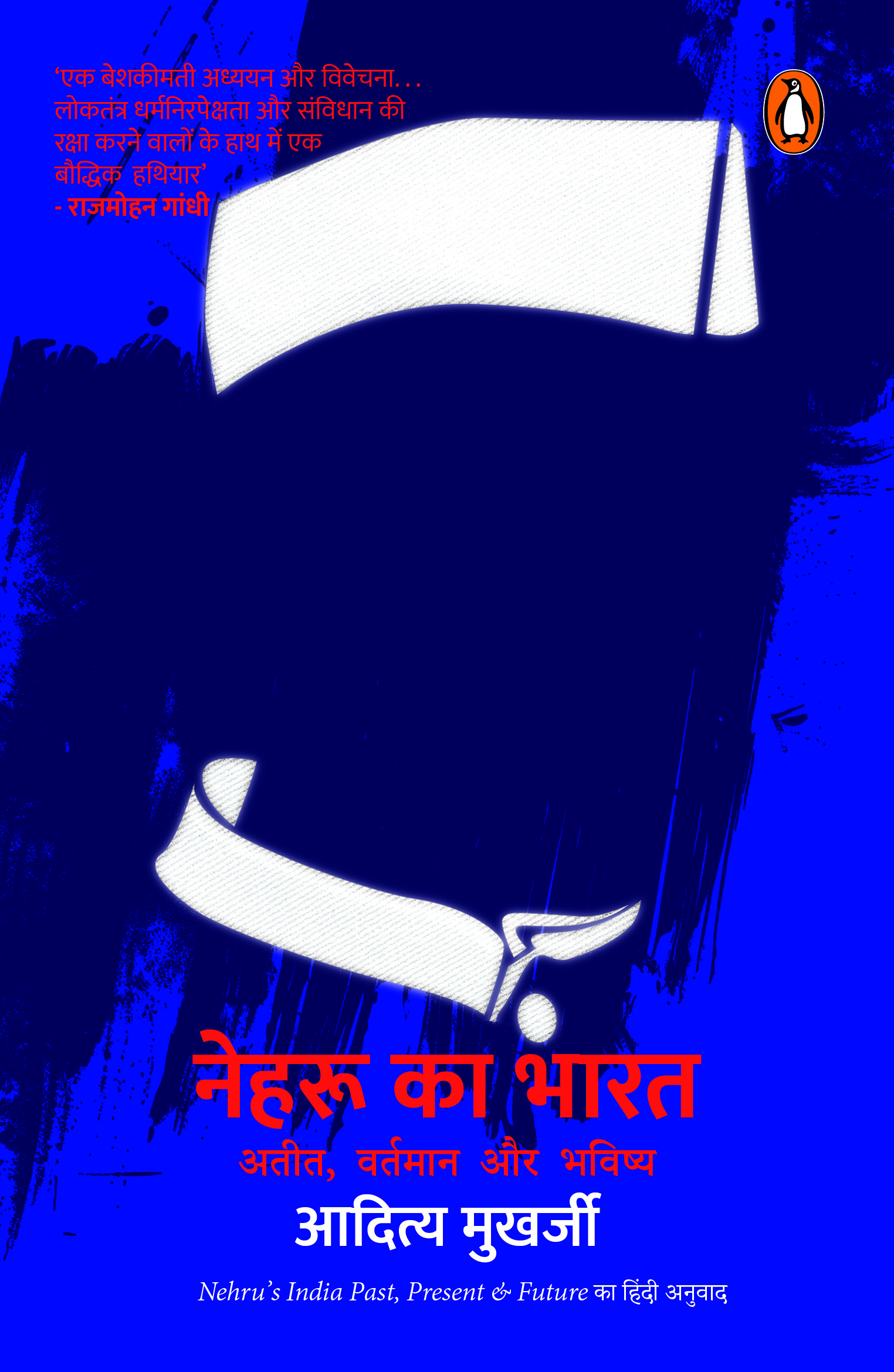
संप्रभुता, लोकतंत्र, धर्मनिरपेक्षता, गरीब समर्थक दृष्टिकोण और आधुनिक वैज्ञानिक दृष्टिकोण – भारतीय स्वतंत्रता आंदोलन के मूल मूल्यों को संक्षेप में ‘भारत का विचार’ कहा गया है। जवाहरलाल नेहरू ने न केवल स्वतंत्रता संग्राम के दौरान इन मूल्यों के लिए लड़ाई लड़ी, बल्कि स्वतंत्रता के बाद नवजात राष्ट्र में उन्हें लागू करने में भी महत्वपूर्ण भूमिका निभाई। उनका जीवन, दर्शन और कार्य भारत के लिए उनके दृष्टिकोण पर प्रकाश डालते हैं : इसका सभ्यतागत अतीत, स्वतंत्रता के बाद के राष्ट्र के लिए रोड मैप और भविष्य की संभावनाएँ। इतिहास और भारत के सांस्कृतिक अतीत के बारे में नेहरू की समझ पर ध्यान केंद्रित करते हुए, पुस्तक सांप्रदायिकता की उनकी गहरी समझ और धर्मनिरपेक्षता के प्रति उनकी प्रतिबद्धता के लिए एक खिड़की खोलती है। लोकतांत्रिक समाज में उनका पूर्ण विश्वास और भारतीय धरती पर इसके पोषण में उनका अमूल्य योगदान, और वैज्ञानिक सोच से ओतप्रोत समाज के साथ-साथ एक स्वतंत्र और समतावादी अर्थव्यवस्था के निर्माण में उनके प्रयास, हमें बीसवीं सदी के महानतम व्यक्तियों में से एक के जीवन और कार्य के बारे में कई अंतर्दृष्टि प्रदान करते हैं। उनके निधन के छह दशक बाद, क्या नेहरू के सिद्धांत, जो भारत के स्वतंत्रता आंदोलन के मूल्यों को दर्शाते हैं, अभी भी प्रासंगिक हैं?
Outlive (Hindi)/आउटलिव
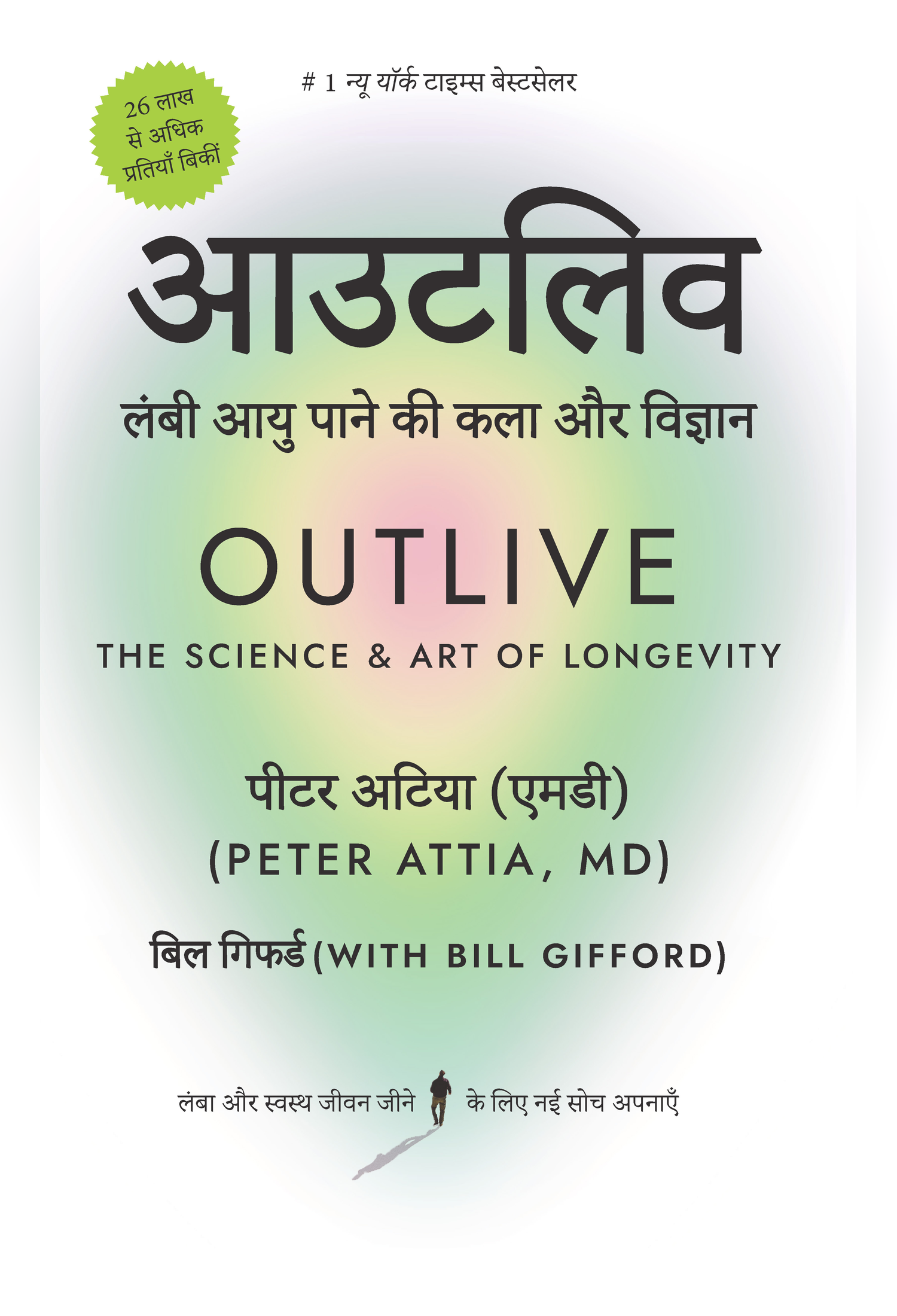
आउटलिव किताब प्रसिद्ध डॉक्टर पीटर अटिया द्वारा लिखी गई है, जो स्वास्थ्य, दीर्घायु (longevity) और जीवनशैली से जुड़ी महत्त्वपूर्ण बातों को सरल भाषा में प्रस्तुत करती है। यह किताब हमें केवल लंबा जीवन जीने की नहीं, बल्कि बेहतर और स्वस्थ जीवन जीने की दिशा में प्रेरित करती है।
डॉ. अटिया आधुनिक विज्ञान और रिसर्च के माध्यम से बताते हैं कि कैसे हम चार मुख्य रोगों — हृदय रोग, कैंसर, टाइप 2 डायबिटीज़ और न्यूरोडिजेनेरेटिव बीमारियों — से बचाव कर सकते हैं। वे पारंपरिक चिकित्सा के नजरिए को चुनौती देते हुए “Medicine 3.0” की बात करते हैं, जो रोकथाम पर ज़ोर देता है, न कि सिर्फ इलाज पर।
आउटलिव न केवल शारीरिक स्वास्थ्य बल्कि मानसिक संतुलन, नींद, पोषण और व्यायाम को भी महत्त्व देती है। यह किताब हर उस व्यक्ति के लिए उपयोगी है जो सच में एक लंबा, स्वस्थ और अर्थपूर्ण जीवन जीना चाहता है।
The Dark Secrets of Johnson & Johnson

One day in 2004, Gardiner Harris, a pharmaceutical reporter for the New York Times, was early for a flight and sat down at an airport bar. He struck up a conversation with the woman on the barstool next to him who happened to be a drug sales rep for Johnson & Johnson. Her horrific story about unethical sales practices and the devastating impact they’d had on her family fundamentally changed the nature of how Harris would cover the company—and the entire pharmaceutical industry—for the Times. His subsequent investigations and ongoing research since that very first conversation led to this book—a blistering exposé of a trusted American institution and the largest healthcare conglomerate in the world.
Harris takes us light years away from J & J’s image as the child-friendly ‘baby company’, uncovering reams of evidence showing decades of dangerous corporate practices that have threatened the lives of millions. He explores multiple disasters: cover-ups regarding the linkage between Johnson’s Baby Powder to cancer, the surprising dangers of Tylenol, a campaign to sell antipsychotics that are alleged to have cost countless lives, a popular drug used to support cancer patients that studies have shown to actually increase the risk of cancerous tumours and questionable marketing that accelerated opioid addictions through a product that rivals even those of the Sacklers and Purdue Pharma.
Filled with shocking and infuriating but utterly necessary revelations, The Dark Secrets of Johnson & Johnson is a landmark work of investigative journalism that lays bare the deep-rooted corruption behind the image of babies bathing with a smile.
The Calm Prescription

In a world that glorifies hustle, The Calm Prescription by Luke Coutinho is your invitation to return to yourself. This isn’t just a book,—it’s the culmination of over 14 years of real-world practice and science, revealing a truth we’ve seen time and again: emotional health and stress are at the very heart of human well-being.
No supplement or superfood can outmatch the healing power of a calm and regulated nervous system. True prevention and longevity begin when you spend less time stuck in fight-or-flight and more time in the parasympathetic state—your body’s natural mode of rest, repair, and recovery.
Inside these pages, you’ll find 75 simple, science-backed practices designed to activate your calm. No jargon, no fancy equipment—just small, powerful shifts you can do anywhere, anytime. Open any page, try one tool, and return to calm. This is your prescription for better health, longevity, and happiness. It is innate, free, and always accessible.
Your calm is calling. Answer it today.
A Multilingual Nation
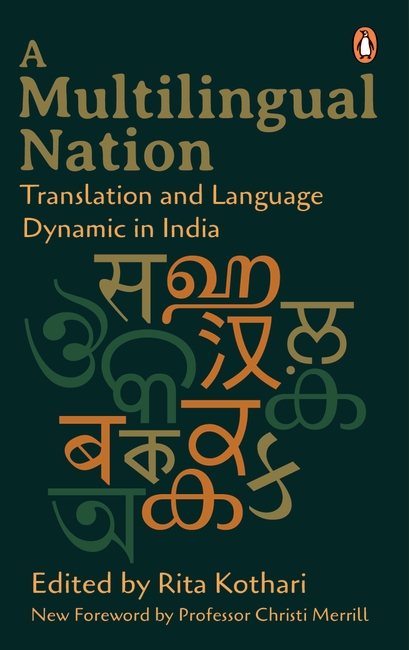
How does India live through the oddity of being both a nation and multilingual? Is multilingualism in India to be understood as a neatly laid set of discrete languages or a criss-crossing of languages that runs through every source language and text? The questions take us to reviewing what is meant by language, multilingualism and translation. Challenging these institutions,
A Multilingual Nation illustrates how the received notions of translation discipline do not apply to India. It provocatively argues that translation is not a ‘solution’ to the allegedly chaotic situation of many languages, rather it is its inherent and inalienable part.
An unusual and unorthodox collection of essays by leading thinkers and writers, new and young researchers, it establishes the all-pervasive nature of translation in every sphere in India and reverses the assumptions of the steady nature of language, its definition and the peculiar fragility that is revealed in the process of translation.
The Nurturing Quotient
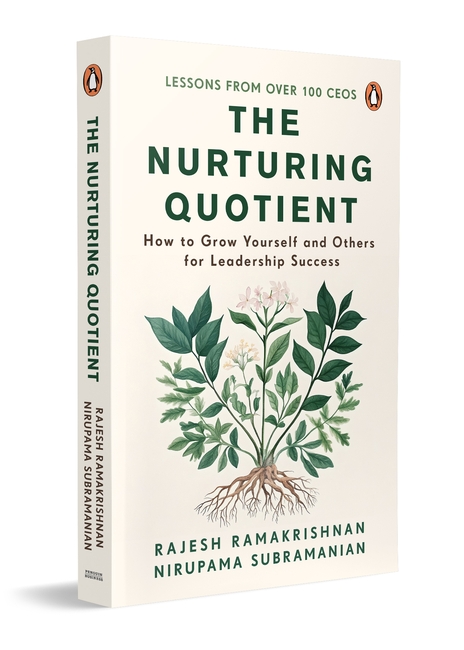
In today’s VUCA (Volatile, Uncertain, Complex, Ambiguous) world, leaders face more challenges than ever before. The old model of ‘Command and Control’ no longer resonates with the new generation of employees. The old archetype of the workaholic CEO is not tenable in a new-age world that celebrates
well-being as much as wealth. Leaders cannot rely only on their IQ and EQ. They also need to enhance their NQ (Nurturing Quotient). Nurturing Leadership, measured through NQ, is the ability to nurture both self and others to create impact at scale. If leaders cannot be nurturers, they risk an early burnout, personal irrelevance, as well as disengaged teams and stagnant organizations.
Drawing from their extensive experience and over 115 in-depth interviews with CEOs across sectors, from start-ups to multinational corporations, the authors—Rajesh Ramakrishnan and Nirupama Subramanian—make a compelling case for Nurturing Leadership. The Nurturing Quotient is packed with actionable insights that translate into everyday leadership habits. This playbook offers tools and techniques to nurture oneself along the four key dimensions—mind, body, heart and soul—and to nurture others through the MILE behaviours: mentoring and coaching, inspiring, listening, and empowering.
The Conscience Network
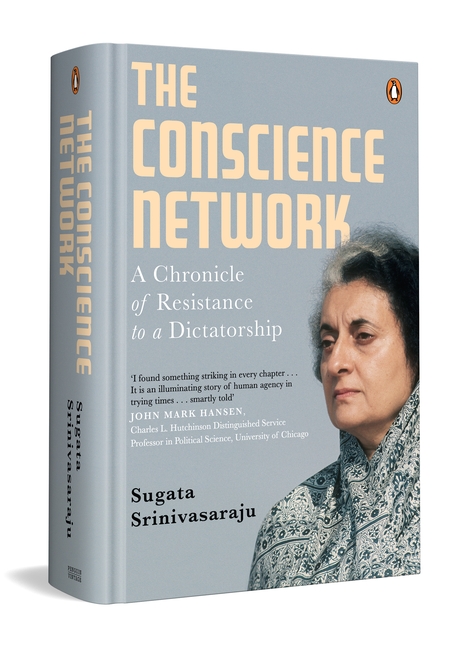
This is a parallel history of resistance to Indira Gandhi’s dictatorial rule between 1975 and 1977, when an internal emergency was proclaimed in India. The events here unfold entirely in the United States of America surrounded by the echoes of emergency action in India. The book has an intimate historiographic style and is narrated through the lives, actions and world views of chosen protagonists, who with perseverance and principle constructed a classic Gandhian movement.
The book not only tracks political developments, ideological debates and sociocultural contexts of the time but also records how American pacifists, Quakers, civil rights activists, academics, authors, senators and Congressmen came together in solidarity to form a network of conscience to save India’s democracy. Amid this, a quiet thread in the book is the story of the Indian diaspora in the US that had just about begun staring at a horizon of influence.
It is widely believed that one of the factors that pushed Indira Gandhi to end the Emergency in 1977 and call for a general election was international pressure. Being Jawaharlal Nehru’s daughter, it is said that she was sensitive to how she was being perceived overseas, and after a point, thought it was counterproductive to play dictator. However, this book does not get into such conjectures or presumptions but endeavours to paint a true and complex picture of the time.
The narrative here is fused with a diligent study of personal papers and archival material in India and overseas that had neither been accessed or assessed till now. This is yet another offering from an author whose books have been applauded for their uncommon insights, intellectual bandwidth and a fine literary style.