



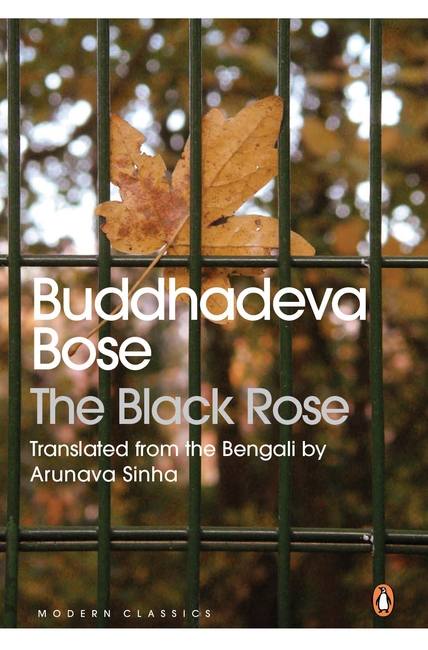
A young student in pre-Independence Dacca, Ranajit Dutta is relatively untouched by the patriotic fervour gripping the rest of the country. He is suffocated by and often critical of, the constricted environment and superstition ridden society he lives in. He seeks an escape through poetry and his search for the embodiment of universal womanhood. But one event shakes up his idealism and fundamentally changes his relationships with the women in his life: his first love Mitu Bardhan; his affectionate but neglected aunt Kajol; his revolutionary friend Bulbul; his naive, adoring wife Nalini. A man’s perennial quest for the unattainable, Black Rose also brings alive the heady idealism and the charged years when India was struggling to be free.
Catagory: Non Fiction
non fiction main category
The Politics of Sorrow: Unity and Allegiance Across Tibetan Exile (Studies of Weatherhead East Asian Institute, Columbia University)
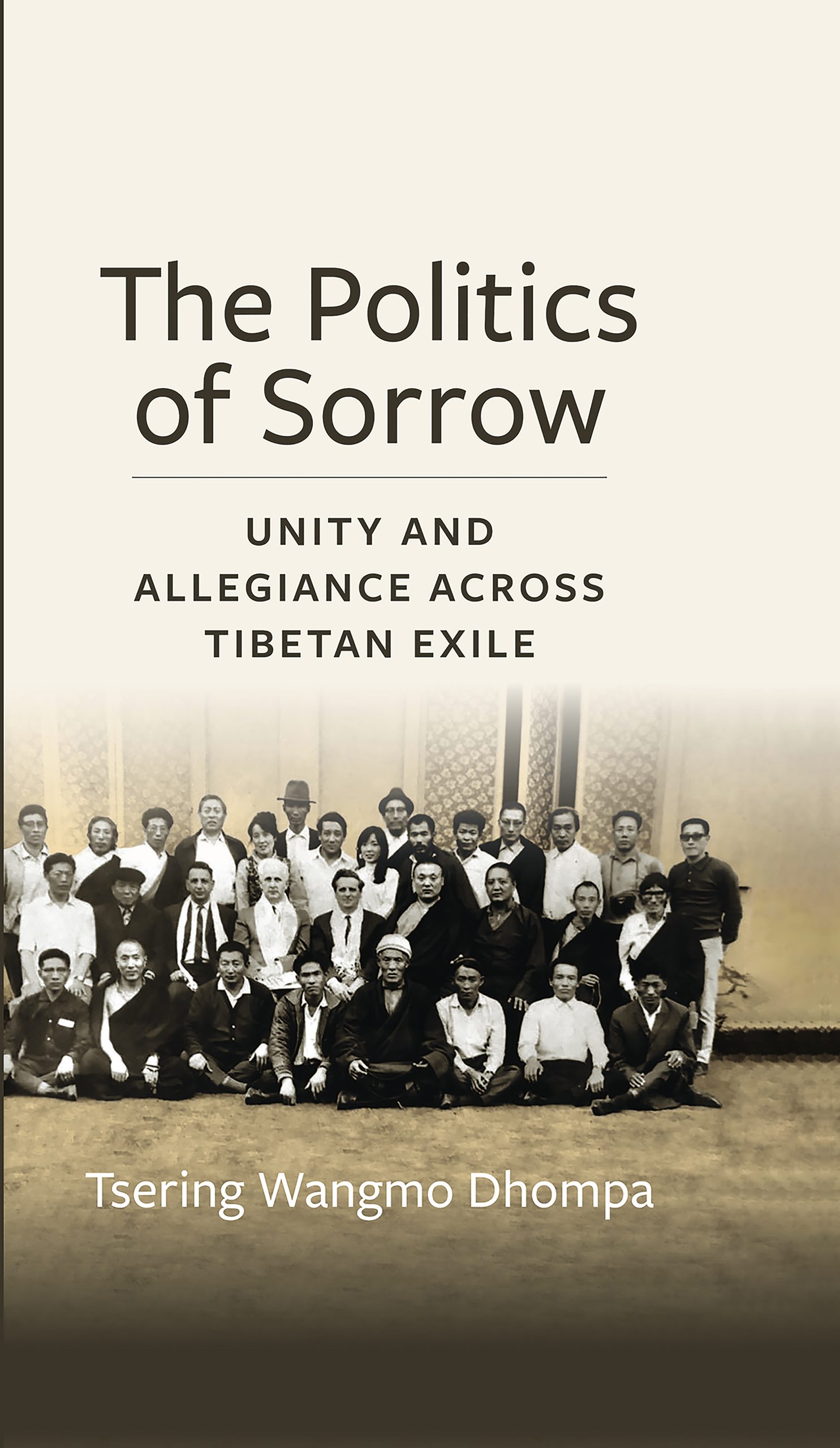
The Dalai Lama escaped from Tibet in 1959 after its occupation by China and established a government in exile in India. There, Tibetan leaders aimed to bring together displaced people from varied religious traditions and local loyalties under the banner of unity. To contest Chinese colonization and stand up for self-determination, Tibetan refugees were asked to shed regional allegiances and embrace a vision of a shared national identity.
The Politics of Sorrow tells the story of the Group of Thirteen, a collective of chieftains and lamas from the regions of Kham and Amdo, who sought to preserve Tibet’s cultural diversity in exile. They established settlements in India in the mid-1960s with the goal of protecting their regional and religious traditions, setting them apart from the majority of Tibetan refugees, who saw a common tradition as the basis for unifying the Tibetan people. Tsering Wangmo Dhompa traces these different visions for Tibetan governance and identity, juxtaposing the Tibetan government in exile’s external struggle for international recognition with its lesser-known internal struggle to command loyalty within the diaspora. She argues that although unity was necessary for democracy and independence, it also drew painful boundaries between those who belonged and those who didn’t. Drawing on insightful interviews with Tibetan elders and an exceptional archive of Tibetan exile texts, The Politics of Sorrow is a compelling narrative of a tumultuous time that reveals the complexities of Tibetan identities then and now.
A Glimpse of My Life
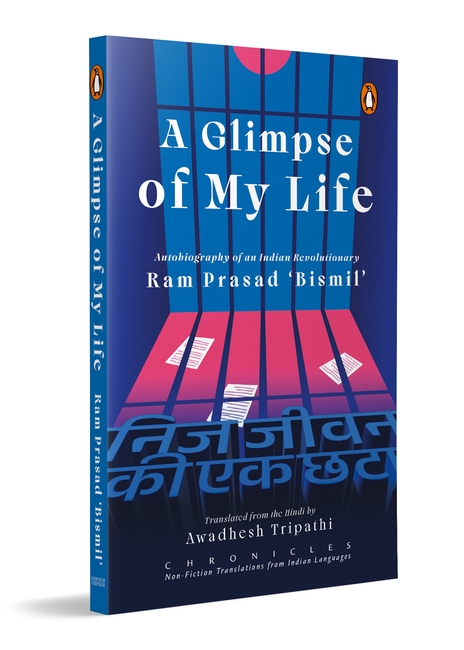
Ram Prasad ‘Bismil’ (1897-1927) remains among the best-known revolutionaries of India’s struggle for freedom. In this autobiography, Bismil reflects on his life, as well as on the people and ideas that inspired him, and on the revolutionary movement he built. He remembers his childhood, the hardships his parents faced, the role his mother and guru played in shaping him, his involvement in the Kakori train robbery, his experiences in prison, and his comrades fighting alongside him for freedom from British rule.
Bismil not only offers glimpses of his eventful life but also lays out his ideas on gender, caste, class, communalism, justice, nation-building and the attractions and pitfalls of revolutionary activity. The readers of his autobiography will find many of these ideas to be of great relevance in present-day India.
Originally titled Nij Jiwan Ki Chhata, this book was written in secret during Bismil’s imprisonment, while he was on death row. It is a passionately narrated account of the life of a young and daring freedom fighter who lived and died with the single aim of freeing India from foreign rule.
White Nights
“I don’t know how to be silent when my heart is speaking.”
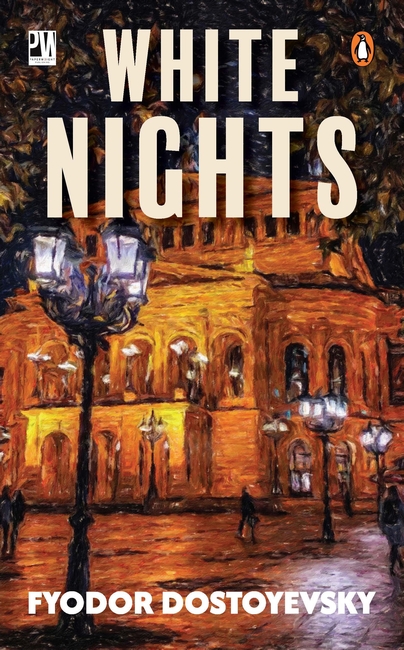
Set in the enchanting streets of St. Petersburg, this is a story of a young man who is a dreamer, and wanders on the city’s deserted lanes during long summer nights.
On a foggy night, under the hazy streetlights, a young man met Nastenka, who captured his heart with her beauty and innocence. They spent four consecutive nights together, as he becomes increasingly besotted with Nastenka, sharing his innermost thoughts and feelings.
Just as he was beginning to feel safe in their oasis, he discovers that Nastenka is in love with another man; a prince who has promised to return to her after a long absence. Yet, he is certain that even Nastenka is drawn to him, each grappling with their own sense of longing and desire for connection.
Through this vivid narrative of the intoxicating power of hope, the young man’s monologues reveal his absolute yearning for love, while Nastenka’s vulnerability and romantic idealism add layers of emotion to the story.
Through these fragile yet sublime characters we witness the beauty and pain of unrequited love.
The Spiritual Poems of Rumi
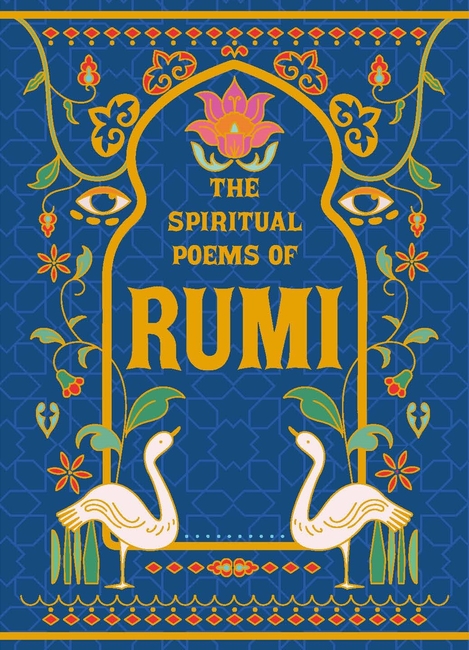
The Spiritual Poems of Rumi: A Special Collection of Spiritual Poems
Discover the wisdom of Jalaluddin Muhammad Balkhi Rumi, the revered Persian mystic and Sufi master, in this beautifully illustrated edition. For over eight centuries, Rumi’s timeless poetry has captivated readers from all walks of life, offering profound insights into love, friendship, and spirituality.
This carefully curated collection features –
- Brilliant translations that bring Rumi’s universal themes to life, inviting readers to embark on a spiritual journey toward self-discovery and a deeper connection to the world around them.
- With verses that transcend time and culture, Rumi’s words resonate with anyone seeking a greater understanding of the self and our collective oneness.
- In this exquisite edition, adorned with intricate, richly colored designs, reflecting the beauty and depth of Rumi’s words, this book is more than just a collection of poems—it is a cherished tool for self-reflection and spiritual growth.
- Whether you are new to Rumi’s work or a lifelong admirer, this series will serve as a meaningful companion on your journey of inner awakening.
Mother Mary Comes to Me
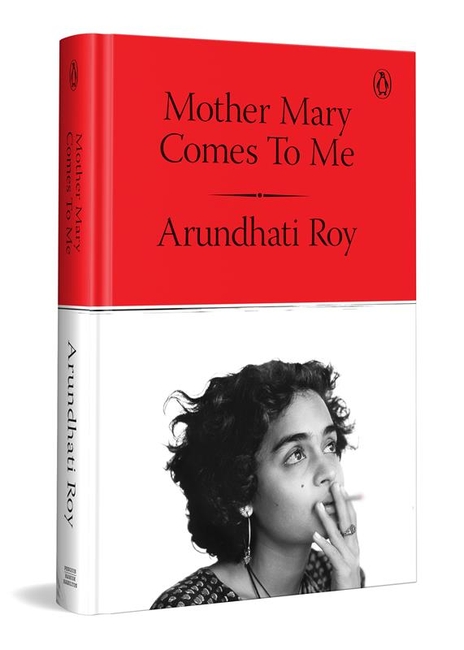
Arundhati Roy’s first work of memoir, this is a soaring account, both intimate and inspiring, of how the author became the person and the writer she is, shaped by circumstance, but above all by her complex relationship to the extraordinary, singular mother she describes as ‘my shelter and my storm’.
Born out of the onrush of memories and feelings provoked by her mother Mary’s death, this is the astonishing, often disturbing and surprisingly funny memoir of the Arundhati Roy’s life, from childhood to the present, from Kerala to Delhi.
With the scale, sweep and depth of her novels, The God of Small Things and The Ministry of Utmost Happiness, and the passion, political clarity and warmth of her essays, this book is an ode to freedom, a tribute to thorny love and savage grace – a memoir like no other.
Any depiction of smoking in this book is for representational purposes only. Penguin Random House India does not promote or endorse tobacco use
OTP Please
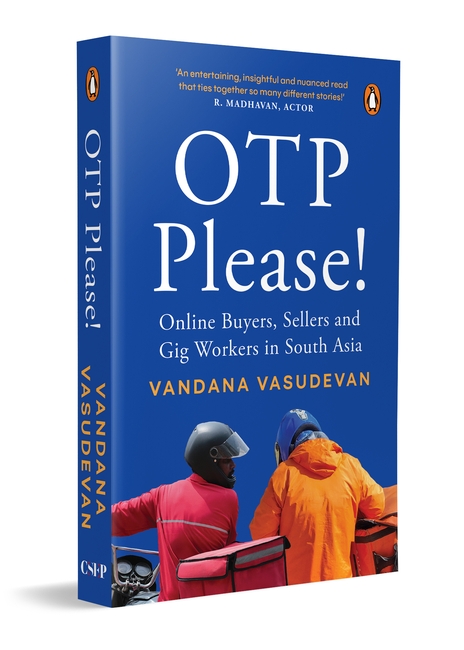
A great shift is underway in how we buy, eat, move, work and sell owing to technological intervention. Tech platforms—whether a Swiggy, Amazon or Uber in India, a Foodpanda in Pakistan or a Pathao in Bangladesh or Nepal—have eased the pressures of modern life. They have freed up our time, provided jobs to grateful millions and delivered guilty pleasures and last-minute necessities to online buyers.
But behind the dazzle of the digital, much is opaque. Gig workers live a precarious life while internet retailers cope with the oppressive rules of global behemoths. Consumers wonder if there are are consequences to instant gratification and the extreme ease of living.
OTP Please delves into the wondrous new world of electronic commerce by connecting diverse stories and perspectives gathered across South Asia, from Peshawar to Patna and Colombo to Kathmandu. It explores the emotional dynamics between the different actors on this stage, the workings of tech companies and the implications for policy. Deeply researched and breezily narrated, it is essential reading to understand this extraordinary digital age that we inhabit.
****
PRAISE FOR OTP PLEASE
An entertaining, insightful and nuanced read that ties together so many different stories! — R. MADHAVAN
Compels us to pause and ask essential questions about our own choices – THE HINDU
The author delivers a deeply empathetic, multidimensional view of the shifting landscape by arranging the anecdotes around nine emotions- a new age navarasa of an OTP driven generation – FINANCIAL EXPRESS
The author brings in engaging stories from Pakistan, Bangladesh, Sri Lanka and Nepal to give us a glimpse of hose our neighbours use app based services – BUSINESS STANDARD
Vasudevan ensures that her tone is neutral and while laying out all the facts she leaves it to the reader to cast judgement – OPEN MAGAZINE
Informative yet intimate, anecdotal yet balanced, Vasudevan’s reportage illuminates the digital age we inhabit – DECCAN HERALD
Rigorously reported, empathetically told and disturbingly familiar, this book will make you pause before your next ‘Order Now’ – FRONTLINE MAGAZINE
Vandana is a gifted thinker and writer. She feels deeply, puts a human face on every issue and amazes me with how much work she has put into the book – SUBROTO BAGCHI
A fascinating book that reflects the pervasive influence of technology on our attitudes and behaviours… compelling us to think about how we consume, how sustainable the business models that encourage higher levels of convenience are and what needs to be addressed — VINITA BALI
Stumped
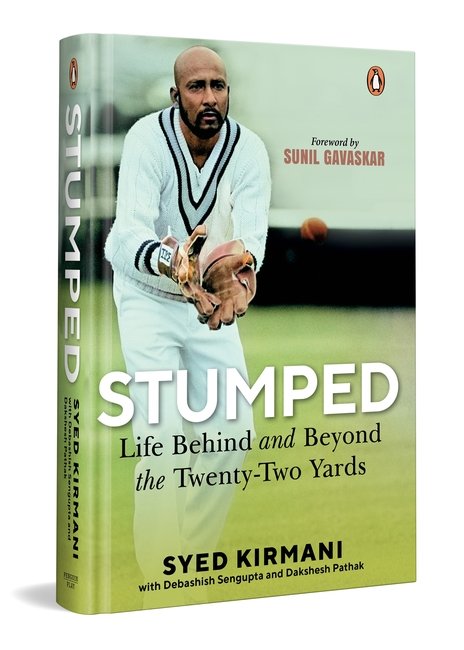
Fourth in the world to have six victims in an innings on debut; claimed five victims in a world-cup match; was adjudged as the world’s best wicket-keeper in the 1983 Prudential World Cup—this is Syed Kirmani for you. Very few people from the current generation know that Kirmani holds three world records.
A legend, Kirmani is one of the exceptional wicketkeepers to have ever graced the game of cricket. This book is not only about his life as a cricketer and as a person but also about an epic period of Indian cricket, the period in which India won the 1983 world cup, the Asia Cup and the World Championship of Cricket. A role model to budding cricketers, Kirmani through this autobiography, for the first time, opens his heart out candidly discussing the highest and lowest points of his career—from being one of the best in business to unceremoniously exiting the game.
The Stars Light the Way
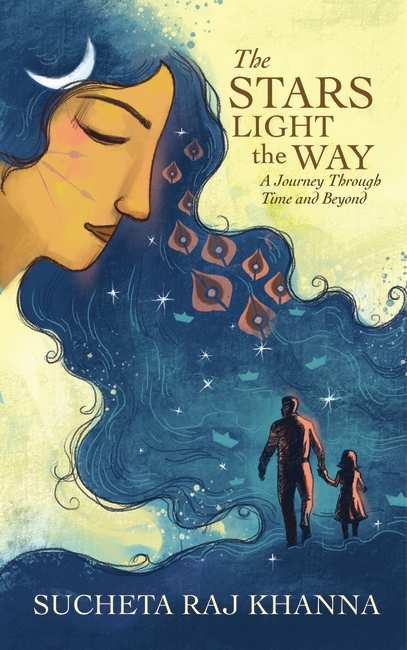
Shazma’s world turns upside down when she’s offered a prestigious role in the Indian Parliament, but the weight of the decision threatens to unravel the life she’s built with her husband, Nikhil, in Singapore. As she faces this life-altering choice, mysterious signs from her late father, SR, pull her back to her childhood, revealing truths along the way. These intertwined paths of reflection and growth draw them closer—with Shazma reconnecting with her authentic self, and SR advancing in his spiritual journey. With her father’s wisdom from the beyond, Shazma must confront her deepest fears and desires to ultimately decide which path will lead her to the life she’s meant to live.
Apostles of Development
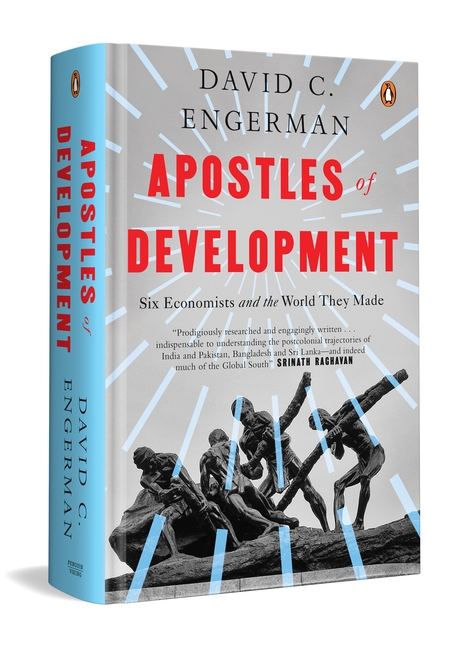
The battle against global poverty that began after World War II was a major undertaking engaging economists, engineers, and organizations. Featuring front and centre were six remarkable economists: Amartya Sen, Manmohan Singh, Mahbub ul Haq, Jagdish Bhagwati, Rehman Sobhan, and Lal Jayawardena, all born as colonial subjects in the British Empire and studied at Cambridge University. They represented a new figure on the world scene — the Third World development expert — and played a crucial role in global debates about poverty and development.
Apostles of Development examines their different economic doctrines and the ongoing debate surrounding economic theory in poor countries compared to rich ones. The lives of these apostles reveal how development did not begin with textbooks but with real-world attempts to solve very specific and pressing problems. Finally, the book emphasizes that development was a Global South project first and foremost, aiming to improve the conditions of the world’s poorest countries.
It challenges the conventional wisdom that sees development only as a tool of rich countries to dominate, or as proof of their humanitarian spirit. It argues that development succeeds not when it follows ideological prescriptions, but when it looks for what works. The fading of grand visions shaped by ideological concerns has been one of the lasting effects of the end of the Cold War. The book argues that the best way forward is determined modesty, focusing on practical matters, such as addressing gross inequality and insisting that development means more than just economic growth. Given the salience of questions of economic inequality and the constant visibility of the promises and problems of economic development in the world today, this is a timely and important read.