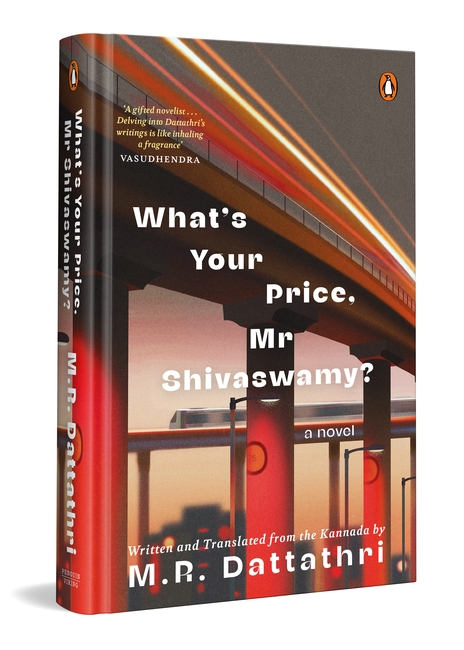
Having worked all his life, Shivaswamy eagerly awaits the serenity of retirement. But his plans are suddenly upturned when his attempts to buy a house are scuppered by unscrupulous builders. Suddenly, he realizes that he might have to join the workforce again. What follows is a tale of gentle satire that is also an intense human drama. Shivaswamy faces the toughest choice, one that threatens the values that have sustained him throughout his life.
Set in contemporary Bengaluru, What’s Your Price, Mr Shivaswamy? is an elegantly crafted and deeply engaging story about a man torn between material necessities and spiritual aspirations. How much would you sacrifice for some peace of mind?
Translated into English by the author himself, this novel was originally published in Kannada as Ondondu Talegu Ondondu Bele .

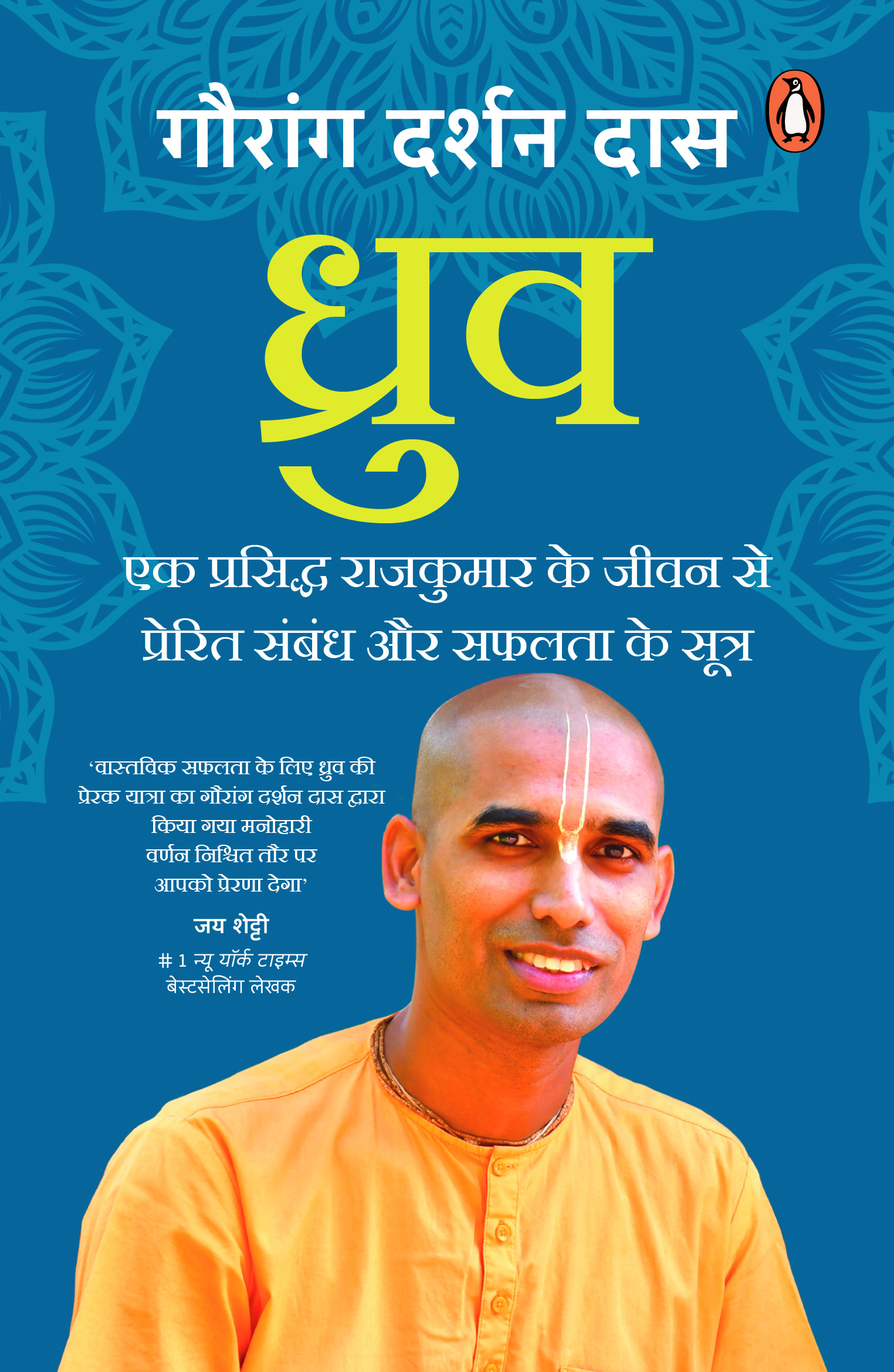
भक्त ध्रुव ने महज पाँच वर्ष की आयु में ही कठोर तपस्या करके भगवान विष्णु को प्रसन्न किया। अपने पिता और सौतेली माँ के उपेक्षित व्यवहार ने ध्रुव को इस कठीन मार्ग पर चलने के लिए प्रेरित किया। यह पुस्तक आम आदमी के जीवन को सरल बनाने और एक सच्चा भक्त बनने के लिए प्रेरित करती है।
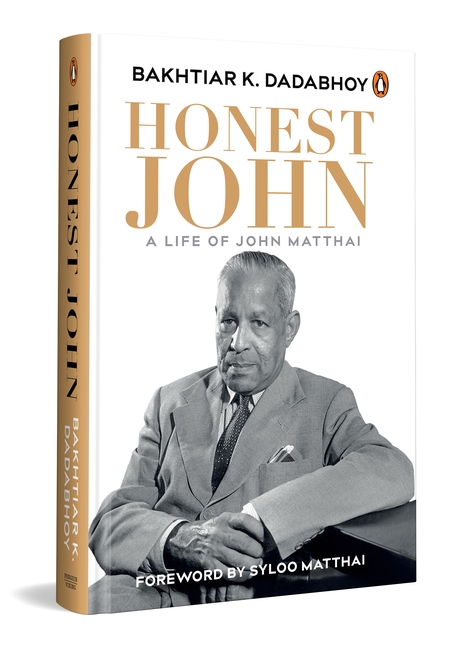
John Matthai was independent India’s first railways and transport minister. Later, he was India’s second finance minister but resigned due to his differences with Pandit Nehru over the Planning Commission. Matthai served in important position in the Tatas and was a friend and confidant of J.R.D. Tata. He was chairman of the Taxation Enquiry Commission (1953), which provided a framework for the future tax policies of the government. Matthai was the first chairman of the State Bank of India of the court of governors of the Administrative Staff College of India, Hyderabad, and of the National Book Trust. He was also the founder-president of the National Council of Applied Economic Research, New Delhi.
Drawing from numerous primary and secondary sources this comprehensive biography introduces Matthai to a new generation, even as it rekindles the memory of a man who has become the victim of collective amnesia. Meticulously researched and engagingly written, it also provides a window to that period in history: Matthai’s life and work provide a picture of those tumultuous times as well as describe the thinking that went into the making of modern India. This biography fills an important gap by throwing light on one of the more substantial, but now forgotten men, in the public life of those times.

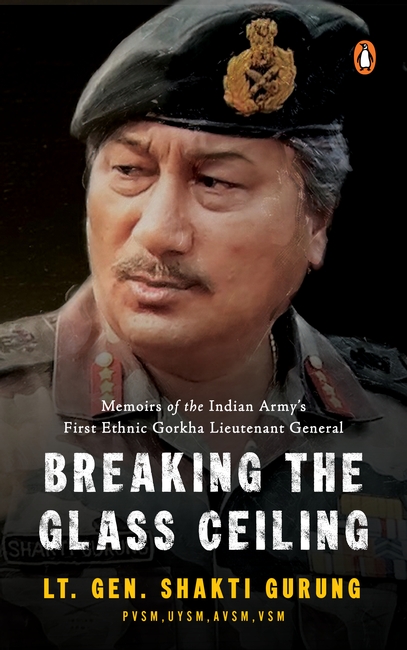
Breaking the Glass Ceiling is the story of the first ethnic Gorkha officer’s rise to the highest echelons of command in the Indian Army. Commissioned into the Grenadiers in the Indian Army where Gorkhas usually do not serve, he rose to become a colonel to then command a frontline corps along the Line of Actual Control and finally retired as the military secretary.
Full of anecdotes and vignettes, the book is the story of his lived life and world view. It talks about who the Gorkhas are, their customs and traditions, how they came ‘along with the land’ to become a part of India. It delves into the crisis of identity of the Indian Gorkha community, their numerous sacrifices and their quest for a homeland. It also takes an unbiased look at India–Nepal issues.
Having served extensively in counter-insurgency and counterterrorism operations in J&K and India’s Northeast as well as in lesser-known Myanmar as the defence attaché, Lt General Shakti Gurung covers in this book a wide landscape of issues of the region not tread upon earlier by anyone.
From a community known for its valour, this book walks the path of him having served thrice in the MS Branch, the challenges he faced and how he overcame them, swimming against the tide and revelling in the competition.
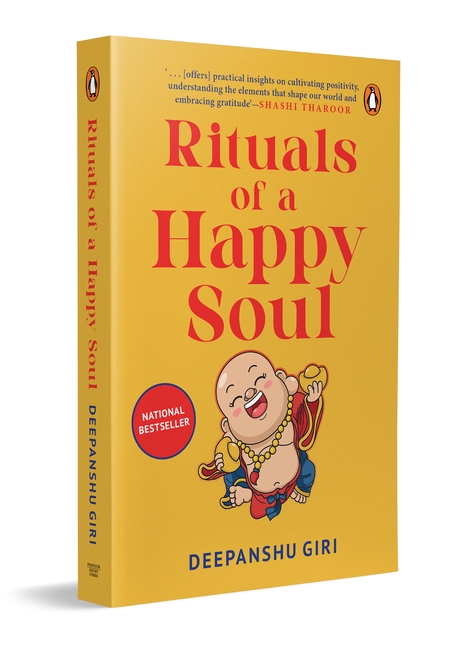
Transform Your Life with Powerful Rituals and Practices
Are you ready to tap into the universe’s energy and manifest your dreams? The beliefs and rituals shared in this book are designed to unlock your personal growth by dispelling limiting beliefs that have been programmed into your mind, preventing you from realizing your true potential.
This book is a must-read for anyone looking to elevate their journey, understand the power of the universe, and create a life filled with purpose and positivity.
What You Will Discover Inside:
- Manifestation Tools: Learn proven techniques to manifest your deepest desires with the power of intention.
- Daily Rituals: Simple, actionable rituals to integrate manifestation into your everyday routine for a happier, more fulfilling life.
- Personal Growth: Boost your self-awareness, unlock your potential, and discover tools for constant personal development.
Why You Need This Book:
- Ideal for fans of manifestation, astrology, and personal development.
- A practical guide with clear, easy-to-follow steps for immediate results.
- Transform your mind, body, and spirit with the guidance of renowned astrology expert Deepanshu Giri.
Whether you’re new to manifestation or a seasoned practitioner, Rituals of a Happy Soul will empower you to connect with the universe, overcome obstacles, and manifest your best life.
Start your journey toward a happier, more fulfilled life today!
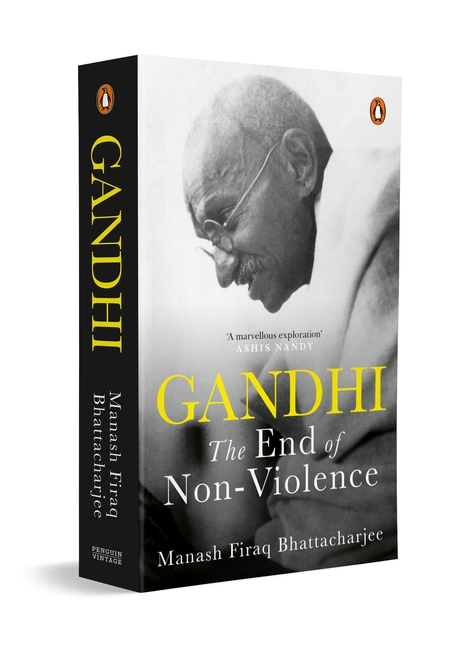
Gandhi was 20th century’s most acclaimed political thinker-practioner of nonviolence. His method of nonviolence, however, was under trial during the ferocity of Partition. Why was it so? Gandhi: The End of Nonviolence explores this crisis in depth.
Putting Gandhi center stage in significant political events ranging from the Khilafat Movement (1919-1922) to Partition (1946-1947), Manash Firaq Bhattacharjee critically engages with some of the key figures who had a stake on the Hindu-Muslim question: Maulana Mohamad Ali, Muhammad Iqbal, the Arya Samajists, B.R. Ambedkar, Swami Vivekananda, Sri Aurobindo and Vinayak Damodar Savarkar.
The tragic repercussions of Jinnah’s declaration of ‘Direct Action Day’ on 16th August 1946 leads Manash to ask probing questions on the persistent malady in our political history: How does communal politics descend into genocide? What is the psychology of communal violence? Attentively reading the exceptional witness accounts of Pyarelal, Nirmal Kumar Bose and Manu Gandhi, Manash throws light on the many shades of Gandhi’s epic peace mission as he walks (often barefoot) through the devastated neighbourhoods of Noakhali, Bihar, Calcutta and Delhi, offering courage and healing wounds.
Combining poetic flair, diligent research and argumentative rigour, this one-of-a-kind book reminds us why Gandhi is part of our ethical conscience and transforms our understanding of the human condition.

“I’ve found that there is always some beauty left?in nature, sunshine, freedom, in yourself; these can all help you.”
Anne begins her diary entries at the age of thirteen in June 1942, recording all her experiences until August 1944. All people have the right to freedom, but Anne wasn’t sure that idea included her. During WWII, Anne and her family were forced to go into hiding like many other Jews.
Vivid snippets of two years of living in an annexe, without seeing the sun, are journalled by Anne. From their bones dwindling to her emotional growth all is reflected in her writings. She writes of her passion for literature and art, her desire to travel, the struggles of family ties in hiding: showing her incredible emotional resilience.
How does she keep her spirits alive through imagination, hold onto the hopes of free life, when they weren’t allowed to bring attention to themselves?

“Nothing in the world is harder than speaking the truth and nothing easier than flattery.”
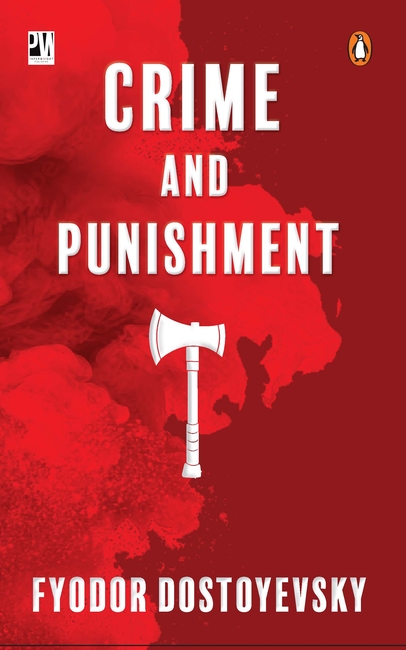
What happens when paramount self-belief leads to self-destruction. Raskolnikov’s is a student who believes he has the responsibility of using evil means to bring good to people; thereby committing murders.
As Raskolnikov is chased by a relentless investigator, his conscience starts to haunt him, tightening the grip of guilt. Amidst this turmoil, only Sonya, a marginalized sex worker, holds the key to his salvation.
Ultimately, Raskolnikov’s path leads him to a profound reckoning. Through suffering and self-realization, Raskolnikov discovers the true nature of happiness and the power of accepting and reciprocating love.
Crime and Punishment stands as a testament to Dostoevsky’s unparalleled ability to explore the depths of the human psyche, the complexities of truth, guilt, and the search for redemption.

Dandi, 1930
All the world’s eyes are on this tiny village by the Arabian Sea, where Mahatma Gandhi will soon break the Salt Law to defy British rule.
Dinu would rather be home in Surat, reading his beloved Sherlock Holmes books. Instead, he finds himself wading through mud, battling angry goats and eating burnt food as the youngest of the student volunteers helping prepare Dandi for Bapu’s arrival.
When a man is found dead and rumours of an angry demon grip the village, Dinu finds himself drawn into the mystery, even as he grapples with dilemmas of his own. But as Dinu and his friends race against time to find the killer, the demon strikes again . . .
The Songs of Freedom series explores the lives of children across India during the struggle for independence.
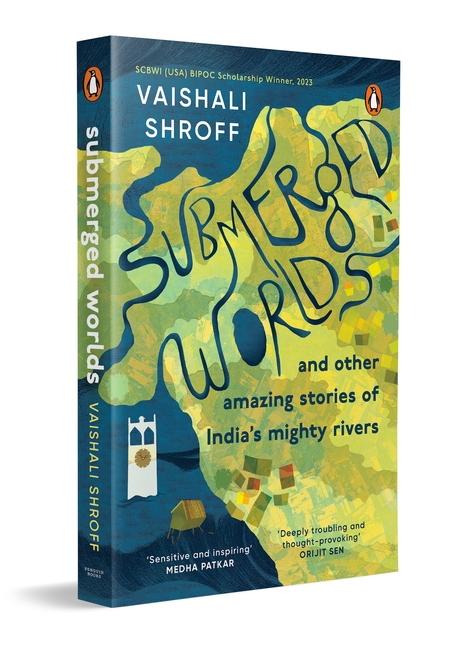
The job of any river is to flow and as it flows, it nurtures everything around it, everything within it. But when human interference affects this natural flow, it brings floods and droughts, displacement and suffering in its wake.
From melting glaciers to urban flooding, sand mining to dammed rivers, river rights to river interlinking projects, dead rivers to river revival, this book is an attempt to understand India’s rivers through their stories and the narratives of those whose lives are interlaced with the life of rivers.
Deeply steeped in the historical, spiritual, cultural, political, ecological, and economic fabric of our society, these stories are highly relevant in today’s world where the climate crisis is a water crisis. Compelling readers to listen to the river’s gentle yet urgent voice, it’s a must read for all non-fiction lovers and students keen on understanding life in the subcontinent we call home.