Today, mobile connections are so readily accessible that it is perhaps easy to forget the time when only the elite had access to a phone provided by the sole operator: the Government of India. It all changed in the early 1990s as liberalisation stirred the Indian economy out of its decades of complacency.
The Telecom Wars begins its narration from those times, traversing the uncertain early years of the mobile phone industry. It is a vivid portrait of the fierce competition as Tata, Birla, Reliance, and Bharti bid to capture the lion’s share of India’s billion voices. As they did, India’s institutions to regulate and manage the sector also evolved—the ministry separated from the Telecom Regulatory Authority of India (TRAI), the Telecom Disputes Settlement and Appellate Tribunal (TDSAT), and state-run operators MTNL and BSNL also joined the fray. Policy makers, entrepreneurs, and bureaucrats worked tirelessly to change India’s cellular topography.
Fast-paced and expertly written, veteran financial journalist Deepali Gupta’s account is both a comprehensive history and a work of great business insight.

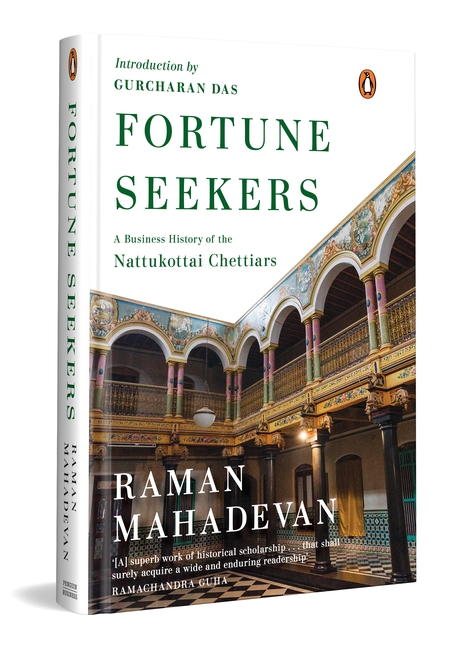
Nattukotai Chettiars were the most prominent business community from Tamil region and this book captures their spirit of enterprise that led many of them to seek their fortunes overseas. It’s a story that connects South India, Burma, and South-East Asia across the Bay of Bengal and equally one that spans the British imperial era and that of the modern nation state.
For students of history, business, and for modern entrepreneurs, the book has valuable lessons on the importance of diversifying into promising investment opportunities and gauging the economic winds of change.
This book explores ten traditions of folk music that have long preserved some of the many voices and diverse cultures across India. From the evocative ballads of Kashmir to the soulful rhythms of Bengal, each tradition is shaped by the region where it originated and the challenges and joys of the singers. These traditions are:
The Bidesia of Bihar
The Gathas and Kathas of Rajasthan
The Ladishah Ballads of Kashmir
The Nizami Qawwali of Dilli
The Pandavani of Chhattisgarh
The Kabir Vaani of Kutch
The Janapadas of Karnataka
The Lavani of Maharashtra
The Li of the Chakhesang Nagas
The Bhatiyali of Bengal Mamta Nainy explores the origins of these musical forms, and their evolution in the face of modernity, highlighting their power as a means of collective expression.

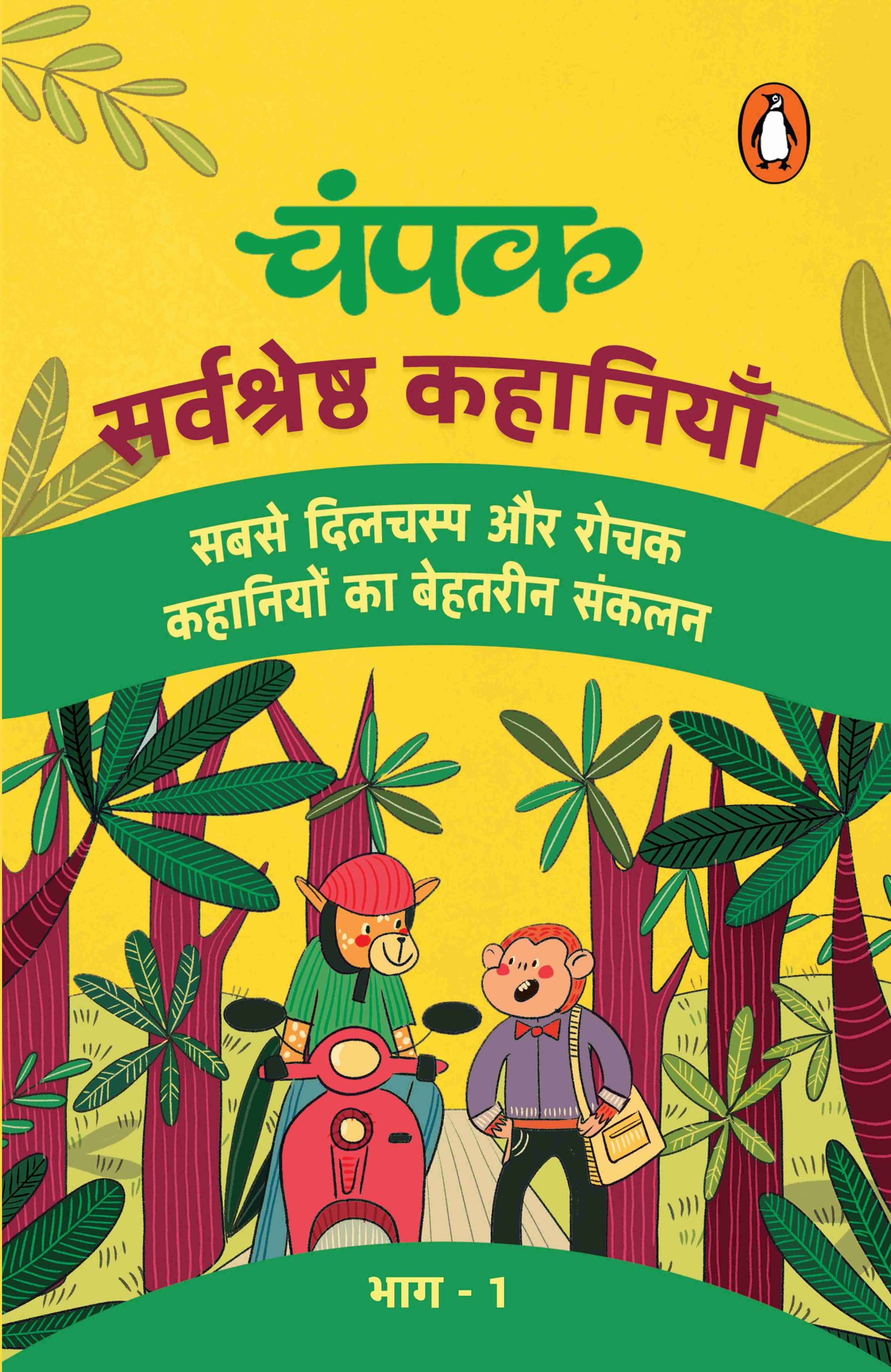
बच्चों की सबसे प्रिय पत्रिकाओं में से एक है, जो मनोरंजन और शिक्षा का अनोखा संगम प्रस्तुत करती है। इसमें जानवरों पर आधारित रोचक कहानियाँ, मजेदार गतिविधियाँ और ज्ञानवर्धक लेख शामिल होते हैं। चंपक बच्चों की रचनात्मकता को बढ़ावा देता है और उनकी सोचने-समझने की क्षमता को विकसित करता है। यह पत्रिका हर आयु के बच्चों के लिए आदर्श है, जो उन्हें आनंद और शिक्षा दोनों प्रदान करती है।

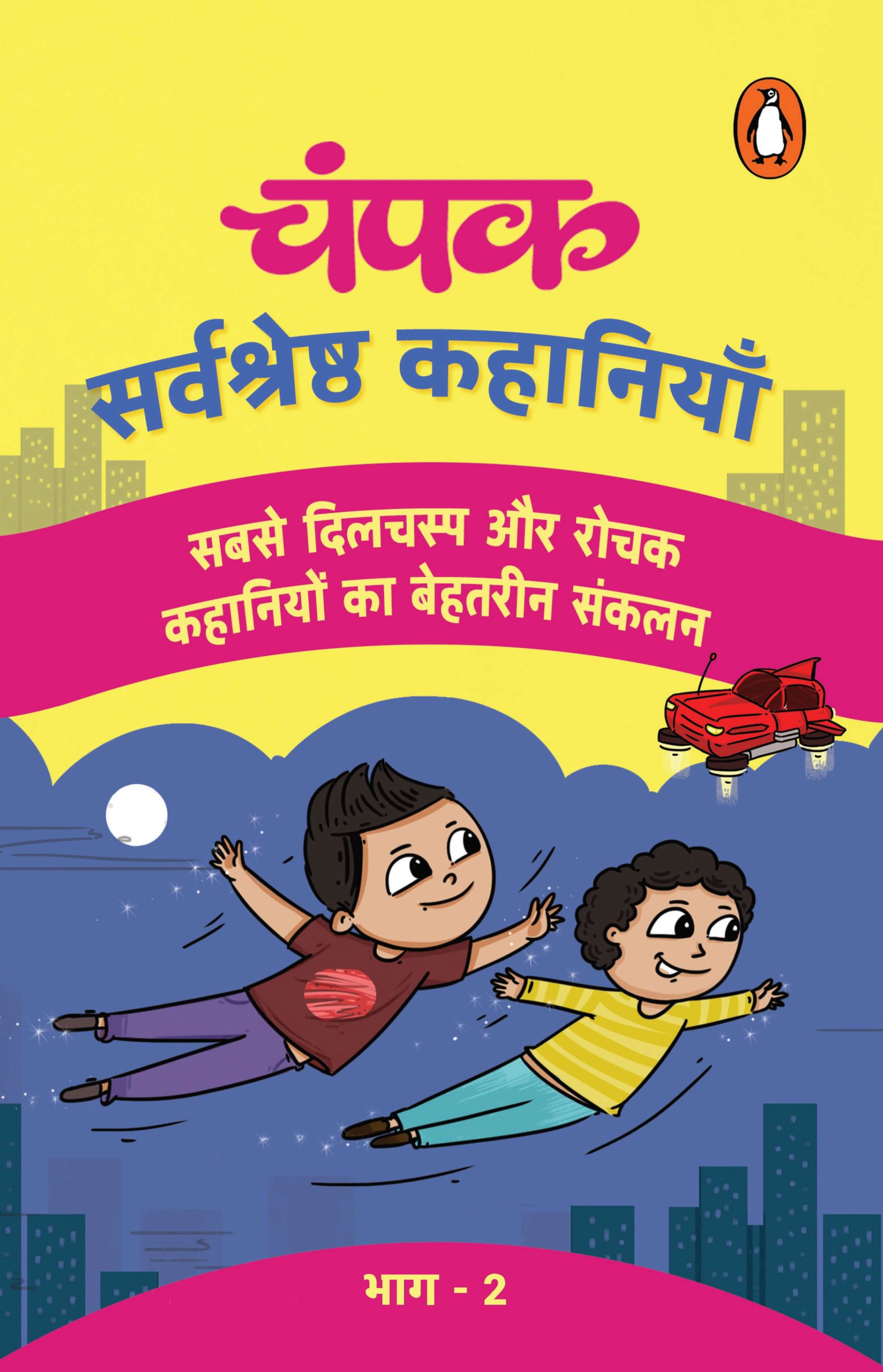
बच्चों की सबसे प्रिय पत्रिकाओं में से एक है, जो मनोरंजन और शिक्षा का अनोखा संगम प्रस्तुत करती है। इसमें जानवरों पर आधारित रोचक कहानियाँ, मजेदार गतिविधियाँ और ज्ञानवर्धक लेख शामिल होते हैं। चंपक बच्चों की रचनात्मकता को बढ़ावा देता है और उनकी सोचने-समझने की क्षमता को विकसित करता है। यह पत्रिका हर आयु के बच्चों के लिए आदर्श है, जो उन्हें आनंद और शिक्षा दोनों प्रदान करती है।
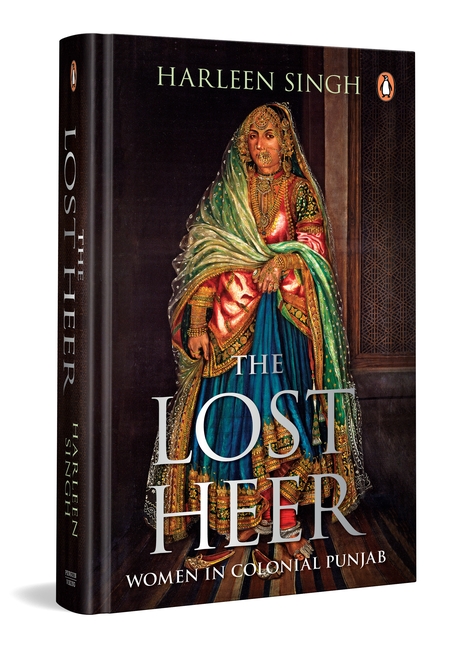
As a province hailed by the British as the ‘sword arm of India’, masculinity remained a key pillar of Punjabi identity in colonial times. Observers largely looked at Punjab’s women through this blurred lens and women-centric narratives are largely missing in the available literature from colonial Punjab. Women featured as daughters of sardars, as wives of kings, mothers of statesmen and widows of emperors, their personality revolving around the men whose honour and pride they were upholding.
The Lost Heer seeks to go beyond these male-centric narratives and shed light on the struggles, resilience, and contributions of women in colonial Punjab. By excavating material from archives, oral narratives and accounts of women in regional literature, this work seeks to put women at the centre of its account.
From figures like Aas Kaur, Mai Fatto and Bibi Sahib Kaur in the early colonial period to latter-day figures like Manmohini Zutshi and Raghbir Kaur to completely forgotten figures like Dr. Premdevi (probably the first qualified lady doctor of Punjab) and Khadija Begum Ferozeuddin (the ‘first Punjabi lady MA’), this work enriches our knowledge of the history of Punjab by choosing to focus on a section of society who have not received their due.

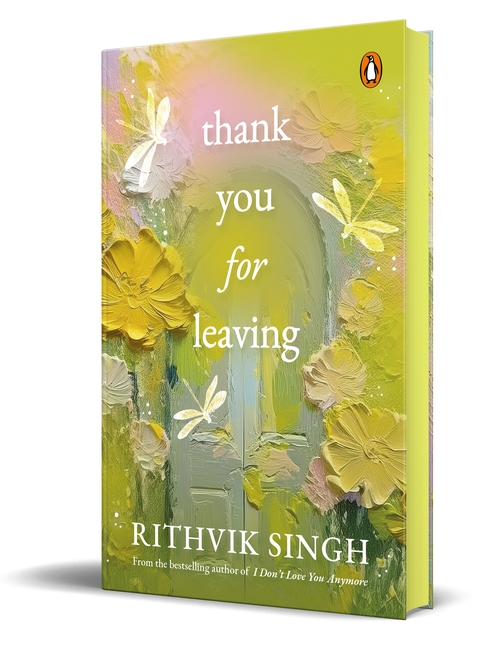
The more I give you,
the emptier I feel.
I think I’ll be okay again
when I ask you to leave.
Dear reader,
I wrote this book for the ones who feel everything too deeply. The rare souls who still listen to their hearts and believe in love. The ones who don’t hurt others just because they’re in pain. The ones who wear their hearts on their sleeves and carry kindness within. The ones who overthink, over-invest in people and over-love, always.
This book is an ocean full of feelings, so if at any point, you feel like you’re drowning, take a moment to remind yourself that it’s a privilege to feel emotions as intensely as you do. Some people are so disconnected from their hearts that they don’t allow themselves to feel anything at all.
That being said, I wish you a happy reading. This book will make you cry.
Love,
Rithvik

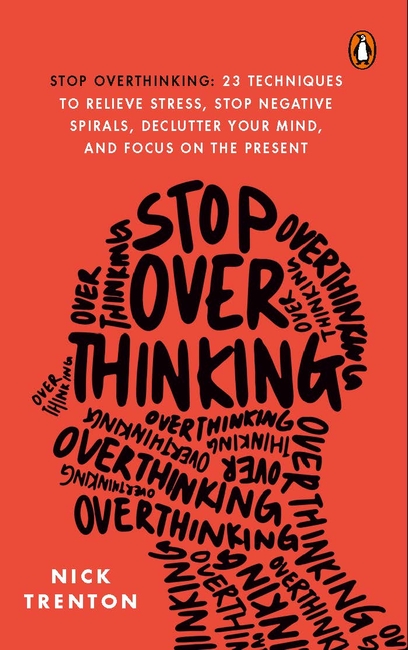
Stop Overthinking: 23 Techniques to Relieve Stress, Stop Negative Spirals, Declutter Your Mind, and Focus on the Present by Nick Trenton is your ultimate guide to breaking free from the endless cycle of overthinking and reclaiming your peace of mind.
Do you find yourself caught in a whirlwind of anxious thoughts, constantly replaying scenarios and worrying about the future? This book offers practical, science-backed strategies to help you quiet your mind, overcome self-doubt, and focus on what truly matters.
Through 23 powerful techniques, Nick Trenton provides actionable steps to:
- Stop negative thought patterns in their tracks
- Manage stress and anxiety effectively
- Cultivate mindfulness and stay present
- Develop mental resilience and emotional clarity
Whether you’re dealing with decision paralysis, insomnia caused by racing thoughts, or simply seeking a calmer, more focused life, Stop Overthinking provides the tools you need to take control and find lasting relief.
Take the first step toward mental clarity and emotional well-being—because peace of mind starts with you.
Perfect for readers of self-help, mindfulness, and personal growth books.
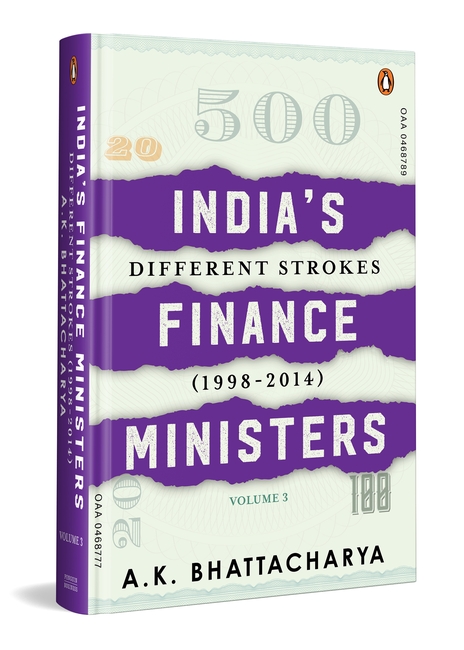
This is the third volume in the series of books on India’s finance ministers, which capture the story of India’s economic policies through the lens of the Union government’s budget initiatives since 1947.
The first volume covered the period of thirty years from India’s Independence to the end of the Emergency in 1977. The second volume covered the twenty-one years from the formation of the first non-Congress government in India in 1977 to 1998, when the short tenure of the coalition government led by United Front ended. The present volume covers a period of sixteen years that saw just four finance ministers present Union budgets and steer their respective government’s economic policies through them.
A fascinating account of economic policymaking, the book analyses the role of India’s finance ministers in the management of the Indian economy during the era of coalition politics. It also highlights the significant difference these ministers made to the policy evolution of the government and, thus, left an indelible mark on the psyche of Indian citizens. It attempts to measure the impact of their decisions not only on India’s economic system but also on its political system, and to what extent their decisions were influenced by their socio-economic backgrounds. Foregrounded in rigorous research and full of interesting anecdotes, the book is the first in-depth account of the crucial role the finance minister plays in the functioning of India’s economy.
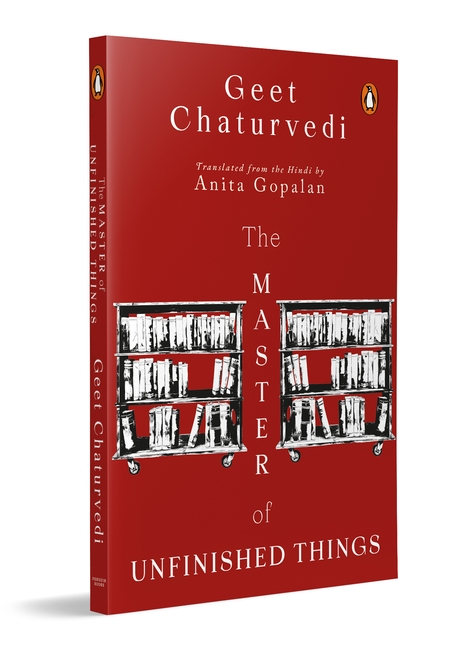
A riveting collection of memoirs, essays and random musings, The Master of Unfinished Things showcases the voice of Hindi literary maestro Geet Chaturvedi, brought to life in English by Anita Gopalan.
Through these heartfelt memoirs, Geet explores his relationship with books, writers, cricket and nature, much of it rooted in Mumbai, the city of his heart. Thoughtful essays grapple with questions about writing, identity and memory, blending introspection, myths and anecdotes. Diary entries, short prose and poetry offer deeply contemplative, standalone moments—each one a complete story in itself. Interestingly, the final essay is a meditation on the art and inevitability of incompleteness. This beautifully crafted turn lends the book a paradoxically perfect conclusion and leaves us fulfilled amidst unfinished endings