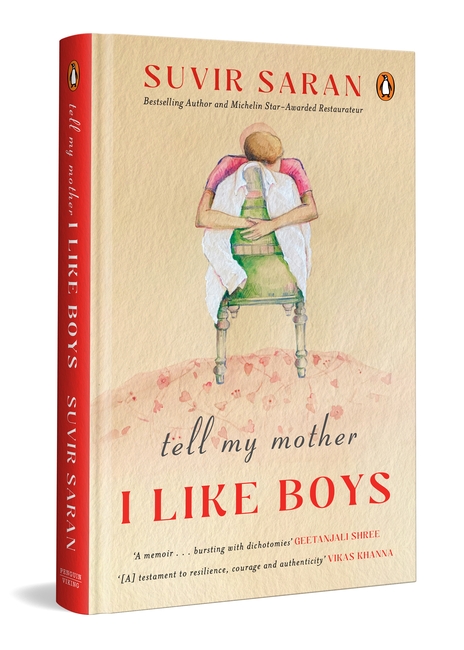
Tell My Mother I Like Boys is a memoir of appetite—for food, for love, for belonging. Suvir Saran,
one of India’s most celebrated chefs, traces a life lived between continents and cultures, where the kitchen becomes both a sanctuary and a crucible. From the spice-laden streets of New Delhi to the pressure-cooked world of Michelin-starred New York dining, he reveals how cooking is never just about taste but about memory, survival and the making of the self.
Saran writes of the exhilaration of opening Devi, the first Indian restaurant in North America to earn a Michelin star, and of the loneliness that trailed even the brightest success. In his hands, food becomes a vocabulary: the slow patience of a biryani, the intricate layering of a galouti kebab, the quiet comfort of dal simmered at home. Each dish carries a memory and meaning, stitching together the fragments of exile, grief, desire and return.
At once an intimate kitchen story and a reckoning with identity, Tell My Mother I Like Boys is about the hungers that shape us and the meals—lavish and humble—that teach us how to live.
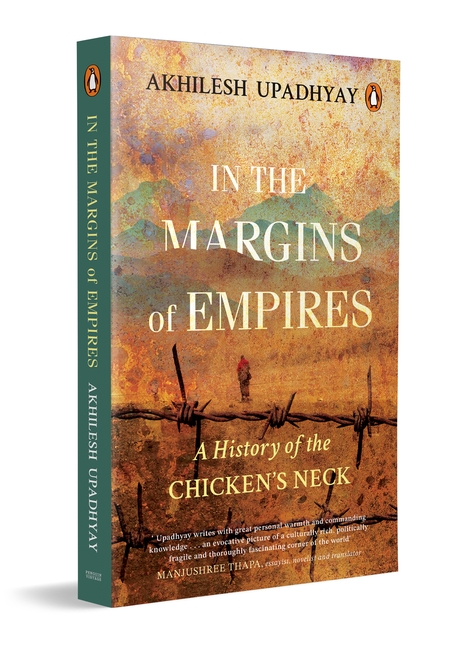
The prevailing narrative and knowledge ecosystem, and most certainly newspaper and TV reporting, on the Himalaya is dominated by colonial and postcolonial situational exposés that are informed by the Centres’ perspectives. Hence, many writings suffer from the imperial gaze, on the one hand, and a recency bias on the other, while approaching the peripheries as either exotic destinations or military hotspots with red lines drawn on snow-capped peaks, crests and arid plateaus.
The Himalaya has always been a contested region and has gained even more political salience after the 1962 Sino-Indian border war and, more so in recent times, with the rise of India and China.
What gets lost are the voices and lives of the people who actually call the Himalaya home.
In the Margins of Empires documents the lives and livelihoods of the borderlands in the Eastern Himalayan region—Nepal, Bhutan, pre-1950 Tibet and the post-1950 Tibetan Autonomous Region, Sikkim, Darjeeling, and India’s North-East. The book is an effort to look at the region as an organic whole, from within the region, connected through centuries of transboundary traders, travellers, scholars, monastic exchanges, but also by missionaries, monks, and moles.
As border infrastructure across the Himalaya in TAR and India is being constantly upgraded, and as India and China play a cat-and-mouse game, smaller states and communities in the borderlands, including the Chicken’s Neck, find themselves caught up in the larger geopolitical arena. With fresh analysis, great insight, and on-the-ground reportage, Akhilesh Upadhyay tells the story of the region and of communities that remain wedged between giants, yet are also shaping their own futures in the shadow of the Himalaya’s peaks.
What does the future of the region look like? Perhaps it will follow the mystique of the Himalaya.
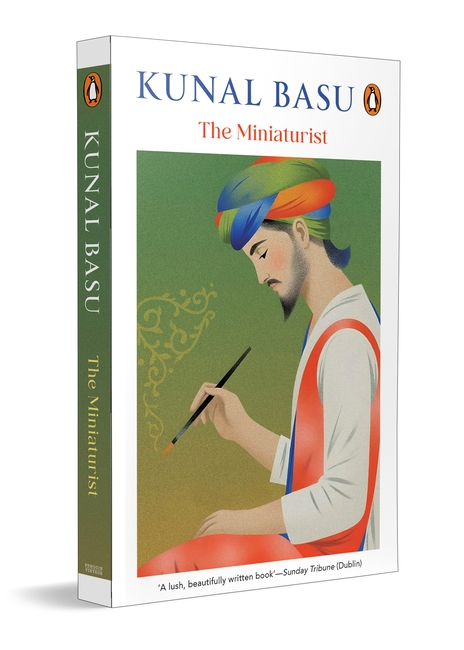
In the sumptuous court of the emperor Akbar, in 16th century India, a group of artists begin the painstaking task of chronicling the emperor’s life. Bihzad is the son of the chief artist and as such, he is groomed to follow in his father’s footsteps. A child prodigy, Bihzad is shielded from life as he grows up in the stunning fortress town of Agra.
But as word of his talent spreads, rumours about the wild, passionate nature of his secret drawings bring his enemies out into the open. When the young artist breaches the rules of the court, they will use his art to destroy him.

Hiran is born in 1857: the year of Mutiny and the year his father dies. Brought to Calcutta by his widowed mother he turns out to have few talents, apart from an uncanny ability to read a man’s fate in his palm. When luck gets him a job at the auction house, Hiran finds himself embroiled in a mysterious trade, and even more deeply embroiled in the affairs of his nefarious superior, the infamous Mr. Jonathan Crabbe.
Commissioned to procure a child for Mr. Crabbe’s opium addicted wife, he stumbles upon his own future. An unlikely hero, Hiran, the opium clerk, is caught up in rebellion and war, buffeted by storms at sea, by love and intrigue, innocently implicated in fraud and dark dealings.

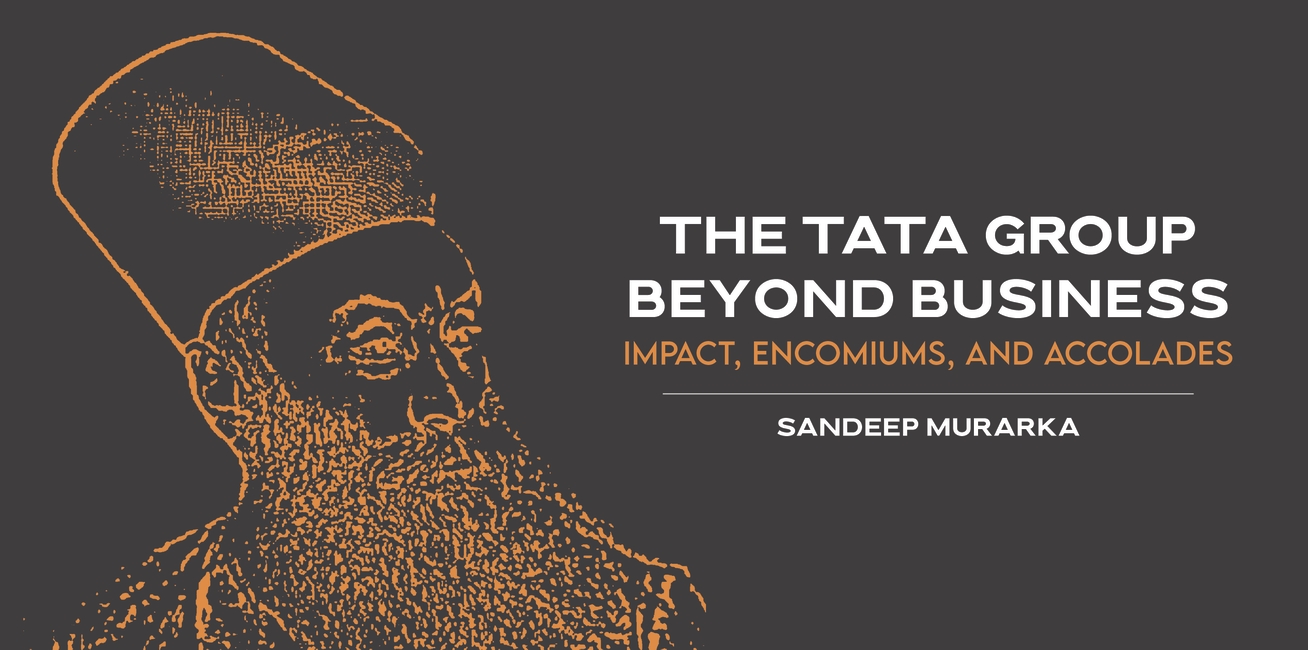
The Tata Group Beyond Business: Impact, Encomiums, and Accolades offers a compelling tribute to Ratan Tata and the extraordinary leaders who have shaped the Group’s 150+ years of history.
Through rare photographs, inspiring anecdotes, and meticulous research, this book captures the entrepreneurial spirit, governance excellence, and bold strategic moves that have placed the Tata Group at the forefront of global business. Beyond boardrooms, it reveals the Group’s enduring contributions to communities, education, sports, and culture.
The Tata Group Beyond Business is both a valuable reference and a source of inspiration. Whether you are a business professional, student, historian, or admirer of the TATA legacy, this book will deepen your understanding of a corporate giant that continues to shape India’s destiny and inspire generations.
Born into a world that celebrated sons and silenced dreams, Manisha Rani dared to dance to her own rhythm. From surviving a broken home and battling small-town expectations to facing rejection after rejection on her way to the stage, she turned every ‘no’ into the fuel that powered her rise.
In Munger ki Rani, India’s beloved social media star opens up about her struggles, heartbreaks and the courage it took to transform her life. Unfiltered, funny and deeply personal, this book reveals what it really takes to make it as a new-age influencer in a world obsessed with perfection.
A story of grit, grace and the unstoppable spirit of a small-town girl who became a queen in her own right—Munger ki Rani is an inspiring read for anyone who dares to dream big.

Meghalaya, the land of cloud-kissed plateaus, cascading valleys, and vibrant traditions, is more than just a frontier. It is a meeting ground of nature, culture, and resilience, where the Border Security Force (BSF) stands steadfast in its duty while also becoming part of the fabric of the land.
In this evocative coffee table book, Shri Harbax Singh Dhillon invites readers on a journey that is at once visual, historical, and deeply personal. Through photographs, sketches, and poetry, the book mirrors the many faces of Meghalaya, its breathtaking landscapes, its diverse communities, and the timeless rhythm of life along its borders. Interwoven is the story of the BSF, guardians of sovereignty who, beyond patrolling, also share bonds of trust and kinship with the people they serve among.
Both a tribute and a record, this volume celebrates the spirit of Meghalaya and the BSF, offering readers a work of beauty, memory, and belonging.
By 2050, we may cross 2°C of global warming—humanity’s point of no return. Yet the future is not fixed. In this urgent and hopeful manifesto, solar scientist and climate activist Chetan Singh Solanki, known as the Solar Man and Solar Gandhi, shares lessons from his eleven-year Energy Swaraj Yatra, living in a solar bus to spread awareness. Blending science and philosophy, he introduces the AMG (Avoid, Minimize, Generate) framework, and the TUPEE Climate Habits: Travel less, Use wisely, Purchase less, Eat carefully and Eliminate electricity waste.
A wake-up call, a blueprint, and a practical guide — Climate Change 2100 shows us how to act now so that by 2100 humanity doesn’t merely endure, but thrives.
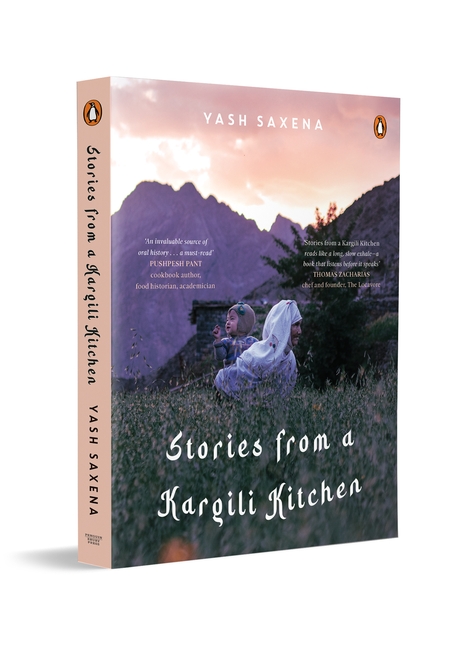
The untold story of Kargil—told not through war, but through food
Tucked between some of the most forbidding folds of the Himalayas, Kargil is a land too often seen only through the lens of war—yet its valleys hold a tenderness, resilience and faith that endure through food.
Born from years of travel, cooking and friendships, foodways researcher Yash Saxena gathers voices from mountain kitchens and firesides—of shepherds, monks, farmers and mothers who feed a world shaped by both faith and frost. From slow-simmering broths to shifting borderlines, from ancient Bon rituals to the echoes of Bofor gunfire, each story reveals how a community sustains itself through ritual, memory and the quiet grace of everyday cooking.
Blending memoir, travelogue and cultural history, this is part food book, part love letter and part act of remembrance—a tender, sensory journey through Kargili kitchens, whose flames fight to keep centuries of wisdom alive against the winds of change.
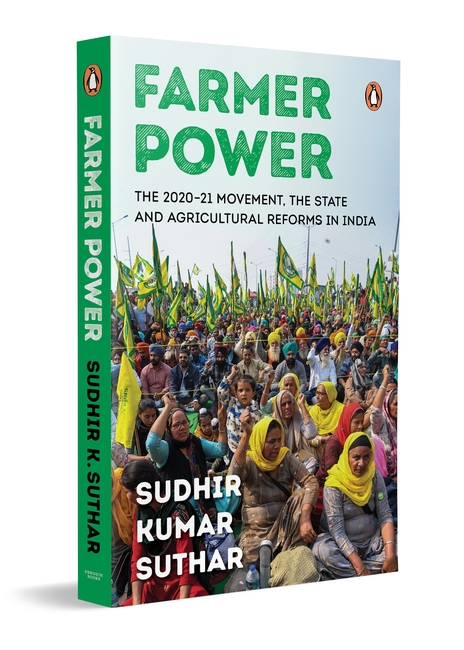
In September-October 2020, around 300,000 Indian farmers marched to New Delhi, to protest against three new farm laws by stationing themselves on national highways around the capital for over a year. This movement, the largest farmer assertion in recent times, with its firm commitment to democracy, civil disobedience and peaceful resistance, carved out a distinct political space for itself.
For over a decade prior, farmer groups had repeatedly tried to highlight agricultural issues neglected by successive governments. However, what transpired after 2020 was a unique moment in the history of world social movements.
Farmer Power examines the 2020-21 movement and delves into its evolution, history and what made it unique on the global scale. This book also looks into broader agricultural sector issues, including the challenges faced by small and marginal farmers, agricultural labourers, and the limitations of the procurement system. It seeks to highlight the policy interventions made by Indian state in the past two decades on these issues. This comprehensive account is essential for anyone interested in the politics of agriculture, livelihoods, and rural scenarios.