




When Shantanu left for the United States, the promise of a new life felt quiet, isolating and cold.
Then Winter arrived. A puppy adopted selfishly.
Shantanu did not realize how much this decision would shape his life.
Everyone loves their dogs, naturally. Every dog is a good boy, naturally. But Winter is no ordinary dog. With old soul eyes and a heart that made room for everything, Winter skipped the chaos that any puppy is entitled to. Instead, he chose a unique path, like a gentleman who had wandered in from another time, and decided he would share it with the world.
From the snowed-in streets of Ithaca to the restless rain of Mumbai, between these pages is an adventure of a lost adult and a special dog. In Winter’s stillness, lie lessons on how to stay. In his charm, one learns how to meet the world with softness. In his quiet daily life, are buried hints on how to heal.
These adventures are a tender chronicle of companionship, resilience and the small, surprising ways in which a four-legged friend set out to change a few many worlds.
Catagory: Non Fiction
non fiction main category
The Waking Dead

A haunting in the Indian heartland ends with a priest’s violent death.
Enter Samir Grey—fiendishly intelligent, terminally unsociable and catastrophically human. No divine
visions, no lightning-shaped scar—just a mind that won’t quit and a tongue sharp enough to draw blood.
To uncover the truth, Samir must descend into a nightmare of uniquely Indian horrors: corpse-eating
vetalas, vengeful pishachs, ghouls, demons, and the most terrifying of all, bureaucracy and red tape.
Wickedly funny and blisteringly acerbic, The Waking Dead drags urban horror kicking and
screaming into small-town India, where folklore and reality bleed into each other—and the real monsters
may be the ones still breathing.
Doing the Right Thing

Ratan Tata was an iconic leader who shaped the Indian industry. He inspired an entire generation. When he passed away in 2024, millions of Indians felt a sense of deep personal loss.
In this unique and engaging book, Harish Bhat, bestselling author and a Tata veteran, explores what lay at the heart of Ratan Tata’s extraordinary leadership. His steadfast desire to always ‘do the right thing’ appears to have shaped his thinking and actions. But what exactly does this mean?
In these pages, through inspiring real-life stories drawn from Ratan Tata’s long career, this strong belief comes to life vividly. Why did he decide to create the Tata Indica? Why did he say: ‘A promise is a promise’? What led him to walk away from a large business opportunity for Tata Chemicals? Why did he telephone the managing director of Tata Steel a second time? How did he ensure fairness to everyone during a process of divestment? Why and how did he lead the fight against cancer? How did he respond to the 26/11 terror attacks in Mumbai?
This book is full of such fascinating and many untold Ratan Tata stories. Through these compelling narratives and the lessons they hold, this powerful book will guide you towards ‘doing the right thing’ in your own life.
Bhima’s Wife

Before Draupadi, there was Hidimbi. The first, the eldest Pandava daughter-in-law—a status denied to her through her life, through the years, down the centuries. She remains the forgotten wife, the forgotten queen, the forgotten woman, in the Mahabharata.
Hidimbi was a demoness by birth and a queen by right. In the shadows of the great Indian epic, she stands alone. She saved Bhima. She bore his son. She stood by the family that killed her brother. And when the call of war came, she sacrificed her only child—Ghatotkacha, the first Pandava grandson—for a cause that never truly embraced her.
Why was her story never told? Was it because she was a rakshasi, or because the heroes of the epic could do no wrong?
This powerful reimagining gives voice to Hidimbi and her story of love and betrayal, strength and sacrifice.
When Birds Talked
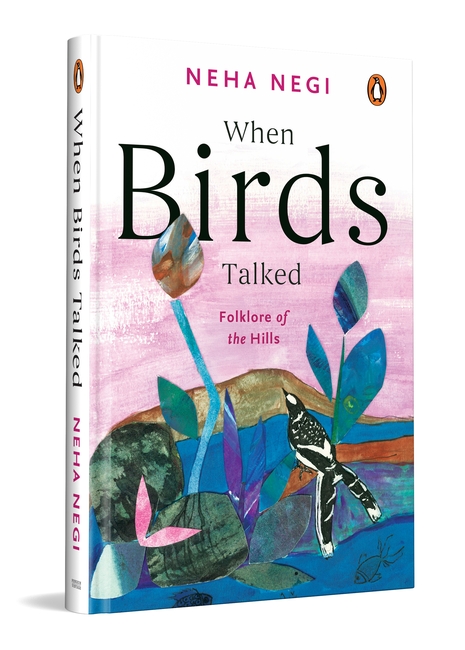
Discover the enchanting bird legends of the Himalayas—stories that soar beyond time.
When Birds Talked by Neha Negi is a lyrical and beautifully illustrated collection of folklore that reimagines the myths of Himalayan birds. Drawing on Uttarakhand’s rich oral traditions, these tales trace the origins of birds such as the Himalayan Monal, Fire-capped Tit, Spotted Forktail and many others—bringing alive stories of transformation, longing and resilience.
Through dramatic storytelling and hand-painted illustrations, Negi creates an enchanting tapestry that connects mythology, ecology, and human imagination. At its heart, the book is an ode to the deep bonds between people and nature, a celebration of vanishing traditions, and a call to protect the fragile ecosystems of the Himalayas.
Blending myth, art and reflections on the environment, When Birds Talked is as much a preservation of cultural heritage as it is a modern eco-fable for readers of all ages.
Whither Human Rights in India
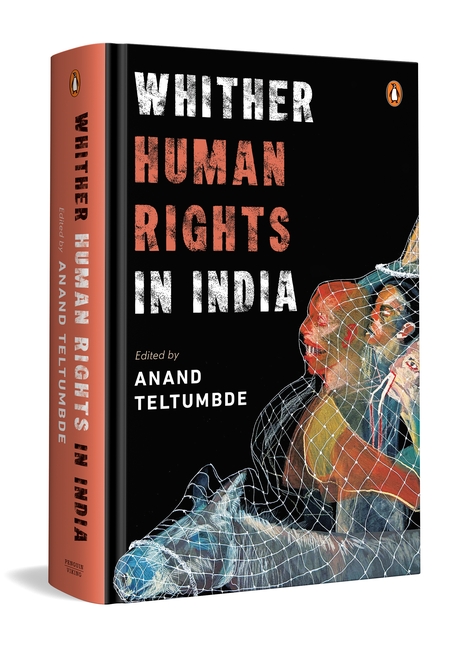
Whither Human Rights in India, edited by Anand Teltumbde, one of India’s prominent human rights activists, is a searing and indispensable anthology that brings together some of the most important thinkers, activists and human rights defenders of our time. The essays trace the historical and ideological roots of India’s human rights discourse—from colonial legacies and constitutional guarantees to the challenges posed by majoritarian politics, state violence and systemic inequality.
Contributors critically examine institutions and practices shaping the current landscape: judicial responses, hate speech, impunity, ‘bulldozer justice’ and contested models of development. They also turn to the lived realities of vulnerable communities—Dalits, Adivasis, Muslims, Christians, women, children, LGBTQI+ people and prisoners—whose struggles for dignity illuminate the larger battle for justice and democracy.
Featuring incisive contributions from Harsh Mander, Kalpana Kannabiran, Aakar Patel, Teesta Setalvad, Gautam Navlakha, Mihir Desai and others, this volume offers an unflinching exploration of human rights at a critical juncture in India’s history.
Dedicated to the memory of Father Stan Swamy and Prof. G. N. Saibaba, Whither Human Rights in India is both a record of resistance and a call to rethink the future of democracy and human dignity.
Designed to Win
Tata Elxsi may not be the first company you think of when you think of the Tata group. However, as the highest valued Tata company, Tata Elxsi has been revolutionizing the world of electric vehicles by offering innovative solution in the area of electric energy and embedded product design.
And it’s not just automakers — Elxsi helps broadcast and communication companies design new-age set-top boxes, app frameworks and cloud services for Smart TV and OTT platforms. With a client base that includes the likes of Ford, Jaguar Land Rover, Nissan, Mahindra, Motorola, Comcast, Echostar, Panasonic and many more, Tata Elxsi has dramatically transformed itself from a company on the brink of bankruptcy to one of the most valued companies delivering consistent growth.
What drives Tata Elxsi’s success? What has it done differently to transform itself from a highly debt-ridden company to an immensely successful organization benefitting shareholders, investors and consumers alike?
What lessons can readers learn from Tata Elxsi in entrepreneurship, sales, marketing, strategy and many other management areas? This book is an attempt to answer these and many such questions to enlighten readers about a little-known but unique Tata group company.
Bacchon Ki Doctor’s Desi Parenting Book

Welcome to the wild, messy, wonderful world of parenting—where the nights are long, the diapers are explosive, and unsolicited advice comes at you from every direction.
In Bacchon ki Doctor’s Desi Parenting Book, pediatrician and popular parenting voice Dr. Madhavi Bhardwaj brings you the guide every new parent wishes they had: practical, science-backed and sprinkled with the humour and honesty that made her Instagram a trusted haven for millions.
From breastfeeding struggles to sleepless nights, from decoding cries to surviving blowouts, Dr. Madhavi walks you through the first year of your baby’s life with empathy and zero judgement. Think of it as advice from a doctor who’s also been in the trenches as a mom—someone who knows when to tell you to relax, when to reassure you, and when to hand you a survival hack that actually works.
Real, relatable, and reassuring, this is not just a baby book—it’s a sanity-saver for parents everywhere.
The Battle of Narnaul

The Battle of Narnaul was one of the fiercest battles of 1857, marked by heavy loss of life and forgotten heroes. Among them was the valiant Rao Tula Ram, a man whose story remains largely unknown.
Rao Tula Ram was not just a warrior but also a strategist. For years, he gathered resources, built secret alliances with Rajputana kingdoms, and later sought support from Persia, Afghanistan, and Russia to fight the British. His efforts are an overlooked chapter of India’s struggle.
Through meticulous research and thorough analysis, Kulpreet Yadav and Madhur Rao revive these narratives, detailing the valour and sacrifices of these unsung warriors while providing a vivid, detailed account of the conflict and the relentless six-year resistance that followed.
Clear, deeply researched, and compelling, The Battle of Narnaul is a gripping retelling of a forgotten fight for freedom, a book for both history lovers and general readers.
Why We Die Hindi / Kyon Marte Hain Hum / क्यों मरते हैं हम
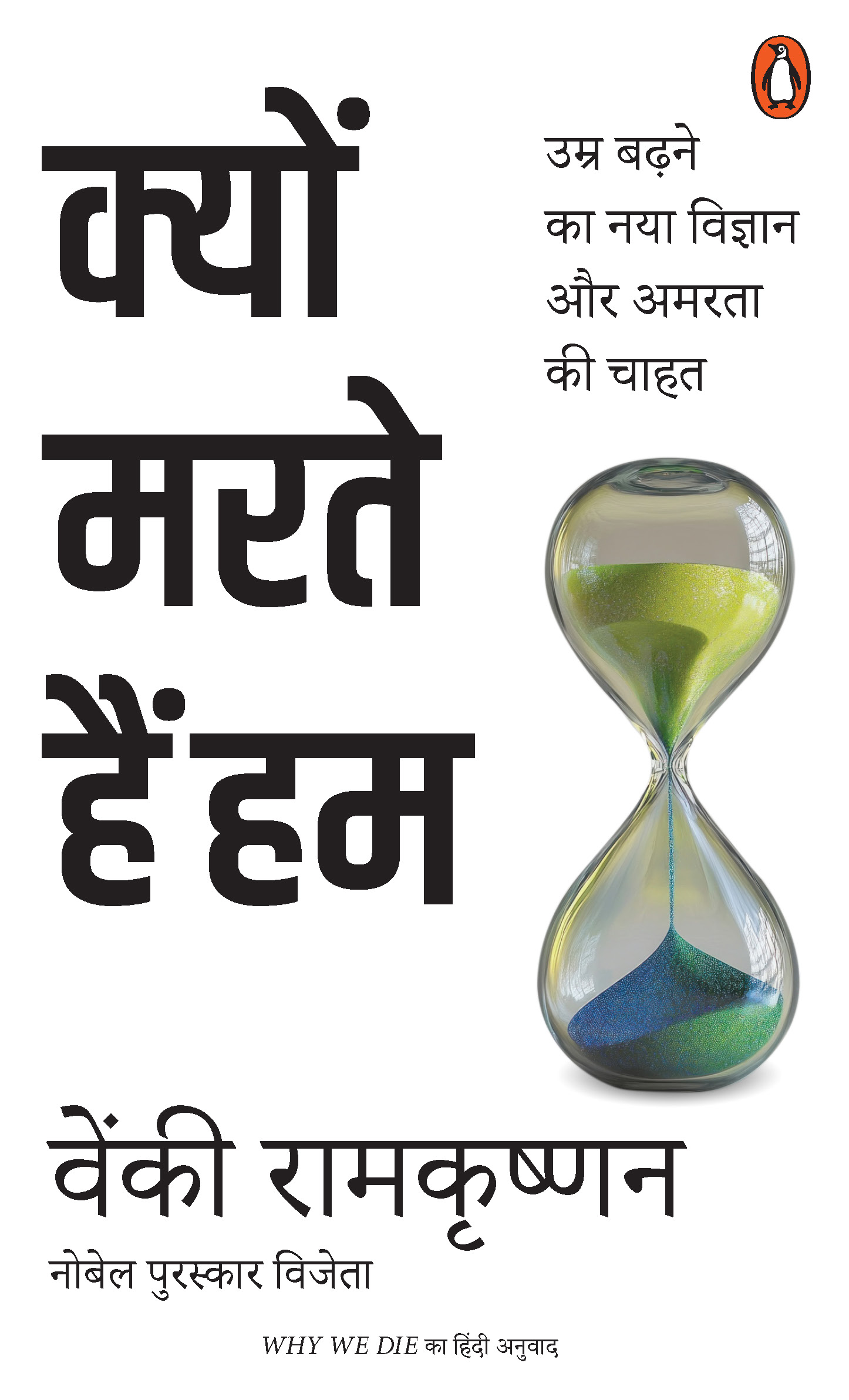
यह किताब नोबेल पुरस्कार विजेता वैज्ञानिक वेंकी रामकृष्णन द्वारा लिखी गई है और इसमें उम्र बढ़ने और मृत्यु के विज्ञान पर व्यापक रूप से चर्चा की गई है। लेखक बताते हैं कि उम्र बढ़ना और मृत्यु, दोनों ही हमारी जैविक प्रकृति के हिस्से हैं। किताब में बताया गया है कि कैसे हमारे डीएनए, प्रोटीन, टेलोमेयर और माइटोकॉन्ड्रिया जैसी कोशिकीय संरचनाओं में समय के साथ बदलाव हमें बूढ़ा करते हैं और बीमारियों की ओर ले जाते हैं। किताब मानव इतिहास में अमरता की खोज, जीवन और मृत्यु के बीच गहराई से जुड़े सवाल और सभी प्रमुख धर्मों में मृत्यु तथा अमरता की अवधारणाओं की झलक भी दिखाती है। अंत में, लेखक यह सवाल उठाते हैं कि क्या मृत्यु आवश्यक जैविक उद्देश्य की पूर्ति करती है और यदि हम अमरता को पा भी लें तो क्या वह हमारे लिए वाकई फायदेमंद होगी।