



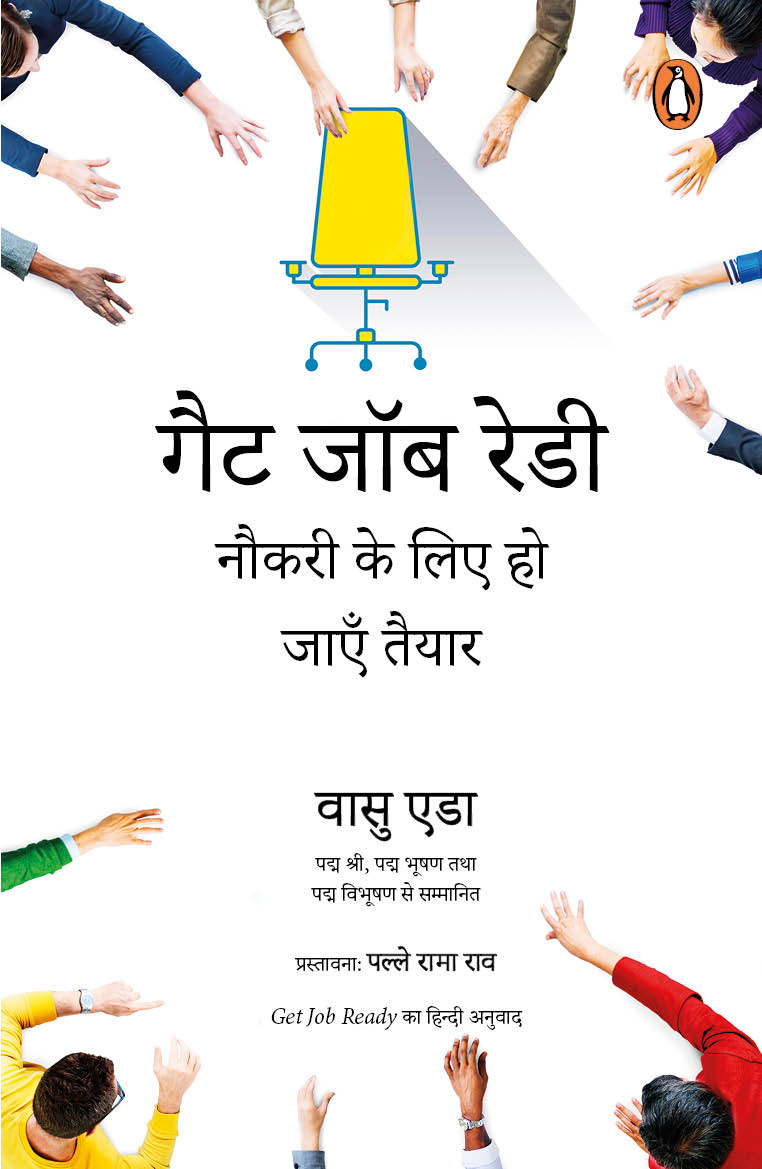
आजकल कॉलेज से स्नातक करते ही हर कोई अपने ड्रीम जॉब को पाना चाहता है। लेकिन प्रतिस्पर्धा के इस युग में केवल स्नातक होना ही जरूरी नहीं रह गया है, क्योंकि संस्थान किसी भी नियुक्ति के लिए अनुभव, कौशलता और योग्यता को प्राथमिकता देने लगे हैं। इसीलिए यह पुस्तक छात्रों के लिए एक मार्गदर्शिका की तरह साबित होगी।
यह पुस्तक छात्रों को बताती है कि नौकरी पाने के लिए कार्य अनुभव कैसे प्राप्त करें?
आजकल अनुभव, रोजगार कौशल का पैमाना बन गया है। कॉलेज से नौकरी तक के सफर के बीच अनुभव, कौशलता कैसे प्राप्त करें, यह सब इसमें दिया गया है। इसलिए यह पुस्तक आपको मार्गदर्शन और संसाधन दोनों एक साथ उपलब्ध कराती है।
Catagory: Non Fiction
non fiction main category
The Gita for Gen Z: Clarity in Chaos
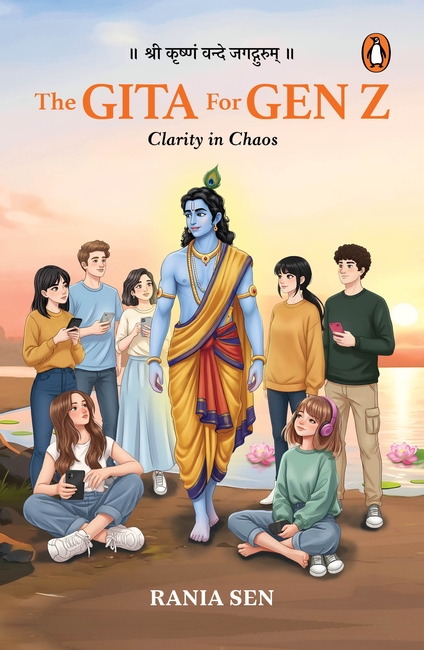
The Gita for Gen Z is your compass for when life feels chaotic. It helps you overcome challenges like heartbreak, overthinking, exam pressure or career anxiety, while filling your heart with happiness, enthusiasm, courage, and the mental strength needed to win life’s everyday battles.
Rooted in the timeless wisdom of the Bhagavad Gita, the book breaks long-held misconceptions and reveals the Gita not just as a religious text, but as a practical guide to fearless living.
Get ready to embark on an immersive reading experience as you discover the peace of mind you seek, and the divinity of the world reveals itself to you in fresh ways.
Root Leaf Fire
Root, Leaf, Fire is a transformative journey that begins with a simple plate of food and unfolds into a profound philosophy. It restores food to its true essence: nourishment, energy, art, and medicine. Helmed with recipes that are simple yet extraordinary, it is a guide, a conversation starter, and a companion. It blends timeless health principles with the beauty of well-crafted food, reminding us that true health resides in being present in joyful rituals that bring rhythm and meaning to everyday life.
Root, Leaf, Fire combines Luke Coutinho’s extensive experience in guiding people towards health through sleep, movement, emotional balance, and mindful eating with Sheeba De Souza’s passion for creating beautiful, nourishing meals, offering a distinctive approach to nourishment.
College
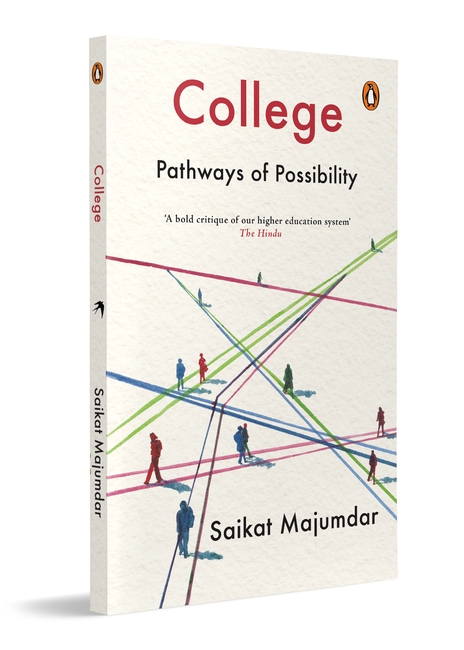
What are the avenues of postsecondary educational experience available to the student in India today?
Can college education be tailored to one’s specific talents and meaningful to the world at the same time?
Is there indeed such a thing as native intelligence? What is the ideal education to bring such intelligences to life?
What are the possible curricular relationships between the arts and the sciences; the qualitative and the quantitative, the theoretical and the experiential?
How deeply should a college education be rooted in a discipline? Should one cultivate one disciplinary strength or multiple ones?
What is more valued by employers – depth or range?
College provides accessible answers to these questions that resonates on a wide range of life aspirations, guiding students to the possibilities contained in the rapidly changing realm of higher education across the world today. It is an erudite and interesting guide to the possibilities contained in the rapidly changing realm of higher education today.
It is essential reading for current and future college students, their parents, educators and anybody interested in the rich potential in the terrain of post-secondary education in post-millennial India.
Jaya
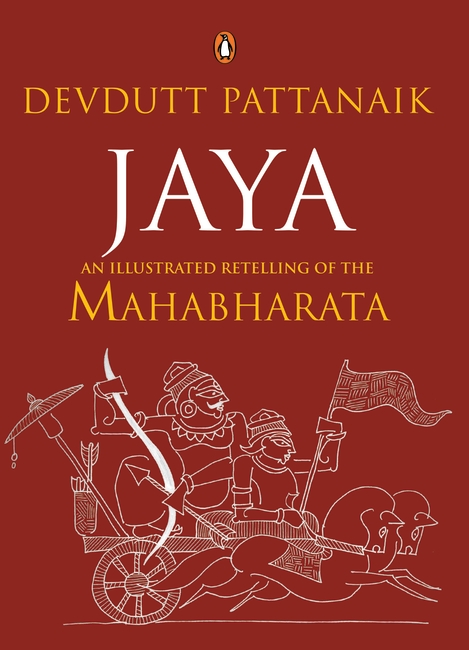
Jaya: An Illustrated Retelling Of The Mahabharata condenses the entire epic, originally known as Jaya, into a tiny capsule. Other than retelling the interesting parts of the Mahabharata, what makes this book a favourite among readers is Pattanaik’s rendering of the various local folklores and tales that are associated with the epic, which have been presented in a whole new genre. With a master stroke, the author has elaborated on the storyline by including lesser-known folklore stories of the epic, while keeping its original form and style intact.
The book has been divided into 108 chapters and has vivid illustrations along with 250 simple line drawings painted by Pattanaik himself. Besides infusing the different tales from local versions of the epic, the author has also added folk arts aspects picked up from ‘Yakshagana’ in Karnataka, ‘Terukuttu’ in Tamil Nadu and ‘Pandavani’ in Chhattisgarh to blend with the narrative.
Stories of Barbareek, Aravan, Astika, Madhavi and Jaimini form a special portion of this book. Other than this, Pattanaik has also introduced some intriguing ongoing traditions, like the worship of Draupadi in temples of Tamil Nadu.
Along with this, a whole section has been devoted to the Kurukshetra war, described on the basis of descriptive astronomical information. By infusing these interesting details along with the various local versions of the epic, the author has attempted to create a pan-Indian version of the epic that has, since time immemorial, helped shape the culture and history of the whole country.
Published by Penguin, this book may be a great choice for those intrigued to know about the religious and cultural intricacies of the country, as well as those who are reading the epic for the first time.
Portraits of Valour: Timeless Military Art | A Military Art Book on Indian Army Battles Including War Paintings | Celebrating the Bravery of the Armed Forces
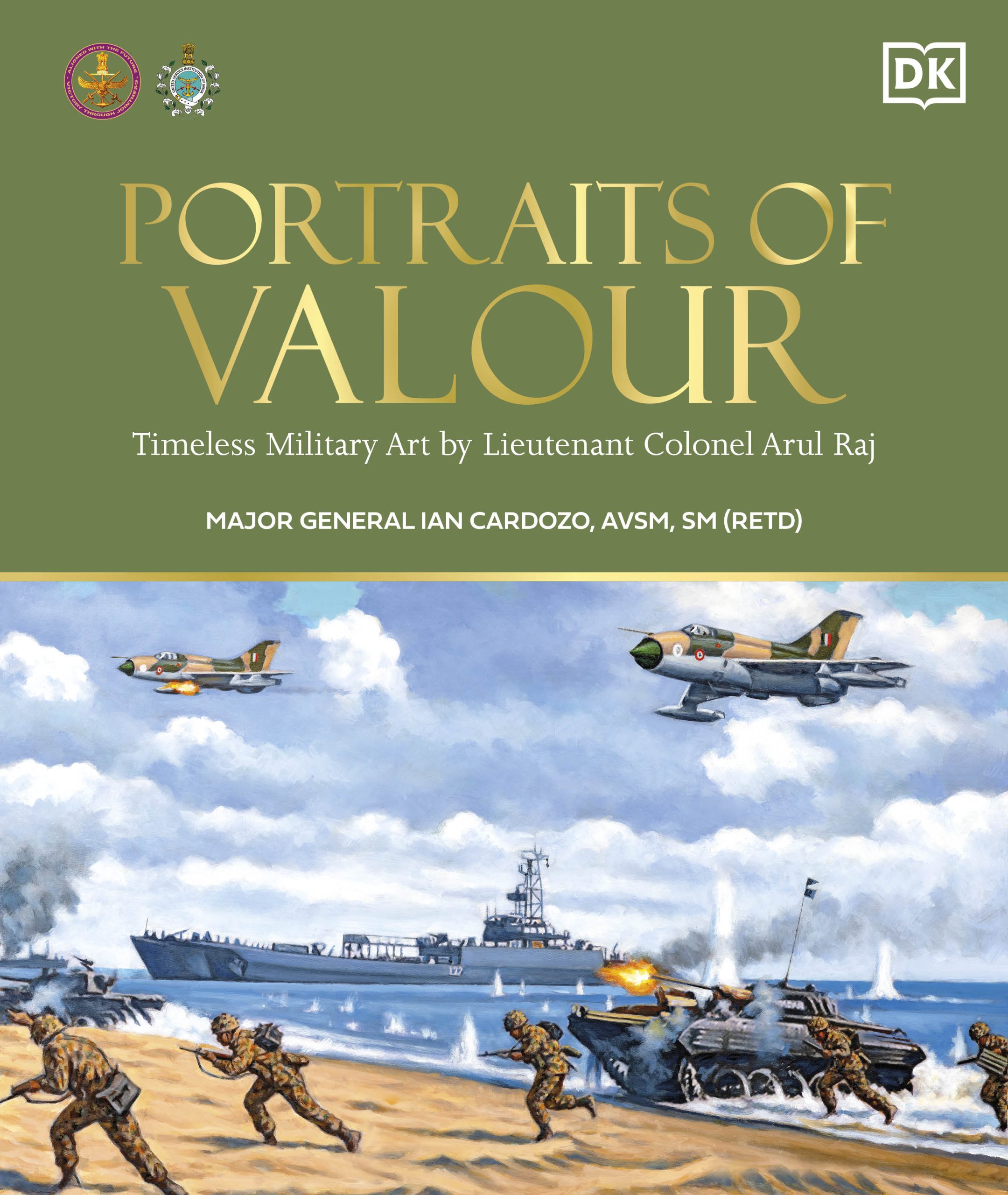
Ever wondered what a war truly looks like – in its heat and colour, its chaos and charged stillness?
Over five decades, Lieutenant Colonel Arul Raj, among India’s few military painters, has transformed experience, research, and memory into paintings that hold the small, electrifying truths of the battlefield: the tension in a commander’s stance, dust rising under marching boots, the silent focus of gunners. In Portraits of Valour, every artwork is rendered with striking clarity and carries the emotional depth of someone who has lived at the frontlines. You are not just looking at history – you are feeling it.
Paired with Major General Ian Cardozo’s insightful storytelling, the artworks in this book take on a rare authenticity. The narrative reveals not only the valour of soldiers, but the human stories behind their uniforms. It is a tribute to those who served but also to the power of art to hold memory.
Whether you come to learn, marvel at the art, or dive into incredible true stories, this is India’s military history rendered vivid, honest, and enduring, one brushstroke at a time.
Cobalt Blue (Hindi)/कोबॉल्ट ब्लू
हुआ यूँ कि आने वाला पेइंग गेस्ट जोशी परिवार के लिए फ़ायदे का सौदा लगता है। वह तय किराए के लिए तैयार है, जब कर सके तो अपनी मदद देने को तैयार है और मिसिज़ जोशी की संस्कृति-संस्कारों में हो रहे पतन के बारे में बकबक भी मन लगाकर सुन लेता है। लेकिन वह आदमी अबूझ पहेली-सा भी है। उसके नाम के साथ कुछ और नहीं लगता। उसका कोई परिवार नहीं है, न कोई मित्र, ना ही कोई इतिहास, और तो और भविष्य को लेकर कोई योजना भी नहीं। फिर भी भाई-बहन तनय और अनुजा उससे प्यार कर बैठते हैं। वह उनके जीवन की धारा ही पलट देता है, और जब गायब होता है तो उनका दिल भी तोड़ जाता है। कोबॉल्ट ब्लू बड़ी नरमी और निर्मम स्पष्टता के साथ ही सुरुचिपूर्ण ढंग से गढ़ी और सुघड़ता से पेश की गई कहानी है, जोशीली मुहब्बत और दिल को चकनाचूर कर देने वाली।
‘ऐसी किताब पढ़ते हुए जिसमें डूब जाएँगे, और पूरी पढ़ने के बाद भी जो आपके साथ बनी रहेगी’ – डीएनए
Samarth Ramdas/समर्थ रामदास
समर्थावरी अहंता। अंतरीं मानी मानी समता।
सामर्थ्येंवी करी सत्ता। तो येक मूर्ख।।
एक प्रकार का मूर्ख वह होता है, जो समर्थ व्यक्ति के सामने अहंकार से पेश आए, अपने आपको उसके बराबर समझे और पूरी क्षमता के बिना अपना अधिकार जमाए।
महाराष्ट्र के ओजस्वी संत-कवि समर्थ रामदास छत्रपति शिवाजी के समकालीन थे और उन्होंने अन्याय, अत्याचार और दासता के विरोध में आवाज़ उठाई थी। भारतीय संत ने मनुष्य की उन् नति के लिए वचनामृत को काव्य में ढाला और जन-जन तक पहुँचाया। उन्होंने अपने प्रसिद्ध ग्रंथ दासबोध में राजनीति पर भी विचार प्रकट किए। इस पुस्तक में समर्थ रामदास का जीवन परिचय एवं दासबोध का सरल हिन्दी रूपांतरण दिया गया है।
Antim Safar/अंतिम सफ़र
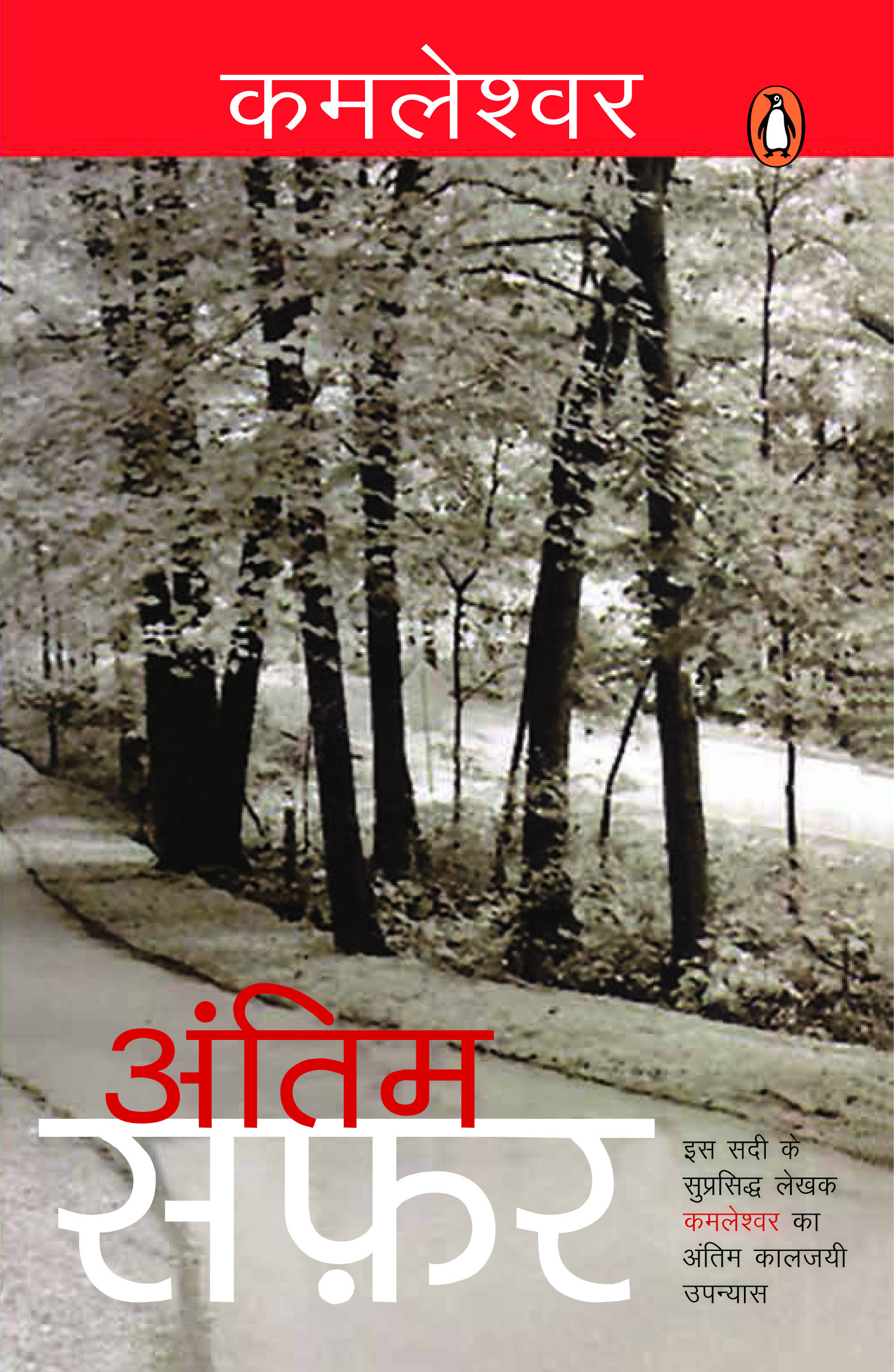
अंतिम सफर कमलेश्वर का अंतिम एवं कालजयी उपन्यास है, जिस पर वे फिल्म बनाना चाहते थे। लेकिन उनके असामयिक निधन के कारण यह कृति सिल्वर स्क्रीन पर साकार न हो सकी। यह न केवल इंदिरा गांधी के जीवन पर एक उत्कृष्ट उपन्यास है, वरन स्वतंत्र भारत के इतिहास के कुछ स्वर्णिम पन्ने भी इसमें हैं। यह भारतीय इतिहास के एक ऐसे युग की कहानी है, जो हमेशा याद किया जाएगा। उपन्यास की भाषा अत्यंत सरल एवं आम बोलचाल की भाषा है।
Roothi Rani/रूठी रानी
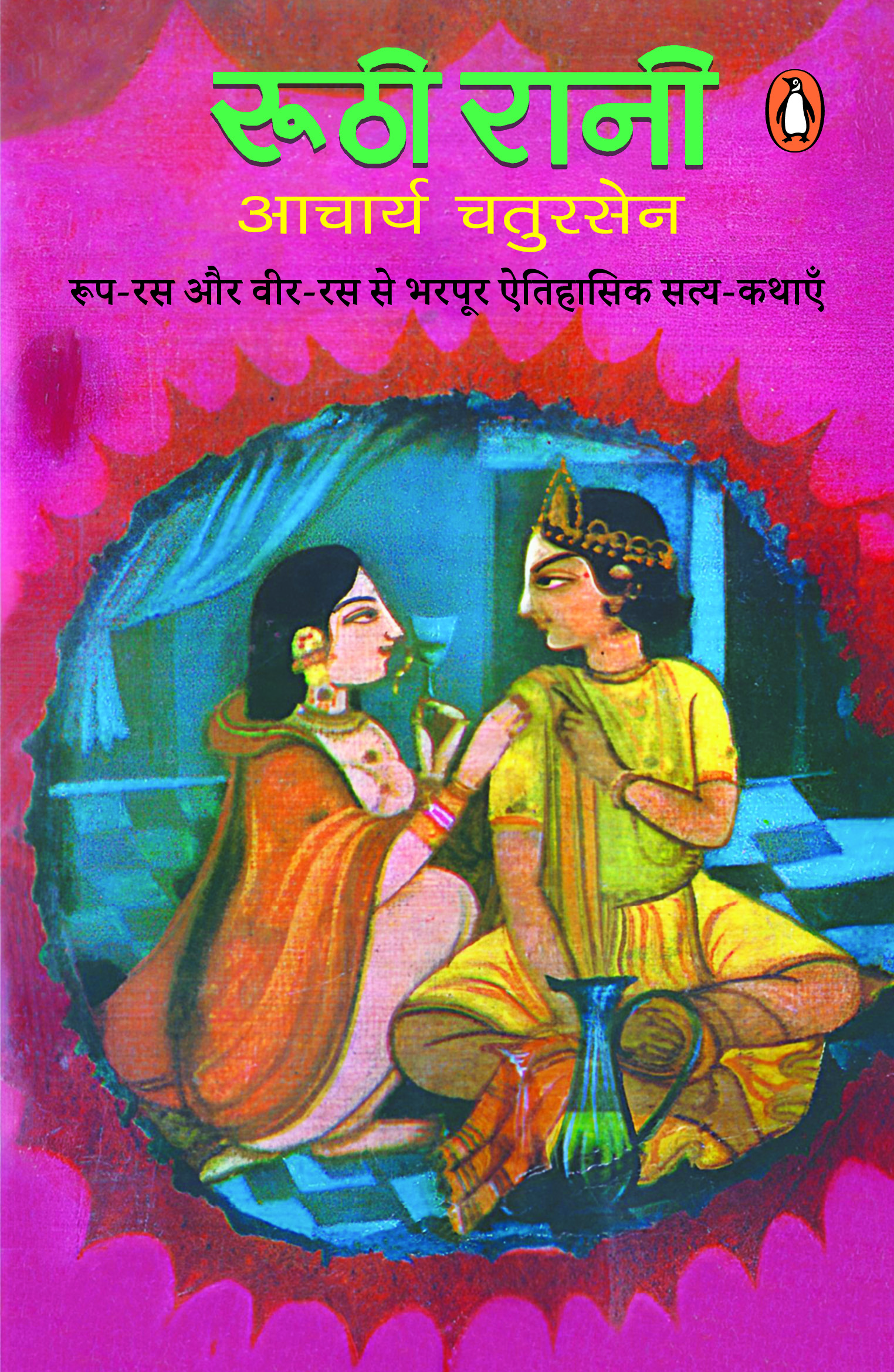
जिस देश की संस्कृति अपना इतिहास भूल जाती है, वह देश दुनिया के नक्शे से हमेशा के लिए नष्ट हो जाता है। जब-जब भारत अपना इतिहास भूला, तब–तब पराधीन होता चला गया, लेकिन जब इस देश के समाज सुधारकों, चिंतकों और साहित्यकारों ने लोगों को भारत के गौरवशाली इतिहास से अवगत कराया, तो तब देश न केवल स्वतंत्र हुआ वरन नव निर्माण के साथ उन्नति के शिखर को छूने के निकट जा पहुंचा। आचार्य चतुरसेन ऐसे ही लेखक थे, उन्होंने अपनी इस पुस्तक में रूठी रानी समेत इतिहास की कई अन्य वीरांगनाओं एवं वीरों का कहानी के माध्यम से अदभुत चित्रण किया है।