Think and Grow Rich is the 1# inspirational and motivational classic for individuals who are interested in achieving their goals and succeeding in life. Drawing inspiration from the lives of Andrew Carnegie, Thomas Edison, Henry Ford, and other millionaires of his generation, Napoleon Hill reveals the life-changing secret to securing exceptional wealth and success.
What makes people successful? Why are some people rich and thriving, while others are not? Napoleon Hill devoted twenty-five years of his life to uncover the answer behind this question. He interviewed over 500 affluent men and women, discovering the secrets behind acquiring great wealth and success. He formulated this knowledge into actionable and concise principles that can be applied by anyone.
As relevant now as it was in 1937 when it was first published, his seminal work Think and Grow Rich has helped over 15 million readers identify their goals, believe in their abilities, obtain what they want in life, and join the ranks of top achievers.
READ THIS BOOK TO –
1. Discover the success secret of some of the richest leaders and entrepreneurs, and how you too can achieve what they have! You don’t need to settle for mediocrity when you can be exceptional.
2. Create a MASTER PLAN using an organized, step-by-step approach to crystallize your desires into action.
3. Discover the 13 principles behind accumulating massive wealth and the 6 ways you can transform your desire into gold.
4. Learn how to increase your confidence, magnetism, and capabilities using the principle of auto-suggestion.
5. Master your subconscious mind to achieve anything you want!
Kick-start your journey of self-discovery today, and accumulate the fortune of your dreams!

Djinns linger in homes, an Assamese grandmother says. Peculiar cousins haunt Kashmiri family trees. Redemption for Shaitan is found on a bathroom floor in Lahore. In Dhaka, questions hang heavy in a police cell. Farewell emails offer closure to a relationship set against the backdrop of the decriminalization bill in Sri Lanka. And in a quiet kitchen somewhere in Nepal, memories still glow like flames. In this collection, twenty-four LGBTQIA+ writers from South Asia and beyond, conjure worlds where the borders between myth and memory, flesh and spirit, fact and belief dissolve.
This collection is a first-of-its-kind portal into the charged space where queerness meets faith. Building on the cultural histories of South Asia, these stories are brought to you as flash fiction, memoir, poetry, fragments and conversations, gathering voices that are at once intimate, fiercely authentic and defiant. Together, they rewrite what it means to belong and believe, offering readers not answers but revelations.

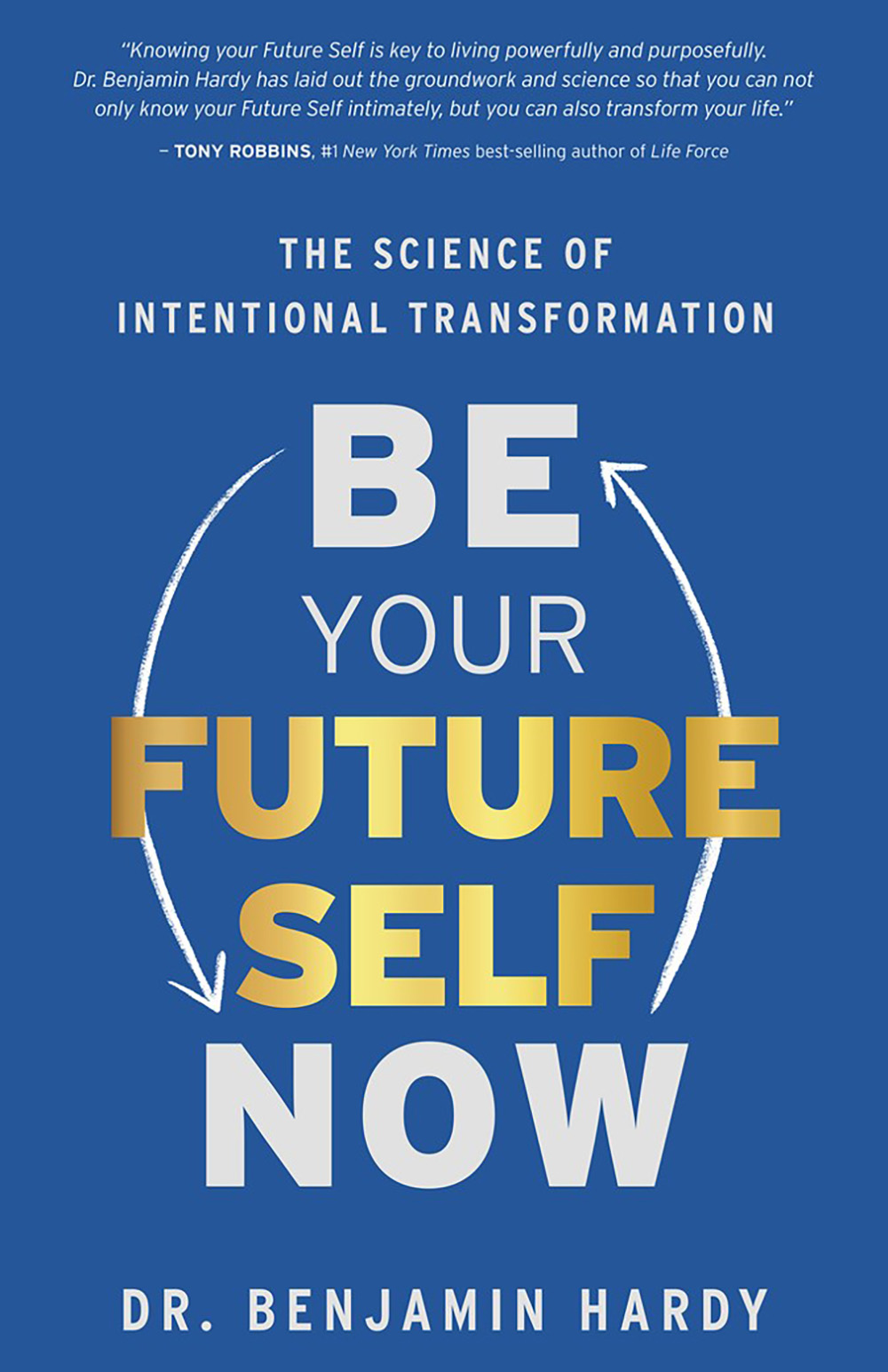
This isn’t a book about BECOMING it’s about BEING: noted psychologist Dr. Benjamin Hardy shows how to imagine the person you want to be, then BE that person now. When you do this, your imagined FUTURE directs your behavior, rather than your past.
Who is your Future-Self?
That question may seem trite. But it’s literally the answer to all of your life’s questions. It’s the answer to what you’re going to do today. It’s the answer to how motivated you are, and how you feel about yourself. It’s the answer to whether you’ll distract yourself on social media for hours, whether you’ll eat junk food, and what time you get up in the morning.
Your imagined Future-Self is the driver of your current reality. It is up to you to develop the ability to imagine better and more expansive visions of your Future-Self.
Your current view of your Future-Self is very limited. If you seek learning, growth, and new experiences, you’ll be able to imagine a different and better Future-Self than you currently can.
It’s not only useful to see your Future-Self as a different person from who you are today, but it is also completely accurate. Your Future-Self will not be the same person you are today. They will see the world differently. They’ll have had experiences, challenges, and growth you currently don’t have. They’ll have different goals and priorities. They’ll have different habits. They’ll also be in a different world—a world with different cultural values, different technologies, and different challenges.

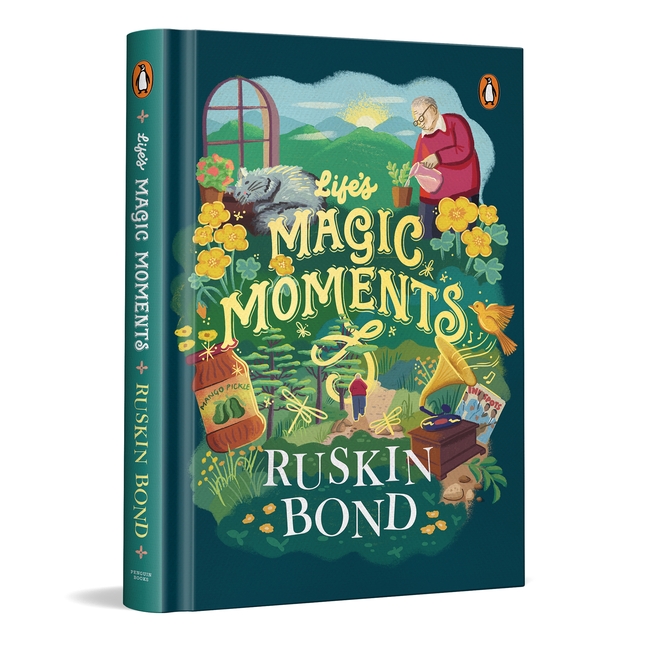
As he steps into his ninety-first year, the prolific Ruskin Bond brings nine decades of wisdom to his readers, encapsulated in a book that draws from the author’s most personal experiences.
Reflecting on childhood and old age, people and places and Mother Nature—an inseparable part of his life—the writer ponders over the fleeting nature of human ambition, the sanctity of dreams (for he still dreams) and the endless generosity of our planet.
Fresh and witty, the text puts forth profound learnings with a candour that is uniquely his. Featuring life lessons, musings and memorable quotes, this book is a tribute to life’s magical moments. Because when life fades, it’s words and memories that live on.
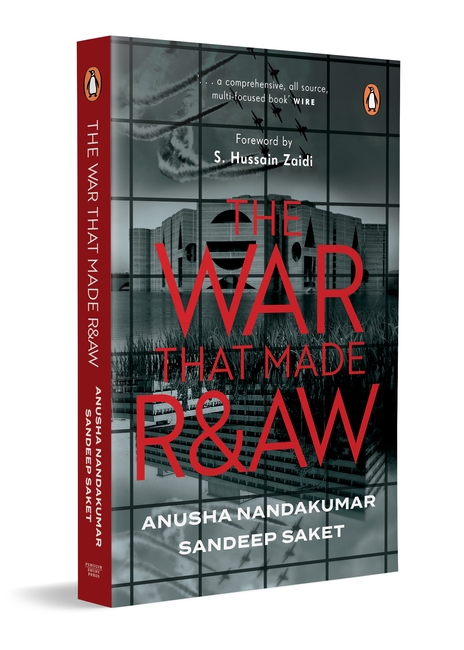
Two events in the 1960s underlined the urgent need to restructure and revitalise India’s Intelligence system: the 1962 war against China, and the one against Pakistan in 1965, both shocking instances of failures in information gathering. The officer who would be given charge of this task was R.N. Kao—someone as unlike romanticised ideals of spies in films and novels as possible.
The founder-chief of India’s Research and Analysis Wing lived and operated from the shadows. Understated and gentlemanly, he may not have looked the part, but Kao undoubtedly put Indian Intelligence on the world map.
In this riveting book, authors Anusha Nandakumar and Sandeep Saket trace the roots of modern Indian espionage and describe the newly formed R&AW’s integral role in the liberation of Bangladesh. Kao had one goal, to build an Intelligence-gathering agency that would ensure the security and integrity of India. And eventually, the legend of the ‘Kaoboys’—the nickname given to the team he built—would spread far and wide. This is the compelling tale of how it started; of covert operations, courage and quick thinking; and of how wars are won as much off the battlefield as on it.
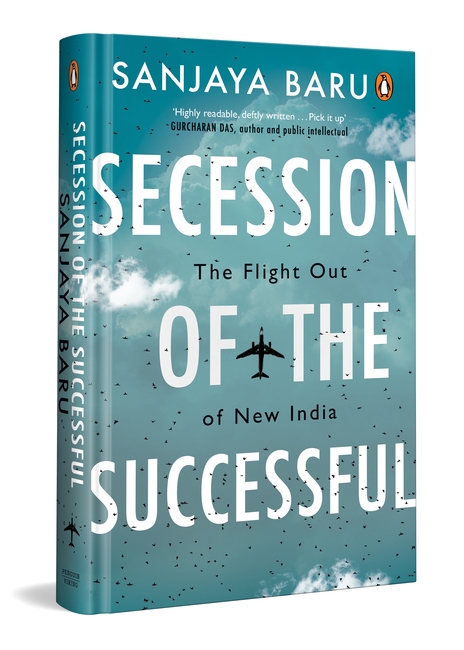
Why are so many of our fellow citizens disentangling from the political and economic future of India to invest in the destiny of other nations? Are Non-Resident Indians turning irreversibly into Non-Returning Indians? Is enhancing soft power a fair trade off for losing priceless human capital? And, perhaps most pertinently, is India becoming, after Russia and China, the constricting land of intolerance and authoritarianism from which the elites flee in droves, seeking greener and more liberal pastures—not to forget tax havens.
Marshalling his magisterial scholarship into highly readable prose, Sanjaya Baru raises all these questions and more in Secession of the Successful: The Flight Out of New India, which more than being a tome is a wakeup call we had better heed.

Clarice Aranxa has come to Bougainvillea House to die. But there will be no peace here, nor quiet surrender, as long-forgotten memories are brutally revived. And even as Clarice grows weaker by the day from the ravages of motor neuron disease, her violent past is mirrored in a series of unexplained deaths.
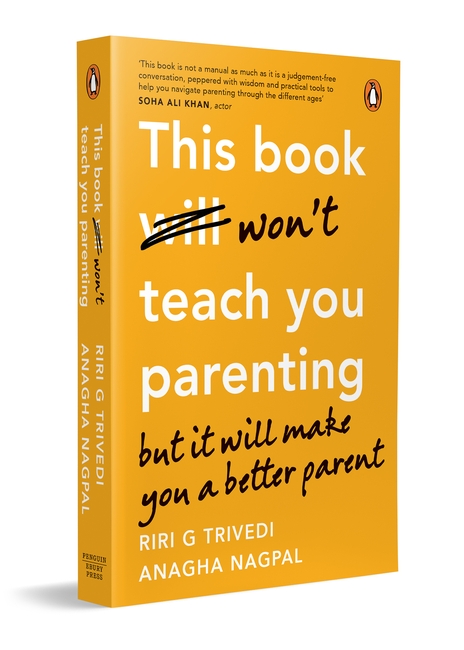
Parenting is a journey of self-discovery as much as it is about raising children. In this book, psychotherapist Riri G. Trivedi and parent coach Anagha Nagpal draw on years of expertise in psychotherapy and positive parenting to provide valuable insights and much-needed support for Indian parents across the globe to balance cultural nuances with modern challenges like screen time, social media, teen relationships, and joint family dynamics.
Rich with global research and real-life stories, this book offers a framework for positive parenting in the Indian cultural context and presents timely, age-appropriate strategies to handle every stage of your child’s life—from toddlerhood to teenage.
Learn how to heal from your childhood trauma and break free from negative patterns through self-reflection exercises. Discover self-regulation techniques to respond calmly to stress, setting a positive example for your children. Pave a healthier way for your child to develop a positive mindset and emotional resilience to handle the ups and downs of growing up.
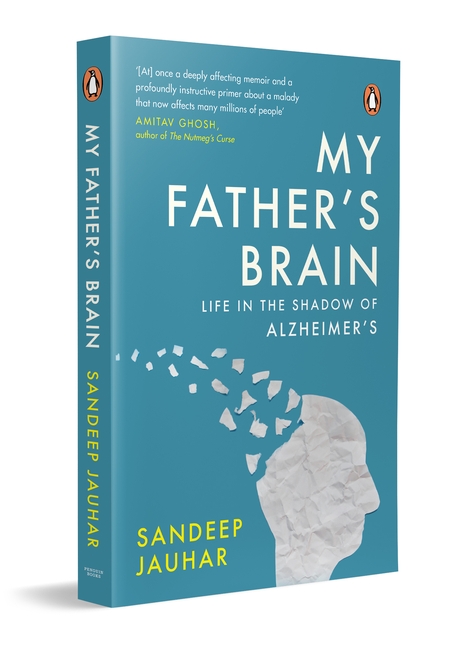
There may be up to 10 million Indians living with Alzheimer’s disease or related dementias, and that number is expected to increase dramatically in the next few decades. What is it like to live with and amid this increasingly prevalent condition-an affliction that some fear more than death? In My Father’s Brain, the distinguished physician and author Sandeep Jauhar sets his father’s descent into Alzheimer’s alongside his own journey toward understanding this disease and how it might best be coped with, if not cured.
In an intimate memoir rich with humour and heartbreak, Jauhar relates how his immigrant father and extended family felt, quarrelled, and found their way through the dissolution of a cherished life. Along the way, he lucidly exposes what happens in the brain as we age and our memory falters and explores everything from the history of ancient Greece to the most cutting-edge neurological-and bioethical-research. Throughout, My Father’s Brain confronts the moral and psychological concerns that arise when family members must become caregivers, when children’s and parents’ roles reverse, and when we must accept unforeseen turns in our closest relationships-and in our understanding of what it is to have a self. The result is a work of essential insight into dementia, and into how scientists, caregivers, and all of us in an aging society are reckoning with the fallout.