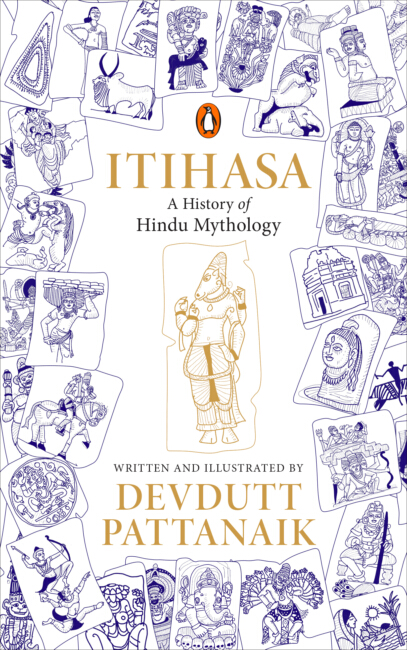
In Sanskrit, ‘itihasa’ means myth: a tale that insiders believe. In Hindi, ‘itihasa’ means history: a tale that outsiders verify.
All beliefs are located in history. These beliefs gave rise to bangles, found in vast quantities in pre-Harappan sites, and still considered auspicious (mangala) by Hindus. A uniquely Indian adornment, bangles indicates 5000 years of Hindu continuity.
Over time, more stories, symbols and rituals were added, following the arrival of horses, the invention of money, the rise of temples, the arrival of mosques and the imposition of passports.
Deeply researched and painstakingly put together, this magnum opus by Bharat’s foremost mythologist, Devdutt Pattanaik, explores:
• how Hindu mythology changed with history;
• how Indian history changed with mythology;
• how arguments about Indian culture and Hindu civilization reveal the myth inhabited by historians, rationalists, nationalists and activists.

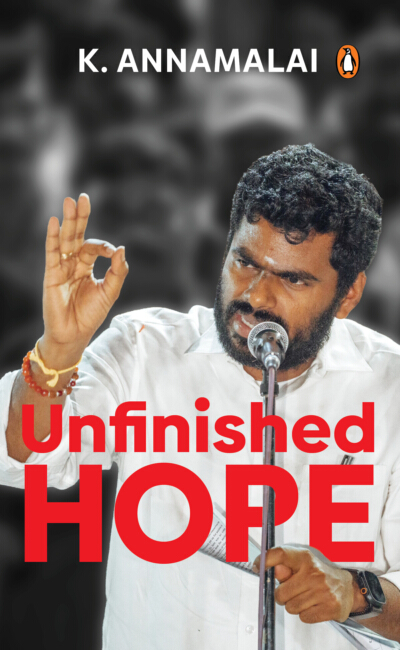
Unfinished Hope opens with an uncomfortable question: ‘If democracy is working, why does everyday life still feel so hard for so many Indians?’
From the difficulty of getting basic work done in government offices to dirty streets, polluted air and a sense of constant friction that prevails, the We The Leaders movement aims at working on social, environmental and economic issues, along with other community priorities, to improve lives and build stronger communities.
A candid audit of independent India, K. Annamalai does not dismiss the achievements of the Republic but argues that we have now reached a point where electoral democracy alone is not enough—we must ask how deeply democratic our institutions, our politics and our daily governance truly are.
Unfinished Hope is a reflection of a citizen-leader who has seen systems from the inside out. It frames the book as a nation-first reflection: rooted in Tamil Nadu, but addressed to every Indian who wonders if we can make our country easier, cleaner, safer and more dignified to live in.

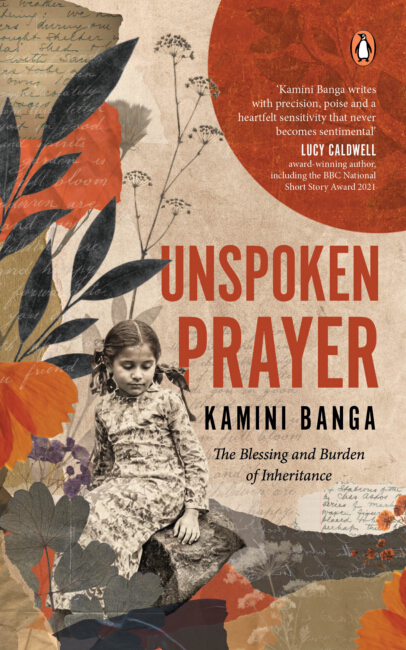
Unspoken Prayer is a searing memoir about inheritance, identity and the stories women carry across generations. It transforms a personal medical crisis into a profound exploration of how women across cultures and generations navigate the tensions between preservation and transformation, tradition and rebellion, the body we are given and the story we choose to tell about it.
When a third cancer diagnosis sends Kamini Banga to a California fasting clinic instead of the operating room, she discovers that confronting mortality means first excavating the buried stories of the women who made her—from her mother’s flight during Partition to the chorus of aunts whose ancient wisdom both imprisoned and sustained her.
At its heart, Unspoken Prayer is a meditation on what we inherit from the women who came before us—and what it means to decide what we carry forward.

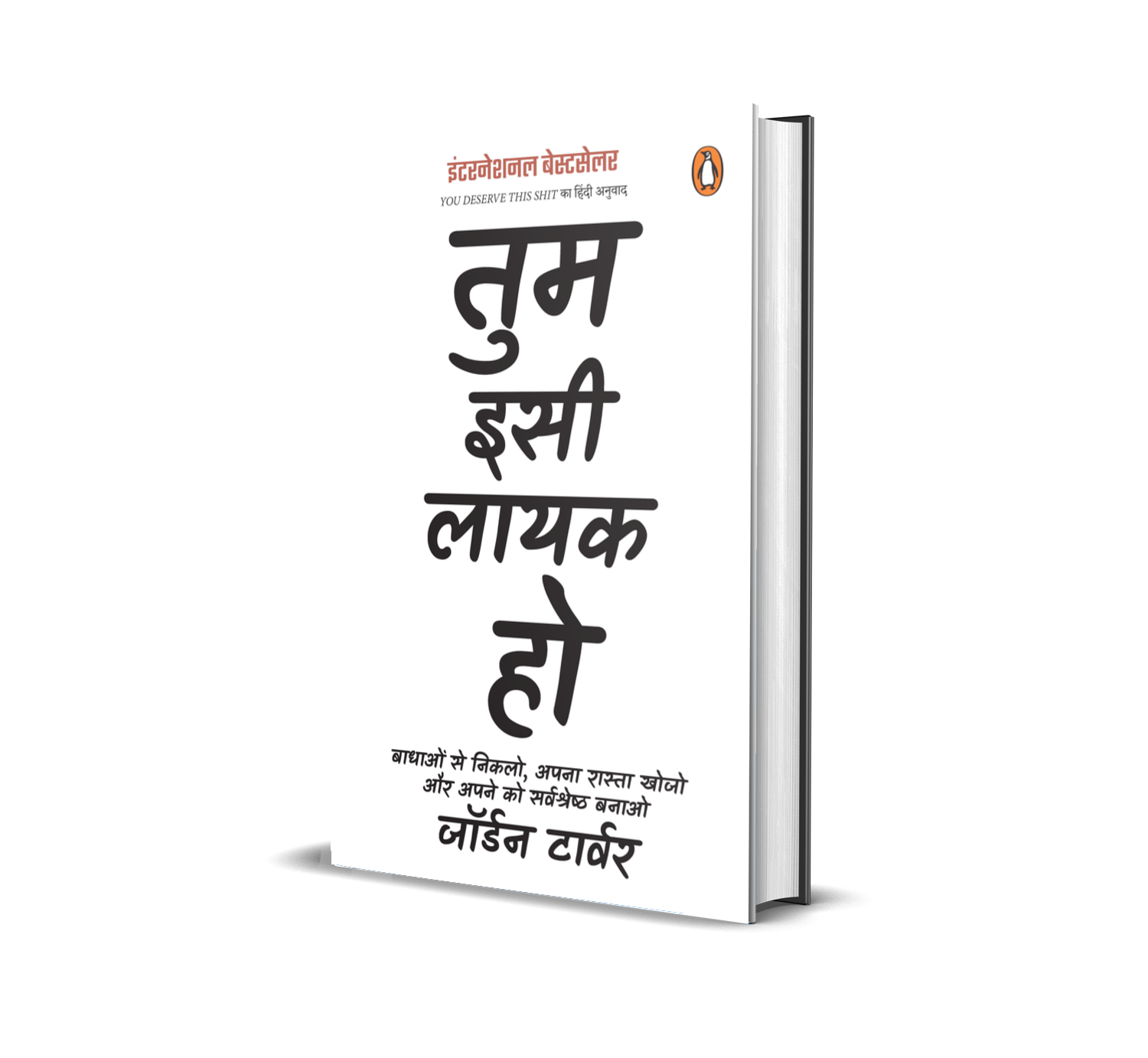
आप अपनी ज़िंदगी में जो भी चाहते हैं, उसे पाने का आपको अधिकार है और आपको उस लक्ष्य तक पहुँचने के लिए किसी भयवश बहाने नहीं बनाने चाहिए। यह किताब आपकी सभी मुश्किल घड़ियों से बाहर निकालने में न केवल मदद करेगी, वरन आपके उन लक्ष्यों और सपनों को खोजने का भी मार्ग प्रशस्त करेगी, क्योंकि इसे पढ़ने के बाद आप अपनी क्षमताओं को पहचान सकेंगे और उन क्षमताओं को बढ़ाते हुए अपने आपको बेहतर करते जााएँगे।आपको चुप्पी साधने, टाल-मटोल करने और बहाने बनाने बंद करने के लिए यह किताब एक अच्छी (और कोमल) किक के रूप में काम करती है, जिससे आप अपने सपनों को साकार करना शुरू कर देते हैं। यह किताब अच्छी तरह से व्यवस्थित, ईमानदार और सबसे महत्त्वपूर्ण बात यह है कि यह उबाऊ नहीं है।

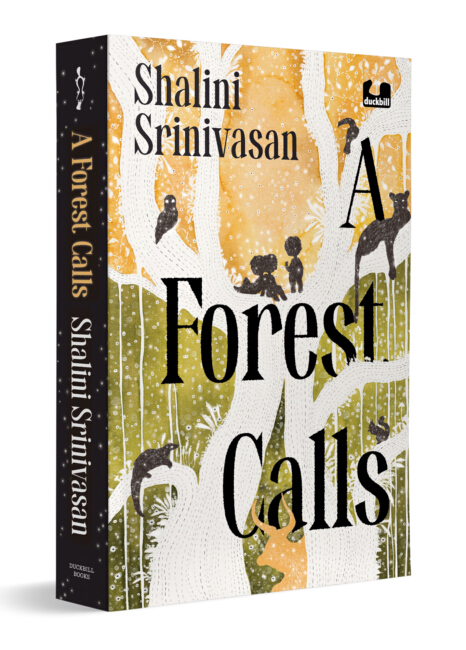
Forest time is not human time. Forests dream and wake to different rhythms from us.
When Raksha moves to Basavakere at the edge of a wakening forest, she finds a magnificent library, an exciting new quest, and peculiar new maybe-friends. But Savitha seems to prefer studying to adventuring, and Pol is oddly cagey, especially about the forest. Also cagey: the other new resident, a visitor from the past who is sometimes canine, sometimes human, and always mysterious.
When he is kidnapped, Savitha, Pol, and Raksha must brave many dangers, known and unknown to rescue him—steel-limbed ukkukai, strange oceanic beasts, vengeful monarchs, the Creepy Corps, parents, times past and present, board exams, the vast grasping forest, and, looming closer and closer, the future.
An utterly fantastical and magical story, A Forest Calls will touch a chord deep within every reader.
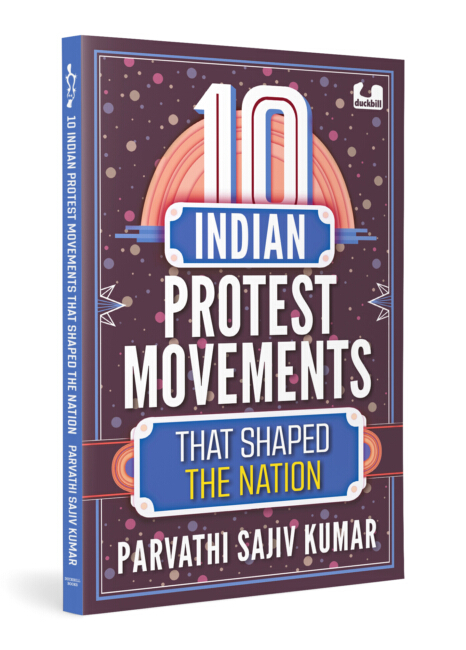
This book talks about ten protest movements that have redefined public discourse and strengthened democracy in India. From colonial resistance to twenty-first century mobilizations, these movements reflect the voices of people demanding justice, equality and dignity.
These are:
Quit India Movement
Anti-Hindi Agitation
Telangana Movement
Chipko Movement
Nav Nirman Andolan
Mandal Commission Protests
Singur Protests
India Against Corruption
Anti-CAA Movement
Farmers’ Protests
Parvathi Sajiv examines the origins, contributions and legacies of these movements and how collective action—whether through non-violent demonstrations, mass mobilization or grassroot resistance—has not only transformed society but also shaped India’s political landscape.
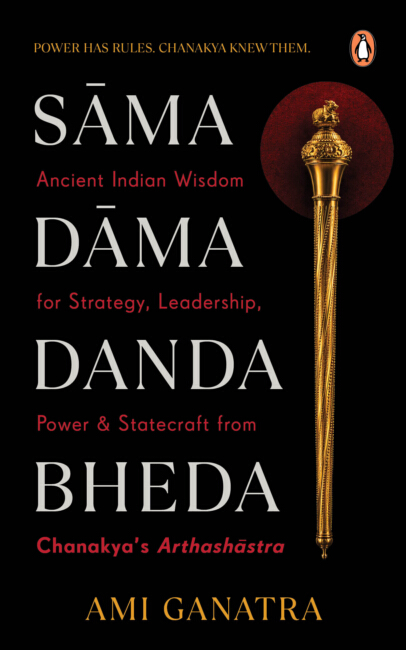
Ancient wisdom. Modern strategy. A powerful playbook for navigating power—and using it responsibly.
Sama, Dama, Danda, Bheda brings Chanakya’s timeless wisdom to modern readers, offering insights for engaging with people, institutions, competition and complex situations in an ever-changing world.
Drawing on the Arthashastra, this accessible and practical guide reveals how these ancient strategies can sharpen decision-making across leadership, business, governance and geopolitics. At its heart is a compelling question: how can power be exercised effectively while remaining aligned with Dharma? Part cultural classic, part strategist’s handbook, the book transforms Chanakya’s ideas into tools for understanding influence, negotiation, authority and human behaviour.
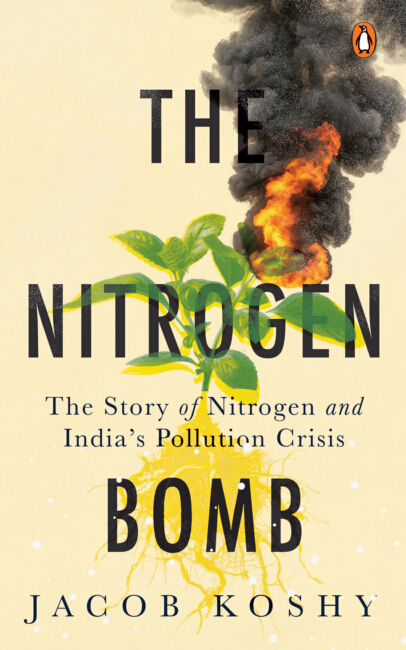
Every winter, Delhi and much of the Indo-Gangetic Plain disappear beneath a toxic haze. We know to blame cars, factories, construction, weather and geography. But there is an invisible contributor: nitrogen. In The Nitrogen Bomb, journalist Jacob Koshy reveals how the air’s most abundant gas that has sustained human civilization has also created an environmental crisis hiding in plain sight. Nitrogen changes form and
feeds us all, but it also pollutes our rivers and groundwater, damages ecosystems, fills our lungs with particulate matter and abets global warming.
From being the mysterious source of plant nourishment since the dawn of agriculture and the invention of the Haber–Bosch process for making synthetic fertilizer to the Green Revolution, fertilizer subsidies, minimum support price (MSP) politics, the farm laws, the latest nano-urea push and the closure of the Strait of Hormuz, nitrogen occupies an important place in the world. Koshy follows nitrogen through the laboratories, farms, factories and political battles that have shaped modern India and the world, explaining a global crisis that we have not yet begun to reckon with.
Part science, part history and part political investigation, The Nitrogen Bomb tells a startling story about the element that arrives as manna and settles as smog.

School taught us specific subjects, like maths and history.
But we weren’t taught:
How to sell
How to build relationships
How to negotiate challenges
How to take care of our mental health
How to network
How to deal with personal finance
These most important situations we face as adults were never discussed with us as students. We weren’t taught these skills in school, and this makes all the success stories we hear seem out of reach; it makes us feel dumb.
We aren’t dumb; we just don’t know how to work the system. Your school taught you how to run in the race; it didn’t teach you how to win. And that’s what this book is for. To help you win the race.
Packed with useful, effective advice gleaned from his own immensely successful journey as an entrepreneur and content creator, this book is a must-read.

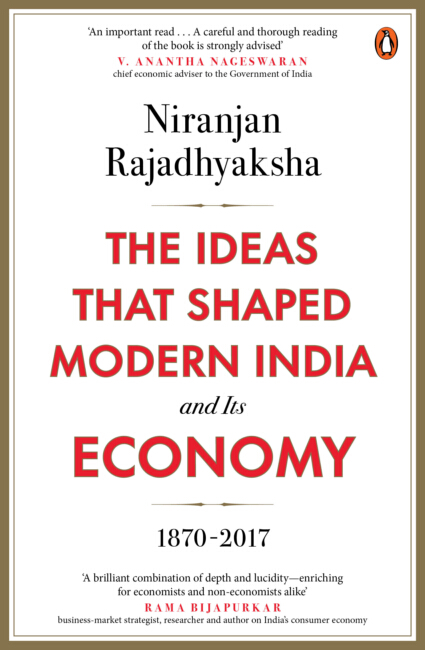
Why do some nations prosper while others struggle? Is wealth created by resources, policies and markets? Or, ultimately, by human ideas and enterprise?
Nearly two centuries ago, Marathi thinker Gopal Hari Deshmukh, better known as Lokhitwadi, found a powerful answer in samudra manthan. Lakshmi, the goddess of wealth, emerges only after the ocean is churned through immense collective effort. His message was simple: wealth must be created.
Beginning with this insight, The Ideas That Shaped Modern India and Its Economy traces close to 150 years of Indian economic thought: from colonial rule and independence to nation-building, liberalisation and the present.
Through the thinkers, reformers, policymakers and dissenters who shaped these debates, it explores enduring questions: How does a nation become prosperous? How can India build domestic capacity while remaining engaged with the world economy? What is the ideal balance between free markets and government intervention?
Accessible, engaging and deeply relevant, this is not simply a history of economics. It is the story of the ideas that made modern India—and those that will shape the India yet to come.