



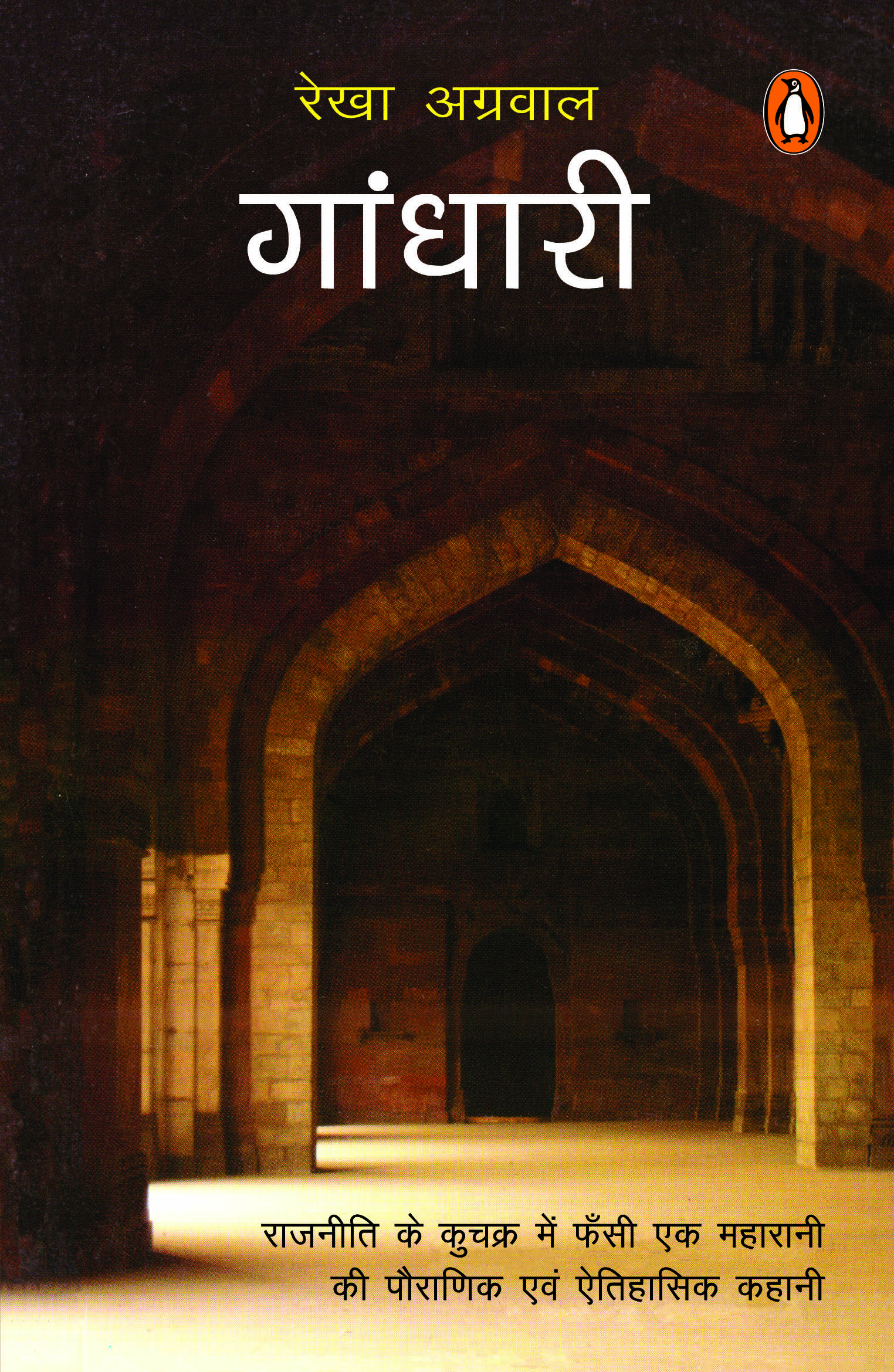
गांधार एक छोटा-सा राज्य था, जिसके शासक थे महाराजा सुबल। उन्हीं की सुंदर पुत्री गांधारी सुदूर हस्तिनापुर के राजमहल में बहू बनकर आई और आते ही उस नवयौवना नवविवाहिता के सारे सपने उस समय चकनाचूर हो गए, जब उसने अपने सपनों के सम्राट चक्षुहीन धृतराष्ट्र को पराश्रित पाया। उसे भी जीवन-भर आँखों पर पट्टी बाँधनी पड़ी और अपने को ठगा-सा महसूस किया। इस उपन्यास में कहीं वह एक असहाय स्त्री लगती है, तो कहीं शक्ति संपन्न माँ, जो कूटजाल में व्यस्त पुत्र पर बौखला उठती हैं। हस्तिनापुर की दीवारें बड़ी मोटी और अभेद्य पत्थरों से बनी हुई थीं, किंतु इतनी भी अभेद्य नहीं थीं कि गांधारी जैसी नारी की मानवीय संवेदनाएँ उसमें समा जातीं; उन्हीं संवेदनाओं का आत्मकथात्मक शैली में जीवंत वर्णन है इस रचना में, जो आपको सीधा महाभारत के युग में ले जाकर खड़ा कर देगा।
Catagory: Non Fiction
non fiction main category
Anandamath, or The Sacred Brotherhood (English)
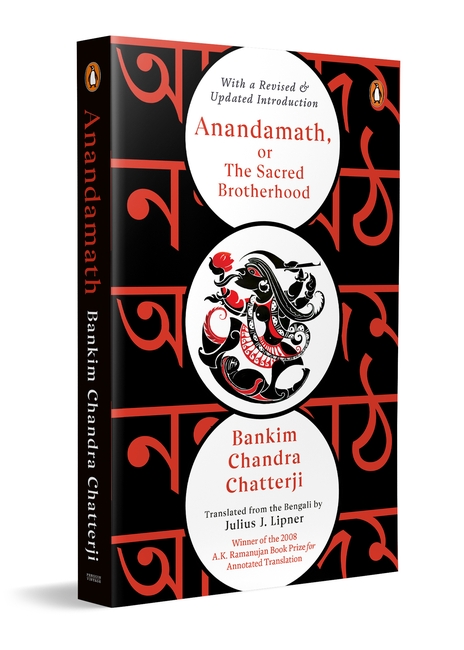
This is a translation of a historically important Bengali novel.
Published in 1882, Chatterji’s Anandamath helped create the atmosphere and the symbolism for the nationalist movement leading to Indian independence in 1947. It contains the famous hymn Vande Mataram (“I revere the Mother”), which has become India’s official National Song. Set in Bengal at the time of the famine of 1770, the novel reflects tensions and oppositions within Indian culture between Hindus and Muslims, ruler and ruled, indigenous people and foreign overlords, jungle and town, Aryan and non-Aryan, celibacy and sexuality. It is both a political and a religious work. By recreating the past of Bengal, Chatterji hoped to create a new present that involved a new interpretation of the past. Julius Lipner not only provides the first complete and satisfactory English translation of this important work, but supplies an extensive Introduction contextualizing the novel and its cultural and political history. Also included are notes offering the Bengali or Sanskrit terms for certain words, as well as explanatory notes for the specialized lay reader or scholar.
Hello, Bastar
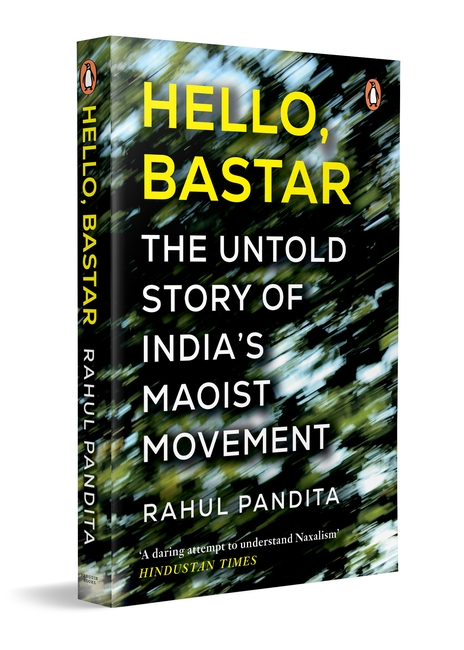
With direct access to the top Maoist leadership, Rahul Pandita provides an authoritative account of how a handful of men and women, who believed in the idea of revolution, entered Bastar in Central India in 1980 and created a powerful movement that New Delhi now terms as India’s biggest internal security threat. It traces the circumstances due to which the Maoist movement entrenched itself in about 10 states of India, carrying out deadly attacks against the Indian establishment in the name of the poor and the marginalised. It offers rare insight into the lives of Maoist guerillas and also of the Adivasi tribals living in the Red zone. Based on extensive on-ground reportage and exhaustive interviews with Maoist leaders including their supreme commander Ganapathi, Kobad Ghandy and others who are jailed or have been killed in police encounters, this book is a combination of firsthand storytelling and intrepid analysis.
Air Warriors
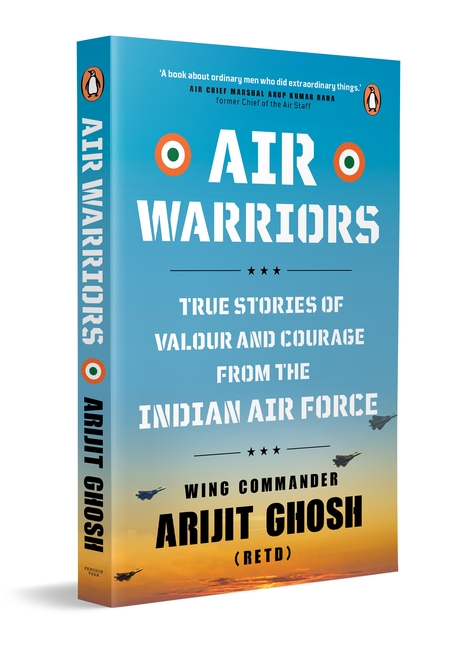
A newly independent country acquires its first heavy bomber from an Aircraft Graveyard and flies it for two decades!
A young Flight Lieutenant flies a daring dawn attack on a heavily defended Pakistani Airfield in the 1965 War and returns safely. Only to perish in a crash a week later.
Two wartime foes, one of whom shoots down the other in air combat, meet later as friends in life.
These and other compelling human-interest stories form the backbone of Air Warriors, an anthology of untold stories from the Indian Air Force. From the fascinating story of the inception of the Thunderbolts to how fifty-seven people were flown out from Car Nicobar after the 2004 Tsunami in a single Avro rescue mission authorised to fly only twenty-five passengers, the book is told from the viewpoint of the actual protagonists against the backdrop of day-to-day life in the Indian Air Force.
Elevate

Elevate breaks away from traditional self-help advice, providing a unique blend of personal insight, professional wisdom, and practical strategies. Kennedy and Callander, renowned for their expertise as a life coach and CEO respectively, share their secrets to building a life of incredible health, success, happiness, and fulfillment.
Unlock the extraordinary within through a practical, step-by-step framework across three core pillars:
- Life: Embracing ownership and empowerment in your journey
- Leadership: Understanding the power of influence to lead with purpose
- Longevity: Learn how to prioritize well-being and find fulfillment
Ideal for young entrepreneurs and professionals:
- Easy-to-follow techniques for immediate application.
- Tips from top CEOs on succeeding at work.
Packed with a comprehensive toolkit and actionable strategies, Elevate equips you with everything you need to design and implement a plan for achieving both personal and professional success. Transform your life today with this essential guide to living an extraordinary life.
Human Nature
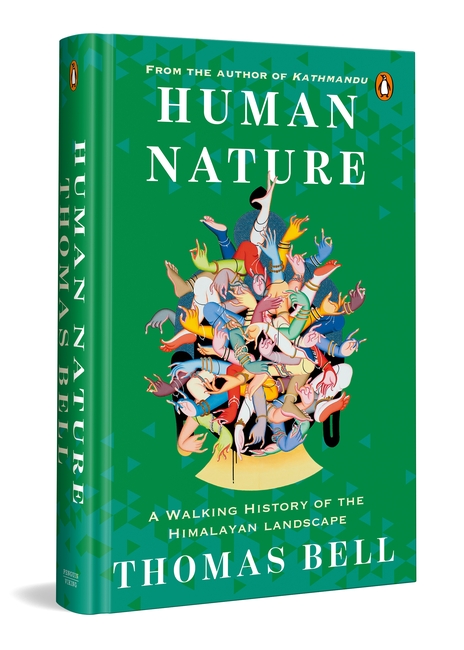
In Human Nature, Thomas Bell embarks on four walks through the Himalaya, each in a different season, to explore the interplay between the land and the people who call it home. This evocative history entwines travelogue with folklore, literature, art and anthropology, offering a nuanced portrait of life over the centuries in one of the world’s most enigmatic regions.
Bell’s decades of living in Nepal give him an unusual perspective that bridges the gap between insider and outsider. The stories told to him touch on themes from religion to ecology and political economy, and from pre-history to the present day. He also deftly examines the impact of British imperialism and the growing external pressures on the environment.
Accompanied by striking photographs, Human Nature is a magnificently written account that spans big ideas and real lives. Erudite, intimate and evocative, this is essential reading for anyone seeking to understand the relationship between communities and their environment.
Negotiating India’s Landmark Agreements
Negotiating India’s Landmark Agreements is a rigorous examination of the historical significance and diplomatic intricacies of five pivotal agreements signed by India since Independence. It walks readers through the India–China Agreement on Tibet (1954), the Indo–Soviet Treaty of Peace, Friendship and Cooperation (1971), the Simla Agreement (1972), the India–Sri Lanka Accord (1987), and the India–United States Civil Nuclear Energy Agreement (2008).
By dissecting the prevailing political, economic, and social dimensions that underpinned these accords, it provides readers a profound understanding of the long-term impact of these crucial negotiations and documents often ignored in other histories. Through meticulous research and in-depth analysis, author AS Bhasin narrates the gripping story of how these treaties shaped India’s international relations and contributed to the broader contours of global diplomacy. His book not only illuminates India’s evolving role on the world stage but also offers a novel perspective on the complexities of international affairs and statecraft.
Negotiating India’s Landmark Agreements is an indispensable guide to deciphering the strategic decisions that have defined Indian foreign policy, while also serving as a valuable resource for academics, researchers, and practitioners in the field of international relations. It is a critical addition to the study of diplomacy, offering insights that are both compelling and essential for a deeper comprehension of global affairs.
89 Autumns of Poems
Gulzar Saab, over the course of some time, wrote Selected Poems, Neglected Poems and Suspected Poems, all of which were loved and adored by his readers and admirers. They took us down memory lane negotiating with the labyrinth of life and beyond. Gulzar made almost everything under the sun a subject of his poetry. Life, death, separation, love, grief, hope, aspiration—all of which are a part of his poetic gaze. He weighs, measures, writes and rewrites each word, which could be felt, touched, visualized and experienced as a palpable reality.
In celebration of nine decades of Gulzar Saab’s journey, 89 Autumns of Poems also brings to light his jugalbandi with Pavan K. Verma, who translated these works. These poems¾soaked in time¾are Selected, Neglected and Suspected and therefore, especially, curated to access three of Gulzar Saab’s bestselling titles in one volume.
When Turquoise Waters Turned Dark
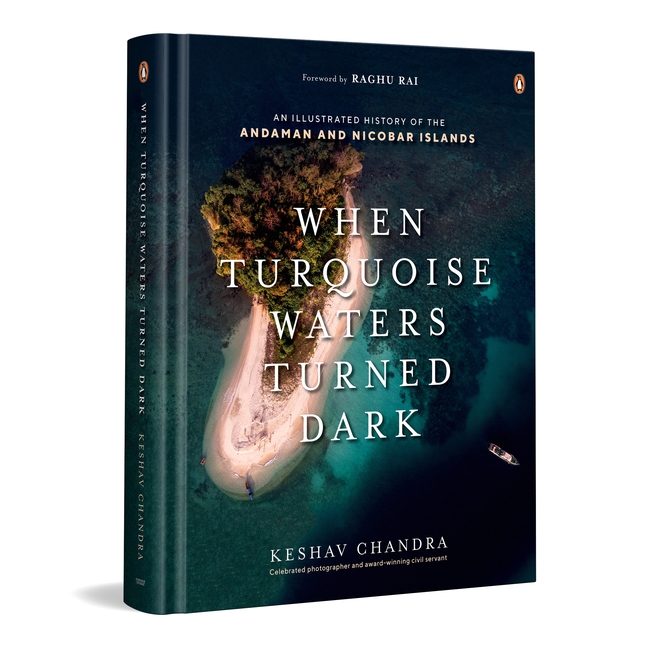
A promising visual and intellectual delight, When the Turquoise Waters
Turned Dark provides a fresh perspective on the colonial history of one of India’s greatest historical and
natural landscapes, the Andaman and Nicobar Islands. Crafted with? stunning photography
and presented with a meticulously researched narrative, this book is an immersive exploration of the
islands’ past. The images capture picturesque landscapes, architectural ruins and the diverse local population, giving a visual history and a narration on the present of the archipelago. Readers will journey through time, discovering the islands’ strategic importance during colonial times, the impact of various foreign powers that ruled the islands and the stories of the people who shaped the course of the islands’ history. The blend of visual splendour and historical insights makes this book an essential addition to the bookshelves collections of history enthusiasts, photographers and anyone interested in India’s
colonial history.
The Evergreen Legends of Kerala
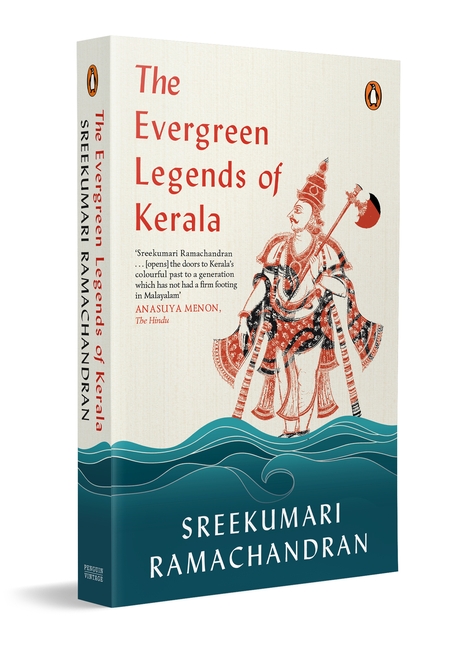
Discover the heart of Kerala through stories that pulse with life and history. This book invites you to explore the world of sorcerers, warriors, and poets, where myth and reality intertwine. From the ancient gateway of Malabar to the vibrant communities that shaped its culture, these tales reveal the depth of Kerala’s heritage. Meet the figures behind the legends, delve into the histories that defined a region, and experience a society rich in tradition and intrigue. With a blend of deep insight and accessible writing, this collection offers a fresh look at Kerala’s fascinating past.