



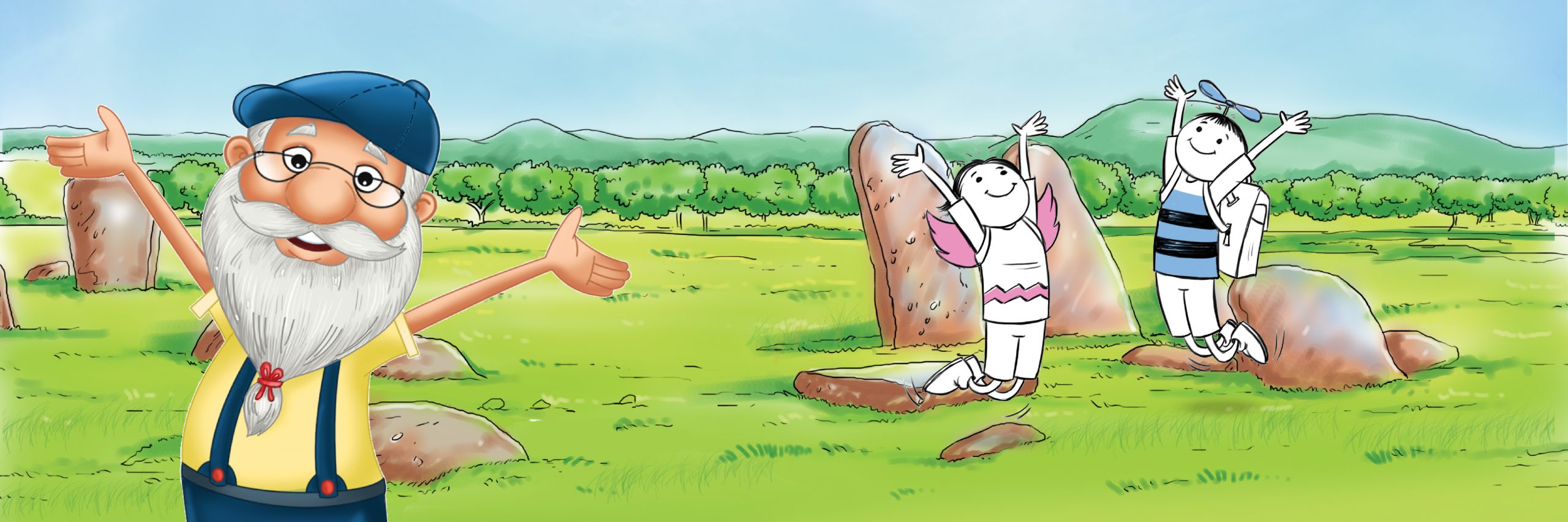
The Discover India series will take you and your little ones on a tour of the country making you travel through many states of India and show the diverse culture of the states with the help Pushka, Mishki and the wise Daadu Dolma. A part of the Discover India series, Discover India: Off to Jharkhand talks about the state’s geographic marvels and the culture of Jharkhand.
Here are 4 things to know about Jharkhand:


With puzzles, crosswords and dozens of other activities, the book will entertain, educate and enlighten young minds.
AVAILABLE NOW
Category: Specials
Arefa Tehsin on her journey with the Globetrotters!
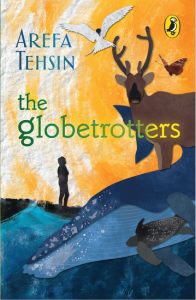
Arefa Tehsin has spent much of her childhood treading the jungles of Aravali with her naturalist father. Having authored several fiction and non-fiction books, she has come out with an exciting fictional work for young readers, The Globetrotters. The book records the journey of Hudhud, a naughty kid who is horrible to everyone including innocent creatures. Until his strange new history teacher decides to set him straight with a curse. Hudhud now has to roam the vast earth with and as the greatest migratory animals. His goal is to find the answer to all wrongs…
Here Arefa Tehsin talks about her process writing this book. She further talks about getting into the psyche of animals and their daily life:
—————————————–
There is one question that I have been asked a few times by the readers, or those who don’t read but just know that I write about animals. ‘Arre, how do you get into the psyche of animals?’ One even went on to ask, ‘You have animal dreams, no? If I saw so many snake pictures in a day, I would have nightmares!’ I nod politely and try to get into the psyche of the person asking the question before I form my answer. The fact is, I love animals. And I don’t mean cats and dogs who hog the limelight as soon as animals are mentioned to humans. I mean the wild variety — lumbering monitor lizards, ever-grinning crocodiles, badass hornets, swashbuckling parakeets, clamorous frogs, silent snakes…you get the drift.
Before I can move on to other animals, eyebrows cock up at the S word. ‘Snakes…you love snakes?’ Time to let out another small giggle while they look at me as if I have lost all my nuts. Yes, I have a particular soft spot for these slithering reptiles with flickering tongues and a wicked image. In fact, I suffer from the whim of catching them on sight, or at least chasing them to have a closer look before my husband Aditya or someone else, who thinks I am sorely tempting fate, can pull me back. I would rather hold snakes than the so-called cuddly squirrels who get into my house and chew my wooden blinds every three weeks! So you see, I do not have to try hard to get into the head of these animals. They are kind of in my head already. For me, animals and jungles, and not the plain old humans in their four-walled homes, hold an unrivalled mystique.
When I grew up, my naturalist father would take me into the forests and inside the cages of leopards and bears and crocodiles and pythons, so that I lose fear of the wild, which I did to a great extent. I began loving the jungles and their denizens more than the cities with their teeming multitudes and heaps of garbage, which unlike the wastes in the forests, never got recycled. Jungles were not just clean and green places of peace and quiet but of high octane action too, happening even in an ant mound, if only one had the patience to pause and look.
And then, I was fed bedtime stories invented by my father every night. I possessed this inherent dastardly genes of a story-spinner. I would in turn feed my unsuspecting school friends and cousins with tales of fantastical creatures living in my garden and my pencil box. I was ever so serious about the worlds I invented that I took the plight of the creatures in them to my heart. I’d tell Saadat, my cousin, about Jack – the alien – who lived in the roots of a banyan tree as a beetle, trying to find a way to go back home. We started gathering money by selling old bottles to help him with his spaceship. I wonder if Saadat, who is a pilot and flies transatlantic flights now, has visions of Jack’s spaceship up there sometimes. Mine was not a case of having an imaginary friend. It was a case of giving all my friends imaginary friends. In being non-existent, they became all the more enchanting.
When I started writing, it had to be about wilderness that was so essential for my well-being. Most of the times when I heard people getting agitated about mistreatment of animals, it was for the domestic, tamed varieties — horses, dogs, cats and cows. They were at least not facing extinction! I wanted to talk about those who were out of sight, out of mind, and out of discourse — the animals and trees and wild spaces that are disappearing like morning mist with the dawn of human ‘development.’ Those were the ones suffering irrevocable harm to their kind. Those were the ones I wanted to talk about. My father had always said that it is not facts or preaching or lessons that will connect one to nature, it is stories. Stories, like music, have the power to move, to change. I armed myself with stories, even if they were the non-fiction kind, and began unleashing them.
About getting into the psyche of a character, I had once, long back, wondered about how this happened when I read Leo Tolstoy’s Anna Karenina. How could a man slip into the heart and soul of a woman so utterly? It was like skin-changing! When I started writing, I realised I could be a skin-changer too. But I have no testifier to confirm how good or bad I am, unless you want to go to a black widow, read out my story and take her opinion if her life and feelings have been rightly depicted.
There is always a lot of reading involved when you are going to write about an animal in its true living space, which can be the deep ocean or the freezing tundra — the wild spaces that you have never seen before. One has to read about their behaviour, habits, likes, dislikes, neighbours, homes and the threats they face. Once that is done, it is rather effortless to slip into the mind of a hungry leatherback turtle swimming the deep ocean trying to find a delicious jelly of a fish to eat or a young porcupine reindeer travelling across the Arctic, having a rollicking good time. It is even easier to slip into the imaginary world of an ancient guardian witch who protects the world of legends or being an Agogwe, a little rainforest dwarf who wraps his long beard around him in a cloth like fashion.
Truth be told, I have never thought how I get into the psyche of a character — animal, human or sub-human. It is not like doing sorcery through words or going to a mind-gym to exercise your imagination. It just happens when I sit down to write and plunge into a story. Living in different worlds is not my escape from reality. It is my reality.
An author had said, ‘In the end, only the stories survive.’ I only hope, so will the wild animals.

The Three Ghosts your Child will Love!
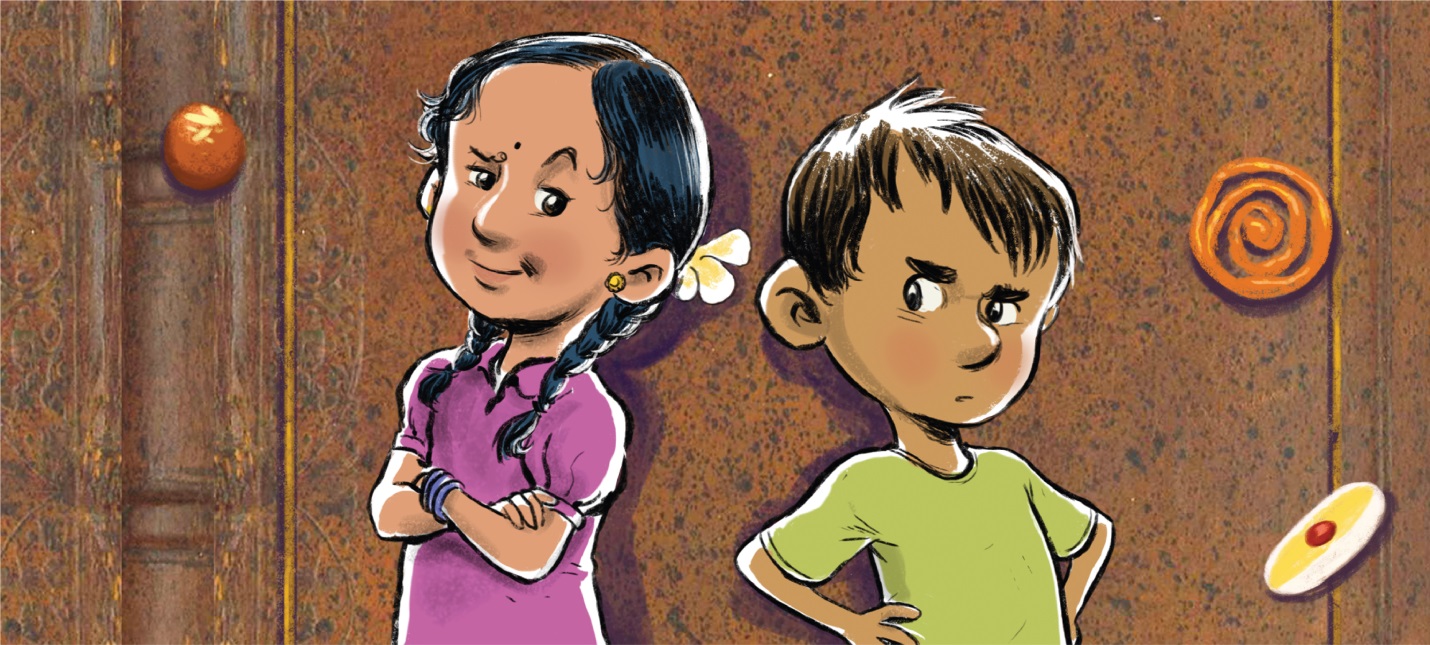
The Curious Case of the Sweet and Spicy Sweetshop by Nandini Nayar is a spooky story packed with curious characters, a hilarious hero and a super-fun plot. While reading this book, your child will be in for a double treat- witnessing witty family relations and discovering the magical world of sweets!
Most ghosts are super scary but here are 3 ghosts your child will absolutely love:
Bhagwandas Mithaiwala
Plump man with hair cut short, Bhagwandas was dressed in a full sleeved shirt in his portrait. While looking at the portrait, this was a man, Laddoo thought, who probably enjoyed eating the sweets he made and sold. The post-master and Bhagwandas were best friends. The postmaster remembered Bhagwandas as a cheerful man, with cheeks like his famous gulab jamuns and a voice as thick and caramelly as the best sugar syrup!
 Ramcharandas Mithaiwala
Vishnu’s grandfather, Ramcharandas was a serious looking man. A man with curly grey hair, that clustered around his head, he had a droopy moustache over his lips and looked serious. He was famous for being incredibly suspicious! He was convinced that people were trying to steal his recipes. So he built the sweetshop— without a single window. He wanted to make sure that not even a whiff of the fragrance of the sweets could escape the room.
 Girijakumar Mithaiwala
Vishnu’s great-grandfather was a thin man with a melancholy expression on his face. He was the one who set up the sweet shop. He built his house and the sweetshop under it because he believed that no sweet maker should live far away from his shop.

Discover India: Four things your little ones should know about Odisha
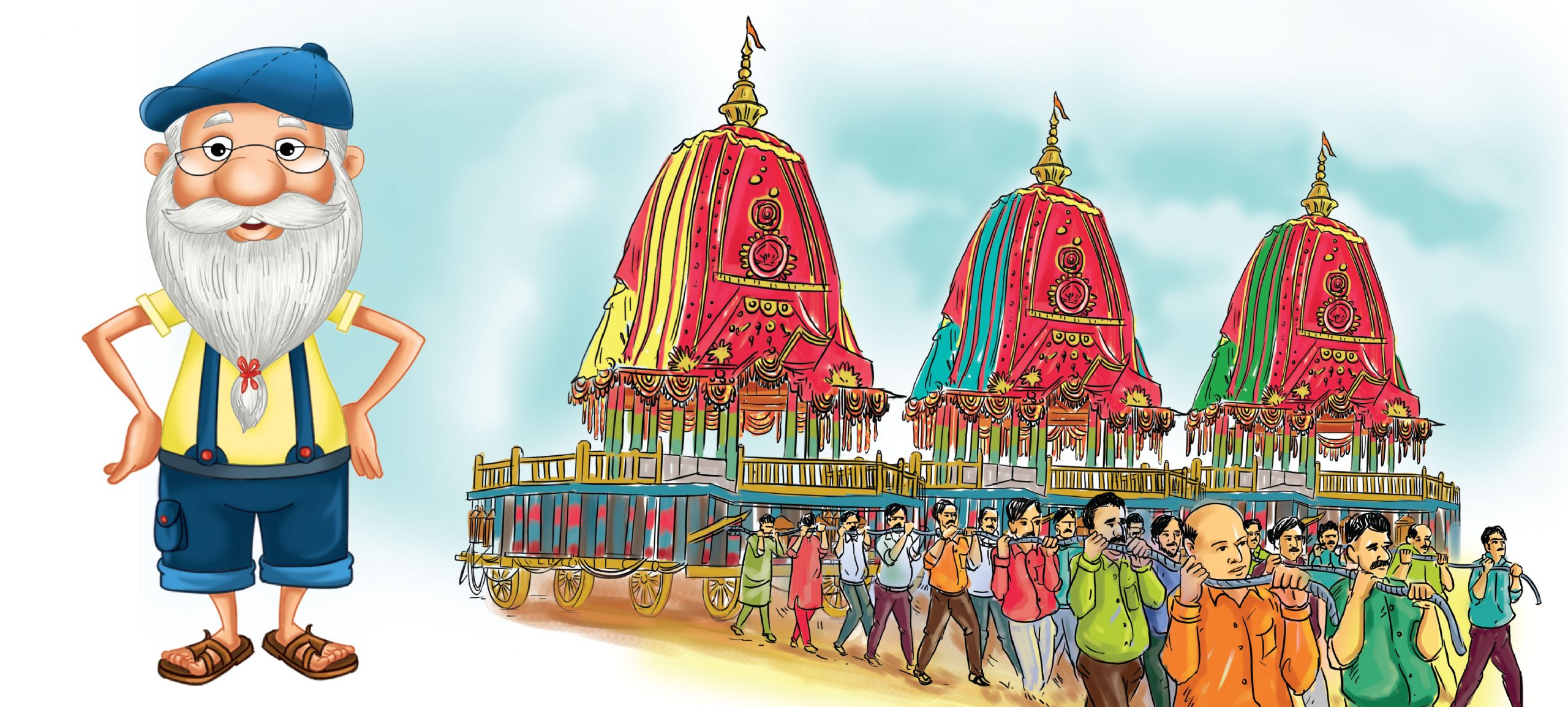
Mishki and Pushka have never seen a place as amazing as Earth. They are here from their home planet, Zoomba! Join them as they travel across India with Daadu Dolma, the sweet old man they meet.
Mishi is in a hurry to visit the next state. “Where are we going this time?” she asks Daadu Dolma, jumping up and down. Daadu tells her that the three of them are off to visit a beautiful state that is historical and very interesting and also has yummy food. They’re on their way to Odisha!
Here are four things they learn there.

That must mean there were dinosaurs and other pre-historic beasts roaming this region at one time. But rocks are not all it has. There are ridges and plateaus that have been created by soil from rivers and sand blown in by the wind.

It even supports many fishermen, who make their living through this lake.

A tribe called the Juangs have the most organized system. In the centre of this community’s village is the largest hut. It has walls on three sides and is open in the front. The walls are decorated with patterns.

There are Pattachitra artists and pipli art. Weaving is popular here and they have names like khandua, saktapda, bomkai and tarabali. Kansaris are the artists who create wonderful brass pieces.

Discover India: Four Things your little ones should know about Andhra Pradesh
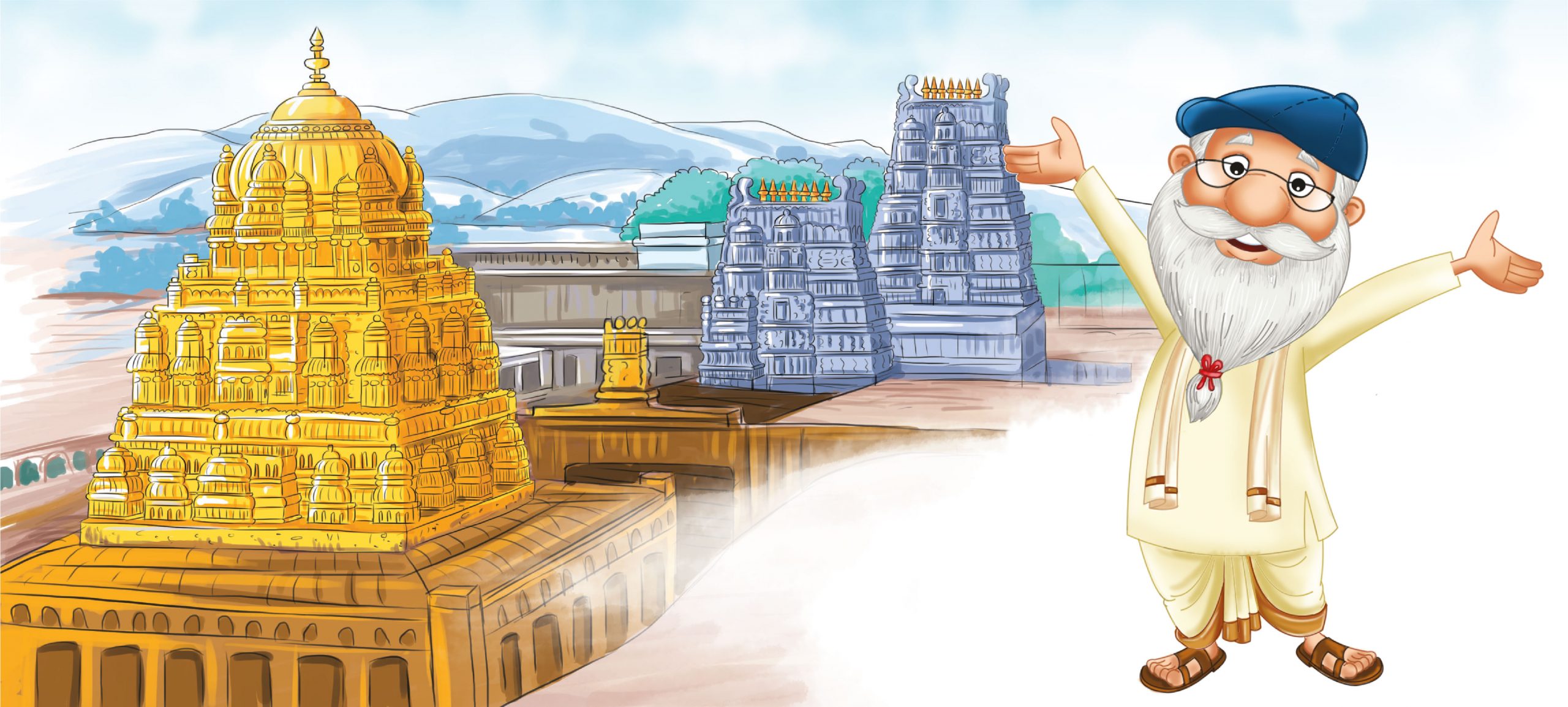
Mishki and Pushka’s home planet, Zoomba is nothing like Earth, except that the people look the same! As they travel across India with their new friend, Daadu Dolma, they are awestruck by the magnificence of India.
Upon spending the entire night reading about Andhra Pradesh, Pushka says, ‘Daadu, I am really curious about this state. It seems to have a rich history—but is very modern too.’
The siblings are keen to visit and so, much to their delight, Daadu Dolma takes them to the beautiful state. Here are four things they learn about Andhra Pradesh.

This made the state a little smaller, but it still has a lot of lovely neighbours. It is surrounded by Karnataka, Tamil Nadu, Odisha and, of course, Telangana. On its eastern side, it has a long coastline, where the waters of the Bay of Bengal lap its shores.

There are many rivers that rush down the mountains and into the Bay of Bengal, watering the plains along the way. These rivers create deltas and make this area simply perfect for farmers.

Thanks to this, even the otherwise dry plateau is able to sustain agriculture.

Historically, because the Nizams ruled here for so long, Urdu is very much a part of the local language.

Discover India: Four Things your little ones should know about Haryana
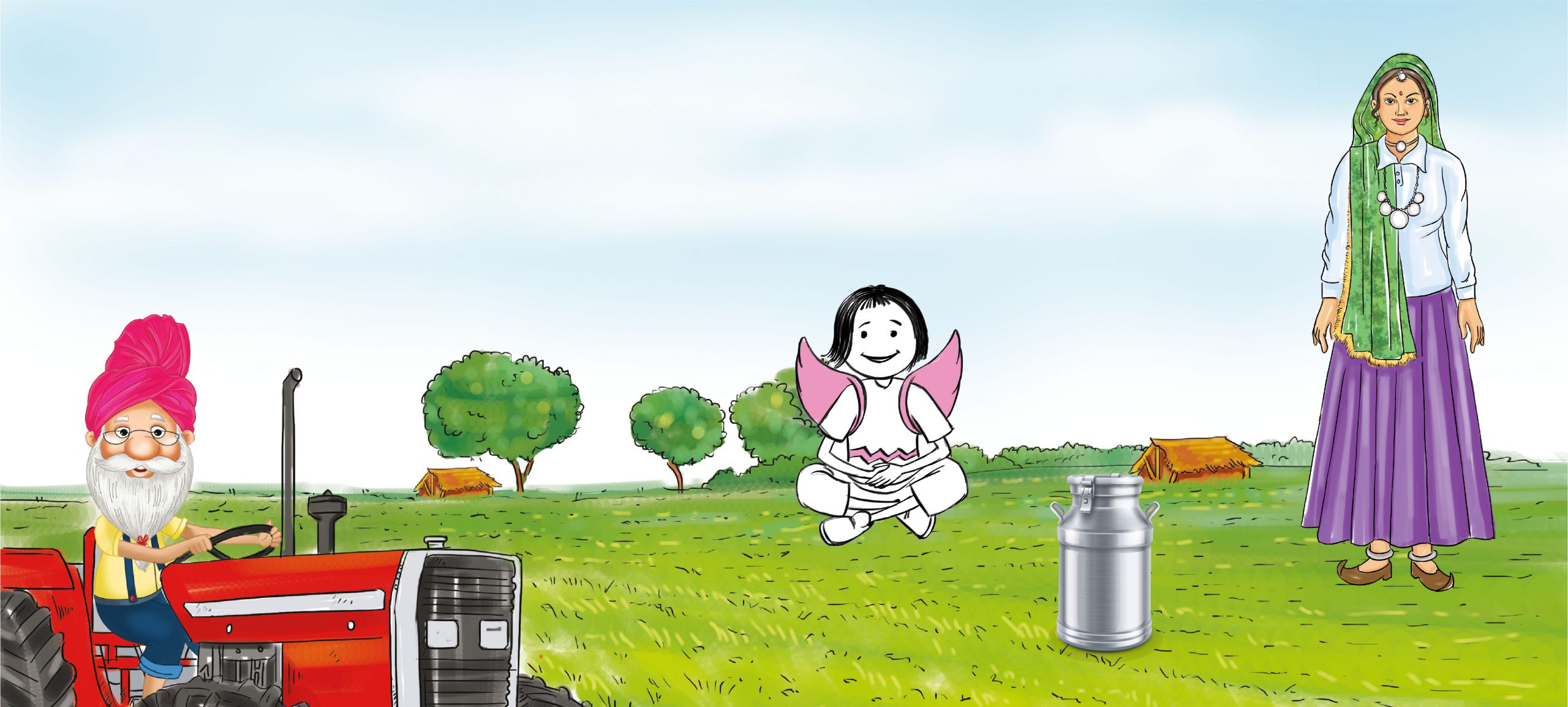
Daadu Dolma, the sweet old man that Mishki and Pushka meet on their visit to Earth from their home planet Zoomba is keen to show them the wonderful places in India.
Mishki and Pushka are very curious because they don’t know much about the state they are about to visit. “Well, you could say that Haryana is where a lot of India’s history was born. Some of the greatest events in Indian history occurred here,” explains Daadu.
Here are four things they learn about Haryana.


Quotes from Anne Frank that You Must Know
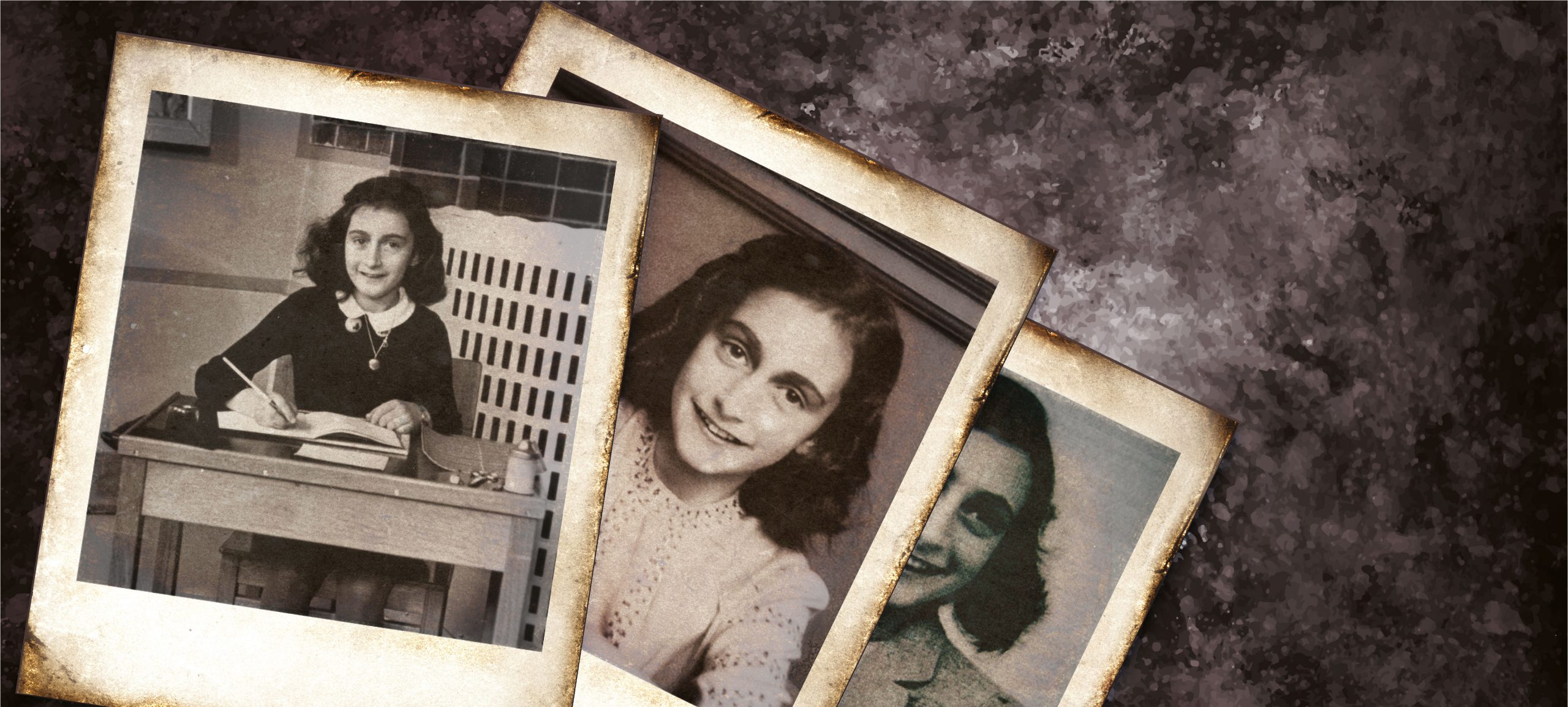
In Amsterdam, in the summer of 1942, the Nazis forced teenager Anne Frank and her family into hiding. For over two years, they, another family and a German dentist lived in a ‘secret annexe’, fearing discovery. All that time, Anne kept a diary. Here she writes about her curiosity of her emerging sexuality, the conflicts with her mother, her passion for Peter, a boy whose family hid with hers, and her acute portraits of her fellow prisoners.
Since its publication in 1947, Anne Frank’s diary has been read by tens of millions of people. In it, we find some inspiring quotes.


Discover India: Four Things your Little Ones Should Know about Uttarakhand
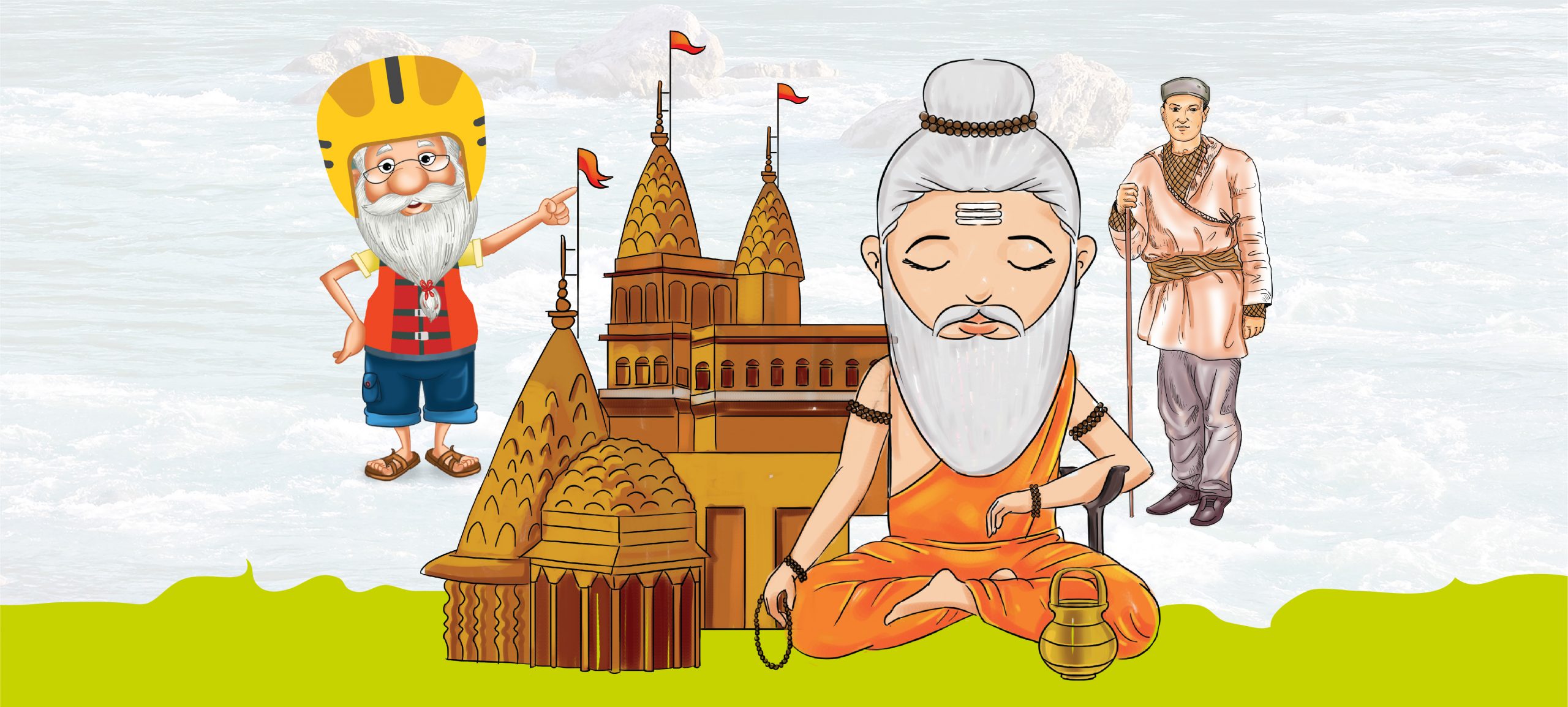
Mishki and Pushka have to come to visit Earth from their home planet Zoomba. They meet a sweet old man whom they call Daadu Dolma who shows them all the wonderful places in India.
They’re super excited because they are on their way to visit a state with magnificent mountains – Uttarakhand. They can’t wait to ski, build snowmen and have an amazing time.
While there, they learn these four things about Uttarakhand.


Discover India: Four Things your little ones should know about Sikkim
Join Mishki and Pushka on their visit to Sikkim. They are here from their planet Zoomba and quite keen to explore India. With a sweet old man whom they fondly call Daadu Dolma, they traverse the length and breadth of India.
In Off to Sikkim, Mishki and Pushka have been instructed to carry all their warm clothes. Sikkim, the state they’re going to is right next to the great Himalayas and can be very cold. But they’re excited when Daadu Dolma tells them that they will see nature at its best, learn about the state’s interesting history and meet some great people. They can hardly wait!
Here are four things they learn about Sikkim when they visit the state:


4 Difficulties We All Face While Using Public Toilets
Neha Singh is a Mumbai- based theatre practitioner, author and activist. She directs, produces, writes and acts in plays for children and grown-ups. She has authored three children’s books- Bela Misses Her Train, The Wednesday Bazaar and Moongphali. Singh’s latest book- I Need To Pee highlights the ever-relevant worry of having a safe and clean toilet experience.
The protagonist of I Need to Pee-Rahi loves slurping refreshing drinks, and so she always needs to pee. But boy, does she hate public loos!
Here are some difficulties Rahi faces when using public toilets:


