



Mathematics is an integral part of our life but many of us think of it only as a subject to be studied in school or college. In How to Be A Mathemagician, Aditi and Sudhir Singhal not only make mathematical principles fun and easy-to-learn but also show a different a side to this subject – a side that can help us improve our concentration skills and increase our attention span.
Blocks (such as shown below) help improve concentration, reading speed and problem-solving skills. Here are 4 ways in which you can improve your skills using the block below:

Always count!

Your brain is all you need!

Abide by the time limit

Practice till you get it right

Tell us what you do to improve your concentration.

Category: Specials
India: 70 Years of Independence
By Roshen Dalal
India celebrates 70 years of independence on 15 August, and we may wonder why this date is so important. A simple answer is that on this date in 1947, India gained freedom from almost 200 years of British rule. But further questions follow. What was wrong with British rule? How was it different from that of earlier invaders and settlers? Through the narrow passes and river valleys in the high mountains, India had seen many invasions from ancient times. Darius I (522-486 BCE)of Persia (Iran) included part of north-west India in his territories. Alexander, the Macedonian conquerer, too, came to the north-west in 336 BCE, but could not stay long. The Bactrian Greeks (from 200 BCE), the Parthians (1st century CE), Kushanas (1st to 3rd centuries CE), Indo-Sasanians (3rd -4th centuries CE), and Hunas (5th century CE), and were among other invaders. All of them set up kingdoms for short periods of time, and many were absorbed into Indian society. Later there were invasions from Ghazni and Ghur in the region of present Afghanistan, which led to the rule of the sultans. The sultans defended India against the invasions of the Mongols. The Mughal dynasty was then founded by Babur in 1526, who originated in the small kingdom of Farghana in Central Asia. There were other dynasties such as the Ahoms, who invaded the north-east of today’s India. But most of these who were once invaders, ruled parts of India much like other kings of the country. They collected and spent taxes here, constructed buildings, provided justice, and encouraged the arts. British rule was different, in that they used India as a source for money and raw materials that were transmitted to their own country. Dadabhai Naoroji (1825-1917), an Indian political leader and the first Asian to become a member of Parliament in Britain, explained this as ‘the drain of wealth’, in his book Poverty and and Un-British Rule in India. He estimated that the British were taking money away from India at the rate of 30,000,000 to 40,000,000 pounds a year. Railways had been constructed, but the money earned from them belonged to Britain. In addition, railways were used to transport raw materials, which were later sent out of India. It seemed as if there were some good points, as law and order were maintained, but Naoroji said that under the British, ‘the Indian starves in peace and perishes in peace, with law and order’. Artisans lost their livelihood. There was inequality, as only the British were given high posts. India was a ‘colony’ of Britain, but neither India nor Britain were unique. Across the world, other European nations, the including France, Portugal and Germany, had their own colonies, and similarly exploited those they colonized.
It was a long struggle to gain freedom from the British. The Revolt of 1857 was the first widespread expression of protest. After the founding of the Indian National Congress in 1885, the movement became more organized, and finally, though many groups had participated, it was Mahatama Gandhi who led India to freedom through satyagraha, his policy of peaceful protest, combining non-violence and truth. There were around 565 Indian states, which the British did not directly rule, though they controlled them through their agents. Many people in these states also participated in the freedom movement.
These peaceful protests brought about gradual changes, and an involvement of Indians in the government in the British provinces.
India became free at one minute past midnight on the of 14th August, that is, the first minute of the 15th. Though many celebrated and rejoiced, some, like Mahatma Gandhi, were sad–firstly because two countries of India and Pakistan were created instead of one, and secondly because there were riots and killings between Hindus and Sikhs on one side, and Muslims on the other.
But the new country of India overcame these problems. With the adoption of the Constitution on 26 January 1950, India became fully independent. It became a democracy, a Republic with two houses of Parliament, the Lok Sabha and the Rajya Sabha, headed by the president, with real power in the hands of the prime minister, the other ministers, and Parliament.
What we must celebrate after 70 years, is that this democracy is still functioning. As I see it, this has been India’s greatest achievement. Pakistan gained independence at the same time as India, but could not provide a stable government. Many more countries gained Independence after India, both in Asia and Africa. Most of them have faced problems, in governance and otherwise.
As we celebrate India’s freedom, we must guard and protect its greatest treasure–that of being a democracy, with a Constitution that guarantees certain freedoms, and provides equal rights to people of all communities, castes and religions.
Let Chhota Bheem Turn Your Child into a Reader
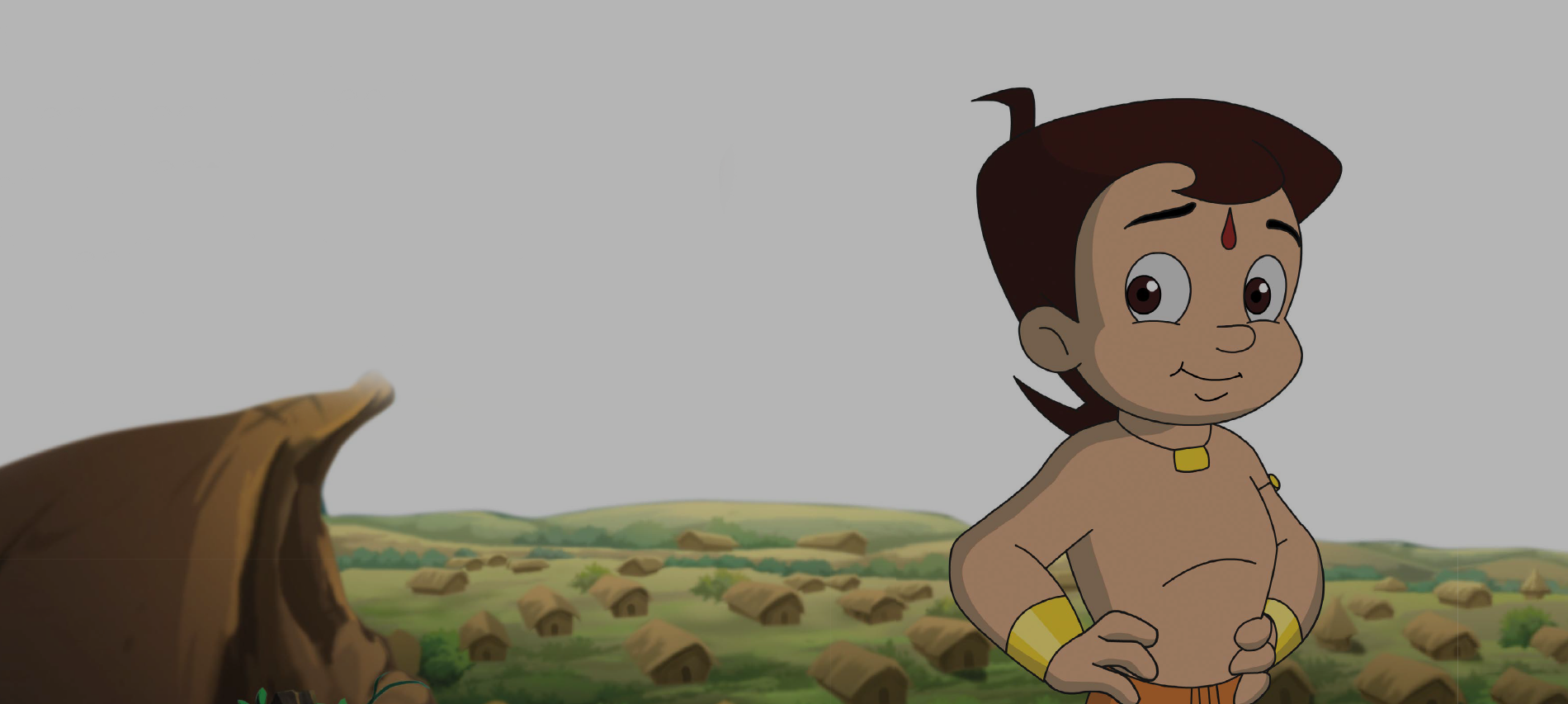
Is your little bundle of joy going to start school soon? Have you been looking for books that will ease them into this new phase of life? The Chhota Bheem series by DK Books, is where your search ends. The series is a set of four books, ideal for kids between 4-6 years. It aims to enrich your kid’s general knowledge and also inculcate a fondness for reading.
Here are 5 ways in which your child can enjoy the series:
Easy-To-Read Text
The book series aims to educate and entertain your little one through illustrations and easy-to-read-text. Combining familiarity of the much loved characters with educational content adds to your tot’s understanding.

Increase General Awareness
The series covers topics such as types of transport, animals, seasons, and the concept of party. Like the TV series, the books will make your little one aware of things which they see around them every day. The storytelling format in the books will let them have as much fun as they have while watching an episode.

Engage in Fun Activities
Learning becomes easier when you’re having fun! The books also contain activities like crafting a paper boat or making lemonade which incorporate fun learning for your child, thereby increasing their attention span and enabling them to fare better at school.

Improve Cognitive Skills
Apart from helping children develop the habit of reading, the books focus on improving their thinking and analytical skills, achieving this through word search, spot the difference, solve the maze, etc. The analytical skills come into play when your kid is learning subjects like mathematics and science.

Respect for the Environment
In the light of the on-going climate change, the series aims to make the children aware of their surroundings. The books cover topics such as climate change and endangerment of animals. These topics will help you instill in your child, respect for the environment and its gifts.

Are you ready to see your kid set off on an exciting journey of learning? Tell us what they think of the books.

Decoding the Panchatantra: 6 Little-Known Facts About the Evergreen Animal Fables
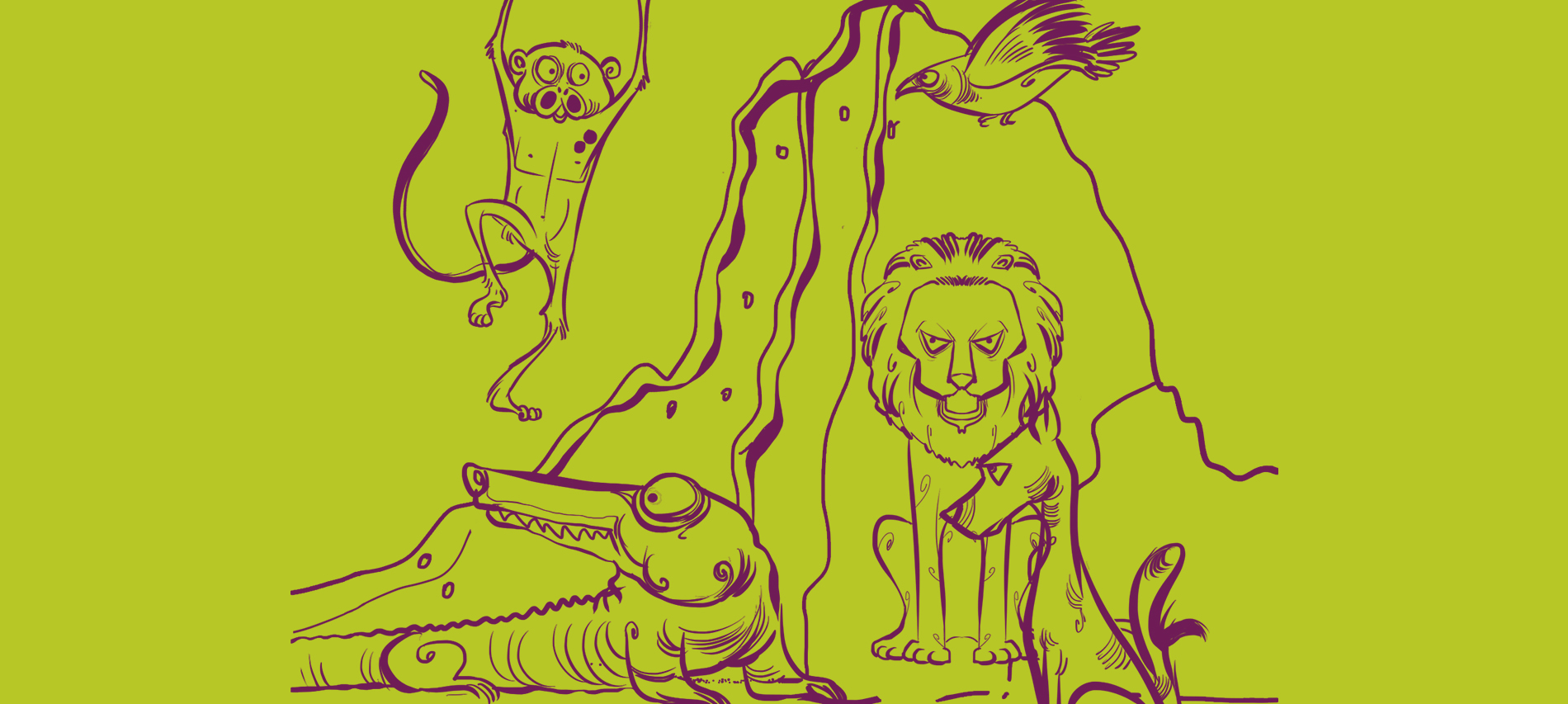
Originally composed in Sanskrit, the Panchatantra is one of the oldest collections of fables in the world. Devised for the purposes of teaching three dull-witted sons of a king, it strives to convey the principles of kingship and some valuable life lessons.
Nilanjana Roy, author and journalist, notes in her introduction to the refreshing new translation of the Panchatantra: “Stories are alive and they like to travel.” In fact, the more brilliant the stories the wider their reach. And therein lies the magic of the Panchatantra – it has hopped down and affected numerous centuries and generations!
Here are six little-known yet brilliant facts about the Panchatantra!
Who wrote the Panchatantra? Vishnusharma was renowned far and wide for his learning and his skill as a teacher, and was therefore given the task of educating the sons of the king and making them fit to rule. He was eighty years old at the time yet accepted the challenge, and devised the stories of the Panchatantra to teach the princes the rules of kingship and the principles of government.
When was the Panchatantra composed? The exact date of its composition is uncertain. We do know, however, that it was translated into Pahlavi in 550 CE. Thus, we know with certainty that the Panchatantra must have been composed before this date.
Where was the Panchatantra composed? We do not know the exact location of this city, or even if it was a real place. The Panchatantra only states, rather vaguely, that Mahilaropya was the capital city of ‘a kingdom in the south’.
The Structure of the Panchatantra The original Panchatantra is a mixture of verse and prose. The stories are narrated mainly in prose, but the lessons derived from the tales are usually given in verse form. Panchatantra takes its audience into a series of stories, deeper and deeper, from one level to the next.
Characters in the Panchatantra The author has used a device to make it easy for his audience to understand the nature of his characters, and that is their names. He has given his characters, whether human or animal, names that highlight certain aspects of their appearance or behaviour. Thus, we have Pingalaka the lion, whose name means ‘one who is red–gold’, named for his fiery coat!
Translations and Retellings The subject matter of the Panchatantra and its delightful tales made it a very popular text. Its stories, carried far and wide by travellers and merchants, spread rapidly across the world.
Want to soak in the magic of the Panchatantra? Relive the joy of this enduring classic, translated brilliantly from the original by Rohini Chowdhury and now in a classic keepsake edition – here!
5 Quotes from Winnie-the-Pooh that Define Life
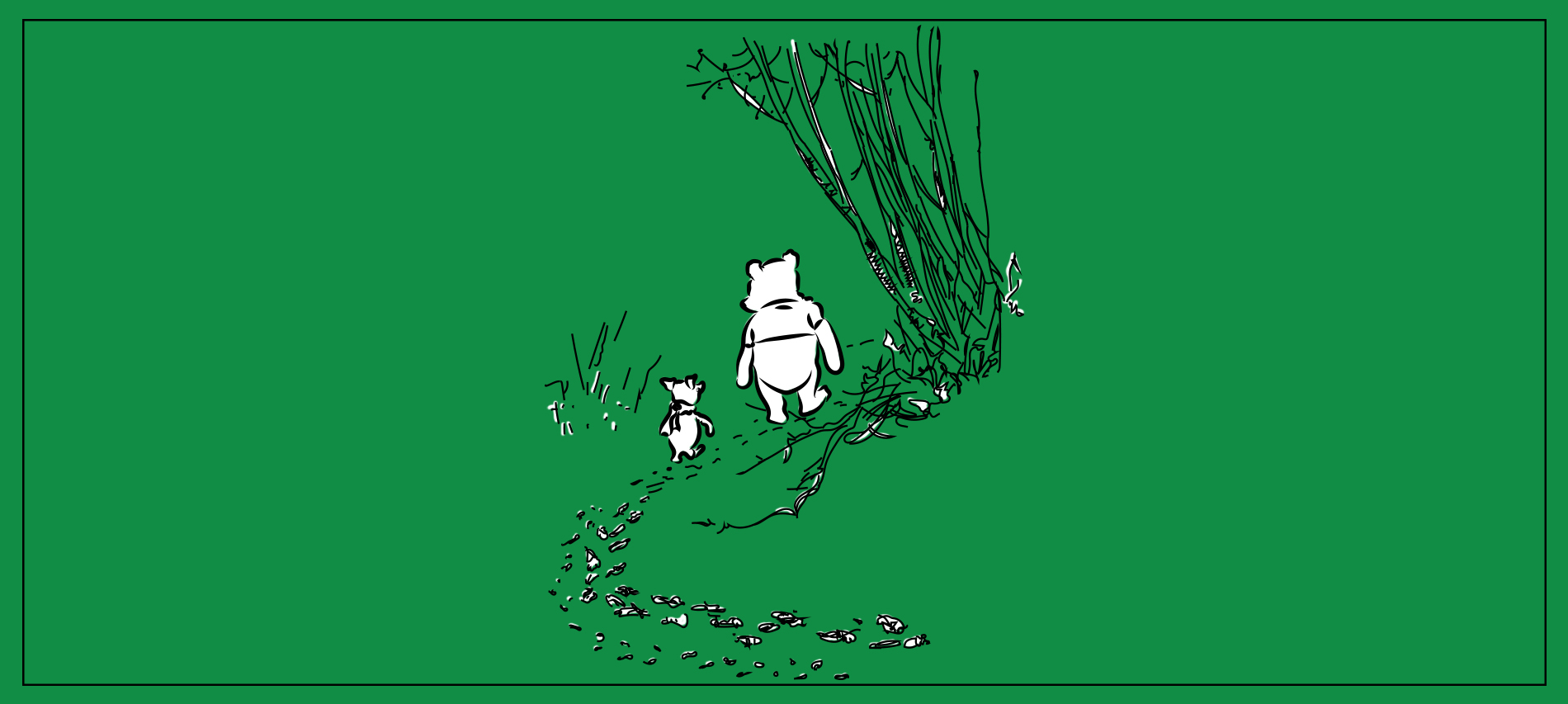

Life may not always be straight as an arrow – in fact, it rarely is. Sometimes, it is like a pretzel – twisted and confusing. Sometimes, it is like a roller-coaster – alternating between the crests and troughs.
These heartwarming views on life from the classic Winnie-the-Pooh by AA Milne show that often the solutions lie in the simplest of things!
Here’s celebrating AA Milne’s birthday with these short, easy . . . and delicious takes on life!

Keep calm and flow on!

Come out of corners – corners are despicable!

What’s life without a friend that’s as sweet as honey!

And, finally, isn’t love the stuff life is made of?

And here’s to the creator of the fantastic Winnie-the-Pooh – Happy Birthday, A.A. Milne!
14 Life Rules Your Teen Should Know About

There are some things that children should be learning in school, but don’t and not all of them have to do with academics. As a modest back-to-school offering, here are some basic rules, for your kids, from Lina Ashar’s amazing guide through the complicated teen years – Drama Teen, that may not have found their way into the standard curriculum.
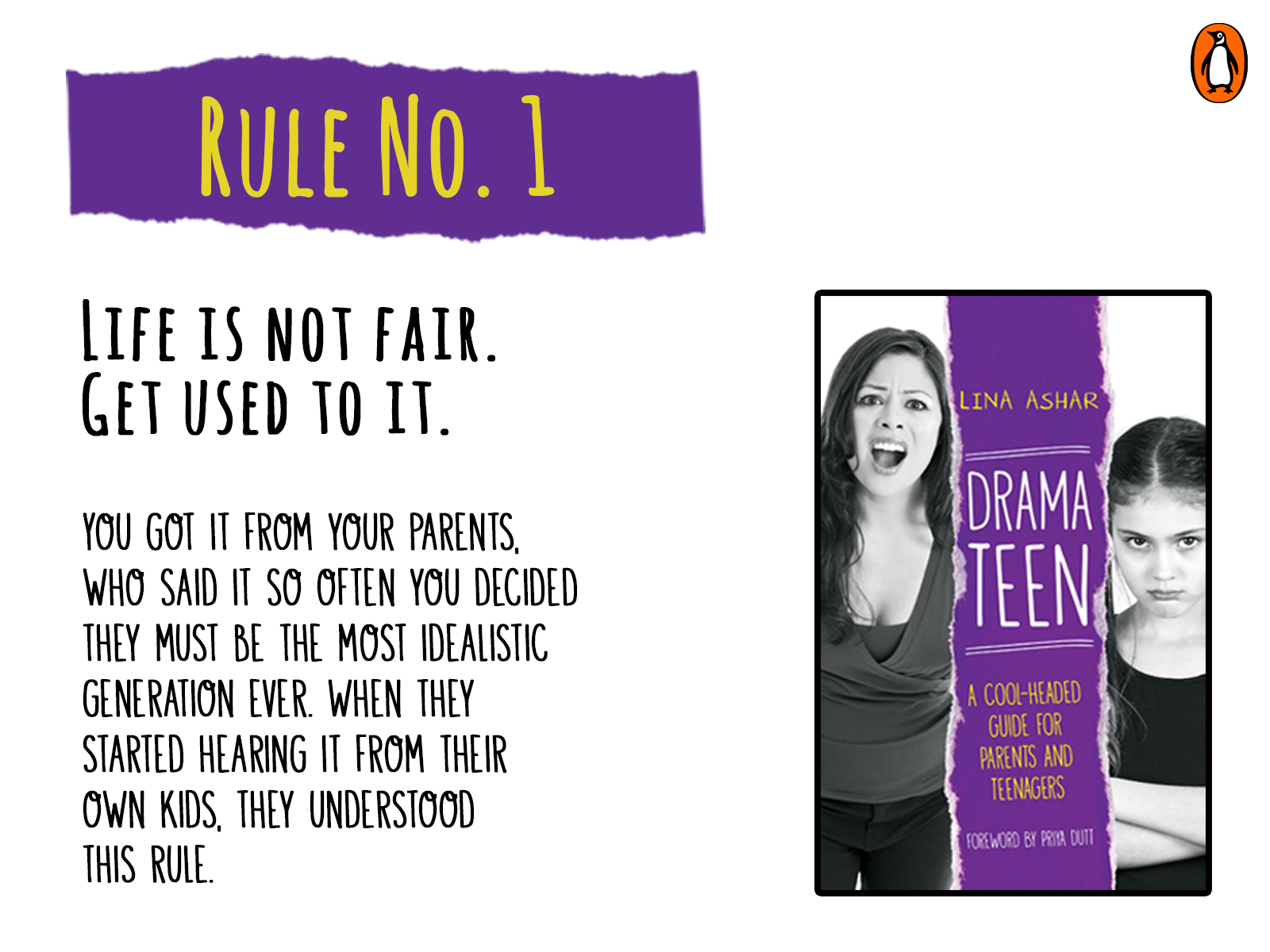


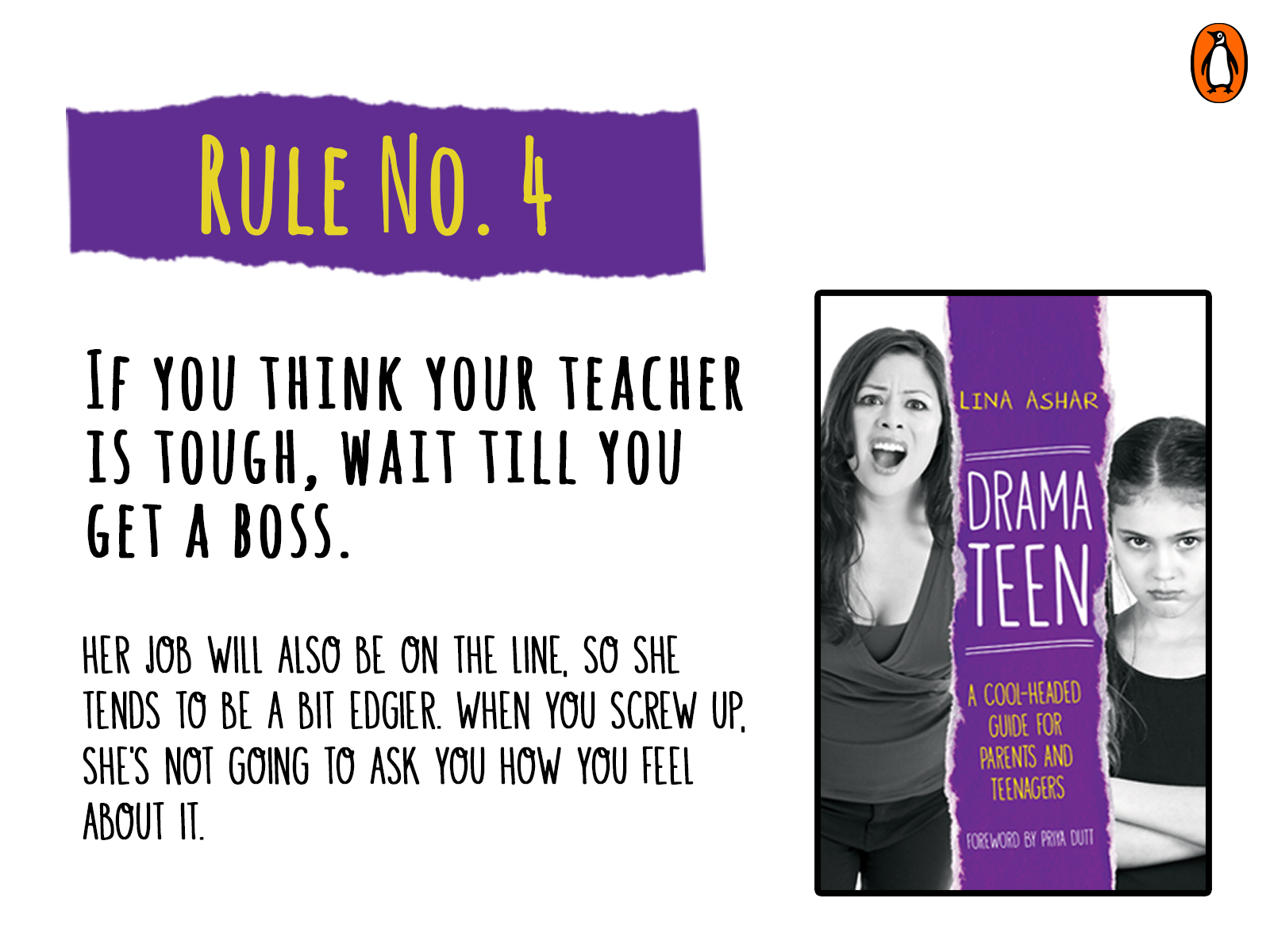
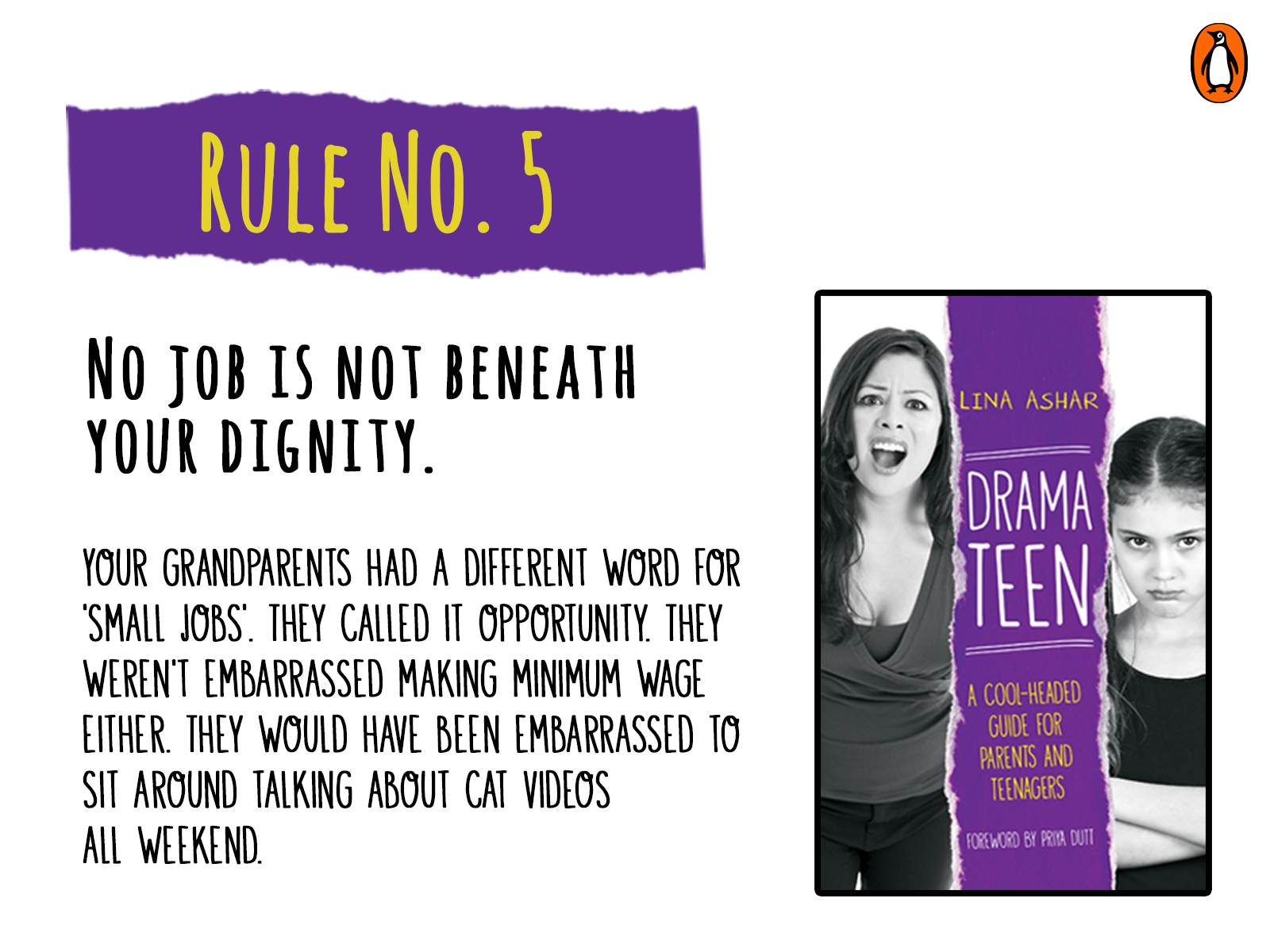
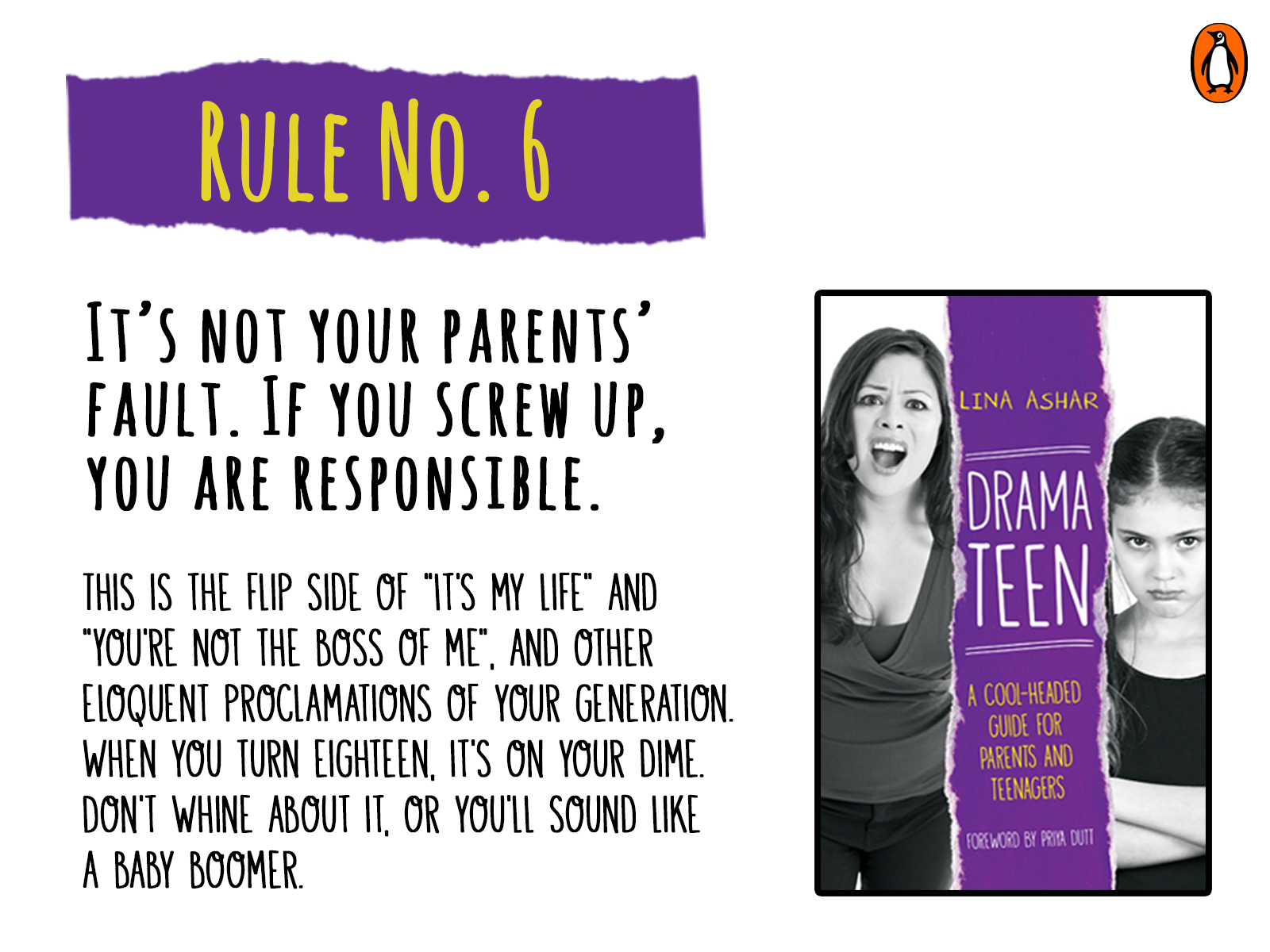

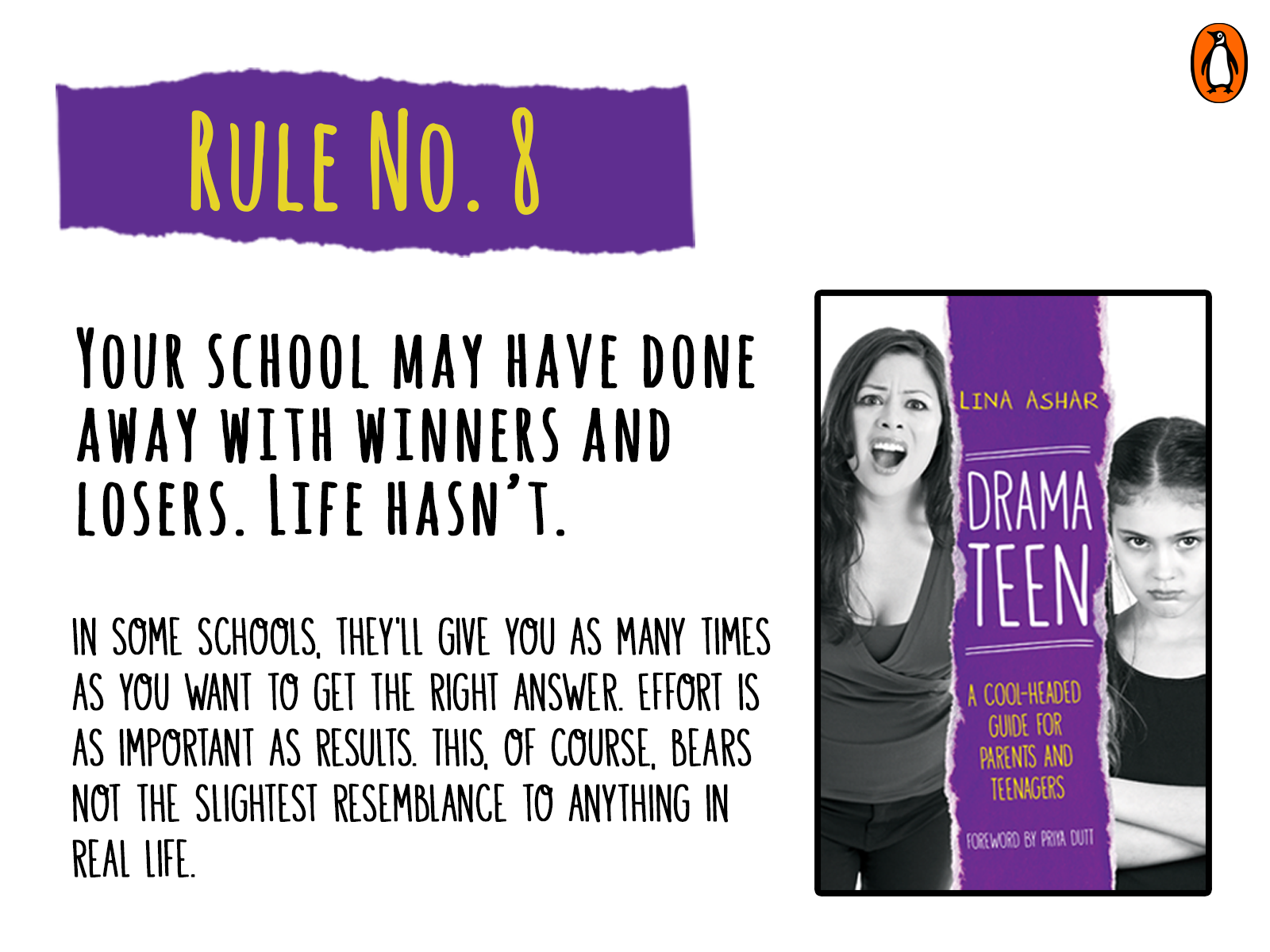


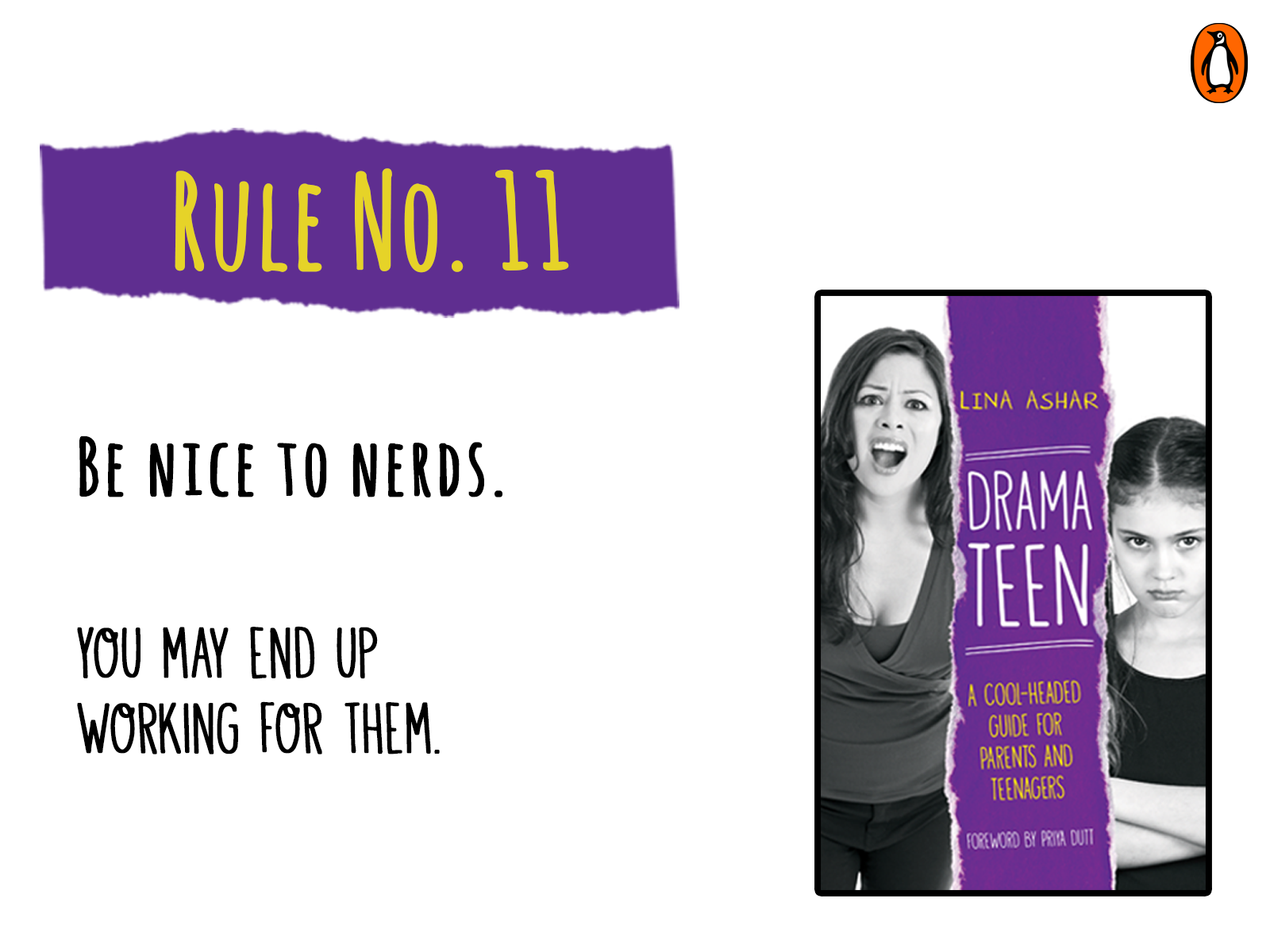


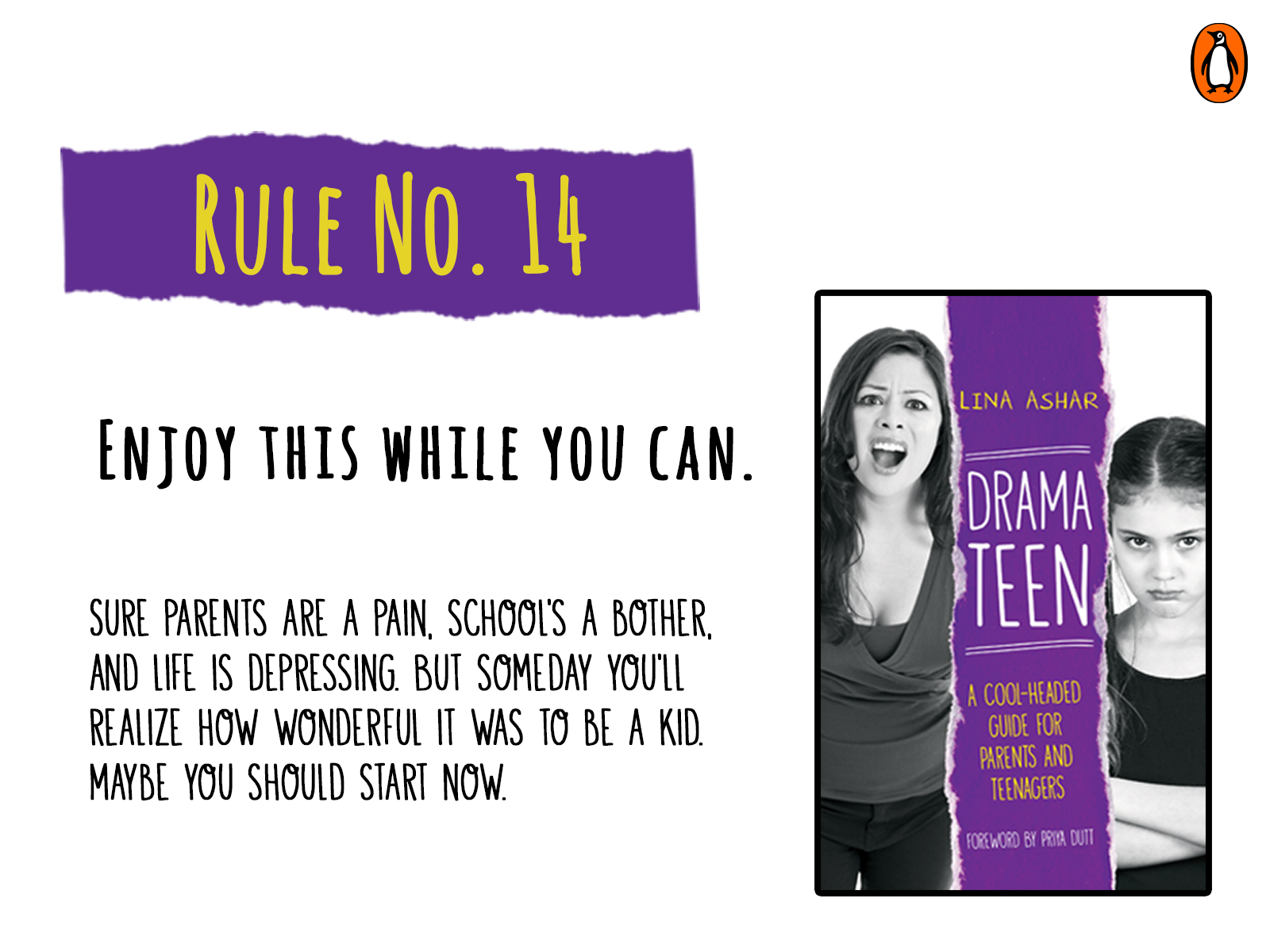
In Drama Teen, Lina Ashar explores concepts from both sides of the fence. Helicopter parenting, parent–teen conflicts and ways to resolve them and the habits that lead to a successful life are among the topics discussed here. She also explores ways to minimize the pain and trauma the ‘drama-teen’ phase can cause both to the teens and their parents. Packed with practical advice, tips, what-not-to-dos and activities, Ashar expertly guides you to keep your cool through those complicated years.
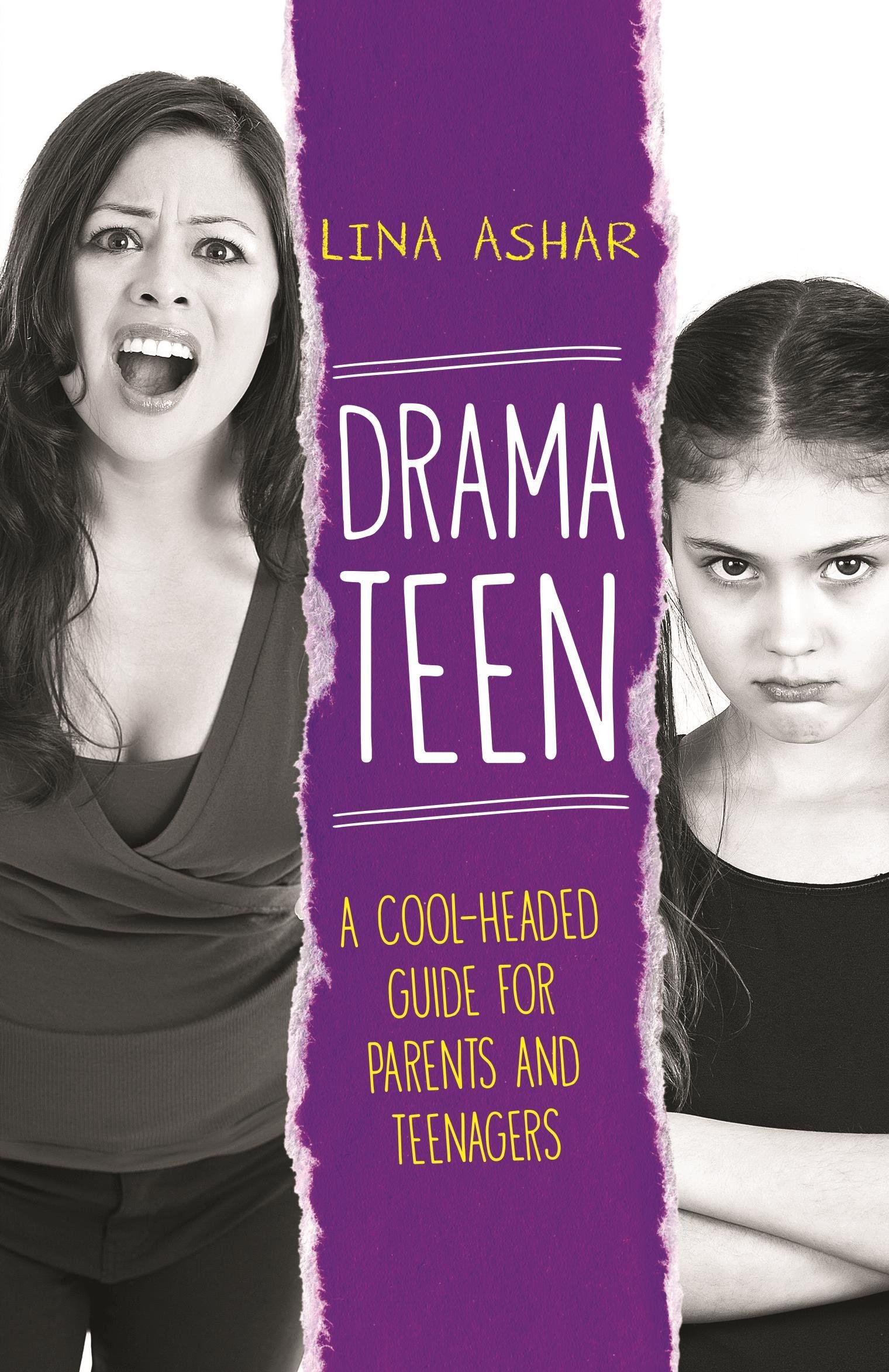
Lina Ashar is the chairperson of Kangaroo Kids Education Ltd (KKEL), a leading education chain, which has schools such as Kangaroo Kids, Billabong High International School, and its newest affiliate, Brainworks.
Get your copy of Drama Teen today!
5 Gems from the Quran that you MUST read!
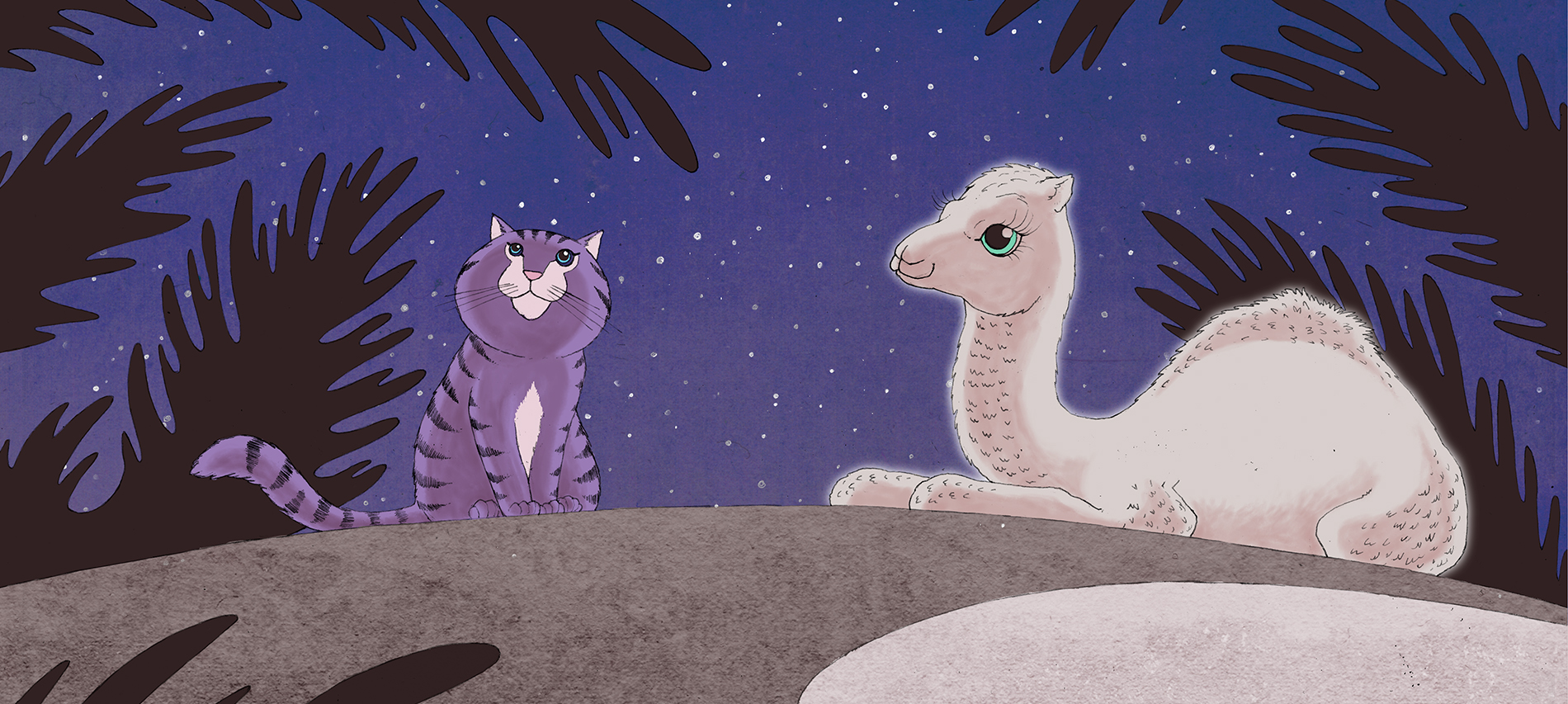
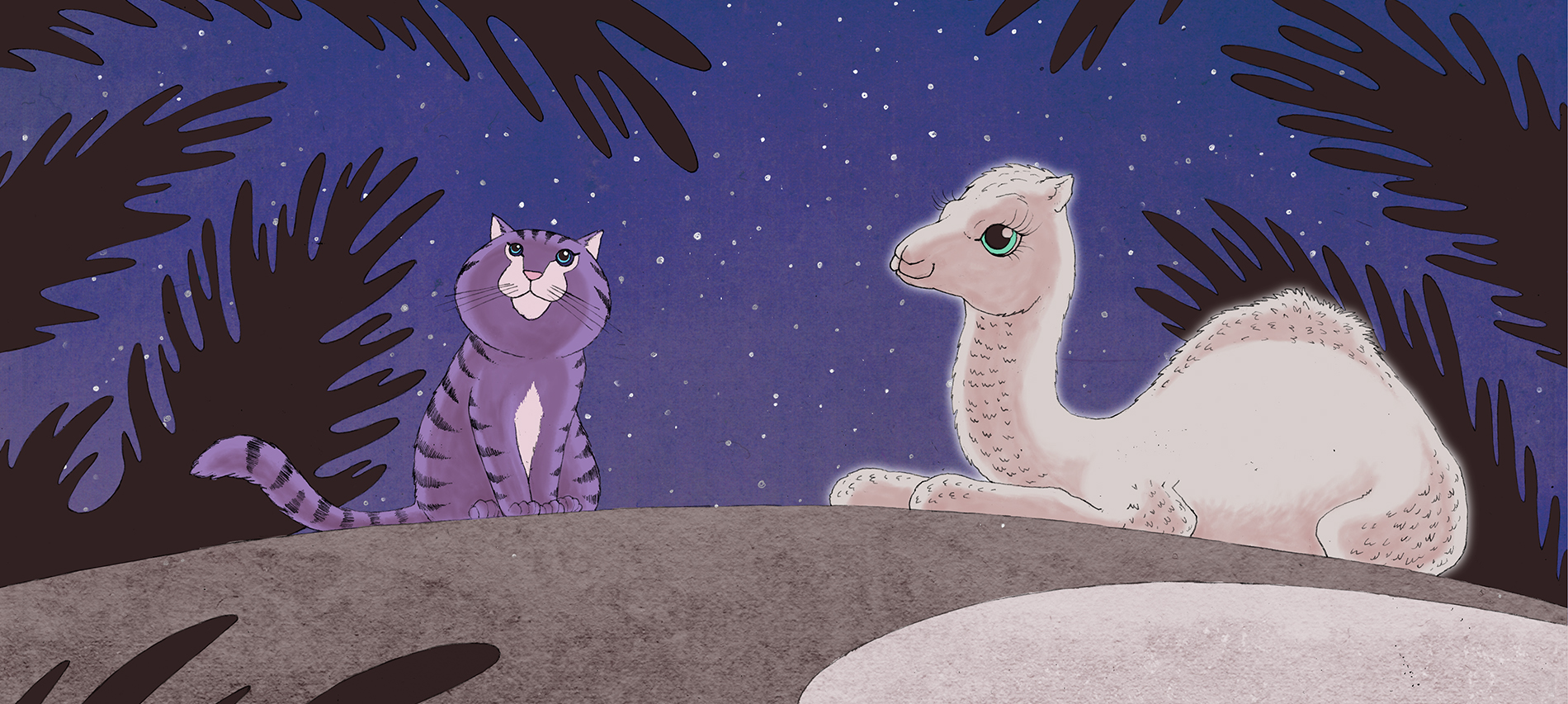
Bestselling author Anita Nair is out with her new book – the first ever collection of stories from the Quran. It features endearing characters like Muezza, the prophet’s favourite cat and Baby Jaan, a djinn in the form of a baby camel. The book has gorgeous artwork which makes it a must to show off on your shelves.
Our interest was captured from the beginning where a friendship is struck as Baby Jaan listens to Muezza’s mesmerizing tales. We couldn’t keep the enlightening nuggets of the Islamic lore all to ourselves so here are a few gems to take you through the coming week.
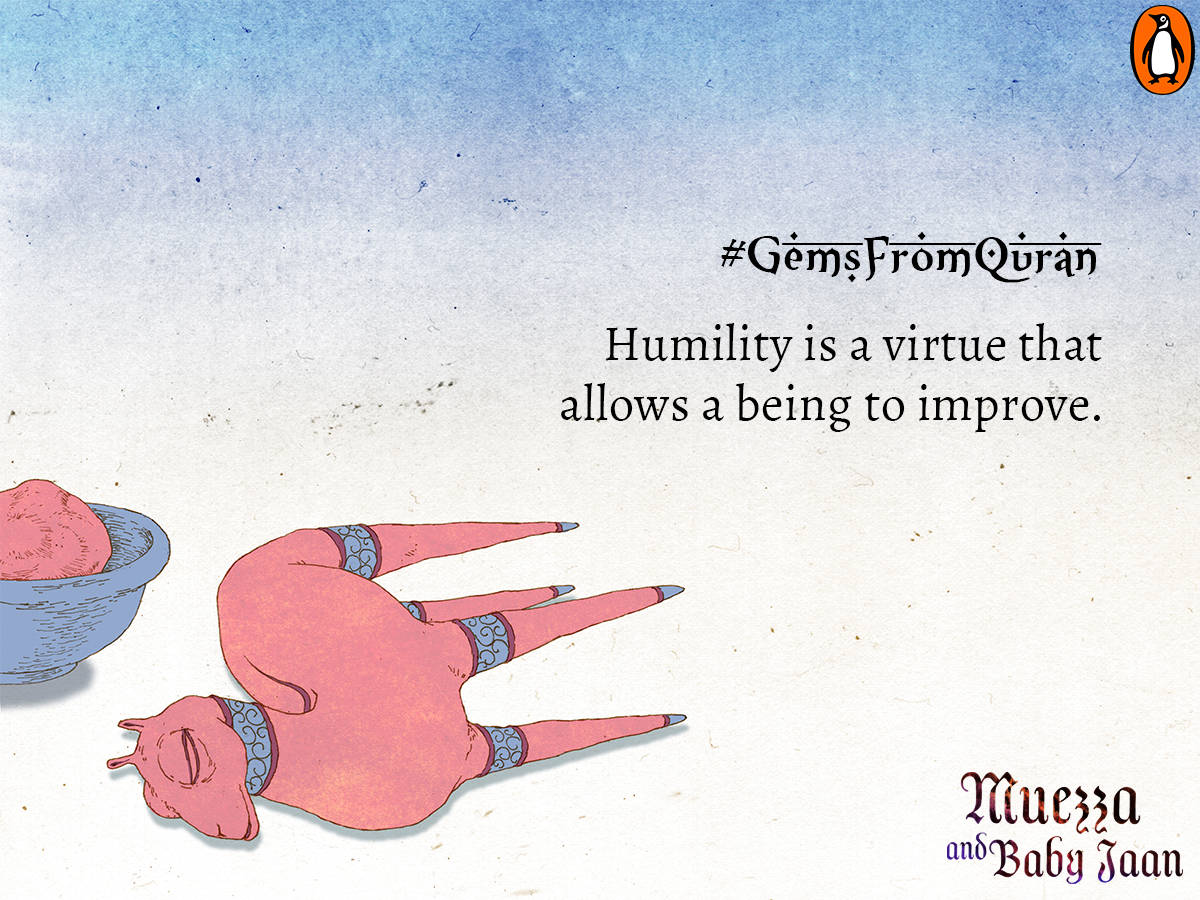
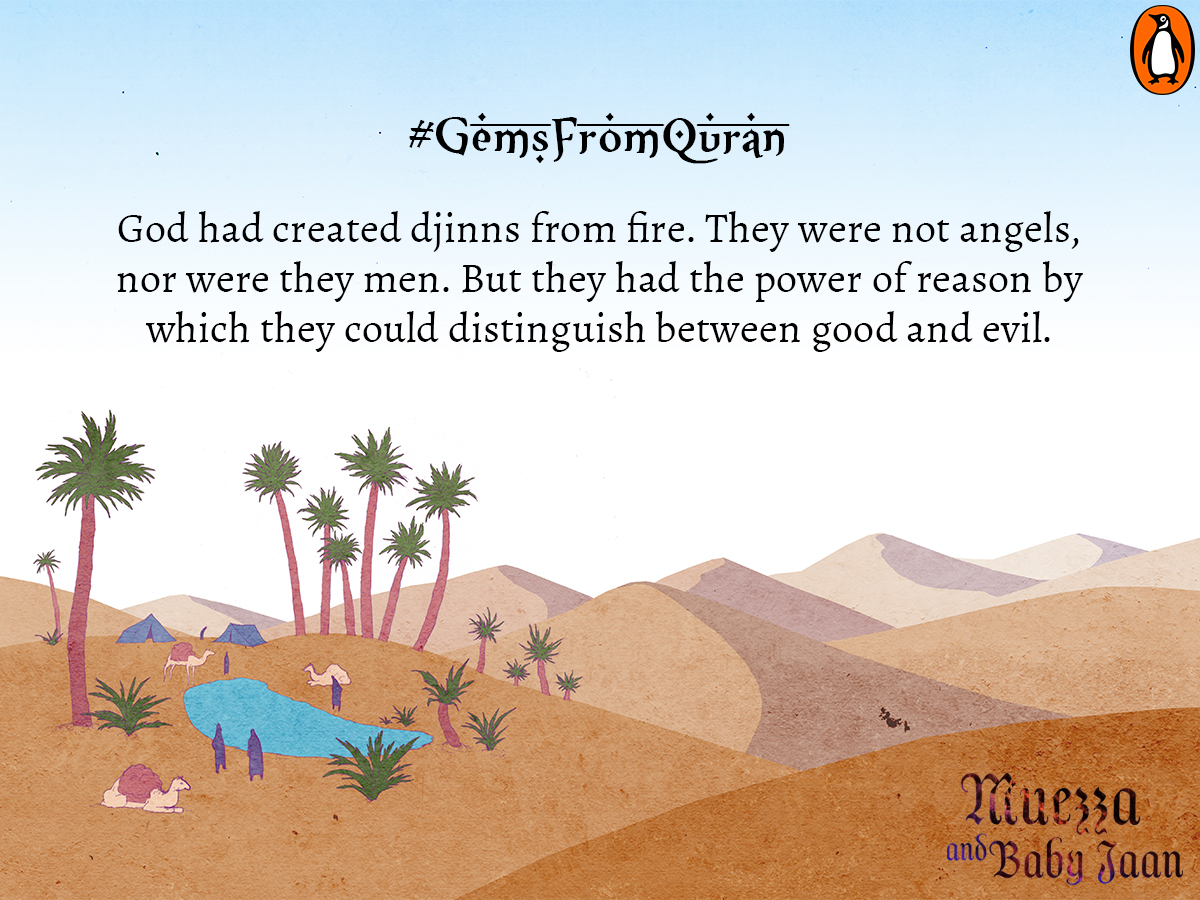
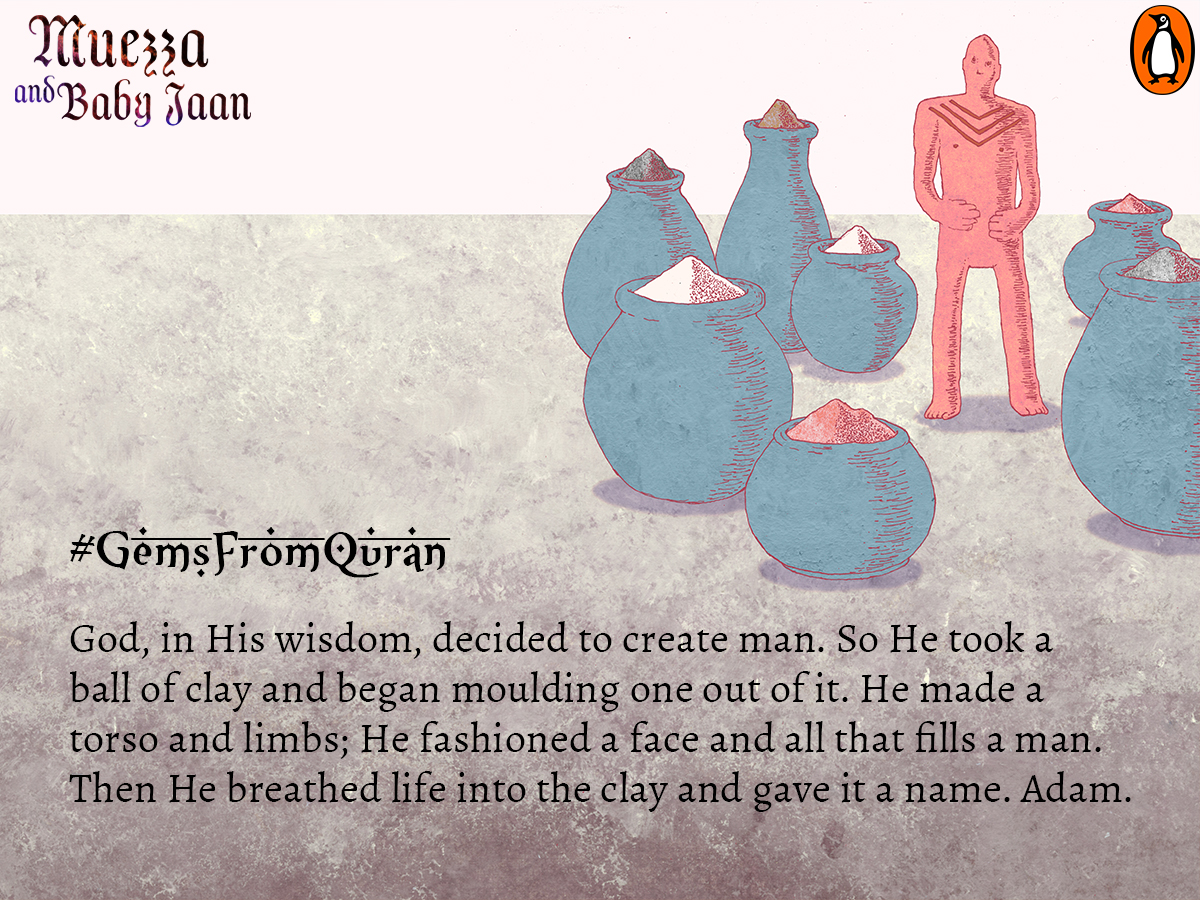
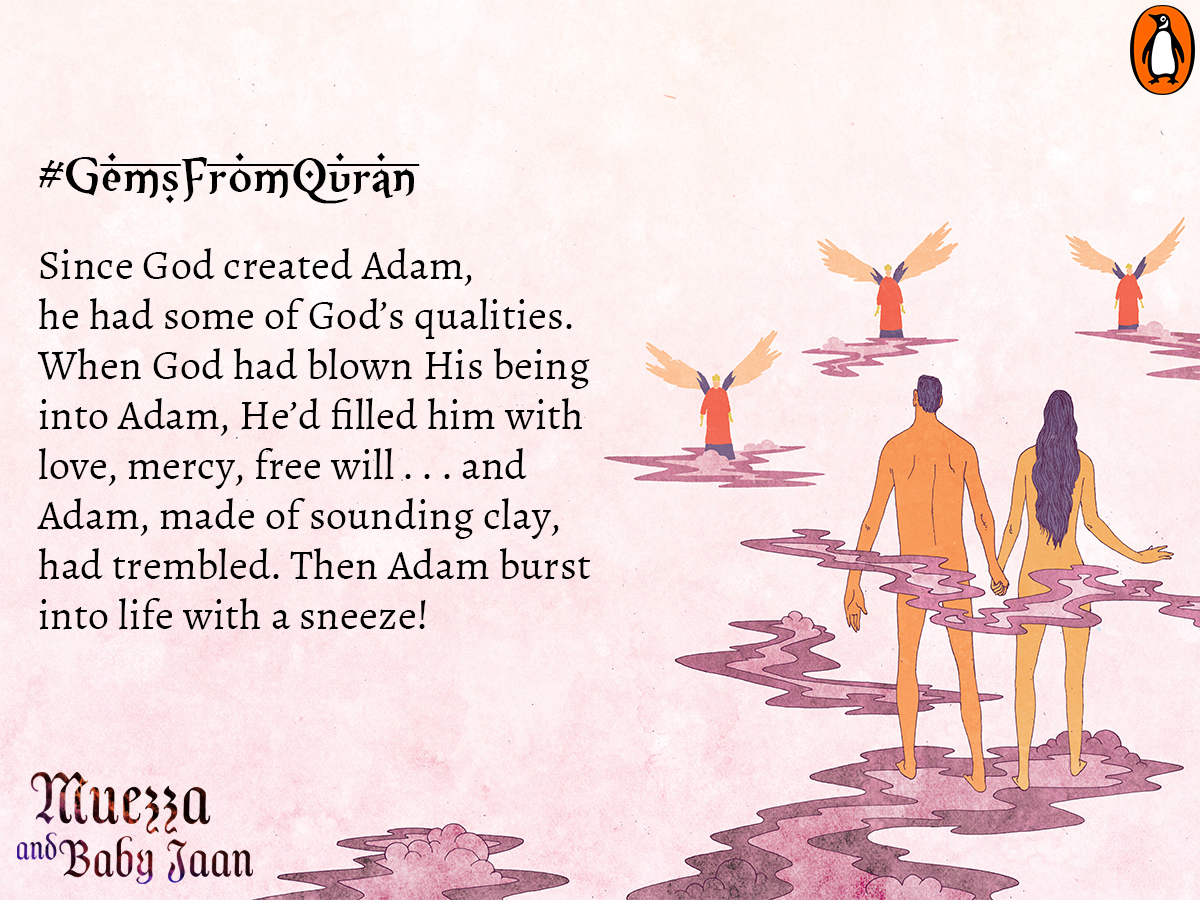
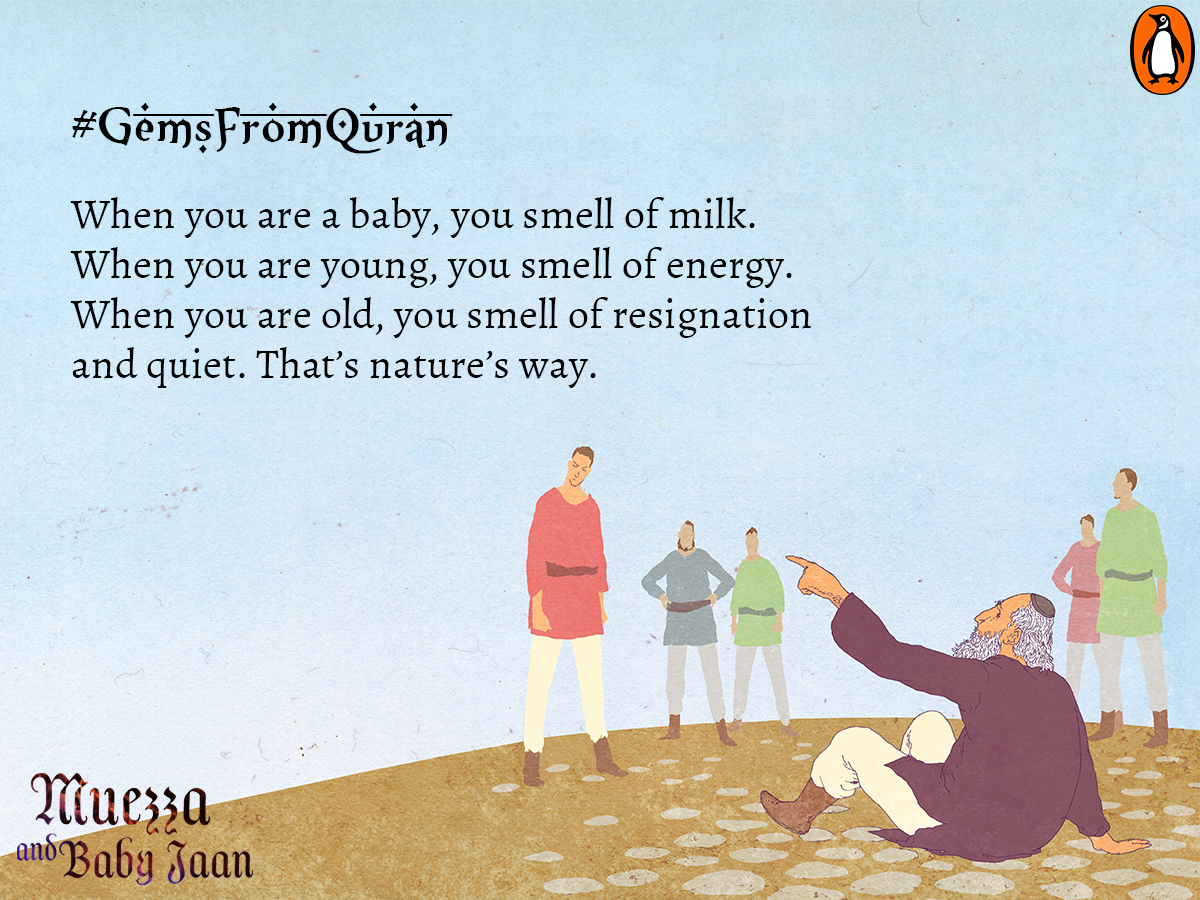
Has it grabbed your attention yet? Look no further, get your copy of this beautiful book here: http://bit.ly/GetMuezza
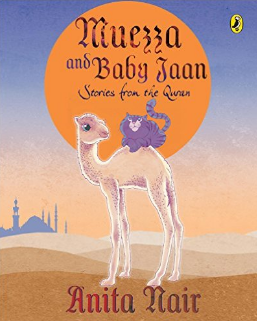
Anita Nair is a widely acclaimed novelist and the recipient of the Kerala Sahitya Akademi Award, 2012. Muezza and Baby Jaan is her latest book.