




Connie Glynn has always loved writing and wrote her first story when she was 6 with her mum at a typewriter acting as the scribe. It was at university that Connie started her hugely successful YouTube channel Noodlerella (named after her favourite food and favourite Disney princess). Her book, Undercover Princess is about a fairy tale obsessed Lottie Pumpkin who starting at the infamous Rosewood Hall, where she was not expecting to share a room with the Crown Princess of Maradova, Ellie Wolf. Lottie is thrust into the real world of royalty – a world filled with secrets, intrigue and betrayal.
Let’s read an excerpt from the book:
————————————————
Princess Eleanor Prudence Wolfson, sole heir of King Alexander Wolfson and next in line for the throne of Maradova, did not live in one of these spaces, nor was she one of these people, but she was in desperate need of both.
‘I am going to this school!’ Eleanor slammed the brochure on the table with a loud thwack, causing the cups of breakfast tea to wobble on top of their saucers.
Alexander Wolfson didn’t even look up from his newspaper to reply.
‘No,’ he said blankly.
‘I am next in line for the Maravish throne. I think the teeny-tiny decision of which school I attend is something I am capable of managing myself.’
Alexander looked up at his wife, Queen Matilde, who was sitting across the table from him.
She shrugged. ‘She does have a point, Alex,’ she said amiably, delicately dropping a lump of sugar into her teacup and stirring it slowly while stifling a smile.
This was not the parental solidarity King Alexander had been hoping for.
‘See?’ said Eleanor. ‘Even Mum agrees with me.’
Alexander remained firmly fixated on his newspaper, feigning an image of complete composure. He took a sip of tea.
‘ Edwina –’ he gestured to their maid – ‘would you kindly take the empty plates to the kitchen, please?’
‘Of course, Your Majesty.’ Edwina expertly stacked the crumb-covered trays and exited the dining hall with a skilled smoothness, her feet barely making a sound on the oak flooring. The large double doors closed behind her, creaking softly as she eased them shut.
Once Alexander was sure she was a reasonable distance down the hall, and safely away from any domestic outbursts, he looked back down at his newspaper and said, ‘My answer is no.’
Eleanor let out an exasperated screech and stamped her foot. ‘You could at least look at the brochure!’ she snapped, snatching the newspaper from her father’s fingertips.
Alexander was forced to look up at his daughter.
Eleanor had always been a challenging child. She was anything but a typical princess; she would take fiery political arguments and sneaking out to loud, rowdy concerts over mild polite conversation any day, and more than anything she despised elaborate formal functions – or at least she assumed she did, having refused to ever attend one. But she was smart, she was confident and she was passionate – and for Alexander that was all far more important than any of the traditional values expected of her. Although occasionally he did wish she’d watch her language around her grandparents.
As much as he wanted Eleanor to be happy and live a life free of the commitments of royalty, the fact remained that she would be queen one day and would eventually need to accept that responsibility. He was determined to find a way to make his daughter realize she could enjoy her royal obligations; something he’d had to learn himself when he was younger.
——–
‘What on earth are you wearing?’ Ollie’s sarcastic tone drifted into Lottie’s bedroom. He stood leaning against the door frame, his arms crossed as he watched Lottie pack up the last items in her room.
‘Ollie!’ Lottie’s hand rushed to her chest in shock at the sudden appearance of her best friend. ‘How did you get up here? And how many times do I have to tell you to knock?’ Lottie was huffing slightly from trying to squish down her suitcases. Ollie was fourteen, the same age as Lottie, yet even though he was taller than her he’d retained his baby face, which reminded her of soft-serve ice cream on the beach and other happy memories.
‘I had to sneak past the wicked witch. Did you know her skin’s turned green finally?’ Ollie said with a devilish smile.
Lottie giggled, but she couldn’t ignore his comment. She looked down at her outfit, brushing down her dress self- consciously. ‘And what exactly is wrong with my outfit?’ she said indignantly.
Ollie laughed, grinning at her with his signature cheeky smile. Clumps of dog hair dotted his jeans, a permanent feature that he never seemed to care about.
‘Isn’t it a little too fancy for the first day of school?’
‘Too fancy?!’ Lottie couldn’t believe he’d suggest something so ridiculous. ‘Nothing is too fancy for Rosewood Hall. I need to fit in. I can’t have my clothes making me an outcast on the first day.’
Lottie began picking at a non-existent spot on the collar of her dress. ‘Most of the students probably have their clothes tailor-made out of gold or something.’
Ollie casually strolled into the room, taking a seat on Lottie’s bed. He pursed his lips as he glanced around the bedroom. Usually so alive with Lottie’s special brand of handmade quirkiness, it was now stripped bare, everything she owned crammed into two pink suitcases.
‘Well,’ Ollie began, reaching into his pocket, ‘if you can take a moment off from worrying about what other people think of you . . .’ He pulled out a crumpled envelope and a worn-out Polaroid that Lottie recognized from his bedroom wall. ‘These are for you.’
Lottie reached out for them, but Ollie whipped his hand back.
‘You can’t open the letter until you’re on the train.’
Lottie nodded with an exasperated smile and he slowly placed both gifts in her hand. It was a photograph she’d seen thousands of times: the two of them at the beach, their noses covered in ice cream and beaming grins on both their greedy faces. Even though the colours had begun to fade to sepia, you could still see the tiara on Lottie’s head and the horns on Ollie’s. As children, the two had demanded to wear these fancy-dress items every day and everywhere. Ollie had declared he was the fairy Puck from Shakespeare’s A Midsummer Night’s Dream after they’d watched an open-air performance at the beach one evening. He’d been completely infatuated with all the mischief the character got away with and assumed he too could get away with being naughty so long as he was wearing his horns. Lottie’s tiara, on the other hand, had a less happy – go – lucky origin. Her thumb lingered over the accessory in the photo, a little pang striking her heart as she remembered the day she’d received it.
‘I’ll give you some time to say goodbye,’ he said, before effortlessly picking up both her suitcases and carrying them down the stairs to the car. When he was gone she thoughtfully placed Ollie’s gifts with the rest of her most important belongings, which she’d laid out on the now-bare bed so as not to forget them. She put each item into her handbag: first the weathered Polaroid and letter from Ollie, followed by her favourite sketchbook, her most loyal stuffed companion, Mr Truffles, a framed photo of her mother, Marguerite, in her graduation gown, and, finally – looking very out of place among the other objects – a crescent- moon tiara, her most valued possession. It had taken Lottie all of sixty minutes to pack her entire life into two pink suitcases, one denim backpack and a small over- shoulder handbag with a sturdy white strap. She looked over the now- empty room.
I did it, Mum, she thought. I got into Rosewood just like I promised.
Copyright © Connie Glynn, 2017

Category: Children’s Features
Children’s Features articles
The Hazel Wood by Melissa Albert – An Excerpt

The Hazel Wood, is about seventeen-year-old Alice and her mother who have spent most of Alice’s life on the road, always a step ahead of the strange bad luck biting at their heels. But when Alice’s grandmother, the reclusive author of a book of pitch-dark fairy tales, dies alone on her estate – the Hazel Wood – Alice learns how bad her luck can really get. Her mother is stolen away – by a figure who claims to come from the cruel supernatural world where her grandmother’s stories are set. Alice’s only lead is the message her mother left behind: STAY AWAY FROM THE HAZEL WOOD.
Let’s read an excerpt from this absolutely unputdownable book.
_________________________________________________________________________
Althea Proserpine is raising her daughter on fairy tales. Once upon a time she was a girl named Anna Parks, one of the legion of midcentury dreamers who came to Manhattan with their hopes tucked into a suitcase. Then she went missing. Then she came back, and achieved an odd kind of fame, glittering from some angles but dark from others. Now she’s gone again, ed to a turreted house in the deep dark woods, where she lives with her ve- year- old daughter and her husband, an actual royal— she just can’t quit fairy tales. When I get her on the phone, her voice is as alluring as her most famous photo, the one with the ring and the cigarette. I ask if I can come talk to her in person, and her laugh is hot whiskey on ice. “You’d get lost on the way to nding me,” she says. “You’d need breadcrumbs, or a spool of thread.” — “The Queen of the Hinterland,” Vanity Fair, 1987
My mother was raised on fairy tales, but I was raised on highways. My first memory is the smell of hot pavement and the sky through the sunroof, whipping by in a river of blue. My mom tells me that’s impossible— our car doesn’t have a sunroof. But I can still close my eyes and see it, so I’m holding on to it.
We’ve crossed the country a hundred times, in our beater car that smells like French fries and stale coffee and plasticky strawberries, from the day I fed my Tinkerbell lipstick into the slats of the heater vent. We stayed in so many places, with so many people, that I never really learned the concept of stranger danger.
Which is why, when I was six years old, I got into an old blue Buick with a redheaded man I’d never met and drove with him for fourteen hours straight— plus two stops for bathroom breaks and one for pancakes— before the cops pulled us over, tipped off by a waitress who recognized my description from the radio.
By then I’d figured out the man wasn’t who he said he was: a friend of my grandmother, Althea, taking me to see her. Althea was already secluded in her big house then, and I’d never met her. She had no friends, just fans, and my mother told me that’s what the man was. A fan who wanted to use me to get to my grandma.
After they’d determined I hadn’t been assaulted, after the redheaded man was identified as a drifter who’d stolen a car a few miles from the place we were staying in Utah, my mother decided we’d never talk about it again. She didn’t want to hear it when I told her the man was kind, that he’d told me stories and had a warm laugh that made me believe, deep in my six- year- old’s heart, he was actually my father come to claim me. She’d been shown the redheaded man in custody through a one- way mirror, and swore she’d never seen him before.
For a few years I’d persisted in believing he was my dad. When we left Utah after his arrest, to live for a few months in an artists’ retreat outside of Tempe, I worried he wouldn’t be able to find me again.
He never did. By the time I turned nine, I’d recognized my secret belief for what it was: a child’s fantasy. I folded it away like I did all the things I didn’t need— old toys, bedtime superstitions, clothes that didn’t fit. My mom and I lived like vagrants, staying with friends till our welcome wore through at the elbows, perching in precarious places, then moving on. We didn’t have the luxury of being nostalgic. We didn’t have a chance to stand still. Until the year I turned seventeen, and Althea died in the Hazel Wood.

Storytelling Traditions of India and its Importance
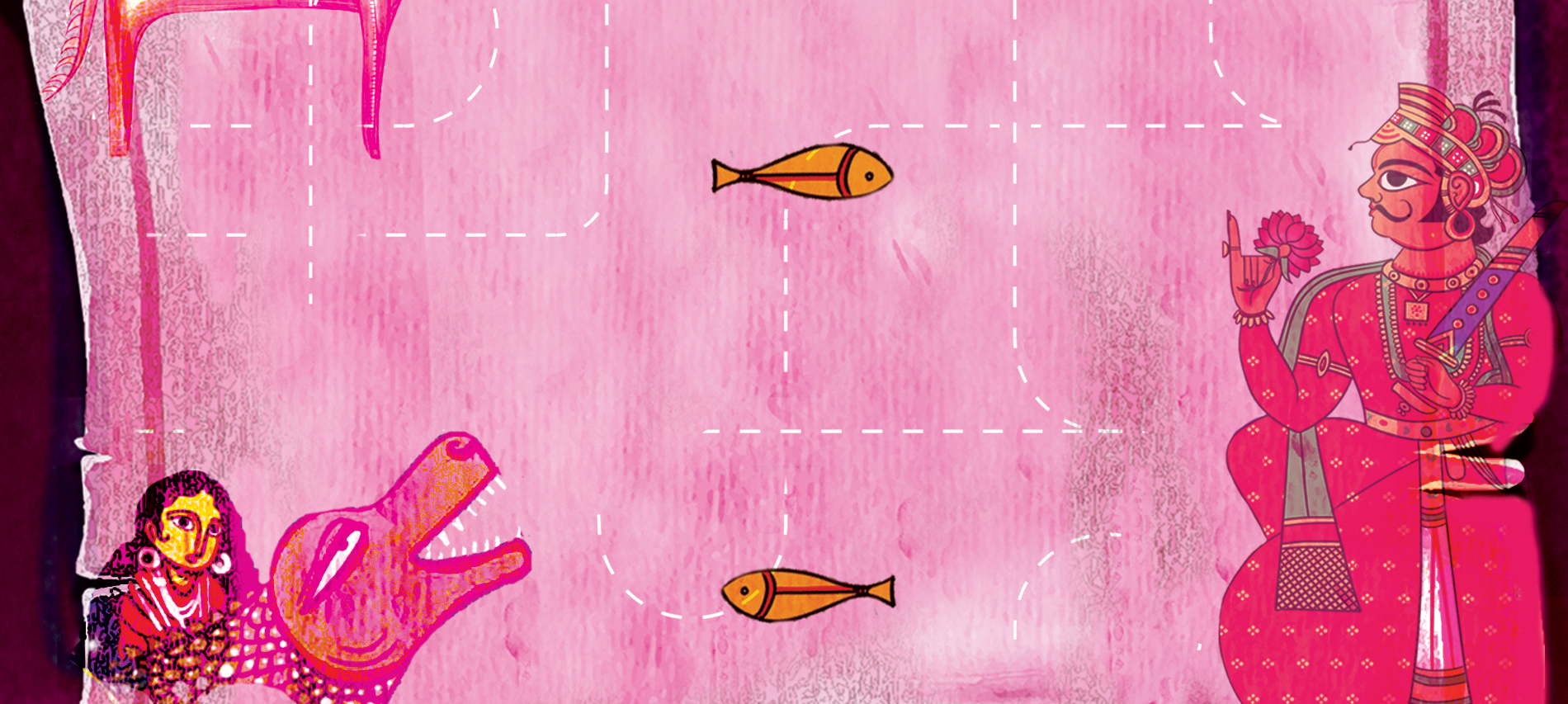
Telling stories is more than just a fun activity. It is a way of preserving the culture and beliefs of a tribe or community and passing them down to the next generation. That is the real significance of oral traditions.
However, storytelling does not need to be limited to oral recitation. It can take form through drawings, paintings, dance or even puppet shows. India’s storytelling traditions are as diverse as the culture of the country, as can be seen in Nalini Ramachandran’s book, Lore of the Land.
Here are some of the storytelling traditions of India:
—————


Marvellous Thieves, An Excerpt
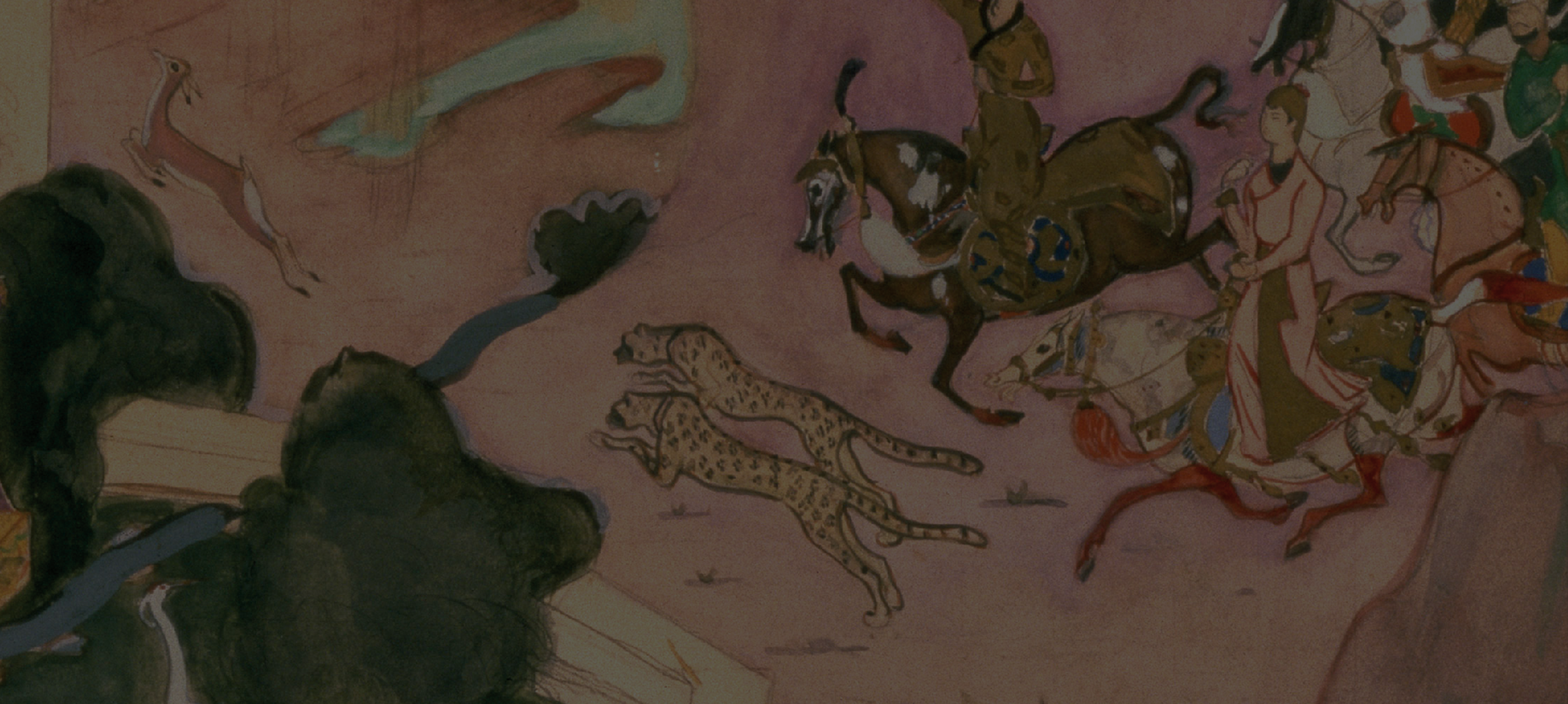
Paulo Lomas Horta in ‘Marvellous Thieves’ introduces the poets, scholars, pilgrims and charlatans who made unacknowledged contributions to Arabian Nights.
Here’s an excerpt from the book.
On March 25, 1709, a visit by Antoine Galland to the Paris apartment of his friend Paul Lucas yielded a discovery that would shape the literary legacy of the first French translator of the Thousand and One
Nights. Lucas, a collector of treasures for the court of Louis XIV, was well known for his travels in the Middle East, and his apartment was recognized as one of the marvels of the French capital. Listed in early eighteenth- century guidebooks as a place to view antiquities and other rare objects from Greece, Egypt, and Asia Minor, it drew scholars, collectors, and curiosity seekers of all kinds. Over the course of his journeys in the Mediterranean and the Ottoman Empire, Lucas had amassed enough medallions, coins, engraved stones, and gems to fill six rooms.
The herbier in his apartment contained some 3,000 varieties of plants taken from foreign locations, and the droguier was equally impressive. One visitor to the apartment in the 1730s described a remarkable sculpture of the goddess Ceres that Lucas had acquired in Athens forty years earlier. Ten feet tall, the figure was made of Oriental jasper and plated with bronze, and in Paris she enjoyed the company of many other bronzes from Greece, Macedonia, and the Levant, as well as two Persian sculptures of nude sages at prayer. Among such historically valuable pieces, stranger artifacts were scattered: petrified mushrooms, seahorses, and mummified birds encased in bronze.
Arriving at this cabinet of curiosities in 1709, Galland found an even greater treasure awaiting him: a young Maronite traveller from Aleppo by the name of Hanna Diyab who, he reported, “[knew] some very beautiful Arabic tales.” While Lucas may have viewed Diyab as just another Oriental curiosity to be displayed at the French court, Galland saw in him a solution to a frustrating predicament. After translating all the stories in his incomplete Arabic manuscript of the Thousand and One Nights, Galland was in need of more, and he had now found a storyteller who could fill the gap. In a sequence of twelve meetings between May 5 and June 2, 1709, Diyab related sixteen fantastic stories to Galland, who chose to add ten of these to the final three volumes of his French version of the Arabian Nights. Th ese storytelling sessions were the origin of some of the most famous of the Arabian Nights tales— including “Ali Baba and the Forty Thieves” and “Prince Ahmad and the Fairy Peri- Banu”— and represent a lasting contribution to a story collection that has taken its place in the canons of world literature.
It was not the first time that Galland had benefitted from the curiosities collected by Lucas. Despite his lack of respect for Lucas’s abilities as a scholar, Galland found his collection of coins very useful in his own numismatic research, and he tried to gain access to lists or drawings of these from common acquaintances when his younger colleague was unwilling to share. Just as Galland borrowed coins to add entries to his numismatic dictionary, he would borrow Diyab to add stories to his version of the Arabian Nights. Considering his impact on the first French edition of the Arabic story collection, the Syrian storyteller could be judged the most valuable curiosity Lucas ever brought back from the Levant.
Since the publication of Les mille et une nuits, Galland’s French version of the Arabian Nights, in twelve volumes from 1704 to 1717, Galland has been credited as the first “author” of the collection in European letters, and as a crucial contributor to the emergence of the “Oriental tale” in French. Not only did he translate the 282 nights of stories in his Arabic manuscript in elegant Parisian prose, but he is credited with making a more substantial contribution to the story collection by lovingly adopting and adapting the tales that he heard from Diyab in 1709.
These stories, called the “orphan tales” because (with one exception) they have no known Arabic manuscript source, are seen as central to Galland’s achievement as a translator of the Arabian Nights. In this portion of his story collection, Galland’s work was no longer simply translation or adaptation; it represented “creation.”
Jean- Paul Sermain, one of the editors of the most recent edition of Galland’s Les mille et une nuits (2004), states the case most persuasively. He argues that Galland, working from his sparse notes on Diyab’s oral per for mances, created tales of ordinary characters caught up in extraordinary predicaments. Drawing on French literary conventions, he invented dialogues and descriptions and gave narrative coherence to the tales. Characters were developed with more sympathy, and moral lessons were highlighted. In the hands of Galland, the orphan tales of Diyab spoke of the superiority of the hero of humble origins and the need to behave decently in difficult circumstances. To fill out his meager notes, the French translator drew on his scholarly knowledge and his own travels of the Orient to imagine the fabulous details of voyages, palaces, and magical objects. Sermain argues that these orphan
tales teach the reader how to read the Arabian Nights as a whole. In the space between the French fairy tale and the Arabic story cycle, Galland seemed to fashion a new genre— that of the “Oriental tale.”

Meet the Deities from Hindu Mythology
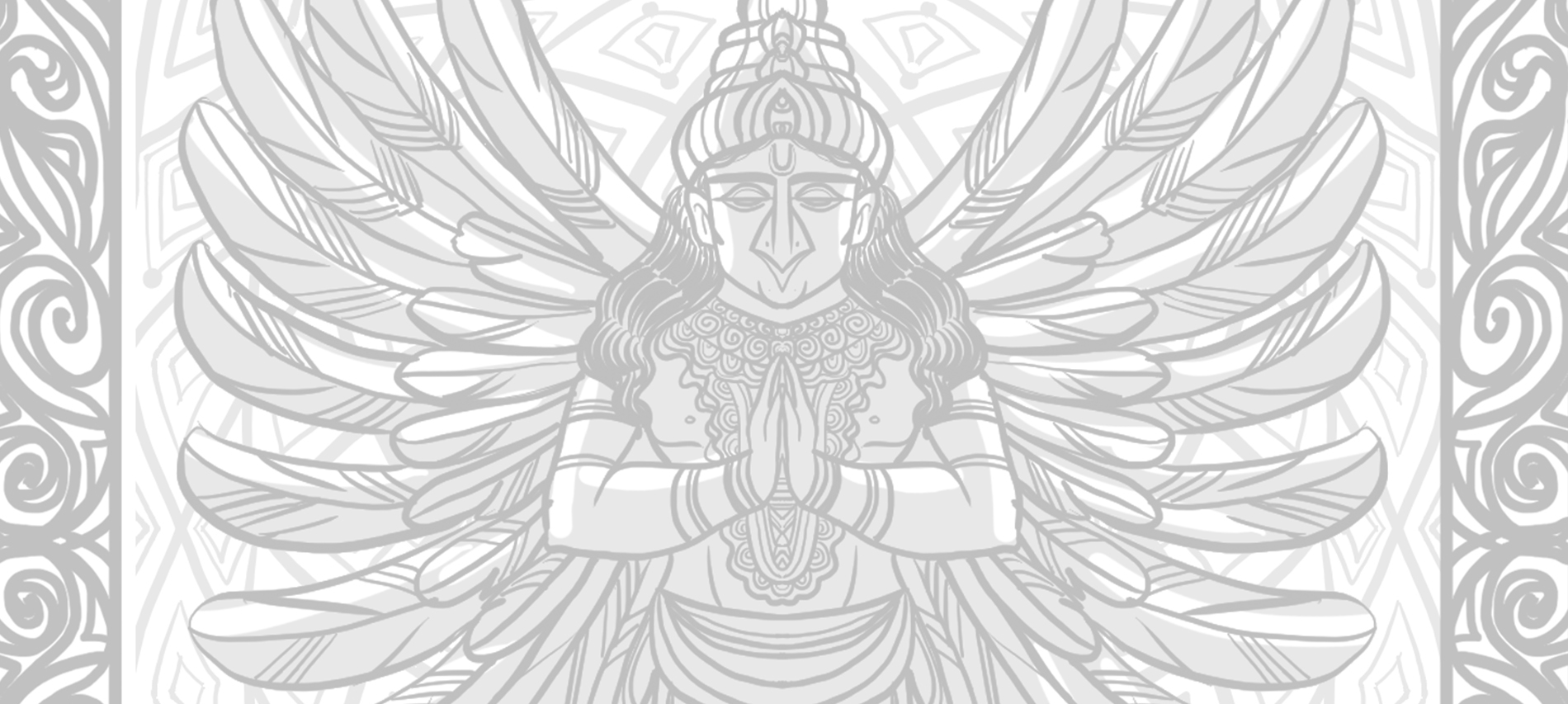
The Hindu mythology comprises of many deities who are worshipped in many forms across India. We all have heard stories about them and have been fascinated about by them. Award-winning author Sudha Murthy in her new book, The Man from the Egg brings together fascinating tales of the most powerful gods from the ancient world.
Here are a few of those deities:


How many of these deities did you know about?

Six Science(Ish) Facts from Movies That Will Surprise You

Covering movies from 28 Days Later to Ex Machina, Rick Edwards and Dr Michael Brooks take the readers on a joyous ride through astrophysics, neuroscience, psychology, botany, artificial intelligence, evolution, and plenty more subjects that are invoked by your favourite movies.
Here are six facts that will blow your mind:
The Martian

Jurassic Park

Interstellar

Back to the Future

Planet of the Apes

Interstellar

Fascinating, isn’t it?

Who is Chatur Chanakya and Why Should Children Meet Him? Radhakrishnan Pillai Answers

Radhakrishnan Pillai now writes for your young ones! Little Chanakya goes to school, standing up to bullies and maneuvering his way through tricky situations we all may have found ourselves in sometimes. But what inspired this journey? Let’s find out!
From Corporate Chanakya to Chatur Chanakya, what inspired this transition in writing for a different audience?
It was a new dimension for me. Even though the common connect between Corporate Chanakya and Chatur Chanakya is the same – Chanakya, it is very differently presented. Corporate Chanakya was meant as a management book especially for those who are in management and leadership positions. The audience was educated and already decision makers. While Chatur Chanakya was a different aspect. Reaching out to children who are 10 years old. The challenge was to make the profound knowledge of Chanakya from the Arthashastra, to be presented in a simple format. When the puffin team approached me with this concept to write for kids, it was a challenge. But I got inspired to try a new way of writing. And thanks – the book has really come out well. Much better than what was expected.
Is the character of young Chatur inspired by anyone from your life?
Yes and No. Chatur Chanakya is an imaginary character. Just like Superman, Batman and Chota Bheem. These characters are imaginary but have a message to give to kids. Through Chatur Chanakya we are going to bring out the best of wisdom of Chanakya (who lived nearly 2400 years ago) and his Kautilya’s Arthashastra. He was a leadership guru and a king maker. Chatur Chanakya will teach children how to think and become a leader. The other children in the book are inspired by real children. Arjun is the name of my son, who is the friend of Chatur Chanakya. Lakshmi is inspired by my daughter (her real name is Aanvikshiki). While Datta, Aditya and Milee are their friends. All of them become part of the book.
What is so special about Chatur and why should children befriend him?
Though a comic character. He is very real. Because he is a school going kid like any child of our generation. He has all the challenges that is faced by kids today. Be it bullying in schools, exam fever, being compared to other kids (even parents do that). So any one can associate with Chatur Chanakya. He is cute and nice. But he is also a fiend, philosopher and guide to his other classmates and friends. He is your friendly neighbour and ‘best friend’. He has got a choti on his head and a trick up his sleeve. You will love him. Not only children, but parents, grandparents and even teachers in schools will love Chatur Chanakya. He is what everyone wants in an ideal child – Intelligent and dynamic.
Tell us that one thing in Chatur Chanakya and the Himalayan Problem that one should look out for.
How to think out of the box. Chatur Chanakya faces a huge problem. Himalaya is a class mate of his, who is huge and bullies everyone. While Chatur Chanakya is not physically as strong Himalaya, he uses his intelligence to defeat Himalaya. So through this book we are giving a message to children, teachers and parents that – If you are mentally strong you can defeat any Himalayan (huge) problem.
Revisit school and relive all the memories with your little one in Radhakrishnan Pillai’s Chatur Chanakya and the Himalayan Problem!

5 Reads on Family to Gift Your Child Returning Home for Christmas!

If your young one is on their way back home for Christmas, here are a few super reads for them that are sure to feel like the long-pending hug from their dearest ones.
My Family and Other Animals by Gerald Durrell
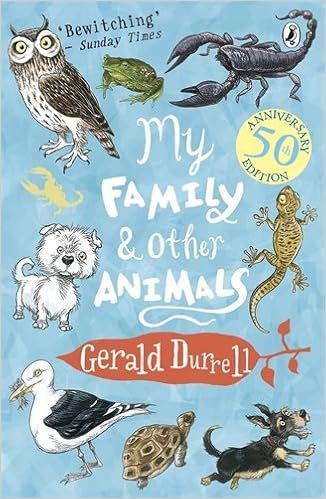
A work of autobiography, My Family and Other Animals is a story of five years of the author’s crazy and colourful childhood spent with his family on a Greek island, spread over three villas and a lot of heart-warming memories.
A Vicarage Family by Noel Streatfeild
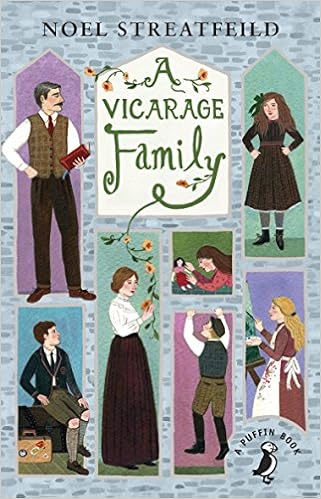
The Vicarage family was living through the First World War, some of the most trying times known to mankind. The three girls in the house grow up to find themselves fitting into different roles in the family, except the youngest. A Vicarage Family is a moving, fictionalized work of autobiography where the little protagonist ultimately finds her true self.
The Wind in the Willows by Kenneth Grahame
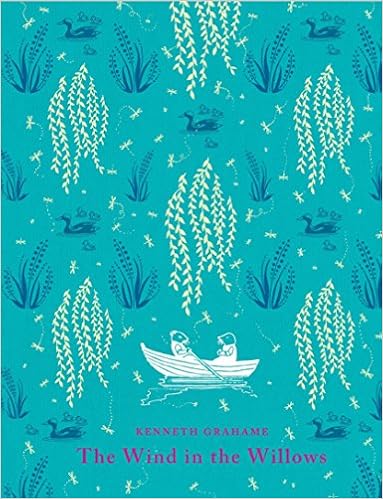
One of the most widely read and much-loved classics of all times, Kenneth Grahame’s The Wind in the Willows is a story of finding family among friends. Wouldn’t you want your little one to spend a blissful Christmas with the best people by the riverside?
The Family from One End Street by Eve Garnett
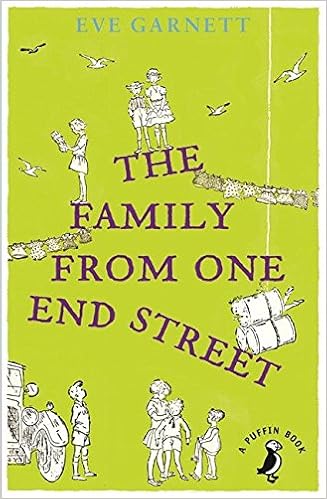
This is your story, this is my story. This is the story of finding joy in the every day life of a family, like The Family from One End Street. An award-winning novel by Eve Garnett, the novel brings to life the beautiful little happinesses one finds in their every day lives, much like the Ruggles who live in the small town of Otwell.
Diary of a Wimpy Kid: The Getaway by Jeff Kinney

What better way to end the Christmas extravaganza than with Wimpy Kid? Jeff Kinney’s latest in the series, Diary of a Wimpy Kid: The Getaway, is a riot of misadventures as the Heffleys escape the stress of ‘Christmas holidays’ by going to a resort. Little did they know that their relaxed getaway would soon turn into an unforgettable holiday nightmare!
Could homecoming on Christmas get any better than this?
5 Books that Will Help You Answer those Christmas Questions From Your Kids!

Who is Father Christmas? Is he the same person as Santa Claus? What was Christmas like many, many years ago? Why do only reindeers get to pull the sleigh?
When it’s Christmas around the corner, make sure your little one finds Christmas under the tree, and within the pages too!
Here is a list of 5 wonderful reads for your young one that will not only set the Christmas in their hearts, but help you find them the answers to those Christmas questions too!
The Christmasaurus by Tom Fletcher
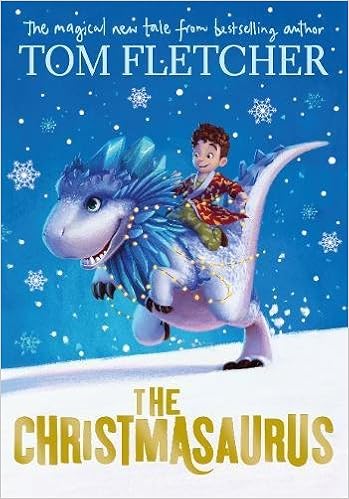
A Christmasaurus? What is that? Sounds like a dinosaurus for Christmas…Maybe it is just that and much, much more! Tom Fletcher’s magical tale of elves singing, reindeers flying and tonnes of Christmas magic is just the right kind of friend for your little one this Christmas!
A Christmas Carol by Charles Dickens
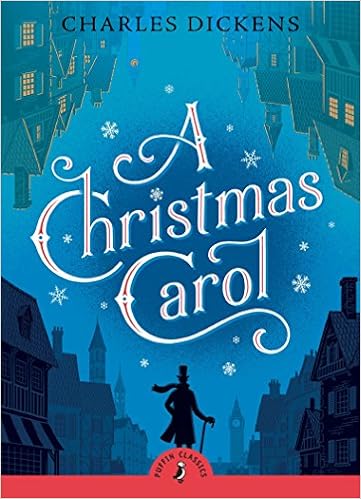
As the famous saying goes – If Christmas can’t be found in your heart, Christmas can’t be found under a tree. The powerful, moving story of Ebenezer Scrooge whose life changes forever on a Christmas Eve, has remained timeless through the ages. What better time to share it with your little one than Christmas itself?
The Puffin Book of Christmas Stories
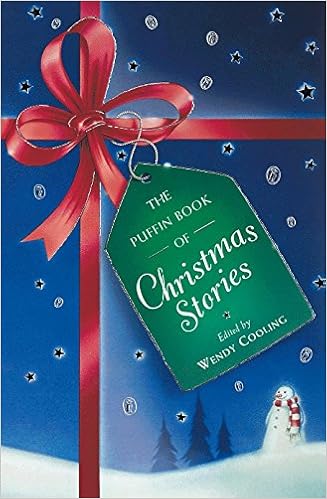
It’s definitely THE essential read for your child on Christmas! A marvellous collection of Christmas tales from across eras, The Puffin Book of Christmas Stories tells traditional and real stories of Christmas, and spreads the Christmas cheer like no other!
Christmas with the Savages by Mary Clive
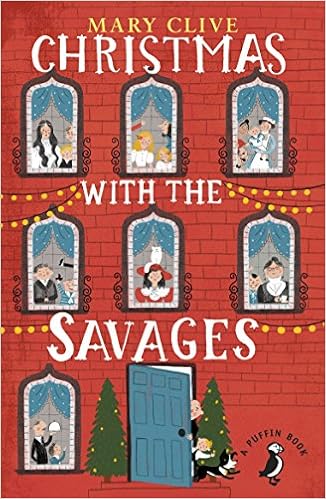
What was Christmas really like a hundred years ago? Did they celebrate it the way we do? Mary Clive’s amusing and delightful book answers those questions as her little eight-year-old protagonist, Evelyn, “survives” a Christmas of the kind we could never have imagined!
Father Christmas by Raymond Briggs
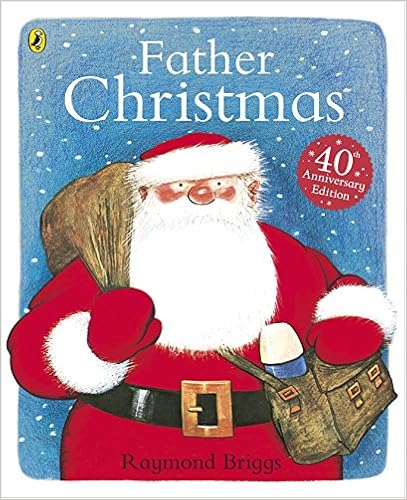
Why is Father Christmas also called Santa Claus? What does he do the rest of the year? Raymond Briggs’ award-winning book Father Christmas tells us the magical story we’ve always wanted to know!
Oh what a wonderful list of books to read, isn’t it? We’re sure your little one would not want to miss out on this magical treat!
How Did the Don Become the Master Baker?

Raja Sen’s The Best Baker in the World opens up the world of cult (and sometimes controversial) films to children and their parents, as Sen’s tribute to Francis Ford Coppola’s The Godfather, comes visually alive with the stunning illustrations done by Vishal K. Bharadwaj. But what is the secret recipe that went into the making of this amazing, one-of-a-kind book?
Raja Sen and Vishal Bharadwaj spill the beans!
Where did the thought of adapting a cult-film into a book for children come from?
Raja: Great stories transcend boundaries. Children routinely read adaptations of classic novels and Shakespeare plays, and I strongly believe cinematic masterpieces are as fundamentally strong as those texts. I thought it would be fascinating to see if a mature, R-rated film can retain its narrative appeal without the ‘adult’ elements — the blood and violence and sex — and if we could still pay tribute to the iconic and memorable aspects of the original film. The characters, the moments, the drama, all of that still remains even if the stakes aren’t fundamentally tied to violence and war. The thing we must remember is that if told right, the popping of a water balloon can feel as momentous in a story as the assassination of a character.
Vishal: When Raja approached me to illustrate the project, two things were set in stone: that these would be ‘adult’ films i.e. ones that only they should watch, as opposed to all-ages classics or PG-13 level movies that a child might be exposed to with the right guidance; and second, that we wouldn’t do a shot-for-shot, beat-by-beat representation of the films. This transformative quality is what really intrigued me about the project.
Why a baker, and not any other profession, for your protagonist who happened to be the head of a mafia in the original?
Raja: More than anything, The Godfather is a film about family — a family business, if you will. It is also a specifically Italian family film, which means food features heavily. Thus I wanted to adapt it around a family business about food, and a bakery seemed both appropriate for the task and appropriately inviting for a children’s setting. As a bonus, my illustrator Vishal Bhardwaj loves cooking and photographing food, and I knew he’d draw mouthwatering pastry.
Vishal: Fairly early on I asked Raja if we could concentrate the setting of the book down to a single street or neighbourhood (the movie takes place across multiple countries and cities), since we were telling an intimate story of families. The term ‘godfather’ denotes a certain protector status, someone you turn to for guidance & comfort. So we thought of similar pillars of a community, the kind who would always be there for you and make you feel better. Also, since I have a penchant for food, a bakery, with all its warmth and the aromas of its fresh baked goods filling the neighbourhood, was the perfect fit.
How difficult was it to dress up The Godfather as a bird who’s a baker?
Vishal: The process took a couple of weeks to go from Brando to bird. Plenty of exploratory sketches, starting with straight renditions of Brando himself, then trying on different animal ‘skins.’ During the research phase I read that Brando thought of Don Corleone as an old bulldog, so he added in the now-famous jowly look to the character. A bulldog version of our Don was tried, but he didn’t vibe with our baker’s character. Finally, after hogs & lions and other beasts, he took the form of a bird, a wise owl. There was the right gentleness to him now, but when Raja saw me draw his wings as delicate arms that manipulated pastry, he asked me to change them to more formidable, warmly enveloping wings almost as huge as the rest of him, and the physical character was complete.
As far as actually dressing him, we moved away from the iconic tuxedo. He is a baker after all, so an apron was appropriate, and rolled up sleeves with a bowtie (he’s still dapper, not sloppy!). I put in a subtle nod to a contemporary chef I like, Mario Batali, who is known for wearing shorts and Crocs sandals under his apron. But because our Don is more old-school (and Raja, like myself, appreciates a good pun), did away with the Crocs and instead gave our big bird a pair of classic wing-tip brogues.
What are the other cinematic masterpieces being retold for children in this series?
Raja: We’re looking at taking on several mature, memorable films and recreating what made them special while setting them in an entirely different (and wholly innocent) world. Next up is a homage to Danny Boyle’s Trainspotting, a highly explicit and wild film about addiction, and one of my favourite films of the 90s. Others on the list include some of the most quotable films of all time, as well as a particularly scandalous one by Stanley Kubrick.
Vishal: I hadn’t seen The Godfather before saying yes to The Best Baker in the World (as it came to be called. For a long time we referred to it as ‘Project Cannoli’). The running joke of-late has been that whatever we end up doing, if it’s a film I haven’t seen before taking the adaptation on, we must be on the right track! Raja has dropped some intriguing names into the hat, from sprawling epic classics to mind-bending modern gems. I’m excited to visually interpret any of these.
Fascinating, isn’t it? Do you still need any more convincing to pick up this marvellous book not just for your little one, but yourself too!
