



The pain of partition accompanied the joy of freedom for India. Even after seventy years, the horrors of violence still haunt the two countries.
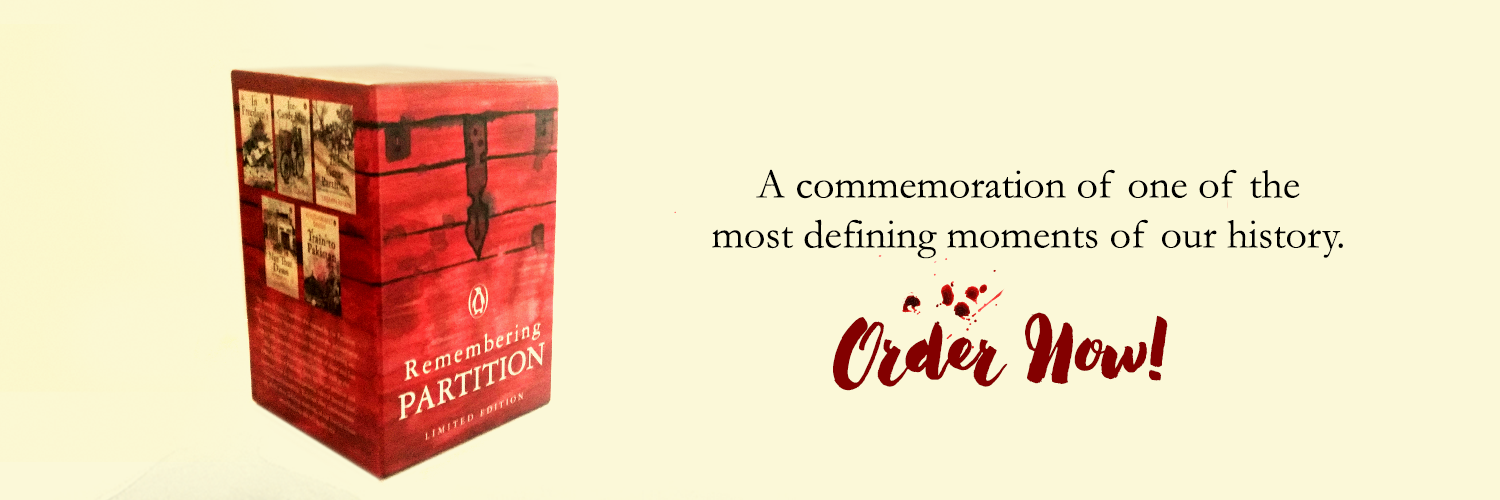
The Remembering Partition Box Set is a collection of five iconic books which look at the different faces of partition, from the larger political and historical view to the very personal tales of hatred, grief, courage and friendship.
Here are the five books that commemorates one of the most defining moments of our history.
Train to Pakistan by Khushwant Singh
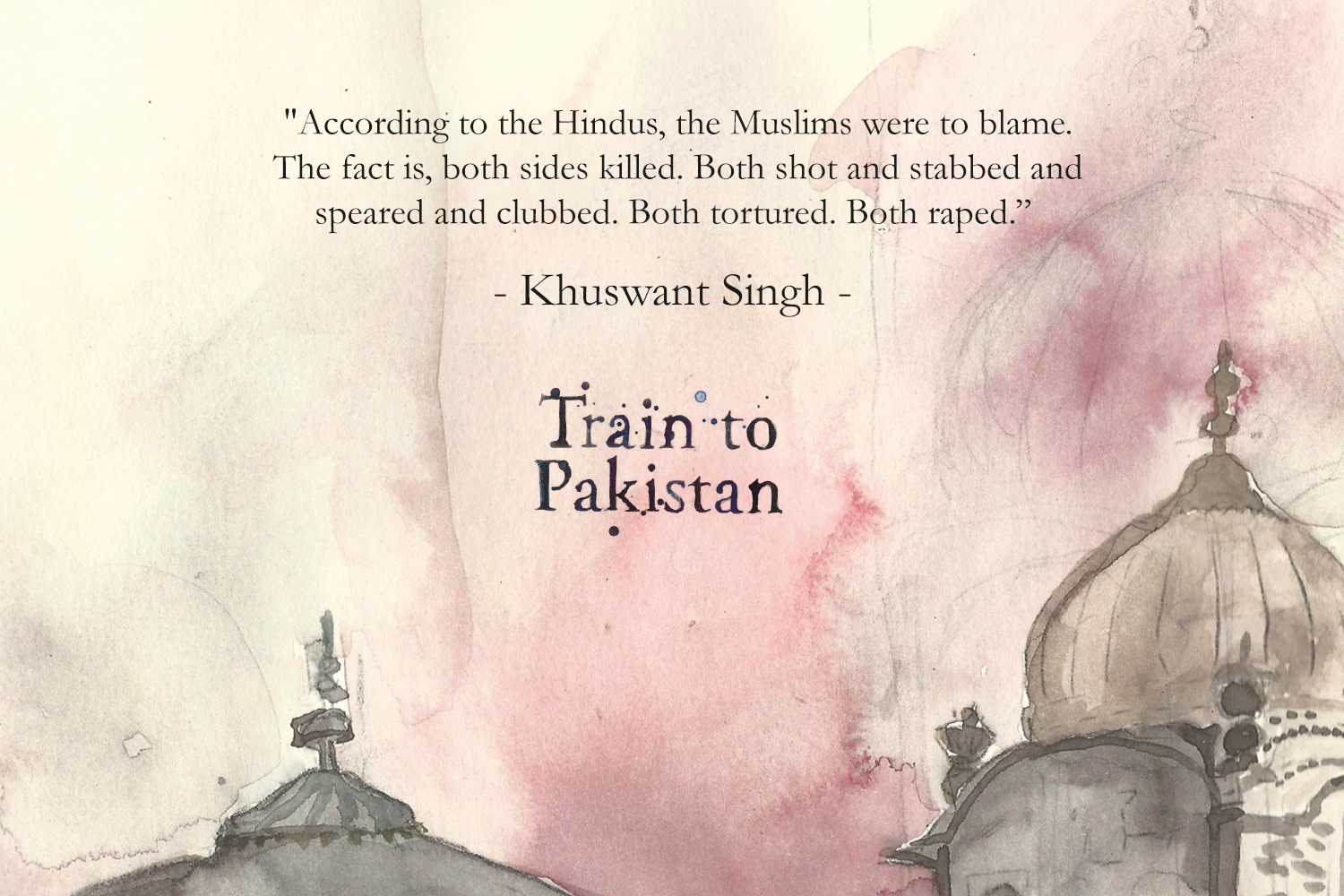
Ice-Candy-Man by Bapsi Sidhwa
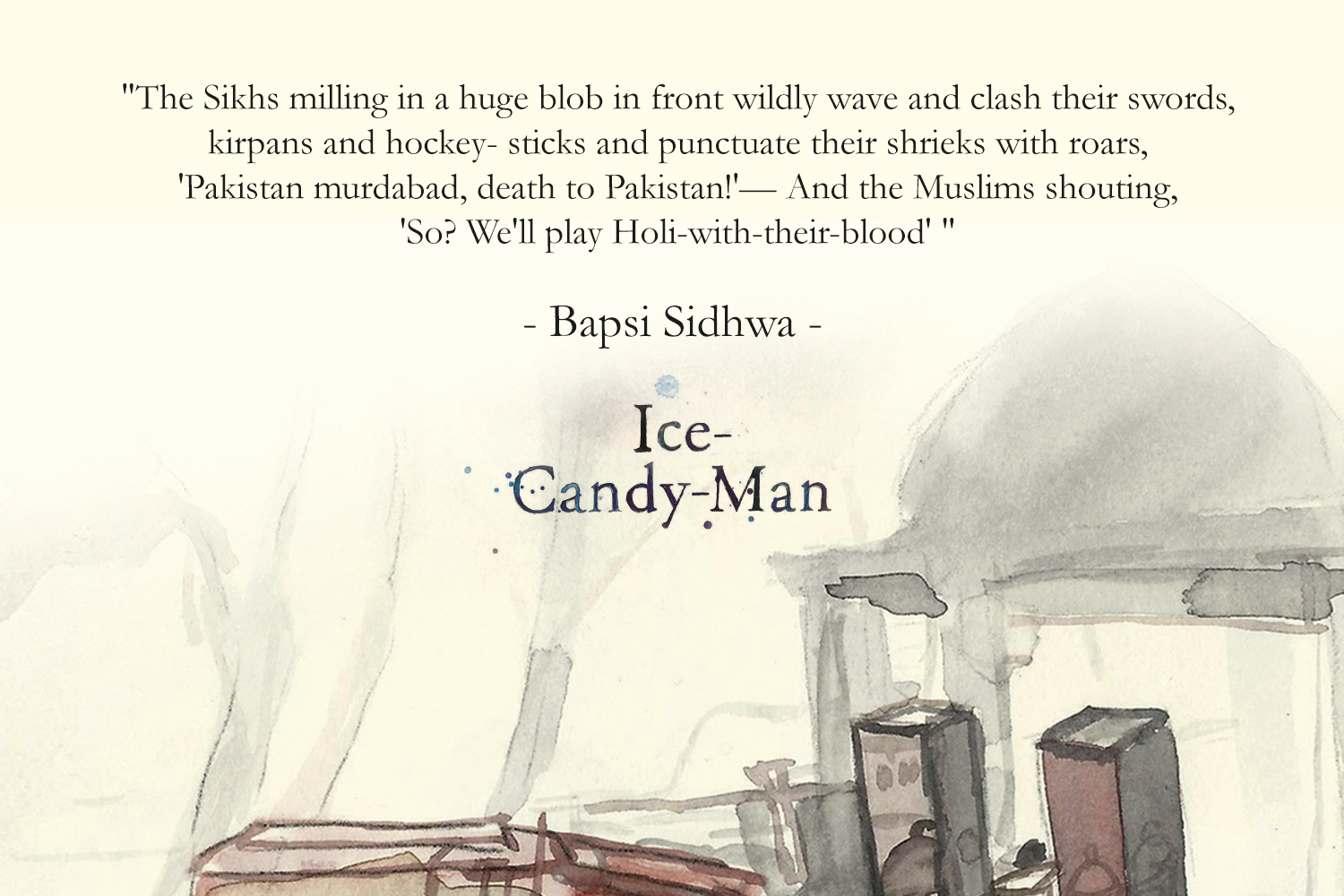
This Is Not That Dawn by Yashpal
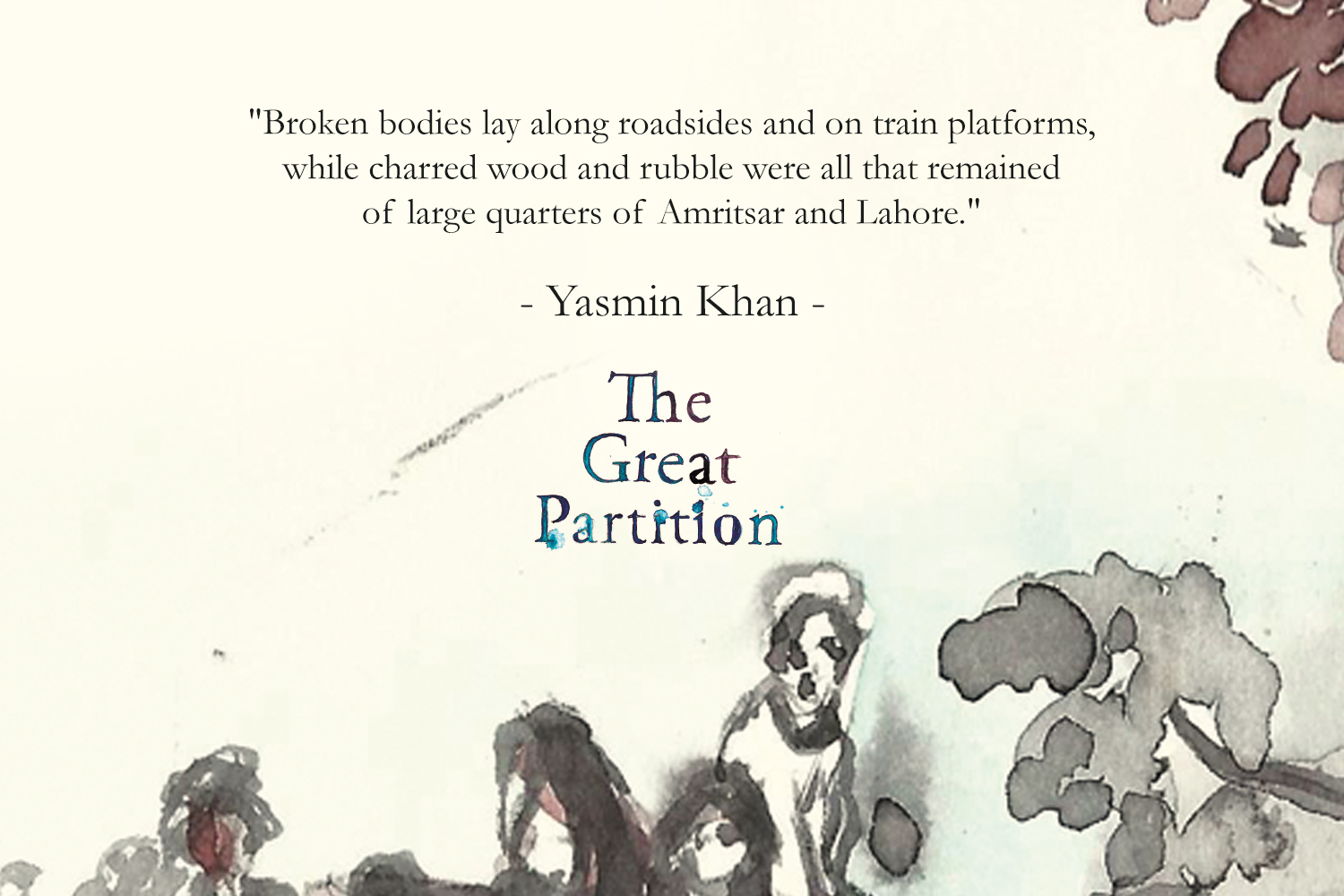
The Great Partition by Yasmin Khan
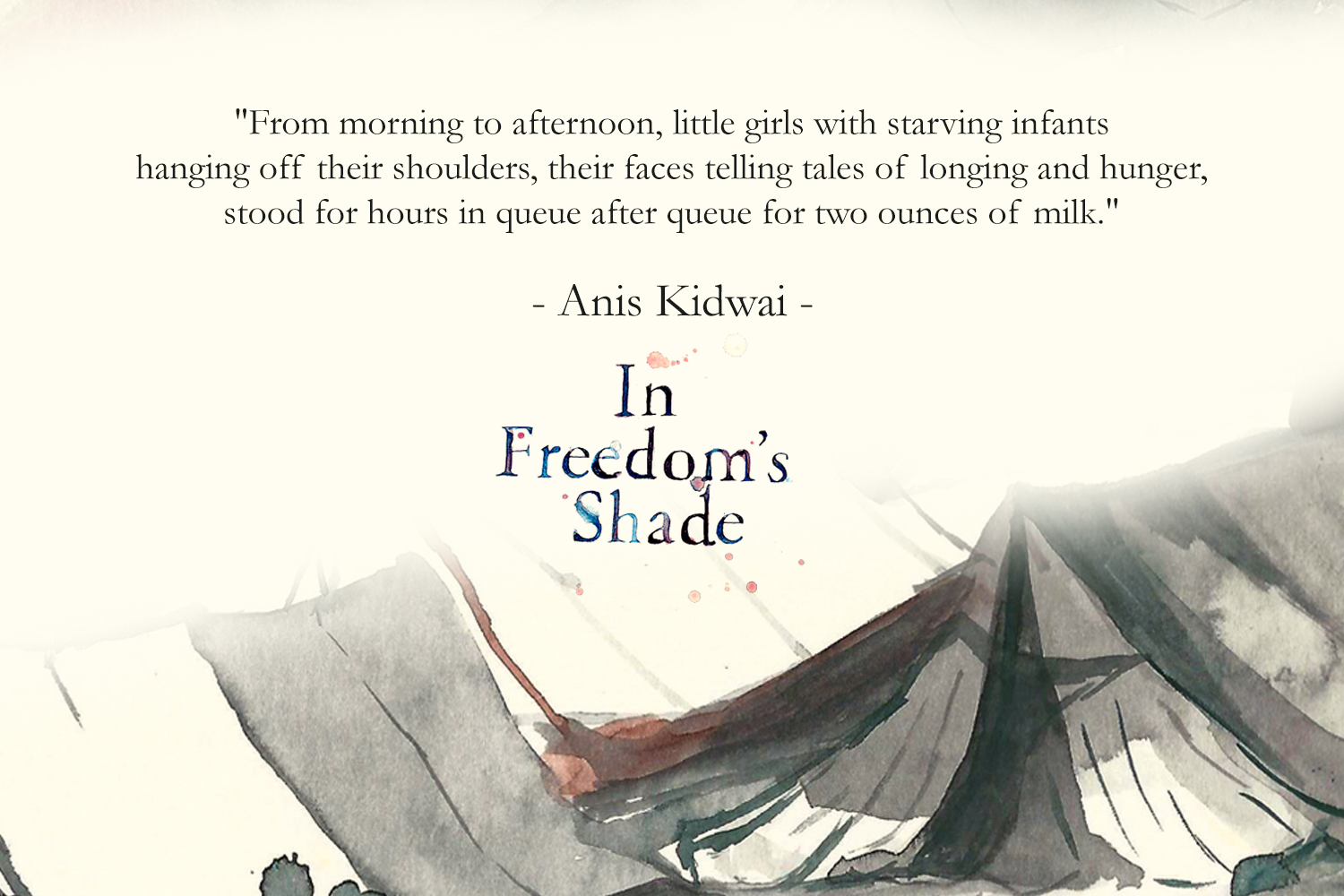
In Freedom’s Shade by Anis Kidwai
Pick up this collection and re-visit the heart-rending event.
Category: Children’s Features
Children’s Features articles
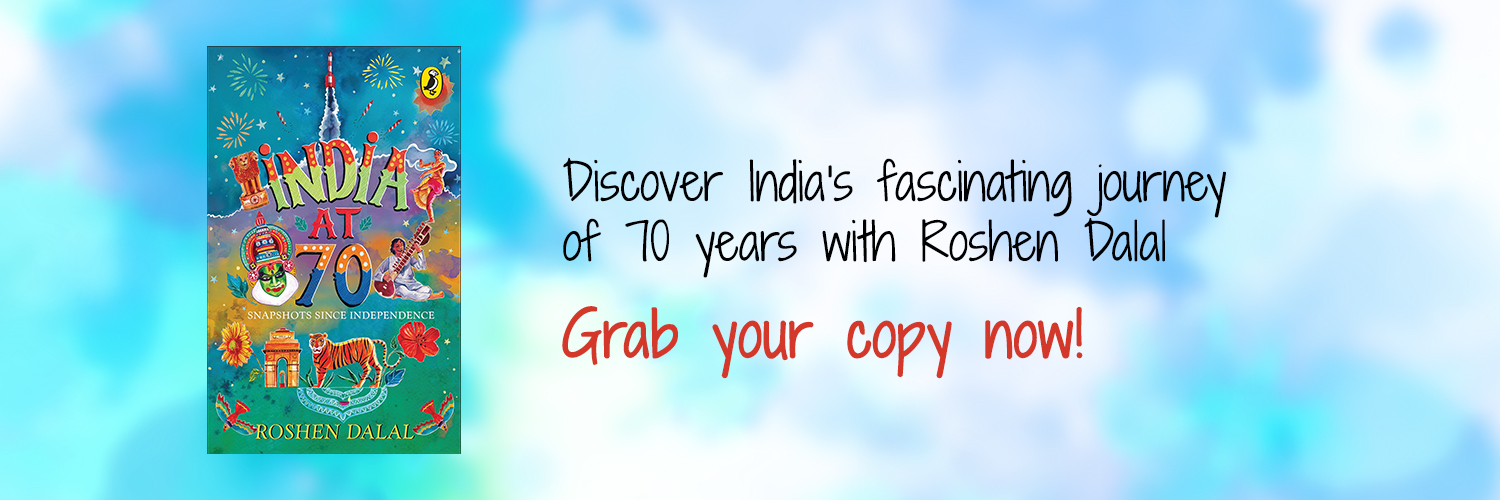
India: 70 Years of Independence
By Roshen Dalal
India celebrates 70 years of independence on 15 August, and we may wonder why this date is so important. A simple answer is that on this date in 1947, India gained freedom from almost 200 years of British rule. But further questions follow. What was wrong with British rule? How was it different from that of earlier invaders and settlers? Through the narrow passes and river valleys in the high mountains, India had seen many invasions from ancient times. Darius I (522-486 BCE)of Persia (Iran) included part of north-west India in his territories. Alexander, the Macedonian conquerer, too, came to the north-west in 336 BCE, but could not stay long. The Bactrian Greeks (from 200 BCE), the Parthians (1st century CE), Kushanas (1st to 3rd centuries CE), Indo-Sasanians (3rd -4th centuries CE), and Hunas (5th century CE), and were among other invaders. All of them set up kingdoms for short periods of time, and many were absorbed into Indian society. Later there were invasions from Ghazni and Ghur in the region of present Afghanistan, which led to the rule of the sultans. The sultans defended India against the invasions of the Mongols. The Mughal dynasty was then founded by Babur in 1526, who originated in the small kingdom of Farghana in Central Asia. There were other dynasties such as the Ahoms, who invaded the north-east of today’s India. But most of these who were once invaders, ruled parts of India much like other kings of the country. They collected and spent taxes here, constructed buildings, provided justice, and encouraged the arts. British rule was different, in that they used India as a source for money and raw materials that were transmitted to their own country. Dadabhai Naoroji (1825-1917), an Indian political leader and the first Asian to become a member of Parliament in Britain, explained this as ‘the drain of wealth’, in his book Poverty and and Un-British Rule in India. He estimated that the British were taking money away from India at the rate of 30,000,000 to 40,000,000 pounds a year. Railways had been constructed, but the money earned from them belonged to Britain. In addition, railways were used to transport raw materials, which were later sent out of India. It seemed as if there were some good points, as law and order were maintained, but Naoroji said that under the British, ‘the Indian starves in peace and perishes in peace, with law and order’. Artisans lost their livelihood. There was inequality, as only the British were given high posts. India was a ‘colony’ of Britain, but neither India nor Britain were unique. Across the world, other European nations, the including France, Portugal and Germany, had their own colonies, and similarly exploited those they colonized.
It was a long struggle to gain freedom from the British. The Revolt of 1857 was the first widespread expression of protest. After the founding of the Indian National Congress in 1885, the movement became more organized, and finally, though many groups had participated, it was Mahatama Gandhi who led India to freedom through satyagraha, his policy of peaceful protest, combining non-violence and truth. There were around 565 Indian states, which the British did not directly rule, though they controlled them through their agents. Many people in these states also participated in the freedom movement.
These peaceful protests brought about gradual changes, and an involvement of Indians in the government in the British provinces.
India became free at one minute past midnight on the of 14th August, that is, the first minute of the 15th. Though many celebrated and rejoiced, some, like Mahatma Gandhi, were sad–firstly because two countries of India and Pakistan were created instead of one, and secondly because there were riots and killings between Hindus and Sikhs on one side, and Muslims on the other.
But the new country of India overcame these problems. With the adoption of the Constitution on 26 January 1950, India became fully independent. It became a democracy, a Republic with two houses of Parliament, the Lok Sabha and the Rajya Sabha, headed by the president, with real power in the hands of the prime minister, the other ministers, and Parliament.
What we must celebrate after 70 years, is that this democracy is still functioning. As I see it, this has been India’s greatest achievement. Pakistan gained independence at the same time as India, but could not provide a stable government. Many more countries gained Independence after India, both in Asia and Africa. Most of them have faced problems, in governance and otherwise.
As we celebrate India’s freedom, we must guard and protect its greatest treasure–that of being a democracy, with a Constitution that guarantees certain freedoms, and provides equal rights to people of all communities, castes and religions.
Michael Burns Gives the Tips to Hack into Your Creativity
Michael Burns is a university teacher, writing coach, actor, editor and storyteller. He has directed five films for international television and his work has been seen in over twenty countries. He moved to India in 2011, and founded Tall Tales, the country’s longest-running, live-storytelling event series. He also conducts popular writing workshops around India.
Here’s what he has to say about his book Hack Into Your Creativity
Everyone has at least one great story. What’s yours?
If you’re reading this book, welcome.
I’m so glad we’ve found each other.
This is a book of story prompts: ideas, questions and thought experiments for you to enjoy and to write on. They’re designed to stimulate, energize and challenge you (the third of these being the most important). They’ve been written in a particular manner so that the maximum number of people can relate to them in some way. The writing that they inspire is best when it’s detailed, original and sourced from deep inside the writer’s heart and mind. There are eight categories of prompts:
- What Happens Next?
- Character-Building
- Incredible India
- Genres
- Everyday Magic
- Two-Parters
- Integration
- Every Hair on Its Head
Each of these subjects starts with a mini introduction to the category. Work your way through them or skip around if there’s a particular skill that you need to work on. I’ve added extra pages at the end of this book for you to write in, but I would recommend combining this text with a notebook so that you never run out of room for epiphanies.
This collection differs from other story-prompt resources in a few important ways. First, the prompts that follow are not random, provocative words or phrases designed to stir you to write just anything. While there is something to be said for that style, I’ve elected, instead, to put together prompts that help you to investigate visceral, transformational and pivotal moments in storytelling. This way, your writing is targeted and helps fabricate a tool that you can use on a regular basis and even in the most dramatic points in your future stories. So, there’s a special emphasis on dramatic tension. Second, this collection also readily explores both fiction and non-fiction because both are essential skills. As all writers know, your ability to find depth and nuance in fictional characters is only possible if you’re willing to, at some point in time, turn that high-powered lens back on yourself. Third, in the vast majority of cases I’ve kept the prompts targeted but very simple, steering clear of the types of prompts that shout, ‘Look how clever this story starter is!’ and instead tried to keep the focus right where it should be: getting you started down a path to discover how clever you are. Fourth, and perhaps most importantly, as suggested above, this book offers you a curated sample of many different kinds of prompts that speak to the many different kinds of storytelling that a writer will likely indulge in—from introspective questions and sentence integration to science-fiction plot twists and character development. In other words, there is a substantial selection of varied prompts to suit your particular interest, mood or even work-related priorities.
These prompts are both specific and flexible. Just like an exercise machine at a gym, the prompts are designed to get you to work on a specific skill, but they can and should be adapted as necessary. I have randomly assigned pronouns (he or she) to the prompts, details that are obviously yours to change at will. I have also suggested goals for the amount of writing you should do after each prompt. This is just a minimal suggestion to help you create a proto-story, a foundational core that can give rise to a story over time. (Having said that, obviously, if you’re set on fire by a topic, with sparks flying off the end of your pen, keep writing!) Having a proto-story as a goal is important because a quality story is not something that usually reveals itself in one inspired session. It evolves over time and builds like a snowball. Some ideas are discarded while others are expanded. Therefore, a reasonable goal for yourself should be to meet at least the minimum lengths I’ve suggested and to infuse those seeds with so much love that they’re busting to grow. A more advanced goal might be to pair this book with your understanding of the universal story structure, giving your writing exposition, rising tension, and a satisfying but unexpected resolution. At the very least, consider three short acts for a simple story structure: let the prompts set things in motion, then let disaster strike your scene, and then finally, see if the characters you’ve created will be ingenious enough to survive or be overwhelmed enough to be snuffed out.
Treat this book as a source of inspiration when you need some. Treat it like a partner to help you get under the surface and beyond the barriers that might be temporarily blocking your creativity. Perhaps, above all, treat it as activation energy. Every chemist knows that reactions need a little push to get them going. And once the reactions start and combinations begin to agitate, percolate and transmute in the unpredictable ways that they sometimes do, you never quite know where you’ll end up.
So, as we get started on creating together, peace be the journey—the alchemist’s journey.
This is an excerpt from Michael Burns’ Hack Into Your Creativity.

Let Chhota Bheem Turn Your Child into a Reader
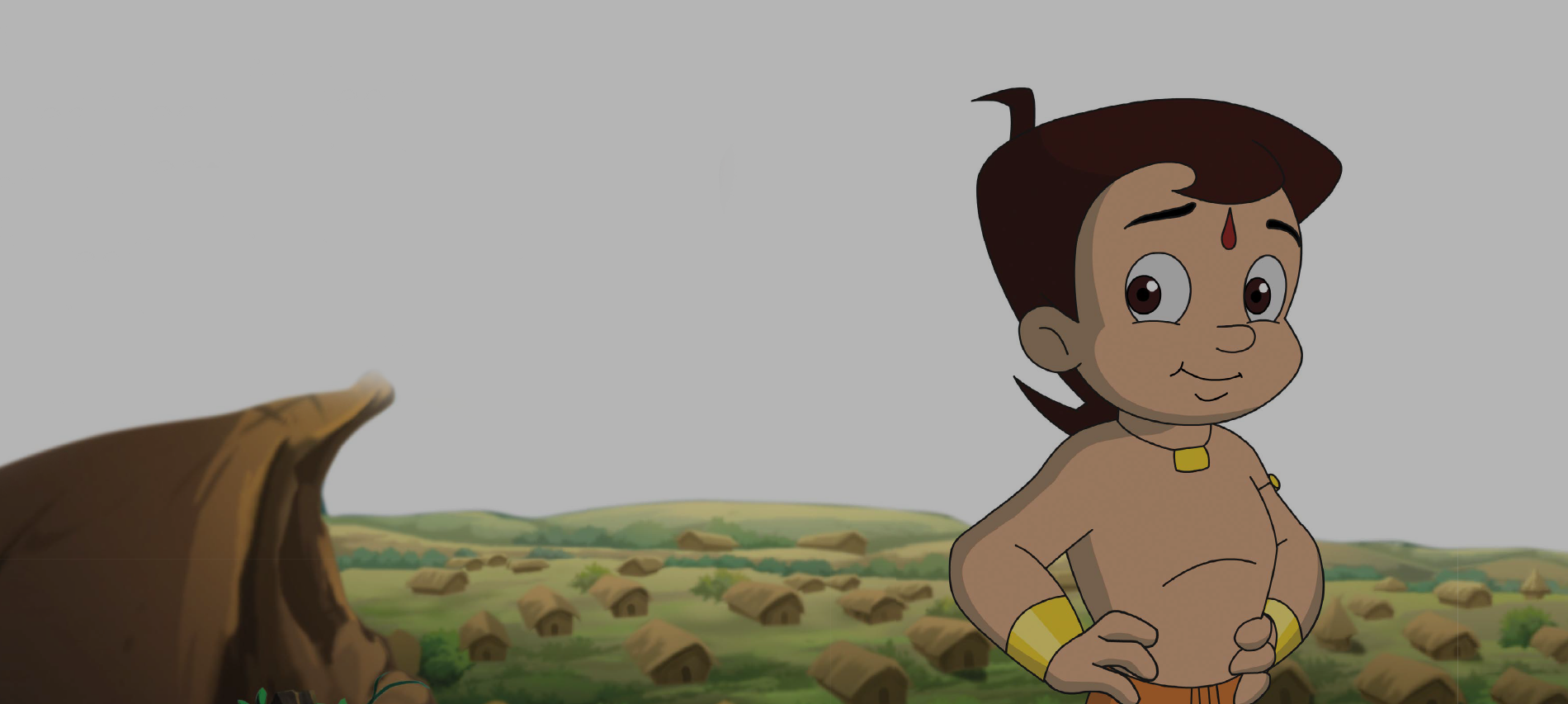
Is your little bundle of joy going to start school soon? Have you been looking for books that will ease them into this new phase of life? The Chhota Bheem series by DK Books, is where your search ends. The series is a set of four books, ideal for kids between 4-6 years. It aims to enrich your kid’s general knowledge and also inculcate a fondness for reading.
Here are 5 ways in which your child can enjoy the series:
Easy-To-Read Text
The book series aims to educate and entertain your little one through illustrations and easy-to-read-text. Combining familiarity of the much loved characters with educational content adds to your tot’s understanding.

Increase General Awareness
The series covers topics such as types of transport, animals, seasons, and the concept of party. Like the TV series, the books will make your little one aware of things which they see around them every day. The storytelling format in the books will let them have as much fun as they have while watching an episode.

Engage in Fun Activities
Learning becomes easier when you’re having fun! The books also contain activities like crafting a paper boat or making lemonade which incorporate fun learning for your child, thereby increasing their attention span and enabling them to fare better at school.

Improve Cognitive Skills
Apart from helping children develop the habit of reading, the books focus on improving their thinking and analytical skills, achieving this through word search, spot the difference, solve the maze, etc. The analytical skills come into play when your kid is learning subjects like mathematics and science.

Respect for the Environment
In the light of the on-going climate change, the series aims to make the children aware of their surroundings. The books cover topics such as climate change and endangerment of animals. These topics will help you instill in your child, respect for the environment and its gifts.

Are you ready to see your kid set off on an exciting journey of learning? Tell us what they think of the books.

5 Lesser-Known Books by Ruskin Bond that You Must Read

Ruskin Bond has written a string of unforgettable tales – stories about nature and animals, and the bond formed between humans and the wild. As we celebrate Ruskin Bond’s 83rd birthday, here are some of his lesser-known great writings.
Vagrants in the Valley
This book catches up with our favourite Rusty as he plunges not just into the cold pools of Dehra but into an exciting new life, dipping his toes into adulthood. At once, thrilling and nostalgic, this heart-warming sequel is Rusty at his best as he navigates the tightrope between dreams and reality, all the time maintaining a glorious sense of hope.

The Day Grandfather Tickled a Tiger
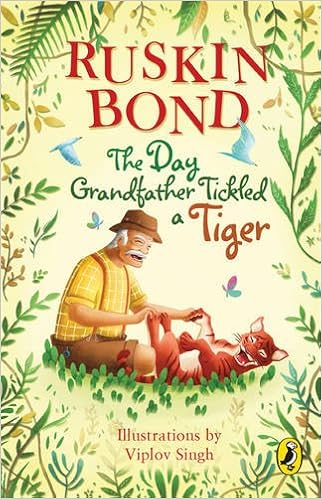
Grandfather had brought home Timothy, the little tiger cub, from the forests of the Shivaliks. Timothy grew up to be a friendly tiger, with a monkey and a mongrel for company. But some strange circumstances lead grandfather to take Timothy away to a zoo. Will they ever meet again? This a heart-warming story of love and friendship!
Rusty Runs Away
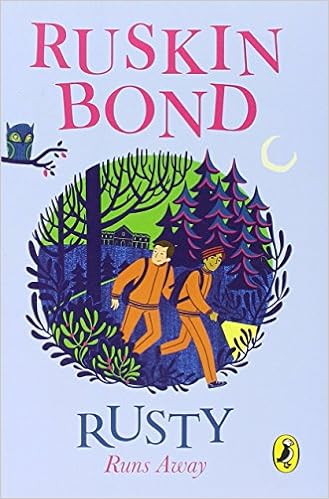
Rusty’s world is turned topsy-turvy when his father and grandmother pass away in quick succession. The twelve-year-old is sent away to boarding school by his guardian, Mr Harrison. Restlessness, coupled with an ambition to travel the world, compels him to run away from his rather humdrum life at school. But the plan fails, and he is soon back in Dehra, with his strict guardian. Rusty is now seventeen. He rebels and leaves home again, this time for good.
The Tree Lover
His mesmerizing descriptions of nature and his wonderful way with words—this is Ruskin Bond at his finest. Read on as Rusty tells the story of his grandfather’s relationship with the trees around him, who’s convinced that they love him back with as much tenderness as he loves them.

Dust on the Mountain
When twelve-year-old Bisnu decides to go to Mussoorie to earn for his family, he has no idea how dangerous and lonely life in a town can be for a boy on his own. As he sets out to work on the limestone quarries, with the choking dust enveloping the beautiful mountain air, he finds that he longs for his little village in the Himalayas.

Which is your favourite Ruskin Bond story? Tell us as we celebrate the bond of stories with Mr Bond!
A Trip Down Memory Lane: 6 Classics to Relive Your Childhood
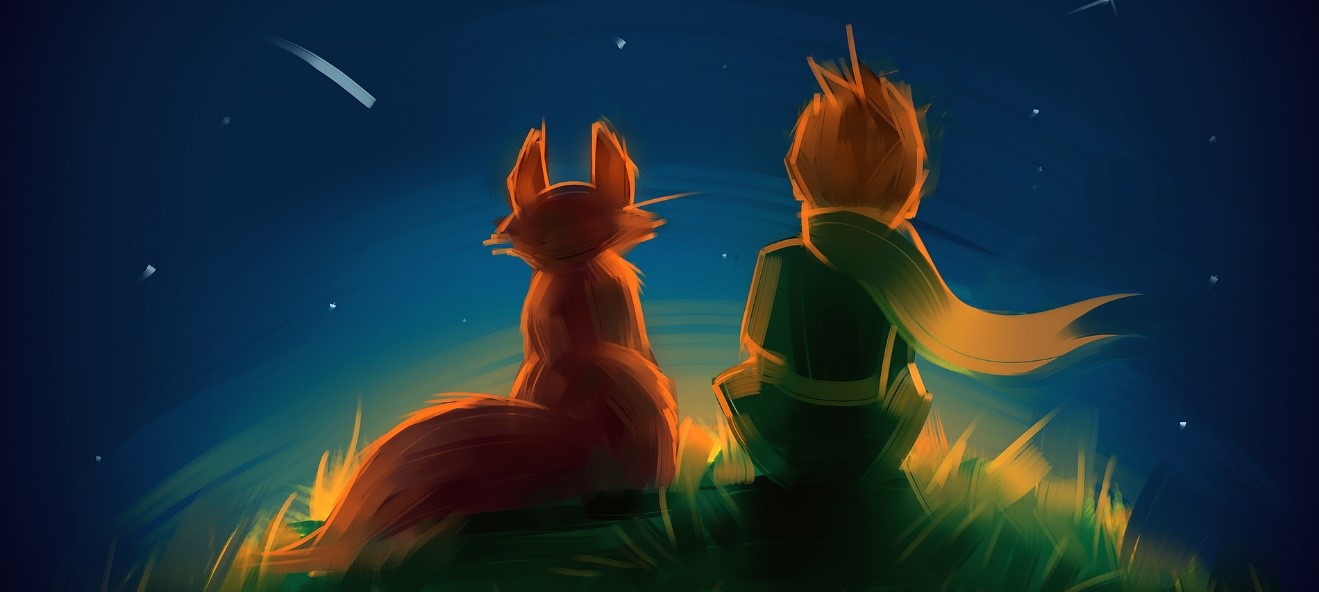
Some of our most unforgettable books were the ones we read in our childhood. Perhaps it was our unfettered imaginations, or the ease with which we learned things, or perhaps that pure, creative mind that absorbed all stories and made those books memorable throughout our lives.
And now, more than ever, in our chaotic lives, is a good time to return to our glorious reading memories
Here are six classics that will take you on a trip down memory lane!
The Wizard of Oz
When a terrifying tornado crashes through Kansas, Dorothy, a little girl from a neighbourhood, is whisked away with her dog to the magical land of Oz. She thinks she’s lost forever and that’s when she embarks on an enchanting adventure.

Malgudi Days
The fun that Swami and his friends have in the sleepy little town of Malgudi made Malgudi not just a place but an emotion. It meant hopping on a joyride and getting off at the Malgudi Railway Station, to enjoy a fascinating world.

Sherlock Holmes
How can we forget our beloved detective who possesses unique powers of deduction and sets about inspecting complex cases, wearing his famous hat and smoking his pipe? We can’t help but tag along, as Sherlock Holmes conducts thrilling investigations, be it the foggy streets of Victorian London or the beautiful English countryside.

The Jungle Book
A heart-warming story of a friendship between a boy man and the jungle, The Jungle Book tells a story of a ‘man-cub’ being saved from the jaws of an evil tiger and adopted by a pack of wolves. As Mowgli grows, our excitement grows with him and his escapades in the Seeonee jungle.

Around the World in Eighty Days
The candidate: A daring traveller. The challenge: To travel across the world in just eighty days!
As the race against the clock begins, we are taken on a thrilling trip through exotic lands and dangerous places. Sometimes aboard a train, sometimes riding an elephant, it’s an exciting hustle to win the bet.

Heidi
A charming story of the love for a place and for one’s grandparents, in this classic we are mesmerised by the joys experienced by Heidi, living in the Alps with her grandfather. When her strict aunt sends her away to the city, Heidi yearns to return to the happiness of life with her grandfather.

Is there a memory of a book you would like to share? Do you have a beloved classic that you would want to talk about? Tell us – we would LOVE to know!
Decoding the Panchatantra: 6 Little-Known Facts About the Evergreen Animal Fables
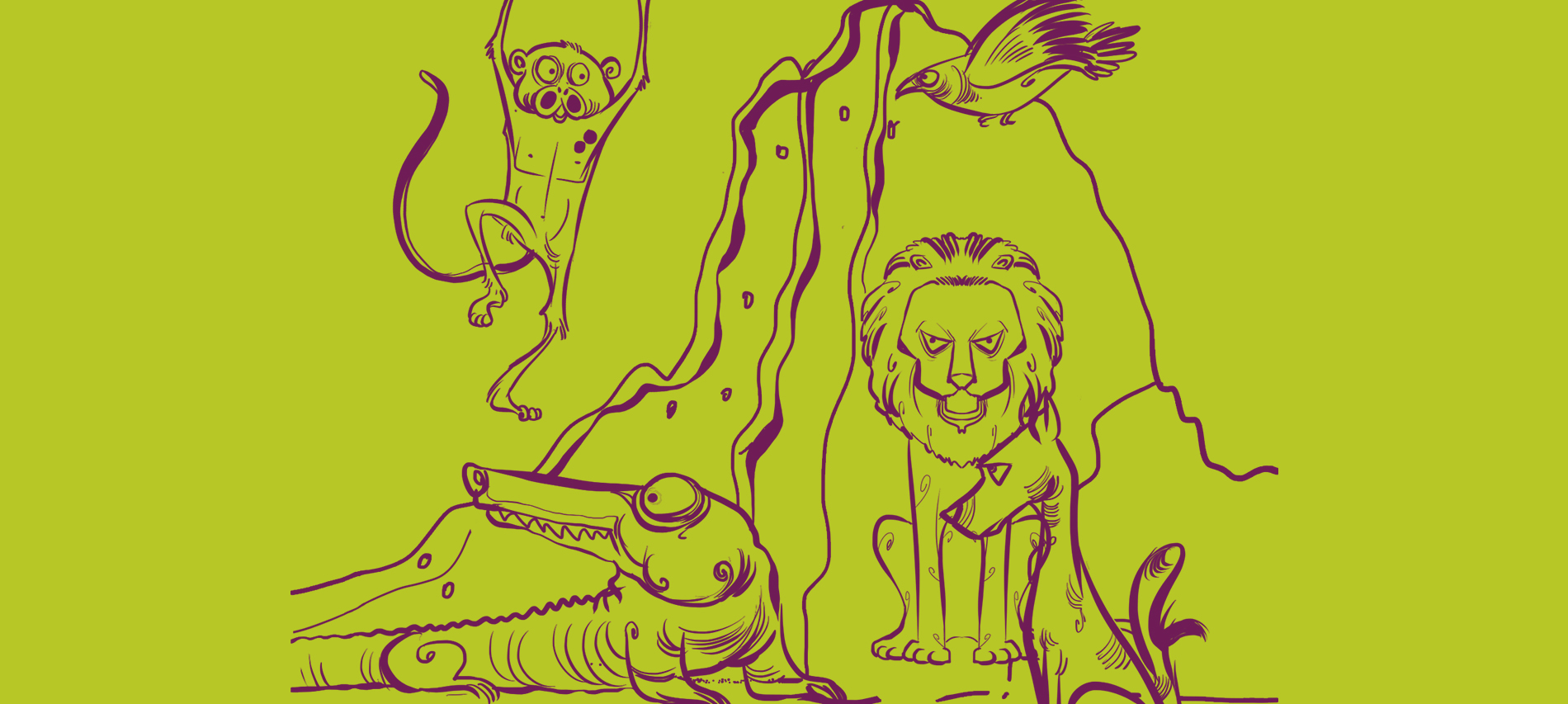
Originally composed in Sanskrit, the Panchatantra is one of the oldest collections of fables in the world. Devised for the purposes of teaching three dull-witted sons of a king, it strives to convey the principles of kingship and some valuable life lessons.
Nilanjana Roy, author and journalist, notes in her introduction to the refreshing new translation of the Panchatantra: “Stories are alive and they like to travel.” In fact, the more brilliant the stories the wider their reach. And therein lies the magic of the Panchatantra – it has hopped down and affected numerous centuries and generations!
Here are six little-known yet brilliant facts about the Panchatantra!
Who wrote the Panchatantra? Vishnusharma was renowned far and wide for his learning and his skill as a teacher, and was therefore given the task of educating the sons of the king and making them fit to rule. He was eighty years old at the time yet accepted the challenge, and devised the stories of the Panchatantra to teach the princes the rules of kingship and the principles of government.
When was the Panchatantra composed? The exact date of its composition is uncertain. We do know, however, that it was translated into Pahlavi in 550 CE. Thus, we know with certainty that the Panchatantra must have been composed before this date.
Where was the Panchatantra composed? We do not know the exact location of this city, or even if it was a real place. The Panchatantra only states, rather vaguely, that Mahilaropya was the capital city of ‘a kingdom in the south’.
The Structure of the Panchatantra The original Panchatantra is a mixture of verse and prose. The stories are narrated mainly in prose, but the lessons derived from the tales are usually given in verse form. Panchatantra takes its audience into a series of stories, deeper and deeper, from one level to the next.
Characters in the Panchatantra The author has used a device to make it easy for his audience to understand the nature of his characters, and that is their names. He has given his characters, whether human or animal, names that highlight certain aspects of their appearance or behaviour. Thus, we have Pingalaka the lion, whose name means ‘one who is red–gold’, named for his fiery coat!
Translations and Retellings The subject matter of the Panchatantra and its delightful tales made it a very popular text. Its stories, carried far and wide by travellers and merchants, spread rapidly across the world.
Want to soak in the magic of the Panchatantra? Relive the joy of this enduring classic, translated brilliantly from the original by Rohini Chowdhury and now in a classic keepsake edition – here!
5 Quotes from Winnie-the-Pooh that Define Life
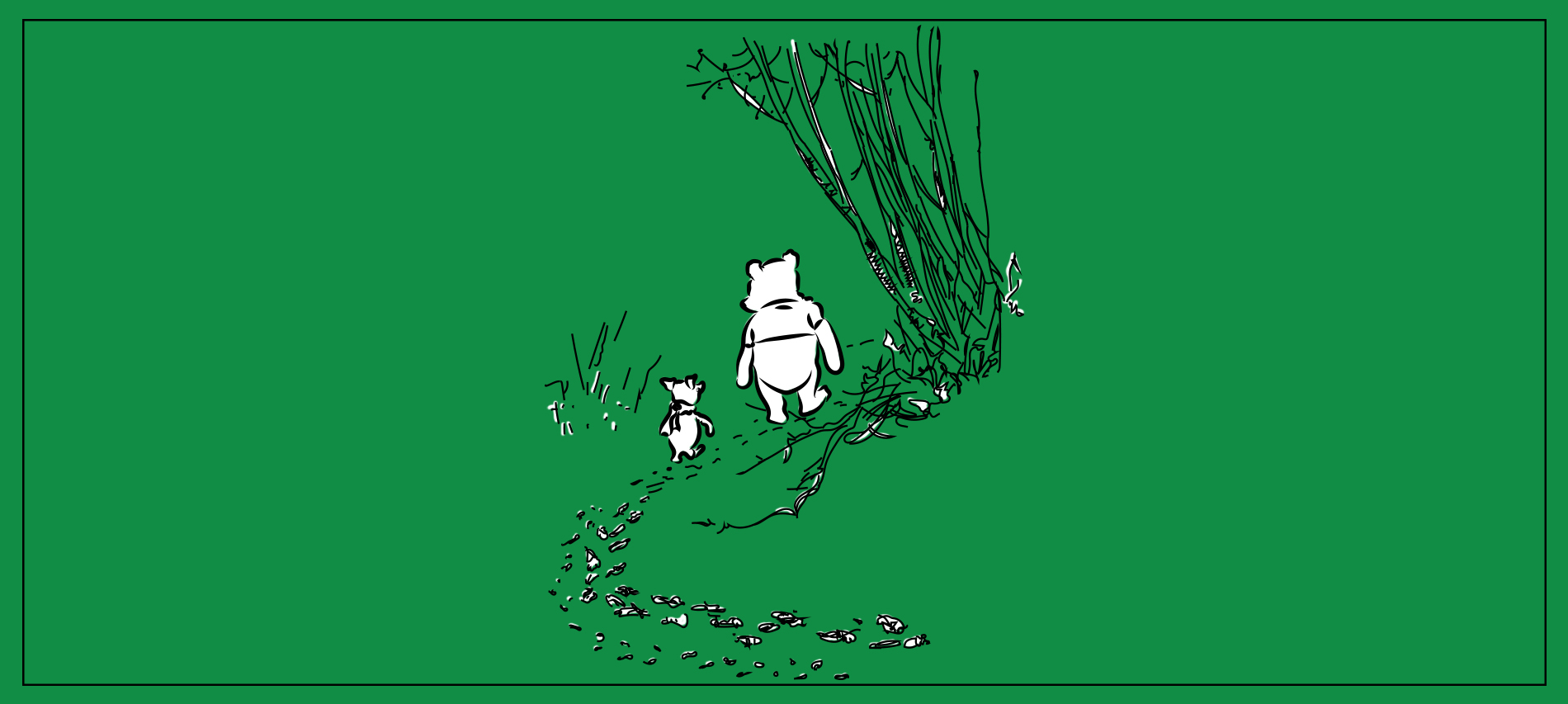

Life may not always be straight as an arrow – in fact, it rarely is. Sometimes, it is like a pretzel – twisted and confusing. Sometimes, it is like a roller-coaster – alternating between the crests and troughs.
These heartwarming views on life from the classic Winnie-the-Pooh by AA Milne show that often the solutions lie in the simplest of things!
Here’s celebrating AA Milne’s birthday with these short, easy . . . and delicious takes on life!

Keep calm and flow on!

Come out of corners – corners are despicable!

What’s life without a friend that’s as sweet as honey!

And, finally, isn’t love the stuff life is made of?

And here’s to the creator of the fantastic Winnie-the-Pooh – Happy Birthday, A.A. Milne!
14 Life Rules Your Teen Should Know About

There are some things that children should be learning in school, but don’t and not all of them have to do with academics. As a modest back-to-school offering, here are some basic rules, for your kids, from Lina Ashar’s amazing guide through the complicated teen years – Drama Teen, that may not have found their way into the standard curriculum.
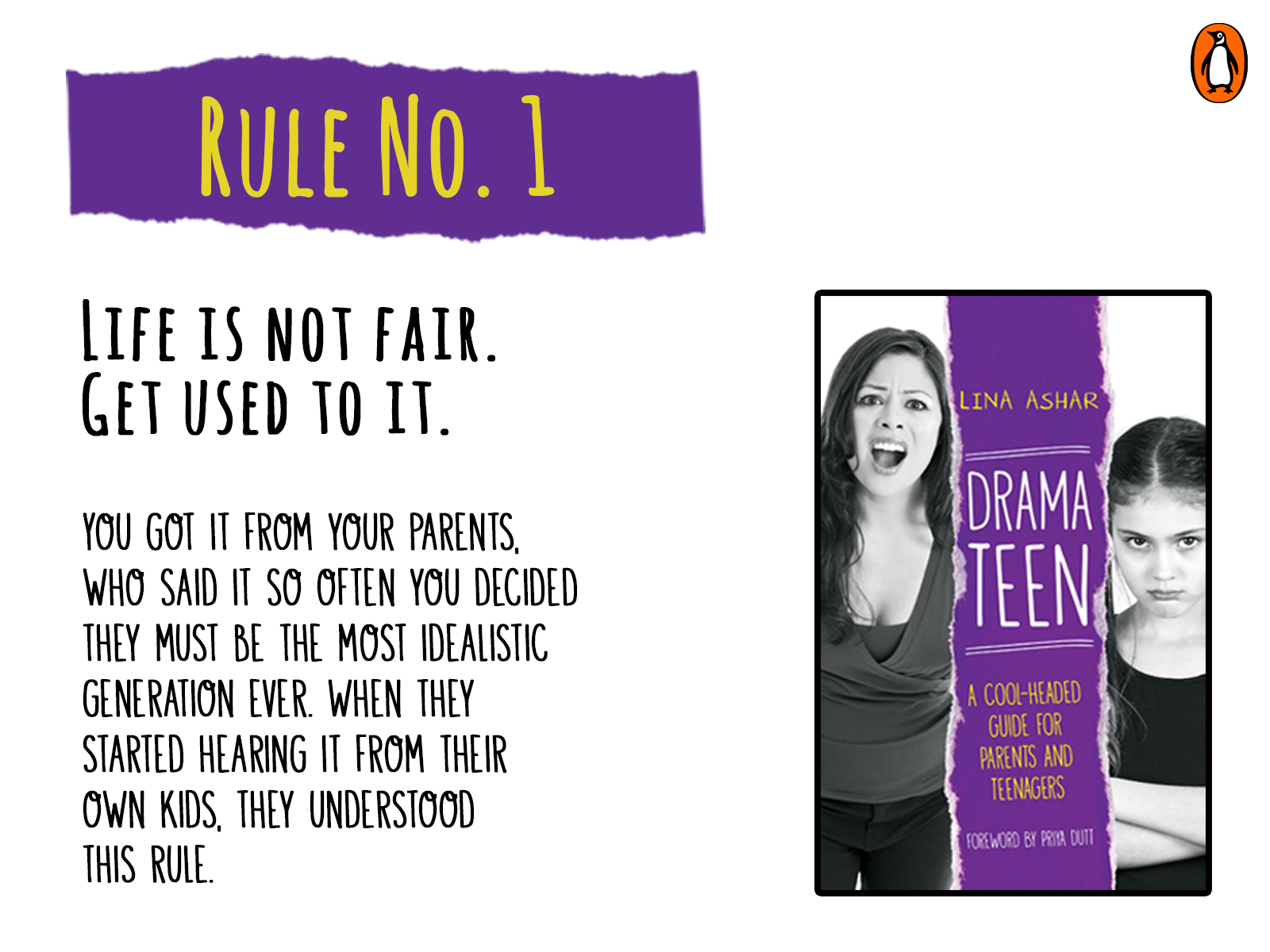
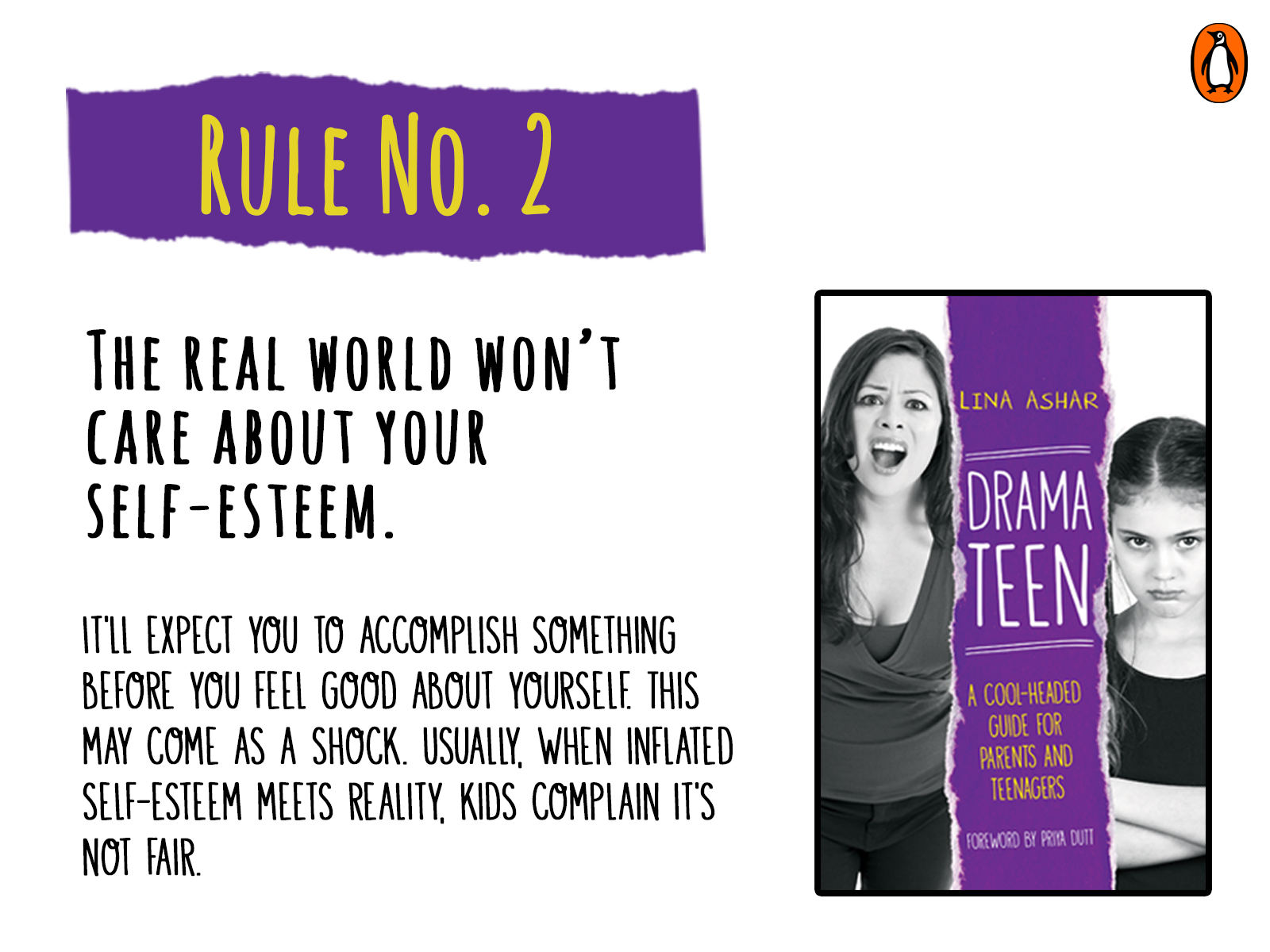
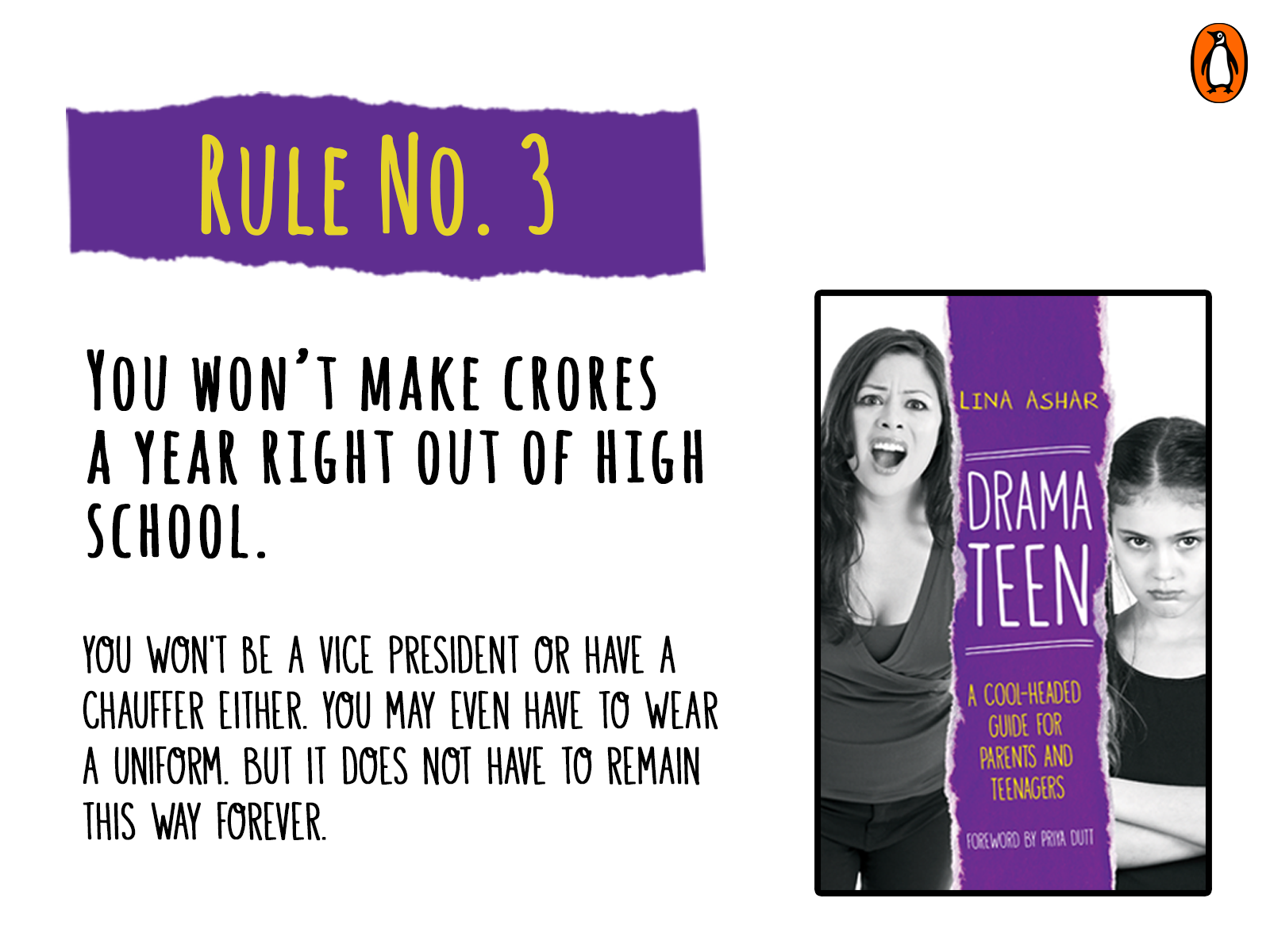
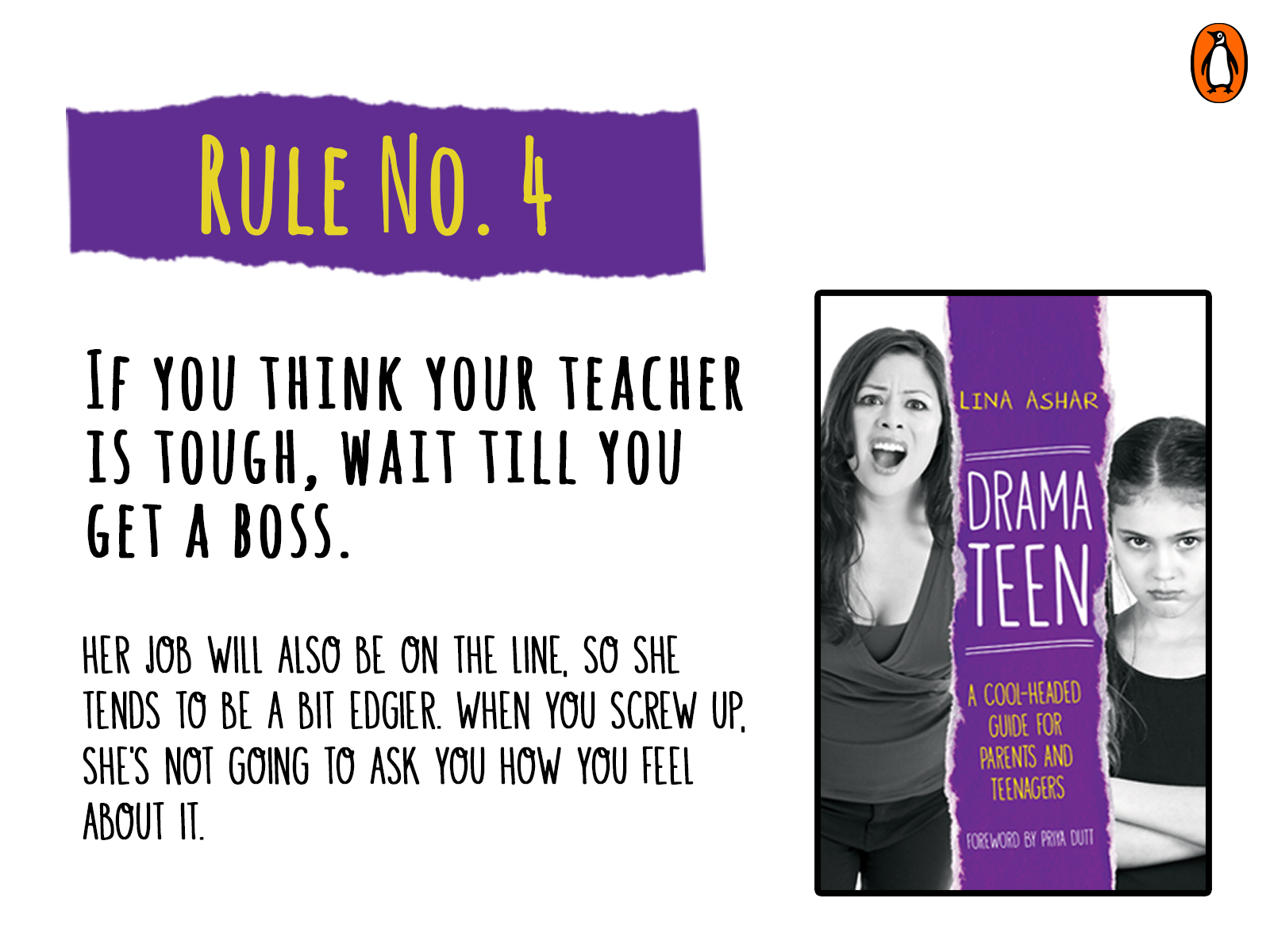
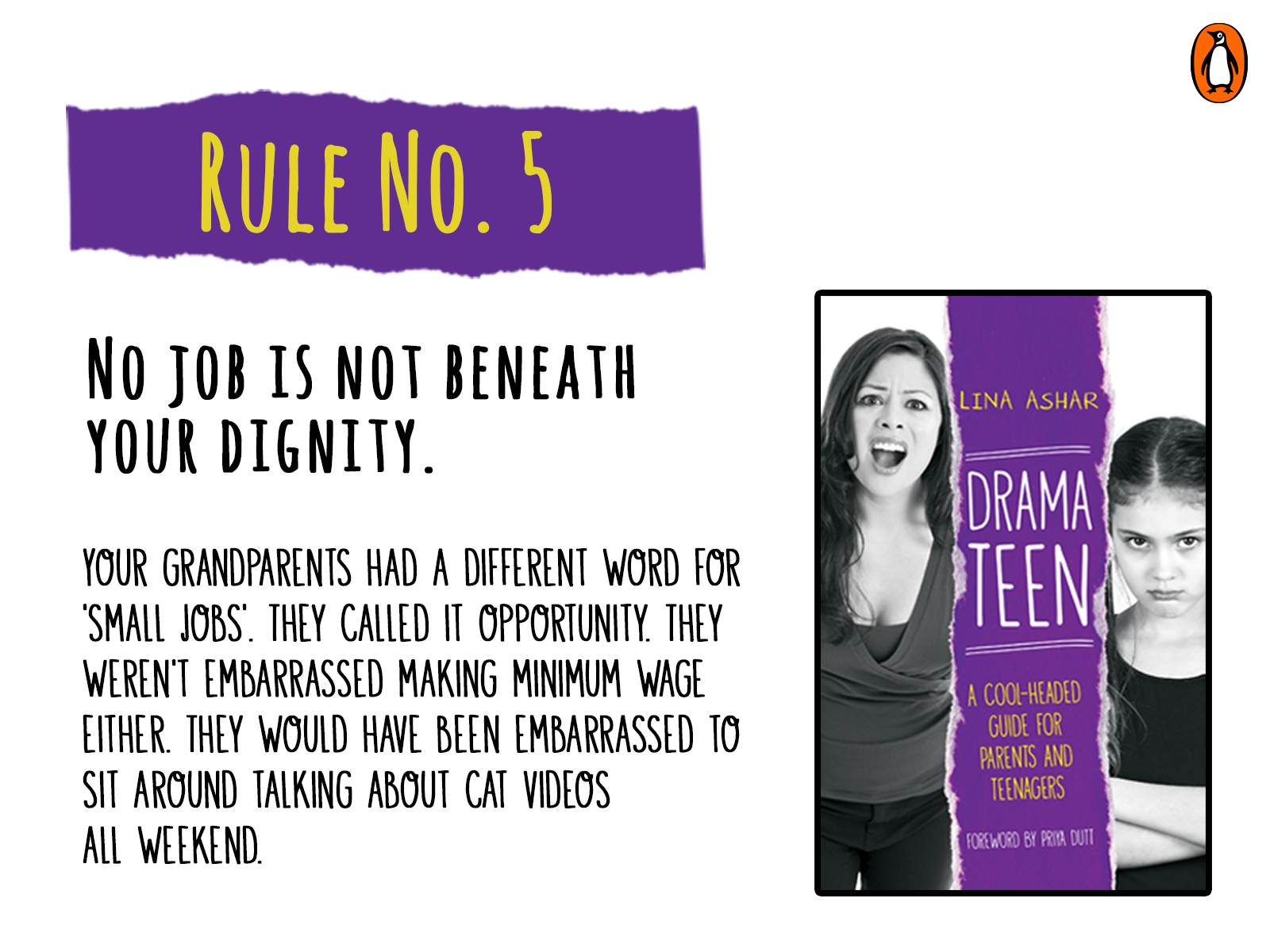
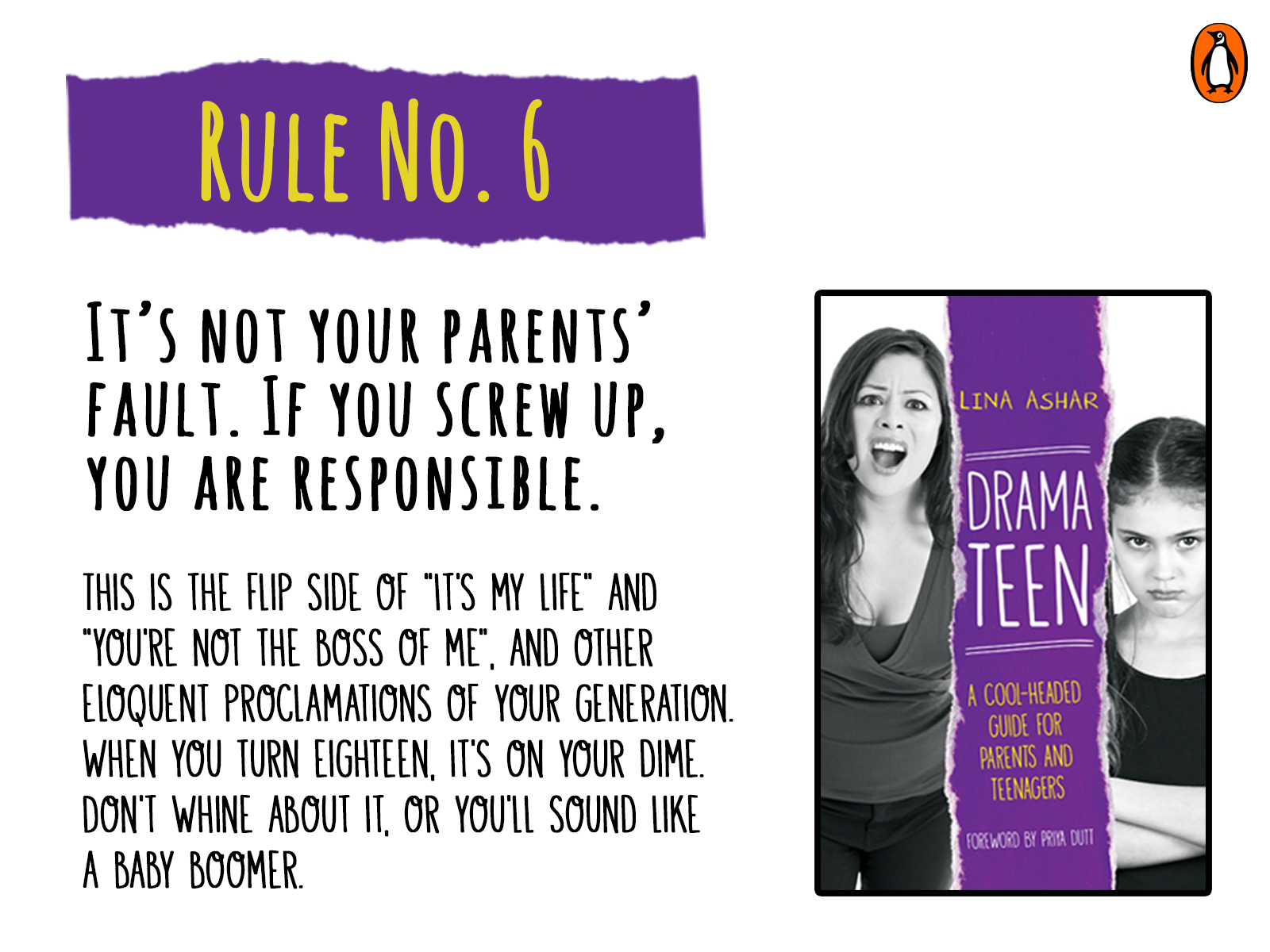

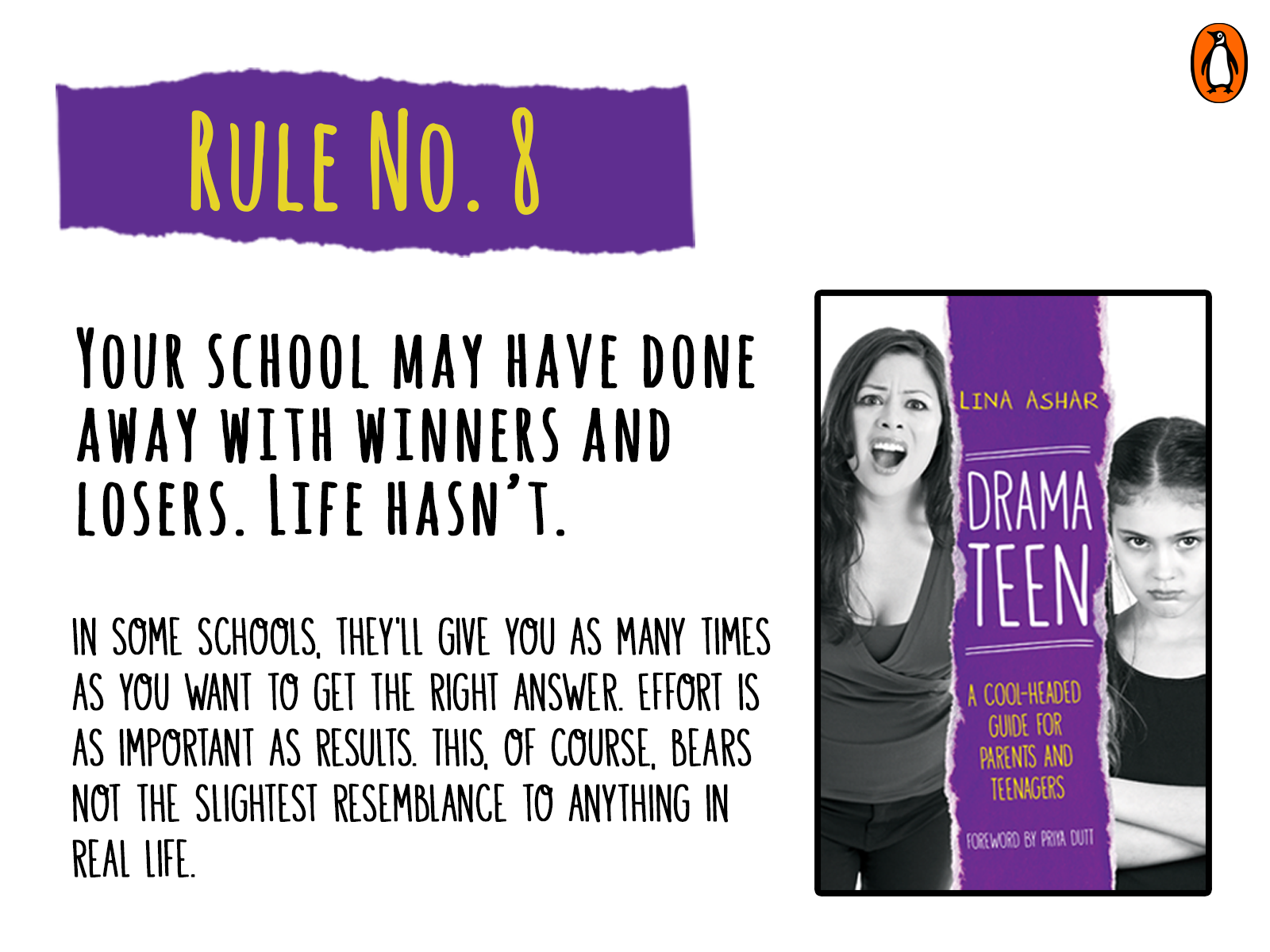
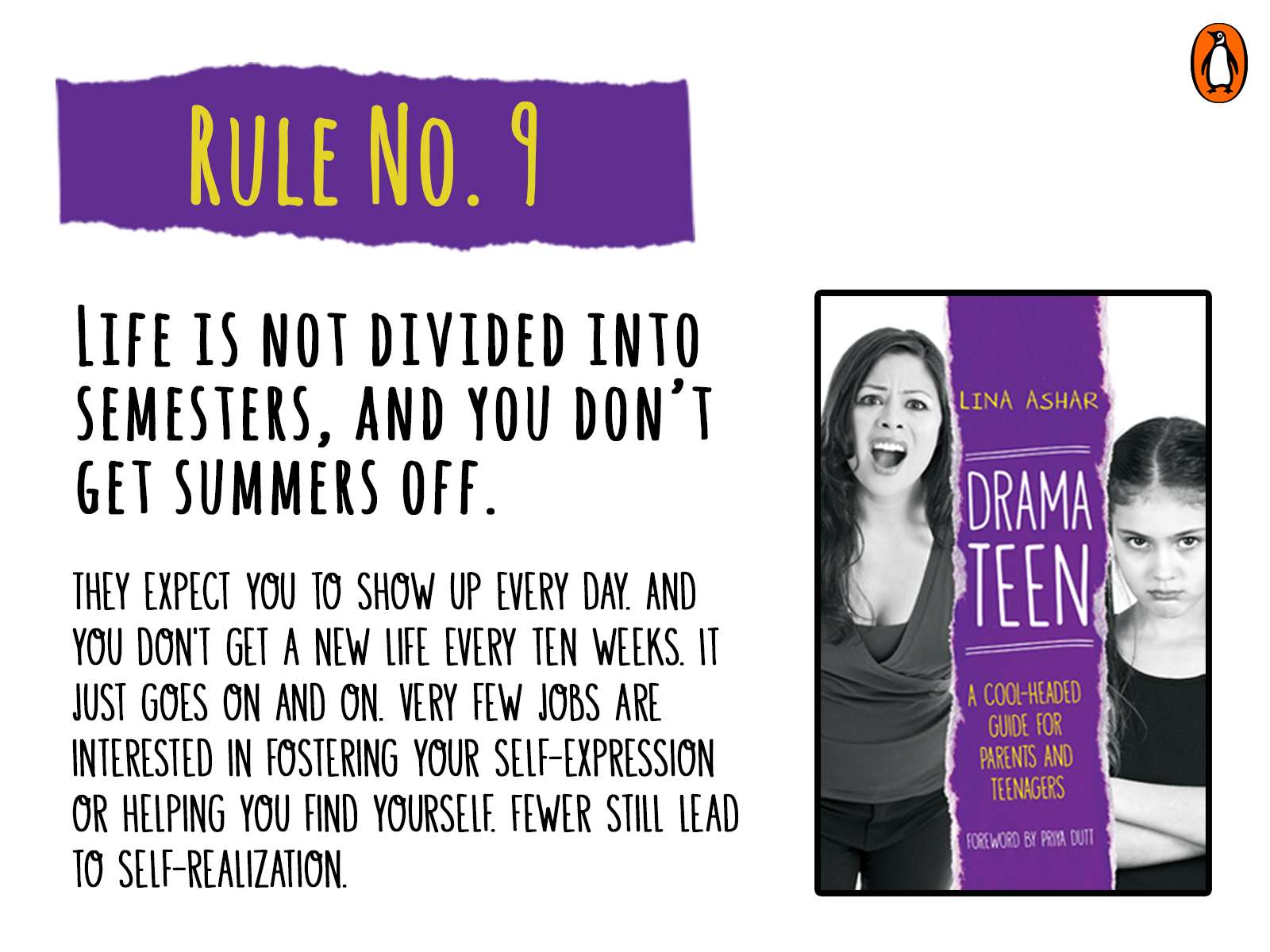
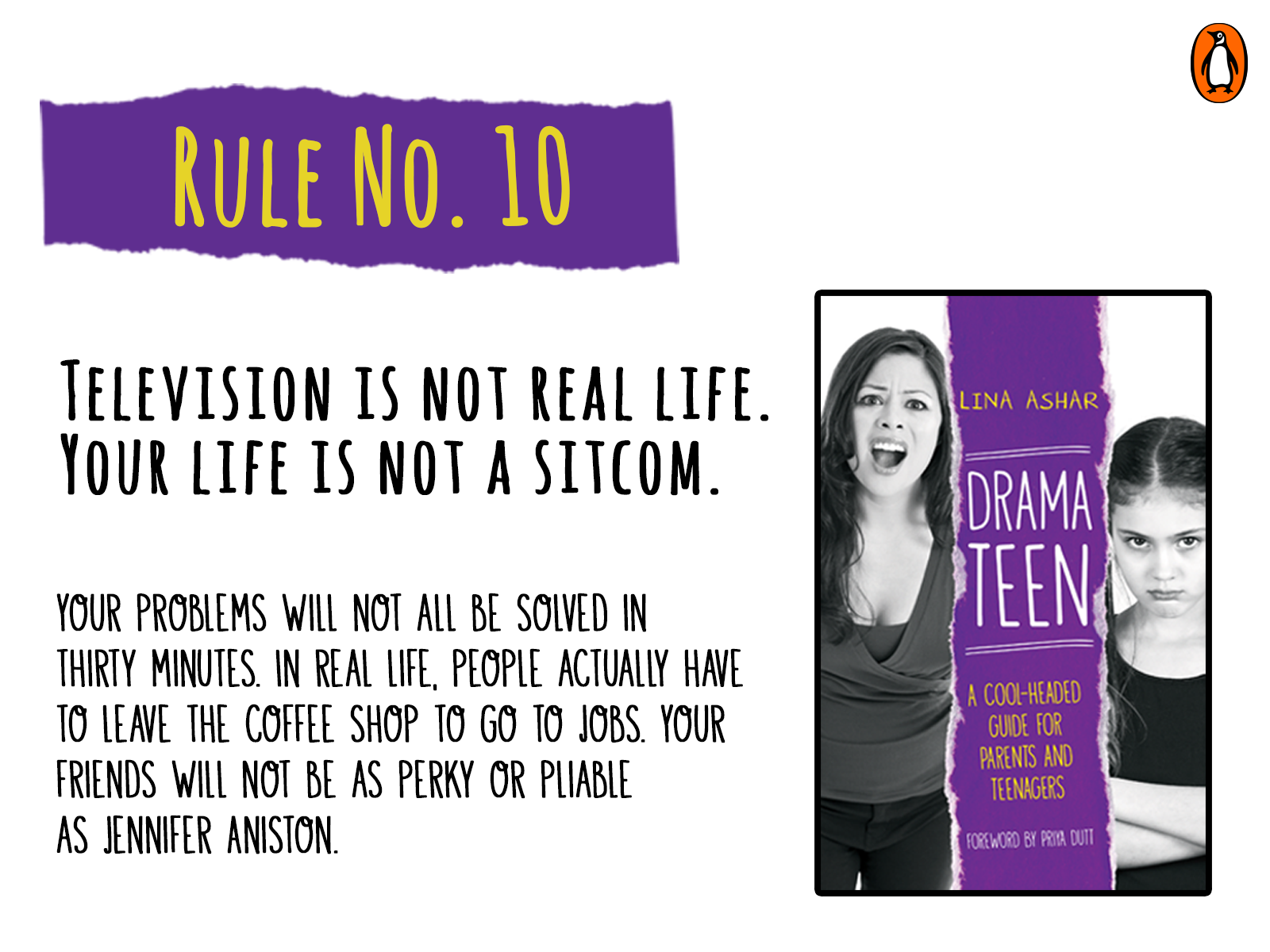
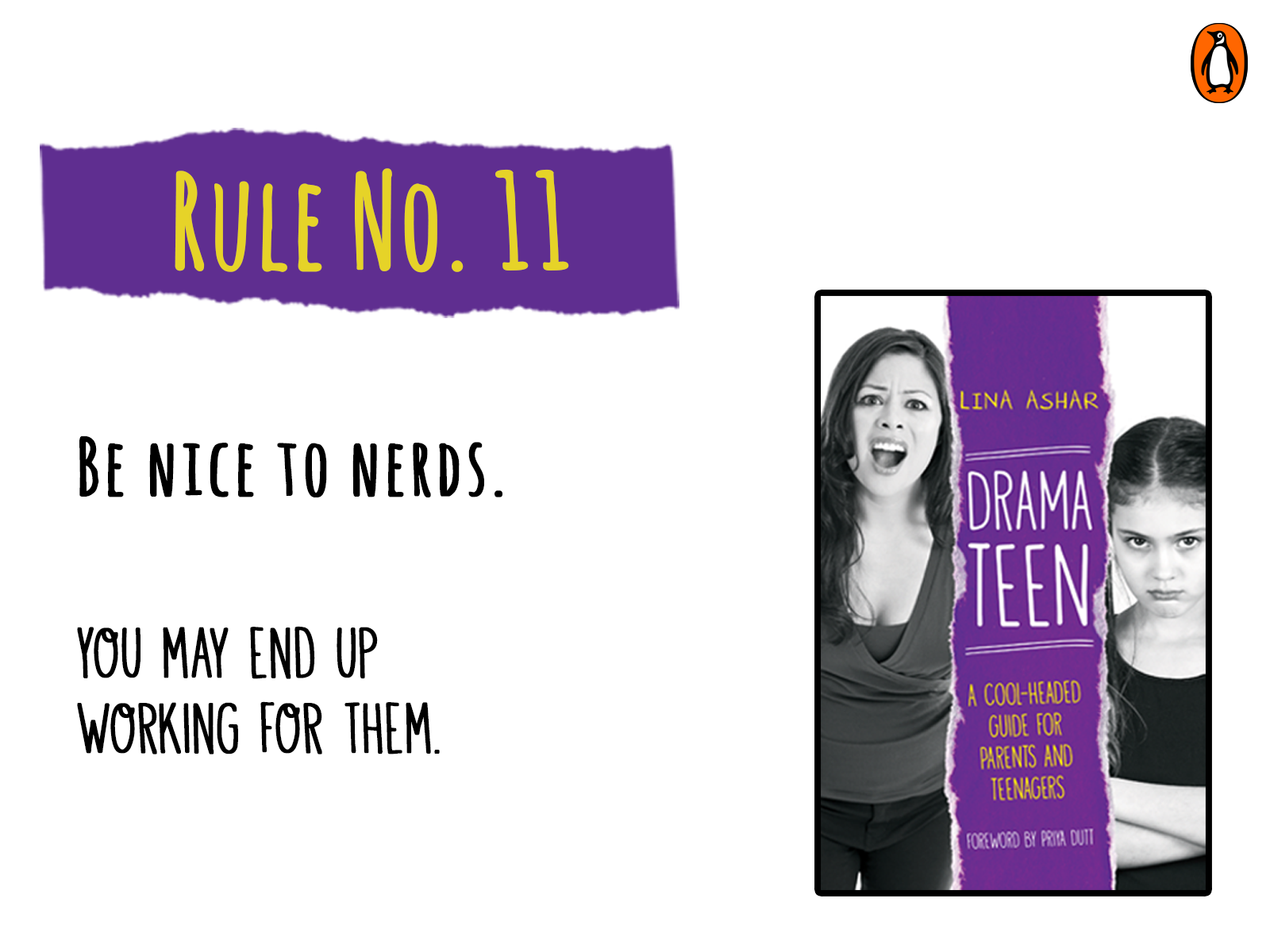

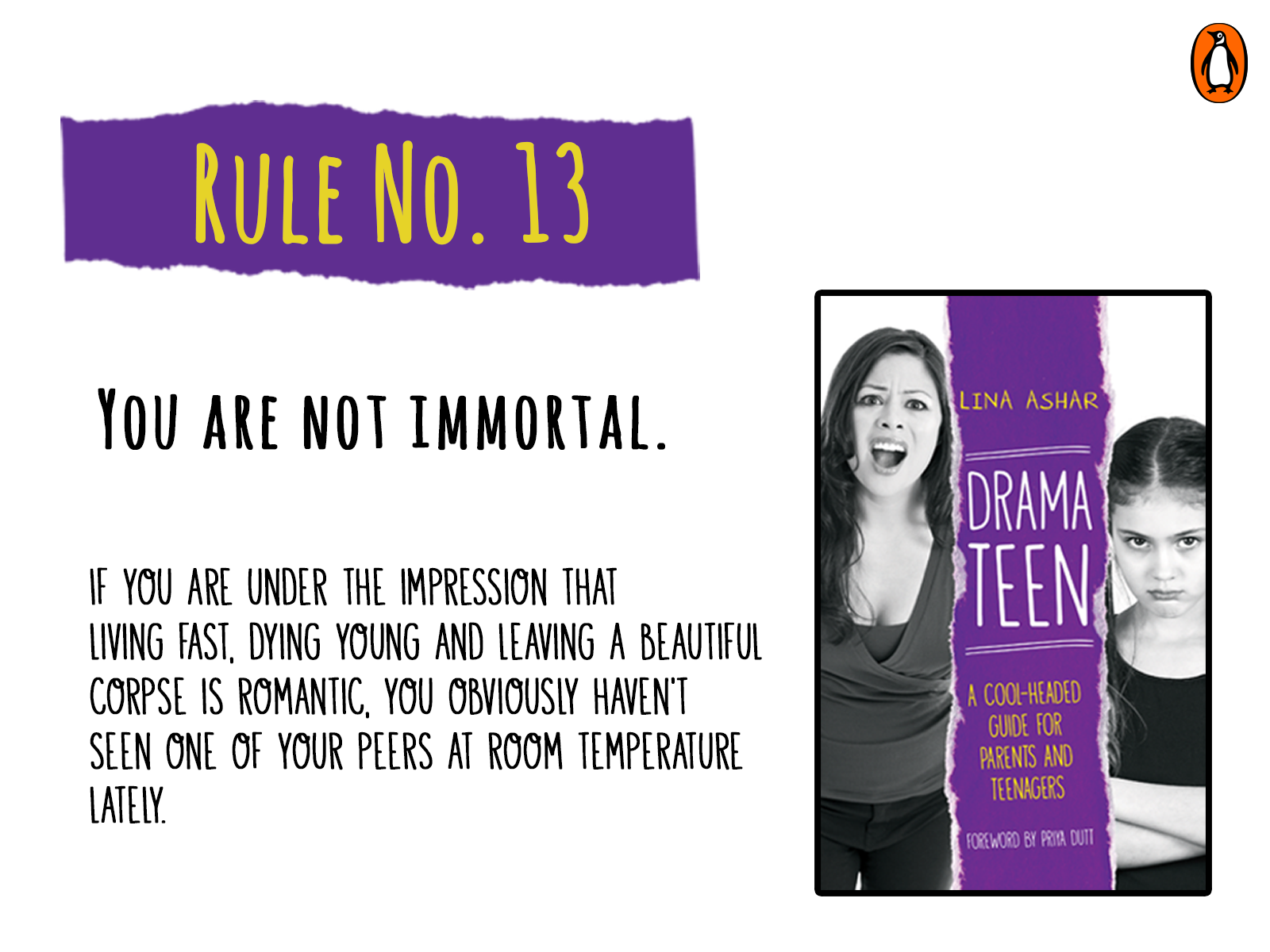
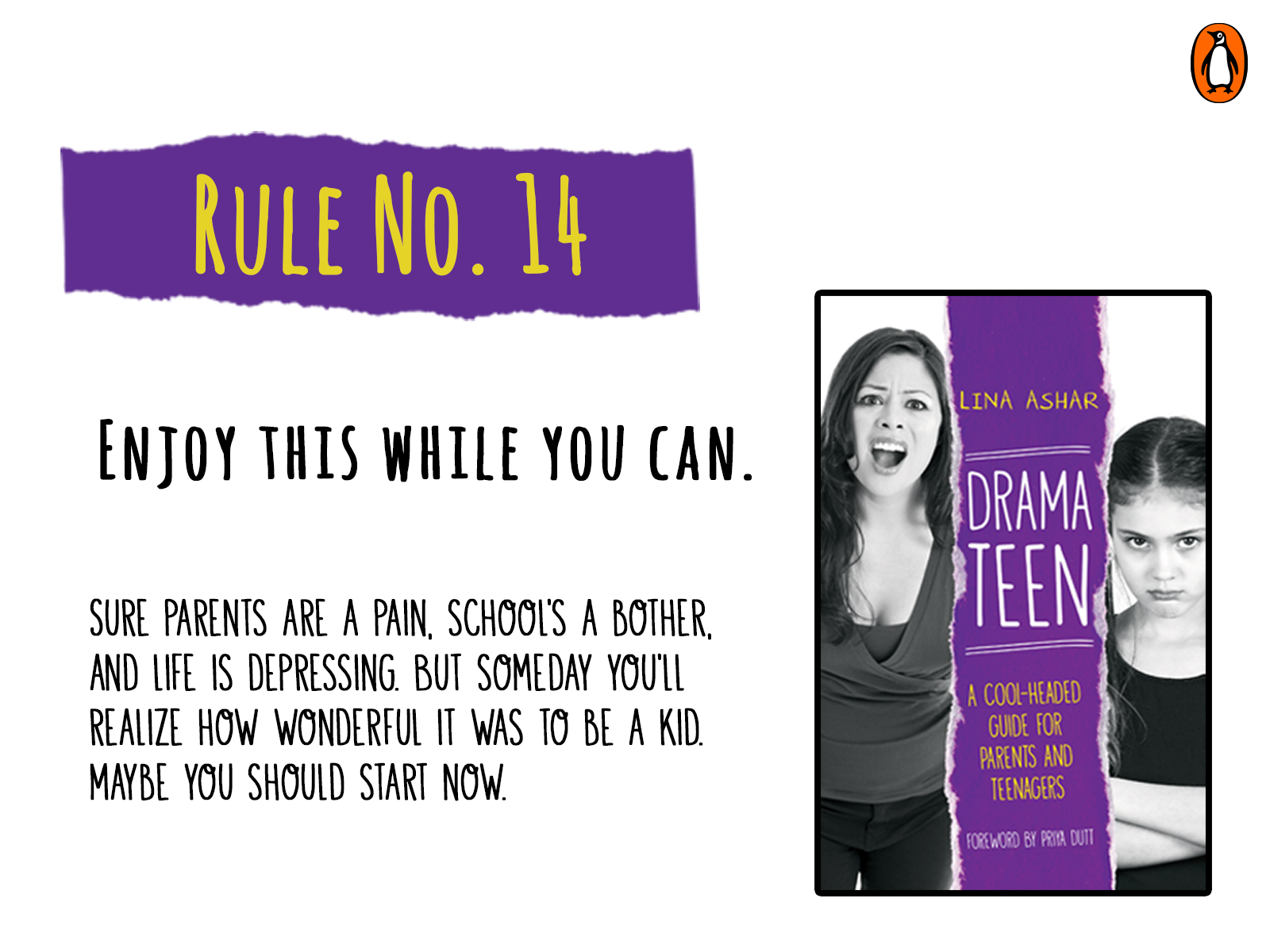
In Drama Teen, Lina Ashar explores concepts from both sides of the fence. Helicopter parenting, parent–teen conflicts and ways to resolve them and the habits that lead to a successful life are among the topics discussed here. She also explores ways to minimize the pain and trauma the ‘drama-teen’ phase can cause both to the teens and their parents. Packed with practical advice, tips, what-not-to-dos and activities, Ashar expertly guides you to keep your cool through those complicated years.
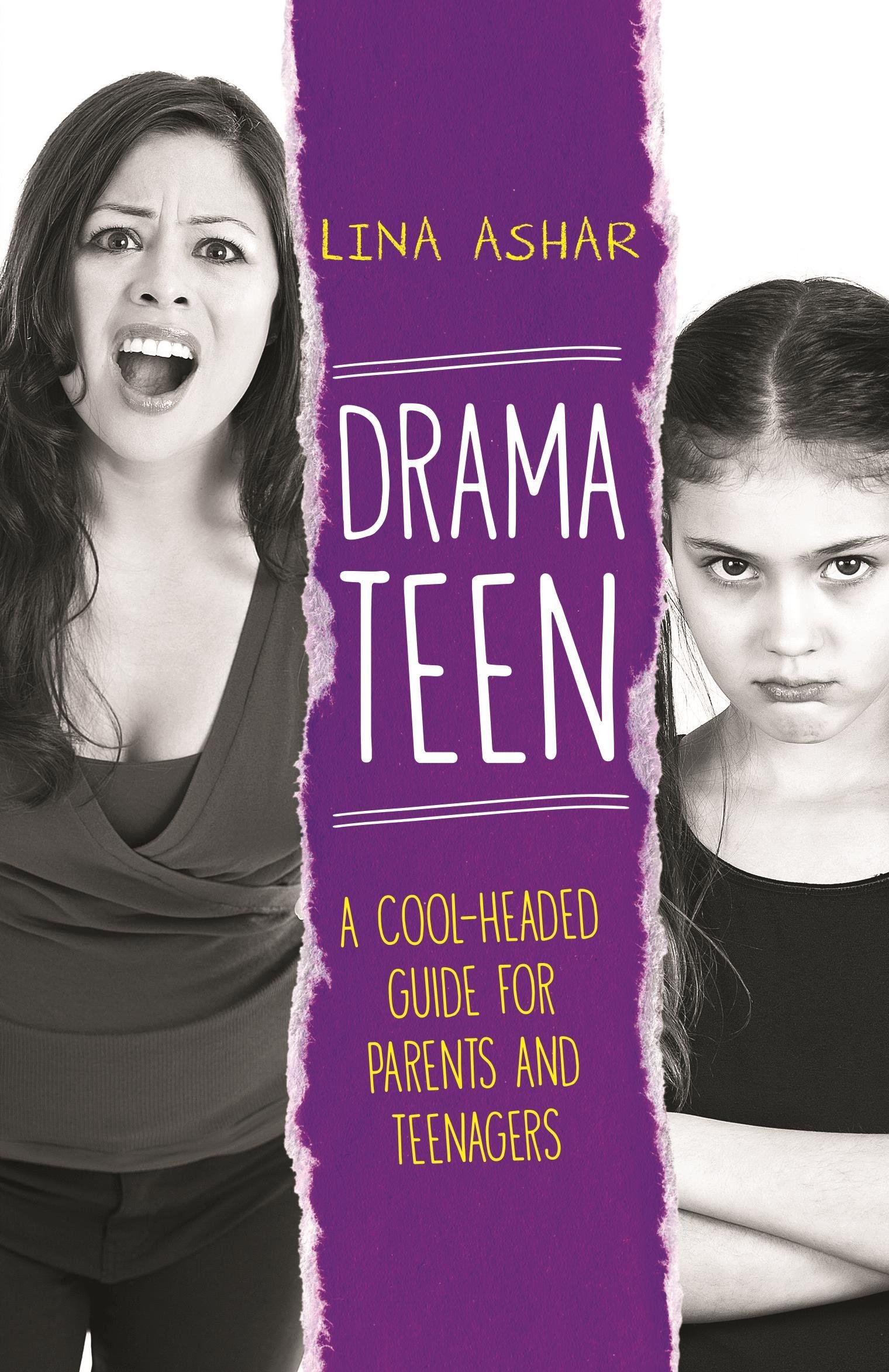
Lina Ashar is the chairperson of Kangaroo Kids Education Ltd (KKEL), a leading education chain, which has schools such as Kangaroo Kids, Billabong High International School, and its newest affiliate, Brainworks.
Get your copy of Drama Teen today!
5 Gems from the Quran that you MUST read!
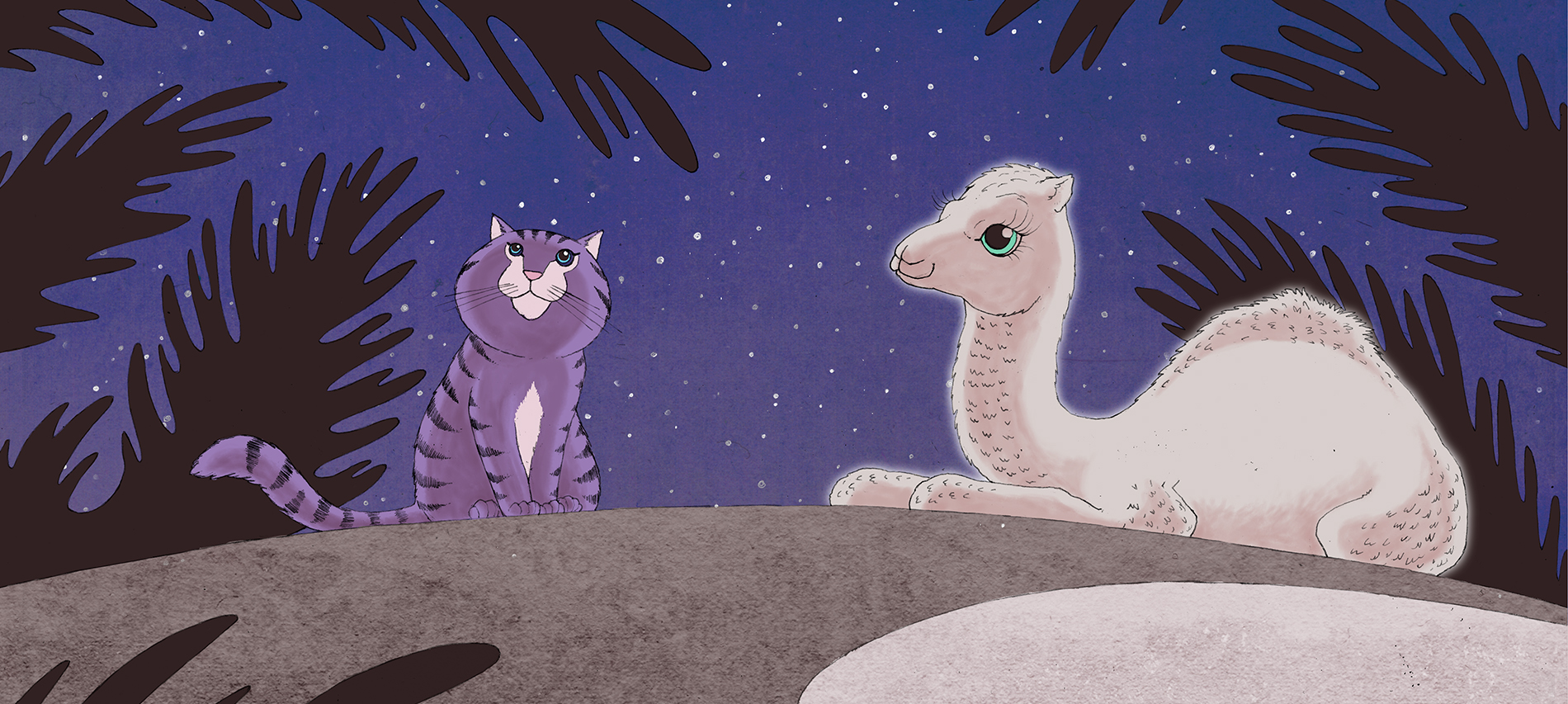
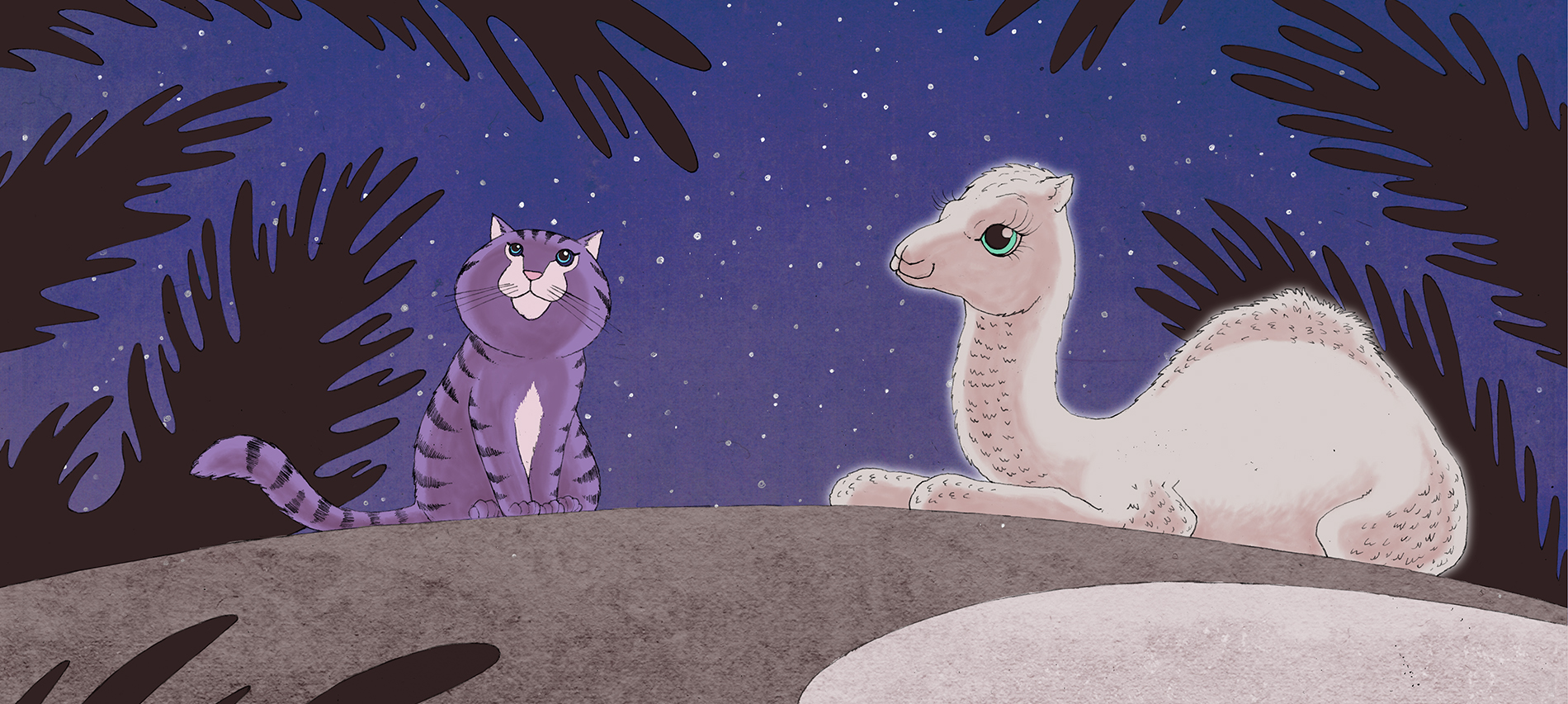
Bestselling author Anita Nair is out with her new book – the first ever collection of stories from the Quran. It features endearing characters like Muezza, the prophet’s favourite cat and Baby Jaan, a djinn in the form of a baby camel. The book has gorgeous artwork which makes it a must to show off on your shelves.
Our interest was captured from the beginning where a friendship is struck as Baby Jaan listens to Muezza’s mesmerizing tales. We couldn’t keep the enlightening nuggets of the Islamic lore all to ourselves so here are a few gems to take you through the coming week.
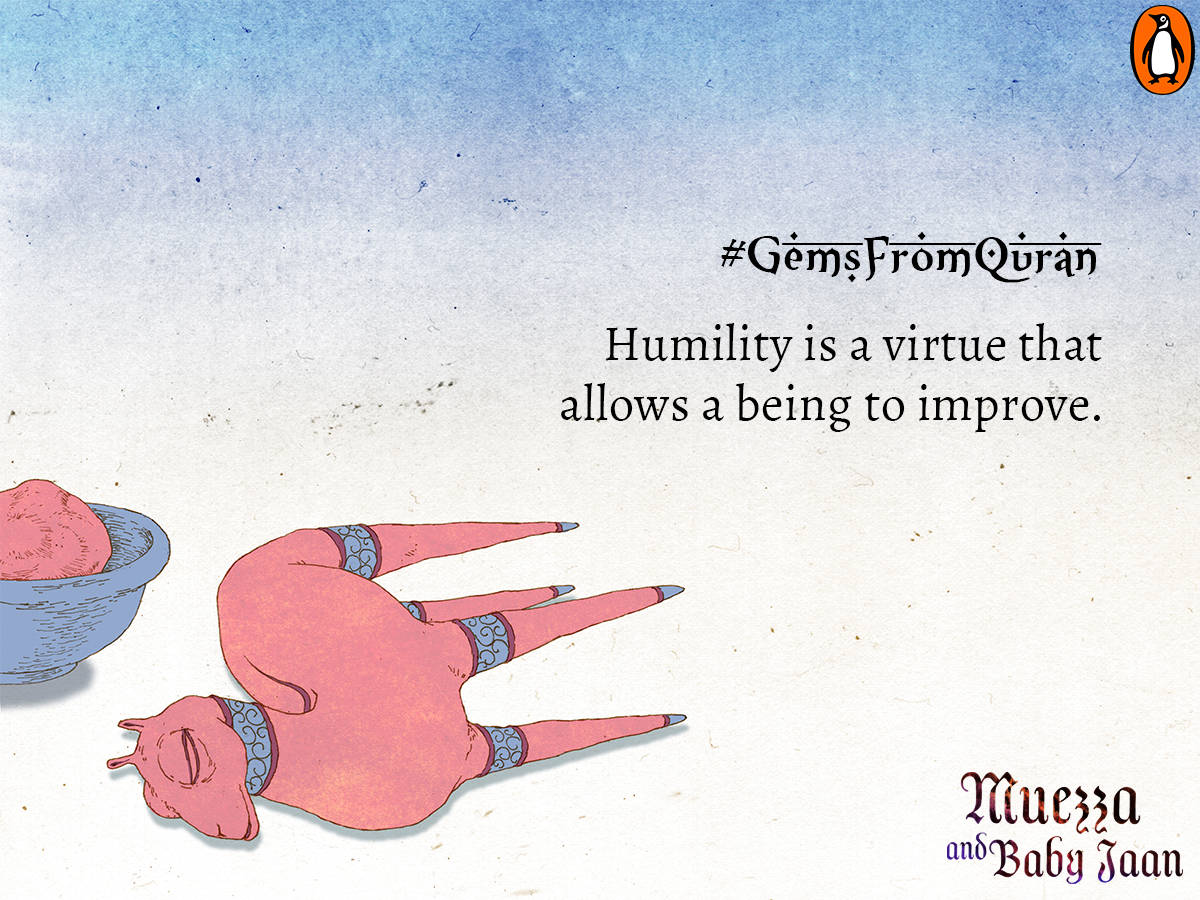
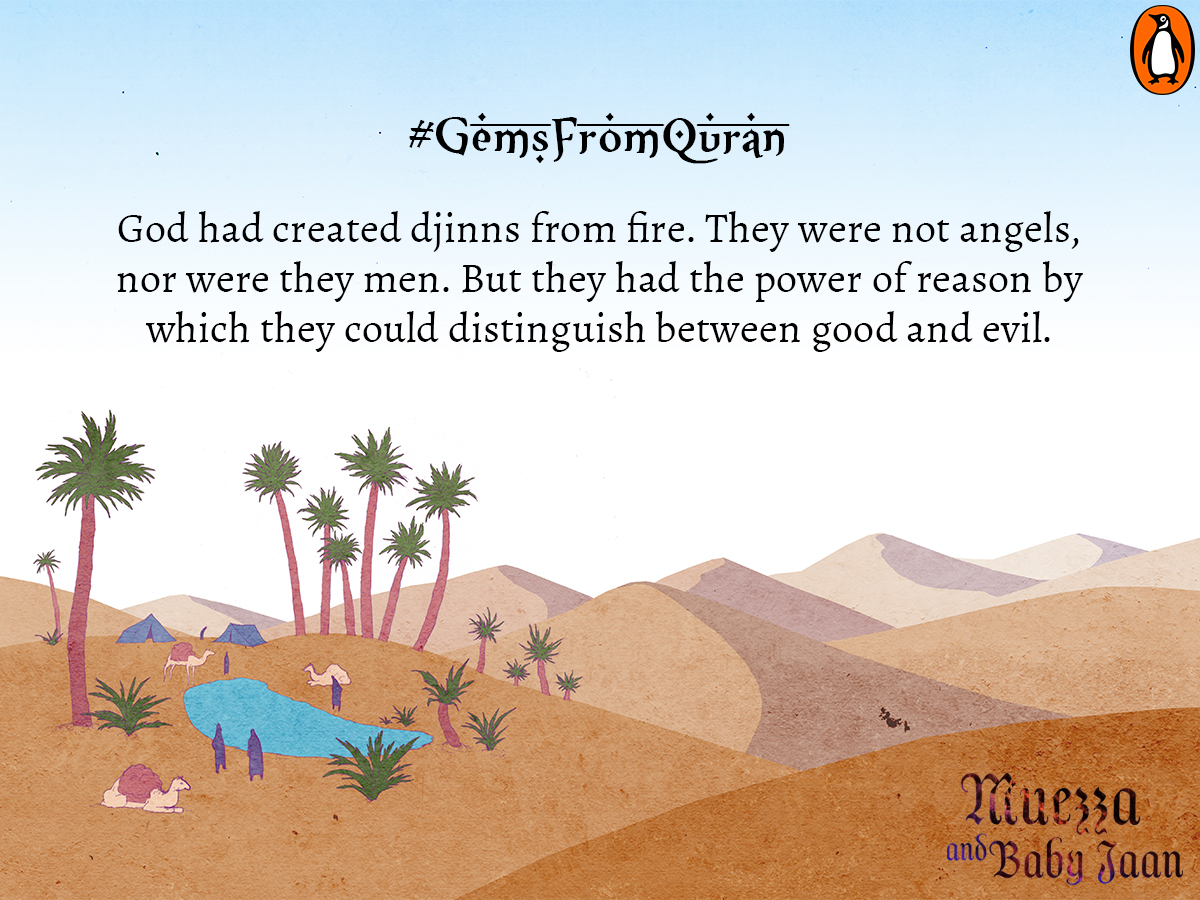
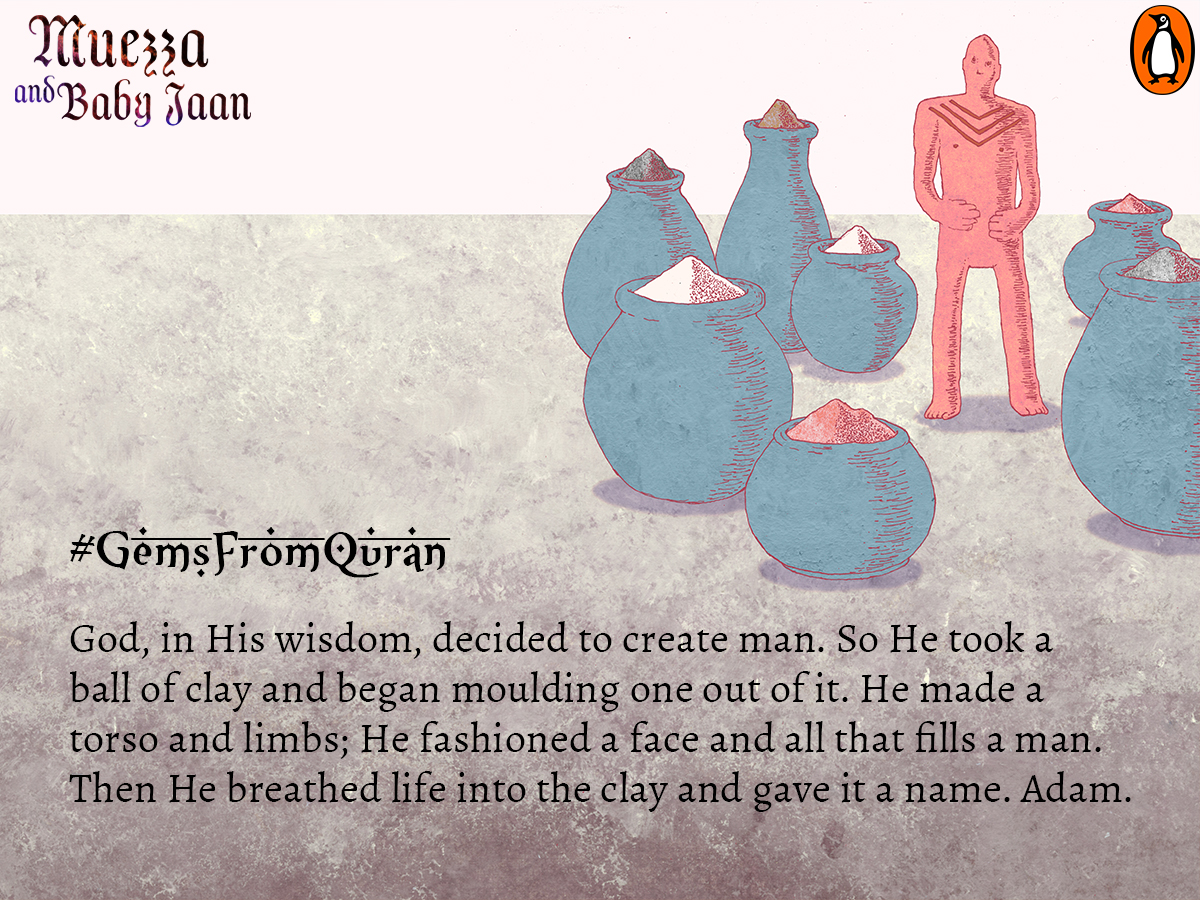
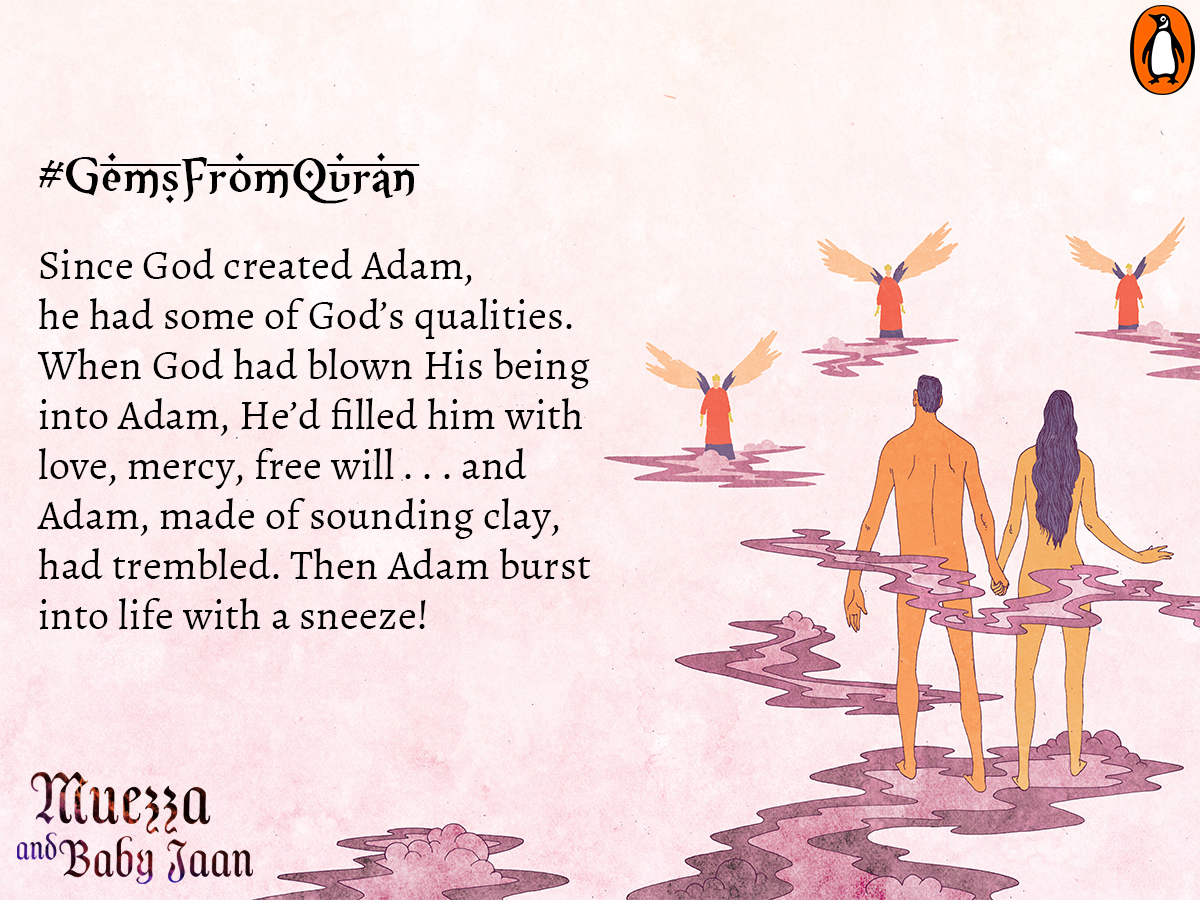
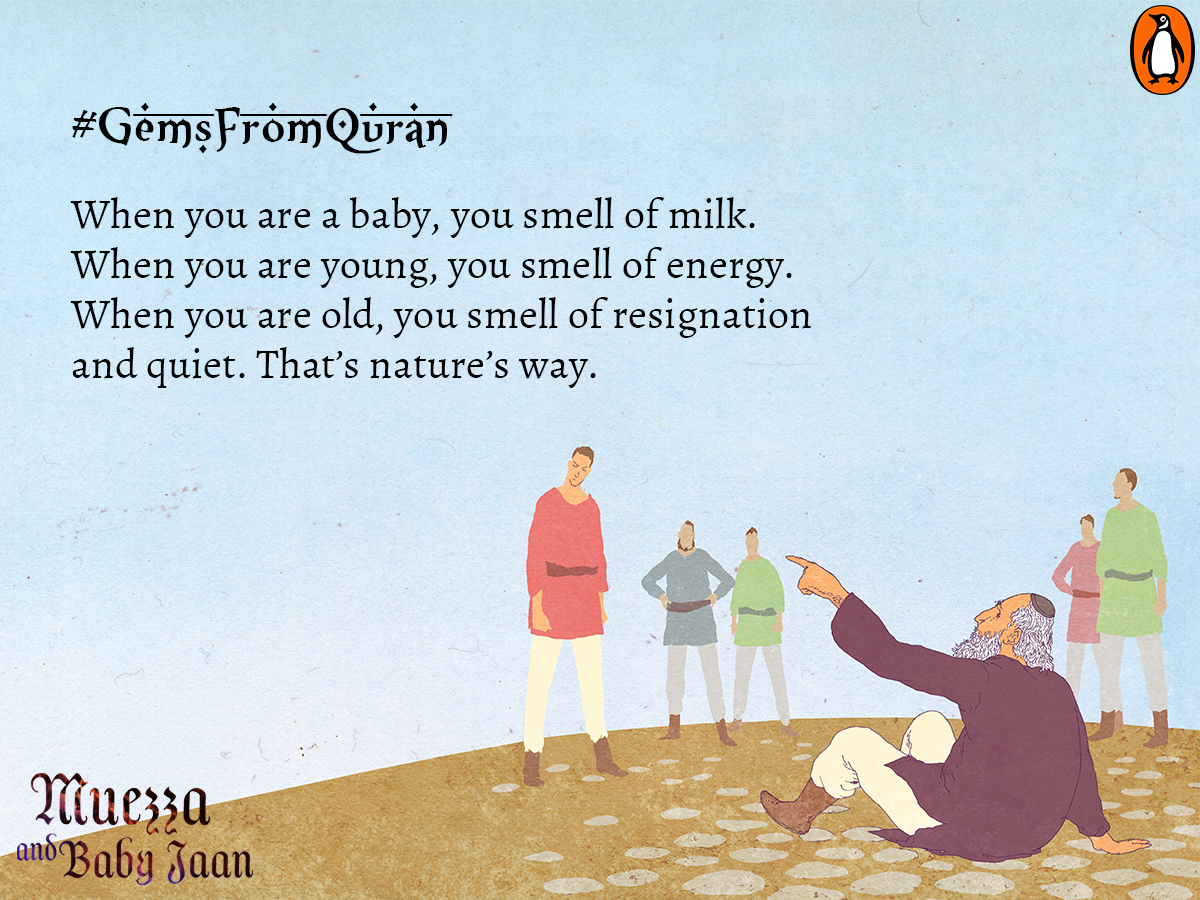
Has it grabbed your attention yet? Look no further, get your copy of this beautiful book here: http://bit.ly/GetMuezza
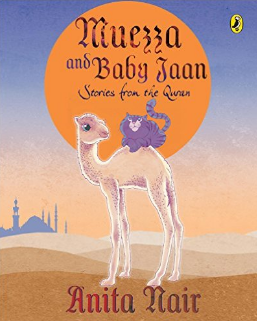
Anita Nair is a widely acclaimed novelist and the recipient of the Kerala Sahitya Akademi Award, 2012. Muezza and Baby Jaan is her latest book.