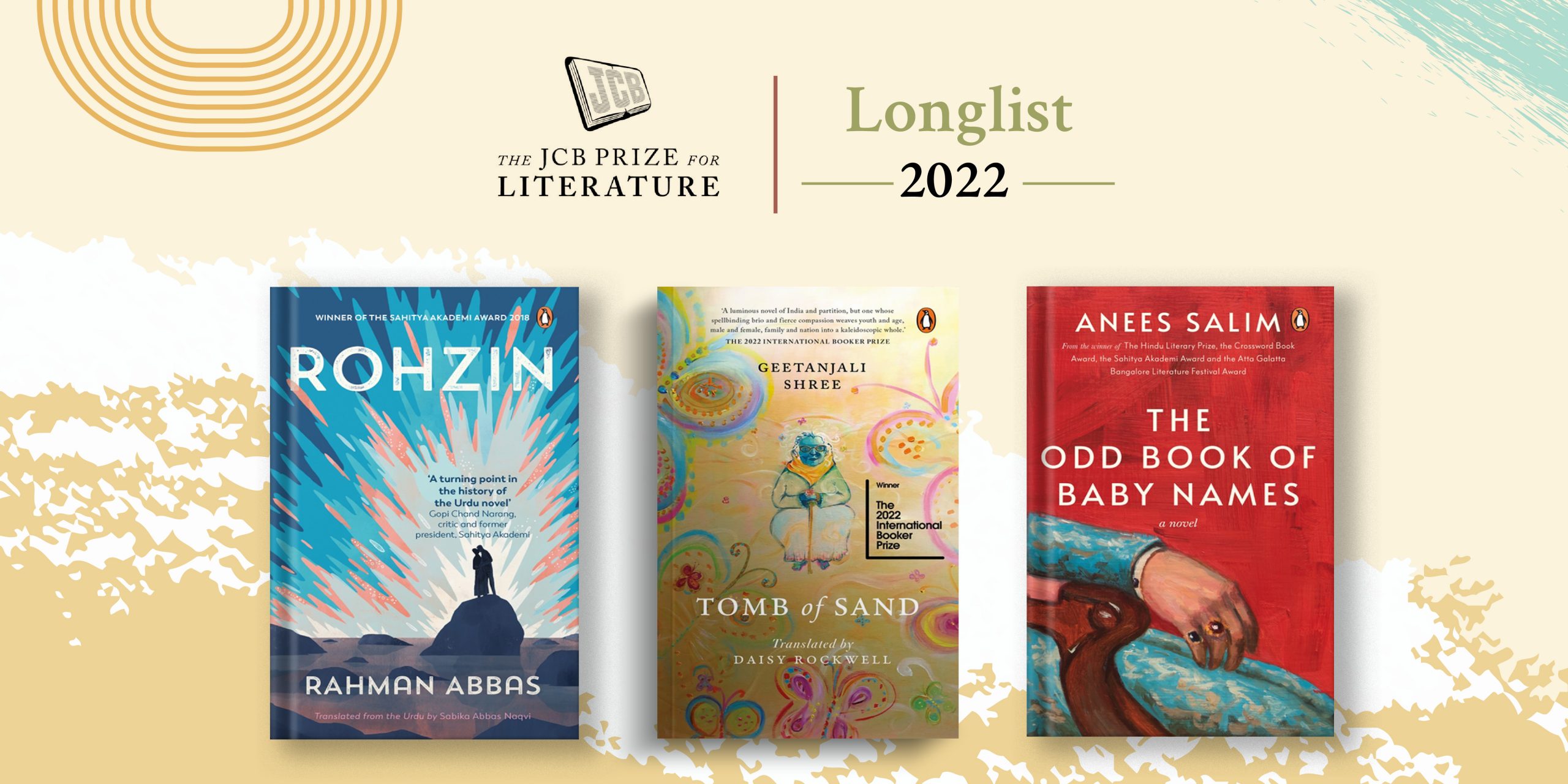
The JCB Prize for Literature has just unveiled its 2022 Longlist and we have three books in the run. Shortlist to be announced on 7th October 2022. Stay Tuned!
In northern India, an eighty-year-old woman slips into a deep depression after the death of her husband, and then resurfaces to gain a new lease on life. Her determination to fly in the face of convention – including striking up a friendship with a transgender person – confuses her bohemian daughter, who is used to thinking of herself as the more ‘modern’ of the two.
To her family’s consternation, Ma insists on travelling to Pakistan, simultaneously confronting the unresolved trauma of her teenage experiences of Partition, and re-evaluating what it means to be a mother, a daughter, a woman, a feminist.
Rather than respond to tragedy with seriousness, Geetanjali Shree’s playful tone and exuberant wordplay results in a book that is engaging, funny, and utterly original, at the same time as being an urgent and timely protest against the destructive impact of borders and boundaries, whether between religions, countries, or genders.
Can a life be like a jigsaw puzzle, pieces waiting to be conjoined? Like a game of hide-and-seek? Like playing statues? Can memories have colour? Can the sins of the father survive his descendants?
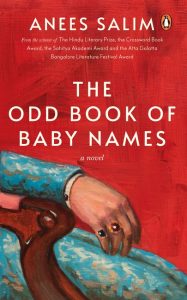
In a family – is it a family if they don’t know it? – that does not rely on the weakness of memory runs a strange register of names. The odd book of baby names has been custom-made on palace stationery for the patriarch, an eccentric king, one of the last kings of India, who dutifully records in it the name of his every offspring. As he bitterly draws his final breaths, eight of his one hundred rumoured children trace the savage lies of their father and reckon with the burdens of their lineage.
Layered with multiple perspectives and cadences, each tale recounted in sharp, tantalizing vignettes, this is a rich tapestry of narratives and a kaleidoscopic journey into the dysfunctional heart of the Indian family. Written with the lightness of comedy and the seriousness of tragedy, the playfulness of an inventive riddle and the intellectual heft of a philosophical undertaking, The Odd Book of Baby Names is Salim’s most ambitious novel yet.
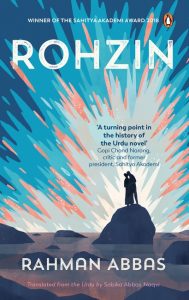
Mumbai was almost submerged on the fatal noon of 26 July 2005, when the merciless downpour and cloudburst had spread utter darkness and horror in the heart of the city. River Mithi was inundated, and the sea was furious. At this hour of torturous gloom, Rohzin begins declaring in the first line that it was the last day in the life of two lovers, Asrar and Hina.
The arc of the novel studies various aspects of human emotions, especially love, longing and sexuality as sublime expressions. The emotions are examined, so is love as well as the absence of it, through a gamut of characters and their interrelated lives: Asrar’s relationship with his teacher, Ms Jamila, a prostitute named Shanti and, later, with Hina; Hina’s classmate Vidhi’s relations with her lover and others; Hina’s father Yusuf’s love for Aymal; Vanu’s indulgence in prostitutes.
Rohzin dwells on the plane of an imagination that takes readers on a unique journey across the city of Mumbai, a highly intriguing character in its own right.
September is here and the summer heat is slowly coming to a halt and the pleasant breeze is soon going to make your kids’ days even more cheerful! After the little ones have studied at school and played in the park, let them spend time reading amazing stories.
Check out our September releases and introduce your kids to diverse topics that they’d thoroughly enjoy reading.
Roshan’s Road to Music
Roshan’s Road to Music || Mamta Nainy
For ages: 5+ years
A unique biography that explores and celebrates the life of a musician as a passionate little girl. Right from her childhood, Annapurna Devi, also known as Roshan, had an ear for music. She found rhythm and melody in the most mundane sounds. She listened with wonder to the koel cooing and her grandmother snoring. But when her father gave sarod lessons to her brother, Roshan was moved to make music of her own. How did Roshan embark on her musical journey?
A Chera Adventure
A Chera Adventure || Preetha Leela Chockalingam
For ages: 9+ years
Curious and spirited, Sharadha loves living life in her ancestral tharavadu. The grand ol’ house, Vishwasam, is right in the heart of her beloved Marayur, in the Chera kingdom. The house is also the centre of activities as Devaki Amma, her grandmother, is a healer for the King no less! Life is good in the sleepy village!
But her inquisitiveness takes Sharadha on an unintended adventure. Trying to investigate a secret, she chances upon a mysterious trader and ends up in the bustling city of Mahodayapuram. And it’s not just any city but the busy multicultural melting pot of the Cheraman Perumal Empire!
As she traverses the metropolis, Sharadha gets pulled into the magical colours, languages, religions, and the vibrancy of the city. She now realizes how complex the Capital is from her small village life-full of intrigue and political scandals. But as a sudden war with the ambitious and powerful Chola Dynasty looms on the horizon, Sharadha pines to get back to her old quiet life in Marayur.
Peek into an account of what life was like during the final years of the Chera Dynasty of the eleventh century Kerala!
We have published amazing books in August for you and our young readers. So, spend the holidays and long weekends with your little ones reading them stories of courageous people and helping them understand India’s history.
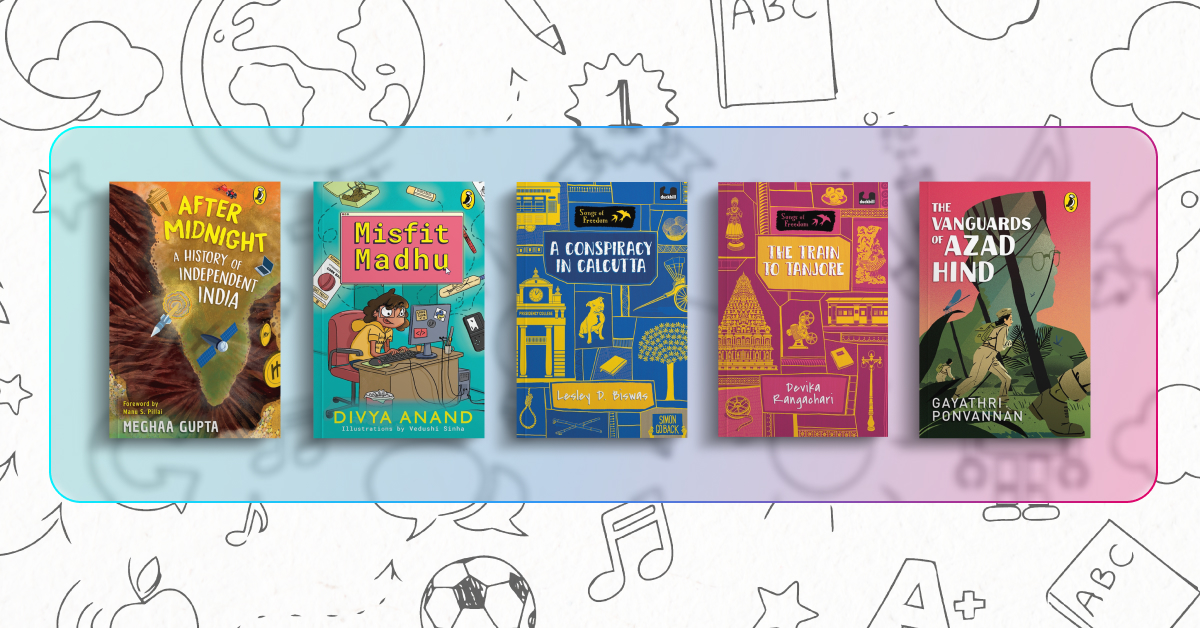
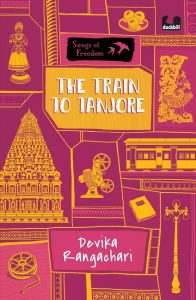
The Train to Tanjore
The Train to Tanjore || Devika Rangachari
Tanjore, 1942
There are few excitements in Thambi’s quiet life. There is the new hotel, disapproved of by elders, which lures him with the aroma of sambar with onions. There are visits to the library to read the newspaper, and once in a while, a new movie at the Rajaram Electric Theatre. More disagreeably, there are fortnightly visits from his uncle to lay down the law.
When Gandhiji announces the Quit India movement, Tanjore is torn apart by protests. The train station-the lifeline of the town-is vandalized. Mysterious leaflets are circulated, containing news that newspapers do not publish. And inspired by the idea of a free India and his own dreams of being an engineer, Thambi must find the courage to do what he believes is right, even when it endangers all he holds dear.
The Songs of Freedom series explores the lives of children across India during the struggle for independence.
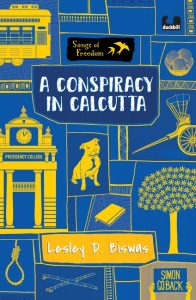
A Conspiracy in Calcutta
A Conspiracy in Calcutta || Lesley D. Biswas
Calcutta, 1928
As the student protests gather momentum all across Calcutta, and police atrocities grow, ten-year-old Bithi wants to join in the struggle for freedom.
But living in a society where her best friend is to be married and just the fact that she is going to school is regarded with disapproval, how can Bithi play a substantial part? How can she fight those who are dearest to her? Discouraged but not daunted, Bithi schemes and plots and lies and is drawn into unexpected danger-all for the sake of fighting injustice in all its forms.
The Songs of Freedom series explores the lives of children across India during the struggle for independence.
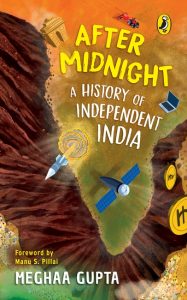
After Midnight
After Midnight || Meghaa Gupta
At the time of independence, few believed that a country made up of over 500 princely states and British provinces could survive as a nation, even for a few years. That a land stripped of its riches, wracked by disease and famine and divided along tense communal lines, could thrive in its ambition and aspirations. Yet, in 75 years since independence, India has grown beyond anyone’s expectation. Today it’s an Asian powerhouse, poised to become the third largest economy in the world. In many ways, this is one of the greatest underdog-beating-the-odds stories in world history.
How did India get this far? What were the sweeping social, cultural, scientific, political, military, environmental and economic developments it witnessed along the way? Interspersed with personal anecdotes, illustrations, infographics, informative timelines and pull quotes, After Midnight gives a powerful context to the present and revels in the diverse and remarkable ideas that have come to shape this great nation. It attempts to provide young readers with perspective, meaning, and food for thought as they try to comprehend the many facets of this fascinating country. This well-researched, accessible and definitive handbook tells the story of India like never before.
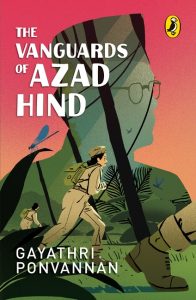
The Vanguards of Azad Hind
The Vanguards of Azad Hind || Gayathri Ponvannan
The year is 1943 in British India . . .
Kayal is a 16-year-old freedom fighter who takes part in marches, burns British goods and sabotages trains-all without the knowledge of her law-abiding family. So, it comes as quite a surprise when Kayal discovers that her aunt Uma is a soldier in the Azad Hind Fauj, the all-volunteer Indian National Army from Southeast Asia led by Subhash Chandra Bose, which aims to free India!
By what Kayal considers a huge stroke of luck, Uma agrees to take her along to a recruitment camp in Burma. Suddenly, the war, which had once seemed a distant thrill, now becomes a horrific reality.
Packed with adventures of teenagers as they join military boot camps, and set off on the most exciting journey of their lives, The Vanguards of Azad Hind is an ode to the Azad Hind Fauj and its women’s unit, the Rani of Jhansi regiment, whose soldiers proved to be trailblazers with their feisty passion to fight for India’s freedom.
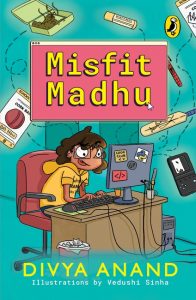
Misfit Madhu
Misfit Madhu || Divya Anand
Madhu is a shy middle-grade developer who spends her holidays creating her dream app, ‘School Santhe’. Soon, the app goes viral…and so does she! And why not? After all, an app where everyone at school can trade stuff is the app they’ve all been waiting for! Madhu now sets her sights on winning the GoTek young developers contest.
But when School Santhe is used to selling leaked test papers, she’s faced with the hardest decision of her life:
a) Shut down the app that made her popular?
b) Or stay silent and become part of something…criminal?
As her dreams begin to crumble – with the entire school now blaming her for the mess her app has caused – Madhu realizes that sometimes, it’s far easier to debug an app than it is to debug your life!
Get your copies of these books from your nearest bookstore or via Amazon.
When we think of the picture-perfect family, it’s impossible to leave pets out of the picture. Especially, the human-dog relationship which is not new. It’s so traditional to society, that there’s archaeological evidence for it!
Taking in a pet, no matter how normal today, may seem overwhelming. Thinking about its effects can be a great way of getting started. How will having a furry friend in the family help the house? This is where ‘adopt don’t shop’ becomes more than just a call for animal rights. By adopting pets, we open the doors to life lessons unteachable in school.
Read on to find out how something as straightforward as pet adoption could be more fulfilling than imagined!
Teaching Boundaries
As kids, one of the first difficult things we learn is that we won’t always get what we want. Something as simple as ‘no, you cannot have ice-cream at 9 a.m.’ could be difficult to process. When a puppy is in the house, there will be times when the furry friend won’t be in the mood to play. The child might be upset by this, but over time it will understand that the puppy has its own wants and needs. This also contributes to better Emotional Intelligence, as discovered and confirmed by studies.
Routine and Structure
Having to teach a puppy to not go potty in the house, making sure it obeys orders shows the child examples of how routine and structure are for the better. By establishing a daily timeline for their furry friend(s), kids also land up following a similarly organized structure.
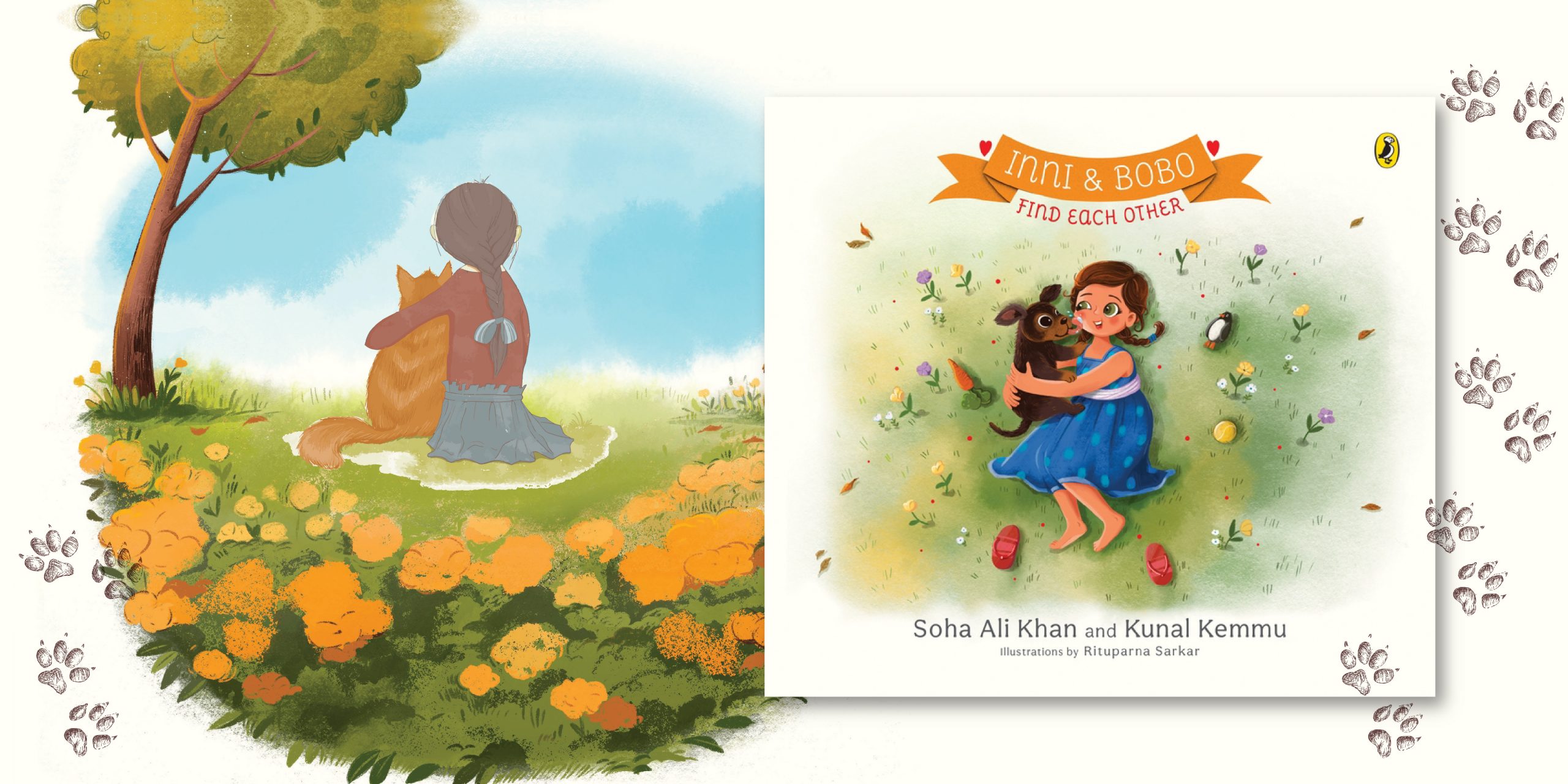
Inni & Bobo Find Each Other||Soha Ali Khan and Kunal Kemmu
Compassion and empathy
Perhaps the winning argument for adoption is that it gives a second life to a stray. By downplaying on the breed of a dog, taking a puppy from a shelter helps kids learn about empathy and compassion. The words aren’t abstract terms but real experiences that they will always refer to when thinking about kindness and helping others.
Self-Esteem and Independence
When kids participate in taking care of pets, they unknowingly give themselves examples of performing tasks. Kids are less likely to be underconfident about their abilities when they already know they can take care of another living being!
We hope these pointers helped you visualize a pet-friendly life with your children. Remember, adopt don’t shop!
*
Inni and Bobo Find Each Other is available at your nearest bookstore as well as on Amazon.
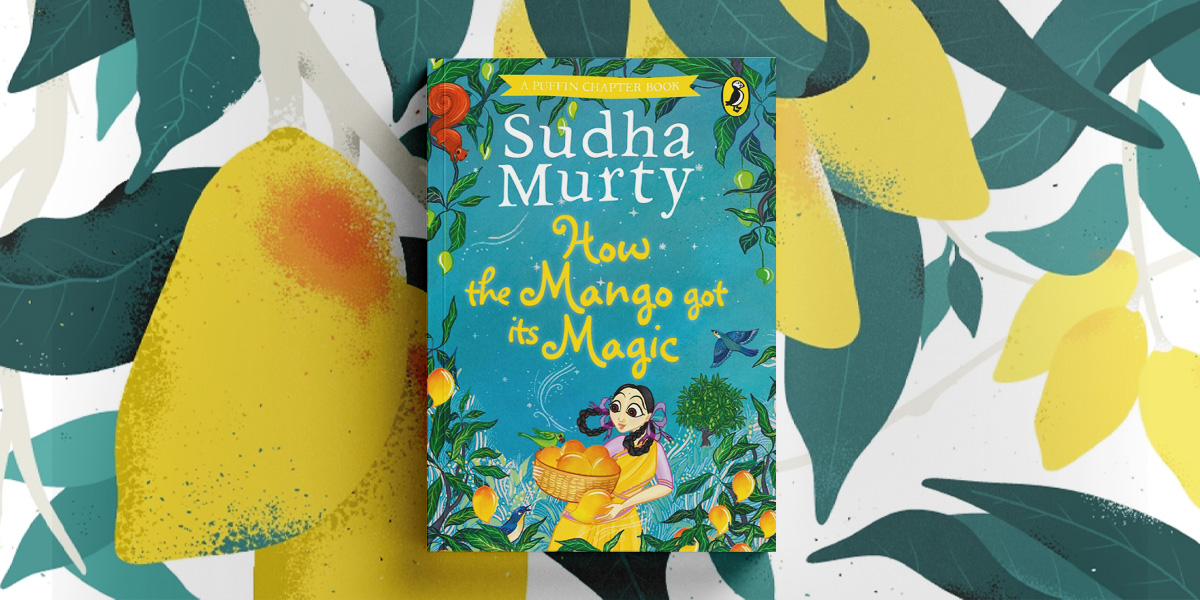
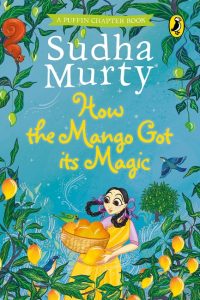
Sudha Murty’s latest release is a fun celebration of the national fruit, the juicy and scrumptious mango!
The following excerpt is the first chapter of How The Mango Got Its Magic. Get your copy now from bookstores or head to Amazon to order!
How the Mango Got its Magic||Sudha Murty
*
Chapter One
Once upon a time, there was a beautiful mango grove on the outskirts of a village. Dinkar was the owner of the grove and Shyam was his hardworking son.
Back in those days, mangoes were ornamental fruits with beautiful colours and shapes, but they were not very tasty—they were more sour than sweet.
One day, it began to rain heavily and there was a knock on the door of Dinkar’s house.
When Dinkar opened the door, he saw an old man standing at his doorstep. The old man said, ‘Hello. I got caught in the rain. Will you let me in? I will leave once it stops raining.’
Dinkar generously welcomed him in. ‘It looks like the rain will not stop today, but it may cease tomorrow. Please come in. You can take shelter here.’
The old man entered the house. Shyam made him a hot meal and gave him some water to drink. The old man gulped the water down and devoured the food quickly, within minutes.
After a loud burp of satisfaction, he smiled at Shyam and Dinkar and said, ‘That was a wholesome meal.’
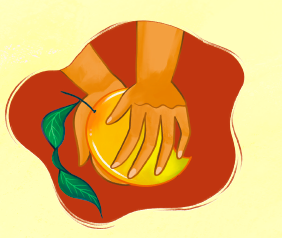
He took out a mango from his bag and gave it to Dinkar. ‘This is for both of you,’ he said. ‘Please cut it and eat it immediately.’
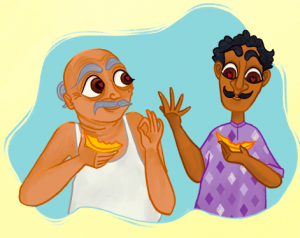
Dinkar looked at the mango. It looked like it was one of the very sour ones. He did not want to insult his guest, so he cut the mango and bit into it. His eyes popped in wonder and he turned to his son, ‘Shyam, all the mangoes I have eaten in my life have been sour—like the taste of lemon. Though we have a mango grove, we never eat the mangoes that grow here. But this mango is fantastic and unusually sweet. It’s absolutely delicious! Go on, try it.’
Shyam took his first bite and nodded his head vigorously in agreement. This mango was indeed sweet and tasty. Shyam had never even heard of sweet mangoes!
‘Plant this mango seed. The tree will grow quickly and produce more mangoes like the one you ate just now,’ the old man smiled and said.
The next morning it stopped raining. The old man thanked Dinkar and Shyam for their timely hospitality and left.
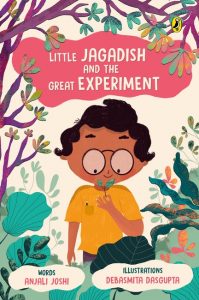
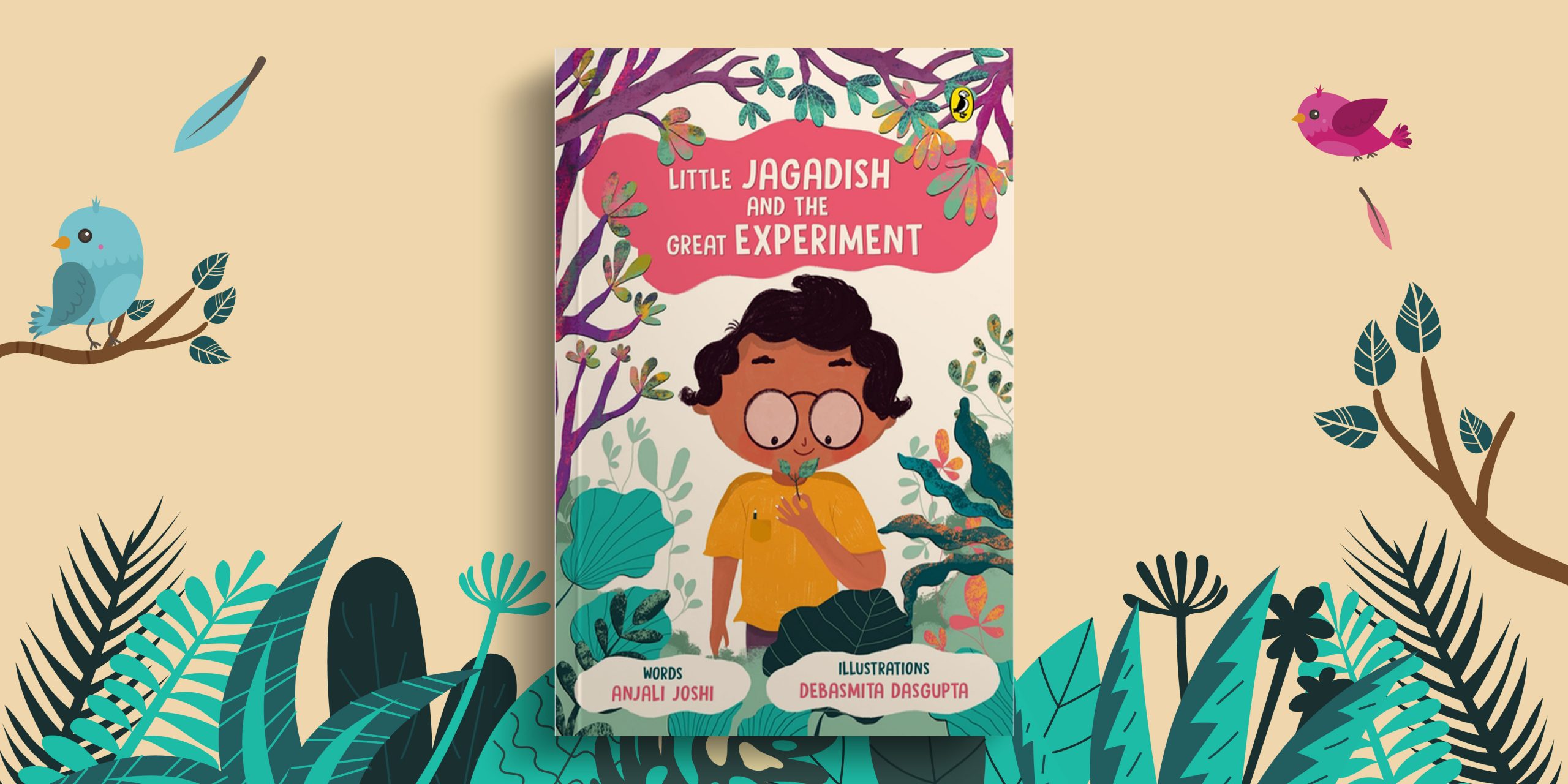
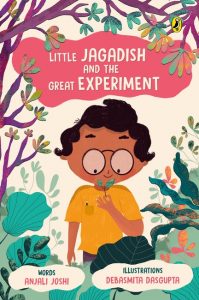
A unique picture book about science and the wild world, Little Jagadish and The Great Experiment encourages little ones to nurture curiosity. Based on the life and mind of real-life scientist Jagadish Chandra Bose, the following excerpt shows the educational combination of outdoor learning and books.
Little Jagadish and The Great Experiment||Anjali Joshi & Debasmita Dasgupta
*
One day at school,
while watering the plants,
he hummed a tune and did a little dance.
All of a sudden,
with a small pop,
an idea appeared
and he came to a stop.
‘I wonder if, like us,
plants can hear, too.’
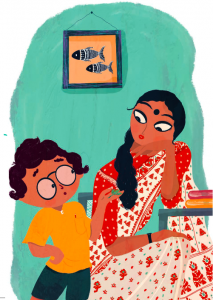
His teacher listened
and her bright eyes grew.
‘Well, no one knows,’
Miss Pooja said.
Jagadish was stunned.
He scratched his head.
With that,
Miss Pooja’s
excitement
grew more.
She saw that
Jagadish had
opened a door.
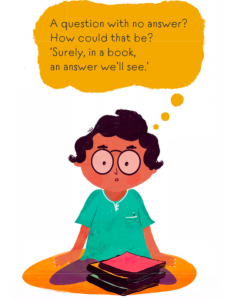
‘In this world,
mysteries abound.
Books are not
where all answers
are found.’
‘Start with a question,
like you’ve already done.
Then, make a guess.
This is where it gets fun!
Do some experiments
and find some clues.
Make observations, see if your guess is true.’
*
Get your copy of Little Jagadish and The Great Experiment from your nearest bookstore or Amazon.
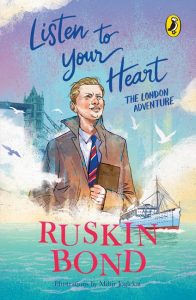
You must have read several stories by Ruskin Bond, but have you read a story about how he began his literary journey in London?
Ruskin Bond’s latest release, Listen to Your Heart, captures memorable experiences from young Ruskin’s life and is an inspiration for aspiring young writers, a meditation on embracing fears, and seizing every opportunity. Read this excerpt from the book to get a glimpse.
*
Listen to Your Heart: The London Adventure || Ruskin Bond
The first draft of my journal had been doing the rounds of a few London publishers, and coming back with polite comments and regrets. The post was usually delivered around lunchtime, and whenever there was a thud on the floor of the front door, my cousins would look up from their meal with a knowing grin, as if to say, ‘Poor Ruskin, nobody wants his masterpiece.’
But along with the third or fourth flop of the returned manuscript came a letter from the editor at André Deutsch Ltd, a new publisher who was making a name and a reputation with some offbeat publications. The editor who wrote to me was called Diana Athill, and she wrote a very sympathetic letter, saying how much she liked the book and promising to reconsider it if I would consider turning it into a work of fiction, a full-fledged novel.
As a writer, I have always been ready to learn and to please those who encourage good writing, and I wrote back saying I would do as suggested.
There was no one with whom I could share this good news—my uncle and cousins would have considered it just another polite rejection. So I went out for one of my lonely walks along the seafront, and confided my hopes and dreams in the waves as they came crashing against the sea wall. That island only came to life for me when it was blowing a gale. I loved leaning against the wind, feeling the rain stinging my face, and listening to the roar of the angry sea as the tide came in.
As I walked alone down that rain-lashed pier, I knew I was going to be a writer—a good one— and that no one could stop me. The wind and the rain were allies; they were a part of me, and they would be a part of my work. But it was to be a few months before I could launch out on my own, and during that time, I worked on the novel, pleased my employers and got on with my relatives as best as I could. My aunt never bothered me; in fact, she rather liked having me around. The youngest of my cousins was a friendly little chap; the other two rather resented me. Whenever I had the opportunity, I went to the cinema, and one of the films released at the time was Jean Renoir’s The River, based on the novel by Rumer Godden. This beautiful film made me so homesick that I went to see it several times, wallowing in the atmosphere of an India, a lot like the India l had known. The ‘river’, and its eternal flow became a part of my story too, especially the part where Kishen and Rusty cross the Ganga on the way back to their homes. And back in India, a young filmmaker called Satyajit Ray saw The River and realised that a film could also be a poem, and went about making his own cinematic poetry.
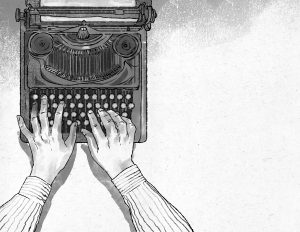
With some help from my employers, I had acquired a baby portable typewriter, priced at £19, and I was going along quite merrily, working on the novel and keeping up my journal. But then disaster struck.
**
Inquisitive to know what happens next?
Get a copy of Ruskin Bond’s Listen to Your Heart from your nearest bookstore or online.
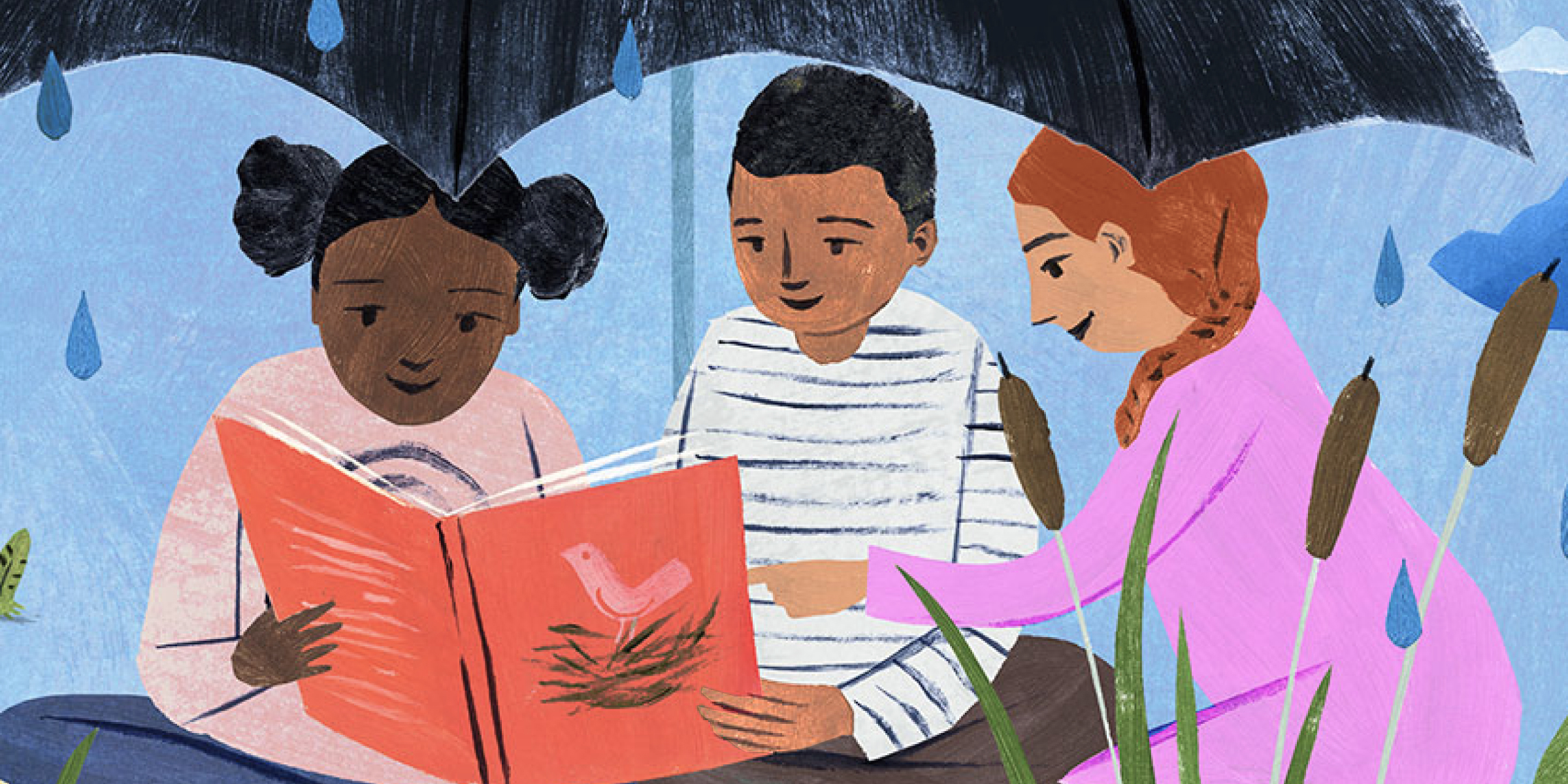
With the rain pelting against the windowpane, many outdoor plans will be washed away. What do we do then? For those with little ones in the house, this is the perfect opportunity to invest in reading time.
Scroll down to find something for those lazy, rainy days!
*
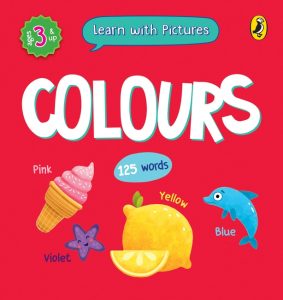
Learn with Pictures: Colours
Learn With Pictures: Colours
This bright activity book filled with pictures is perfect to discover key concepts, new words and facts!
Your child will explore the world of colours and learn to identify things around.
With a convenient format, various activities, and vivid illustrations–the book will equip kids with reading, language, visual, motor and imagination skills.
For ages: 3+
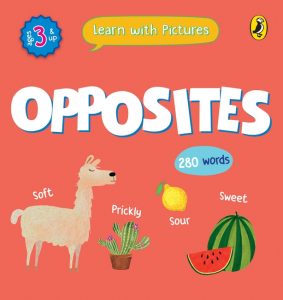
Learn with Pictures: Opposites
Learn With Pictures: Opposites
This bright activity book filled with pictures is perfect to discover key concepts, new words and facts!
Your child will learn opposites along with adjectives and prepositions.
With convenient format, various activities, and vivid illustrations-the book will equip kids with reading, language, visual, motor and imagination skills.
For ages: 3+
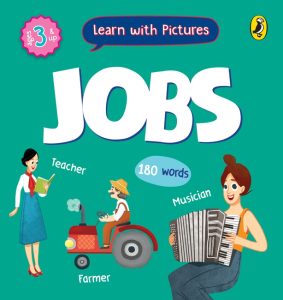
Learn with Pictures: Jobs
This bright activity book filled with pictures is perfect to discover key concepts, new words and facts!
Your child will learn about different professions and the subjects associated with them.
With convenient format, various activities, and vivid illustrations-the book will equip kids with reading, language, visual, motor and imagination skills.
For ages: 3+
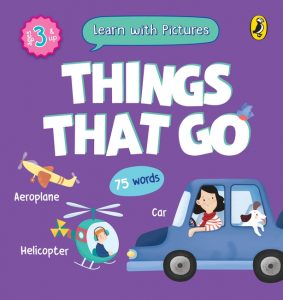
Learn with Pictures: Things that go
Learn with pictures: Things that go
This bright activity book filled with pictures is perfect to discover key concepts, new words and facts!
Your child will learn about 25 types of transport, shapes and colours along with adjectives and prepositions.
With convenient format, various activities, and vivid illustrations-the book will equip kids with reading, language, visual, motor and imagination skills.
For ages: 3+
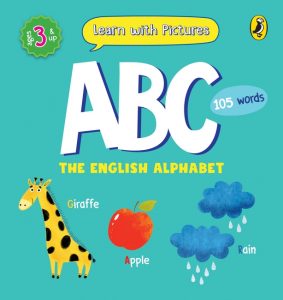
Learn with Pictures: ABC
Learn with Pictures: ABC
This bright activity book filled with pictures is perfect to discover key concepts, new words and facts!
Your child will learn the English alphabet along with adjectives and prepositions.
With convenient format, various activities, and vivid illustrations-the book will equip kids with reading, language, visual, motor and imagination skills.
For ages: 3+
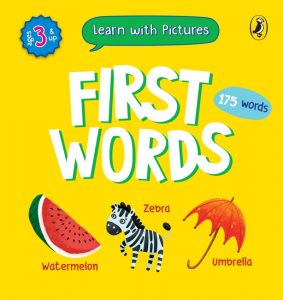
Learn with pictures: First Words
Learn with Pictures: First Words
This bright activity book filled with pictures is perfect to discover key concepts, new words and facts!
Your child will build their vocabulary by learning words in varied themed sections of the book.
With a convenient format, various activities, and vivid illustrations–the book will equip kids with reading, language, visual, motor and imagination skills.
For ages: 3+
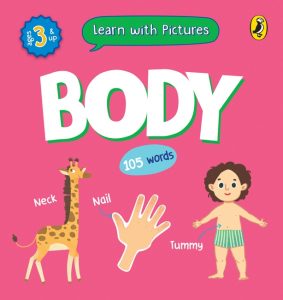
Learn with Pictures: Body
Learn with Pictures: Body
This bright activity book filled with pictures is perfect to discover key concepts, new words and facts!
Your child will learn about human and animal anatomy along with their different features and functions.
With a convenient format, various activities, and vivid illustrations–the book will equip kids with reading, language, visual, motor and imagination skills.
For ages: 3+
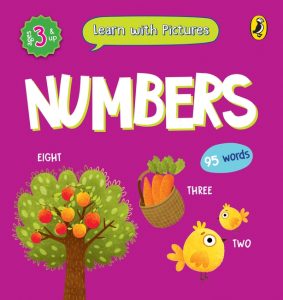
Learn with Pictures: Numbers
Learn with Pictures: Numbers
This bright activity book filled with pictures is perfect to discover key concepts, new words and facts!
Your child will learn numbers. counting, matching, identifying colours and lots more.
With convenient format, various activities, and the vivid illustrations-the book will equip kids with reading, language, visual, motor and imagination skills.
For ages: 3+
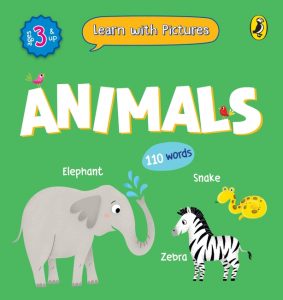
Learn with Pictures: Animals
Learn with Pictures: Animals
This bright activity book filled with pictures is perfect to discover key concepts, new words and facts!
Your child will learn the names of 35 animals along with adjectives and prepositions.
With convenient format, various activities, vivid illustrations-the book will equip kids with reading, language, visual, motor and imagination skills.
For ages: 3+
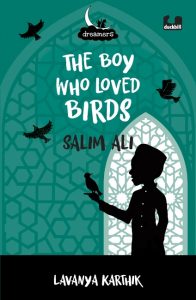
The Boy Who Loved Birds by Lavanya Karthik
The Boy Who Loved Birds: Salim Ali||Lavanya Karthik
Before Salim Ali was a world-famous ornithologist, he was a boy curious about the mysteries around him. Especially the mysteries of birds.
For ages: 7+
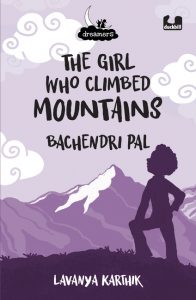
The Girl Who Climbed Mountains by Lavanya Karthik
The Girl Who Climbed Mountains: Bachendri Pal||Lavanya Karthik
Before Bachendri Pal became the first Indian woman to climb Mt Everest, she was a little girl with dreams as big as the sky.
For ages: 7+
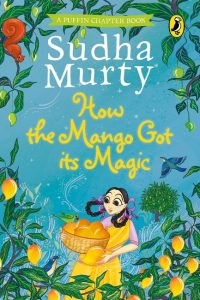
How the Mango Got its Magic by Sudha Murty
How the Mango got its Magic||Sudha Murty
We all love the sweetness of mango and how it quenches our thirst on a hot summer day, but have you ever wondered how the mango got its magical sweetness?
The tale of how such sweetness came into existence is a fascinating one indeed. India’s favourite storyteller brings alive this delightful tale with her inimitable wit and simplicity. Bursting with captivating illustrations, this gorgeous chapter book is the ideal introduction for beginners to the world of Sudha Murty.
For ages: 5+
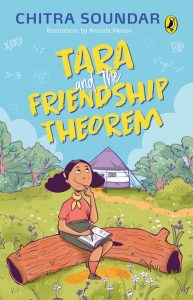
Tara And The Friendship Theorem by Chitra Soundar
Tara and the Friendship Theorem||Chitra Soundar
Tara and her best friend, Farida, are experts at the traditional Indian game of Pallanguzhi. But when Tara’s family relocates to the UK, Tara has to say goodbye to her best friend. Who shall she beat at Pallanguzhi now?
As Appa and Amma get the new home ready, Tara and her brother check in to a weekend retreat, Camp Wilderness. Wow. Do Tara’s parents even know who she is? She’s more what you’d call an indoorsy person, with her love of coding and maths.
To distract herself from all the trees and animals and general wildlife – shudder – she sets out to find a new friend. No one can ever replace Farida, but Tara’s determined to find someone almost as awesome. This is the perfect opportunity to test her Friendship Theorem!
Maths has never let Tara down before – surely it can help now? But as Tara applies her theorem at Camp Wilderness, could she miss a friendship that is blossoming right under her nose?
For ages: 9-12
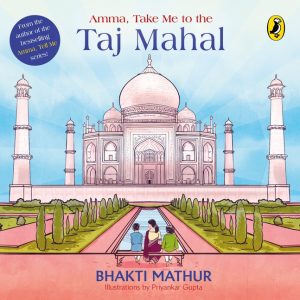
Amma, Take Me to the Taj Mahal by Bhakti Mathur
Amma, Take Me to the Taj Mahal||Bhakti Mathur
Travel with Amma and her boys to one of the seven wonders of the world, a symbol of an emperor’s love for his queen and the pinnacle of Mughal architecture in India, the Taj Mahal.
Walk with Amma, Shiv and Veer through the sprawling gardens that replicate paradise on earth. Gaze at the mausoleum and admire its astounding architecture, breath taking scope and perfect symmetry. Marvel at the intricately decorated white marble walls engraved with precious stones. Travel back in time 500 years as Amma narrates the story of how the Mughal Empire was founded and the historical, cultural and personal stories that lie at the genesis of this magical monument.
Told with interesting stories, anecdotes and vibrant illustrations, this series is an introduction to Indian monuments of historical importance.
There’s nothing like sipping a freshly made lemonade, sitting cross-legged on the floor during your summer holidays and exploring stories through freshly printed books. Add our June releases to the mix and you have a power-packed day – full of action, humour, colours and more! There’s something in this list for every kind of young reader out there. Just browse and take your pick!
*
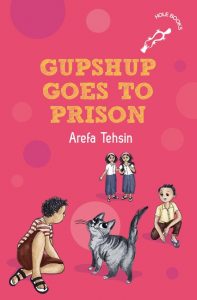
Gupshup Goes to Prison by Arefa Tehsin
Gupshup Goes To Prison||Arefa Tehsin
Khalid’s cat Gupshup has run away to a prison. An open prison, it is called, but everyone knows that prisons are full of horrible, evil people. Or are they? And how on earth will Khalid get Gupshup home?
For readers 7+
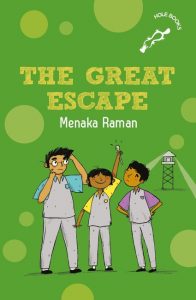
The Great Escape by Menaka Raman
The Great Escape||Menaka Raman
Sachit is not a fan of Wunderkind Academy. And it is a beautiful day outside. Aided by new friends Hari and Kris, can he escape to freedom?
For readers 7+
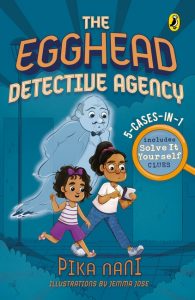
The Egghead Detective Agency by Pika Nani & Jemma Jose
The Egghead Detective Agency||Pika Nani
Has your pool turned pink recently? Are kidnappers after your pet chicken? Is an old forest in danger?
Sisters and little investigators, Tam and Ant cannot believe their eyes when they meet ‘Egghead’ right in their living room! The soon discover that he is, in fact, the ghost of a famous detective who was quite sought-after in his time. The girls now enlist his services for their detective agency-after all, the friendly ghost does come with great abilities.
Together they must solve the strange incidents that keep happening at their beloved Emerald Gardens-the quiet little residential complex.
What’s more, YOU can help the detectives crack the cases with Solve It Yourself clues (SIY), picture puzzles, secret codes and more in this 5-in-1 chapter book!
For readers 7+
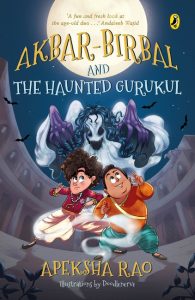
Akbar-Birbal & The Haunted Gurukul by Apeksha Rao & Doodlenerve
Akbar-Birbal and The Haunted Gurukul||Apeksha Rao
Just into his tenth year, life’s all good for the future Mughal king, Akbar. But when his bestie, Nassie, the royal elephant goes on a rampage, a dangerous plot to harm the prince is uncovered. With things taking a sinister turn, Akbar is packed away (very far indeed) to the Vishwamitra Gurukul to live undercover.
Life in a gurukul hostel is nothing like his life in the palace! For starters, there’s no halwa for dessert after dinner! And then there’s that ghost who keeps knocking on doors, calling to be let into the room. But when the spirit attacks a student, the young prince must act. Thankfully, he’s just met one of the greatest minds of the future and also his new best friend – Birbal.
For readers 7+
Little Jagadish and The Great Experiment by Anjali Joshi & Debasmita Dasgupta
When young Jagadish realizes that the world is full of unanswered questions, he sets out to explore and discover the world around him using the scientific method. Inspired by the life and work of Indian physicist, botanist, and author Sir Jagadish Chandra Bose, this story encourages young readers to embrace their curiosity and unleash their inner scientist.
For readers 7+
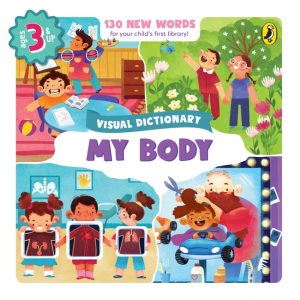
Visual Dictionary: My Body
Visual Dictionary: My Body
This colourful board book introduces your child to the human body: how muscles and bones work, what the brain and heart are responsible for, why different internal organs are needed and lots more.
Filled with short stories for little ones, interesting facts and large vibrant pictures, this book is a fun learning experience!
So get ready to seek and find, identify body parts and learn about them.
For readers 3+
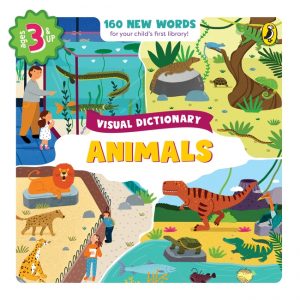
Visual Dictionary: Animals
Visual Dictionary: Animals
This colourful board book introduces your child to the world of animals: herbivores and predators, birds and fishes, bugs and spiders, reptiles and lots more.
Filled with short stories for little ones, interesting facts and large vibrant pictures, this book is a fun learning experience!
So get ready to seek and find, identify animals and learn about them.
For readers 3+
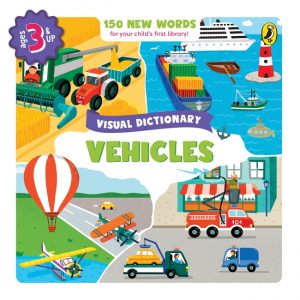
Visual Dictionary: Vehicles
Visual Dictionary: Vehicles
This colourful board book introduces your child to different vehicles: rail, air and sea transport, as well as, special military and space equipment.
Filled with short stories for little ones, interesting facts and large vibrant pictures, this book is a fun learning experience!
So get ready to seek and find, identify vehicles and learn about them.
For readers 3+
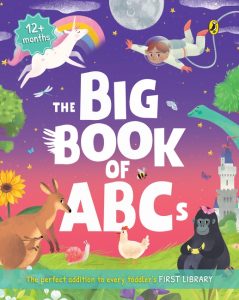
The Big Book of ABCs
The Big Book of ABCs
Experience the alphabet like never before!
From apples, balloons and cats, to penguins, tulips and zoos, there are delightful, new words with every page turn!
Designed to make learning fun, The Big Book of ABCs introduces new words in vibrant settings that make each word even more memorable.
For readers 0-3 years
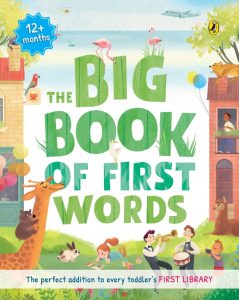
The Big Book of First Words
The Big Book of First Words
Get ready for a learning adventure!
In every home, at the park, at the beach, and even at the zoo, new words await.
Designed to make learning fun, The Big Book of First Words introduces new words in vibrant settings that make each word even more memorable.
For readers 0-3 years
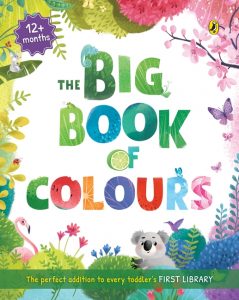
The Big Book of Colours
The Big Book of Colours
The best adventures are colourful!
Are you ready to enter the big, beautiful world of colours? Explore places, things, animals, birds and more that bring colours to life.
Designed to make learning fun, The Big Book of Colours helps you decode the secrets of the colour wheel.
For readers 0-3 years
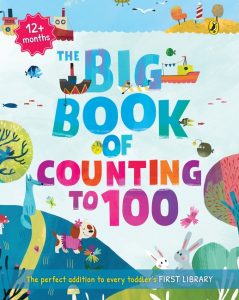
The Big Book of Counting to 100
The Big Book of Counting to 100
A counting adventure from 1 to 100!
Are you ready to explore the world through numbers? Down the lane, through the park and across the ocean, there’s so much to see and count!
Designed to make learning fun, The Big Book of Counting to 100 makes counting a truly exciting activity.
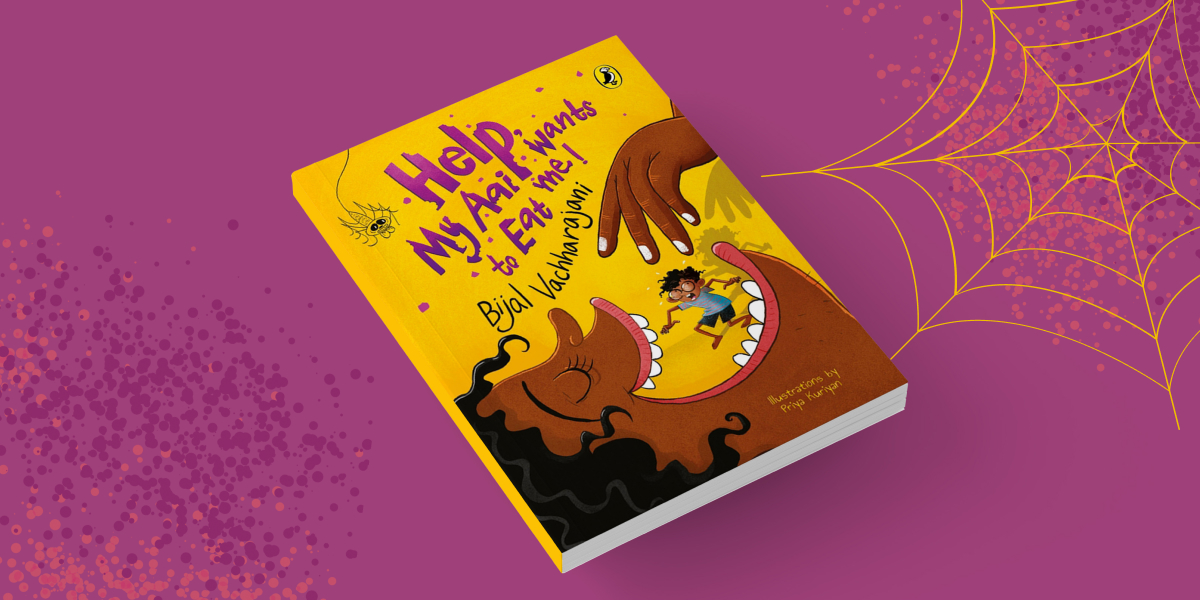
Children are imaginative and curious, which is what makes them so different from adults who almost always lead a mundane life. But what happens when a child’s brain is over-imaginative and borderline paranoid?Meet Avi, the protagonist of Help! My Aai Wants to Eat Me, who is convinced that is Aai is keen on gobbling him up, after watching a documentary that fills his mind with wild ideas. Read an excerpt from the book to find out what happened, below!
“All in all, not Avi’s favourite day.
Until it was time for environmental science a.k.a. EVS—a subject Avi LOVED.
Avi’s favourite subject, EVS
He loved it as much as figs love wasps (so much so that they let the wasp pollinate the fruit and die inside them—‘till death do us part’, just like in the movies that Baba and the Maushis watched and loved).
He loved it more than birdwatchers loved the forest owlet, which had been believed to be extinct for 113 years until it was rediscovered right here in Maharashtra—the same state that Avi lived in!
Avi loved it more than . . . well, it was his favourite subject. Unlike HJ who loved maths and art and always got 24 out of 25 marks in them. And today was EVS Film Day! Which meant they all got to watch a wildlife film instead of studying. Avi settled down next to HJ, his knees aching from having stood for thirty-four minutes outside the classroom. ‘Arre, how will I play cricket today?’
‘Yeah?’ asked HJ. ‘That bad?’ ‘Shhh . . .’ Kshama hissed like a snake and glared at the two boys. ‘Do you want to spend another class outside?’
Avi bit back a retort—Kshama was the class monitor and could easily report him and then he would have to miss EVS Film Day. He had already seen films about climate change, about a tigress called Machli, and one about ghost crabs!
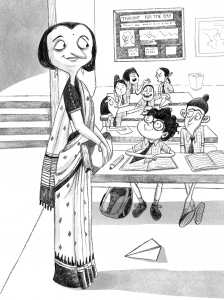
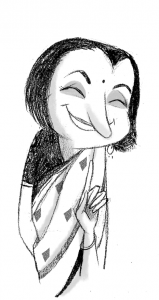
Miss Mankad
Miss Mankad, who taught EVS, walked into class. Every time Avi looked at his favourite teacher, he was reminded of a meerkat—an upright spine, broad head and large, bright eyes. Except, unlike meerkats, she was six feet and one inch tall. Clearly, she did a great job of teaching, given that Avi knew more facts about the natural world than his herd of classmates put together.
Miss Mankad shut off all the lights and Avi and Kshama closed all the curtains, turning the room into a dark den, perfect for watching a film. Even more perfect, it was about bears! Avi watched open-mouthed as jamun-like bear cubs wrestled on the screen, a mama sloth bear battled with a tiger (and won) while defending her cubs, and then . . .
SOMETHING HORRIBLE HAPPENED.
SOMETHING TERRIBLE. HORRIBLE.
DISGUSTING. EEUCHY.
Even worse than the day Avi was having. Another mama bear ate up her second-born cub.
A terrified Avi
At first, Avi thought she was licking the bear cub. But no. She just gobbled the cub up. Slurp. The baby was gone. Back into her tummy. Where he had lived for so long. Avi’s eyes widened. He gripped his pencil box tightly. What just happened? Did she . . . Really? No, that could NOT have happened. He squinted in the dark to see his classmates’ expressions. He couldn’t make out much, but did Kshama also look horrified? Or was that just her usual expression?”







 With that,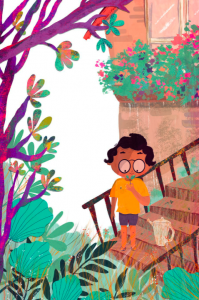

 But along with the third or fourth flop of the returned manuscript came a letter from the editor at André Deutsch Ltd, a new publisher who was making a name and a reputation with some offbeat publications. The editor who wrote to me was called Diana Athill, and she wrote a very sympathetic letter, saying how much she liked the book and promising to reconsider it if I would consider turning it into a work of fiction, a full-fledged novel.
 were allies; they were a part of me, and they would be a part of my work. But it was to be a few months before I could launch out on my own, and during that time, I worked on the novel, pleased my employers and got on with my relatives as best as I could. My aunt never bothered me; in fact, she rather liked having me around. The youngest of my cousins was a friendly little chap; the other two rather resented me. Whenever I had the opportunity, I went to the cinema, and one of the films released at the time was Jean Renoir’s The River, based on the novel by Rumer Godden. This beautiful film made me so homesick that I went to see it several times, wallowing in the atmosphere of an India, a lot like the India l had known. The ‘river’, and its eternal flow became a part of my story too, especially the part where Kishen and Rusty cross the Ganga on the way back to their homes. And back in India, a young filmmaker called Satyajit Ray saw The River and realised that a film could also be a poem, and went about making his own cinematic poetry.