Publish with Us

Follow Penguin

Follow Penguinsters

Follow Penguin Swadesh

A curious excerpt from curious tales of the desert

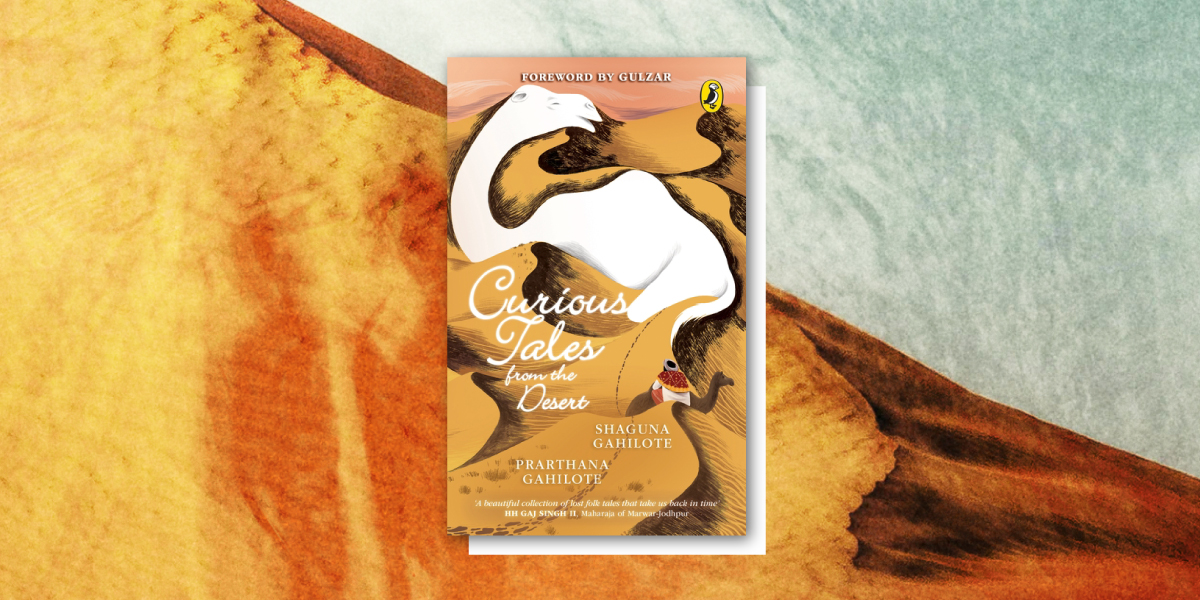
Deserts hold so many stories inside of them and the Gahilote sisters (Prarthana and Shaguna) decided to bring folk tales from the dunes of Rajasthan, Gujarat, Multan and Sindh to you in the form of this beautiful book, Curious Tales from the Desert. 

Here is an exclusive excerpt, a thrilling story from the book for you to read and enjoy!


Four Friends and a Thief

Rajasthan

A little after Lala Gulab Bagri shut his shop in the main market, Badru came running after him. ‘Lalaji, Lalaji, please stop,’ said Badru between quick laboured breaths.

Surprised to see his assistant chasing him, Lalaji stopped. Badru was panting as he had run after Lalaji from the far end of the market. Tonight was the first time in years that Badru had asked Lalaji permission to leave the  shop  before  it  was  shut  for  the  day.  Usually,  Lalaji  left  for  home  late  in  the  evening  while  Badru  stayed  on to wind up the day’s affairs. Today, Badru had to meet a relative passing by, an old uncle who had finally retired as a soldier from the army and was going back to his native place to spend his old years resting.

‘What are you doing here?’ a bewildered Lalaji asked.

‘I have the most devastating news. I  had to share it with you, so I came running,’ blurted Badru.

‘Is  your  uncle  all  right?’  inquired  Lalaji,  fearing the old  man  may  have  had  an  episode  given  the  long  travel from the city to the village.

‘Oh, yes. He’s fine. It’s something about us that I had to share with you,’ pressed Badru.

Looking at Badru’s ashen face, Lalaji could tell that Badru’s cause for worry was Lalaji’s safety and fortunes. Badru had started working with Lalaji in the prime of his youth and  had been dedicated and loyal to him since. The morning he came to him seeking work  was  a quarter of a century ago. The market in Lalaji’s village, Amli Ka Khera, a little more than three hours away from Chittorgarh, was then just a cluster of huts. It neither had permanent structures nor enough customers to attend to. Lalaji’s ancestors were traditional  thewa  jewellery  makers.  Over  the  years,  their  exquisite  designs  of  thewa  jewellery  involving  merging intricately worked sheet gold on molten glass had  found  a  large  clientele  not  just  in  Amli  Ka  Khera  but even beyond Chittorgarh district and Rajasthan. As Lalaji’s  business  grew,  so  did  his  coffers.  Besides  his  jewellery business, Lalaji’s wealth came from ancestral landholdings and moneylending, which he did at high interest rates.

‘They have arrived. I just heard a group of travellers discuss their arrival with the daroga sahib,’ Badru said.

‘Whose arrival?’ asked Lalaji, a tad irritated.

Badru  lowered  his  voice,  almost  whispering  now,  ‘Arre,  theyare  here.  Our  biggest  worry.  Don’t  you remember?’ Badru insisted.

By  now,  Lalaji  had  lost  his  cool.  With  a  long  day  at  work behind him, he was in no mood for guessing games. He raised his walking stick to hit Badru and thundered,

‘You play games with me and I will hit you. Tell me clearly who you are talking about.’

Badru closed his eyes and screamed, ‘The thieves, the thieves!’

‘Thieves?   The   same   thieves,’   Lala   Gulab   Bagri   squealed as Badru nodded frantically.

Suddenly,  Lalaji  understood  why  Badru  had  come  running  to  him.  Badru  knew  what  no  one  else  in  the  village did. Lalaji had wound up important deals during the course of the week and had collected a large sum of money and gold. He was supposed to leave for Chittorgarh the next day and would be keeping all of his collection at home in the night. Despite his riches, Lalaji had always kept a low profile with no guards or full-time assistants working  for  him  at  home.  His  modest  dwelling  housed  him and his wife, Fullara, while his two sons, Neth Ram and Dhuni Ram, lived in Chittorgarh managing the retail shops there.

For the last few days, villagers in Amli Ka Khera had had  restless  nights  over  the  news  of  a  group  of  thieves  operating  in  nearby  areas.  The  thieves  were  known  to  be  extremely  skilled,  shrewd  and  showed  no  mercy  or  fear  when  robbing.  Tales  of  the  robberies  they  had  carried  out  in  wealthy  homes  in  adjoining  villages  had  filled their hearts with trepidation and several well-to-do businessmen  had  petitioned  the  local  police  to  increase  the  security  drills  in  their  area.  Everyone  knew  it  was  only a matter of time before the robbers would come to their village and target their homes.

Today,  Badru  had  heard  the  local  daroga  talk  to  travellers about how they had received reports about one of the robbers being seen at a tea shop on the outskirts of the village in the wee hours. The travellers suspected the thieves would target Amli Ka Khera that night and were checking with the daroga if it was safe to stay the night in  the  village.  Badru  had  overheard  the  conversation  and found it urgent enough to share it with his employer right then.

Lalaji listened to Badru and signalled for him to keep quiet. He didn’t want Badru to reveal anything about his latest financial acquisitions. Badru got the hint and so, he asked Lalaji, ‘Would you want me to stay with you at the house tonight?’

‘Of  course,  and  get  everyone  suspicious  about  the  goings-on in the house. Right?’ Lalaji said sarcastically.

He told Badru to go home and not talk to anyone about the  thieves.  He  wanted  Badru  to  behave  normally  to  avoid drawing any undue attention to him or his house. At home, every evening by sundown, Fullara would keep  a  bucket  of  warm  water  ready  for  Lalaji’s  bath.  Once  Lalaji  walked  into  the  central  courtyard  of  the  house,  she  would  brew  tea,  add  a  generous  amount  of  milk and sugar to it and set it out with some snacks and hookah in the veranda. The  husband  and  wife  would  then  sit  together  and  tell each other the details of their day. Lalaji liked telling Fullara about all the customers he had met at the shop. She  had  the  uncanny  sense  to  sieve  the  good  from  the  bad  and  Lalaji  had  often  benefited  from  her  inputs,  especially when it came to borrowers of money. Fullara had not been formally educated but knew enough about business  from  experience.  It  was  wisdom  borne  out  of  this experience that Lalaji counted on.As  night  drew  close,  Lalaji  told  Fullara  about  the  possibility  of  thieves  being  in  the  village.  Fullara  was  alarmed, considering Lalaji had handed her a big bag of money  and  gold  ornaments  when  he  got  back  from  the  shop. She had hidden the bag in the attic in the kitchen with other containers filled with grains, but wasn’t sure if it was a good enough hiding place.

‘What will we do if the robbers come here?’ she asked Lalaji.

‘Don’t  bring  bad  omens  home.  Don’t  talk  about  a  robbery at our place,’ Lalaji responded in anger.

Fullara  bit  her  tongue  and  started  cleaning  up  the  kitchen, the last job she did before sleeping. While Fullara worked  inside,  Lalaji  would  step  out  to  go  to  the  paan shop across his house. This was a daily ritual. Lalaji did not sleep without eating a juicy paan, which also worked as  an  excuse  to  meet  his  old  friends  and  neighbours  of  several  years,  Eesa,  Khameesa,  Kaazi  and  Mullah.  At  the paan shop, Lalaji’s friends would talk about various things. Together, they discussed politics, business, family problems  and  more  importantly,  the  goings-on  in  Amli  Ka Khera. Tonight was an important night. Lalaji wanted to  speak  to  his  friends  about  the  heightened  fear  of  the  robbers,  who  were  now  possibly  closer  than  before.  To  his surprise, his friends had heard the same and wanted to hash over what they would do in case of an emergency.

The  promises  from  the  police  department  were  yet  to  be  fulfilled,  and  many  like  Lalaji  and  his  friends  were  gathering groups to defend themselves in case the robbers struck them. ‘So it’s a deal. If anyone of us is in trouble, the others will rush to help him. Stay alert,’ said Eesa. ‘Call out loud so that you can be heard,’ added Khameesa.

‘And keep your sticks and rods ready at hand so that you  can  grab  them  as  you  run  out  to  help,’  Kaazi  was  prompt to assert.

Lalaji had told his friends that he was due to travel to Chittorgarh the next morning and would only return after two days. He was tense that his wife would be in danger in case the robbers broke into his house in his absence.Mullah  sensed  his  panic  and  reassured  him,  ‘Don’t  worry, Lala. We will all sleep lightly. If bhabhi saagrees, one  of  us  could  also  sleep  as  a  guard  in  the  courtyard  outside your house when you are away. We won’t let any harm come her way.’Comforted  by  the  promises  of  his  friends,  Lalaji  got  back home to find Fullara packing his bag for his journey.When  Lalaji  and  Fullara  retired  for  the  day,  he  started updating Fullara on his conversation with Eesa, Khameesa, Kaazi and Mullah.

‘I had a long chat with them. It has been agreed that when I leave for Chittorgarh tomorrow, one of them will sleep outside in the courtyard to protect you.’

‘Oh, who knows if that would be needed. I am good enough to defend myself,’ Fullara protested.

‘But  what  if  the  robbers  are  armed  and  large  in  number? What will you do?’ urged Lalaji.

‘God  will  protect  me.  I’ll  think  of  something,  don’t  worry. You sleep well and travel safely tomorrow morning without a worry.’

A  few  hours  after  the  husband  and  wife  had  fallen  asleep, a deep pounding woke Fullara up. For a minute, she  thought  she  was  imagining  things.  She  lay  still  and  quiet  in  her  bed,  listening  hard.  There  was  a  distinct  thump.  Fullara  held  her  breath  and  looked  at  Lalaji  from  the  corner  of  her  eyes.  Lalaji  lay  right  next  to  her  deep  in  sleep.  Fullara  wanted  to  nudge  him  awake,  but  was  afraid  he  might  be  startled  and  make  a  noise  while  waking  up.  Fullara  couldn’t  exactly  place  the  origin  of  the  sound,  but  thought  it  was  close.  She  had  to  quickly  think  of  ways  of  stirring  Lalaji  and  even  alerting  their  friends in the neighbourhood. Fullara trained her ears and was certain that someone was raining blows on the wall of the adjoining room.

Suddenly,  Fullara  started  talking  aloud.  ‘Oh,  Lalaji.  How am I supposed to do this? How do I keep all these children engaged?’ she said. ‘This is not fair. Here I am all  by  myself  and  so  many  children  to  look  after.  You  have to help me,’ she added, this time raising her voice a little.

Adding soon after, ‘Lalaji, if you don’t agree to assist me, I am telling you I will go out and dump these children outside  the  house.’  By  now,  Fullara’s  voice  was  loud  enough to be heard beyond the courtyard and outside. The  sound  of  the  loud  blows  stopped  as  though  someone  was  trying  to  listen  in.  Fullara  heard  a  scuffle  outside  as  Lalaji  began  to  turn  and  get  up.  He  looked  puzzled  and  kept  staring  at  Fullara.  She  pressed  her  finger to her lips and asked him to keep quiet. Outside, she could hear whispers. Like two men were talking to each other. Fullara couldn’t tell one voice from another, but she heard someone say, ‘Looks like someone inside the house is awake.’ Fullara could tell her loud conversation with herself had  alerted  the  robbers  outside.  She  felt  encouraged  to  carry on.

Maybe they’ll run away, she thought. Looking at Lalaji,  she  pointed  towards  the  outside  wall  and  asked him to listen. Slowly,  the  pounding  on  the  wall  began  again.  This  time, Lalaji could hear it too. He was wide awake. Fullara started  waving  her  hands  frantically.  Telling  Lalaji  to  play-act with her. At first, Lalaji was confused, but when Fullara started talking, he understood.‘Tell me, will you help me? Look at these four babies creating a ruckus. See, see how Eesa just jumped on the bed, and Khameesa dropped the flower vase,’ Fullara said louder  this  time.  Almost  like  she  wanted  the  robbers  to  hear. And they did. The blows on the wall stopped again. Those  outside  were  listening  in.  The  minute  Fullara  talked about Eesa jumping on the bed, someone outside remarked, ‘Seems like she’s dreaming. I know they don’t have small children in the house.’

‘What if they do and you don’t know?’ asked another voice.

‘I have checked. There are no children in the house. Besides,  this  woman  is  talking  about  children  doing  things  right  now.  Did  you  even  hear  a  sound  of  that?’  pronounced another.

Convinced   with   that   argument,   one   man   with   a  deep  voice  said,  ‘Let’s  carry  on  breaking  the  wall.  There’s just very little to go. I am already inside. Once we are done with these last few bricks, all of you will be inside.’ Fullara  and  Lalaji  froze  when  they  heard  that.  One  robber  was  inside  already  while  the  others  were  just  a  few bricks away! Lalaji started to get up from the bed to go to the room where the robbers were, but Fullara held his  hand.  The  robbers  were  known  to  be  merciless  and  Fullara did not want Lalaji to confront them on his own. Lalaji  stepped  back  and  let  out  in  exasperation,  ‘What  are  you  saying,  Fullara?  What  do  you  want  me  to  do?’  Lalaji  could  tell  Fullara  was  feeling  just  as  helpless  as  he  was  at  the  moment.  While  their  friends  living  close  by  had  been  alerted  in  the  evening,  the  danger  was  too  close at hand to risk shouting out to them to help. What if the robber inside the house had a weapon and attacked them? What if the remaining bricks were easy to remove and all the thieves broke into the house all at once if they heard the couple screaming for help.Even  as  Lalaji  thought  hard  about  what  should  be  done,  Fullara  continued  talking.  She  said,  ‘Lalaji,  you  listen  to  me.  You  look  at  our  four  grandchildren  here,  they  are  a  handful.  I  can’t  deal  with  Eesa,  Khameesa,  Kaazi and Mullah on my own. So, I am going to device a  hide-and-seek  game  for  them  where  the  children  will  play the police while you will play the thief.’

Lalaji wasn’t amused. He thought Fullara was actually out  of  her  mind  to  be  thinking  of  games  and  imaginary  grandchildren  right  now  but  didn’t  bother  to  shake  her  out  of  it.  The  thieves  too  didn’t  think  much  of  Fullara’s  banter and went about breaking what was left of the wall.With  every  new  thump,  Lala  Gulab  Bagri’s  heart  sank a little more. ‘So when you hide and the children go looking for you, I will be helping them by looking for you in the house. And when I will find you, I will be bellowing Eesa, Khameesa, Kaazi, Mullah . . . here is the thief.’ Lalaji promptly understood what Fullara was trying to do. She was trying to alert his friends about the intrusion in their house. As if on cue, he asked her, ‘What will you say to the children, Fullara? Say that again, louder.’

Encouraged,   Fullara   howled,   ‘Eesa,   Khameesa,   Kaazi, Mullah . . . Chor, chor, chor!’

‘Say it again, Fullara,’ yelled Lalaji.

This time, Fullara bellowed with all the power in her lungs, ‘Eesa, Khameesa, Kaazi, Mullah . . . Chor! Eesa, Khameesa,  Kaazi,  Mullah  .  .  .  Chor!  Eesa,  Khameesa,  Kaazi, Mullah . . . Chor! Chor! Chor!’

Fullara was so loud this last time that her voice carried through  the  courtyard  to  the  homes  of  her  neighbours.  Startled,  they  jumped  out  of  their  beds,  racing  towards  Lalaji’s  house.  The  thieves  heard  Fullara  too  and  were  now  in  a  dilemma.  Should  they  run  or  hide  inside  the  house?  The  last  of  the  bricks  had  finally  fallen.  Just  as  the thieves were approaching Lalaji’s bedroom, his friends rushed into the house with sticks and rods. On their way to  the  house,  the  four  friends  had  raised  an  alarm  loud  enough for the rest of the neighbours to come out of their homes and surround Lalaji’s house.Once  inside,  the  four  friends  marched  into  Lalaji’s  bedroom  only  to  see  Lalaji  dashing  into  the  adjoining  room  where  the  thieves  stood.  Eesa,  Khameesa,  Kaazi  and Mullah bolted after Lalaji and found four well-built men  standing  by  the  broken  wall.  They  lunged  at  them  and brought the four thieves down with a thud. Fullara raced in with a bundle of ropes as the men overpowered the thieves with all their strength. Hearing   the   commotion   inside,   some   neighbours   climbed   into   the   house   where   the   wall   had   been   brought down by the thieves. The thieves had now been outnumbered  and  didn’t  move  an  inch,  fearing  for  their  lives. Together, the men secured the hands and legs of the thieves with the rope they had been given.

Throughout  the  night,  Lalaji  and  his  friends  sat  in  the  courtyard  watching  over  the  thieves  who  had  been  locked  in  Lalaji’s  store.  The  thieves  were  to  be  handed  over to the daroga in the morning. The men couldn’t stop gushing  about  Fullara’s  presence  of  mind  and  how  she  had  managed  to  save  the  situation.  Lalaji  felt  extremely  proud  of  Fullara.  He  had  always  depended  on  her  for  advice,   much   to   the   annoyance   of   his  conservative   relatives,  but  tonight  he  felt  validated  for  respecting  Fullara’s intelligence.The  next  morning,  the  thieves  were  brought  before  the  daroga,  who  was  stunned  to  hear  how  Fullara  had  got  the  thieves  nabbed  without  risking  her  husband’s  and her own life. He was all praise for Fullara’s courage. While taking charge of the thieves that he and his team had been on the lookout for, he made sure he applauded Fullara in front of the villagers.

The way back home was nothing short of a celebratory procession.  Eesa,  Khameesa,  Kaazi  and  Mullah  had  brought  garlands  for  Fullara  and  Lalaji.  They  danced through  the  village  bylanes  all  the  way  from  the  police  chowki  to  Lalaji’s  house  in  jubilation.  Years  later,  when  Lalaji’s  four  friends  and  Fullara  had  greyed,  tales  of  Fullara’s wit and aptitude were told to the village children. A night of endurance in the face of a crisis had turned her into a local hero and legend.


Enjoyed reading this folk tale?

There are more in abundance waiting to intrigue you in the book, get yourself a copy of Curious Tales from Desert

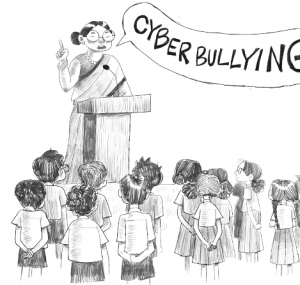
What is cyberbullying?

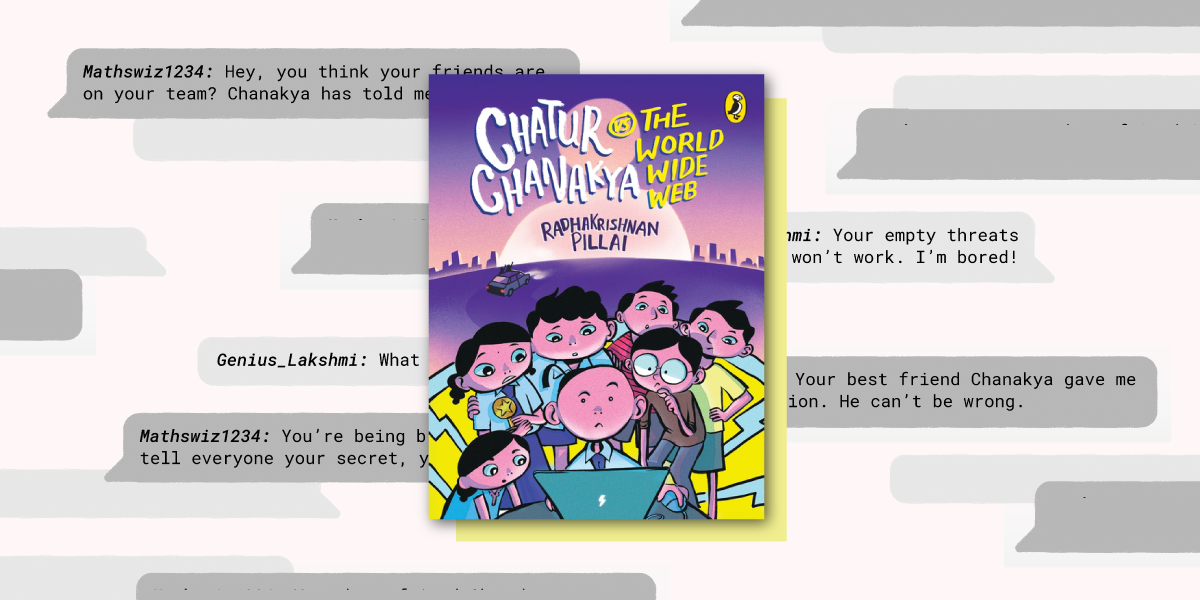
This time, the Super Six of Ganesh Colony are up to something serious! Their friend, Lakshmi, seems to be harbouring a terrible secret–she’s being bullied online! As she receives one nasty message after another, she fears being disqualified from the tournament.

Let’s read this excerpt from Chatur Chanakya vs The World Wide Web to understand what cyberbullying is.

*

The next day, Arjun walked into assembly feeling determined. He’d decided to discuss his problem with Chanakya right after assembly ended. But just as the students were about to disperse after the national anthem, Dr Dolly Henry, the principal, took over the microphone and requested the students to settle down. Everyone started looking around. This urgent meeting convened by her sent a wave of murmurs through the room that was packed to capacity. It seemed that the president, trustees, secretary and other school management were in attendance too.

Chatur Chanakya vs the World Wide Web
Chatur Chanakya vs the World Wide Web || Radhakrishnan Pillai

‘Dear students, good morning,’ Dr Henry began. ‘I know that most of you and your parents use social media. Facebook, Instagram, WhatsApp, Twitter and even YouTube . . . it is all helpful, we all know that. We find information and new ideas for projects and assignments online. It opens our minds to a new world of possibilities. It broadens our vision and we come to know what is happening around the world. But while we can use it to our advantage, let us be aware that it can also do a lot of harm.’

She paused and looked at the students with deep concern before continuing, ‘Yesterday, we were called by an official of the education department for a meeting. Principals from schools in Mulund and the surrounding areas were present there.’

Dr Henry continued, ‘Most of us have seen that both adults and children are quick to develop an addiction to smartphones and social media. But did you know that we are vulnerable to attack when we’re online? Even your parents can be targets of cybercrime. In the past, internet accounts have been hacked and money has been transferred from bank accounts by accessing personal information. But today, I’m here to talk to you about something closer to home.’ The principal’s eyes scanned the crowd. The children shifted on their feet; even the teachers sat up straight.

‘In the meeting, one of the school principals presented a case of a young girl from her school, who had made a friend on Facebook. The girl had accepted the friend request and been chatting with this friend regularly because after looking at her pictures, she thought it was someone she’d seen in her tuition classes.

‘One day, this friend asked her to meet up for a snack outside her school. When the girl agreed and went there, the friend was nowhere to be seen. Instead, a man came to her and told her that he was her friend’s father, and that she was waiting for her on the other side of the road. So this innocent girl started walking with this man. But his intention was to take her away!

‘Luckily, one of the schoolteachers saw her along with this unknown man and immediately sensed something was wrong. The teacher went and asked the girl who he was. When the teacher started to cross-examine the man, he ran away. The young girl was so shocked. She was so disturbed by this incident that she started to distrust all her friends.

‘The good news is that the girl is fine now, thanks to the support of her school, parents and friends.’ Dr Henry breathed a sigh of relief.

‘But,’ she added, ‘we have been asked to be cautious, given the rise in the number of cybercriminals and bullies. There have been cases of people who have been harassed and bullied by their own classmates. This is called cyberbullying.

My dear students, it is our responsibility as a school and management to tell you about this and make you aware of the dangers that are all around us.

**

Read to your little ones this story about cyberbullying and much more! Get your copy from the nearest bookstores or online.

What was it like to be a child during India’s freedom struggle?

From our school history textbooks to historical fiction and non-fiction, we have been exposed to the history of our country’s past quite often. But whether we were reading factual accounts of the people who fought for our country’s independence, or it was authors reimagining what it might have been to be alive in that reality, the one thing common amongst all these books was adult protagonists.

Nobody really thought what it would be like to be a child during the time when our country was on the brink of its freedom!  

Until Lubaina Bandukwala and Aditi Krishnakumar came up with similar ideas and wrote two beautiful books talking about exactly that!  
 

The Chowpatty Cooking Club by Lubaina Bandukwala
The Chowpatty Cooking Club || Lubaina Bandukwala


The Chowpatty Cooking Club 

Lubaina Bandukwala


With Mahatma Gandhi’s call to the British to Quit India, the city has become a hotbed of revolutionary activity-student protests, secret magazines and even an underground People’s Radio which broadcasts news that the British want concealed.Sakina and her friends Zenobia and Mehul desperately want to be part of this struggle for freedom. But there is little that they are permitted to do. But at least, they are trying to do something useful, while their mothers are only running a cooking club …


That Year at Manikoil 

Aditi Krishnakumar


While World War II rages in Europe and the Japanese army draws closer to India, Raji and her sisters are sent off with their mother to stay in Manikoil, her mother’s family village. But with her brother now a soldier in the British Indian Army and refugees fleeing from Malaya, Burma and other eastern countries back to India, Manikoil is no longer the peaceful haven it once was.  And while there is hope of Independence in the air, Raji is uncertain whether it will come to pass-and what it will truly mean for her and her family.


Pick up one of these books today and let your child step back into British India!

Get Job Ready with this quiz!

If you’re a young job aspirant and want to improve your employability skills, then Get Job Ready by Vasu Eda is a must-read for you.

However, before you go on this transformational journey, it is important to assess your current skills and identify the aspects you need to work on the most. Self-assessments can help you understand and articulate the environment and situations where you can leverage your strengths to thrive. 

Be it personality development, enhancing your value system, or analyzing your interests to ensure you work in a field you’re passionate about, being self-aware is key. 


Take this quiz to find out which skill you need to hone!


  1. Which of the following is the most important to you?

A) An impressionable personality

B) Your value system

C) Communicating with others


  1. Which of these are you intimidated by you?

A) Assertive people

B) Self-guided individuals

C) Articulate leaders


  1. Which of these do you wish to be better at?

A) First impressions

B) Defining what you stand for

C) Understanding others


  1. Which of these is the biggest hurdle for you?

A) Establishing your presence in a crowd

B) Articulating which values you want to integrate in your life

C) Connecting with people


    5.  If you could choose one superpower, which one would it be?

A) Better confidence

B) Better decision making

C) Better communication skills

Answer Key

If you chose:

Mostly As

You need to work on your personality development skills!


Mostly Bs

You need to work on your value system!


Mostly Cs

You need to work on your communication and articulation skills!


Ready to take the next step?

Get your copy of Get Job Ready by Vasu Eda to enhance your employability skills and land your dream job straight out of college!

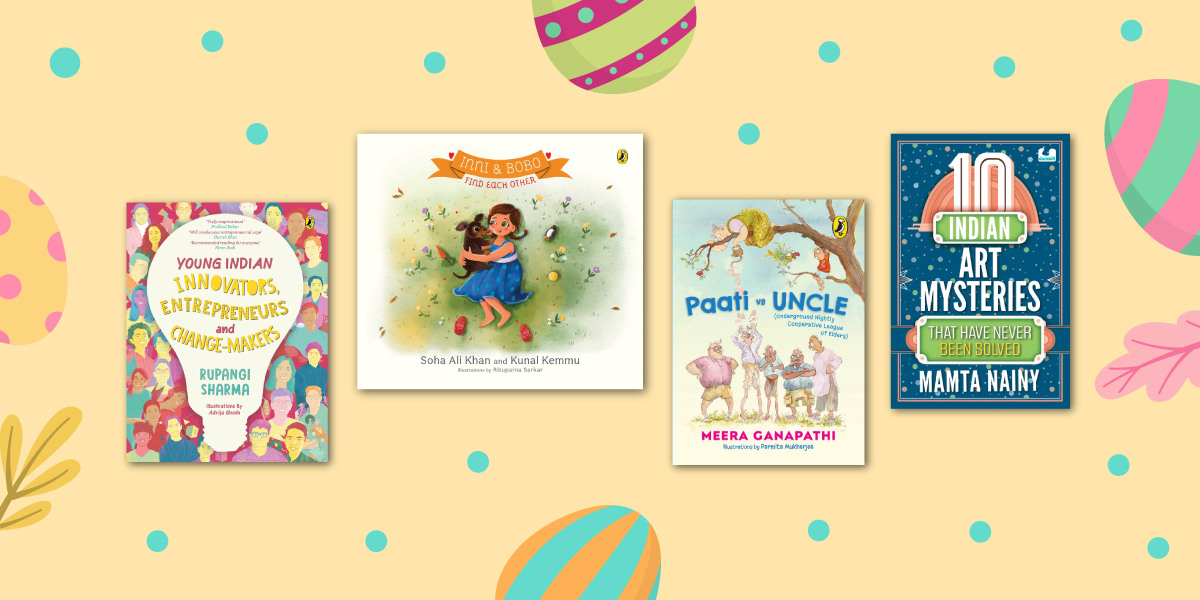
Eggs-tra special April book recommendations

April is here! This means that very much like the vibrant colours of the Easter eggs you’re hunting for this season, our rich array of books are ready to bring immense joy into your little ones’ world. This eggs-tra special month calls for reading eggs-tra special books that will brighten your kids day. Taking care of their TBR is our prerogative and we’re ready for the little easter bunnies and penguins to dive into our captivating stories about art mysteries, pets, science experiments, and detectives. Let the easter games (and stories) begin!

Scroll through this curated list to find just the perfect books for kids of all ages.

*

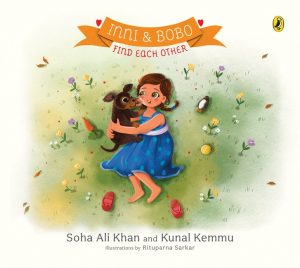
Inni and Bobo Find Each Other
Inni and Bobo Find Each Other || Soha Ali Khan, Kunal Kemmu

Ages: 4+ years

Little Inni loves all animals, especially cute little puppies-and now she wants to get one! That’s when Mama and Papa take her to an animal adoption centre. Once there, Inni wants to take all the puppies home-after all, they’re so cute and adorable! But then she sees the scruffy-looking, floppy-eared Bobo. And her heart is set! She has found her new best friend!

Endearing and narrated with a lot of heart, the Inni and Bobo Series, is not only about a little child finding friendship but also about the beauty of adopting dogs. It’s about learning empathy and imperative life lessons, and most importantly about opening one’s heart and homes-which is what life is all about.


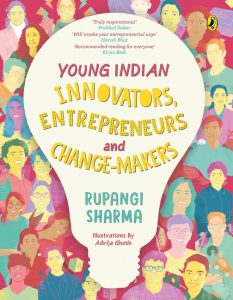
Young Indian Innovators, Entrepreneurs and Change-makers
Young Indian Innovators, Entrepreneurs and Change-makers || Rupangi Sharma

Ages: 9+ years

LET’S MEET:
the teen whose tech company got a $75 million funding
the boy who created the world’s smallest satellite
the nine-year-old who set up her own software firm
the girl who started a social initiative to impart life skills through sports
And many more!

These are the inspiring stories of India’s future generations-innovative thinkers, dreamers and tinkerers-who have created amazing solutions to real-life problems. Aged seven to twenty-one, these youngsters are effecting change from far-flung rural villages, small towns, and urban cities. There’s no stopping these kids!

Motivated by their passions and the everyday problems they witnessed around them, these wunderkinds have succeeded in making a social impact. Their stories promise a young India, full of pioneers wowing the world with their prowess in technology, innovation, and social change.


10 Indian Art Mysteries That Have Never Been Solved
10 Indian Art Mysteries That Have Never Been Solved || Mamta Nainy

Ages: 10+ years

This book tells the stories of ten mysterious people, styles and objects in Indian art from the prehistoric period to the present day-and in the process, it captures some of the diversity and range of the very large canvas we call Indian art. The stories told here include those of:

The Bhimbetka paintings
The evolution of the Buddha
The Ajanta caves
The Kailashanatha temple
The Pithora paintings
Women artists of the Mughal era
Bani Thani
Indian yellow
Manaku of Guler
The Sripuranthan Shiva Nataraja

Mamta Nainy explores diverse artistic periods, explains different art forms, and gives insights into the lives of artists working in different times and spaces, one curious case at a time.


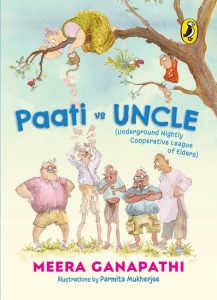
Paati vs UNCLE
Paati vs UNCLE
Paati vs UNCLE || Meera Ganapathi

Ages: 7+ years

Inju wants is a quiet, boring holiday at the most boring house in Mumbai, but life at Parijat Retirement Colony is not the same anymore.

A thief is on the loose, and Paati has decided to become an UNCLE! But when the uncles of UNCLE (The Underground Nightly Cooperative League of Elders) act not so cooperative, Inju takes charge.

Joining forces with a lady whose papads were stolen, the skinny building watchman and Paati, Inju forms PAATI (The People’s Association against Thieves International).

Can this motley crew of detectives crack the code?

**

So, this April, get ready to read some super fun stories with us!

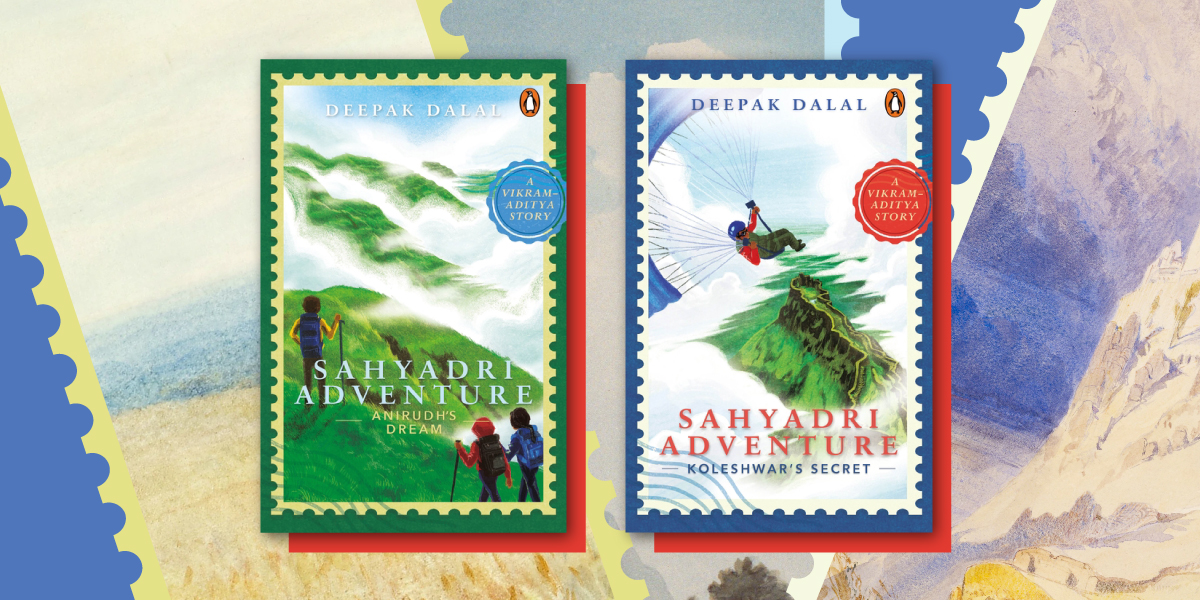
About Anirudh’s dream and the adventures that follow

Here’s an excerpt from Deepak Dalal’s Sahyadri Adventure: Anirudh’s Dream, the first part of the riveting series. It’s about Anirudh’s dream and the strange events that unfolded in Pune, Mumbai, and the splendid hills of Sahyadri.

*

Sahyadri Adventure: Anirudh’s Dream
Sahyadri Adventure: Anirudh’s Dream || Deepak Dalal

Anirudh’s face was tense an hour later when Vikram and his father escorted him to the jetties. Commander Dongre watched critically as they rigged their boat. They were almost done when Chitra turned up.

‘Is this your friend, Anirudh?’ she asked, halting beside them.

The droop suddenly vanished from Anirudh’s shoulders. He shook hands with Chitra when Vikram introduced him. ‘This is Commander Dongre,’ continued Vikram, turning to Anirudh’s father. ‘He is our host, and this wonderful bay and the sailing facilities are run by him.’

Chitra’s eyes lit up. ‘Wow!  All these boats and your father in charge of them. Anirudh, you are a lucky man.’

‘He’s making use of the opportunity.’ Commander Dongre smiled, covering smoothly for his son. ‘Vikram and Aditya have spoken a lot about you, Chitra. My wife wants to meet you too. She wants to invite you to join us for dinner tonight. She’s at the spectator tent. Shall we go there? We can watch the last race together.’

Anirudh’s eyes weren’t dull anymore. Vikram didn’t try figuring out what had brought about the change; he was simply thankful for having a sunny, helpful partner. Aditya and Kiran’s boat pulled away from the jetty. Anirudh yelled and waved at them. Vikram cast off and they followed, their sail fluttering and hull creaking as their boat cut through the dark waters of the bay.

A tongue of land jutted like a breakwater to starboard, sheltering the waters of the bay, and though the lake was only gently ruffled where they sailed,  ahead, beyond the protective barrier,  there were waves and a deep swell.  A strong wind was sweeping the lake and dark clouds were mobbing the sky.

‘Prepare yourself,’ hollered Vikram.  ‘Action stations! The wind is going to belt us when we hit open water.’

The lake turned restless and suddenly,  like a howling express train, the wind was upon them. The boat shuddered, listing sharply to port.

‘Hike out!’ screamed Vikram, as he pulled the rudder and trimmed the sail.

Sahyadri Adventure: Koleshwar’s Secret
Sahyadri Adventure: Koleshwar’s Secret || Deepak Dalal

Anirudh leaned out across the water, his eyes closed. The competition had elevated  Vikram’s skill at the helm several fold and a delicious thrill of accomplishment coursed through him as his  Enterprise-class sailboat shot forward. The speed of the vessel was heady, the fastest he had ever achieved on a boat. They were scything forward as if jet-propelled.

The upper half of  Anirudh’s body was hiked out across the water.  The brilliant orange of his life jacket contrasted brightly against the asphalt-black water. His long hair was wet and his face seemed calm, exhibiting no sign of fear.

The white wake of their Enterprise boat was one of several streaking the lake. Sails flapped noisily everywhere and whoops of exhilaration reverberated across the lake.  Amongst sailors, there is only one climatic condition that stokes wild enthusiasm and excitement: the wind. This was a genuine wind, and its tumultuous presence was conjuring a grand setting for the regatta’s final race.

It wasn’t long before their boat neared the far shore of the lake. Vikram tacked around and Anirudh responded like a seasoned professional, shifting smoothly to the opposite sideboard and adjusting his body weight perfectly.

An imaginary line between two buoys was the starting zone for the race and boats were already massing there. Their colourful sails seemed butterfly-like as they clustered about the invisible line. The race was to start at 3.30 p.m. and Vikram’s watch indicated it was time to join the butterflies and hover between the starting posts.

Loud voices greeted them as they fell in with the boats prowling the start zone.

‘We’re going to thrash you, Vikram!’

‘Give yourself a break, Anirudh, you’re shaking like the sails.’

‘You’re a crummy sailor, Vikram. The wind is going to sink you.’

‘Best of luck, buddy.’Though the banter sometimes sounded coarse, it was always conducted in good spirit.

Celebrating India One Story At A Time

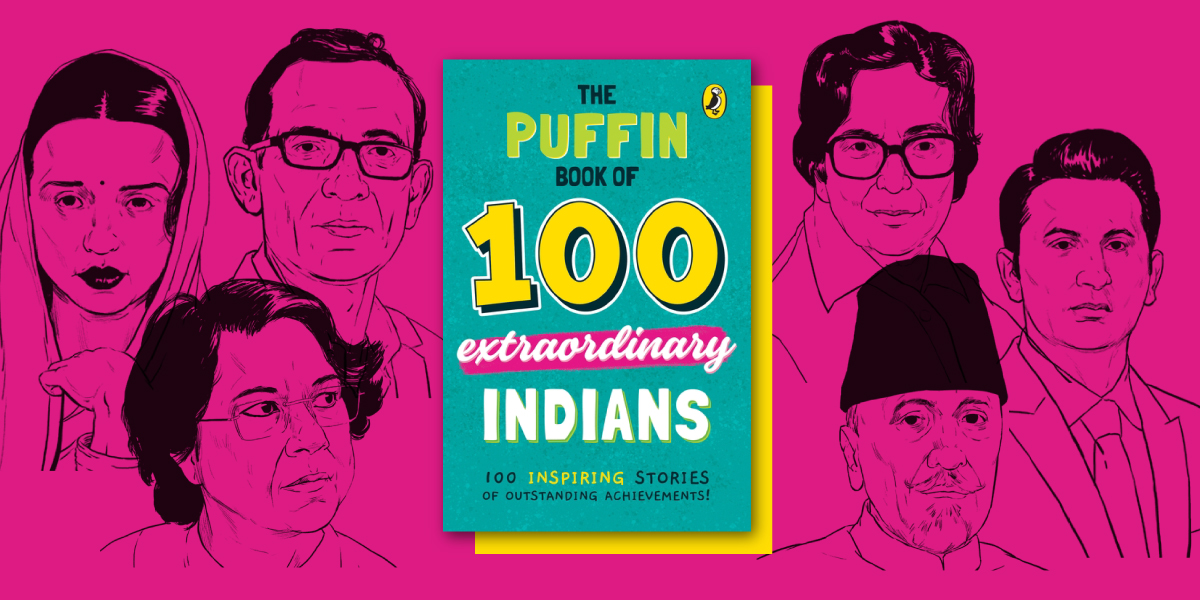
Nothing encourages a young mind’s imagination like reading about an icon. From athletes who broke records to civilians who changed lives, THE PUFFIN BOOK OF 100 EXTRAORDINARY INDIANS is a celebration of India’s best. 

Read on to catch a short glimpse of the diverse range of stories!

100 Extraordinary Indians || Puffin Books

*

Pioneer Oceanographer – Aditi Pant

As young Aditi neared the end of her experimental work for her PhD in Physiology in Marine Algae from Westfield College, London, during 1971–72, she had a pressing question—what now? And fate had the answer for her. During the last leg of her programme, she met Professor N.K. Panikkar, a senior Indian scientist, the founder and director of the National Institute of Oceanography (NIO), Goa. Speaking to him, a lot of questions came up in Aditi’s mind, and one was whether India had jobs in oceanography. Professor Panikkar challenged, ‘All I know is that there is a lot of work waiting for the person who has the guts to take it up. Of course, you will get far better salaries just about anywhere else.’ Aditi took up this challenge. She dropped her plan to continue abroad, joined NIO and relocated to India in 1973 after completing her doctorate. Aditi Pant then went on to create history by becoming the first Indian woman (along with Sudipta Sengupta) to set foot on Antarctica.


Magnificent Mary – Mangte Chungneijang Mary Kom

Young Mary Kom had neither seen coach L. Ibomcha Singh before nor did she know that he did not appreciate being disturbed during his training sessions. Driven by what she thought was her calling and knowing that Ibomcha was the perfect guide for her first steps, she walked into the hall to ask the students about Oja (a Manipuri honorific) Ibomcha. A beefy man who Mary thought looked like Mike Tyson walked up to her and said, ‘I am Sir Ibomcha. What do you want with me?’ Mary said she wanted him to be her boxing coach. The coach asked who she was and asked her to wait outside till his training session was over. Mary waited and prayed that she would be accepted as a student. Oja Ibomcha finally came out and wondered why Mary wanted to join boxing. He said she was a frail girl. Pointing at her gold earrings, he remarked that she didn’t look like a boxer and that the sport was for ‘young boys’. Sensing the girl’s disappointment at his remarks, Ibomcha inquired about her family and where she lived. Finally, he said, ‘If you are really interested, you may join, but I am very strict about the routine and timing. If you can’t keep up, don’t join.’ Mary was ecstatic—she could follow her dream now.


The Clothing Man – Anshu Gupta

On a cold day in December in the early 1990s, a young journalist was scanning the streets of Delhi for an interesting story. When he saw a middle-aged man gingerly pushing a cart with his ‘wares’ hidden beneath white shrouds occupying the full length of the cart, he asked the man out of curiosity, ‘What do you sell?’ The man stopped the cart and stared at the journalist. ‘Read this, sahib,’ he said, pointing at the verbiage on the side of the cart. It read ‘laawaris laash uthane wala’. The man, Habib, picked up unclaimed corpses for a living and was employed by the police. His work involved picking up the bodies of homeless and unidentified people who had died alone on the streets or in hospitals. Each such body fetched Habib a meagre amount of Rs 20. Winters were a busy period for him because more people died due to inadequate clothing.

In another incident, the young journalist found a destitute six-year-old girl who hugged dead bodies in a cremation ground whenever she felt cold. This shook him. These incidents, as well as subsequent interactions with other underprivileged people in Uttarkashi (where hundreds of people died and innumerable people lost their homes after the earthquake in 1991) had a profound impact on this young journalist, Anshu Gupta.


The Emperor from the Deccan – Krishnadevaraya

A popular legend about Krishnadevaraya goes as follows: It was the coronation ceremony in the kingdom of Vijayanagara in the early 1500s. A new king would soon ascend the lion throne. Timmarasu, the prime minister who was affectionately known as Appaji, was happy that Krishnadevaraya was taking over the reins of the kingdom. Appaji had been a father figure, coach and mentor to Krishnadevaraya. Legend says that before the coronation, Appaji asked to see the would-be king in private as there was one last teaching to be imparted. Once alone with his mentee, Appaji slapped him across the face, leaving Krishnadevaraya stunned for a moment, but he realized that there would be a lesson in this too. Appaji explained that the young king should never forget life’s adversities and how painful punishments could be. Appaji concluded his final lesson by saying that after the coronation, he wouldn’t have the right to discipline and would only be taking orders from the king. Krishnadevaraya graciously accepted the teaching.

Once the coronation rituals ended, the king summoned Appaji and other courtiers. The new king requested the group to instruct him about the court protocols and royal conduct. Appaji, along with the courtiers, gave him advice on conducting himself, running the state, dealing with enemies, avoiding vices. Krishnadevaraya understood that as a king, his aim should be to reward the good and punish the bad. He would need to be sensible while dispensing justice—how well he followed dharma would measure his success. He put these tenets of good governance into practice during his reign of two decades.

*

Read the stories of our country’s greatest icons, get your own copy of THE PUFFIN BOOK OF 100 EXTRAORDINARY INDIANS from your nearest bookstore!

Eight books to nurture your child’s perspective!

This International Women’s Day, we bring to you engaging and inspiring books about feisty, tenacious and extraordinary women! Whether you’re looking for picture books for young readers, nonfiction books about real-life pioneers or stories with memorable protagonists—we’ve got you covered.

Browse through these beautiful books and make your little one’s mind, heart and library more inclusive, fun and full of strength!


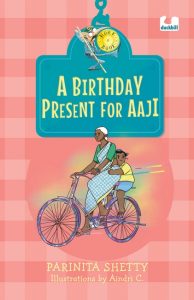
A Birthday Present for Aaji by Parinta Shetty
A Birthday Present for Aaji || Parinta Shetty

A Birthday Present for Aaji

Young Jyoti goes on a quest and meets with her neighbours to find the best birthday present for her Aaji — a woman who works many jobs including selling masala powder and fish, being a caretaker of a houseboat, a scuba-diving expert, a pretend ghost at Sindhudurg Fort. Wondering where her search leads her?

Ages: 5+


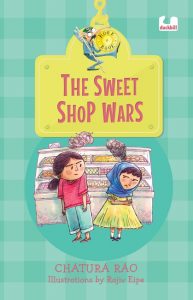
The Sweet Shop Wars by Chatura Rao

The Sweet Shop Wars

Firoza is on a mission to help her Daadu’s sweet shop beat their new rivals on the block. But when the girl from Best Sweets shop helps her out, Firoza learns a valuable lesson on friendship. Part of the Hook books, this book is a lovely lesson on tolerance and kindness towards everyone.

Ages: 5+


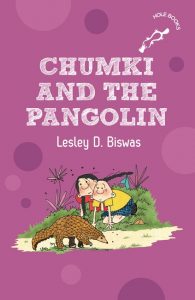
Chumki and the Pangolin by Lesley Biswas
Chumki and the Pangolin || Lesley Biswas

Chumki and the Pangolin

The dangerous virus has forced everyone into lockdown including Chumki and her brother. Yet, when a poacher threatens her newly befriended pangolin, Chumki goes out of her way to save it from harm! Read the story to know about this daring girl who defies all odds to protect the ones she cares about.

Ages: 5+


The Girl Who Was a Forest by Janaki Ammal
The Girl Who Was a Forest || Janaki Ammal

The Girl who was a Forest

An illustrated biography of Janaki Ammal who was an Anglo-Indian botanist known for her plant breeding techniques including her work on sugarcanes. Set in her ancestral home in Kerala, this is the story of young Janaki who learns a valuable lesson from a mangrove’s seed. A story of resilience, read the Dreamer Series to meet the fierce women who were once overshadowed by history.

Ages: 7+


My Grandmother's Masterpiece by Madhurima Vidyarthi
My Grandmother’s Masterpiece || Madhurima Vidyarthi

My Grandmother’s Masterpiece

In a world where we are conditioned to attach stereotypical roles to our elders, Nimi is taught how to break free of them. While the story begins with her questioning her grandmother’s role in her life she accepts, acknowledges and supports the artist in her, helping her grandmother blossom. Subtly changing the gender dynamics this story is a must read for all ages.

Ages: 7+


That Year at Manikoil by Aditi Krishnakumar
That Year at Manikoil || Aditi Krishnakumar

That Year at Manikoil

This is the story of Raji and her sisters who with their mother move back to their ancestral home in Manikoil after their brother joins the British Indian army during the Japanese Army’s invasion of Burma in 1943. Part of the Songs of Freedom series that looks into children’s lives during India’s struggle for independence, find out how Raji and her sisters acclimatise themselves to a life amidst the slow rumblings seeking India’s independence from Britain.

Ages: 10+


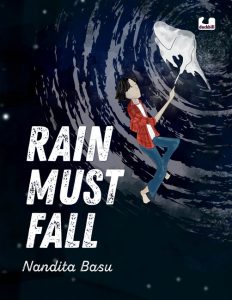
Rain Must Fall by Nandita Basu
Rain Must Fall || Nandita Basu

Rain Must Fall

A graphic novel about a young Rumi who befriends a friendly ghost and embark on a quest to find their identity. A tender book that looks into gender norms that shape a young person’s pursuit for identity and self-acceptance.

Ages: 12+


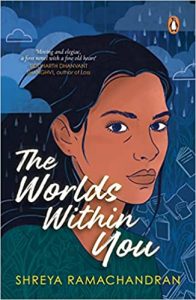
The Worlds Within You by Shreya Ramachandran
The Worlds Within You || Shreya Ramachandran

The Worlds Within You

Ami Shekhar is taking a break from college to be home and regroup. Her supportive sister Sam understands what Ami is going through and orchestrates a creative writing teaching assignment at her school. Will the workshop help both the sisters overcome their grief and find their balance? Read this young adult novel by debut writer Shreya Ramachandran who sensitively addresses lived mental health experiences and the support system required to accept and heal.

Ages: 12+


Celebrating stories by women this International Women’s Day!

“Women, they have minds, and they have souls, as well as just hearts. And they’ve got ambition, and they’ve got talent, as well as just beauty. I’m so sick of people saying that love is all a woman is fit for.”

Jo March’s words still resonate with women across the globe. This International Women’s Day, we’re here to help you understand their perspectives better with a handpicked selection of stories written by women!


Madam Prime Minister by Seema Goswami

Madam Prime Minister||Seema Goswami

Asha Devi is India’s youngest ever Prime Minister. She is twenty-nine years old, charismatic and driven. Elevated to power after the assassination of her father she must prove that she is more than just a dynasty.

As Asha struggles to retain her hold on power, defeat the terrorists, keep her family together, win over coalition partners and tackle the beast of 24×7 news TV, she never loses sight of one objective: She must track down the man who murdered her father.

Written in a cinematic, fast-moving style this book offers an insider’s view of how things move at the top echelons of government and gives us a rare peek into the underbelly of the TV news business. It also brings back Asha Devi, the much-admired heroine of Seema Goswami’s bestselling Race Course Road.


Black Magic Women by Moushumi Kandali

Black Magic Women||Moushumi Kandali

In the recent past, many writers have acquainted readers with the composite culture of Assam. Moushumi Kandali makes a similar attempt in The Black Magic Women, but with a stark difference. She brings her characters out of Assam and places them in the mainstream, capturing their struggle to retain their inherent ‘Assameseness’ as they try to assimilate into the larger society.
The stories makes one pause, think and debate issues that range from racial discrimination (‘The Fireflies Outside of the Frame’) to sexual harassment (‘The Hyenas and Coach Number One’, ‘Kalindi, Your Black Waters . . . ‘) to the existential and ideological dilemma induced by the state’s complex sociopolitical scenario (‘The Final Leap of the Salmon’). The title story is revealing of how mainstream India perceives Assamese women-as powered with the art of seduction and black magic-as a result of which they face social discrimination that can range from racial slurs to physical abuse.
The writer ventures into a surrealistic mode, using a generous sprinkle of fable, myth and metaphors to deliver a powerful punch. With all the shades of emotion these ten stories from the North-east evoke, the reader cannot remain a passive observer.


Beguiled by Ruchika Soi

Beguiled||Ruchika Soi

Gitanjali met Randeep Singh Taneja at a farm party in Delhi. He called himself ‘Randy’. He flirted with her; she resisted. She was a single mother, a divorcee, and Randy was five years younger. They became friends, went for walks in Lodhi Garden, had coffee in Khan Market, and he asked her hand in marriage. She refused, he beguiled her, they fell in love, and she said yes.

The couple moved to London and this is where the first signs of trouble began. Away from all that was familiar to her, Gitanjali began to notice that Randy was not all that declared to be. Random phone calls from women who claimed to either be his wife or his girlfriend, a child who called him ‘Papa’, photographs of Randy with other women, multiple cell phones…and for all this he had reasonable explanations that left her with no room for doubt.

Gitanjali thought she knew her husband. That is until she hadn’t opened his cell phone and found out about the many lives he was leading across the world.

This book is a dark and gripping story about a marriage gone wrong. It is a cautionary tale of how we may think we know someone when we really don’t.

Beguiled is a true story.


Destiny’s Child by Raghu Palat and Pushpa Palat

Destiny’s Child||Raghu Palat, Pushpa Palat

This is an intimate account of the extraordinary life of Parukutty Nethyaramma, who went on to become one of the most powerful rulers of the Kingdom of Cochin.

At the tender age of fourteen, her marriage thrust her into a hostile world. Taking on her detractors, Parukutty stubbornly and fearlessly forged ahead to become a voice none could gainsay. Despite a seventeen-year age gap, she had built a special, unshakable bond with her husband. When he was crowned the sovereign ruler of Cochin, she vowed to support and protect his position throughout her life. Theirs was an enviable partnership of two incredible equals who together went on to break many traditional norms. At a time when women were relegated to the shadows, Parukutty travelled with her husband, participated in important discussions, and even went on to rule as his proxy. She became a force to be reckoned with in her own right.

Narrated by Parukutty’s own great-grandson and his wife, Raghu and Pushpa Palat, this deeply personal chronicle paints a vivid picture of a woefully understated icon from the twentieth century.


Boys Don’t Cry by Meghna Pant

Boys Don’t Cry||Meghna Pant

When Maneka Pataudi is arrested as the prime suspect for the murder of her ex-husband, she reveals a chilling tale of marital abuse and neglect.

But is her confession the truth or a lie? Is she telling the story as a victim or a perpetrator? And, is it better for women to kill for love or be killed for it?

Based on a true story (mostly), Boys Don’t Cry is a gripping, compelling and courageous novel that takes you behind the closed doors of a modern Indian marriage.


Dangerous Pursuits by Suniti Namjoshi

Dangerous Pursuits||Suniti Namjoshi

Humankind’s unrelenting mistreatment of our planet has finally led to a seemingly futile awareness of our acute shortage of time. What separates us from an oblivion preceded by excruciating pain and strife? The characters of this unique book, inspired by legends from lore and literature alike, pursue paths they believe are best for them and for their world. They are unaware of the flaws that distort their dreams. Divided into three parts, Suniti Namjoshi’s Dangerous Pursuits turns righteousness and virtue upon their heads, making for an irreverent and ruminative exploration of the beginning of the end of the world.


The Queen of Indian Pop by Usha Uthup

The Queen of Indian Pop||Usha Uthup

Usha Uthup, India’s undisputed icon of pop music, has enthralled an entire generation of listeners with her unforgettable voice and continues to do so. Completing fifty years as a professional singer in 2020 was just another milestone in her fabled career.

In this vivid biography, which was originally written in Hindi, Vikas Kumar Jha captures the entire arc of Uthup’s career in music. From her childhood days in Mumbai and her first gigs singing with jazz bands in Chennai’s glitzy nightclubs to her meteoric rise as India’s musical sensation and her philanthropic work, Jha covers it all and manages to weave a narrative that is colourful, inspiring and bound to keep any reader engrossed till the end.

This pitch-perfect English translation, by Srishti Jha, offers the reader a front-row seat to the life and times of the inimitable Usha Uthup.


The Blind Matriarch by Namita Gokhale

The Blind Matriarch||Namita Gokhale

The blind matriarch, Matangi-Ma, lives on the topmost floor of an old house with many stories. From her eyrie, she hovers unseeingly over the lives of her family. Her long-time companion Lali is her emissary to the world. Her three children are by turn overprotective and dismissive of her. Her grandchildren are coming to terms with old secrets and growing pains. Life goes on this way until one day the world comes to a standstill-and they all begin to look inward.

As certainties dissolve, endings lead to new beginnings. Structured with the warp of memory and the weft of conjoined lives, the narrative follows middle India, even as it records the struggles for individual growth, with successive generations trying to break out of the stranglehold of the all-encompassing Indian family.

Ebbing and flowing like the waves of a pandemic, the novel is a clear-eyed chronicle of the tragedies of India’s encounter with the Coronavirus, the cynicism and despair that accompanied it, and the resilience and strength of the human spirit.


From the Heart of Nature by Pamela Gale-Malhotra

From the Heart of Nature || Pamela Gale-Malhotra

Called ‘Noah’s Ark’ by an Oxford University scientist, SAI Sanctuary is an example of how Nature exists in a delicate balance. You cannot destroy Nature, and you cannot rearrange it without serious consequences to your existence.

Coming from two rich wisdom cultures, one Native American and one Indian, Pamela and Anil Malhotra made it their mission to salvage what they could in Kodagu, Karnataka, where years of illegal logging and poaching had ravaged the land and decimated the wildlife. Today, with the forests and the ecosystem restored, and the wildlife protected, this sanctuary is a treasure trove of a rich variety of indigenous trees and plants, and a refuge for numerous rare and threatened species of animals, some found nowhere else on the planet.

In this deeply fascinating and inspiring personal narrative, Pamela recounts how she connected and communicated with animals and trees at both physical and spiritual levels, and how the only way to save humanity is through understanding and preserving Nature.


Women of Influence by Rajni Sekhri Sibal 

Women of Influence||Rajni Sekhri Sibal

Women of Influence is a compilation of the untold stories of ten women IAS officers who have walked the extra mile and made a difference despite facing major pressures in governance. Having worked in the civil services for thirty-seven years, Rajni Sekhri Sibal has been in a unique position to see things at close quarters, which is why she is able to present narratives that provide an insight into the challenges of being a woman IAS officer, and also highlight episodes where the protagonist displays immense courage and commitment during the most difficult of times.

The book relates accounts of how different protagonists responded to threats of violence post-death in police custody, to illegal mining by a sand mafia and to resistance to the introduction of technology in a government organization. Strategies adopted for making India Polio-free in 2011 and interventions to deal with the scrouge of human trafficking also provide interesting insights in the book. The narratives are inspiring tales of ten strong and efficient women of substance, and their extraordinary careers wherein they made a difference.


Sita by Bhanumati Narasimhan

Sita||Bhanumathi Narasimhan

Sita, the beloved princess of Mithila, is one of the most revered women in Indian history; so well known, yet probably the least understood. At every crossroad of her life, she chose acceptance and grace over self-pity. Her life was filled with sacrifice yet wherever she was, there was abundance. It was as if she was carved out of intense longing for Rama, yet she had infinite patience. In every situation, she reflected his light and he reflected her love.

In her, we find someone who is so divine yet so human.

In this poignant narration, Bhanumathi shows us the world through the eyes of Sita. We think what Sita thinks, we feel what she feels, and for these few special moments, we become a part of her. And perhaps, through this perspective, and Sita’s immortal story, we will discover the true strength of a woman.


We hope you enjoyed this exclusive list curated to bring out the views and perspectives of women and their diverse voices.

Which book stands out for you?


March towards our latest releases

How grateful are we to welcome March, for the little ones can finally come out of their blankets and bask in the soft rays of the sun with a great book in hand! While they are on the lookout for the best reading corners in and around their houses, we are taking care of their reading lists.

Scroll through our latest releases for the month and you’ll find something for the young readers to discover in these engaging stories and beautifully-illustrated books. We are sure that our penguinsters would want to bookmarch…bookmark all of them!


The Sweet Shop Wars

The Sweet Shop Wars
The Sweet Shop Wars || Chatura Rao

For ages: 5+

Best Sweets has opened next to Firoza’s dadu’s sweet shop and is taking away all the customers. How can Firoza make her dadu’s shop better than Best?

The Hook Book series of short simple stories for beginning readers come with fun stories set in different parts of India, gorgeous illustrations and short exercises to enhance the reading experience.


A Birthday Present for Aaji

A Birthday Present for Aaji
A Birthday Present for Aaji || Parinita Shetty

For ages: 5+

Aaji’s birthday is coming up, but Jyoti has no idea what to get her. Fortunately, everyone in their village has lots of very different ideas…

The Hook Book series of short simple stories for beginning readers come with fun stories set in different parts of India, gorgeous illustrations and short exercises to enhance the reading experience.


Help! My Aai Wants to Eat Me

Help! My Aai Wants to Eat Me
Help! My Aai Wants to Eat Me || Bijal Vachharajani

For ages: 7+

Avi has an extremely annoying habit of seeing the good side (pros) and the bad side (cons) of situations that life tosses his way-just like the curveballs his best friend HJ tosses while playing cricket.

Only this time, Avi is in the soup. Just like the mama bear who is known to eat her sickly baby, Avi is pretty sure that his aai wants to dunk him in soup and eat him up. Even though he definitely would not taste good.

Now, the only two options in front of Avi are fight or be fried.

Avi’s thoughts on this book:

Pro: Reading this book will make you a smart cookie and feed your imagination, especially about all things wild.

Con: Cookies are edible and Aai is hungry! Uh-oh.

Dig in at your own risk.


Curious Tales from the Desert

Curious Tales from the Desert
Curious Tales from the Desert || Shaguna Gahilote, Prarthana Gahilote

For ages: 9+

Deep in the wild jungles of Rajasthan resides a magical sparrow that grants wishes…

In Gujarat, a pandit haggles with vendors and chastises merchants as he chases an elusive bargain…

A bullocky in Multan encounters a mysterious and wise old man who charges money to talk!

A pandemonium of fools, geniuses and everyone in between gambol across the deserts of India to amusing and delightful results. So sit back with a bowlful of kheench and get ready to be enchanted by the beauty of the Thar, the nights at the Cholistan, and the markets of Kutch.


The Worlds Within You

The Worlds Within You
The Worlds Within You || Shreya Ramachandran

For ages: 13+

The Worlds Within You tells the story of Ami Shekar, who has decided to take a break from her first year of university in the UK and return to her home in Chennai. Ami is stuck, and finds herself fretting, overthinking and retreating into her own head. But she knows that whatever it is that makes her feel ‘weird’ all the time must have a name to it. And so, Ami is back home, to come to terms with many things: her mental health, her own identity, memories of her grandfather and, finally, herself.
Set over the course of seven writing classes, this is an unconventional and melancholic take on what it means to be alive and find your own emotional support system-no matter how flawed the people within your system might be.

error: Content is protected !!