




Perumal Murugan’s body of work boasts of several novels, short story collections and poetry anthologies. An author and scholar, Murugan write in Tamil. His bibliography has also been translated into many languages over the years.
His new book Songs of a Coward : Poems of Exile weave an exquisite tapestry of rich images and turbulent emotions.
Here are 10 poems which will stir your emotions.


Evocative and mesmerising lines which will leave an imprint on your heart.

Category: Recommendations
5 Books That Will Brighten Up Your Diwali

Diwali is a celebration of lights, homecoming, and the victory of good over evil. This Diwali, come home to stories of hope and triumph of humanity over darkness, fear and hopelessness.
Here are 5 books you should read this Diwali
Yaarana
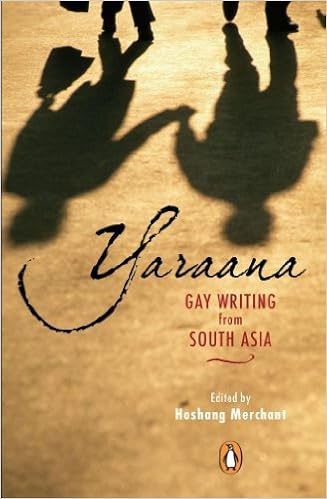

Hoshang Merchant in this collection captures the true meaning of yaraana or male friendship and bonding, an often ignored facet of South Asian life and sexuality. The collection features some enigmatic stories like Ashok Row Kavi’s autobiographical piece on growing up gay in Bombay and Vikram Seth’s brilliantly etched account of a homosexual relationship in The Golden Gate. The book shows how love and companionship can brighten up any dark day.
Kanshiram
![Kanshiram: Leader of the Dalits by [Narayan, Badri]](https://images-eu.ssl-images-amazon.com/images/I/51Un-Nm2YWL.jpg)
Fetching from various oral and written sources, Badri Narayan shows how Kanshiram mobilized dalits with his homespun idiom, cycle rallies and, uniquely, the use of local folk heroes and myths, rousing their self-respect, and how he struck opportunistic alliances with higher-caste parties to seize power for dalits. Authoritative and insightful, this is a rare portrait of the man who changed the face of dalit society and, indeed, of Indian politics. The book inspires one to fight for their rights, and combat the force of darkness.
Bombay Stories
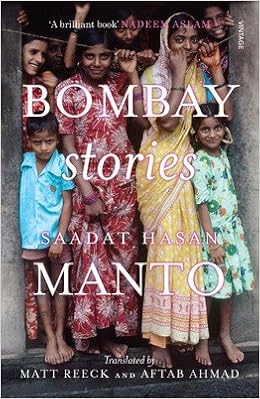
Bombay Stories is a collection of short stories about actors, prostitutes, intellectuals, conmen and more. Originally written in Urdu by Saadat Hasan Manto, it is set in the 1930s and 1940s, when the author had just arrived in the city. Anyone who is interested in the history and culture of Bombay or is a fan of translated Urdu literature, can enjoy reading this book. It will guide one to seek what is good, and annihilate the evil in this world.
Unheard Voices
In this book, civil servant and social activist Harsh Mander draws on his own and his colleagues’ experiences to explore the lives of twenty people who have survived and coped despite being pushed to the hopeless margins of society. The stories act like beacons of hope that will make Diwali seem a little brighter. The book will enlighten one to seek light in this weary world.
Children, Women, Men
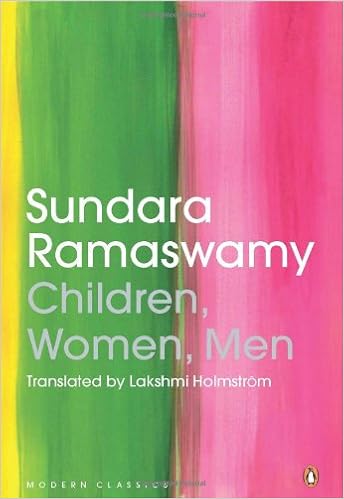
Set in the late 1930s and reflecting the political and social turmoil of the pre-war years, it chronicles the psychological conflict between Srinivasa Aiyar and his nine-year-old son, Balu. The ambitious novel also tells the story of Anandam, a young widow, as she considers remarriage, and Sridaran, who chooses to break off his studies in England in order to join nationalist activities at home. The book in its true essence display how happiness is found in the darkest days.
So, which book are you reading this Diwali?
24 Books You Should Read This Month

Autumn is here and so is the season to go out and read. With cool fall breeze there to turn the pages of your book, what better way to enjoy the season but to immerse yourself in a great read.
Here are 24 books you should read this month.
The Shoonyam Quotient

Mickey Mehta, global leading wellness coach, and corporate life coach will show you how to be neither pessimistic nor optimistic, but optimized-primed to become the best version of yourself. The unique and motivational catchphrases and deep philosophical thoughts encapsulated in The Shoonyam Quotient will make you energized, content and peaceful.
The Golden House: A Novel

The story of the powerful Golden family is told from their neighbor and confidant, René’s point of view – an aspiring filmmaker who finds in the Goldens the perfect subject. The Golden House is about where we were before 26/11, where we are today and how we got here. The result is a modern epic of love and terrorism, loss, and reinvention- a powerful, timely story told with the daring and panache that makes Salman Rushdie a gleam of hope in our dark days.
Nostalgia

From one of Canada’s most celebrated writers and two-time Giller Prize winner, Moyez Vassanji, comes a taut, ingenuous and dynamic novel about a future where everything is possible. You will be granted an eternal life and freedom to choose your identity. Let’s explore this new territory of Vassanji’s brilliant writing.
Barefoot to Boots: The Many Lives of Indian Football

In Barefoot to Boots, renowned journalist Novy Kapadia reveals Indian football’s glorious legacy through a compelling detail of on-field action, stories of memorable matches, lively anecdotes, and exclusive conversations with legendary players and officials. The book will offer priceless insight into the future of the game as the Indian Super League dramatically changes the landscape of domestic football and India hosts the FIFA U-17 World Cup for the first time this year.
Words from the Hills

Words from the Hills offers a novel perspective to look at time and schedule forthcoming and bygone in a unique way. A biographical work developed around the life, works and philosophy of Ruskin Bond, in this planner we aim to catch those moments of pure joy. This planner (of 12/16 months), perhaps the first of its kind, will open a new window to our understanding of self-preservation and remembrance.
Songs of a Coward: Poems of Exile

Explore the liberating power of words in Songs of a Coward. Written by Perumal Murugan during a period of immense personal turmoil, these verses are an enduring testament to the resilience of an imagination under attack. By nature passionate, elegiac, tender, nightmarish and courageous, the poems in Songs of a Coward weave an exquisite tapestry of rich images and turbulent emotions in one’s darkest hour.
Prem Purana : Mythological Romances

Love is a universal feeling – it escapes no one -not even devas (gods) and asuras (demons), kings and nymphs. And when they face life’s unexpected tribulations, their love also undergoes trials. Tormented by passion, ravaged by betrayal, torn by the agony of separation, love in its many splendored forms is the origin of these incredibly endearing stories of Prem Purana.
You Never Know: Sometimes Love Can Drag You Through Hell

Dhruv knew Anuradha was his true love. But, despite this, he went ahead and fulfilled the desire of his body and mind. Akash Verma’s book You Never Know: Sometimes Love Can Drag You Through Hell will take you into a world of secret and dark revelations. What happens next? – is the question that will echo every time you flip a page.
Boo! 13 Stories That Will Send a Chill down your Spine

Boo is a collection of 13 well-crafted horror stories about a he-ghoul, a departed son’s soul, whispers and visitations from beyond, night howls, unearthly claws that erupt from bellies and the very first ghost in the world, among others. Penned by Shashi Deshpande, Kanishk Tharoor, K.R. Meera, Jerry Pinto, Usha K.R., Jahnavi Barua, Manabendra Bandyopadhyay, Ipsita Roy Chakraverti, Jaishree Misra, Kiran Manral, Madhavi S. Mahadevan, Durjoy Datta and Shinie Antony, the tales in Boo will surely spook you for a long time.
The Stardust Affair

Avinash Pawar, a young, undaunted reporter, works at the Mumbai Sun, alongside his mentor, Hamza Syed, a seasoned journalist who specializes in unearthing secrets about the city’s underworld. What starts out as a straightforward writing assignment quickly turns into a dangerous game where Avinash is playing for his life. Will he able be to escape from this dark world of drugs, crime, and deception?
Are You Connected ? 25 Keys to Live, Grow and Success with Self and Other

In this book, Acharya Venugopal, a monk from ISKCON, shares the different tools, skills, and experiences needed to help one connect to one’s own self, the people who matter and to God. Highlighting the need to go deeper into the meaning and purpose of life, Acharya offers skills to achieve peace of mind and to live in harmony with our true selves.
The Consolidators

The Consolidators talks about the second-generation entrepreneurs who tend to be the most interesting ones that have the controlling effect in business. In this highly original book, Prince displays the story of seven super successful second-generation entrepreneurs who showed imagination, gumption, and foresight in turning around the companies they inherited from their Fathers. In the most compelling way, this book will guide you to take your business to a sky-high reach.
Philosophia Perennis: Osho on Pythagoras I & II


Take a plunge into the world of Pythagoras. In a two-series collection, Osho expands on the perennial philosophy and the timeless laws of existence. In Philosophia Perennis 1,- Osho speaks on the ancient but little-known teachings of Pythagoras, his Golden Verses. In the second collection of talks on the timeless laws of existence, Osho talks about how the combination of seemingly polar opposites creates a unique meeting of religion and science. With the wisdom of Pythagoras, Osho blends in his insight to topics that include psychoanalysis, education, politics, revolution, sex and religion, making this book an exceptional read.
The Indian Spirit: The Untold Story of Alcohol in India

Wish to know where Drinking came from? Sit back and take delight in knowing the history of the drinking culture in India. The book is a treasure trove for those who have the palate to enjoy their drink and curiosity to know where it came from. Captured in the book are fascinating stories about alcohol, etiquettes of drinking and tasting notes on different spirits and brews!
Temporary People

Combining the irrepressible linguistic invention of Salman Rushdie and the satirical vision of George Saunders, Unnikrishnan presents twenty-eight linked stories that careen from construction workers who shapeshift into luggage and escape a labor camp, to a woman who stitches back together the bodies of those who’ve fallen from buildings in progress, to a man who grows ideal workers designed to live twelve years and then perish—until they don’t, and found a rebel community in the desert. With this polyphony, Unnikrishnan brilliantly maps a new, unruly global English.
India’s Most Fearless: True Stories of Modern Military Heroes

India’s Most Fearless covers fourteen true stories of extraordinary courage and fearlessness, providing a glimpse into the kind of heroism our soldiers display in unthinkably hostile conditions and under grave provocation. The Army major who led the legendary September 2016 surgical strikes on terror launch pads across the LoC; a soldier who killed 11 terrorists in 10 days are some of the true stories of heroism in the book.
On The Dessert Trail

Monish Gujral is back with his scrumptious detail of signature recipes from his travels across the world. A cookbook author, chef, restaurateur and popular blogger, Gujral presents these recipes with his own blend of ingredients. He simplifies the processes so that you can make them at home, at your pace, and in your comfort zone. This book is a home cook’s delight and a must-have for those who crave to satisfy their sweet tooth.
SHOOT. DIVE. FLY

Read twenty-one nail-biting stories of daring in Shoot.Dive.Fly. Lend your ear to brave men and women, on their stories about what the forces have taught them-and to decide if the olive green uniform is what you want to wear too. SHOOT., DIVE., FLY aims to introduce teenagers to the armed forces and ignite the fire in them, come face to face with perils-the rigours and the challenges-and perks-the thrill and the adventure of a career in uniform.
Republic of Rhetoric : For Speech & Constitution of India

India got her independence long time back. The book explores socio-political as well as legal history of India, from the British period to the present. It sheds light on the idea of ‘free speech’ or what is popularly known as the freedom expression in the country. Analysing the present law relating to obscenity and free speech, this book evaluates whether the enactment of the Constitution made a significant difference in the Indian social fabric relating to the right to free speech in India.
The Boys Who Fought

Pattanaik’s new book is back with an illustrated retelling of the Mahabharata to illuminate and captivate a new generation of readers. ‘When you can fight for the meek without hating the mighty, you follow dharma.’ In the forest, the mighty eat the meek. In human society, the mighty should take care of the meek. This is dharma. A hundred princes should look after their five orphaned cousins. Instead, they burnt their house, abused their wife and stole their kingdom. The five fought back, not for revenge but, for dharma. What happened later? What came of the five’s battle against the hundreds?
The Last Vicereine

India was on the brink of civil war when Lord and Lady Mountbatten arrived in New Delhi. The reluctant Vicereine was a rebel, a rule-breaker. She was a perturbed soul, a great beauty, a firecracker but there was more to her than we could envision. The glamour was a façade; behind it was a highly intelligent woman of influence and power. The Last Vicereine is a heartbreaking story which witnesses the tumultuous phase of the birth of two nations, and of love, grief, tragedy, inhumanity and the triumph of hope.
So, which book are you picking this month?
6 books You Should Read This Navratri
Navratri is a celebration of womanhood and the different forms of a woman. The various goddesses in Hinduism embody different ideals.
Here’s a list of 6 books to celebrate the power of women, this Navratri
Devi, Diva or She-Devil
Like Durga with her ten arms defeated Mahishasura on the battlefield, Sudha Menon’s book Devi, Diva or She-Devil explores the plethora of challenges women face in the professional world and deal with them.
Step Up : How Women Can Perform Better For Success

In an effort to help women achieve the ultimate goal in their personal and professional space, author Anju Jain in Step Up elucidates practical techniques in a simple matrix for women to become successful. The book features interviews with key figures such as Kiran Mazumdar Shaw (Biocon), Sonia Singh (NDTV), Devyani Rana (Caterpillar), Geetu Verma (Unilever) which shows how the modern day woman embodies Goddess Shakti and triumphs over personal and professional arenas.
Millionaire Housewives

In this book, the authors explore the lives of 12 enterprising homemakers who in spite of having no past experience in business, managed to build successful empires through their ambitious zeal for work, defying all stereotypes. Extending their good luck charm in business, they are the Lakshmis of the house who embody prosperity and wealth.
Kali

Seema Mohanty traces the evolution of the Goddess Kali in her book The Book of Kali. The goddess confronts the world in her unconventional persona – challenging the orthodox ideas of divinity. This book highlights the various forms and rituals associated in which the goddess is worshipped.
Jaya

In a modern re-telling of the Mahabharata, Devdutt Patnaik’s book Jaya not only features 250 line illustrations, it also includes women’s stories, other than Draupadi’s such as Satyawati, Kunti, Gandhari). The ending is not what one would expect, and almost is the sole reason why the book was originally called Jaya by Vyasa.
Sita

History has romanticised Rama at the cost of marginalizing the role that Sita played in ‘The Ramayana’. Devdutt Pattanaik’s book Sita re-imagines the world of Sita. It emphasizes on the fact that though portrayed as a submissive character, Sita was a woman of mighty demeanor and strength.
Which book are you reading this Navratri?
25 Must Reads On the 70th Anniversary of Partition
India’s freedom from the British rule was stained by the horrors of its partition. The reverberations of the event over the last seventy years have been encapsulated in several books, plays, and other forms of media.
Here is a list of 25 books that capture one of the most defining moment of our history.
Midnight’s Children
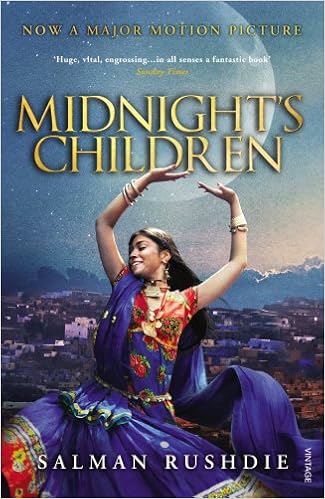
Midnight’s Children by Salman Rushdie is an epic novel that opens up with a child being born at midnight on 15th August 1947, just at a time when India is achieving Independence from centuries of foreign British colonial rule. Highlighting the relation between father and son and a nation yet in its nascent stage, it is an enchanting family adventure with lots of human drama and shocking summoning.
Lifting The Veil
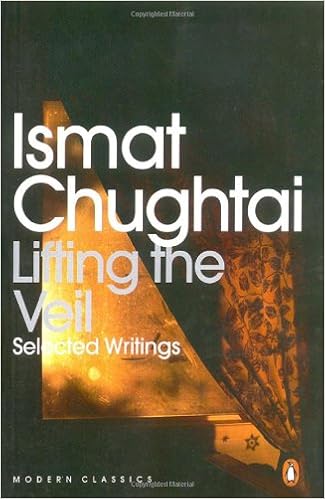
Ismat Chughtai in Lifting the Veil explored female sexuality with unparalleled frankness and examined the political and social mores of her time.
Train to India: Memories of Another Bengal

As a young boy, Maloy Krishna Dhar, made the perilous journey to India from the East Pakistan. The partion in Bengal had its share of tragedy, of lives unmade and lost, but it is relatively less chronicled than events in Punjab. Maloy Krishna Dhar’s Train to India is a graphic and moving account of that turbulent and unforgotten era of Bengal History.
The Shadow Lines
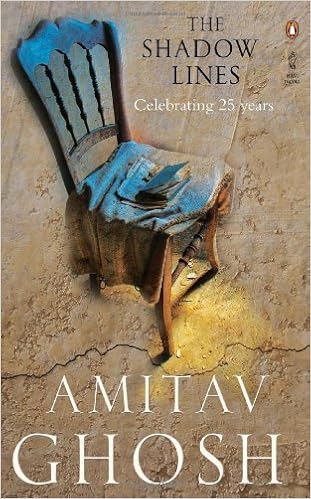
As a young boy, Amitav Ghosh’s narrator in The Shadow Lines travels across time through the tales of those around him, traversing the unreliable planes of memory, unmindful of physical, political and chronological borders. Bits and pieces of stories, both half-remembered and imagined, come together in his mind until he arrives at an intricate, interconnected picture of the world where borders and boundaries mean nothing, mere shadow lines that we draw dividing people and nations.
Midnight’s Furies
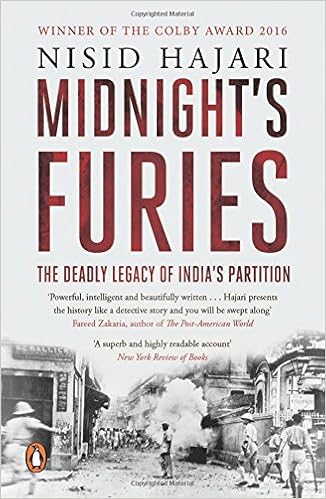
Nisid Hajari’s Midnight’s Furies: The Deadly Legacy of India’s Partition shows how Partition, which has created such a wide gulf between two countries whose people have so much in common, has given birth to global terrorism and dangerous proliferation.
Sunlight On A Broken Column
On a backdrop India’s struggle for independence, Laila, an orphaned daughter of a distinguished Muslim family, fights for her own independence from the claustrophobia of a traditional life. With its beautiful evocation of India, its political insight and unsentimental understanding of the human heart, Sunlight on a Broken Column, first published in 1961, is a classic of Muslim life.
Partitions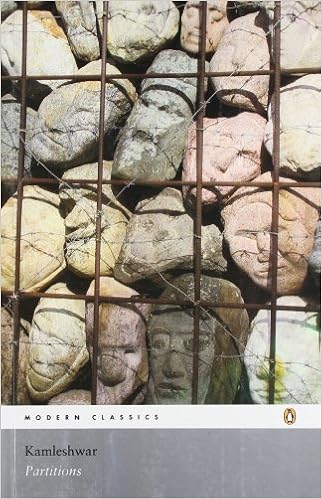
With India’s partition in 1947 as its reference point, the novel presents a limitless canvas against which the most extraordinary trial in the history of mankind runs its course. Kamleshwar’s Kitne Pakistan dared to ask crucial questions about the making and writing of history.
Amritsar to Lahore by Stephen Alter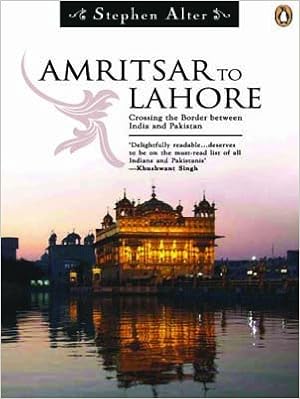
A sensitive and thoughtful look at the lasting effects of Partition on everyday people, Amritsar to Lahore describes a journey across the contested border between India and Pakistan in 1997, the fiftieth anniversary of Partition. Offering both the perspective of hindsight and a troubling vision of the future, Amritsar to Lahore presents a compelling argument against the impenetrability of boundaries and the tragic legacy of lands divided.
The Broken Mirror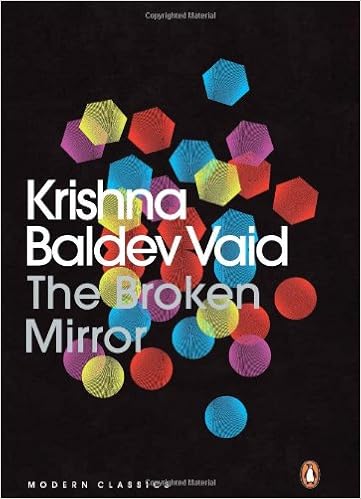
The Broken Mirror by Krishna Baldev Vaid tells the story of Beero and his group of friends against a backdrop of partition of India. Beero’s passage through adolescence is told through a series of eccentric characters. When partition becomes a reality, in a time of terror and carnage, the insane turn out be the only ones sane.
Unbordered Memories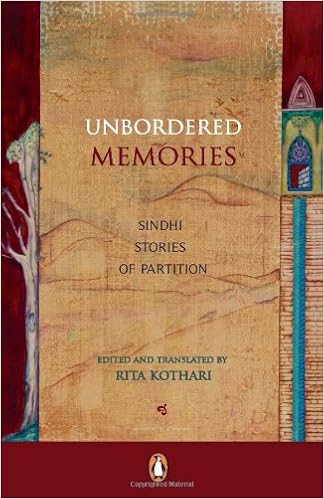
If Partition affected the lives of Sindhi Hindus, it also changed things for the Sindhi Muslims. In Unbordered Memories, Sindhis from India and Pakistan make imaginative entries into each other’s worlds. Many stories in this volume testify to the Sindhi Muslims’ empathy for the world inhabited by the Hindus, and the Indian Sindhis’ solidarity with the turbulence experienced by Pakistani Sindhis.
Making Peace With Partition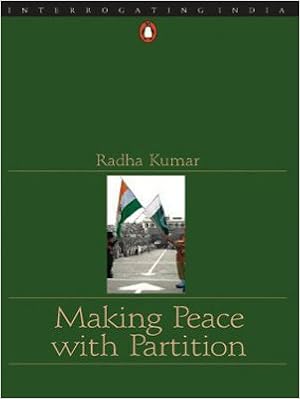
The Partition of the Indian subcontinent in 1947 left a legacy of hostility and bitterness that has bedevilled relations between India and Pakistan. Reviewing the turbulent history of their past relationship, Radha Kumar analyses the chief obstacles the two countries face in the light of the new opportunities and challenges that the twenty-first century presents.
Bitter Fruit: The Very Best of Saadat Hasan Manto
Manto’s stories were mostly written against the backdrop of the Partition. Bitter Fruit presents the best collection of Manto’s writings, from his short stories, plays and sketches, to portraits of cinema artists, a few pieces on himself. Bitter Fruit includes stories like A Wet Afternoon, The Return, A Believer s Version, Toba Tek Singh, Colder than Ice and many others.
Kingdom’s End: Selected Stories
This collection brings together some of Manto’s finest stories, ranging from his chilling recounting of the horrors of Partition to his portrayal of the underworld. Powerful and deeply moving, these stories remain as relevant today as they were first published.
Mottled Dawn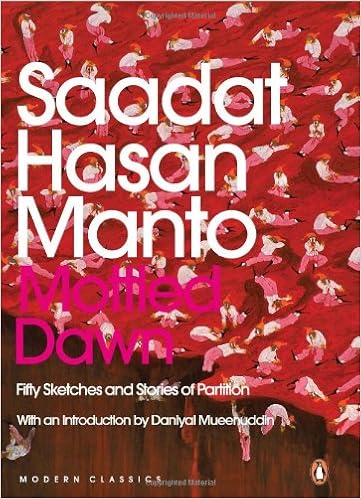
Mottled Dawn by Saadat Hasan Manto is a collection of stories based on the India-Pakistan partition. The stories written around 1947 put forward the most tragic events in the history of the subcontinent.
Manto: Selected Stories
Saadat Hasan Manto’s stories are vivid, dangerous and troubling and they slice into the everyday world to reveal its sombre, dark heart. These stories were written from the mid-1930s on, many under the shadow of Partition. No Indian writer since has quite managed to capture the underbelly of Indian life with as much sympathy and colour.
India Divided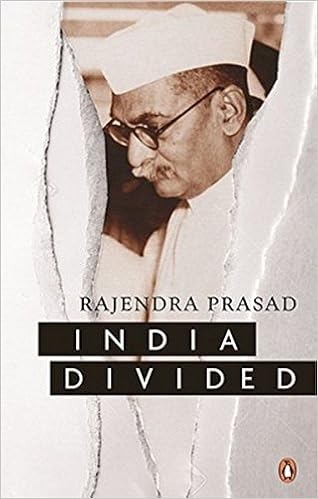
Written by the first President of India, India Divided traces the origins and growth of the Hindu–Muslim conflict, gives the summary of the several schemes for the partition of India which were put forth, and points out the essential ambiguity of the Lahore Resolution. Finally, it concludes that the solution for the Hindu–Muslim issue should be sought in the formation of a secular state, with cultural autonomy for the different groups that make up the nation.
Mr and Mrs Jinnah: The Marriage That Shook India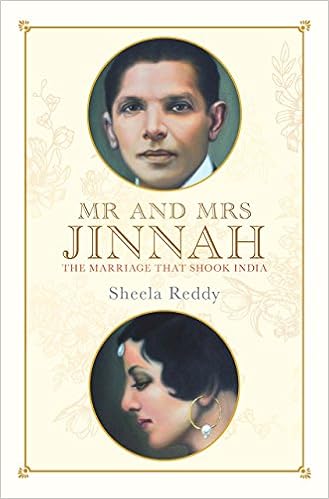 Sheela Reddy in Mr and Mrs Jinnah brings forth the marriage that convulsed the Indian society with a sympathetic, discerning eye. A product of intensive and meticulous research in Delhi, Bombay and Karachi, and based on first-person accounts and sources, Reddy sheds light on how the politics of the time affected the marital life of misunderstood Jinnah and wistful Ruttie.
Tamas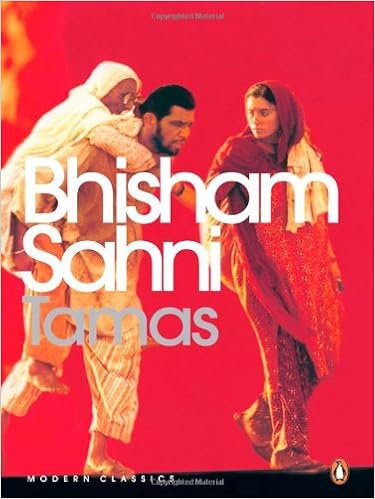
A timeless classic about the Partition of India, Tamas is also a chilling reminder of the consequences of religious intolerance and communal prejudice.
Bengal Divided: The Unmaking of a Nation (1905-1971)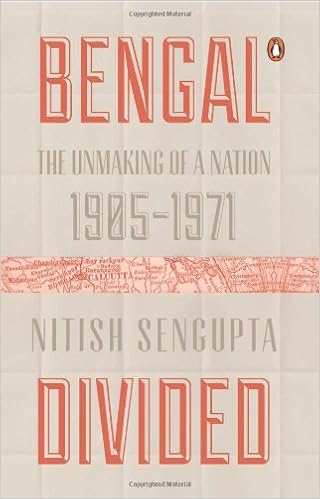
In 1905, all of Bengal rose in uproar because the British had partitioned the state. Yet in 1947, the same people insisted on a partition along communal lines. Exploring the roots of alienation of the two communities, Nitish Sengupta peels off the layers of events in this pivotal period in Bengal’s history, casting new light on the roles of figures such as Chittaranjan Das, Subhas Chandra Bose, Nazrul Islam, Fazlul Huq, H.S. Suhrawardy and Shyama Prasad Mukherjee.
Looking Through Glass
In Mukul Kesavan’s Looking Through Glass, a young photographer on a train to Lucknow suddenly finds himself in the deep end of 1942. His hindsight tells him that Partition will destroy this world. And in his desperate struggles to avert the inevitable, we discover, often with an almost unbearable poignancy, how the possibilities in India’s past were squandered, some wantonly, others accidentally.
Regret
A collection of two novellas—Regret and Out of Sight, the stories skilfully evoke the long shadow cast by the violence of Partition. While Regret brilliantly recreates a childhood shattered by the Partition of India in 1947, Out of Sight recounts the story of Ismail, who narrowly escaped the carnage of 1947 in his youth. Now, looking back on his life and despairing of the sudden resurgence of sectarian violence in Pakistan.
Memories Of Madness: Stories Of 1947
The tragic legacy of Partition haunts the subcontinent even today. Memories of Madness brings together works by three leading writers who witnessed the insanity of those months—Khushwant Singh, Saadat Hasan Manto, and Bhisham Sahni. As moving as they are disturbing, the stories in this volume are of immense relevance in these times, for they constitute a chilling reminder of the consequences of communal politics.
The Other Side of Silence

Pieced together from oral narratives and testimonies, in many cases from women, children and dalits— marginal voices never heard before— and supplemented by documents, reports, diaries, memoirs and parliamentary records, this is a moving, personal chronicle of Partition that places people, instead of grand politics, at the centre.
Partition: The Long Shadow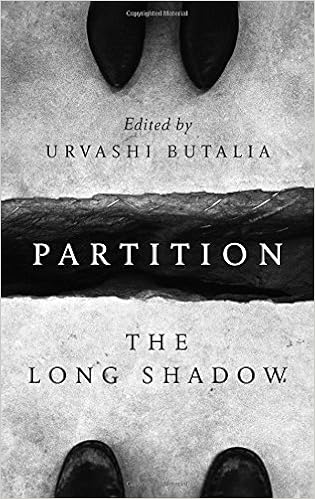
The dark legacies of partition have cast a long shadow on the lives of people of India, Pakistan and Bangladesh. The borders that were drawn in 1947, and redrawn in 1971, divided not only nations and histories but also families and friends. The essays in this volume explore new ground in Partition research, looking into areas such as art, literature, migration, and notions of ‘foreignness’ and ‘belonging’.
Remembering Partition: Limited Edition
The Remembering Partition Box Set is a collection of five iconic books which look at the different faces of partition, from the larger political and historical view to the very personal tales of hatred, grief, courage and friendship.
On the 70th anniversary of partition, which book are you picking?
Kafka on Screen: 5 Must-Watch Films Inspired by the Stories of Franz Kafka

Literary legend, Franz Kafka, has left generations of readers astounded with his fantastical stories, a style that has received its own special name – ‘Kafkaesque’. Alienation, existentialism, absurdity, all of it comes together in Kafka’s works to form a heady, surreal cocktail of words and imageries.
Several filmmakers have been inspired by Kafka’s stories, thereby creating some of the most visually stunning and eccentric works of cinema known to the world. Here are five outstanding adaptations of Kafka’s works one must watch:
The Trial (1962)

Based on Franz Kafka’s novel of the same name, this 1962 film by director Orson Welles follows the story of a bureaucrat who is arrested and persecuted for a crime that is neither mentioned to the protagonist nor to the viewer. Not only is the film the filmmaker’s personal favourite, but over the years has also been touted as a cinematic masterpiece by critics.
Franz Kafka’s It’s a Wonderful Life (1993)

Peter Capaldi’s Academy award winning short-film, Franz Kafka’s It’s a Wonderful Life, begins where writer Kafka started his deliciously dark tale of a man’s metamorphosis into an insect — on a piece of paper. The film explores the frustration of a writer confronting a creative block, as interruptions from the world around keep pouring in, only to make him wonder what it is that his protagonist transforms into when he wakes up. A banana? A kangaroo?
Franz Kafka’s A Country Doctor (2007)

Multiple award-winning anime short-film, Koji Yamamura’s Franz Kafka’s A Country Doctor, is an interpretation of Kafka’s short story by the same name. A bizarre chain of events unfolds when a country doctor visits a young patient in the middle of the night. Strange, unearthly horses, distorted houses and people, a young boy who oscillates between death and the will to die, Yamamura’s beautifully dark visuals married to Kafka’s haunting story leaves the audience questioning and wanting more.
The Metamorphosis of Mr. Samsa (1978)

What can be better than to watch your favourite story come alive in animation? The Metamorphosis of Mr. Samsa by Caroline Leaf is an animated short-film, using beach sand on a piece of glass. Fluid, shadowy images capturing the nightmarish nature of the original story, Leaf’s film is a stunning visual rendition of the most renowned work of Franz Kafka.
Watermelon Man (1970)

Melvin Van-Peeble’s classic, Watermelon Man, is based on the premise of Franz Kafka’s Metamorphosis. When ‘white insurance salesman’, Jeff Berger, wakes up to find himself in a black man’s body, (much like Kafka’s Gregor Samsa finds himself in a beetle’s body when he wakes up) all hell breaks loose as he initially tries to scrub off his dark skin in many creative ways. After finally accepting his reality of having transformed into a black man, Berger ironically finds himself in situations which he looked down upon as a man of white descent.
Tell us which ‘Kafkaeqsue’ film is your favourite.
5 Must Read George Orwell Books

George Orwell, a man of strong opinions, is known for commenting on some of the major political movements of his time. Addressing issues like imperialism, fascism, and communism, Orwell’s books are popular for raising important issues like no one else.
Here are five must read books by the brilliant author:
Animal Farm

One of Orwell’s most popular books, Animal Farm combines Animal fable with political satire targeting Stalinist Russia. Although going beyond only one particular time, Animal Farm makes a statement about human society everywhere. Chosen by Time magazine as one of the 100 best English- language novels (1923 to 2005), the allegorical novel exemplifies the democratic socialism that Orwell’s novels are set to advocate.
Burmese Days

Burmese Days was published in the UK in 1934. A tale of the old days when Burma was ruled from Delhi as a part of British India, Burmese Days describes the corruption and bigotry of imperialism. Set in 1920s in the fictional district of Kyauktada, the book is often known for its harsh portrayal of the time. In a letter from 1946, Orwell said “I dare say it’s unfair in some ways and inaccurate in some details, but much of it is simply reporting what I have seen”
Coming Up for Air

One day a salesman wins some extra money and goes back to his village. Coming Up For Air is a different coming of age novel where the protagonist has to come to terms with the changes that have taken place in his village, has to let go of his childhood memories and accept the new times.
Homage to Catalonia

Published in 1938, Homage to Catalonia is a must read because it is George Orwell’s personal account of his experiences in the Spanish Civil War. It is a gripping read describing up close and personal the horrors of war, the lack of food, poor guns and what it is like to be wounded. The book brings alive the complications of the Spanish Civil war and proves to be a vivid and engrossing read.
Down and Out in Paris and London

Orwell’s vivid descriptions on the theme of poverty include an account of life in near destitution in Paris, experience of casual labour, a tramp’s life in and around London. The brilliance of tragic-comic expressions is what makes the book a unique and interesting experience.
Pick any book and you’re in for a wonderful read!
5 Books You Should Be Reading This Monsoon
Monsoon brings with it the perfect time to curl up with a hot cup of coffee and a great book. Here are five amazing books you should pick up this monsoon while enjoying the raindrops on your window pane.
The Colours Of My Heart – Faiz Ahmed Faiz

Remembered for both revolutionary verses and soulful poems of love, Faiz Ahmed Faiz is one of the greatest Urdu poets of the twentieth century. The Colours of My Heart celebrates his greatest works, his most memorable poems and ghazals. A must read on a relaxed rainy evening.
A Handful Of Sunshine – Vikram Bhatt

What can be a better time to read a love story than the season of love? This monsoon, pick up Vikram Bhatt’s A Handful of Sunshine and experience the joy of love all over again. A tale of love, hate, and fate, this book will keep your hooked till the end.
The Boy Who Loved – Durjoy Datta

A boy, shying away from love and friendship cannot help but fall in love with a fascinating, quiet girl, so much like him yet different. Durjoy Datta’s The Boy Who Loved is a perfect choice to lose yourself in, this rainy season.
The Thirst – Jo Nesbo

The Thirst is the latest addition to the Harry Hole series. In this edition, Harry Hole hunts down a serial killer who hunts his preys on Tinder. The chief of police knows there’s only one man for this case. But Harry Hole is no longer with the force. He promised the woman he loves, and himself, that he’d never go back: not after his last case, which put the people closest to him in grave danger. Now, despite his promises, Harry throws himself back into the hunt for a figure who haunts him, the monster who got away. With amazing twists and turns, The Thirst will keep you hooked on a rainy night.
Everything Everything – Nicola Yoon

Nicola Yoon’s debut novel is everything perfect you need this monsoon. A beautiful romance, this book is a tale of love that will make you laugh, cry, and weep with joy. Its appeal lies in the vignettes, diary entries, and illustrations that take you through the story.
The season of rains and romance is already here, have you chosen your monsoon read yet?
Worried About the Environment? Five Reads to Enlighten and Educate!

“What is the use of a house if you haven’t got a tolerable planet to put it on?” Henry David Thoreau remarked once.
This World Environment Day, here are five of the best reads on environment.
The Great Derangement by Amitav Ghosh

One of India’s greatest writers, Amitav Ghosh, argues that future generations may well think that we are deranged. How else can we explain our imaginative failure in the face of global warming? In this groundbreaking return to non-fiction, Ghosh examines our inability at the level of literature, history and politics to grasp the scale and impact of climate change.
Environmentalism: A Global History by Ramachandra Guha

An acclaimed historian of the environment, Ramachandra Guha in this book draws on many years of research in three continents. He details the major trends, ideas, campaigns and thinkers within the environmental movement worldwide. Among the thinkers he profiles are John Muir, Mahatma Gandhi, Rachel Carson and Octavia Hill; among the movements, the Chipko Andolan and the German Greens.
The Vanishing: India’s Wildlife Crisis by Prerna Singh Bindra

With the high-decibel development versus environment debate dominating headlines, this book reveals how the ‘development at all costs’ model threatens our ecological and economic security. The author travels to far-flung forests to give an eyewitness account, and an insider’s view of India’s vanishing natural heritage. The Vanishing is a sharp and stirring read about today’s desperate scenarios, and the quest for hope for a wild India.
Rage of the River by Hridayesh Joshi

Rage of the River is a riveting commentary on the socio-environmental landscape of Uttarakhand and is filled with vivid imagery of the calamity. Woven into this haunting narrative is also the remarkable history of the ordinary people’s struggle to save the state’s ecology.
Green Poems by Gulzar

One of the country’s best-loved poets and lyricists, Gulzar is renowned for his inimitable way of seeing things, his witty expressions, his quirky turns of phrase. All these creative talents come into play in delightful, unexpected ways in his bilingual collection Green Poems, which celebrates his innate connection with nature.
Fascinated by the list? What is your observation of nature around you? Do you have environmental issues to bring to the fore? Tell us, we are all ears!
*
8 Books by Jo Nesbo You Should Definitely Read

Jo Nesbo is a Norwegian crime novelist with awards such as Riverkey Prize and Glass Key Award to his name. Nesbo is primarily known for his Harry Hole series and the Doctor Proctor series of children’s books. He is also the author of several stand-alone novels, including Headhunters which was adapted into a film in 2011.
Here are 8 books by Jo Nesbo that will keep any reader on the edge of their seats:
Knife

The latest installment in the Harry Hole series. In his new book , Knife, Harry Hole is about to face his darkest case yet. The first killer he put behind bars is out to get him. Harry is responsible for the many years Finne spent in prison but now he’s free and ready to pick up where he left off.
When Harry wakes up with blood on his hands, and no memory of what he did the night before, he knows everything is only going to get worse . . .
The Bat

This is the first installment of the Harry Hole series. Inspector Harry Hole of the Oslo Crime Squad is dispatched to Sydney to observe a murder case. The victim is a twenty-three-year-old Norwegian woman who is a minor celebrity back home. Never one to sit on the sidelines, Harry befriends one of the lead detectives and one of the witnesses, as he is drawn deeper into the case. As they circle closer and closer to the killer, Harry begins to fear that no one is safe, least of all those investigating the case.
The Bat won the Riverkey Prize and Glass Key Award.
Blood On Snow

Written under the pseudonym of Tom Johansen, Blood on Snow revolves around Olav Johansen, a cold-blooded killer with a heart of gold. Olav is a fixer for a high-profile crime kingpin in 1970s Oslo. He easily takes care of anyone who causes trouble for his boss. But he is more complicated than he seems. Olav’s latest job puts him at the pinnacle of his trade, but it may become his greatest mistake.
The Son

The Son is about Sonny Lofthus who has been in prison for almost half his life: serving time for crimes he didn’t commit. Years earlier Sonny’s father, a corrupt cop, took his own life rather than face exposure. When Sonny discovers a shocking truth about his father’s suicide, he makes a brilliant escape and begins hunting down the people responsible for his and his father’s demise. But he’s also being hunted, and by enemies too many to count. Who will get to him first, and what will he do when he’s cornered?
Headhunters

Roger Brown is a corporate headhunter, and he’s a master of his profession. At an art opening one night he meets Clas Greve, who is not only the perfect candidate for a major CEO job, but also, perhaps, the answer to his financial woes. But when he breaks into Greve’s apartment to steal a painting that has been missing since World War II, Brown realizes that Clas Greve may turn out to be the worst thing that’s ever happened to him.
The Snowman

In the seventh installment of the Harry Hole series, the detective traces a killer who makes his own rules and he’ll break his pattern just to keep the game interesting. With brilliantly realized characters and hair-raising suspense, international bestselling author Jo Nesbo presents his most chilling case yet—one that will test Harry Hole to the very limits of his sanity.
Police

Harry Hole, with his brilliant insights and dedication to his job, saved numerous lives in Oslo. But what happens when Harry is in no position to protect his loved ones in the face of a terrible danger. In this tenth installment of the Harry Hole series, the detective fights against a killer who lures and kills anyone who is or has been a part of the force.
The Redbreast

The third entry to the Harry Hole series, The Redbreast has Harry investigating neo-Nazi in Norway. Having caused an embarrassment in the line of duty, Harry Hole is tasked with surveillance duties. When a rare and unusual gun fires off, followed by the discovery of a former soldier’s dead body, Harry tries to see the connection between the two cases. The Redbreast touches upon Norway’s involvement in Second World War. It won the Norwegian Booksellers’ Prize in 2000 for best novel of the year.
Intrigued yet? Tell us what you think of Jo Nesbo’s works in the comments below.