Publish with Us

Follow Penguin

Follow Penguinsters

Follow Penguin Swadesh

Kartik Hosanagar on Aadhar and the AI Conundrum

Algorithms and the artificial intelligence that underlies them make a staggering number of everyday choices for us. In his book, A Human’s Guide to Machine Intelligence, Kartik Hosanagar draws on his own experiences designing algorithms professionally, as well as on examples from history, computer science, and psychology, to explore how algorithms work and why they occasionally go rogue, what drives our trust in them, and the many ramifications of algorithmic decision making.

He examines episodes like the fatal accidents of self-driving cars; Microsoft’s chatbot Tay, which was designed to converse on social media like a teenage girl, but instead turned sexist and racist; and even our own common, and often frustrating, experiences on services like Netflix and Amazon.

Here’s the author’s perspective on the application of AI for Aadhaar verification:


Artificial Intelligence (AI) is ushering in innovations around the world and India is no exception. Fashion retailer Myntra has rolled out AI-generated apparel designs as part of its Moda Rapido and Here and Now brands. Gurgaon-based GreyOrange Robotics is deploying robots to manage and automate warehouses. Companies like Flipkart are trying to roll out voice integration into its shopping experience. Modern AI thrives on data, and the grand-daddy of all relevant datasets in India might well be Aadhar, the world’s largest biometric identification system with 1.2 billion records about citizens.

AI has many applications of such data, including detecting bureaucratic corruption in the way government funds are disbursed to citizens as well as identifying tax fraud by citizens themselves. Fintech startups are exploring how to use data from Aadhar and the broader India Stack to make credit approval decisions and enable financial inclusion of individual citizens as well as SMEs.

While there are several potential benefits, there are undoubtedly many challenges with an initiative like Aadhar. The most obvious one relates to data security and privacy of citizens especially when the scope of Aadhar has expanded well beyond the original objective of plugging leaks in welfare schemes and now includes many more aspects of citizen’s social and financial lives. Aadhar has therefore been the subject of several rulings by the Supreme Court of India and the many nuances of this debate have previously been discussed in this outlet. But there will also be a new kind of challenge as we mine data and make more decisions using modern AI. It will be tempting to apply AI to many new areas including tax compliance, real estate, credit approvals, and more.

In the U.S., there have been documented instances of AI bias. One well-known example was the use of algorithms to compute risk scores for defendants in the criminal justice system. These scores are used to guide judges and parole officers in making sentencing and parole decisions respectively. An analysis in 2016 showed that the algorithms had a race bias, i.e. they were more likely to falsely predict future criminality in black defendants than white defendants. Similarly, there have been examples of gender biases in resume-screening algorithms and race biases in loan approval algorithms. There will be similar concerns in India, perhaps heightened by lax regulatory oversight by governments and poor compliance by firms. As AI systems make decisions about which loan applications to approve, will they be susceptible to humans’ gender, religious, and caste biases? Will algorithms used to catch criminal behaviour also share these prejudices? Might resume-screening algorithms also have preferred castes and communities like some human interviewers?

Given the many challenges posed by algorithmic decisions based on large-scale data about citizens, I do believe that India needs clear regulations on data privacy and automated decisions that corporations and governments can make based on such data. In the EU, GDPR gives consumers the right to access data that companies store about them, correct or delete such data, and even limit its use for automated decisions. It bans decisions based solely on the use of “sensitive data,” including data regarding race, politics, religion, gender, health, and more. It also includes a right to explanation with fully automated decisions. Essentially, it mandates that users be able to demand explanations behind the algorithmic decisions made for or about them, such as automated credit approval decisions. Many proposals for privacy protection in the U.S. use GDPR as a template; the California Consumer Privacy Act (CCPA), for example, is often referred to as GDPR-Lite.

As the Aadhar effort has succeeded in creating a large biometric identification programme, we will soon enter a new phase when companies and governments try to build a layer of intelligence on top of the data to drive automated decisions. It is time to create some checks and balances. In my book A Human’s Guide to Machine Intelligence, I have proposed an algorithmic bill of rights to protect citizens when algorithms are used to make socially consequential decisions. The purpose of these rights is to offer consumer protection at a time when computer algorithms make so many decisions for or about us. The key pillars behind this bill of rights are transparency, control, audits, and education. Transparency is about clarity in terms of inputs (what does the algorithm know about us), performance (how well does the algorithm work), and outputs (what kinds of decisions does it make). Another important pillar is user control. Algorithm designers should grant users a means to have some degree of control over how an algorithm makes decisions for them. It can be as simple as Facebook giving its users the power to flag a news post as potentially false; it can be as dramatic and significant as letting a passenger intervene when he is not satisfied with the choices a driverless car appears to be making. I have also proposed that companies have an audit process in place that evaluates algorithms beyond their technical merits and also considers socially important factors such as the fairness of automated decisions. Lastly, we need more informed and engaged citizens and consumers of automated decision-making systems. Only by assuming this responsibility can citizens make full use of the other rights I just outlined.

Together, this algorithmic bill of rights will help ensure that we can harness the efficiency and consistency of automated decisions without worrying about them violating social norms and ethics.


Kartik Hosanagar is the John C. Hower Professor at The Wharton School of The University of Pennsylvania where he studies technology and the digital economy. He is the author of A Human’s Guide to Machine Intelligence.


5 Things You can do to Heal from Stress and Prevent it

99 Not Out! by Sujata Kelkar Shetty PhD., is a beautifully researched guide to a happy and healthy existence. The book shares several principles that govern the health of our mind, body and spirit in an easily understandable yet interesting manner. 99 Not Out! shares how the readers can strengthen their mind, body and spirit so that they live the best version of their lives. Sujata Kelkar Shetty also explains exactly how long-term stress harms the mind body and spirit and what we can do to heal from its onslaught and prevent it in the first place.

The book shares behavioural practices from western medicine and Ayurveda that can slow down the ageing process while preventing illness, making it a truly wholesome read.

These five tips on how you can heal from stress and prevent it in the first place:


Your mindset matters

Cultivate a growth mindset instead of a fixed mindset. A growth mindset is one where you believe that you can learn from your mistakes and grow to become a better version of yourself in any field that you choose to. Because a growth mindset keeps the focus on process rather than product and because the mindset means internalizing the belief that you can improve and get better there is little stress. A fixed mindset on the other hand, because it means believing that our capabilities are fixed and unchangeable can cause a great deal of stress whenever the person is tested in anyway because you believe that you can’t learn from your mistakes. A fixed mindset puts a lot of pressure on us. On the other hand if we cultivate a growth mindset we are empowered to make changes in our life whether at work, at play and in our health behaviours so that we do what is best for us without getting stressed about it.


Become self-compassionate

Self-compassion includes the following three abilities, first being as kind to oneself as we would to our best friend. The second is cultivating mindfulness so that we are aware of what is going in and around us. And the third is knowing that we are all part of a universal human condition and we all have our triumphs and our tragedies. Cultivating self-compassion allows us to have calmer state of mind in the face of life events. Thus helping to reduce a our day-to-day anxiety level as well.


Laugh more

Laughter decreases the level salivary cortisol, a physiological and measurable marker of stress experienced in our bodies. Stress also impacts the memory, and cause memory loss in many cases. Therefore, it has been proved that laughter improves one’s memory. And laughter increases the level of endorphins in our blood stream making us feel better about everything. Laughter is indeed the best medicine!


Cultivate altruism

Being altruistic or helping others without expecting anything in return helps us forget our troubles and reduces our stress. It strengthens our mental and physical health thereby shielding us from the debilitating effects of stress in our lives. When we help others and project kindness towards them, it heightens our engagement with other people and makes us more social which is stress relieving too.


Be more positive

Cultivating positive emotions like joy and kindness helps us handle stressful life events better. When our mood lifts we no longer have a tunnel vision, our perspective broadens and we are able to see that there are choices in our life, we are not as disempowered as we think we are. We brood less on what is wrong and become more focused on what is possible.


Get your copy of 99 Not Out – Your Guide to a long and healthy life!

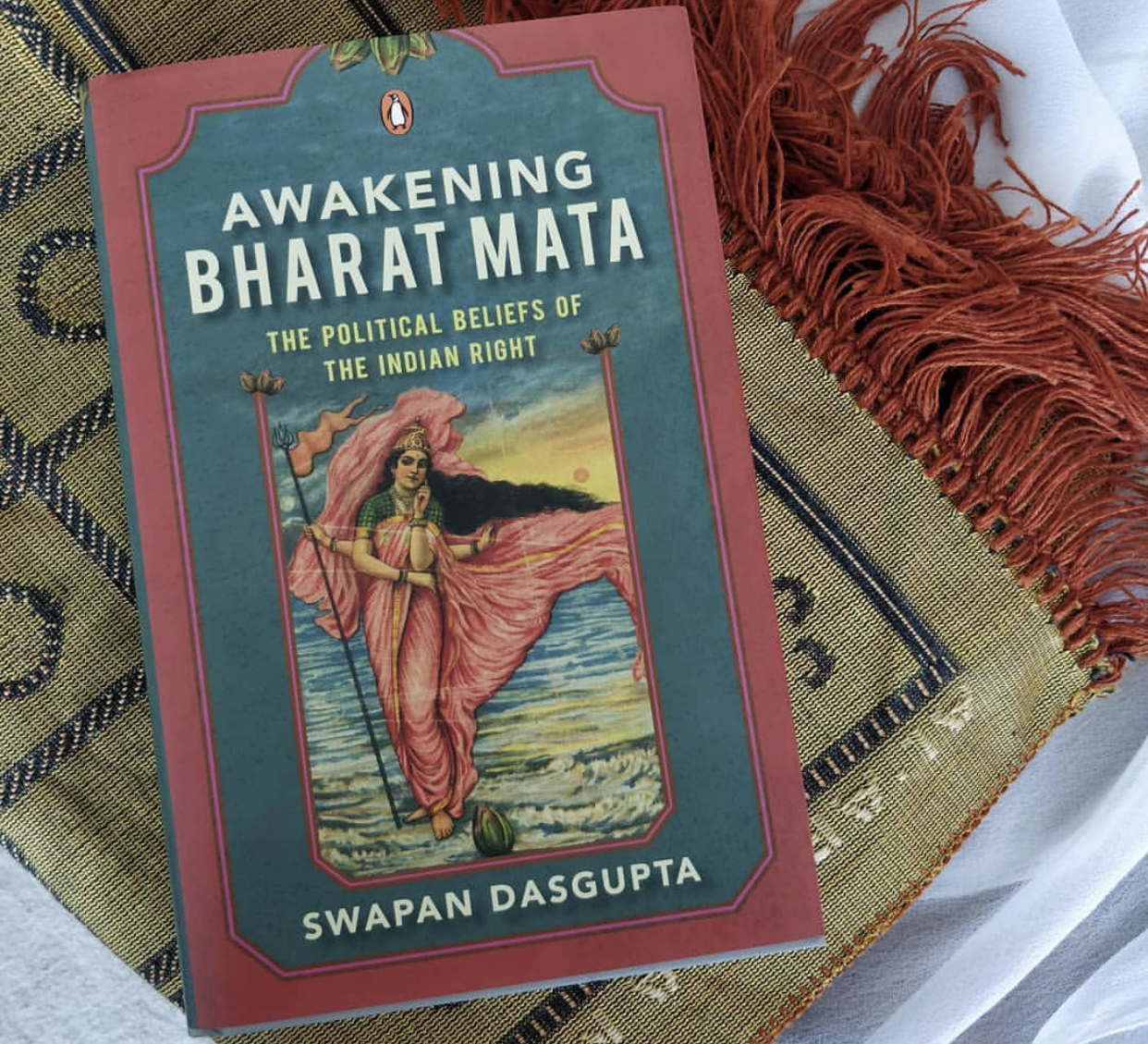
5 Things you learn about Hindu Nationalism from ‘Awakening Bharat Mata’

The inspiration for the right in India has come from multiple and, often, contradictory sources. The proprietorship of Hindutva does not, for instance, belong to Veer Savarkar, although his contribution is seminal. The Rashtriya Swayamsevak Sangh (RSS) too deserves serious attention, not merely for the influence it exercises on the BJP leadership, but for its approach to the larger question of national regeneration. Equally important is the influence of individuals such as Bankimchandra Chattopadhyay, Swami Vivekananda and Sri Aurobindo, not to mention the Arya Samaj movement.

In Awakening Bharat Mata, Swapan Dasgupta, BJP Rajya Sabha MP, brings an erudite insider account of the phenomenon of Hindu nationalism. Here are some points he brings forth:

  1. So intense was Nehru’s distaste for what he used to call the ‘RSS mentality’ that he even subordinated the challenge posed by the communist parties to the more pressing battle against ‘Hindu right-wing communalism’

  2. During the Jayaprakash Narayan–led movement (1973–75) against Indira Gandhi’s government and the patchy struggle against the Emergency (1975–77), a host of non-Congress parties, including Lohia-ite socialists, Gandhians, free-market liberals, and even a section of the communist movement, were willing to rub shoulders with the ‘Hindu right’.

  3. Under the Modi dispensation, when the BJP commands an absolute majority in the Lok Sabha and controls more state governments than ever before, the attacks against right-wing subversion have become sharper and to the point where the term ‘fascism’ is bandied about continually.

  4. Vajpayee, writing in 1973, he described the Jana Sangh a ‘centrist party’ that ‘has been subjected to attacks from both the extreme right as well as the extreme Left.

  5. Hindu nationalism was equated with fascism in Europe in the 1930s and a distinguished American professor of law, in an unexpected foray into Indian politics, described the BJP-led coalition government of Vajpayee as ‘increasingly controlled by right-wing Hindu

Swapan Dasgupta’s Awakening Bharat Mata is a collection that attempts to showcase the phenomenon of Hindu nationalism in terms of how it perceives itself. AVAILABLE NOW.

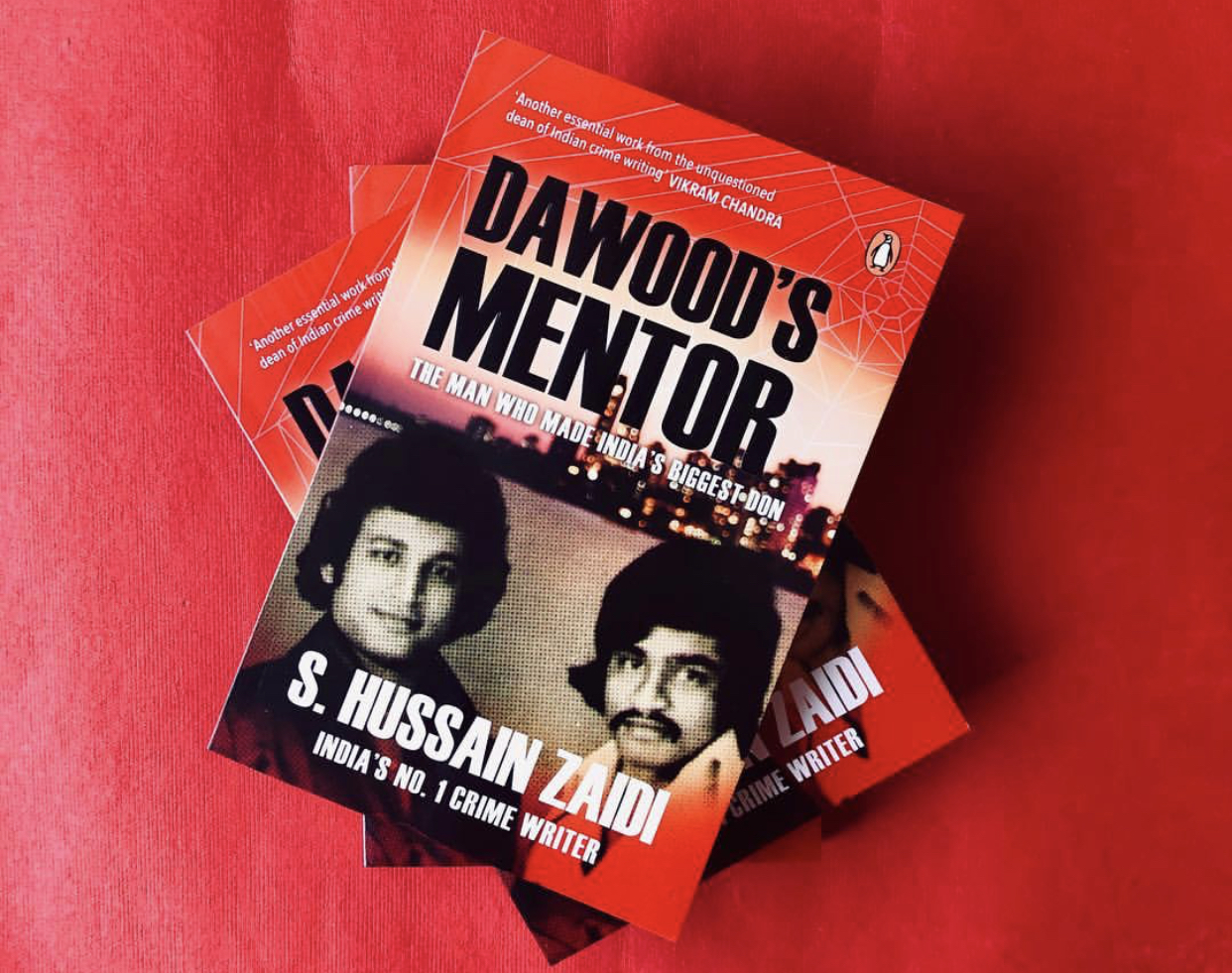
Six Things You Didn’t know about Dawood’s Mentor, Khalid

Tired of being bullied, a scrawny, impoverished Dawood Ibrahim is looking for a savior, Khalid Khan Bachcha, who would teach him the ropes of handling a bunch of hooligans. Instead, what he gets is a mentor who eventually transforms him into a cunning mafia boss.

In Dawood’s Mentor, Dawood meets Khalid and they eventually forge an unlikely friendship. Together they defeat, crush and neutralize every mafia gang in Mumbai. Khalid lays the foundation for the D-Gang as Dawood goes on to establish a crime syndicate like no other and becomes India’s most wanted criminal. Here are six things, we don’t think you would know about Dawood’s mentor, the man who made India’s biggest don.

  1. Khalid had managed to receive a unique title (Khalid Pehelwan ­– meaning ‘wrestler’). A pehelwan is not just a healthy man or a wrestler but a man with a massive physique. When his father stressed on wrestling and his mother emphasized on studies, Khalid secretly nursed the desire to become a police officer.

  2. Khalid was an economics graduate and he understood business economics and logistics. He possessed a sharp business acumen and began exploring permutations and combinations to take dealings further.

  3. Khalid was the first bona fide smuggler with properly monitored operations, which he supervised from coast to coast and vessel to vessel.

  4. Khalid’s childhood in Madhya Pradesh and the friendships he had forged during his college and wrestling days with Hindus had given him a progressive and secular outlook in life. It was an absolutely new and unheard-of philosophy in the Bombay mafia.

  5. Khalid never drank, even if there was intense pressure from his friends. While everyone around him got sozzled, he was seen sipping soft drinks.

Read the complete story about the mastermind’s journey in Dawood’s Mentor.

The Magic Weight Loss Pill – Here’s all you Need to Know About it

The Magic Weight Loss Pill by Luke Coutinho and Anushka Shetty, is an exceptional guide to one’s healthier self. Talking about the reasons and ways to combat various diseases like diabetes, kidney and liver stones and the problem of excess weight, co-author Luke Coutinho states the advantages of maintaining a simple and healthy lifestyle. With the magic pill of a changed lifestyle, the authors give an easy hack to the secret of remaining fit, mentally and physically.

With sixty-two easy fixes to a happier and healthier body and life, the book makes for a great and an informative read. Here we tell you the wisdom of the magic weight loss pill as shared by Luke Coutinho:


Calorie-restriction diets are not as successful as they are made out to be. In most of these diets, there is too much emphasis on the intake and usage of calories without the knowledge of whether a person has the ability to burn fat or not. A smart food diet with a balanced nutritional value is thus, of utmost importance.
~
Going back to one’s staple food is a great way to keep a balance of nutrients in the body. Especially including Indian staple foods have been proven to be better than the junk food endorsed these days. For example, pure jaggery is a healthier substitute to white sugar.
~
Refrain from having fruit juice, as they lack most of the fruit’s fibre and nutrients. This further leads to heightened blood-sugar levels. A wiser option would be to have your fruits whole, and chew them well. The natural sweetness of fruits reduces the craving for other sweet foods too.
~
Before getting yourself into fancier and more extravagant fitness programs, try doing basic exercises like – squats, lunges, full unsupported push-ups, plank, 5 km walk or 4 km run, pull-ups, jumping jacks. These exercises use all the vital muscles of the body that are required for everyday movement, posture, and body alignment.
~
Sleep and the quality of one’s sleep is another reason which facilitates the burning of belly fat and losing weight. Getting the right amount of sleep is thus, quite significant.
~
Bottling of one’s emotions and stress (mental and physical) directly affects the immunity of the body. Emotional detoxification is hence, vital in order to lose weight. This helps people to not compare their bodies with others and become more gentle with their self-imposed stress of becoming fit in a certain amount of time or like someone else.

The Magic Weight Loss Pill by Luke Coutinho and Anushka Shetty is filled with sixty-two astonishingly easy and extremely practicable changes that will have you feeling healthier and happier!


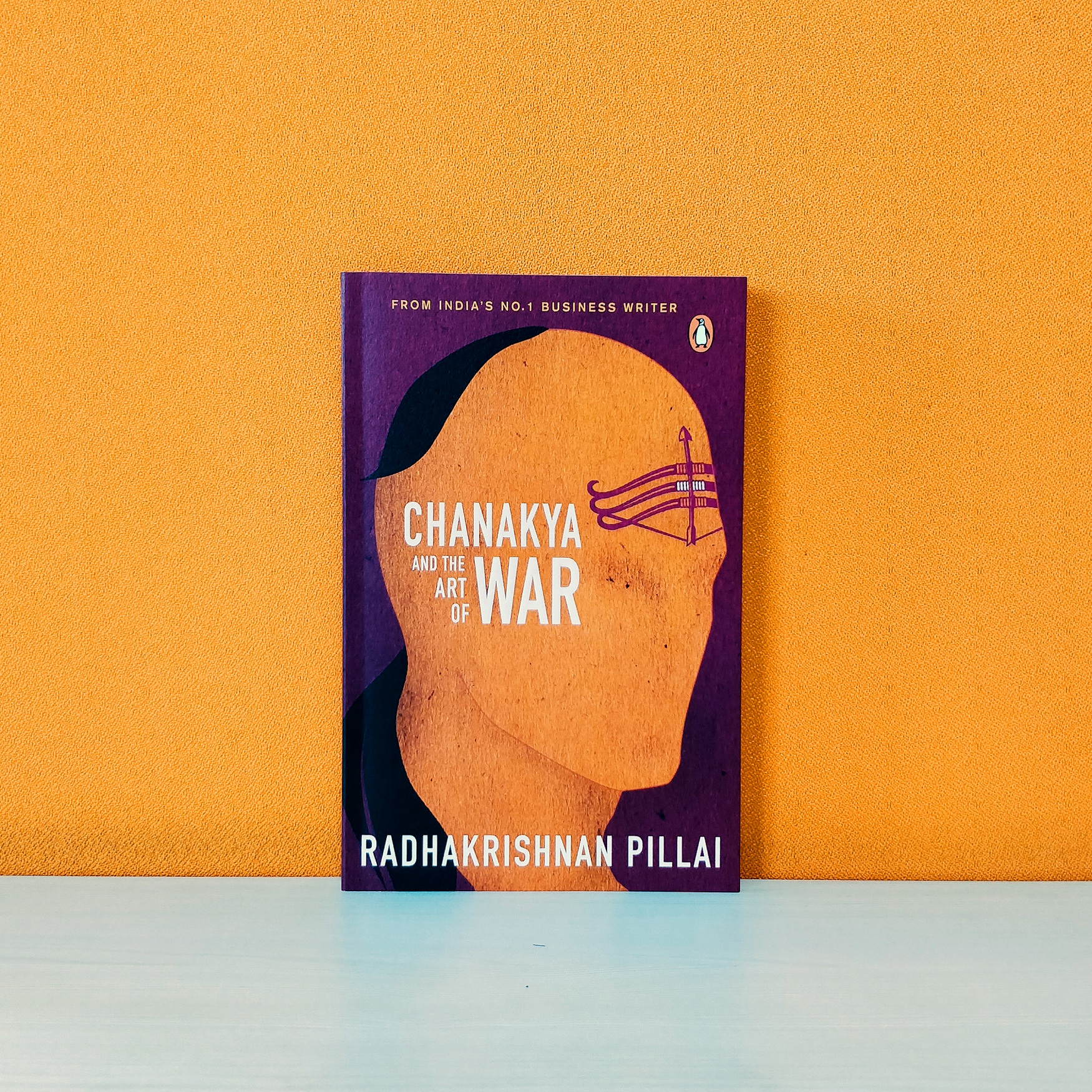
5 tips to emerge as a winner using strategies from Chanakya’s Art of War

We are constantly at war.

After a point, everyone realizes that they cannot walk away from such wars. Everyone has to fight—some win, some lose. This is where the difference in our attitude towards the war becomes known. We either accept defeat, or fight on to emerge a winner.

In Chanakya and the Art of War, Radhakrishnan Pillai takes us on a journey. The journey of Chanakya’s life experiences and challenges. We go back to his era and time. We draw inspiration and learn from his wisdom.

Here are five tips that you can follow to emerge as a winner:

Never fight a battle alone; take along a friend (mitra)

Chanakya’s solution for stress is as simple as talking to a friend. When we have a friend with whom we can share and express our problems, it makes a significant difference.

Listen to the wise (vriddha-sanyogah)

In the daily battles of life, senior citizens can be very helpful. The biggest advantage of senior citizens is that they have time and experience to offer. The younger generation has neither of the two. So, in reality, the two could fit together like a perfect jigsaw puzzle. It can be synergetic.

When dealing with the powerful, keep in touch with a higher power

Think through the situation and find out what makes the boss a boss after all.  The boss has more decision-making power than the employee. Now, what we need to remember is to learn how to crack the power of the boss.

Advisors can make you or break you

Gathering too much information is not good. We need to be selective in what we read and watch. We get into discussions that really do not matter to us. It’s ok to add our bit to some social updates happening around. But it is not worth thinking too much about such matters.

Know the strength and weakness of the opponent

Having a strategic mindset is an important skill one should be able to develop. A smart person is one who is able to accurately judge others. He is constantly studying and analysing, trying to understand what is going on in the mind of the person in front of him.


Chanakya and the Art of War draws upon lessons from the great teacher, philosopher and strategist Chanakya’s masterpiece, Arthashastra, which can help us overcome those speed breakers to become innovative and influential and realize our true potential.

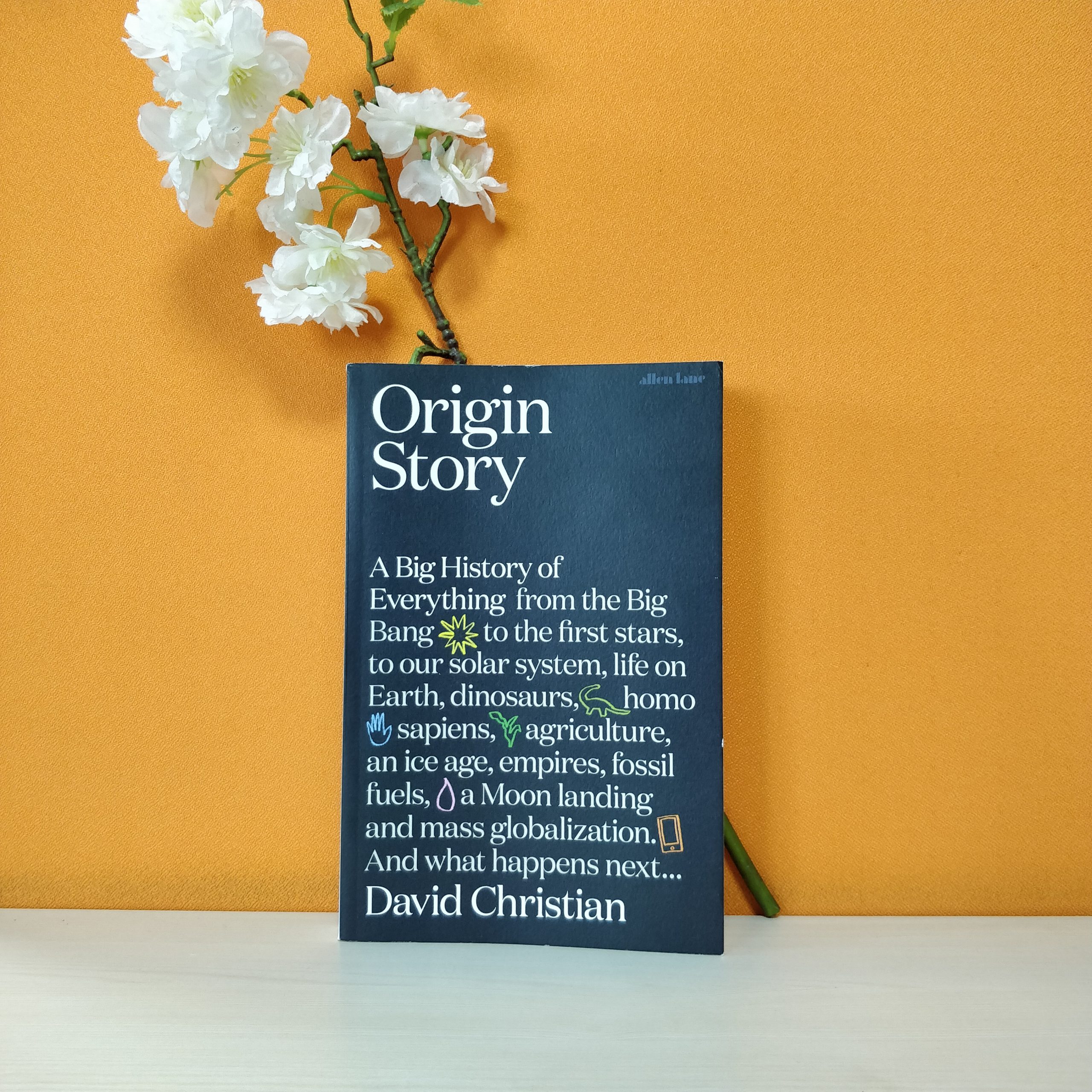
Did It All Start With a Big Bang? ‘Origin Story’ States the Facts

At the heart of the modern origin story is the idea of increasing complexity. How did our universe appear, and how did it generate the rich cavalcade of things, forces, and beings of which we are a part? We don’t really know what it came out of or if anything existed before the universe. But we do know that when our universe emerged from a vast foam of energy, it was extremely simple. And simplicity is still its default condition.

Timelines give some fundamental dates for the modern origin story using both approximate absolute dates and recalculated dates, as if the universe had been created 13.8 years ago instead of 13.8 billion years ago. When divided as per the amalgamation of changes and developments that have made the earth what it is today, each big period can be grouped under a threshold. This makes it easier to get a sense of the chronological shape of the story of our origin and also helps us understand how we arrived at where we are today.

THRESHOLD 1: Big bang: origin of our universe

“The bootstrap for today’s most widely accepted account of ultimate origins is the idea of a big bang. This is one of the major paradigms of modern science, like natural selection in biology or plate tectonics in geology.”

THRESHOLD 2: The first stars begin to glow

“Free energy drove the emergence of the first large structures: galaxies and stars. The crucial source of free energy for this part of our origin story was gravity. …….Together, gravity and matter provided the Goldilocks conditions for the emergence of stars and galaxies.”

THRESHOLD 3: New elements forged in dying large stars

“Our third threshold of increasing complexity yielded new forms of matter: all the other elements of the periodic table. A universe with more than ninety distinct elements could do so much more than a universe with just hydrogen and helium.”

THRESHOLD 4: Our sun and solar system form

“Planetary bodies were chemically richer than stars, and much cooler, so they offered ideal Goldilocks environments for complex chemistry. And on at least one planet (our own), and probably on many more, that chemistry would eventually generate life.”

THRESHOLD 5: Earliest life on Earth

“Life as we know it arose from exotic chemistry in the element-rich environments of the young planet Earth almost four billion years ago. …….. life is built from billions of intricate molecular nanomachines.”

THRESHOLD 6: First evidence of our species, Homo sapiens

The appearance of humans in our origin story is a big deal. We arrived just a few hundred thousand years ago, but today we are beginning to transform the biosphere.”

THRESHOLD 7: End of last ice age, beginning of Holocene, earliest signs of farming

“Our ancestors lived as foragers for the first two hundred thousand years or more of our history. ……. In the past ten thousand years, human lifeways were transformed by a cascade of innovations that we describe as farming or agriculture .”

THRESHOLD 8: Fossil fuels revolution begins

“In just a century or two….. we humans have stumbled into the role of planetary pilots without really knowing what instruments we should be looking at, what buttons we should be pressing, or where we are trying to land.”

THRESHOLD 9: A sustainable world order?

“If we successfully manage the transition to a more sustainable world, it will become apparent that human history really constitutes a single threshold of increasing complexity culminating in the conscious management of an entire biosphere.”

The sun dies

“After a long period as a red giant, it will eventually blow away its outer layers, turn into a white dwarf, migrate to the bottom of the Hertzsprung- Russell diagram, and then sit there, cooling, for hundreds of billions of years.”

The universe fades to darkness; entropy wins

“It will turn out that everything that seemed permanent in our universe was actually ephemeral. Maybe even space and time will turn out to be mere forms, mere wavelets in a larger multiverse. Entropy will have finally destroyed all structure and order. At least in one universe. But perhaps there are more to get working on.”


Origin Story: A Big History of Everything reveals what we learn about human existence when we consider it from a universal scale.

Five Reasons You Should Read ‘Siyasi Muslims’

Hilal Ahmed’s new book, Siyasi Muslims does not aim at defining Muslim politics in India. Instead, it looks at the ways in which Muslim politics as a template is used to describe statements, actions and processes. In other words, it studies Muslim politics as a political discourse—an intellectual mode through which certain specific notions of Muslim identity in contemporary India are produced and sustained.

This listicle highlights the reasons why one should read this book:

Number Game

‘Siyasi Muslims’ traces the story of the census that transformed Muslims into a numerical entity. It also identifies the paradoxes of modern Indian Muslim identity and tries to answer a very basic question—how to address the highly diversified Indian Muslim community in intellectual terms.

Muslims of Hindutva

The book makes an attempt to understand the historically constituted anti-Muslim rhetoric of different forms of Hindutva. It also underlines the genealogy of a few questions that are asked to evaluate the loyalty and patriotism of Muslims.

Minoritization of Muslims

The narrative unravels the structure of the concept of Siyasi Muslims by looking at the legal–constitutional technicalities to understand the much talked about status of Muslims as an official minority.

Beyond Talaq-Talaq-Talaq

A very close attention is also paid to the triple talaq debate. Instead of suggesting what Muslim men do, it looks at the complex argument made by the Muslim women’s groups.

Muslim elites

It is an effort to make a serious attempt to reveal the class structure among Muslims in India. Using the official data of the Government of India and seminal works on Muslim classes, it offers a contemporary conceptualization of the idea of the Muslim elite.


Examining the everydayness of Muslims in contemporary India, Hilal Ahmed in Siyasi Muslims offers an evocative story of politics and Islam in India, which goes beyond the given narratives of Muslim victimhood and Islamic separation.

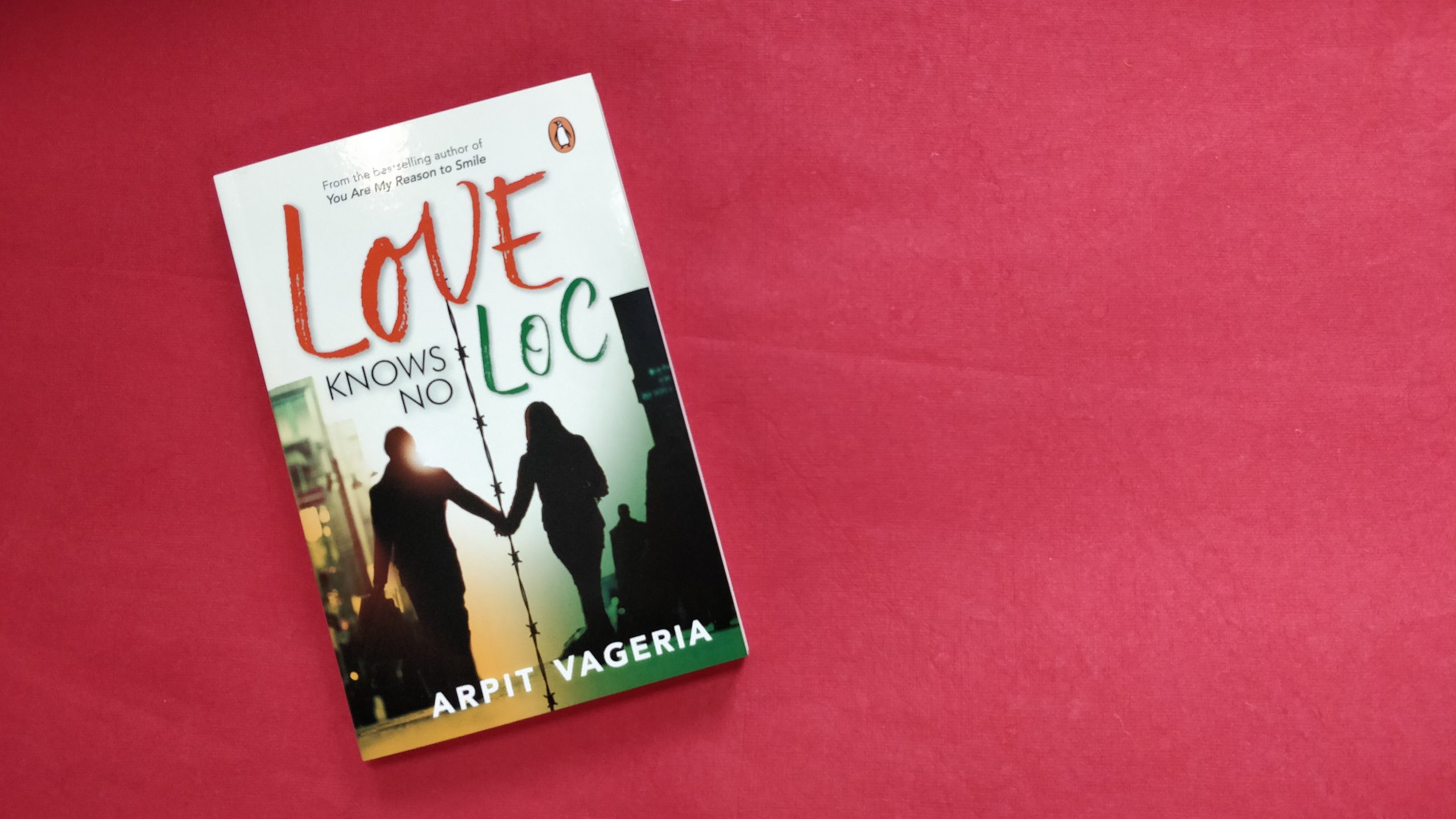
Memories from the 70s that take you back to your childhood!

If you grew up in the 1970s, then you’re probably used to the Gen Z assuming that you grew up  with fancy hairdos and listening to disco music. Although this assumption isn’t totally wrong, there was so much more to your childhood: The ’70s were a decade full of pre-Internet fun — like running around until sundown without anyone worrying.

The book Once Upon A Curfew talks about a turbulent period of Emergency and love amidst the difficulties. It is 1974. Indu has inherited a flat from her grandmother and wants to turn it into a library for women. Her parents think this will keep her suitably occupied till she marries her fiancé, Rajat, who’s away studying in London.  But then she meets  and falls in love with Rana, a young lawyer with sparkling wit and a heart of gold. When the Emergency is declared, Indu’s life turns upside down.

Now that you are starting to feel a little nostalgic, read on for some of good old 1970s memories! Here are some incidents from the book that will transport you back to the 70s India:


India Gate was an important meeting point for a stirring revolution.
 ~
The bylanes of Old Delhi would draw people, with famous haunts like Karim’s.
~
Indira Gandhi’s much-talked about campaign was in full-swing.
 ~
Hindi Sahitya was very popular back in the 70s.
 ~
When drinks were simply Campa Cola or the humble Shikanji.
 ~
Bollywood had become an intrinsic part of the pop-culture.
 ~
Kishore Kumar songs ruled the airwaves.
~
The eyeliner game was pretty strong back in the 70s.
~
The decade of 70’s gave birth to many fashion trends.
 ~
Inflation, crime and taxes kept pace with the political havoc that was being wreaked.
~
Regal was easily the most illustrious cinema hall in central Delhi and a sought after venue for ballets, plays and Bollywood talkies.
~
On June 26, 1975, the then Prime Minister Indira Gandhi announced National Emergency on All India Radio. 

Get your copy of Srishti Chaudhary’s  Once Upon A Curfew today!

The Best of Thomas Harris from his New Book, Cari Mora!

From the creator of The Silence of the Lambs, comes a yet another thrilling story Cari Mora. The author, Thomas Harris, in his new novel tells a tale of evil, greed and the consequences of dark obsessions.

Cari Mora makes for a compelling read binding its reader till the end. Here we give you a few intriguing quotes from the book:


“She sat for a little while beside the water. The wind off the bay was full of ghosts tonight—young men and women and children who had lived or died in her arms as she tried to stanch their wounds, fought to breathe and lived, or shivered out straight and went limp.”

*

“It was nice to be excited. To be going on a creep. To be getting back at Pablo in his infernal sleep . . .”

*

“He might just follow his heart. It was fun to see if he could keep from following his heart. Heart HEAD, head HEART, bump.”

*

“It is here. It is here. The gold is here. Es ist hier! He knew it. If the gold had ears it could hear him if he called to it from this spot where he stood in a parlor.”

*

“Monsters know when they are recognized, just as bores do.”

*

“A moment of reverie as he made up a little couplet.

I cannot see my reflection in the black pools of your eyes / You will be hard to break but, broken, what a prize!”

*

“’You are way too wicked to die,’ Antonio said, and poured the old man a drink from the bottle on the table.”

*

“The scars are more exotic than disfiguring. Like cave paintings of wavy snakes. Experience decorates us.”

*

“For that which befalleth the sons of man befalleth beasts; as the one dieth, so dieth the other; yes, they have all one breath; all are of the dust and all turn to dust again.”


 Cari Mora, Thomas Harris’ sixth novel, is the long-awaited return of an American master. Get your copy here!

Searching for a twenty-five million dollars in cartel gold, which is hidden beneath an imposing mansion on the Miami beach; many ruthless men have attempted to track it for years but in vain. Leading a group of men, Hans-Peter Schneider is on this quest. He is a man of unspeakable appetites and makes a living by catering to rich men with violent fantasies.

The caretaker of the mansion that sits on the coveted gold, Cari Mora, hails from a turbulent past wrought with violence. A native of Columbia, she is staying in Miami on a Temporary Protected Status. She catches the eye of Hans-Peter, owing to her beauty.

error: Content is protected !!