The book was first published in India in 2020 as Chats With The Dead
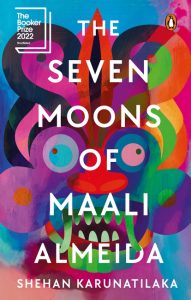
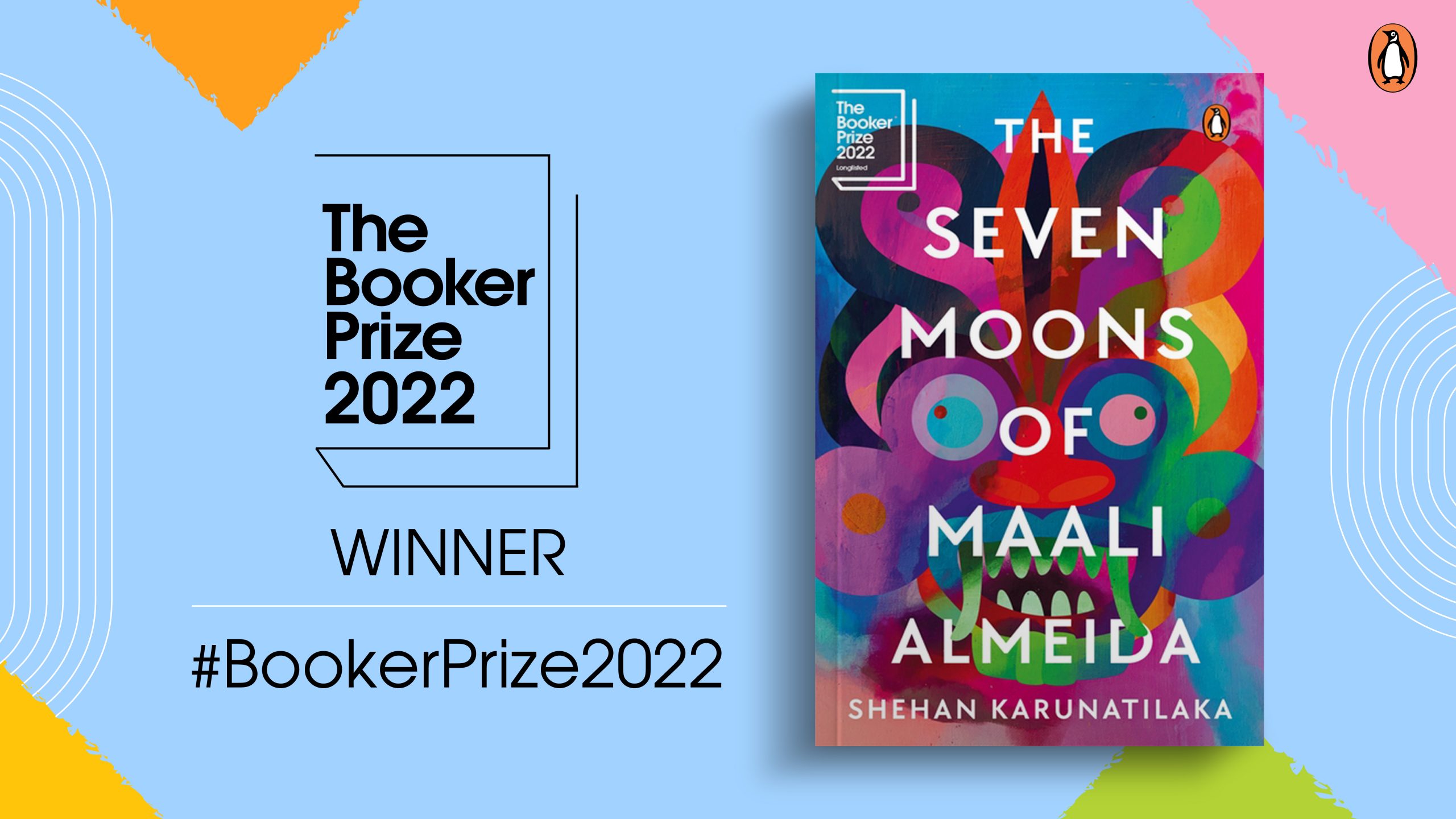
Penguin Random House India is proud to announce that critically acclaimed Sri Lankan writer Shehan Karunatilaka’s The Seven Moons of Maali Almeida, which was first published by Penguin India as Chats With The Dead, has won this year’s Booker Prize for Fiction.This is the first Booker Prize for Shehan.This was also the first time that books originating from an Indian publisher had been nominated for the Booker Prize two years in a row. In 2021, Anuk Arudpragasam’s A Passage Northwas in the running forthe Booker Prize. Tomb of Sand, written by Geetanjali Shree, translated by Daisy Rockwell, and published by Penguin in India, was also the winner of the International Booker Prize 2022.
A classic whodunit with a brilliant twist, The Seven Moons of Maali Almeidasearingly exposes the plight of a country caught in the aftermath of civil war.Embroiled in red tape, memories of war, and ethical dilemmas, this unforgettable story captures readers right from the very first page up to its startling denouement, constantly upending its premise with its staggering humanity.
Manasi Subramaniam, Associate Publisher andHead of Rights at Penguin Random House India and the editor of the book, said, ‘The Seven Moons of Maali Almedia by Shehan Karunatilaka is a masterful work of modern philosophy that insists on being uproariously funny through all its deft acrobatics through the living and the dead. I am delighted that this brilliant book has won the Booker Prize 2022.’
Meru Gokhale,Publisher, Penguin Press, Penguin Random House India, says, ‘I am absolutely delighted at the honour and recognition being given to Shehan Karunatilaka’s work. It’s wonderful to see writers from South Asia receive long-overdue international recognition in this extraordinary year for Penguin Press, through both the Booker International Prize for Tomb of Sand and the Booker Prize for The Seven Moons of Maali Almeida.’
The Booker Prize 2022’s jury is chaired by Neil MacGregor, cultural historian, writer and broadcaster along with a five-person panel- Critics Shahidha Bari and M. John Harrison, historian Helen Castor and novelist and poet Alain Mabanckou.
About the author:
Shehan Karunatilaka is a Sri Lankan writer whose first book Chinaman won the Commonwealth Book Prize, the DSC Prize for South Asian Literature, and the Gratiaen Prize, and was shortlisted for the Shakti Bhatt First Book Prize.
Penguin turns 35 years in India! Over the years, Penguin Random House has fortified the future of books and reading in India and continues to strive on our mission to publish diverse voices. And today on our milestone anniversary, we celebrate our authors, readers and customers who have helped us establish our publishing legacy.
It is particularly gratifying to be celebrating this milestone when so many of our books are being recognised on a national and international scale. Tomb of Sand, written by Geetanjali Shree, translated by Daisy Rockwell, and first published in India by Penguin, won the International Booker Prize this year, making it the first Indian language translation to receive this honour since its launch 17 years ago. The Booker Prize for Fiction 2022 shortlisted Shehan Karunatilaka’s The Seven Moons of Maali Almeida, which was published originally in India by Penguin as Chats With The Dead in 2020. In 2021, Anuk Arudpragasam’s A Passage North was in the running to win the Booker Prize. This is the first time that books originating from an Indian publisher have been nominated for the Booker Prize twice in a row.
As the region’s most successful publisher, it is our mission to bring quality and affordable books to readers across India and South Asia and take local voices to global markets. We keep strong on this commitment by discovering and publishing authors from the region. We ensure our readers have access to our global catalogue of over 50,000 titles. And we make sure that our readers can choose to read some of the finest writings from the world in print books, e-books or audiobooks, any format convenient for them to integrate reading into their lives seamlessly.
Creativity, entrepreneurship, and innovation have been the pillars through which we navigate the unpredictability of our publishing business. We believe in investing in our authors and fortifying our infrastructure to keep up with the growing demand for books. We have also been innovative with data to transform our sales and marketing efforts and gain distinctive competitive advantages. In these dynamic times, we have strengthened our printing and distribution capabilities too. Our growth in publishing has allowed us to give back to the community and help build a generation of readers from all strata of society. We sponsor and support reading fluency programmes that help disadvantaged young readers adopt reading into their lives. We donate books to community libraries and government schools and form partnerships in the process to further spread the message of reading books.
Looking back on our long and illustrious publishing history in India, I would like to thank all our authors for choosing to publish with us and for allowing us to present their brilliant works to the world. I acknowledge the trust our readers extend to us each time they choose a Penguin book to fire up their imaginations and to stay informed and entertained. We are fortunate to have customers and partners who work tirelessly to ensure the availability and access of our titles. And finally, I express my gratitude to my brilliant teams without which none of the above would be possible. Our biggest strength lies with the talented, dedicated, and passionate people in our company.
As we enter a new phase when the world is looking a little bit different, we know that books are going to continue to be an important part of our country’s cultural fabric and our lives. Setting our sights on the future, we are looking forward to bringing more iconic books by gifted writers to our beloved readers with the support of our talented team.
– Gaurav Shrinagesh
CEO of Penguin Random House India and South East Asia
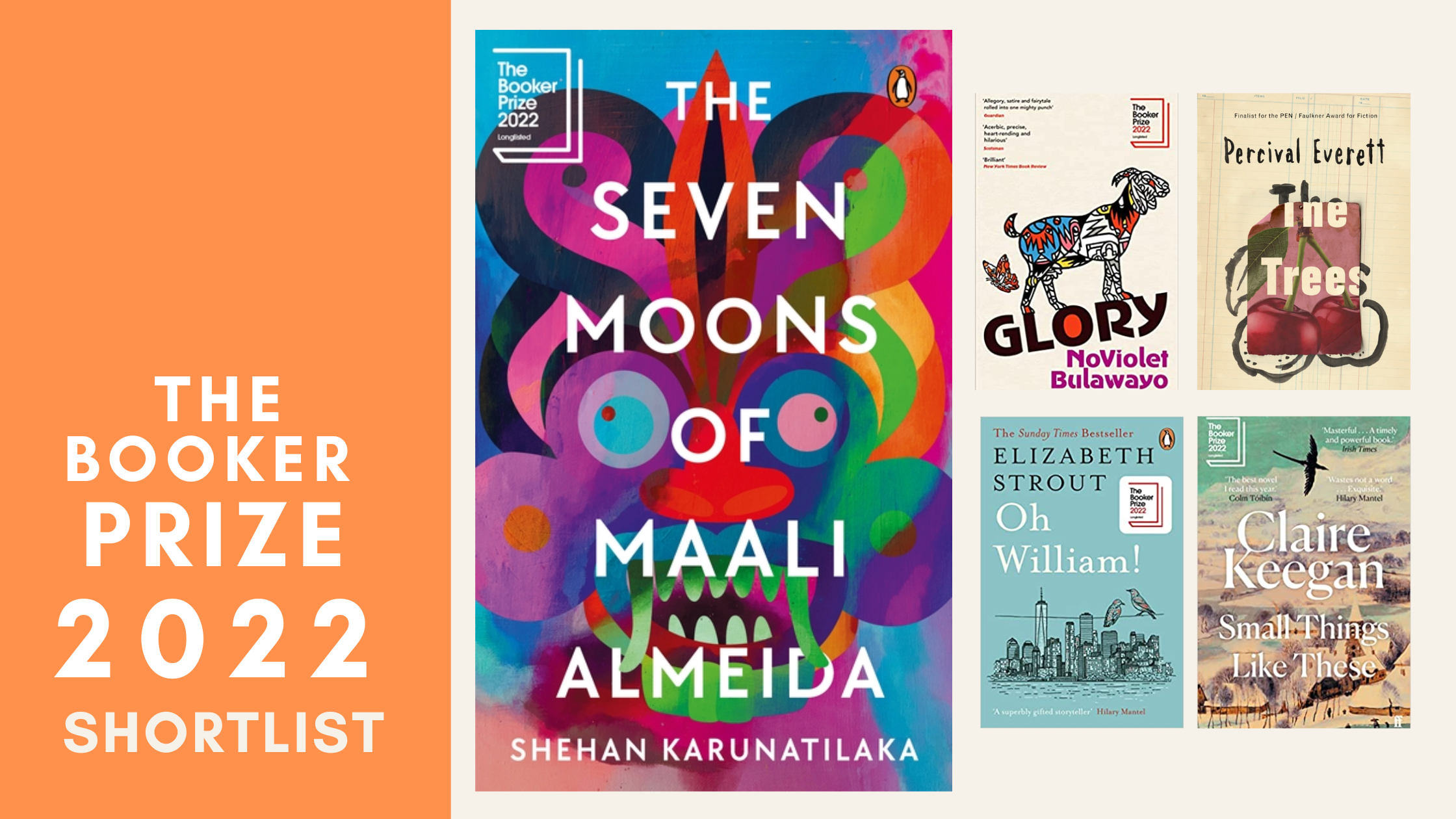
We have just been updated that we have 5 out of 6 books from Penguin have been shortlisted for The Booker Prize 2022! The winner will be announced at the Roundhouse in London on October 17, 2022. Stay tuned!
The Seven Moons of Maali Almeida by Shehan Karunatilaka
Colombo, 1990. Maali Almeida, war photographer, gambler and closet gay, has woken up dead in what seems like a celestial visa office. His dismembered body is sinking in the Beira Lake and he has no idea who killed him. At a time when scores are settled by death squads, suicide bombers and hired goons, the list of suspects is depressingly long, as the ghouls and ghosts who cluster around him can attest. But even in the afterlife, time is running out for Maali. He has seven moons to try and contact the man and woman he loves most and lead them to a hidden cache of photos that will rock Sri Lanka. Ten years after his prizewinning novel Chinaman established him as one of Sri Lanka’s foremost authors, Karunatilaka is back with a rip-roaring epic, full of mordant wit and disturbing truths.
It is 1985, in an Irish town. During the weeks leading up to Christmas, Bill Furlong, a coal and timber merchant, faces into his busiest season. As he does the rounds, he feels the past rising up to meet him – and encounters the complicit silences of a people controlled by the Church.
The long-awaited new work from the author of Foster, Small Things Like These is an unforgettable story of hope, quiet heroism and tenderness.
Glory is an energy burst, an exhilarating joyride. It is the story of an uprising, told by a bold, vivid chorus of animal voices that helps us see our human world more clearly. It tells the story of a country seemingly trapped in a cycle as old as time. And yet, as it unveils the myriad tricks required to uphold the illusion of absolute power, it reminds us that the glory of tyranny only lasts as long as its victims are willing to let it. History can be stopped in a moment. With the return of a long-lost daughter, a #freefairncredibleelection, a turning tide — even a single bullet.
Oh William! captures the joy and sorrow of watching children grow up and start families of their own; of discovering family secrets, late in life, that alter everything we think we know about those closest to us; and the way people live and love, against all odds. At the heart of this story is the unforgettable, indomitable voice of Lucy Barton, who once again offers a profound, lasting reflection on the mystery of existence. ‘This is the way of life,’ Lucy says. ‘The many things we do not know until it is too late.’
An uncanny literary thriller addressing the painful legacy of lynching in the US, by the author of TelephonePercival Everett’s The Trees is a page-turner that opens with a series of brutal murders in the rural town of Money, Mississippi. The murders present a puzzle, for at each crime scene there is a second dead body: that of a man who resembles Emmett Till. As the bodies pile up, the MBI detectives seek answers from a local root doctor who has been documenting every lynching in the country for years, uncovering a history that refuses to be buried. In this bold, provocative book, Everett takes direct aim at racism and police violence, and does so in a fast-paced style that ensures the reader can’t look away. The Trees is an enormously powerful novel of lasting importance from an author with his finger on America’s pulse.
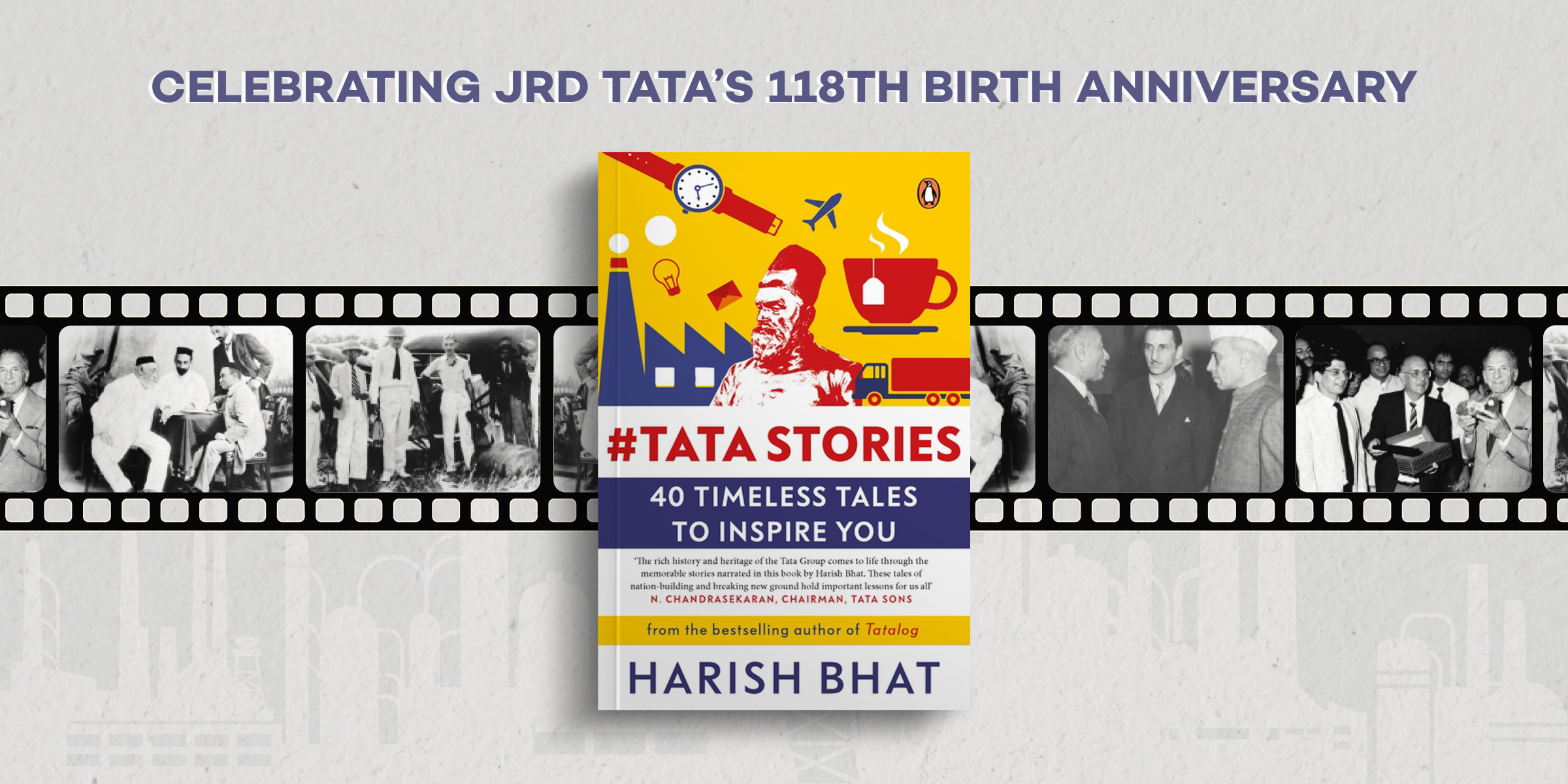
On the 118th birth anniversary of the Father of Aviation in India, J.R.D Tata, read this excerpt from Harish Bhat’s #Tatastories about how the man who championed the art of giving taught lessons to the world to strive for excellence.
*
#Tatastories || Harish Bhat
J.R.D. Tata was the founder of Tata Airlines, which went on to become Air India. Way back in the 1940s and 1950s, this airline was the first Indian global entity, proudly taking the Indian flag to international skies. In 1948, Air India inaugurated its first international service, from Mumbai to London, a proud moment for the country.
J.R.D. was determined to make Air India the best airline in the world, notwithstanding the fierce competition from a host of other global airlines. For him, this was essential, because Air India was not just an airline, but a proud carrier of India’s image across the world. During the inaugural international flight, on which he also flew, he watched carefully for the reactions of passengers, and was greatly relieved when everything went very well, including landing in London right on time. He said, ‘It was for me a great and stirring event . . . seeing the Indian flag displayed on both sides of the Malabar Princess [the name of that particular aircraft] as she stood proudly on the apron at the airports of Cairo, Geneva and London filled me with joy and emotion.’
Thereafter, he was obsessed with making the airline special, and he knew that this required the highest standards of customer service and excellence. He told the airline’s employees, ‘I want that the passengers who travel with us do not have occasion to complain. I want to establish that there is no airline which is better liked by passengers, that is safer and more punctual, where the food and service is better, and which sets a better image than Air India.’
As early as 1949, with constant attention to every small detail, these aspirations were coming true. In fact, the prime minister of India, Pandit Jawaharlal Nehru, wrote to J.R.D. Tata on 7 May 1949, specifically complimenting him on the high quality offered by the airline. Nehru wrote: ‘This is just a brief letter to express my great appreciation of the quality of the Air India International Service. I have now travelled on four occasions between India and England in it, and the more experience I have had of it, the better I like it. I think that Air India International has played not an unimportant part in raising the prestige of India abroad . . . So, congratulations.’
Air India soon became legendary for its punctuality. Legend has it that people in Geneva, in those years, could set their watches to the time at which the Air India flight flew over their city. In those initial days, J.R.D. would fly one of the aircraft himself once every fifteen days. During these flights, he would insist on such high standards of accuracy that other pilots tried to dodge flying with him. The historian R.M. Lala tells us that on one such flight, J.R.D. asked his co-pilot, Capt. Visvanath, for the ground speed. ‘145 miles per hour,’ replied Visvanath. J.R.D. was not satisfied. He took out his slide rule, worked out his own calculations, and responded, ‘It’s 145.5.’ Those were the standards of accuracy he expected if the airline was to keep perfect time.
J.R.D. Tata’s blue notes were extraordinary in their attention to detail and relentless push for excellence in all matters big and small. After every Air India flight that he took, he would send these ‘blue notes’ to the management, summarizing his observations, including encouraging comments and scathing criticism. Here are some extracts from his notes in the year 1951, after he had flown Air India to Europe and back home: ‘Chairs: I found on VT-DAR that some of the seats recline much more than the others. As a result, those seats are more comfortable. I suggest that all our seats be adjusted for a maximum reclining angle, except, of course, the rearmost seats which are limited by bulkheads.’
And even more interesting is this note: ‘The tea served on board from Geneva is, without exaggeration, indistinguishable in colour from coffee . . . I do not know whether the black colour of the tea is due to the quality (of tea leaves) used or due to excessive brewing. I suggest that the Station Manager at Geneva be asked to look into the matter.’
Because of such meticulous attention to detail and excellence, Air India topped the list of airlines in the world in 1968 as per a survey done by the Daily Mail, London. In fact, in that same year, 75 per cent of Air India’s passengers were foreigners who came from countries with their own airlines. I have also heard that when Singapore wanted to launch an airline (now it is famous as Singapore Airlines), Prime Minister Lee Kuan Yew advised his team to study the high standards that had been set by Air India.
…
In my office, for the past three decades, stands a quote from J.R.D. Tata, which guided his own actions, and which inspires me every single day. He said: ‘One must forever strive for excellence, or even perfection, in any task however small, and never be satisfied with the second best.’ Remember, for instance, his note on tea and coffee.
*
Get a copy of #Tatastories from your nearest bookstore or online.
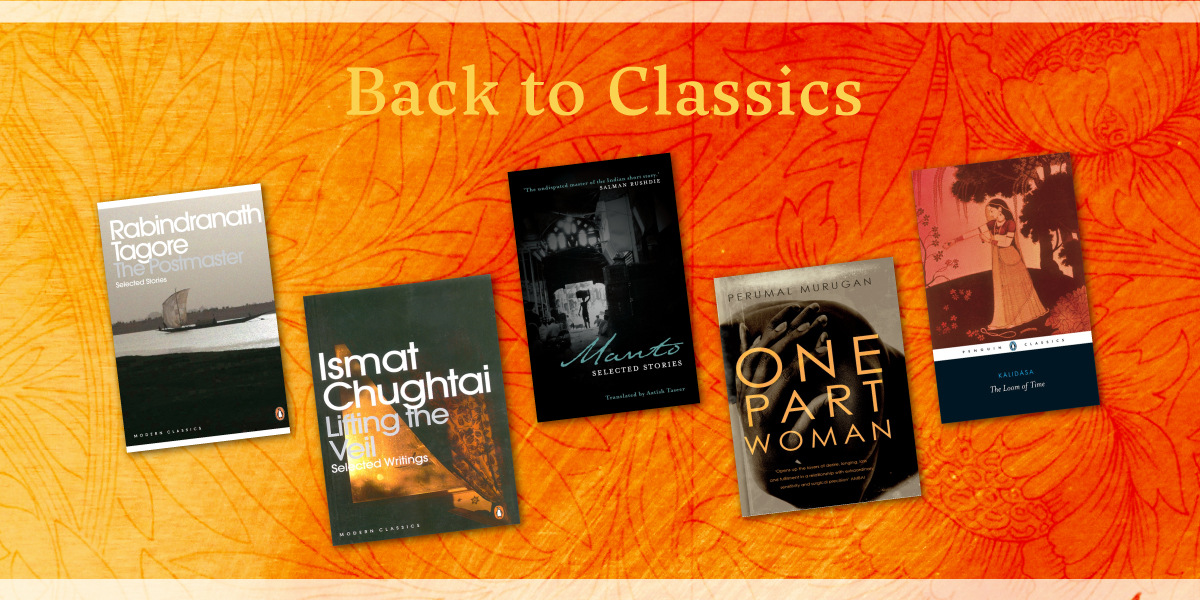
Classics are timeless reads that bring you comfort, nostalgia, and warmth to invigorate and inspire you from time to time. This World Book Day, we’re bringing you our favourite books that will stay with you for a lifetime!
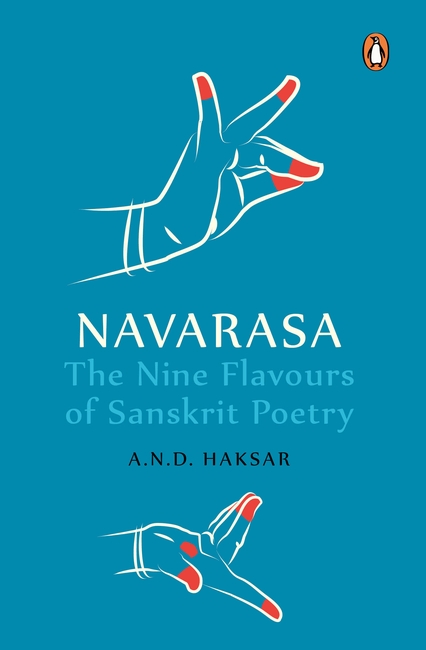
Navarasa by A.N.D. Haksar
Navarasa || A.N.D. Haksar
According to Indian aesthetics, “rasa” is the sap or juice that permeates our culture, art, and helps to direct our basic human feelings. The Natya Shastra, an ancient Hindu text, first made reference to the Navarasas; our art, dance, theatre, and literature are all founded on these nine human emotions. For the first time, 99 verse translations of the nine rasas of old Hindu history are presented in Navarasa: The Nine Flavors of Sanskrit Poetry, coming soon.
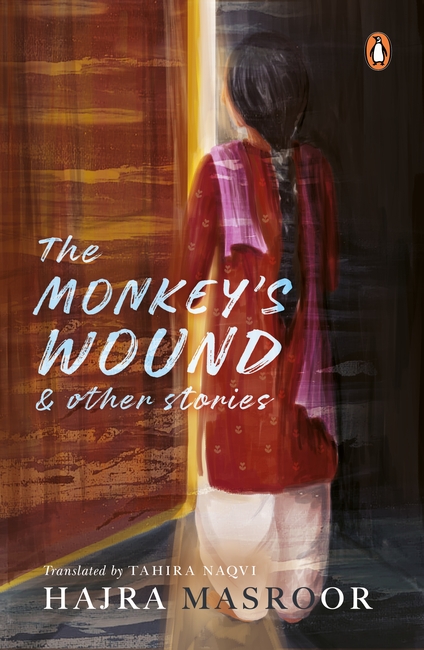
The Monkey’s Wounds by Hajra Musroor
The Monkey’s Wounds || Hajra Musroor
A compilation of sixteen short tales by Hajra Masroor called The Monkey’s Wound and Other Stories serves as an example of her unyielding voice, her piercing depictions of the bitter realities of life, and the wounds and traumas of women’s inner lives. The tales are taken from her renowned compilation of tales, Sab Afsanay Meray, and are translated from the original Urdu. They are tales that showcase Masroor at her finest.
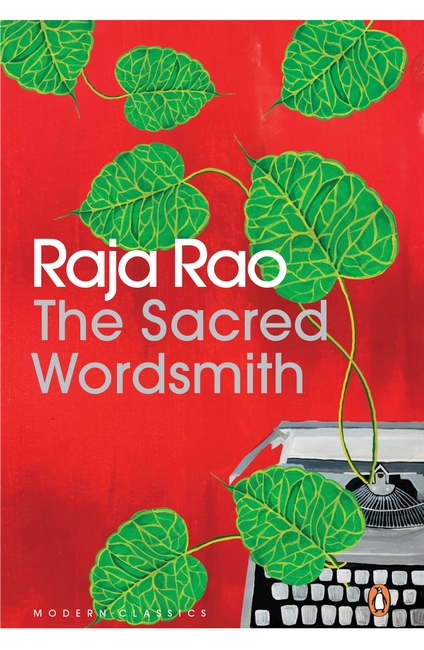
The Sacred Wordsmith by Raja Rao
The Sacred Wordsmith || Raja Rao
Raja Rao’s best works, including his autobiographical Prefaces and Introductions, are collected in The Sacred Wordsmith. The book includes a number of his well-known acceptance speeches, such as those for the Sahitya Akademi Award and Neustadt International Prize, as well as other well-known writings, including “The World is Sound,” “The Word,” “Why Do You Write?” “The West Discovers Sanskrit,” “The English Language and Us,” and “The Story Round, Around Kanthapura,” a fascinating, unpublished account of the creation of his well-known first novel.
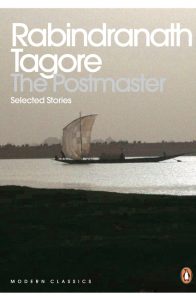
The Postmaster by Rabindranath Tagore
The Postmaster||Rabindranath Tagore
Poet, novelist, painter and musician Rabindranath Tagore created the modern short story in India. Written in the 1890s, during a period of relative isolation, his best stories—included in this selection—recreate vivid images of life and landscapes. They depict the human condition in its many forms: innocence and childhood; love and loss; the city and the village; the natural and the supernatural. Tagore is India’s great Romantic. These stories reflect his profoundly modern, original vision. Translated and introduced by William Radice, this edition includes selected letters, bibliographical notes and a glossary.
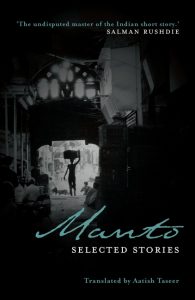
Selected Stories by Saadat Hasan Manto
Selected Stories|| Saadat Hasan Manto
The gentle dhobi who transforms into a killer, a prostitute who is more child than woman, the cocky, young coachman who falls in love at first sight, a father convinced that his son will die before his first birthday. Saadat Hasan Manto’s stories are vivid, dangerous and troubling and they slice into the everyday world to reveal its sombre, dark heart. These stories were written from the mid 30s on, many under the shadow of Partition. No Indian writer since has quite managed to capture the underbelly of Indian life with as much sympathy and colour. In a new translation that for the first time captures the richness of Manto’s prose and its combination of high emotion and taut narrative, this is a classic collection from the master of the Indian short story.
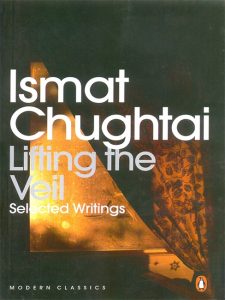
Lifting the Veil by Ismat Chughati
Lifting The Veil||Ismat Chughtai
At a time when writing by and about women was rare and tentative, Ismat Chughtai explored female sexuality with unparalleled frankness and examined the political and social mores of her time.
She wrote about the world that she knew, bringing the idiom of the middle class to Urdu prose, and totally transformed the complexion of Urdu fiction.
Lifting the Veil brings together Ismat Chughtai’s fiction and non-fiction writing. The twenty-one pieces in this selection are Chughtai at her best, marked by her brilliant turn of phrase, scintillating dialogue and wry humour, her characteristic irreverence, wit and eye for detail.
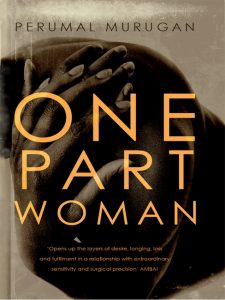
One Part Woman by Perumal Murugan
One Part Woman||Perumal Murugan
All of Kali and Ponna’s efforts to conceive a child-from prayers topenance, potions to pilgrimages-have been in vain. Despite being in aloving and sexually satisfying relationship, they are relentlessly houndedby the taunts and insinuations of the people around them.Ultimately, all their hopes and apprehensions come to converge on thechariot festival in the temple of the half-female god Ardhanareeswaraand the revelry surrounding it. Everything hinges on the one night whenrules are relaxed and consensual union between any man and woman issanctioned. This night could end the couple’s suffering and humiliation.
But it will also put their marriage to the ultimate test.Acutely observed, One Part Woman lays bare with unsparing clarity arelationship caught between the dictates of social convention and the tugof personal anxieties, vividly conjuring an intimate and unsettling portraitof marriage, love and sex.
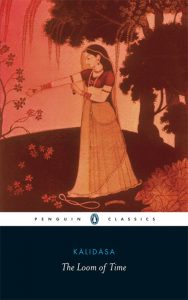
Loom of Time by Kalidasa
Loom Of Time||Kalidasa
Kalidasa is the greatest poet and playwright in classical Sanskrit literature and one of the greatest in world literature. Kalidasa is said to have lived and composed his work at the close of the first millennium BC though his dates have not been conclusively established. In all, seven of his works have survived: three plays, three long poems and an incomplete epic. Of these, this volume offers, in a brilliant new translation, his two most famous works, the play Sakuntala, a beautiful blend of romance and fairy tale with elements of comedy; and Meghadutam (The Cloud Messenger), the many-layered poem of longing and separation.
Also included is Rtusamharam (The Gathering of the Seasons), a much-neglected poem that celebrates the fulfillment of love and deserves to be known better. Taken together, these works provide a window to the remarkable world and work of a poet of whom it was said: Once, when poets were counted, Kalidasa occupied the little finger; the ring finger remains unnamed true to its name; for his second has not been found.
Loved these recommendations?
Head over to our Instagram for regular updates about amazing books and refreshing book recommendations. Happy World Book Day!
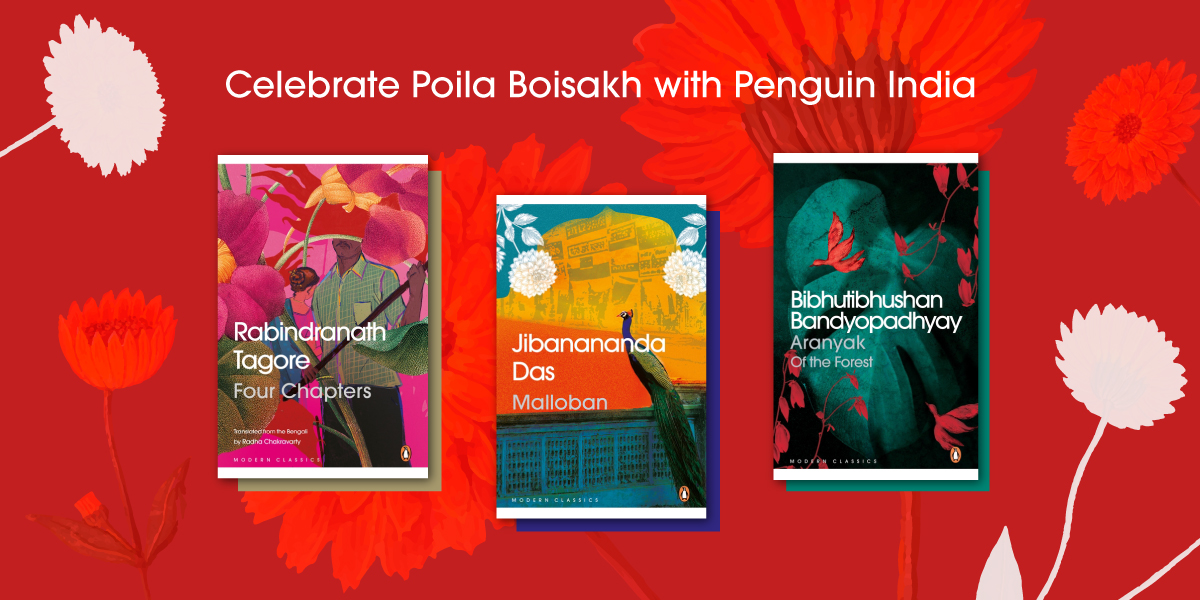
Let’s celebrate Bengali New Year with these new translations from our Bangla list. It’s your chance to read these timeless stories by some of India’s most loved Bengali authors and we assure you that you won’t find anything lost in the translation. So, scroll through these special recommendations and start reading!
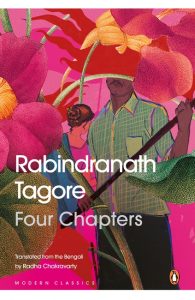
Four Chapters
Four Chapters || Rabindranath Tagore
Char Adhyay (1934) was Rabindranath Tagore’s last novel, and perhaps the most controversial. Passion and politics intertwine in this narrative, set in the context of nationalist politics in pre-Independent India. Ela, a young working woman, comes under the spell of Indranath, a charismatic political activist who advocates the use of terror for the nationalist cause. She takes a vow never to marry, and to devote her life to the nationalist struggle. But she falls in love with Atindra, a poet and romantic from a decadent aristocratic family. Through their relationship, she becomes aware of the hollowness of Indranath’s politics. Afraid that she might expose them to the police, the political group gives Atin the task of eliminating Ela. In the dramatic final sequence of the novel, Ela offers herself to Atin, with tragic consequences.
This new translation, intended for twenty-first-century readers, will bring Tagore’s text to life in a contemporary idiom, while evoking the flavour of the story’s historical setting.
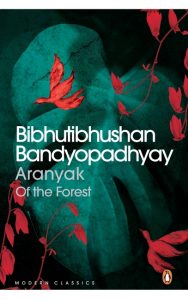
Aranyak
Aranyak || Bibhutibhushan Bandopadhyay, Translated from the Bengali by Bhaskar Chattopadhyay
Aranyak, written in 1939, is a famous Bengali novel by Bibhutibhushan Bandyopadhyay based on his long and arduous years in northern Bihar. There he came into contact with a part of the world that, even now, remains unknown to most of us. ‘Aranyak’ literally means ‘Of the Forest’.
This novel explores the simple and heart-warming story of a man who gets a job as an estate manager in Bihar, and slowly falls in love with the beautiful and tranquil forest around him. The dichotomy of urban and rural life comes alive, reflecting the great love that human beings and nature can share, one that Bandyopadhyay experienced in his heart. Written by one of the greatest Bengali authors, this haunting novel is rooted in guilt and sadness but also tremendous beauty.
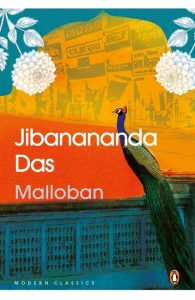
Malloban
Malloban || Jibanananda Das
Malloban is set in North Calcutta in the winter of 1929. The eponymous protagonist, a lower-middle-class office worker, lives in College Street-a locality known for its bookstores, publishing houses, and universities-with his wife Utpala and their daughter Monu. The novel unfolds through a series of everyday scenes of dysfunction and discontent: bickering about bathrooms and budgeting, family trips to the zoo and the movies, a visit from Utpala’s brother’s family which displaces Malloban to a boarding house, and the appearance of a frequent late-night visitor to Utpala’s upstairs bedroom. Meanwhile, the daughter Monu bears the brunt of her parents’ “unlove.”
Arguably the most beloved poet in modern Bangla after Tagore, Jibanananda wrote a significant number of novels and short stories discovered and published after his death. Malloban is his most popular novel.
Can’t wait to read these gems and some more? Then, bookmark the Classics Store online to keep your reading list up to date!
“Women, they have minds, and they have souls, as well as just hearts. And they’ve got ambition, and they’ve got talent, as well as just beauty. I’m so sick of people saying that love is all a woman is fit for.”
Jo March’s words still resonate with women across the globe. This International Women’s Day, we’re here to help you understand their perspectives better with a handpicked selection of stories written by women!
Asha Devi is India’s youngest ever Prime Minister. She is twenty-nine years old, charismatic and driven. Elevated to power after the assassination of her father she must prove that she is more than just a dynasty.
As Asha struggles to retain her hold on power, defeat the terrorists, keep her family together, win over coalition partners and tackle the beast of 24×7 news TV, she never loses sight of one objective: She must track down the man who murdered her father.
Written in a cinematic, fast-moving style this book offers an insider’s view of how things move at the top echelons of government and gives us a rare peek into the underbelly of the TV news business. It also brings back Asha Devi, the much-admired heroine of Seema Goswami’s bestselling Race Course Road.
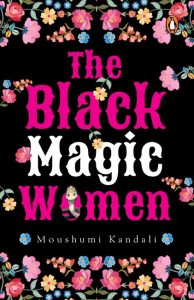
In the recent past, many writers have acquainted readers with the composite culture of Assam. Moushumi Kandali makes a similar attempt in The Black Magic Women, but with a stark difference. She brings her characters out of Assam and places them in the mainstream, capturing their struggle to retain their inherent ‘Assameseness’ as they try to assimilate into the larger society.
The stories makes one pause, think and debate issues that range from racial discrimination (‘The Fireflies Outside of the Frame’) to sexual harassment (‘The Hyenas and Coach Number One’, ‘Kalindi, Your Black Waters . . . ‘) to the existential and ideological dilemma induced by the state’s complex sociopolitical scenario (‘The Final Leap of the Salmon’). The title story is revealing of how mainstream India perceives Assamese women-as powered with the art of seduction and black magic-as a result of which they face social discrimination that can range from racial slurs to physical abuse.
The writer ventures into a surrealistic mode, using a generous sprinkle of fable, myth and metaphors to deliver a powerful punch. With all the shades of emotion these ten stories from the North-east evoke, the reader cannot remain a passive observer.
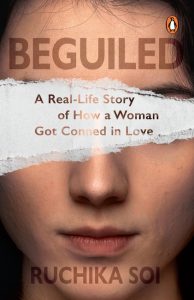
Gitanjali met Randeep Singh Taneja at a farm party in Delhi. He called himself ‘Randy’. He flirted with her; she resisted. She was a single mother, a divorcee, and Randy was five years younger. They became friends, went for walks in Lodhi Garden, had coffee in Khan Market, and he asked her hand in marriage. She refused, he beguiled her, they fell in love, and she said yes.
The couple moved to London and this is where the first signs of trouble began. Away from all that was familiar to her, Gitanjali began to notice that Randy was not all that declared to be. Random phone calls from women who claimed to either be his wife or his girlfriend, a child who called him ‘Papa’, photographs of Randy with other women, multiple cell phones…and for all this he had reasonable explanations that left her with no room for doubt.
Gitanjali thought she knew her husband. That is until she hadn’t opened his cell phone and found out about the many lives he was leading across the world.
This book is a dark and gripping story about a marriage gone wrong. It is a cautionary tale of how we may think we know someone when we really don’t.
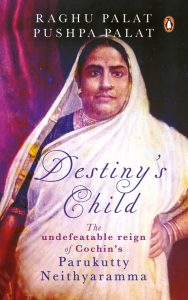
This is an intimate account of the extraordinary life of Parukutty Nethyaramma, who went on to become one of the most powerful rulers of the Kingdom of Cochin.
At the tender age of fourteen, her marriage thrust her into a hostile world. Taking on her detractors, Parukutty stubbornly and fearlessly forged ahead to become a voice none could gainsay. Despite a seventeen-year age gap, she had built a special, unshakable bond with her husband. When he was crowned the sovereign ruler of Cochin, she vowed to support and protect his position throughout her life. Theirs was an enviable partnership of two incredible equals who together went on to break many traditional norms. At a time when women were relegated to the shadows, Parukutty travelled with her husband, participated in important discussions, and even went on to rule as his proxy. She became a force to be reckoned with in her own right.
Narrated by Parukutty’s own great-grandson and his wife, Raghu and Pushpa Palat, this deeply personal chronicle paints a vivid picture of a woefully understated icon from the twentieth century.
When Maneka Pataudi is arrested as the prime suspect for the murder of her ex-husband, she reveals a chilling tale of marital abuse and neglect.
But is her confession the truth or a lie? Is she telling the story as a victim or a perpetrator? And, is it better for women to kill for love or be killed for it?
Based on a true story (mostly), Boys Don’t Cry is a gripping, compelling and courageous novel that takes you behind the closed doors of a modern Indian marriage.
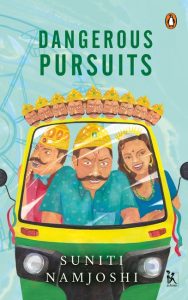
Humankind’s unrelenting mistreatment of our planet has finally led to a seemingly futile awareness of our acute shortage of time. What separates us from an oblivion preceded by excruciating pain and strife? The characters of this unique book, inspired by legends from lore and literature alike, pursue paths they believe are best for them and for their world. They are unaware of the flaws that distort their dreams. Divided into three parts, Suniti Namjoshi’s Dangerous Pursuits turns righteousness and virtue upon their heads, making for an irreverent and ruminative exploration of the beginning of the end of the world.
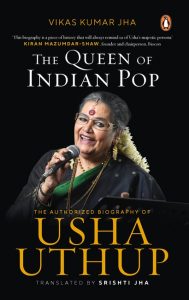
Usha Uthup, India’s undisputed icon of pop music, has enthralled an entire generation of listeners with her unforgettable voice and continues to do so. Completing fifty years as a professional singer in 2020 was just another milestone in her fabled career.
In this vivid biography, which was originally written in Hindi, Vikas Kumar Jha captures the entire arc of Uthup’s career in music. From her childhood days in Mumbai and her first gigs singing with jazz bands in Chennai’s glitzy nightclubs to her meteoric rise as India’s musical sensation and her philanthropic work, Jha covers it all and manages to weave a narrative that is colourful, inspiring and bound to keep any reader engrossed till the end.
This pitch-perfect English translation, by Srishti Jha, offers the reader a front-row seat to the life and times of the inimitable Usha Uthup.
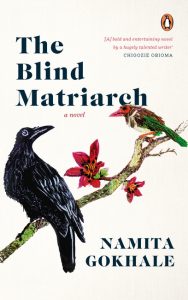
The blind matriarch, Matangi-Ma, lives on the topmost floor of an old house with many stories. From her eyrie, she hovers unseeingly over the lives of her family. Her long-time companion Lali is her emissary to the world. Her three children are by turn overprotective and dismissive of her. Her grandchildren are coming to terms with old secrets and growing pains. Life goes on this way until one day the world comes to a standstill-and they all begin to look inward.
As certainties dissolve, endings lead to new beginnings. Structured with the warp of memory and the weft of conjoined lives, the narrative follows middle India, even as it records the struggles for individual growth, with successive generations trying to break out of the stranglehold of the all-encompassing Indian family.
Ebbing and flowing like the waves of a pandemic, the novel is a clear-eyed chronicle of the tragedies of India’s encounter with the Coronavirus, the cynicism and despair that accompanied it, and the resilience and strength of the human spirit.
Called ‘Noah’s Ark’ by an Oxford University scientist, SAI Sanctuary is an example of how Nature exists in a delicate balance. You cannot destroy Nature, and you cannot rearrange it without serious consequences to your existence.
Coming from two rich wisdom cultures, one Native American and one Indian, Pamela and Anil Malhotra made it their mission to salvage what they could in Kodagu, Karnataka, where years of illegal logging and poaching had ravaged the land and decimated the wildlife. Today, with the forests and the ecosystem restored, and the wildlife protected, this sanctuary is a treasure trove of a rich variety of indigenous trees and plants, and a refuge for numerous rare and threatened species of animals, some found nowhere else on the planet.
In this deeply fascinating and inspiring personal narrative, Pamela recounts how she connected and communicated with animals and trees at both physical and spiritual levels, and how the only way to save humanity is through understanding and preserving Nature.
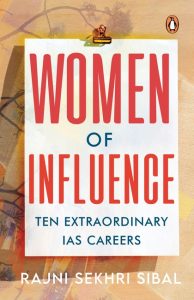
Women of Influence is a compilation of the untold stories of ten women IAS officers who have walked the extra mile and made a difference despite facing major pressures in governance. Having worked in the civil services for thirty-seven years, Rajni Sekhri Sibal has been in a unique position to see things at close quarters, which is why she is able to present narratives that provide an insight into the challenges of being a woman IAS officer, and also highlight episodes where the protagonist displays immense courage and commitment during the most difficult of times.
The book relates accounts of how different protagonists responded to threats of violence post-death in police custody, to illegal mining by a sand mafia and to resistance to the introduction of technology in a government organization. Strategies adopted for making India Polio-free in 2011 and interventions to deal with the scrouge of human trafficking also provide interesting insights in the book. The narratives are inspiring tales of ten strong and efficient women of substance, and their extraordinary careers wherein they made a difference.
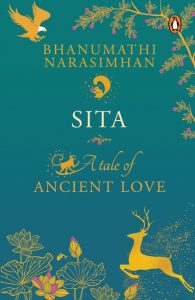
Sita, the beloved princess of Mithila, is one of the most revered women in Indian history; so well known, yet probably the least understood. At every crossroad of her life, she chose acceptance and grace over self-pity. Her life was filled with sacrifice yet wherever she was, there was abundance. It was as if she was carved out of intense longing for Rama, yet she had infinite patience. In every situation, she reflected his light and he reflected her love.
In her, we find someone who is so divine yet so human.
In this poignant narration, Bhanumathi shows us the world through the eyes of Sita. We think what Sita thinks, we feel what she feels, and for these few special moments, we become a part of her. And perhaps, through this perspective, and Sita’s immortal story, we will discover the true strength of a woman.
We hope you enjoyed this exclusive list curated to bring out the views and perspectives of women and their diverse voices.
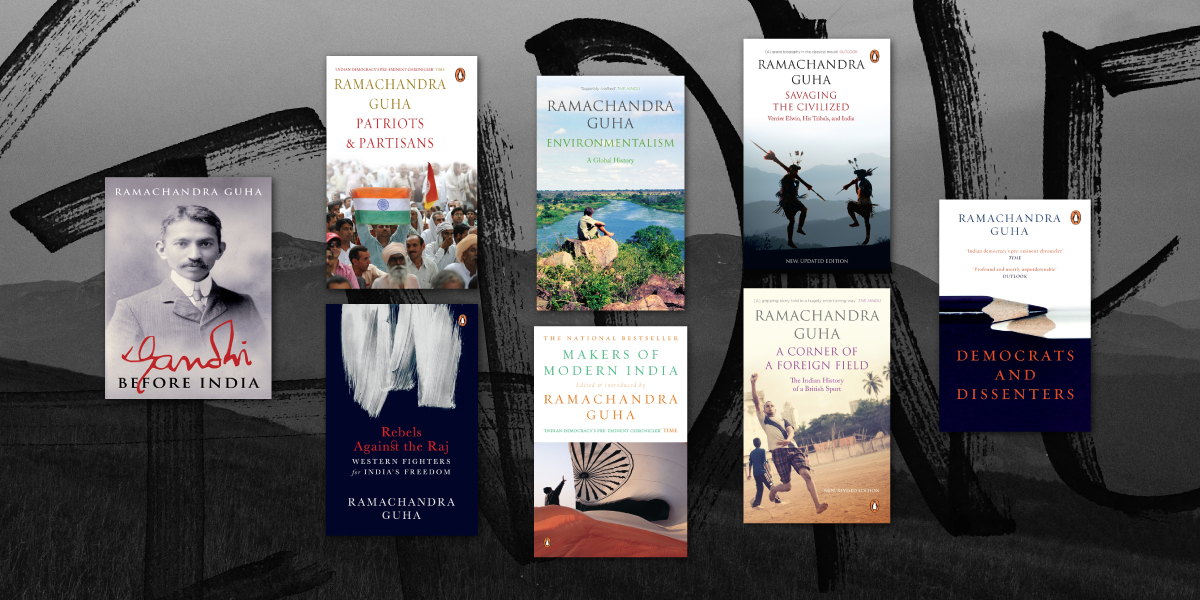
An Indian historian whose research interests include the vast realms of social, political, contemporary, environmental and cricket history, Ramachandra Guha is one of the most important writers of the history of modern India.
Since you’re here, you are either a reader of his texts, an admirer of his work or know him for his political beliefs and love for Mahatma Gandhi.
His latest book, Rebels Against the Raj, stands as an iconoclast in the line of usual history books, telling the stories of 7 foreigners who fought for India’s independence. It’s an interesting, thrilling, and informative read and opens your eyes to the plethora of history that remains hidden from us till date and is brought to our eyes through the efforts of incredible historians like Guha.
We’re aware that it can be quite a daunting task to decide how to step into the majestic world of Ramachandra Guha. This is exactly why we thought we’d bring you a list on how to start reading the legendary writer’s works.
Rebels Against the Raj || Ramachandra Guha
Rebels Against the Raj
Rebels Against the Raj tells the story of seven people who chose to struggle for a country other than their own: foreigners to India who across the late 19th to late 20th century arrived to join the freedom movement fighting for independence from British colonial rule. This book tells their stories, each renegade motivated by idealism and genuine sacrifice; each connected to Gandhi, though some as acolytes where others found endless infuriation in his views; each understanding they would likely face prison sentences for their resistance, and likely live and die in India; each one leaving a profound impact on the region in which they worked, their legacies continuing through the institutions they founded and the generations and individuals they inspired.
Gandhi Before India || Ramachandra Guha
Gandhi Before India
In 1893, when Mohandas Gandhi set sail for South Africa, he was a briefless lawyer who had failed to establish himself in India. In this remarkable biography, Ramachandra Guha argues that the two decades that Gandhi spent in the diaspora were the making of the Mahatma. It was here that he forged the philosophy and techniques that would ultimately destroy the British Empire.
Based on archival research in four continents, this book explores Gandhi’s experiments with dissident cults, his friendships and enmities, and his failures as a husband and father.
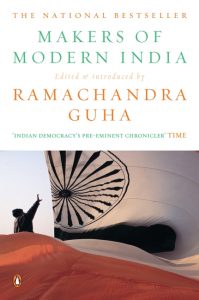
Makers of Modern History by Ramachandra Guha
Makers of Modern History
Here, Guha profiles nineteen Indians whose ideas had a defining impact on the formation and evolution of our republic and presents rare and compelling excerpts from their writings and speeches. These men and women were not only influential political activists-they also wrote with eloquence, authority and deliberation as they reflected on what Guha describes in his illuminating prologue as ‘the most contentious times in the most interesting country in the world’. Their writings take us from the subcontinent’s first engagement with modernity in the nineteenth century, through the successive phases of the freedom movement, on through the decades after Independence. This book highlights little-known aspects of major figures in Indian history like Tagore and Nehru; it also rehabilitates thinkers who have been unjustly forgotten, such as Tarabai Shinde and Hamid Dalwai.
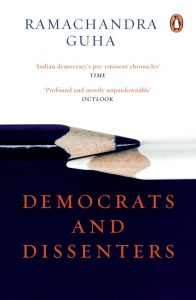
Democrats and Dissenters || Ramachandra Guha
Democrats and Dissenters
A collection of essays, this book is a work of rigorous scholarship on topics of compelling contemporary interest, written with elegance and wit.
It covers a wide range of themes: from the varying national projects of India’s neighbours to political debates within India itself, from the responsibilities of writers to the complex relationship between democracy and violence. It has essays critically assessing the work of Amartya Sen and Eric Hobsbawm, commentaries on the tragic predicament of tribals in India–who are, as Guha demonstrates, far worse off than Dalits or Muslims, yet get a fraction of the attention–and on the peculiar absence of a tradition of conservative intellectuals in India.
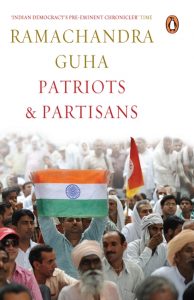
Patriots and Partisans || Ramchandra Guha
Patriots and Partisans
In this wide-ranging and wonderfully readable collection of essays, Guha defends the liberal centre against the dogmas of left and right, and does so with style, depth, and polemical verve. The book begins with a brilliant overview of the major threats to the Indian Republic. Other essays turn a critical eye on Hindutva, the Communist left, and the dynasty-obsessed Congress party.
Environmentalism: A Global History by Ramachandra Guha
Environmentalism: A Global History
In this book, Ramachandra Guha, draws on many years of research in three continents. He details the major trends, ideas, campaigns and thinkers within the environmental movement worldwide. Among the thinkers he profiles are John Muir, Mahatma Gandhi, Rachel Carson, and Octavia Hill; among the movements, the Chipko Andolan and the German Greens.
Environmentalism: A Global History documents the flow of ideas across cultures, the ways in which the environmental movement in one country has been invigorated or transformed by infusions from outside. It interprets the different directions taken by different national traditions, and also explains why in certain contexts (such as the former Socialist Bloc) the green movement is marked only by its absence. Massive in scope but pointed in analysis, written with passion and verve, this book presents a comprehensive account of a significant social movement of our times, and will be of wide interest both within and outside the academy.
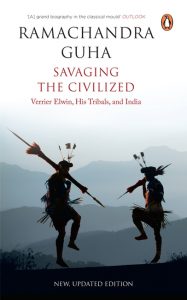
Savaging The Civilized || Ramachandra Guha
Savaging the Civilized
Verrier Elwin, His Tribals, And India
This evocative and beautifully written book brings to life one of the most remarkable figures of twentieth-century India. Verrier Elwin (1902-64) was an anthropologist, poet, Gandhian, hedonist, Englishman, and Indian.
Savaging the Civilized reveals a many-sided man, a friend of the elite who was at home with the impoverished and the destitute; a charismatic charmer of women who was comfortable with intellectuals such as Arthur Koestler and Jawaharlal Nehru; an anthropologist who lived and loved with the tribes yet who wrote literary essays and monographs for the learned.
Savaging the Civilized is both biography and history, an exploration through Elwin’s life of some of the great debates of our times, such as the impact of economic development, and cultural pluralism versus cultural homogeneity.
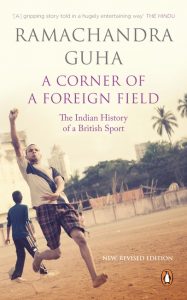
A Corner of a Foreign Field || Ramachandra Guha
A Corner of a Foreign Field
The Indian History of a British Sport
A Corner of a Foreign Field seamlessly interweaves biography with history, the lives of famous or forgotten cricketers with wider processes of social change. C. K. Nayudu and Sachin Tendulkar naturally figure in this book, but so, too, in unexpected ways, do B. R. Ambedkar, Mahatma Gandhi, and M. A. Jinnah. The Indian careers of those great British cricketers, Lord Harris and D. R. Jardine, provide a window into the operations of Empire. The remarkable life of India’s first great slow bowler, Palwankar Baloo, provides an arresting new perspective on the struggle against caste discrimination. Later chapters explore the competition between Hindu and Muslim cricketers in colonial India and the destructive passions now provoked when India plays Pakistan.
Out of these phenomenal and varied choices, which is going to be your next read?
We’re all glued to the screen twenty-four hours of the day, no escape. Screens are our work and entertainment, both. What if you let the joy of reading be transferred from your eyes to your ears? Give your pupils some rest and let someone else do the talking.
You can enjoy these wonderful books through an engaging narrator, who reads you a wonderful story at your own pace. Your personal storyteller accompanying you on your walks, livening up your cooking sessions, your shotgun rider, your friend and your lullaby.
Here are some incredible audiobooks from multiple genres and authors for you to choose from:
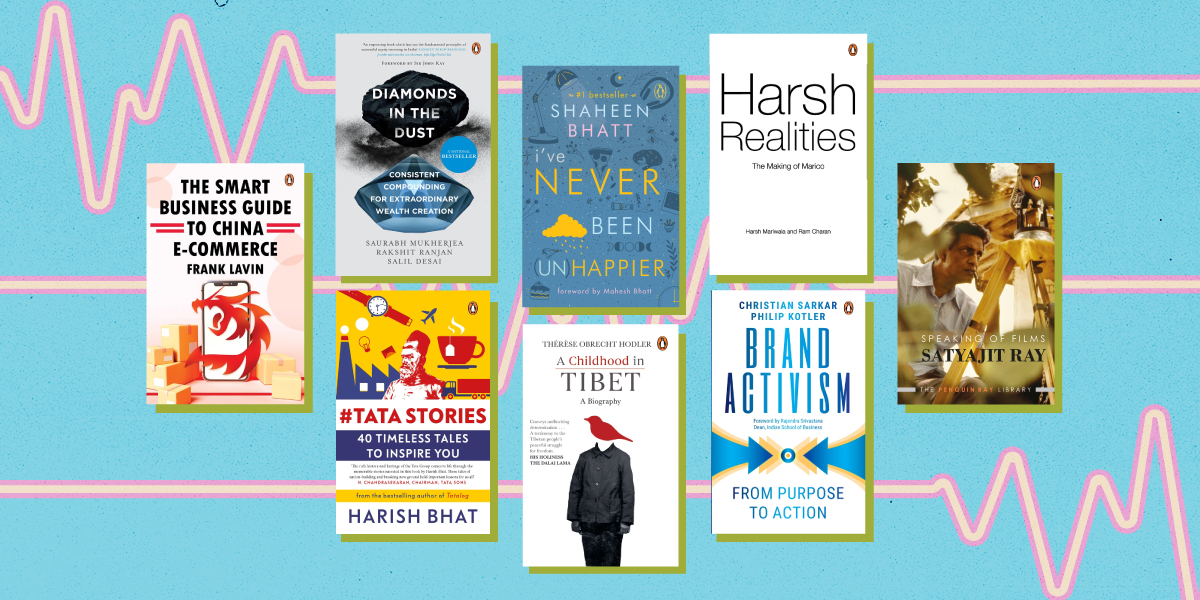
Speaking of Films || Satyajit Ray
Speaking of Films by Satyajit Ray
Speaking of Films brings together some of Ray’s most memorable writings on film and film-making. With the masterly precision and clarity that characterize his films, Ray discusses a wide array of subjects. He also writes about his own experiences, the challenges of working with rank amateurs, and the innovations in the face of technological, financial and logistical constraints. Ray provides fascinating behind-the-scenes glimpses of the people who worked with him. Translated for the first time by Bishay Chalachitra, this collection of essays retains the lucidity and simplicity that is a hallmark of Ray’s writing.
Diamonds in the Dust || Saurabh Mukherjea, Rakshit Ranjan and Salil Desai
Diamonds in the Dust by Saurabh Mukherjea, Rakshit Ranjan, Salil Desai
Diamonds in the Dust offers Indian savers a simple, yet highly effective, investment technique to identify clean, well-managed Indian companies that have consistently generated outsized returns for investors. Based on in-depth research conducted by the award-winning team at Marcellus Investment Managers, it uses case studies and charts to help readers learn the art and science of investing in the US$3 trillion Indian stock market.
The book also debunks many notions of investing that have emerged from the misguided application of Western investment theories in the Indian context.
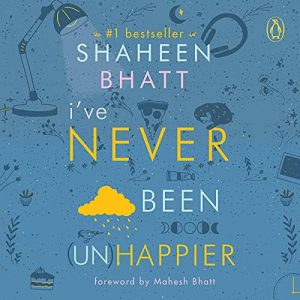
I’ve Never Been Unhappier || Shaheen Bhatt
I’ve Never Been Unhappier by Shaheen Bhatt
Unwittingly known as Alia Bhatt’s older sister, screenwriter and fame-child Shaheen Bhatt has been a powerhouse of quiet restraint-until recently. In a sweeping act of courage, she now invites you into her head. Shaheen was diagnosed with depression at eighteen, after five years of already living with it. In this emotionally arresting memoir, she reveals both the daily experiences and big picture of one of the most debilitating and critically misinterpreted mental illnesses in the twenty-first century.
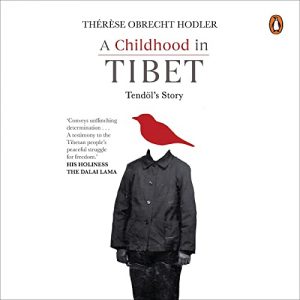
A Childhood in Tibet || Thérèse Obrecht Hodler
A Childhood in Tibet by Thérèse Obrecht Hodler
Tendöl Namling was born at the time when the Dalai Lama fled from Lhasa. As the daughter of a high government official, she underwent the ordeal of ‘re-education’ with full force. When Tendöl turned 10 her brother was arrested and her mother sentenced to ten years in prison. She was sent to work in road construction for several years. At the age of 20 she was allowed to start an apprenticeship as a motor mechanic. After 22 years under the Chinese rule, she left China in 1982 and landed in Switzerland. It felt as if she had to start her life all over again. She struggled but didn’t give up and founded a family and a business while reconciling with her painful past. In Tendöl’s words, ‘this little book is dedicated to all the Tibetans who continue to rebel against the Chinese occupation’.
Harsh Realities || Harsh Mariwala
Harsh Realities: The Making of Marco
By Harsh Mariwala
Breaking away from the shackles of family-run Bombay Oils Industries Ltd, Harsh Mariwala founded Marico in 1987. Today, the homegrown Marico is a leading international FMCG giant which recorded an annual turnover of over Rs 8000 crore last year. Their products, like Parachute, Nihar Naturals, Saffola, Set Wet, Livon and Mediker, are market leaders in their categories.
Co-authored by leading management thinker and guru, Ram Charan, this book is a story of grit, gumption and growth, and of the core values of trust, transparency and innovation that lead the company even today.
The Smart Business Guide to E-Commerce || Frank Lavin
The Smart Business Guide to China E-Commerce
Frank Lavin
This book is a quick and punchy read and useful for consumers, brands, retailers and entrepreneurs, covering critical areas such as the difference between Chinese and American consumers, case studies of succsess and failure in China, main platforms and social media channels, etc. It also helps in studying how to deal with market entry challenges, trademark registration and product approval and how to compete and win in the most challenging and promising retail market in the world.
Brand Activism || Christian Sarkar and Philip Kotler
Brand Activism by Philip Kotler and Christian Sarkar
What happens when businesses and their customers don’t share the same values? Or, for that matter, when employees of a company don’t share the same values as their executives? Welcome to the world of Brand Activism.
Brand Activism consists of business efforts to promote, impede, or direct social, political, economic, and/or environmental reform or stasis with the desire to promote or impede improvements in society. It is driven by a fundamental concern for the biggest and most urgent problems facing society. Brand Activism: From Purpose to Action is about how progressive businesses are taking stands to create a better world.
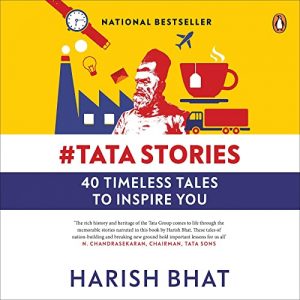
Tata Stories || Harish Bhat
#TataStories by Harish Bhat
#TataStories is a collection of littleknown tales of individuals, events and places from the Tata Group that have shaped the India we live in today.
A diamond twice as large as the famous Kohinoor pledged to survive a financial crisis; a meeting with a ‘relatively unknown young monk’ who later went on to be known as Swami Vivekananda; the fascinating story of the first-ever Indian team at the Olympics; the making of India’s first commercial airline and first indigenous car; how ‘OK TATA’ made its way to the backs of millions of trucks on Indian highways; a famous race that was both lost and won; and
many more.
A whole bag of genres and stories to choose from! Take your pick, put on your earplugs and boast about finishing a book sooner than you’d think!
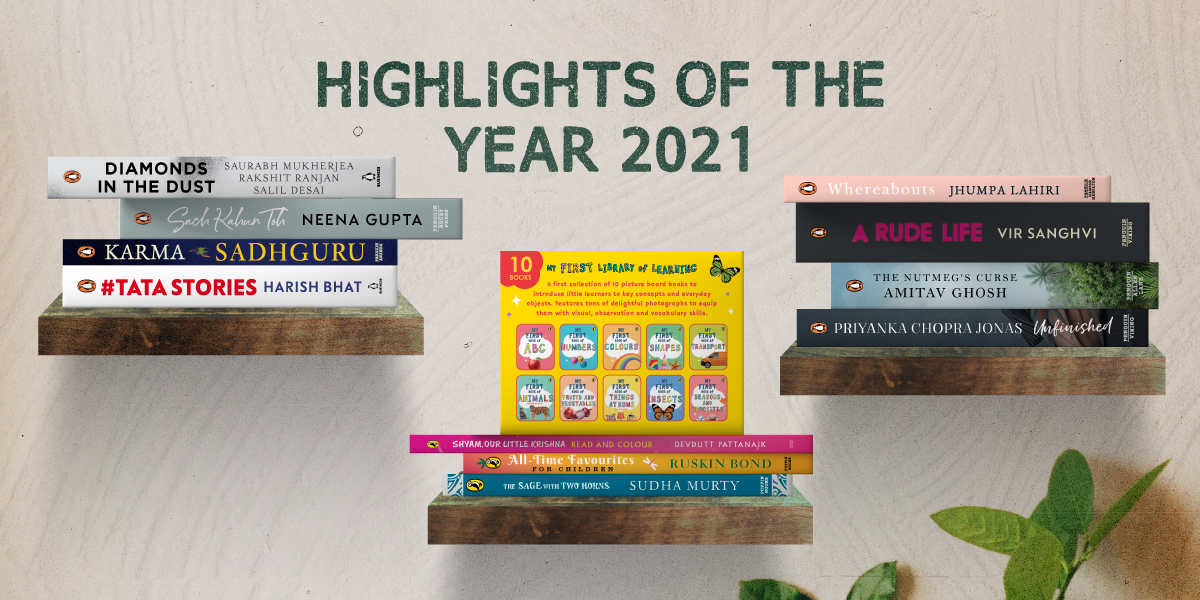
2021, an extraordinary year, charted a trajectory of emotional experiences and most people found their respite in the domain of books. Books comforted adults and kids when their plans went awry, they provided sheer warmth when the world was socially distanced, they allowed people who were homebound to travel and they offered solace to those hunkered down on the couch. During such unprecedented times, we became more reliant on books for our daily dose of entertainment or learning than ever before! We started to see them as companions and friends rather than pages with coherent ink stains. So, let’s pat our backs and raise our glasses for making it through this tumultuous year.
From best memoirs to historical fiction, from non-fiction to self-help books, we stayed close to you the entire year. The following books are only a few of the many remarkable literary releases this year.
Unfinished
Unfinished || Priyanka Chopra Jonas
In this thoughtful and revealing memoir, readers will accompany one of the world’s most recognizable women on her journey of self-discovery. A remarkable life story rooted in two different worlds, Unfinished offers insights into Priyanka Chopra Jonas’s childhood in India; her formative teenage years in the United States; and her return to India, where against all odds as a newcomer to the pageant world, she won the national and international beauty competitions that launched her global acting career. Whether reflecting on her nomadic early years or the challenges she’s faced as she’s doggedly pursued her calling, Priyanka shares her challenges and triumphs with warmth and honesty. The result is a book that is philosophical, sassy, inspiring, bold, and rebellious. Just like the author herself.
From her dual-continent twenty-year-long career as an actor and producer to her work as a UNICEF Goodwill Ambassador, from losing her beloved father to cancer to marrying Nick Jonas, Priyanka Chopra Jonas’s story will inspire readers around the world to gather their courage, embrace their ambitions, and commit to the hard work of following their dreams.
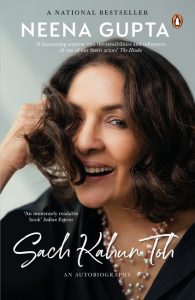
Sach Kahun Toh
Sach Kahun Toh || Neena Gupta
An unsparingly honest memoir by an actor who is known to lead life on her own terms. Neena Gupta’s most awaited auto-biography!
In Sach Kahun Toh, actor Neena Gupta chronicles her extraordinary personal and professional journey-from her childhood days in Delhi’s Karol Bagh, through her time at the National School of Drama, to moving to Bombay in the 1980s and dealing with the struggles to find work. It details the big milestones in her life, her unconventional pregnancy and single parenthood, and a successful second innings in Bollywood. A candid, self-deprecating portrait of the person behind the persona, it talks about her life’s many choices, battling stereotypes, then and now, and how she may not be as unconventional as people think her to be.
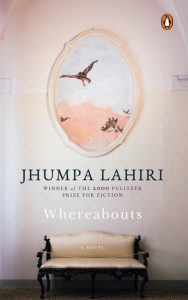
Whereabouts
Whereabouts || Jhumpa Lahiri
Exuberance and dread, attachment and estrangement: in this novel, Jhumpa Lahiri stretches her themes to the limit. The woman at the center wavers between stasis and movement, between the need to belong and the refusal to form lasting ties. The city she calls home, an engaging backdrop to her days, acts as a confidant: the sidewalks around her house, parks, bridges, piazzas, streets, stores, coffee bars. We follow her to the pool she frequents and to the train station that sometimes leads her to her mother, mired in a desperate solitude after her father’s untimely death. In addition to colleagues at work, where she never quite feels at ease, she has girl friends, guy friends, and “him,” a shadow who both consoles and unsettles her. But in the arc of a year, as one season gives way to the next, transformation awaits. One day at the sea, both overwhelmed and replenished by the sun’s vital heat, her perspective will change. This is the first novel she has written in Italian and translated into English. It brims with the impulse to cross barriers. By grafting herself onto a new literary language, Lahiri has pushed herself to a new level of artistic achievement.
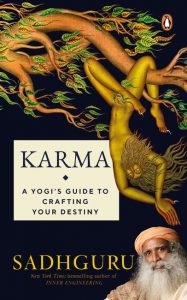
Karma
Karma || Sadhguru
A much-used word, Karma is loosely understood as a system of checks and balances in our lives, of good actions and bad deeds, of good thoughts and bad intentions. A system which seemingly ensures that at the end of the day one gets what one deserves. This grossly over-simplified understanding has created many complexities in our lives and taken away from us the very fundamentals of the joy of living.
Through this book, not only does Sadhguru explain what Karma is and how we can use its concepts to enhance our lives, he also tells us about the Sutras, a step-by-step self help & self improvement guide to navigating our way in this challenging world. In the process, we get a deeper, richer understanding of life and the power to craft our destinies.
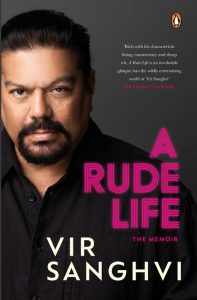
A Rude Life
A Rude Life || Vir Sanghvi
Vir Sanghvi’s has been an interesting life – one that took him to Oxford, movie and political journalism, television and magazines – and he depicts it with the silky polish his readers expect of him. In his autobiopgrahy, A Rude Life, he turns his dispassionate observer’s gaze on himself, and in taut prose tells us about all that he’s experienced, and nothing more for he’s still a private man.
He unhurriedly recounts memories from his childhood and college years, moving on to give us an understanding of how he wrote his biggest stories, while giving us an insider’s view into the politics and glamour of that time.
This is an explosively entertaining memoir that details one of the most eventful careers in Indian journalism. Studded with a cast of unforgettable characters like Morarji Desai, Giani Zail Singh, Amitabh Bachchan, Dhirubhai Ambani and a host of other prominent political and cultural figures, A Rude Life is a delicious read.
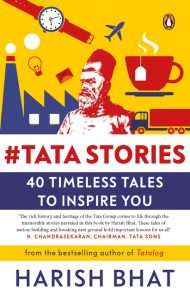
#Tatastories
#Tatastories || Harish Bhat
The Tatas have a legacy of nation-building for over 150 years. Dancing across this long arc of time are thousands of beautiful, astonishing stories, many of which can inspire and provoke us, even move us to meaningful action in our own lives.
A diamond twice as large as the famous Kohinoor pledged to survive a financial crisis; a meeting with a ‘relatively unknown young monk’ who later went on to be known as Swami Vivekananda; the fascinating story of the first-ever Indian team at the Olympics; the making of India’s first commercial airline and first indigenous car; how ‘OK TATA’ made its way to the backs of millions of trucks on Indian highways; a famous race that was both lost and won; and
many more.
#TataStories is a collection of little-known tales of individuals, events and places from the Tata Group that have shaped the India we live in today.
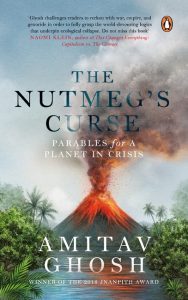
The Nutmeg’s Curse
The Nutmeg’s Curse || Amitav Ghosh
Before the 18th century, every single nutmeg in the world originated around a group of small volcanic islands east of Java, known as the Banda Islands. As the nutmeg made its way across the known world, they became immensely valuable – in 16th century Europe, just a handful could buy a house. It was not long before European traders became conquerors, and the indigenous Bandanese communities – and the islands themselves – would pay a high price for access to this precious commodity. Yet the bloody fate of the Banda Islands forewarns of a threat to our present day.
Amitav Ghosh argues that the nutmeg’s violent trajectory from its native islands is revealing of a wider colonial mindset which justifies the exploitation of human life and the natural environment, and which dominates geopolitics to this day.
Written against the backdrop of the pandemic and the Black Lives Matter protests, and interweaving discussions on everything from climate change, the migrant crisis, and the animist spirituality of indigenous communities around the world, The Nutmeg’s Curse offers a sharp critique of Western society, and reveals the profoundly remarkable ways in which human history is shaped by non-human forces.
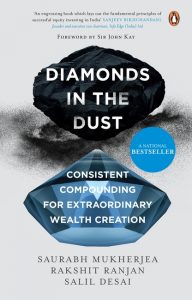
Diamonds in the Dust
Diamonds in the Dust || Saurabh Mukherjea, Rakshit Ranjan, Salil Desai
Over the last few years, there has been a growing realization among Indians that their life’s savings, the bulk of which are parked in physical assets like real estate and gold, are unlikely to help them generate sufficient returns to fund their financial goals, including retirement. At the same time, many have lost their hard-earned money trying to invest in financial assets, including debt and equities. Such losses have occurred due to many reasons, such as corporate frauds, weak business models and misallocation of capital by the companies in whose shares unsuspecting investors parked their savings. What options do Indian savers then have to invest in, and build their wealth?
Diamonds in the Dust offers Indian savers a simple, yet highly effective, investment technique to identify clean, well-managed Indian companies that have consistently generated outsized returns for investors. Based on in-depth research conducted by the award-winning team at Marcellus Investment Managers, it uses case studies and charts to help readers learn the art and science of investing in the US$3 trillion Indian stock market.
The book also debunks many notions of investing that have emerged from the misguided application of Western investment theories in the Indian context.
All-Time Favourites for Children
All-Time Favourites for Children || Ruskin Bond
All Time Favourites for Children celebrates Ruskin Bond’s writing with stories that are perennially loved and can now be enjoyed in a single collectible volume. Curated and selected by India’s most loved writer, this collection brings some of the evocative episodes from Ruskin’s life, iconic Rusty, eccentric Uncle Ken, ubiquitous grandmother, and many other charming, endearing characters in a single volume while also introducing us to a smattering of new ones that are sure to be firm favourites with young readers. Heart-warming, funny and spirited, this is a must-have on every bookshelf!
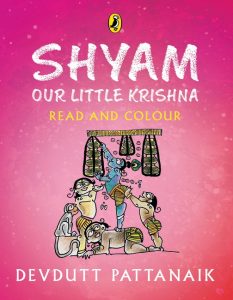
Shyam, Our Little Krishna
Shyam, Our Little Krishna || Devdutt Pattanaik
Devdutt Pattanaik introduces the story of Krishna, fondly known as Shyam, to a new generation of readers. Told simply in his inimitable style, Shyam, Our Little Krishna is perfect as a read-aloud to acquaint young readers with the beauty, wisdom and love that Krishna embodied.
Curated with fascinating bite-sized stories, myths and trivia about the young god, it features over forty playful artworks accompanied by pages dedicated for colouring.
One-of-a-kind, this book is a must-have for every curious mythology enthusiast and budding artist!
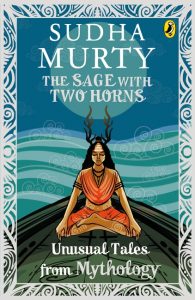
The Sage with Two Horns
The Sage with Two Horns || Sudha Murty
ave you heard of the king who sacrificed his own flesh to keep his word to a pigeon? Or about the throne that gives anyone who sits on it the unique ability to dispense justice! And how about the sculptor who managed to make magnificent statues with no hands at all?
There’s something for everyone in this collection of tales of wisdom and wit!
From quarrels among gods and the follies of great sages to the benevolence of kings and the virtues of ordinary mortals, Sudha Murty spins fresh accounts of lesser-known stories in Indian mythology. Accompanied by fantastical illustrations and narrated in an unassuming fashion, The Sage with Two Horns is sure to delight fans of the beloved storyteller.
India’s favorite author, Sudha Murty brings a follow-up to the bestselling Serpent’s Revenge: Unusual Tales from the Mahabharata, The Upside-Down King: Unusual Tales about Rama and Krishna and The Daugher from the Wishing Tree: Unusual Tales about Women in Mythology.
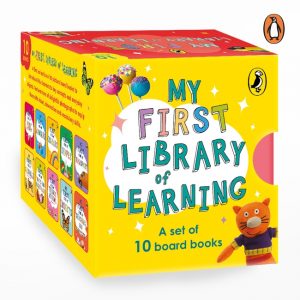
My First Library of Learning
My First Library of Learning
Make early learning years fun and enjoyable for your baby with My First Library of Learning, a complete collection of 10 expertly researched, carefully curated essential baby board books with beautiful bright images to add to your child’s library!
Foster a habit of reading in your little ones with this box set of 10 gorgeously designed and thoughtfully created board books. These books equip toddlers and preschoolers with essential reading, language, visual, motor and imagination skills.
This bright, handy, easy-to-read, and fun library contains:
– My First Books Of Abc
– My First Books Of Numbers
– My First Books Of Colours
– My First Books Of Shapes
– My First Books Of Things At Home (And Around Us)
– My First Books Of Fruits And Vegetables
– My First Books Of Seasons And Opposites
– My First Books Of Transport
– My First Books Of Animals (Domestic And Wild)
– My First Books Of Insects




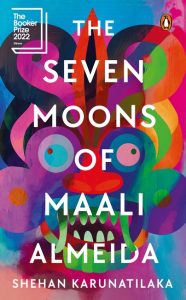
 A classic whodunit with a brilliant twist, The Seven Moons of Maali Almeida searingly exposes the plight of a country caught in the aftermath of civil war. Embroiled in red tape, memories of war, and ethical dilemmas, this unforgettable story captures readers right from the very first page up to its startling denouement, constantly upending its premise with its staggering humanity.