




In seventy years of Independence, India’s people have experienced varying and uneven benefits, but what is unquestionable is that their media world- their ability to communicate- has been transformed.
Check out how this tremendous transformation took place during the seven decades of Independence.


Category: Specials
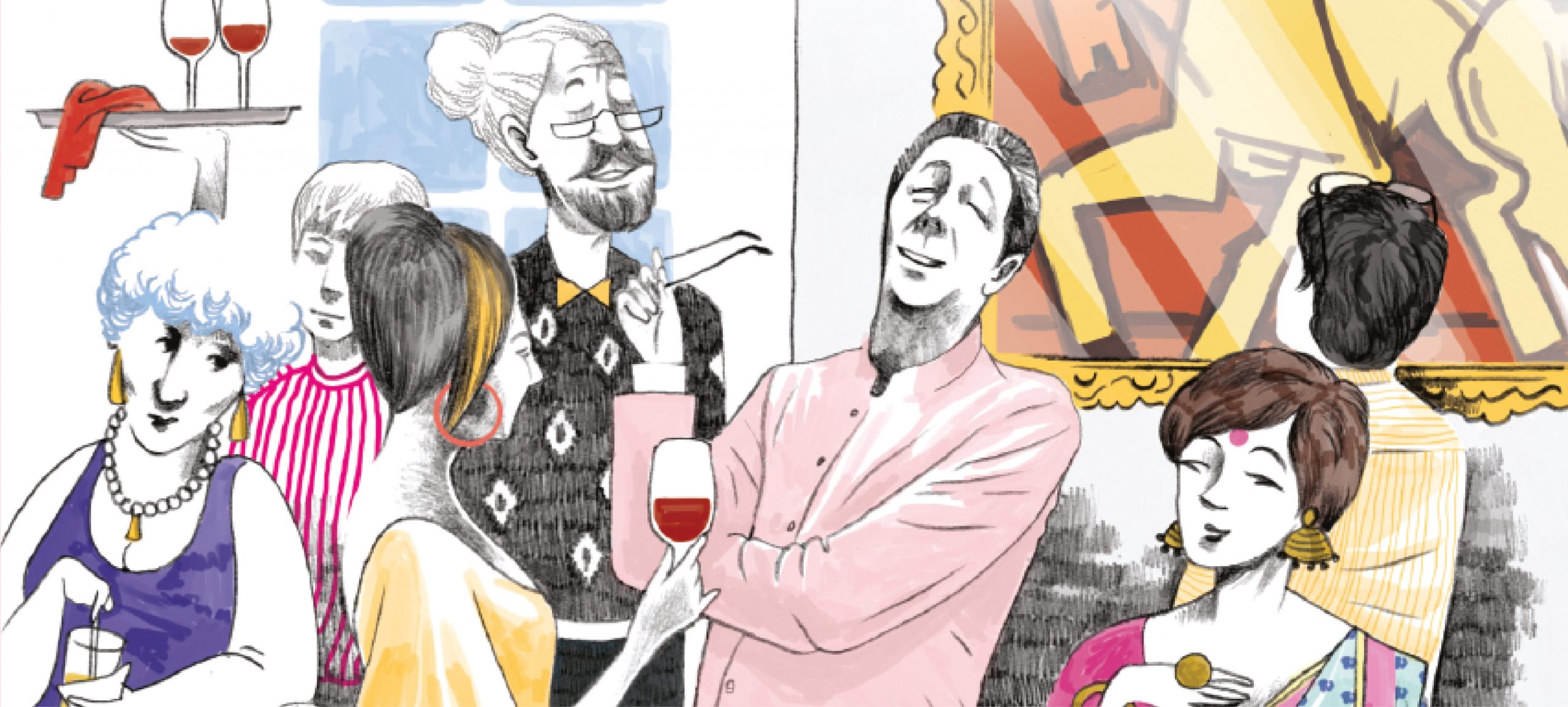
5 Things Every Bengali Intellectual Can Be Heard Saying
Sanjeev Sanyal, bestselling author of Land of the Seven Rivers, is currently the principal economic adviser to the Indian government. A Rhodes Scholar and an Eisenhower fellow, Sanjeev was named Young Global Leader for 2010 by the World Economic Forum.
Sanjeev’s latest book, Life Over Two Beers and other stories, promises to take readers on an entertaining and surprising ride through an India you thought you knew, with a collection of unusual stories.
We discovered 5 things every Bengali intellectual can be heard saying from the short story titled, “The Intellectuals”.
The spot everyone knows in the city:

Intellectuals in Calcutta are:

The Cultural and Intellectual Capital of India:

Intellectually always one step ahead:

Cricket is just a spectacle:


Why the Liberal Arts Will Rule the Digital World

The terms ‘fuzzy’ and ‘techie’ are used to respectively describe those students of the humanities and social sciences, and those students of the engineering or hard sciences at Stanford University.
Having met with thousands of companies, Scott Hartley through his book, The Fuzzy and the Techie wants to share with India that no matter what you’ve studied, there is a very real, and a very relevant, role for you to play in tomorrow’s tech economy. Our technology ought to provide us with great hope rather than fear, and we require policymakers, educators, parents and students to recognize this false divide between becoming technically literate, and building on our most important skills as humans.
Here are some points he shares, to stress on the importance of the fuzzies.


Techies are evolving into becoming Fuzzies’ vital partners, and they too can and must drive the process of bridge-building between the fuzzy and the techie. Not only are techies crucial to this process, they will also surely continue to push forward with exciting technological innovations that haven’t yet been conceived.

Writing Memories of Fire – Author Speaks!

Memories of Fire by Ashok Chopra is the story of five school friends who meet after 54 years and look back at their very different lives. The book chronicles post Partition Punjab and the all-pervasive sense of neighbourliness that seems to have vanished—or has it?
Let’s read a few words from the author as he reminisces about the ways of the past.
______________________________________________________________________
A few days back, I got an unexpected phone call in the middle of a relaxed Sunday afternoon. “Hi, Ashok. Are you home? We were just around the corner from your house. Wanted to drop off our son’s wedding card. See you in 20 minutes!”
Oh gosh. Nooo!
Firstly, it is Sunday—God’s day. Even He rests today. Secondly, who gives only a 20-minute warning these days? I need, at least, a day’s notice to prepare myself for company. Thirdly, didn’t their son already get married some years ago? Oh yes, I did hear something through the grapevine. The wife had turned out to be… opinionated. How dare she, right?
Anyway, who am I to pry? (But if you ask me, good for her.)
I reluctantly put my book down and got up from my comfortable chair. One swift look around the house and I determined that not much could be achieved in 20 minutes, so, meh. I then made my way to the kitchen to check if I had the basic afternoon tea paraphernalia.
Biscuits – check
Tea – check
Ginger – check
Cardamom – check
Milk – check
Sugar – oops
Uh-oh. I did remember to write it down in my to-buy list. But I didn’t remember to actually buy some. Oh, well. But what can be done now? I live in Gurgaon, where there are no kirana shops close by that one can walk to. There are only high-end grocery stores in malls where one must drive to. Even if one needs to buy a ten-rupee Maggi packet. And although I had heard of websites that do 60-minute grocery deliveries, I hadn’t yet heard of technology that made things appear out of thin air at will. How unfortunate.
Maybe they won’t even drink anything. Usually, these card-giving drop-ins are too short a visit anyway. But damn it, now I felt like having tea. Why don’t I just borrow a cup from my neighbour? I remember, as a child, my mother would send us countless times to our neighbour’s to borrow sometimes this and
on other days that. And the neighbour too would be doing the same regularly.
‘Uff, ghee khatam hai. Chal fatafat saath wali aunty se katori le aa.’
‘Yeh saare biscuit kaun kha gaya? Aunty se ek packet pakad la.’
‘Achha sun, woh aunty ka na gas cylinder khatam ho gaya hai. Humara extra wala de aa.’
If I was being paid a million dollars, I still wouldn’t be able to recount the million times this give-and-take took place. In fact, not just in terms of giving and taking, the entire neighbourhood lived as one big close-knit happy family! We knew exactly who lived where; how many people lived in each house;
all their names; their hobbies; their secrets. Sometimes, we even knew how many times Khan Uncle had burped during the day (only because he loved telling this thrilling piece of information to anyone who would listen). Aunties and neighbourhood uncles would leave their children in our homes for a few nights if they had to go out of town in an emergency.
But today, I don’t even know my neighbour’s name. Now, you know as well as me that it isn’t just my ignorant self; this is true for most people. Everyone is so busy trying to be self-sufficient, they’ve forgotten how to build relationships. They are so curious to know what’s happening in the life of a friend living 10,000 miles away that they simply ignore the people sitting right beside them. There are
many instances that youngsters don’t even know their own cousins. They have more ‘friends’ on Facebook than the ones they could actually have a real conversation with.
Wait a minute, didn’t this neighbour in question also send me a friendly request last month? I remember being somewhere else at the time I received it. There was loud music, too many people … ah, yes, of course. My school reunion! Oh, how I’d been looking forward to that evening. I had spent the entire train journey to Shimla in hopeful anticipation. Though I knew what my friends were up to through their pictures on social media, I wanted to hear the real stories of their lives and everything in them. But it sure turned out to be disappointing. A BIG waste of my time. It was obvious phones had replaced actual dialogue: ‘So, my grandkids got a sweet puppy recently. Let me show you a video of him.’
‘Ashok, I know you’re into organic farming and I thought of calling you just last month to know your tips and tricks. But, guess what, I simply googled it and voila. Now, I have a garden full of basil, cherry tomatoes, green chillies…’
I am not against progress. But people are simply losing the art of making a connect. Not the WiFikind, but a personal one. WhatsApp may be ‘instant conversation in a few words’ but the art of letter-writing has disappeared. Maybe they will find a way to reinvent it. Or maybe they will…
DING DONG.
And before I could finish my thoughts on the ever-changing world, or find the courage to ask my neighbour for some sugar, I was inviting my friends in and asking them if they’d like some tea.
‘Yes, of course. But please no sugar for us. We’ve been off it since a while. It is so bad for your health, you see. There have been reports all over …’
It all always does work out in the end–in the past as well as now.
Ashok Chopra
______________________________________________________________________

5 Times Ruskin Bond Made Us Fall in Love with Poems – All Over Again!
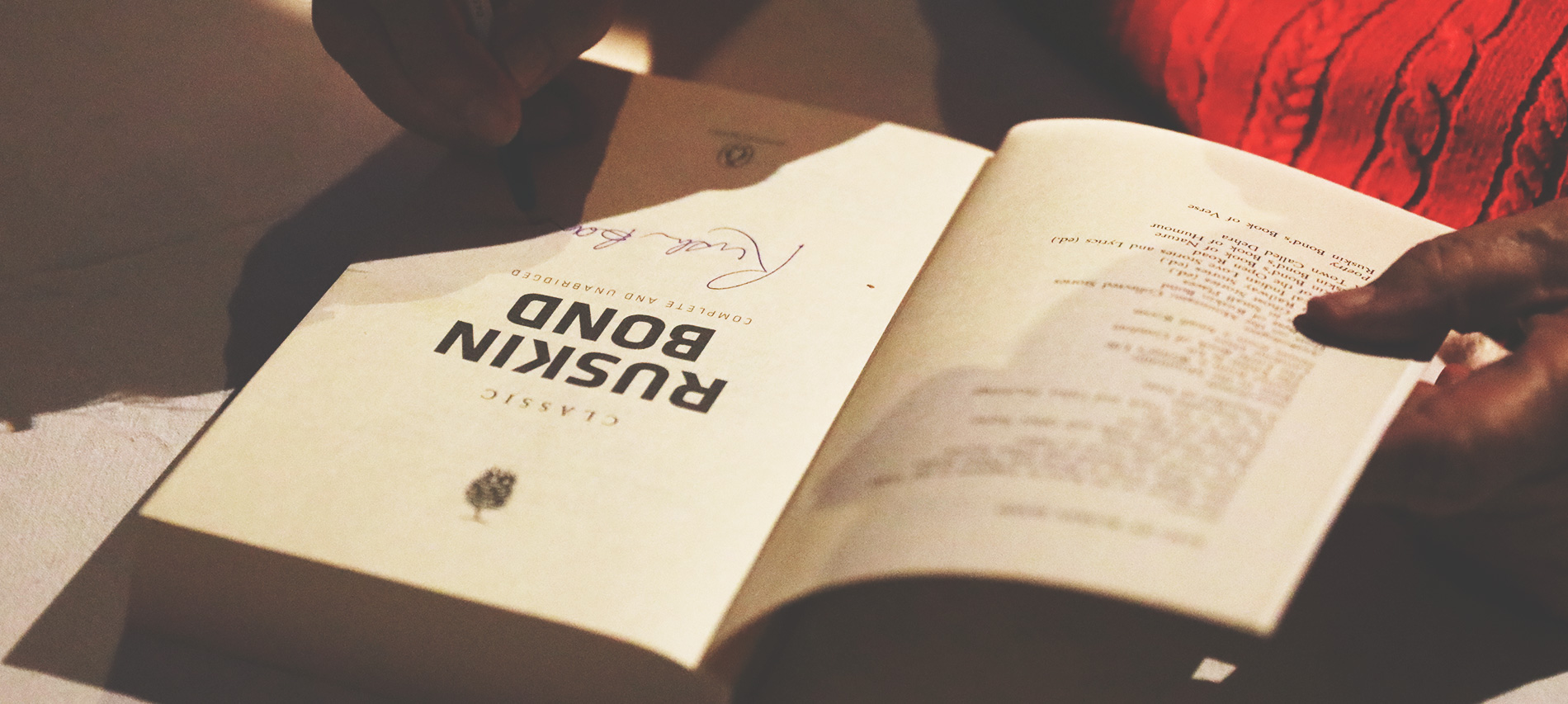
Ruskin Bond’s literary career started with his much loved first novel, The Room on the Roof, written when he was only seventeen. It went on to win the John Llewellyn Rhys Memorial Prize in 1957. Since then there has been no looking back! He has written several novellas, over 500 short stories and articles, essays, poems and children’s books. He was also awarded the Sahitya Akademi Award in 1993 and the Padma Shri in 1999. He now lives in Landour, Mussoorie, with his adopted family.
On the birthday of this absolutely adored author of Indian literature (by both adults and children alike), we shall take a walk through his beautiful poetry that could only be woven by this genius.


————————————————

Get To Know Sehmat Khan- The Unsung Heroine of War
When a young Kashmiri girl, Sehmat, gets to know her dying father’s last wish, she can do little but surrender to his passion and patriotism. This marks the beginning of her transformation from an ordinary girl into a deadly spy. She’s then married off to the son of a well-connected Pakistani general and her mission is to regularly pass information to the Indian intelligence. Something she does with extreme courage and bravado, till she stumbles on information that could destroy the naval might of her beloved country.
Get to know Sehmat Khan– the unsung heroine of war here:


Meet Zarin Wadia- The Mysterious Heroine from A Girl Like That

Sixteen-year-old Zarin Wadia, the protagonist of A Girl Like That is many things: a bright and outspoken student, an orphan, a risk taker. She’s also the kind of girl that parents warn their kids to stay away from: a trouble maker whose many romances are the subject of endless gossip at school. You don’t want to get involved with a girl like that, they say.
But is that all to Zarin’s multi-faceted personality? Well, surely not. Get to know more about the vivacious heroine here.


8 Facts About Abu Salem- One Of The Most Dangerous Dons India Has Ever Seen

Abu Salem’s life is a study in paradox. He was unique among the Mumbai mafia in a number of ways. Here are some facts about one of the most dangerous dons our country has ever seen from the bestseller book- My Name is Abu Salem, the third book by Hussain Zaidi’s part of the mafia trilogy, after Dongri to Dubai and Byculla to Bangkok.


French Lover: Nilanjana's Road to Self-Discovery
French Lover by Taslima Nasrin is the story of Nilanjana, a young Bengali woman from Kolkata who moves to Paris after getting married to Kishanlal, a restaurant owner. Kishanlal’s luxurious apartment seems to be a gilded cage for Nilanjana, and she feels stifled within its friendless confines. While she looks desperately for a way out of the boredom and depression that threaten to engulf her life, her road to self-discovery begins.
Bold in concept and powerful in execution, this book is a fascinating glimpse into the workings of a woman’s mind as she struggles to come to terms with her identity in a hostile world.
Here are quotes from the book that take us into Nilanjana’s world.


The Literary Renegade Whom No Force Dared Stop
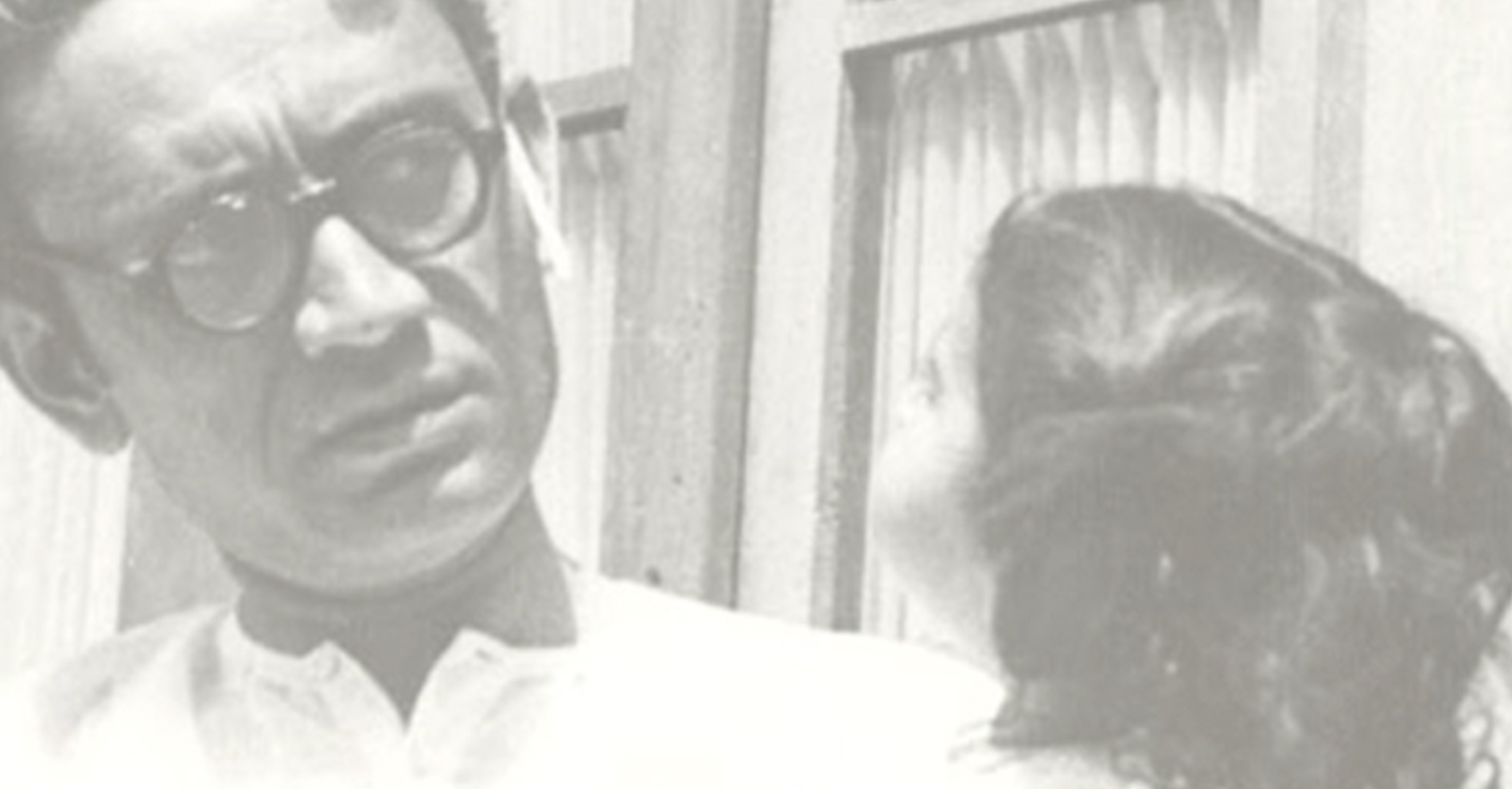
Saadat Hasan Manto is the most widely read and controversial short story writer in Urdu. A pre-eminent practitioner of the genre, he produced twenty-two collections of short stories. The prevalent trend is to classify Manto’s work into stories of Partition or stories of prostitutes but neither Partition nor prostitution gave birth to the genius of Saadat Hasan Manto. They only furnished him with an occasion to reveal the truth of the human condition.
On Manto’s birthday, we delve deeper into factors that moulded Manto’s creative world and showcase him as an astonishing writer who truly was unstoppable.


 Sources:
https://www.theguardian.com/books/2016/jun/11/saadat-hasan-manto-short-stories-partition-pakistanhttp://www.academia.edu/35301622/Biography_of_Saadat_Hasan_Manto
