




Shivoham is the trainer behind Aamir Khan’s muscular look in Dhoom 3, Sonakshi Sinha’s bodacious curves in Dabangg, Jacqueline Fernandez’s lean physique and Abhishek Bachchan’s fitness. His book, The Shivfit Way will ensure that you won’t just get back in shape, you’ll also look forward to working out. The book is co authored by Shrenik Avlani, who is a newsroom veteran with nearly two decades of work experience as a leading writer in the field of endurance sport and fitness.
Here are 6 warming up exercises from the book that get you warmed up for functional fitness.


Do these seem helpful?
Get your copy of The Shivfit Way: A Comprehensive Functional Fitness Programme and start working on your fitness goals.

Category: Specials
5 Facts about the Landmark Cases of Modern India that will Blow Your Mind

The Dramatic Decade: Landmark Cases of Modern India, is a collection of some of the landmark cases of Modern India that have impacted the collective conscious of the entire nation.The book gives the reader a ringside view of what happened both inside and outside the courts.
Let’s take a look at these facts.
1. The Parliament Attack – 13 December 2001
2. Nirbhaya – 16 December 2012

3. The 26/11 Mumbai Attacks – 26 November 2008

4. The Babri Masjid Demolition – 6 December 1992

5. The Uphaar Tragedy – 13 June 1997
 ————
————

5 Star-crossed Couples From Literature Who Make Us Believe in Love

Literature has given us some iconic couples who have enthralled us with their story and made us believe that in the end love conquers all. They also show us how love can be found in the unlikeliest of places.
In this blog post, we cherish five of them.
———————-
1. Jay and Daisy – The Great Gatsby
 2. Sarah and Charles – The French Lieutenant’s Woman
 3. Florentino and Fermina – Love in the Time of Cholera
  4. Anna Karenina and Count Vronsky from Anna Karenina
 5. Lady Chatterley and Oliver from Lady Chatterley’s Lover
 —————-

10 Things about Issac John that every reader should know

Prior to pursuing writing, Issac led the marketing team at PUMA India for four years. In 2015, Pitch magazine nominated Issac as one of the Top 10 Young Marketers in India. Issac’s debut book, Buffering Love, is a collection of 15 short stories that has characters cling on to their mobile phones, sometimes to crush reality and sometimes to embellish it. Set in urban India and replete with surprising turns, these stories will delight and devastate its readers in equal measure.


You can follow Issac on his Instagram handle here.

5 Quotes Which Prove Why Bombay is called the Maximum City
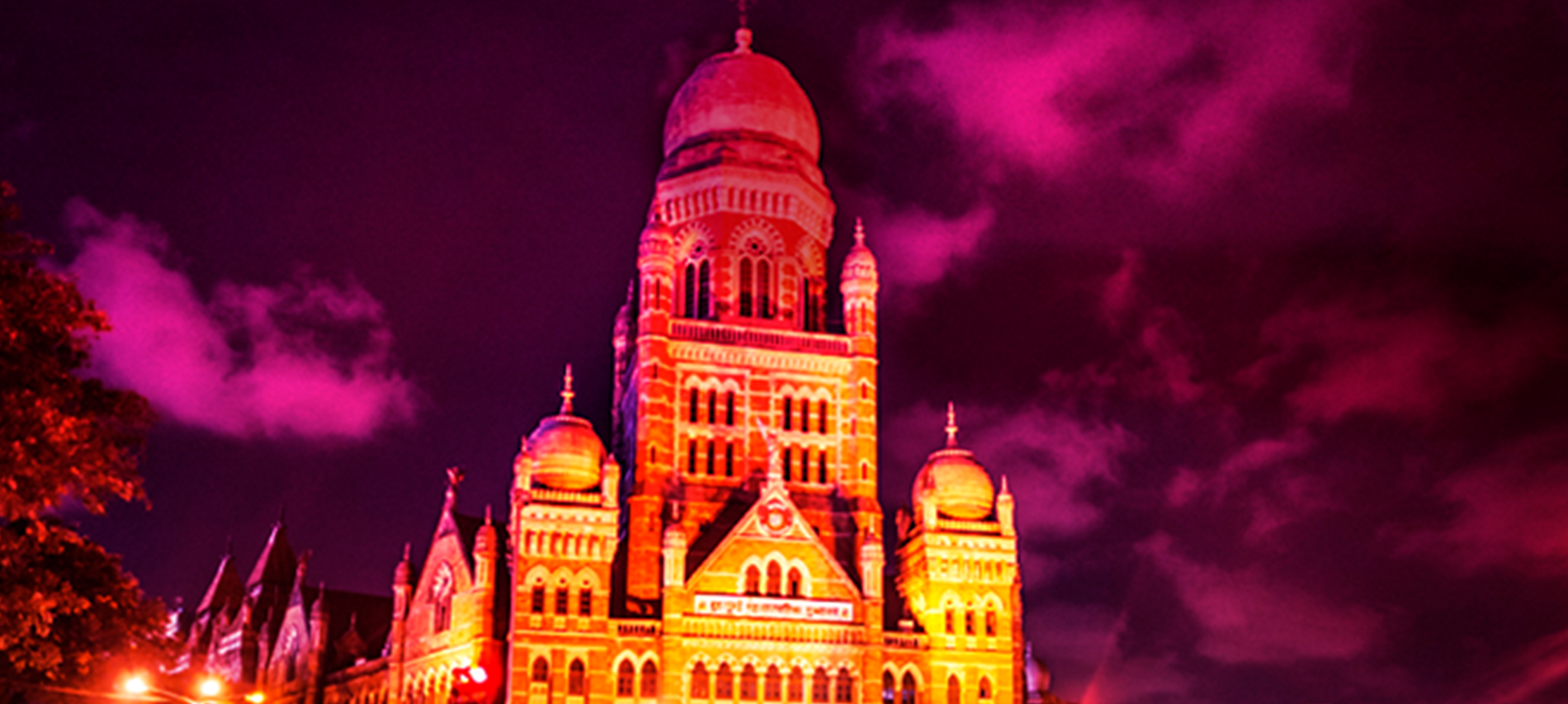
Suketu Mehta is a New York based author and an associate professor of journalism at New York University. His book, Maximum City: Bombay Lost & Found, was a finalist for the 2005 Pulitzer Prize. In this landmark biography, Suketu Mehta gives us an insider’s view into one of the world’s most dynamic and exciting cities.
Here are 5 poignant quotes from this celebrated book.
The Doppelganger Effect

The City of Dreams

Living in the Bubble

The Forbidden Quarters

The City that Never Sleeps

The definitive portrait of Mumbai in the 21st century, this timeless classic is a must have on your reading list!

In conversation with the author of Reversing Diabetes in 21 Days, Dr Nandita Shah
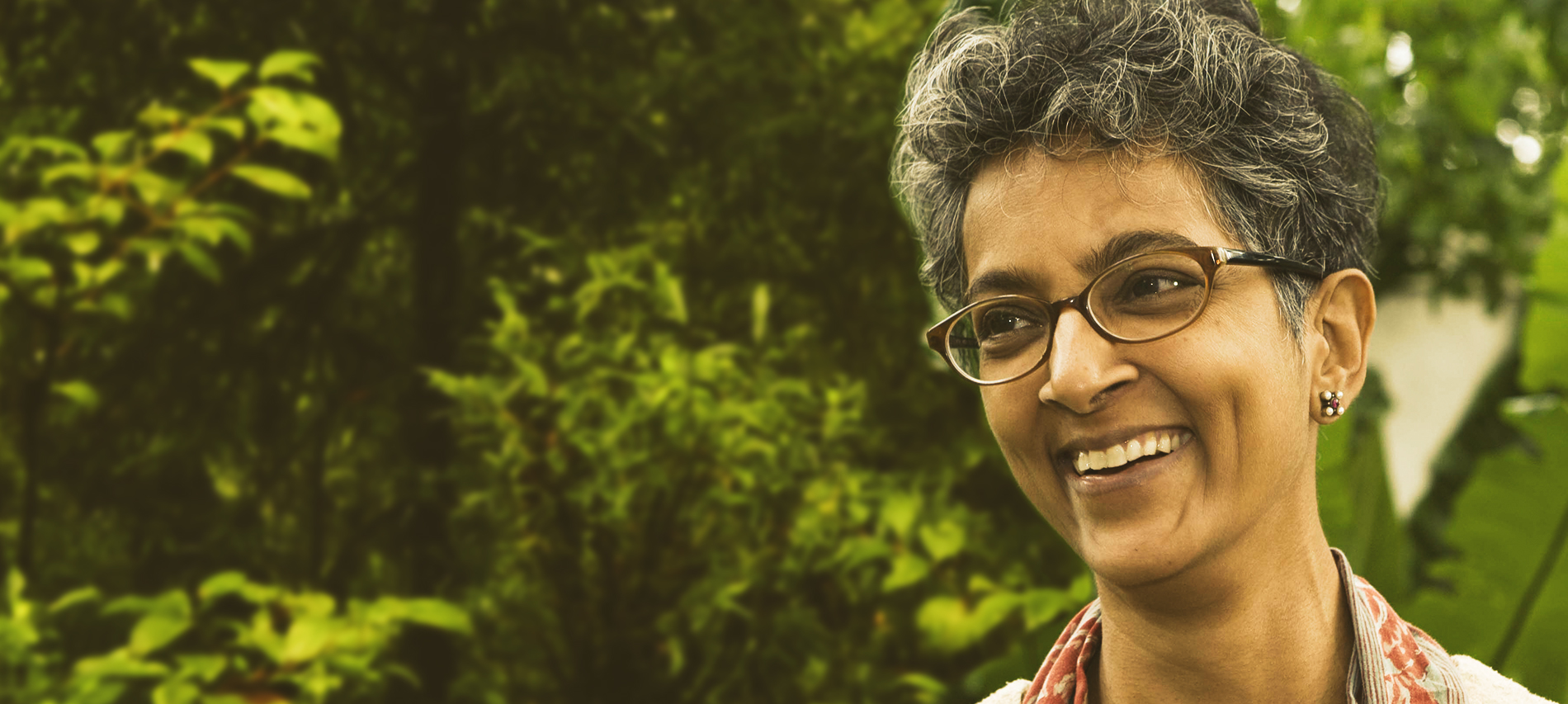
Dr Nandita Shah is the founder of Sanctuary for Health and Reconnection to Animals and Nature (SHARAN) and has thirty-six years of experience in treating patients. In her new book, Reversing Diabetes in 21 Days: A Nutrition-Based Approach to Diabetes and Related Problems, based on her revolutionary diabetes reversal programme, the renowned homeopath elaborately breaks down the real cause of diabetes using scientific evidence and intelligently outlines a routine that will not just prevent the disease but also reverse it.
Here’s an interview with the esteemed author:
1. Why did you choose diabetes and not any other disease to write about?
Although my goal as a doctor is to help people live a life without medicines, no matter which illness they suffer from, there are several reasons why I chose to write about diabetes. Firstly, the incidence of this hormonal problem has exploded in India. Unlike 50 years ago, today, almost every family has a member with diabetes and it is affecting even younger age groups. I have seen children aged 14 with type II diabetes!
Unlike in the case of heart disease and cancer, or autoimmune diseases, nobody is fearful of diabetes. Most people would be willing to give healthy food a chance! Also, in the case of diabetes the progress can be tracked very easily with a glucometer and results are tangible within just days or weeks. This motivates the patient to continue and get even higher results.
2. Tell us about the most remarkable success story of your revolutionary diabetes reversal programme.
If you had asked me this even five years ago, I may have been able to tell you something. But now, I see or hear of people reversing diabetes everyday. I’ve seen people on multiple medications and insulin get free of most of these medications as well as the insulin, during our 21 day health retreats. The joy and freedom that they experience after years of being dependent on medicines is remarkable! And it’s not just that, there’s also the cost involved. One of my patients who after many years got free of medicines for diabetes and high blood pressure, was taking medicines worth Rs 17,000 each month! Imagine the amount of money that can be saved just by making simple lifestyle changes and eating delicious food.
3. What other diseases are you planning to write about?
Actually all diseases can be cured by adopting similar principles. Today, I’m seeing a lot of patients with cancer. This is much more complex, because of the sheer fear involved and multiple causative factors. However, it’s very rewarding when patients are able to trust and see their cancers, including metastasis, recede, simply by following the principles of natural healing. I think this would be my next step because of the number of people that could be benefited. Like diabetes just a few years ago, today the number of cases of cancer is exploding.
4. Does your book address anything about homeopathy?
No, not really. My goal today is to help people become their own best doctors. I consider homeopathy to be a very serious and difficult art of healing. It requires a lot of studying, understanding, and yet it can be quite subjective, making it difficult for the layperson to use it successfully.
After years of homeopathic teaching and practice, today I, myself, rarely use homeopathy. If just changing our diet and lifestyle can make such big inroads into healing, why bother with anything else? What I like best is that with this method patients can take their health into their own hands, where it belongs. Besides, you can’t solve a problem without removing the cause and the cause of disease is never lack of medication (not even homeopathic medications).
True reversal means being healthy without any medicines.
5. How long did it take you to research and come up with the step-by-step plan to reverse diabetes?
I have to admit that this approach to reversing diabetes is not original. There are many doctors in the world who are using this method to help their patients reverse diabetes. My introduction to this method came from Dr Neal Barnard first and then others like Dr Gabriel Cousens. I could understand it easily because I had already been working with natural healing methods with myself and with my patients. Since the results are almost guaranteed, it’s very motivating both for the doctor as well as the patient. I’ve been following this lifestyle for more than 15 years now and advising it to my patients. The learning is never complete. I’m always learning something new from the best teacher in the world, Nature.
Interspersed with testimonials, stories and real-life experiences of past participants, this book will show you that type 2 diabetes and many cases of type 1 diabetes are indeed reversible!

The Beauty of the Valmiki Ramayana by Bibek Debroy
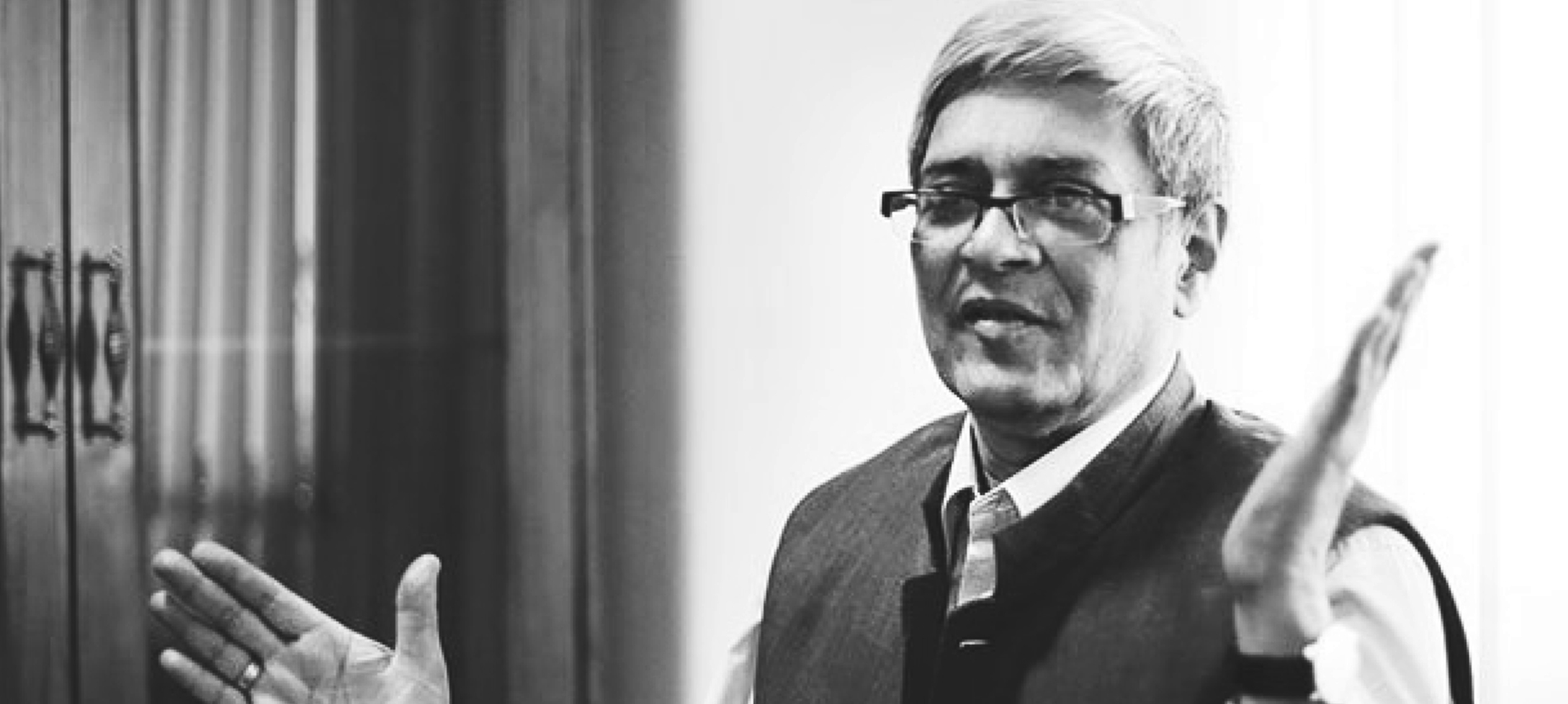
By Bibek Debroy:
There are many versions of the Ramayana and not all are in Sanskrit. However, the Valmiki Ramayana, composed by the sage Valmiki in Sanskrit, is clearly the oldest. It is the oldest surviving version. Perhaps the story was already known and Valmiki simply retold it in the form of a beautiful composition. Therefore, he may not have been the first person to tell the story. We shall never know. Nor is it important to know that to appreciate the Valmiki Ramayana.
Indeed, we are not quite sure about what Valmiki composed. In those days, there was no writing. In the process of oral transmission, subsequent composers added their own embellishments. Today, the text of the Sanskrit Valmiki Ramayana has around 24,000 shlokas, a shloka being a verse. These 25,000 shlokas are distributed across seven kandas – Bala Kanda (Book about Youth), Ayodhya Kanda (Book about Ayodhya), Aranya Kanda (Book of the Forest), Sundara Kanda (Book of Beauty), Yuddha Kanda (Book about the War) and Uttara Kanda (Book about the Sequel). Kanda refers to a major section or segment and is sometimes translated into English as Canto. “Canto” sounds archaic, “Book” is so much better. This does not mean the kanda-wise classification always existed. For all one knows, initially, there were simply chapters. Most scholars agree Uttara Kanda was written much later. It doesn’t quite belong. This isn’t only because of the content. It is also because of the texture of the text, the quality of the poetry. It is vastly inferior. To a lesser extent, one can also advance similar arguments for the Bala Kanda. Therefore, the earlier portions of the Valmiki Ramayana were probably composed around 500 BCE. The later sections, like the Uttara Kanda, and parts of the Bala Kanda, were probably composed around 500 ACE. It isn’t the case that all later sections are in Uttara Kanda.
The translation published by Penguin in three volumes is of the Valmiki Ramayana. It is necessary to stress this point. The Ramayana story is so popular that one is familiar with people, stories and incidents. That doesn’t necessarily mean those people, stories and incidents occur in the Valmiki Ramayana in the way we are familiar with them, our familiarity based on other versions of the Ramayana story. Even within the Sanskrit Valmiki Ramayana, there are many different manuscripts. Between 1951 and 1975, the Oriental Institute, Baroda, produced a Critical Edition of the Valmiki Ramayana. This translation is based on that Critical Edition, published sequentially between 1958 and 1975. Producing a Critical Edition meant sifting through a large number of manuscripts of the Valmiki Ramayana. The editors had around 2000 manuscripts to work with. It is not that there were significant differences across the manuscripts and broadly, there was a Southern Recension (version) and a Northern one, the latter sub-divided into a North Western and a North Eastern one. The earliest of these written manuscripts dates to the 11th century CE. In passing, the language may have been Sanskrit, but the script wasn’t always devanagari. There were scripts like Sharada, Mewari, Maithili, Bengali, Telugu, Kannadi, Nandinagari, Grantha and Malayalam. The translation published by Penguin is based on the Baroda Critical Edition. To repeat what I have already said, some Ramayana stories and incidents we are familiar with, many not exist in this version.
The Valmiki Ramayana consists of beautiful poetry. Valmiki is the first poet, ad kavi. The story of how it came about is known to most people who are familiar with the Ramayana. The sage Valmiki had gone, with his disciple Bharadvaja, to bathe in the waters of the River Tamasa. There was a couple of curlew birds there, in the act of making love. Along came a hunter and killed the male bird. As the female bird grieved, Valmiki was driven by compassion and the first shloka emerged from his lips. Since it was composed in an act of sorrow (shoka), this kind of composition came to be known as shloka. So the Ramayana tell us. It is impossible to capture the beauty of this poetry in an English translation. As composers, there is quite a contrast between Valmiki and Vedavyasa, the author of the Mahabharata. Both texts are in the form of poetry and both composers were poets, but there the similarity ends. Vedavyasa focuses on people and incidents. Rarely does the Mahabharata attempt to describe nature, even if those sections are on geography. In contrast, Valmiki’s descriptions of nature are lyrical and superlative, similar to Kalidasa. A translation can never hope to transmit that flavor. There is no substitute to reading the original Sanskrit, more so for the Valmiki Ramayana than for the Mahabharata.
As with the Mahabharata, the Valmiki Ramayana is a text about dharma. Dharma means several different things – the dharma of the four varnas and the four ashramas; the governance template of raja dharma, the duty of kings; principles of good conduct (sadachara); and the pursuit of objectives of human existence (purushartha) – dharma, artha and kama. As with the Mahabharata, the Valmiki Ramayana is a smriti text. It has a human origin and composer, it is not a shruti text. Smriti texts are society and context specific. We should not try to judge and evaluate individuals and actions on the basis of today’s value judgements. In addition, if the span of composition was one thousand years, from 500 BCE to 500 ACE, those value judgements also change. Transcending all those collective templates of dharma, there is one that is individual in nature. Regardless of those collective templates, an individual has to decide what the right course of action is and there is no universal answer as to what is right and what is wrong. There are always contrary pulls of dharma, with two notions of dharma pulling in different directions. It is not immediately obvious which is superior. Given the trade-offs, an individual makes a choice and suffers the consequences. Why is there an impression that these individual conflicts of dharma are more manifest in the Mahabharata than in the Ramayana?
The answer probably lies in the nature of these two texts. What is the difference between a novel and a long story, even when both have multiple protagonists? The difference between a novel and a long story is probably not one of length. A novel seeks to present the views of all protagonists. Thus, the Mahabharata is a bit like a novel, in so far as that trait is concerned. A long story does not seek to look at incidents and action from the point of view of every protagonist. It is concerned with the perspective of one primary character, to the exclusion of others.
If this distinction is accepted, the Valmiki Ramayana has the characteristics of a long story. It is Ramayana. Therefore, it is primarily from Rama’s point of view. We aren’t told what Bharata or Lakshmana thought, or for that matter, Urmila, Mandavi or Shrutakirti. There is little that is from Sita’s point of view too. That leads to the impression that the Mahabharata has more about individual conflicts of dharma. For the Valmiki Ramayana, from Rama’s point of view, the conflicts of dharma aren’t innumerable. On that exile to the forest, why did he take Sita and Lakshmana along with him? Was Shurpanakha’s disfigurement warranted? Why did he unfairly kill Vali? Why did he make Sita go through tests of purity, not once, but twice? Why did he unfairly kill Shambuka? Why did he banish Lakshmana? At one level, one can argue these are decisions by a personified divinity and therefore, mere humans cannot comprehend and judge the motives. At another level, the unhappiness with Rama’s decisions led to the composition of alternative versions of the Ramayana. Note that Sita’s questions about dharma remained unanswered. If you are going to the forest as an ascetic, why have you got weapons with you? If the rakshasas are causing injuries to hermits, punishing the rakshasas is Bharata’s job, now that he is the king. Why are you dabbling in this? Note also Rama’s justification at the time of Sita’s first test. It wasn’t about what others would think, that justification came later. The initial harsh words reflected his own questions about Sita’s purity. Thus, Rama’s conflicts over dharma also exist. It is just that in the Valmiki Ramayana, it is about one individual alone.
In conclusion, this translation is an attempt to get readers interested in reading the unabridged Valmiki Ramayana. Having read abridged versions, and there is no competition with those, to appreciate the nuances better, one should read the unabridged. And, to appreciate the beauty of the poetry, one should then be motivated to read the text in the Sanskrit. A translation is only a bridge and an unsatisfactory one at that.
——————————
Bibek Debroy (Tr.) is a renowned economist, scholar and translator. He is also a Research Professor (Centre for Policy Research) and a columnist with Economic Times. His majestic new translation The Valmiki Ramayana, can now be relished by a new generation of readers.

Things You Should Know About Namita Gokhale
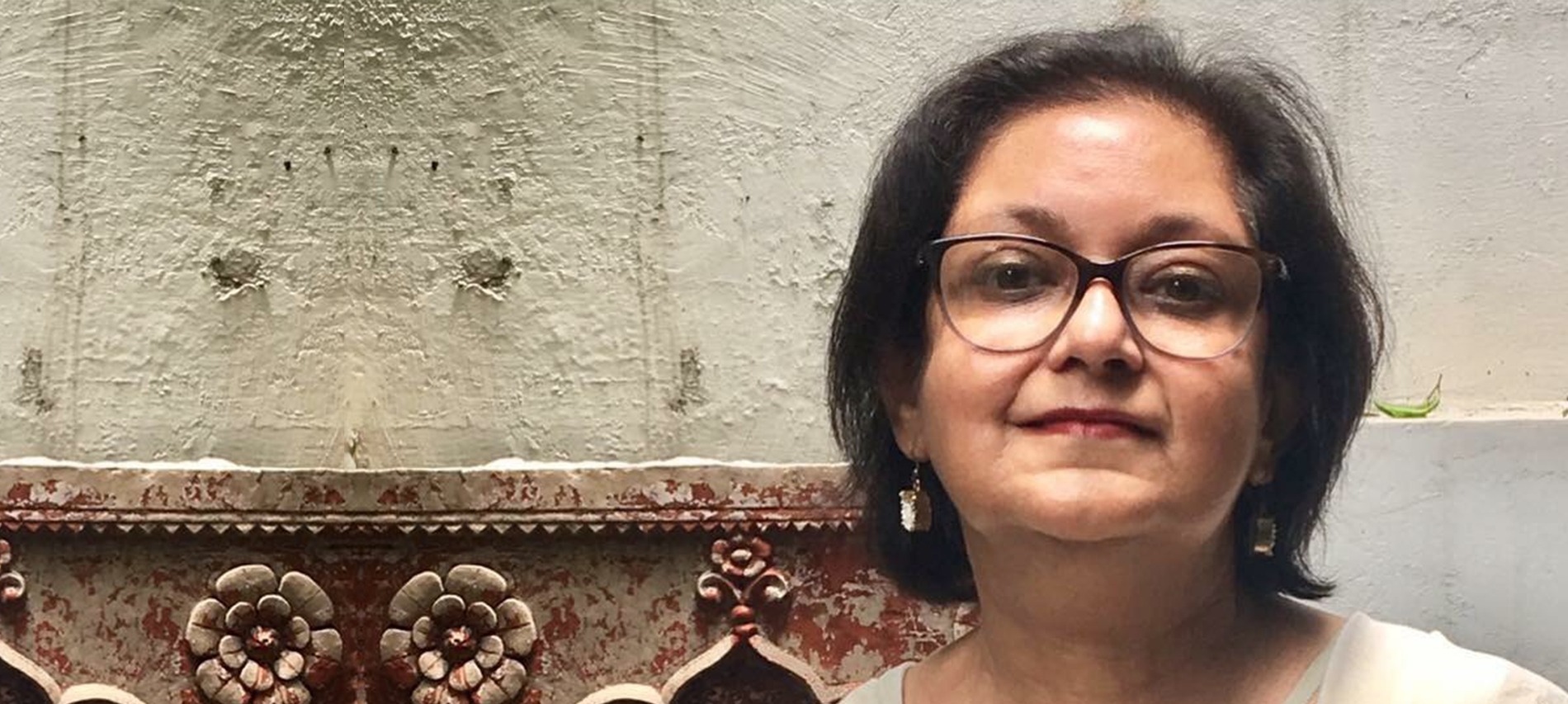
Namita Gokhale is a writer, publisher, founder and co- director of the Jaipur Literature Festival. In her illustrious literary career, she has written sixteen titles in both fiction and non-fiction genres. Her recent novel, Double Bill: Priya and Paro is the combination of two novels coming together in one classic volume, taking the liberated, brazen and all-too human Paro and her natural counterpart, the more timorous Priya, to new readers and old.
Here are five things you should know about the author.


How many of these did you know about the author?

Things You Should Know About Pankaj Dubey
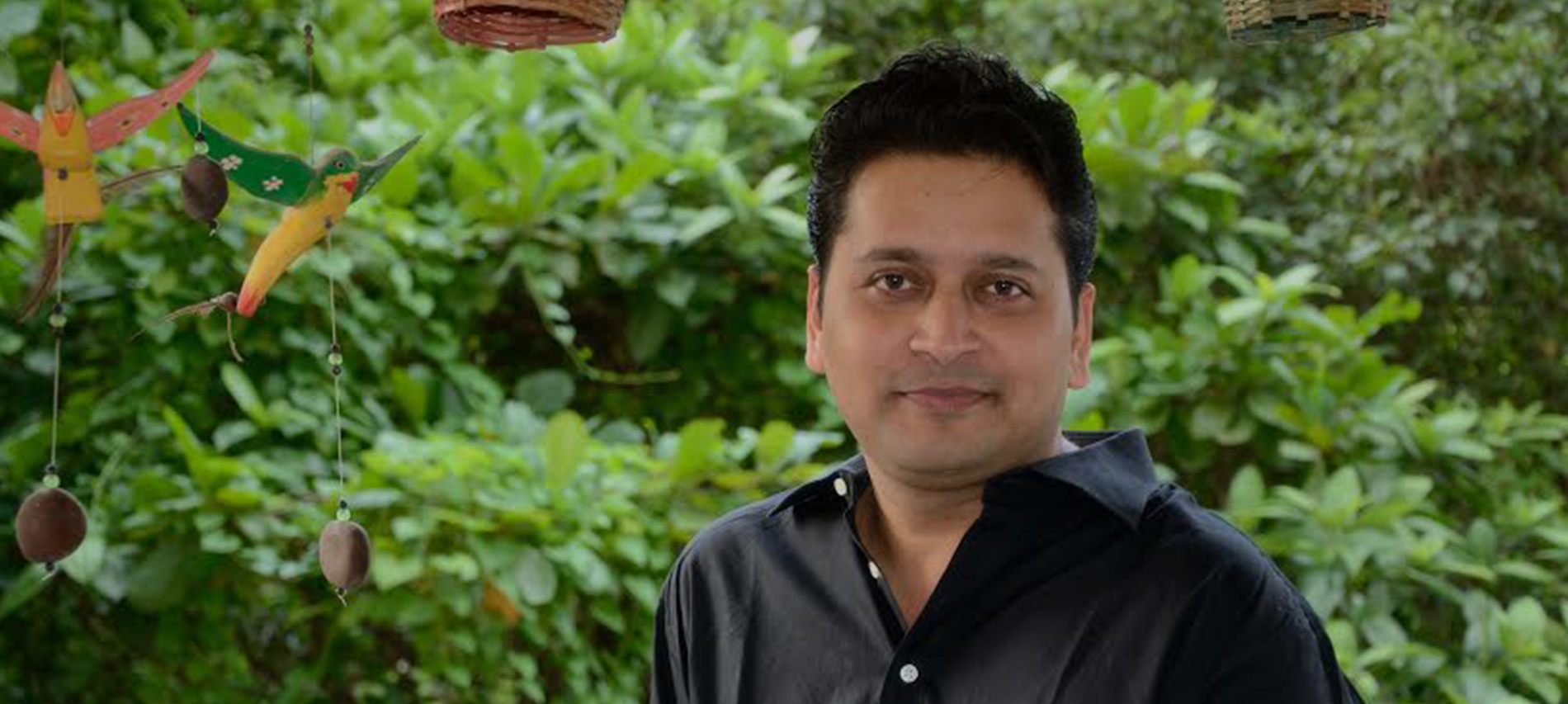
Pankaj Dubey is the bestselling author of three novels. He is also a film-maker. His recent novel Love Curry is about three flatmates in London who fall in love with the same girl. They become arch rivals, but when their worlds turn topsy-turvy, they have no one but each other to turn to, learning that love is as much about letting go as it is about possessing.
Here are six things you should know about the author:


Catch Pankaj Dubey’s quirky and intense novel Love Curry.

5 Facts About the Founder of YourStory You Should Know About
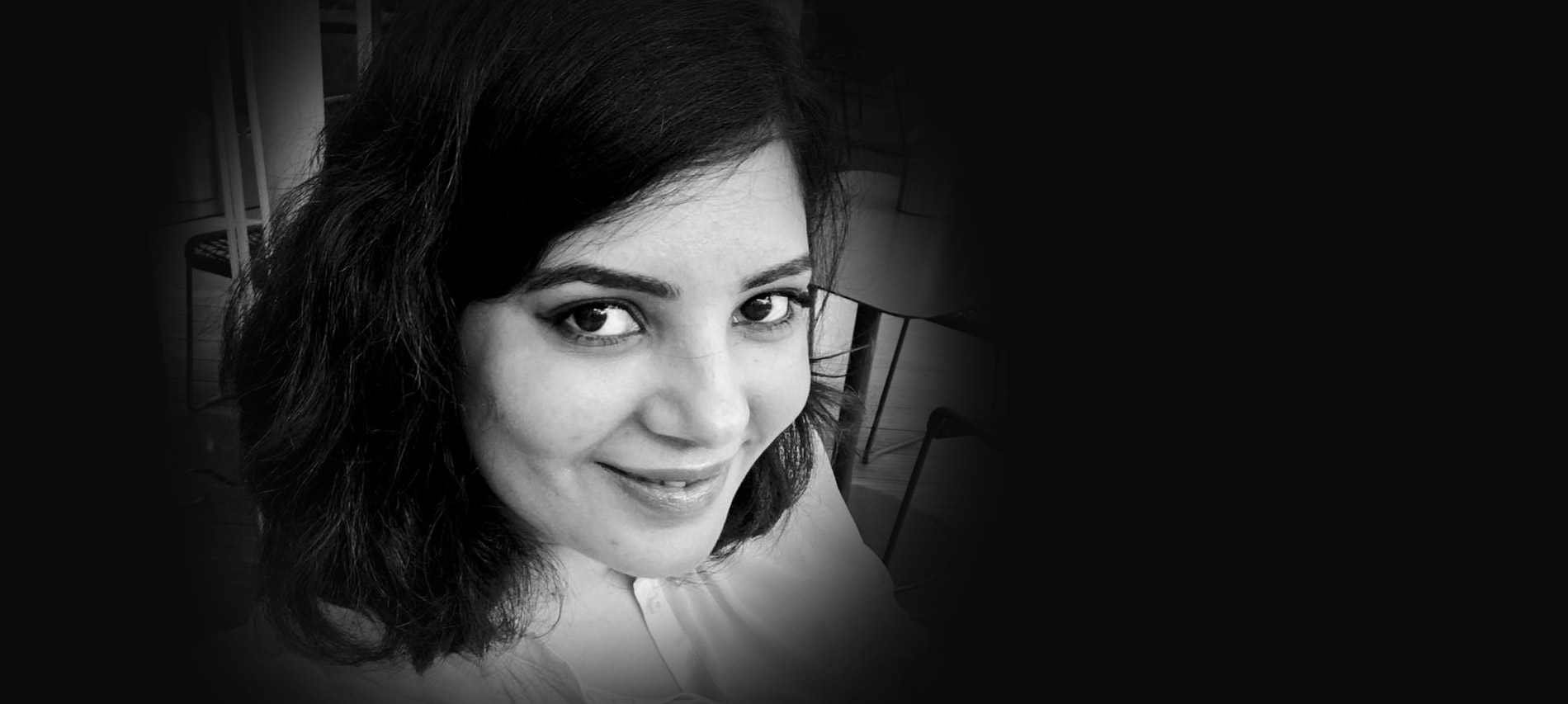
Shradha Sharma is a storyteller who engages with India’s digital space. Other than writing, she manages the media technology platform for entrepreneurs, YourStory. In Cut The Crap and Jargon, Shradha Sharma, along with T.N.Hari explores the skills needed to establish a start up and addresses the curiosity raised by young entrepreneurs.
T.N. Hari is an IIT-IIM alumnus and has worked at an executive level with multiple start-ups and scale-ups and has been through four successful exits in different industries.
Here are a few facts about Shradha Sharma.


How many of these facts did you know?
