Publish with Us

Follow Penguin

Follow Penguinsters

Follow Penguin Swadesh

Whereabouts: Jhumpa Lahiri’s latest literary landscape

Exuberance and dread, attachment and estrangement: in this novel, Jhumpa Lahiri stretches her themes to the limit. The woman at the center wavers between stasis and movement, between the need to belong and the refusal to form lasting ties. The city she calls home, an engaging backdrop to her days, acts as a confidant: the sidewalks around her house, parks, bridges, piazzas, streets, stores, coffee bars. We follow her to the pool she frequents and to the train station that sometimes leads her to her mother, mired in a desperate solitude after her father’s untimely death. In addition to colleagues at work, where she never quite feels at ease, she has girl friends, guy friends, and “him,” a shadow who both consoles and unsettles her. But in the arc of a year, as one season gives way to the next, transformation awaits. One day at the sea, both overwhelmed and replenished by the sun’s vital heat, her perspective will change. This is the first novel she has written in Italian and translated into English. It brims with the impulse to cross barriers. By grafting herself onto a new literary language, Lahiri has pushed herself to a new level of artistic achievement.


Here is an excerpt from the book Whereabouts by Jhumpa Lahiri:


The city doesn’t beckon or lend me a shoulder today. Maybe it knows I’m about to leave. The sun’s dull disk defeats me; the dense sky is the same one that will carry me away. That vast and vaporous territory, lacking precise pathways, is all that binds us together now. But it never preserves our tracks. The sky, unlike the sea, never holds on to the people that pass through it. The sky contains nothing of our spirit, it doesn’t care. Always shifting, altering its aspect from one moment to the next, it can’t be defined.


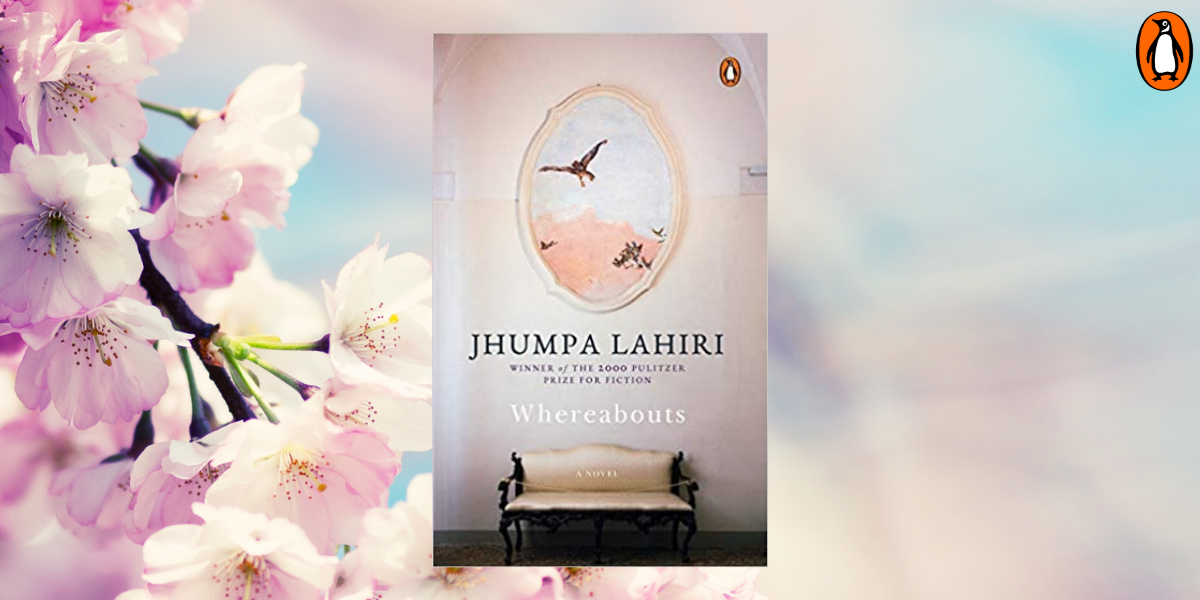
Whereabouts| Jhumpa Lahiri


This morning I’m scared. I’m afraid to leave this house, this neighborhood, this urban cocoon. But I’ve already got one foot out the door. The suitcases, purchased at my former stationery store, are already packed. I just need to lock them now. I’ve given the key to my subletter and I’ve told her how often she needs to water the plants, and how the handle of the door to the balcony sometimes sticks. I’ve emptied out one closet and locked another, inside of which I’ve amassed everything I consider important. It’s not much in the end: notebooks, letters, some photos and papers, my diligent agendas. As for the rest, I don’t really care, though it does occur to me that for the first time someone else will be using my cups, dishes, forks, and napkins on a daily basis.


Last night at dinner, at a friend’s house, everyone wished me well, telling me to have a wonderful time. They hugged me and said, Good luck! He wasn’t there, he had other plans. I had a nice time anyway, we lingered at the table, still talking after midnight.


I tell myself: A new sky awaits me, even though it’s the same as this one. In some ways it will be quite grand. For an entire year, for example, I won’t have to shop for food, or cook, or do the dishes. I’ll never have to eat dinner by myself.


I might have said no, I might have just stayed put. But something’s telling me to push past the barrier of my life, just like the dog that pulled me along the paths of the villa. And so I heed my call, having come to know the guts and soul of this place a little too well. It’s just that today, feeling slothful, I’m prey to those embedded fears that don’t dissipate.

Do you have what it takes to survive in Uttar Pradesh politics?

Beginning at the peak of Nehruvian era and ending in the early seventies, Devesh Verma’s  sharply funny saga The Politician  gives an enthralling, evocative view of provincial northern India-once the political heartland of the country-and the ebb and flow of the fortunes of its protagonists.

Ram Mohan is an intrepid and ambitious young man in newly independent India, who refuses to be held down by his humble origins. Spurred on by his diehard optimism, he aims for things usually inaccessible to people of his extraction. However, he soon realizes that without political or bureaucratic power, the idea of a respectable life in India is nothing but pretence.

Ram Mohan’s fascinating character and the darkly comic situations that he is forced to navigate to stay afloat in the tumultuous sea of provincial realpolitik offer some interesting insights.

We have conducted a detailed analysis of his methods to come up with a the ultimate quiz to determine whether you are a Pradeshi Political Player and true inheritor of Ram Mohan’s legacy or if you are a Certified Civilian like the rest of us!

**

If you are ever sidelined by the fickle opinions of your political party at the very inception of your political career, what would you do?

A-Sputter in rage at public meetings

B-Lie low and temporarily focus on an alternate career

That was not without reason. Ram Mohan had an alternate calling to fall back on, which he found equally, if not more, agreeable. Rather he was a trifle relieved. He could now get down to some serious research work with no distraction, though he had not given up on his chances in politics. His apparent stoicism was calculated to help him calmly assess the political ball game while engaged in an academically fulfilling pursuit.


MLK may have considered violence to be the last refuge of the incompetent but sometimes in the heartlands of provincial Uttar Pradesh a certain display of ruthlessness is imperative. Which of these most closely matches your views towards violence?

A-Reject violence in any form

B-Use it strategically, mostly through other people

They all made a dash as Mahavir Wilson had already received several blows. Gulab Singh stopped Ram Mohan and along with his two men fell on the thugs with lathis. Employing violence as starkly as a butcher—allowing no room for dickering—he had become adept in gaining control over situations apparently hazardous. He had long discovered this method to be immensely effective, which made even more powerful adversaries doubtful about their own strength.


Are you capable of displaying Ram Mohan’s incredible verbal and psychological dexterity at handling the inflated egos of pompous personages around you?

A-Never, you are a master at deflating egos and enraging important people

B-Yes, you would absolutely pander to them if it benefitted you eventually

While dealing with a high caste personage, he would use arguments designed to humour; he had already made inroads into the upper-caste consciousness in the area, as he would try to be regarded as their well-wisher. At the election for the posts of village chief, he had ensured Gulab Singh’s victory, which held no surprise as Gulab Singh was Ram Mohan’s friend. But his going all out to support a Brahman candidate for the same position in another village— where the real fight was between a Brahman and a Thakur candidate—earned him some goodwill indeed;

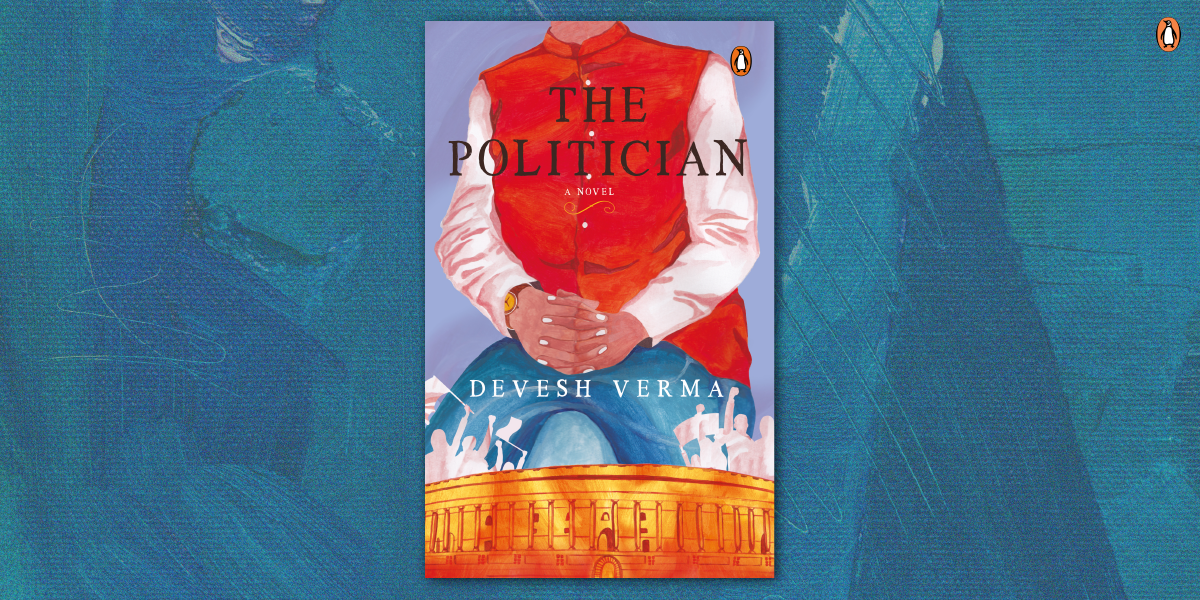
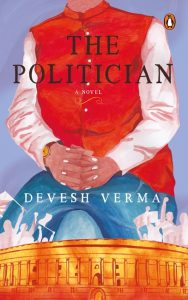
Front cover of The Politician
The Politician || Devesh Verma


Are you willing to occasionally swallow your pride and opt for a strategic defeat if necessary?

A-No, victory or nothing

B-Patience is the name of the game

In Fatehpur, Ram Mohan would win laurels even in defeat. I mean he’d get his hands on so many votes that Congress would have to take note, which would brighten up his chances in future. They might offer him something else in the bargain.’


Discretion is certainly the better part of valour, and every politician needs spades of it. When handed a significant piece of information what is your first instinct

A-Expound upon it to your worshipping coterie

B-Ensure no leaks occur that can derail your plans

No, it’s important we keep a clear head and be discreet about it for now. What’s more, I’m still chewing it over. As of now I’ve shared it with only three people, you, Saansad ji and Ram Mohan. Let’s keep it that way until after the elections. Because then I’d have some concrete grievance to ground my decision on.


While we all wish we had truly impressive personalities, it’s time for a little honest introspection. Does your personality in any way come close to this stirring description of Ram Mohan’s personality?

A-Not really, I’m mostly quiet

B-Yes, I think I’m a fair match

Ram Mohan had a personality, which did not blend in with the general run of people. His face that radiated profundity in a literary gathering could be like thunder if the occasion warranted; his eyes and words articulating pure menace. He could frighten the life out of a lout.


Upon achieving something you’ve worked long and hard for, which of these actions would be your first instinct?

A-Gloat about it obnoxiously

B-Couch it in terms of benefit to others

Ram Mohan rose and touched Saansad ji’s feet as the latter continued, ‘It’s confirmed. Just the day before yesterday Kapur called and read out all the six names of the Congress candidates for Rajya Sabha. Yours is at number four. And I feel doubly joyous. Firstly, because I have been able to do something for you; secondly, I may not be in her inner circle but now I know Indira ji values my opinion.’

 —

RESULTS!

Mostly As-Certified Civilian. Enjoy your unproblematic life!

Mostly Bs-Pradeshi Political Player. Ram Mohan anoints you his heir!

‘Writing is almost biological’: Ashok Ferrey on writing fiction

Having lost his mother at a young age, Sanjay de Silva lives in Colombo, under the thumb of a controlling Sri Lankan father. When his father is diagnosed with cancer, he feels the ground shifting under his feet, the balance of power realigning. Though it is something he has dreamed of all his life, he is uneasy when it happens. Learning that he is entitled to live in England, thanks to his half-English mother, he moves to London.

This is the story of an Asian builder in south London. But at its heart, The Unmarriageable Man is about grief; how each of us copes in our inimitable way with the hidden mysteries of family and the loss of loved ones. Because, as Sanjay is about to find out, grief is only the transmutation of love, of the very same chemical composition – liquid, undistilled – the one inevitably turning to the other like ice to water.

Today, we have with us the author of the book, Ashok Ferrey talking about how the book was born from his own personal experience of dealing with his father’s death.

By Ashok Ferrey 


Recently, I said somewhere that the most difficult part of writing a book is to reach inside your soul,  extract the truth, squeeze it out, then hang it on the line to dry – for all the world to see. By this measure, my latest book, The Unmarriageable Man, was the most difficult one I ever wrote. Twenty years ago my father died – of various complications following cancer – and it was a hugely traumatic time for me. It was precisely this trauma that made me a writer: I remember taking him to the cancer hospital in a tuk-tuk, forcing a banana down his throat on the way there (bitter experience had taught me that after the chemo, he wasn’t going to be able to eat anything for the next 24 hours), and bringing him back home where he collapsed on the bed. I went into the next room, and in an exercise book lying around I wrote (with a pencil) my very first story. It took me half an hour. When I finished I remember looking around the room thinking What have I done? Oh, what have I done? It was almost as if I’d committed a murder, it was so unexpected!

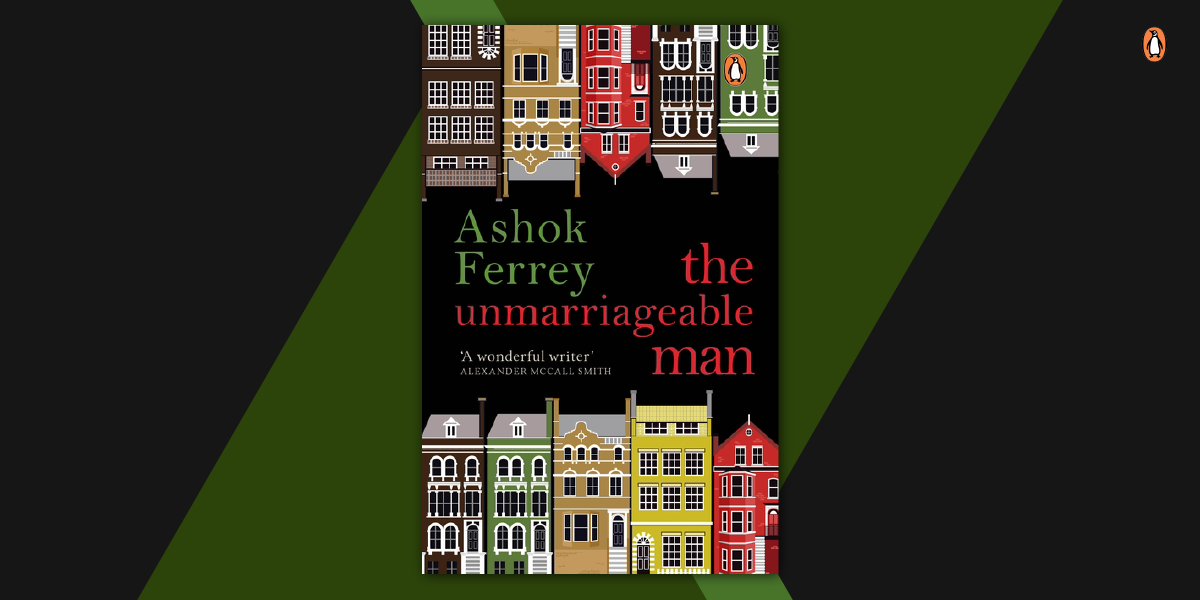
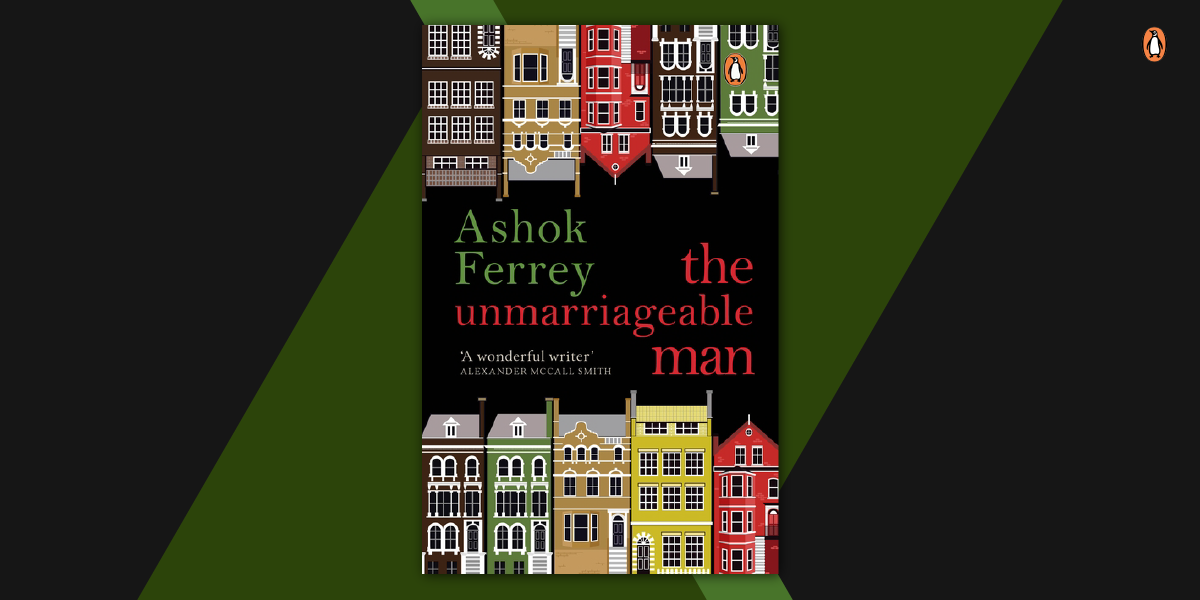
front cover of The Unmarriageable Man
The Unmarriageable Man || Ashok Ferrey


That story, The Perfect House (in Colpetty People) remains today one of the funniest things I ever wrote. It taught me that this process of writing is almost biological – there are unseen forces inside you that begin to operate when you let yourself go. In my case, weirdly, the more stressed I am, the funnier the writing. (This is what I tell young writers who attend my workshops. Stress is Good. Generally, they look at me in dumb incomprehension. Sometimes fear. As if at this point I’ll bring out a large stick.)

Fast forward twenty years. It has taken this long for me to feel confident enough to deal with what happened back then, with my father. Fictionalising it has helped – it allows you to put a certain distance between you and your subject. So this story has been cooking in my brain all this while, which only goes to show that you can’t force your writing: it will come out when it has to; and only when it has to.

So I hope you enjoy this book. I hope it has been worth the twenty year wait.

**


Reflections of loss and grief

Pinky is a recluse who rarely leaves the suburbs. When her husband, Pasha, goes missing and everyone assumes the worst, she sets off to find him. In her search, she encounters a dream-like landscape: the ancient interior of the city she was born in, the bright farms and fields of Pasha’s childhood and the dark wilderness of the mountains, where she must finally confront her fears.

Here we highlight 7 quotes from the book where she experiences emotions such as loss and grief.

**

‘I told him you had disappeared soon after he last saw you. He said, ‘I’m sorry for you,’ and looked sadder still. I said I was searching for you because everyone else except your mother thought you were dead.’

‘Alone again in the car I saw a vision of you with the blood pouring out, black as oil, I could see the stars in it. Your body sinking into the blacksand but for a finger or knee or shoulder. The blood was then blue then purple then red as the sun went up.’

‘When I opened my eyes the stars were gone.

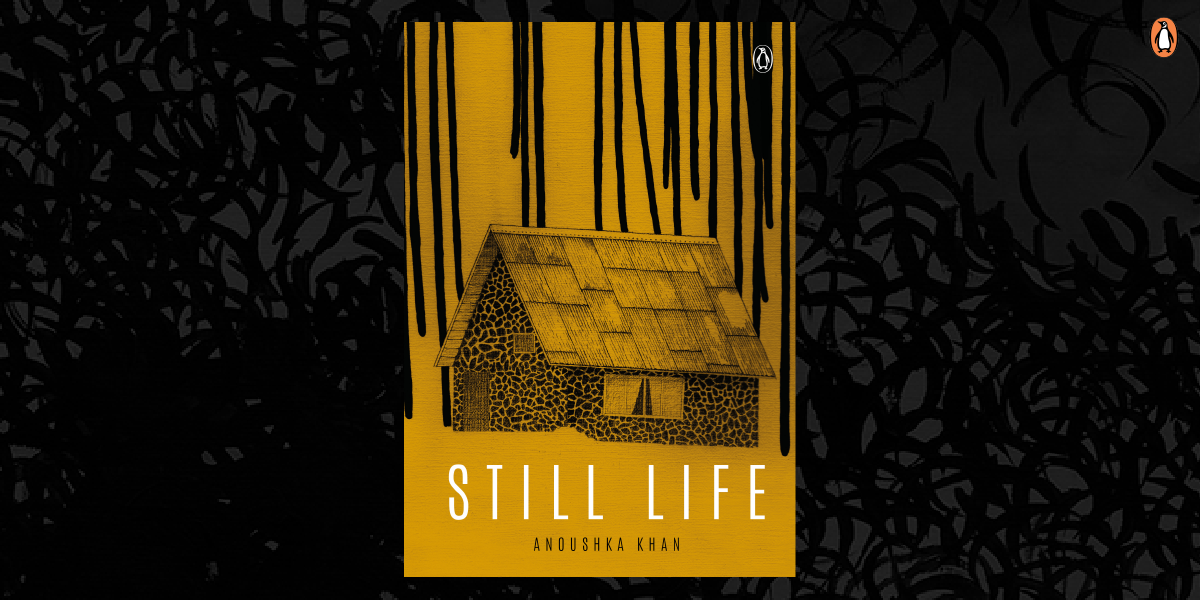
Front cover of Still Life
Still Life || Anoushka Khan

We were no longer ghosts under an ancient sky but humans with a beginning and an end, clothed in our machine-spun fabrics and so pale in the white light from the city below.’

‘There is dignity in death’, my father said. ‘Even decay is beautiful.’

‘You weren’t sitting there smiling and smoking. There was no one inside.’

‘I stopped in the middle of the bridge and looked carefully at the sharp rocks far down, hoping not to see you but wanting not to miss you.’

‘Then I sucked my breath in and ran screaming into the shadowy thing and it exploded around us. Inside it were pieces of light and dark that flew out, so many of them that they were all I could see.’

**

Still Life is an experiment with visual storytelling, using pictures and words to create a world that is both unsettling and extraordinary.

Seven reasons why ‘Cages’ is one of the foremost feminist texts of contemporary Indian literature

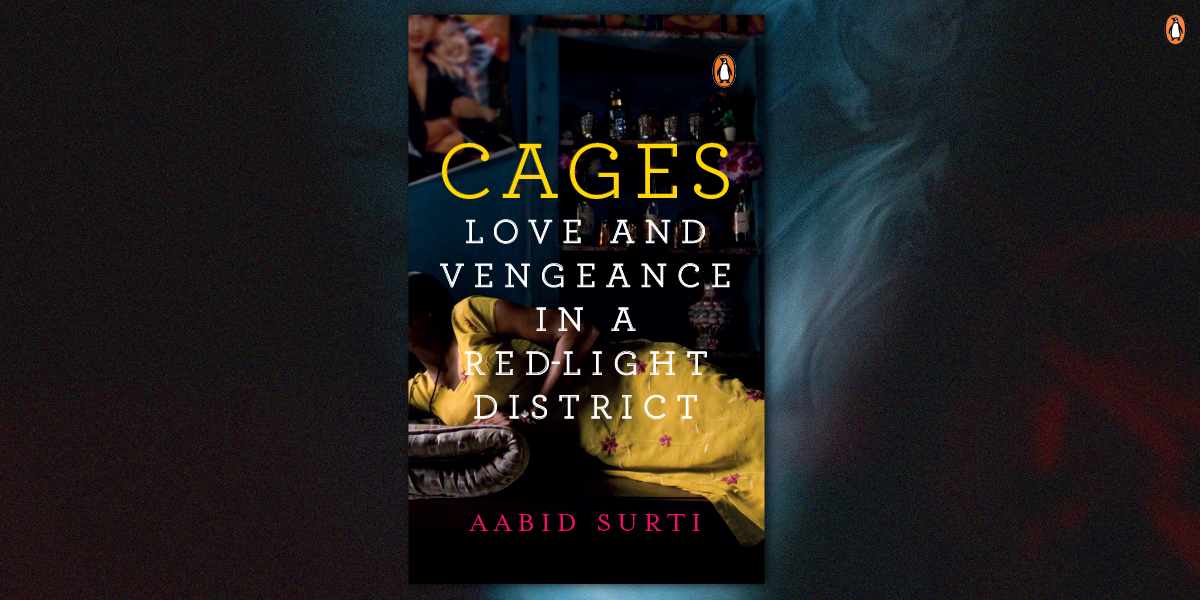
Set at the gritty intersection of the world of prostitution in Kamathipura, the Bombay underworld and Bollywood in the 1970s, Cages: Love and Vengeance in a Red-light District is inspired by the true story of Kumud, a sex worker who dared to own her sexuality and play by her rules. A fast-paced tale of a woman who was not ashamed of her occupation, it is honest in its portrayal of the persistent cruelties-small and significant-faced by sex workers and celebrates the power they have to triumph over it.

Even fifty years after it was first written, Cages remains extraordinarily relevant, a courageous exploration of themes of patriarchy, gendered violence, sisterhood and the validity of a woman’s sexual desires. Read on for some of the reasons that Cages reminds us that feminism is necessary for as long as predatory men are around, women will have to fight to retain control over their bodies, their identities and their ability to say no.


  1. The unapologetic rejection of the rules of traditional morality that women are expected to follow to be considered ‘worthy’ of receiving basic human dignity and rights.

I’m sorry if it disappoints you to know that there is no glorious, uplifting message in my story. No moral lesson at the end. This is not the story of Sita, Savitri or the Blessed Virgin Mary. To those hoping for an inspirational tale of such noble and refined women, I would suggest that it will be wise to stop reading right now and get a refund for their hard-earned money.


  1. The incisive dissection of the Madonna-Whore dichotomy, which does even so-called virtuous women a disservice by placing them on a pedestal.

Dig deep into the mind of any pativrata—that loyal slave married to a single man—and you will definitely find many men lying in dark corners. Peep into the heart of a whore who beds hundreds of men and you will be amazed to discover just one man sitting on the throne within…Which of these two women deserves to be placed on a pedestal?


  1. The celebration of sorority, wherein extremely patriarchal structures the only resource for women in the bonds.

Our madam, Sakhu Bai, was a caring soul. She addressed us girls as ‘beti’ and pampered us as if we actually were her daughters. Apart from me, there were three other girls—two giggly twins, Seethe-Geethe from south India; and Nirmala, a busty girl with black lipstick, from Pune. They welcomed me into their little circle of sisterhood.


  1. The pivotal role of Gangu Bai, the real life brothel owner who ruled the male dominated world of Kamathipura with an iron fist, but fought hard for the dignity and rights of prostitutes.

No wonder all the girls in these disreputable lanes looked up to her and called her their mother—she was truly maternal in the way she treated us. Every Diwali, she would gift all her girls a brand new sari. If any girl under her roof fell sick or contracted an STD, she would bear the entire responsibility, including paying the bills for her treatment. When a prostitute became too old to entertain, she was retired with a respectable pension.


  1. Kumud’s extraordinary determination and courage through the course of her life, in defending her principles and dignity in the most difficult of circumstances.

But I held firm to my principle of not accepting more than ten clients a night. Little did I know that in Kamathipura, principles among whores were as dangerous as honesty among the cops.


  1. The consistent emphasis on consent through the course of the book, and Kumud’s insistence on defending her right to refusal, that sex work does not automatically negate the significance of consent.

I shook my head. ‘What if I force myself on you?’ ‘That would be rape.’ Though he was drunk, he burst out laughing. The word ‘rape’ from a prostitute’s mouth was hilarious for him…What followed next can only be classified as rape. I have no other words to verbalize it.


  1. Kumud’s insistence upon taking ownership of her identity, simultaneously making no apologies for her professions while refusing to be defined by it.

Almost all prostitutes have more than one name. One name a prostitute shares with her clients. Her friends know her by a different name. The third is her real name. That name has the fragrance of the native soil of her childhood—and that name has nothing to do with the many fake ones she adopts for the profession.

An unforgettable portrait of being impetuous women

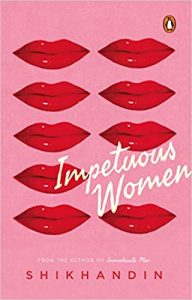
Impetuous Women is about women who step across the Lakshman Rekha, whose transgressions fly in the face of the establishment, the patriarchy, often their own families and loved ones. From two housewives who play a potentially lethal game of keeping up to an expert baker who serves revenge with chocolate sprinkles on top; from a stern hostel warden who examines her relationship with the teenagers she must surveil to a grouchy widow shuts out the world; from a couple madly in love and desperate for a bit of privacy to a tender bond between a husband and wife, these stories create an unforgettable portrait of modern-day India and the experiential realities of being impetuous, of being women.


Here’s an excerpt from the book, Impetuous Women:


I could have moved at that very instant, if I wanted to. I’m a verb after all. But I decided to wait for the right moment. Having been inert for so long, I wanted to savour it. I mean really savour it. So, here I am, narrating the events of the last poetry meeting She-poet ever attended. If I had fingers, I’d rub them in glee! Someone had dropped me during a meeting. Thereafter, unnoticed, I slipped and slid around the table at the centre of the grey conference room, until I finally found a crack in the wood. I remained there, half-buried by a sticky blanket of grey-black erased words, each wrapped tightly in its casing of rubber. I was, for once, watching things unfold around me instead of being in the thick of it. The conference room was inside a squat grey building, which was a cultural centre and library.


There was also an auditorium. The other rooms were full of books and magazines, and soft piped music. Bulletins about cultural activities and happenings in the city were tacked on to felt- covered notice boards in the main hall. Everything inside was grey. The walls were grey. The tables were grey. The chairs were tubular steel with grey foam seats. Even the floor was a greasy grey colour. The conference room had a glossy calendar with a blood red arty print. It was the only bright thing in the room. But it was so arty that it failed to make things cheery.


It is a funny thing. I must have been in that room dozens of times, before my involuntary and sudden
imprisonment within the table, but I had never bothered to look around properly. I had never truly seen the room and its inhabitants. I had never breathed in its atmosphere, so to speak. But once I was bundled up in the crack, I began to observe people closely. Perhaps that is why I was able to understand her the way others in the grey room never would.


She-poet was one among the two-dozen odd poets who gathered in the grey room every fortnight to read
the poems they had written according to a theme chosen in the previous meeting. They assembled at six on the dot in the evening, which was close to dinner time for some of them. I watched them squirm when their stomachs grumbled, and cough to cover up for the sound. The others ignored these un-poetic sounds, and continued with the reading, discussing the merits and demerits of the poems, in soft cultured voices, careful not to irk one another, at least not too much. They reminded me of student ballet dancers doing pirouettes in front of a distinguished surprise-visitor at school.


Each poet brought a sheaf of poem-bearing papers. These were distributed to the members present, and extras were put away on one side of the table for latecomers. Some were habitually late. She-poet was one of them. She was late not because she was tardy by nature, but because she hated the city. The language was strange to her, even though they were all from the same country, and the locals treated her as if she was an unwanted foreigner. You could tell by the way she blundered in that she had not come out of her house until it was nearly time for the poetry reading to begin. She was relatively, but only relatively, new to the city. She had lived in a cleaner, quieter place before, another country. She was used to wide expanses of greenery between her and other people. Some water had flowed under the bridge since, so now the ‘being used to’ bit was more of a mind thing than what being used to really meant.
Nevertheless, She-poet remained faithfully wistful about her past expatriate status.


Impetuous Women | Shikandin


She had spent many years away, and after her return, felt overwhelmed by the blatant consumerism that had mushroomed all over her homeland. The country was now dirtier and more chaotic. She could not bear the sloppiness, the lack of civic sense in her fellow countrymen. It seemed to her that the new-found wealth had taught them nothing good; if anything, the sudden money was making everyone behave worse than ever.


She-poet found it difficult to come to terms with those who were less impressed by foreign things, and had travelled to more places in the world than she, without ever having been an expatriate. She was dismayed too, by the poverty on the pavements outside glittering hotels and malls, festering like the weeping sores of lepers. She-poet had many complaints. And though she took care not to voice them openly, her secret privations remained unresolved. And unknown to her, she was observed by others with pursed lips. ‘I remember a land that was poor but genteel,’ she once told the poets, after they had reacted blandly to one of her sugary patriotic poems.


A professor of English, sporting a French-cut beard and a thick provincial accent, held up the paper which contained her poem and said, ‘So, according to you, that is the patrimony we deserve after being colonized?’ Before She-poet could think of a suitable retort, a member giggled and said that perhaps she was disappointed because they had progressed so much during the years she had lived abroad. There was a mocking silence as She-poet struggled to reply. The words were half-formed inside her head, but her tongue was too slow to lob them. A silver-haired lady with spectacles so thick that they looked like glass blinkers, and who was the de facto convener of the meetings, looked around owlishly for two or three seconds before reciting an absentee member’s poem loudly. She-poet lost her chance, and inwardly fumed for the rest of the session.


Another time, another professor-poet, who, despite having a doctorate in English and being the principal
of a suburban college, could barely write grammatically correct English, annoyed her so much that she didn’t attend many sessions after that. He called himself a poet, wrote poetry and got it published. It was another matter that the books were shabbily printed by an obscure vanity press. Some gossiped that it was his own publishing house, set up to make money off desperate poets. Barely- literate-professor-poet also enjoyed bashing the erstwhile colonizers in his poetry and lectures. Nothing the ex- rulers did was good. But he had taken pains to get his degrees in English literature, albeit from questionable institutes, and had got his first job as a lecturer of English through much palm-greasing and bum-kissing. He was ingratiatingly nice to the other academics in the group. He seemed desperate to cling to a group of poets writing in the English language. The others knew that he had succeeded over the years because of his ability to hobnob with people with political clout, people who could fund and sanction arts grants and awards.

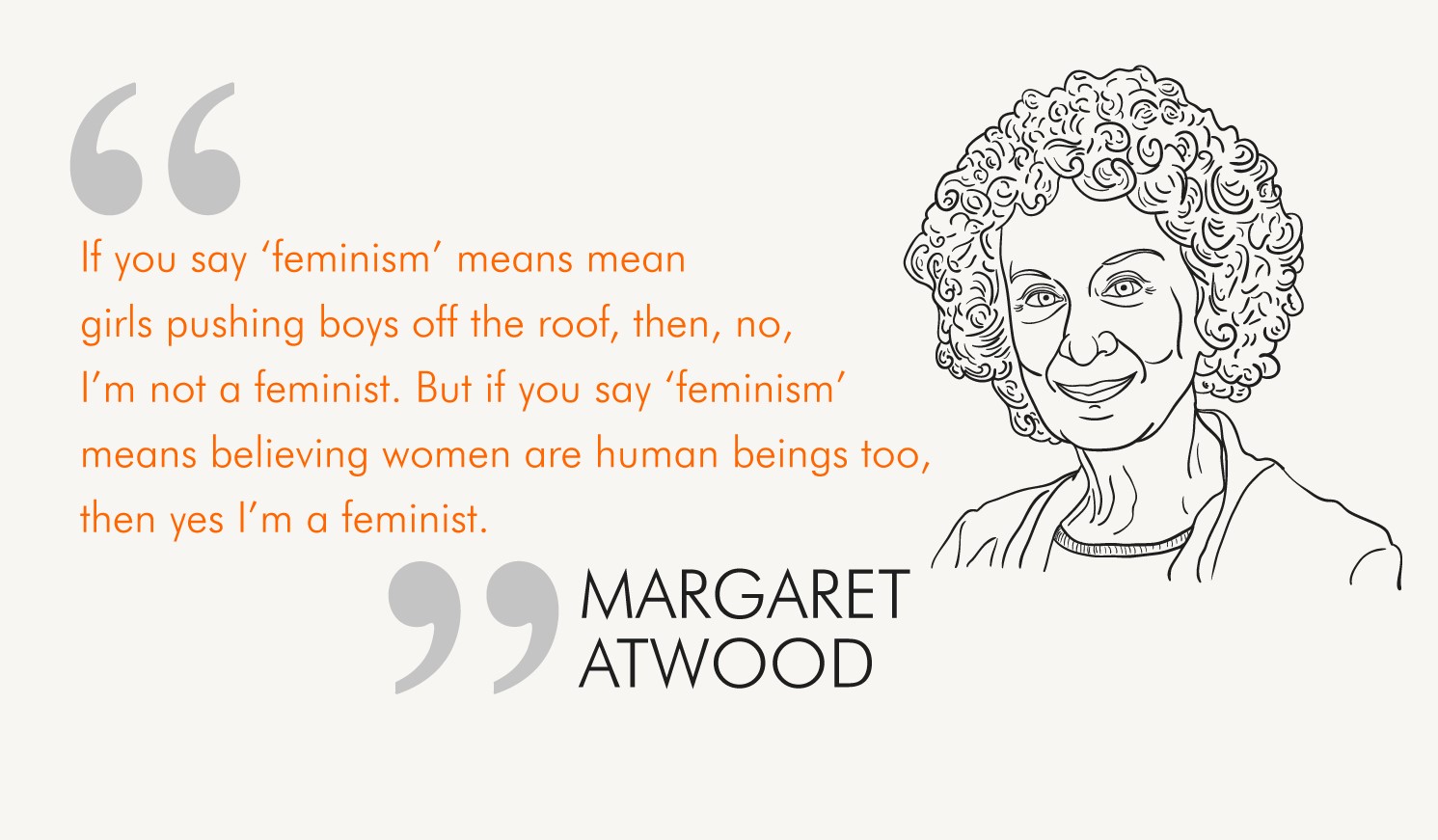
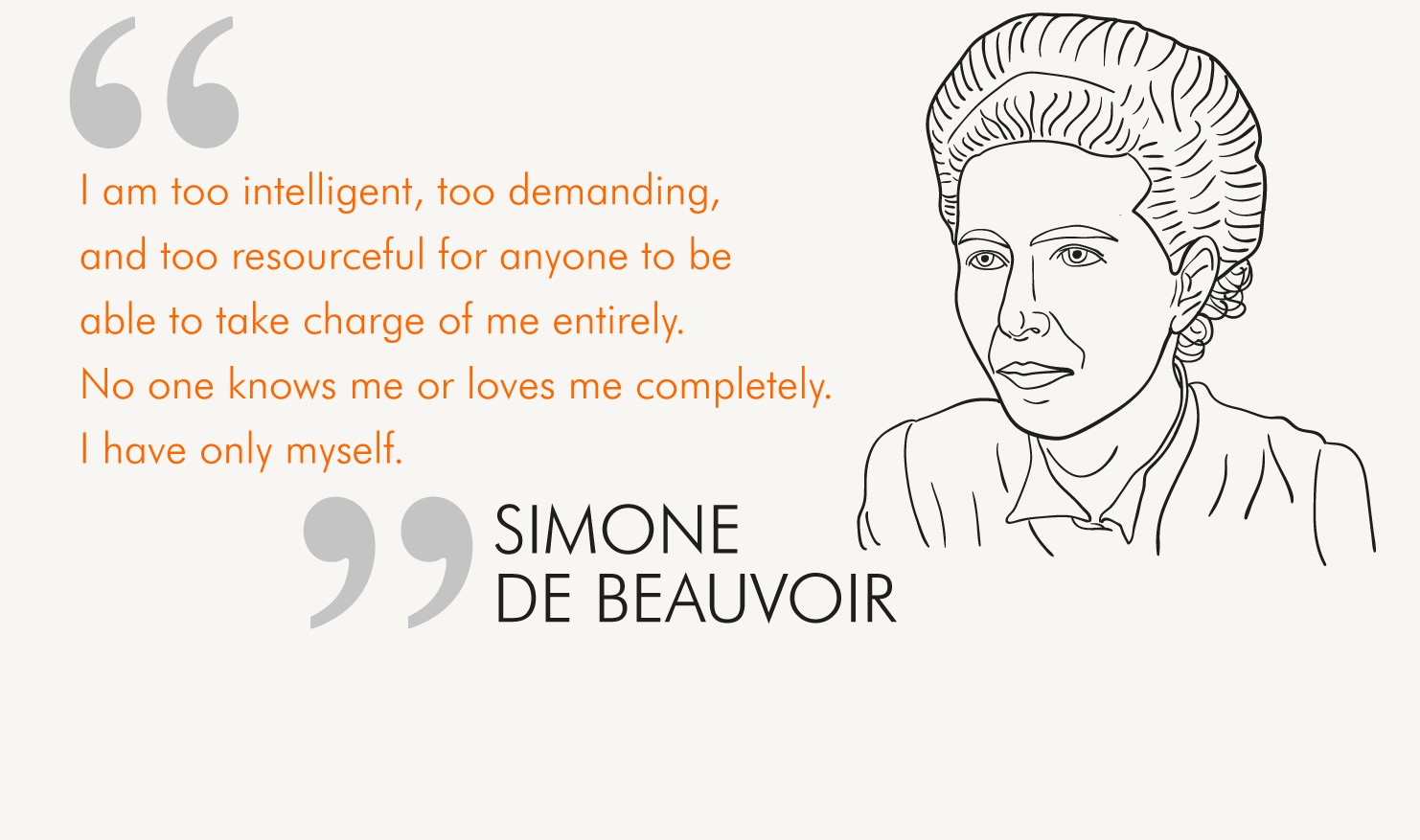
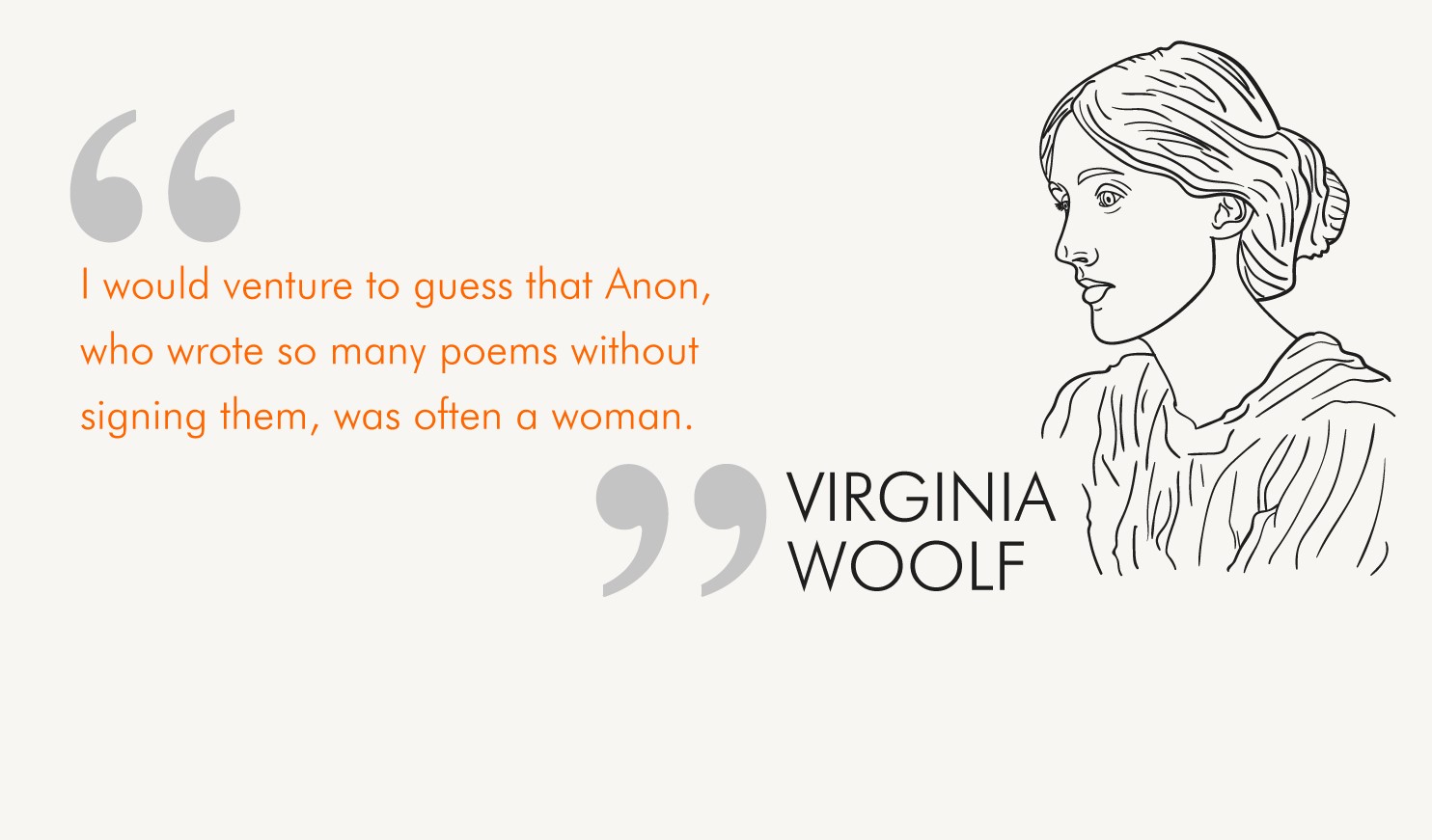
Feminism defined right

What is Feminism? Feminism is often misinterpreted to state that it propagates female chauvinism. But the original thought behind feminism is equality for women in the domains of economic, personal, social, and political rights.
Here are five iconic quotes about feminism by women authors to set the record straight on feminism.


The Goan art of contentment that will radically change your life

Do the vagaries of your day-to-day life leave you feeling jaded? Has your work swallowed up all your personal time, making you feel burnt-out? Do you have a constant nagging sensation of dissatisfaction with everything around you?


Modern life, even with all its fruits and benefits, has done great disservice to our mental health. Despite the many technological, medical and socio-cultural advancements at its disposal, the present generation finds itself increasingly haunted by feelings of despair, malaise and a lingering sadness. What then, one might ask, is the solution? The answer is Susegad!


What is Susegad?


Susegad comes from the Portuguese word ‘sossagado’. If you were to imagine the emotion the word is supposed to invoke, it’s that of the feeling you get when you’re completely relaxed, in a blissful place where you wish you could stay forever. The Goan susegad is not a pursuit of but a state of happiness. The Goan way of life is all about taking a step back, slowing down and living in the present, an age old formula that’s regaining popularity amidst the tired cries of this generation.


The magical potions that make up Susegad


There are three ingredients that are integral to the concept of Susegad and how it unfolds for the denizens of Goa.

  • Climate

The weather in Goa is mostly sunny and often humid. Summers are balmy. Goa’s geographical location gives it the distinct advantage of a warm sea breeze that blows across changing seasons. The environment rules the moods and feelings of Goans, who have learnt to with sea breeze on one side and a tropical forest on the other.

  • Culture

Goa presents a delicious cultural blend of Indian Hindu and Portuguese Catholic cultures, an aspect that has filtered down to the way people approach situations, challenges and day-to-day life in the state. The language is a lilting mix of Konkani and Portuguese, wherein phrases are made up of both languages. Goan cuisine too is a melting pot of native styles mixed with Portuguese and other colonial influences. Goa learnt that, to find peace, it is necessary to embrace differences. The susegad spirit also arises from this intercontinental cultural marriage.

  • Habits

Habits have a way of compounding over time. Goans have made susegad habits a part of their everyday life. It’s an automatic system, from the little things like buying poee (bread) in the morning to taking a siesta in the afternoon. Habits that contribute to a susegad frame of mind arise from a combination of culture and climate. Goans have respect for the environment and recognize the role that it plays in their happiness, satisfaction and lifestyle.

It is important to note here that these habits are so integral to the lifestyle of Goans that it doesn’t feel like a chore for them. Instead, it is a way of life; rituals they’ve integrated so deeply into their lives that they hardly notice them.


front cover of Susegad
Susegad || Clyde D’Souza


The three Ms that make Susegad what it is


There are three Ms that explain the concept of Susegad and the feelings it engenders

Meditative – A meditative state of mind is central to the idea of susegad. It does not necessarily translate into closing of eyes and breathing but performing each activity, no matter big or small, with intense focus.

Mindful – This would mean to acknowledge the situation, be it the weather or storms in your life. It’s important to be present in the situation and accept it, rather than dwell on things that may be or could be. The Goan way is to be accepting of wherever you are in life.

Moment – Living in the moment is an art that Goans have mastered. They have learned to do this in how they eat, or what they do as per the season. In fact, if you ask a Goan, ‘Koso hai? [How’s life?]’, they’ll answer, ‘’ You ask them, ‘Family kehay? [How’s family?]’ and the reply will be, ‘Susegad.

**


Strong women, behind the scenes

What do the strong women we know, go through to become who they are? What goes on behind the scenes – and what makes a woman strong?

Many of them have fought to bring the world where it is today. And we must continue to be inspired by them so we can continue their paths and legacy’s. Here is a list of books of strong women with strong voices, to inspire you, this Women’s Day


Lajja
Lajja by Taslima Nasrin

A savage indictment of religious extremism and man’s inhumanity to man, Lajja was banned in Bangladesh but became a bestseller in the rest of the world. This brand-new translation marks the twentieth anniversary of this controversial novel. The Dattas Sudhamoy and Kironmoyee and their children, Suronjon and Maya have lived in Bangladesh all their lives. Despite being members of a small Hindu community that is terrorized at every opportunity by Muslim fundamentalists, they refuse to leave their country, unlike most of their friends and relatives.

*

Split
Split by Taslima Nasrin 


Taslima Nasrin is known for her powerful writing on women’s rights and uncompromising criticism of religious fundamentalism. This defiance on her part had led to the ban on the Bengali original of this book by the Left Front in West Bengal as well as the Government of Bangladesh in 2003. While the West Bengal government lifted the injunction after the ban was struck down by the Calcutta High Court in 2005, Nasrin was eventually driven out of Kolkata and forced to expunge passages from the book, besides facing a four-million-dollar defamation lawsuit. Bold and evocative, Split: A Life opens a window to the experiences and works of one of the bravest writers of our times.

*

Dark Holds No Terrors
The Dark Holds No Terrors by Shashi Deshpande 

‘Why are you still alive-why didn’t you die?’
Years on, Sarita still remembers her mother’s bitter words uttered when as a little girl she was unable to save her younger brother from drowning. Now, her mother is dead and Sarita returns to the family home, ostensibly to take care of her father, but in reality to escape the nightmarish brutality her husband inflicts on her every night. In the quiet of her old father’s company Sarita reflects on the events of her life: her stultifying small town childhood, her domineering mother, her marriage to the charismatic young poet Mahohar.

*

Lifting The Veil
Lifting the Veil by Ismat Chughtai

At a time when writing by and about women was rare and tentative, Chughtai explored female sexuality with unparalleled frankness and examined the political and social mores of her time. She wrote about the world that she knew, bringing the idiom of the middle class to Urdu prose, and totally transformed the complexion of Urdu fiction. Lifting the Veil brings together Ismat Chughtai’s fiction and non-fiction writing. The twenty-one pieces in this selection are Chughtai at her best, marked by her brilliant turn of phrase, scintillating dialogue and wry humor, her characteristic irreverence, wit and eye for detail.

*


A Gift of Goddess Lakshmi by Manobi Bandopadhyay

The extraordinary and courageous journey of a transgender to define her identity and set new standards of achievement.

With unflinching honesty and deep understanding, Manobi tells the moving story of her transformation from a man to a woman; about how she continued to pursue her academics despite the severe upheavals and went on to become the first transgender principal of a girls’ college. And in doing so, she did not just define her own identity, but also inspired her entire community.

*

Empress
Empress by Ruby Lal

Acclaimed historian Ruby Lal uncovers the rich life and world of Nur Jahan, rescuing this dazzling figure from patriarchal and orientalist cliches of romance and intrigue, while giving a new insight into the lives of the women and the girls during the Mughal Empire, even where scholars claim there are no sources. Nur’s confident assertion of authority and talent is revelatory. In Empress, she finally receives her due in a deeply researched and evocative biography that awakens us to a fascinating history.

*

The Inheritance of Loss
The Inheritance of Loss by Kiran Desai

In a crumbling, isolated house at the foot of Mount Kanchenjunga in the Himalayas lives an embittered judge who wants only to retire in peace, when his orphaned granddaughter, Sai, arrives on his doorstep. The judge’s cook watches over her distractedly, for his thoughts are often on his son, Biju, who is hopscotching from one gritty New York restaurant to another. Kiran Desai’s brilliant novel, published to huge acclaim, is a story of joy and despair. Her characters face numerous choices that majestically illuminate the consequences of colonialism as it collides with the modern world.

*

Calling Sehmat
Calling Sehmat by Harinder Sikka

When a young college-going Kashmiri girl, Sehmat, gets to know her dying father’s last wish, she can do little but surrender to his passion and patriotism and follow the path he has so painstakingly laid out. It is the beginning of her transformation from an ordinary girl into a deadly spy.
She’s then married off to the son of a well-connected Pakistani general, and her mission is to regularly pass information to the Indian intelligence. Something she does with extreme courage and bravado, till she stumbles on information that could destroy the naval might of her beloved country.

*

Born Again on the Mountain
Born Again on the mountain

National-level volleyball player Arunima Sinha had a promising future ahead of her. Then one day she was shoved from a moving train by thieves as she attempted to fight them off. The horrific accident cost the twenty-four-year-old her left leg, but it never deterred her. A year later, she had retrained as a mountaineer and become the first female amputee to reach Mount Everest. This is her unforgettable story of hope, courage and resilience.

*

Millionaire Housewives
Millionaire Housewives by Rinku Paul | Puja Singhal 

Millionaire Housewives tells the stories of twelve enterprising homemakers who, in spite of having no prior experience in business, managed to build successful empires through the single-minded pursuit of their goal, defying all stereotypes. Amidst their varied motivations and struggles, Millionaire Housewives offers valuable lessons for homemakers who want to venture into entrepreneurship.

The macro and micro of a pandemic economy

COVID-19 has impacted individual lives and collective communities, making it more urgent than ever to rethink the way our economy runs and the aspects it chooses to focus on. The macroeconomic aspects set the stage for microeconomics, since the latter can be geared according to the former. But macroeconomics can be counter-intuitive and needs to be understood before the other aspects of the economy can be discussed. This is also true in the context of a lockdown. In his book Indian Economy’s Greatest Crisis, Arun Kumar bases his analysis of macroeconomics on the understanding of what happens to variables like incomes, investments, savings, exports, imports and the growth rate of the economy.

In India, the lockdown was substantially loosened June onwards; given the state and spread of the virus in the country, this relaxation came at a time when the pandemic was not brought sufficiently under control. The number of tests was also far below the adequate or ideal number. While some countries have completely controlled the pandemic, it is still unlikely that it will be brought under control globally anytime soon. The economies of different countries have also been affected in different ways under their prospective lockdowns. China was initially reported to have ramped up production after the lockdown ended. In the first quarter of 2020, the rate of growth of the Chinese economy slipped from about +6 per cent in the previous quarter to -6.8 per cent. But the brutal lockdown in the Hubei province ensured that the country could overcome the virus faster. This also ensured the lockdown could be relaxed quickly in the country. As a result, in the second quarter, the economy recovered to +3.2 per cent growth.

front cover Indian Economy’s Greatest Crisis
Indian Economy’s Greatest Crisis||Arun Kumar

According to Arun Kumar, the situation around the world now is actually worse than it was during the depression of the 1930s or during the world wars. A major difference between a situation of war or recession and that of a pandemic is that during wars or recession, while aspects of the economy might be affected adversely in significant ways, production does not stop. This however is not the case during a pandemic. In a lockdown, production cannot take place, so both supply and demand collapse.

Simultaneously, workers get laid off and their incomes fall, and most businesses close down and their profits fall and even turn into losses. The result is that a large number of people lose their incomes and, therefore, demand falls drastically. This is a unique situation and past experiences of dealing with crises have not been useful in predicting what will happen in the future and how one should deal with the present situation. Therefore, according to Kumar, we need a new understanding of and strategy for the macroeconomics of the nation. The macro-variables—output, employment, prices, savings, investments and foreign trade—need to be reformulated and studied in the light of the changed situation.

In such a situation, the economy goes through three stages. From the normal phase, it declines during a lockdown, but even with the easing of lockdown restrictions, it is unlikely that the economy will immediately bounce back to the pre-pandemic phase. Due to continued wage cuts and unemployment, demand is likely to remain low. Many sectors of production will suffer and take long to revive, businesses will fail and the cost of doing business will rise. It is important that India learns from the trajectory of the economies of China and the US. The Indian economy, like the US and Chinese ones, is likely to recover slowly, especially due to its large unorganized sector which has taken a massive hit despite being at the helm of services which can easily be consider essential.

It remains to be seen how recovery and rehabilitation takes place in India, what the role of private businesses will be, and how the government will handle the new few years, which would end up becoming crucial in defining the trajectory of the country in the near future.


error: Content is protected !!