



Conjeevaram Natarajan Annadurai, or Anna (elder brother), as he is affectionately called by his followers, became the Chief Minister of Tamil Nadu at the age of 58. This was the first electoral success for his party, Dravida Munnetra Kazhagam (DMK) and it marked the pinnacle of his political life.
R. Kannan’s biography Anna: The Life and Times of C. N. Annadurai sheds light on how DMK, under Anna’s glorious regime, changed the politics of Tamil Nadu forever.
Here are a few instances from R. Kannan’s book that show us how C. N. Annadurai became ‘Anna’:
The birth of Dravidian politics in Tamil Nadu — a defining moment in Indian political history

The foundation stone for DMK is laid on definitive lines of social justice and reform

Clear guidelines were laid for the principles on which DMK was to work in the days to come

A holistic approach, inclusive of minorities and issues of importance, was adopted by Anna’s party since the beginning

The party was in support of indigenous industries which always faced the peril of extinction

The life and times of the political stalwart have been beautifully captured in the words of writer R. Kannan in his biography, Anna: The Life and Times of C. N. Annadurai. Get your copy today!
Category: Specials
5 Different Versions of Yama Raj in World Mythology
We are surrounded by diverse cultures, religions and beliefs. But going through the different mythologies in the world, we often find many similarities. Deities of one kind can be found in various forms among different cultures.
In Hindu Mythology, Yama Raj is regarded as the lord of the death. Similarly, in other cultures the deities of death take a different personification.
Here are 5 different versions of Yama Raj in different cultures.
Santa Muerte

Hades

Dis Pater

Anubis

King Yan

How many of these gods of death did you know of? Tell us.

Things You Did Not Know About Author and Philanthropist, Sudha Murty
With an ordinary upbringing like most of us, Sudha Murty’s life took extraordinary turns against all odds due to her courage and, determination and will to succeed in life.
Here are a few facts about Sudha Murty that you may have not known before.


Sudha Murty leads with example and shows us that absolutely nothing in life is unachievable, as long as one has the heart to do it.

5 Important Points of the Pioppi Diet
The Pioppi Diet allows red wine, chocolate and the most delicious Italian food and yet helps you to lose weight, de-stress and live a healthier and longer life.
Based on five years of research and drawing on over 100 studies on Pioppi, Dr Aseem Malhotra, a trained cardiologist, has created a plan which is designed to provide readers with the joy and wellbeing of a Mediterranean lifestyle by making small ‘marginal gains’ over a 21-day period.
Here are five key points of the pioppi diet that will help you lose weight and live a healthy lifestyle.
What Should You Eat?

What Should You Avoid?

How much meat should you consume?

How much should you drink?

When should you not eat?

Tell us how did you benefit from the Pioppi Diet.

7 Quotes by Famous Authors That Will Make You Cherish Freedom
What do we understand by the term ‘freedom’? The liberty to make our choices, the liberty to lead the life we want, the liberty to speak the language we choose. But does freedom mean the same thing to everyone?
Here are 7 quotes by famous writers with different meanings to ‘freedom’.



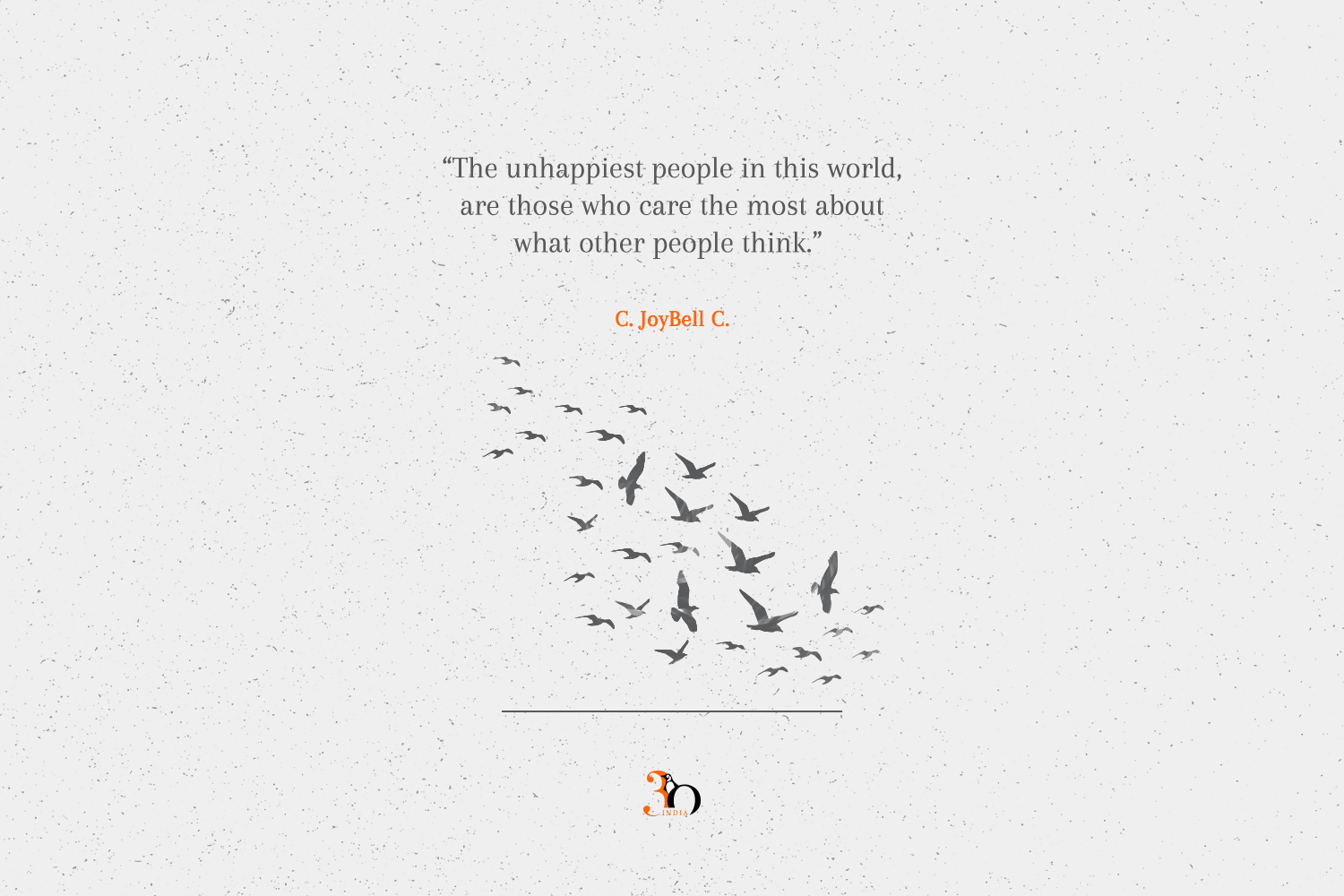

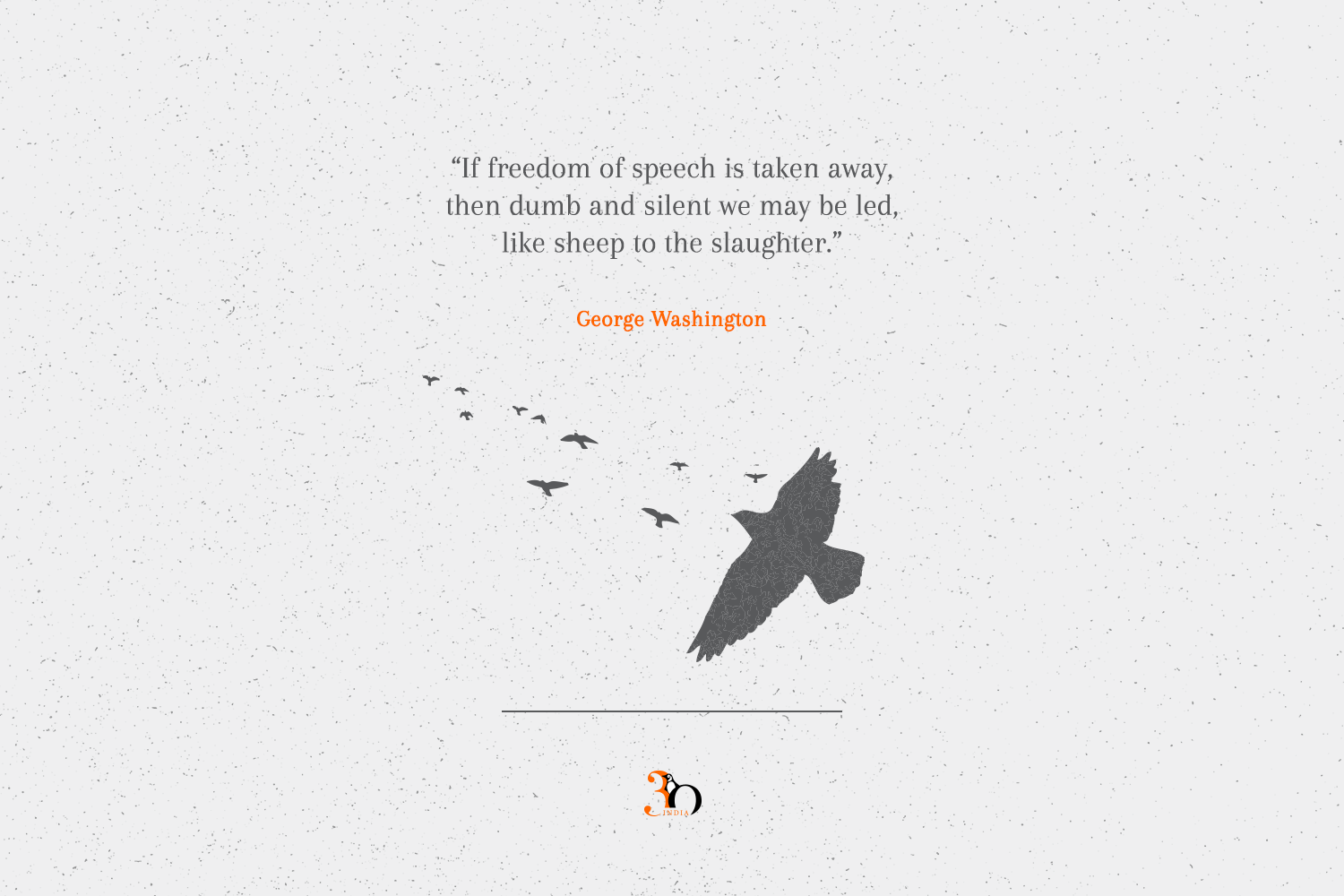
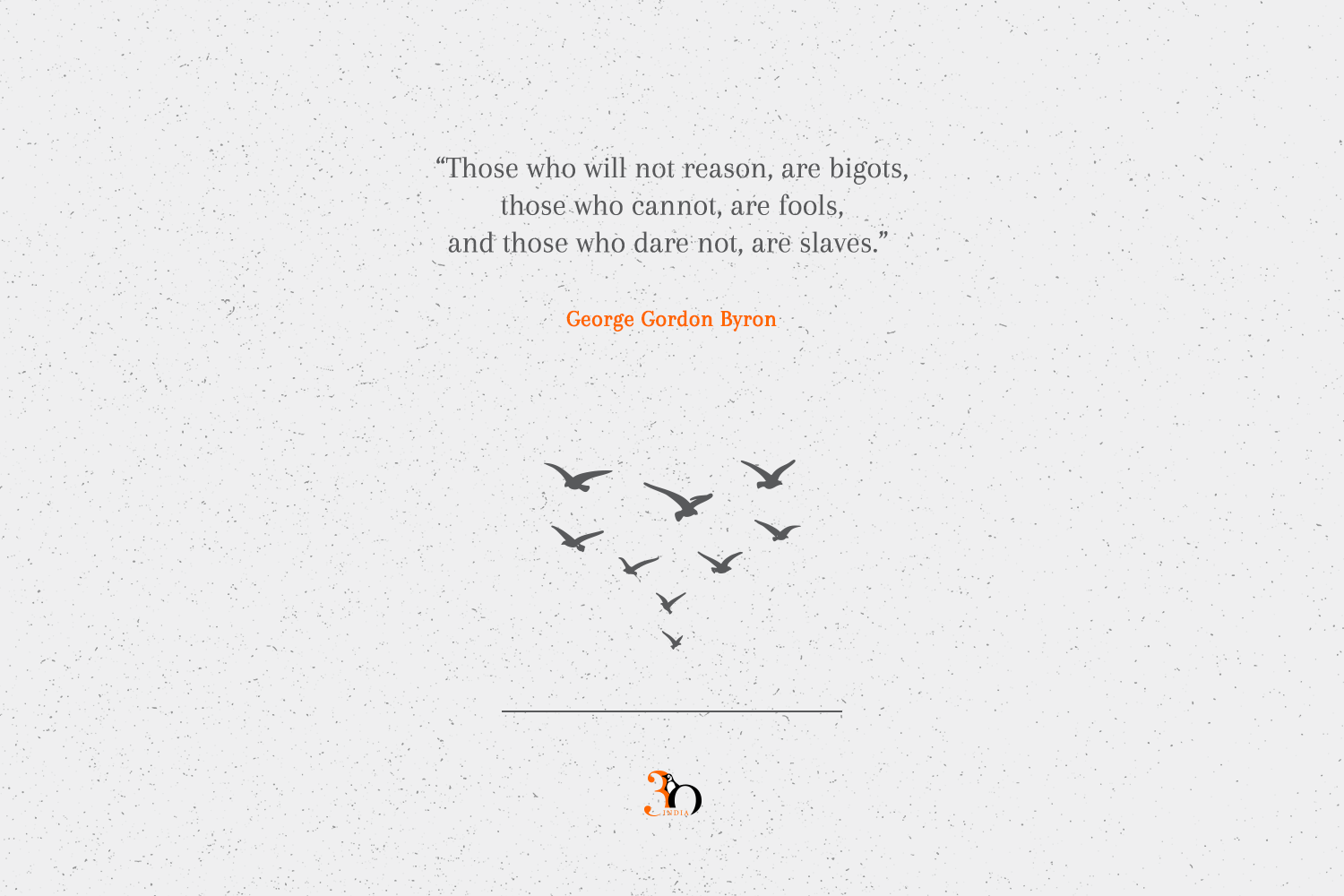
Tell us which idea of freedom do you agree with!
Subh-e-Azadi, An Anguished Evocation of the Pain of Partition
Faiz Ahmed Faiz is widely regarded as the greatest Urdu poet of the twentieth century and the iconic voice of a generation. He is best remembered for his revolutionary verses that decried tyranny and called for justice. In his poem, Subh-e-Azadi, he expressed the anguish and disappointment of Partition and the cost that the Indian subcontinent paid for freedom from the British rule.
Subh‐e Azadi
Yeh daagh daagh ujaalaa, yeh shab gazidaa seher
Woh intezaar tha jiska, yeh woh seher to nahin
Yeh woh seher to nahin, jis ki aarzoo lekar
Chale the yaar ki mil jaayegi kahin na kahin
Falak ke dasht mein taaron ki aakhri manzil
Kahin to hogaa shab-e-sust mauj ka saahil
Kahin to jaa ke rukegaa safinaa-e-gham-e-dil
Jawaan lahu ki pur-asraar shahraahon se
Chale jo yaar to daaman pe kitne haath pade
Dayaar-e-husn ki besabr kwaabgaahon se
Pukaarti rahi baahein, badan bulaate rahe
Bahut aziz thi lekin rukh-e-seher ki lagan
Bahut qareen tha haseenaa-e-noor ka daaman
Subuk subuk thi tamanna, dabi dabi thi thakan
Suna hai, ho bhi chukaa hai firaaq-e-zulmat-o-noor
Suna hai, ho bhi chukaa hai wisaal-e-manzil-o-gaam
Badal chukaa hai bahut ehl-e-dard ka dastoor
Nishaat-e-wasl halaal, o azaab-e-hijr haraam
Jigar ki aag, nazar ki umang, dil ki jalan
Kisi pe chaaraa-e-hijraan ka kuch asar hi nahin
Kahaan se aayi nigaar-e-sabaa, kidhar ko gayi
Abhi charaag-e-sar-e-raah ko kuch khabar hi nahin
Abhi garaani-e-shab mein kami nahin aayi
Najaat-e-deedaa-o-dil ki ghadi nahin aayi
Chale chalo ki woh manzil abhi nahin aayi
—Faiz Ahmed Faiz
The Dawn of Freedom, August 1947
This light, smeared and spotted, this night‐bitten dawn
This isn’t surely the dawn we waited for so eagerly
This isn’t surely the dawn with whose desire cradled in our hearts
We had set out, friends all, hoping
We should somewhere find the final destination
Of the stars in the forests of heaven
The slow‐rolling night must have a shore somewhere
The boat of the afflicted heart’s grieving will drop anchor somewhere
When, from the mysterious paths of youth’s hot blood
The young fellows moved out
Numerous were the hands that rose to clutch
the hems of their garments,
Open arms called, bodies entreated
From the impatient bedchambers of beauty—
But the yearning for the dawn’s face was too dear
The hem of the radiant beauty’s garment was very close
The load of desire wasn’t too heavy
Exhaustion lay somewhere on the margin
It’s said the darkness has been cleft from light already
It’s said the journeying feet have found union
with the destination
The protocols of those who held the pain in their
hearts have changed now
Joy of union—yes; agony of separation—forbidden!
The burning of the liver, the eyes’ eagerness, the heart’s grief
Remain unaffected by this cure for disunion’s pain;
From where did the beloved, the morning breeze come?
Where did it go?
The street‐lamp at the edge of the road has no notion yet
The weight of the night hasn’t lifted yet
The moment for the emancipation of the eyes
and the heart hasn’t come yet
Let’s go on, we haven’t reached the destination yet
—Translated by Baran Farooqui

In Conversation with Pankaj Bhadouria
We recently spoke to Pankaj Bhadouria, the winner of MasterChef India Season 1. Pankaj has written two more cookery books, Barbie: I am a Chef and Chicken from My Kitchen.
Below are a few questions we asked her:
What was the very first dish that you cooked and for whom?
From what I remember, the first was probably breakfast for my Dad. The dish was nothing but toast, butter and tea with a rose on the tray. I must have been eight or nine years old at that time so the memory is very precious to me.
What is the best cooking related memory you have?
I think my best cooking related memory is when I was cooking for the finale at MasterChef. I was very calm and not under any pressure at all! I think that not only prevented me from making any mistakes but also reflected in the food that I created that day and helped me win.
Tell us the go-to spice mix in your kitchen.
That would be the Kadhai Masala! Be it with potatoes, chicken, paneer, cauliflower, stuffed paranthas – I use it almost everywhere!
Share with us a secret that you think helped you become the first MasterChef of India.
It is difficult to say…maybe a lot of homework that I’d done over the years aided by the fact that I could work well within limited time or perseverance and not giving up under pressure. Also I would pay a lot of attention to what comments my competitors would get from the judges and made it a point to not repeat those mistakes myself.
Are there more books coming from your kitchen?
Of course, there are! Just wait for what is next to come!

7 Things You Did Not Know About MGR
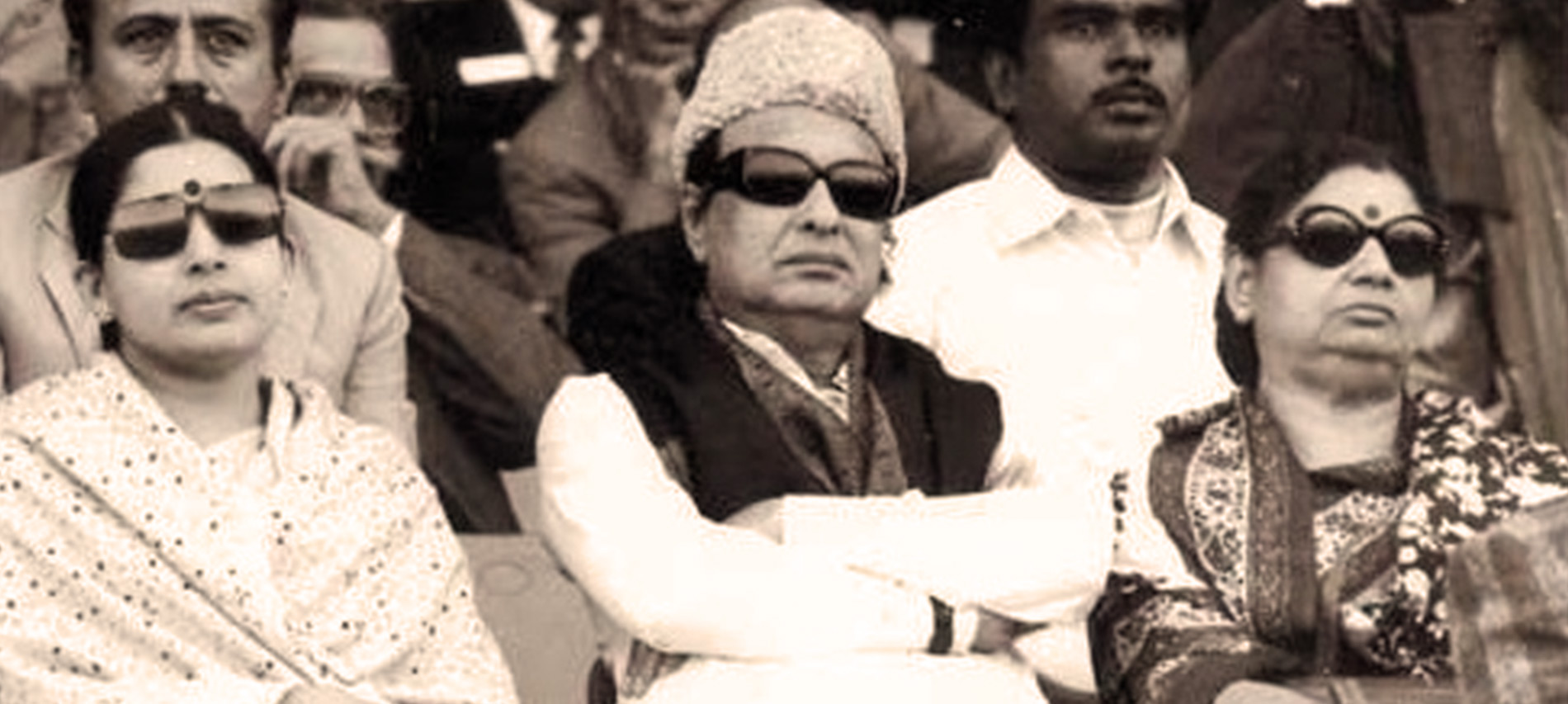
Marudur Gopalan Ramachandran, or MGR was the founder of the AIADMK and three-time chief minister of Tamil Nadu. A Bharat Ratna recipient, he dominated the state’s stratosphere for four decades.
A brilliant new book by R. Kannan dissects MGR’s years in power: his early administration, the legendary midday meal scheme launched in 1982 that fed 92 lakh schoolchildren, his well-intentioned farm subsidies and freebies that strained the exchequer, his largesse to the Liberation Tigers of Tamil Eelam, as well as his unabashed sponsorship of liquor barons and private medical and engineering colleges that aided the transformation of the state, but also fueled corruption.
Here are seven things you did not know about the legendary actor-politician!
A Larger-than-life Figure

Innate Sense of Giving and Hospitality

Being His Own Man

He Was Considered an ‘Avatar’ of God

Watchful While Sitting Tall

The Spirit of Meting Out Judgement

Eye for detail

Looking for more? Get the story of India’s very first actor-politician here!

6 Times Our Prime Minister Surprised Us
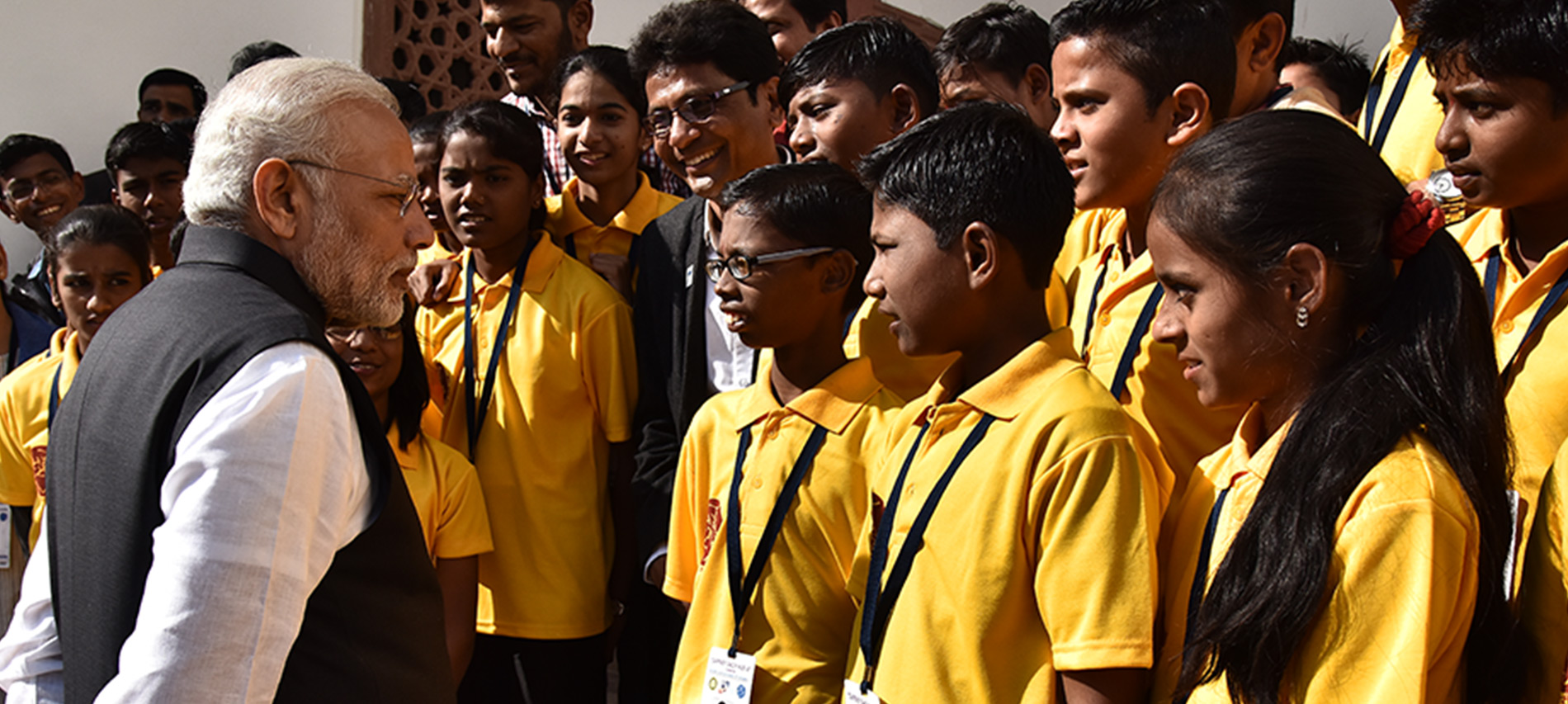
Prime Ministers don’t always have to be serious, do they? India’s current Prime Minister Narendra Modi has often shown a side that reaches outside of his bureaucratic, stoic demeanour.
Here our 6 instances when Prime Minister Modi pleasantly surprised us:
Moshe, the 26/11 survivor met Narendra Modi with affection, on his recent visit to Israel.

When the Canadian and Indian PM talked about a sporty partnership.


When our PM broke protocol to hug a little girl.

When Ravi Shastri was bowled over by our PM.

When PM Modi became nostalgic.

PM Modi has a unique way of reaching out to his fans.


Tell us which instance surprised you the most.

The Fascinating Life of Ernest Hemingway: War-Veteran, Journalist, Wordsmith

Nobel laureate, Ernest Hemingway, was born on July 21, 1899 in Illinois, USA. With his works influencing generations of writers after him, Hemingway’s journalistic, pragmatic and prosaic approach became famous for conveying some of the most difficult subjects.
The evolution of Hemingway’s writing style has everything to do with the course his life had taken. For Whom the Bell Tolls and A Farewell to Arms talk about life during the times of war, a reality Hemingway had lived through for a major part of his life. But before Hemingway settled for a life as a writer, his tryst with other professions is what shaped him as the wordsmith that he is.
Here’s looking at Ernest Hemingway’s life through his different professions.
Life as an ambulance driver for the Red Cross: After graduating from high school, Hemingway turned eighteen and tried to enroll in the army as World Was I was raging in Europe. The United States had joined the fight against Germany and Austria in 1917. However, Hemingway did not make it to the army due to poor vision in one eye, something that had been passed down to him by his mother. But soon enough when he heard that the Red Cross was taking volunteers as ambulance drivers, he did not think twice before signing up. Soon after joining as an ambulance driver in Italy he was severely injured due to a mortar shell exploding a few feet away from him. Hemingway was consequently awarded the Italian Silver Medal for Valor for his services in war. A Farewell to Arms was inspired by this phase of Hemingway’s life.

Life as a journalist: Between graduating from high school and joining the Red Cross in Italy, Ernest Hemingway had his first tryst as a cub reporter for the Kansas City Star for six months. Later, after returning from war in January 1919, he had a difficult time coping with the tranquillity of life back home – a far cry from the adventurous days in the battlefield. Despite not having turned 20 yet, the war had made Hemingway mature by years in a matter of just a few months. He began to work as a staff writer and foreign correspondent for the Toronto Star Weekly later that year. In 1920, Hemingway moved to Chicago and continued to write for the weekly from there.
After his marriage, Hemingway moved to Paris in September 1921 on being hired as a foreign correspondent for the Toronto Star. In his first 20 months in Paris, he filed 88 stories for the newspaper. His years as a journalist overlapped with his years as a writer, as is often the case with many others.

Birth of the writer: Ernest Hemingway needs no introduction as a writer. He has won some of the most prestigious awards in the world of literature. Not only has he written works of fiction, like The Sun Also Rises, A Farewell to Arms, The Old Man and the Sea and For Whom the Bell Tolls, his works of non-fiction too, like Death in the Afternoon and Green Hills of Africa, have been widely read across the world through generations. Writers after his time have tried relentlessly to emulate his style that is crisp, sharp and prosaic, displaying a major hangover from his journalist days. Hemingway had become a spokesperson of World War I for his generation, thereby establishing his style distinctively from the other writers of his times.

Ernest Hemingway’s legacy lives on not only through his literature, but also through the millions of tributes made to him. From pens to planets, clothes to highway inns, Hemingway and his words have continued to live on, inspire, fascinate.