Penguin Random House India to publish a new novel by Salman Rushdie, The Golden House, in September 2017.
Simultaneous publication: Penguin Random House India, Random House US, Jonathan Cape UK, and Penguin Random House Australia, New Zealand, and South Africa.
Forthcoming from Salman Rushdie is a breathtaking new novel on a sprawling canvas. A modern-day thriller, it follows a mysteriously wealthy family from Bombay that is desperately seeking to forget the tragedy they left behind as they feverishly reinvent themselves in New York City. Copiously detailed, sumptuously inventive, brimming with all the razzle-dazzle that imbues his fiction with the lush ambience of a fable, The Golden House is about where we were before 26/11, where we are today and how we got here. Here is a book that asks us – in a post-truth world – if facts and authenticity are necessarily the same things, while never ceasing to be both resonant and entertaining.
Meru Gokhale, Editor-in-Chief, Literary Publishing, at Penguin Random House India, who acquired Indian subcontinent rights from The Wylie Agency says:
“This is Salman Rushdie at his finest. The Golden House is a masterclass on the confusing world we have brought upon ourselves. The book dissects the cultural and political vacuum in which a generation – whose frame of reference for globalization has increasingly been coloured by conflict – must perform an intense balancing act. It is a terrific story, told at every step of the way with originality and nimble, impeccable plotting.”
Sir Salman Rushdie is the multi-award winning author of twelve previous novels: Midnight’s Children which won the Booker Prize (1981) and the Best of the Booker Prize (2008), Grimus, Shame, The Satanic Verses, Haroun and the Sea of Stories, The Moor’s Last Sigh, The Ground Beneath Her Feet, Fury, Shalimar the Clown, Luka and the Fire of Life, The Enchantress of Florence and his recent Two Years, Eight Months and Twenty-Eight Nights. His memoir, Joseph Anton, published in 2012, became an acclaimed bestseller, praised as “the finest memoir […] in many a year” (The Washington Post). He has also published one collection of short stories, East, West, and three works of non-fiction: The Jaguar Smile, Imaginary Homelands: Essays and Criticism 1981-1991 and Step Across This Line. Rushdie has also co-edited two anthologies, Mirrorwork and Best American Short Stories 2008. His books have been translated into over forty languages. He is a former president of American PEN.
****

Category: Specials
5 Novels by Charles Dickens that Dazzled Us
“No one is useless in this world who lightens the burdens of another,” Charles Dickens remarked once. If we care for that standard, Charles Dickens – a colossus standing tall over the literary firmament – is one of the most ‘useful’ people of all time!
Even though he lacked a formal education, he gave us fifteen novels, five novellas and hundreds of short stories that have not only lightened the burdens of numerous generations but also given us a glorious peek into the grand world of his imagination.
Virginia Woolf once tagged Dickens’ works as “mesmerizing” and Truman Capote called him “a great artist”. On Charles Dickens’ birth anniversary, we fetch five of his greatest works that have dazzled men and women, children and elders alike!
David Copperfield
“Whether I shall turn out to be the hero of my own life, or whether that station will be held by anybody else, these pages must show.”

Great Expectations
“I loved her against reason, against promise, against peace, against hope, against happiness, against all discouragement that could be.”

Oliver Twist
“Please, sir, I want some more.”

A Christmas Carol
“I have endeavoured in this Ghostly little book, to raise the Ghost of an Idea, which shall not put my readers out of humour with themselves, with each other, with the season, or with me.”

A Tale of Two Cities
“Repression is the only lasting philosophy.”

Which is your favourite novel by Charles Dickens, and why? Tell us, and join us in wishing Charles Dickens – Happy Birthday!
———–
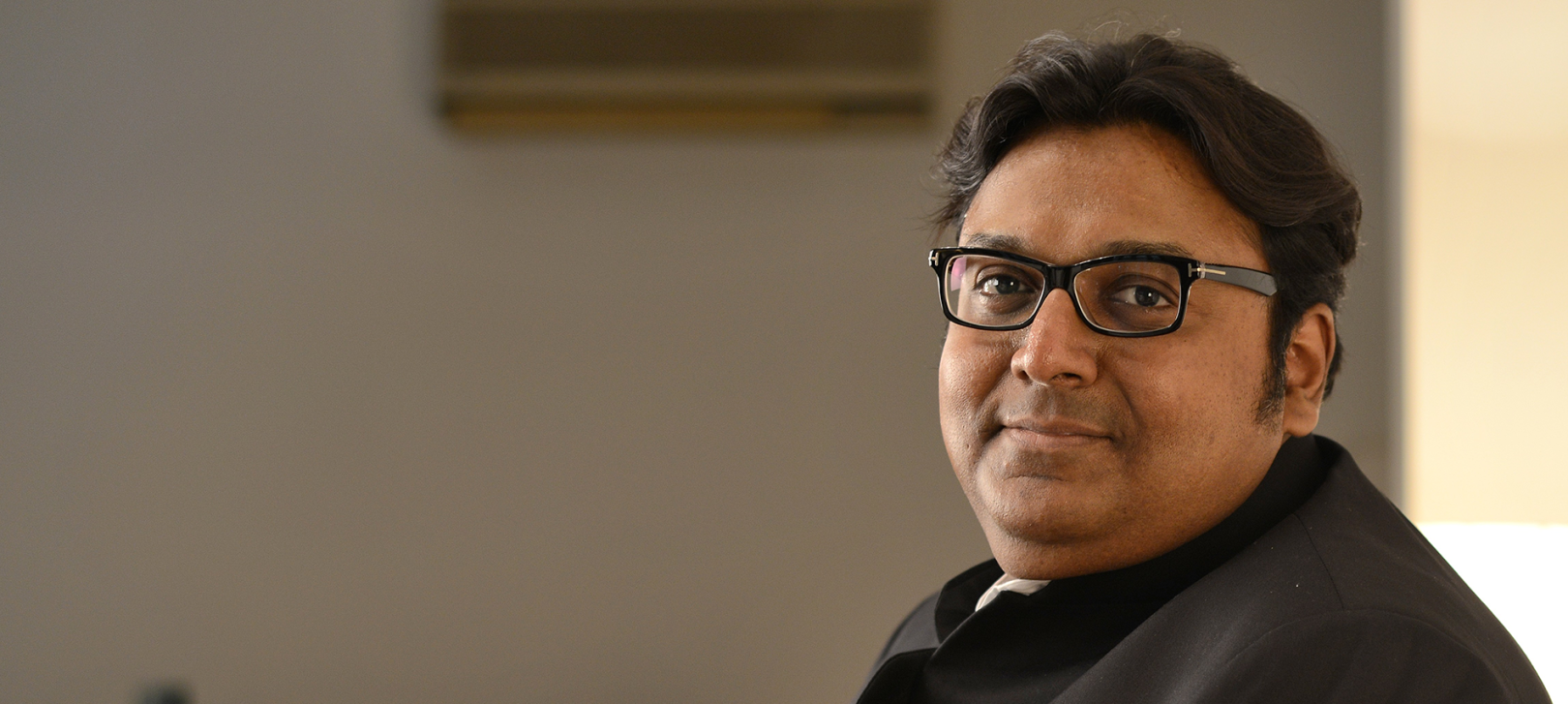
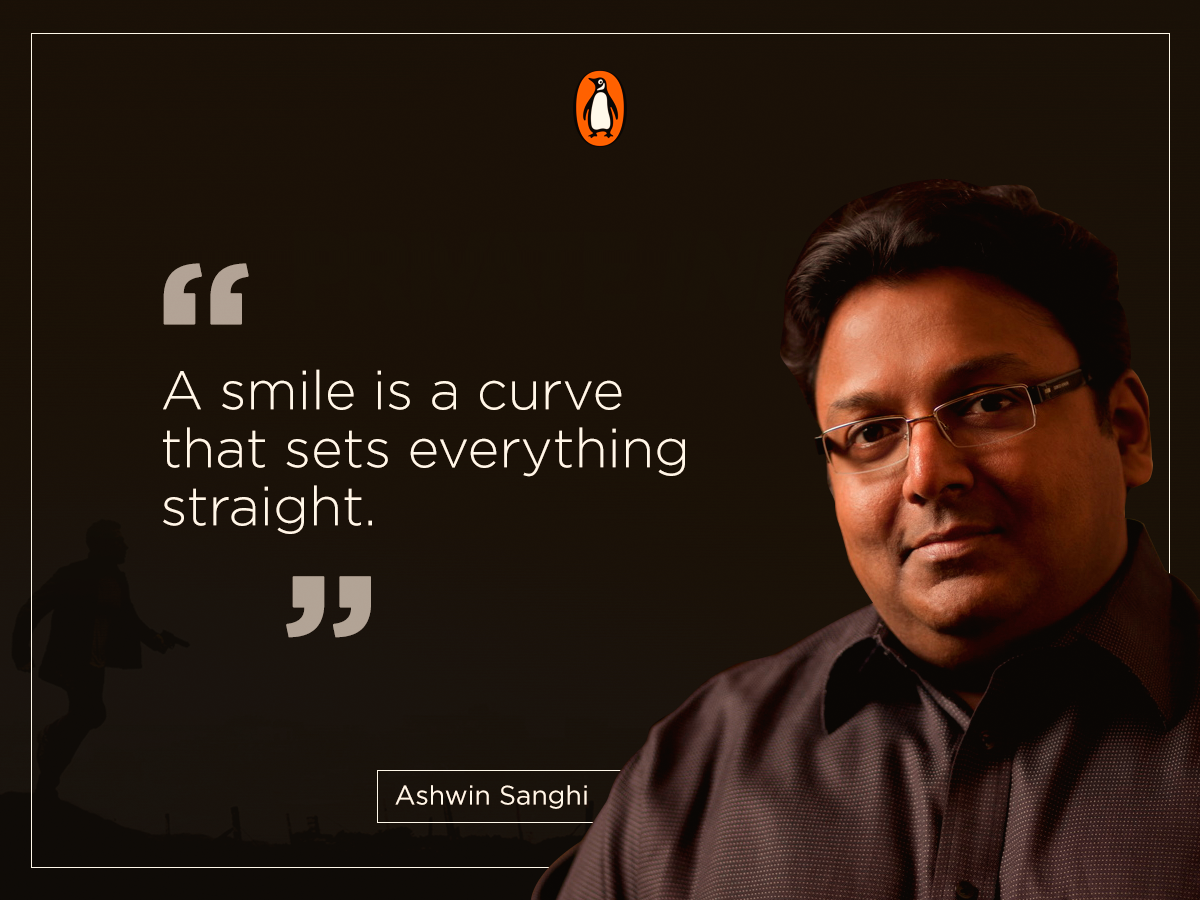
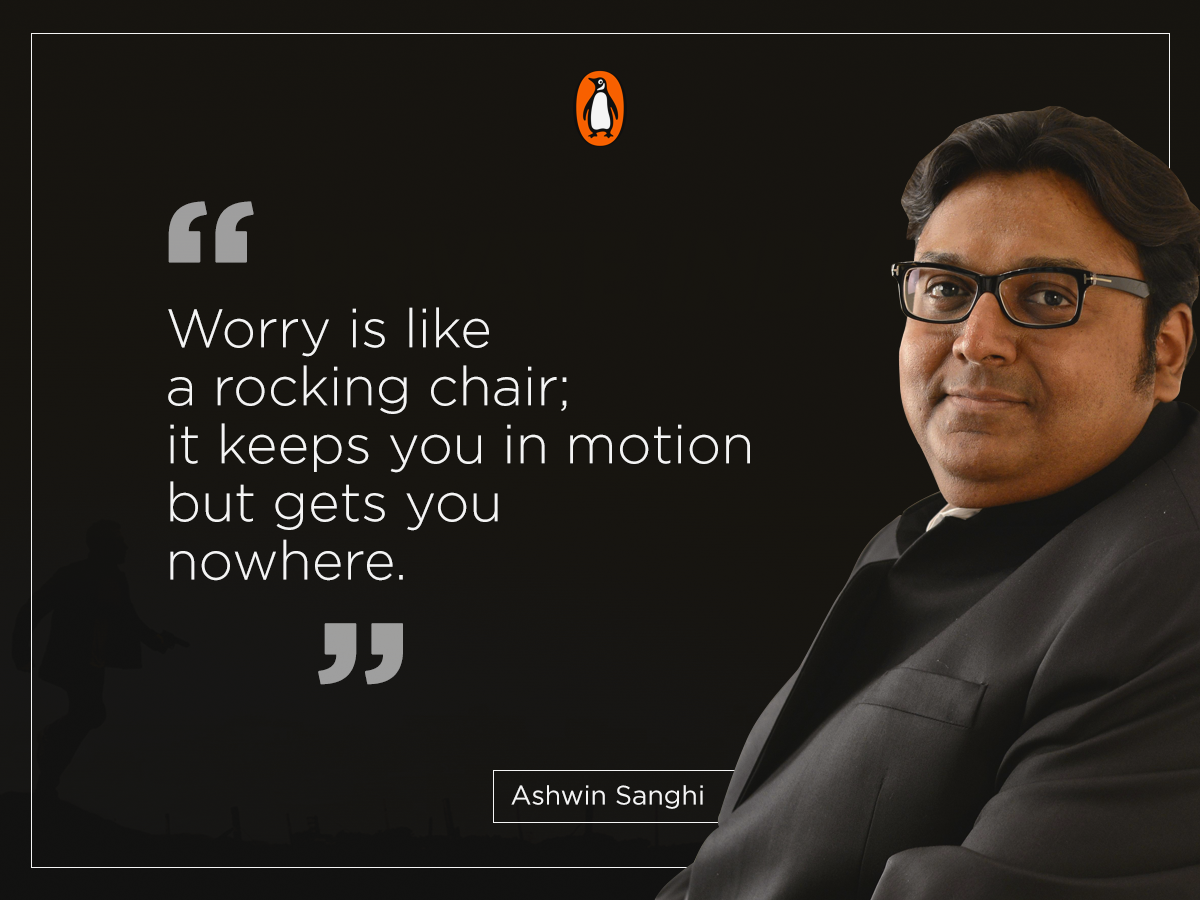
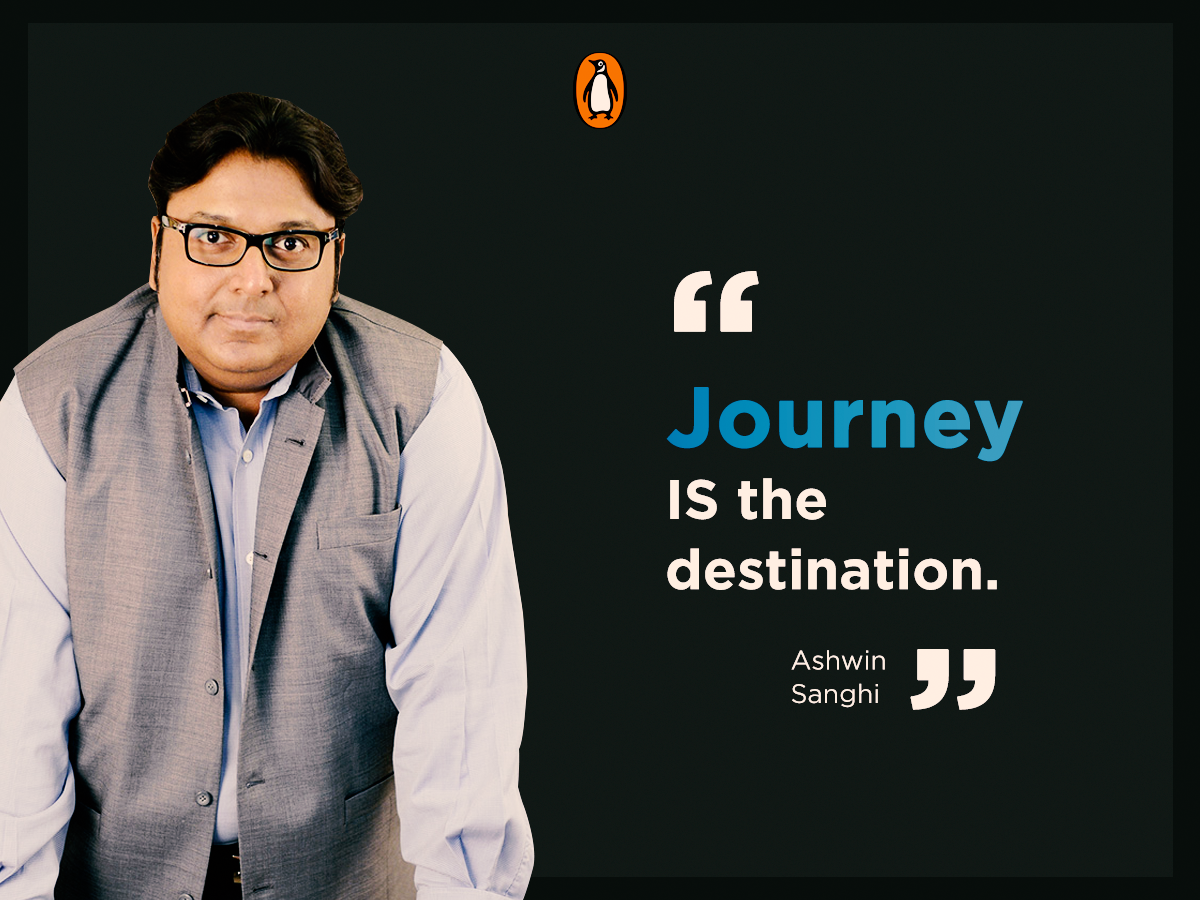
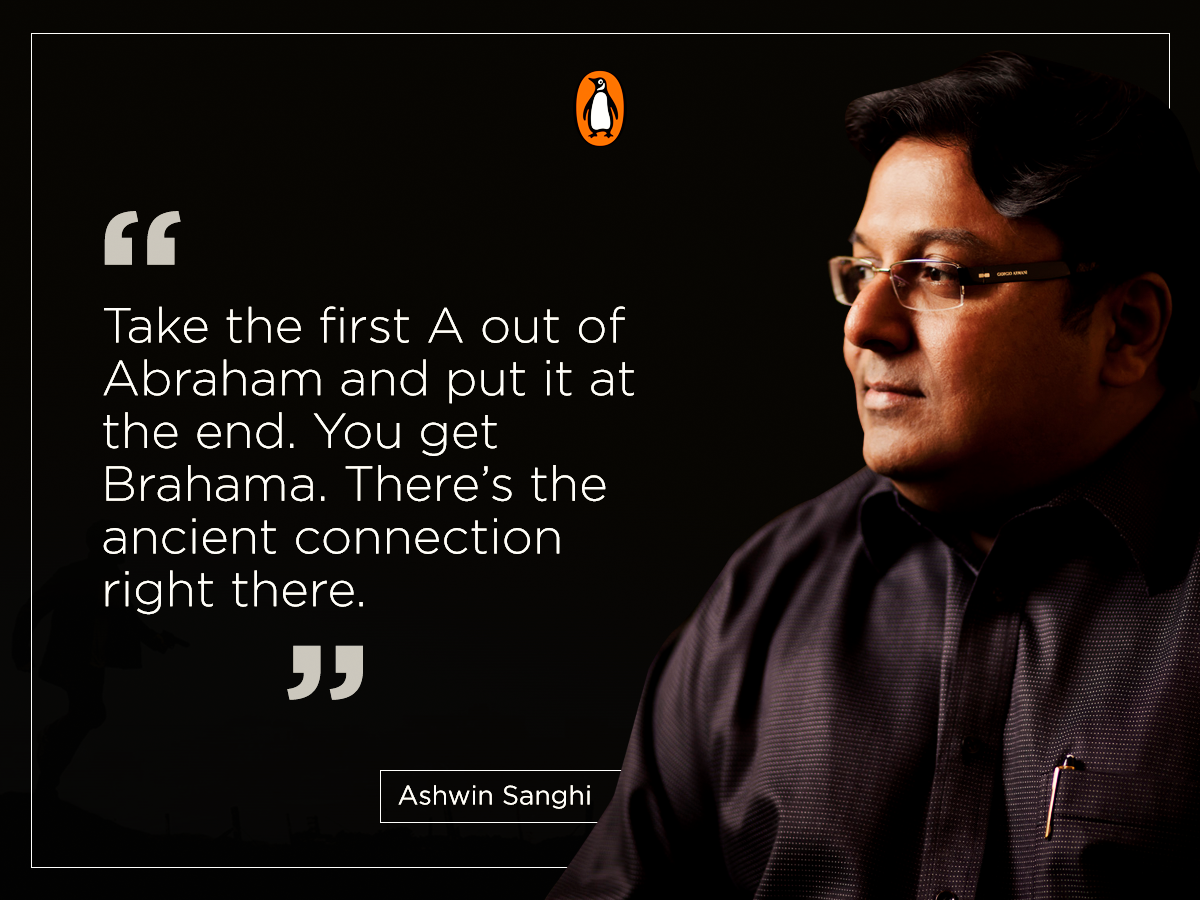
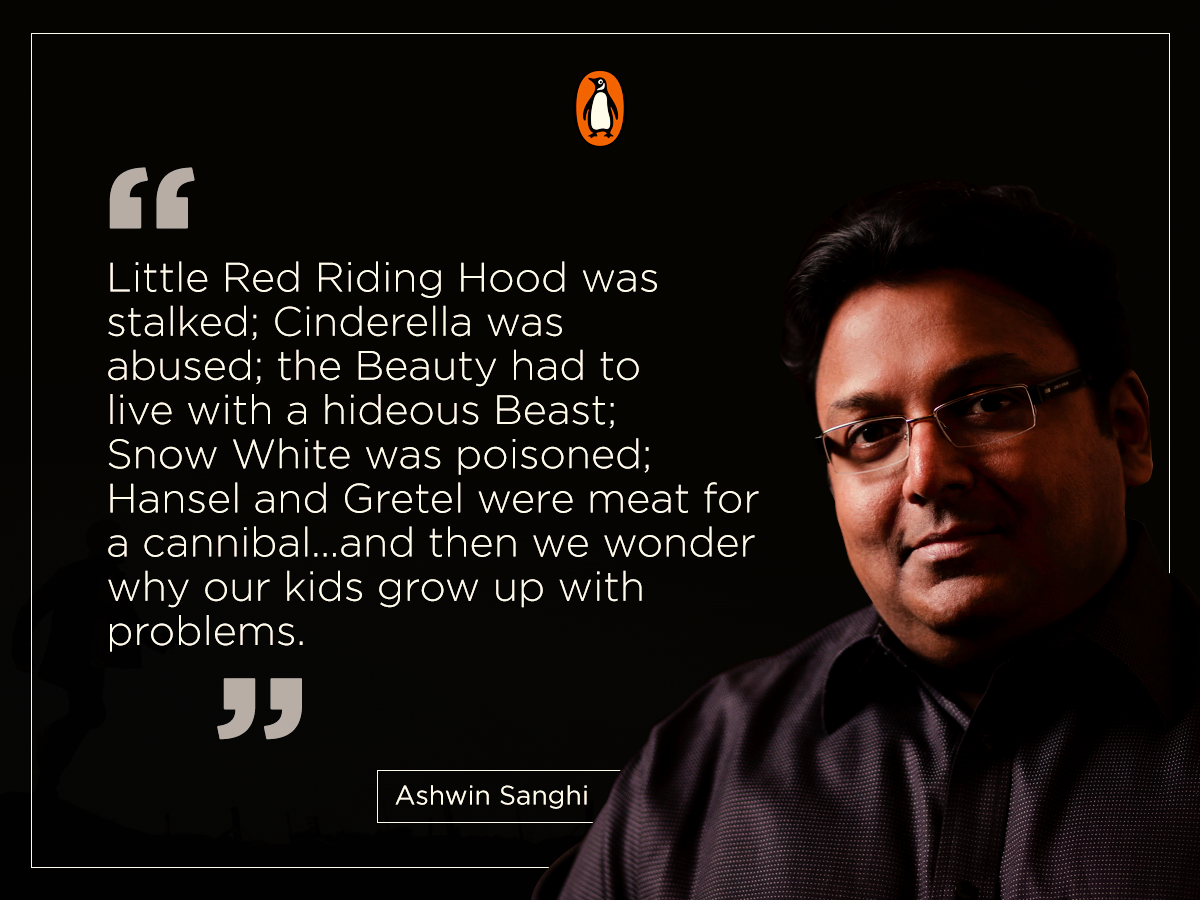
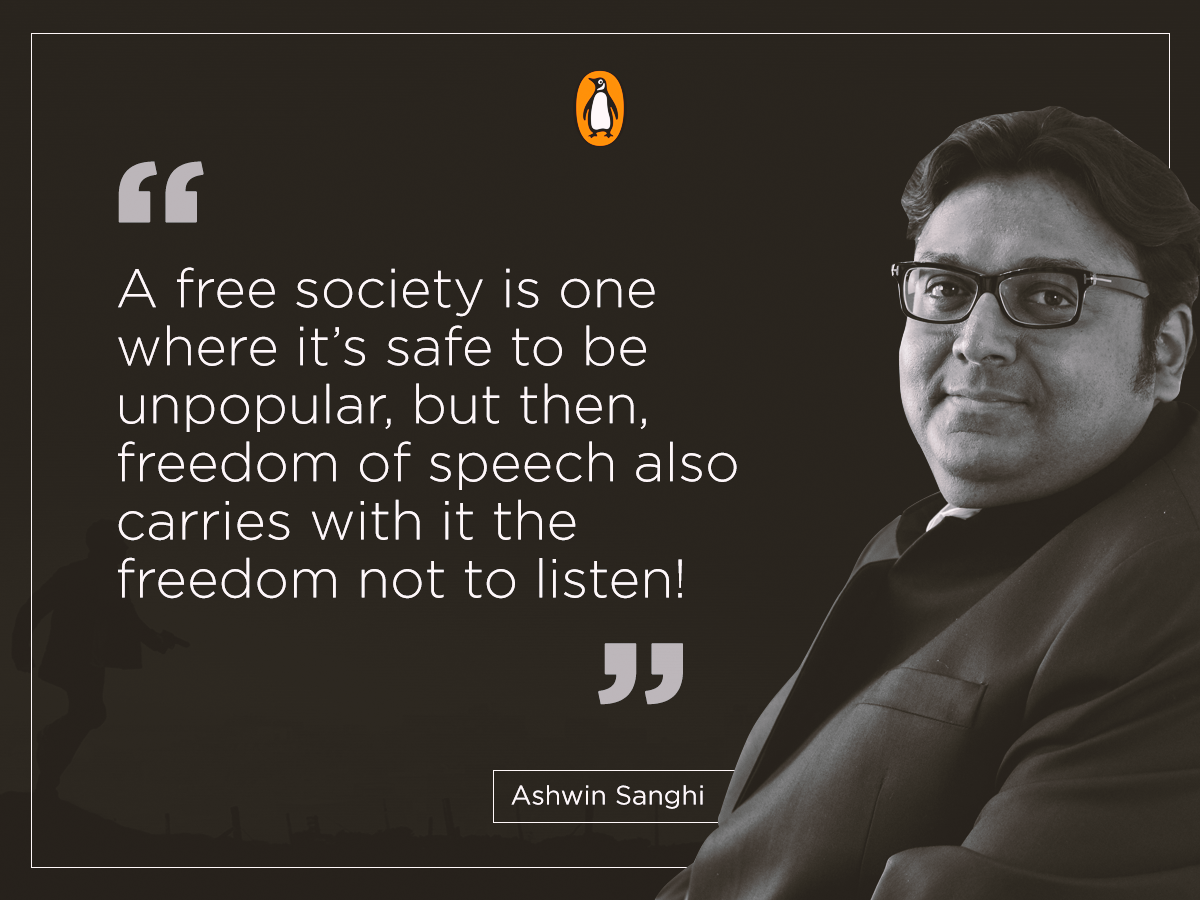
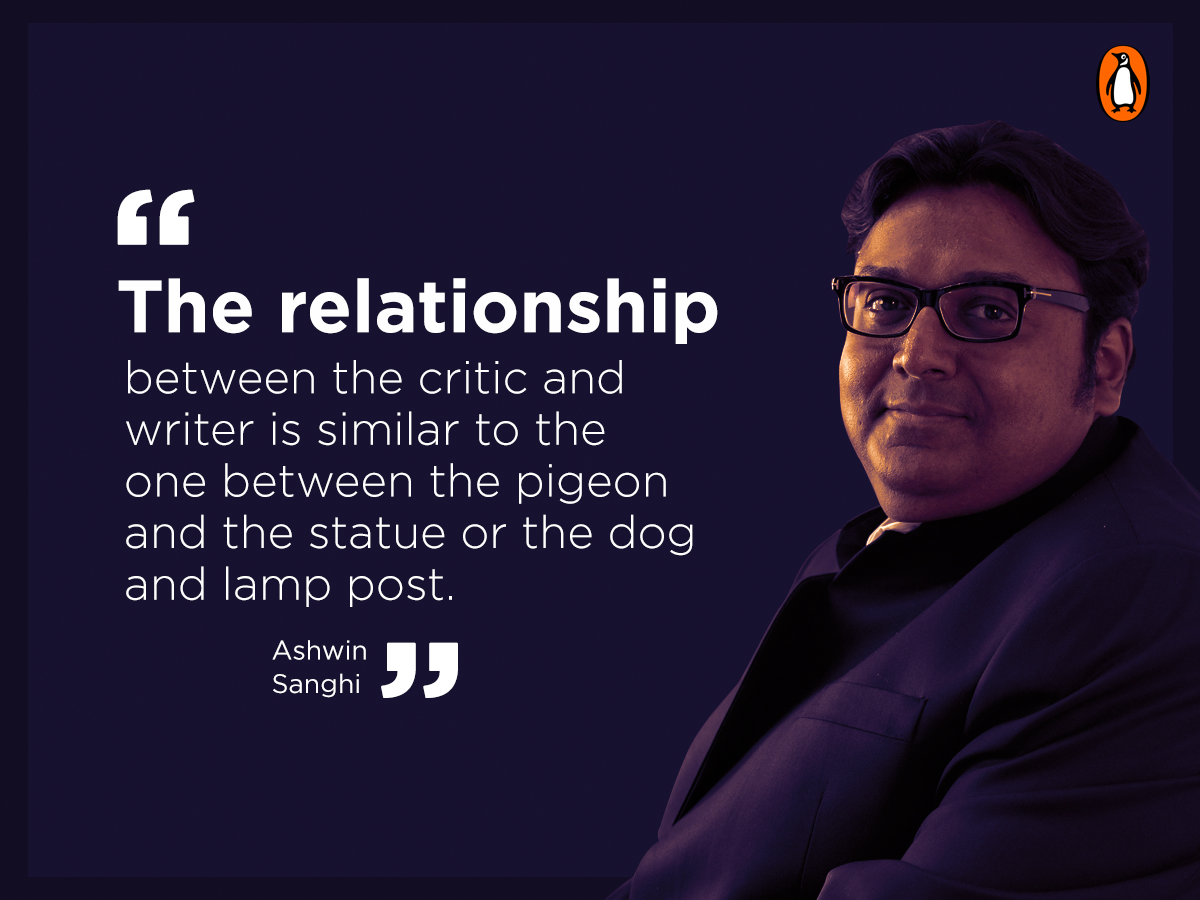
9 Quotes from Ashwin Sanghi that’ll get You Thinking
Ashwin Sanghi ranks among India’s highest selling English fiction authors. He has written several bestsellers (The Rozabal Line, Chanakya’s Chant, The Krishna Key and The Sialkot Saga). The author has also co-authored a New York Times bestselling crime thriller with James Patterson called Private India.
Included by Forbes India in their Celebrity 100 and winner of the Crossword Popular Choice, Ashwin also co-writes the 13 Steps series of self-help books (13 Steps to Bloody Good Luck and 13 Steps to Bloody Good Wealth) the rest are set to follow.
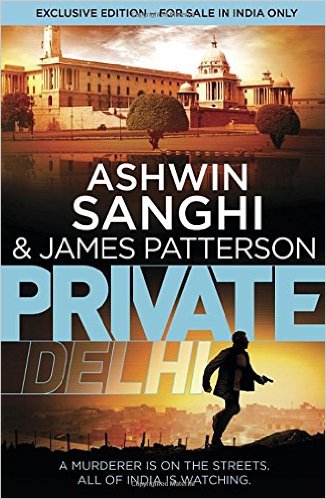
His latest work is the sequel to the Private India. Co-authoring, again, with James Patterson, the new book follows the character Santosh Wagh investigate, after bodies are discovered in a state government-owned house. The authorities, however, seem to be taking great pains to prevent the investigation. But why?
That, dear reader, is something you’ll have to find out in Private Delhi. Until then, immerse yourself in these thought-provoking quotes by this remarkable writer.


———–

Ashwin Sanghi and James Patterson’s sequel to Private India, Private Delhi sees Jack Morgan persuade Santosh Wagh to rejoin his global investigation agency and set up a new branch in Delhi.
It’s not long before Santosh is thrown headlong into a dangerous case which could implicate the highest members of the Indian government in a string of brutal murders. Get your copy today!
Mayank Austen Soofi talks about the cover photograph of ‘The Ministry of Utmost Happiness’
Mayank Austen Soofi, the renowned photojournalist, gets candid about behind the scenes of the cover and author picture shoot for Arundhati Roy’s much awaited novel – The Ministry of Utmost Happiness
Tell us about the photo used on the cover of Arundhati Roy’s new novel The Ministry of Utmost Happiness.
I’m a devotee of The God of Small Things. I’m also very attached to its cover, a picture of the surface of water with flowers and leaves and the sky reflected in it. I love it because you can keep looking at it. It is so particular and yet elusive, and you can never get enough. And that is exactly how the novel is. I think and I hope that this cover for The Ministry of Utmost Happiness will stir the same feelings in the reader. It’s a photograph of stone, which is the complete opposite of water. Yet I think the cover has that same quality of being particular as well as elusive.
How did you come about taking these photos?
She asked me to. She was very clear about what she wanted. I was nervous, but I tried to follow the brief as closely as I could.

Why did she choose you to take these photos?
That’s a question you must ask her. All I can say is that I cannot believe this is happening to me. That my photograph will be on the cover of the second novel of the writer who wrote The God of Small Things!
What is she smiling about in that author photo?
She was thinking some very private thought, I think.
Your blog is called ‘The Delhi Walla: Your gateway to alternate Delhi, the city of Hazrat Nizamuddin Auliya and Arundhati Roy’. When did you start it and why is it called that?
I started my blog ten years ago, many years before I actually met Arundhati Roy. Delhi is where I live and work. There are two people here, who have shaped me and my way of thinking. One is her, a writer who seems to speak directly to me. The other one is the Sufi Saint Hazrat Nizammudin Auliya.
***
The Ministry of Utmost Happiness, Arundhati Roy’s first novel in twenty years, is set to release in June 2017.
***
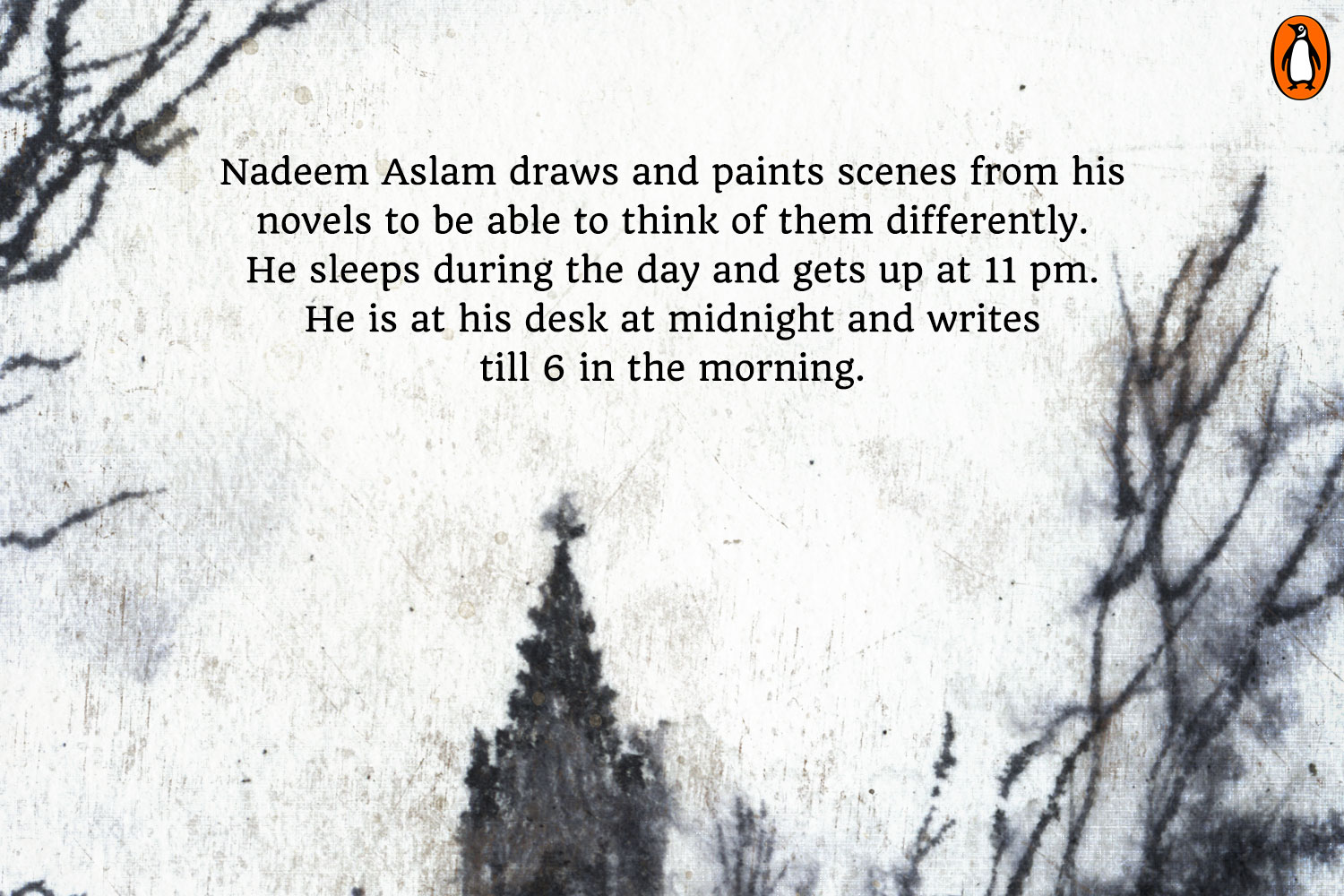
7 Things About Nadeem Aslam that will Leave You Spellbound

When a young Nadeem Aslam – sixteen years of age – fled from his native Pakistan and settled in England, he barely knew the English language. Back home, Urdu-medium schools had dotted the country and English education had been rare and for the affluent few.
In England, as a teenager, learning and writing in English became Nadeem Aslam’s burning desire – a language in which he would go on to produce highly influential works. As part of his self-imposed “crash-course” to learn English, he started by copying out entire novels by hand and studying the content! “That’s how I learned English, looking at the sentences,” Nadeem Aslam says.
Today, as one of the leading writers from the subcontinent who has made an indelible mark on the international stage, Nadeem Aslam has left behind striking footsteps to follow. Here are few of the fascinating things about him that are going to leave you captivated!
Educating himself and developing as a writer.

In the company of solitude.

Words flowing from his mind into his hand, then down the pen, and onto the page – blood becoming ink!

Breaking out!

Suffering with pleasure.

A writer builds his own world!

Excellence is a consequence of hard work and preparation, isn’t it?

*
6 Sessions to Look Out for at JLF ’17
It’s that time of the year!
10 years since the first JLF, the Festival has grown into the world’s largest free event of its kind. Having hosted 1300 speakers and welcomed nearly 1.2 million book lovers, its success has been astonishing and heartwarming.
Some of the biggest Penguin authors have rocked the stage at JLF and this year promises to be even better. From commercial superstars to critical bigwigs, this year we are getting the crème de la crème from our author roster.
Here are a few of the sessions you’ll not want to miss at the Festival.
Gulzar
Gulzar and Pavan K. Varma in conversation

People usually run out of superlatives when talking about the evergreen Gulzar. One of the greatest artists to ever grace the JLF, Gulzar Sahib’s session, along with Pavan K. Varma, will be on his latest work – Suspected Poems. You’ll not want to miss his musings on poetry, literature and the state of the world.
Tabish Khair
Manju Kapur and Tabish Khair in conversation with Ashok Ferrey

Currently teaching English at Aarhus University in Denmark, Tabish Khair was born and educated in Bihar. At the session, the former journalist will be talking to Ashok Ferrey about the context and inspiration for his works. He will also talk about his book Jihadi Jane, a powerful novel about two Muslim girls who decide to join ISIS.
You can also catch him at the Festival along with Saeed Naqvi, Qaisra Shahraz, Sadia Dehlvi and Ornit Shani as they talk of the conflicts and polarities of being an Indian Muslim in an increasingly divided world.
Ashok Ferrey
Ashok Ferrey, Kyoko Yoshida and Marina Perezagua in conversation with Sunil Sethi

Ashok Ferrey will be in conversation with Sunil Sethi on the pursuit of fiction that involves a leap of faith between material and literary reality. He will be joined by other notable contemporary writers as they also discuss how writers enter and access fictional journey. The bestselling Sri Lankan author will also explore the devil within as he discusses his latest book The Ceaseless Chatter of Demons.
From talking about the thin red line between a person’s beliefs and politics with Tabish Khair to joining Ashwin Sanghi on his talk about the art of writing thrillers, Ashok Ferrey will also be at various other sessions with other authors.
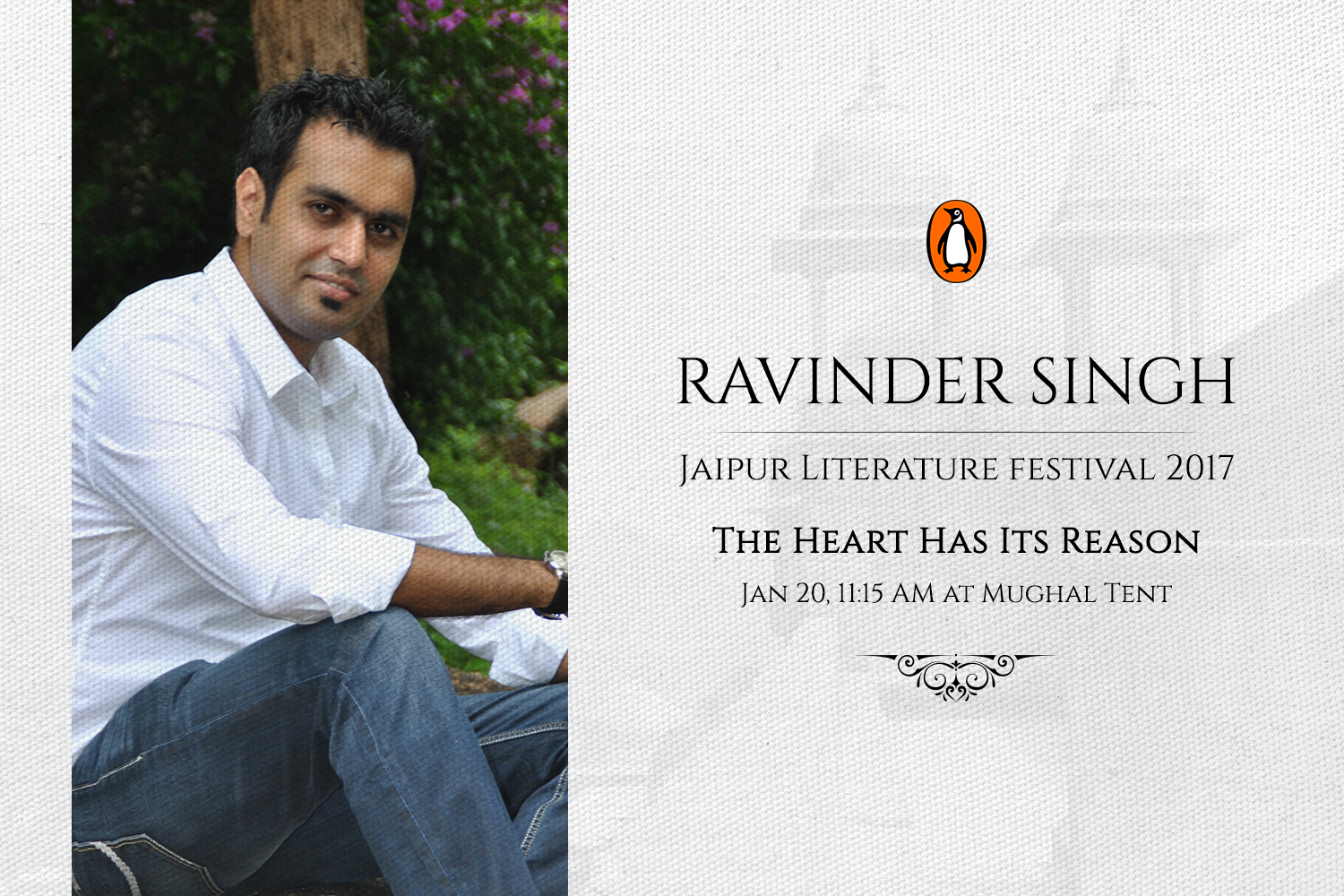
Ravinder Singh
Ira Trivedi and Ravinder Singh in conversation with Lucy Beresford

Romantic fiction reaches out across time and history to every successive generation with tales of love. The King of Romance, Ravinder Singh’s session is about love in contemporary India. The author who is known for writing from the heart, about the heart will speak about the psychology and the changing mores of love in our times.
Devdutt Pattanaik
Devdutt Pattanaik introduced by Amrita Tripathi

Ancient Greece and India have both bequeathed a lasting body of myth to the world. In his latest work Olympus, Devdutt Pattanaik attempts to understand how an Indian reader raised on a steady diet of local myths and legends might respond to classical Greek mythology. By reversing the gaze, he explores the fascinating connections between these stories and sagas. At the Festival, Pattanaik will talk about both the mythologies and their lasting legacy.
Devdutt Pattanaik will have two more sessions at JLF – on the history and legacy of the Vedas and on his book The Girl Who Chose.
Arshia Sattar
Arshia Sattar and Volga in conversation with Vayu Naidu

A symbol of chastity and loyalty, the goddess Sita has evolved into a feminist icon for her silent strength and endurance. In her session, Arshia Sattar will talk about her highly acclaimed translation of the ‘Uttara Kanda’. She will talk about the sacrifice, choice and the complex moral universe of the Ramayana.
Arshia Sattar will also be in various other sessions at the Festival discussing atheism in the ancient world to understanding the brilliant A.K. Ramanujan.
———
The themes of equity and democracy run through the Festival’s veins bringing humanitarians, historians, politicians, business leaders, sports people and entertainers together on stage. Access to these renowned thinkers along with some of the finest writers in the world provides a potentially life-changing opportunity to visitors.
We hope to see you at Jaipur!
—————–
Flashback 2016: 5 Kickass Moments from JLF ’16

One of the most iconic literary festivals in the country kicked off today with a mesmerising keynote address by Gulzar. There are fascinating sessions lined up at the event, and the atmosphere is filled with energy as readers and writers from across regions gather to celebrate love for and of books.
As we gear up for the talks and discussions that are in the offing, we look back at last year’s edition, and we bring to you five bright moments that will make you want to attend the festival this year!
When Margaret Atwood talked about ‘The Global Novel’
Chiki Sarkar started the session by asking the authors – Colm Toibin, Aleksander Hemon, David Grossman, Sulaiman Addonia, Sunjeev Sahota, and of course Atwood – when and how did the novel form become the popular form of literature?

Gulzar’s talk broke records – literally!
Looking back fondly in a self-confessed nostalgia towards the world around him, the great poet moved the audience with prose after prose. The audience was so involved that neither the chatter of young children nor the constant trickle of people at the outskirts of the arena could distract a soul.

“What makes South Asians laugh?”
In a roller-coaster ride full of laughter and comic relief, Sidin Vadukut, Meera Syal and Suhel Seth took us back to an innocent age – an age where the word ‘tension’ was not part of our vocabulary, an age where we could just enjoy wit without worrying about its ramifications.

Eating Books – A Cosmopolitan Cuisine: Anjum Hasan and Nilanjana Roy in conversation with Jerry Pinto
The talk revolved around what it means to write about literature and who are writers and what they are writing about today.

On the British Empire: Tristram Hunt and Shashi Tharoor, moderated by Swapan Dasgupta
The session started off with a definition of imperialism and moved on to its growth with differing opinions on it. Shashi Tharoor was at his delightful best!

Incarnations, Reincarnations: Sunil Khilnani in conversation with William Dalrymple
The session, headed by Sunil Khilnani and William Dalrymple, was about Khilnani’s book ‘Incarnations: India in 50 Lives’. The landmark book puts together the stories of some of the most iconic Indians who made a difference.

We hope these stories from JLF ’16 motivated you to head out and attend JLF ’17. See you there!
6 Things You Probably Didn’t Know About Haruki Murakami
Haruki Murakami is one of the most famous novelists at the moment. Until age 29, however, he never considered himself capable of writing a book. It was only after the success of his first two books, Murakami became a full-time writer, producing a prolific body of work. He has also taught at Princeton University and won multiple literary awards throughout his career.
Murakami’s works have also been translated into more than 40 languages and have sold millions of copies. The author has gained cult status both at home and abroad. But, how well do you exactly know him?
Despite his popularity, many people do not know much about the reclusive author. That is why, on his birthday, we’ve compiled a few facts that you probably didn’t know about Haruki Murakami.
1. He loves Jazz
Like Toru Watanabe, the narrator of Norwegian Wood, his first job was at a record store. Murakami loves Boston because he feels that it is the most convenient and “satisfying city for collecting secondhand jazz records.”

2. His routine is rigid. And intense.
Murakami has said in the past that he feels writing a long novel is like survival training. He believes that physical strength is as necessary as artistic sensitivity. And judging from his routine, he is a firm believer.
3. He drafts. A lot.
A true perfectionist, all of Murakami’s works are true labours of love.

4. Who did it?
He’s admitted that when he starts writing a story, he doesn’t know the conclusion. He says that he writes the book because even he wants to find out what happens. Murakami believes that if he knew who the killer was, then there’s “no purpose to writing the story.”

5. Video games are like books?!
The award-winning author has revealed that sometimes when he’s writing, he feels like the designer of a video game and, at the same time, the player.

6. His taste in films.
Murakami loves movies, and according to a report, during one year at university, he watched more than 200 films!

A private and reluctant celebrity, Murakami loves to maintain a degree of anonymity and not much is known about him, especially considering he’s a best-selling writer. We hope these facts serve to make you admire him more.
——————
Words of Wisdom by The Modern Monk
Vivekananda is one of the most important figures in the modern imagination of India. He was also an utterly modern man who consistently challenged his own views, and embraced diverse, even conflicting arguments. It is his modernity that appeals to us today and makes him the coolest monk we know.


More than 100 years after his death, do we really know or understand the bewildering, fascinating, complex man Swami Vivekananda was?
Vivekananda is not merely a religious teacher. He is one of the most powerful and charismatic intellectuals in Indian history – a true modernist with a rigorous scientific temperament. And Hindol Sengupta brings his teachings for the modern readers in his latest work – ‘The Modern Monk’
6 Quotes that Showcase the Brilliance of Haruki Murakami
Haruki Murakami’s greatest novels dwell in the threshold between realism and fable, whodunit and science fiction. Arguably the most experimental Japanese writer to have been translated into English, he is one of the greatest writers of our time.
His works are filled with allegorical worlds, assembled with familiar symbols as well as things that are just out of this world, leading to a strange hybrid narrative that captivates readers. That is exactly what these quotes show, his uncanny ability to stitch the peculiar with the normal, seamlessly.
Celebrate the birthday of this amazing writer with a few of his most memorable quotes.


Wishing you a very happy birthday Haruki Murakami-san!
————–