



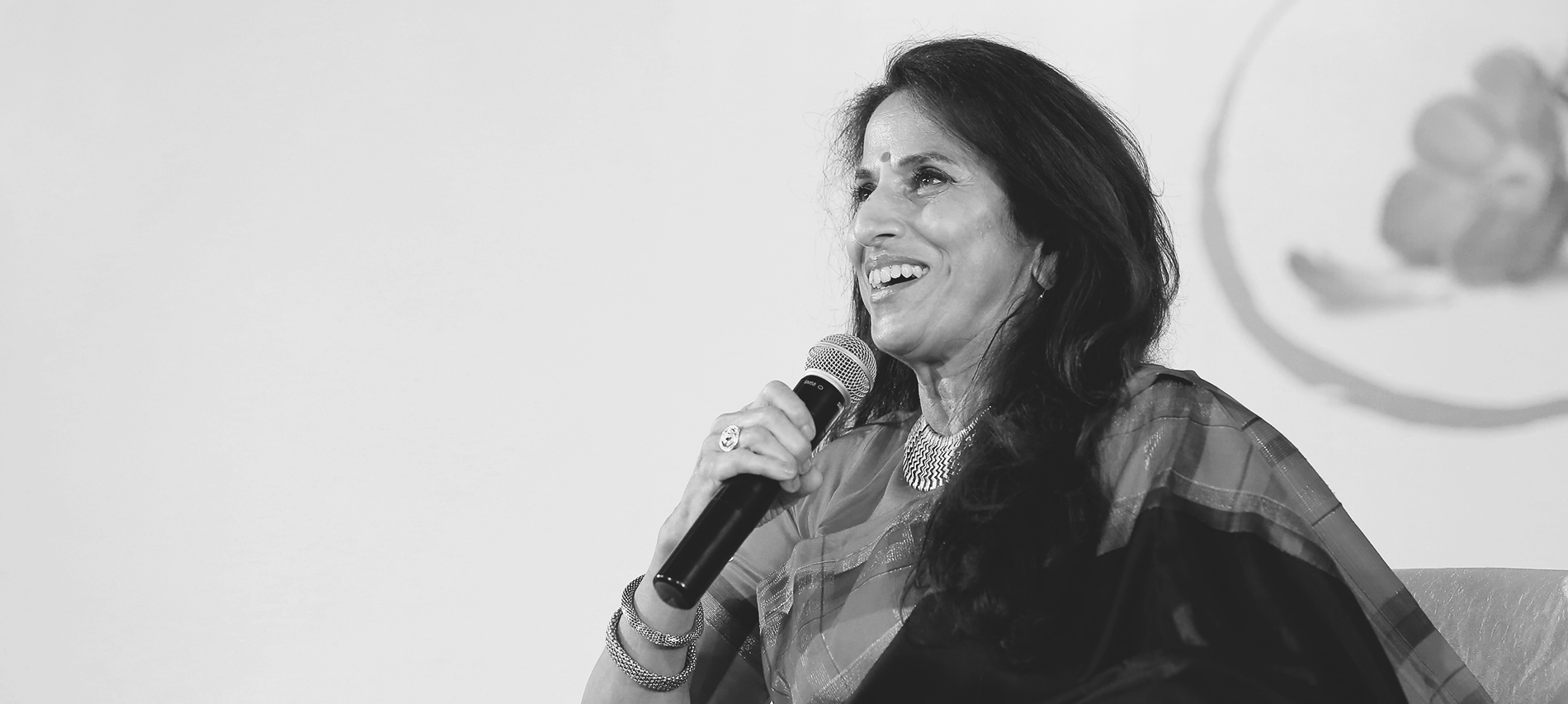
Shobhaa De, voted by Reader’s Digest as one of ‘India’s Most Trusted People’ and one of the ’50 Most Powerful Women in India’ by Daily News and Analysis, is one of India’s highest-selling authors and a popular social commentator. Her new book, Seventy and to Hell with it!, looks back on the terrain of her life. Especially at relationships-hers and those she has observed over the years-and at ever-present fears and grief.
Here’s an excerpt from this fun, entertaining and unputdownable book.
——————————————-
Nails. Would you believe it? Everything comes down to nails. Toenails. I am writing this soon after celebrating my sixty-seventh birthday with the family. As always, they had made it extraordinarily special for me. I felt a little guilty. Poor children and considerate husband—how much longer will they have to keep coming up with birthday surprises for me? Thoughtful, hand-picked gifts, sweet notes, an unexplored venue, candles and flowers. Year after year, my family has taken enormous trouble to make my birthday amazing— to make me feel amazing. This year, perhaps for the first time, I asked myself—do I deserve their love? The question depressed me. I came home in an uncharacteristically pensive mood. The mellow white wine we had consumed contributed to the introspection. Don’t get soppy and sentimental, I told myself. Don’t feel martyred. Feel happy, not guilty. Rejoice. Sixty-seven today, sixty-eight next year, sixty-nine the year after, seventy after that, life goes on.
The next morning, for the first time in my life, as I bent over to clip my toenails, I recoiled in shock. Those couldn’t possibly belong to me. These were the toenails of a really old person! I reached for my reading glasses and looked closely. My toenails had aged. Which meant the rest of me had aged too. But this drastically? Toenails never lie. Look at your own. Check what they are saying. Toenails tell you the sort of bald truths your face doesn’t. Perhaps it has something to do with being taken for granted. I had never thought about my toenails till that defining moment, the morning after my birthday. It was as if I was looking at them for the very first time in my life. And at that precise moment, I felt like I was staring at my mother’s feet. Those were her toenails when she was in her seventies.
It’s not about pedicures or caring enough for your feet. Nails cannot be fooled or pampered. Those damn toenails remind you to take a clear-eyed look at yourself—other body parts that are giving up, slowly but surely. Like the ropelike veins on the back of your hands, the loose skin under your chin and so many other telltale signs of physical deterioration. Since that day, I have started to examine my toenails every morning after my bath. I have scrupulously applied foot cream for years, but mechanically, without paying the slightest attention to the nails. Now that the toenails have become my main focus, I examine them somewhat obsessively. My toenails have started talking to me!
Old people’s nails thicken and are exceedingly hard to clip. They also get discoloured and ridged on the surface. By this point, chances of the toes getting misshapen are pretty high. Feet tend to flatten and broaden with advancing years. When that happens, toenails become brittle and crack vertically, which is very painful. The surrounding skin gets sore, leading to ingrown nails. Jagged edges appear, and get caught in bedclothes. You wake up in the middle of the night wincing in pain. It’s dark. You can’t find your spectacles. You grope on the bedside table, knock over a water jug. Switch on the light. Forget where you’ve stored the nail clipper. Wake up the husband and ask for help. The toenail-fixing operation gets under way. With eyes full of sleep, you nick yourself. There’s blood on the bed sheets. You need ice. You stagger to the kitchen. Wake up the dog. Wake up others. Slip on something squishy. Keel over. Fall. But not badly. Your old training as a sportsperson helps you break the fall. But there will be a bruise tomorrow morning. Ice cubes in hand, you make it back to the bedroom in one piece. Dawn is breaking. And your toenail still hasn’t been fixed. You finally feel old. Yes, old!
It took my toenails to remind me of my biological age. In my head and heart, I am stuck at thirty-four—possibly the best year of my life. That was a long time ago. But so what? What a year it was, tumultuous and life-altering. I decide there and then that no matter what my toenails are telling me, I will treat them as toenails, not as time bombs ticking away, warning me to be cautious, slow down, retire, find my inner calm, change. Sixty-seven is not all that terrible an age to be. If I continue to feel thirty-four, it doesn’t really matter.
That unexpected encounter with the toenails brought me face-to-face with the sixty-seven-year-old me. And forced me to shift my gaze upwards and look more closely into the mirror. All of a sudden, I took note of the deepening lines around the mouth, the additional crow’s feet at the corners of my eyes. The extra strands of grey framing my face, the slackening of the skin on the neck, the slight discoloration of the lips. My reflection was a revelation. How had I not noticed these changes earlier? Had I not looked hard enough? That’s not possible. I am as vain as the next person. I had looked but I hadn’t seen. Such a big difference between looking and seeing. Just as I was fretting over a deep furrow between the brows, I happened to catch a glimpse of my ears. Here’s a confession: I like my ears. And to my great satisfaction and utter relief, the ears looked just the same. The ears could have belonged to a thirty-four-year-old. And that was my big thrill. Why focus on the negatives (discoloured toenails) when there are positives (pretty ears) to cheer you up?
It’s important to be realistic and self-critical in life. But it’s equally important to remain upbeat and positive about the inevitable. Age is one of them. From now on, it’s going to be ears over toenails.
I am not going to put on a fake jaunty attitude and declare: Seventy is the new fifty! Because seventy is seventy. And no matter how ‘young’ you feel, you can neither look it nor hack it as anyone but a (hopefully) well-preserved septuagenarian. Life definitely does not begin at seventy—but neither does it have to end. I don’t believe in milestones. Hitting seventy is not an achievement. And it is certainly not a milestone. It is merely a biological fact of life. I have survived my seventh decade. That’s about all it says to me.
——————————–

Category: Features
articles features main category
10 Books by Charles Dickens Every Millennial Should Read
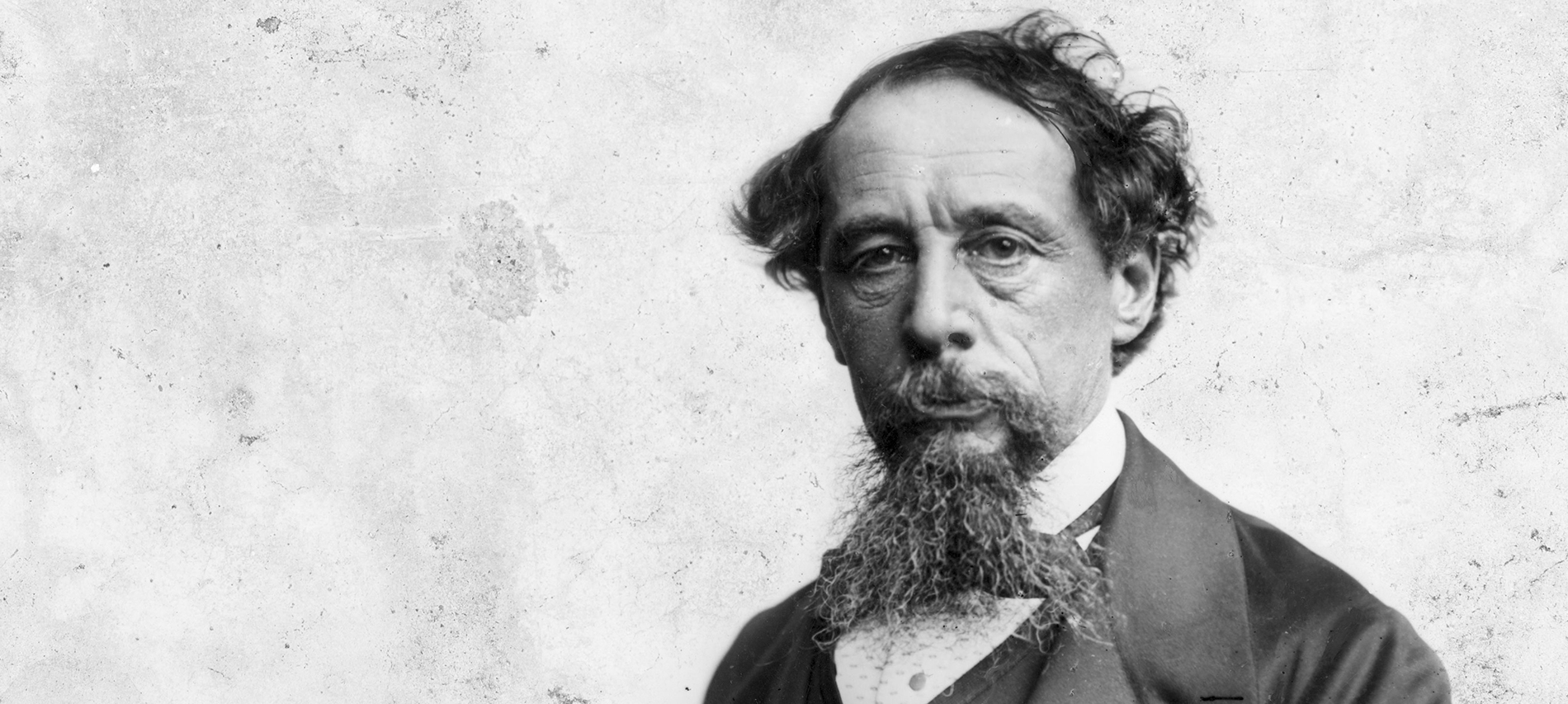
Charles Dickens can easily be termed as a phenomenon. The English writer and social critic was a hardworking journalist and a great novelist. He created some of the most cherished characters in literature: the Artful Dodger, Mr Pickwick, Pip, David Copperfield, Little Nell, Lady Dedlock, and many more.
Here we take a look at his 10 books that should be on every Millennial’s list.
1. Great Expectations
 In what may be Dickens’s best novel, humble, orphaned Pip is apprenticed to the dirty work of the forge but dares to dream of becoming a gentleman — and one day, under sudden and enigmatic circumstances, he finds himself in possession of “great expectations.”
2. A Tale of Two Cities
 A Tale of Two Cities, portrays a world on fire, split between Paris and London during the brutal and bloody events of the French Revolution.
3. Bleak House
 Regarded as Dickens’ masterpiece, the plot revolves around a long-running legal case entitled Jarndyce vs Jarndyce. Mixing romance, mystery, comedy, and satire, Bleak House limns the suffering caused by the intricate inefficiency of the law.
4. The Adventures of Oliver Twist
 The Adventures of Oliver Twist is the story of a young orphan. It revolves around his childhood in a workhouse, his subsequent apprenticeship with an undertaker, his escape to London and finally his acquaintance with the Artful Dodger. It is both an angry indictment of poverty, and an adventure filled with an air of threat and pervasive evil.
5. A Christmas Carol
 Ebenezer Scrooge is a bitter, cold-hearted old miser lacking in Christmas spirit. He is visited by four ghosts, the ghost of his former business partner and the ghosts of Christmas Past, Present, and Yet to Come, who take Scrooge on respective journeys. One of the best-loved Yuletide tales by Dickens, a Christmas Carol is filled with compassion and humor.
6. David Copperfield
 David Copperfield is the story of a young man’s adventures on his journey from an unhappy and impoverished childhood to the discovery of his vocation as a successful novelist. In David Copperfield – the novel he described as his ‘favourite child’ – Dickens drew revealingly on his own experiences to create one of the most exuberant and enduringly popular works, filled with tragedy and comedy in equal measure.
7. Little Dorrit
 A masterly evocation of the state and psychology of imprisonment, Little Dorrit is one of the supreme works of Dickens’s maturity.
8. The Pickwick Papers
 Few first novels have created as much popular excitement as The Pickwick Papers – a comic masterpiece that catapulted its twenty-four-year-old author to immediate fame. Readers were captivated by the adventures of the poet Snodgrass, the lover Tupman, the sportsman Winkle and, above all, by that quintessentially English Quixote, Mr Pickwick, and his cockney Sancho Panza, Sam Weller.
9. Our Mutual Friend
 Charles Dickens’s last complete novel, Our Mutual Friend is a glorious satire spanning all levels of Victorian society. It centres on an inheritance – Old Harmon’s profitable dust heaps – and its legatees, young John Harmon, presumed drowned when a body is pulled out of the River Thames, and kindly dustman Mr Boffin, to whom the fortune defaults. The novel is richly symbolic in its vision of death and renewal in a city dominated by the fetid Thames, and the corrupting power of money.
10. Dombey and Son
 A compelling depiction of a man imprisoned by his own pride, Dombey and Son explores the devastating effects of emotional deprivation on a dysfunctional family and on society as a whole. In his introduction, Andrew Sanders discusses the character of Paul Dombey, business and family relationships in Dombey and Son and their similarities to Dickens’s own childhood.
——————————————-

An excerpt from The End of India by Khushwant Singh

Khushwant Singh, India’s best-known writer and columnist has authored classics such as Train to Pakistan, I Shall Not Hear the Nightingale and Delhi. He was awarded the Padma Vibhushan in 2007. His book, The End of India forces us to confront the absolute corruption of religion that has made us among the most brutal people on earth.
Here’s an intriguing excerpt from one of its chapters:
——————
It was during British rule that Hindu nationalism took birth. The most powerful movement, the Arya Samaj, began under the leadership of Swami Dayanand Saraswati (1824-1883). His call ‘Back to the Vedas’ received wide response, particularly in northern India. Amongst the Arya Samaj converts was the Punjabi Lala Lajpat Rai (1865-1928) who was both an ardent Hindu and a leader of the Indian National Congress. So was Bal Gangadhar Tilak (1856-1920) of Maharashtra who revived the cult of Ganapati and coined the slogan ‘Swaraj is our birthright’. In due course of time, Hindu militant organizations took birth.
The most important of these was the Rashtriya Swayamsevak Sangh (RSS) founded in 1925 by Keshav Baliram Hedgewar (1889-1940) in Nagpur. He propagated the cause of a Hindu rashtra, a Hindu state. He was anti-Muslim and also anti-Gandhi, because the Mahatma strove for equal rights for all religions. Hedgewar was succeeded by M.S. Golwalkar, who was followed by Balasaheb Deoras. Together, these leaders, all charismatic and all unashamedly communal, strengthened the organization through fascist propaganda, strict discipline and targeted social work among the Hindus during calamities like earthquakes and famines and during Partition.
By 1990, the RSS had over one million members, who included, among others, Atal Behari Vajpayee, L.K. Advani, Murli Manohar Joshi, Uma Bharti—the last three charged with the destruction of the Babri Masjid on 6 December 1992—and Narendra Modi, the present poster boy of the Hindu right who presided over the pogrom in Gujarat. The RSS was, and is, anti-Muslim, anti-Christian and anti-left. It could be dismissed as a lunatic group as long as it remained on the fringes of mainstream politics. Not any more. Its political offshoot, the Bharatiya Jan Sangh, today’s Bharatiya Janata Party, had only two MPs in the Lok Sabha in 1984, but by 1991 it had 117. Today, with its allies, it rules the country.
There are now several other Hindu organizations as, if not more, militant than the RSS. There is the Shiv Sena led by the rabble- rouser Bal Thackerey, an admirer of Adolf Hitler. He started with a movement called ‘Maharashtra for Maharashtrians’ aimed at ousting South Indians from Bombay. His mission soon changed to ousting Muslims from India. In the last decade or so he has spread his tentacles across the country and boasts of his sainiks taking the leading part in destroying the mosque in Ayodhya. Perhaps as reward he has his quota of ministers in the central government. Besides the Shiv Sena, there are the more mischievous Bajrang Dal and the Vishva Hindu Parishad, currently leading the agitation to build a Ramjanmabhoomi temple on the exact site where the now-destroyed Babri Masjid stood—no matter what the government or the courts of law have to say. This is typical. Most members of the extended Sangh parivar regard themselves above the law of the land. They have arrogated to themselves the right to decide the fate of one billion Indians.
———–

10 Things about Issac John that every reader should know

Prior to pursuing writing, Issac led the marketing team at PUMA India for four years. In 2015, Pitch magazine nominated Issac as one of the Top 10 Young Marketers in India. Issac’s debut book, Buffering Love, is a collection of 15 short stories that has characters cling on to their mobile phones, sometimes to crush reality and sometimes to embellish it. Set in urban India and replete with surprising turns, these stories will delight and devastate its readers in equal measure.


You can follow Issac on his Instagram handle here.

Discovering the Vedas: Origins, Mantras, Rituals, Insights; An Excerpt
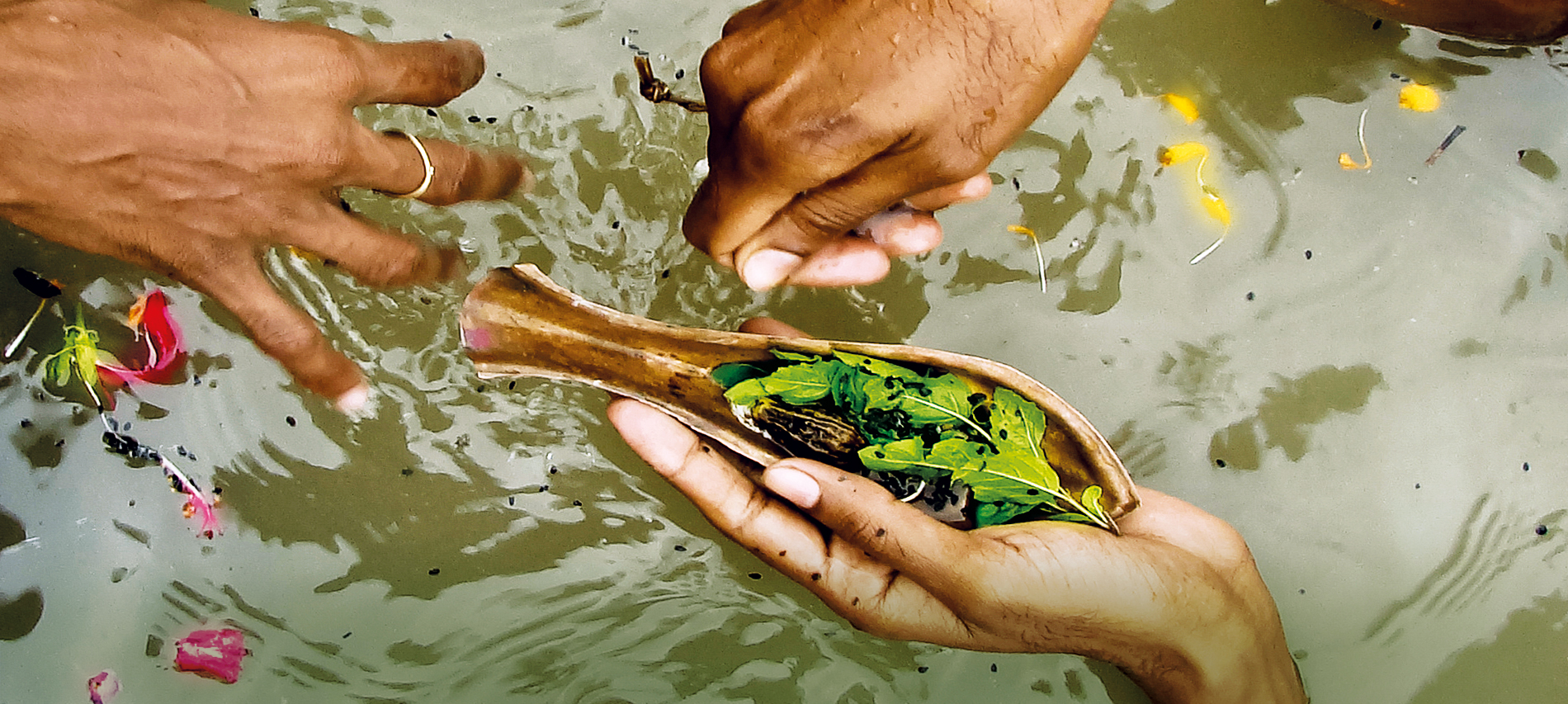
Frits Staal wrote about language, philosophy and ritual but his scientific pursuits have encompassed diverse areas and disciplines. His book, Discovering The Vedas: Origins, Mantras, Rituals, Insights, shows that the Vedas have a logic all their own. Accessible, finely-argued and with a wealth of information and insight, this book is for both the scholar and the interested lay reader.
Here’s an excerpt from the new introduction of this highly revered book.
—————
The Vedas are often puzzling; sometimes abstract or mysterious; they may also be muddled; but those are the exceptions, not the rule. They overflow with information, much of it concrete. Part I of my book extracts such information from the Oral Tradition but also from archaeology. It deals with Vedic people and their language, what they thought and did, and where they went and when. Part II, almost twice as long as any of the others, provides essential information about the canonized four Vedas as we know them. It includes selections and translations. Part III seeks to discover and understand not only the facts and where they come from, but what they mean. It is analytic and attempts to shed light especially on mantras and ritual, about which many absurd statements circulate (ingayanti as the Rigveda puts it: like words moving around in a sentence). Mantras and rituals are the main channels through which Vedic contributions entered what came to be known as Hinduism.
Part III does not arrive at definite conclusions because I do not believe that we know and understand enough. Part IV tries to answer a rarely asked question: what can we learn from the Vedas? I do not advocate a Vedic lifestyle, but believe that there are things the composers of the Vedas knew and we do not. They include the original forms of the Vedic sciences and the meaning of bráhman. Part V, the concluding part, puts the Vedas in perspective in a wide ranging comparison with Indic philosophies and religions, primarily Buddhism.
Before going further, I should say something about myself and my work. In the realm of non-fiction, creativity thrives on specialization, yet I have always been convinced that the distinctions between letters, sciences and other manmade subdivisions and disciplines are arbitrary. The seeds for these beliefs were planted during World War II in Amsterdam. Though I count myself as a citizen of the world, and not a native of any particular country, it is in this cosmopolitan city that I attended a Gymnasium. We did do gymnastics there though we were not naked (Greek gumnos), but concentrated on mathematics, physics, chemistry, biology, history, geography and several languages. Our teachers were not only teaching us these subjects, they were lively and eccentric men and women who were interested in developing our minds. The number of languages we learnt might baffle an Anglo-American, but not an Indian. In addition to Dutch, we were taught English, French, German, Greek, Latin, with optional Italian and Hebrew. To this I added Arabic which I continued to study at the universities of Amsterdam and Leiden.
Languages are the gateways to civilizations. I did not care for literature, but languages may be studied for a variety of reasons. The primary appeal of Arabic had been the beauty of its flowing calligraphy. Without it, I would not have read al-Khwarizmi’s treatise on algebra under the tutelage of a famous scholar. When I was younger, I had played about with Chinese characters; but did not continue, perhaps because I sensed that it might take a lifetime to learn them. The first three languages we learned to read and write at the Gymnasium were English, French and German. The last was the easiest but was not popular because of the German occupation. At the university, its horrors stayed fresh in our minds; but now we began to see similarities with the Dutch colonial empire. These acts might have been of a milder sort, but were detailed where necessary by the Indonesian students in our midst. The classical languages, five years of Latin and six of Greek, belonged to a more idealized world. But not one of dreams, because it gave access to ancient civilizations and especially to Greek philosophy which became my favourite. I continued with Greek philosophy at the University of Amsterdam, where I combined philosophy and mathematics which led to the first subject I studied in greater depth: mathematical logic. It was the time of L.E.J. Brouwer in intuitionistic mathematics, Kurt Gödel and Alfred Tarski in logic and foundations.
Amsterdam itself was, of course, ‘a center of culture’, though no one called it that. If I now try to remember how that quality appeared to me when I was young—a flavour that has evaporated in the course of more recent visits—I recall only the facts. When I walked from my home to the Gymnasium, I passed the Concertgebouw and sniffed the dusky air beneath the large passage gateway of the Rijksmuseum. I had been at home in the Concertgebouw since I was five years old. My violin teacher took me there during rehearsals when I was allowed to sit on a podium chair. I heard and saw all the great conductors of Europe before my legs could reach the floor. All of it prepared me to play the violin and viola in the student’s orchestra and in string quartets and quintets. These are perhaps the ultimate reasons that I added a fifth part to a book about the four Vedas.
—————

6 Things You Didn’t Know About How India Became Democratic
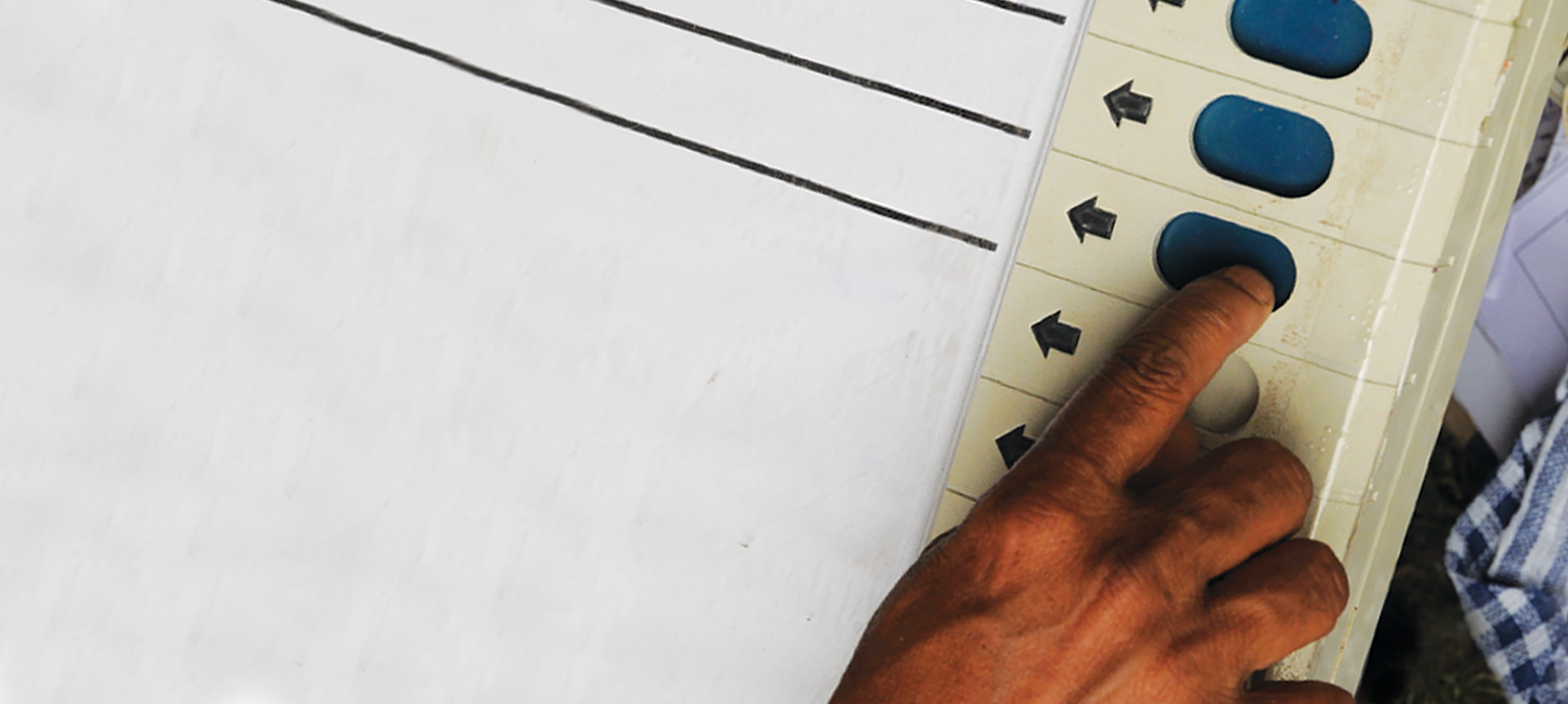
Ornit Shani is senior lecturer at the Department of Asian Studies, University of Haifa. She received her PhD from the University of Cambridge. Her new book How India Became Democratic: Citizenship and the Making of the Universal Franchise tells the untold story of the preparation of the electoral roll on the basis of universal adult franchise in the world’s largest democracy.
Here are a few interesting facts from the book we bet you didn’t know.
The Impediment of the Bureaucratic Colonial Imagination

Registering Partition Refugees

Universal Franchise connected the Indian people to the idea of a nation

The birth of the electoral roll during the mayhem of Partition

Disciplining the Federal structure

The Limits of Inclusion

How many facts did you know already?

5 Quotes Which Prove Why Bombay is called the Maximum City
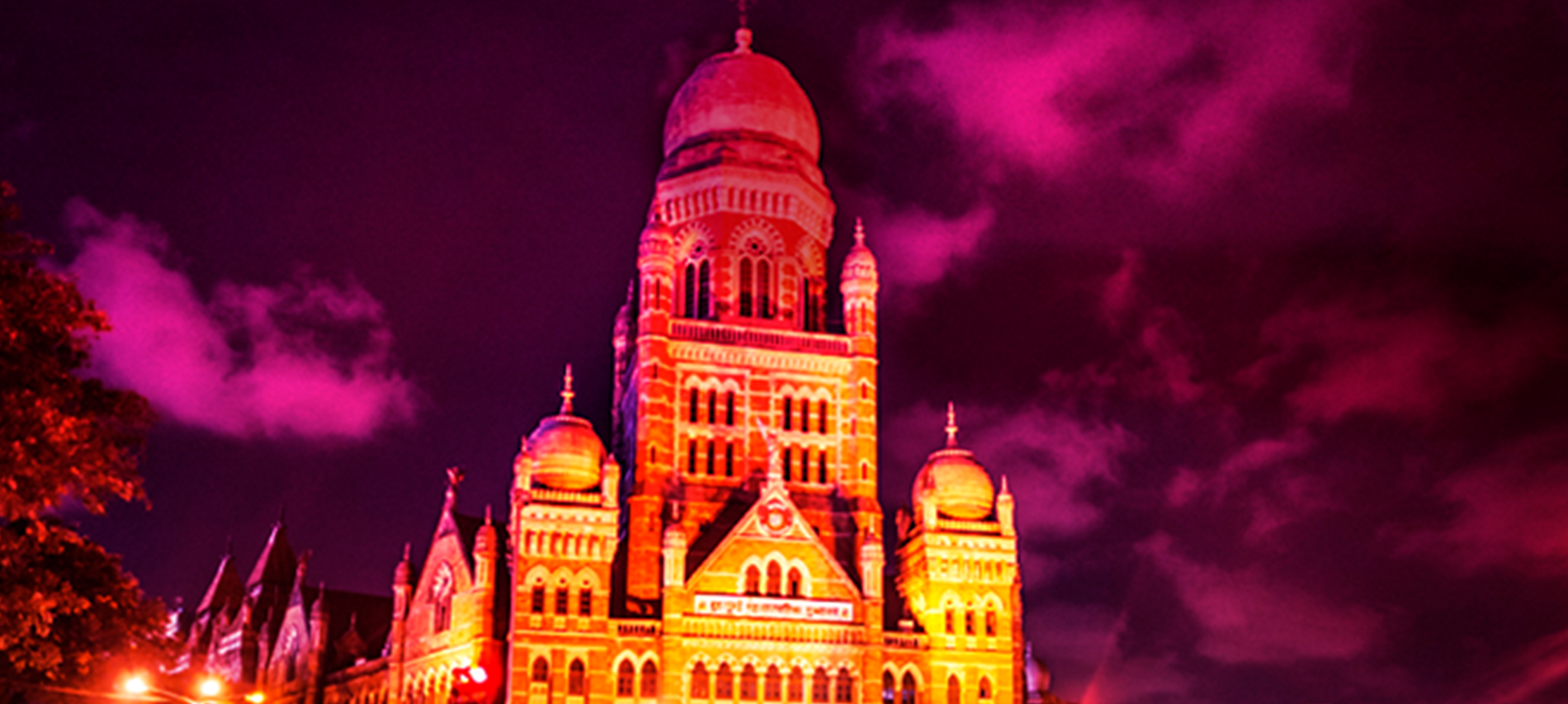
Suketu Mehta is a New York based author and an associate professor of journalism at New York University. His book, Maximum City: Bombay Lost & Found, was a finalist for the 2005 Pulitzer Prize. In this landmark biography, Suketu Mehta gives us an insider’s view into one of the world’s most dynamic and exciting cities.
Here are 5 poignant quotes from this celebrated book.
The Doppelganger Effect

The City of Dreams

Living in the Bubble

The Forbidden Quarters

The City that Never Sleeps

The definitive portrait of Mumbai in the 21st century, this timeless classic is a must have on your reading list!

Ashoka in Our Time; An Excerpt

Bruce Rich is an author and lawyer who has worked with major US environmental groups as well as with international organizations over the past three and a half decades. His book, Ashoka in Our Time: The Question of Dharma for a Globalized World, offers a compelling critique of the forces of globalization that, while connecting the world in unprecedented ways, have deprived us of a unifying dharma. Rich looks for answers to contemporary issues in the paradoxes of Ashoka’s empire, as well as in the ideas of thinkers from across the ages.
Here’s an excerpt from the new preface of this exemplary book.
————————-
This book was first published in India in early 2008, months before the full magnitude of the global economic crisis became apparent. The severity and unexpectedness of the crisis only accentuated for more and more people the realization that a global economy requires a global ethic. A global order that one-sidedly prioritizes unbridled market forces over other social values has created a profoundly unstable world, a world where the viability of whole societies, nations and democracy itself can be put at risk. As economies slowly recovered and stabilized, the global and local structures of political economy reflecting this order have intensified economic inequality, social insecurity and the dissolution of traditional communities. The reaction in many societies worldwide has been a growing quest for identity, community and justice, an evolution that holds great promise but also great menace. Our world is nearing a juncture where every citizen may be faced with a choice between embracing a more pluralistic, open, ecumenical social and political ethic or a flight into reactionary nationalism, ethnic and religious fundamentalism, and a futile embrace of authoritarian pseudo-solutions.
In researching and writing this book over a decade ago, I sought to better understand the challenges facing our present age by examining the ethics and governance of one of India’s—and humanity’s— archetypal figures, Ashoka. The Maurya Empire of Ashoka’s epoch was a multi-ethnic realm with a multitude of differing religious and philosophical beliefs, including even in some cases sects espousing an agnostic or atheistic materialism. Ashoka’s ethic of Dharma embodied public values that would enable the inhabitants of what was then the world’s largest empire to live and prosper together in a time of social and economic change.
This book begins with what in 2008 was a timely vignette on the world geopolitical scene: a reference to the fundamentalist violence in Afghanistan and the violent reaction it provoked through the invasion by the US and allied troops, in poignant contrast to the peaceful, multicultural polity reflected in the Ashokan inscriptions one can still see in south-eastern Afghanistan. I never thought we would be witnessing an exacerbation of almost exactly the same situation in 2017, including a recent increase of US troops in Afghanistan to attempt to deal with similar threats. Over the past decade, ethnic and sectarian violence has proliferated, with destabilizing effects that ripple out across the globe. The conflict in Syria and the persecution of a Muslim minority in Myanmar—a country whose Buddhism long ago was inspired by Ashoka—are just two of the many symptoms of a humanity that is globalized and tearing itself apart at the same time.
Nor would I have imagined that in major countries all over the world we would witness a growing resurgence of nationalistic, xenophobic and, in some cases, outright neo-fascist political movements. This reaction to the social effects of one-sided economistic market fundamentalism was astutely examined by Karl Polanyi over seventy years ago.
The global environmental crisis has only accelerated as evidence of climate change is increasingly visible. Like the inequalities and imbalances in the global political economy, climate change also can only be addressed by concerted action that prompts changed economic priorities and values in every nation and community on the planet.
In short, what we witness around the world is a search for what might be called a unifying ideology of ‘dharma’. This is the dharma that Ashoka sought, a concept or construct of ethics, law and community which establishes guiding values for individuals and society.

Bimal Roy: The Man Who Spoke In Pictures; An Excerpt
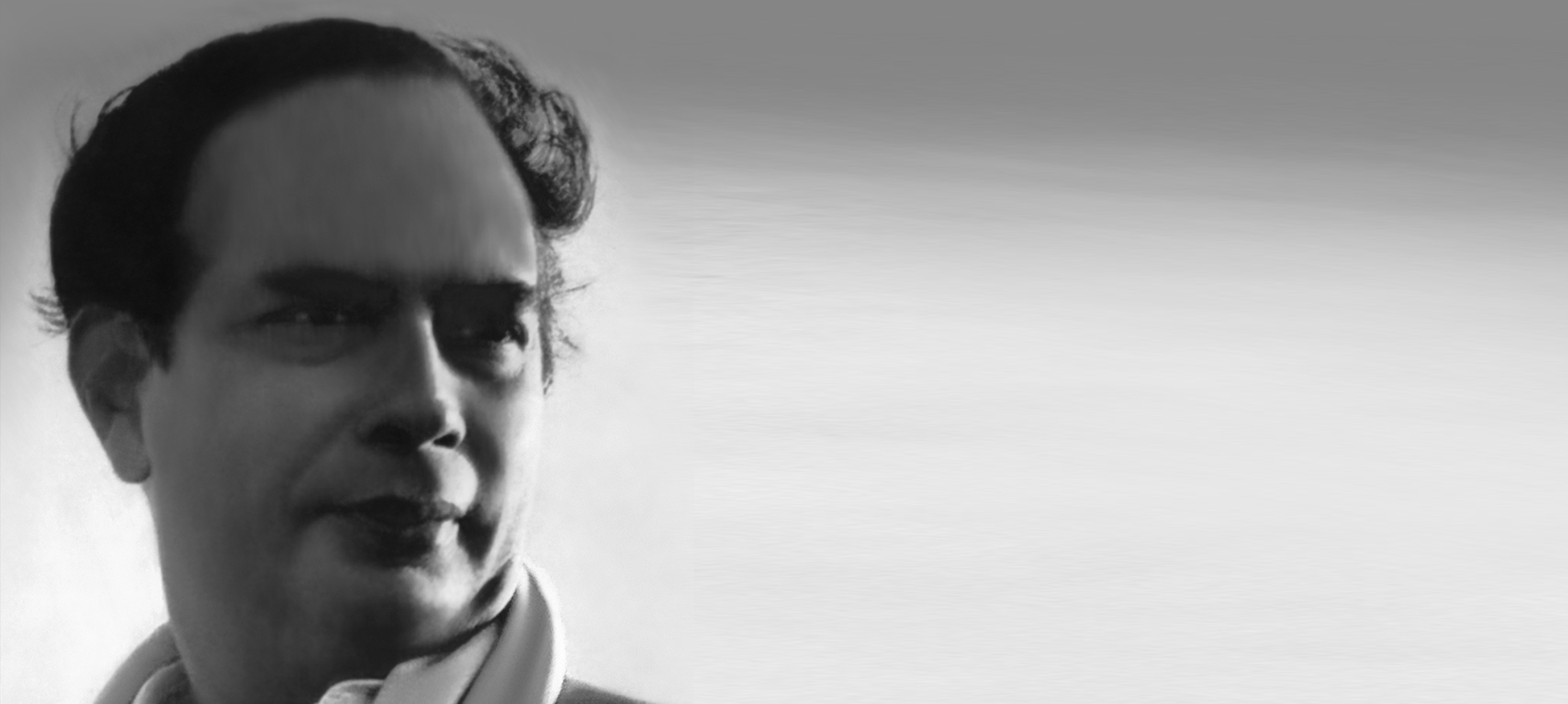
Rinki Roy Bhattacharya has cinema in her veins, daughter of Bimal Roy, she married Basu Bhattacharya and collaborated on his films. Her book, The Man Who Spoke in Pictures, shows Roy’s spare storytelling and nuanced understanding of the human condition that are reflected in classics like Devdas, Sujata and Madhumati. In this book, his Bombay years are recorded through a collection of analyses and anecdotes from leading literary and cinematic luminaries, including Nayantara Sahgal, Gulzar, Naseeruddin Shah and Khalid Mohammed.
Here’s an excerpt where Shashi Kapoor reminisces his fondest memories of Dada.
———————————————
I was little more than a boy when I first met Bimalda. I think it was at a movie premiere that we first met. He was a soft-spoken gentleman and I still remember his interesting eyes. By 1959, I was on my own with a small family and urgently in need of work, and of course, money.
We met again at a dinner at the Ritz Hotel in Churchgate. The Filmfare magazine had organized a talent contest; I did not go for the contest but went to the dinner later. I had to borrow a Jodhpuri coat for the occasion from Tiger (the Nawab of Pataudi). Within a week of this meeting I got a message from his company, Bimal Roy Productions, that he wished to meet me. I rejoiced at this news and literally flew to meet Bimalda at Mohan Studios.
Many of his assistants had assembled outside his room. Amongst them were Hrishida, Basu, Raghunath Jhalani and S. Khalil. They informed me that Bimalda was going to start two new films Bandiniand Prempatra (a remake of the successful Uttam–Suchitra Bengali film Sagarika). They suggested that I choose Prempatra as it had a good romantic role. For me, there was no question of choosing. Uppermost on my mind was the irresistible longing to work with Bimalda. Finally, I stepped into his room. He was having a quiet smoke, and after a long silence he said,‘Shoshibabu, ek picture banayga. . . I want you.’ I said, ‘Yes.’ Since that day when I first met him, I knew we liked each other. I was young, eager and excited at the prospect of working with Bimal Roy.
When I came out I met his assistants, all still sitting outside the room. They were curious to know. Gulzar asked me, ‘What happened?’ I said: ‘Dada is asking for dates.’
‘For which one?’ they asked me. I said I did not know. Dharam (Dharmendra) was also waiting outside Bimalda’s room. After almost a month we heard that Dharam was to be cast in Bandini while I was selected for the romantic lead in Prempatra. One day Bimalda asked me how much money I expected. I, quite frankly, felt awkward about talking money with him. He sensed my discomfort and said, ‘All right, tell me how much money is B. R. Chopra Productions paying you?’
‘Twenty-five thousand,’ I answered.
He was surprised and asked, ‘Are you sure they will pay you so much?’
‘Yes, they are pretty big producers,’ I replied
‘All right,’ he said. ‘I will pay you the same.’
Then shooting for Prempatra started. Bimalda, being the shy person he was, had forgotten to introduce me to Sadhana, the heroine. It was also her big film. So we introduced ourselves. I realized that whenever Bimalda was pleased with me, I would get to share his tea—special tea made and served by his man Friday, Ganpat. I was very proud to share his tea. Later, during the filming of Benazir, Meenaji was also invited to share his tea. We were both pleased by Bimalda’s affection for us.
I must tell you about another interesting incident. I was going to England in 1961 and Dada wanted some ambience shots taken in London for Prempatra. I was touched by the incredible faith he showed in me. He explained that due to the economic constraints and tight shooting schedule of Bandini he could not go to London. He explained the required shots and made me write them down, gave directions explaining the shots in detail. I protested, ‘Dada, but I have never shot a film.’
He simply said, ‘I know you can do it, I have seen you on the sets and know you can do it. My man in London will contact you, organize the camera but you take your own shots.’
‘All right, if you say so,’ I replied. We took the shots and some of them were used in the film.
Prempatra did not fare too well at the box office. That made Bimalda feel guilty, I do not know why, and whenever we would meet socially at premieres or other places, he would say, ‘Phirse tumko lega, hum ek saath kaam karega. . . you are one of us at BRP.’

In conversation with the author of Reversing Diabetes in 21 Days, Dr Nandita Shah
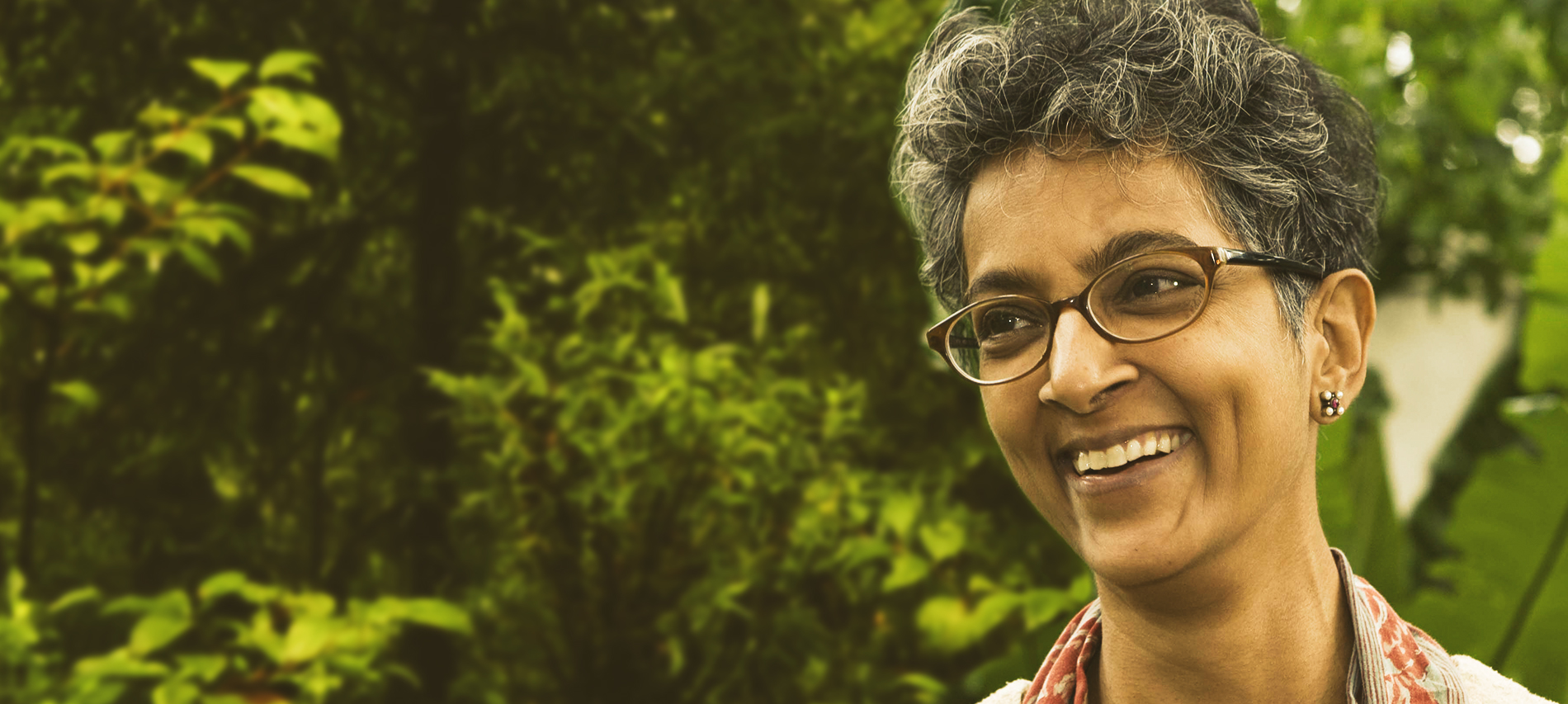
Dr Nandita Shah is the founder of Sanctuary for Health and Reconnection to Animals and Nature (SHARAN) and has thirty-six years of experience in treating patients. In her new book, Reversing Diabetes in 21 Days: A Nutrition-Based Approach to Diabetes and Related Problems, based on her revolutionary diabetes reversal programme, the renowned homeopath elaborately breaks down the real cause of diabetes using scientific evidence and intelligently outlines a routine that will not just prevent the disease but also reverse it.
Here’s an interview with the esteemed author:
1. Why did you choose diabetes and not any other disease to write about?
Although my goal as a doctor is to help people live a life without medicines, no matter which illness they suffer from, there are several reasons why I chose to write about diabetes. Firstly, the incidence of this hormonal problem has exploded in India. Unlike 50 years ago, today, almost every family has a member with diabetes and it is affecting even younger age groups. I have seen children aged 14 with type II diabetes!
Unlike in the case of heart disease and cancer, or autoimmune diseases, nobody is fearful of diabetes. Most people would be willing to give healthy food a chance! Also, in the case of diabetes the progress can be tracked very easily with a glucometer and results are tangible within just days or weeks. This motivates the patient to continue and get even higher results.
2. Tell us about the most remarkable success story of your revolutionary diabetes reversal programme.
If you had asked me this even five years ago, I may have been able to tell you something. But now, I see or hear of people reversing diabetes everyday. I’ve seen people on multiple medications and insulin get free of most of these medications as well as the insulin, during our 21 day health retreats. The joy and freedom that they experience after years of being dependent on medicines is remarkable! And it’s not just that, there’s also the cost involved. One of my patients who after many years got free of medicines for diabetes and high blood pressure, was taking medicines worth Rs 17,000 each month! Imagine the amount of money that can be saved just by making simple lifestyle changes and eating delicious food.
3. What other diseases are you planning to write about?
Actually all diseases can be cured by adopting similar principles. Today, I’m seeing a lot of patients with cancer. This is much more complex, because of the sheer fear involved and multiple causative factors. However, it’s very rewarding when patients are able to trust and see their cancers, including metastasis, recede, simply by following the principles of natural healing. I think this would be my next step because of the number of people that could be benefited. Like diabetes just a few years ago, today the number of cases of cancer is exploding.
4. Does your book address anything about homeopathy?
No, not really. My goal today is to help people become their own best doctors. I consider homeopathy to be a very serious and difficult art of healing. It requires a lot of studying, understanding, and yet it can be quite subjective, making it difficult for the layperson to use it successfully.
After years of homeopathic teaching and practice, today I, myself, rarely use homeopathy. If just changing our diet and lifestyle can make such big inroads into healing, why bother with anything else? What I like best is that with this method patients can take their health into their own hands, where it belongs. Besides, you can’t solve a problem without removing the cause and the cause of disease is never lack of medication (not even homeopathic medications).
True reversal means being healthy without any medicines.
5. How long did it take you to research and come up with the step-by-step plan to reverse diabetes?
I have to admit that this approach to reversing diabetes is not original. There are many doctors in the world who are using this method to help their patients reverse diabetes. My introduction to this method came from Dr Neal Barnard first and then others like Dr Gabriel Cousens. I could understand it easily because I had already been working with natural healing methods with myself and with my patients. Since the results are almost guaranteed, it’s very motivating both for the doctor as well as the patient. I’ve been following this lifestyle for more than 15 years now and advising it to my patients. The learning is never complete. I’m always learning something new from the best teacher in the world, Nature.
Interspersed with testimonials, stories and real-life experiences of past participants, this book will show you that type 2 diabetes and many cases of type 1 diabetes are indeed reversible!
