




Rajat Sethi is an alumnus of IIT Kharagpur and Harvard University. Shubhrastha is an alumnus face of Miranda House, Delhi University. Both of them are actively involved in impacting politics in various North-Eastern states of India.
Their book The Last Battle of Saraighat is the first-ever account of BJP’s landslide victory in the 2016 Assam legislative assembly elections.
Here are five things you should know about the power couple:


Aren’t they fascinating?

Category: Features
articles features main category
5 Books You Must Read This Christmas

The joy of Christmas can be found anywhere, whether it be in presents or in the pages of your favourite book. To get yourself more immersed in the festive spirit, here is a list of five books that you should curl up with this Christmas.
A Christmas Carol
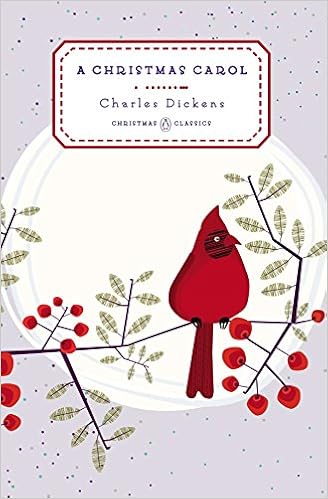
Who can forget the memorable characters Ebenzer Scrooge and Tiny Tim? This classic by Charles Dickens was originally conceived as a pamphlet against exploitative capitalism. This delightful story was credited with helping to revive interest among the Victorians in Christmas traditions. So, if you are looking to get closer to the Christmas spirit, this is the book for you.
The Night Before Christmas
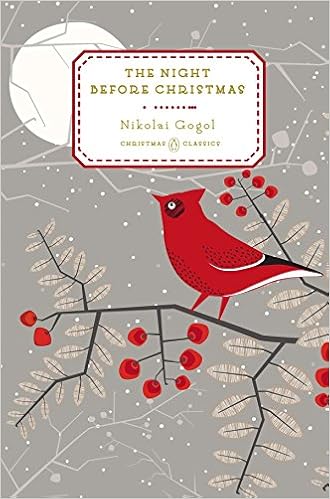
Written in 1831 by Nikolai Gogol, The Night Before Christmas tells the story of a blacksmith called Vakula and his fight against the devil who has stolen the moon and is wreaking havoc on the inhabitants of his village. This uproarious tale is full of hope, fun, nostalgia and everything you need for an ideal Christmas eve read.
A Merry Christmas

The spirits of generosity and charity are synonymous with the Christmas spirit. In Merry Christmas, find yourself drenched with Louisa May Alcott’s familiar Yuletide benevolence of some dear characters like Marmee and her ‘little women’.
The Life and Adventures of Santa Claus
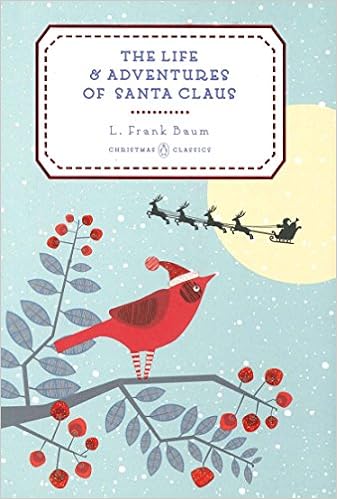 Frank Baum in The Life and Adventures of Santa Claus chronicles everything you need to know about Santa Claus, from his origins in an enchanted forest to his vocation of giving gifts and spreading joy to people in the world. So, if you ever wondered about the life of Father Christmas, this is the book for you!
How The Grinch Stole Christmas
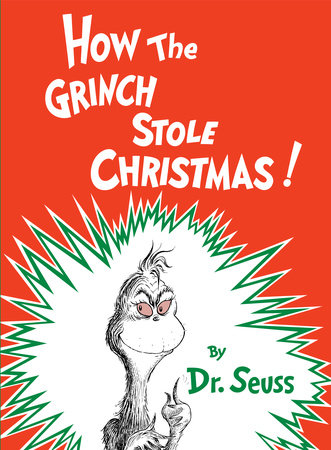
No Christmas is ever complete without the Grinch of Who-ville. This tale about the effects of Christmas spirit is full of so much warmth that it will melt the coldest of the hearts. Just like Santa Claus, Grinch is one of the most recognizable figures associated with Christmas and his story is one of the must-reads this Christmas.
So what are you reading on Christmas?
5 Books That Make for Perfect Christmas Gifts

Christmas or the festival of spreading joy is here and so is the time to buy presents for your loved ones. But if you are still mulling over presents for your loved ones, look no further.
Here are five books that would make perfect presents:
The Uncommon Type
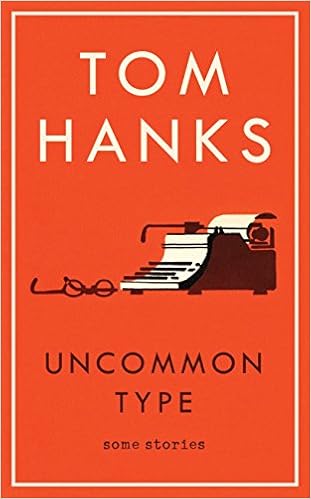
The Uncommon Type marks the debut as a writer of the award-winning actor Tom Hanks. This delightful collection of seventeen short stories dissects with great affection, humour and insight, the human condition and all its foibles. This book also establishes Hanks as a fresh voice in the genre of contemporary fiction.
The Golden House
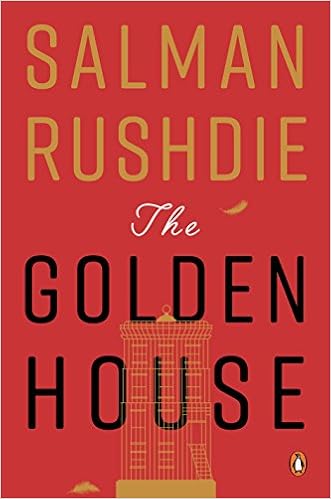
The Golden House´ is Salman Rushdie’s another stellar addition to his already magnificent bibliography. Switching genres from magic realism to thriller, Rushdie in this intriguing novel tells the story of the Golden family who are housing some very dark secrets. Copiously detailed and sumptuously inventive, the novel makes for a thrilling gift.
Origin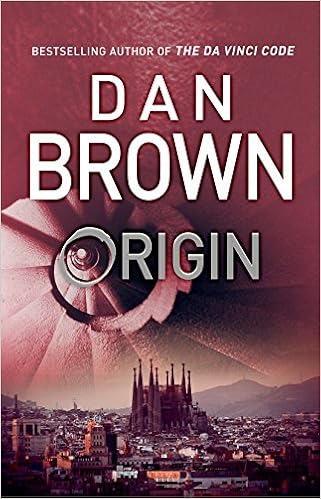
Dan Brown is the bestselling author of many acclaimed novels. He is back with the latest addition to his Robert Langdon series. This fifth book in the series spans around Langdon’s travels in Spain that brings him face-to-face with a world-shaking truth that has remained buried, till now. So, if you know a Langdon fan, you know what to gift them!
Turtles All The Way Down
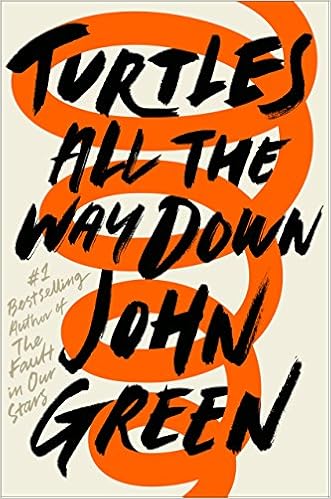
John Green is no stranger to the Young Adult genre and his works have been immortalized on the big screen as well. He is back with his fifth solo novel, Turtles All The Way Down. The novel spans around lifelong friendship, the intimacy of an unexpected reunion, Star Wars fan fiction and tuatara.
We That Are Young
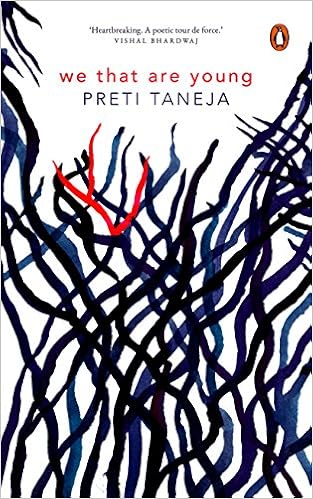
Preti Taneja in her debut novel retells William Shakespeare’s King Lear as a devastating commentary on contemporary India. The novel spans around Devraj, founder of India’s most important company, who on retiring demands daughterly love in exchange for shares. From Delhi mansions to luxury hotels, from city slums to the streets of Kashmir, from palace to wayside, Preti Taneja recasts an old tale in fresh, eviscerating prose that bursts with energy and fierce, beautifully measured rage.
So, have you picked out your Christmas presents?
5 books that will help you cook Christmassy goodness

The holiday season is synonymous with fun, frolic and feasts. With a party or a get-together happening almost every day, we have brought to you a list of five books that will make whipping up a feast as easy as hosting a party.
On the Dessert Trail
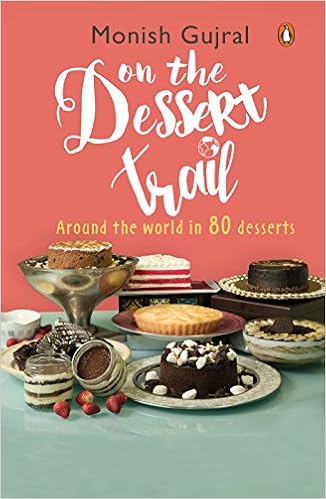
Restaurateur, chef, cookbook author Monish Gujral in On the Dessert Trail has picked more than eighty signature recipes from his travels around the world and presented them with his own unique twist. So, whip up a dessert and carve a sweet place in your guests’ hearts.
Shaken And Stirred
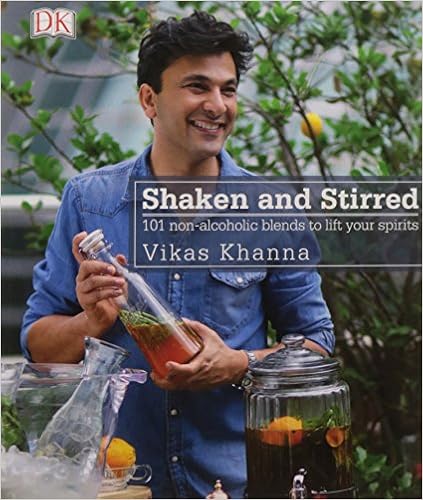
Parties are incomplete without drinks. In Shaken and Stirred, celebrity chef Vikas Khanna brings together a collection of non-alcoholic drinks that go a long way in creating a room full of happy guests. The versatile recipes are full of imagination and will help you create drinks for any occasion.
A Chef in Every Home
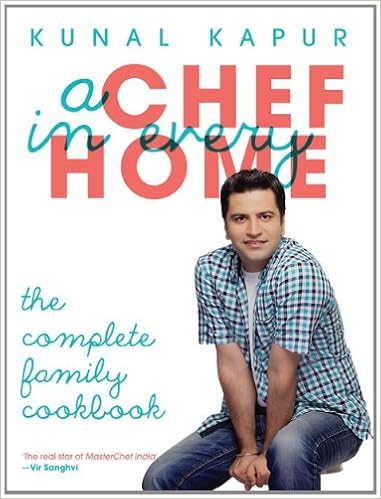
Celebrity chef Kunal Kapur with this book will allow you to transform into a star chef. This cookbook brings you simple and fuss-free techniques and a delectable recipe for every mood and moment. Use this book to not only host a magnificent feast but also to make cooking an enjoyable and valuable experience.
The Suriani Kitchen
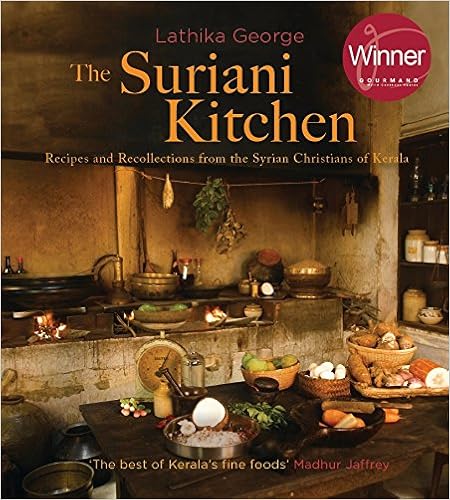
Lathika George’s The Suriani Kitchen gives us a glimpse into the fascinating kitchen of the Syrian Christians of Kerala with their unique stories of cooking and mouth-watering dishes. Authentic and easy to execute, these recipes are accompanied by a guide to spices, herbs and equipment which help your guests have a sumptuous experience.
My First Kitchen
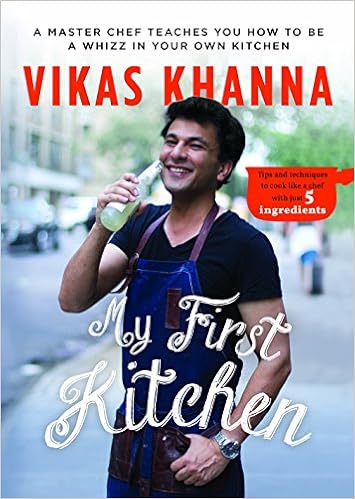
Is this the first party you are hosting? Are you worried what to have on the menu? Your worries end here. Vikas Khanna in My First Kitchen teaches you how to take the first steps in establishing a cooking haven of your own. With more than 100 recipes to suit every kind of palate, this cookbook is all you need to become a cooking genius.
So which recipe will you pick to delight your friends and family?
The Birth of Prithviraj Chauhan, An Excerpt

Prithviraj Chauhan was destiny’s chosen one, singled out for glory and greatness. Anuja Chandramouli is back with an endearing tale of the legendary warrior who lives on in the hearts of those who remember his unmatched valour and timeless heroism.
Here’s an excerpt from the book.
The queen tossed and turned; her sweat-streaked body caused the soft sheets to cling to her contours as she stifled a scream that fought to burst from her lips. A good girl must be seen not heard, she had been taught since childhood.
Silently she pleaded with she knew not whom, begging to escape the terror that was engulfing her. When that failed, she tried to wake up. Her efforts were entirely futile. No matter how much she tried, a force she could not withstand tore her apart, dragging her along the serpentine alleys of her simmering subconscious.
Propelled along a rocky slope, she felt the flesh scraped off her delicate feet, which were decorated with intricate henna patterns, leaving them battered and bloodied. Dragged along sandy plains, under a blazing sun, her skin, softened with milk and honey, caught fire. She wrapped her burning arms protectively around her tender belly and snarled savagely at the elements.
Then she was swimming against the currents of a raging river as predators with serrated teeth and spiked tails pursued her ruthlessly. The wind snatched her from their jaws as they were about to swallow her and lifted her high up in the air. Shrieking its terrible intent into her ears, it ripped off her garments before releasing her in endless space.
As she plunged into the depths below, she could not hold back the primeval screams of agony from bursting out in a shrill cacophony. Then she was falling through emptiness, plummeting towards certain death. Shutting her eyes tight, her arms flailing, she forced her leaden legs to move, desperate to arrest her fall.
Then with a suddenness that made her dizzy, everything went still. Holding her swollen belly in her arms, she opened her eyes. She was standing at the threshold of a stone temple. Before her, was an altar where a smokeless fire was burning. Vigorous and strong, it was brighter than her eyes could bear.
Shining with divine vehemence, it beckoned her forward. Helpless in front of the hypnotic pull of those ancient flames, she stood before it, so close that the heat scoured her clean even as her heart grew hot. And yet, she could not draw back.
Enraptured, she stared into its depths. She watched the mesmerizing dance of the flames as they swayed in discord to the crackling cadence of the age-old rhythms, orchestrated by the divine father out of his deep love for the sacred mother. The sky and the earth—always together; forever apart.
Tears sprang into her eyes and she clasped her hands in prayer as the earth mother addressed her throbbing heart.
What is it that you would know of me?
‘Tell me of the child I bear in my womb.’
A mother always knows. A mother must.
‘My boy will be the greatest of kings. A mighty warrior. A lion among men and as such will be entitled to the king’s share of success, prosperity and happiness. He will shine with the brilliance of a thousand suns. His name will live forever.’
So it shall be. The flame in his soul is destined to burn for as long as his lion’s heart can bear it. Blessed as he is with the tejas of the divine, he will shine brightest when he makes the ascent to the pinnacle of glory, just before his swift descent to darkness and the depths of abject failure. For so it must be.
‘Never! I will never allow such fate to befall my son.’
A mother is a fool! He was never yours alone. And never will be. Prepare yourself for the reign of the king of the earth. For fame and fortune, love and death, glory and grief!
The flames rose higher and higher, oblivious to the mother who wailed in misery. Blinded by the all-encompassing radiance, magnified by the strength of her tears, she was ill-prepared for the darkness that descended without warning, snuffing out every trace of the sacred fire.
The silence was broken only by infernal howls of abject sorrow—a mother’s terrible lament—amid the hushed murmur of a premonition, repeated over and over.
Prithviraj! Prithviraj! Prithviraj! King of the earth!
All around there was nothing but darkness. And the memory of light.

5 Facts About Sonu Bhasin You Might Not Know
Sonu Bhasin has devoted a considerable time to management of family businesses..
As a banker, she has helped many family business owners work their way successfully within the family related complexities.
Bhasin’s newly released The Inheritors explores the growth of inheritors in business, and how they take business to a new high.
Here are 5 things you should know about the author.


How many of these facts did you know about her?

Three Families Who Show Why the Sindhi Way of Doing Business is Successful

Sindhis have braved adversities like Partition, fled from one nation to another and weathered ups and downs in the economy and have yet set up some of the biggest companies in the world with the help of their sharp business acumen.
In Paiso, Maya Bhatija captures the stories of five companies, built painstakingly by many generations by five Sindhi families.
Here are three families who show how the Sindhi way of doing business has led them to success:
Harish Fabiani, Americorp Ventures and India Land Properties

Jitu Virwani, Embassy group

Ramola Motwani, Merrimac Ventures

Aren’t these stories inspiring?

The Life Cycle of an Innovation

R. Gopalakrishnan has been a professional manager for forty-two years and is an expert on practical managerial experience. In his book A Biography of Innovations he defines thought as the ancestor of innovation. He further argues that the life cycle of an innovation is similar to that of a human being.
Here’s how he equates the life cycle of an idea to that of humans:


Fascinating, isn’t it?

5 Things You Should Know About the North-East of India
The Last Battle of Saraighat looks at Assam as a case study to explain the rise of the BJP in the North-east and throws light on the key political issues of the region. In this book, Rajat Sethi and Shubhrastha outline the political history of the north-east region of India and provide details of election strategies employed by the Bharatiya Janta Party to win the 2016 Assam legislative assembly elections.
Here are five things you should know about the northeastern part of the country:


Fascinating, isn’t it?
Our #BooksNotBorders Bookshelf

Penguin Random House India’s superb collection of writers from the subcontinent focussing on Pakistan.
Exit West by Mohsin Hamid
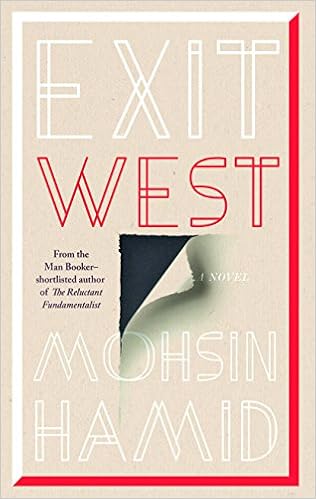
Shortlisted for the Man Booker Prize 2017
Nadia and Saeed are two ordinary young people attempting to do an extraordinary thing—to fall in love—in a world turned upside down. Civil war has come to the city that they call home. Before long they will need to leave their motherland behind—when the streets are no longer usable and the unknown is safer than the known. They will join the great outpouring of people fleeing a collapsing city, hoping against hope, looking for their place in the world . . .
Pakistan at the Crossroads: Domestic Dynamics and External Pressures edited by Christophe Jaffrelot
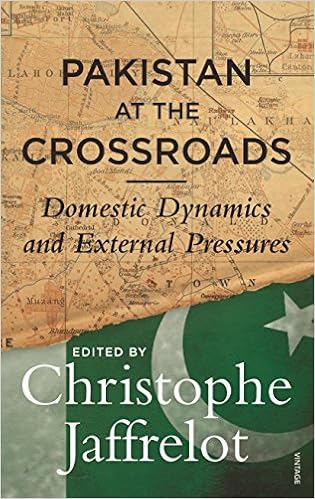
The book examines the state’s handling of internal threats, tensions between civilians and the military; strategies of political parties; police and law enforcement reform; trends in judicial activism; the rise of border conflicts; economic challenges; financial entanglements with foreign powers; and diplomatic relations with India, China, Iran, Saudi Arabia, Afghanistan, and the United States.
Undying Affinity by Sara Naveed
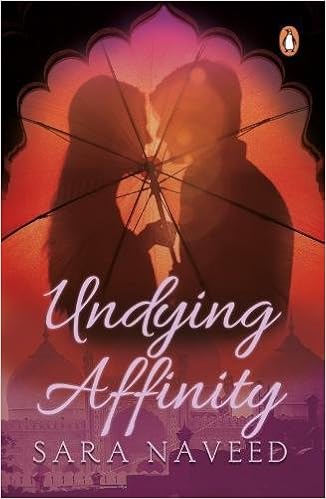
Rich, beautiful and popular Zarish Munawwar finds herself entangled in a web of passion with her attractive new professor, Ahmar Muraad, in this delicious new novel by the Pakistani queen of romance. Packed with romance, drama and tragedy, Undying Affinity will stay in your heart forever.
Reporting Pakistan by Meena Menon
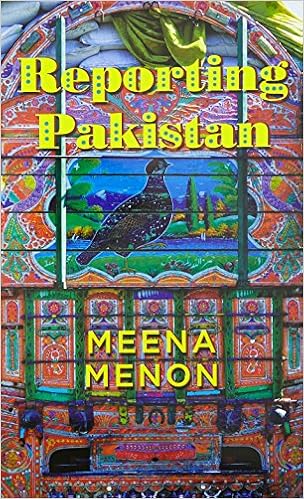
Reporting from Pakistan is considered one of the more difficult-if exciting-assignments in journalism, more so for an Indian. Despite the limitations, Meena Menon, the Hindu’s correspondent in Islamabad until May 2014, has produced a probing, incisive portrait of a conflicted society; it is both nuanced and wide ranging and tries to look not just at politics-but also at the human realities beneath.
The Golden Legend by Nadeem Aslam
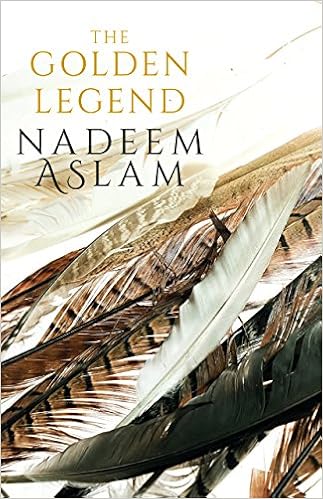
Against a background of violence and fear, the protagonists of The Golden Legend try to find an island of calm in which their love can grow. In his characteristically luminous prose, Nadeem Aslam reflects Pakistan’s past and present in a single mirror—a story of corruption, resilience and the hope that only love and the human spirit can offer.
Lahore in the Time of the Raj by Ian Talbot and Tahir Kamran
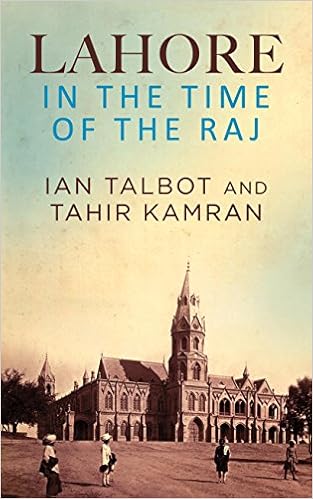
Lahore during the Raj was a prosperous and cosmopolitan place, where many communities lived together and there was a constant flow of goods, people and ideas. Talbot and Kamran bring to life the 1930s and 1940s, a time of intense cultural and political creativity where writers and artists flourished; where F.C. College and Government College were celebrated centers of learning and there was great engagement between Lahore and the nascent Bollywood film industry, unfortunately ended by the traumas of Partition.
Snuffing Out the Moon by Osama Siddique
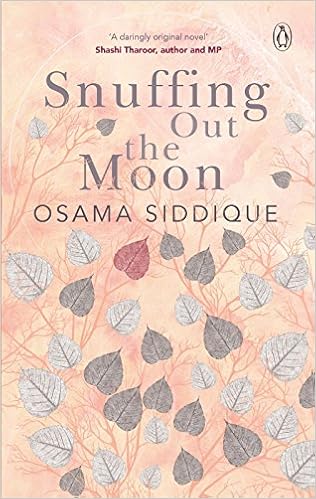
2084 bce: In the great city of Mohenjodaro, along the banks of the Indus, a young man named Prkaa becomes increasingly mistrustful of the growing authority of a cult of priests.
2084 ce: A scholar revisits the known history of the cataclysmic events that led to world domination by ruthless international water conglomerates.
Spanning across epochs and civilizations, the characters in this stunning novel investigate the legitimacy of religion and authority and chronicle the ascent of dissent. Snuffing Out the Moon is a dazzling debut that is at once a cry for freedom and a call for resistance.
Military Inc.: Inside Pakistan’s Military Economy by Ayesha Siddiqa
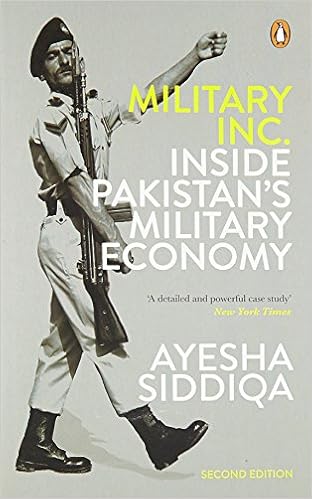
Ayesha Siddiqa shows how the power of the military has transformed Pakistani society and where the armed forces have become an independent class. She examines this military economy and the consequences of merging the military and corporate sectors and analyses the internal and external dynamics of this gradual power-building and the impact that it is having on Pakistan’s political and economic development.
This House of Clay and Water by Faiqa Mansab
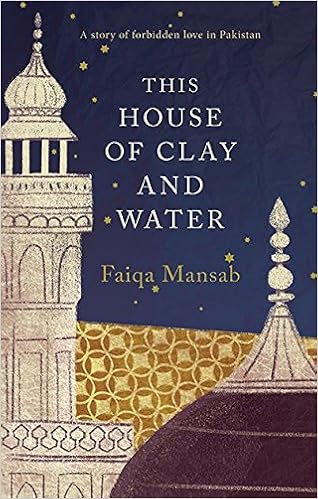
Set in Lahore, This House of Clay and Water explores the lives of two women: Nida, intelligent and lonely, has married into an affluent political family and is desperately searching for some meaning in her existence; and impulsive, lovely Sasha, from the ordinary middle-class, her longing for designer labels and upmarket places so frantic that she willingly consorts with rich men who can provide them. They meet at the famous Daata Sahib dargah and connect, their need to understand why their worlds feel so alien and empty, bringing them together. Faiqa Mansab’s accomplished and dazzling debut novel explores the themes of love, betrayal and loss in the complex, changing world of today’s Pakistan.
The Last Vicereine by Rhiannon Jenkins Tsang
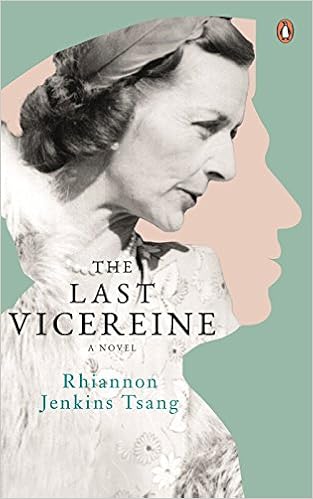
Set amid the turmoil of Partition, The Last Vicereine is the heartbreaking story Edwina Mountbatten, a rebel, rule-breaker, troubled soul and great beauty, and Jawahar, her friend, confidant and the only one to truly understand her for who she was. It is also the incredible tale of the birth of two nations, of love, grief, tragedy, inhumanity and the triumph of hope.
Defeat is an Orphan: How Pakistan Lost the Great South Asian War by Myra Macdonald
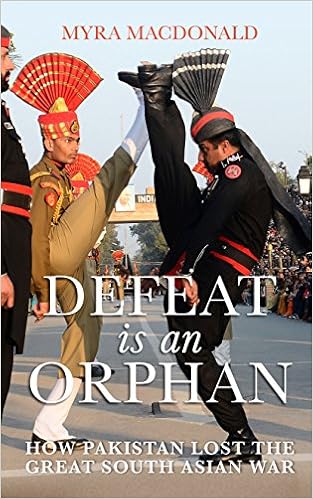
This essential account by a former correspondent for Reuters and a South Asia specialist tracks the defining episodes in the relationship between India and Pakistan from 1998, from bitter conflict in the mountains to military confrontation in the plains, from the hijacking of an Indian airliner to the Mumbai attacks.
This Wide Night by Sarvat Hasin
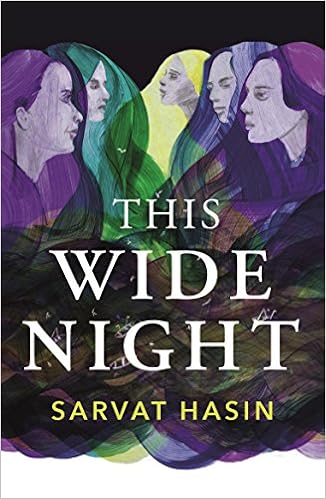
In the quietly seething world of This Wide Night, The Virgins Suicides meets Little Women in Pakistan. Tracing the lives of the four beautiful Malik sisters, Maria, Ayesha, Leila and Beena in the 1970s, and moving from Karachi to London to the rain-drenched island of Manora, here is a compelling new novel from the subcontinent—and a powerful debut to watch.
Mr and Mrs Jinnah: The Marriage that Shook India by Sheela Reddy
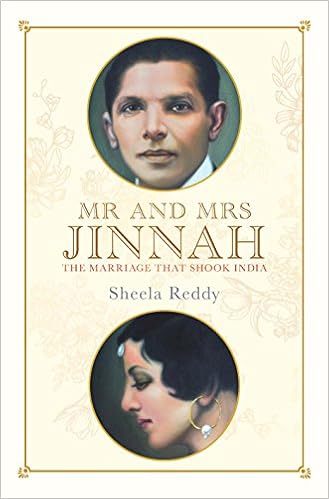
Mohammad Ali Jinnah was forty years old, a successful barrister and a rising star in the nationalist movement when he fell in love with pretty, vivacious sixteen-year-old Ruttie Petit, the daughter of his good friend, the fabulously rich baronet, Sir Dinshaw Petit, a prominent Parsi mill owner. Despite her outraged father forbidding the match, they married when Ruttie turned eighteen and Bombay society, its riches and sophistication notwithstanding, was scandalized. A product of intensive and meticulous research in Delhi, Bombay and Karachi and based on first-person accounts and sources, Reddy brings to life the unforgettable love story of the solitary, misunderstood Jinnah and the lonely, wistful Ruttie.
Indus Divided: India, Pakistan and the River Basin Dispute by Daniel Haines
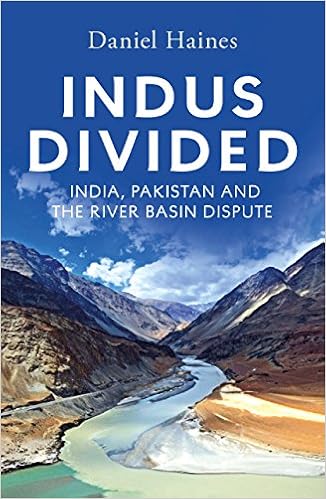
The Indus Waters Treaty is considered a key example of India–Pakistan cooperation, which had a critical influence on state-making in both countries. Indus Divided reveals the importance of the Indus Basin river system, and thus control over it, for Indian and Pakistani claims to sovereignty after South Asia’s partition in 1947, and examines the discord at local, national and international levels, arguing that we can only explain its significance and longevity in light of India and Pakistan’s state-building initiatives after independence.
Pakistan’s Nuclear Bomb: A Story of Defiance, Deterrence and Deviance by Hassan Abbas

This book provides a comprehensive account of the mysterious story of Pakistan’s attempt to develop nuclear weapons in the face of severe odds. Hassan Abbas profiles the politicians and scientists involved, and the role of China and Saudi Arabia in supporting Pakistan’s nuclear infrastructure. Abbas also unravels the motivations behind the Pakistani nuclear physicist Dr A.Q. Khan’s involvement in nuclear proliferation in Iran, Libya and North Korea, drawing on extensive interviews.
Remembering Partition: Limited Edition

The dawn of India’s freedom was stained by the Partition and its accompanying violence, which rent the subcontinent. Seventy years later, the nations that came into being are still to fully overcome a persistent sense of anger and loss. The five iconic books in this collection look at the different faces of Partition, from the larger political and historical view to the very personal tales of hatred, grief, courage and friendship. Together, they commemorate one of the most defining moments of our history whose reverberations are felt to this day.
Ice-Candy-Man by Bapsi Sidhwa

Young Lenny Sethi enjoys a happy, privileged life in Lahore in the 1940s. Kept out of school because she suffers from polio, she spends her days with Ayah, her beautiful nanny, who attracts several admirers. But with the abduction of her beloved Ayah, Lenny’s world soon erupts in racial and religious violence. Widely hailed as one of the most powerful novels on the Partition, Ice-Candy-Man offers an intimate glimpse into a colossal upheaval through the eyes of a precocious child.
In Freedom’s Shade by Anis Kidwai

In Freedom’s Shade is Anis Kidwai’s moving personal memoir of the first two years of new India. With a rare frankness, sympathy and depth of insight, Kidwai tells the stories of the thousands who were driven away from their homes in Delhi and its neighbouring areas by eviction or abduction or the threat of forced religious conversion. Recounting the activities of the Shanti Dal and the recovery of abducted women, she reveals both the architecture of the violence during Partition as well as the efforts of ordinary citizens to bring to a close the cycle of reprisal and retribution. This searching book is a reminder that memory without truth is futile; only when it serves the objective of reconciliation does it achieve meaning and significance.
The Great Partition by Yasmin Khan

The Partition of India in 1947 was one of the most horrific events of decolonization in the twentieth century, bringing death, rape and plunder in its wake. In The Great Partition, Yasmin Khan exposes the widespread ignorance of what the Partition would entail in practice as well as the haste and recklessness with which it was completed. Drawing on fresh information from an array of sources and underscoring the catastrophic human cost involved, Khan provides an authoritative and accessible analysis of this cataclysmic event and its devastating legacy.
Jhootha Sach by Yashpal

Jhootha Sach is arguably the most outstanding piece of Hindi literature written about the Partition. Vividly evoking life in Lahore as it was before 1947, the novel abounds with a rich array of characters whose lives unfurl dramatically in the city’s crowded streets: Tara, who wants an education, and not marriage; Puri, whose ideology and principles often come in the way of his impoverished circumstances; Asad, who is ready to sacrifice his love for the sake of communal harmony. Their destinies are irrevocably altered on the eve of Independence when the ensuing carnage shatters the beauty and peace of the land, killing millions of Hindus and Muslims, and forcing others to leave their homes forever.
Spectacular in scope and deeply insightful in its depiction of human frailty and malice, Yashpal’s controversial novel is a politically charged, powerful tale of human suffering.
Train to Pakistan by Khushwant Singh

The fact is both sides killed. Both shot and stabbed and speared and clubbed. Both tortured. Both raped.
It is the summer of 1947. But Partition does not mean much to the villagers of Mano Majra, a village on the border of India and Pakistan. Then, a local moneylender is murdered, and suspicion falls upon Juggut Singh, the village gangster who is in love with a Muslim girl. When a train arrives, carrying the bodies of dead Sikhs, the village is transformed into a battlefield and neither the magistrate nor the police is able to stem the rising tide of violence. Amidst conflicting loyalties, it is left to Juggut Singh to redeem himself and reclaim peace for his village.
So, which book are you going to pick?