



Venugopal Acharya is a practicing monk at the ISKCON. In his book Are You Connected, he shares the different skills and experiences that help one feel loved and in touch with one’s self, the people who matter and God. He also highlights the need to delve deeper into the meaning and purpose of life and gives tools to achieve peace of mind.
Here are five tips from the book which will help you connect with you true self.


Tell us how you are toning your life.

Category: Features
articles features main category
Things You Need To Know About Ravi Subramanian

An author, a banker, a columnist — Ravi Subramanian dons many hats and juggles multiple roles successfully while writing amazing books! Subramanian has not only written several books on his area of expertise — money, but also recently, a gripping thriller. Ravi Subramanian is definitely a man of many moods.
But did you know these facts about the author of In the Name of God?


And now, Ravi Subramanian is ready with yet another book on money, this time, for his younger readers. We know you’re super excited about My First Book of Money too!

4 Theories About Bhartrihari You Should Know About
Bhartrihari is one of the greatest Sanskrit poets of all time. His poems cover a wide range of themes and dispense timeless wisdom through colourful vignettes.
Although his poems have travelled through the ages, there is not much known about the poet himself.
Here are four theories about the famed poet.


Aren’t these fascinating?

A Recipe to Keep You Warm This Winter and Help You Tackle Diabetes

In Reversing Diabetes, Dr Nandita Shah provides a fresh and practical perspective on curing diabetes. She also elaborately breaks down the real cause of diabetes using scientific evidence and intelligently outlines a routine that will not just prevent the disease but also reverse it.
Here is an excerpt from the book on one of the recipes of the book, which will help you deal with diabetes.
Herbal Tea
Makes 2 cups
These are actually infusions. Here is a list of possible ingredients: lemongrass, mint leaves, tulsi leaves, ginger, cinnamon, cloves, cardamom, saffron, dried apple, lemon or orange peels, liquorice, dried chamomile flowers, anise seeds (saunf ) . . . the list is endless and you can use these as single flavours or in combinations. Cinnamon is good for diabetics and it also lends a sweet taste.
Here are a few combinations:
- Mint leaves, grated ginger, lemongrass, crushed black pepper
- Cinnamon, cardamom, cloves, anise seeds, liquorice
- Tulsi, ginger
- Tulsi, ginger, turmeric
- Saffron strands, cinnamon sticks, cardamom
- Dried orange, cinnamon
Ingredient:
1 tablespoon of your preferred ingredient
Method:
Put 1 tablespoon of the ingredient/combination into a teapot. Pour 2 cups of boiling water into it. Wait for 5–7 minutes, strain and serve.

6 Important Milestones of the India-China Relationship
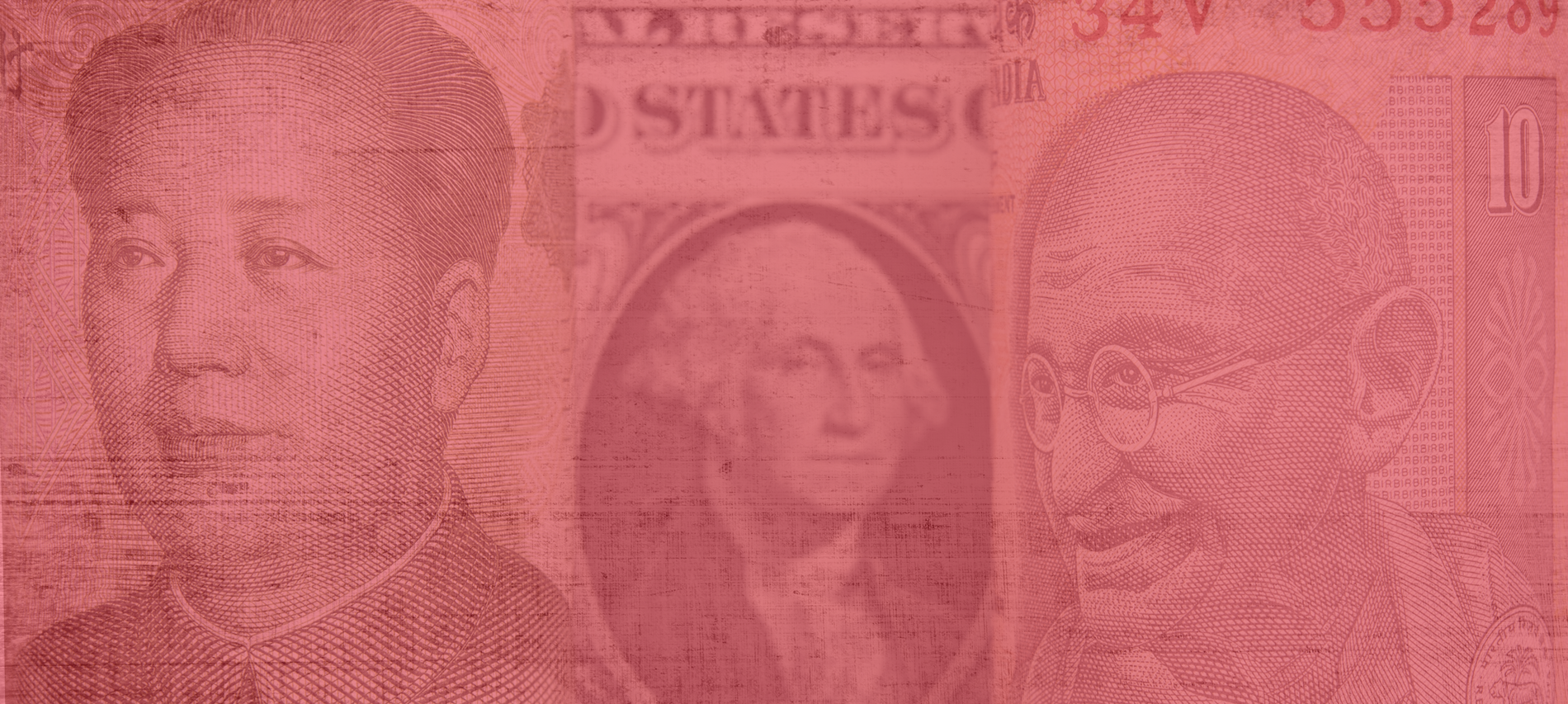
Frédéric Grare in India Turns East reflects on India’s ‘Look East’ policy. The policy was initially aimed at reconnecting India with Asia’s economic globalization. However, as China moved to gain an assertive position, India’s policy has evolved into a comprehensive strategy with political and military dimensions.
Grare also throws light on India’s long and difficult journey to reclaim its status in a rapidly changing Asian environment increasingly shaped by the US–China rivalry and the uncertainties of US commitment to Asia’s security.
Here are 6 milestones that define the India-China relationship.


Tell us which aspect of the relationship between India and China astonish you the most.

A Look Into the Works of Writer, Publisher and Festival Director, Namita Gokhale
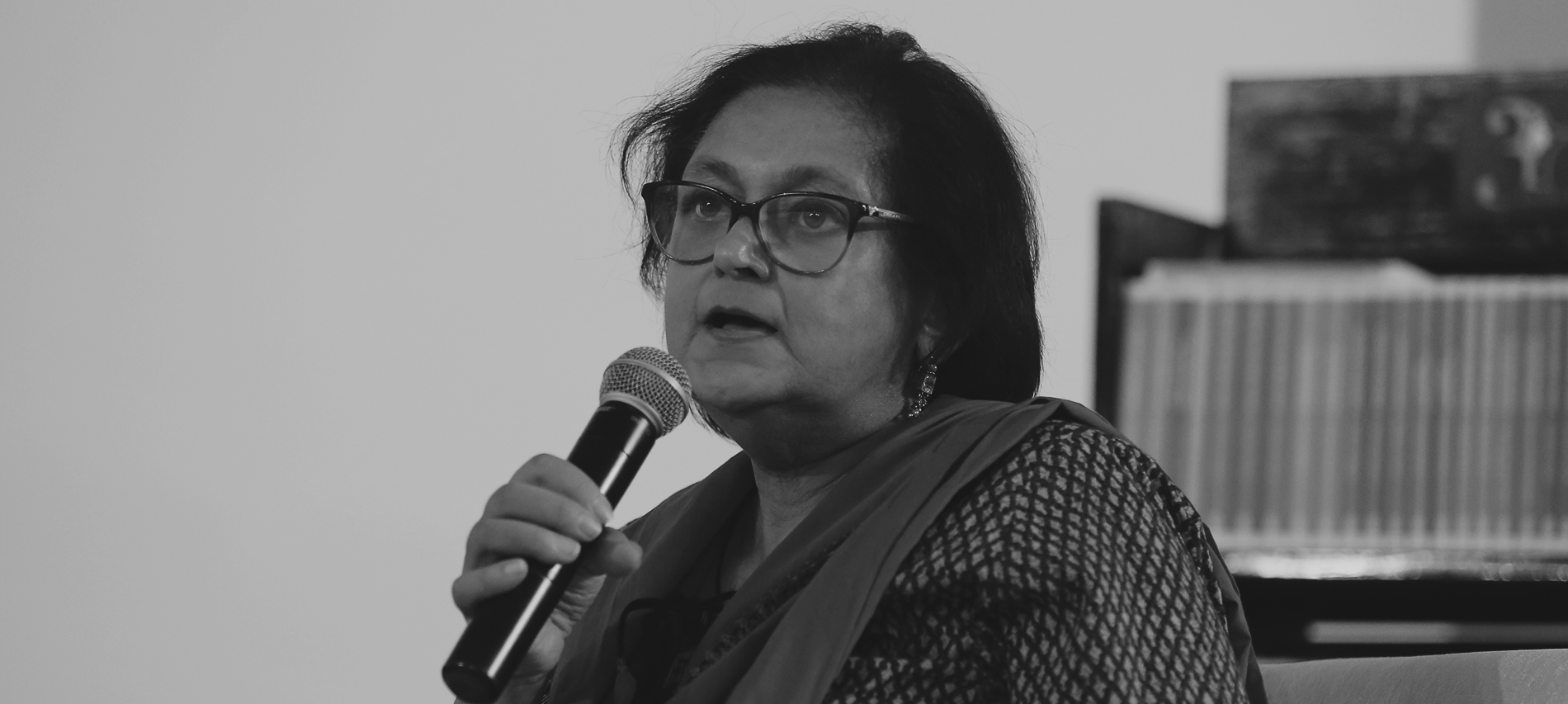
As we move another day closer to getting our hands on Namita Gokhale’s newest book for children, Lost in Time: Ghatotkacha and the Game of Illusion, here’s revisiting the beautiful books written by the celebrated author through the years, on a wide gamut of subjects.
The Book of Shiva

Shiva: Destroyer and Protector, Supreme Ascetic and Lord of the Universe. He is Ardhanarishwara, half-man and half-woman; he is Neelakantha, who drank poison to save the three worlds-and yet, when crazed with grief at the death of Sati, set about destroying them. Shiva holds within him the answers to some of the greatest dilemmas that have perplexed mankind. The Book of Shiva by Namita Gokhale answers many interesting questions about this enigmatic deity in Hindu mythology.
The Puffin Mahabharata

A modern-day retelling of the Mahabharata, Namita Gokhale presents this timeless tale of mortals and immortals and stories within stories, of valour, deceit, glory and despair, for today’s young reader in a clear, contemporary style. A brilliant series of evocative and thoughtful illustrations by painter and animator Suddhasattwa Basu brings the epic to life in a vibrant visual feast.
In Search of Sita: Revisiting Mythology

Sita is one of the defining figures of Indian womanhood, yet there is no single version of her story. In Search of Sita presents essays, conversations and commentaries that explore different aspects of her life. It revisits mythology, reopening the debate on her birth, her days in exile, her abduction, the test by fire, the birth of her sons and, finally, her return to the earth—offering fresh interpretations of this enigmatic figure and her indelible impact on our everyday lives.
In Travelling In, Travelling Out: A Book of Unexpected Journeys, Namita Gokhale puts together an eclectic collection of twenty five stories that take the reader on a journey that is surprising, moving and, sometimes, mischievous. From Advaita Kala’s piece on her reaction to an intrusive security pat-down to finding one’s identity as an immigrant in Amsterdam in an essay by Ali Sethi, there is a wide range of experiences to choose from. With contributors like M.J. Akbar, Rahul Pandita, Dayanita Singh, Urvashi Butalia and others among the guides, the reader sets off on an unusual journey, one without the fear, moreover, of getting lost.
And finally, the wait for her latest work on mythology, fantasy and everything magical is almost drawing to a close! Have you pre-ordered your copy yet?

A Global Dessert Trail by Monish Gujral
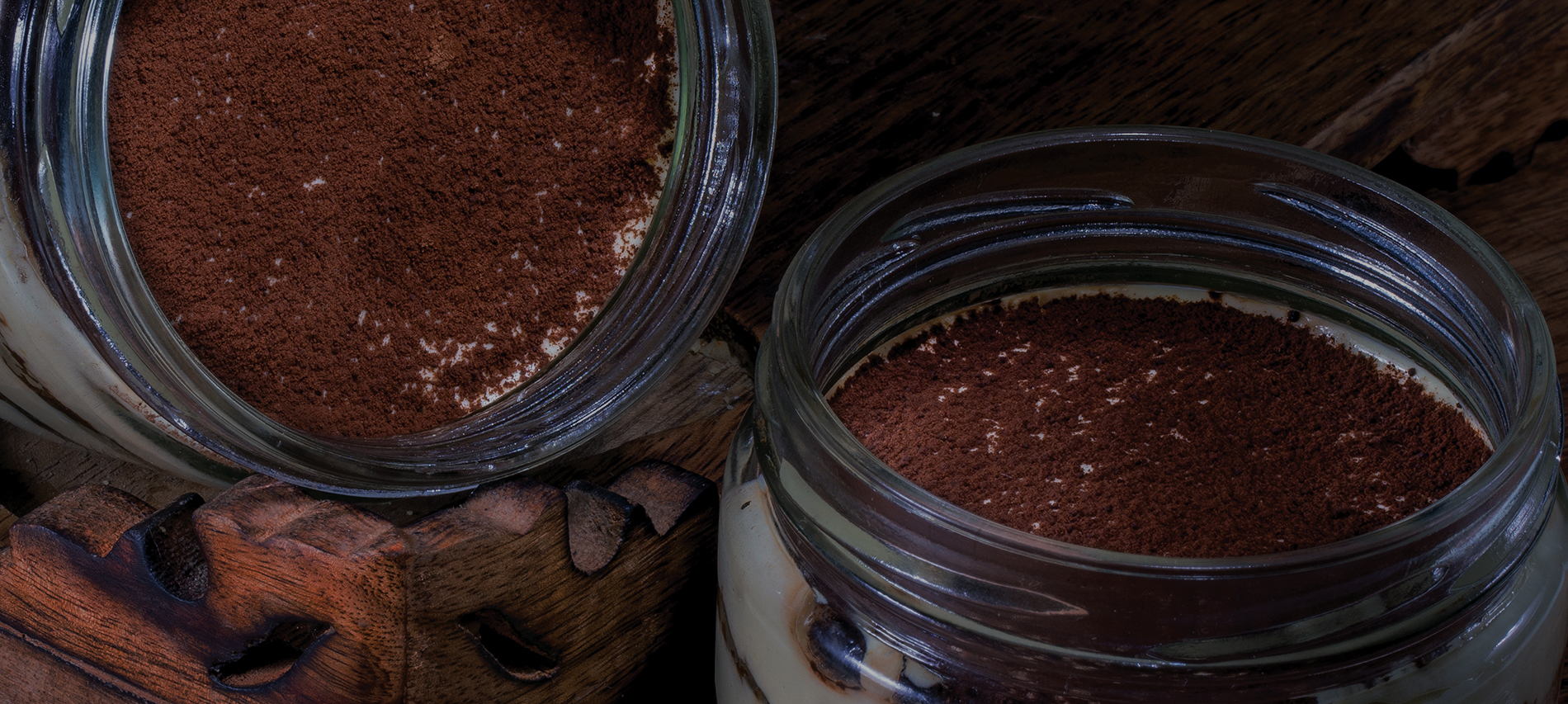
Restaurateur, award-winning cookbook author and celebrity chef, Monish Gujral in a tête-à-tête on what inspired him to write his latest book, ‘On the Dessert Trail’, everything that went behind the scene and his enriching experience of presenting the best desserts from across the world with a unique twist.
How did this book come about?
I have been writing cookbooks since the last 12 years and On the Dessert Trail is my latest. Besides books I am also into writing food blogs, a popular one is Foodies Trail and food columns in leading newspapers. Food has always fascinated me. Since childhood, I have always been intrigued by inventions of famous recipes and cuisines as my own grandfather, the legendary Kundan Lal Gujral was a pioneer of many. He not only invented the famous recipes of tandoori chicken, butter chicken, dal makhani and chicken pakioa but also invented the tandoori cuisine one hundred years ago. Hence, I am very well aware of how each dish or cuisine invented has an intriguing story behind it – often enough drama as well.
In my last book. On the Kebab Trail, I showcased various international kebabs and their recipes. Taking a completely different route, in On the Dessert Trail, I wanted to go on a dessert safari bringing out the best, most popular and national desserts from across the world and also the personal stories behind their inventions. Having had the good fortune to travel around the world on my gourmet trails, experiencing various cuisines, and meeting master chefs, I know that each one has a great story to tell and there is a lot to learn from their profound culinary experiences.
Hence, the unique experiences I gathered on my dessert trail is what I want to share with all of you. While researching for this cookbook, I was surprised to find out how these recipes were invented—few out of love, few out of duty, few out of need or requirement of time and, of course, few accidentally. Such insights helped me to bring out even the fantasies, fairy tales and myths associated with the best sweet things in this beautiful world.
It must have been quite a task selecting over 80 desserts for the book. I guess all of them were specially prepared to be photographed?
Well, it was difficult to decide which of the very famous and legendary desserts to include in the book because for me each one is unique. I finally went with the most popular and the national desserts of the world. Of course, I had to prepare all the dishes and tweak the recipes a little to make them easy to cook at home, I then had to decide which desserts had to be photographed and fashioned them accordingly for the photoshoot. There are several snaps of these in the book.
Tell me something about the research process and the timeline from conception to finish.
Well, I have been associated over a long time with the best chefs from across the world and with Gourmand for a decade. I travel to various counties to be a part of the global food and cook shows, and even visit Le Cordon Bleu, the world’s largest hospitality chain, to demonstrate and interact with international students aspiring to be chefs. When I decided to write On the Dessert trail, my travels became focused on trying out the most popular desserts and interacting with the local chefs to research and cook with them. It has been a long journey as I have been researching for more than 4 years for this book and finally it is here.
What of the future?
I am sure that my readers will find this book very interesting with my personal anecdotes about each recipe’s origin and the intriguing stories behind how they were invented. I have simplified all the recipes so that the readers can actually make them in the comforts of their home. In future, I will be again trailing the globe, yet again in search for more recipes and will bring their stories alive for my readers.

5 Quotes that Show Indira Gandhi was the Iron Lady of India
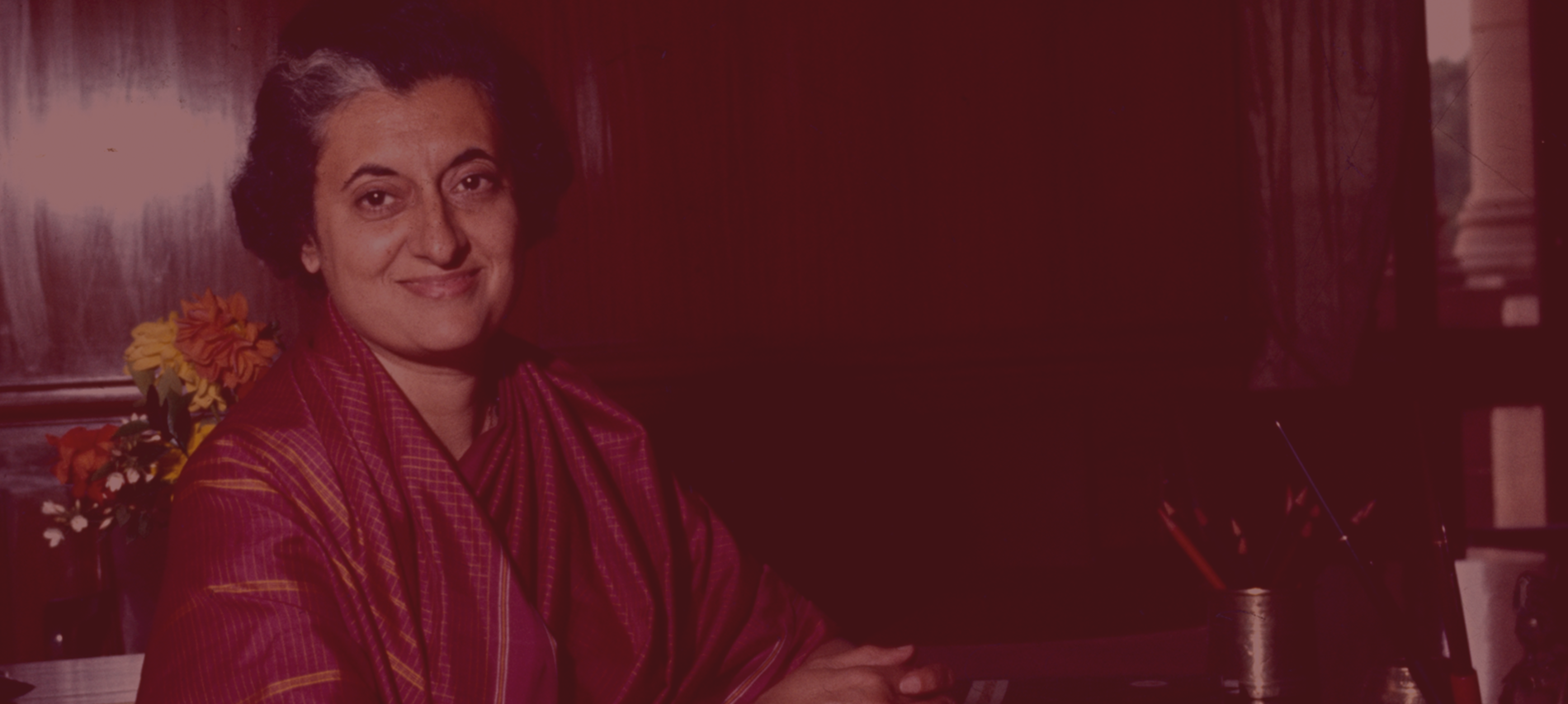
Indira Gandhi is not only remembered as the only woman prime minister of the country but also as a political leader with nerves of steel. She broke the conventional, democratic ruling method that her family had been using and adopted a somewhat authoritarian way of ruling the nation.
Nayantara Sahgal in her book Indira Gandhi: Tryst with Power answers the questions everyone ponders upon about her rule.
Being Mrs Gandhi’s cousin, Sahgal articulately talks about her individualized style of functioning in politics and the changes the country went through during her rule.
Here are five quotes that show why Mrs Gandhi was called the Iron Lady of India:


Read more about Indira Gandhi’s political regime in Nayantara Sahgal’s Indira Gandhi: Tryst with Power.

Jawahar and Edwina, the greatest love story of the twentieth century? Fact and fiction
By Rhiannon Jenkins Tsang
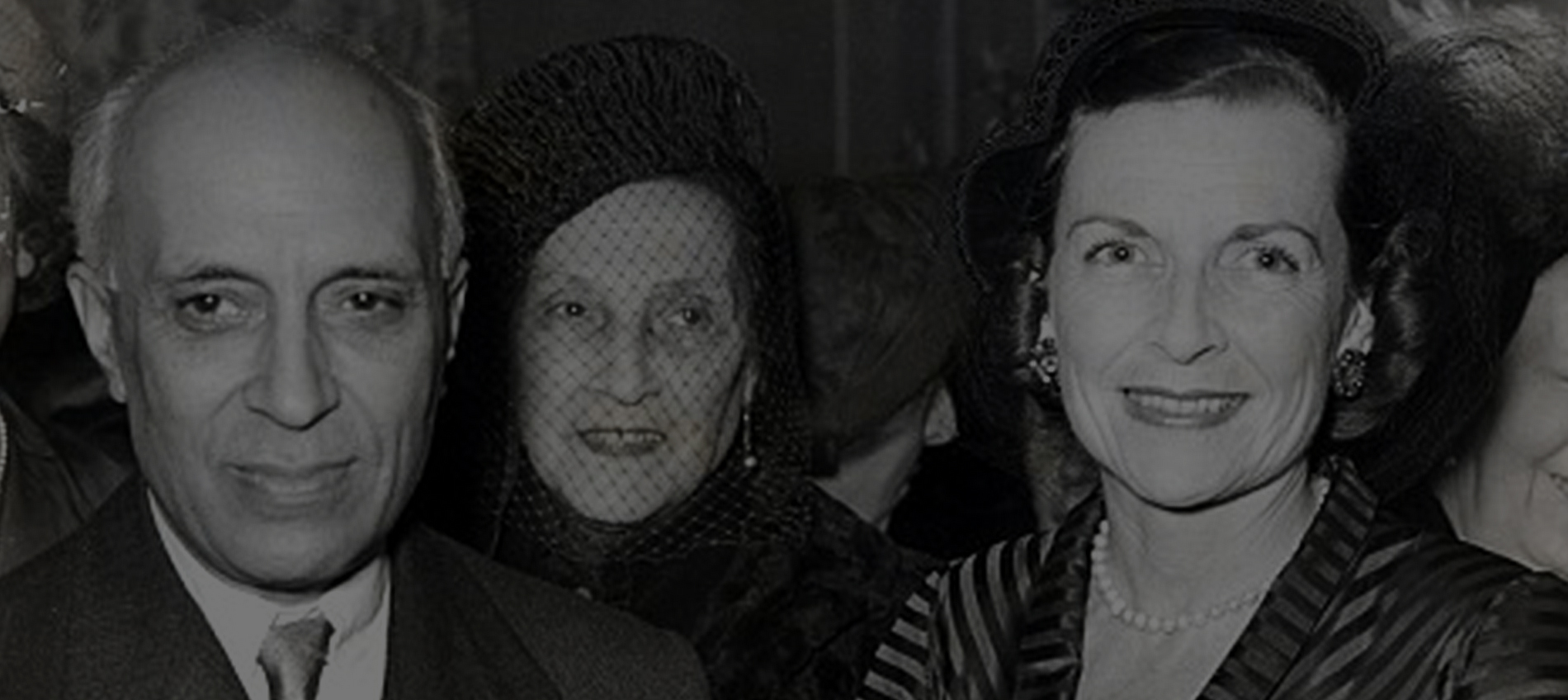
I know about historians. I am married to one! They look at the evidence, interpret it and make judgements to give you a balanced and judicious account. If you want a critical assessment of the historical setting in which Jawahar and Edwina developed their friendship, then you need a solid work of history. But if you want to understand the feelings, emotions, personal histories, tensions, contradictions and passion that drove them together, then you need a work of fiction.
The historical novelist does not pretend to be a historian. In some ways the net must be cast wider than that. Not only must a historical novelist have a thorough grasp of the period of the relevant political and social history, but they must also have an understanding of fashion, food and psychology- in sum be a jack of all trades! My aim in writing The Last Vicereine was to transport the reader back to the chaotic last days of the British Raj. I wanted to put the reader in Edwina’s and Jawahar’s shoes so that they could empathise with them and live moment by moment with them in their world. Unlike the historian, the historical novelist is not there to judge or assess, and needs to remember that historical figures and imaginary characters do not have the benefit of hindsight. This requires constant vigilance when writing. People in the novel might attempt to predict the outcomes of certain decisions and calculate their actions accordingly. They might genuinely believe that they were doing the right thing in the circumstances, and be acting out of the best of intentions, but history might judge them to be wrong. Today we all know that partition was a disaster, but no one at the time, neither British nor Indian had a full grasp of the horrendous short term consequences, never mind the long term implications of the decision to divide British India along religious lines.
So how exactly did I go about bringing Jawahar and Edwina to life? I began by avidly reading all the standard history books of the period and general histories of India. I then moved onto autobiographies and biographies particularly of Nehru, Gandhi and the Mountbattens, and supplemented this with as many diaries and memoires as I could get my hands on. The next step was to spend time in the Mountbatten archives going through the papers of Countess Mountbatten of Burma and some of those of her husband, the Viceroy. And finally I undertook a research trip to India so I could truly soak up the atmosphere. Only when I felt I had a full grasp of the locations and historical period and could enter the minds of the key players, did I begin to write.
It was at this stage that I stopped playing historian, pushed aside my own judgements, and put on my novelist’s hat. It was then that history moved from the foreground and took on a different function. It became both background set and plot driver. We know for example that some of Edwina’s letters of Jawahar were stolen in the run up to the transfer of power. What was in these letters? Who had sight of them? How did the characters react and what might have been the political consequences if they had been leaked?
Furthermore, Jawahar and Edwina were characters of their time. Both were born with silver spoons in their mouths and were respectively members of the British and Indian elite. This imposed certain restrictions, privileges, duties and obligations on them that conditioned their world view and actions. They cannot be judged by today’s standards.
While a historian might dread gaps or ambiguities in the record, the historical novelist can turn them to advantage. The blanks and omissions in the record are fascinating and exciting and are where stories lie. What are they hiding? What is missing? What might have been said or not said after a big meeting? Perhaps the minutes don’t exactly tell the full story. What might have happened at the party? What did the gossips say and what were the consequences of rumour and chatter on the political process?
The gaps leave space to imagine and create. For example, we know from the records that Lady Mountbatten had two female English secretaries on her staff. Unlike the men of Lord Mountbatten’s staff neither of them appears to have kept a diary or written or published memoires. Here was my opportunity to create the character of Letticia, Lady Wallace, a widowed school friend of Lady Mountbatten who served on her staff and became my narrator. She was privy to many private conversations, she became our eyes and ears and she took on an exciting and exotic life of her own.
For various reasons the main histories and records have dithered around the relationship between Jawahar and Edwina, partly because it was a private friendship, partly out of respect to the parties involved and also because it has been in the interests of both the British and Indian Congress establishments not to ask too many questions. Nevertheless, it is clear for example that Lady Mountbatten probably played a key role in saving the talks on the transfer of power from complete collapse in Simla in May 1947 and I enjoyed dramatizing this.
Today, with the benefit of hindsight, is easy to ask why on earth India should have been divided in 1947. The first thing to understand it that it was the end of the war. The Japanese had broken the will of the British in the Far East and the British people and State were exhausted. Nehru had spent years incarcerated in British jails and was no longer a young man. Jinnah too was old and probably knew that he was dying. In dramatizing the situation in Viceroy’s House in the spring of 1947, it was clear from my research that British India was in a state of virtual collapse. There had been a complete breakdown of law and order in some areas. The British were terrified, bunkered down with a siege mentality and planning for a mass evacuation of their nationals- to say this is not to absolve the British from their responsibilities.
In my novel, I attempt to reflect the sense that things were spinning out of control, the exhaustion, illnesses and at times sense of hopelessness and futility experienced by Edwina, Jawahar, the Viceroy and his staff. By May of 1947 it was obvious that a solution had to be found and quickly. It is not widely known that shortly after independence there was a real fear that the new government of India might have to be evacuated from New Delhi for its own safety. For a period of time the survival of the new India was in question, and Nehru had to work with Mountbatten as Governor General and the outgoing British administration to ensure the future of the new administration and preserve the illusion of central authority. Given this, perhaps we can understand the kind of pressures Jawahar and Edwina were under, their day to day experiences and the extreme stress they shared together, both of them constantly risking their own lives to serve India. Perhaps if we understand the kind of emotional stress they were under as public figures at an desperately traumatic time, we can they appreciate why they supported each other, why they cared about each other and perhaps also why some decisions were made in the way they were.
What is the truth of the Jawahar Edwina relationship? My own sense is that there was certainly a deep physical attraction but that it was a friendship between two older people based on emotions and the mind. Both would have counted themselves as socialists. They shared interests in art, history, music and poetry and enjoyed riding, swimming and hill walking together. Edwina was also an experienced aid worker before she became Vicereine of India. She was good with people, having a common touch, and worked valiantly to get aid to refugee camps both before and after partition. Again this is not really known in India today. But Nehru saw how hard Edwina worked and appreciate all she was doing for India. Both were public figures with a keen sense of public service and duty and they understood that this came at huge personal cost. Somehow, they managed to carve out a private space for their friendship and to continue to meet, correspond, and support each other emotionally until Edwina’s death in 1960. Perhaps one day, if the full content of the letters between becomes publically available, we will know more. But we will always need historical fiction to bring the past to life. Jawahar and Edwina’s friendship is arguably the greatest love story of the twentieth century. If Shakespeare were alive today, he might not have written Anthony and Cleopatra but rather Jawahar and Edwina.
About the Author
Rhiannon Jenkins Tsang is a British writer. Her work focuses on historical fault lines and themes that are globally significant. She studied Oriental Studies at St. Anne’s College, Oxford, and is a non-practising lawyer. She is fluent in Mandarin and Cantonese.

7 Quotes by Famous Authors That Will Make You Reminisce Your Childhood

As life brings with it moments of laughter and hardships in equal measures, the memory of childhood slowly begins to fade away. Or does it? Well, some of our favourite writers and personalities from history would beg to differ.
This Children’s Day, get inspired to grow ‘down’, because where’s the novelty in growing up?


The golden days of childhood were glorious, weren’t they?