



The Pioppi Diet allows red wine, chocolate and the most delicious Italian food and yet helps you to lose weight, de-stress and live a healthier and longer life.
Based on five years of research and drawing on over 100 studies on Pioppi, Dr Aseem Malhotra, a trained cardiologist, has created a plan which is designed to provide readers with the joy and wellbeing of a Mediterranean lifestyle by making small ‘marginal gains’ over a 21-day period.
Here are five key points of the pioppi diet that will help you lose weight and live a healthy lifestyle.
What Should You Eat?

What Should You Avoid?

How much meat should you consume?

How much should you drink?

When should you not eat?

Tell us how did you benefit from the Pioppi Diet.

Category: Features
articles features main category
Change Through Tipping Point Leadership
Four Steps to the Tipping Point
- Break through the cognitive hurdle.
To make a compelling case for change, don’t just point at the numbers and demand better ones. Your abstract message won’t stick. Instead, make key managers experience your organization’s problems.
Example: New Yorkers once viewed subways as the most dangerous places in their city. But the New York Transit Police’s senior staff pooh-poohed public fears—because none had ever ridden subways. To shatter their complacency, Bratton required all NYTP officers— himself included—to commute by subway. Seeing the jammed turnstiles, youth gangs, and derelicts, they grasped the need for change—and embraced responsibility for it.
- Sidestep the resource hurdle.
Rather than trimming your ambitions (dooming your company to mediocrity) or fighting for more resources (draining attention from the underlying problems), concentrate current resources on areas most needing change.
Example: Since the majority of subway crimes occurred at only a few stations, Bratton focused manpower there— instead of putting a cop on every subway line, entrance, and exit.
- Jump the motivational hurdle.
To turn a mere strategy into a movement, people must recognize what needs to be done and yearn to do it themselves. But don’t try reforming your whole organization; that’s cumbersome and expensive. Instead, motivate key influencers—persuasive people with multiple connections. Like bowling kingpins hit straight on, they topple all the other pins. Most organizations have several key influencers who share common problems and concerns— making it easy to identify and motivate them.
Example: Bratton put the NYPD’s key influencers— precinct commanders—under a spotlight during semiweekly crime strategy review meetings, where peers and superiors grilled commanders about precinct performance. Results? A culture of performance, accountability, and learning that commanders replicated down the ranks. Also make challenges attainable. Bratton exhorted staff to make NYC’s streets safe “block by block, precinct by precinct, and borough by borough.”
- Knock over the political hurdle.
Even when organizations reach their tipping points, powerful vested interests resist change. Identify and silence key naysayers early by putting a respected senior insider on your top team. Example: At the NYPD, Bratton appointed 20-year veteran cop John Timoney as his number two. Timoney knew the key players and how they played the political game. Early on, he identified likely saboteurs and resisters among top staff—prompting a changing of the guard. Also, silence opposition with indisputable facts. When Bratton proved his proposed crime-reporting system required less than 18 minutes a day, time-crunched precinct commanders adopted it.
This is an excerpt from HBR’s 10 Must Reads (On Change Management). Get your copy here.
Credit: Abhishek Singh
25 Must Reads On the 70th Anniversary of Partition
India’s freedom from the British rule was stained by the horrors of its partition. The reverberations of the event over the last seventy years have been encapsulated in several books, plays, and other forms of media.
Here is a list of 25 books that capture one of the most defining moment of our history.
Midnight’s Children
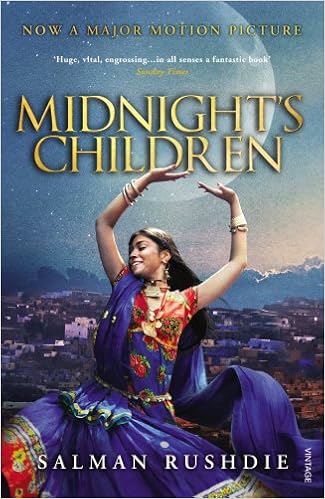
Midnight’s Children by Salman Rushdie is an epic novel that opens up with a child being born at midnight on 15th August 1947, just at a time when India is achieving Independence from centuries of foreign British colonial rule. Highlighting the relation between father and son and a nation yet in its nascent stage, it is an enchanting family adventure with lots of human drama and shocking summoning.
Lifting The Veil
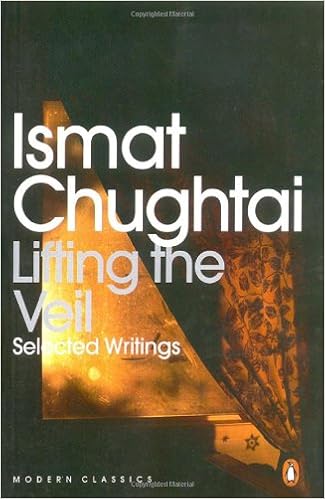
Ismat Chughtai in Lifting the Veil explored female sexuality with unparalleled frankness and examined the political and social mores of her time.
Train to India: Memories of Another Bengal

As a young boy, Maloy Krishna Dhar, made the perilous journey to India from the East Pakistan. The partion in Bengal had its share of tragedy, of lives unmade and lost, but it is relatively less chronicled than events in Punjab. Maloy Krishna Dhar’s Train to India is a graphic and moving account of that turbulent and unforgotten era of Bengal History.
The Shadow Lines
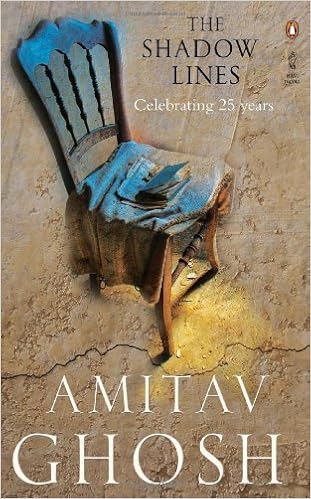
As a young boy, Amitav Ghosh’s narrator in The Shadow Lines travels across time through the tales of those around him, traversing the unreliable planes of memory, unmindful of physical, political and chronological borders. Bits and pieces of stories, both half-remembered and imagined, come together in his mind until he arrives at an intricate, interconnected picture of the world where borders and boundaries mean nothing, mere shadow lines that we draw dividing people and nations.
Midnight’s Furies
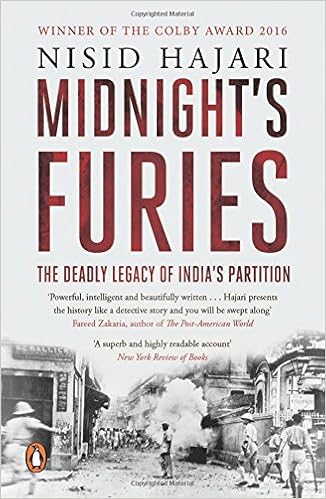
Nisid Hajari’s Midnight’s Furies: The Deadly Legacy of India’s Partition shows how Partition, which has created such a wide gulf between two countries whose people have so much in common, has given birth to global terrorism and dangerous proliferation.
Sunlight On A Broken Column
On a backdrop India’s struggle for independence, Laila, an orphaned daughter of a distinguished Muslim family, fights for her own independence from the claustrophobia of a traditional life. With its beautiful evocation of India, its political insight and unsentimental understanding of the human heart, Sunlight on a Broken Column, first published in 1961, is a classic of Muslim life.
Partitions
With India’s partition in 1947 as its reference point, the novel presents a limitless canvas against which the most extraordinary trial in the history of mankind runs its course. Kamleshwar’s Kitne Pakistan dared to ask crucial questions about the making and writing of history.
Amritsar to Lahore by Stephen Alter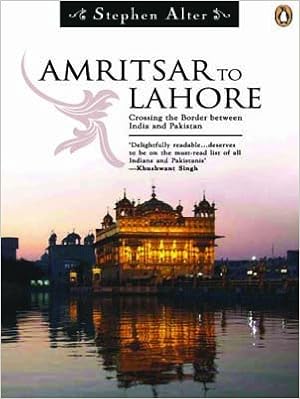
A sensitive and thoughtful look at the lasting effects of Partition on everyday people, Amritsar to Lahore describes a journey across the contested border between India and Pakistan in 1997, the fiftieth anniversary of Partition. Offering both the perspective of hindsight and a troubling vision of the future, Amritsar to Lahore presents a compelling argument against the impenetrability of boundaries and the tragic legacy of lands divided.
The Broken Mirror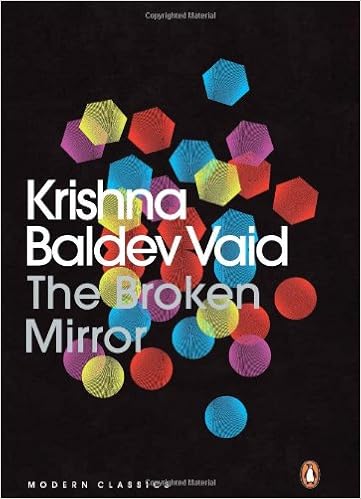
The Broken Mirror by Krishna Baldev Vaid tells the story of Beero and his group of friends against a backdrop of partition of India. Beero’s passage through adolescence is told through a series of eccentric characters. When partition becomes a reality, in a time of terror and carnage, the insane turn out be the only ones sane.
Unbordered Memories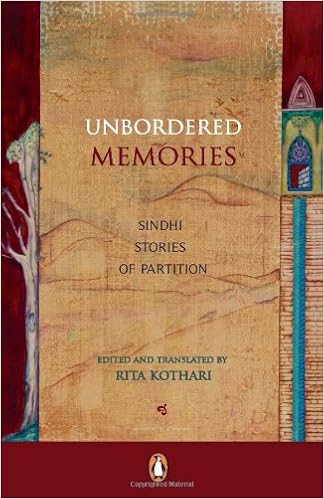
If Partition affected the lives of Sindhi Hindus, it also changed things for the Sindhi Muslims. In Unbordered Memories, Sindhis from India and Pakistan make imaginative entries into each other’s worlds. Many stories in this volume testify to the Sindhi Muslims’ empathy for the world inhabited by the Hindus, and the Indian Sindhis’ solidarity with the turbulence experienced by Pakistani Sindhis.
Making Peace With Partition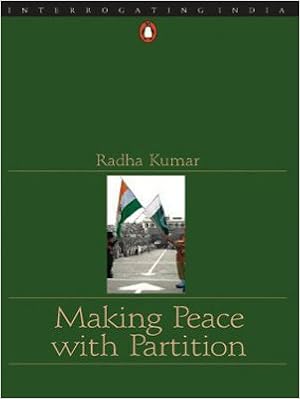
The Partition of the Indian subcontinent in 1947 left a legacy of hostility and bitterness that has bedevilled relations between India and Pakistan. Reviewing the turbulent history of their past relationship, Radha Kumar analyses the chief obstacles the two countries face in the light of the new opportunities and challenges that the twenty-first century presents.
Bitter Fruit: The Very Best of Saadat Hasan Manto
Manto’s stories were mostly written against the backdrop of the Partition. Bitter Fruit presents the best collection of Manto’s writings, from his short stories, plays and sketches, to portraits of cinema artists, a few pieces on himself. Bitter Fruit includes stories like A Wet Afternoon, The Return, A Believer s Version, Toba Tek Singh, Colder than Ice and many others.
Kingdom’s End: Selected Stories
This collection brings together some of Manto’s finest stories, ranging from his chilling recounting of the horrors of Partition to his portrayal of the underworld. Powerful and deeply moving, these stories remain as relevant today as they were first published.
Mottled Dawn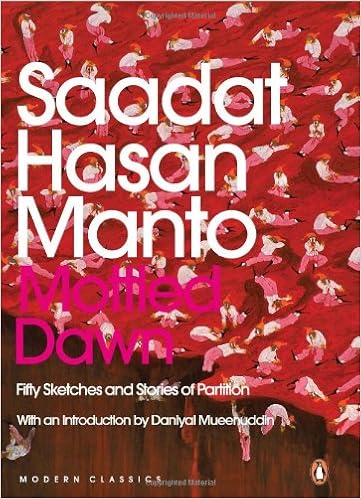
Mottled Dawn by Saadat Hasan Manto is a collection of stories based on the India-Pakistan partition. The stories written around 1947 put forward the most tragic events in the history of the subcontinent.
Manto: Selected Stories
Saadat Hasan Manto’s stories are vivid, dangerous and troubling and they slice into the everyday world to reveal its sombre, dark heart. These stories were written from the mid-1930s on, many under the shadow of Partition. No Indian writer since has quite managed to capture the underbelly of Indian life with as much sympathy and colour.
India Divided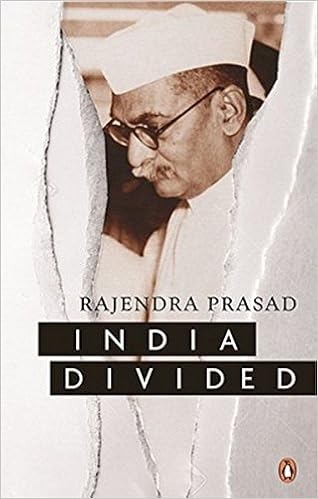
Written by the first President of India, India Divided traces the origins and growth of the Hindu–Muslim conflict, gives the summary of the several schemes for the partition of India which were put forth, and points out the essential ambiguity of the Lahore Resolution. Finally, it concludes that the solution for the Hindu–Muslim issue should be sought in the formation of a secular state, with cultural autonomy for the different groups that make up the nation.
Mr and Mrs Jinnah: The Marriage That Shook India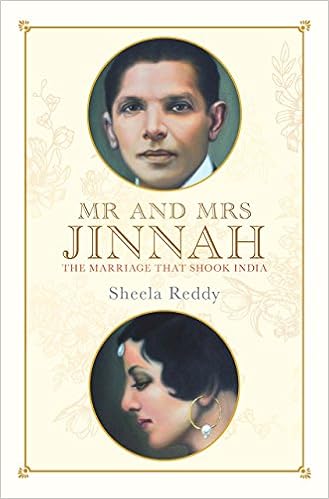 Sheela Reddy in Mr and Mrs Jinnah brings forth the marriage that convulsed the Indian society with a sympathetic, discerning eye. A product of intensive and meticulous research in Delhi, Bombay and Karachi, and based on first-person accounts and sources, Reddy sheds light on how the politics of the time affected the marital life of misunderstood Jinnah and wistful Ruttie.
Tamas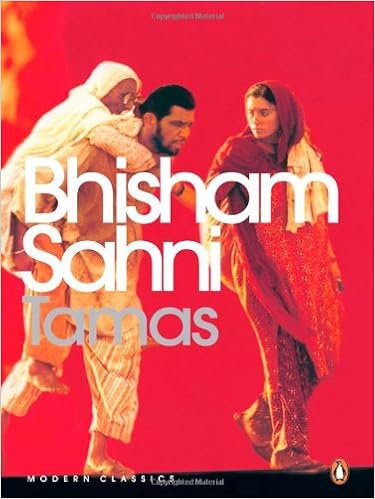
A timeless classic about the Partition of India, Tamas is also a chilling reminder of the consequences of religious intolerance and communal prejudice.
Bengal Divided: The Unmaking of a Nation (1905-1971)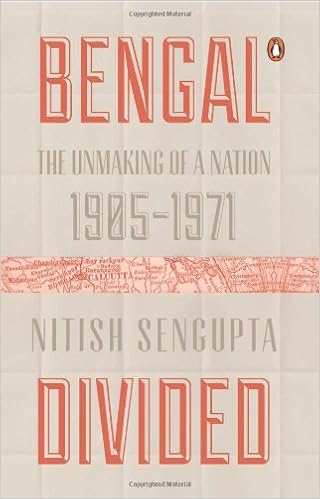
In 1905, all of Bengal rose in uproar because the British had partitioned the state. Yet in 1947, the same people insisted on a partition along communal lines. Exploring the roots of alienation of the two communities, Nitish Sengupta peels off the layers of events in this pivotal period in Bengal’s history, casting new light on the roles of figures such as Chittaranjan Das, Subhas Chandra Bose, Nazrul Islam, Fazlul Huq, H.S. Suhrawardy and Shyama Prasad Mukherjee.
Looking Through Glass
In Mukul Kesavan’s Looking Through Glass, a young photographer on a train to Lucknow suddenly finds himself in the deep end of 1942. His hindsight tells him that Partition will destroy this world. And in his desperate struggles to avert the inevitable, we discover, often with an almost unbearable poignancy, how the possibilities in India’s past were squandered, some wantonly, others accidentally.
Regret
A collection of two novellas—Regret and Out of Sight, the stories skilfully evoke the long shadow cast by the violence of Partition. While Regret brilliantly recreates a childhood shattered by the Partition of India in 1947, Out of Sight recounts the story of Ismail, who narrowly escaped the carnage of 1947 in his youth. Now, looking back on his life and despairing of the sudden resurgence of sectarian violence in Pakistan.
Memories Of Madness: Stories Of 1947
The tragic legacy of Partition haunts the subcontinent even today. Memories of Madness brings together works by three leading writers who witnessed the insanity of those months—Khushwant Singh, Saadat Hasan Manto, and Bhisham Sahni. As moving as they are disturbing, the stories in this volume are of immense relevance in these times, for they constitute a chilling reminder of the consequences of communal politics.
The Other Side of Silence

Pieced together from oral narratives and testimonies, in many cases from women, children and dalits— marginal voices never heard before— and supplemented by documents, reports, diaries, memoirs and parliamentary records, this is a moving, personal chronicle of Partition that places people, instead of grand politics, at the centre.
Partition: The Long Shadow
The dark legacies of partition have cast a long shadow on the lives of people of India, Pakistan and Bangladesh. The borders that were drawn in 1947, and redrawn in 1971, divided not only nations and histories but also families and friends. The essays in this volume explore new ground in Partition research, looking into areas such as art, literature, migration, and notions of ‘foreignness’ and ‘belonging’.
Remembering Partition: Limited Edition
The Remembering Partition Box Set is a collection of five iconic books which look at the different faces of partition, from the larger political and historical view to the very personal tales of hatred, grief, courage and friendship.
On the 70th anniversary of partition, which book are you picking?
7 Quotes by Famous Authors That Will Make You Cherish Freedom
What do we understand by the term ‘freedom’? The liberty to make our choices, the liberty to lead the life we want, the liberty to speak the language we choose. But does freedom mean the same thing to everyone?
Here are 7 quotes by famous writers with different meanings to ‘freedom’.

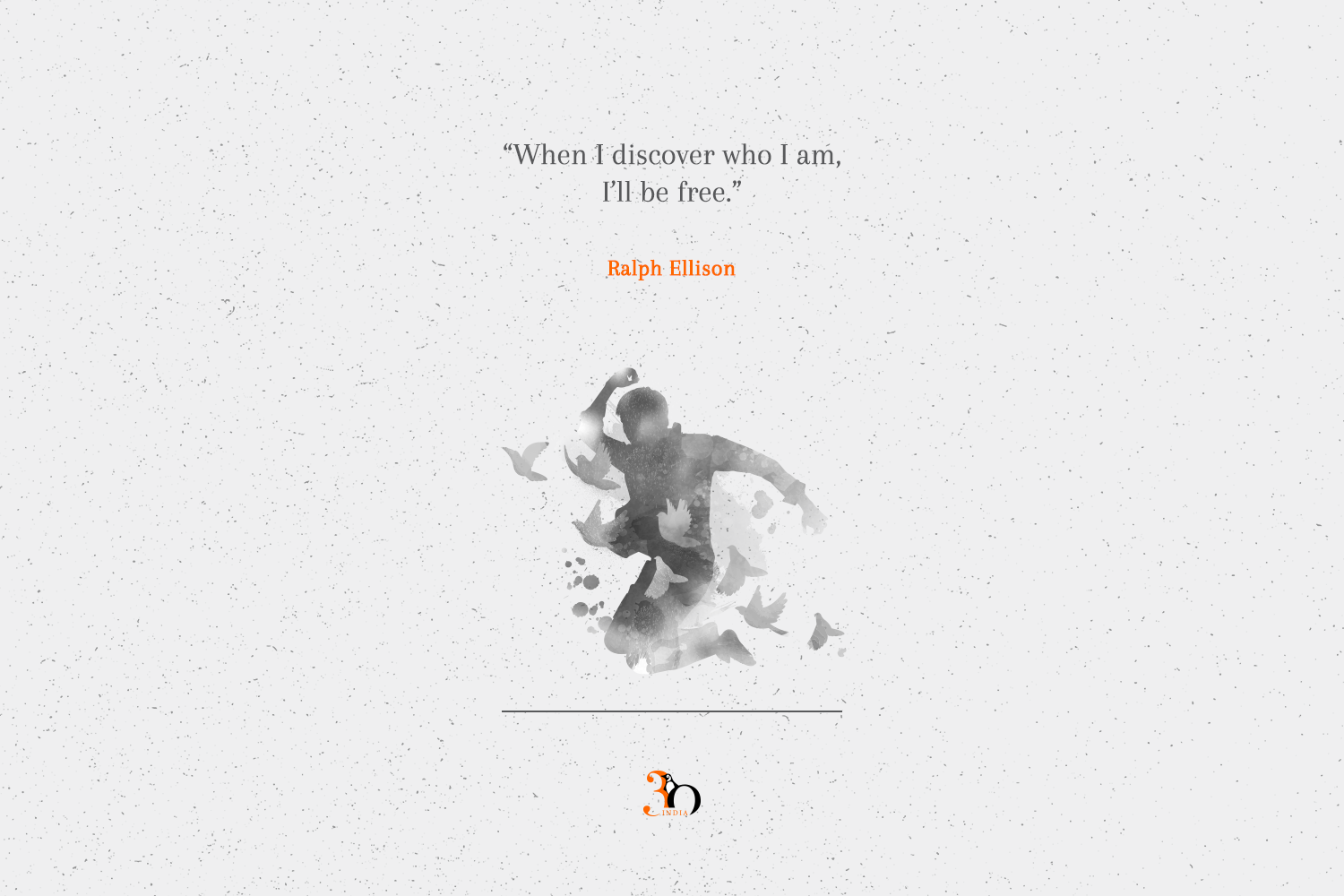

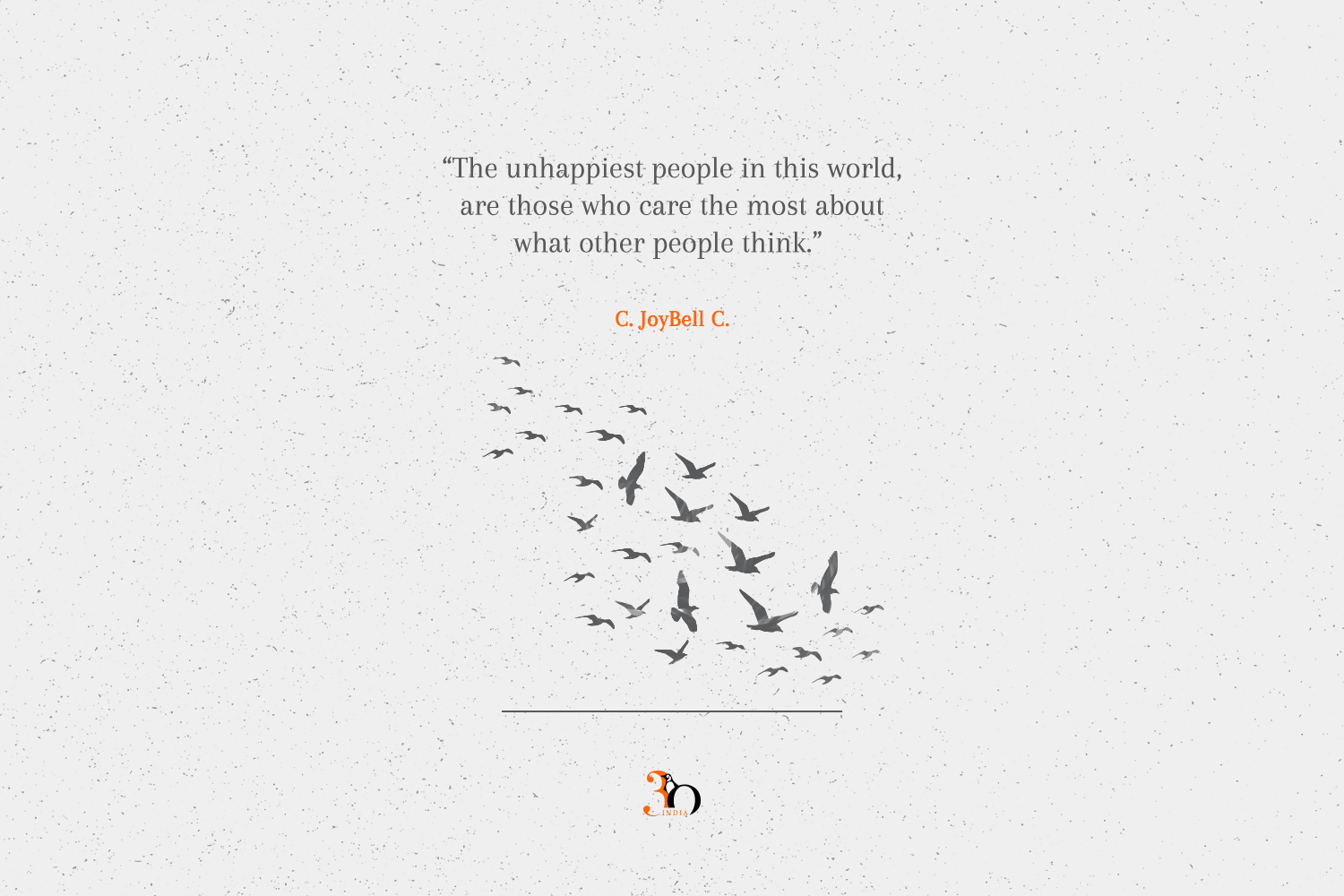
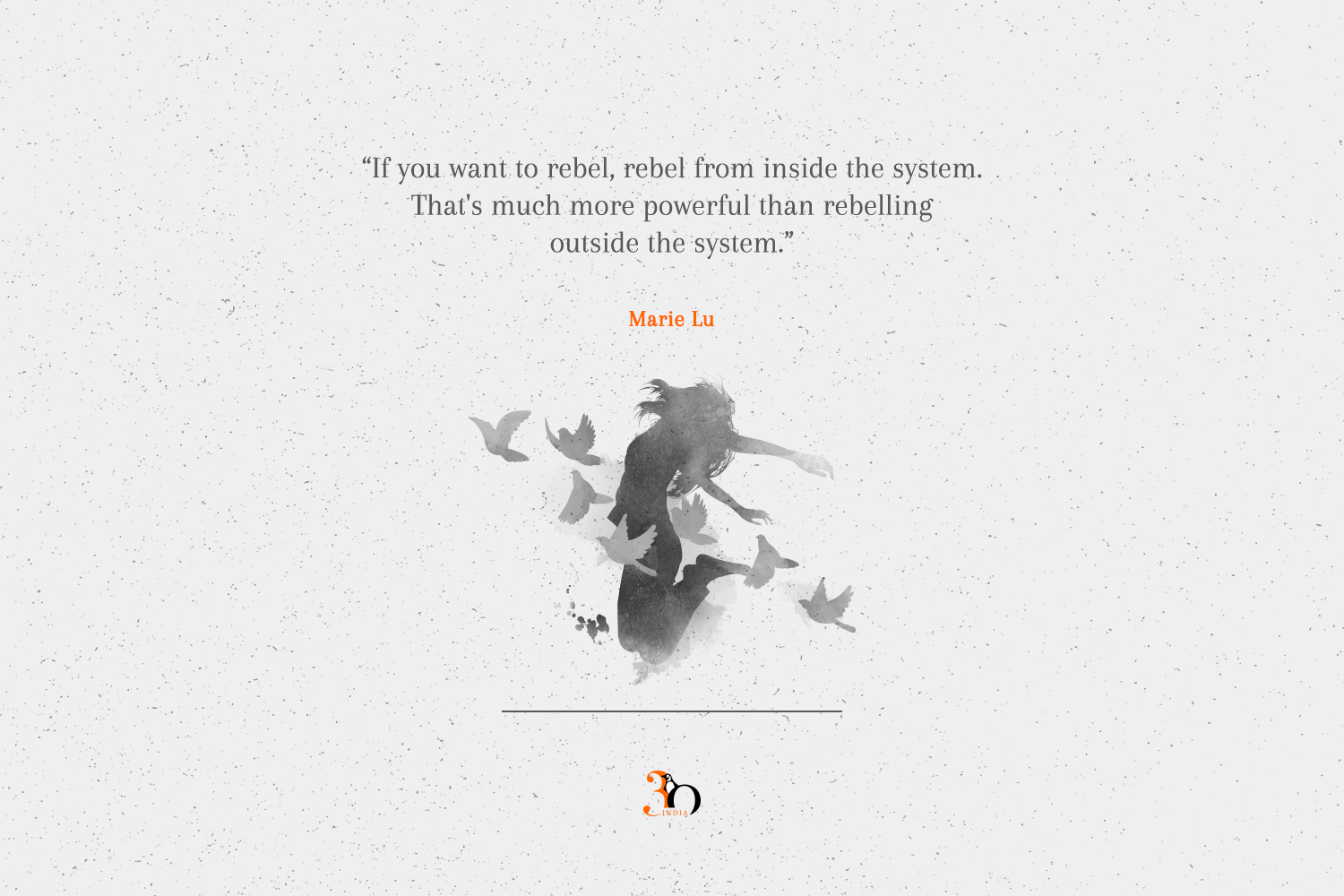
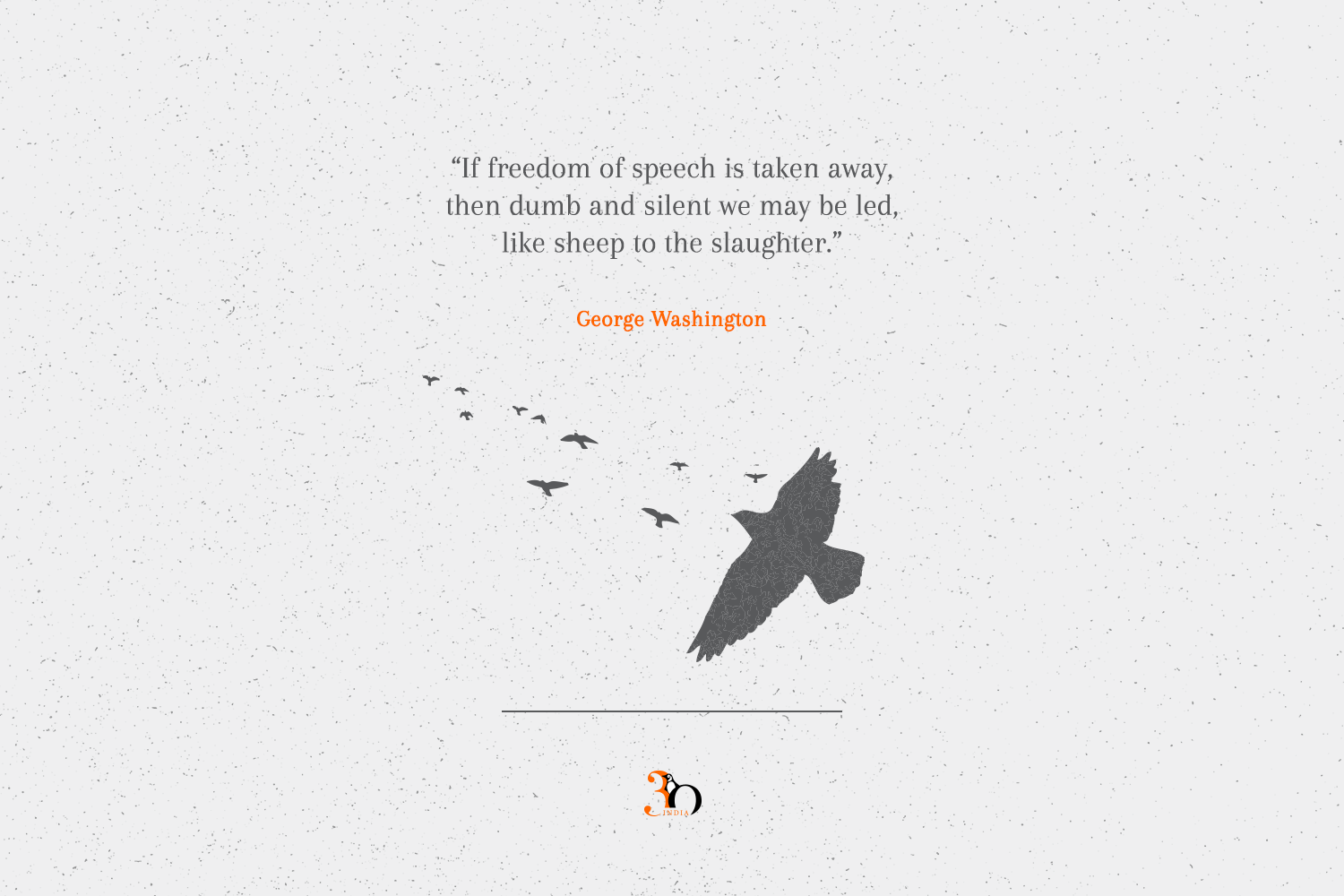
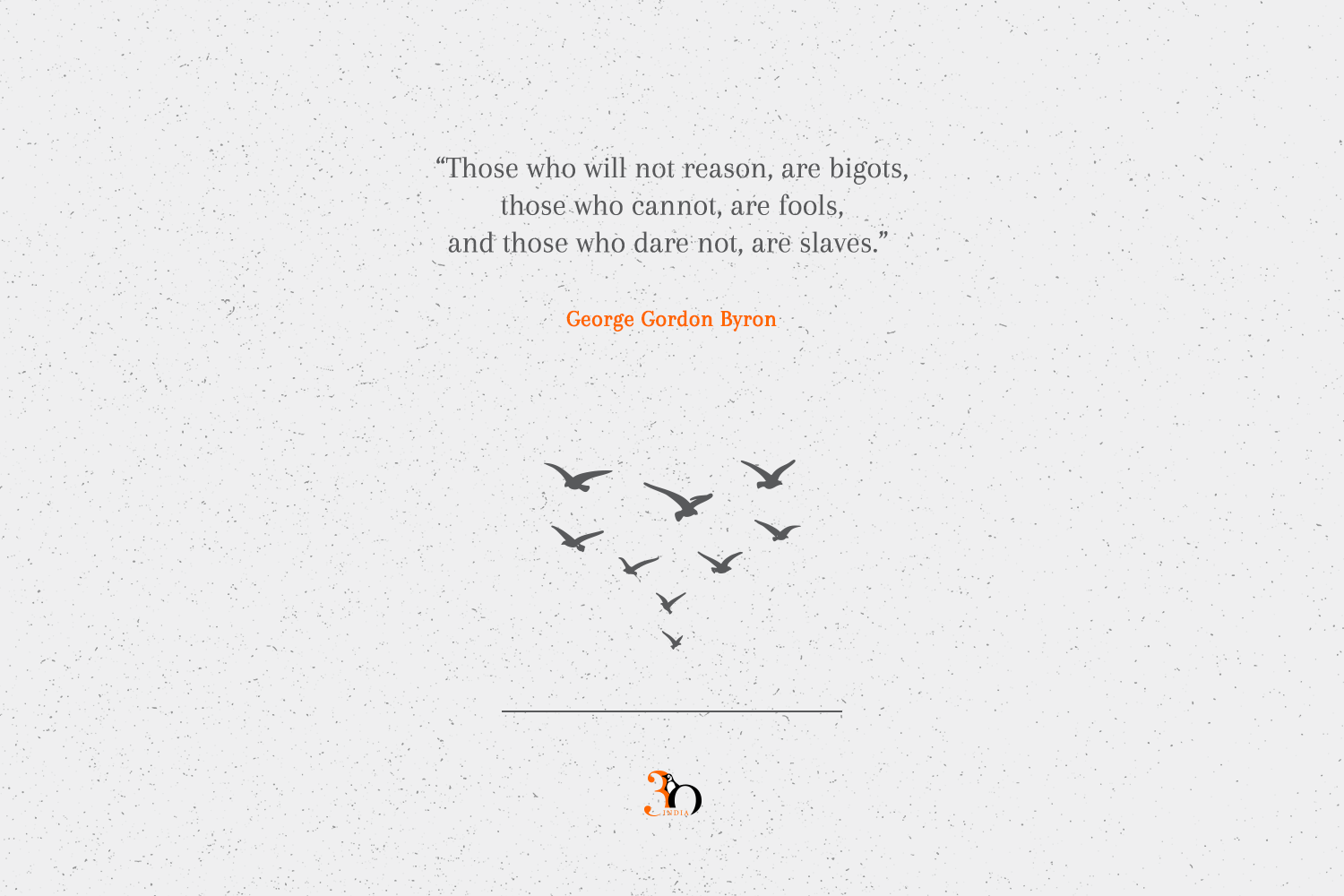
Tell us which idea of freedom do you agree with!
Subh-e-Azadi, An Anguished Evocation of the Pain of Partition
Faiz Ahmed Faiz is widely regarded as the greatest Urdu poet of the twentieth century and the iconic voice of a generation. He is best remembered for his revolutionary verses that decried tyranny and called for justice. In his poem, Subh-e-Azadi, he expressed the anguish and disappointment of Partition and the cost that the Indian subcontinent paid for freedom from the British rule.
Subh‐e Azadi
Yeh daagh daagh ujaalaa, yeh shab gazidaa seher
Woh intezaar tha jiska, yeh woh seher to nahin
Yeh woh seher to nahin, jis ki aarzoo lekar
Chale the yaar ki mil jaayegi kahin na kahin
Falak ke dasht mein taaron ki aakhri manzil
Kahin to hogaa shab-e-sust mauj ka saahil
Kahin to jaa ke rukegaa safinaa-e-gham-e-dil
Jawaan lahu ki pur-asraar shahraahon se
Chale jo yaar to daaman pe kitne haath pade
Dayaar-e-husn ki besabr kwaabgaahon se
Pukaarti rahi baahein, badan bulaate rahe
Bahut aziz thi lekin rukh-e-seher ki lagan
Bahut qareen tha haseenaa-e-noor ka daaman
Subuk subuk thi tamanna, dabi dabi thi thakan
Suna hai, ho bhi chukaa hai firaaq-e-zulmat-o-noor
Suna hai, ho bhi chukaa hai wisaal-e-manzil-o-gaam
Badal chukaa hai bahut ehl-e-dard ka dastoor
Nishaat-e-wasl halaal, o azaab-e-hijr haraam
Jigar ki aag, nazar ki umang, dil ki jalan
Kisi pe chaaraa-e-hijraan ka kuch asar hi nahin
Kahaan se aayi nigaar-e-sabaa, kidhar ko gayi
Abhi charaag-e-sar-e-raah ko kuch khabar hi nahin
Abhi garaani-e-shab mein kami nahin aayi
Najaat-e-deedaa-o-dil ki ghadi nahin aayi
Chale chalo ki woh manzil abhi nahin aayi
—Faiz Ahmed Faiz
The Dawn of Freedom, August 1947
This light, smeared and spotted, this night‐bitten dawn
This isn’t surely the dawn we waited for so eagerly
This isn’t surely the dawn with whose desire cradled in our hearts
We had set out, friends all, hoping
We should somewhere find the final destination
Of the stars in the forests of heaven
The slow‐rolling night must have a shore somewhere
The boat of the afflicted heart’s grieving will drop anchor somewhere
When, from the mysterious paths of youth’s hot blood
The young fellows moved out
Numerous were the hands that rose to clutch
the hems of their garments,
Open arms called, bodies entreated
From the impatient bedchambers of beauty—
But the yearning for the dawn’s face was too dear
The hem of the radiant beauty’s garment was very close
The load of desire wasn’t too heavy
Exhaustion lay somewhere on the margin
It’s said the darkness has been cleft from light already
It’s said the journeying feet have found union
with the destination
The protocols of those who held the pain in their
hearts have changed now
Joy of union—yes; agony of separation—forbidden!
The burning of the liver, the eyes’ eagerness, the heart’s grief
Remain unaffected by this cure for disunion’s pain;
From where did the beloved, the morning breeze come?
Where did it go?
The street‐lamp at the edge of the road has no notion yet
The weight of the night hasn’t lifted yet
The moment for the emancipation of the eyes
and the heart hasn’t come yet
Let’s go on, we haven’t reached the destination yet
—Translated by Baran Farooqui

Give People Permission to Fail
When Felicia Ramsey, a marketing manager at SAS, started her career in media and advertising, she said that the only way anyone could measure the potential effectiveness of a campaign was to conduct a focus group, especially since it was so hard to assess the impact of a print or TV campaign. Making adjustments on the fly became difficult; you had to wait until the completion of the campaign to see the results.
With digital advertising, that’s all changed. “We don’t waste our time on anything we can’t measure our ROI anymore,” Ramsey explained. “That allows us to do more of things that work while doing less of things that don’t work.” With digital tools, we as marketers can also experiment and try new things without making the kinds of investments we once needed to. “We have built a culture that encourages and rewards us for taking risks and trying something different,” Ramsey said. “I’ve worked in other places where doing that might be held against you. Here you can be creative and comfortable about experimenting.”
A key lesson we’ve learned is to give marketers the freedom to test and learn so they can make intelligent decisions that will drive change. Since we began applying marketing optimization techniques, our conversion rates on outbound marketing campaigns have tripled, while associated communication costs are dropping. There has been a reduction in list size of 14 percent, a reduction in e-mail opt-outs of 20 percent, and an increase in click-through rates of 25 percent— all of which translates into higher-quality leads, reduced costs, and an improved customer or prospect experience. Achieving that kind of optimization has a direct impact on results, and it indirectly increases marketers’ confidence level. There is far less guesswork and much more time and energy invested in strategies to connect with customers.
A great example of how, by using data and analytics, we are able to be more agile and experiment with new techniques is the evolution of our website, www.sas.com. With millions of visitors to our site, most of whom initially find us through an organic web search, analytics is critical for determining how we leverage a person’s time on the site. With scoring and nurturing efforts, we have experienced conversion rates at 20 percent to 30 percent. Just as importantly, we have enhanced the overall experience for our customers when they do visit our website by making ourselves available to talk with them if they have questions. That’s something we’ve added with our relatively new, integrated, online chat capabilities that allow members of our customer contact center to respond in real time to visitors’ questions.
Adding the chat technology actually began as a skunk-works test program under Aaron Hill, Senior Director of Digital Strategy
Marketing Analytics at Work
Using Data to Justify Additional Resources
In the last decade, live chat has gone from a website curiosity to a mainstay on corporate sites. For companies selling business-to-business solutions, the use of chat is an immediate way to answer questions and establish dialogues with customers, even on their first visit.
SAS began investing significantly in chat resources in 2008, and each passing month brought new levels of engagement. Initially, the contact center operated from 8:30 a.m. to 5 p.m. eastern (US), Monday through Friday. The staff answered questions, provided links to resources, and often initiated a valuable early sales contact with prospective customers.
By 2013, the team realized that web traffic supported the need for coverage later in the day to help meet the requirements of customers in the western United States and Canada. As a temporary measure, the team started to work an altered shift from 12 p.m. to 8 p.m. as a pilot, but that left the group understaffed earlier in the day.
At the same time, the scope of the group supporting live chat expanded to include social media engagement on Twitter, LinkedIn, and other channels. Soon, the contact center was at a crossroads. With a longer workday, more engagement options, and the same staff, marketing leadership had to make changes to meet the increased demand.
The Challenge
The contact center team faced a dilemma found in many marketing groups. The team supported a high-volume activity, but there weren’t enough resources to cover additional efforts such as more channels (social media plus live chat) and a longer workday.
Because the contact center worked closely with inside sales to pass on leads, the marketing leaders proposed a partnership with their sales counterparts. Marketing would increase the operating hours for the contact center to include more coverage for West Coast customers and others on our website later in the day. It would also expand its reach to include more complete coverage of social media channels, as well as discussion forums, as part of a global social media monitoring and response program.
To justify the increased resources, the contact center turned to historical data on chat traffic to determine:
- Web visitors whose behavior indicated a likely lead
- Chat acceptance rate
- Rate of chats to leads
- Number of leads passed to sales • Rate of chats to sales conversions
- Close rate of deals originated by chat
The Approach
The marketing leadership team used the data from contact center interactions to justify hiring additional resources.
The team applied SAS algorithms to historical live-chat results, creating a virtual view of the results the sales team could expect with additional resources. The team applied the same approach to lead conversions and close rates and also added resources to the analysis. Based on these extrapolations, the marketing team could predict the workload and sales leads from each additional staff member and what that would mean to the bottom line. The analysis also showed how the team could interact more effectively across social channels and, as an additional benefit, help SAS recruit attendees to events.
With better data about the historical performance of live-chat sessions, the team members accurately predicted the outcomes of adding additional resources. Rather than simply asking for resources based on gut feel, they made a strong, data-driven presentation to executive leadership. They got the approval, and the contact center hired new staff.
The Results
Soon after adding the new resources, the team began to see that the expanded contact center was living up to expectations. Extended coverage hours and additional contact center resources helped generate more leads for sales from inbound channels. The data showed that these leads had the highest likelihood of converting to sales opportunities and revenue. The additions contributed directly to the bottom line and validated the analysis conducted to justify the new positions.
The team has also become more active in social channels, expanding the company’s presence and allowing the marketing organization to be more proactive. For example, a new Twitter handle—@SAS_Cares—gives customers an additional service channel for quick responses to their questions as well as timely notifications and helpful tips.
Technology, who recognized that all the content on our website might actually be confusing to a visitor, especially someone who simply wanted a price quote. Hill told me he equated the situation with entering a home improvement store and wandering the aisles looking for the right product. How happy we become, therefore, when someone steps out from behind the cash register to help us. In the end, we as customers appreciate help and buy more as a result. Hill thought chat could bring similar benefits to our customers and business. He was right; we’ve seen a much higher conversion rate among visitors to our website who engage with us via chat.
This is an excerpt from Adele Sweetwood’s The Analytical Marketer. Get your copy here.
Credit: Abhishek Singh
Forever Is A Lie: Prologue
On the Eve of His Twenty-Eighth Birthday
9 November 2010
He looks at the arrangement on the terrace of a forty-floor high-rise in Mumbai. A cosy mattress, a transparent tent and five love candles around it. He heaves a sigh of satisfaction. He recently bought the terrace and the floor below it without telling her about it. Tonight he will turn one of her fantasies into reality. They will make love under the stars. Tonight he will also realize his five-year-old dream. He will ask her to marry him the moment the clock strikes twelve—on the eve of his twenty-eighth birthday. He has never been happier.
She is attending a corporate training programme, which is due to end in an hour, at a resort in Lonavla. She has checked her watch at least ten times in the last five minutes. Time seems not to be at its usual pace today. She does a quick mental math for the umpteenth time. Five more minutes for the training session to get over, two minutes to greet everyone, say goodbye, another two minutes to hit the highway and then a couple of hours to reach Mumbai if there’s no untoward traffic. She has already asked her friend, an expert at baking, to make his favourite: blueberry cheesecake. She will make a detour after she reaches Mumbai to collect the cake, which will not take more than half an hour. She will reach his place by 10 p.m. Good, she tells herself and checks her watch yet another time.
The tent is right in the middle of the terrace. He places the smooth white mattress inside and puts a soft blanket over it. The air has just the right amount of chill, which makes him crave for her. For a moment, he can almost see the two of them becoming one inside the tent. He snaps out of the tempting reverie and readjusts the position of the candles. Tonight should be the perfect night, the kind lovers fantasize about, or so he has in mind. He places a sixth candle, a fake one, right above the mattress, where they will place their heads. It is actually a candle-shaped box and has a diamond ring inside.
She feels elated to hear the final ‘thank you for being such a nice batch’ from the trainer. The session is officially over for the day. She rushes out, greeting whomever she meets on her way. Almost everyone asks her if she wants to accompany them to Lion’s Point, a famous mountaintop, but she politely says no and calls her driver.
Satisfied with the preparation on the terrace, he makes his way to the flat and heads straight into the kitchen. He had googled and written down the recipe of sun-dried tomato risotto, her favourite, on a
Post-it note. He has also arranged for Montoya Cabernet Sauvignon—one of the best red wines in the world—as the perfect accompaniment. Suddenly he wants to hear her voice and decides to call her.
She is in the car now. She picks up her phone to call him and finds him calling her. This is how synchronized they are in their relationship. Be it matters of the heart or the mind, they are always on the same page. And it’s this very perfect timing that has gently pushed them into seeking a forever together every day. She says a soft hello into the phone.
He talks to her for some time and then lies that he has some important official work to complete. He has never been the kind who would surprise anybody, but this time he wants everything to be special, a memory that would last forever. She believes his lie. He cuts the call and wears an apron.
She hums her favourite romantic song while checking the photo gallery of her phone. Her car climbs the treacherous roads of Lonavla, with hills on one side and a gorge on the other. A boulder is displaced a few feet above the road that her car is on. Tearing the safety net around the boulders, placed to stop them from sliding down abruptly, it falls exactly on top of her car. It crushes the vehicle out of shape and the driver and her out of recognition. Her heartbeat stops almost immediately.
He keeps waiting to surprise her.

In Conversation with Pankaj Bhadouria
We recently spoke to Pankaj Bhadouria, the winner of MasterChef India Season 1. Pankaj has written two more cookery books, Barbie: I am a Chef and Chicken from My Kitchen.
Below are a few questions we asked her:
What was the very first dish that you cooked and for whom?
From what I remember, the first was probably breakfast for my Dad. The dish was nothing but toast, butter and tea with a rose on the tray. I must have been eight or nine years old at that time so the memory is very precious to me.
What is the best cooking related memory you have?
I think my best cooking related memory is when I was cooking for the finale at MasterChef. I was very calm and not under any pressure at all! I think that not only prevented me from making any mistakes but also reflected in the food that I created that day and helped me win.
Tell us the go-to spice mix in your kitchen.
That would be the Kadhai Masala! Be it with potatoes, chicken, paneer, cauliflower, stuffed paranthas – I use it almost everywhere!
Share with us a secret that you think helped you become the first MasterChef of India.
It is difficult to say…maybe a lot of homework that I’d done over the years aided by the fact that I could work well within limited time or perseverance and not giving up under pressure. Also I would pay a lot of attention to what comments my competitors would get from the judges and made it a point to not repeat those mistakes myself.
Are there more books coming from your kitchen?
Of course, there are! Just wait for what is next to come!

7 Things You Did Not Know About MGR
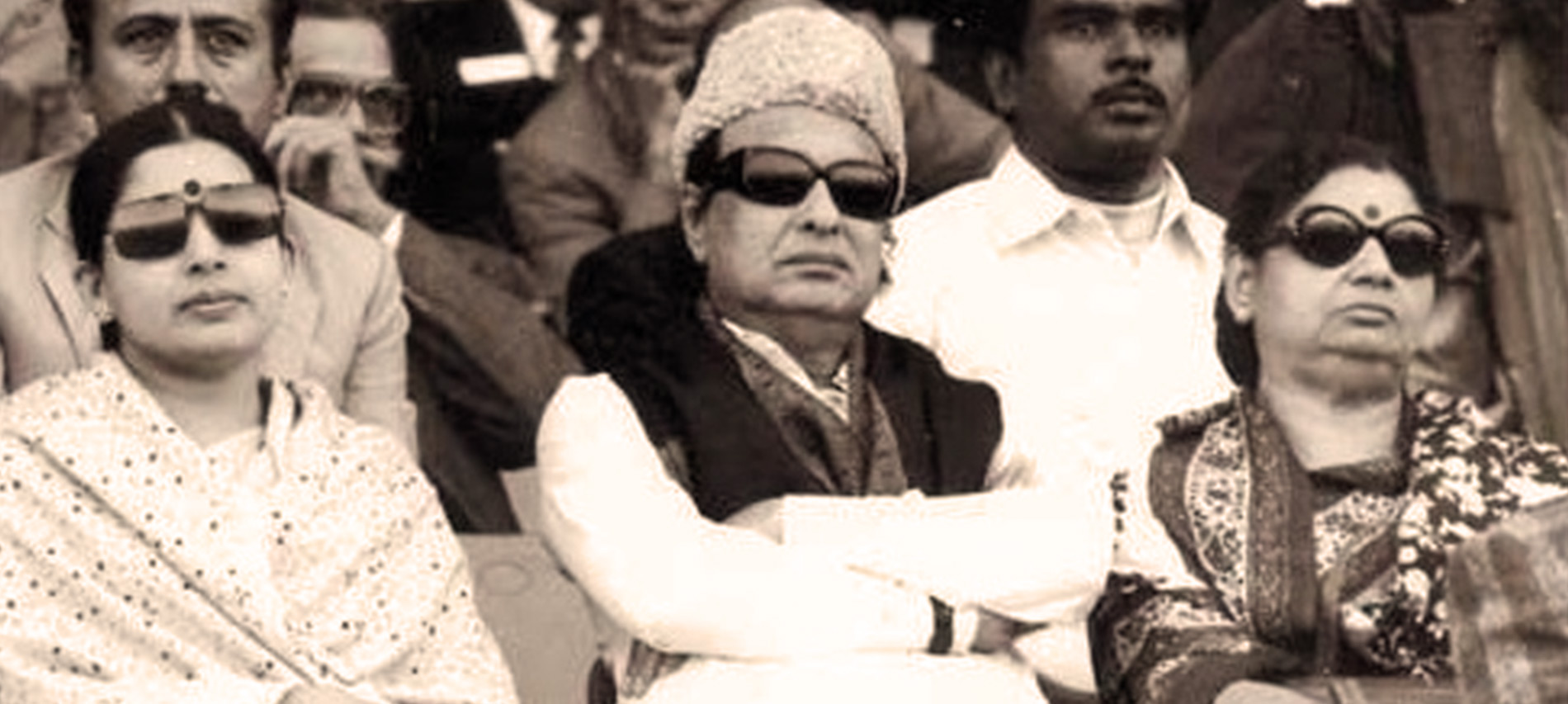
Marudur Gopalan Ramachandran, or MGR was the founder of the AIADMK and three-time chief minister of Tamil Nadu. A Bharat Ratna recipient, he dominated the state’s stratosphere for four decades.
A brilliant new book by R. Kannan dissects MGR’s years in power: his early administration, the legendary midday meal scheme launched in 1982 that fed 92 lakh schoolchildren, his well-intentioned farm subsidies and freebies that strained the exchequer, his largesse to the Liberation Tigers of Tamil Eelam, as well as his unabashed sponsorship of liquor barons and private medical and engineering colleges that aided the transformation of the state, but also fueled corruption.
Here are seven things you did not know about the legendary actor-politician!
A Larger-than-life Figure

Innate Sense of Giving and Hospitality

Being His Own Man

He Was Considered an ‘Avatar’ of God

Watchful While Sitting Tall

The Spirit of Meting Out Judgement

Eye for detail

Looking for more? Get the story of India’s very first actor-politician here!

6 Times Our Prime Minister Surprised Us
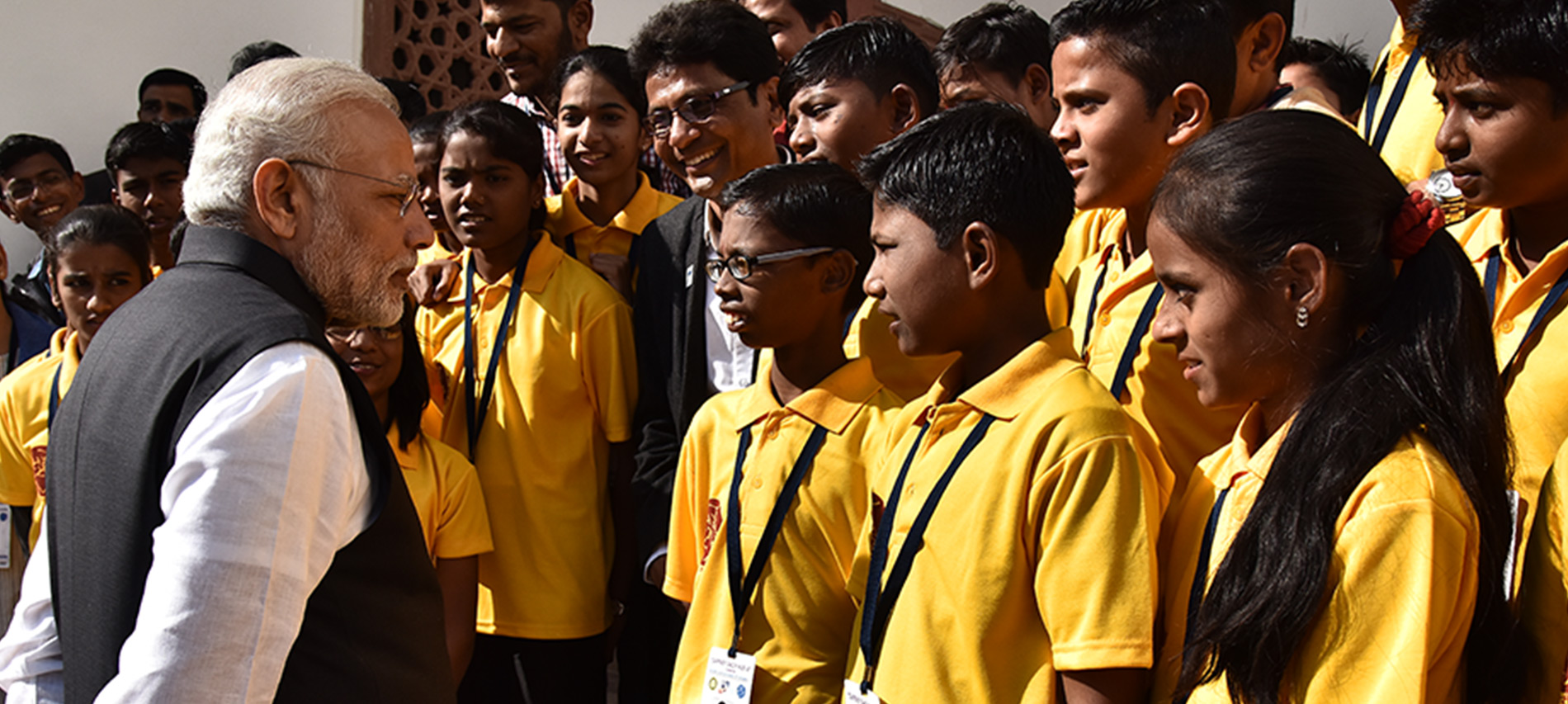
Prime Ministers don’t always have to be serious, do they? India’s current Prime Minister Narendra Modi has often shown a side that reaches outside of his bureaucratic, stoic demeanour.
Here our 6 instances when Prime Minister Modi pleasantly surprised us:
Moshe, the 26/11 survivor met Narendra Modi with affection, on his recent visit to Israel.

When the Canadian and Indian PM talked about a sporty partnership.


When our PM broke protocol to hug a little girl.

When Ravi Shastri was bowled over by our PM.

When PM Modi became nostalgic.

PM Modi has a unique way of reaching out to his fans.


Tell us which instance surprised you the most.
