Publish with Us

Follow Penguin

Follow Penguinsters

Follow Penguin Swadesh

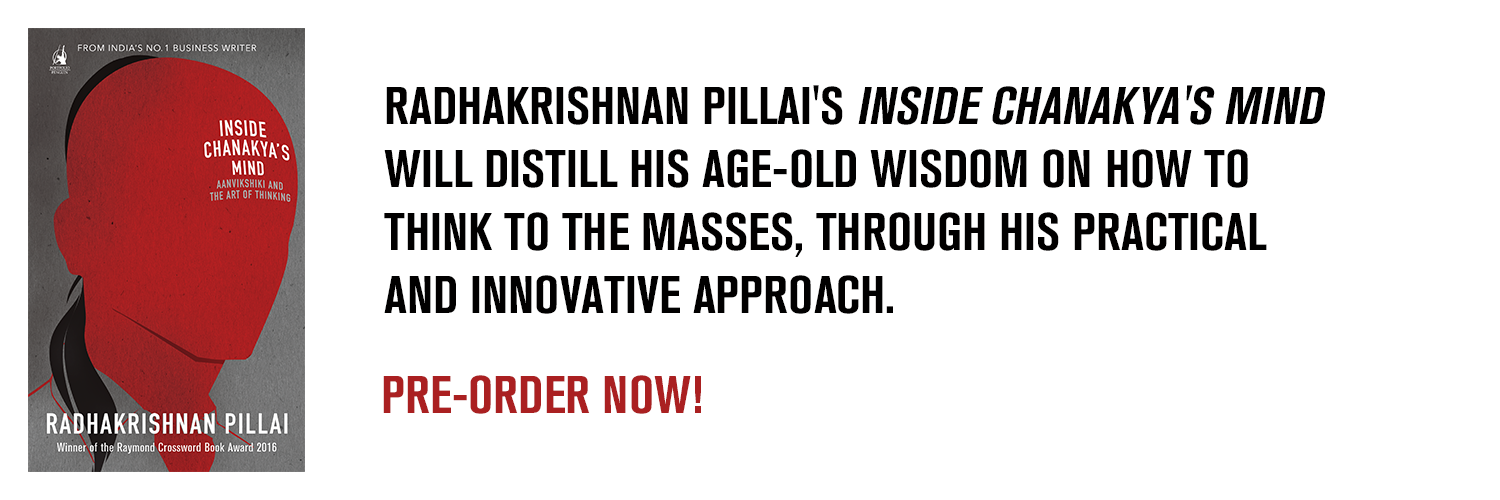
Introduction to Aanvikshiki – An Excerpt

Let me begin with a story.
There was once a child. Whenever he did something wrong, others used to tell him, ‘Why are you making so many mistakes? Why can’t you understand things well? Can’t you think properly?’
When the child went to school, he was brought up in an examination system instead of an education system. When he did not do well in his exams, his parents and teachers used to say, ‘Why can’t you study properly? Think about what we tell you, otherwise you will not only fail in your exams but also fail in life.’
As a teenager, he fell in love and had his heart broken. His friends told him, ‘We had told you not to go after that girl. Why did you not take our advice?’
When he got out of college and worked in various companies, his bosses would say, ‘Your effort is important in work—but what matters more is the result. Think about it and you will succeed in your career.’
When he got married, had children and was bestowed with the responsibilities of a householder, the elders in the house would advise him. They said, ‘Remember and understand your duties. No one can run away from it. It is part and parcel of life.’
Then came a stage in his life when his children were settled and he was close to retirement. His friend asked him, ‘Have you thought about what you are going to do post-retirement? Do you have a plan?’ He did not.
Finally, he was old and alone. His wife had passed away, his children and grandchildren were busy with their own lives, and he had nothing much to do. He had all the time in the world to look back and ponder over his life.
While reflecting upon every stage of his life—as a child, student, teenager, professional, homemaker, he was constantly advised by others to ‘think’, to succeed in life and to avoid making mistakes.
He hadn’t really got a chance to do an in-depth reflection on the word ‘think’ at all.
Now, for the first time in his life, he was ‘thinking about thinking’.
But was it too late?

Blog creative - 3.png
All his life, he had been told by others to think. But no one actually taught him ‘how to think’.
Does the story tell you something? Does it ring a bell inside your head?
Do you think this story has a connection to your life?
If you really ‘think’, you will understand that this is a story about all of us. This is a story of every man and woman, every child, every teenager, every professional, the young and the old, the married and the unmarried.
This is the story of you and me.
Strange but true, one can lead one’s whole life without thinking.
What a tragedy.
Now let us reverse this story.
Imagine if you were taught how to think from the very beginning, the moment your thinking faculties develop. Instead of loading the child with information, if one taught the child the right methods of thinking—analysis, decision-making, prioritizing, planning, structuring, critical evaluation, logic—things would be different. You would question when questions are required. Accept others’ views where it is necessary. Think through all the consequences. Take calculated risks and, without doubt, you will be far more successful. You will be successful not only at the very end, but also at every stage of your life.
In this book, we present something very interesting: Some methods and techniques of thinking, the philosophy of thinking and alternative ways of thinking. This book is simple yet profound. It will lead you to something that will ignite your mind and intellect.
In a sure yet subtle way, it will change your thinking. It will add a new dimension to your views about life in general. I hope the book becomes a silent killer. It will kill various misassumptions you had in the past. It will kill your ignorance and make you happier. If understood from the right perspective, it will kill your ego. You may die internally once, only to live a full life again.
Most importantly, you will enjoy this journey—it is fun. It will help you discover yourself all over again.
Let us call this process an adventure in thinking.

———
Blog creative - 4.png

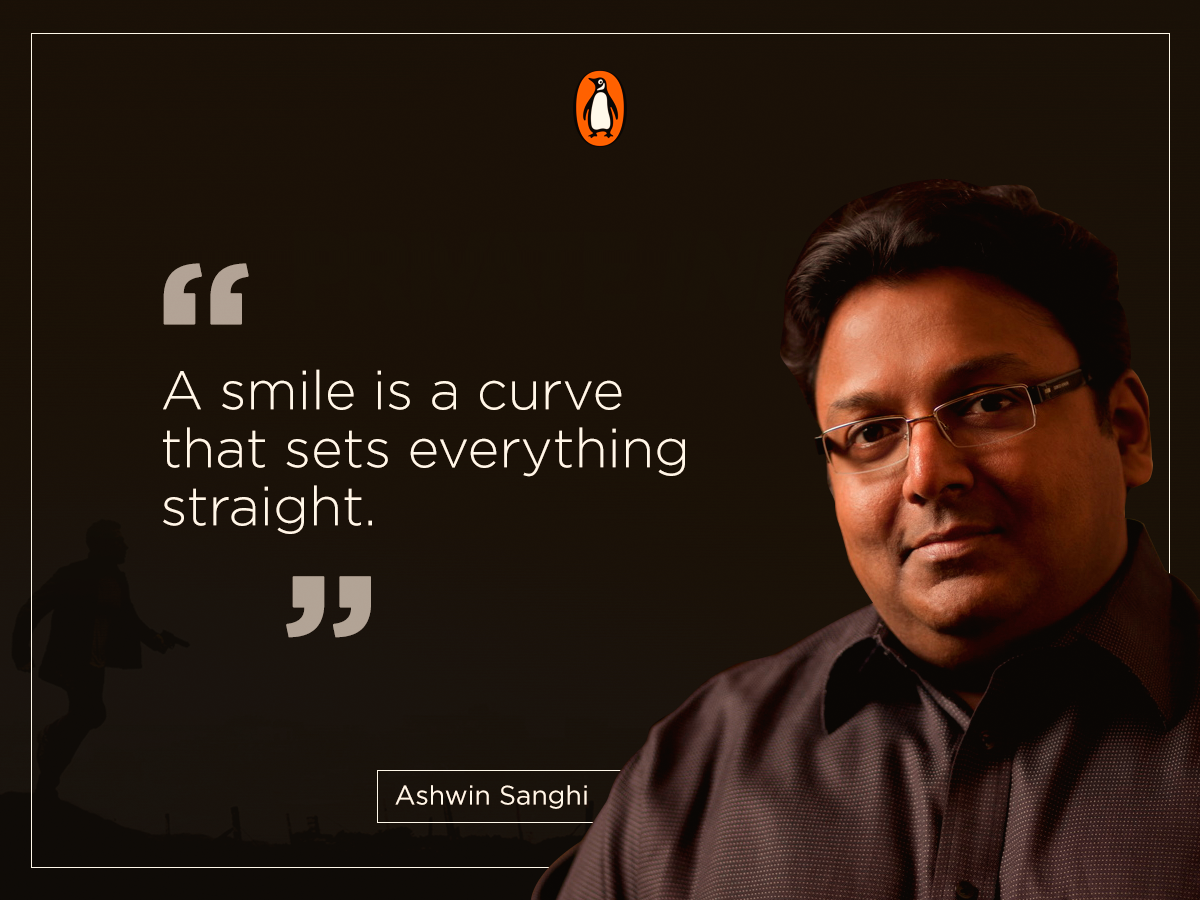
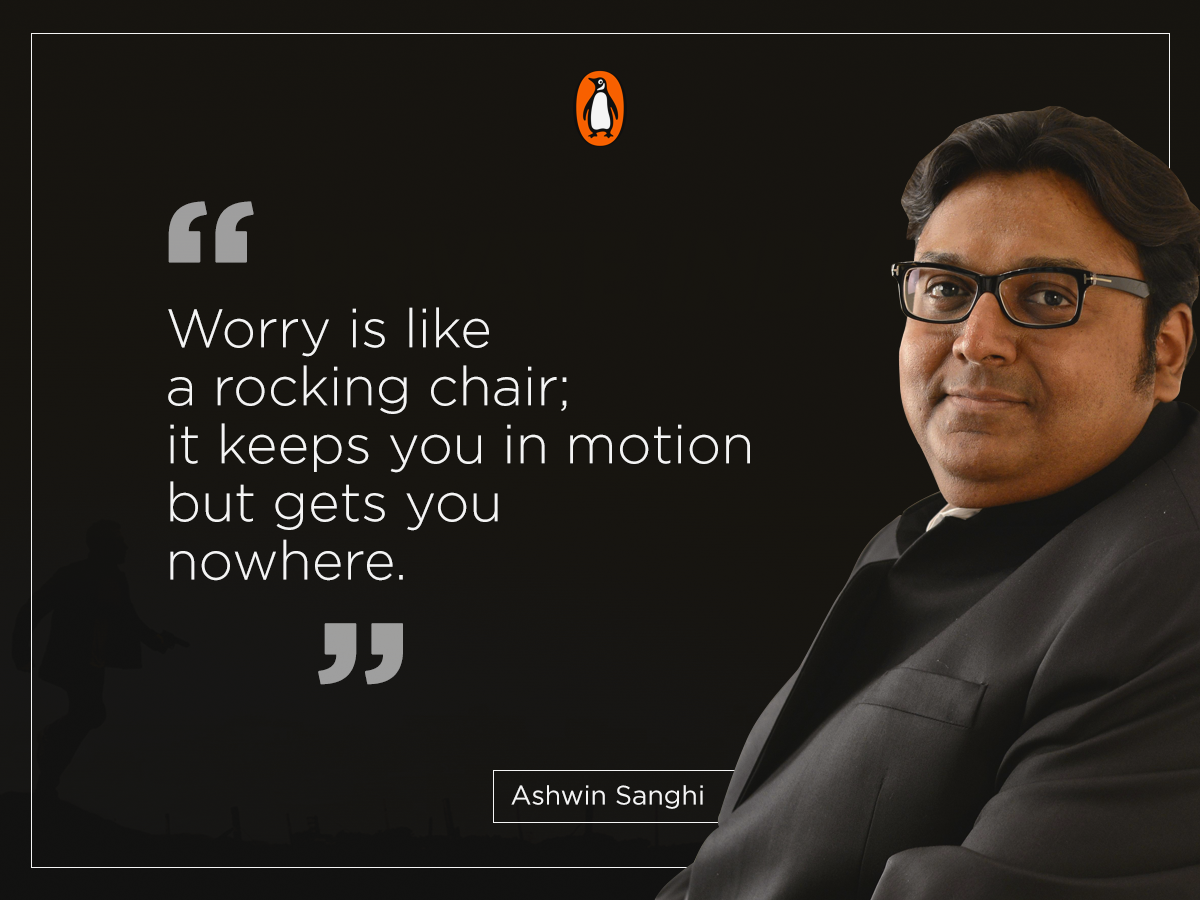
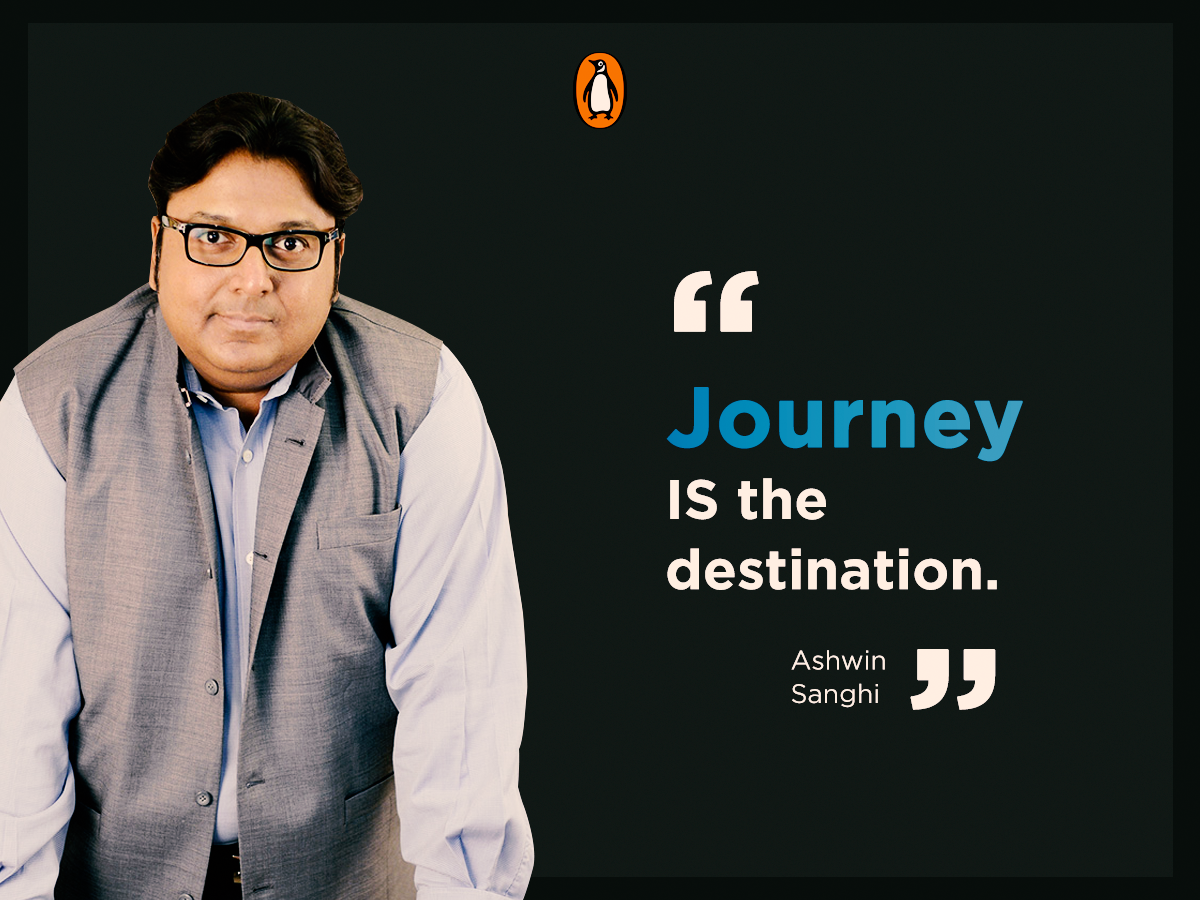
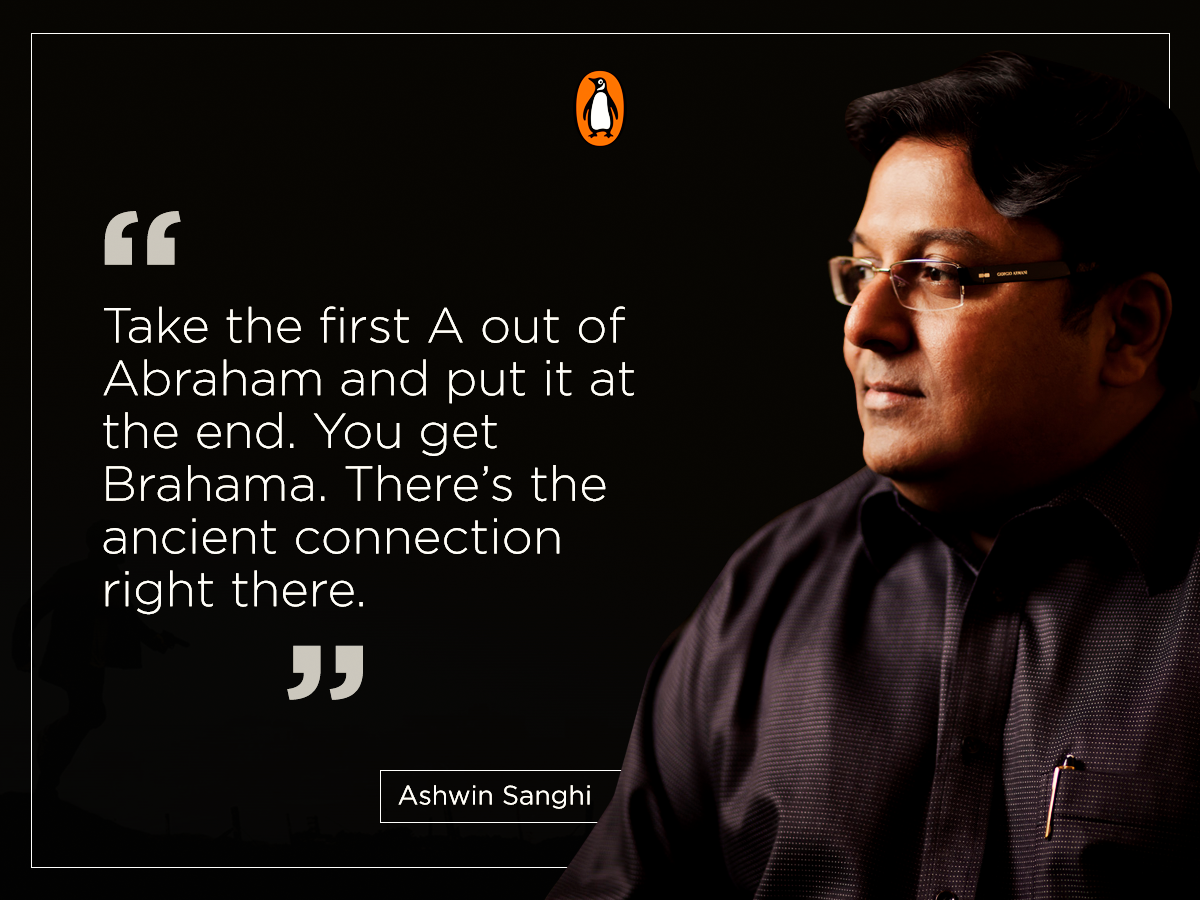
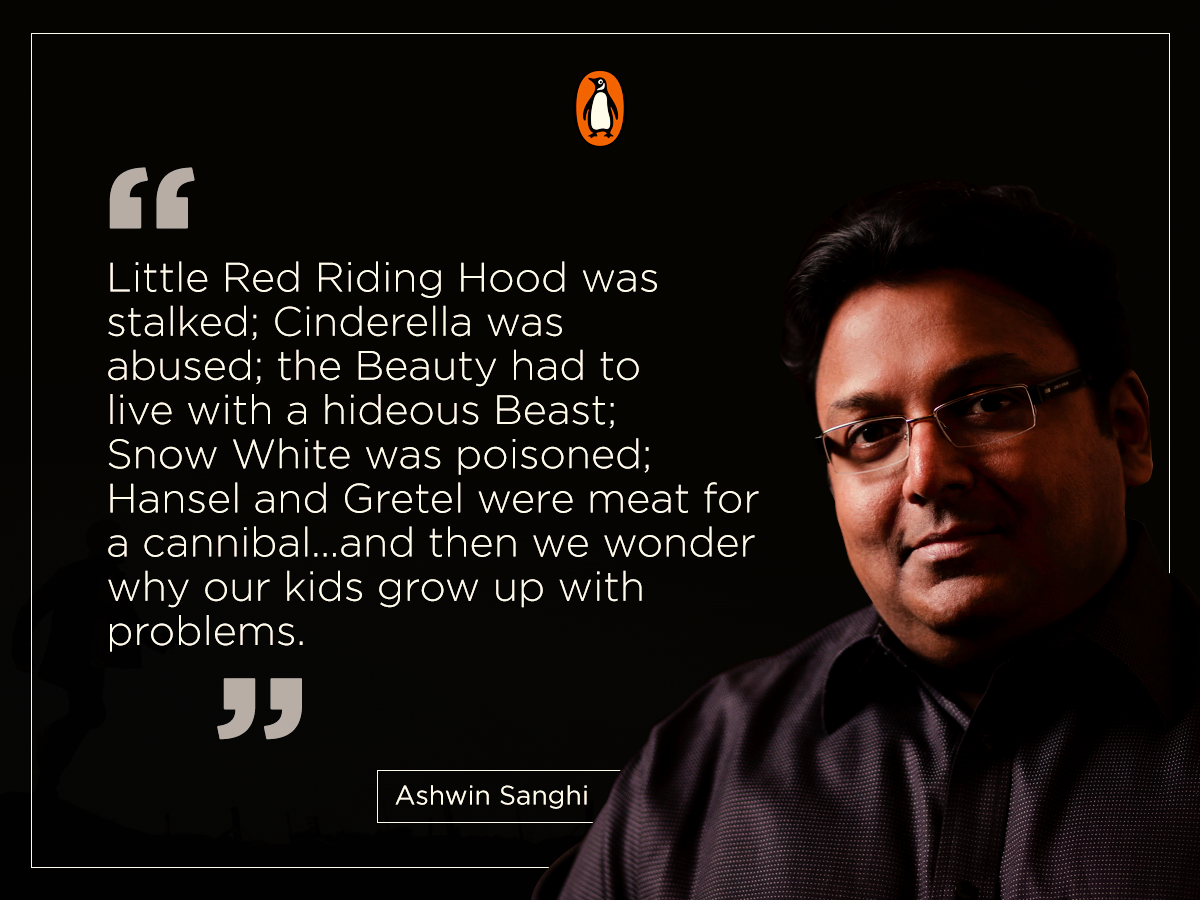
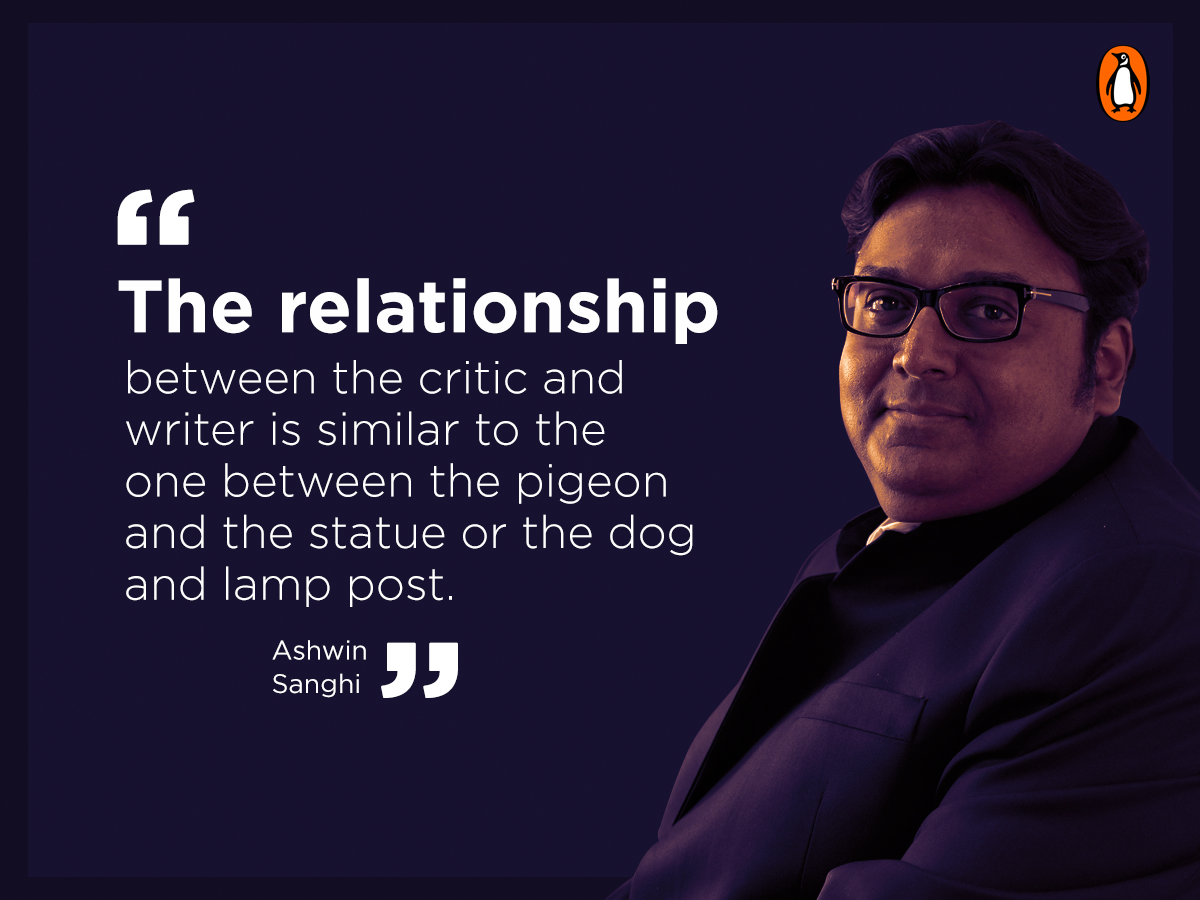
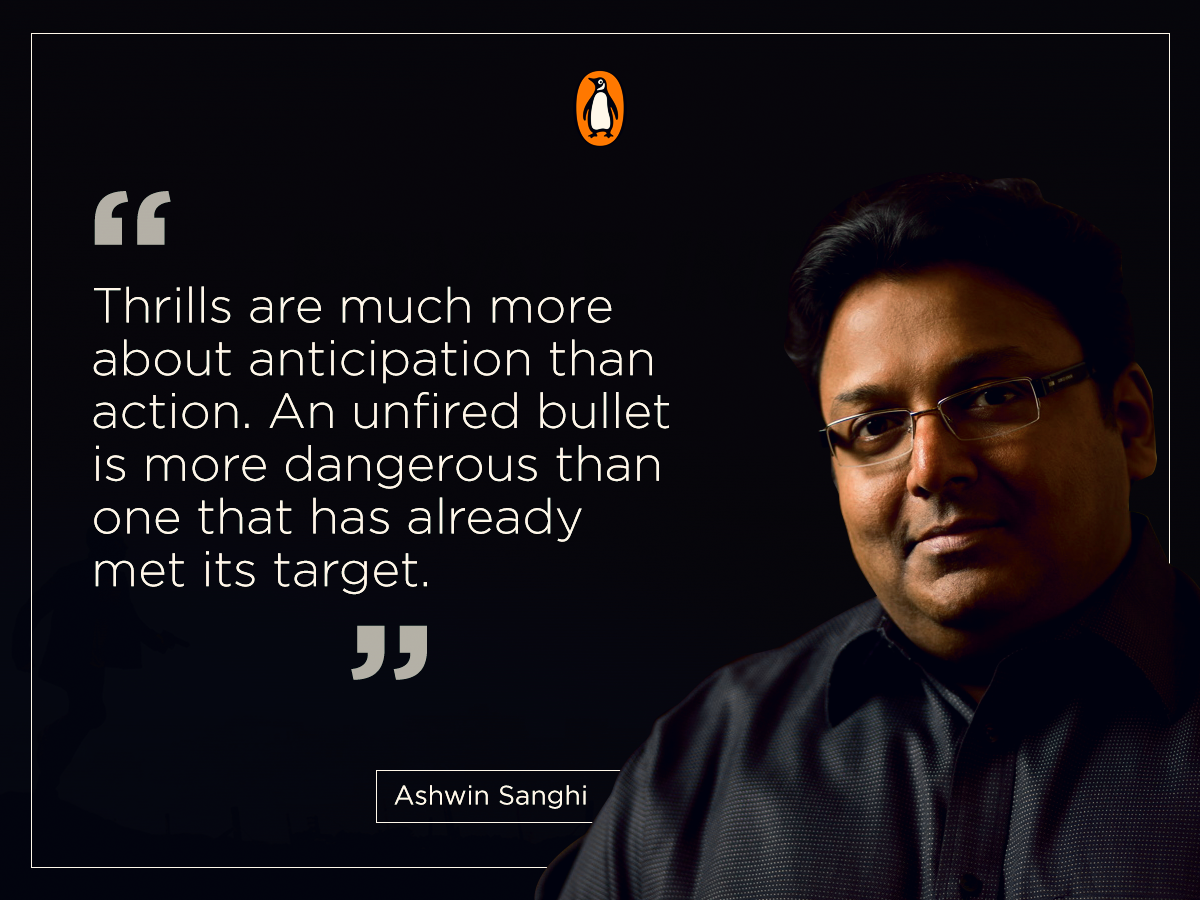
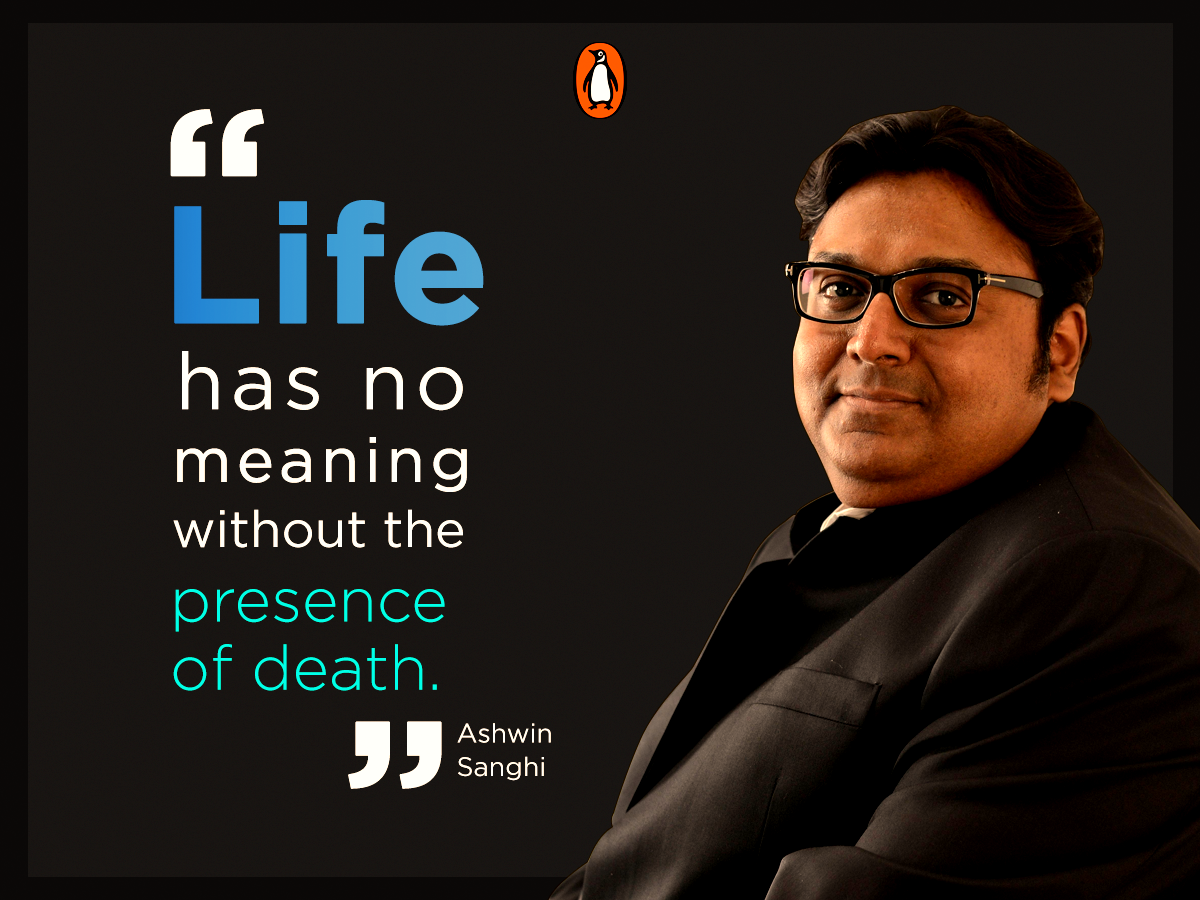
9 Quotes from Ashwin Sanghi that’ll get You Thinking

Ashwin Sanghi ranks among India’s highest selling English fiction authors. He has written several bestsellers (The Rozabal Line, Chanakya’s Chant, The Krishna Key and The Sialkot Saga). The author has also co-authored a New York Times bestselling crime thriller with James Patterson called Private India.
Included by Forbes India in their Celebrity 100 and winner of the Crossword Popular Choice, Ashwin also co-writes the 13 Steps series of self-help books (13 Steps to Bloody Good Luck and 13 Steps to Bloody Good Wealth) the rest are set to follow.
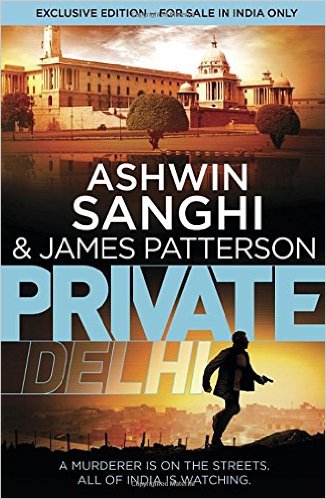
His latest work is the sequel to the Private India. Co-authoring, again, with James Patterson, the new book follows the character Santosh Wagh investigate, after bodies are discovered in a state government-owned house. The authorities, however, seem to be taking great pains to prevent the investigation. But why?
That, dear reader, is something you’ll have to find out in Private Delhi. Until then, immerse yourself in these thought-provoking quotes by this remarkable writer.
2
03
5
6
07
08
09
10
1

———–

51iut5rcy2l-_sx324_bo1204203200_

Ashwin Sanghi and James Patterson’s sequel to Private India, Private Delhi sees Jack Morgan persuade Santosh Wagh to rejoin his global investigation agency and set up a new branch in Delhi.
It’s not long before Santosh is thrown headlong into a dangerous case which could implicate the highest members of the Indian government in a string of brutal murders. Get your copy today!

Mayank Austen Soofi talks about the cover photograph of ‘The Ministry of Utmost Happiness’

Mayank Austen Soofi, the renowned photojournalist, gets candid about behind the scenes of the cover and author picture shoot for Arundhati Roy’s much awaited novel – The Ministry of Utmost Happiness
Tell us about the photo used on the cover of Arundhati Roy’s new novel The Ministry of Utmost Happiness.
I’m a devotee of The God of Small Things. I’m also very attached to its cover, a picture of the surface of water with flowers and leaves and the sky reflected in it. I love it because you can keep looking at it. It is so particular and yet elusive, and you can never get enough. And that is exactly how the novel is. I think and I hope that this cover for The Ministry of Utmost Happiness will stir the same feelings in the reader. It’s a photograph of stone, which is the complete opposite of water. Yet I think the cover has that same quality of being particular as well as elusive.
How did you come about taking these photos?
She asked me to. She was very clear about what she wanted. I was nervous, but I tried to follow the brief as closely as I could.
the-ministry-of-utmost-happiness
Why did she choose you to take these photos?
That’s a question you must ask her. All I can say is that I cannot believe this is happening to me. That my photograph will be on the cover of the second novel of the writer who wrote The God of Small Things!
What is she smiling about in that author photo?
She was thinking some very private thought, I think.
Your blog is called ‘The Delhi Walla: Your gateway to alternate Delhi, the city of Hazrat Nizamuddin Auliya and Arundhati Roy’. When did you start it and why is it called that?
I started my blog ten years ago, many years before I actually met Arundhati Roy. Delhi is where I live and work. There are two people here, who have shaped me and my way of thinking. One is her, a writer who seems to speak directly to me. The other one is the Sufi Saint Hazrat Nizammudin Auliya.

***

The Ministry of Utmost Happiness, Arundhati Roy’s first novel in twenty years, is set to release in June 2017.

***

7 Things About Nadeem Aslam that will Leave You Spellbound

Creative-Header.jpg
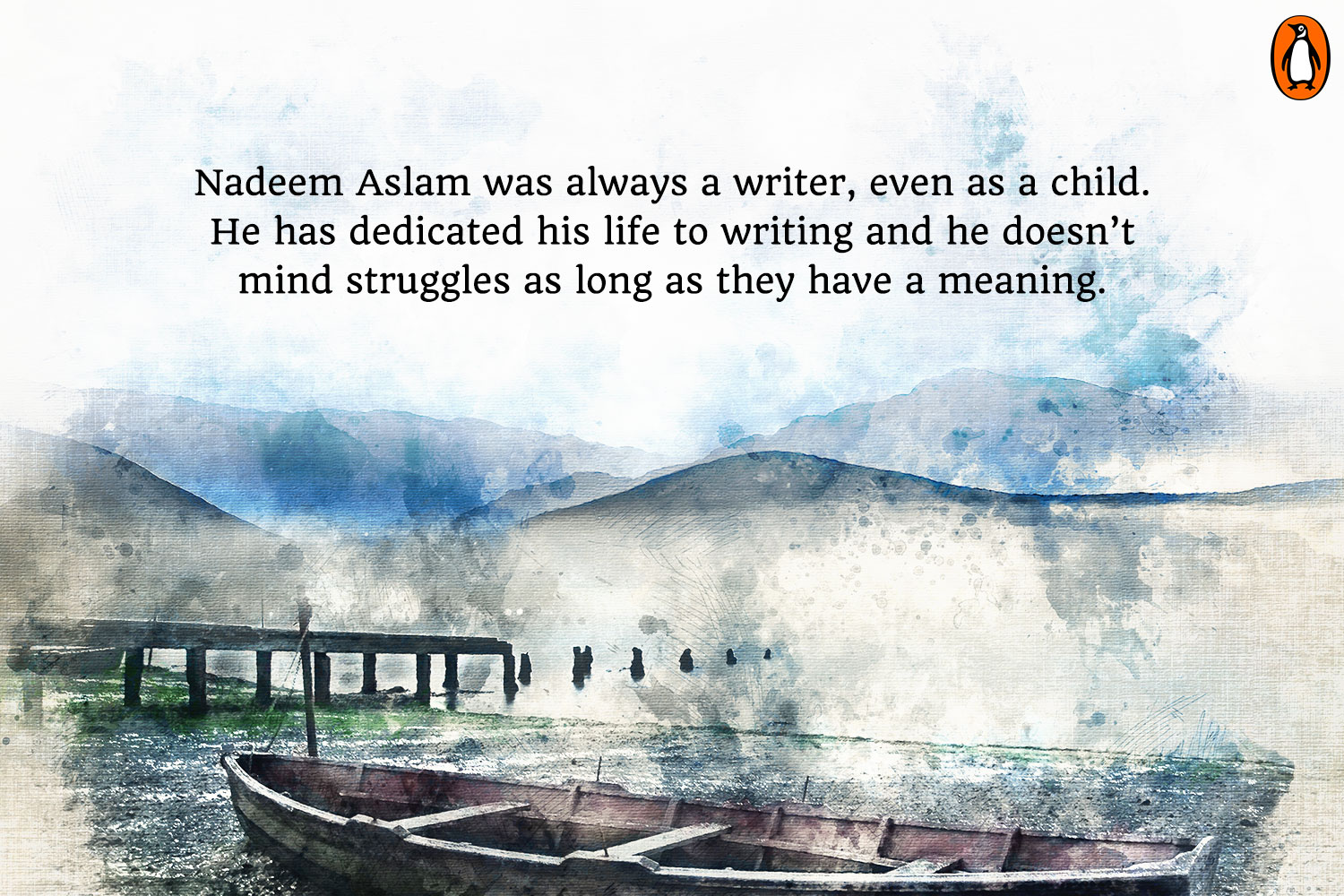
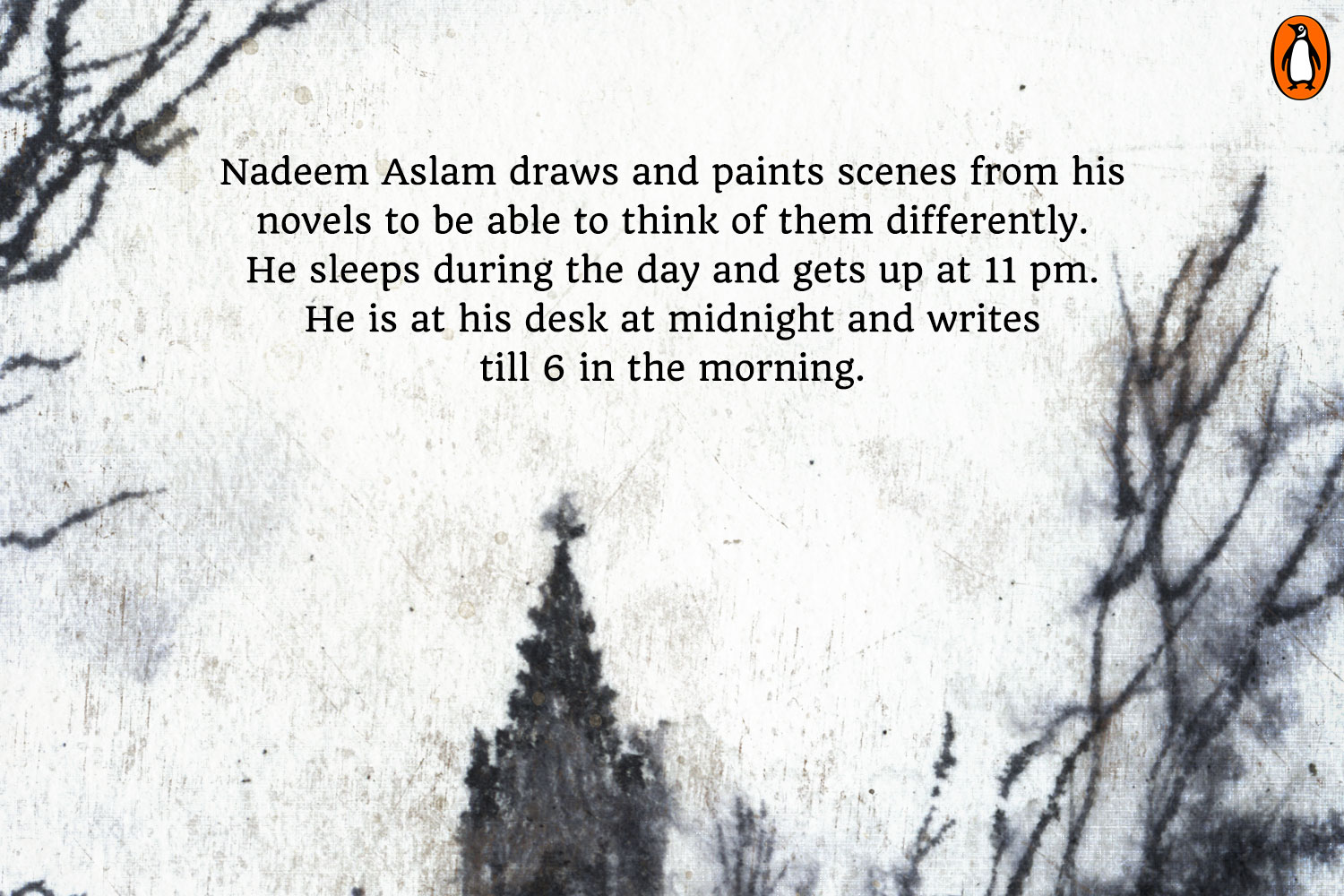
When a young Nadeem Aslam – sixteen years of age – fled from his native Pakistan and settled in England, he barely knew the English language. Back home, Urdu-medium schools had dotted the country and English education had been rare and for the affluent few.
In England, as a teenager, learning and writing in English became Nadeem Aslam’s burning desire – a language in which he would go on to produce highly influential works. As part of his self-imposed “crash-course” to learn English, he started by copying out entire novels by hand and studying the content! “That’s how I learned English, looking at the sentences,” Nadeem Aslam says.
Today, as one of the leading writers from the subcontinent who has made an indelible mark on the international stage, Nadeem Aslam has left behind striking footsteps to follow. Here are few of the fascinating things about him that are going to leave you captivated!
Educating himself and developing as a writer.
Creative-5.jpg
In the company of solitude.
Creative-6.jpg
Words flowing from his mind into his hand, then down the pen, and onto the page – blood becoming ink!
creative-2
Breaking out!
creative-1
Suffering with pleasure.
creative-3
A writer builds his own world!
creative-4
Excellence is a consequence of hard work and preparation, isn’t it?
creative-7

*

My First Earning – An Excerpt

June 1979
For several days, I stayed at home. Initially, I helped my mother in her household chores. I also liked to look after the cattle. I woke up early in the morning, took the cattle for grazing along the hills and also helped in milking the cows. When I prepared the husk for the cattle, it used to get stuck all over my body. My mother then helped me tidy up. After my bath, I would bathe the cattle and in the evening, I again took them for grazing. This routine continued for around three months. By now, the monsoon had arrived and the work at the farm was increasing. Hence, I changed my routine and started taking an interest in working at the farm. The processes of plantation intrigued me and I began to help my father in the farm.
One day, when I was with my father, the mat (account- keeper) came to him and informed him about a plantation job available in the village. He said that every worker would be paid a sum of Rs 5 per day.
As soon as I heard that, my eyes gleamed with excitement. For me, a sum of Rs 5 per day was a huge amount. It struck me that not long ago, we didn’t even have Rs 2.50 for my school fees. Compared to that, Rs 5 seemed like a jackpot! I was motivated to work hard for it.
I was lost in excitement. Earning this money would help me pay the fees of two of my siblings. I felt as if I had landed an incredible opportunity. I wanted to do the job anyhow and informed the mat about my intentions. He looked at me with scorn and left the place. His reaction was natural as I was only eight years old at that time and the task demanded power and stamina. No eight-year-old was fit for the job.
But my mind would not take no for an answer. I needed the job and was ready to work hard for it. However, I was an eight-year-old at the end of the day and had to ask my father for help. Initially, he was reluctant and refused to listen, but later, my determination to help with the family’s situation made him talk to the mat.
The very next day, I was in front of the mat once again. My father tried to convince him about my abilities. I was disappointed by his earlier refusal to let me work for him and did not want to be subjected to it again. He initially hesitated but when I reassured him of my dedication, he agreed and explained how to go about the work.
The work was with the forest department for its new campaign to plant some trees in the village. I had to work at the plant nursery, which was situated some 4 kilometres down the hill. I had to collect the plants, carry them on my back, travel uphill to the village for another 4 kilometres and plant them. Once all the trees were planted, I had to go back again and get more seedlings.
It was the day before I was to start work. The excitement about my new job didn’t let me sleep. The next day I woke up before sunrise. Once awake, I saw that it was raining outside. In the hills, when there is heavy rainfall, it becomes difficult to walk down the hill. The soil becomes wet and there are high chances of losing balance, slipping on the mud and hurting oneself badly. Hence, we were often advised to not go down the hills during heavy rains. That day too, because of the harsh weather, I was told by my parents to not go out. But nothing would deter me. I felt as if this job was the biggest milestone I had crossed in my life and not even the heaviest rains could stop me.
blog-image-1
I didn’t listen to my parents and rushed out of my house. Since I had been told to reach the place by 8 a.m., I picked up my pace. The way to the nursery in the heavy downpour wasn’t easy at all. I slipped a few times and the constant rains made it more and more difficult. But I didn’t look back and continued walking.
When I reached the nursery, to my utter shock and confusion, I couldn’t see a single soul there. There was absolutely no one around! I was in despair. The sudden happiness and excitement of reaching the nursery, working and earning was shattered. I roamed about and found a guard sitting there. When I inquired, he replied that due to the heavy rains no one had shown up yet. Seeing my dejected face, he suggested that I could wait if I wanted for them to arrive.
I decided to wait. By now, the rain had slowed down. It was merely a drizzle and yet no one came. The guard told me to come back the next day. I left the place completely dejected. I didn’t sleep a wink that night. It was a dark and foreboding night. The moon was nowhere to be seen as if it was hiding behind a curtain of clouds. Just like the moon, I felt lost in desolation, trying to hide my feelings and my tears in a ragged blanket. I had been looking forward to my first earning but the day ended with no money in my hands. The rains had completely stopped by then and the sky was pitch- dark and still. I kept on tossing and turning throughout the night, waiting for sleep.
In the morning, I woke up with the same enthusiasm. The gloom of the previous night seemed like a forgotten thing. I got ready and rushed to the nursery. Fortunately, the work was in progress and the presence of the mat was a sign of relief for me. After talking to him, I picked up a sack full of seedlings and a spade. The mat instructed me to complete at least two rounds in the day, so I carried the sack of plants on my shoulder and went up the hill with great enthusiasm. At that time, I felt as if the sack of plants was no ordinary sack; it was a magic box which would gift me my first earning. I kept on walking briskly for the next two hours, planted the seedlings at the designated place and walked down to the nursery to collect more seedlings. The same routine continued for the entire day. I was so involved in the work that I even skipped lunch. Food was the last thing on my mind.
By evening, I realized that I had actually enjoyed the work and had developed an interest in planting the seedlings. When I went to the nursery, the mat was happy as I had completed three rounds of planting. He took out a small bag from his pocket and took out a note with five written on it and gave it to me.
That moment is still fresh in my mind, as if it was only yesterday. It was an inexplicable feeling, something that till date counts as one of my happiest memories. My first earning! I was on cloud nine.
When I reached home, my mother was still in the kitchen waiting for me. I looked around for my father and spotted him lying on a khaat, a string bed, in the courtyard. I gave him the money. He stared at me for a few minutes. I saw tears welling up in his eyes but at that time I was too young to understand his emotions. He slowly patted my back and told me to give the money to my mother.
Perhaps, this was the moment when I stopped being a child. In just a day, I had shed the cloak of childhood and became an earning member of my family.

————-

81zdcymqgel
An inspirational and emotional roller coaster, The Man who became Khali is a no-holds-barred account of a man who not only went on to win the World Heavyweight Championship but also conquered his inner demons and physical anomalies.
This is the story of how Dalip Singh Rana became the international icon – The Great Khali! Get your copy today at Amazon.in or from any leading book store near you.

6 Sessions to Look Out for at JLF ’17

It’s that time of the year!
10 years since the first JLF, the Festival has grown into the world’s largest free event of its kind. Having hosted 1300 speakers and welcomed nearly 1.2 million book lovers, its success has been astonishing and heartwarming.
Some of the biggest Penguin authors have rocked the stage at JLF and this year promises to be even better. From commercial superstars to critical bigwigs, this year we are getting the crème de la crème from our author roster.
Here are a few of the sessions you’ll not want to miss at the Festival.
Gulzar
Gulzar and Pavan K. Varma in conversation
creative-19
People usually run out of superlatives when talking about the evergreen Gulzar. One of the greatest artists to ever grace the JLF, Gulzar Sahib’s session, along with Pavan K. Varma, will be on his latest work – Suspected Poems. You’ll not want to miss his musings on poetry, literature and the state of the world.
Tabish Khair
Manju Kapur and Tabish Khair in conversation with Ashok Ferrey
creative-20
Currently teaching English at Aarhus University in Denmark, Tabish Khair was born and educated in Bihar. At the session, the former journalist will be talking to Ashok Ferrey about the context and inspiration for his works. He will also talk about his book Jihadi Jane, a powerful novel about two Muslim girls who decide to join ISIS.
You can also catch him at the Festival along with Saeed Naqvi, Qaisra Shahraz, Sadia Dehlvi and Ornit Shani as they talk of the conflicts and polarities of being an Indian Muslim in an increasingly divided world.
Ashok Ferrey
Ashok Ferrey, Kyoko Yoshida and Marina Perezagua in conversation with Sunil Sethi
creative-21
Ashok Ferrey will be in conversation with Sunil Sethi on the pursuit of fiction that involves a leap of faith between material and literary reality. He will be joined by other notable contemporary writers as they also discuss how writers enter and access fictional journey. The bestselling Sri Lankan author will also explore the devil within as he discusses his latest book The Ceaseless Chatter of Demons.
From talking about the thin red line between a person’s beliefs and politics with Tabish Khair to joining Ashwin Sanghi on his talk about the art of writing thrillers, Ashok Ferrey will also be at various other sessions with other authors.
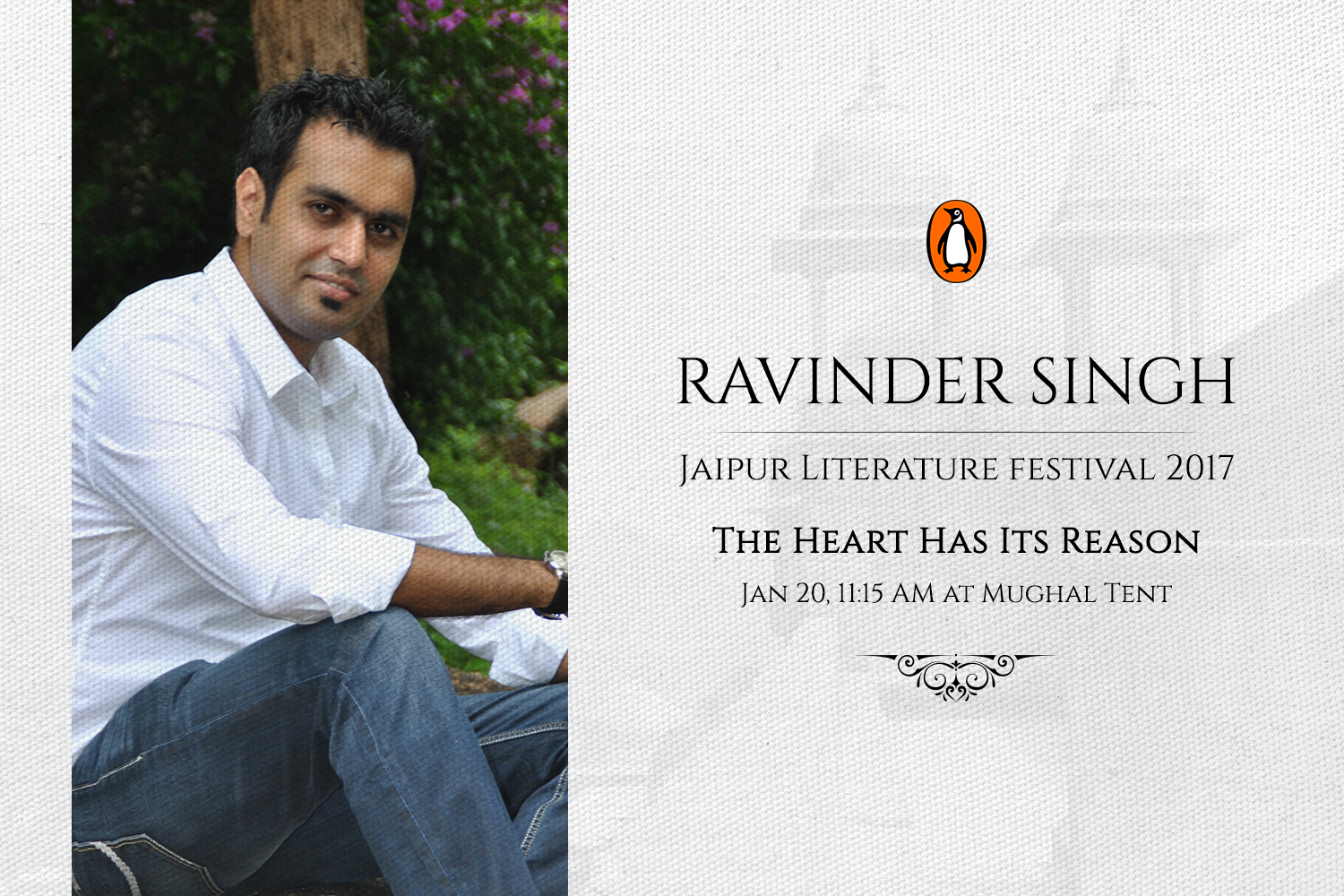
Ravinder Singh
Ira Trivedi and Ravinder Singh in conversation with Lucy Beresford
creative-23
Romantic fiction reaches out across time and history to every successive generation with tales of love. The King of Romance, Ravinder Singh’s session is about love in contemporary India. The author who is known for writing from the heart, about the heart will speak about the psychology and the changing mores of love in our times.
Devdutt Pattanaik
Devdutt Pattanaik introduced by Amrita Tripathi
creative-22
Ancient Greece and India have both bequeathed a lasting body of myth to the world. In his latest work Olympus, Devdutt Pattanaik attempts to understand how an Indian reader raised on a steady diet of local myths and legends might respond to classical Greek mythology. By reversing the gaze, he explores the fascinating connections between these stories and sagas. At the Festival, Pattanaik will talk about both the mythologies and their lasting legacy.
Devdutt Pattanaik will have two more sessions at JLF – on the history and legacy of the Vedas and on his book The Girl Who Chose.
Arshia Sattar
Arshia Sattar and Volga in conversation with Vayu Naidu
creative-24
A symbol of chastity and loyalty, the goddess Sita has evolved into a feminist icon for her silent strength and endurance. In her session, Arshia Sattar will talk about her highly acclaimed translation of the ‘Uttara Kanda’. She will talk about the sacrifice, choice and the complex moral universe of the Ramayana.
Arshia Sattar will also be in various other sessions at the Festival discussing atheism in the ancient world to understanding the brilliant A.K. Ramanujan.

———

The themes of equity and democracy run through the Festival’s veins bringing humanitarians, historians, politicians, business leaders, sports people and entertainers together on stage. Access to these renowned thinkers along with some of the finest writers in the world provides a potentially life-changing opportunity to visitors.
We hope to see you at Jaipur!

—————–

Flashback 2016: 5 Kickass Moments from JLF ’16

blog-post-11
One of the most iconic literary festivals in the country kicked off today with a mesmerising keynote address by Gulzar. There are fascinating sessions lined up at the event, and the atmosphere is filled with energy as readers and writers from across regions gather to celebrate love for and of books.
As we gear up for the talks and discussions that are in the offing, we look back at last year’s edition, and we bring to you five bright moments that will make you want to attend the festival this year!
When Margaret Atwood talked about ‘The Global Novel’
Chiki Sarkar started the session by asking the authors – Colm Toibin, Aleksander Hemon, David Grossman, Sulaiman Addonia, Sunjeev Sahota, and of course Atwood – when and how did the novel form become the popular form of literature?
creative-15
Gulzar’s talk broke records – literally!
Looking back fondly in a self-confessed nostalgia towards the world around him, the great poet moved the audience with prose after prose. The audience was so involved that neither the chatter of young children nor the constant trickle of people at the outskirts of the arena could distract a soul.
creative-11
“What makes South Asians laugh?”
In a roller-coaster ride full of laughter and comic relief, Sidin Vadukut, Meera Syal and Suhel Seth took us back to an innocent age – an age where the word ‘tension’ was not part of our vocabulary, an age where we could just enjoy wit without worrying about its ramifications.
creative-9
Eating Books – A Cosmopolitan Cuisine: Anjum Hasan and Nilanjana Roy in conversation with Jerry Pinto
The talk revolved around what it means to write about literature and who are writers and what they are writing about today.
creative-10
On the British Empire: Tristram Hunt and Shashi Tharoor, moderated by Swapan Dasgupta
The session started off with a definition of imperialism and moved on to its growth with differing opinions on it. Shashi Tharoor was at his delightful best!
creative-12
Incarnations, Reincarnations: Sunil Khilnani in conversation with William Dalrymple
The session, headed by Sunil Khilnani and William Dalrymple, was about Khilnani’s book ‘Incarnations: India in 50 Lives’. The landmark book puts together the stories of some of the most iconic Indians who made a difference.
creative-14
We hope these stories from JLF ’16 motivated you to head out and attend JLF ’17. See you there!

6 Things You Probably Didn’t Know About Haruki Murakami

Haruki Murakami is one of the most famous novelists at the moment. Until age 29, however, he never considered himself capable of writing a book. It was only after the success of his first two books, Murakami became a full-time writer, producing a prolific body of work. He has also taught at Princeton University and won multiple literary awards throughout his career.
Murakami’s works have also been translated into more than 40 languages and have sold millions of copies. The author has gained cult status both at home and abroad. But, how well do you exactly know him?
Despite his popularity, many people do not know much about the reclusive author. That is why, on his birthday, we’ve compiled a few facts that you probably didn’t know about Haruki Murakami.
1. He loves Jazz 
Like Toru Watanabe, the narrator of Norwegian Wood, his first job was at a record store. Murakami loves Boston because he feels that it is the most convenient and “satisfying city for collecting secondhand jazz records.”
1
2. His routine is rigid. And intense.
Murakami has said in the past that he feels writing a long novel is like survival training. He believes that physical strength is as necessary as artistic sensitivity. And judging from his routine, he is a firm believer.
2
3. He drafts. A lot.
A true perfectionist, all of Murakami’s works are true labours of love.
3
4. Who did it?
He’s admitted that when he starts writing a story, he doesn’t know the conclusion. He says that he writes the book because even he wants to find out what happens. Murakami believes that if he knew who the killer was, then there’s “no purpose to writing the story.”
4-7
5. Video games are like books?!
The award-winning author has revealed that sometimes when he’s writing, he feels like the designer of a video game and, at the same time, the player.
5
6. His taste in films.
Murakami loves movies, and according to a report, during one year at university, he watched more than 200 films!
6
A private and reluctant celebrity, Murakami loves to maintain a degree of anonymity and not much is known about him, especially considering he’s a best-selling writer. We hope these facts serve to make you admire him more.

——————

Words of Wisdom by The Modern Monk

Vivekananda is one of the most important figures in the modern imagination of India. He was also an utterly modern man who consistently challenged his own views, and embraced diverse, even conflicting arguments. It is his modernity that appeals to us today and makes him the coolest monk we know.
creative-4-1
creative-2creative-3-2creative-5creative-6creative-1-1
9789385990342_fc-265x405More than 100 years after his death, do we really know or understand the bewildering, fascinating, complex man Swami Vivekananda was?

Vivekananda is not merely a religious teacher. He is one of the most powerful and charismatic intellectuals in Indian history – a true modernist with a rigorous scientific temperament. And Hindol Sengupta brings his teachings for the modern readers in his latest work – ‘The Modern Monk’ 

6 Quotes that Showcase the Brilliance of Haruki Murakami

Haruki Murakami’s greatest novels dwell in the threshold between realism and fable, whodunit and science fiction. Arguably the most experimental Japanese writer to have been translated into English, he is one of the greatest writers of our time.
His works are filled with allegorical worlds, assembled with familiar symbols as well as things that are just out of this world, leading to a strange hybrid narrative that captivates readers. That is exactly what these quotes show, his uncanny ability to stitch the peculiar with the normal, seamlessly.
Celebrate the birthday of this amazing writer with a few of his most memorable quotes.
c1
c2
c3
c6
c7
harukhi
Wishing you a very happy birthday Haruki Murakami-san!

————–

error: Content is protected !!