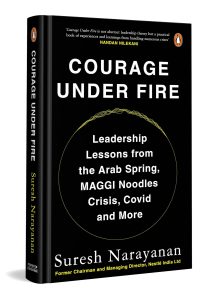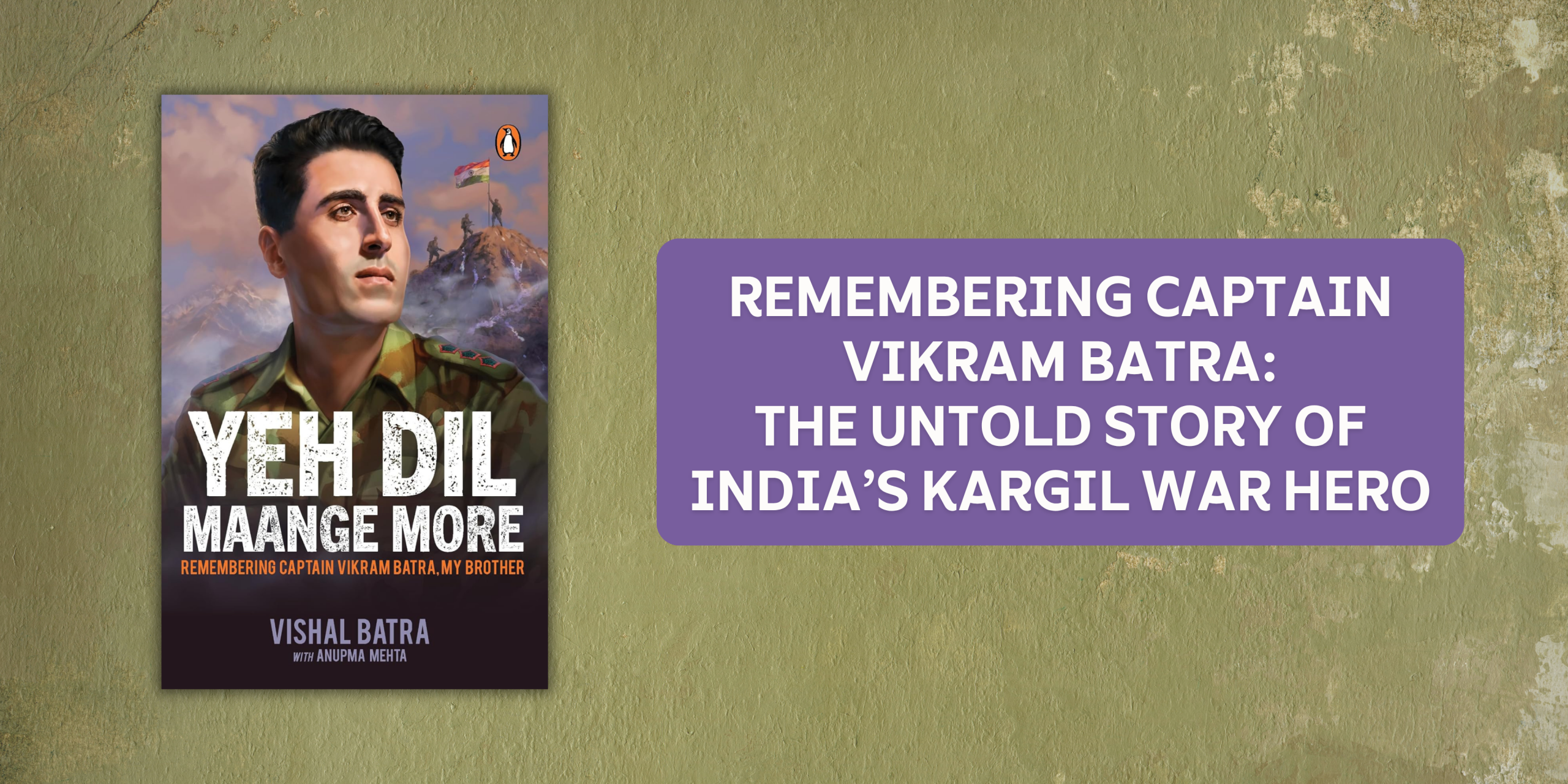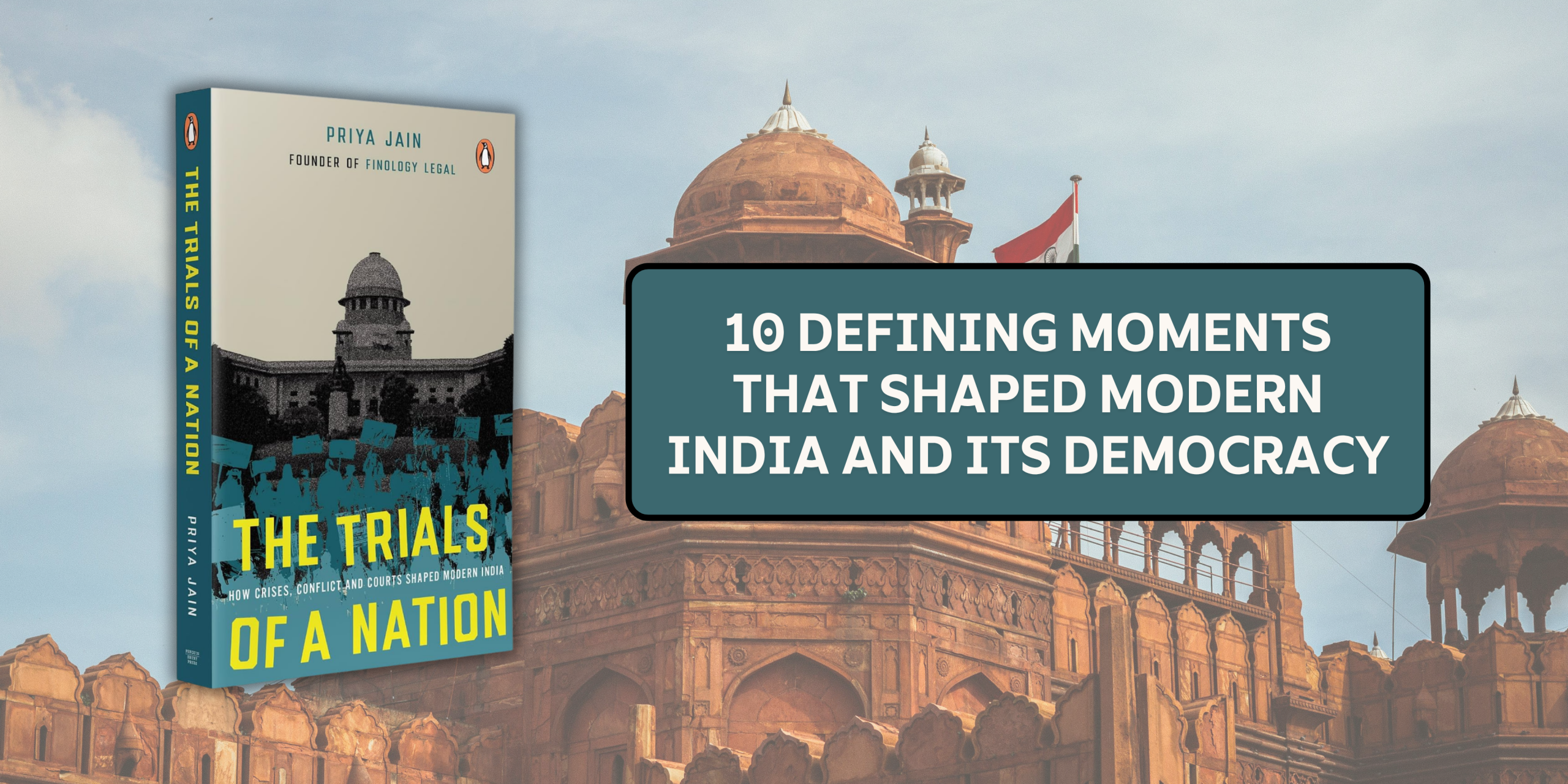


Publish with Us

Follow Penguin

Follow Penguinsters

Follow Penguin Swadesh

National Young Authors Challenge

Featured Stories from the National Young Authors Challenge

The National Young Authors Challenge, conducted by Big Red Education in partnership with Penguin Random House India, was created to give students in Grades 8–12 a unique opportunity to share their stories, develop their craft, and experience the journey from writer to published author.

What began as a writing challenge quickly grew into a nationwide celebration of young storytelling talent. More than 800 students from over 250 schools across 45+ cities participated, submitting over 1,000 original stories that reflected the creativity, imagination, and diverse perspectives of young writers across India. Participants also had the opportunity to learn from Penguin authors, editors and publicists at the publishing house through an exclusive writing bootcamp designed to strengthen their storytelling and editing skills.

Following a rigorous multi-stage evaluation process, 100 stories were selected as the top national entries. Furthermore, the top 50 stories are being published as a special anthology by Penguin Random House India, curated and edited by acclaimed author Vibha Batra. In addition to the stories selected for publication in the book, these next set of 50 stories were recognised and featured on Penguin’s website.

These young authors have distinguished themselves through originality, creativity, and excellence in storytelling, earning national recognition for their work. We are delighted to showcase these stories on Penguin Random House India’s platform and celebrate the remarkable achievement of these young writers.

Together, these authors represent the remarkable talent, creativity, and literary promise of young people across India. We invite you to explore their stories and discover the imagination, skill, and originality of a new generation of storytellers.

Read the 50 Featured Stories here 

Keep Reading. Keep Writing.


Beyond Bucket Lists: Finding Belonging in Unexpected Corners of the World

If you’ve ever wondered whether travel can truly change a person, Shivya Nath in Rootless and Restless offers a compelling answer through stories of friendship, adventure and discovery from some of the world’s most remote corners. 

Front cover Rootless and Restless
Know more!


***

Perhaps the night I remember most fondly in Isfahan was our last one, when Amir’s mother and brother whipped up a vegan Persian feast for us, featuring the ubiquitous and scrumptious ghormeh sabzi, kebabs made from sprouted wheat and a sumptuous Instagram-inspired gooey chocolate cake. We sat at the dinner table till late at night, chatting about life in Iran and India and everything beyond. By now, I had noticed many times that Iranians of Amir’s mother’s generation, even though their words betrayed them, had a pervasive sadness in their eyes. Having experienced a much freer life in Iran before the revolution, these times must feel like wounds that never healed.

She didn’t talk a lot that night, so I was surprised to see her change the subject and say how much she loved Bollywood music. Could we play one of our favourite songs for her? I chose the sombre and somewhat apt ‘Kal Ho Naa Ho’ (a modern Bollywood classic on the transient nature of life) on my phone, but she said it was too dull. Could we play something upbeat? Well, the only upbeat Bollywood song I could find on my phone was ‘London Thumakda’ from the film Queen! As the late Labh Janjua’s voice bellowed on my phone speaker, the mood changed. ‘Angrezi padhdi, ghit-pit tu kardi . . .’ She got up, turned off the bright lights and let her body follow the beat. Soon, she was dancing with a fervour that spread through all of us. We danced together with careless abandon, to song after exuberant Bollywood song, like friends reunited aft er a long separation. What a night it was.

In his book Th e Discovery of India, Jawaharlal Nehru, India’s former Prime Minister, quotes an Iranian scholar:

‘The Iranians and Indians are like two brothers who, according to a Persian legend, had got separated from each other, one going east and the other to the west. Th eir families had forgotten all about each other and the only thing that remained in common between them were the snatches of a few old tunes which they still played on their flutes. It was through these tunes that, after a lapse of centuries, the two families recognised each other and were reunited.’

That night, it felt as though we had recognized the tunes in each other’s hearts.

We were in no mood to bid goodbye to our new-found friends in Isfahan, but our visa was running out. During our after-dinner readings with Ali, I had once asked him if I could buy a scroll or piece of Persian poetry or calligraphy as a keepsake. Something that captured a line or two of the words he’d read to us. He promised to look into it, but as the days went by, he seemed to have forgotten the ask, and I did too. On our last day however, he surprised me with a scroll of Persian poetry. It was Saadi’s words, and they read:

Shab o rooz raft bayad, qadam-e ravandegan ra

Cho be ma’mani residee, degarat safar nabashad

Th e traveller’s footsteps should always be on the go

So if you reach a shelter, you’re not a traveller, no more


With no home to hang it, I carried it in a folder in my backpack for some years, a reminder not just of the wanderer’s ways, but of the howzkhaneh life we had shared with our friends in Iran. Ironically, when the pandemic hit, and I found myself confi ned to one place, I had the words framed and hung on my wall. A traveller no more.

And so, carrying on in the wanderer’s ways, we once again embraced heartache-fi lled goodbyes and long bus journeys. We only had a few more days to make it to the Armenian border.

***


Get a copy from Amazon or wherever books are sold!

What Are We Reading This Month

Fresh Reads for June

New releases to add to your reading list this month

June brings a rich and varied harvest of new books — from political histories and spiritual journeys to business playbooks, wellness guides, and musical biographies. Here are the titles we’re most excited about this month.


Gurudev: On the Plateau of the PeakBhanumathi Narasimhan

Few books offer the kind of intimacy this one does. Written by a student who has spent decades in close proximity to Gurudev Sri Sri Ravi Shankar, this is a portrait of a spiritual teacher drawn not from the outside but from within — through lived experience, quiet observation, and deep devotion. For anyone curious about the inner life of a master, this is an essential read.

Front Cover Gurudev on the plateau of the peak
Gurudev || Bhanumathi Narasimhan

Chasing Like DhoniAayush Puthran & Samod Sarngan

What makes a finisher? What does it take to chase, under pressure, with the game on the line? This book draws lessons from MS Dhoni’s legendary approach to high-stakes cricket and translates them into a framework for how we might handle pressure in our own lives. Brisk, entertaining, and surprisingly instructive.

Front Cover Chasing Like Dhoni
Chasing Like Dhoni || Aayush Puthran, Samod


The Skincare Guide That Will Change Your LifeDeepali Bhardwaj

Dr. Deepali Bhardwaj, one of India’s most trusted dermatologists, cuts through the noise with a no-nonsense guide to understanding your skin. From ingredients to routines to myths, this is the book for anyone who wants to make sense of what actually works — and why.

Front Cover The Skincare Guide That Will Change Your Life
The Skincare Guide That Will Change Your Life || Dr Deepali Bhardwaj

Swayamsewak: The Lives of Ten RSS Foot Soldiers—Malini Bhattacharjee

One of India’s most consequential organisations is often discussed at the level of ideology and leadership. This book does something rarer: it goes to the ground. Through ten ordinary lives, Malini Bhattacharjee examines what it means to be a swayamsewak — the motivations, the sacrifices, and the quiet conviction that drives those who keep the machinery running.

Front Cover Swayamsevak
Swayamsevak || Malini

Unlocking SuccessManish Maheshwari

A former Twitter India MD and NewsLaundry co-founder, Manish Maheshwari has navigated some of the most turbulent corridors of India’s media and tech world. In this book, he distils his experience into an honest and accessible guide for those looking to carve their own path.

Front Cover Unlocking Success
Unlocking Success || Manish Maheshwari

The Inspired LeaderAnil Sachdev

What separates a good manager from a truly inspired leader? Anil Sachdev, founder of SOIL Institute of Management, brings decades of learning to this question, offering a model of leadership grounded in purpose, empathy, and the courage to build cultures that actually work.

Front Cover The Inspired Leader
The Inspires Leader || Anil Sachdev

The Girl in ChainsDevashish Sardana

A gripping work of fiction that keeps you turning pages well past your bedtime. Sardana writes with urgency and precision, crafting a thriller that is as emotionally resonant as it is propulsive. Pick this one up only if you have nowhere to be the next morning.

Front Cover The Girl in Chains
The Girl in Chains || Devashish Sardana

Wealth NetworksAkshay Chavan

Personal finance with a twist — Chavan argues that wealth isn’t just about money, it’s about the networks you build. A fresh perspective on financial success that takes seriously the social and relational dimensions of how people actually grow prosperous.

Front Cover The Wealth Networks
The Wealth Networks

One Insane Idea: 15 Ideation Techniques to Spark Breakthrough Business IdeasApoorv Singhal

Every great business begins with a single strange idea. In this energetic and practical book, Singhal unpacks fifteen proven techniques for unlocking creative thinking — giving readers the tools to generate not just good ideas, but genuinely transformative ones.

Front Cover One Insane Idea
One Insane Idea || Apoorv Singhal

Who Owns the Past?: How Historians Rewrote India’s Past & PresentShaan Kashyap

History is never just about what happened — it’s about who gets to say what happened. Kashyap’s bold and meticulously researched book examines the ideological forces that have shaped the writing of Indian history, and asks what it means to reclaim a more honest understanding of the past.

Front Cover Who Owns the Past?
Who Owns The Past || Shaan Kashyap

I Died Too EarlySumitra Manda

Intimate, surprising, and quietly devastating. This work of literary fiction explores loss, time, and the unlived life with a sensitivity that lingers long after the final page. Sumitra Manda announces herself as a writer of genuine power.

Front Cover I Died Too Early
I Died Too Early || Sumitra Manda

Strategy For LifeSurya Ramkumar

What if you applied the same rigor to your personal goals as a CEO applies to a business strategy? Ramkumar makes a compelling case that clarity, planning, and iteration are not just corporate tools — they’re the building blocks of a well-lived life.

Front Cover Strategy For Life
Strategy for Life || Surya Ramkumar 

Wisdom that WorksMadan Sundar Das

Drawing from ancient tradition and lived practice, Madan Sundar Das offers spiritual wisdom that is rooted, practical, and applicable to the everyday. For readers looking to bring more depth and meaning to their daily lives, this is a thoughtful companion.

Front Cover Wisdom that Works
Wisdom That Works || Madan Sundar Das

Made in Fire: A Playbook for Builders, Believers and Future FoundersRajnish Kumar 

From one of India’s most respected banking leaders, this is a book for those who build — and for those who dream of building. Rajnish Kumar shares the lessons, setbacks, and convictions that have shaped a remarkable career, offering a candid guide for the next generation of founders.

Front Cover Made in Fire
Made In Fire || Rajnish Kumar


Zubeen Garg: The Voice that Bridged WorldsProsenjit Nath

A deeply felt tribute to one of Assam’s most beloved musicians. Prosenjit Nath traces Zubeen Garg’s extraordinary journey — from the Brahmaputra Valley to the hearts of listeners across India and the diaspora — exploring the music, the man, and the bridges he built between worlds.

Front Cover Zubeen Garg
Zubeen Garg || Prosenjit Nath


All titles available at penguinbooksindia.com and leading bookstores from June 2026.

Different Parenting Styles, Different Childhoods: A Story Every Parent Will Recognize

Through the story of Momo and Coco, Ambika Agarwal in Out of the Nest turns modern parenting into an emotionally rich and surprisingly reflective story about control, trust and emotional safety.


Front cover Out of the Nest
Know more!


***

High Above the Jungle


High up in the trees, far above the jungle floor, there was a wide branch. And on that branch sat two nests.

They sat near each other, but each had its own space. They shared the same sky, the same tree, the same branch. But inside, they felt worlds apart.

In Nest A, everything was quiet. Still. Careful.

This was the home of Momo, a small bird with soft feathers and thoughtful eyes. Momo didn’t talk much. He watched. He listened. He thought deeply, even when no one asked him to.

His parents, Paul and Piku, had built this nest with great care. Every twig had been picked for strength. Every wall was high. The floor was woven tight and smooth, pressed down to avoid cracks. It didn’t wobble. It didn’t shift.

It was made to be safe. And safe meant strong. Strong meant precise.

Paul believed in safety. He believed in order.

Each morning, he stood at the edge of the nest like a soldier, tall and still, eyes scanning the sky. Not because he feared the sky . . . but because he feared what could happen if he stopped watching, he felt it was his job to watch, to protect.

His feathers were always tidy. His eyes didn’t miss a thing. He didn’t smile much. He wasn’t cold. Just serious.

Because to Paul, love meant keeping your family safe.

And keeping them safe meant being in control. Inside the nest, Piku moved with a quiet rush. She didn’t raise her voice. She didn’t bark orders. But she never stopped moving.

She smoothed corners again and again, even when they were already neat. She rearranged berries in small piles, only to move them back. Her wings fluttered often, small and unsure, like whispers. She cleaned. She adjusted. She checked. Then started over. And over again.

She wasn’t angry.

She wasn’t loud.

She was afraid of getting it wrong.

And the only way she knew how to love was by fixing things. Fixing made her feel needed. And being needed made her feel calm.

In the middle of the nest, Momo lay quietly, curled into himself. He was already awake. But he didn’t move.

He didn’t stretch his wings like some young birds do at sunrise. He just stayed still.

Not because he was lazy. Not because he was sleepy. But because he was waiting.

In Nest A, the day never began from inside you.

It always began when someone else said, ‘Start.’

Across the same branch, another sound floated in the air—carefree, bright, full of laughter.

Nest B was awake too.

This was the home of Coco, a small bird with bright eyes and restless wings. Coco moved before he thought, but he was deeply kind and empathetic, always noticing how things felt for himself and for others. He laughed easily and sensed when others didn’t. He explored the world with his whole body and an open heart, as if every moment was an invitation, not just to play, but to understand and connect.

His parents, Ray and Raina, had built their nest differently.

Ray believed in trust. Not control.

Each morning, he watched Coco with an easy smile.

To Ray, love meant letting him stumble. Letting him learn where his own wings could take him.

Raina believed in listening. Not just to words, but to pauses, to shifts, to the quiet between moments.

The way she knew how to love was by noticing. Noticing helped Coco feel understood. And when Coco felt understood, Raina felt calm.

It showed in the way their mornings unfolded. Coco was spinning in circles, laughing loudly, his wings flapping out of rhythm. His movements were not graceful. But they were full of joy. He looked like a little puff of wind, tumbling without a care.

‘One more spin before breakfast!’ called Ray, his father, laughing with him.

‘Easy now, feel your balance, little feather!’ added Raina, his mother, with a voice like a song.

But she didn’t rush to stop him. She didn’t grip his wing. Her words were soft, like a gentle cushion instead of a wall.

There was no hurry in Nest B.

No sharp orders.

Just warmth, and space, and time to be yourself.

Their nest wasn’t perfectly shaped. The twigs poked out a little. The edges weren’t even. But it felt like a place where things could grow.

Something across the branch caught Momo’s eye.

Momo turned his head, just a little, peeking through a small space in the wall of his nest.

He saw Coco spinning.

He saw Raina smiling.

He had seen this many times before.

And as always, a small flutter rose in his chest, light and strange, almost like a wing wanting to stretch. He didn’t know the word for it. But he felt it, often.

And as always, he tucked the feeling back inside and looked away.

‘Momo,’ Paul called, his voice steady. ‘Time to get up.’

Momo sat up quickly. His feathers were messy from sleep. He tried to fix them with one wing. But Paul reached over first, brushing them down.

‘Posture,’ he said. ‘Discipline starts with the body.’

Momo nodded. He didn’t ask why. He never did. He just followed. Because in Nest A, getting it wrong meant repeating the drill.

And getting it right meant peace.

Outside, both nests still looked the same. Two shapes on the same branch. Two homes under the same sky.

Inside, two different mornings had begun.

And mornings don’t always tell the whole story.


***


Get a copy from Amazon or wherever books are sold!

This Historical Mystery Brings Monsoon-Era Bombay and Silent Cinema to Life

In The Star from Calcutta, Sujata Massey blends murder, monsoon-soaked Bombay and the frenzy of India’s silent film era into a historical mystery where every spotlight hides another secret.


Frot cover The Star From Calcutta
Know more!


***

CALL TO SET

Fall 1922


Sometimes Perveen Mistry felt like the only person in Bombay who didn’t care for the summer monsoon. Yes, the rain was a relief after springtime’s burning temperatures and thick humidity. A solid deluge was necessary for the life of plants and animals. Yet every year, from June through September, the ferocious rainfall brought floods that washed away shanties, houses, and even people. One couldn’t hang laundry in the morning without knowing whether it would be wetter by day’s end. Rainy season was like the worst legal opponent: someone with unlimited resources to draw out the battle.

Therefore, when Perveen awoke on a mid-September morning to a hammering sound on the roof, she was irritated. Three days had passed since she’d been able to get to the law office in South Bombay. She imagined a pile of damp, unread mail was moldering to bits inside. In that pile could be necessary work to finish . . . and perhaps a discreet letter from someone special.

She smiled, thinking of Colin Sandringham, in his flat close to the city center. By now, her secret paramour had probably finished his morning exercises and was either on to the newspapers or any one of the letters she’d sent him during the rainy season, when chance meetings between them seemed all but impossible. Resolutely, Perveen swung her feet from the bed down to the soft Agra carpet. She tied on the light summer-weight cotton dressing gown and trod along the black-and-white marble checkerboard hall and stairs.

The rain had been too fierce for the newspaper boy to come, so she had to make peace with rereading yesterday’s Bombay Chronicle and Samachar lying on the dining table. As usual, the family’s chief maid, Gita, had meticulously refolded the pages after her father’s inspection. Jamshedji Mistry, who was also the senior partner in their family law practice, always got the first read.

She wasn’t seated long before she heard the swift, soft footsteps of Hiba. The household’s baby-ayah carried in Khushy, who despite the early hour was already wearing a spotless white muslin frock and the creamy remnants of porridge on her cheek.

“Good morning!” Hiba greeted Perveen while placing the four-month-old on a small cotton mat on the floor for morning exercise. “Khushy’s glad to see her aunty’s come down. Rustom- sahib isn’t yet awake.”

Perveen smiled. Her older brother—Khushy’s father—was an infamous late sleeper. She picked up the small red ball that Hiba handed her and began rolling it back and forth with her bare foot—a morning exercise that benefited both aunt and niece, in a small way.

“Gah!” Khushy chortled, her tiny brown eyes fixed on the ball.

“Ball,” Perveen proclaimed in English, although the baby manual said that Khushy could not be expected to speak for several more months. “You are a clever one, aren’t you? Ba-a-all.”

After stretching out the word, she became suddenly uncomfortable.

“Let Khushy know her mother tongue,” Rustom had scolded Perveen and her parents at the dinner table a few nights earlier. The word “mother” had made Perveen wince, because Gulnaz, Rustom’s wife, was estranged from him and, at the moment, enjoying Paris with her parents. The fact was, the Mistrys had always spoken more English than Gujarati around the house—even Rustom himself. This was typical for ambitious Parsi families, who raised each generation to work and socialize closely with the British. Their staff, who were all from different religious and ethnic groups, spoke a mixture of English, Hindi, and Marathi.

Perveen kept rolling the ball as she turned to the newspaper. Amid advertisements for fail-proof umbrellas and anti-mildew powders, she saw a continuation of an article about the cotton market. Bombay’s chief commodity had lost value in recent years, and the impact of monsoon had been a slowing of orders worldwide. It was fortunate for the Mistry family that their specialty was in another field: construction. Perveen’s father, Jamshedji Mistry, had worked hard to persuade his family to let him take up the practice of law. But lawyers could work, regardless of weather, while her brother, Rustom, now in charge of the construction business, couldn’t keep his men working during the rains.

A sound in the hallway drew her attention away. Jamshedji Mistry had emerged from his study. It was his policy to be correctly dressed for a day of work, rain or shine. Today, he wore a lightweight gray wool suit that picked up the silver in his thick head of hair. Although fifty-four, he had the trim appearance and movements of a younger man.


***


Get a copy from Amazon or wherever books are sold!

A Dark, Dazzling Story of Mumbai Dreams and Second Chances

In Slow Burn, Amal Singh turns Mumbai into a fever dream where ambition, humiliation, fame and fantasy blur together – following one struggling actor who finally gets everything he ever wanted, only to discover the nightmare hiding beneath it.


Front cover Slow Burn
Know more!


***


Six thousand, four hundred and ninety-two. Exclusive of taxes. That’s how much Rishi Tripathi is being paid to dance like a clown in front of a screaming child who is clutching a satin-wrapped gift box to his chest. The child’s mother claps her hands, mouthing ‘happy birthday’ but not saying the words. The child’s father flattens a crease on his otherwise perfectly-ironed shirt, and later, brushes a strand of hair from his eyebrows. The room smells of stale cake, sweat and incense. Baar baar din ye aaye, baar baar dil ye gaaye, plays on an iPhone kept on a polished mahogany desk. The living room is awash in the kind of opulence that is brought by too much money but no class. Maroon, velvety curtains that clash with the cyan-coloured walls around. Furniture that bends in entirely the wrong sort of ways. No clarity in design, no comfort in seating. Bleach to the eyes. But it made sense for the type of people who think a man in a clown costume is the idea of fun for their seven-year-old kid who looks disappointed in the world and would much rather play on a Nintendo Switch. Rishi Tripathi didn’t ask to be here.

Rishi Tripathi doesn’t want to be here at all.

He would much rather down cheap rum and sit on Versova beach, feet soaking in wet sand as he conjures dreams of a better life. There’s a dog whimpering nearby. A woman is walking barefoot and the salty water rushes in to immediately dissolve her footprints, taking their feeble memory with it, back to sea, where other such memories are cobbled up amid fish, crabs, seaweed and the cold. The woman is carrying bright red sandals, the colour of fresh blood. A cop yells at a teenager in Marathi. The scene is vivid in Rishi’s mind. Maybe he’ll take Manisha along with him to the beach.

Tum jiyo hazaro saal, bas yahi hai aarzoo.

Rishi shrugs off the image and focuses, yet again, on the sum assured to him. Six thousand, four hundred and ninety-two. A part of the money will fund his acting workshop. The remaining will go towards groceries and other expenses. A minute longer, and he would charge these guys extra. That’s what his manager had told him, sipping cheap whiskey.

‘Imagine the connections you will end up making in one evening! He’s a textile giant and is thinking of investing in the entertainment business.’

The only connection Rishi had made so far was plugging the charger of Mrs Lokhande’s Samsung Galaxy into the wall socket.

He checks his watch as the pay cheque moment draws near. As he twirls and raises both his arms in the air, grinning like a maniac clown, the birthday boy stops screaming and casts him a murderous look. In that moment, he’s the boy from The Omen, the child of the devil, eyes raging-red flames. Rishi jumps and goes down on his knees, crawling towards the child, hoping to dear God the little devil doesn’t pounce on him.

‘Show me a magic trick!’

Rishi stops in his tracks. He glances at the kid’s mother and father. Magic tricks are extra. That was the deal. Before he can try to negotiate, the kid grabs his collar and yells in his face. ‘Show me a trick, you clown!’

In times of distress, be polite. Be courteous. You don’t know who remembers. You don’t know who you would meet later in life beside a railway track or sitting with extra leg-space beside you in an airplane, ready to listen to you or ready with an icing knife. In a city like Mumbai, people remembered. That’s how someone became big or disappeared into obscurity. The town was filled with stories of both uncommon generosity and uncommon cruelty.

‘Darshan!’ The mother yells. She wants to let Darshan take charge of his happiness but can’t show it properly. Her voice is gentle; her manner is kind. It’s her first child. She has to be strict and yet pamper him. Rishi does the coin-behind-the-ear trick that fools most kids. But Darshan is a special sort of annoying. He has decided to remain unimpressed throughout the course of the evening.

Rishi jumps, throwing hands and feet in the air, lands and takes out a flurry of ribbons from inside his sleeve. He invites Darshan to take one end of the ribbon. Darshan grabs it and yanks hard. Rishi hopes his costume doesn’t rip from the inside. The endless ribbon trick works as long as the viewer believes that the trail is long enough. Most audiences are first surprised, but quickly get bored of the ribbons, their attention spans flickering, their eyes yearning for a flashier trick.

Darshan pulls and pulls the ribbon, until the frayed end of the cloth tumbles out of Rishi’s multicoloured sleeve.

‘You’re stupid,’ says the kid.

‘Do you want to see a card trick?’


***


Get a copy from Amazon or wherever books are sold!

The Evolution of Fitness: How Human Movement Shaped the Way We Exercise Today

In Your Body, Your Gym, Namrata Purohit reminds us that fitness was never invented in a gym—it was built into human survival long before treadmills, dumbbells and workout apps ever existed.


Front cover Your Body, Your Gym
Know more!


***


Be like a mountain. Aim to reach beyond the clouds but have your feet well grounded.

Exercise, as we know it today, has evolved drastically over the years. Yoga in India, Tai Chi in China, Olympic training in Greece, some of the earliest forms of fitness go back by centuries. But as far as we remember, a defined regimen of exercise started somewhere in the 1960s with yoga, jazzercise, jogging and aerobics gaining popularity all over the world. However, physical activity has been a nonnegotiable part of our lives forever. The drive for being one’s fittest self goes back much further than we may even be able to define, back to a time when physical activity would not have been looked at as a workout but instead, as a way of life.

Centuries ago, there were no machines, weights or modern-day equipment. Still, people were in great shape. ‘Survival of the Fittest’ was not just a philosophical statement but the everyday reality—as witnessed by the evolution of humankind through the pages of history. To understand this better, let’s look back a little at the history of exercise and how it has evolved over the years.

Let’s travel all the way back, back to the primitive times, when mankind had to literally move to survive. During those times, physical development in all aspects followed a natural path. Human beings had to constantly be on the move, our ancestors had to learn how to navigate and survive in the wild by avoiding threats and seizing opportunities. As part of the survival plan, human beings had to know how to move efficiently, make tools and use natural objects, such as trees, stones and rocks, and learn how to defend themselves. At an early stage, we had to learn how to walk, run, balance, jump, climb, crawl, swim, lift, throw, catch and move in order to survive. The early human’s fitness levels and skills were not developed by a structured programme but instead revolved around their daily activities as they developed skills that were driven by necessity and practicality.

Another important part of human history and evolution is the agricultural revolution. Farming and raising cattle required immense amounts of daily activity and physical labour. Bending, squatting, twisting, lifting, pulling, pushing, reaching, tossing and catching were all part of a farmer’s daily routine. This ensured plenty of activity in many different planes and ranges of motion. However, these activities were more repetitive in nature and less unpredictable. The demand on the body and mind changed as compared to the primitive times. Activities were more defined and, in a way, less demanding. However, physical activity was still a way of life.

Preparation for war is another crucial part of our history that we cannot deny. Ancient military training was similar to the movements performed by people during primitive times but with a different end goal in mind and with more structure. Physical fitness was an important part of many ancient civilizations. Being physically fit and strong made men very valuable on the battlefield. At this stage, being physically fit not only meant having an attractive appearance but also showed power and strength and the body’s ability to adapt to various situations. They practised tasks such as running (on uneven terrains as well), jumping, throwing, crawling, climbing as well as combat training, thus developing skills and enhancing body movement through a more structured programme.

Around this time, sports and competitions testing physicality came into existence as well. All early records of these competitions show that the sports were based on natural everyday skills that were used in a more practical manner and related to movement in the wilds of nature or the skills needed for war. For example, there were races that tested speed, jumping like the long jump, throwing a javelin or discus, and even fighting. Athletes and even warriors developed specialized exercises to build strength and power. People trained using weights made of stone and metal as well as using their own body weight to do pushups, pull-ups and other moves that mimicked different tasks that the body might be put through.

In contrast, around the same time in India and China, there was an emphasis on physical fitness and exercise not only for military purposes but also for health. In India, yoga was developed, and while the exact date of its origin is still unknown, it has been practised for thousands of years. It emphasized the development of the mind, body and spirit as one. Indian philosophers also postulated that yoga played a vital role in controlling the mind and emotions through its physical experience, focus on breathing techniques and even nutrition. Through the practise of yoga and even martial arts, they found that people not only become fitter but healthier. For the first time, there was a relation drawn between the practise of physical activity (in this case, yoga or martial arts) and health and its ability to cure physical ailments.

At some point during the growth of our civilization, however, there was a temporary decline in the fitness levels of the general population, and only those eligible to join the military worked on their fitness levels. Materialistic goods and a lavish lifestyle led to a decline in physical activity. Entertainment and acquisition of wealth became a priority, and this impacted the general levels of fitness and health. This was especially evident in the Roman civilization. However, this change in priorities eventually took its toll as the Roman civilization was conquered by the physically superior Barbarians from Northern Europe. Therefore, despite the cultural setback, the focus shifted again towards physical health and fitness. Following this period, the Renaissance period dawned and there was renewed interest in cultural learning as well as the human body.


***


Get a copy from Amazon or wherever books are sold!

How India’s Top Startup Founders Validated Their Business Ideas Before Building Million-Dollar Companies

The Founder Manual by Utsav Somani reveals that most successful startups don’t begin with a genius masterplan—they begin with founders obsessing over frustrating, messy, deeply human problems that nobody else is solving well enough.

Front cover The Founder Manual
Know more!


***

Building a Strong Foundation

1.1 Validating the Idea

Every business begins with an idea—sometimes a bolt of lightning, sometimes a slow-burning ember.

But where do these ideas come from? Are they divine epiphanies in the shower, careful observations of market gaps or just personal frustrations that demand a fix?

Let’s stroll through the minds of successful founders and how they arrived at their game-changing ideas.


The Eureka Moment!

Some ideas hit like a song you didn’t know you needed until you heard it. Sudden, electric and impossible to ignore.

Here’s how Vishesh Khurana, co-founder of Shiprocket, went about his idea.

Walking in the shoes of small business owners, he saw the glaring inefficiencies of logistics. He embedded himself in their world to uncover more challenges. He parked himself in their offices, shadowed their processes and took notes like a detective chasing the ‘aha’ moment.

One of the biggest pain points revealed itself in a string of frustrated conversations—sellers manually handling orders, juggling multiple courier partners and toggling between providers like overworked air traffic controllers. The delays, errors and extra costs were deal-breakers.

This hands-on research led him to develop Shiprocket as a one-stop solution—that integrated multiple courier partners on to a single platform, allowing sellers to access affordable and efficient shipping without the logistical nightmare of managing multiple vendors.

Shiprocket’s affordable, reliable shipping has made life easier for small and medium businesses, especially in Tier 2 and Tier 3 cities of Bharat, where e-commerce is booming.

But Vishesh’s approach to customer-driven innovation didn’t stop there. He turned his customers into product managers. He launched Shiprocket Yatra—a unique initiative where he and his team travelled across umpteen Indian PIN codes, hosted meetups with sellers to understand their pain points and implemented tailored solutions.

One such pivotal moment happened in a small Uttarakhand pickle factory. The vendor whom Vishesh was interviewing was distraught. She was losing customers, left, right and centre. Customers ordered from her, but as we know, delivery in the hilly regions is a time-consuming process compared to a Tier 1 city. Radio silence between the order and actual delivery made the experience an anxious one for the customers. They were reluctant to place orders.

Vishesh scribbled in his notebook: ‘What if you sent updates on WhatsApp? Pictures of the pickles being packed, ready to go?’

The vendor blinked. A slow smile stretched across her face, ‘That could work.’

And just like that, a new feature was added to Shiprocket’s road map—straight from a vendor’s lived reality. Soon, it became a method. A rhythm. A practice.

This solution worked for both urban and rural customers alike.

In Delhi, e-commerce businesses struggled with incorrect product shipments. To tackle this, Vishesh implemented a system where sellers could send customers a picture of the packed order before dispatch to ensure accuracy. Vendors could send real-time updates on order progress, which helped keep buyers engaged and, most importantly, reduced cancellations.

This ability to iterate and refine solutions based on first-hand market insights is what set Shiprocket apart.


How Founders’ Lived Experiences Inform Business Ideas

Not all businesses are built on a single insightful moment. Some ideas come from founders’ lived experiences or problems they experience in their daily lives.

Like countless young professionals in India’s urban centres, Geetansh Bamania, founder of Rentomojo, faced the challenge of setting up his first independent home on a starter salary. Determined to prove his financial independence, he spent nearly five months’ worth of his salary furnishing an apartment, only to realize the financial burden it created.

‘I made the classic young professional’s mistake,’ he told me over a cup of coffee. ‘Blowing through months of earnings just to set up a place. The cost of furniture was tying me down when life itself was unpredictable.’

This personal experience led him to rethink the traditional model of ownership. You would agree on how life’s unpredictability, say, job relocations, career shifts and even sudden family obligations, often force people to move at short notice.

So he thought, instead of forcing consumers to make hefty investments in furniture, why not offer a flexible, subscriptionbased alternative?

That’s when he decided to start Rentomojo as a subscriptionbased furniture rental model that lets you travel light without breaking the bank.

It became a fresh alternative to traditional EMIs and appealed to a consumer base beyond young professionals.

‘It’s fundamentally different from a loan because there’s no debt hanging over your head,’ Bamania explained. ‘Traditional ownership models simply aren’t keeping pace with the dynamic lifestyles of urban India’s youth.’

One customer, for instance, had to relocate within a week for a dream job opportunity. Instead of worrying about selling or moving furniture, he simply returned it and moved on to his new residence—continuing his relationship with Rentomojo. No ghosting, no haunting, no breadcrumbing!

Rentomojo enabled mobility and financial freedom. Geetansh’s early customer interactions reinforced this belief. Many young professionals echoed his struggle, validating the need for a hassle-free solution.

‘Once I move in, I realize what I don’t have,’ customers told him. That insight fuelled the company’s expansion into a one-stop rental solution for everything a new home needs.

In an era where flexibility is king, Rentomojo carved out its niche by aligning itself with the needs of a modern, mobile generation. Indeed, it is great proof that sometimes the best business ideas come from solving your own biggest frustrations.

An idea can be about reinventing tradition, too. We learn that from Arjun Vaidya.

For him, Ayurveda was an underutilized goldmine. And rightly so. His family had been practising Ayurveda for 150 long years, but the industry lacked branding, structure and accessibility.

For many (urban) consumers, Ayurveda was either unfamiliar or dismissed as outdated home remedies, which bred a lack of trust. Arjun’s mission was to bridge that gap and to present Ayurveda with the big stage it deserved professionally.


***


Get a copy from Amazon or wherever books are sold!

Behind the Scenes of a Global Movement: The Human Side of Save Soil

In Save Soil: 100 Days That Moved the World, Radhe Jaggi pulls readers into the exhilarating, sleep-deprived, wildly unpredictable reality behind Sadhguru’s 30,000 km journey to spark a global conversation on soil health.

Front cover Save Soil
Know more!


***

Eddie Reynolds

Europe PR team


‘Hold this sign, pass it to me, and then I’ll turn and blow a kiss.’ This was the first time I’d ever received an instruction like this. But by now, fifty-nine days into the Save Soil journey, unpredictable tasks were the norm.

We were in Sadhguru’s green room—a large, square space, beautifully decorated with a series of ornate sofas and tables placed next to each other along the walls. The guests who were due to have one-on-one conversations with Sadhguru were now, thankfully, in the room with us, interacting with members of the Save Soil PR team. To our left, CNBC was setting up in the corner for an interview with Sadhguru. Wires, lights and cameras were beginning to spread themselves into the space like mangroves. With so many moving parts and personalities to keep happy in the same space, we were walking a tightrope.

This was a common format following a Save Soil public event. Every moment that Sadhguru was stationary became a potential opportunity for an engagement. After all, the Save Soil movement was attempting to reach a target of 3.5 billion people—that’s not a small number.

‘You need to pass it to me slower, and don’t look at the camera,’ the instructions continued.

This particular guest was making a video of herself holding a Save Soil placard and then blowing a kiss, which ended with a shot of Sadhguru sitting in the background, mid-conversation with somebody else.

Take one, take two . . . take three . . . Looking around the room at the steadily increasing complexity of the situation, there was something comforting in repeating this simple exercise.


Radhe

Bharatanatyam dancer & performer


Meanwhile, me and a few of the Samskriti performers were on the other side of the venue, about to be interviewed about Project Samskriti2, by Janam TV, a local station. As they set up I noticed the audience was a little larger than I had anticipated. Until then, my main role on the journey had been performing at events and coordinating the other performances. The unfortunate passing of the UAE President (Sheikh Khalifa bin Zayed bin Sultan Al Nahyan) a few days earlier meant that, out of respect, the music and dance performances from Sounds of Isha3 and Project Samskriti had been taken off the schedule. So instead, today we were in ‘interview mode’.

With Janam TV’s audience predominantly Indian diaspora, I had a rough idea of the scale of the viewership, which was a digestible size. But as I was miking up, a large group of invited guests standing to my right began to pull out their phones.

Uh oh.

This group was going to be led in to meet Sadhguru after he had f inished the one-on-one interactions. The plan was for them to also watch his CNBC interview and later share their experience with their followers. I wasn’t supposed to be part of the plan!

As each one started to record me, the audience became international and then global.

I felt comfortable speaking about Project Samskriti, but what if they asked me about the movement? Did I have all the right statistics in my head? Who could end up watching this?

I really hoped that no one would ask me how many microorganisms were in a handful of soil.


***


Get a copy from Amazon or wherever books are sold!

error: Content is protected !!