In recent times, we have become more attentive to conversations about immunity and long-term health. However, these maintenance tips often exclude the more natural litmus test for human health: sleep.
Especially when it comes to our children, sleep deprivation is gravely underestimated with troubling consequences. We focus more on nurturing independence in our infants, often refusing to bedshare or, help babies and toddlers get age-appropriate naps by staying close or holding them, which lengthens their sleep by offering them safety and warmth of your body. From the perspective of baby sleep experts, it is absurd to consider these ‘bad habits’. Not only are these the very basic needs that children outgrow at their own pace, but the lack of parental management of a sleep routine and a proper sleep environment is also detrimental to their physiological and psychological development.
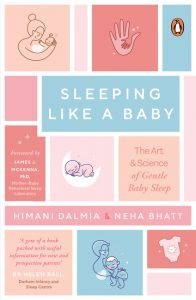
Sleeping Like a Baby || Neha Bhatt & Himani Dalmia
This short excerpt from Sleeping Like a Baby talks about the ties between sleep and your baby’s immunity.
*
What exactly is the connection between immunity and sleep? Studies have repeatedly proved that loss of sleep impairs our immune function. This is because when we sleep, our body is busy recovering, repairing and processing the stress and information absorbed through the day. Sleep charges us up to full strength for the next day.
We know that babies need to be fed right for good immunity. But sleep is just as important to build immunity in babies right from birth.
With immature immune systems, young children often fall ill with bouts of fever, cough and cold, especially once they enter school life or come in frequent contact with other children who may be carriers of infection. But age-appropriate sleep can act as a major deterrent to frequent illness. The first few years of life are crucial in developing a strong internal system and robust gut health, and restful sleep is the key. Important hormones are released for growth and development during the time that children are asleep.
A report by the US-based Sleep Foundation states:
‘Without sufficient sleep, your body makes fewer cytokines, a type of protein that targets infection and inflammation, effectively creating an immune response. Cytokines are both produced and released during sleep, causing a double whammy if you skimp on shut-eye. Chronic sleep loss even makes the flu vaccine less effective by reducing your body’s ability to respond.’
Lack of sleep also deprives kids (and adults) of natural killer cells and proper immune response, weakening the system. Research has shown that children who do not get adequate naps or who sleep less at night are more susceptible to picking up infections than those who get enough sleep and are well-rested.
As the sun sets our bodies are biologically designed to wind down, which is why it’s important to have an early bedtime for children—to allow the body to follow its natural circadian rhythm. When children are not put to bed at the appropriate hour, their body releases cortisol, the stress hormone, putting the immune function in peril.
*
Neha Bhatt and Himani Dalmia have made baby sleep easy to understand and remember. Get your own copy of Sleeping Like a Baby from your nearest bookstore.
The Roman god Janus, his two faces looking back into the past and the future, embodied endings and beginnings. This makes him the perfect namesake for the first month of the year.
Halfway through January, we want to know: are you excited about 2022, or are you already feeling tired? Our January TBR pile is all about moving beyond the spark of New Year Resolutions. From heartwarming memoirs to tongue-in-cheek satire to history from a never-before-seen perspective, each story has the essence of a journey, complete with its ups and downs. We are sure they will inspire you into movement, accept the unexpected, and help you map out your 2022.
*
Bachelor Dad || Tusshar Kapoor
Written in a frank, fun, no-holds-barred and incisive first-person narrative, Tusshar reveals interesting childhood anecdotes, the process of raising a child as a single man in India, how the search for the perfect soulmate doesn’t stop after having a child and finally how, his son, Laksshya, changed his life forever.
The Brahma Purana Vol. 1 || translated by Bibek DebroyThe Brahma Purana Vol. 2 || translated by Bibek Debroy
A double-volume translation, this is a fresh new rendition of one of the oldest Puranas. Reading almost like a travel guide, it celebrates temples and sites related to Vishnu, Shiva and Devi as it focuses on places like modern-day Odisha and Rajasthan. Brimming with insight and told with clarity, this luminous text is a celebration of a complex mythological universe populated with gods and mortals, providing readers with an opportunity to truly understand Indian philosophy.
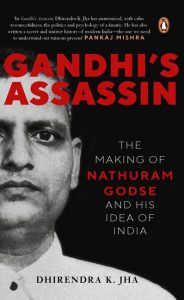
Gandhi’s Assassin || Dhirendra K. Jha
Dhirendra K. Jha’s spectacular studylays bare Godse’s relationship with the organizations that influenced his worldview and gave him a sense of purpose. The book draws out the gradual hardening of Godse’s resolve and the fateful decisions and intrigue that eventually led to, in the chaotic aftermath of India’s independence in 1947, Mahatma Gandhi’s assassination.
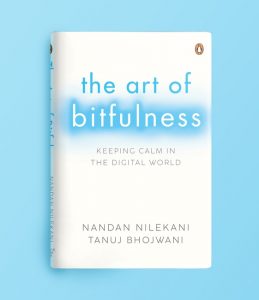
The Art of Bitfulness || Nandan Nilekani, Tanuj Bhojwani
The internet cannot be avoided, but our relationship with it can change.
The Art of Bitfulness helps create healthy boundaries between you and the floodgates of the internet. It offers new strategies to reclaim your time, privacy and attention. This book is all about how to live with tech, not how to live without it.
The goal is not to spend less time on your devices; it is to spend your time on your devices better.
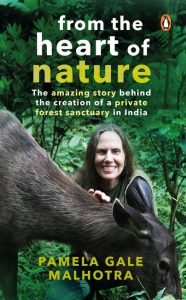
From the Heart of Nature || Pamela Gale-Malhotra
In Kodagu, Karnataka, years of illegal logging and poaching had ravaged the land and decimated the wildlife. Today, with the forests and the ecosystem restored, and the wildlife protected, the SAI sanctuary is a treasure trove of a rich variety of indigenous trees and plants, and a refuge for numerous rare and threatened species of animals, some found nowhere else on the planet.In this deeply fascinating and inspiring personal narrative, Pamela recounts how she connected and communicated with animals and trees at both physical and spiritual levels, and how the only way to save humanity is through understanding and preserving Nature.
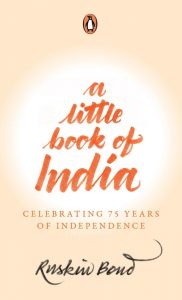
A Little Book of India || Ruskin Bond
Drawing on his own memories and impressions of this unique land, Bond talks fondly about the diverse elements that make up this beautiful land that has been his home for 84 years. From India’s rivers and forests to literature and culture, sights, sounds and colours, A Little Book of India is an amalgamation of the physical and spiritual attributes of our homeland and takes you on a journey filled with nostalgia and devotion.
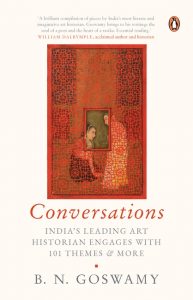
Conversations || B.N. Goswamy
From Ananda Coomaraswamy to the Art of Calligraphy, The Meaning of Silence to Farid-ud-din Attar’s great Sufi parable of the Conference of the Birds, among others, Goswamy invites the general, but generally interested and literate, readers to enter, through these pieces, the field of the arts and savour its pleasures. Definitive, engaging, and comprehensive, Conversations promises to be a truly accessible primer on art in India and South Asia.
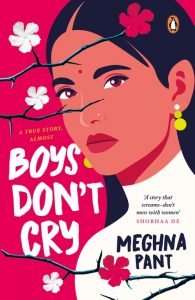
Boys Don’t Cry || Meghna Pant
When Maneka Pataudi is arrested as the prime suspect for the murder of her ex-husband, she reveals a chilling tale of marital abuse and neglect. But is her confession the truth or a lie? Is she telling the story as a victim or a perpetrator? And, is it better for women to kill for love or be killed for it? Based on a true story (mostly), Boys Don’t Cry is a gripping, compelling and courageous novel that takes you behind the closed doors of a modern Indian marriage.
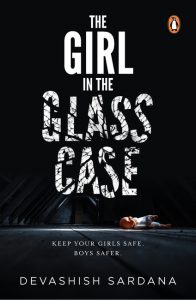
The Girl In The Glass Case || Devashish Sardana
The serial killer known as the Clipper has enjoyed nine years of infamy as India’s most notorious butcher—until he is cast aside by the media in favour of the sick new slayer, the Doll Maker. The Clipper turns his fury into blood-soaked revenge to capture the top spot. As corpses start to pile up, Simone Singh, assistant superintendent of police, fights to maneuver the Doll Maker into a clever trap. But the Clipper is hell-bent on striking first and regaining the crown with his most grisly murder yet. Can Simone take down the two serial killers and stop the psychotic competition before it gets out of hand?
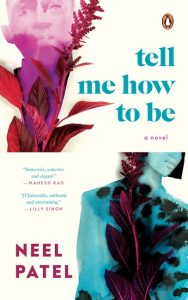
Tell Me How To Be || Neel Patel
As the one-year anniversary of her husband’s death approaches, Renu Amin is binge-watching soap operas and simmering with old resentments. She can’t stop wondering if, thirty-five years ago, she chose the wrong life. In Los Angeles, her son, Akash, has everything he ever wanted, but as he tries to kickstart his songwriting career and commit to his boyfriend, he is haunted by the painful memories he fled a decade ago. When his mother tells him she is selling the family home, Akash returns to Illinois, hoping to finally say goodbye and move on. Together, Renu and Akash pack up the house, retreating further into the secrets that stand between them. And when their pasts catch up to them, mother and son must decide between the lives they left behind and the ones they’ve since created. The inaugural pick for Lilly Singh’s book club, Tell Me How to Be is the love story of a mother and son each trying to figure out how to be in the world.
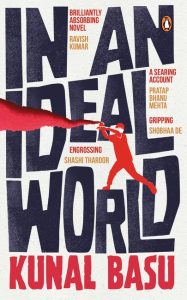
In An Ideal World || Kunal Basu
Altaf Hussein, a young Muslim student, has been abducted from his college hostel. The divide between Liberals and Nationalists invades the Sengupta household in Kolkata when Joy, a bank manager, and Rohini, his schoolteacher wife learn the shocking news that their only son Bobby has become a leader of the Nationalist students and is implicated in Altaf’s disappearance. Out to solve the mystery of Altaf, Joy and Rohini discover conspiracy and hate, forbidden love and exceptional courage, come face to face with a world caught between the real and the ideal. But will they succeed in absolving their son of the heinous crime? Will Altaf be found after all? Or will they, and this fractured nation, pay the ultimate price for harbouring a fractured heart?
A Place in My Heart || Anupama Chopra
National Award-winning author, journalist and film critic Anupama Chopra writes about fifty films, artistes and events that have left an indelible impression on her and shaped her twenty-five-year-long career. A smorgasbord of cinematic delights to ‘spark joy’ A Place in My Heart is a testament to Chopra’s enduring love for all things cinema.
The Art and Science of Frugal Innovation
The Art and Science of Frugal Innovation comes at a time when the world is grappling with unprecedented issues, including the Covid-19 pandemic that has left all humanity in the eye of the storm. In this book, Malavika Dadlani, Anil Wali and Kaushik Mukerjee deftly explore the scientific underpinnings and social gains of frugal innovations. They also explain how these frugal innovations can help the world overcome a variety of obstacles.While differentiating between frugal and low-cost innovations, this straightforward book also picks the common thread between the two and demonstrates how durable solutions to problems can be found through scientific planning and systematic testing.
Rebels Against the Raj || Ramachandra Guha
Rebels Against the Raj tells the story of seven people who chose to struggle for a country other than their own: foreigners to India who across the late 19th to late 20th century arrived to join the freedom movement fighting for independence from British colonial rule. Through these entwined lives, wonderfully told by one of the world’s finest historians, we reach deep insights into relations between India and the West, and India’s story as a country searching for its identity and liberty beyond British colonial rule.
The Muslim Vanishes || Saeed Naqvi
If we take Ghalib and his myriads of followers out of the equation, will Hindustan be left with a gaping hole or become something quite new? The Muslim Vanishes, a play by Saeed Naqvi, attempts to answer that question. A Muslim-free India, as a character speculates naively in the play, would be good for socialism, since what the 200 million Muslims leave behind would be equitably shared by the general population. Meanwhile, another character, a political leader, is traumatized by the sudden disappearance of the Muslim voter base and the prospect of a direct electoral confrontation with the numerically stronger Dalits and other backward classes. In this razor-sharp, gentle and funny play, Saeed Naqvi draws on a mix of influences to spring an inspired surprise on us, taking us on a journey into the realms of both history and fantasy.
Small Is Big || Amit Agarwal
An organization becomes an iconic brand by retaining only 3 per cent of its products. A CEO gets more done by organizing ten-minute focused meetings. A tired person transforms his life by embracing one micro habit of waking up at 5 a.m. These choices say YES to a small set of things that matter and say NO to everything else. Using extensive research, life experiences, and hands-on exercises, this book reveals the Small Is Big source code and outlines how to apply it.
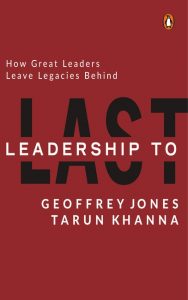
Leadership To Last || Geoffrey Jones, Tarun Khanna
In Leadership to Last, Geoffrey Jones and Tarun Khanna interview iconic leaders in India who have demonstrated leadership to last. There are leaders from South Asia and other emerging markets as well to illustrate that the ideas Indian entrepreneurs speak about are echoed by their counterparts in the Global South. The authors corroborate how these stories are less about building a get-rich-quick organization and much more about triggering a foundational and institutional change in society. Ratan Tata, Anu Aga, Adi Godrej, Kiran Mazumdar-Shaw, Devi Shetty and Rahul Bajaj, to name a few, inspire awe by displaying audacity of intent, the humility of demeanour and steadfastness of purpose.
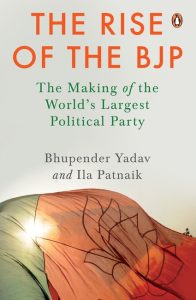
The Rise of the BJP || Bhupender Yadav, Ila Patnaik
The Bharatiya Janata Party is an idea that was seeded into the minds of nationalist Jana Sangh leaders when they began to envision India after Independence. In this book, senior BJP leader and cabinet minister Bhupender Yadav and leading economist Ila Patnaik come together to trace the BJP’s journey from its humble roots, through ups and downs and to eventually getting 303 seats in Lok Sabha in 2019 and becoming the world’s largest political party. The Rise of the BJP tells us the inside story of how one of the most powerful political parties makes decisions, implements ideas and executes policy.
As we enter into the new year, some of us would want to focus on our physical health and wellbeing while the others may want to foray into new avenues related to wealth and prosperity. The list of resolutions is surely going to be a long one, but don’t put down your pen just yet as Penguin India through its new programme – Penguin Transform has another point of action on the cards for the people who like the employees at Penguin expect 2022 to be the year of great transformation.
As part of the Penguin Transform programme, Penguin India has curated a list of 12 international titles to be read over 12 months that promise to transform your outlook on life. On the journey that you undertake with the 12 books, you would find characters from works of fiction who would resonate with you, who would make you laugh and cry but would also teach you valuable lessons along the way about the different definitions of love and friendship, what it means to be independent and free and to live in a world that is ever changing. Along with fiction, there are also widely recognized non-fiction titles that will make your mind reel with new information and your heart soar with new knowledge. At the end of the journey, you are sure to meet a better version of yourself.
Here are the 12 titles and a little something put together by the Penguin employees about why you should pick them up ASAP!
Forty Rules of Love
“I read this book for the first time when it had just come out. I think it was 2010. At that time the book didn’t do anything for me. I didn’t get the goosebumps I was assured of by the bookshop owner from whom I bought the book. I was a cynic at that time in my life and maybe didn’t give this book the attention and love it deserved. I picked it up again recently and saying that I was blown away by it would be an understatement. The book made realize how being in love and having faith could make you feel vulnerable but can also lend you the greatest strength. How loving someone changes you always for the better even if the journey is full of thorns and the only rose in sight is the colour in front of your eyes that is keeping you in thrall even after what was once love is long gone. Yes, the book has a lot of references about Rumi and his poetry and yes, all the rules listed in the book are beautiful but what is more beautiful is that with every reading of the book, you are bound to learn something new.” – A Penguin Employee
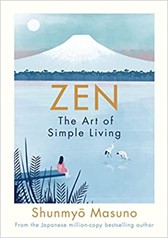
Zen and the Art of Simple Living
“I am not religious, but I always like to read up on things that help me understand the art of mindfulness and I cannot stress the importance of it enough especially given the tumultuous times we live in. While there is a storm raging outside, all we can do is find some peace and quiet within. This book has helped me align my day around small, meaningful activities like neatly organizing things to clear my head, planting a flower, and watching it grow that have brought me immeasurable happiness and peace. There is something for everyone. With about 100 suggested activities, I feel anyone can work towards finding happiness while leading a simple life with this book” – A Penguin Employee
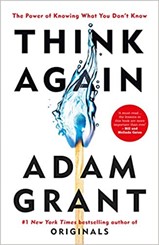
Think Again
“I have to admit I am a big Adam Grant fan. You see his comments and thoughts on Twitter, and you realize this guy is way ahead of us in terms of how he thinks about things and to be honest, all of us could gain a little from his insights about people’s minds. Did you guys see his post about introverts? How they are just pro-quiet and not antisocial? Or the one about greatest antidote to fear being grounded hope? Anyhow, this book is a must read and it invites us to let go of views that are no longer serving us well and prize mental flexibility, humility, and curiosity over foolish consistency” – A Penguin Employee
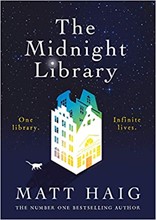
Midnight Library
“I suffer from depression and anxiety and this book was almost like a warm hug for me. It tries to answer the question I think all of are grappling with mental health issues or no mental health issues – “What is the best way to live?” Full of heart and quick wit, this book moved me deeply and helped me fight some of my inner demons. It is definitely worth all the hype.” – A Penguin Employee
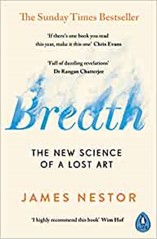
Breath
“This book came as a complete surprise. We may think we know everything there is to know about breathing but that sadly just isn’t true. Breathing incorrectly, a habit most of us are prey to, has adverse effects on the health of our internal organs, our immunity and can even cause allergies. James Nestor in this book writes about his travels around the world to discover the hidden science behind ancient breathing practices to figure out what went wrong and how to fix it.” – A Penguin Employee
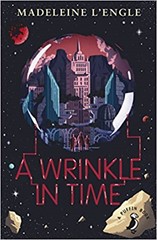
A Wrinkle in Time
“You talk about this title, and I am instantly taken back to my school days. I agree many of us would have read this gem of a book when we were young but not enough of us have read it and that is why I fought for this title to be on this list. As adults, sometimes we forget how it was to be young and carefree, to have loved our family with the purest of hearts and to have supported and fought for the ones we love no matter what” – A Penguin Employee
Normal People
“This was a joy to read. I saw myself and my husband in many of the passages in the book. Something as simple as a conversation can change you forever – that is exactly what I have experienced in my own life too. Normal People is a story of mutual fascination, friendship, and love. It takes us from that first conversation to the years beyond, in the company of two people who try to stay apart but find they can’t.” – A Penguin Employee
Girl, Woman, Other
“This book broke me and them put me back together – all in the span of a week. The story where the best friend becomes infatuated with the charismatic and domineering alpha woman and gets trapped in the relationship hit me right in the solar plexus. The other stories were equally engaging and wonderful. I cannot praise this book enough” A Penguin Employee
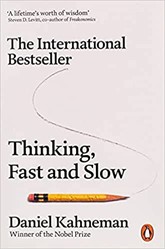
Thinking Fast and Slow
“Please read this book if you haven’t already. The world would start making so much more sense once you do. Why is there more chance we’ll believe something if it’s in a bold type face? Why are judges more likely to deny parole before lunch? Why do we assume a good-looking person will be more competent? The answer lies in the two ways we make choices: fast, intuitive thinking, and slow, rational thinking. This book reveals how our minds are tripped up by error and prejudice (even when we think we are being logical), and gives you practical techniques for slower, smarter thinking” A Penguin Employee
12 Rules for Life
“There are many rules in this book like fixing your posture, improving your own game instead of others etc. All of them have a deep and relevant rationale behind them. My favourite is – Care for yourself like you would for someone who you are responsible for. Written by acclaimed clinical psychologist Jordan Peterson, it is a truly enlightening read. Make sure you have it on your 2022 TBR. “- A Penguin Employee
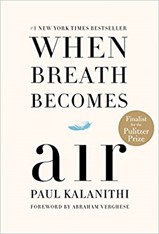
When Breath Becomes Air
“I have heard people say that you really must look death in the face before you can truly start appreciating life. I could never bring myself to accept this until I read this book. Through the experience of Paul Kalanithi, who one day he was a doctor treating the dying, the next a patient struggling to live, I found a new perspective on my life. I practice gratitude every day now for the precious moments I get to spend with my family, especially my kids. I cannot thank this book enough and I know that I would be going back to it more often than not.” – A Penguin Employee
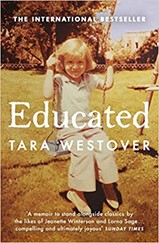
Educated
“All the people I know are so privileged, including me. It is funny how lightly I took my own education till I read this book. I am what I am today because of the education I received, and we forget that there are so many in the world who are denied this transformative experience because of prejudice and beliefs rooted in misogyny. What more can I say about this book but the fact that even Barack Obama has sung its praises.“ – A Penguin Employee
We’re all glued to the screen twenty-four hours of the day, no escape. Screens are our work and entertainment, both. What if you let the joy of reading be transferred from your eyes to your ears? Give your pupils some rest and let someone else do the talking.
You can enjoy these wonderful books through an engaging narrator, who reads you a wonderful story at your own pace. Your personal storyteller accompanying you on your walks, livening up your cooking sessions, your shotgun rider, your friend and your lullaby.
Here are some incredible audiobooks from multiple genres and authors for you to choose from:
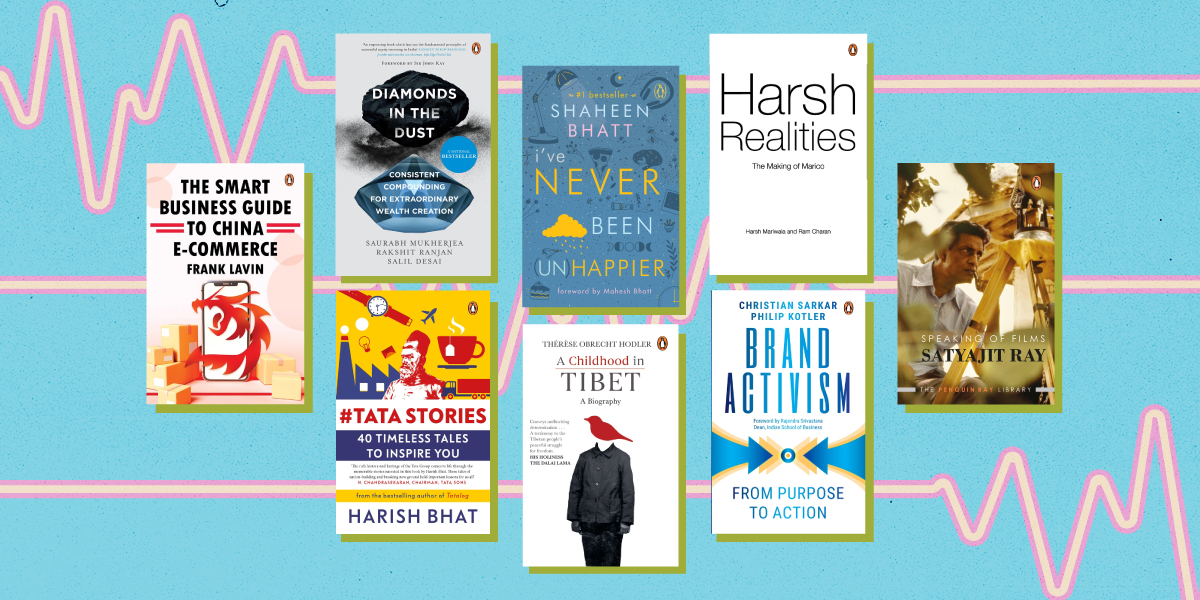
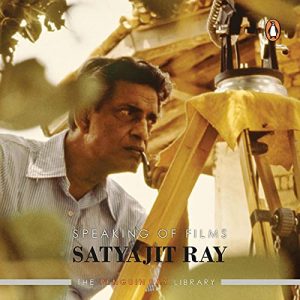
Speaking of Films || Satyajit Ray
Speaking of Films by Satyajit Ray
Speaking of Films brings together some of Ray’s most memorable writings on film and film-making. With the masterly precision and clarity that characterize his films, Ray discusses a wide array of subjects. He also writes about his own experiences, the challenges of working with rank amateurs, and the innovations in the face of technological, financial and logistical constraints. Ray provides fascinating behind-the-scenes glimpses of the people who worked with him. Translated for the first time by Bishay Chalachitra, this collection of essays retains the lucidity and simplicity that is a hallmark of Ray’s writing.
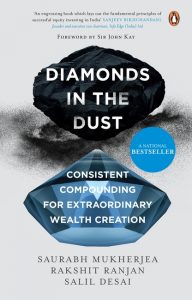
Diamonds in the Dust || Saurabh Mukherjea, Rakshit Ranjan and Salil Desai
Diamonds in the Dust by Saurabh Mukherjea, Rakshit Ranjan, Salil Desai
Diamonds in the Dust offers Indian savers a simple, yet highly effective, investment technique to identify clean, well-managed Indian companies that have consistently generated outsized returns for investors. Based on in-depth research conducted by the award-winning team at Marcellus Investment Managers, it uses case studies and charts to help readers learn the art and science of investing in the US$3 trillion Indian stock market.
The book also debunks many notions of investing that have emerged from the misguided application of Western investment theories in the Indian context.
I’ve Never Been Unhappier || Shaheen Bhatt
I’ve Never Been Unhappier by Shaheen Bhatt
Unwittingly known as Alia Bhatt’s older sister, screenwriter and fame-child Shaheen Bhatt has been a powerhouse of quiet restraint-until recently. In a sweeping act of courage, she now invites you into her head. Shaheen was diagnosed with depression at eighteen, after five years of already living with it. In this emotionally arresting memoir, she reveals both the daily experiences and big picture of one of the most debilitating and critically misinterpreted mental illnesses in the twenty-first century.
A Childhood in Tibet || Thérèse Obrecht Hodler
A Childhood in Tibet by Thérèse Obrecht Hodler
Tendöl Namling was born at the time when the Dalai Lama fled from Lhasa. As the daughter of a high government official, she underwent the ordeal of ‘re-education’ with full force. When Tendöl turned 10 her brother was arrested and her mother sentenced to ten years in prison. She was sent to work in road construction for several years. At the age of 20 she was allowed to start an apprenticeship as a motor mechanic. After 22 years under the Chinese rule, she left China in 1982 and landed in Switzerland. It felt as if she had to start her life all over again. She struggled but didn’t give up and founded a family and a business while reconciling with her painful past. In Tendöl’s words, ‘this little book is dedicated to all the Tibetans who continue to rebel against the Chinese occupation’.
Harsh Realities || Harsh Mariwala
Harsh Realities: The Making of Marco
By Harsh Mariwala
Breaking away from the shackles of family-run Bombay Oils Industries Ltd, Harsh Mariwala founded Marico in 1987. Today, the homegrown Marico is a leading international FMCG giant which recorded an annual turnover of over Rs 8000 crore last year. Their products, like Parachute, Nihar Naturals, Saffola, Set Wet, Livon and Mediker, are market leaders in their categories.
Co-authored by leading management thinker and guru, Ram Charan, this book is a story of grit, gumption and growth, and of the core values of trust, transparency and innovation that lead the company even today.
The Smart Business Guide to E-Commerce || Frank Lavin
The Smart Business Guide to China E-Commerce
Frank Lavin
This book is a quick and punchy read and useful for consumers, brands, retailers and entrepreneurs, covering critical areas such as the difference between Chinese and American consumers, case studies of succsess and failure in China, main platforms and social media channels, etc. It also helps in studying how to deal with market entry challenges, trademark registration and product approval and how to compete and win in the most challenging and promising retail market in the world.
Brand Activism || Christian Sarkar and Philip Kotler
Brand Activism by Philip Kotler and Christian Sarkar
What happens when businesses and their customers don’t share the same values? Or, for that matter, when employees of a company don’t share the same values as their executives? Welcome to the world of Brand Activism.
Brand Activism consists of business efforts to promote, impede, or direct social, political, economic, and/or environmental reform or stasis with the desire to promote or impede improvements in society. It is driven by a fundamental concern for the biggest and most urgent problems facing society. Brand Activism: From Purpose to Action is about how progressive businesses are taking stands to create a better world.
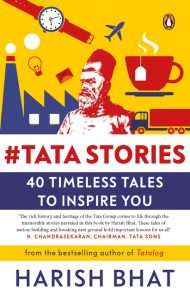
Tata Stories || Harish Bhat
#TataStories by Harish Bhat
#TataStories is a collection of littleknown tales of individuals, events and places from the Tata Group that have shaped the India we live in today.
A diamond twice as large as the famous Kohinoor pledged to survive a financial crisis; a meeting with a ‘relatively unknown young monk’ who later went on to be known as Swami Vivekananda; the fascinating story of the first-ever Indian team at the Olympics; the making of India’s first commercial airline and first indigenous car; how ‘OK TATA’ made its way to the backs of millions of trucks on Indian highways; a famous race that was both lost and won; and
many more.
A whole bag of genres and stories to choose from! Take your pick, put on your earplugs and boast about finishing a book sooner than you’d think!
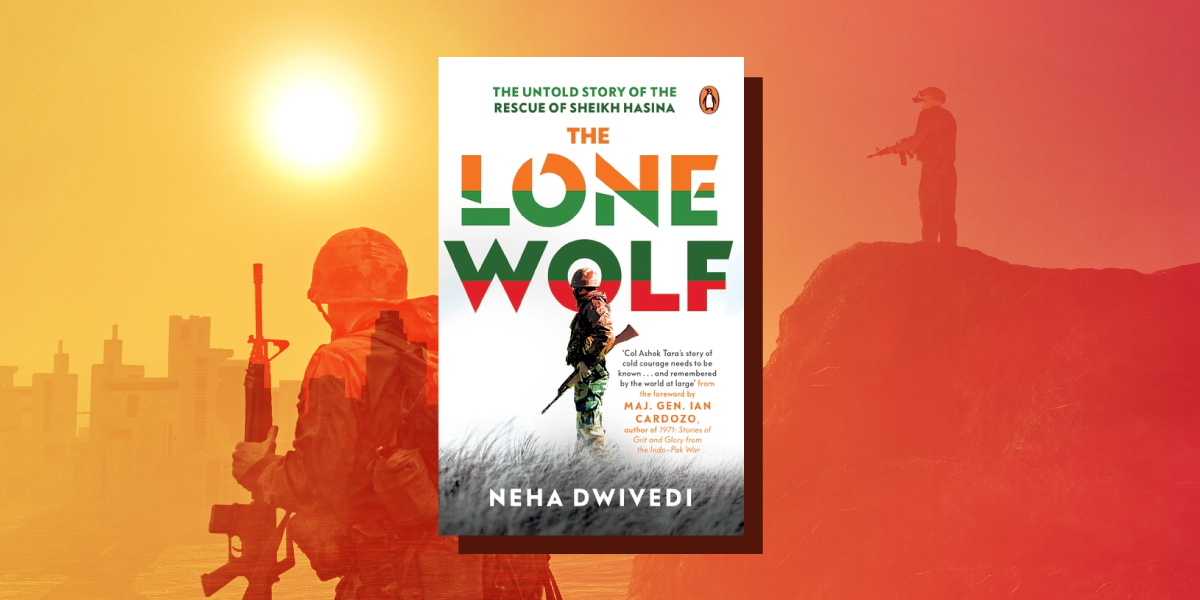
2021 marked fifty years since the 1971 Bangladesh Liberation War. It also marked fifty years since a young Colonel Ashok Tara walked into a house in Dhaka, unarmed, faced with hostile soldiers. While the Pakistan Army had surrendered, bringing the war to an end, the soldiers in Dhaka were holding a family hostage, unaware of the recent developments. The house belonged to none other than ‘Bangabandhu’ Sheikh Mujibur Rahman, and the family being held hostage were his wife and children, including his daughter—future Prime Minister of Bangladesh—Sheikh Hasina.
Here’s an excerpt from ‘The Lone Wolf’, a book on Col Tara’s rescue mission.
*
The entire time that Ashok was conversing with the enemy on the roof, he was also steadily pacing himself towards the soldier positioned at the front gate, since his end goal was to enter the house. Suddenly a woman inside the house started waving frantically at him through the window he had noticed earlier, crying, ‘Do not trust these men! They are very happy to shoot and kill anyone!’ Ashok’s fears of the intentions of the enemy were now reconfirmed, but he decided to keep going, without giving them any time to consider alternatives and continued to convince them to capitulate. Meanwhile, the Pakistani commander also ordered his troops to load their weapons, to create more fear in Ashok.
By this time, Ashok was standing at the main entrance with a young enemy soldier nudging him beneath his right rib cage with the cold steel of his rifle’s bayonet. Ashok felt a chill run down his spine but continued standing there, undaunted. The young soldier’s hands were trembling and his finger on the trigger was jittery, which was an unmistakable reminder of Ashok’s precarious position.
The Lone Wolf || Neha Dwivedi
To make matters worse, it was clear that the panicky soldier had never been in such close proximity to his adversary, which only added to the threat because he could overreact without considering the consequences.
It was as if for a minute all the years in between had vanished and a young Ashok was once again standing in front of the world. Jolted by the teaching of his experience all those years ago, Ashok gathered all his wits and continued to persuade the Pakistani soldier with whom he was conversing. Meanwhile, he turned to look at the young soldier holding the rifle to him, right in the eye and it was in that moment when he realized that once again he was in front of the lone wolf. Without breaking eye contact, Ashok went on to, quietly but confidently, put his hand on the barrel and slowly push it away from his body.
The soldier too silently relented. He had every reason to believe that in this game of psychological warfare, Ashok was now in the lead. With that conviction, Ashok realized that the enemy was almost swayed with his narrative and now it was time to play the final card in the emotional salvo.
*
Moving and inspiring, ‘The Lone Wolf’ brings to light an untold and unlikely war account. To read more of Col Ashok Tara’s story, visit your nearest bookstore for your own copy.
2021, an extraordinary year, charted a trajectory of emotional experiences and most people found their respite in the domain of books. Books comforted adults and kids when their plans went awry, they provided sheer warmth when the world was socially distanced, they allowed people who were homebound to travel and they offered solace to those hunkered down on the couch. During such unprecedented times, we became more reliant on books for our daily dose of entertainment or learning than ever before! We started to see them as companions and friends rather than pages with coherent ink stains. So, let’s pat our backs and raise our glasses for making it through this tumultuous year.
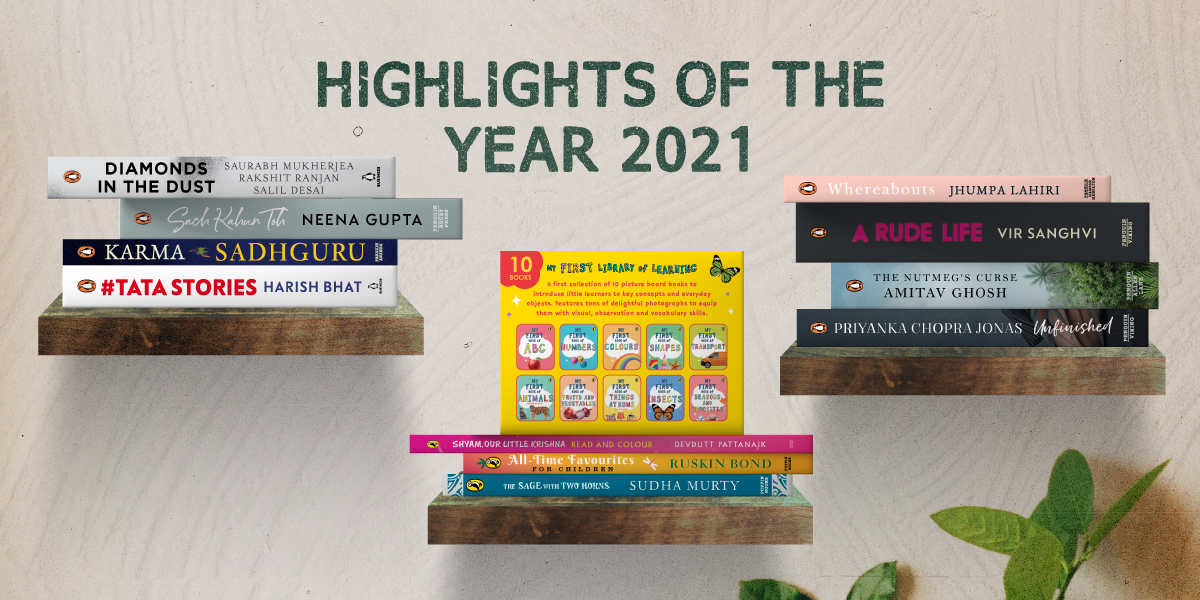
From best memoirs to historical fiction, from non-fiction to self-help books, we stayed close to you the entire year. The following books are only a few of the many remarkable literary releases this year.
Unfinished
Unfinished || Priyanka Chopra Jonas
In this thoughtful and revealing memoir, readers will accompany one of the world’s most recognizable women on her journey of self-discovery. A remarkable life story rooted in two different worlds, Unfinished offers insights into Priyanka Chopra Jonas’s childhood in India; her formative teenage years in the United States; and her return to India, where against all odds as a newcomer to the pageant world, she won the national and international beauty competitions that launched her global acting career. Whether reflecting on her nomadic early years or the challenges she’s faced as she’s doggedly pursued her calling, Priyanka shares her challenges and triumphs with warmth and honesty. The result is a book that is philosophical, sassy, inspiring, bold, and rebellious. Just like the author herself.
From her dual-continent twenty-year-long career as an actor and producer to her work as a UNICEF Goodwill Ambassador, from losing her beloved father to cancer to marrying Nick Jonas, Priyanka Chopra Jonas’s story will inspire readers around the world to gather their courage, embrace their ambitions, and commit to the hard work of following their dreams.
Sach Kahun Toh
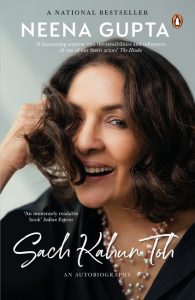
Sach Kahun Toh || Neena Gupta
An unsparingly honest memoir by an actor who is known to lead life on her own terms. Neena Gupta’s most awaited auto-biography!
In Sach Kahun Toh, actor Neena Gupta chronicles her extraordinary personal and professional journey-from her childhood days in Delhi’s Karol Bagh, through her time at the National School of Drama, to moving to Bombay in the 1980s and dealing with the struggles to find work. It details the big milestones in her life, her unconventional pregnancy and single parenthood, and a successful second innings in Bollywood. A candid, self-deprecating portrait of the person behind the persona, it talks about her life’s many choices, battling stereotypes, then and now, and how she may not be as unconventional as people think her to be.
Whereabouts
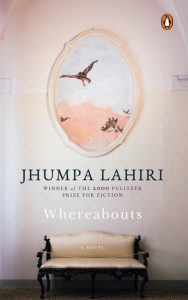
Whereabouts || Jhumpa Lahiri
Exuberance and dread, attachment and estrangement: in this novel, Jhumpa Lahiri stretches her themes to the limit. The woman at the center wavers between stasis and movement, between the need to belong and the refusal to form lasting ties. The city she calls home, an engaging backdrop to her days, acts as a confidant: the sidewalks around her house, parks, bridges, piazzas, streets, stores, coffee bars. We follow her to the pool she frequents and to the train station that sometimes leads her to her mother, mired in a desperate solitude after her father’s untimely death. In addition to colleagues at work, where she never quite feels at ease, she has girl friends, guy friends, and “him,” a shadow who both consoles and unsettles her. But in the arc of a year, as one season gives way to the next, transformation awaits. One day at the sea, both overwhelmed and replenished by the sun’s vital heat, her perspective will change. This is the first novel she has written in Italian and translated into English. It brims with the impulse to cross barriers. By grafting herself onto a new literary language, Lahiri has pushed herself to a new level of artistic achievement.
Karma
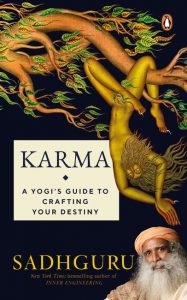
Karma || Sadhguru
A much-used word, Karma is loosely understood as a system of checks and balances in our lives, of good actions and bad deeds, of good thoughts and bad intentions. A system which seemingly ensures that at the end of the day one gets what one deserves. This grossly over-simplified understanding has created many complexities in our lives and taken away from us the very fundamentals of the joy of living.
Through this book, not only does Sadhguru explain what Karma is and how we can use its concepts to enhance our lives, he also tells us about the Sutras, a step-by-step self help & self improvement guide to navigating our way in this challenging world. In the process, we get a deeper, richer understanding of life and the power to craft our destinies.
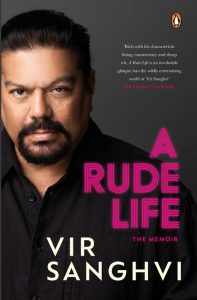
A Rude Life
A Rude Life || Vir Sanghvi
Vir Sanghvi’s has been an interesting life – one that took him to Oxford, movie and political journalism, television and magazines – and he depicts it with the silky polish his readers expect of him. In his autobiopgrahy, A Rude Life, he turns his dispassionate observer’s gaze on himself, and in taut prose tells us about all that he’s experienced, and nothing more for he’s still a private man.
He unhurriedly recounts memories from his childhood and college years, moving on to give us an understanding of how he wrote his biggest stories, while giving us an insider’s view into the politics and glamour of that time.
This is an explosively entertaining memoir that details one of the most eventful careers in Indian journalism. Studded with a cast of unforgettable characters like Morarji Desai, Giani Zail Singh, Amitabh Bachchan, Dhirubhai Ambani and a host of other prominent political and cultural figures, A Rude Life is a delicious read.
#Tatastories
#Tatastories || Harish Bhat
The Tatas have a legacy of nation-building for over 150 years. Dancing across this long arc of time are thousands of beautiful, astonishing stories, many of which can inspire and provoke us, even move us to meaningful action in our own lives.
A diamond twice as large as the famous Kohinoor pledged to survive a financial crisis; a meeting with a ‘relatively unknown young monk’ who later went on to be known as Swami Vivekananda; the fascinating story of the first-ever Indian team at the Olympics; the making of India’s first commercial airline and first indigenous car; how ‘OK TATA’ made its way to the backs of millions of trucks on Indian highways; a famous race that was both lost and won; and
many more.
#TataStories is a collection of little-known tales of individuals, events and places from the Tata Group that have shaped the India we live in today.
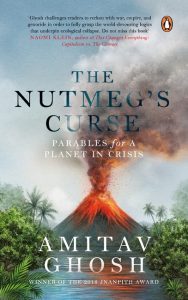
The Nutmeg’s Curse
The Nutmeg’s Curse || Amitav Ghosh
Before the 18th century, every single nutmeg in the world originated around a group of small volcanic islands east of Java, known as the Banda Islands. As the nutmeg made its way across the known world, they became immensely valuable – in 16th century Europe, just a handful could buy a house. It was not long before European traders became conquerors, and the indigenous Bandanese communities – and the islands themselves – would pay a high price for access to this precious commodity. Yet the bloody fate of the Banda Islands forewarns of a threat to our present day.
Amitav Ghosh argues that the nutmeg’s violent trajectory from its native islands is revealing of a wider colonial mindset which justifies the exploitation of human life and the natural environment, and which dominates geopolitics to this day.
Written against the backdrop of the pandemic and the Black Lives Matter protests, and interweaving discussions on everything from climate change, the migrant crisis, and the animist spirituality of indigenous communities around the world, The Nutmeg’s Curse offers a sharp critique of Western society, and reveals the profoundly remarkable ways in which human history is shaped by non-human forces.
Diamonds in the Dust
Diamonds in the Dust || Saurabh Mukherjea, Rakshit Ranjan, Salil Desai
Over the last few years, there has been a growing realization among Indians that their life’s savings, the bulk of which are parked in physical assets like real estate and gold, are unlikely to help them generate sufficient returns to fund their financial goals, including retirement. At the same time, many have lost their hard-earned money trying to invest in financial assets, including debt and equities. Such losses have occurred due to many reasons, such as corporate frauds, weak business models and misallocation of capital by the companies in whose shares unsuspecting investors parked their savings. What options do Indian savers then have to invest in, and build their wealth?
Diamonds in the Dust offers Indian savers a simple, yet highly effective, investment technique to identify clean, well-managed Indian companies that have consistently generated outsized returns for investors. Based on in-depth research conducted by the award-winning team at Marcellus Investment Managers, it uses case studies and charts to help readers learn the art and science of investing in the US$3 trillion Indian stock market.
The book also debunks many notions of investing that have emerged from the misguided application of Western investment theories in the Indian context.
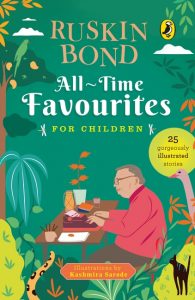
All-Time Favourites for Children
All-Time Favourites for Children || Ruskin Bond
All Time Favourites for Children celebrates Ruskin Bond’s writing with stories that are perennially loved and can now be enjoyed in a single collectible volume. Curated and selected by India’s most loved writer, this collection brings some of the evocative episodes from Ruskin’s life, iconic Rusty, eccentric Uncle Ken, ubiquitous grandmother, and many other charming, endearing characters in a single volume while also introducing us to a smattering of new ones that are sure to be firm favourites with young readers. Heart-warming, funny and spirited, this is a must-have on every bookshelf!
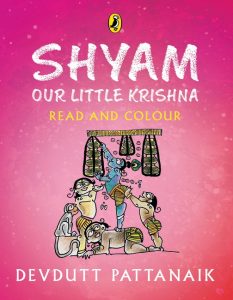
Shyam, Our Little Krishna
Shyam, Our Little Krishna || Devdutt Pattanaik
Devdutt Pattanaik introduces the story of Krishna, fondly known as Shyam, to a new generation of readers. Told simply in his inimitable style, Shyam, Our Little Krishna is perfect as a read-aloud to acquaint young readers with the beauty, wisdom and love that Krishna embodied.
Curated with fascinating bite-sized stories, myths and trivia about the young god, it features over forty playful artworks accompanied by pages dedicated for colouring.
One-of-a-kind, this book is a must-have for every curious mythology enthusiast and budding artist!
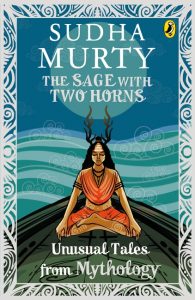
The Sage with Two Horns
The Sage with Two Horns || Sudha Murty
ave you heard of the king who sacrificed his own flesh to keep his word to a pigeon? Or about the throne that gives anyone who sits on it the unique ability to dispense justice! And how about the sculptor who managed to make magnificent statues with no hands at all?
There’s something for everyone in this collection of tales of wisdom and wit!
From quarrels among gods and the follies of great sages to the benevolence of kings and the virtues of ordinary mortals, Sudha Murty spins fresh accounts of lesser-known stories in Indian mythology. Accompanied by fantastical illustrations and narrated in an unassuming fashion, The Sage with Two Horns is sure to delight fans of the beloved storyteller.
India’s favorite author, Sudha Murty brings a follow-up to the bestselling Serpent’s Revenge: Unusual Tales from the Mahabharata, The Upside-Down King: Unusual Tales about Rama and Krishna and The Daugher from the Wishing Tree: Unusual Tales about Women in Mythology.
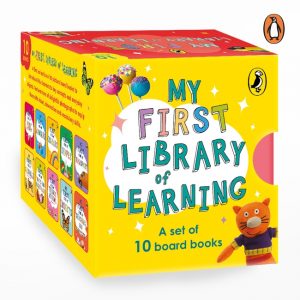
My First Library of Learning
My First Library of Learning
Make early learning years fun and enjoyable for your baby with My First Library of Learning, a complete collection of 10 expertly researched, carefully curated essential baby board books with beautiful bright images to add to your child’s library!
Foster a habit of reading in your little ones with this box set of 10 gorgeously designed and thoughtfully created board books. These books equip toddlers and preschoolers with essential reading, language, visual, motor and imagination skills.
This bright, handy, easy-to-read, and fun library contains:
– My First Books Of Abc
– My First Books Of Numbers
– My First Books Of Colours
– My First Books Of Shapes
– My First Books Of Things At Home (And Around Us)
– My First Books Of Fruits And Vegetables
– My First Books Of Seasons And Opposites
– My First Books Of Transport
– My First Books Of Animals (Domestic And Wild)
– My First Books Of Insects
Leadership and Management. What comes to your mind when you think about these concepts?
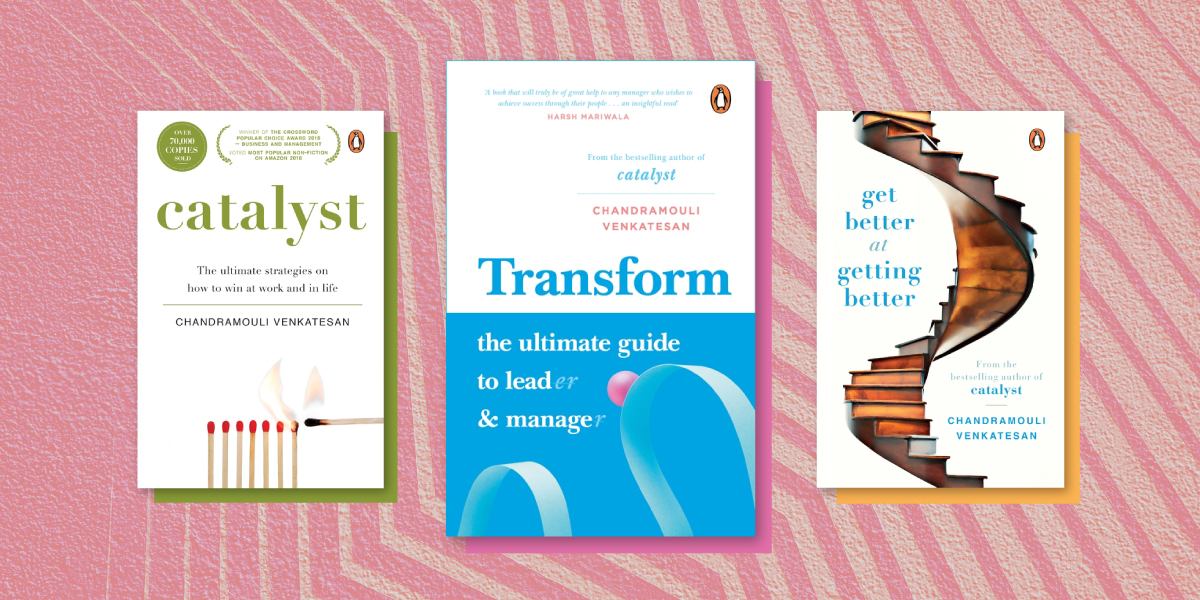
We often read about being successful, but how often do we really think about making the people around us successful? That is exactly what Transform, Chandramouli Venkatesan’s latest and final book talks. It also aims at helping people navigate people management and how intricately it’s connected to being successful professionally, as well as flourishing socially.
The word ‘management’ often has a one-dimensional approach for a majority of people However, Chandramouli explains how it’s irrevocably connected with another aspect of success: good leadership. They are both different sides of the same coin. Managing is the art of impacting people while being involved directly, and leading is the art of impacting people without being directly involved. They are mutually inclusive and even though they can be executed independently, the best results can only be achieved when they are practiced simultaneously.
Catalyst||Chandramouli Venkatesan
In Catalyst, Chandramouli’s first novel, there was a great emphasis on career management and life management. It had crucial insights about the important strategies and decisions people take to move forward in their respective careers. Catalyst focused on helping people win where it matters- the second half of their careers. Moreover, it also took into account life management, and how success is not limited to professional boundaries. Excelling both personally and professionally is possible.
Get Better at Getting Better|| Chandramouli Venkatesan
Get Better at Getting better was the sequel and the second guide in this series, and eloquently talked about improving consistently. While it’s great to be good, you can always be better, and even hack the process of getting better. With a heavy emphasis on improving one’s skills, capabilities, judgements, communication, and decision-making abilities effectively, it talked about how to grow rapidly as a professional and remain relevant.
Getting Better Continuously, Career Management, and Life Management are three out of the four of the author’s pillars when it comes to effective management. They focus on bettering themselves to excel and have an inward approach. However, management and leadership are functions that involve people. Hence these three pillars and their success depend on the fourth and final concept: People Management.
Transform||Chandramouli Venkatesan
Transform, the ultimate guide to lead and manage, is an insightful and interactive read for anyone struggling or striving to be better at being a good leader and manager. By keeping leading and managing as pre-conditions instead of mutually exclusive alternatives, Transform puts into perspective the importance of being good at both. With revelations and key learnings in all four sections, it helps managers who aren’t leaders and leaders who are struggling to be good managers understand how the two are connected through their own experiences.
Transform stands out from the long list of books on people management by facilitating two-way communication instead of a jargon-rich monologue. With exercises to improve self-awareness and steps to create practical action plans, it also takes into account that different things can work for different people. People management is the pillar that supports the other three, and according to Chandramouli, “It is not important whether you are a leader or a manager, what is important is whether you are leading and managing.”
Renew the way you approach success at the workplace and in life and evolve into a more self-aware professional with Transform!
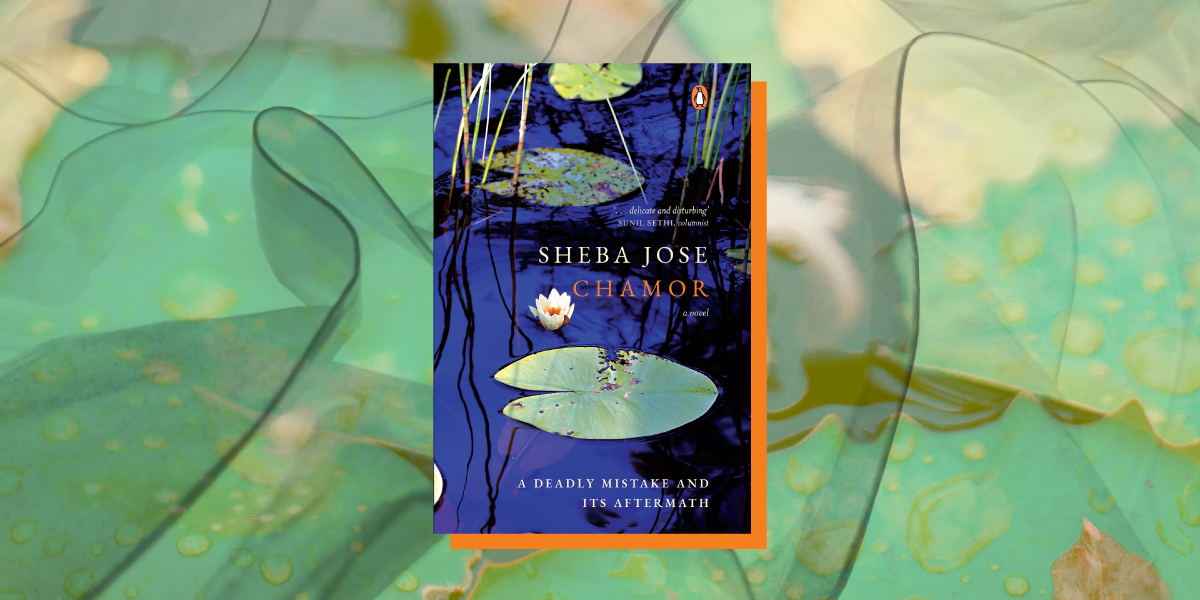
Do you crave nostalgia in this sultry weather? Chamor is our most heartfelt novel of 2021. This gritty novel, while offering the reader delightful glimpses of daily life in the two regions of southern India that form its setting, also brings them face to face with the less savoury and disturbing aspects of the human condition. The mostly lovable characters, who are at the mercy of a universe that does not discriminate between good and evil, cannot take anything for granted. Whether man, beast or bird, each must deal with their destiny according to their nature and instincts. Here’s an excerpt to give you a taste of this beautiful novel!
**
The car that my father drove was an old one—a grey Morris Minor. It looked weird to me, like a bug, but its colour reminded me of a certain grey, syrup-filled toffee that used to be a favourite of mine as well as of my school friends. The car had belonged to my father’s brother, who had arrived in it with a friend, but when they tried to drive it back to Kerala it would not go. Uncle did not care to have it returned to him, and between the mechanic, Raju, and my father, they managed to keep it running, though it could not be taken for long trips. As dinnertime approached, my mother would still be busy with her books, and Jency could be seen bustling about, clinking utensils in the kitchen as she hurried to finish making the last dish. With both of them wanting me out of the way, I would go looking for my father and find him lying on his wheeled plank under ‘the Morris’, as he called it, tinkering with its wires and nuts and bolts. The sound of wrenches and spanners being put aside is, in my memory, associated with the urgent cawing of crows and the plaintive cry of the cuckoo as late afternoon merged into the evening. Clouds of sparrows kept swooping in and bursting out of the thorny acacia shrubs that were their home, and a flock of tiny silverbills, with their distinctive, black-tipped tails that looked like wet paintbrushes to me, sat in a long row on an overhead cable, waiting for the right moment to dive together into their home, which too made for a pretty thorny dig—a jujube tree. A stout, old date palm inside the park thronged with colourful bee-eaters, the two needle-like feathers sticking straight out of their tails making them recognizable in flight, while species of parrots and other birds fought angrily for holes and hollows on the cycads and coral trees. Sadly, at this time, inside the houses, too, feelings ran high as students suffered corporal punishment over mere homework. I would have a brush with this medley of sights and sounds as I hung about my father, kicking my heels. Sometimes, I would lie beside him under the car, shining a torchlight up at its brown, metal underbody. After the job was done, I would be rewarded for my help with a ride around the block, at the end of which we stopped at Mr Nair’s thatched establishment. While my father waited at the wheel, I took the rupee note that he gave me and went inside the lantern-lit shop, which was reputed for its quality goods and hygienic tea stall. Jency and I were regulars there as it was the only shop near us that
sold our breakfast staple of Nendran bananas. As I entered, I found that there were no other customers, and Mr Nair and his wife were busy arranging the stock. Bhavani Auntie cast a glance outside, concerned that I had come alone until she saw my father, and fished out from her mixed candy jar the two specific ones I wanted—the round orange-flavoured coconut bonbon for Jency and the aforementioned grey confection for myself. As per the slip that I had handed in, Auntie gave me a slab of wax paper-wrapped burfi, which was for my mother, and some change. This indulgence was a rare thing, as my father was strictly against ‘putting rubbish in the mouth’.
**
Poignant and perceptive, Chamor will haunt you for a long time. Get your copy and explore vulnerability and honestly like never before!
The Lone Wolf intersects Col Tara’s childhood and adolescence against the background of political tensions caused by linguistic hegemony in Pakistan. This eventually explodes into a full-fledged war that we now know as the Bangladesh Liberation War of 1971 and that India specifically remembers as the Indo-Pak War. On the very day that the war ended, Col Tara was at the centre of a high-profile hostage crisis. He was tasked to negotiate the release of Pakistani Army hostages, who were none other than the family of Sheikh Hasina.
Col Ashok Tara led the high-profile rescue mission as was his duty, but his tact and bravery are emblematic of India’s own diplomatic role in the conflict between East and West Pakistan. Neha Dwivedi’s book spotlights the side of war requiring strategy, a level of wit and composure that many rarely identify as a strength of the military.
The Lone Wolf || Neha Dwivedi
A childhood encounter formed the foundation for these skills. For Col Tara, The Lone Wolf is more than just a metaphor. At the young age of nine years old, Ashok Tara found himself face-to-face with a wolf, while walking through a forest ridge along the Yamuna. Back then the undergrowth was wilder and for Ashok and his brother Kirti, the walk to and from school was an adventure. On that fateful day, Ashok was all by himself. With a wild wolf standing in his path, the young Ashok Tara remembered the words of his grandfather, a former shikari:
. . . when confronted by an opponent, even if it’s a wild animal, stare at your opponent with a confident and stern expression. This show of courage will effectively deter them from launching an attack.
These words saved his life, not just on that day, but twenty years later, as he stood unarmed in front of a group of hostile Pakistani soldiers.
To read Col Ashok Tara’s story, get your own copy of The Lone Wolf from your nearest bookstore.
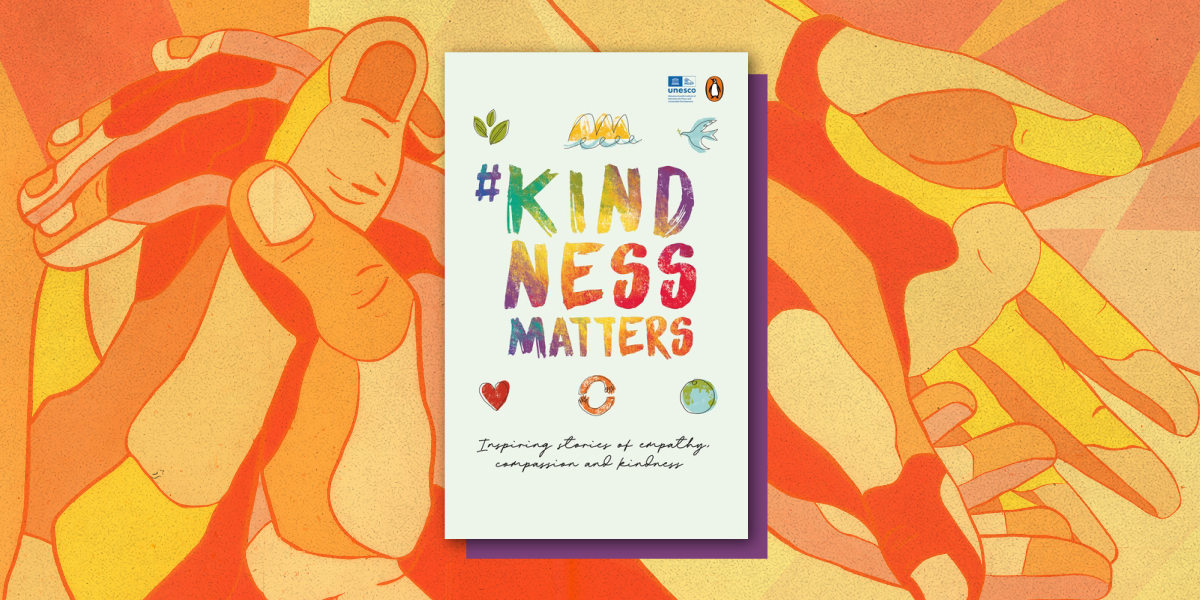
Inspired by the sincere words, here is a kaleidoscope collating the responses and a few stories from #KindnessMatters.
*
‘Kindness matters because this is the only way to live and let other live in peace.’
Lisa’s act of kindness was inspired by the personal experience of unwavering hospitality. Being an international student in Morocco, it wasn’t enough to simply know the textbook language. The locals teaching her the nuance in local dialects made a huge difference in bringing her closer to the community.
Returning to Switzerland, Lisa saw the refugees going through a similar plight. She then created the ‘voCHabular’ book and app, which succeeded not only in teaching the local language to refugees but also in creating a hybrid community of offline-online volunteers. Their work has now expanded to refugee awareness campaigns, food banks, and more around the borders of Europe.
Kindness, as proven by Lisa’s story in the chapter No Language Barrier, is what helps build trust with strangers.
‘Inner peace.’
It began with one family. Now when there’s a death in La Guajira, Sonia Bermúdez is the only one people can call.
Sixty-five-year-old Bermúdez’s story begins in 1996 when authorities informed her that there were no more spaces for unidentified victims of Colombia’s fifty-year-long conflict and drug-related violence. With neighbouring Venezuela’s political and economic crisis, Bermúdez’s focus has shifted to refugees who ran away from home but did not make it. Since municipal cemeteries are not free, the daily wage of a migrant labourer does not allow them to bury their dead with dignity.
To date, more than 300 Venezuelan refugees have been laid to rest in her cemetery, a 5.5-hectare land in Riohacha.
Sonia Bermúdez’s story in A Resting Place is a living example of how peace, if not found, can be built with one’s own hands.
‘So that the world is a better place for our kids.’
Not able to find the love and community they need, it’s not uncommon to find queer youths in Manipur, fall victim to addiction.
Sadam Hanjabam was one of them until a tragedy changed his life and set him on his current path. A core member of Ya-All, which means ‘revolution’ in Manipuri, Hanjabam is part of the collective creating queer-focused spaces, something he needed while closeted. Known as Meitram, the co-working, social space is more than just a location. Hanjabam and others are using his experience as a reference to integrate recovery and sex education programs for the youth.
Hanjabam wants the kids to have the support system he never had. Of Rainbows and Revolution shows how kindness, for the queer youth of Manipur, comes to the simple desire for a better future.
#KindnessMatters || Inspiring stories of empathy, compassion and kindness.
‘Kindness heals oneself and the world.’
In 2001, Bucharest’s mayor Traian Băsescu ordered all stray dogs to be killed. This was the moment that created Adăpostul Speranța. That night, the foundation rescued 300 dogs who would have otherwise been euthanized under the new orders. In 2020, twenty among those rescued dogs continue to live in, and because of, the shelter.
The shelter’s motto of Leave no dog behind inspires them to take care of every dog. Paraplegic and injured dogs, usually treated with despair, are taken care of by providing them with wheels and safe homes.
The kindness that the Speranța Foundation give their canine friends fuels more gifts of kindness from donations and volunteers. A New Lease of Life teaches us how one act of kindness can start a beautiful cycle of compassion, and save the lives of those who join it.
‘Our kindness towards others inspires them to be kind to everyone else.’
With COVID-19 enforcing lockdowns and restricting indoor dining in Barcelona, Faouzia Chati, the president of the Catalan Association of Moroccan Women, had to find alternative spaces for Ramadan prayers. It was then Father Peio Sanchez, Santa Ana’s rector, offered the Church’s open-air cloisters. This gesture of empathy encouraged many volunteers to come forward and cook the iftar (fast-breaking) meals for no less than Muslims, who were mostly homeless.
What started as a single act of kindness became the foundation for an inclusive community in the stone passages of Santa Ana. United by Religion echoes the tenet that is taught in all religions, across all languages: treat others as you want to be treated.
‘It makes me feel like a fellow human.’
At seventeen, Joséphine Yameogo did the unthinkable by refusing to marry the sixty-year-old groom chosen for her. Instead, she married a man of her own choice, facing banishment from her community. After becoming a mother of three, she picked up on the skills needed to become a mechanic and opened her own shop on the outskirts of the capital city.
Today, the Center Féminin d’Initiation et d’Enseignement aux Métiers (CFIAM) runs an organization helping girls and young women from disadvantaged backgrounds train in automotive electronics, bodywork, mechanics and more. For these women, technical education is a much-needed escape from coerced paths like forced marriage. They find it easier to be confident while seeking employment with such skills in hand and learn to establish financial security for themselves.
For young girls and women mentioned in Fixing Stereotypes, what the CFIAM did was not just about empowerment, but about emancipation. An act of kindness is the most important way to remind someone of their value as a human being.