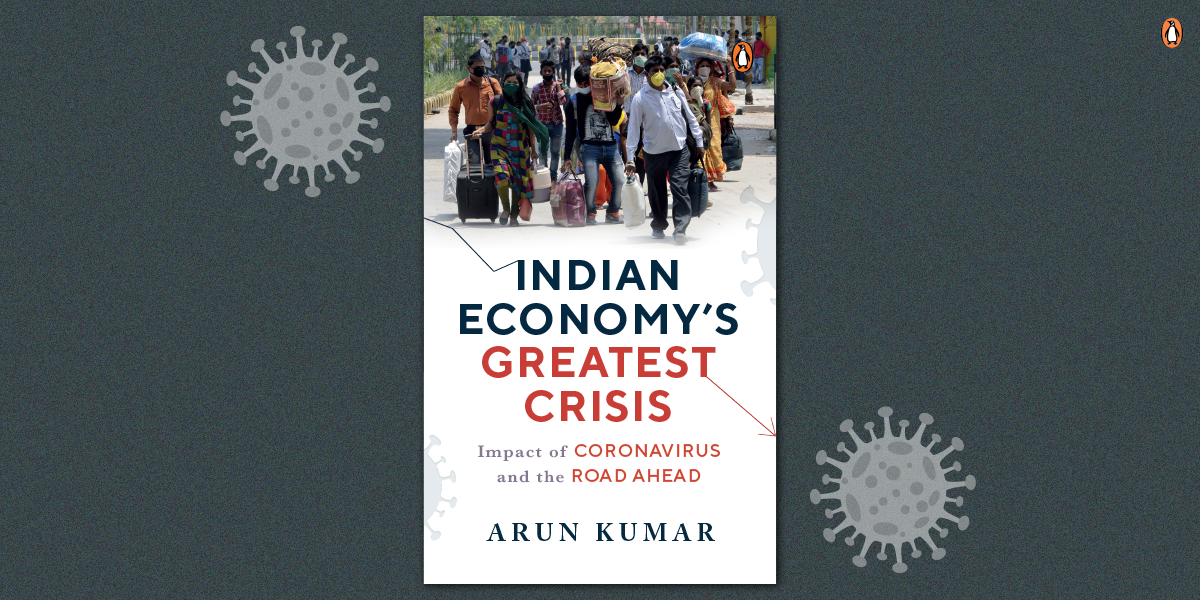
COVID-19 has impacted individual lives and collective communities, making it more urgent than ever to rethink the way our economy runs and the aspects it chooses to focus on. The macroeconomic aspects set the stage for microeconomics, since the latter can be geared according to the former. But macroeconomics can be counter-intuitive and needs to be understood before the other aspects of the economy can be discussed. This is also true in the context of a lockdown. In his book Indian Economy’s Greatest Crisis, Arun Kumar bases his analysis of macroeconomics on the understanding of what happens to variables like incomes, investments, savings, exports, imports and the growth rate of the economy.
In India, the lockdown was substantially loosened June onwards; given the state and spread of the virus in the country, this relaxation came at a time when the pandemic was not brought sufficiently under control. The number of tests was also far below the adequate or ideal number. While some countries have completely controlled the pandemic, it is still unlikely that it will be brought under control globally anytime soon. The economies of different countries have also been affected in different ways under their prospective lockdowns. China was initially reported to have ramped up production after the lockdown ended. In the first quarter of 2020, the rate of growth of the Chinese economy slipped from about +6 per cent in the previous quarter to -6.8 per cent. But the brutal lockdown in the Hubei province ensured that the country could overcome the virus faster. This also ensured the lockdown could be relaxed quickly in the country. As a result, in the second quarter, the economy recovered to +3.2 per cent growth.
Indian Economy’s Greatest Crisis||Arun Kumar
According to Arun Kumar, the situation around the world now is actually worse than it was during the depression of the 1930s or during the world wars. A major difference between a situation of war or recession and that of a pandemic is that during wars or recession, while aspects of the economy might be affected adversely in significant ways, production does not stop. This however is not the case during a pandemic. In a lockdown, production cannot take place, so both supply and demand collapse.
Simultaneously, workers get laid off and their incomes fall, and most businesses close down and their profits fall and even turn into losses. The result is that a large number of people lose their incomes and, therefore, demand falls drastically. This is a unique situation and past experiences of dealing with crises have not been useful in predicting what will happen in the future and how one should deal with the present situation. Therefore, according to Kumar, we need a new understanding of and strategy for the macroeconomics of the nation. The macro-variables—output, employment, prices, savings, investments and foreign trade—need to be reformulated and studied in the light of the changed situation.
In such a situation, the economy goes through three stages. From the normal phase, it declines during a lockdown, but even with the easing of lockdown restrictions, it is unlikely that the economy will immediately bounce back to the pre-pandemic phase. Due to continued wage cuts and unemployment, demand is likely to remain low. Many sectors of production will suffer and take long to revive, businesses will fail and the cost of doing business will rise. It is important that India learns from the trajectory of the economies of China and the US. The Indian economy, like the US and Chinese ones, is likely to recover slowly, especially due to its large unorganized sector which has taken a massive hit despite being at the helm of services which can easily be consider essential.
It remains to be seen how recovery and rehabilitation takes place in India, what the role of private businesses will be, and how the government will handle the new few years, which would end up becoming crucial in defining the trajectory of the country in the near future.
Twenty years later, three people are looking for you.
One is dying to meet you again.
The other wishes you had never met them.
The third wishes they could have met you at least once.
You are one person. Aren’t you? But you are not the same person to each of them.
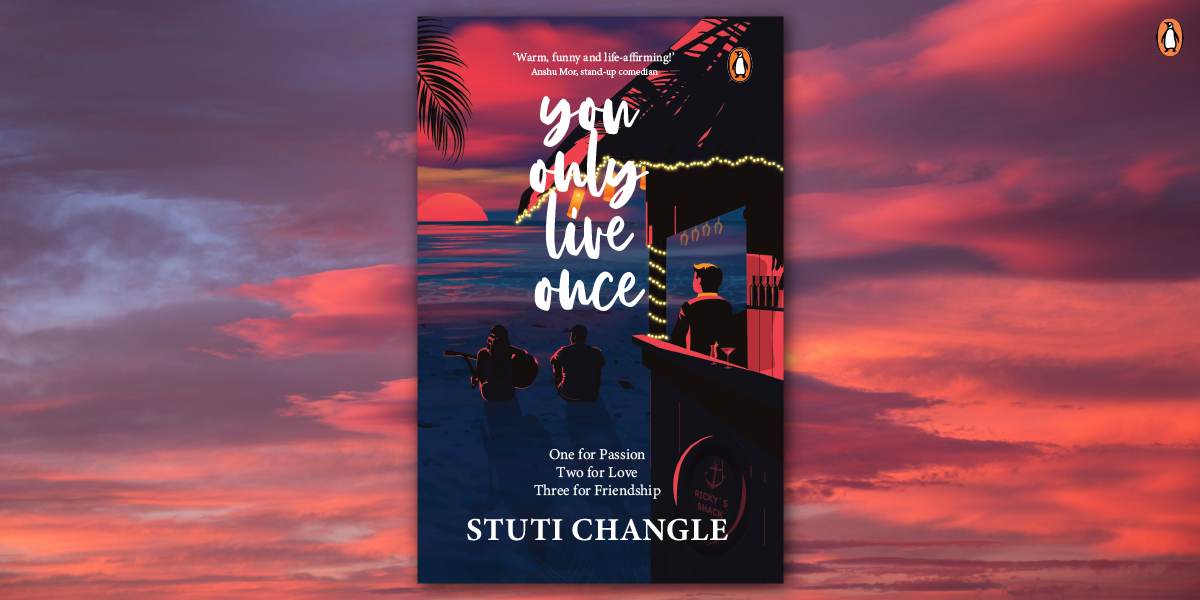
In You Only Live Once, find the answers about your own life in this story about searching for love and discovering yourself. Join a broken but rising YouTube star Alara, a struggling but hopeful stand-up comedian Aarav, and a zany but zen beach shack owner Ricky as they undertake a journey to find the truth behind the disappearance of Elisha.
Here’s an excerpt from the book that throws light on the quandaries in Alara’s heart and her longing for love.
**
Irena, my stepmother, is a new-age fashion influencer and helped me set up my YouTube channel. She isn’t really talented, but she married a wealthy guy, and fancy social media accounts are part of the assets you create if you have a lot of money. After all, rich people can afford to buy new clothes for every post they make.
Having said that, she is a nice person at heart. I don’t really hold anything against her.
I’m not close to anyone at home. Not really. I’m close to my guitar. It’s because it always meets my expectations. People? They often fail to do so. Unfulfilled expectations lead to unfulfilled relationships.
‘Hey! Alara,’ says my step-aunt Betty as I enter La Epicurean.
‘You’ve grown up to be a beautiful woman,’ she continues.
‘Thank you,’ I respond. I don’t talk a lot when it comes to Irena’s siblings. They’re five women, full of gossip and unnecessary banter. Also, here in Czech, women outnumber men, so they’re on a constant lookout for a foreigner to settle down with. Betty is the youngest one and I heard her own siblings discuss her relationship with a guy from New York who is half her age. He is the one who gave her the name Betty too. Living the American Dream has fascinated the world since the 1960s.
‘Which song are you performing tonight?’ she asks.
‘Time,’ I say, wondering if she would even understand the depth of the concept. Time it is, the one thing that has never been on my side. Time is what ruined my game early on. Time is what I challenge as I hope to find my mom, or perhaps, an answer.
‘You have not published a new song in months. What keeps you busy these days?’ she inquires. ‘You don’t even have a day job,’ she adds.
You Only Live Once || Stuti Changle
Yes, this is where I draw the line. Relatives can get so unbearable at times. I am facing a writer’s block, I write my own songs after all. What would she know of it? She is the kind who would seek Irena’s help to write even an email.
‘Soon,’ I smile wide. Curt. Short. Sweet. She deserves to know that much.
It’s been quite some time since I last published a song on YouTube. I wish to release my first album. But I have run out of ideas, literally. I know deep within my heart that leaving this place would help me ideate and write songs. Here, I am consumed with much more than writing and performing at cafes. I have to attend customary functions like today. My dad is respected in the community, and that’s the thing about rich people. They never get bored of partying and socializing. Me? I told you, right? I struggle with a sense of belonging.
I long to be myself sans all the responsibilities and sensibilities I find myself compelled to fit into. I long to meet you, mom. Let me tell you, your mother would perhaps be the most overlooked person by you, trust me. You might not even appreciate the food that she cooks with all the love. But there are people like me who don’t even know what food cooked with love tastes like.
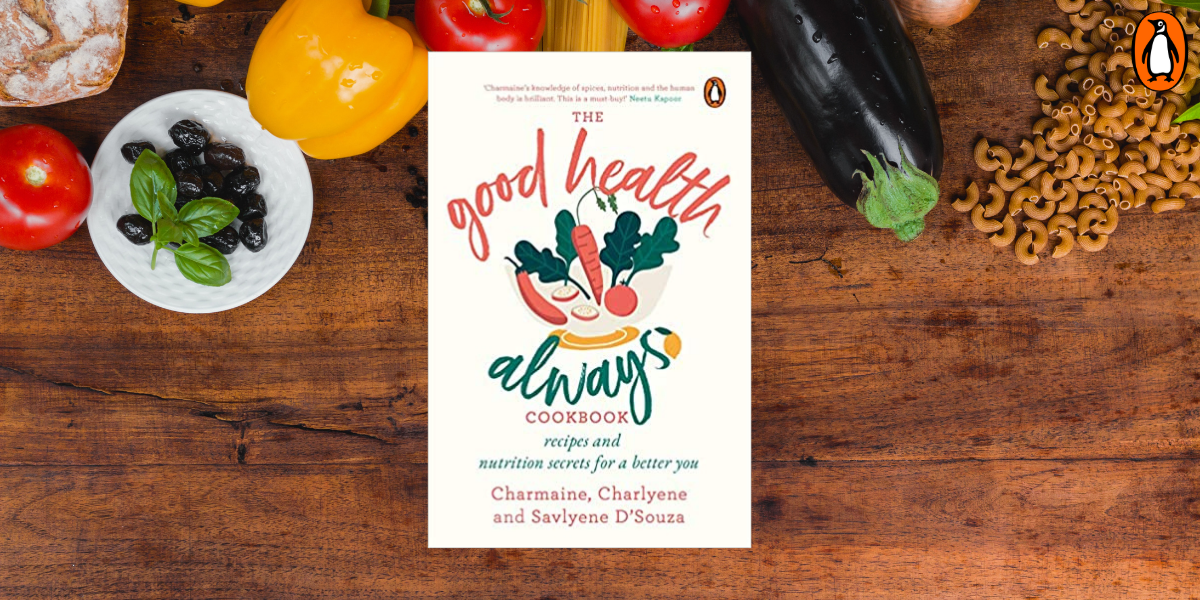
Preparing a meal for someone is an act of love, says Charmaine D’Souza, a nutritionist and a writer of many kitchen exploits. In her latest book, The Good Health Always Cookbook, D’Souza, along with her two daughters, Charlyene and Savlyene, offers the reader a peep into her childhood memories and her comfort food. Read on for a delicious vegan recipe from her book.
VEGAN JACKFRUIT ‘PULLED PORK’ BURGERS
( Chefs the world over are using raw jackfruit in vegan cookery because the unripe flesh has a pork-like texture. The shredded fruit is a popular alternative to pulled pork and is now being used as a vegetarian pizza topping and a filling for tacos. It has a hard bite and absorbs the spices and flavours of a dish just like meat. Try this recipe for our burgers. You will soon become a jackfruit convert. -Savlyene)
Preparation time 30 minutes
Cooking time 20 minutes
Serves 4
INGREDIENTS
4 whole wheat garlic buns
For The Jackfruit Filling
400 gms green jackfruit ( Save the seeds for a curry or hummus)
2 tablespoons jaggery sugar or brown sugar
1 tablespoon finely minced garlic
2 teaspoons smoked paprika powder (or you can use red chilli powder)
1/2 teaspoon pepper powder
½ teaspoon star anise powder
Salt to taste
2 tablespoons vegetable oil
1 cup BBQ sauce (preferably vegan. To be used for the filling as well as for serving)
For the Mixed Vegetable Slaw
1 cup finely sliced mixed vegetables (onions, cabbage with the outer leaves and inner core, carrots with the peel and red, green and yellow bell peppers with the inner pith and seeds)
1 tablespoon jaggery or brown sugar
2 tablespoons lime juice
1 teaspoon pepper powder
Salt to taste
METHOD
In a large bowl mix the ingredients for the Mixed Vegetable Slaw thoroughly to ensure that the veggies marinade in the seasonings. You may need to add a tablespoon or two of water.
Refrigerate.
Mix the jackfruit with the rest of the filling ingredients ( with the exception of the oil and BBQ sauce) and toss them well to coat each bit.
Keep this aside for 5 minutes.
Heat a pan and add the oil.
Add the marinated jackfruit and cook for 5 minutes.
Add ½ cup BBQ sauce and 1 cup water and cook for about 15 to 20 minutes.
Using 2 forks shred the jackfruit as it cooks in the sauce.
Once the shredded jackfruit has properly cooked, turn up heat and cook for 2 more minutes. Then remove from the stove top.
The Good Health Always Cookbook || Charmaine D’Souza, Charlyene D’Souza and Savlyene D’Souza
TO ASSEMBLE
Cut the whole wheat garlic buns in half and put 2 heaped tablespoons of the mixed vegetable slaw on the bottom buns.
Top with a generous serving of the shredded jackfruit filling and cover with the other half of the bun.
Alternatively you can omit the slaw and just use thinly sliced onions and tomatoes.
Serve with the remaining BBQ sauce.
NUTRITIVE VALUE per serving
Energy-206.33 kcal
CHO-30.09 gms
Protein-3.29 gms
Fat-8.09 gms
Sodium-366.53 mg
Potassium-525.94 mg
Calcium-90.88 mg
Iron-1.51 mg
Vitamin A-3.83 mcg
Vitamin C-30.61 mg
FEEDBACK Having seen Savios post on FB about how Charmaine had fooled him by replacing a pulled pork burger with a pulled jackfruit burger I asked her for the recipe. My husband is a staunch non-vegetarian and I am elated to say that he too got fooled. The burger was hot, juicy and wonderful. Best of all no fear of cholesterol and fat. No more pork for us! Thanks to team GHA. – Cheryl Lopes, Mumbai.
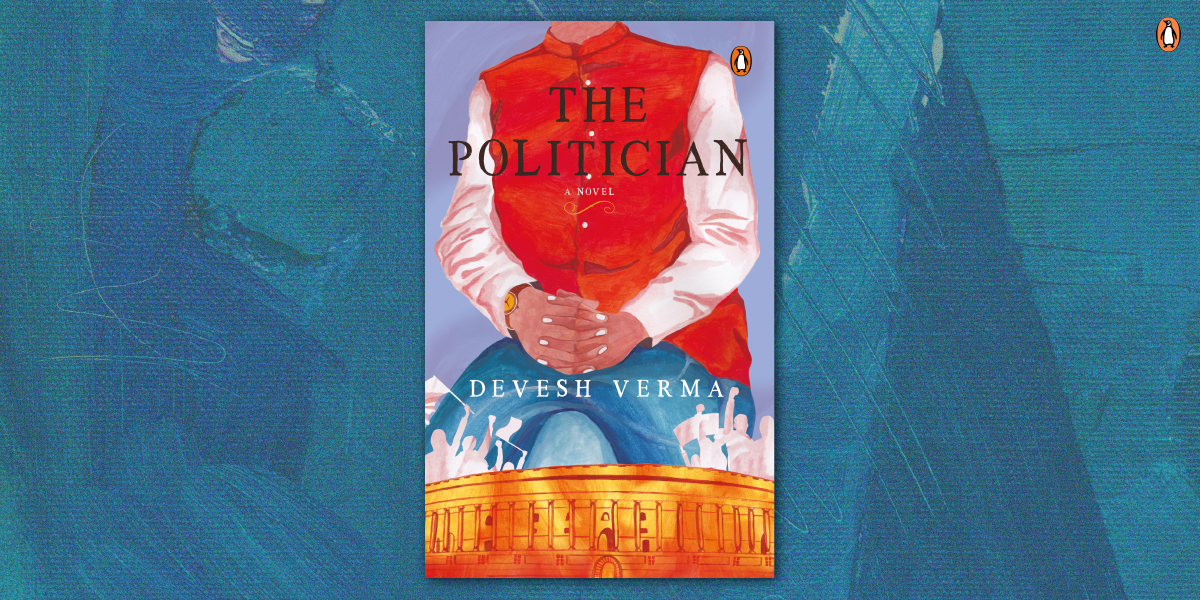
Beginning at the peak of Nehruvian era and ending in the early seventies, Devesh Verma’s sharply witty saga The Politician gives an enthralling, evocative view of provincial northern India-once the political heartland of the country-and the ebb and flow of the fortunes of its protagonists. Ram Mohan is an intrepid and ambitious young man in newly independent India, who refuses to be held down by his humble origins. Spurred on by his diehard optimism, he aims for things usually inaccessible to people of his extraction. However, he soon realizes that without political or bureaucratic power, the idea of a respectable life in India is nothing but pretense, and after a Gulab Singh rescues him from being insulted by a thug, Ram Mohan becomes persuaded of the efficacy of violence in certain situations. Read on for a glimpse into Ram Mohan’s early days, and his initial faux pas balancing political ambition and political correctness!
The flame of political ambition kindled by Kishan Lal Tiwari was still burning bright in Ram Mohan. It was one of the reasons Ram Mohan did not want to defer his research work any further.
Parliamentary and Assembly elections might still be a few years away; he wanted to employ this time to achieve his scholarly objective, a feather in his cap; after which he could think of a way to assert his presence in the political arena as well. It could be either through contesting an election as suggested by Tiwari ji or through associating with the campaign of some important candidate of the Congress. But he was sure if he decided to be in the fray, it would not only be to prove his following. He would fight with a view to securing victory by convincing castes other than Kurmis of his merit. The mere thought of surprising them by his ability to quote from Sanskrit classics and Tulsidas’s Ramcharitmanas was uplifting.
He was never apolitical, but his interest in politics after meeting Tiwari ji had jumped to another level; he would make it a point now to keep abreast of all important political happenings. Just the previous year, he had taken part in a public meeting in Kanpur organized to condemn the allegations of corruption against Nehru government. It was district Congress committee’s answer to the protest rallies of the Communist Party and the People’s Union, the right-wing Hindu party; the former had a strong support base among the workers in state-owned mills of Kanpur, the latter drew its strength from the city’s Hindu shopkeepers. Given his poor grasp of the details, Ram Mohan simply lambasted the opposition, declaring that it was a sin to even insinuate that the allegations could be true; to back up his contention, he invoked the figures of Gandhi, Patel, Nehru and the like whose values were the cornerstone of the Congress. Biting at each word, Ram Mohan wondered how a respectable member of the Union cabinet chosen by Nehru ji could be accused of any financial misconduct. His speech had brought tears to the eyes of some old Congressmen.
Later however, the controversy had transformed into a monstrous scandal, brought to light by none other than Nehru’s estranged son-in-law, a Congress MP. He had raised the issue in Parliament. What had seemed to have transpired was that the Life Insurance Corporation of India had ploughed a huge amount of money into a private company of tenuous reputation; the shares were bought the day the stock markets were closed and at a price much above their market-value. The resulting uproar forced the government to order a judicial enquiry, which found the finance minister guilty of making the fraudulent investment. He had no option but to resign. It was the first big instance of government corruption coming to surface in independent India, which shocked Ram Mohan into making a fetish of financial honesty and pouring scorn on people suspected of bribery. Before Ram Mohan could plunge into research on the poetsaint, there had been a couple of more Congress-related events to engage him.
Soon after the scandal, Nehru dropped the bomb of his reluctance to continue as PM, arguing the position demanded ceaseless work, leaving him with no time ‘for quiet thinking’. The Congress was thrown into turmoil. Congressmen across the country were falling over themselves to issue appeals to the party to pay no heed to the hideous idea. When local congress leaders in Kanpur met to pass a resolution against Pandit ji’s ‘request’, Ram Mohan committed a political faux pas by suggesting— to the extreme embarrassment of all the office bearers in the committee—that the resolution should also urge Nehru ji to identify and nurture an alternative leadership before he could think of quitting. Ram Mohan had to be shouted down by all those present. ‘We’re shocked and disgusted at this temerity,’ bellowed a committee member. Anyway, the crisis blew over shortly as Nehru quit the idea of quitting by bowing down to the party’s wish.
If I cannot do great things, I can do small things in a great way.- Dr Martin Luther King, Jr
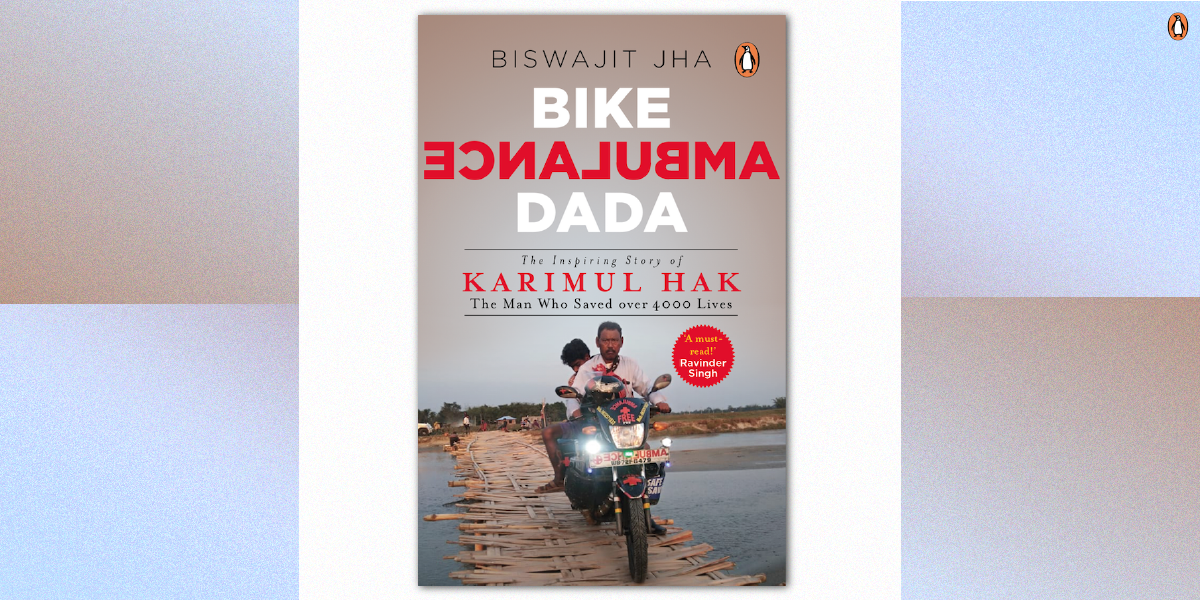
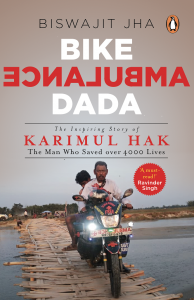
Bike Ambulance Dada, the authorised biography of Padma Shri awardee Karimul Hak, is the most inspiring and heart-warming biography you will read this year. It documents the extraordinary journey of a tea-garden worker who saved thousands of lives by starting a free bike-ambulance service from his village to the nearest hospital.
Here is an excerpt from Bike Ambulance Dada by Biswajit Jha titled A Bike Ambulance Takes Shape.
Bike Ambulance Dada || Biswajit Jha
Now that Karimul had a bike, he was no longer dependent on his cycle to ferry a patient. The bike gave the patients a greater chance of survival by ensuring they got to the hospital quickly. Karimul, too, was under less pressure, physically and mentally; he could be more certain of patients getting timely medical attention, be they sick or injured, and riding a motorbike was far less physically taxing than cycling all the way with a passenger.
One day, in 2008, when Karimul was enjoying a cup of tea with some acquaintances at a tea shop in Kranti Bazaar, one of them, Babu Mohanta, suddenly cried out. The engrossing discussion on political affairs was halted abruptly. The small group sprang into action to find out the reason behind Mohanta’s shriek. Investigations revealed that a snake had bitten him just above the ankle. Karimul immediately made up his mind to identify the snake, as this would help the doctor decide on the course of treatment; it was imperative in such cases. He saw the snake but could not identify it. Thinking fast, he somehow caught the snake and put it in a small box so that he could carry it to the hospital. He applied a pressure bandage on the wound as well. With the help of those around them, Karimul got Mohanta tied to his back and asked a villager to ride pillion with him. Before starting out for Jalpaiguri Sadar Hospital, Karimul instructed the man to make sure that Mohanta did not fall sleep. The snake, carefully locked in the box, accompanied them to the hospital.
On the way, they met with a huge traffic jam on the bridge over the Teesta, just 5 kilometres from the hospital. The road was chock-a-block with vehicles stranded on the bridge, all trying to find a way out and, in the process, aggravating the situation. As Karimul zipped past the four- wheeled vehicles, he saw an ambulance stuck in the traffic. When he asked the ambulance driver for the patient’s details, he was told that the man had also been bitten by a snake, and they were heading for the same hospital as Karimul. Manoeuvring his much-smaller vehicle between the cars and moving towards the hospital with Mohanta, the soft-hearted Karimul felt sorry for the patient in the ‘proper’ ambulance, unable to get out.
Karimul soon reached the hospital. Once there, he showed the snake to the doctor, who was at first startled but then observed it intently for a few seconds before springing into action with the treatment.
After getting Mohanta admitted, Karimul went back to the bridge where they had seen the ambulance. He saw that the ambulance, along with other vehicles, was still there; the patient had, unfortunately, passed away.
After a couple of days, Babu Mohanta was released from the hospital. He was the first person bitten by a poisonous snake in the village to be saved—all because of Karimul’s timely intervention and bike ambulance service.
Before this incident, though Karimul had ignored the taunts of some of the villagers and had gone about ferrying patients to hospital, he had sometimes harboured misgivings that his bike ambulance was a poor substitute for the conventional ambulance. But that day, he realized that his bike ambulance was sometimes far more convenient than a standard ambulance. From then on, there was no looking back for him. His new-found confidence enthused him to serve people with increased passion.
After he was awarded the Padma Shri, the Navayuvak Brindal Club, Siliguri, donated to him an ambulance that he used for some months. But the traditional ambulance not only consumed more fuel, it was also rather difficult to drive it to remote and far-flung areas. After some weeks, he stopped using that ambulance; though it is still with him, he doesn’t use it. Instead, he now has three bike ambulances at home; one is used by his elder son, Raju, another by his younger son, Rajesh, while Karimul himself mostly uses the bike ambulance donated by Bajaj Auto, which has an attached carrier for patients.
Thanks to Karimul Hak’s unique initiative, the bike ambulance has become popular in rural areas of India. Inspired by him, some social workers, as well as some NGOs, have started this service too, thereby saving thousands of lives in far-off areas of the country.
While Karimul has saved many lives, he deeply regrets not being able to save some. Still, he derives immense satisfaction from the fact that a person like him, with a paltry income and limited capacity, has made a difference in the lives of so many people. Relatives and family members of those who died en route to the hospital, or even after reaching the hospital, at least know that they, through Karimul, tried their best to save their loved one. This is a noteworthy achievement for Karimul, who dreams of a day when lack of medical treatment will not be the reason for someone’s death.
Bike Ambulance Dada is a must-read today as it will inspire us to do and be better in our lives.
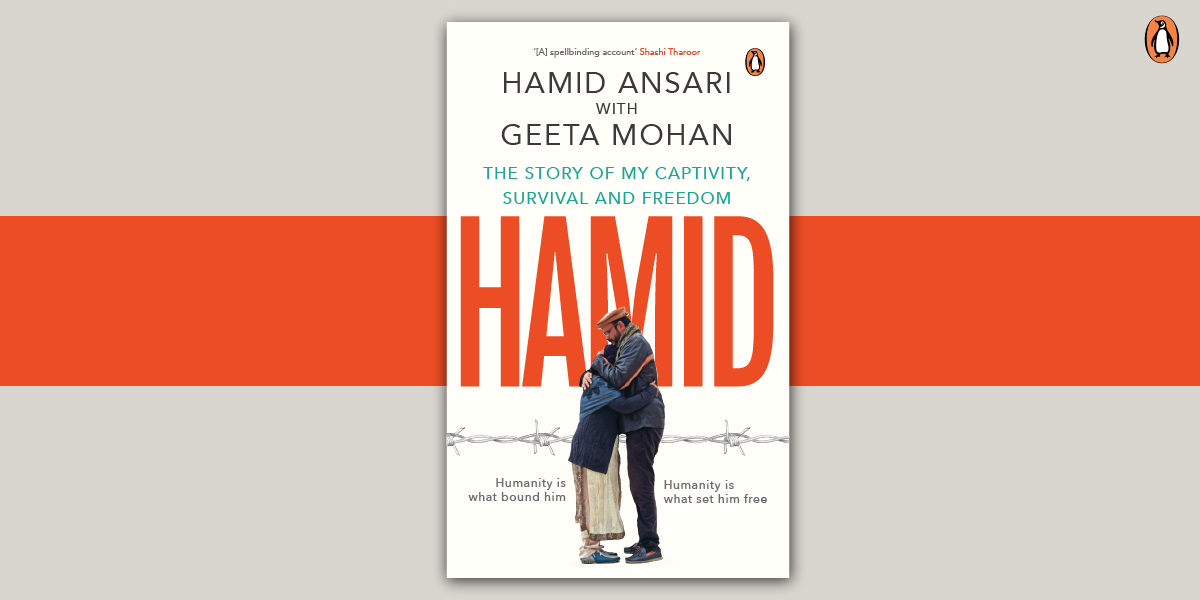
When Hamid Ansari returned to India in 2018, it was a matter of great public interest. He disappeared in November 2012, and wasn’t heard of until Pakistani authorities accused him of espionage. The then External Affairs Minister Sushma Swaraj also took an interest in his case and helped in his restitution.
Hamid Ansari’s mother Fauzia Ansari is the vice-principal of a Mumbai college, and his father Nehal Ansari is a marketing manager in Bank of India. Hamid had completed a degree in engineering and had gone to Dubai for an MBA internship. He did a lot of voluntary social service work with the Rotaract Club, often teaching at regional-language schools, helping students from weaker sections of society, cleaning the streets, etc. Through this club, he became friends with exchange students from Japan, Hong Kong, Afghanistan and other countries. That was how he met Hamdan Khan, from Afghanistan, who offered him a place to say should he ever visit the country.
In November 2012, the then 27-year-old techie told his parents he was going to Afghanistan to interview with an airline company. But a few days after landing in Kabul, Ansari went missing.
Hamid||Hamid Ansari, Geeta Mohan
Ansari went to Pakistan on what he strongly believed was a humanitarian mission. Fiza, the woman he wanted to save, lived in a part of Pakistan well-known for honour killings. Hamid met Fiza on an online chatroom. They became friendly soon, but Fiza’s family was already bent and insistent upon Fiza getting married. Given the beliefs Fiza’s family held, it was a near impossibility that anything would come of their relationship.
But one day, Fiza’s brother shot and killed a boy in their neighbourhood, and shot at his own father. Her father took the blame, but as retribution, the jirga (local tribal council) decided that under the wani custom, Fiza was to be married off to an elder son of the aggrieved family as compensation. There was no space for negotiation in the matter. The word of the jirga was binding.
This turned Hamid’s world upside down in many ways. Jatin Desai, an activist spearheading the mission to get Hamid released, had said that the first time he met Hamid was around six months before he disappeared. Hamid had met with Desai asking for help in acquiring a visa to Pakistan. Hamid had been told by his friends later that he could find an easier passage into Pakistan through Afghanistan. His appeal to the Pakistani High Commission through the Rotaract Club had been rejected after great delay. Having received no communication from Fiza herself, he decided to try entering Pakistan through Afghanistan.
Meanwhile November 14, 2012 onwards, Fauzia stopped receiving any news from Hamid. She checked airline passenger lists and went to the consulate but to no avail. Hamid seemed to have well and truly disappeared.
He was arrested in Kohat, the city where Fiza lived. In all probability he was set up by the people he had trusted, who had taken him to the hotel where he was staying, and promised to take him to Fiza. He had been suspicious of sudden last-minute changes in their plan, but he was also and illegal entrant in a foreign country with dubiously made fake identity cards, he didn’t speak the local language, and he looked conspicuously out of place. He was completely at the mercy of the people he had initially trusted, people who would later make him deeply regret his decision.
Indians and Pakistanis alike worked tirelessly for his release. The story of Hamid Ansari is also the story of individuals caught in the faceless vortex of state power. It showcases individuals as human beings first, and nationally divided citizens after. Activists rallied for him on both sides of the border, Fauzia worked day and night, and Zeenat Shazbadi, the Pakistani journalist who worked his case throughout was also later detained for her links to Ansari and was subjected to ‘enforced disappearance’. Everyone put their lives at stake to fight through this situation. Above all, Hamid is a story of strength and resilience through the most hostile circumstances possible. It gives us activists, lawyers, parents – ordinary people – who are actually heroes in the real world, and it narrates the life of a man who survived impossible conditions dauntlessly, because he believed in the innocence of his cause.
The past year has been indelible in terms of the challenges it presented to humankind. With the unprecedented COVID-19 virus slowly clutching every part of world in its grip, people have increasingly found themselves feeling lost and hopeless. In times of crisis, however, the right words emerging from the right source can prove to be life-changing.
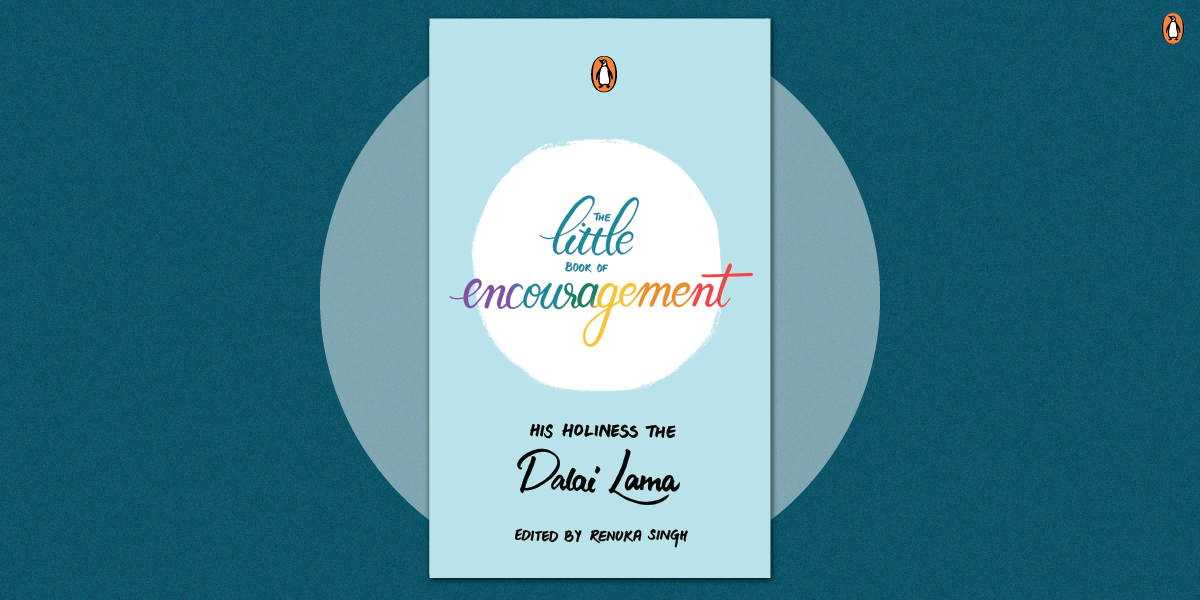
Today, we are presenting to you 10 such unforgettable quotes by His Holiness The Dalai Lama that will act as a salve for you during these difficult times, filling you with optimism and cheer. These thoughts can be found in The Little Book of Encouragement, a specially curated companion volume in which His Holiness shares words of encouragement to deal with new realities in a pandemic stricken world.
**
1. It’s not enough to pray for one’s peace of mind; one must examine what disturbs their mind and eliminate it.
2. Each religion has certain unique ideas or techniques and learning about them can only enrich one’s faith.
3. When this blue planet is viewed from space, there are no national boundaries to be seen. To solely concern oneself with a nation is outdated.
4. I am just one of the seven billion human beings alive today, and as such, I try to promote human compassion based on the sense that all human beings are one.
5. To the young people who are protesting and are desirous of change; to those who are struggling against systems that they see as oppressive, remember—the world is always changing.
The Little Book of Encouragement || His Holiness The Dalai Lama
6. The planet does not need more successful people; the planet desperately needs more peacemakers, healers, storytellers, and lovers of all kinds.
7. Learn through listening and reading, come to an understanding through reflection, and turn that into experience through meditation.
8. We must ethically re-examine what we have inherited, what we are responsible for, and what we will pass on to the coming generations.
9. We must recognize that we are not individuals who are alone. We depend on our community and are a part of it. No matter how rich your family is, without the community you cannot survive.
10. Our life depends so much on others that at the root of our existence lies a fundamental need for love.
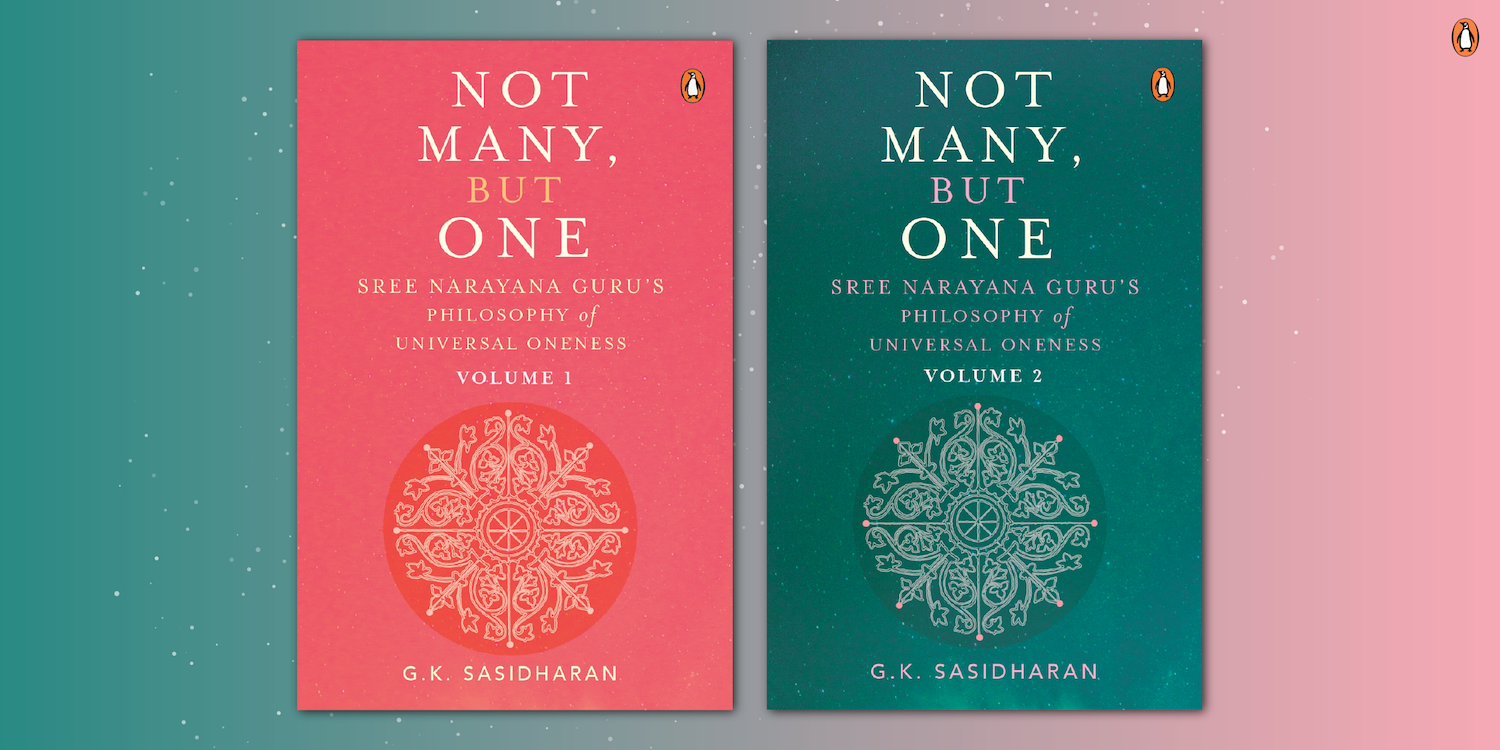
Not Many, But One combines knowledge from Sree Narayana Guru’s Advaita philosophy and the latest findings of modern physics, astrophysics and life sciences to tackle some fundamental scientific and philosophical issues. Here is an excerpt from the second volume, which explores how Sree Narayana Guru revived the Advaita philosophy.
~
In India, religion and spirituality are used very often as synonyms. While religion is more to do with rituals, spirituality has more to do with one’s self or, the spirit. In India, spirituality and religion are inherent parts of the day-to-day living of people in all walks of life. In India, people belonging to all the major religions of the world coexist in harmony for centuries. We begin with Hinduism since it is the dominant religion in the subcontinent.
Not Many But One Volume I||G.K.Sasidharan
For the study of Indian spirituality, it is essential to understand the basic tenets of Hinduism, a rich, complex and deeply symbolic religion. Hinduism is otherwise known as sanatana Dharma, or the eternal truth/tradition/religion. the Vedas are considered as superhuman-divine revelations, revealed to sages and seers in higher states of communion with ‘the one’—the Absolute. the Vedas are believed to be the world’s most ancient scriptures.
The Absolute is understood in three ways: one, as Paramatma or nirguna (unattributed) Brahman (the unattributed, all-pervading aspect of the supreme); two, as saguna (attributed) Brahman (the supreme soul as the aspect of God within the heart of all beings); and three, as Parameswara, the Absolute in the Jagrat or visual feature.
The entire universe is an illusion, a Vivartha (reflected image) of the absolute reality. the absolute reality can be seen only by turning inward as if it is you or inside you. the Indian philosophy differentiates between ‘belief’ and ‘faith’. A belief may or can be true, whereas faith can never be so; though faith is very often used to mean acceptance. For example, in earlier times, the earth was believed to be flat (belief). now, we know precisely that the earth is spherical (faith). According to Hinduism, experience is the key to faith.
The mother, father and the guru are akin to God. Ahimsa or non-violence to all forms of life is a basic principle. nothing is considered bad so long as it is within limits and the body accepts it. Hinduism believes in the following aspects: An absolute ‘one’, all-pervading supreme being both immanent and transcendent, the creator of un-manifest reality, though it is the only ‘Reality’.
According to Karma, the law of cause and effect, each individual creates his own destiny by his thoughts, words and deeds. Karma is not fate; for man, his deeds create his own fate. God does not punish anyone; one reaps what he sows. the effect of his acts makes him take several births until all the debts of his deeds—good and bad—are returned. still, prayer and nobility give Divine Grace. Man is not a born sinner. Divine grace is equal for all. Hindu philosophy believes in equality of well-being for all— Lōkā Samasta Sukhinō Bhavantu.
Reincarnation (where the soul evolves through many births) continues until all Karma is resolved. then only one attains Moksha or liberation from the cycle of rebirth. this destiny is common for all souls—the existence of divine beings in unseen worlds, temple worship, rituals and devotion lead to communion with the ‘Devas’ or gods in other worlds.
Not Many But One Volume II||G.K. Sasidharan
The history of spirituality and religion in India extends back to the end of the Palaeolithic period. this is evidenced by early traces of it excavated from different parts of India. there is evidence of ‘fire worship’ and ‘mother goddess’ worship as early as 10,000 BCe to 30,000 BCe. In Baghor situated near Kaimor escarpment Medhauli village in Madhya Pradesh, the excavated triangular stones and altars of fire worship seem to be 30,000 years old. A triangular stone was found incised with triangles, marked in red ochre, at an altar for a goddess. even today this practice continues in many villages in India, where similar stones, smeared in red and incised with triangles are offered to village deities. the triangular shape is generally taken as the basis for creating yantras, which are used for the worship of various deities. In the Indus Valley civilization (Harappan civilization) Kalibangan proto-Harappan age (3500 BCe–2500 BCe), they practised worship of the mother goddess, phallic worship and worship of a male god.
The new ideas of spirituality built up through the last couple of centuries, combining Western materialistic ideas with mystical traditions of Asia; especially of Indian religions. the ultimate endeavour was to find the truth of the individual’s entity ‘I’. With the advent of translations of Hindu texts in the West, mostly during the last century, transcendentalist thoughts started influencing Western thought, which led to the endorsement of universalist ideas and to Unitarian Universalism.
The theosophical society that searched for sacred teachings in Asian religions contributed to the major influence on model spirituality. It was influential on several Asian religions, especially on neo-Vedanta, the revival of theravada Buddhism, and Buddhist modernism, which adopted modern Western notions of personal experience and Universalism and incorporated them in their religious perception.
The perpetual philosophy of Asian tradition furthered the influence on the Western model of spirituality. An important influence on Western spirituality was neo-Vedanta, also called neo-Hinduism and Hindu Universalism, a model interpretation of Hinduism which developed in response to Western thoughts and oriental thoughts. the Unitarianism and the idea of Universalism were brought to India by missionaries and had a major influence on neo-Hinduism. this universalism was further popularized and brought back to the West as neo-Vedanta by swami Vivekananda.
~
The translations, explanations and commentary given in the two volumes of Not Many, But One are simple and conceivable by ordinary readers who may not be well equipped to grasp the complexities of the intuitional spiritual findings of Advaita and hypothetic conclusions of quantum physics-but without compromising on the authenticity of the works.
It is deeply unfortunate that it took a pandemic and its damage to make us realise what we should have known from the very beginning – we owe our environment sustainable and responsible use. No man is an island, and certainly not when it comes to the natural world. Deanne Panday, in her book Balance, takes a deep dive into the climate crisis and the depth of human complicity in the destruction of our natural world.
The climate of the world has seen a drastic global change merely over the past few decades. We have arrived at a point in the Anthropocene where the damaging impact of human footprint has become irreversible. The increased emission of carbon dioxide has increased health risks and long-term respiratory damage. One living in a metropolitan city is no stranger to this – checking the AQI levels of our cities and towns fills us with dread, and yet this dread remains insufficient in motivating us to radically change our lifestyle.
The increase of greenhouse gases such as carbon dioxide and methane has resulted in heat waves, where days are getting hotter. Extreme heat can lead to more droughts and hot, dry conditions can, in turn, spark off wildfires. We have recently seen devastating fires in Australia and California. Heat waves lead to drought, which would translate into food scarcity and eventually famines especially in countries reliant largely on agriculture.
Balance||Deanne Panday
The ozone layer has not been an exception in the damage done to the natural environment of the planet. While in the stratosphere it absorbs ultraviolet rays from the sun, the story changes closer to ground. Ground-level ozone is emitted from industrial facilities and electric utilities, motor-vehicle exhaust, petrol vapours and chemical solvents. Breathing ozone can result in chest pain, throat irritation, coughing and congestion. More ozone is formed in summer because there is more ultraviolent radiation from the sun then. It has been estimated that ozone mortality will be more pronounced in India and China, eastern United States, most of Europe and southern Africa.
Covid-19 is not the only that will plague our lives. Other climate sensitive diseases like cholera, malaria, the West Nile virus etc are expected to magnify. According to the Intergovernmental Panel on Climate Change, the rise in temperatures, along with an increase in population, could put many more people at risk of being infected by it. The reproductive, survival and biting rates of the Aedes aegypti mosquito species, which carries dengue, are strongly influenced by temperature, precipitation and humidity. Mosquitoes are cold-blooded creatures and seek out warmer environments to regulate their body temperatures.
Greenhouse gases also have an impact on the spread of infectious diseases, since they affect rainfall and temperatures. Higher greenhouse gas emissions also impact nutrients in food – A higher carbon dioxide concentration reduces nutrients such as proteins, vitamin A and folate, which are already in short supply for lakhs of people around the world.
Fertilizers are also responsible for several health disorders. Algal and cyanobacterial blooms produce toxins that are harmful to wildlife and humans. Warmer ocean temperatures and precipitation promote their growth, and their main ingredient is nitrogen. The heavy use of nitro-based fertilizers to grow our food causes a range of illnesses in human beings, such as headaches, vomiting, diarrhoea, numbness and tingling.
The planet we inhabit now is vastly different from the one that existed even thirty years ago. The deterioration has been incredibly rapid. At this point, where restoration might be an option anymore, it is high time we at least begin the process of mitigation instead of myopically pursuing personal comforts.
Few holidays induce as vastly differing reactions as Valentine’s Day, or stir up such a storm of emotion. Whether you’re floating on the throes of first love, nursing a broken heart, enjoying the calm fulfillment of your own company, or simply prefer fictional romance to the messiness of the real thing, we have the book for you!
Our Ultimate Valentine’s Day Book List will give you the perfect book to celebrate love and friendship across the spectrum through the most passionate prose and lyrical longing.
Memory of Light || Ruth Vanita
If there was place and time truly meant for romance, it was 18th-century Lucknow, a vibrant city full of musicians, poets and courtesans, of languorous lovers and lilting poetry. Amidst this milieu Memory of Light weaves the exquisite tale of the love between-two women courtesan Chapla Bai and young poet Nafis Bai as they exchange letters and conversations feeding each other the heady fruit of desire.
French Lover || Nasrin Taslima
The greatest and most basic necessity for a healthy relationship is to be able to know and love oneself. French Lover is a young Bengali woman’s search for love and independence in a strange city. Stifled in an unhappy marriage, Nilanjana’s long road to self-discovery is initiated by Benoir Dupont, a blond, blue-eyed handsome Frenchman. In her passionate, sexually liberating relationship with Benoir, she finally begins to have an inkling of her own desires.
Undying Affinity || Sara Naveed
You’ll fall in love as much with the city of Lahore as with the book’s protagonist in this simple yet touching romance by Sara Naveed. Caught between her childhood friend, Haroon and handsome professor, Ahmar, little does beautiful, spoiled Zarish know that one individual can completely change her perspective towards life. Packed with romance, drama and tragedy, Undying Affinity will stay in your heart forever.
The Beauty of the Moment || Tanaz Bhathena
There’s nothing quite as intense or as memorable as the pangs of first love and this delightful YA romance truly celebrates the thrilling ‘beauty of that moment’When sharp and driven ‘new girl’, Susan meets ‘bad boy ‘ Malcolm, sparks fly. The ways they drift apart and come back together are testaments to family, culture, and being true to who you are.
The Rabbit and the Squirrel || Siddharth Dhanvant Shanghvi
The critically acclaimed and delightfully illustrated fable for contemporary times is perfect for lending a dash of elegant whimsy this Valentine’s Day. Lit with longing, and tender questions of the heart, The Rabbit and the Squirrel is an ode to the enduring pleasures of friendship, traced through the poignant love story of the eponymous Rabbit and the Squirrel who against all odds are fated for togetherness.
The Penguin Book of Classical Indian Love Stories and Lyrics || Ruskin Bond
When modern vocabulary fails to evoke romance for you, this extraordinarily lyrical compilation of love stories and poems from the classical literature and folklore of India will come to the rescue. Curated by the master of nuanced emotions, Ruskin Bond and set in regions of great natural beauty where Kamadeva, the god of love, picks his victims with consummate ease, these stories and lyrics celebrate the myriad aspects of love.
An Extreme Love of Coffee || Harish Bhat
If you think of love as life’s greatest adventure that hits you like a caffeine kick An Extreme Love of Coffee is your cup of (not)tea! This faced paced mystery romance follows Rahul and Neha who embark upon a quest for treasure, after drinking a cup of ‘magic’ coffee, discovering their passion for warm frothy concoctions and each other as they race from the plantations of Coorg to Japanese graveyards!
Half Torn Hearts || Novoneel Chakraborty
Sometimes Valentine’s Day is a time to reminisce and to dwell upon the fact that first cut is the deepest. Half Torn Hearts is both a thrilling suspense story and a coming-of-age tale of three layered individuals coming to terms with their first loss, which bares the devil that we all possess but are scared of encountering and which eventually becomes the cause of our own ruins.
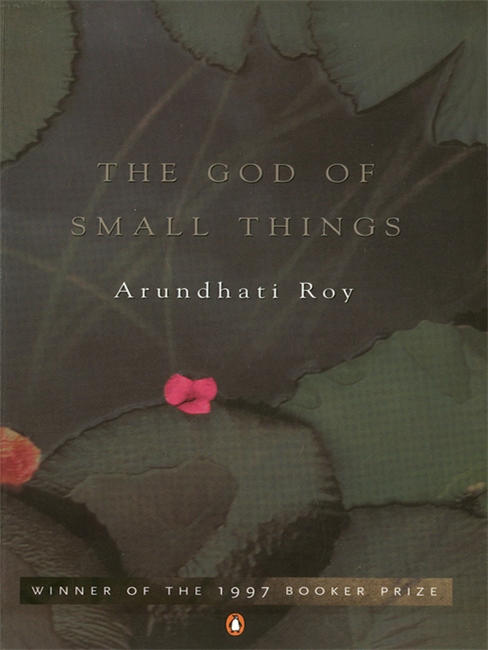
The God of Small Things || Arundhati Roy
Arundhati Roy’s modern classic is equal parts powerful family saga, forbidden love story, and piercing political drama. The seven-year-old twins Estha and Rahel see their world shaken irrevocably by the arrival of their beautiful young cousin, Sophie. With its exquisite prose , it makes for an unusual, but lyrical Valentine’s Day pick.
The Secrets We Keep || Sudeep Nagarkar
This thrilling romance will have you hooked from start to finish following the story of Rahul, an intelligence officer on a secret mission, who falls in love with the major’s daughter, Akriti. But is anyone who they seem to be, or is Rahul about to face the biggest shock of his life?
Eleven Ways to Love || Sreshtha, Sangeeta, Nadika Nadja, Dhrubo Jyoti, Meenakshi Reddy Madhavan, Preeti Vangani, Shrayana Bhattacharya, Nidhi Goyal, Anushree Majumdar, Sharanya Manivannan, Maroosha Muzaffar, D
Love stories coach us to believe that love is selective, somehow, that it can be boxed in and easily defined. With a foreword by the luminary, Gulazar these eleven remarkable essays, widen the frame of reference: transgender romance; body image issues; race relations; disability; polyamory; class differences; queer love; long distance; caste; loneliness; the single life; the bad boy syndrome . . . and so much more.
Till The Last Breath || Durjoy Datta
This deeply sensitive story explores love in the context of imminent death and reminds us what it means to be alive. Two patients, a young brilliant girl fighting to stay alive, and a youthful drug addict who can’t wait to die come together in Room 509. Two reputed doctors, fighting their own demons from the past, are trying everything to keep these two patients alive. These last days in the hospital change the two patients, their doctors and all the other people around them in ways they had never imagined.
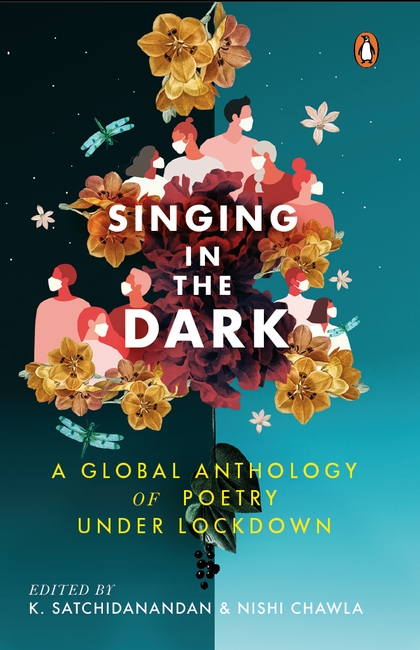
Singing in the Dark || K. Satchidanandan, Nishi Chawla
If love is vulnerability, these strange times have made us even more vulnerable. This global anthology brings together the finest of poetic responses to the coronavirus pandemic. More than a hundred of the world’s most esteemed poets reflect upon a crisis that has dramatically altered our lives, and laid bare our vulnerabilities.
You Are All I Need || Ravinder Singh (Ed.)
This collection of touching stories selected by Ravinder Singh is an ode to the myriad facets of love . This book will make you laugh, cry, think and feel, all at the same time with its eclectic collection of love stories that will warm the cockles of your heart!
Prem Purana || Usha Narayanan
No one is untouched by love, not even devas and asuras, kings and nymphs. This collection of celestial love stories from Indian mythology celebrates the love of Ravana and Mandodari, Nala and Damayanto among many eithers. Tormented by passion, tortured by betrayal and wracked by the agony of separation, these stories deify love in its many splendorous forms.
With Love || TTT
The go-to portal for sweet, sharp, heart-wrenching stories brings this collection of letters that celebrates all the different forms of love and bonds we make, spanning the spectrum from family to our childhood homes , from former loves and future husbands. Deeply personal and intimate, these letters are a great choice to peruse on Valentine’s Day.
This Time Next Year || Sophie Cousens
A lovely contemporary romance that will give you all the warm fuzzies. Quinn and Minnie are born on the same day, but their lives follow completely different trajectories even as fate conspires to bring them together. This moving, joyful love story, This Time Next Year explores the way fate leads us to the people we least expect–no matter what the odds.
The Time Traveler’s Wife || Audrey Niffenegger
This book is a hugely popular modern classic for a reason, its heartwarming, innovative and a moving depiction of the effects of time on love. Henry is a time traveler–cursed with a rare genetic anomaly that causes him to live his life on a shifting timeline, skipping back and forth through the years with no control. Despite the fact that Henry’s travels force them apart with no warning, and never knowing when they will be reunited, he and his wife Clare try to lead a life of normalcy based on an abiding and passionate love.
The Fault in Our Stars || John Green
One of the most popular and moving love stories of our times, this brilliantly explores the funny, thrilling, and tragic business of being alive and in love. Despite the tumour-shrinking medical miracle that has bought her a few years, Hazel has never been anything but terminal, her final chapter inscribed upon diagnosis. But when a gorgeous plot twist named Augustus Waters suddenly appears at Cancer Kid Support Group, Hazel’s story is about to be completely rewritten.
Simon vs. the Homo Sapiens Agenda || Becky Albertalli
An incredibly funny and poignant, coming-of-age, coming out story—wrapped in a geek romance! When an email falls into the wrong hands, sixteen year old and not-so-openly-gay Simon finds his secret is at risk of being thrust into the spotlight. Now Simon has to find a way to step out of his comfort zone without fumbling a shot at happiness with the most confusing, adorable guy he’s never met.













![TILL THE LAST BREATH by [Durjoy Datta]](https://m.media-amazon.com/images/I/512T9fU8ONL.jpg)



![Simon vs. the Homo Sapiens Agenda by [Becky Albertalli]](https://m.media-amazon.com/images/I/51VnsVVcTuL.jpg)