Publish with Us

Follow Penguin

Follow Penguinsters

Follow Penguin Swadesh

A reading list to keep you warm on long Winter nights

We are loving the onset of sweater weather and the slight nip in the air. With the days becoming shorter, spending time indoors is looking even more tempting. To keep you company on your cozy nights in, we are bringing you a fresh list of our November releases. Keep that warm blanket and hot cuppa ready and you’re all set for a heavenly reading session!


Cross Your Heart, Take My Name

Novoneel Chakraborty

front cover of Cross You Heart, Take My Name
Cross You Heart, Take My Name || Novoneel Chakraborty


Garv Roy Gill and Yahvi Kothari meet at an airport lounge by chance. Six months later they find themselves consumed by the proverbial once-in-a-lifetime kind of love. Bored with their mundane daily routine, their adventurous streak makes them decide, one day, to escape the present and begin a new reality somewhere far, far away.

 Cross Your Heart, Take My Name is a beguiling tale about urban loneliness, fickle relationships and our need for companionship as depicted by the twisted journey of two individuals, caught up in their own emotional plight, blurring the lines between crime and sin.


Reporting India

Prem Prakash
front cover of Reporting India
Reporting India || Prem Prakash


Reporting India is a fascinating account of the life and times of Prem Prakash, a pioneer in the field of journalism. Providing a detailed account of his personal and professional life, it includes his reminiscences of the most impactful stories that he covered-including the 1962 Indo-China war, the 1965 and 1971 wars against Pakistan, the Emergency, the assassination of Indira Gandhi and the death of Lal Bahadur Shastri. An intriguing read, the book brings to life some of the defining moments in the history of this country.


Balance

Deanne Panday

front cover of Balance
Balance || Deanne Panday


We go about our lives in a rush-always busy, always tired. Often, we find our joy diminished and our health affected. Through her wheel-of-life programme, Deanne Panday focuses on the thirteen vital elements that each individual needs to be happy, healthy and successful-including physical wellness, career, home environment, joy, financial stability, understanding the effects of climate change, and more. The book doesn’t aim to provide a quick-fix to your issues, but promises to guide you to evaluating your life holistically.


Homecoming and Other Stories

Sri M
front cover of The Homecoming
The Homecoming || Sri M


Padma Bhushan awardee and bestselling author Sri M sees the world in a different light. He sees the good, the bad and sometimes the supernatural. From horror stories to tales that will shock you out of your wits and pull at your heartstrings, there is something for everyone in this eclectic collection. In his quintessential no-holds barred style, Sri M’s The Homecoming and Other Stories urges you to delve deep into the human spirit and get a glimpse of why people do the things they do.


Jugalbandi

Vinay Sitapati
front cover of Jugalbandi
Jugalbandi || Vinay Sitapati


Narendra Modi has been a hundred years in the making. Vinay Sitapati’s Jugalbandi provides this backstory to his current dominance in Indian politics. It begins with the creation of Hindu nationalism as a response to British-induced elections in the 1920s, moves on to the formation of the Bharatiya Janata Party (BJP) in 1980, and ends with its first national government, from 1998 to 2004. And it follows this journey through the entangled lives of its founding jugalbandi: Atal Bihari Vajpayee and Lal Krishna Advani.


50 Toughest Questions of Life

Deepak Ramola
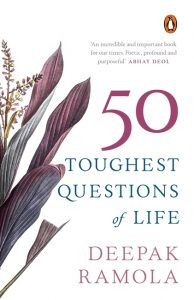
front cover of 50 Toughest Questions of Life
50 Toughest Questions of Life || Deepak Ramola


50 Toughest Questions of Life invites people to have a conversation about themselves with themselves. Deepak Ramola’s quest began after he was inspired by the life lesson of a young girl who said, ‘Life is not about giving easy answers, but answering tough questions.’ Over the years, Ramola has amassed life lessons from inspirational sources across the world: from the women of the Maasai tribe to young girls in Afghanistan and sex workers in Kamathipura; from the lessons of earthquake survivors in Nepal to Syrian refugees in Europe, among many more. Strikingly fresh, tender, yet searing, these questions will make you reflect and inspire you to push beyond your boundaries.


Hamid

Hamid Ansari, Geeta Mohan

front cover of Hamid
Hamid || Hamid Ansari, Geeta Mohan


In November 2012, Hamid, a 27-year-old Mumbai-based techie, disappeared into thin air. What happened? Where did he go? All his parents knew was that he had gone to Kabul, Afghanistan, to explore a job opportunity. Upon some investigation, they found out that their son had been chatting online with some Pakistani friends, in particular a girl, across the border.

Authored by Hamid Ansari and Geeta Mohan, this is the definitive insider account of the man who saw no boundaries when it came to saving a girl from forced marriage under the wani custom. Nothing scared or stopped him; until he was betrayed by his friends in Pakistan.Gritty, heart-wrenching and moving, this is a story of humanity, love, betrayal and hope against all odds.


The Economics of Small Things

Sudipta Sarangi
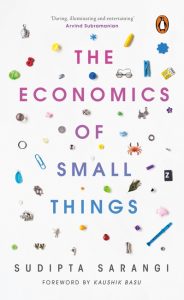
front cover of The Economics of Small Things
The Economics of Small Things || Sudipta Sarangi


In The Economics of Small Things, Sarangi using a range of everyday objects and common experiences like bringing about lasting societal change through Facebook to historically momentous episodes like the shutting down of telegram services in India offers crisp, easy-to-understand lessons in economics. Through disarmingly simple prose, the book demystifies economic theories, offers delightful insights, and provides nuance without jargon.


A Promised Land

Barack Obama

front cover of A Promised Land
A Promised Land || Barack Obama


In the stirring, highly anticipated first volume of his presidential memoirs, Barack Obama tells the story of his improbable odyssey from young man searching for his identity to leader of the free world, describing in strikingly personal detail both his political education and the landmark moments of the first term of his historic presidency-a time of dramatic transformation and turmoil. Extraordinarily intimate and introspective, A Promised Land is the story of one man’s bet with history, the faith of a community organizer tested on the world stage.


Women, Dreaming

Salma

front cover of Women Dreaming
Women Dreaming || Salma, Meena Kandasamy


Mehar dreams of freedom and a life with her children. Asiya dreams of her daughter’s happiness. Sajida dreams of becoming a doctor. Subaida dreams of the day when her family will become free of woes. Parveen dreams of a little independence, a little space for herself in the world. In a tiny Muslim village in Tamil Nadu, the lives of these women are sustained by the faith they have in themselves, in each other, and the everyday compromises they make. Salma’s crystalline storytelling enters this interior world of women, held together by love, demarcated by religion, comforted by the courage in dreaming of better futures.


Let’s Build a Company

Harpreet Grover, Vibhore Goyal
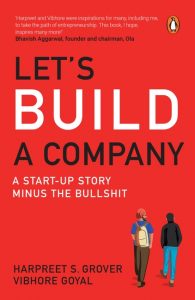
front cover of Let's Build A Company
Let’s Build A Company || Harpreet Grover, Vibhore Goyal


Harpreet Grover and Vibhore Goyal met in college and then spent the next decade of their lives building a company before exiting successfully. One way to tell their story is this: they had a dream, they followed it and, then, through perseverance, they made it come true. But that’s not really the truth. Like everything in life-at least everything worth having-it wasn’t that simple. There was blood, sweat and tears, there was loss of capital, loss of friendship and even a loss of faith along the way. In this book, the duo reveals the story behind the scenes, the story that you don’t always hear. But if you want to be an entrepreneur, and you prefer straight talk to sugar-coating, it’s one you should read.


Humour, Seriously

Jennifer Aaker, Naomi Bagdonas

front cover of Humour, Seriously
Humour, Seriously || Jennifer Aaker, Naomi Bagdonas


Drawing on behavioural science, advice from world-class comedians and stories from top leaders, Humour, Seriously will show you how to harness the power of humour every day. Based on the popular Stanford Business course, this book will show you how to mine your life for material, explore the Four Deadly Humour Myths and help you figure out which style of humour you fall into – The Magnet, The Sweetheart, The Sniper or the Stand Up.


The Girl and the Goddess

Nikita Gill
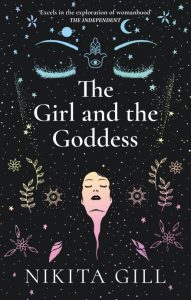
front cover of The Girl and the Goddess
The Girl and the Goddess || Nikita Gill


Meet Paro. A girl with a strong will, a full heart and much to learn. Born into a family reeling from the ruptures of Partition, follow her as she crosses the precarious lines between childhood, teenage discovery and realising her adult self. Navigating different cultures, religions and identities, The Girl and the Goddess is a mesmerising poetic tale of where we come from, how we grow and how we become who we are.


Invent and Wander

Jeff Bezos

front cover of Invent and Wander
Invent and Wander || Jeff Bezos


In this collection of Jeff Bezos’s writings—his unique and strikingly original annual shareholder letters, plus numerous speeches and interviews that provide insight into his background, his work, and the evolution of his ideas—you’ll gain an insider’s view of the why and how of his success. Spanning a range of topics across business and public policy, this book provides a rare glimpse into how Bezos thinks about the world and where the future might take us.


Numbers Don’t Lie

Vaclav Smil

front cover of Numbers Don't Lie
Numbers Don’t Lie || Vaclav Smil


From earth’s nations and inhabitants, through the fuels and foods that energize them, to the transportation and inventions of our modern world – and how all of this affects the planet itself – in Numbers Don’t Lie, Professor Vaclav Smil takes us on a fact-finding adventure, using surprising statistics and illuminating graphs to challenge lazy thinking. Urgent and essential, the book inspires readers to interrogate what they take to be true in these significant times.


Cook, Eat, Repeat

Nigella Lawson

front cover of Cook, Eat, Repeat
Cook, Eat, Repeat || Nigella Lawson


Cook, Eat, Repeat is a delicious and delightful combination of recipes intertwined with narrative essays about food, all written in Nigella’s engaging and insightful prose. Whether asking ‘What is a Recipe?’ or declaring death to the Guilty Pleasure, Nigella’s wisdom about food and life comes to the fore, with tasty new recipes that readers will want to return to again and again.


Love Your Life

Sophia Kinsella

front cover of Love Your Life
Love Your Life || Sophie Kinsella


Ava is sick of online dating and she wants a break from it all. So when she signs up to a semi-silent, anonymous writing retreat in glorious Italy, love is the last thing on her mind. Until she meets a handsome stranger and they pledge their love without even knowing each other’s real names. But when they return home, reality hits. They’re both driven mad by each other’s weird quirks and annoying habits. Can they overcome their differences to find one life, together?


The Lost Spells

Robert Macfarlane, Jackie Morris

front cover of The Lost Spells
The Lost Spells || Robert Macfarlane, Jackie Morris


 Written to be read aloud, painted in brushstrokes that call to the forest, field, riverbank and also to the heart, The Lost Spells summons back what is often lost from sight and care, teaching the names of everyday species, and inspiring its readers to attention, love and care.


Surrounded by Psychopaths

Thomas Erikson

front cover of Surrounded by Psychopaths
Surrounded by Psychopaths || Thomas Erikson


In the book, Thomas Erikson shows you how your weaknesses and personality traits can be exploited by other people and how you can stop them in their tracks. Witty, engaging and informative, this book will give you everything you need to handle life’s most skilled manipulators and identify the psychopaths in your life… before it’s too late!


The Archer

Paulo Coelho

front cover of The Archer
The Archer || Paulo Coehlo


In The Archer we meet Tetsuya, a man once famous for his prodigious gift with a bow and arrow but who has since retired from public life, and the boy who comes searching for him. The boy has many questions, and in answering them Tetsuya illustrates the way of the bow and the tenets of a meaningful life. Paulo Coelho’s story suggests that living without a connection between action and soul cannot fulfill, that a life constricted by a fear of rejection or failure is not a life worth living. Instead, one must take risks, build courage and embrace the unexpected journey fate has to offer.


Troy

Stephen Fry

front cover of Troy
Troy || Stephen Fry


The story of Troy speaks to all of us. It is the kidnapping of Helen. It is Zeus, the king of the gods, who triggers war when he asks the Trojan prince Paris to judge the fairest goddess of them all. It is a terrible, brutal war with casualties on all sides. In Troy you will find heroism and hatred, revenge and regret, desire and despair. It is these human passions, written bloodily in the sands of a distant shore, that still speak to us today.


 Time’s Monster

Priya Satia
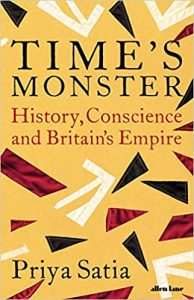
front cover of Time's Monster
Time’s Monster || Priya Satia


For generations, the history of the British empire was written by its victors. In this brilliant work, Priya Satia shows how the historians not only interpreted the major political events of their time but also shaped the future that followed. Time’s Monster reveals the dramatic consequences of writing history today as much as in the past.


Be Water, My Friend

Shannon Lee

front cover of Be Water, My Friend
Be Water, My Friend || Shannon Lee


Bruce Lee is a cultural icon, world renowned for his martial arts and film legacy. But Lee was also a deeply philosophical thinker, believing that martial arts are more than just an exercise in physical discipline – they are a perfect metaphor for personal growth. In Be Water, My Friend, his daughter, Shannon Lee shares previously untold stories from her father’s life along with the concepts at the core of his teachings.


The Sentinel

Lee Child

front cover of The Sentinel
The Sentinel || Lee Child


Jack Reacher gets off the bus in a sleepy no-name town outside Nashville, Tennessee. He plans to grab a cup of coffee and move right along. But his plan is thrown off track when he finds out that the town has been shut down by a cyber attack. At the centre of it all is Rusty Rutherford, an average IT guy but he knows more than he thinks. As the bad guys move in on Rusty, Reacher moves in on them.

Emotion, energy exploration and a little love

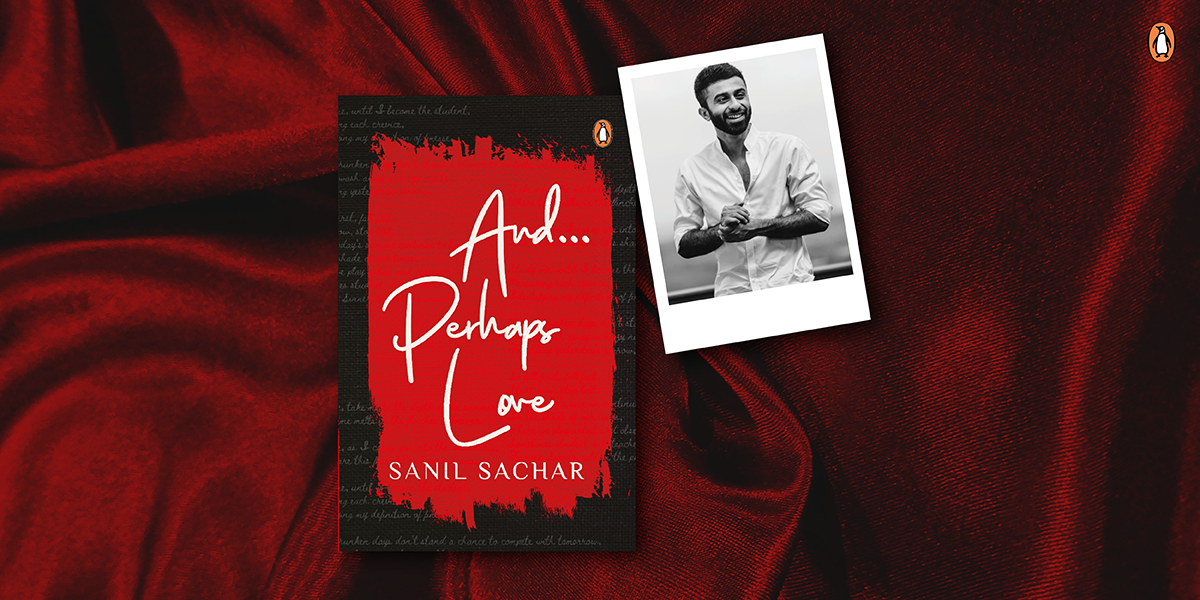
A new normal has replaced the established order. Distant relationships, virtual work, blurred futures and measuring our way back to this reality occupy us every day. Negotiating these changes,  Sanil Sachar’s And… Perhaps Love will work as your companion. It is a silent observer for when you want to read it, and a patient listener when you wish to communicate with it. Capturing the ideas of love, darkness and the attempt to find balance in life, this is a book for now and forever.

Today, we have with us Sanil Sachar, the author of this poetic expedition into the realms of love, sharing with us how the book came into being.


By Sanil Sachar


Love is often romanticised and put on a pedestal

When we think of love, stereotypically, we think of songs with background dancers, serenaded surrounding, flowers blooming, and what not! Why not think of love in ways that don’t put such immense pressure on it? How about love as the reason to feel dismay? Love as the tool to success and failure? Love is more than just a feeling, it is a way of life.


 Love is associated almost a hundred percent with people

front cover of And...Perhaps Love
And…Perhaps Love || Sanil Sachar

When we think of love, we subconsciously associate people with it. When we think of passion, we think of an endeavour. When we think of places, we think of escape. Now, the passion to do something and the feeling of calmness and escape are, in truth, enhanced by the same parts of our body that fuel the feeling of love. So, the next time when someone says love, weigh your options because they all might hold the same weight. In fact, if one diminishes, it directly impacts the other, so hold on to love, in all forms.


Love is given too much responsibility

What is love? Energy. What does energy do? It gets passed on. Who passes on this energy? We, the humans, do. What happens when energy isn’t passed on correctly? Well, love is not passed on. So, who is to blame? Love or us, the people? You see, we make love responsible for much more than it is capable of on its own. It is given too much responsibility, just so we can pass ours onto it. In truth, we aren’t let down by love, we let love down.

To prevent this from happening, we need to acknowledge love in all its avatars.


Books can speak too and they have a lot to share

 When we read, we are inspired to speak, write and communicate. To make this experience come to life, it was critical to write in a manner that is uncommon. A book with spaces, in order to make it seem less naked, needed words that were left undone, unless it inspired the reader to fill the remaining spaces with their experiences. Utilising all forms of literature, with a sequencing leading to several endings to the book, helped establish that books can speak too. They have a lot to share and the best bit about them is, we can say anything we want to them and they don’t tell anyone.


Researched the hardest subject on earth, love

 I believe And… Perhaps Love when read in the correct permutation by each reader is biographical in nature, simply because hundreds of minds led to what is penned within. Over the course of my writing, I have researched subjects through facts, figures and here, the research is inspired by feelings and facts of lives that I met over a conversation shared between strangers, or those that are now strangers.


Nature, wildlife and adventure: Chat with Deepak Dalal

What drove you to write children’s fiction in particular?  


I have always believed that stories are a great tool for disseminating ideas. When you read a good book, the story grips you and you sponge in the concepts the writer weaves in. Children are receptive, they are open to ideas. Adults are hardened versions of children and stories – as a means for influencing the reader – grow less effective. This is why I find writing for children far more rewarding. 

Apart from this I empathise with children and I enjoy spending time with them. By no means can I call myself youngyet I like to believe that there are a lot of childlike qualities in me. 
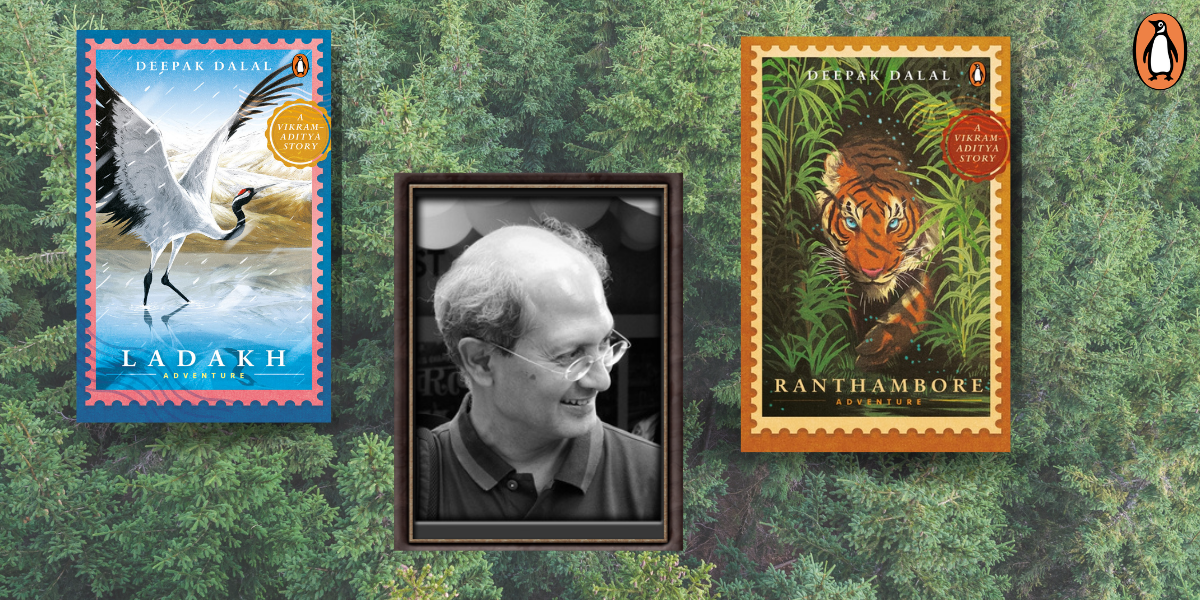
Front cover of Ladakh Adventure
Ladakh Adventure || Deepak Dalal


Your books may fall under the broad genre of ‘children’s fiction’, but the themes you highlight deserve urgent attention. What attracted you to these fragile ecosystems?  


The threat to the well-being of our planet is very real. Across land, freshwater and the oceans, human activities are forcing species populations and natural systems to the edge. There have been 5 mass extinction events in the 4.5 billion years that the earth has existed. Each of them due to natural causes. It is the current belief that we are in the midst of the sixth mass extinction and this one is entirely due to humans and our activities.   

Most children live in cities today, entirely disconnected from the natural world. Through stories set in wilderness destinations I try to connect children with wildlife, forests and the great beauty of our planet. My hope is that if at a young age they can be drawn to the natural world, they will help in saving what remains of it. 

Front cover of Ranthambore Adventure
Ranthambore Adventure || Deepak Dalal


How would you describe the wildlife conservation efforts in India at the moment?  


We have some of the best wildlife scientists and conservationists in the world. Several species have been brought back from the brink through their efforts. These include animals like the tiger, the snow leopard, the rhinoceros, and birds like vultures and the amur falcon. But it isn’t all hunky dory. In spite of our best efforts, we are about to lose the Indian bustard and with the shrinking of wildlife habitats many more creatures will disappear. The loss of forests and wildlife isn’t for lack of effort on the part of conservationists. Rather it is the absence of political will and the apathy of our public – for most of whom wildlife is inconsequential – that is at the root of the problem. 


You describe the moments of encounters between human beings and animals with great detail and intimacy. Are these based on your own experiences with animals?  


I spend a lot of time researching my books. I travel to the destination where the story is set and hook up with wildlife conservationists who are studying animals there. This could be people who are studying tigers, or snow leopards, or marine scientists researching oceanic creatures. These researchers take me into wilderness areas where others can’t visit and it is my experiences with them that provide the backbone to my stories and help me describe animals and landscapes with clarity and detail. 


In this moment, do you think it is possible for human beings and animals to really live in harmony without impinging on each other’s spaces?  


One can’t do away with human-animal conflict. It will always exist. But we can significantly reduce the conflict. Today wildlife exists in isolated forests, most of them small and inadequate for species like elephants that roam in search of food. Wildlife scientists are campaigning for building corridors (stretches of jungle) that will connect the forests and allow animals to move unhindered from one forest to another. These corridors are vital for reducing tragic encounters between animals and humans. 

A curated playlist of Ravi Shankar’s music

We often think of the serious artist as one who is difficult or contrary, who struggles in anonymity. Ravi Shankar does not fit this description: he was a charismatic extrovert who earned and loved the limelight, a polished performer who brought a new professionalism to Indian music. There was something irresistible about him, as millions of fans (and dozens of lovers) would attest.

– Oliver Craske 


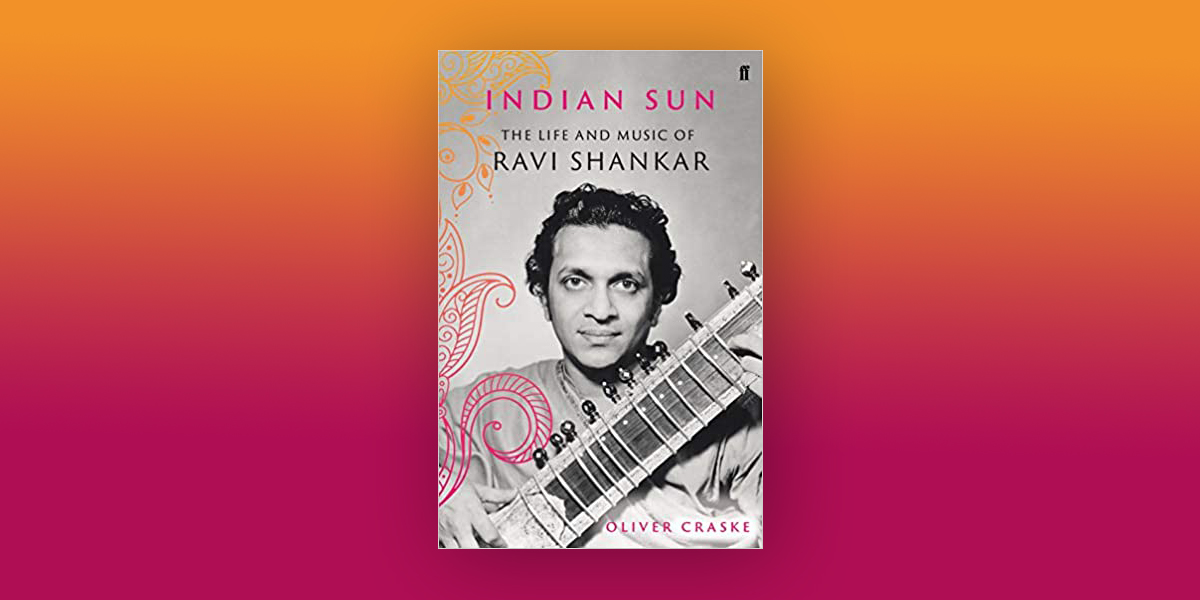
Oliver Craske’s captivating biography Indian Sun: The Life and Music of Ravi Shankar is a labour of love. Born out of over 130 new interviews and unparalleled research and access into the legendary musician’s life and works, this is the first biography of Pt. Ravi Shankar. It immortalises an already unforgettable man by transposing his mesmerizing body of work and the rhythms of his life into the written word. Going a step further, Craske has also curated a playlist of Pt. Ravi Shankar’s work, a combination of short and long pieces that enhance our insight into the maestro through the medium of his genius – music. Here are Craske’s notes on some of these tracks, explaining in his own words why he chose these particular pieces:  


An Introduction to Indian Music [from Sounds of India (1957)] 

A short spoken introduction, with demonstrations on sitar, tanpura and tabla. Recorded on Ravi’s first US album. Gives us a sense of how earnestly and engagingly he played the role of pioneer, educating his new audiences but trusting them to listen with open minds. (4:08) 

~

Dhun Kafi [from In London (1962)] 

Kafi is a springtime raga, associated with the Holi festival and the romance between the gods Krishna and Radha, a favourite theme of Ravi’s. Here he plays it in the light classical thumri style, with tabla accompaniment by Kanai LalThis recording, one of Ravi’s own favourites, is the likely inspiration for George Harrison’s Beatles song Love You To (on Revolver), which was based on the same raga and recorded shortly before the two met in 1966. Both tracks open with an arpeggio on the sitar’s sympathetic strings, and the melodic resemblance is closest between 2:30 and 3:05 here. (12:38) 

~

Tabla Dhwani [from Portrait of Genius (1965)] 

This album Portrait of Genius is a fine example of how Ravi raised the profile of percussionists, previously the poor relations of Indian classical music. Under Ravi’s directionTabla-Dhwani features three tabla players, the masterful Alla Rakha taking the lead and improvising freely, with flute accompaniment by Paul Horn. Absorbing in its deceptive simplicity. (4:53) 

~

Raga Kedara [from The Living Room Sessions, Part 1 (2012)] 

Aged 91, he recorded his last two albums at home, fooling around on sitar along with Tanmoy Bose, latterly his regular touring tabla accompanist. The result was an intimate, close-miked snapshot of his late-period inventiveness, the fruits of a lifetime. His fingers may not have moved quite as adroitly as in his heyday, but this playful rendition of Raga Kedara, from the Grammy-winning first volume, shows how fertile his mind was to the last. (4:47) 

~

Dhun [from Ravi Shankar at the Monterey International Pop Festival (1967)] 

Playing Monterey Pop in 1967 marked the arrival of Indian music into the Western mainstream. Ravi’s three-hour set, accompanied on tabla by Alla Rakha, closed with this dhun in one of his own ragas, Pancham Se Gara. It has an emotional crescendo and such an ecstatic climax that when D. A. Pennebaker cut his famous documentary of the festival, he realised that the only place to put this sequence was at the end of the film. Nothing could follow it. (19:41) 


Front cover of Indian Sun
Indian Sun || Oliver Craske


What Ravi Shankar has left behind is inimitable and irreplaceableThrough his magnificent literary homage, Oliver Craske ensures that the genius lives on through the pages of history.  

The full playlist is available here.

An introduction to reading Amartya Sen

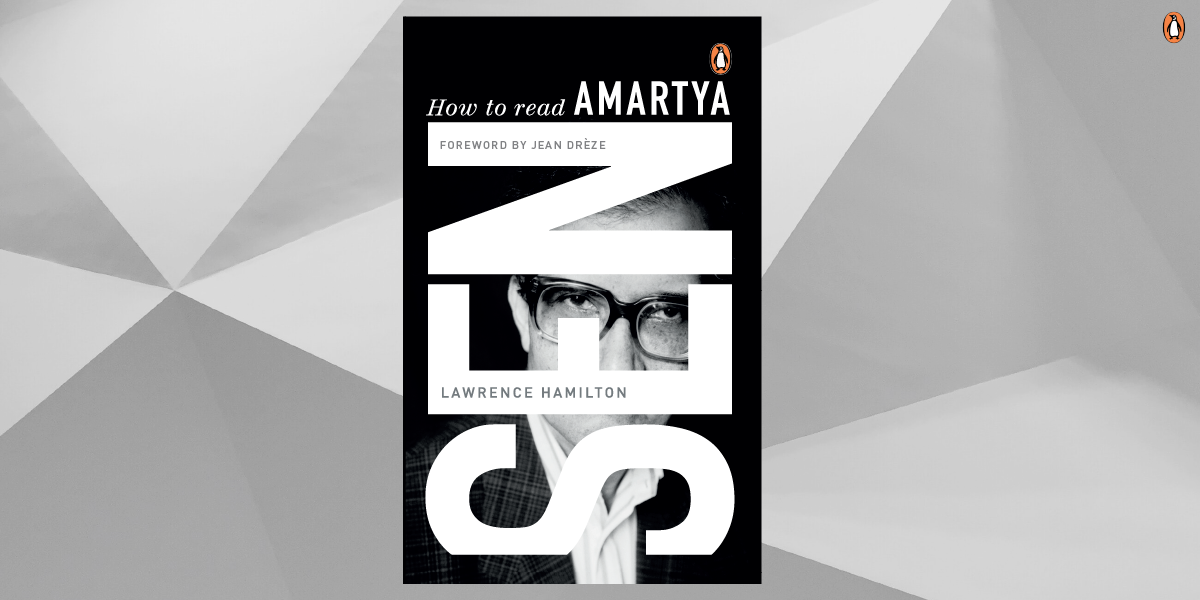
Nobel laureate Amartya Sen is one of the world’s best-known voices for the poor and the downtrodden, and an inspiration for the proponents of justice across the globe. He has contributed almost without peer to the study of economics, philosophy and politics, transforming social choice theory, development economics, ethics, political philosophy and Indian political economy, to list but a few. This book offers a much-needed introduction to Amartya Sen’s extraordinary variety of ideas. Lawrence Hamilton provides an excellent, accessible guide to the full range of sen’s writings, contextualizing his ideas and summarising the associated debates. In elegant prose, Hamilton reconstructs Sen’s critiques of the major philosophies of his time, assesses his now famous concern for capabilities as an alternative for thinking about poverty, inequality, gender discrimination, development, democracy and justice, and unearths some overlooked gems.

**

What can we draw from Sen’s ideas as we struggle to deal with the present crisis and try to remake our world following it? In bringing out Sen’s main contributions to economics, politics and philosophy, this book distills his groundbreaking framework for a new form of political economy, the need for which a crisis like Covid-19 brings sharply into focus. This political economy would be based on freedom-enhancing capabilities’ analysis and public action focused on specific injustices within revitalized democracies. Sen’s work, and that of his collaborators, especially Jean Drèze, is thus vital for the future of democracy in India (and elsewhere).


The best way to ‘read’ Amartya Sen, I suggest, is as a series of courageous theoretical and practical innovations regarding how better to solve instances of injustice via the support, revitalization and reform of democracy, especially in India.


India, the largest democracy on the globe and the oldest in the developing world, is rightly proud of its postcolonial achievements in terms of formal democracy. Yet, this record has not translated into substantive democracy, that is, the kind of achievements in quality of life across the board that would empower all of its residents to take advantage of both its growth in GDP terms and the successful maintenance of formal democracy.

Front cover of How to Read Amartya Sen
How to Read Amartya Sen || Lawrence Hamilton


The Covid-19 situation in India is a powerful illustration of this lack of empowerment. India’s associated abrupt and severe lockdowns have accentuated the inequalities and deprivations of its massive population. Although the highest infection and death rates are still in the wealthier megacities of Mumbai, New Delhi and Chennai, the virus is now spreading fast in more rural areas in the east and south of the country. And it is the urban and rural poor who feel the full force of the three-pronged crisis. The abrupt loss of livelihood due to associated job losses is creating a very dangerous mix of viral spread and impoverishment. The poor, migrant workers, for example, who make up a huge proportion of the Indian population and economy, come from historically disadvantaged classes and castes and work very low-paying jobs without legal contracts. They live hand to mouth. The original decision to abruptly lockdown India left them marooned far from home, without shelter, work and sustenance, bar the incomplete coverage provided by the public distribution system (PDS) and the National Rural Employment Guarantee Act (NREGA). Overnight, this generated a mass migrant exodus, which has been compared to the great migration during Partition (Deshingkar 2020). And, as the disease spreads east, for example, it is those who eke out basic subsistence in the poorest states, such as Bihar and Jharkhand, with high population density and much weaker medical infrastructure, who will be under the most severe threat of food insecurity and infection (Drèze 2020).


All told, the poorest, most precarious and least powerful sections of India’s population have been largely abandoned by the Indian state in their time of need. The arrogance and indifference to the plight of these lower caste, uneducated, labouring people brings into sharp relief the extreme inequities Sen has fought for more than half a decade to overcome (Mander 2020).


In the second edition of Drèze and Sen’s magisterial account of the various things that have plagued public policy for development in India, especially in areas such as health, education, social security, environmental protection, economic redistribution and so on, they argue convincingly that these components of development depend on public action. Effective public action is not possible without significant change to how it is thought about and implemented in India. It depends on high standards of governance both in the determination of where and why extreme deprivations exist and how best to keep corruption at bay and accountability to the fore. It is an indictment on successive Indian governments over the last two decades or so that, despite high levels of growth, its latest social indicators are still ‘far from flattering’. China may have been less successful at keeping famines at bay, but in terms of social progress – from ending poverty to the provision of decent education and functional toilets – it has been far more successful than India. Moreover, as regards most relevant social indicators, India is still worse off than many of its much poorer south Asian neighbours, such as Bangladesh, Bhutan, Nepal and Sri Lanka. With the sole exception of Pakistan, India has the lowest life expectancy, the highest child mortality rate and the highest fertility rate. In terms of sanitation and child nutrition, India fares worse than all of its neighbouring countries. Its rates of female literacy are amongst the lowest in the region. And, staggeringly, over 40 per cent of India’s children are underweight, compared to 25 per cent in Sub-Saharan Africa (Drèze and Sen 2020).

**


The ego and the victim complex

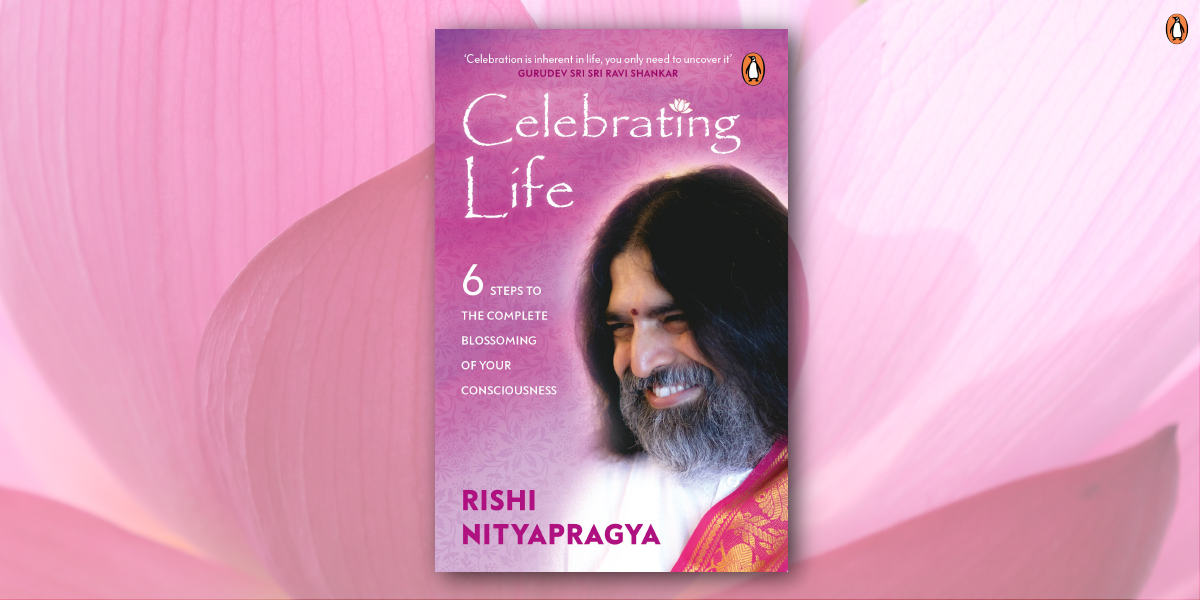
The universe has bestowed limitless powers and infinite siddhis on the human consciousness. Along with being effective and successful in the personal and professional spheres, the purpose of human life is also to ensure the complete blossoming of the individual consciousness. In Celebrating Life, Rishi Nityapragya shares the secrets that can help you explore your infinite potential. He offers an in-depth understanding of how to identify and be free from negative emotions and harmful tendencies, and how to learn to invoke life’s beautiful flavours-like enthusiasm, love, compassion and truth-whenever and wherever you want.

Here’s an excerpt from this profound book about overcoming the negative tendencies of the mind.

**

On the basis of past events, many people have the habit of blaming themselves. Small mistakes they have committed in the past lead them to form strong judgements about themselves, resulting in a sense of guilt, regret and self-blame. The exact opposite of that happens when some people develop the self-pitying tendency of blaming others for their miseries. They believe strongly that people are doing things to deliberately hurt them. This is called the victim consciousness, self-pity, the ‘poor-me’ attitude. The ego that makes you blame yourself is guilt complex. The ego that makes you blame others is victim complex. Both these flavours of the ego are extremely harmful—they are impediments to the blossoming of your life. Realizing your mistake is good enough; you don’t need to keep blaming yourself. Turn that pinch into a sense of commitment and resolve not to indulge in the same mistake again. Guilt is a wasted feeling. In the realm of consciousness, if you want to be free from any harmful habit, from negative tendency, from klisht vrutti, you need inner resilience and a sense of commitment connected with intense shakti (power), almost like a space rocket breaking the shackles of gravity by acquiring escape velocity and plunging into outer space. The guilt makes you feel bad about yourself, drains your energy, breaks the strength of your resilience and commitment.
 

People keep falling into this vicious cycle: they make mistakes, indulge in negative tendencies, feel guilty about them and blame themselves, but in a little while commit the same mistakes again. In order to attain freedom from negative tendencies, what you need is a strong, unwavering commitment, maintained for a substantial amount of time.


Guilt plays a counteracting role in this process. It destroys the strength of your commitment, which is necessary for you to break free of harmful tendencies.

Front cover of Celebrating Life
Celebrating Life || Rishi Nityapragya


The game of the victim ego is exactly the opposite of this. But before we go there, I want to remind you to be non-defensive and urge you to courageously look at the truth of life. Nature, existence, the universe, the Divine has given us so much. Let us take an example of this lifetime alone. From the time you took birth till today, in the so many years that you have passed in this physical body, look at how many wonderful things have happened to you. How much abundance has been bestowed upon each one of us! From getting the beautiful tool of this physical body, through which we are experiencing this wonderful life, to our family members who trigger so much love and a sense of support and security in us. Look at the variety of colours, flowers, fruits, vegetables, grains and spices nature has given us, for us to enjoy them all. Look at how the sun, the moon, the seasons, the seas, the wind and the rain have played their magnanimous roles in making your life so rich. In the ups and downs of this rollercoaster ride called life, look how the unseen hand of the Divine has always protected us. In the most challenging situations too, through different sources and in the form of different people, help has always come for you. But this extremely dangerous flavour of the ego, the victim consciousness, the sympathy-seeking, self- pitying, poor-me attitude, does not allow you to celebrate, appreciate or even acknowledge all these gifts of life. It tends o magnify your losses. When extraordinary benefits come your way, your victim ego never asks, ‘Why me?’ But as soon as something goes wrong, this poor-me runt starts cribbing and makes your life miserable.


In comparison with the positives of life, the negatives are minuscule, but the victim ego focuses on the negatives and puts on the glasses of self-pity and blame, through which this beautiful world begins to appear ugly, manipulative, almost demonic. People act according to their own tendencies, preferences, likes and dislikes, but when the victim ego colours your vision, viparyay takes over. Random, unintentional, insignificant gestures by people around appear to you as intentional and manipulative. These two flavours of the ego, guilt and victim complexes, have one thing in common: they thrive on blaming. This tendency to blame takes away your ability to respond to what is happening now. It does not allow you the freedom to drop the negativities and be free. It takes away your openness to celebrate life. In the process of blaming others, one completely disregards this basic, fundamental principle of life: ‘To keep your mind happy, pleasant and positive is your own responsibility.

**


Devika Rangachari: On research, favourite books and potatoes

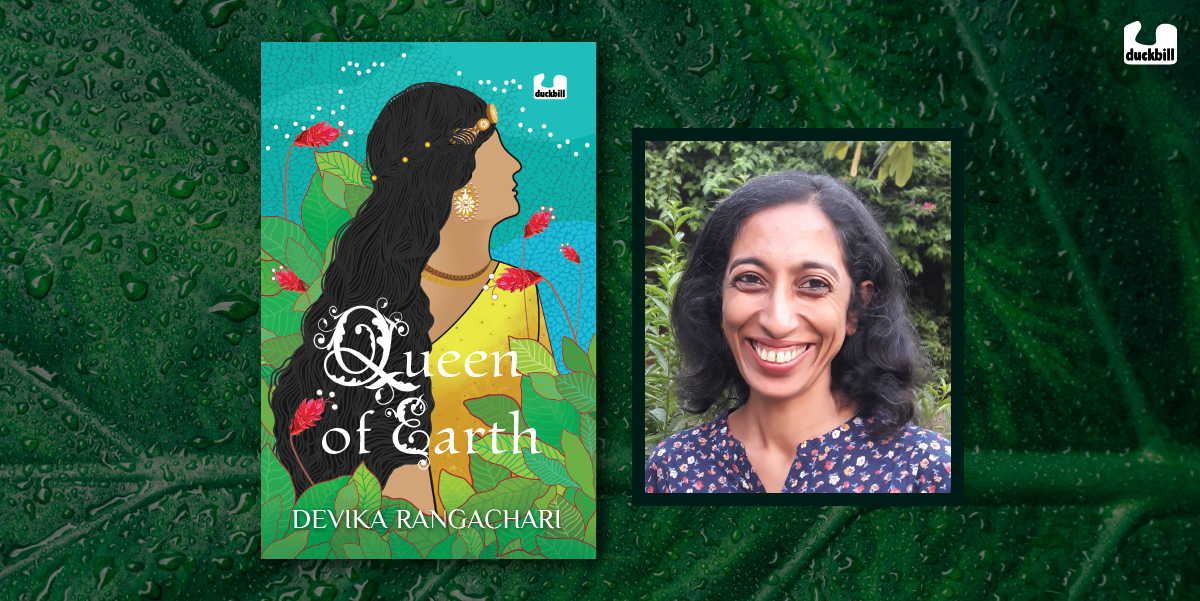
It is not for nothing that Devika Rangachari’s new book is called Queen of Earth; we have been conquered completely by this wonderful historical narrative. Rangachari’s research is urgent and important, and has given us a book that is poignant and inspiring in equal parts. We had a chat with the author and it was delightful.


Since you are a historian by training, was there something specific that led you to choose Prithvimahadevi as the protagonist for Queen of Earth?


Prithvimahadevi and her rule over the Bhaumakara dynasty in the ninth century CE formed part of my post-doctoral research on gender in early medieval Odisha. It was an extension of my doctoral research whose underlying essence was the manner in which women have been made practically invisible in the historical record due to an existing gender bias. The silences pertaining to Prithvimahadevi in the annals of the Bhaumakaras were intriguing given that the records of her family, the Somavamshis, indicate that she held her own over this rival dynasty for a period of time. The content of the inscriptions that she issued also contains clues to her political sagacity and shrewdness.

Most historians, on the other hand, in keeping with the ubiquitous gender bias that governs the writing of history, tend to ignore Prithvimahadevi’s rule or dismiss it in a few grudging sentences, implying that her rule precipitated the downfall of the Bhaumakaras. Her story and the manner in which she has been viewed in later ages formed an immediate and striking parallel with Didda, the protagonist of my earlier work, Queen of Ice, who has been similarly vilified for being a strong and ambitious woman. It was for these reasons that I chose Prithvimahadevi as the protagonist of Queen of Earth. The story of this remarkable woman deserves to be more widely-known.


Gender-sensitivity is such an important qualifier for a genre like historical fiction for instance. What drove you to write these books for children?


The manner in which history is taught in schools only serves to deepen the gender bias that exists in the writing of past narratives. Textbooks continually underline the apparent irrelevance of women to the historical record by only focusing on what clothes or jewellery they wore and being arbitrary in their selection of names to include in the historical sequence. As a result, the overwhelming impression conveyed is of the men always being at the centre-stage of the polity, society and economy in the past, driving all the action and doing the things that mattered, while the women stayed indoors obsessing over what to wear.

This, as a gender historian like me knows, flies in the face of actual evidence. Original sources, such as texts, inscriptions and coins, reveal the palpable—and often powerful— presence that women had in all stages of history and it is very important to acknowledge this if we are to understand the past at all. Gender-sensitive historical fiction would go a long way in correcting this lopsided historical record—and this is the reason I wrote Queen of Ice and Queen of Earth, featuring strong women characters who left a mark on history but who have been virtually erased from it, legitimate parts of their collective past that children would probably never get to know about.

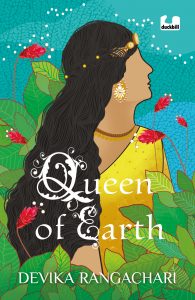
front cover of Queen of Earth
Queen of Earth || Devika Rangachari
Who were your favourite writers growing up?


That is a rather tough question to answer! I read voraciously—anything and everything I could lay my hands on—so I had a very long list of favourite writers when I was growing up. To add to that, my school librarian realised that I was an advanced reader at a very early stage and challenged me with books that were way beyond my age range, so I discovered some wonderful writers through her, too. I loved Enid Blyton, of course, but not her most popular stories, such as her Famous Five series. Instead, I preferred her standalone books, such as The Six Bad Boys, The Family at Red-roofs and The Put-em-rights. I also loved Elinor M. Brent-Dyer’s riveting Chalet School series about a school that started in the Austrian Tyrol and then moved to Guernsey and, subsequently, Switzerland. As I grew older, I added P.G. Wodehouse, Agatha Christie, Georgette Heyer, Mary Stewart and A.J. Cronin to my list of favourites.


What are your 3 desert island reads?


Touch Not the Cat by Mary Stewart, Up the Down Staircase by Bel Kaufman and The Code of the Woosters by P.G. Wodehouse. And a million others that I want to mention!


Do any of your characters resemble people you know in real life?


My early school stories regularly featured characters based on me and my friends. However, as my focus is on historical fiction now, my acquaintance with my characters is only through research. It must be noted, though, that Didda and Prithvimahadevi, the protagonists of my latest books, are very relatable people whose dreams, motives and actions have familiar resonances.


We hear you’re a potato fan. What is your favourite way to eat potatoes– fried, mashed, roasted, something completely different?


Fried, mashed, roasted, boiled, baked—all forms of the potato are delicious—and eminently welcome. Wondering about potato ice-cream but not sure it’s a good idea!


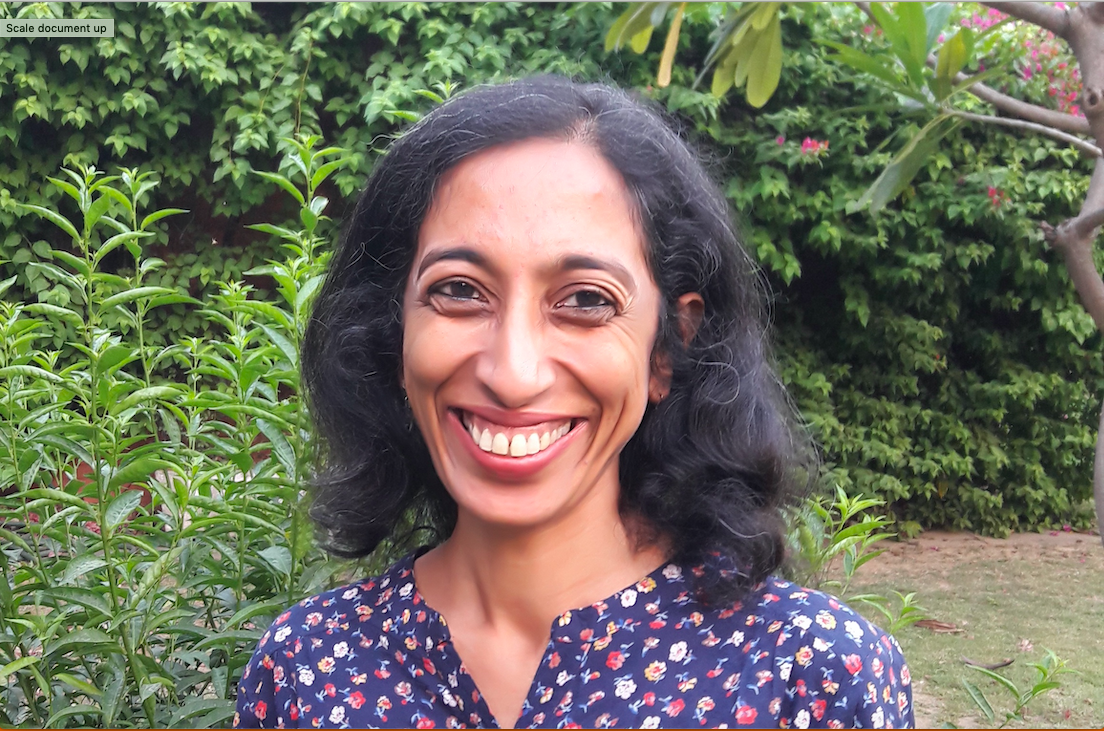
Picture of Devika Rangachari
Devika Rangachari


We also hear you’re fond of libraries. Do you have a favourite one, or is there a library you haven’t yet visited and want to?


The British Council Library in Delhi and the Dr. B.C. Roy Memorial Children’s Reading Room and Library, also in Delhi, are my favourites. The place I most want to visit, though, isn’t a library but a museum and visitor centre dedicated to children’s literature—Seven Stories, the National Centre for Children’s Books in Newcastle upon Tyne, England. Not only does it curate its own exhibitions of the best children’s books, including original manuscripts and illustrations, but it also hosts workshops, seminars and author and illustrator visits throughout the year. I think I could live there perfectly well!

Do you have a writing routine? Is there a specific time of the day for example when you are most productive or get the most writing done? Or is your work pattern more flexible?


I am more a reader than a writer, so I could spend the entire day quite happily between the pages of a book. However, deadlines have an unnerving habit of looming, so that is when I write and then usually in the morning for a couple of hours. I do it fairly fast with very few drafts, so the entire process doesn’t take too long. Mine is a rather flexible work pattern!


If you could meet one author, dead or alive, who would you meet and why?


I can’t really choose! I would probably keep an entire day for meeting my favourite authors, scheduling different time slots for them and being in a joyous trance all through. There is so much I want to know from them—their motives for writing particular stories, the manner in which they honed their craft, their favourite writers and so on. If I had to choose, though, I would like to meet P.G. Wodehouse for his masterful blending of humour and language, and Hilary Mantel for her exquisite retellings of history.

~ We agree with you 100% Devika. Especially about the potatoes. ~

The trappings of an unconventional life

Saeeda Bano was the first woman in India to work as a radio newsreader, known then and still as the doyenne of Urdu broadcasting. Over her unconventional and courageous life, she walked out of a suffocating marriage, witnessed the violence of Partition, lost her son for a night in a refugee camp, ate toast with Nehru and fell in love with a married man who would, in the course of their twenty-five-year relationship, become the Mayor of Delhi. Though she was born into privilege in Bhopal-the only Indian state to be ruled by women for four successive generations-her determination, independence and frankness make this a remarkable memoir and a crucial disruption in India’s understanding of her own past.


**


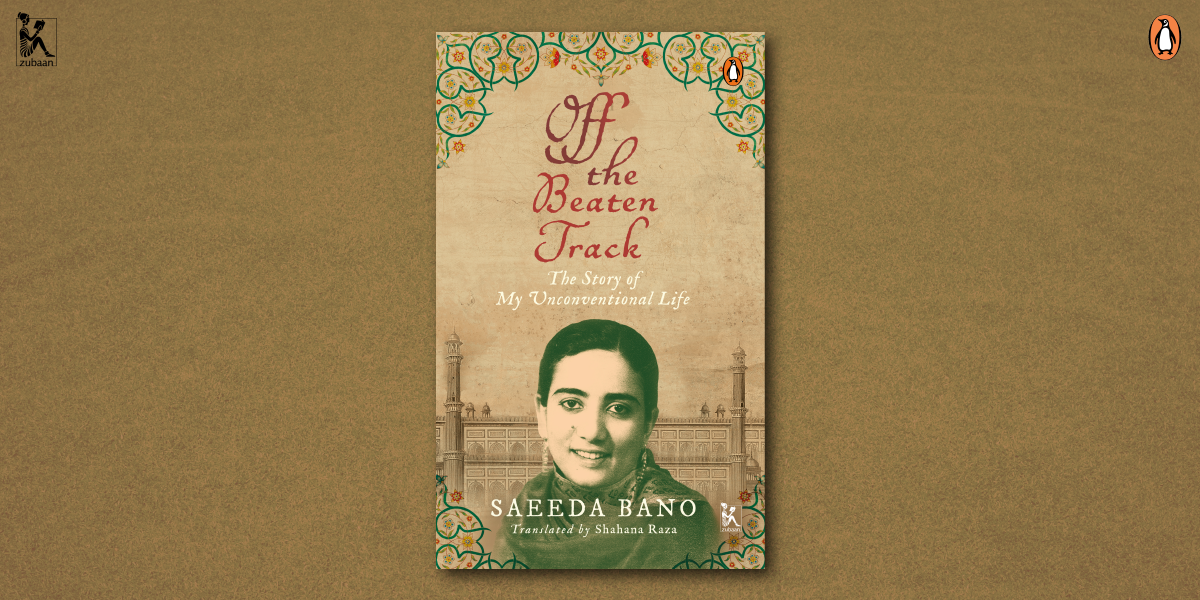
front cover of Off the Beaten Track
Off the Beaten Track || Saeeda Bano

Why did I think of writing the story of my life? Well, the entire credit goes to my friend Sheila Dhar, whom I met during the most eventful time in the history of our country, back in September 1947. When she saw the unusual situation I was grappling with during those tumultuous days of Partition, it made a deep impact on Sheila’s impressionable mind. She was quite young at the time; I came across to her as an unconventional woman – one who had chosen to take the road less travelled.


As time went by the circumstances I was dealing with became more exceptional. Sheila was witness to all this. She was older now, mature enough to understand what was happening in my life. Perhaps that is why she encouraged me to start writing. 


Little did I know that one day my circumstances would change so dramatically that by 1947 I would become famous as the first Indian woman to read news for All India Radio’s (AIR) Urdu service. And bless Sheila Dhar, she got me to write this book.  


On the 13th of August I was to reach office by 6am and read the 8 o’clock bulletin in Urdu. Mrs Vijaya Lakshmi Pandit, sister of Independent India’s first Prime Minister Pandit Jawaharlal Nehru, had been a frequent visitor to Lucknow. She was Beevi’s good friend and because of that I met with her quite often. She treated me like a younger sister. During one such meeting I mentioned I had sent a written application to AIR Delhi for a job. Mrs Pandit was a keen supporter of women’s rights and immediately asked me to give a copy of the application to her. ‘I will try and see what I can do.’ She then sent the letter to a certain Dr Syed Hussain in Delhi with instructions that ‘the work should be done.’ And so it was. How could Syed Hussain not honour Vijayalaxmi Pandit’s orders? That is how I came to Delhi. 


I was ready to deliver my very first news bulletin on air on the 13th of August 1947. Prior to this, no woman had been employed by either the BBC (British Broadcasting Corporation) or AIR Delhi to work as a news broadcaster. I was the first woman AIR considered good enough to read radio news. Of course they had to train me and I was taught how to first introduce myself on air with my name and then start reading the bulletin. The quality of my voice was appreciated. The feedback I got was that listeners were quite impressed by the style in which I delivered the news. The Statesman newspaper even published a few words of praise about me. I believe some people said I must have planted this story. But that’s pure conjecture. 


I am always grateful to the Almighty that people were eager to hear me read news on radio and appreciated my work. But I never gave this public acceptance undue importance. Hundreds of letters would pour in from various parts of the world in praise of my voice. Several gentlemen even expressed a desire to marry me! Though some of the listeners went as far as to curse me, asking that now that Pakistan had been formed why was a traitor like me still living in the enemy state? From this side of the border, some my own countrymen would write in saying, ‘Get out of our country, go to Pakistan.’ 


After a while, this continuous barrage of reproach ended, but hordes of letters continued to arrive regularly. I didn’t give them too much weightage nor did they get to my head. I met and mingled with everyone but I did not know how to tell witty jokes or interesting anecdotes, sing or even make delightful gossip at a social gathering. 


We were in the midst of our discussions when Pandit Jawaharlal Nehru saw us. He came over to where we were and asked, ‘What are all of you doing? Have you had breakfast? You guys have to get here so early in the morning, you must be famished. Come over to Teen Murti House… I will give you brown bread to eat… homemade brown bread.’ 


Who could refuse the Prime Minister of India? We reached Teen Murti House (former residence of the first Prime Minister of India) and were made to sit in the front veranda on the top floor. Spread out in front of us were the verdant Mughal Gardens and sitting next to us, Nehruji himself. He was busy giving precise orders to the waiter to bring brown bread, cheese and God knows what. Though we were in seventh heaven my mind was preoccupied. I was worried sick and kept wondering where Asad and Saeed could be. Panditji buttered the warmly toasted brown-bread himself, then he sprinkled it lightly with salt added a dash of pepper and asked, ‘Have you ever eaten bread like this?’ 


‘No I haven’t,’ I replied, thanking him politely as I took the slice. 


He then made another toast for me, which I ate as well. But by now I was extremely anxious. Here was the Prime Minister of our country, being hospitable and there I was worried sick with thoughts of where my children could be. Panditji saw the concern on my face and asked, ‘What is the matter? What is bothering you?’ 


‘My son is lost.’


‘How old is your son?’ 


‘Eleven.’ 


‘Eleven year old children do not get lost… he will come. Have your tea, it is getting cold.’ 


In my heart I so wished Asad and Saeed could have been with me. They would proudly remember this moment, when they ate toasted brown bread prepared by the Prime Minister of India, who made the effort of sprinkling salt and pepper on it himself before handing it around to us. These thoughts were racing through my mind as we finished breakfast. Then we took permission to leave. As we were walking out, Panditji said, ‘An 11-year old cannot get lost. You’ll find him.’ 


I did a courteous adab and thanked him for his reassurance. As we reached YWCA I saw Asad and Saeed sitting there waiting for me. 

**

Celebrating the legendary R K Laxman on his birth anniversary

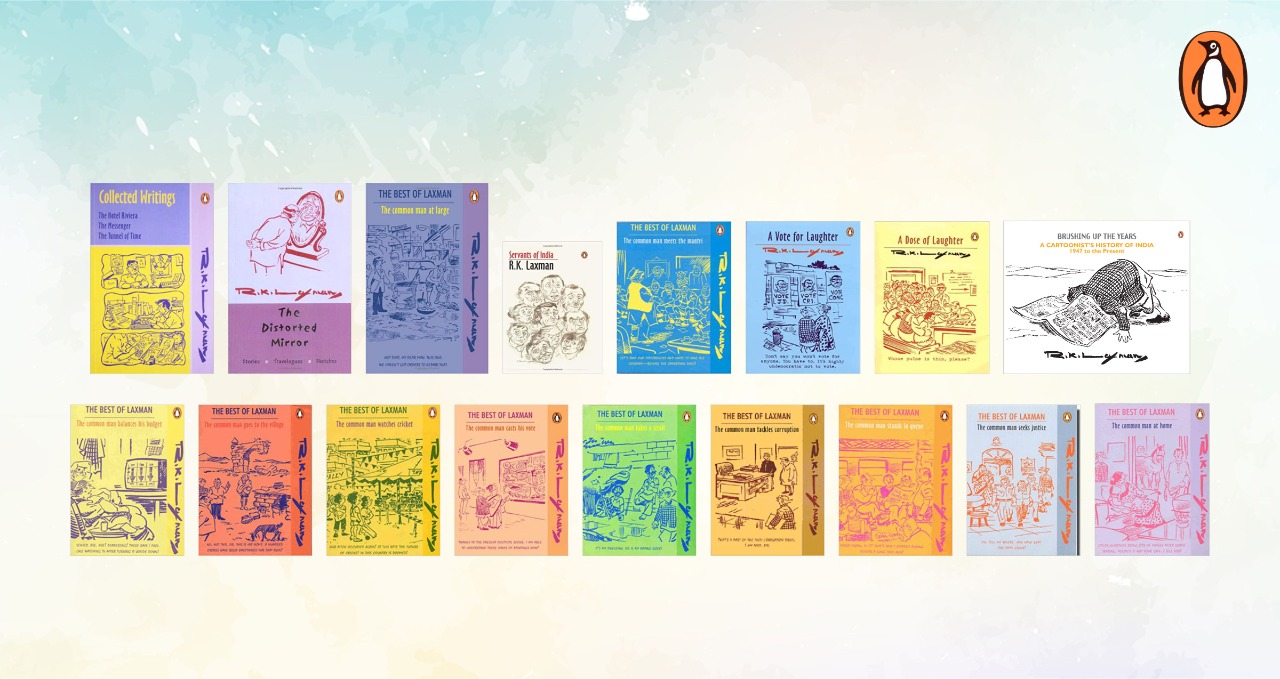
For many of us, opening The Times of India meant being drawn first and foremost to R.K. Laxman’s ‘You Said It’ cartoon strip in a tiny corner. In 2015, ISRO marked the success of the Mars mission by sharing the beloved cartoonist’s work ‘Common Man reaching Mars’. This was one of his last works, and he had sent them to the space agency. For a man who created ‘The Common Man’, Laxman was extraordinary, with an uncommon and unparalleled understanding of Indian life. On his birthday, catch up with some of his most wonderful works:


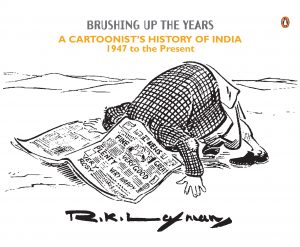
Brushing Up The Years: A Cartoonist’s History Of India, 1947 To The Present

This includes a collection of cartoons from one of India’s most beloved artists, R K Laxman, as he chronicles the journey of India in his illustrations with the help of his famous creation – the common man. India’s journey since its independence and several significant political, economic, and social events have been aptly captured through the imaginative eyes of Laxman.


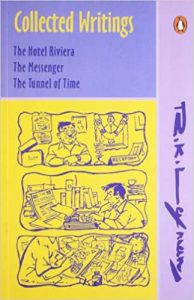
Collected Writings

R.K. Laxman is one of India’s most gifted storytellers. The same acerbic wit and quizzical insights that characterize his cartoons are in ample evidence in his writings as well. This ominous volume contains his two novels, The Hotel Riviera and The Messenger, and The Tunnel of Time, his autobiography.


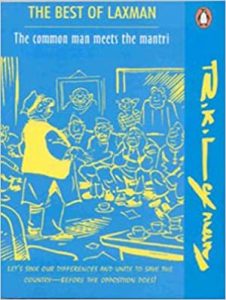
The Common Man Meets The Mantri

From financial crises to the woes of householders, from political instability to rampant corruption, Laxman’s cartoons capture the entire gamut of contemporary Indian experience.


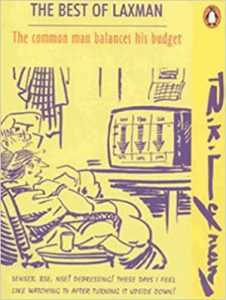
The Common Man Balances His Budget

Hilarious and thought-provoking at the same time, this is a treasure house of humour from one of the most striking voices commenting on Indian socio-political life.


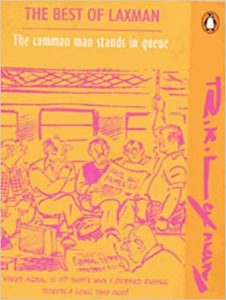
The Common Man Stands In Queue

According to Time magazine, the common man is ‘a witness to everything: scheming politicians, rapacious bureaucrats and gossiping housewives. What’s common about this character is that like most Indians, he sees his country being forced through endless indignities by its leaders and yet doesn’t even whimper in protest.’


The Common Man at Home

The fourth volume in the series The Best of Laxman, ‘The Common Man at Home’ is a funny and incisive glimpse into quintessential Indian life.


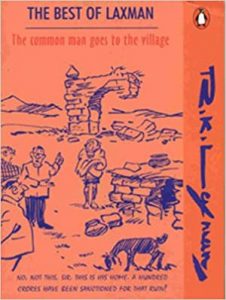
The Common Man Goes To The Village

A collection of gems from India’s best-loved cartoonist as he explores Indian life with sharpness and humour.


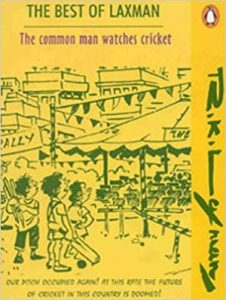
The Common Man Watches Cricket

From financial crises to the woes of householders, from political instability to rampant corruption, Laxman’s cartoons capture the entire gamut of contemporary Indian experience.


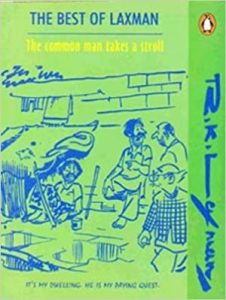
The Common Man Takes a Stroll

The seventh volume in the series The Best of Laxman is another solid dose of Laxman’s sharp humour which drills into the Indian social temperament.


The Common Man Tackles Corruption

Another wonderfully insightful work by Laxman, exploring the idiosyncrasies of ordinary life in this country.


The Common Man Seeks Justice

Laxman’s frazzled character, known as the Common Man, confronts India’s daily navigations with a kind of wry resignation.


The Common Man At Large

R.K. Laxman’s humour never fails, and his most beloved creation, the Common Man once again serves as a microscope through which Laxman studies and maps Indian society.


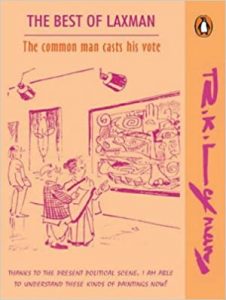
Common Man Casts His Vote

Laxman’s Common Man takes on the political scenario, packed with wit, a humorous scrutiny, and a funny exposition on life in general.


The Distorted Mirror

The Distorted Mirror brings together some of Laxman’s best short stories, essays and travelogues. The collection begins with ‘An Accident’, a most unusual mystery story where the murder weapon is a newspaper.


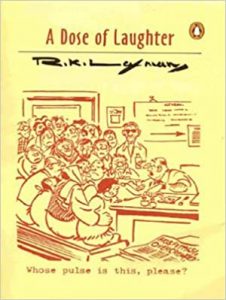
A Dose of Laughter

Laughter, they say, is the best medicine. A Dose of Laughter is an exhilarating collection of cartoons and jokes about doctors and their practices that will bring a smile to the lips of those who wield the stethoscope as well as those who yield to it.


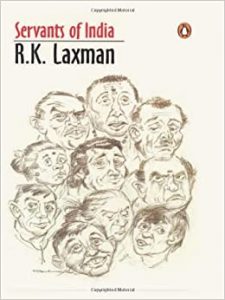
Servants of India

In Servants of India, R.K. Laxman profiles ten hilariously idiosyncratic people, who are among the countless men and women who run the lives of the middle class in India. The tales are put together by Ganesh, a freelance journalist trying to write a feature article on servants he has known. As his chronicle progresses, what emerges is a richly embellished narrative starring unforgettable characters.


A Vote for Laughter

A Vote for Laughter contains a hundred of R.K. Laxman’s classic Common Man cartoons that have to do with a range of political subjects, from party meetings, election campaigns and VVIP movements to cabinet reshuffles, horse trading and foreign tours, not to forget the activity that for Laxman defines the Indian politician: the impulse to rush to the well of the House.

***

R.K. Laxman is a national treasure, and has provided a soothing antidote to the expected daily devastation carried by ‘front-page news’.

Worlds apart but together with love

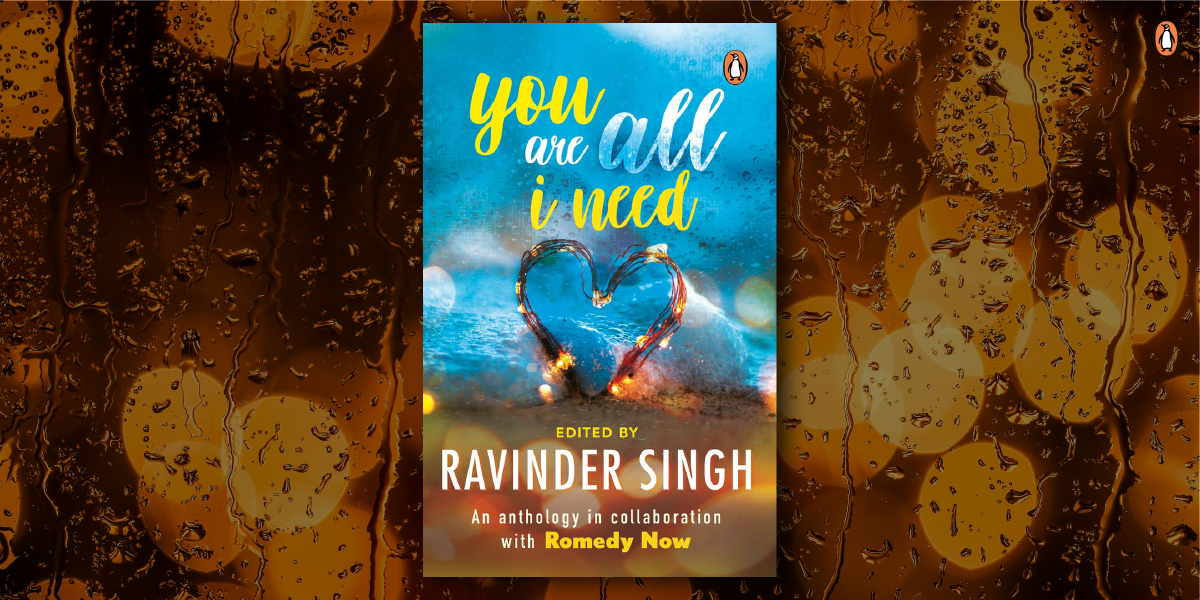
‘We are full of stories’, writes Ravinder Singh as he opens up his collection of love stories from vastly different lives. Stories create empathy, they open up the seams of our capacity for wonder and compassion, and broaden our understanding of the vagaries of human lives. In You Are All I Need, twenty-five authors share their stories and their worlds with us. Today, we bring you a few of those:


‘Something in the Rain’ by Kaustubhi Singh

I take a little walk in my cubicle for one last time because I’ll be given a clearance today. I sit on the brown wooden chair I used to kick when I was so miserable that the doctors had to tie my hands up. Alcohol was my escape. The idea of alcohol was not pleasure but an escape, because when that warm liquor burns your throat, it starts dissolving the hurt stuck down there and slowly numbs you so you don’t feel the hurt. Heartbreak isn’t beautiful; it isn’t some literature; it’s not listening to sad songs or something like that. It’s feeling okay for a minute and then starting to feel their ghost around you, their touch on your skin. You miss them, you miss them so much that you choke on your memories with them.
Dr Mayank Sharma, my shrink, almost my age, tells me that it will always hurt, and it will make one cry and scream till one’s nose is blocked and eyes puffy; that hurt is inevitable but it will hurt less, and I will see and understand why someone did what they did. And I think I understand. When I look back to the day Robbie left me for another woman, he said he had grown out of love and I stood there thinking: Where did I go wrong? But thinking about it now makes me realize I did everything to truly belong to Robbie. I changed myself for him, I changed my ways and choices for him when I should have let him love me for who I was, because that’s what love is, that’s what love is supposed to be—loving someone for who they are.


‘A Tender Ray of Love’ by Nandita Warrier

She was six; he was eight. He found her irritating and called her a ‘complaint box’; she found him obnoxious and called him a ‘monster’. They fought in every get-together.

…She was twelve; he was fourteen. He secretly detested her scholarly attitude; she was swept by his charm and wrote about him in her secret diary.

…She was eighteen; he was twenty. She aspired to be a doctor; he was determined to be one of the ‘Men in Blue’.

Their paths were growing apart, just like their personalities. They rarely met, and when they did, she was more awkward than before. He didn’t seem interested in her and she was torn whether or not to share her feelings with him.

And then something happened. He did something terrible—unforgivable! She had held him in such high regard all along, loved him with all her heart, but he had treated her like trash. She was shattered.

…She was twenty-seven; he was twenty-nine. She was a bright, young surgeon winning people over; he was a lost and bitter soul, spewing venom at everyone.

She was twenty-eight; he was thirty. She was full of dreams; he was broken.

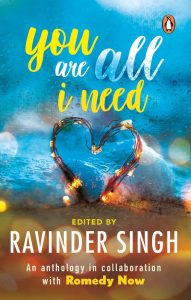
Front cover of You Are All I Need
You Are All I Need||Ravinder Singh

That night, she slept early because she had a morning duty in the ICU. That night, he slept late after emptying a bottle of sleeping pills.

Just as Ramya reached the hospital, she was summoned to the OT for an emergency procedure. ‘Suicide attempt,’ someone whispered. Dr Iyer was instructing the team when Ramya joined them in her OT scrubs. She threw a casual look at the patient and immediately recoiled. It was Rohan! Oh no, how could this be? Memories from her childhood, locked away in some corner, defiantly barged in, making her want to sob.

He looked so pale and pitiable—a mere shadow of the handsome young man she remembered from their last meeting years back! Rohan had had everything going for him—what could have possibly gone so wrong? Sensing her discomfort, Dr Iyer enquired, ‘You know him?’

‘Family friend,’ she uttered nonchalantly, hiding the wave of sadness sweeping over her.


‘Love in the Times of Marriage’ by Aparajita Shishoo

When Adil saw her across the room, his heart skipped a beat. He couldn’t take his eyes off Meera’s radiant face. He decided to walk up to her.

‘Hi,’ Adil said.

Meera was standing alone, enjoying the party her friend, Kanika, had thrown. Meera turned to look at Adil and smiled back at him with a soft ‘hi’.

Adil continued, ‘You seem to be the arty-farty type. What are you doing at a filmy party?’

Meera was a bit tipsy by that time, so she retorted, ‘I am definitely farty, but with some arty. What about you?’

Adil laughed out loud at her candour and asked her again what she was doing at such a party.

‘I am fishing for some juicy stories for my publication. You?’

‘I am trying to make some juicy stories!’ Adil winked at Meera.

Meera laughed and asked, ‘Are you flirting with me?’ ‘Are you noticing?’ Adil said.
Meera shot back, ‘I am ignoring . . . I don’t flirt with boys who have just entered puberty.’
‘Oh! That hurt . . . really hurt!’ Adil said, imitating a heartbreak. ‘By the way, I am twenty-five, well beyond my puberty years.’

Meera laughed again at Adil’s dramatics, and they continued their conversation.

Adil was a cinematographer in the Hindi film industry and the camera was his first love, but right now his own lenses were fixed on Meera’s face. ‘So what brings you to Mumbai?’

‘Change,’ said Meera, after a pause.

…At the other end of the room, Kanika noticed the chemistry between the two and was happy that her friend was finally enjoying flirting and chatting up guys.


Lose yourself in stories that will stay with you for a long, long time. 

error: Content is protected !!