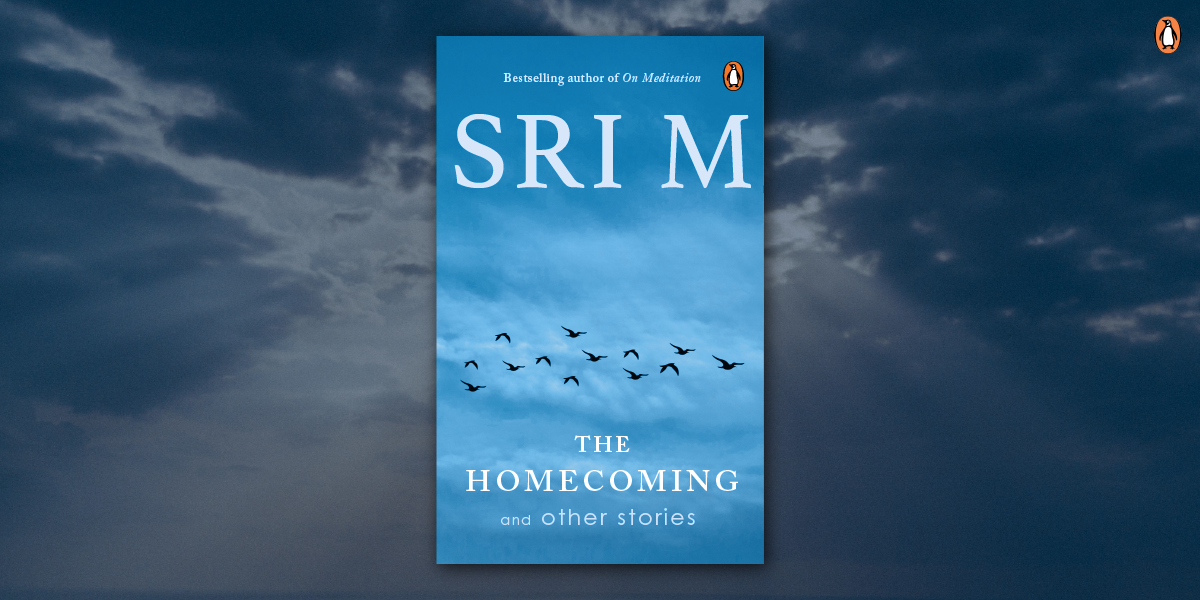
Sri M’s writings are not concerned with doctrinal teaching; instead, they explore the core of humanity, looking at the nurturing dimension of spirituality. Get a glimpse into his captivating new book The Homecoming and Other Stories with this excerpt.
~
The well-built, curly haired young man of medium height, dressed in blue jeans, red T-shirt and brown ankle boots, carried only one piece of luggage—a small-sized, glossy black Ecolac briefcase.
Krishna, with his twenty years of experience as a licensed porter at the Bengaluru City railway station and given to watching all kinds of people with all kinds of luggage, noticed that not once since he had entered the platform had the young man put down the briefcase. Unusual, because from the way he carried it there was little doubt in Krishna’s mind that the briefcase, though small, might be heavy.
‘Gold ornaments, may be even gold biscuits,’ Krishna said to himself. He had carried what he guessed was gold many times. Bangaru Chetty, the well-known jeweller, always engaged him to carry his luggage. Chetty trusted him.
Trust. A lot of people trusted him but what had he gained? Nothing.
He rubbed his fingers across the brass badge pinned to his red T-shirt which proclaimed that he was a licensed porter, licensed to carry other people’s luggage all his life, while he himself possessed nothing other than life’s burdens: a heavy load which he knew no one else would care to share. So much for trust and honesty.
Krishna wasn’t the type who coveted someone else’s property but under the prevailing circumstances, in sheer desperation, he was willing to deviate from the principled life he had led thus far. What had his high principles given him, as his wife once said, ‘except poverty, misfortune and eternal sorrow?’
The Homecoming and Other Stories||Sri M
‘Just this once,’ he said to himself. ‘Let me give it a try. Must be a smuggler. The loss would be nothing to him.’
The station was crowded. Armed policemen stood outside a special coach of the Chennai Mail, guarding some politician, an ex-minister of Tamil Nadu who, for some strange reason, had decided not to spend the taxpayer’s money flying and go by train.
Krishna steadied his nerves with great effort and walked up to the young man with the briefcase who was standing outside the second-class sleeper coach adjoining the minister’s VIP coach. Hardly ten minutes left for the train to start and he was still outside. Perhaps waiting for someone.
‘Porter, sir?’ said Krishna and gestured towards the briefcase.
The young man said, ‘No,’ and turned his face away.
Under normal circumstances, Krishna would have gone and found another traveller but that day he just stood beside the news-stand nearby absorbed in his own thoughts.
‘Krishna,’ he said to himself ‘You are not made out for that kind of stuff, see? You certainly can’t snatch the briefcase and run. Crime is not your cup of tea. You can’t do it. So, suffer. Be an honest man . . .’
…By now the train had gathered speed and had moved out of the platform. The ticket collector was at the other end and no one else seemed to give any serious attention to his movements. Taking advantage, Krishna jumped out of the train, adjusting his gait to avoid falling…He stood still for a while, briefcase in his hand, taking stock of the situation. It was clear that he couldn’t walk out of there or go home carrying an elegant, new briefcase. He would have to transfer the contents into his old worn-out airbag in which he carried his uniform and lunch-box every morning when he came to the station…He collected the bag from the shelf and walked back to the shed to collect the briefcase, which was locked, just as he had expected it to be. He decided to break it open after going
home, if it could somehow be fitted into the bag.
…He pushed open the door and went in. Apart from the tiny kitchen there were only two rooms. In one of them was an old hand-operating sewing machine his nineteen-yearold daughter used to earn a few rupees doing simple stitching and mending jobs for the neighbours. She had fallen asleep on a floor mat, waiting for him. Beside her was his dinner: Ragi balls, beans curry and tamarind chutney. Meenakshi was smiling in her sleep. Her dream world was perhaps happier than the real world he had brought her into. Tears came rolling down his eyes as he saw her torn skirt, plastic bangles and imitation gold earrings. Perhaps it would all change now. How lovely she would look with real gold ornaments! He was hungry but decided to eat later. First, he had to open the briefcase and he had better do it without waking them up. There was no light in the other room where Ambuja, his wife, seemed to be sleeping soundly, thanks to the sleeping tablets he had managed to get her in the morning. Carrying the briefcase, he tiptoed into the tiny kitchen. The electric light wasn’t working because the bulb had popped. He lit the kerosene lamp, softly pushed the door shut and sat on the floor. Holding the briefcase in his lap he examined the locks, trying to figure out the best way to pry them open with the least noise. That was when he heard the peculiar ticking sound coming from inside the briefcase. What happened next took only a split second. A fire-orange, dazzling flash, followed by an ear-splitting blast! Krishna couldn’t complete the scream that rose in his throat.
The same night, just as the train moved out of the station, the young man emerged from the canteen, walked up to the public telephone booth and dialled his boss’s number. ‘Okay sir, all done. Too much security for the minister, sir. Didn’t want to risk getting caught, so planted the briefcase in the next compartment. Range more than enough, sir.’ ‘Thank you, goodbye,’ said the man on the other side and hung up. Then with a smile on his lips, he poured himself a peg of Old Monk rum and drank it up straight, celebrating in advance the death of Enemy Number One.
~
The Homecoming and Other Stories is a collection of short stories by Sri M that explore the impact of human behaviour and the nuances of spirituality.
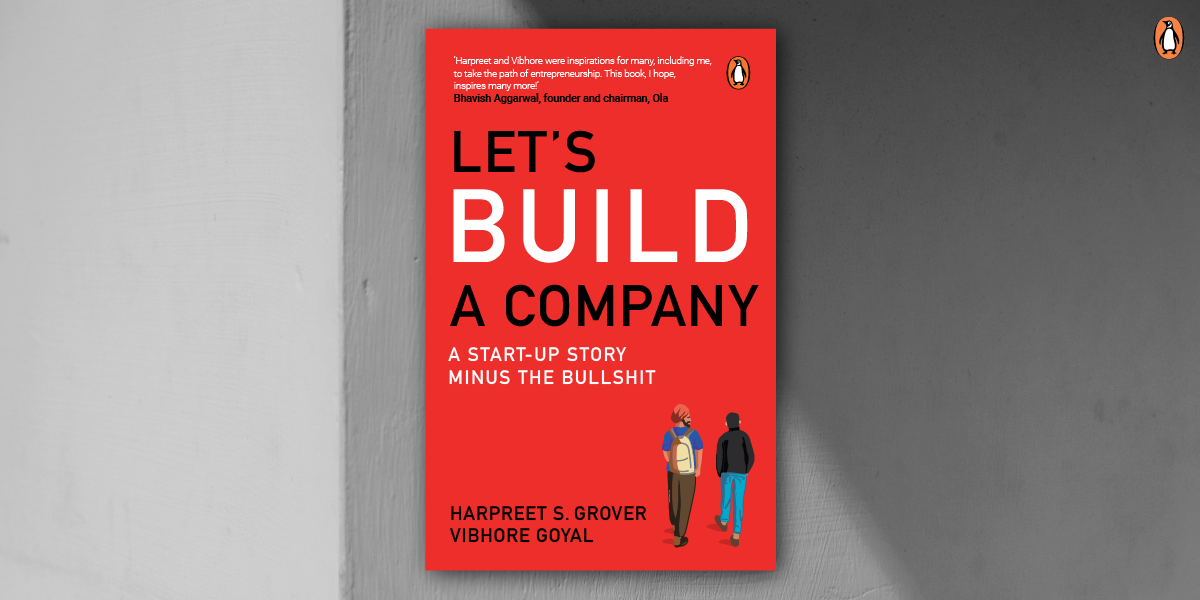
Harpreet Grover and Vibhore Goyal met in college and then spent the next decade of their lives building a company before exiting successfully.
One way to tell their story is this: they had a dream, they followed it and, then, through perseverance, they made it come true.
But that’s not really the truth. Like everything in life-at least everything worth having-it wasn’t that simple. There was blood, sweat and tears, there was loss of capital, loss of friendship and even a loss of faith along the way. This is a tale of grit-of a company built in India by two Indian-middle-class-twenty-somethings-turned-entrepreneurs-written in the hope that you can avoid the mistakes they made and learn from what they did right.
Here’s an intriguing excerpt from Let’s Build a Company that reveals how the duo’s entrepreneurial journey started.
**
I started my first business in the fourth standard—with no funding, in my dad’s scooter garage.
Back in 1990, four-storey buildings in our neighbourhood in Pitampura, west Delhi, used to have scooter garages; small spaces that could just about fit in a scooter and a cycle. All my pocket money went into renting Super Commando Dhruv, Nagraj, Bankelal and all the other Hindi comics that were popular then. I had a friend who was couple of years older, and we would rent comics together and then swap them. Once a month, our parents would also let us buy some.
Between the two of us, we had about fifty comics, which, we soon realized, were more than what the shopkeeper had in stock at any given point in time. An idea hit us: why not give out our comics on rent and make some pocket money? The shopkeeper loaned them out for Rs 1 a day, and we could charge half the rate. We had no bills to pay, no family to feed. We just wanted some pocket money. So I asked my dad to take his scooter out of the garage and thus began our comic- book business! We had almost every kid in the neighbourhood coming to us to rent comics. It went on well for about three months. Then my dad got transferred to another government- bank branch in Patiala and our business had to shut down. That was my first taste of what I would later realize is termed ‘entrepreneurship’.
While I was growing up in Patiala, Vibhore was failing seventh-standard maths. His parents decided that he needed to get coaching to ensure he cleared his exams. They also wanted him to learn the value of hard work. So Vibhore started working in a garage, repairing bikes to earn pocket money. As he grew older, his fondness for computers grew and, along with school, he started teaching C++ in a local coaching centre. (By the time he got to college, he knew more coding than final-year computer science graduates. This would really come in handy when he helped me clear our first-year course in Fortran.)
Let’s Build a Company || Harpreet S. Grover, Vibhore Goyal
Cut to 2000, when I was accepted into IIT Bombay, a letter came home stating that all first-year students would have to share a room. I thought it would be a good idea to reach a couple of days in advance and take the best of the two beds. When I arrived, I found this geeky guy already there with his trunk placed below the better bed. Vibhore Goyal had beaten me to it and set the tone of our friendship for years to come.
Both of us had enrolled in the five-year dual degree civil- engineering programme. While Vibhore was disappointed with his rank (he had hoped to crack the top 100), I was delighted just to get in.
…
The five years at IIT Bombay were eventful and we ended up spending a lot of time together. From the second year onwards, Vibhore had a bike, which I would borrow—only to slip on the road and smash the headlight. We would then go together to get it repaired. In the third year, Vibhore got an internship in Pune; I went to meet him on the last day so that we could lug his computer back together—he drove the bike back to the institute while I sat behind holding a big CPU between us on a wet highway. Another thing we always did was go to the station to drop the first person who was going home at the end of semester. Vibhore’s parents would send him an AC first-class ticket, and he would find someone to sell it to. He would then buy a general ticket to go to Jaipur and pocket the rest. I always found this funny, not to mention enterprising.
By the time we graduated, Vibhore had spent time working on a high-tech start-up based out of IIT Bombay and landed a job with Microsoft’s research division. Meanwhile, I had tried to start a brand for fresh fruit juice with my classmates Ritesh and Rahul, and failed. We bought a mixer but trying to figure out the economics of how many carrots provided one glass of juice proved to be too much trouble. I finally landed a job in Inductis, a data analytics company. After the final interviews, the company took us to a five-star for a buffet. There, they asked me if I already knew all the questions they had posed in the interview. Apparently, I had the highest score across interviews. I said no. They said, then you are quite stupid, because we asked the same questions we asked last year. That got my mind buzzing and I spent most of my final year creating a document titled ‘BePrepared’, which was a compilation of interview experiences of final-year students.
While together in IIT, Vibhore and I had discussed starting a company, but our ideas were always up in the air. Also, it was clear in our minds that we wanted to get a job after graduation. After all, that’s why we had come to IIT in the first place.
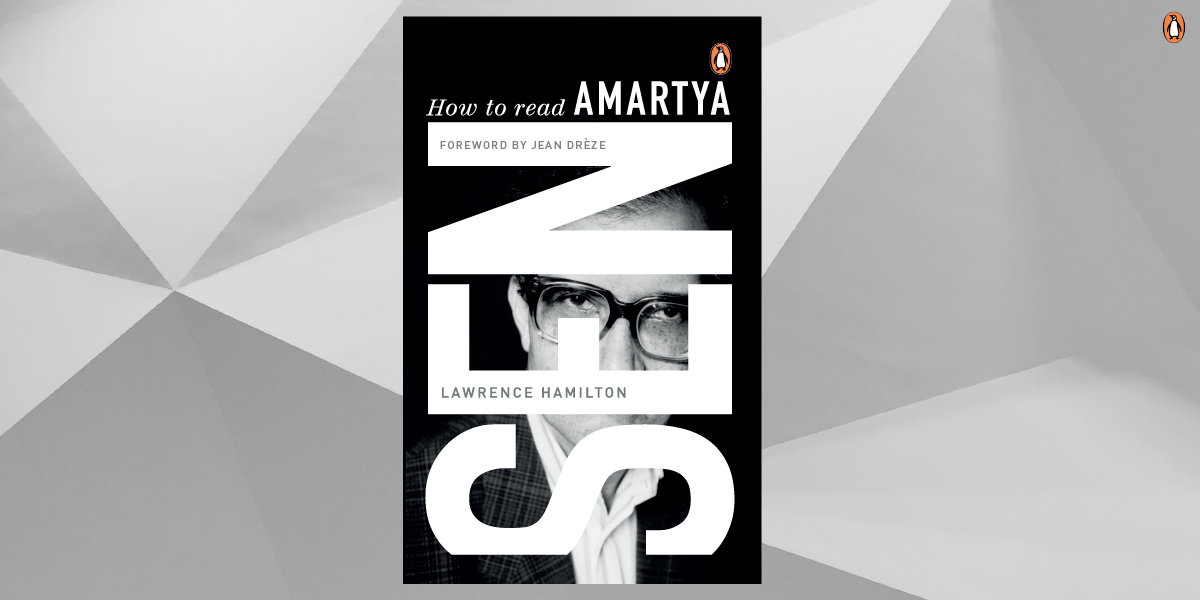
Nobel Laureate Amartya Sen is one of the world’s best-known voices for the poor and the downtrodden, and an inspiration for the proponents of justice across the globe. He has contributed almost without peer to the study of economics, philosophy and politics, transforming social choice theory, development economics, ethics, political philosophy and Indian political economy, to list but a few. In How to Read Amartya Sen, Lawrence Hamilton provides an excellent, accessible guide to the full range of Sen’s writings, contextualizing his ideas and summarizing the associated debates. In elegant prose, Hamilton reconstructs Sen’s critiques of the major philosophies of his time, assesses his now-famous concern for capabilities as an alternative for thinking about poverty, inequality, gender discrimination, development, democracy and justice, and unearths some overlooked gems.
Today, we are sharing with you some interesting insights from the book on Amartya Sen that would strengthen your understanding of him as not just as an economist, but also as a deeply sensitive man and a visionary par excellence.
1) The man
‘For many years, Sanskrit was Sen’s second language, after Bengali, and he could read classical, Vedic and epic Sanskrit. This fascination with the language and literature of Sanskrit also balanced and complemented his acumen in mathematics. Both of these important skills have been readily apparent ever since in his academic work, often side by side in the same volume.’
‘Sen is also a child of the Bengal famine and Indian Partition. He experienced at first-hand as a nine-year old boy the horrors of the Bengal famine of 1943, as he did a little later the horrors of communal violence of Partition. In a number of places in his academic and non-academic work, he tells the story of how, during the sectarian tensions and violence that accompanied Partition, a Muslim man, a poor day-labourer, was attacked by a gang in his mainly Hindu area. The man was still alive as he stumbled into Sen’s childhood home; the now slightly older boy helped organize to have him sent to hospital. Unfortunately, he did not survive. Not only does Sen use this story to illustrate his oft-repeated and convincing point about the dangers of sectarianism and dogmatic community and identity-based thinking, but also that, despite his wife imploring him not to go into Hindu areas in this period fearing for her husband’s life, this poor man felt impelled to do so as he was the breadwinner for his family and could get work nowhere else.’
2) The economist
‘First, despite his training in the mainstream of strait-laced post-Second World War economics, in exemplary fashion he grasped the opportunities provided to him and schooled himself in the main currents of contemporary philosophy. This gave him a much broader and more capacious view of the assumptions of the ‘dismal science’ of economics, the main shibboleths of which would be his targets for years to come…. in line with two of his greatest forebears and two of the political economists upon whom he draws most, Adam Smith and Karl Marx, he has done all he can to understand the main problems and issues in economics from the perspective of a broader ethical concern: improving the quality of life of all.’
‘Second, especially in his work on famines, but also right across his many contributions in other areas, such as development, freedom, justice and democracy, Sen has always immersed his reader in his deep and broad knowledge of theory, while never tiring of supporting his claims and arguments with relevant empirical facts.’
‘Sen’s theoretical and practical proposals based on his version of capability value the agency of individuals in and of itself – as constitutive of a life worth living – and because they tend to produce better overall effects in development projects.’
How to Read Amartya Sen || Lawrence Hamilton
3) The Visionary
‘While…Sen is first and foremost a man of letters (and numbers), he has also been involved in a number of practical projects that have changed the way the world thinks about and carries out a number of important and pressing matters, particularly as regards development. In fact, it is his work for and criticisms of large international bodies such as the United Nations (UN) and the World Bank (the Bank), and many others besides, that has broadened his appeal and fame, along with his associated practical contributions to, for example, global attempts to eradicate poverty and reduce inequality.’
‘Sen has provided new ways of conceiving of development, as well as new tools for measuring it and its component parts: famine, poverty, inequality, growth, freedom and so on.’
‘Sen’s view of freedom is much richer than is the norm in a great deal of economic, development, philosophical and political theoretical literature: it encompasses both the requisites for individuals to make their own individual choices and the social, economic and political means for individuals to exert the necessary democratic power within and beyond their own societies.’
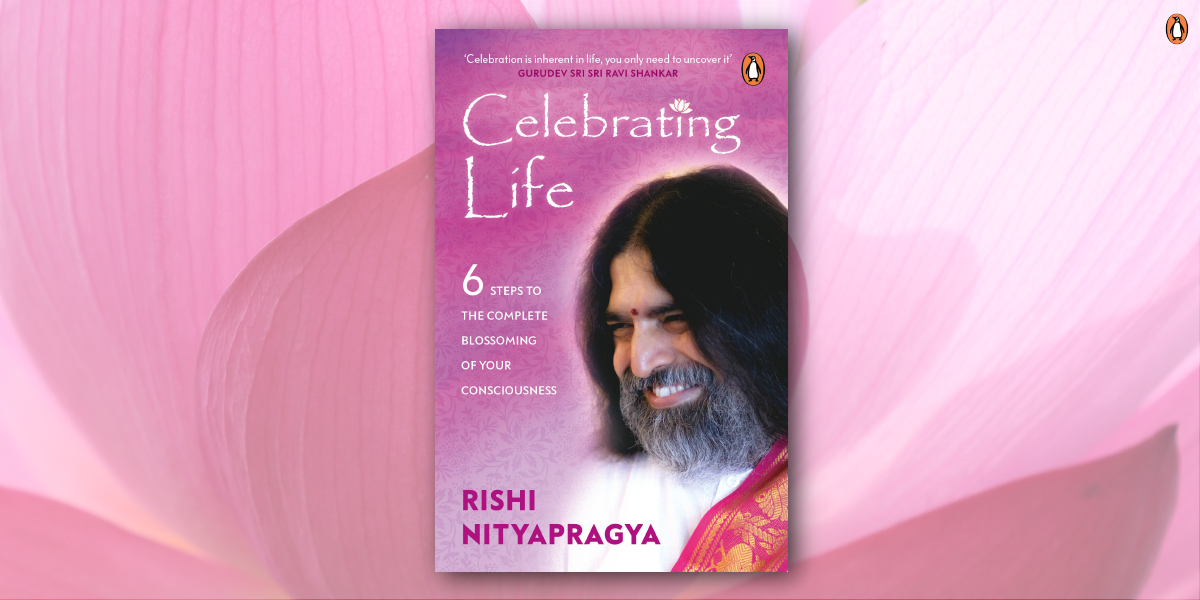
The universe has bestowed limitless powers and infinite siddhis on the human consciousness. Along with being effective and successful in the personal and professional spheres, the purpose of human life is also to ensure the complete blossoming of the individual consciousness. In Celebrating Life, Rishi Nityapragya shares the secrets that can help you explore your infinite potential. He offers an in-depth understanding of how to identify and be free from negative emotions and harmful tendencies, and how to learn to invoke life’s beautiful flavours-like enthusiasm, love, compassion and truth-whenever and wherever you want.
Here are the only six steps that you need to follow and inculcate in your life to become a master of your circumstances and lead a more meaningful and fulfilled life.
1) Play of universal consciousness
‘As science translates its findings into practical use, to make life more comfortable and convenient, spirituality is about beautifying the human consciousness and making it blossom.’
‘As there are laws governing the physical universe, there are specific laws according to which the human consciousness functions.’
2) Extraordinary Powers, Siddhis, of Your Individual Consciousness
‘Nature has bestowed limitless powers upon the human consciousness. The more you understand the technicalities, the scientific aspects of your consciousness, the more you realize that you already have all the abilities necessary to create the quality of life that you want.’
‘In the domain of consciousness, like attracts like.’
‘The way people relate to you is largely a reflection of your own mind.’
3) Meticulous Refinement of Your Own Consciousness
‘Through optimum utilization of the instruments given to you by the nature of body-breath-mind-intellect-memory and ego; through your Committed Skilful Efforts you have the opportunity of tremendously accelerating the process of evolution of your own consciousness.’
‘Inherently, you already have all the powers necessary to create the life that you want. You are not designed to be a slave of circumstances; you are designed to be the master of situations.
Celebrating Life || Rishi Nityapragya
4) Being Free from All Bondages, Negativities and Harmful Tendencies
‘The incoming breath energizes the body, provides vital force and supports the soul so that it continues to live in the physical form; the outgoing breath removes impurities from the body and empties your individual consciousness. The secret is, the more empty, the more free the mind is, the more happy it is and more available it is to do anything that you want to do with it.’
5) Optimizing the Golden Opportunity of Being in the Human Body
‘Every individual soul is giving these three precious instruments—of time-energy-mind—to the activities of their own lives. …though time and energy are extremely precious instruments of your life, it is the mind that plays the whole game. It is the mind that gives direction to your time and energy as well.’
‘Neither is Maya designed to give you higher insights, nor is it meant to enhance your energies or offer you any happiness. On the contrary, it is guaranteed to waste your precious time, drain your most valuable energy and is destined to contaminate your pleasant, happy mind.’
6) Designing Your Life
‘Your emotions, your choices, your actions, your decisions, your happiness, your Dharma, the blossoming of your consciousness, all of it is your own responsibility.’
‘The more you become an instrument in the process of someone’s learning, the more you teach, the more you learn.’
There is no dearth of writing on Jawaharlal Nehru. More will always be less when accounting for his contribution to the country, which starts from before the inception of India, the idea of India. A man who fought imperialism, colonialism, and strove for the idea of a nation propped by secularism, diversity and communal camaraderie is not a figure easily summarised in words. But this 14th of November, we are celebrating Nehru’s birthday with a list of works that come close to portraying the brilliance of his persona, a figure larger than life, vital to our history.
~
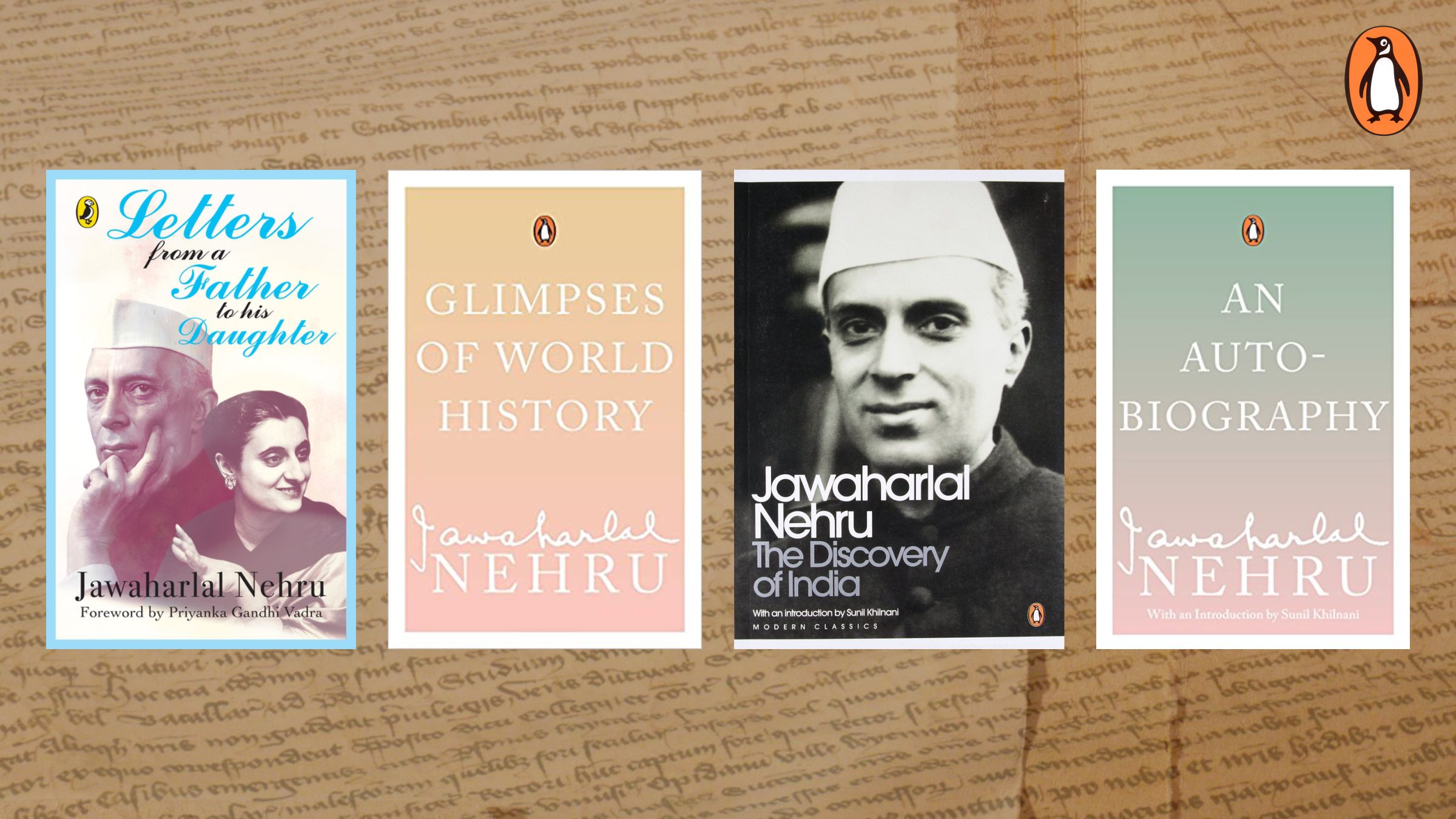
An Autobiography
An Autobiography||Jawaharlal Nehru
by Jawaharlal Nehru
Jawaharlal Nehru, the first Prime Minister of independent India, was a great personality who also wrote a number ofinspiring and knowledgeable books. ‘Jawaharlal Nehru: An Autobiography’ is his autobiographical work which he penned down between the years of 1934 and 1935 while he was in prison. In this book, Nehru explores his ideologies and the events in his life that led him to the situation he was positioned in when he wrote this book.
The practice of civil disobedience that Nehru had taken up, is discussed by him terms of his belief in the movement. The author starts off the book with an introduction to his ancestral history, where he mentions that his predecessors had to run away from Kashmir to settle elsewhere.
The book also paints a vivid picture of the pre-independence era in India, where the air of dissension was at an all-time high. The book depicts the political realisation of an upcoming giant of a nation and the battle for its freedom.
The Discovery of India||Jawaharlal Nehru
The Discovery of India
by Jawaharlal Nehru
Jawaharlal Nehru wrote the book ‘The Discovery of India’, during his imprisonment at Ahmednagar fort for participating in the Quit India Movement (1942 – 1946). The book was written during Nehru’s four years of confinement to solitude in prison and is his way of paying an homage to his beloved country and its rich culture.
The book started from ancient history, Nehru wrote at length of Vedas, Upanishads and textbooks on ancient time and ends during the British raj. The book is a broad view of Indian history, culture and philosophy, the same can also be seen in the television series. The book is considered as one of the finest writing om Indian History. The television series Bharat Ek Khoj which was released in 1988 was based on this book.
Glimpses of World History||Jawaharlal Nehru
Glimpses of World History
by Jawaharlal Nehru
‘Glimpses of the World History’ is an account of the progress of the world through centuries and ages. This book is a collection of letters that Jawaharlal Nehru wrote to his daughter Indira when he was in various Indian prisons for three years. The letters were meant to introduce her to the world and its history. In the first few letters, Nehru expresses his sadness for not being able to be around his daughter and give her the materialistic gifts that other parents could but he promises to give her a gift that he could afford; in the form of knowledge and wisdom through words that come from the very core of his heart. Nehru wrote 196 letters and covered the history of mankind from 6000 BC to the time he was writing the letters.
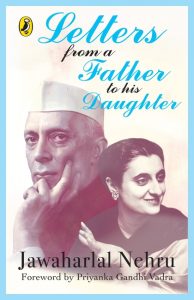
Letters From a Father to HIs Daughter||Jawaharlal Nehru
Letters from a Father to His Daughter
by Jawaharlal Nehru
When Indira Gandhi was a little girl of ten, she spent the summer in Mussoorie, while her father, Jawaharlal Nehru, was in Allahabad. Over the summer, Nehru wrote her a series of letters in which he told her the story of how and when the earth was made, how human and animal life began, and how civilizations and societies
evolved all over the world.
Written in 1928, these letters remain fresh and vibrant, and capture Nehru’s love for people and for nature, whose story was for him ‘more interesting than any other story or novel that you may have read’. This is a priceless collection of letters from one legendary leader to another.
~
Get a small glimpse into the life of Pandit Nehru in his own words.
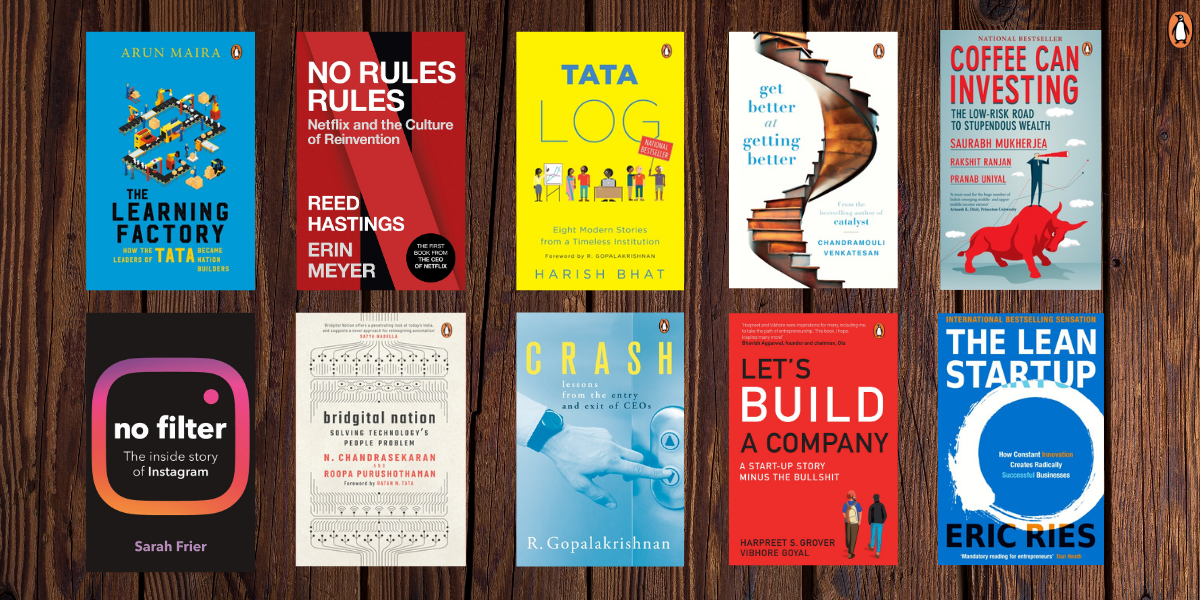
The landscape of business has changed dramatically over the years, more so in the past one year. Here is a curation of some quintessential reads that give important insights into the world of artificial intelligence, the economy of Instagram influencers, and low-risk investments with great returns, among several others.
~
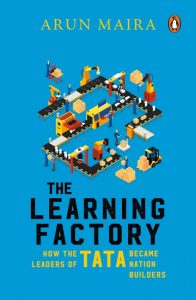
The Learning Factory
The Learning Factory||Arun Maira
by Arun Maira
In The Learning Factory, Arun Maira narrates people-centric episodes that bring alive the values of the Tata Group, standards that combine the high-velocity practices as well as the old-fashioned principles that make the Tata Group the giant it is today. Founded in 1868 by Jamshetji Tata, the Tata Group symbolizes the great Indian story of hope, growth and phenomenal success. The group played the role of a nation builder in post- independent India. Its companies were headed by legendary chairpersons, all of whom firmly believed in the importance of continuously learning and growing. Like all great successes, this isn’t one story – it is many accounts that are so powerful that the whole is so much greater than the sum of all its parts.
With insightful stories of conduct that are as practically implementable as they are inspiring, this is a blueprint for the individual as well as the business that seeks success through its community of leaders, workers and thinkers.
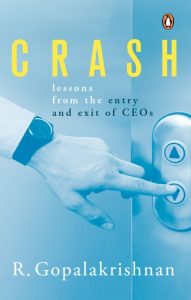
Crash||R. Gopalakrishnan
Crash
by R Gopalakrishnan
While many people talk about the path to the top of organizations, very few are honest about how difficult it is to stay at that position. R. Gopalakrishnan analyses the ‘software’ challenges, which leaders confront every day, and shares the insights he has gained developing, managing, investing in and supervising a variety of companies. The author shows that great leaders continue to excel not just because of their skills and intelligence but also by connecting with others using emotional competencies like empathy and self-awareness. Filled with anecdotes, analysis of various situations CEOs may find themselves in and unconventional advice to help them, Crash: Lessons from the Entry and Exit of CEOs is for veteran leaders as well as for those who aspire to start their own ventures.
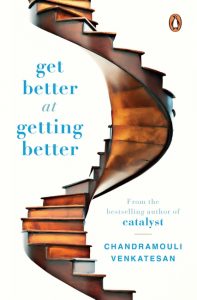
Get Better at Getting Better||Chandramouli Venkatesan
Get Better at Getting Better
by Chandramouli Venkatesan
What makes people succeed? Why do some people succeed, while others struggle despite working hard?
This book is based on the insight that success is not about how good you are but how powerful a model you have toimprove how good you are. Chandramouli Venkatesan calls it the ‘Get-Better Model’, or GBM. Successful people are those who are able to build a powerful GBM to continuously improve themselves, and this life-changing book shows how you can unlock your potential at work and in life.
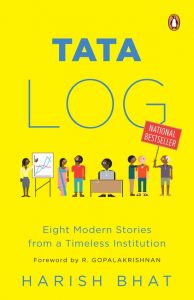
Tatalog||Harish Bhat
Tatalog : Eight Modern Stories from a Timeless Institution
by Harish Bhat
From steel to beverages, supercomputers to automobiles, TATA companies have broken new ground and set new standards of excellence over the past two decades. Tatalog presents eight riveting stories about the strategic and operational challenges that TATA companies have faced, and the progressive outlook and determination that have raised the brand to new heights. Among the engaging and inspiring stories told here are those of Tata Indica, the first completely Indian car that succeeded in the face of widespread cynicism; the jewellery brand Tanishq that has transformed one of India’s largest industries; and Tata Finance, which underwent several tribulations yet demonstrated the principles that TATA stands for.
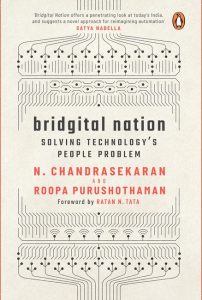
It is 2030. India is among the world’s top three economies. All Indians use advanced technology to either do their job or get their job done. All Indians have access to quality jobs, better healthcare and skill-based education. Technology and human beings coexist in a mutually beneficial ecosystem.
This reality is possible. It is within reach. With Bridgital.
In this ground-breaking book, N. Chandrasekaran, chairman of Tata Sons, presents a powerful vision for the future. To the coming disruption of artificial intelligence, he proposes an ingenious solution, where India is perfectly positioned to pave a unique path from the rest of the world. Instead of accepting technology as an inevitable replacement for human labour, India can use it as an aid; instead of taking them away, AI can generate jobs.
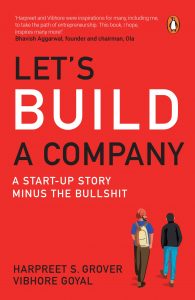
Let’s Build a Company||Harpreet Grover, Vibhore Goyal
Let’s Build A Company
by Harpreet Grover and Vibhore Goyal
It started with a phone call from Harpreet’s mother introducing him to an uncle who wanted some help. Or maybe it started when Vibhore and Harpreet met as roommates in Room 143 at IIT Bombay. What remains true is that soon both had quit their jobs and launched CoCubes. From no money in their bank accounts for eight years after graduating to becoming dollar millionaires two years later in 2016, this is a tale of grit-of a company built in India by two Indian-middle-class-twenty-somethings-turned-entrepreneurs-written in the hope that you can avoid the mistakes they made and learn from what they did right.
This is that story-the story that you don’t always hear. But if you want to be an entrepreneur, and you prefer straight talk to sugar-coating, it’s one you should read.
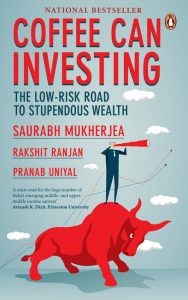
Coffee Can Investing||Saurabh Mukherjea, Rakshit Ranjan, Pranab Uniyal
Coffee Can Investing
by Saurabh Mukherjea, Rakshit Ranjan, Pranab Uniyal
Most people invest in the usual assets: real estate, gold, mutual funds, fixed deposits and stock markets. All they end up making is a measly 8 to 12 per cent per annum. Those who are exceptionally unfortunate get stuck in the middle of a crash and end up losing a lot of money. But what if there was another way? What if you could grow your money four to five times whilst taking half the risk compared to the overall market?
Bestselling author of Gurus of Chaos and The Unusual Billionaires, Saurabh Mukherjea puts his money where his mouth is. In Coffee Can Investing, Saurabh will show you how to go about low-risk investments that generate great returns.
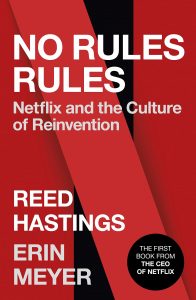
No Rules Rules||Reed Hastings, Erin Meyer
No Rules Rules: Netflix and the Culture of Reinvention
by Reed Hastings, Erin Meyer
Trust your team. Be radically honest. And never, ever try to please your boss.
These are some of the ground rules if you work at Netflix. They are part of a unique cultural experiment that explains how the company has transformed itself at lightning speed from a DVD mail order service into a streaming superpower – with 190 million fervent subscribers and a market capitalisation that rivals the likes of Disney.
Finally Reed Hastings, Netflix Chairman and CEO, is sharing the secrets that have revolutionised the entertainment and tech industries. With INSEAD business school professor Erin Meyer, he will explore his leadership philosophy – which begins by rejecting the accepted beliefs under which most companies operate – and how it plays out in practice at Netflix.
No Filter: How Instagram transformed business, celebrity and culture
No Filter||Sarah Frier
by Sarah Frier
In just ten years, Instagram has gone from being a simple photo app to a $100-billion company. The journey has involved ground-breaking innovations, a billion-dollar takeover, and clashes between some of the biggest names in tech. But it’s a story that has never been told – until now.
In No Filter, Bloomberg’s Sarah Frier reveals how Instagram became the hottest app in a generation, reshaping our culture in the process. But this is not just a Silicon Valley story. No Filter explores how Instagram created a new economy of ‘influencers’ and pioneering a business model that sells an aspirational lifestyle to all of us. It delves into Instagram’s effects on popular culture, rewiring our understanding of celebrity and placing mounting pressure on all of us to perform online – to the point of warping our perception of reality. No Filter connects one company’s rise to a global revolution in technology, culture and business. But we’re still learning about what it has cost the rest of us.
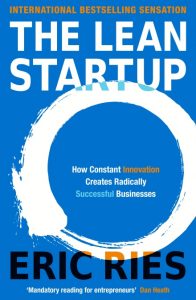
The Lean Startup||Eric Ries
The Lean Startup
by Eric Ries
Most new businesses fail. But most of those failures are preventable.
The Lean Startup is the approach to business that’s being adopted around the world. It is changing the way companies are built and new products are launched. The book explores what customers really want. It’s about testing your vision continuously, adapting and adjusting before it’s too late.
‘Poetry is just the evidence of life. If your life is burning well, poetry is just the ash.’
― Leonard Cohen
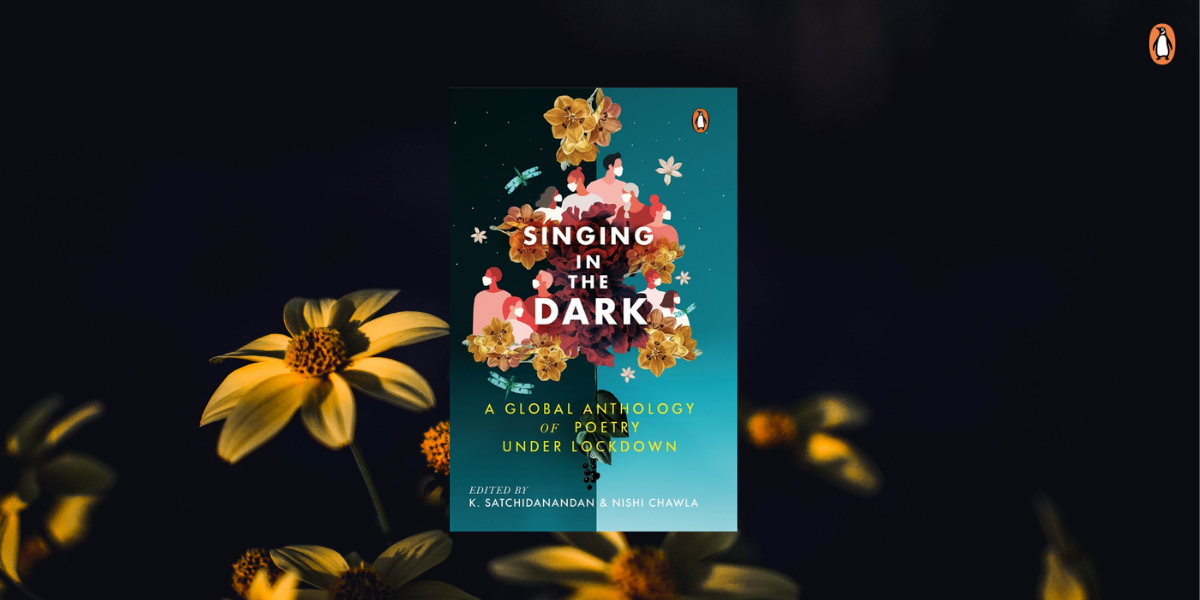
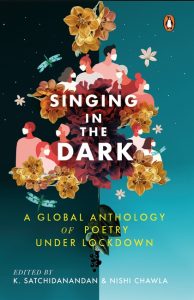
Time and again, in many known and unknown ways, poetry has saved the world. Singing in the Dark does the same. We want to share with you some poems that keep us going through the worst of days:
Dawn of Darkness – Ngugi wa Thiong’o
I know, I know,
It threatens the common gestures of human bonding
The handshake,
The hug
The shoulders we give each other to cry on
The neighborliness we take for granted
So much that we often beat our breasts
Crowing about rugged individualism,
Disdaining nature, pissing poison on it even, while
Claiming that property has all the legal rights of personhood
Murmuring gratitude for our shares in the gods of capital.
Oh how now I wish I could write poetry in English,
Or in any and every language you speak
So I can share with you, words that
Wanjikũ, my Gĩkũyũ mother, used to tell me:
Gũtirĩ ũtukũ ũtakĩa:
No night is so Dark that,
It will not end in Dawn,
Or simply put,
Every night ends with dawn.
Gũtirĩ ũtukũ ũtakĩa.
This darkness too will pass away
We shall meet again and again
And talk about Darkness and Dawn
Sing and laugh maybe even hug
Nature and nurture locked in a green embrace
Celebrating every pulsation of a common being
Rediscovered and cherished for real
In the light of the Darkness and the new Dawn.
Singing in the Dark||Nishi Chawla, K. Satchidanandan
Apocalypse – Annie Zaidi
Waves do not come dashing against the noontide
They tiptoe in
and out with the smallest dose of pain
taken from the cabinet you left dusty
on purpose
so nobody guesses how much you hoard
The wretched manage to show up
across the shatterproof glass of time
to class office factory godown
boat ocean horizon end time
with a slouch and a glower of expectation
Your eyes are fleet
testing
weighing
catlike
on nights when the tide rises
and rises and the rain quietly falls,
as promised, it comes
It sits
gleaming on the roof
with creature eyes
offering no sign
no pause for breath
no cause or rules
about arks: no ones or twos
it offers no map
A thing
squealing its lack of defence
mouse like, it comes to nibble
the cheese of your world
It arches
head and back
now signals: here
I am
Take me at this flood
or there I go
~
Bumblebees – Amanda Bell
There was no need to fret about the bees—
their fragile nest, unlidded
as I pulled weeds beneath the apple tree,
their squirming larvae naked
to my gaze and to the sun.
They watched me from the border
while I hastily replaced the roof,
before returning to rethread
the fibres of their grassy home.
In the cleared weeds I see
their entrance and their exit,
how their flightpaths sweep
the garden in an arc, stitching up
the canvas of this space, as if
they could remake the world
which lies in shreds around us.
The dome moves, as I watch it,
the stretching of an inchoate form—
when morning comes
it glistens with white dew.
~
Singing in the dark is a beautiful anthology of poetry that comes at a time when we need poetry more than ever.
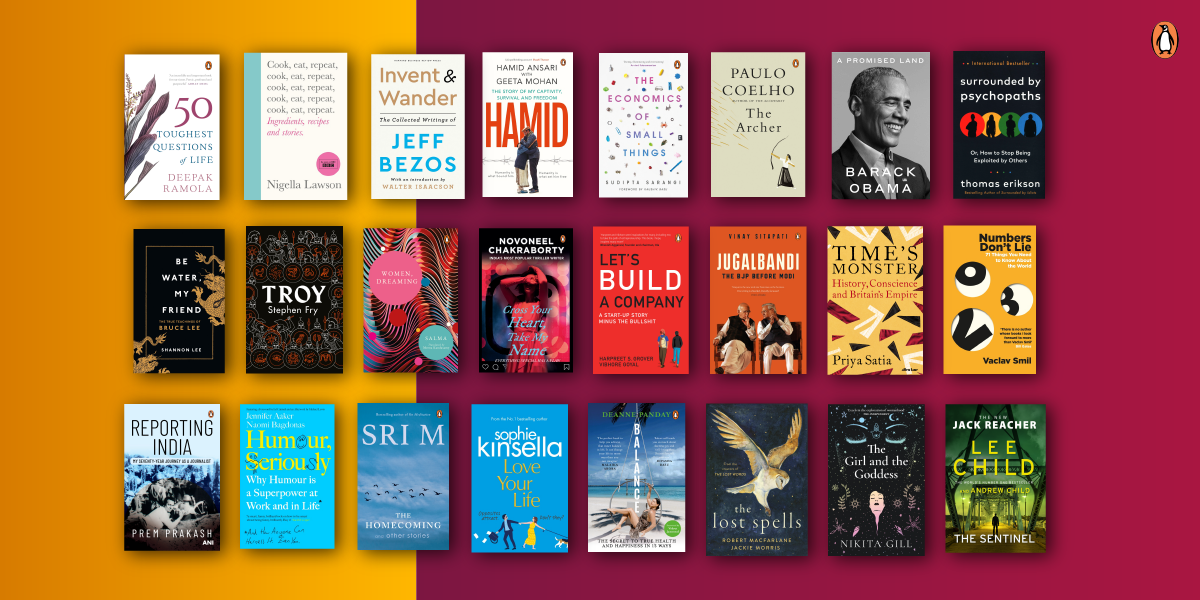
We are loving the onset of sweater weather and the slight nip in the air. With the days becoming shorter, spending time indoors is looking even more tempting. To keep you company on your cozy nights in, we are bringing you a fresh list of our November releases. Keep that warm blanket and hot cuppa ready and you’re all set for a heavenly reading session!
Cross Your Heart, Take My Name
Novoneel Chakraborty
Cross You Heart, Take My Name || Novoneel Chakraborty
Garv Roy Gill and Yahvi Kothari meet at an airport lounge by chance. Six months later they find themselves consumed by the proverbial once-in-a-lifetime kind of love. Bored with their mundane daily routine, their adventurous streak makes them decide, one day, to escape the present and begin a new reality somewhere far, far away.
Cross Your Heart, Take My Name is a beguiling tale about urban loneliness, fickle relationships and our need for companionship as depicted by the twisted journey of two individuals, caught up in their own emotional plight, blurring the lines between crime and sin.
Reporting India
Prem Prakash
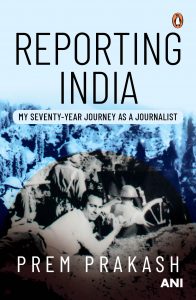
Reporting India || Prem Prakash
Reporting India is a fascinating account of the life and times of Prem Prakash, a pioneer in the field of journalism. Providing a detailed account of his personal and professional life, it includes his reminiscences of the most impactful stories that he covered-including the 1962 Indo-China war, the 1965 and 1971 wars against Pakistan, the Emergency, the assassination of Indira Gandhi and the death of Lal Bahadur Shastri. An intriguing read, the book brings to life some of the defining moments in the history of this country.
Balance
Deanne Panday
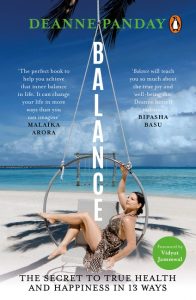
Balance || Deanne Panday
We go about our lives in a rush-always busy, always tired. Often, we find our joy diminished and our health affected. Through her wheel-of-life programme, Deanne Panday focuses on the thirteen vital elements that each individual needs to be happy, healthy and successful-including physical wellness, career, home environment, joy, financial stability, understanding the effects of climate change, and more. The book doesn’t aim to provide a quick-fix to your issues, but promises to guide you to evaluating your life holistically.
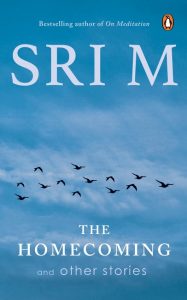
Homecoming and Other Stories
Sri M
The Homecoming || Sri M
Padma Bhushan awardee and bestselling author Sri M sees the world in a different light. He sees the good, the bad and sometimes the supernatural. From horror stories to tales that will shock you out of your wits and pull at your heartstrings, there is something for everyone in this eclectic collection. In his quintessential no-holds barred style, Sri M’s The Homecoming and Other Stories urges you to delve deep into the human spirit and get a glimpse of why people do the things they do.
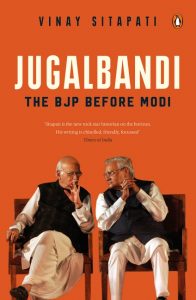
Jugalbandi
Vinay Sitapati
Jugalbandi || Vinay Sitapati
Narendra Modi has been a hundred years in the making. Vinay Sitapati’s Jugalbandi provides this backstory to his current dominance in Indian politics. It begins with the creation of Hindu nationalism as a response to British-induced elections in the 1920s, moves on to the formation of the Bharatiya Janata Party (BJP) in 1980, and ends with its first national government, from 1998 to 2004. And it follows this journey through the entangled lives of its founding jugalbandi: Atal Bihari Vajpayee and Lal Krishna Advani.
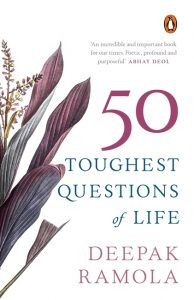
50 Toughest Questions of Life
Deepak Ramola
50 Toughest Questions of Life || Deepak Ramola
50 Toughest Questions of Life invites people to have a conversation about themselves with themselves. Deepak Ramola’s quest began after he was inspired by the life lesson of a young girl who said, ‘Life is not about giving easy answers, but answering tough questions.’ Over the years, Ramola has amassed life lessons from inspirational sources across the world: from the women of the Maasai tribe to young girls in Afghanistan and sex workers in Kamathipura; from the lessons of earthquake survivors in Nepal to Syrian refugees in Europe, among many more. Strikingly fresh, tender, yet searing, these questions will make you reflect and inspire you to push beyond your boundaries.
Hamid
Hamid Ansari, Geeta Mohan
Hamid || Hamid Ansari, Geeta Mohan
In November 2012, Hamid, a 27-year-old Mumbai-based techie, disappeared into thin air. What happened? Where did he go? All his parents knew was that he had gone to Kabul, Afghanistan, to explore a job opportunity. Upon some investigation, they found out that their son had been chatting online with some Pakistani friends, in particular a girl, across the border.
Authored by Hamid Ansari and Geeta Mohan, this is the definitive insider account of the man who saw no boundaries when it came to saving a girl from forced marriage under the wani custom. Nothing scared or stopped him; until he was betrayed by his friends in Pakistan.Gritty, heart-wrenching and moving, this is a story of humanity, love, betrayal and hope against all odds.
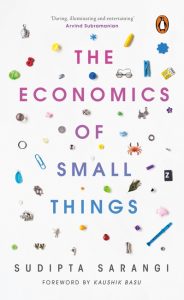
The Economics of Small Things
Sudipta Sarangi
The Economics of Small Things || Sudipta Sarangi
In The Economics of Small Things, Sarangi using a range of everyday objects and common experiences like bringing about lasting societal change through Facebook to historically momentous episodes like the shutting down of telegram services in India offers crisp, easy-to-understand lessons in economics. Through disarmingly simple prose, the book demystifies economic theories, offers delightful insights, and provides nuance without jargon.
A Promised Land
Barack Obama
A Promised Land || Barack Obama
In the stirring, highly anticipated first volume of his presidential memoirs, Barack Obama tells the story of his improbable odyssey from young man searching for his identity to leader of the free world, describing in strikingly personal detail both his political education and the landmark moments of the first term of his historic presidency-a time of dramatic transformation and turmoil. Extraordinarily intimate and introspective, A Promised Land is the story of one man’s bet with history, the faith of a community organizer tested on the world stage.
Women, Dreaming
Salma
Women Dreaming || Salma, Meena Kandasamy
Mehar dreams of freedom and a life with her children. Asiya dreams of her daughter’s happiness. Sajida dreams of becoming a doctor. Subaida dreams of the day when her family will become free of woes. Parveen dreams of a little independence, a little space for herself in the world. In a tiny Muslim village in Tamil Nadu, the lives of these women are sustained by the faith they have in themselves, in each other, and the everyday compromises they make. Salma’s crystalline storytelling enters this interior world of women, held together by love, demarcated by religion, comforted by the courage in dreaming of better futures.
Let’s Build a Company
Harpreet Grover, Vibhore Goyal
Let’s Build A Company || Harpreet Grover, Vibhore Goyal
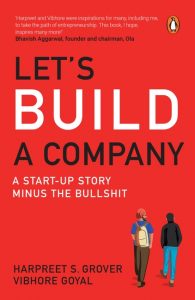
Harpreet Grover and Vibhore Goyal met in college and then spent the next decade of their lives building a company before exiting successfully. One way to tell their story is this: they had a dream, they followed it and, then, through perseverance, they made it come true. But that’s not really the truth. Like everything in life-at least everything worth having-it wasn’t that simple. There was blood, sweat and tears, there was loss of capital, loss of friendship and even a loss of faith along the way. In this book, the duo reveals the story behind the scenes, the story that you don’t always hear. But if you want to be an entrepreneur, and you prefer straight talk to sugar-coating, it’s one you should read.
Humour, Seriously
Jennifer Aaker, Naomi Bagdonas
Humour, Seriously || Jennifer Aaker, Naomi Bagdonas
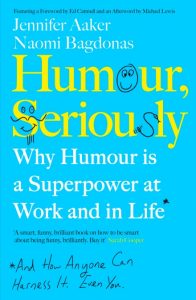
Drawing on behavioural science, advice from world-class comedians and stories from top leaders, Humour, Seriously will show you how to harness the power of humour every day. Based on the popular Stanford Business course, this book will show you how to mine your life for material, explore the Four Deadly Humour Myths and help you figure out which style of humour you fall into – The Magnet, The Sweetheart, The Sniper or the Stand Up.
The Girl and the Goddess
Nikita Gill
The Girl and the Goddess || Nikita Gill
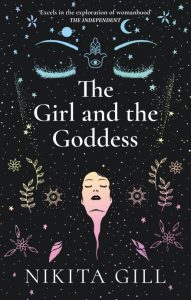
Meet Paro. A girl with a strong will, a full heart and much to learn. Born into a family reeling from the ruptures of Partition, follow her as she crosses the precarious lines between childhood, teenage discovery and realising her adult self. Navigating different cultures, religions and identities, The Girl and the Goddess is a mesmerising poetic tale of where we come from, how we grow and how we become who we are.
Invent and Wander
Jeff Bezos
Invent and Wander || Jeff Bezos
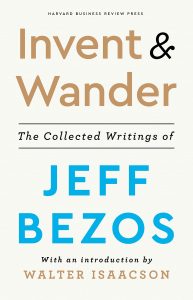
In this collection of Jeff Bezos’s writings—his unique and strikingly original annual shareholder letters, plus numerous speeches and interviews that provide insight into his background, his work, and the evolution of his ideas—you’ll gain an insider’s view of the why and how of his success. Spanning a range of topics across business and public policy, this book provides a rare glimpse into how Bezos thinks about the world and where the future might take us.
Numbers Don’t Lie
Vaclav Smil
Numbers Don’t Lie || Vaclav Smil
From earth’s nations and inhabitants, through the fuels and foods that energize them, to the transportation and inventions of our modern world – and how all of this affects the planet itself – in Numbers Don’t Lie, Professor Vaclav Smil takes us on a fact-finding adventure, using surprising statistics and illuminating graphs to challenge lazy thinking. Urgent and essential, the book inspires readers to interrogate what they take to be true in these significant times.
Cook, Eat, Repeat
Nigella Lawson
Cook, Eat, Repeat || Nigella Lawson
Cook, Eat, Repeat is a delicious and delightful combination of recipes intertwined with narrative essays about food, all written in Nigella’s engaging and insightful prose. Whether asking ‘What is a Recipe?’ or declaring death to the Guilty Pleasure, Nigella’s wisdom about food and life comes to the fore, with tasty new recipes that readers will want to return to again and again.
Love Your Life
Sophia Kinsella
Love Your Life || Sophie Kinsella
Ava is sick of online dating and she wants a break from it all. So when she signs up to a semi-silent, anonymous writing retreat in glorious Italy, love is the last thing on her mind. Until she meets a handsome stranger and they pledge their love without even knowing each other’s real names. But when they return home, reality hits. They’re both driven mad by each other’s weird quirks and annoying habits. Can they overcome their differences to find one life, together?
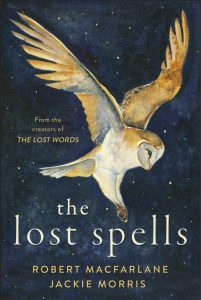
The Lost Spells
Robert Macfarlane, Jackie Morris
The Lost Spells || Robert Macfarlane, Jackie Morris
Written to be read aloud, painted in brushstrokes that call to the forest, field, riverbank and also to the heart, The Lost Spells summons back what is often lost from sight and care, teaching the names of everyday species, and inspiring its readers to attention, love and care.
Surrounded by Psychopaths
Thomas Erikson
Surrounded by Psychopaths || Thomas Erikson
In the book, Thomas Erikson shows you how your weaknesses and personality traits can be exploited by other people and how you can stop them in their tracks. Witty, engaging and informative, this book will give you everything you need to handle life’s most skilled manipulators and identify the psychopaths in your life… before it’s too late!
The Archer
Paulo Coelho
The Archer || Paulo Coehlo
In The Archer we meet Tetsuya, a man once famous for his prodigious gift with a bow and arrow but who has since retired from public life, and the boy who comes searching for him. The boy has many questions, and in answering them Tetsuya illustrates the way of the bow and the tenets of a meaningful life. Paulo Coelho’s story suggests that living without a connection between action and soul cannot fulfill, that a life constricted by a fear of rejection or failure is not a life worth living. Instead, one must take risks, build courage and embrace the unexpected journey fate has to offer.
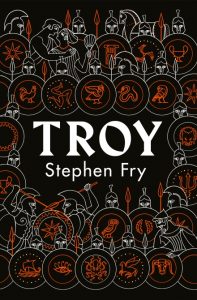
Troy
Stephen Fry
Troy || Stephen Fry
The story of Troy speaks to all of us. It is the kidnapping of Helen. It is Zeus, the king of the gods, who triggers war when he asks the Trojan prince Paris to judge the fairest goddess of them all. It is a terrible, brutal war with casualties on all sides. In Troy you will find heroism and hatred, revenge and regret, desire and despair. It is these human passions, written bloodily in the sands of a distant shore, that still speak to us today.
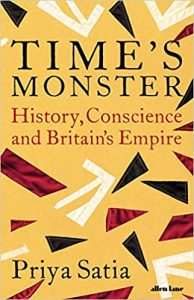
Time’s Monster
Priya Satia
Time’s Monster || Priya Satia
For generations, the history of the British empire was written by its victors. In this brilliant work, Priya Satia shows how the historians not only interpreted the major political events of their time but also shaped the future that followed. Time’s Monster reveals the dramatic consequences of writing history today as much as in the past.
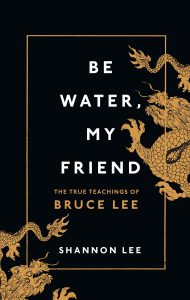
Be Water, My Friend
Shannon Lee
Be Water, My Friend || Shannon Lee
Bruce Lee is a cultural icon, world renowned for his martial arts and film legacy. But Lee was also a deeply philosophical thinker, believing that martial arts are more than just an exercise in physical discipline – they are a perfect metaphor for personal growth. In Be Water, My Friend, his daughter, Shannon Lee shares previously untold stories from her father’s life along with the concepts at the core of his teachings.
The Sentinel
Lee Child
The Sentinel || Lee Child
Jack Reacher gets off the bus in a sleepy no-name town outside Nashville, Tennessee. He plans to grab a cup of coffee and move right along. But his plan is thrown off track when he finds out that the town has been shut down by a cyber attack. At the centre of it all is Rusty Rutherford, an average IT guy but he knows more than he thinks. As the bad guys move in on Rusty, Reacher moves in on them.
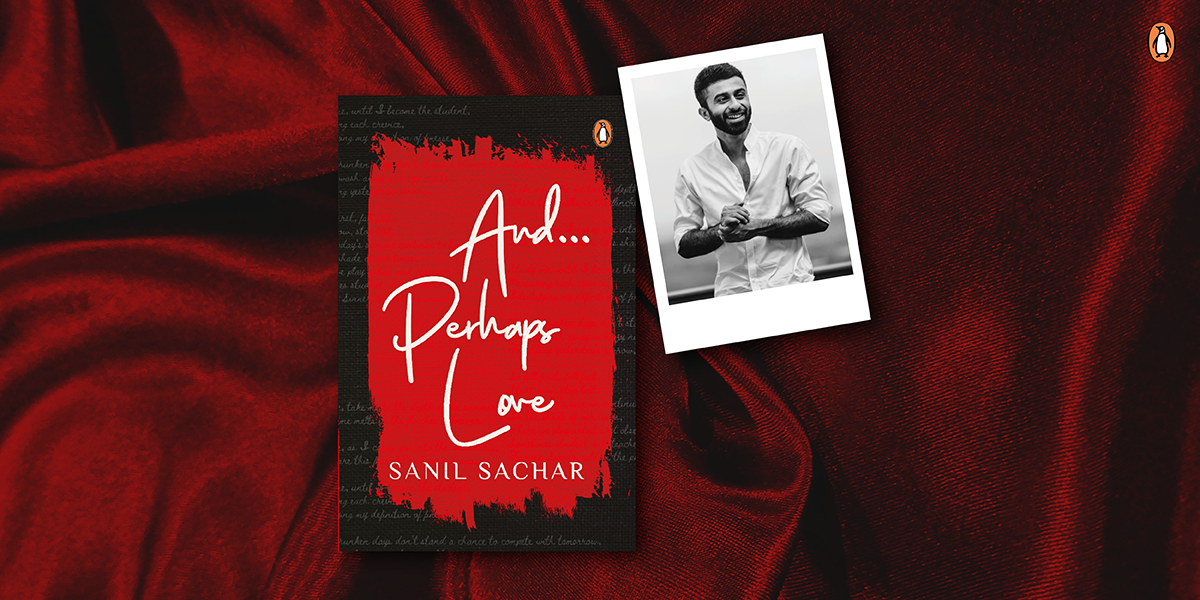
A new normal has replaced the established order. Distant relationships, virtual work, blurred futures and measuring our way back to this reality occupy us every day. Negotiating these changes, Sanil Sachar’s And… Perhaps Love will work as your companion. It is a silent observer for when you want to read it, and a patient listener when you wish to communicate with it. Capturing the ideas of love, darkness and the attempt to find balance in life, this is a book for now and forever.
Today, we have with us Sanil Sachar, the author of this poetic expedition into the realms of love, sharing with us how the book came into being.
By Sanil Sachar
Love is often romanticised and put on a pedestal
When we think of love, stereotypically, we think of songs with background dancers, serenaded surrounding, flowers blooming, and what not! Why not think of love in ways that don’t put such immense pressure on it? How about love as the reason to feel dismay? Love as the tool to success and failure? Love is more than just a feeling, it is a way of life.
Love is associated almost a hundred percent with people
And…Perhaps Love || Sanil Sachar
When we think of love, we subconsciously associate people with it. When we think of passion, we think of an endeavour. When we think of places, we think of escape. Now, the passion to do something and the feeling of calmness and escape are, in truth, enhanced by the same parts of our body that fuel the feeling of love. So, the next time when someone says love, weigh your options because they all might hold the same weight. In fact, if one diminishes, it directly impacts the other, so hold on to love, in all forms.
Love is given too much responsibility
What is love? Energy. What does energy do? It gets passed on. Who passes on this energy? We, the humans, do. What happens when energy isn’t passed on correctly? Well, love is not passed on. So, who is to blame? Love or us, the people? You see, we make love responsible for much more than it is capable of on its own. It is given too much responsibility, just so we can pass ours onto it. In truth, we aren’t let down by love, we let love down.
To prevent this from happening, we need to acknowledge love in all its avatars.
Books can speak too and they have a lot to share
When we read, we are inspired to speak, write and communicate. To make this experience come to life, it was critical to write in a manner that is uncommon. A book with spaces, in order to make it seem less naked, needed words that were left undone, unless it inspired the reader to fill the remaining spaces with their experiences. Utilising all forms of literature, with a sequencing leading to several endings to the book, helped establish that books can speak too. They have a lot to share and the best bit about them is, we can say anything we want to them and they don’t tell anyone.
Researched the hardest subject on earth, love
I believe And… Perhaps Love when read in the correct permutation by each reader is biographical in nature, simply because hundreds of minds led to what is penned within. Over the course of my writing, I have researched subjects through facts, figures and here, the research is inspired by feelings and facts of lives that I met over a conversation shared between strangers, or those that are now strangers.
What drove you to write children’s fiction in particular?
I have always believed that stories are a great tool for disseminating ideas. When you read a good book, the story grips you and you sponge in the concepts the writer weaves in. Children are receptive, they are open to ideas. Adults are hardened versions of children and stories – as a means for influencing the reader– grow less effective. This is why I find writing for children far more rewarding.
Apart from this I empathise with children and I enjoy spending time with them. By no means can I call myself young, yet I like to believe that there are a lot of childlike qualities in me.
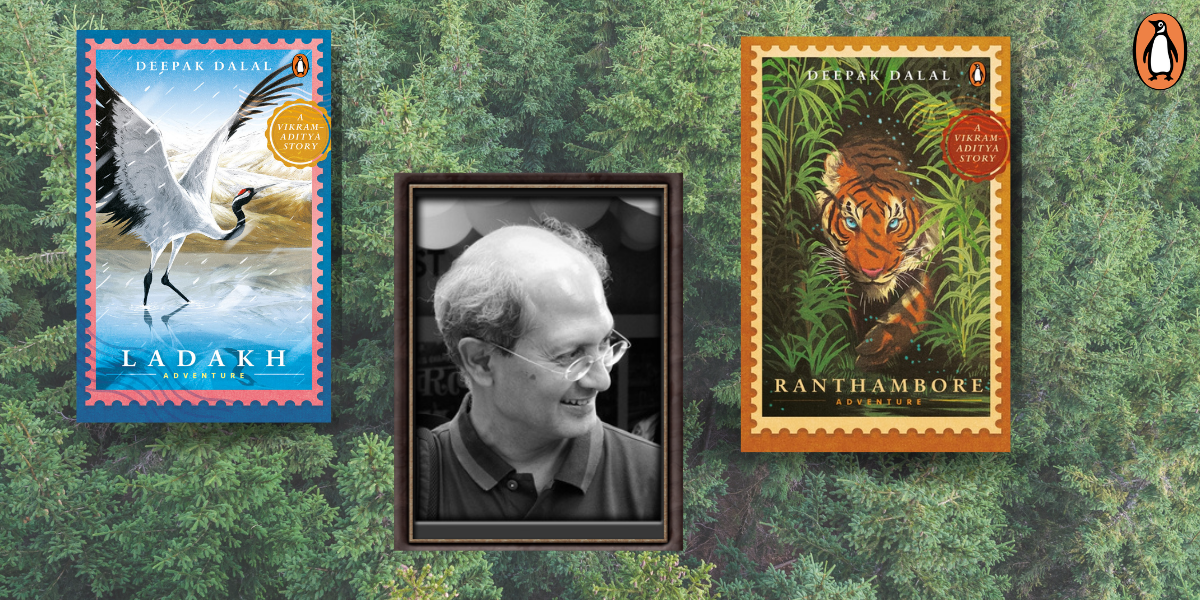
Ladakh Adventure || Deepak Dalal
Your books may fall under the broad genre of ‘children’s fiction’, but the themes you highlight deserve urgent attention. What attracted you to these fragile ecosystems?
The threat to the well-being of our planet is very real. Across land, freshwater and the oceans, human activities are forcing species populations and natural systems to the edge.There have been 5 mass extinction events in the 4.5 billion years that the earth has existed. Each of them due to natural causes. It is the current belief that we are in the midst of the sixth mass extinction and this one is entirely due to humans and our activities.
Most children live in cities today, entirely disconnected from the natural world. Through stories set in wilderness destinations I try to connect children with wildlife, forests and the great beauty of our planet. My hope is that if at a young age they can be drawn to the natural world, they will help in saving what remains of it.
Ranthambore Adventure || Deepak Dalal
How would you describe the wildlife conservation efforts in India at the moment?
We have some of the best wildlife scientists and conservationists in the world. Several species have been brought back from the brink through their efforts. These include animals like the tiger, the snow leopard, the rhinoceros, and birds like vultures and the amur falcon. But it isn’t all hunky dory. In spite of our best efforts, we are about to lose the Indian bustard and with the shrinking of wildlife habitats many more creatures will disappear. The loss of forests and wildlife isn’t for lack of effort on the part of conservationists. Rather it is the absence of political will and the apathy of our public – for most of whom wildlife is inconsequential – that is at the root of the problem.
You describe the moments of encounters between human beings and animals with great detail and intimacy. Are these based on your own experiences with animals?
I spend a lot of time researching my books. I travel to the destination where the story is set and hook up with wildlife conservationists who are studying animals there. This could be people who are studying tigers, or snow leopards, or marine scientists researching oceanic creatures.These researchers take me into wilderness areas where others can’t visit and it is my experiences with them that provide the backbone to my stories and help me describe animals and landscapes with clarity and detail.
In this moment, do you think it is possible for human beings and animals to really live in harmony without impinging on each other’s spaces?
One can’t do away with human-animal conflict. It will always exist. But we can significantly reduce the conflict. Today wildlife exists in isolated forests, most of them small and inadequate for species like elephants that roam in search of food. Wildlife scientists are campaigning for building corridors (stretches of jungle) that will connect the forests and allow animals to move unhindered from one forest to another. These corridors are vital for reducing tragic encounters between animals and humans.