Publish with Us

Follow Penguin

Follow Penguinsters

Follow Penguin Swadesh

Mindful Motherhood: The Ancient Wisdom of Garbha Vidya for Modern Moms

Read an exclusive excerpt from Talking to the Baby in the Womb.


Technique and Concept of Talking to the Baby in the Womb

The more people have studied different methods of bringing up children, the more they have come to the conclusion that what good mothers and fathers instinctively feel like doing to their babies is the best after all.
—Dr Benjamin Spok

Sahana is Dr Andal’s friend’s daughter. She meets the doctor to have her doubts about pregnancy cleared. The narration is divided into four parts. Every part begins and ends with their conversation.

The first part deals with the emotional aspect: the concept and technique of Talking to the Baby in the Womb; hope, courage and confidence; how Talking to the baby in the womb helps the expectant mother face delivery confidently; and how to come out successfully with a healthy baby, even in the case of those who had a history of miscarriages; and the role of the husband in supporting his wife during pregnancy.

The second part deals with: mental aspects; intelligence and behavioural aspects of the baby; and the influence of music on the baby during pregnancy. The third part deals with: physical aspects including physical dynamism and sporting aspects of the baby; vomiting in pregnancy; and meditation and yoga. The fourth part deals with: sensory aspects; taste; and Healthy eating habits.

Doctor: Hello, Sahana dear, it’s been long since we met. Your Mom said that I should spend some time with you; just give you a pep talk. You know, your mother and I have been friends since childhood. So I am glad you came for lunch. And congratulations to you, wonderful Mom!

Sahana: Thank you, aunty. I have lots of doubts— some silly ones, some serious—but ever since my pregnancy was confirmed, I have been confused. I suddenly feel so relaxed after meeting you. I’m sure all my anxiety will melt away now.

Doctor: My dear! Don’t worry. For a prepared mother, pregnancy is a smooth journey and delivery is easy. Though pregnancy is a much-awaited event in one’s life, the charm and joy of pregnancy is slowly getting clouded by anxiety and insecurity. The happiness can be restored by using a powerful technique. I’ll narrate to you the story of a pregnant mother who was my guru in initiating this effective technique.

Sahana: Okay, aunty!
Doctor: Let’s see Seema’s story. It will help you understand better.

‘You are already awake, Tara? Good morning! I am happy that you are an early riser.’
‘See how beautiful the Sunrise is! The sky wears the most beautiful shadesof crimson, pink, yellow and blue! Mother Nature is my favourite artist ever!’ ‘Look at those beautiful birds chirping, Tara.’

‘Every form of life is so active as if it is their natural instinct.’ ‘Let’s enjoy our cup of milk. You must be hungry.’

‘Lukewarm milk is my way. Hey! Let’s add nuts and dry fruits to it and make it tastier and nutritious.’ ‘I didn’t know that you like it this much, Tara! Hereafter, we will have milk in more delicious ways’

After some time
‘Now it’s time for some meditation and relaxation. Let’s chant. AUM . . . AUM . . .

’ ‘After lunch we’ll have a nap and go to the hospital in the evening. We have our appointment with the doctor.’

Evening

‘Come, let’s go, Tara. Here everyone speaks Telugu— we will learn it soon!
Chalo.
On the street
‘Madam, going out?’
‘Yes, bhaiya’
‘Ah, it’s good that he has come!’
‘I told you he is gentle in the way he drives his auto. I feel safe in it.’

‘Madam, where shall we go now?’
‘Bhaiya, we must go to hospital!’
The auto driver in his mind thinks to himself,
Madam is always on the phone . . . speaking to a friend . . . but I don’t see any mobile phone in her hand . . . maybe this is what they call some tooth . . .
Aah! It’s Bluetooth!
‘We have arrived at the hospital, madam. Shall I wait?’
‘No, bhaiya! It will take time . . . mere paas apka mobile number hai [I have your mobile number].
I will call you, then you come and pick us up.’
‘Okay, madam’
‘Here is the auto fare, bhaiya. Thank you for the safe ride.’
‘Thank you, madam!
Bhaiya boltihain mujhe [You call me brother], I have the responsibility of a brother, right? You call my number, madam. I will come and take you back home.’
‘Thank you, bhaiya! That’s very nice of you!’
‘Chalo Tara, let us go and meet our doctor now!’
‘Tara you are jumping at the very mention of the doctor’s name! You feel so happy about meeting her every time. We must let her know how much happiness we get by meeting her.’
‘Good evening, Doctor!’.
‘Seema Sharma! Good evening, dear! It is always a pleasure to see your cheerful face.’
After checking Seema, the doctor says, ‘Seema, everything is great with you. Every report shows good improvement and normalcy.’

‘Thank you very much, Doctor! All this has been possible only with your guidance!’
‘My pleasure, Seema. I’ve been wanting to ask you something peculiar I find about you.’
‘Please go ahead, Doctor, you are a mother figure to me. You can ask me anything!’
‘Seema, you are well into your sixth month of pregnancy. This is your first pregnancy. Normally, during Pregnancy, women have issues such as vomiting and back pain. They feel insecure and get someone to accompany them to the doctor’s clinic. But your attitude has pleasantly surprised me! I know your husband is a very busy executive, unable to be at your side always. Travelling alone in a town that speaks a different tongue is tough. Normally, all these stresses show up as physical symptoms. You don’t have any complaints. How can you always be smiling and pleasant? How do you manage it all? Do you mind sharing with me the secret of your positivity and confidence, dear?’

‘Oh, Doctor, I am happy because I am never alone! My baby is always with me! We do almost everything together. We cook, we shop and we are together always! We even meditate together. My baby falls asleep when I sing a lullaby. And I must tell you this, although my husband doesn’t spend much time with me, my baby gets along with my husband as well! They have their own time together, you know?’
‘Oh! I didn’t know that! Where’s your baby now?’
‘Right here, Doctor. In my tummy! I call the baby “Tara” to feel more connected.’
‘Oh! That’s amazing!’
‘Doctor, whenever I talk silently or loudly, my baby responds with movements. We talk and we understand each other perfectly well! I enjoy my baby’s company thoroughly. My baby keeps me happy and confident! My baby is my best friend and my caretaker these days! We take care of each other! Sometimes I talk to my baby loudly, unmindful of others’ presence; many times others think I’m talking to some friend over the phone.’
‘Eureka! The movement! So the movement is the language of the unborn baby. This is the master key of keeping the expecting mother happy and confident. I am so grateful to you, Seema!’

‘Doctor, we are grateful to you! My baby loves visiting you along with me. It feels so happy and excited every time I mention your name. Today, I wanted to share this information with you, and you asked me just when I was about to tell you this myself.’

My mission has always been to make pregnancy an amazing experience for every woman. I want every pregnancy to result in successful delivery of a good child (healthy, happy, intelligent with all good qualities = good child, for me). As I was struggling to find an effective method to make pregnant mothers happy and confident, I could see that Talking to the Baby in the Womb was the reason for Seema’s happiness and confidence. Thus, the inspirational real-life experience of Seema laid the foundation of Talking to the Baby in the Womb. Mother talking to her baby in the womb is a natural and an age-old practice. I don’t think there’s any mother who has not spoken a word to her baby during her pregnancy. But mothers think it’s only a monologue, as the baby cannot talk back. They don’t expect any reply from the baby. They are totally unaware of baby’s feelings. When they are able to see the baby even before it is born, express their love, share their feelings and understand that their baby is there for them, its presence and companionship makes them feel secure. Confidence and happiness will illuminate the way of expecting mothers—think, bond, relate, live, learn and grow along with the baby they carry.

How I Started Practising Talking to the baby in the Womb

It was the case study of Seema that inspired me to follow the ‘Talking to the Baby in the Womb’ technique to instil confidence and happiness in expecting mothers. When I explained the benefit of bonding with the baby during pregnancy and asked the mothers to talk to their babies, they used to give a quizzical look, smile and keep quiet; but I kept on telling them, because I’d seen Seema’s experience. A year went by after I started recommending Talking to the Baby in the Womb; but the results were not encouraging. When I was about to lose hope, feedback from Sirisha emerged to strengthen my conviction. Sirisha talked to her unborn child and the baby responded, giving her a secure feeling and confidence during pregnancy. After birth, the baby responded to her words through his eyes. He was not a ‘cry baby’, and the kid grew up to be a happy boy, exactly as Sirisha wanted him to be.

  ***


Get your copy of Talking to the Baby in the Womb on Amazon or wherever books are sold.


This Diwali, Don’t Do Gifts ki Hera-Pheri, Gift A Penguin

Diwali means lights, laddoos, and… let’s be honest, a lot of re-gifting. How many boxes of soan papdi does one really need? This year, give something that doesn’t get passed on to the next neighbor—give a story, give a book.

Because when the diyas burn out and the sweets are long gone, a book is the gift that keeps glowing. So here’s your not-so-basic Diwali gifting guide:

For the Mythology Buff in Your Family
The Valmiki Ramayana (Box Set) – Bibek Debroy
Forget Netflix binges. This is the original epic series. Rama, Sita, Ravana—the whole cast is here in Bibek Debroy’s majestic new translation of the unabridged Critical Edition. Adventure, war, love, duty—it’s the blockbuster that never gets old.

Front Cover The Valmiki Ramayana (Box Set)
The Valmiki Ramayana (Box Set) || Bibek Debroy

For the Prosperity Seekers
Treasures of Lakshmi – Edited by Namita Gokhale & Malashri Lal
What’s Diwali without Lakshmi ji? This gem dives deep into the goddess of wealth and generosity, exploring her many names, myths, and blessings. It’s not just a book, it’s a cosmic investment plan in the goddess who gives.

Front Cover Treasures of Lakshmi
Treasures of Lakshmi –|| Edited by Namita Gokhale & Malashri Lal

For the Littlest Festival Lovers
My Little Book of Diwali – Ashwitha Jayakumar
Lights, laddoos, fireworks—this adorable board book brings Diwali alive for tiny readers. With simple storytelling, bright illustrations, and a fun seek-and-find activity, it’s the perfect first introduction to the festival of lights. Safe, sturdy, and oh-so-festive, this little book makes sure even your youngest family members join in the Diwali cheer.

Front Cover My Little Book of Diwali
My Little Book of Diwali || Ashwitha Jayakumar


For the Storytellers and Culture Lovers
The Illustrated Ramayana
Step into Rama’s journey like never before. This book weaves together Valmiki’s epic with breathtaking visuals—paintings, artefacts, photographs, and performances—that bring each scene alive. It’s the Ramayana reimagined for modern readers, making it both a keepsake and a stunning introduction to India’s living heritage.


Front Cover The Illustrated Ramayana
The Illustrated Ramayana


For the Travelers-at-Heart
Along the Ramayana Trail: A Cultural Journey Across India and Sri Lanka
Ayodhya, Dandakaranya, Lanka—travel through sacred geographies with Rama, Sita, and Hanuman. It’s like a mythological Google Maps, guiding you across India and Sri Lanka with stories, legends, and breathtaking cultural traditions.

Front Cover Along the Ramayana Trail: A Cultural Journey Across India and Sri Lanka
Along the Ramayana Trail: A Cultural Journey Across India and Sri Lanka


For the Kids Who Ask 1000 Questions a Day
Ramayana for Kids
Epic storytelling made fun—with stickers, coloring pages, and illustrations. This book is bedtime stories meets craft hour. Perfect for little ones to discover Rama’s world while sneaking in life lessons about courage and kindness.


Front Cover Ramayana for Kids
Ramayana for Kids

For the Tiny Picassos
Ramayana Coloring Book
Tracing, dot-to-dot, number coloring—this book turns mythology into playtime. While they’re busy coloring Hanuman flying across the ocean, you can sip your chai in peace. Win-win.

Front Cover Ramayana Colouring Book
Ramayana Colouring Book

For the First ABC Learners
ABC Ramayana
A for Ayodhya, B for Bow, C for Chariot… this isn’t your regular ABC. It’s the Ramayana, alphabet style! Fun illustrations + cultural values = the cutest first step into mythology.

Front Cover ABC series Ramayana
ABC series Ramayana

For the Little Devotees
My Little Book of Lakshmi
Sturdy, bright, and toddler-approved—this board book tells Lakshmi’s story in the simplest way. Safe for tiny hands, perfect for festive bonding, and guaranteed to bring smiles (and maybe some divine blessings too).

Front Cover My Little Book of Lakshmi
My Little Book of Lakshmi


Diwali is about sharing light, love, and stories. And what better way than with a book that carries all three?
Celebrate Diwali the Penguin way—share a story that shines forever.

Love, Gossip, and Second Chances Across Borders

Here’s your first look inside You Had Me at Annyeong—an exclusive excerpt from this cross-cultural rom-com.


Chapter One 

Mumbai, India 

Spring


What was I even thinking? The little voice inside Timira’s head asks as she recounts, embarrassed and horrified, the events of the afternoon. The sun is yet to set, and through the windows, the last of its honey-hued rays are streaming in and jostling for space with the LED lights that the staff at CinCin—Timira’s favourite neighbourhood bar—have just turned on. It’s happy hour and a gaggle of giggly college-goers are guzzling on one-plus-one draught beers. Seated at the bar, she looks at them wistfully and sighs. Still half in shock and half enraged, she switches her phone off airplane mode and with trembling fingers checks her message inbox even as her phone makes a series of non-stop dings announcing the arrival of multiple texts. ‘Marbellas Misses May as Well’, her work chat group, is flooded with messages. A flurry of new texts rushes in even as she scrambles to read the older ones. 


Did you hear? Timira’s just quit! I overheard the boss telling Rodrigo’s manager. 

Why Rodrigo’s manager? What does he have to do with Timira? 

Whaaaat? She’s quit? Just like that? 

IKR? Weird! Like, he seemed to be desperately looking for her . . . 

Even after what happened? 

Dude, I smell a rat here! Tell me you don’t! 

Ay, c’mon, da. That’s a bit much, don’t you think? Tim and Rodrigo?! 

I’m telling you something’s going on for sure! 

You think they might have been hooking up?! OH EM GEE! 

Tim? She doesn’t even seem like Rodrigo’s type. Isn’t Rodrigo seeing someone? 

Guys, please don’t speculate. 

I didn’t think she’d quit over this, though . . . 

Shouldn’t we check on Timira? I’m a little worried if she’s okay. 

Bro, isn’t Tim still in this group? 

Wait, what? You mean she might be reading all this?! 

Nah, am sure she deleted this chat when she put in her papers . . . Oh, f***, she’s still on the group. 

DELETE EVERYTHING! 

Just as they’re about to ‘delete message for everyone’, a notification arrives. 

Timira M left. 

Putting her phone aside, Timira inhales deeply. 

Breathe, Timmy, breathe. Aren’t you glad you walked out when you did? 

Turning towards the bartender, she asks for ‘the usual’. 

Should I tell Mum and Apa? Perhaps I should call Alice first . . . no, no, no, not Alice. She’ll nag me and will blurt it out to Mum before I can tell her. Bhaskar, let me call Bhaskar. 

Bhaskar is Timira’s best friend. They had first met in school as ten-year-olds made to share a desk when they were lumped together like pre-teen school rejects, and have been inseparable since. Alice is his wife and Timira’s other best friend. ‘New-Age Dahej’ is what Timira jokingly calls her. 

When Bhaskar and Alice decided to marry, after dating for only six months, it was Timira who planned his proposal. When Bhaskar had thought he was, perhaps, rushing into it, it was Timira who reminded him how fortunate he was to have met Alice in the US—where he had been pursuing a postgrad degree in management; she had grown up to first-generation immigrant Korean parents—and how perfect they were for each other. 

‘Anybody can see how great she is! You truly have lucked out, my friend. And, for some reason, she seems to genuinely love you. Eww.’ Timira had made a barfing expression and laughed before adding in a more sombre tone, ‘Don’t overthink and ruin it. If it feels right, it IS right!’ 

Bhaskar knew it was right. It had felt right from the moment he had walked into the salon Alice used to work at— only a few steps from his university campus in New Haven— and was greeted with the warmest smile he had ever seen, one that thawed his frozen, winter-hating, Tamilian heart. 

‘So, you’re my 3 p.m.!’ Alice had chirped. ‘Wow, that’s a head full of gorgeous dark hair. Come on, let’s get you started. Fancy a cuppa? We’ve just got a new espresso machine! Here, let me take your coat.’ 

Bhaskar was besotted and asked Alice out without wasting any time. A whirlwind romance later, he brought Alice to India to meet his family and friends. And shared with Timira their decision to marry. News that had made Timira jump with joy. 

Mere do do best friends!’ she had gleefully announced, riffing off the iconic ‘mere do do baap’ line from a cult 1990s Suniel Shetty classic. 

Timira and Alice had gotten along like a house on fire, much to Bhaskar’s delight and relief. When they decided to move to Bombay, Timira helped them find a home and now they lived only a couple of streets away. 

The phone feels heavy in her hands and she has to use all her might to lift it and speed-dial Bhaskar’s number. 

But it suddenly vibrates to announce the arrival of a new text message, taking her by surprise. It lurches out of her hands and falls with a thud on the wooden bar top, the vibration grating against the wood, making the phone groan angrily. 

‘Babe, listen, can you come over to mine? I, um, let’s just talk, okay? I’m sorry about earlier. I didn’t want to create a scene, but . . . ah, whatever. I’ll be waiting, k?’ 

Timira’s eyebrows are scrunched up and she is grinding her front teeth together. 

“I didn’t want to create a scene?!” What a load of crap! A scene is exactly what you were aiming for, you attention-seeking drama queen! 

Timira’s phone buzzes once more. Another text from Rodrigo. 

‘Babe, could you also get a couple of cigarettes? I’m exhausted after such a long day, could really do with a fag. And you know I can’t be seen buying any, hehehe!’ 

Timira’s eyes widen and her mouth falls open. Nostrils flaring, she continues to grind her teeth and lets out an audible ‘Ugh’. 

‘Ma’am, is everything all right?’ the kind bartender enquires. She has been watching Timira every week since taking up this job a year ago. Sometimes by herself, sometimes with friends, always sunny, always smiling Timira. 

‘Huh?’ Timira answers distractedly. Then, upon noticing the worry in the bartender’s eyes, she sits up and adds in a soothing voice, ‘Don’t worry about it. I’m good!’ She even adds a gentle squeeze of the bartender’s hand in what she hopes is a reassuring touch. The bartender, though not entirely convinced, smiles but doesn’t say anything. Timira’s face is begging for privacy and to be left alone. Over the years, the bartender’s job has made her somewhat of a face-reader. Happy drinks, lonely drinks, sad drinks, celebratory drinks, addiction drinks, friend drinks, lover drinks, break-up drinks, make-up drinks, failure drinks—she has served them all. She can tell that Timira needs space and goes back to minding her business. 

Timira returns to her phone and re-reads Rodrigo’s text, this time more slowly to make sure she got it right the first time. 

Is this guy for real? Like, what does he have for a brain? And what does this say about me? What was I even thinking? I thought I’d marry this daft megalomaniac?! Timira, beta, bach gayi tu! All those weekend mornings of tagging along with Ma to Siddhivinayak clearly didn’t go to waste. Ganpati Bappa Morya! 

Bumping her fist on the table, she hisses at the phone screen as though it were Rodrigo himself. 

‘Go buy your own smokes, you uncouth, pompous sod! I’m no longer at your service!’ she mutters under her breath. 

She flings her phone away. 

‘SCREW YOU, YOU LITTLE SHIT,’ Timira yells as she throws it at what she thinks is the ground and goes back to the whisky, her third on the trot, which she gulps down furiously. 

What a guy. Makes everything about himself, without fail. And, even after everything, can’t make an apology. How did I think I’d spend my life with a creature like that?! Bola tha Bhaskar ne, that I’ve been blinded by his eight-pack. Tch, shame on me! Hawas ki pyaas mein andhi! 

‘Ma’am, your phone,’ a hostess with a sweet face says, handing her Desert Titanium iPhone 15 Promax back, its screen now split into two. ‘See that gentleman over there? He asked me to bring it to you.’ 

  ***


Get your copy of You Had Me At Annyeong on Amazon or wherever books are sold.

20 New Books to Obsess Over This September

August was an absolute treat for book lovers—history, politics, romance, thrillers, memoirs, mythology, and even K-dramas made their way onto our shelves! From timeless classics reimagined to gripping crime stories, from powerful memoirs to fun romances, this month’s releases are as diverse as they come. Here’s your cheat sheet to what’s new and worth reading.


Courtesans Don’t Read Newspapers – Anil Yadav, trans. Vaibhav Sharma

Dark, witty, and unsettling short stories that pull you into the messy, raw lives of people on the margins—prostitutes, folk singers, rioters, and dreamers. Strange, sharp, unforgettable.

Front Cover Courtesans Don’t Read Newspapers
Courtesans Don’t Read Newspapers || Anil Yadav, trans. Vaibhav Sharma


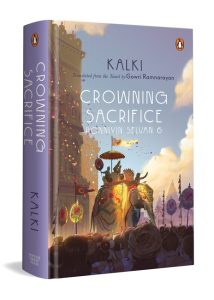
Ponniyin Selvan 5 & 6 – Kalki, trans. Gowri Ramnarayan

The legendary Chola saga nears its climax. Betrayals, conspiracies, and epic destinies unfold as Vandiyatevan, Arulmozhi Varman, and Nandini face love, revenge, and sacrifice. A dazzling finale to a historical masterpiece.

Front Cover Ponniyin Selvan 5
Ponniyin Selvan 5 || Kalki, trans. Gowri Ramnarayan
Front Cover Ponniyin Selvan
Ponniyin Selvan 6 –|| Kalki, trans. Gowri Ramnarayan


The Book of Killings – Amit Majmudar

The Kurukshetra war begins. Gods, curses, boons, and betrayals collide in this thrilling modern retelling of the Mahabharata’s bloodiest chapter.

Front Cover The Book of Killings
The Book of Killings || Amit Majmudar


India’s Tryst with the World – Rethinking India Series

India’s place on the global stage—from Nehru to now. Essays by leaders like Manmohan Singh, Shashi Tharoor, and Shivshankar Menon rethink foreign policy for India@100.

Front Cover India’s Tryst with the World – Rethinking India Series
India’s Tryst with the World – Rethinking India Series


Resilience Decoded – Sujata Kelkar Shetty

A lifeline for parents navigating teen anxiety, digital overload, and mental health. Neuroscience + real stories + practical hacks to raise resilient kids.

Front Cover Resilience Decoded
Resilience Decoded || Sujata Kelkar Shetty


Waiting in the Wings – Salima Hashmi with Maryam Hasan

Growing up with Faiz Ahmed Faiz in a newly divided Pakistan. A moving memoir of art, politics, and finding your own voice.

Front Cover Waiting in the Wings
Waiting in the Wings || Salima Hashmi with Maryam Hasan


Enter Stage Left – Salima Hashmi with Maryam Hasan

From teaching and TV shows to activism under Zia’s regime, Salima Hashmi’s second memoir captures a life steeped in art, courage, and resistance.

Front Cover Enter Stage Left
Enter Stage Left || Salima Hashmi with Maryam Hasan


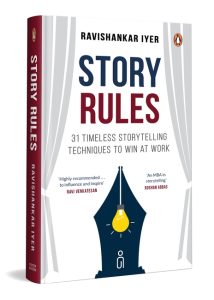
Story Rules – Ravishankar Iyer

31 storytelling techniques to ace presentations, pitches, and boardrooms. Packed with real examples to make you unforgettable at work.

Front Cover Story Rules
Story Rules || Ravishankar Iyer


Hindutva and Hind Swaraj – Makarand R. Paranjape

Gandhi vs. Savarkar, non-violence vs. rebellion. A deep dive into two ideologies that still shape India’s political soul.

Front Cover Hindutva and Hind Swaraj
Hindutva and Hind Swaraj || Makarand R. Paranjape


More from Less for More – Sushil Borde & Raghunath Mashelkar

How India can solve big challenges with inclusive innovation. Real-life examples + tools for creating “affordable excellence.”

Front Cover More from Less for More
More from Less for More || Sushil Borde & Raghunath Mashelkar

Murarirao Ghorpade – Reeta Ramamurthy Gupta & Indrajeet Ghorpade

The unsung Maratha warrior who shaped history, saved Robert Clive, and fought bravely against the French and Haider Ali. A forgotten hero’s story told at last.

Front Cover Murarirao Ghorpade
Murarirao Ghorpade || Reeta Ramamurthy Gupta & Indrajeet Ghorpade


A Shimla Affair – Srishti Chaudhary

Three sisters, a glamorous hotel, a British officer, and a deadly conspiracy during India’s freedom struggle. Romance and rebellion in the hills.

Front Cover A Shimla Affair
A Shimla Affair || Srishti Chaudhary


Comrades and Comebacks – Saira Shah Halim

The story of India’s Left—from its revolutionary roots to its struggle to stay relevant today. Bold, sharp, and thought-provoking.

Front Cover Comrades and Comebacks
Comrades and Comebacks || Saira Shah Halim


You Had Me at Annyeong! – Malini Banerjee

An Indian girl in Seoul finds herself in the middle of a swoony, complicated K-drama romance—chaebol heirs, exes, fiancées, and all.

Front Cover You Had Me at Annyeong!
You Had Me at Annyeong! || Malini Banerjee


The Menon Investigation – Saharu Nusaiba Kannanari

A Kerala crime thriller that digs deep into caste, corruption, and complicity. Wry, suspenseful, and deeply human.

Front Cover The Menon Investigation
The Menon Investigation || Saharu Nusaiba Kannanari


Happiness Happens – Robin Singh

A Silicon Valley success story turned Indian farmer. A memoir about trading money for meaning and finding happiness in purpose.

Front Cover Happiness Happens
Happiness Happens || Robin Singh


Why the Constitution Matters – Justice D.Y. Chandrachud

The Chief Justice on why our Constitution is the backbone of democracy, rights, and justice. Accessible, inspiring, and essential reading.

Front Cover Why the Constitution Matters
Why the Constitution Matters || Justice D.Y. Chandrachud


The Career Edge – Kaushik Mitra

Career lessons from a PepsiCo veteran—on resilience, collaboration, and leadership. Straight-talking wisdom for every stage of your professional journey

Front Cover The Career Edge
The Career Edge || Kaushik Mitra

From epics and thrillers to politics and K-dramas, August gave us a bookshelf bursting with variety. Whether you’re craving a story of rebellion, love, or resilience—there’s something here for you. Which one are you picking up first?

The Labyrinth of Langdon: A Reading Guide for the Curious

Some books don’t just tell a story.
They open a door.

For over two decades, Robert Langdon, Harvard’s symbologist-in-residence and history’s favorite reluctant detective, has been our guide through hidden corridors of power, faith, and art. Dan Brown’s novels turn cities into codes, paintings into puzzles, and history into a living, breathing manuscript.

This August, as we celebrate Dan Brown Reading Month, it’s time to retrace Langdon’s steps—before a new chapter begins on 9th September.

Angels & Demons

The beginning of the trail.
In Rome, a murdered scientist and a single word—Illuminati—pull Langdon into the eternal dance between science and faith. Every altar becomes a coordinate, every church a cipher in this high-stakes chase through Vatican secrets.

Front Cover Angels & Demons
Angels & Demons || Dan Brown

The Da Vinci Code

The one that shook the world.
When a body is discovered beneath the Louvre’s pyramid, Langdon unravels a series of riddles hidden in Da Vinci’s art, leading to the most controversial secret of all—the one tied to the Holy Grail.

Front Cover The Da Vinci Code
The Da Vinci Code || Dan Brown


The Lost Symbol

America’s hidden manuscript.
In Washington, D.C., the very streets become a codebook. Langdon deciphers Freemason symbols woven into the city’s architecture while racing to uncover truths buried in the foundations of a nation.

Front Cover The Lost Symbol
The Lost Symbol || Dan Brown

Inferno

Hell is just a map.
Guided by Dante’s verses, Langdon races across Florence, Venice, and Istanbul to stop a global catastrophe. Every line of poetry becomes a breadcrumb, each painting a warning etched into the canvas of history.

front Cover Inferno
Inferno || Dan Brown

Origin

The ultimate question.
In Spain, a futurist’s discovery threatens to rewrite the oldest debate in human history: Where do we come from, and where are we going? Art, science, and faith converge as Langdon confronts an answer humanity may not be ready to face.


Front Cover Origin
Origin || Dan Brown


The Secret of Secrets (Coming 9th September)

The next door awaits.
Little is known. Whispers suggest a revelation buried deeper than any Langdon has faced before—a truth entwined with the very fabric of human civilization. The symbols are already in place. All that remains is for the right mind to read them.

Each book is a cipher. Together, they are a map.
And on 9th September, Dan Brown will draw the next line.

This month, walk the path again.
Decode the past. Prepare for the future.

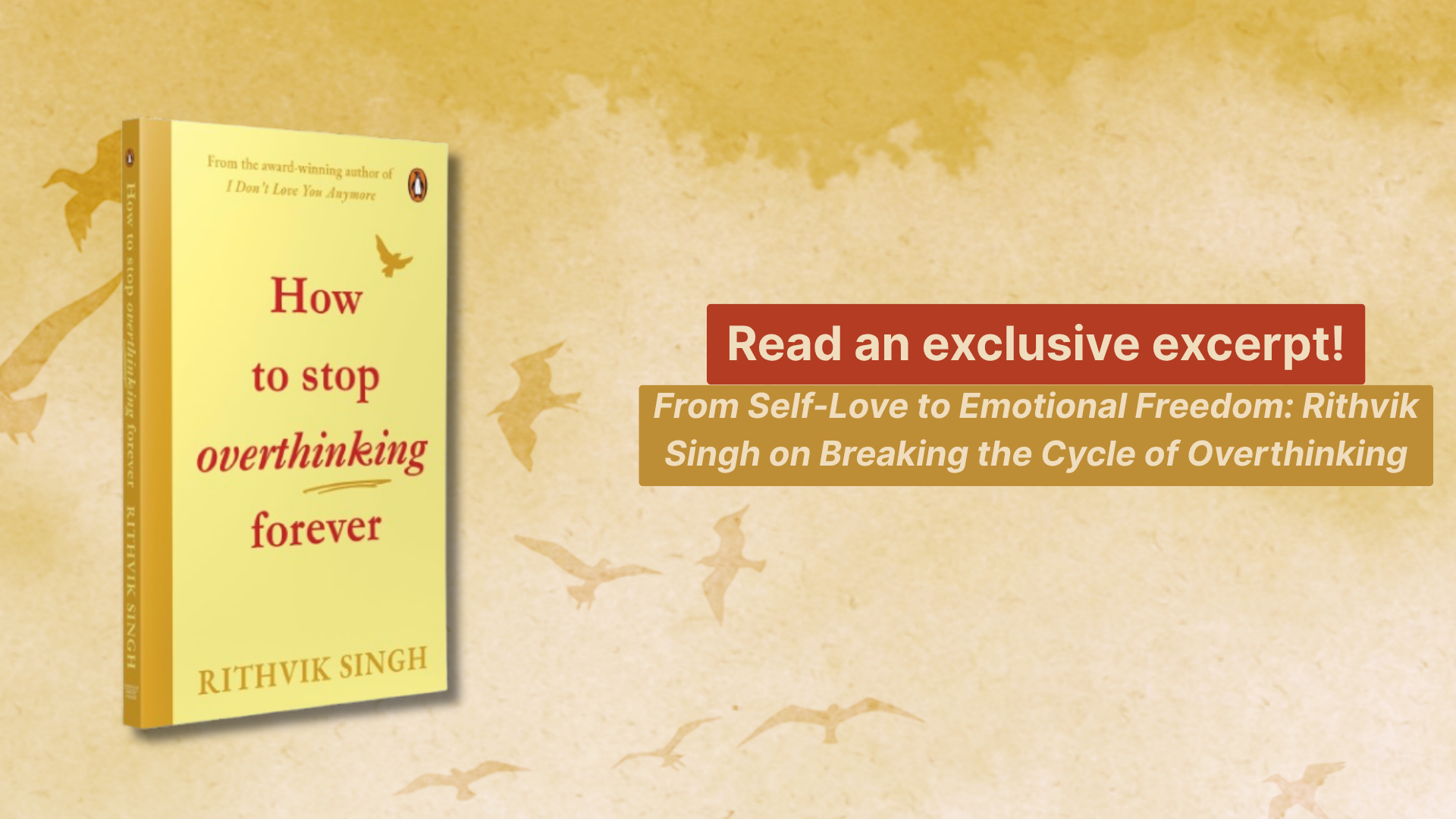
If Your Friendships Make You Overthink, Read This

In this heartfelt excerpt from How to Stop Overthinking Forever, Rithvik Singh reflects on his own journey of friendship, heartbreak, and self-worth — and shares a reminder we all need: you deserve people who truly value you.


Front Cover How To Stop Overthinking Forever
How To Stop Overthinking Forever || Rithvik Singh


Back in fifth grade, a day before Friendship Day, I remember my mother asking me how many bands I needed but I didn’t have an answer. She got me five bands regardless, but I only had one friend. The next day, I wore four of the bands to school so that everyone thought I had many friends and saved one for the only friend I knew I could give the band to. But when I offered him the friendship band with a smile on my face, he didn’t smile back. I realized he didn’t have a friendship band for me. ‘


I’m sorry, I only brought bands for my close friends. Let me see if I have an extra one,’ he said. I still remember his landline number; we went in the same school bus together and talked all day long, but he still didn’t consider me a friend. It shattered my heart. In the seventh grade, I made a friend who told me that while we could be friends, we could never be best friends, because he already had one. I thought we were best friends. When I switched schools in the eighth grade because my mother was transferred to another city, I thought to myself, this is the fresh start you were looking for. You’ll find friends here. I yearned for friendship with all my heart, but I just couldn’t make friends. Although I loved the school and the teachers, and talked to a lot of my classmates, I couldn’t find anyone I could truly consider a friend. In the eleventh standard, I switched schools again, because yet again, my mother had been transferred to another city.


This time, I went in with no expectations. But from the very first day, I realized people were warmer and nicer to me. I was still the same person who couldn’t make friends, but in that school, people were genuinely interested in talking to me. My best friend from the same school recently travelled for over 400 kilometres to surprise me at my book signing. Another friend of mine sends me presents every birthday, even though she lives in another country. Another one gives me a handwritten letter every time we meet. I now have friends who check in on me regularly, genuinely care about my success, want me to grow in life and love me wholeheartedly.


The point is, sometimes you cannot find the people who understand your heart, not because you’re the problem, but because you’re not surrounded by people who are like you. I kept wondering if I was boring or annoying or unworthy of being loved until I found people who made me feel loved without me having to ask them for it. It took me a long time, but I eventually found genuine friends whose sense of humour, mindset and hearts matched me. I conducted a poll online asking people if they believe their friends secretly dislike them. The results were shocking. Out of the 4811 participants, 3827 (79.5 per cent) believed their friends secretly disliked them. Only 984 (20.5 per cent) participants said ‘no’.


If you feel insecure in your friendships, this is your reminder that you’re not alone. So many of us feel the same way. We feel alone even when we have a lot of ‘friends’—mostly because we’ve not found the right set of people yet. If you’re someone who constantly overthinks because you do not have friends who feel like home to you, please know that you will find people who will cherish you for who you are and appreciate all your efforts. Just because you have been betrayed by people you thought were your friends in the past doesn’t mean you’ll be betrayed by everyone you come across in your life. I was ‘friends’ with people who didn’t return my calls, didn’t invite me to hang out with them, didn’t believe in my potential, didn’t laugh at my jokes and didn’t value my efforts. And I realized over time that I didn’t lose them. They lost someone who genuinely cared about them.


They lost someone who simply wanted a corner in their hearts and was willing to do anything for them in return. I didn’t stop giving my best in friendships because a bunch of ungrateful people don’t get to shape my perception of friendships. I knew I wasn’t the problem. I knew I’d find people who’d love me for thinking differently from them instead of judging me for it. People who’d understand my jokes and believe in my dreams. People who’d hate to see me hurt. People who’d hold my heart gently on my worst days. Sadly, what happens when you’re giving your best in a friendship and it’s not being reciprocated is that you begin to wonder what’s missing in you. You see them making efforts for other people and wonder what makes them better than you. But when you start realizing that the feeling of gratitude is rare and that not everyone knows how to value people, you stop getting affected by ungrateful people who couldn’t ever value your friendship. If someone thinks you’re not cool enough to be their friend, don’t be their friend.


If someone thinks you’re boring, let them find interesting people. If someone thinks you’re too sensitive or too clingy, let them choose someone who isn’t. You deserve friends who will love you for who you are and respect your feelings. Friends who know how to be gentle with your heart. This is what you need to remember if you’re yet to find genuine friends:
• Your worth isn’t determined by the size of your friend group.
• Your worth isn’t determined by the number of people who find you ‘interesting’.
• Your worth isn’t determined by the number of parties you’re invited to.
• Your worth isn’t determined by what you do on Saturday nights.
• Your worth isn’t determined by how many people sit with you during lunch breaks.
• Your worth isn’t determined by the actions of someone who doesn’t see the value of your efforts and always takes you for granted.


If you’re someone who truly cares about people— you’re there for them when they’re unwell or upset, you try to make their birthdays special, you try to keep in touch and make plans, you give them advice whenever they ask for it, you believe in their ambitions, you don’t say bad things about them behind their back, please know that you deserve friends who do exactly the same for you. And if, despite doing all this for your friends, they’re unable to see your worth, letting go of them is a prerequisite for restoring your self-esteem and confidence.


Always remember:
• If someone really cares about you, you will not overthink because of them. They will not make you anxious. They will not drain your energy. They will not make you feel bad about yourself.
• If a friend is making fun of you in front of others, there’s a huge possibility that it’s not a friend but a secret hater. Friends are supposed to pull each other’s leg in private, but yell at the top of their lungs to support their friends in public. You do not have to settle for being the laughing stock just because you’re scared of being alone.
• People will suggest that you shouldn’t have expectations in friendship. They will talk about low-maintenance friendships, but never forget that there’s a difference between low-maintenance friendships and low-quality friendships. Someone can be miles away from you and still manage to support you from a distance, and someone can be right next to you and still make you feel unwanted.

When you’re doing a lot for someone and they make you feel unwanted in return, you keep overthinking what exactly you have done to deserve the cold treatment, the ignorance, the neglect. If nobody has said this to you before, let me say it to you right now: you do not need to overthink because of someone who doesn’t care about you. Someone who is determined to ignore everything you do for them. Someone who always chooses other people over you. You deserve to feel loved, heard, appreciated and understood, and if a friendship doesn’t come with that, it’s not friendship at all.

  ***


Get your copy of How to Stop Overthinking Forever on Amazon or wherever books are sold.

From Holistic Thinking to Ethical Execution: Shiv Shivakumar Explains the CHARLIE Framework for Future CEOs

In The CEO Mindset, corporate leader Shiv Shivakumar breaks down what it truly takes to succeed in the corner office—and why developing a CEO’s way of thinking starts long before you get the title. Read an exclusive excerpt below!

I teach regularly at business schools across the world. In India, when I teach, I ask the students a simple question: ‘Who amongst you aspires to be a CEO?’ Nearly 90 per cent of the class put up their hands. After the aspiration to be a CEO, many want the next best—to be entrepreneurs. In the West, the students are keen to know about emerging industries, and they always come to me with some idea or other they are working on. They ask me to pick holes in their ideas. There is certainly a near universal fascination among young people for the role of CEO, whatever the reason behind it— maybe aspirational, or maybe a measure of their confidence or security. It is much more in India than other parts of the world where I teach, maybe because we are a developing economy where many opportunities have come up in the last two decades, maybe it’s the adoption of technology skills, etc. It is also a factor of media coverage. In India, businesses and CEOs are given a lot of coverage. In the Middle East, for example, it’s much more about the sheikh and his people. In the USA, maybe it’s the greater risk appetite that inspires everyone to
want to be a startup CEO.

Front Cover The CEO Mindset
The CEO Mindset || Shiv Shivakumar


The CEO is clearly an aspirational role, viewed from the outside. When I quiz students and young managers about the reason they want to be a CEO, they invariably come up with
three: to acquire status; to acquire power; to make money. I personally feel this is a narrow, material list of reasons. Maybe this list was understandable in a past world where roles and responsibilities in the corporate world were easier to define. But the role of the CEO has considerably evolved over time.
Let’s see how the role began and how the term itself came into use.
The role and designation of CEO, or chief executive officer, first came into use over a century ago. The term was first used around 1914 in Australia. In the USA, it began to be used only
around 1972 in the business context, but it actually came into being in 1782, when the designation of chief executive officer was used to describe the governors and other leaders in the executive ranks in the thirteen colonies of the British in America.

In India, the early district collectors were working as CEOs of their districts—they had a tax target, information-gathering targets and development targets. The current role of CEO has evolved to meet the higher demands of corporate shareholders. The shareholders place emphasis on financial and competitive metrics for their companies, and the CEO is responsible for them. This is very different from when the role began in corporations. So, though the title remains the same, the demands and skills needed for the role have changed significantly since the advent of technology, globalization and changes in regulation. I think technology has made everything more centralized in governments and corporations.

You need to be of a certain mindset to fulfil the role of CEO. But you don’t develop this CEO mindset upon getting the CEO job. You display elements of the CEO mindset in every job starting with the junior roles you take on in any organization.

I label this CEO mindset as C H A R L I E.
It stands for:
Communication
Holistic thinking
Absolute standards
Reframing of issues
Legacy thinking
Investing in people
Ethical execution

A good CEO mindset, according to me, starts with holistic thinking. No other job in a company offers you the leeway to think wide, get into depth of matters when needed and create across-the-board impact. So, how does one learn to think like a CEO? A basic MBA degree teaches you organizational design and the nuances of being a CEO. You learn the nuances by preparing and debating case studies, which are invariably about a problem faced by a hypothetical CEO. However, that’s a theoretical structure. The real world does not follow the guidelines of a case study.
When you are a junior manager, what you essentially deliver to the company revolves around execution metrics.
While you execute for results, do also think about the larger aspect of what’s happening around the job you are executing. Ask yourself how you can reshape the job with your skills
and thinking. When I was a sales manager in charge of beverages and soft drinks at Unilever, we tended to think of soft drinks distribution as akin to distribution of soaps, detergents and
tea. Nothing was farther from that. We were failing miserably. I reached out to Krishnaswamy who was sales manager of Campa Cola in Chennai and requested him to teach me the fundamentals of soft drinks distribution. I then realized that soft drinks distribution needed to be expanded and contracted depending on the season. I learnt that inventory
at a soft drinks distributor is dead inventory.

The only place for inventory of this product is on the retail shelves. Armed with these learnings, I nervously proposed to Hrishikesh Bhattacharyya, the director of Unilever India that we should trim our inventory to three days’ and only drive visibility on the shelves. He quizzed me, asking me where I had learnt
these new principles. After listening carefully to what I had to say, he approved the plan I suggested. Our sales tripled in
the next few months. The learning you can have from this episode is that if you want to think holistically, your organization and your industry are the wrong place to start. Your company and your industry have done the same thing for years, and the people there are rewarded for not rocking the boat. Some things may stay the
same, but most things change.

Whenever we asked the retailer how we (the FMCG company I worked for) could challenge Nirma in detergents, he would say introduce a yellow detergent powder. Whenever we asked the retailer how to fight Colgate, he would say introduce a mintier toothpaste. Current industry people can only give you their views, which are based on the past. They can never look ahead. If you want to look ahead and think holistically, then speak to people in other industries, ideally leading-edge industries, and you can bring the concepts and business models
from that industry to your own doorstep.

  ***


Get your copy of The CEO Mindset on Amazon or wherever books are sold.

Bhairavi: Inside the Maha-Asura Series’ Explosive Tale of Power, Deception, and Destiny

In Bhairavi, the second book of the Maha-Asura series, Prakash Om Bhatt takes us from the blood-soaked battlefields of Tretayuga to the shadows of modern-day India, where gods, demons, and humans are all pawns in a deadly cosmic game. Read an excerpt below!

Naari

Tretayuga

Lanka

The killing of Sita had led to a deafening silence in the camp. Not only Sri Ram, but the entire army of apes, along with Hanuman, Lakshman, Sugreev, Nala, Jamabavat and others, felt the clasp of rage, agony, sorrow, anguish and pain in their hearts. ‘Brother, we shall avenge every drop of blood spilt from Maa Sita’s body!’ Lakshman, adrenaline rushing through his veins, declared as he put his hand on his elder brother’s shoulder. ‘Lanka will be destroyed!’ ‘That scoundrel will pay for his sins!’ Hanuman said, clenching his fist. ‘Indrajit will be dead, O Lord!’ Just then, Vibhishana, the son of Vishrava, entered the camp. He could sense the thick tension in the air. He comprehended the entire situation as he looked at the bodiless head of Maa Sita lying on a rock, and then at the distress on everyone’s face. ‘Maharaj, I didn’t think you would have fallen for the dubious scheme of Ravana’s son!’ Vibhishana said in a sympathizing tone. ‘What you think is Maa Sita’s head, is simply a deception!’ ‘Deception?’ Hanuman asked, flabbergasted.


Front Cover Bhairavi
Bhairavi || Brahmachari Parakh Om


‘I have known Indrajit since before he learnt to walk. I am well aware of his crooked schemes and deceitful plans!’ Vibhishana said as he took the head of Maa Sita in his hands. ‘To ensure that Ram and his army grow despondent before the war, Indrajit has created this optical illusion with the help of the great illusory asura, Vidyutjihva. My spies have just confirmed that Maa Sita is still in Ashokavatika, the garden with the Ashoka trees!’ ‘What is the reason for doing this right now?’ Ram sneered, almost shouting the words at Vibhishana, Ravana’s younger brother. ‘The point is . . .’ Fear lurked in Vibhishana’s eyes as he said the next words. He lowered his voice to a whisper. He knew that only the people present in this camp had the ability to stop the catastrophe Ravana was about to bring to the world—a secret that would mutate the future of the universe.

Present Day

Coimbatore

There was a light murmur in the air, indicating that the birds would soon fly away to find food for the day. The midnight blue of the night was gradually fading away. The golden glow of dawn was about to paint the sky. Bhairavi Maa, Sadhvi Maa, Manasvi and ten other faithful devotees reached the enormous 112-feet idol of Adiyogini. Everyone bowed to this Mahayogini; she represented all the sixty-four yogini forms of the Devi. ‘ॐ नमश्चण्डि􀇷काायैै! Om Namashchandikayai!’ Bhairavi Maa folded her hands as an expression of gratitude for her devotees and said, ‘You may all rest now.’ Everyone, except Sadhvi Maa and Manasvi, bowed down to her and started walking towards their huts. And the trio of Bhairavi Maa, Sadhvi Maa and Manasvi walked for about a kilometre to arrive at a private chamber of the ashram where none of the disciples or devotees were allowed. They walked through an enormous gopura, the monumental entrance of a temple. There was a naagbandham—literally, the bond of the serpents—figurine on the gopura. On crossing it, they reached a temple-like structure, beside which stood a small hut. A six-feet-tall trishul, or trident, had been wedged into the ground at a forty-five-degree angle in the courtyard of the temple. Numerous trees, small and big, lent a sense of serenity to the place.

It seemed as if it would need three or four people to open the wooden door of the temple. There was the ॐ carved on either panel of the door. Bhairavi Maa looked at Manasvi and Sadhvi Maa. Taking the cue, they went inside the hut to get a huge salver laden with a variety of fruit. Sadhvi Maa and Manasvi held the platter, which weighed almost eight kilos, with both their hands. Reaching the gate, Bhairavi Maa assumed the yoni mudra, a hand gesture to call upon the Mother Divine, and started the chanting of the beej mantras, the seed syllables.

‘लँँ . . . वँँ . . . रँँ . . . यँँ . . . हँँ . . . ॐ . . . ’ ‘Lam . . . Vam . . . Ram . . . Yam . . . Ham . . . Om . . .’ Sadhvi Maa and Manasvi joined her in the chanting. ‘लँँ . . . वँँ . . . रँँ . . . यँँ . . . हँँ . . . ॐ . . .’ ‘Lam . . . Vam . . . Ram . . . Yam . . . Ham . . . Om . . .’ After chanting the beej mantras thrice, Bhairavi Maa raised her hands in the air and the doors opened without being given the slightest nudge! Before stepping into the temple, the three women bowed their heads in obeisance. This had become a daily routine for the three of them. Manasvi and Sadhvi Maa knew a secret that even the closest devotees of Bhairavi Maa had no inkling about! ‘Amma,’ Manasvi’s voice was laced with worry. ‘The agitation is quickly growing. Isn’t it?’ Bhairavi Maa remained silent as they walked a few paces before coming face to face with the deepest secret and the most mysterious aspect of Shakti Ashram. It appeared as if their arrival had been awaited for hours.


Present Day

Rajkot

The city of Rajkot was about to hit the sack. The dulled sound of the winter winds filled the otherwise quiet hour. The truck had stopped about an hour ago on the university road to make a delivery. Before the driver could finish the formalities and unload the sacks of wheat, Riya jumped out of the back. This caused her wound to start bleeding again. But who had the time to tend to the physical injury right now! The garden in front of the famous love temple was bustling with people. Riya was still wearing Hamid’s jacket and cap. It would be foolish and dangerous for her to start her journey towards Vasant Niwas before the city slipped into slumber. She had no option but to wait. She found a secluded spot in the garden, put her cap on her face and sat there quietly for about an hour. The city seemed unaffected by worldly affairs, and exuded peace. At around 9.30 p.m., when it was nearly time to shut the garden to visitors, the guard went around requesting everyone to leave. Riya, trying to be as inconspicuous as possible, walked out of the garden. With a careful stride, she entered the nearby Mayur bookstore. Though there was no customer in the store at this hour, from the body language of the store owner, it was evident he was not going to shut down anytime soon. She did not have any money, so she wouldn’t be able to buy anything. However, she had to pass her time, and so Riya picked up a month-old Bharat Today magazine from the rack. Coincidentally, the cover story was about the owner of a multinational company and the most eligible bachelor in the country. INDIA’S HEART-THROB AND GEN-Z’S INSPIRATION . . . VIVAAN ARYA! A photograph of Vivaan sitting on a royal throne was on the cover page. In the picture, he looked no less than an emperor born to conquer the world! Can someone who was an inspiration yesterday become a traitor today? Can the hero of the youth suddenly become the most wanted criminal in the country?

  ***


Get your copy of Bhairavi on Amazon or wherever books are sold.

21 Habits to Yogic Living: Discover Jivha Mulashodhana — The Morning Kriya for Total Well-being

In her book 21 Habits to Yogic Living, Juhi Kapoor shares simple yet powerful practices to transform your day—starting with this foundational morning kriya.

‘Every morning is a fresh beginning. Every day is the world made new.’ —Sarah Chauncey Woolsey Mornings are important, after all, it’s the start of your whole day ahead. So, how do we start it right? Well, there’s the standard—brush your teeth, take a shower, comb your head, get dressed. Is it enough?

In our bodies, the excretion process eliminates waste products such as feces, urine and sweat. If these waste products accumulate excessively or become imbalanced, they can contribute to the development of various health disorders.

Front Cover 21 Habits to Yogic Living
21 Habits to Yogic Living || Juhi Kapoor


Nothing against the humble shower, but it doesn’t do a thorough cleanse. In fact, if you are to embark on the path of yoga, cleansing is paramount per Ashtanga Yoga. One of the concepts in Ashtanga Yoga, saucha, which translates to ‘cleanliness’ or ‘purity’, is an essential niyama (rule) in the practice of yoga. It emphasizes the purification and cleanliness of both the external and internal aspects of our being.

Cleansing forms the foundation of our day—not just a warm-up or precursor to yoga, but an integral part of the practice itself. Kriya is a yogic practice to cleanse or detoxify. In this section, we will delve into four kriyas that to be inculcated as daily habits at the beginning of your day for cleansing the body and mind.

Habit 1/21: Jivha Mulashodhana

Time taken: 2 minutes

Jivha Mulashodhana translates to ‘cleansing the root of the tongue’. In Sanskrit, the term ‘jivha’ refers to the tongue, ‘mula’ represents the root, and shodhana signifies the act of cleansing.

In many traditional healing systems, including Ayurveda and traditional Chinese medicine, tongue analysis is an important diagnostic tool.

Cleansing the tongue is seen as a holistic practice that promotes overall well-being by supporting the harmonious functioning of the body’s systems.

The tongue is a significant organ in human development, closely related to the three germ layers: ectoderm, endoderm and mesoderm. It plays a crucial role in intercommunication within the body. Additionally, the tongue holds cultural importance, symbolizing language, intellect, and verbal expression. Early texts of Chinese Medicine, such as the Ling-Shu Jing,2 recognized the connection between the tongue, heart, mind and spirit. The tongue serves as a diagnostic tool and an essential instrument for skilled physicians during examinations.

According to Ling-Shu Jing, the appearance of the tongue is closely linked to the internal organs. Here’s a summary of the relationships described [1]:

• The entire tongue corresponds to the heart.

• The kidney vessels terminate at the root of the tongue.

• The spleen vessels enter the body and reach the lower side of the tongue.

• The margin of the tongue is associated with the liver vessels.

• The tip of the tongue is connected to the lung and heart vessels.

• The tongue is related to the upper burner (heater), lung, large intestine, stomach and their respective vessels.

• The tongue is also connected to the lung and pericardium vessels through branches of the kidney vessels.

The significance of the tongue in the body becomes evident when considering its connection to various organ systems. Cleansing the tongue can have a far-reaching impact on overall health, influencing the functioning of multiple organs.

How to Practice Jiva Mulashodhana

1. Find yourself a basin or a sink.

2. Put your index and middle finger together and gently insert them in your mouth onto your tongue (pic 1.1). You have to reach as far back as possible to the back of your mouth, while also gently rubbing the tongue with your fingers. This may feel uncomfortable at first, and you may feel the need to regurgitate. But, you cannot stop here.

3. Continue rubbing in a manner that your fingertips are at the farthest corner of your tongue, while the finger is laid atop it. Placing your fingers carefully and as mentioned ensures the whole tongue is cleaned simultaneously. However, you have to stay at the farthest part of your tongue for as long as possible. With time, it will get less uncomfortable.

4. Naturally, after two to three trials, you may feel like throwing up, but these are only sensations triggered by a foreign object stimulating your digestive tract’s delicate openings. These convulsions are perfectly normal and, in fact, expected. After you are done, rinse and gargle.

5. You may notice a white residue sticking on your fingers. Make sure to clean well.

Benefits

• First and foremost, it cleans the tongue thoroughly.

• Did you know an unhygienic tongue is to blame for bad mouth odour? The tongue provides for a warm uneven surface, where bacteria can latch on leading to infections, unwanted white slime, and bad odour. Jivha Mulashodhana helps you shake their foundation and eliminate them from the roots.

• The tongue, a crucial muscle in digestion, is also remarkably delicate. You would notice just the touch of your fingers makes your tongue move, clench your jaws. And the farther you reach, the more sensations you experience. You will essentially be stimulating your food pipe and stomach, leading to an improved digestion.

• This technique helps to stimulate tongue function, which leads to improved digestion. When you pull at the tauter end of the tongue, you gradually increase its length and flexibility, which in turn helps move food particles around and promotes healthy lubrication.

• Jivha Mulashodhana not only removes residue from the taste buds but also stimulates them through a massaging motion, allowing them to fully experience sensations. Stimulated and exposed taste buds enhance your whole experience of a meal.

• The tongue can be a breeding ground for bacteria, and over time, as the impurities collect, they start to impact your food pipe and throat. Tongue infections have been known to spread as far down as your larynx. Hence, this kriya is a must do.

• The kriya also causes contractions in your stomach’s walls. These contractions further send nervous signals to your intestines to commence elimination. Thus, it is beneficial in getting rid of constipation and irregular bowel movements.

At this point, you may feel that this practice has been successfully replaced by the invention of U-shaped steel tongue cleaners and flexible toothbrushes, which claim to pluck out any hidden impurity.

But is this kriya an alternative to that tongue cleaner in your bathroom?

Jivha Mula Shodhana does not just clean the tongue, it also activates the organ systems.

That being said, neither is a replacement for either. Rather, each complements the other. You can continue cleaning your tongue with a tongue cleaner after you brush your teeth.

When to do it?

The best time to do it is first thing in the morning. Prior to doing any forms of yoga, doing cleaning is important. EVEN BEFORE YOU BRUSH!

CAUTION

• Practice empty stomach

• Use gentle pressure and avoid any harsh movements

• Make sure your hands are clean and disinfected before you start

• Avoid eating or drinking anything immediately.

Who should avoid?

The oral cleanse is a standard and easy-to-do exercise. Most people will find it easy once they get comfortable with the regurgitating sensation. There are no side effects. However, you may need to exercise more caution if you are suffering from any of the following:

• Hypertension

• Stomach irritation

• Cardiac disease

• Tonsilitis

• Cold or cough/respiration-related discomfort

• Mouth/tongue ulcers

In such cases, it is advised to use one finger and be gentler. Pregnant women should also avoid this practice if they experience nausea or morning sickness.

  ***


Get your copy of 21 Habits to Yogic Living on Amazon or wherever books are sold.

error: Content is protected !!