



‘Boo’ by Shinie Antony is a well-crafted collection of horror stories written by some of the renowned names of the literary circuit.
This Halloween, here’s an excerpt from ‘He-Ghoul’ a spooky story by K.R. Meera, to send a chill down your spine.
She put on the lingerie she had chosen, many years ago, for that last rendezvous. The steps leading down to the cellar were next to the staircase, which climbed up from the drawing room with its tall marble pillars and arches, wound in a semicircle around the entire dining room and ended near the kitchen. After dinner, when she stood gazing at the antelope heads on the drawing room walls, the caretaker’s wife came up to her to mark her forehead with kumkum from the Mariamman temple and tie a piece of blessed string around her wrist. That made her flinch. Her lover had also anointed her forehead with kumkum before their first lovemaking. Once the caretaker and his wife went out to the watcher’s shed, she was all alone. She untied the string from her wrist, wiped off the kumkum. Then she strained to imagine into presence her lover’s lost soul. Sex and fear were the same to her. She could not feel either until they were roused to fullness in and through her imagination.
But the ghoul revealed himself only after she had fallen asleep. A dog howled and woke her up. A thousand dogs howled after that, one by one. It was pitch-dark all around. A scream flew up from below the stairs. Then, a scary silence crept everywhere. She got up and opened the door to the balcony. The French windows stood completely open, and also the door to the corridor. Someone was running, panting.
Then, at the very end of the corridor, he appeared. She started, and snapped, ‘Who’s that?’
He vanished. She went back into her room and shut the door, suspecting a thief, and picked up her mobile phone, scanning it for signs of a signal. Her mind focused on what to do if the thief broke in; her heart thundered. It had pounded thus only at their last rendezvous, she remembered. Don’t thunder like this at the presence of a mere thief, she scolded her heart. The wind blew harshly. As if infuriated by her indifference, it pulled down the objects on her table, pulled free her tied-up tresses, tugged up her nightdress, and made her gasp for breath as it forced dust into her eyes and nose. Instantly, she realized that it was her lover-turned-ghoul that she had run into. Opening the door, she stepped into the balcony and, from there, turned into the corridor. Suddenly, the lights blacked out. Darkness invaded every corner. She kept moving forward. She imagined her lover-ghoul sucking her lifeblood, killing her. That would be such a romantic way to die. She too would embrace death in the very same bungalow where he was killed. Her blood would spread over the scars of his dried-up blood on the floor. Maybe no one will believe this; maybe he didn’t deserve it at all—but what a tale of love, so intense!
That house of glass windows and crystal cupboards was built way back, when kings still ruled. Just a few months ago, the relative of a friend had bought it for a song. The rooms were filled with the musty odour of termites. She had noticed a large candle and a matchbox on the dining table at dinner. So she went towards the dining table in the dark, found the matchbox, and lit a matchstick. For the first time in her life, she saw a He-Ghoul. A man of glass, a hollow man. Of no flesh, no marrow, no hair on its head, no fangs, no blood dripping tongue. A body fissured and fragmented. A neck that looked as if it would snap at any moment. Whitish and motionless eyeballs deep in their sockets. Anyone else would have screamed in fright seeing him. She felt no fear. What was terrifying was the sheer hardness of the He-Ghoul’s face, it’s very hollowness and its naked inferiority, impossible to hide even after death. Even when he’s a ghoul, a man is a man; he shows off more than what he’s got.
He was playing He-Man before her now, stretching his body tall, beyond the bungalow’s upper storey. He raised his brittle arms of glass above the darkened ceiling. As vain as ever, he held his crumbling neck erect. ‘Admit it! I am the stronger one even now!’—that was a silent plea, but it resounded everywhere. In a final gesture of frustration, he pulled off a ceiling fan and flung it down. It nearly hit her, but he knocked it aside and went all billowy, as though he had done her a great favour. For this favour, should you not forget the crimes I committed when I was alive? he asked her soundlessly. Should you not be grateful? That amused her. She had loved him so when he was alive; she had been ready to die for him, deluded that he deserved the highest sacrifice. Now she imagined courting death for this lover long dead. What a poetic death that would be. Embracing the end in the very same cellar in which he died just before he was to step onto a high pedestal in politics! She would seize him from the blazing depths of hell. Even if that were impossible, even if that would make her scorn herself, what a love story it would be, one that could mesmerize the masses!

Category: Uncategorized
8 facts on Perumal Murugan You Didn’t Know About
Perumal Murugan is no stranger in the world of Tamil literature. His works have not only garnered both critical acclaim and commercial success but also have been translated in many languages.
Here are a few things you did not know about the author.


How many of these facts did you already know?

A Neighing Man And His Son: ‘The Puffin Book of Spooky Ghost Stories’ — An Excerpt

Get ready for 13 ghostly, ghastly tales for bravehearts. Be prepared for eerie hauntings, dreadful happenings and creatures that go bump in the night. In this spine-chilling collection you will encounter a creepy spirit that occupies a deserted bungalow, the reincarnation of a goddess who wants the sacrifice of blood, an ominous swing that makes one fly far away into a dark, deathly world, and the sheer wrath of the dead. Read about a haunted school, a spooky wind-chime, a possessed doll and other supernatural elements that will take you on a nightmarish expedition into fear. Written by the best contemporary authors including Ruskin Bond, Jerry Pinto, Paro Anand, Subhadra Sen Gupta, among others.
Here’s a small excerpt from‘The Puffin Book of Spooky Ghost Stories’ for your child that is sure to fascinate them and make them want to read more!
Like Father Like Son — Paro Anand
Mr Anderson had stayed with us for three months. I’d got on very well with him. I think that was because both of us were slightly offbeat. He actually discussed stuff with me the way no other adult did. Although he worked in the Norwegian company where my dad worked too, Mr Anderson was also interested in the supernatural and other weird stuff. Not like most company executives who can be so stuffy.
In fact, that’s why he had come to India. He wanted to study Tantra and the exotic, mystical things that India is famous for. He also got very involved in yoga. There was an ashram in Bangalore that he visited once. He came back so excited about it that he put in an application for a year’s leave, and then called his wife and son in Oslo to ask them to join him.
He said he would take about a fortnight to settle down at the ashram and make arrangements for them to join him. ‘It’s wonderful there, Bhavani,’ he said to me one day. ‘You would love it. So peaceful. So spiritual. Like heaven on earth. If I were to die there, I would die a happy man.’
‘Oh, don’t say things like that,’ I protested.
‘Don’t you worry,’ he assured me. ‘Even if I go to the next world, be sure that I will contact you somehow or the other to tell you all about it!’ And he laughed that peculiar laugh of his. Almost as if he was neighing.
‘I must have been a horse in my last avatar,’ he joked to me once. He loved horses passionately. And then he would pull the right lobe of his ear, which was another one of his peculiar mannerisms.
Soon Mr Anderson left for the ashram, having bid us goodbye, promising to be in touch. But he never did; he just disappeared. Literally vanished off the face of this earth. Or so it seemed.
His wife called from Oslo about two and half weeks later to find out why he hadn’t called. We didn’t know, presuming all this while that he was safely at the ashram, settling in. But inquiries revealed that he had never shown up. The police department was duly informed, and a couple of months passed without anything significant being found. Dad’s company hired a private detective from an agency, but all they came up with was what we already knew: he had never reached the ashram. Somewhere between boarding the train and arriving in Bangalore, he had mysteriously disappeared.
Following this, Mrs Anderson called to say that she and her son were planning to come to India to try and carry out some search themselves. Naturally, they were wild with worry. And who could blame them? Dad and Ma asked them to come and stay with us.
So now I stood at the window of my newly clean room, awaiting Mrs Anderson and her son. I must admit that I had mixed feelings about this. On the one hand, I felt that it was quite an invasion of my privacy to have some strange boy in my room. I had to move to a couch in my parents’ room, while Mrs Anderson would sleep in the guest room. On the other hand, the idea of a possible mystery-laden adventure was thrilling. And on the third hand, if there is such a thing as a third hand, the idea of a thirteen-year-old Norwegian boy was exciting. With a little bit of luck, he might turn out to be, you know, something out of Baywatch. I knew that his name was Jan, pronounced Yarn, but I didn’t know much else. Somehow, Mr Anderson had been closed about his son, dismissing him with a ‘Oh! He has his problems’ type of remark.
The car drove up at last, and I went out to meet our guests. Mrs Anderson came out first; it was obvious that she was trying to be brave. Then I glanced inside the car to get my first look at Jan. My father was leaning in and supporting someone who seemed to be having trouble getting out.
Oh, he was blond and blue-eyed alright, but in such a faded sort of way that it was like some cloth that has been left out in the sun too long. Yeah, cloth-like was what he was. Limp, lightening-white skin, pain washed eyes and an almost boneless, muscleless body. Baywatch type he certainly was not. My heart sank as Dad put a supporting arm around him and brought him slowly out.
‘Jan, this is our daughter, Bhavani,’ Dad introduced me. Awkwardly, I held my hand out which only served to make things worse, for Jan’s arms continued to hang uselessly by his side.
‘Hello,’ he said, ‘I’m sorry, I cannot…’
‘Oh!’
Later, while helping Ma get the tea, I hissed, ‘What’s wrong with him?’ almost as if it were her fault.
‘He had an accident as a young boy,’ answered Ma, and went on to lecture me about how I should be good to him. ‘Be kind to dumb animals…’ I muttered meanly. His mother helped him eat, although he could manage a bite once he’d been propped up properly in a chair. I felt embarrassed just to look at him, let alone talk to him as Dad said I should, muttering under his breath in Hindi. Then an already embarrassing situation became worse when Mrs Anderson started to cry.
Things gradually did get better. At least the guy could talk. Ma and Mrs Anderson would go out frequently in search of clues which could help them trace Mr Anderson. And since we had our vacation, I stayed home with Jan. He talked quite a bit about his school, friends, music and stuff like that, but actually very little about his father.
Then one day the truth was out: the reason behind why the father and son hardly talked about each other.
It turned out that Jan had been born perfectly normal, the pride and joy of his parents. His father had always loved to ride, and wanted his son to be a champion horseman. But to his disappointment, his one and only son had no talent with horses. Let alone talent, he was actually terrified of them. The father couldn’t accept this. He continued to force him. Hard. Way too hard, against the boy’s wishes. Until . . . one day the boy fell from his horse while taking a jump. The accident left him damaged, half human, half vegetable.
The guilt and remorse on the one hand, and the resentment and frustration on the other, led to the father-son relationship being fragmented. Jan said that they hardly talked to each other, and I knew that they hardly talked about each other. ‘But when he disappeared,’ said Jan quietly, tired with the effort of having relived those painful moments, ‘I suddenly realized that both of us were being stupid. What was done was done. We should try to rebuild our relationship, forget the past. But now. . . now I don’t know if we’ll ever have the chance….’ Pain, regret and loss swam in his pale eyes as they filled with tears. But he didn’t let them fall.
‘I’m sorry… ’ said Jan.
‘Yeah, I’m sorry too,’ I said.
And then he did it. He pulled the lobe of his right ear, just as his father always did. I didn’t make a big deal out of it. At least not right away. After all, lots of kids pick up odd habits from their parents. It took me a moment to remember. Remember that he couldn’t lift his arms. He hadn’t been able to shake my hand when he arrived. Yet, his right hand had tugged casually at his ear, just as his father used to do. I looked carefully at him, but he didn’t seem to find anything strange in what he had done.
That night the weirdest thing happened. I dreamt of Mr Anderson. He didn’t actually say anything to me, but smiled and waved, as if saying goodbye. And then, as I watched, he looked at me and pulled the lobe of his right ear, and threw back his head and laughed his horsy laugh. And then he turned into a horse and galloped past me! I tried to grab hold of his mane, shouting, ‘Wait…wait! You don’t understand…!’
I woke up in a sweat, not able to make much sense of it. Next morning, I laughed at myself for worrying over such a ridiculous thing, and put it out of y mind.
When Jan and I were alone, he suddenly said, ‘I dreamt of my father last night.’ I had my back to him and fairly leapt around to face him. And I found him doing that wretched ear lobe thing again. ‘Did he turn into a horse?’ I blurted out.
‘Pardon?’ he said, looking shocked and hurt, and I felt stupid. ‘Er…nothing…’ I mumbled.
‘A horse? Did who turn into a horse?’ he persisted.
‘I’m sorry, I don’t know what I was thinking…’ was the best I could manage. He gave me a strange look after this, and his hand went up to his ear. I held my breath, but he didn’t pull the lobe.
Naturally, with him so much on my mind, Mr Anderson appeared in my dream again. This time he spoke to me and said the strangest thing, ‘I told you that I’d come back. That I’d contact you somehow, didn’t I?’
‘Are you dead?’ I asked, but he laughed, or rather neighed and galloped past me as a horse again. I ran after him, trying to catch hold of the horse’s flying tail. But he was gone.
Spooky, isn’t it? We’re sure you and your child want to find out more about what happens to the disappeared Mr Anderson and his distraught son. So hurry up and grab a copy of the book now!
The Puffin Book of Spooky Ghost Stories will have horror-story addicts craving for more. Deliciously horrifying, these sinister stories will unnerve the mind and chill the heart.
Read an Excerpt from John Green’s book ‘Turtles All the Way Down’.

John Green is no stranger to us. The author has never ceased to awe and amaze the hearts of young readers and fiction lovers. From ‘Looking for Alaska’ to his recent novel, ‘The Fault in Our Stars’ the readers are kept on a loop, asking for more from Green. His new book ‘Turtles All the Way Down’ explores the story of Aza and her friends.
Who is Aza Holmes and what is her story?
Here’s an excerpt from his new book.
I WAS WATCHING VIDEOS ON MY PHONE the next morning when the call came in. “Hello?” I said.
“Aza Holmes?”
“This is she.”
“This is Simon Morris. I believe you’re acquainted with Davis Pickett.”
Hold on.” I slipped on some shoes, snuck past Mom, who was watching TV in the living room while grading tests, and went outside. I walked down to the edge of our yard and sat down facing the house.
“Okay, hi,” I said.
“I understand that you’ve received a gift from Davis.”
“Yeah,” I said. “I split it with my friend; is that okay?”
“How you handle your financial affairs is unimportant to me. Ms. Holmes, you may find that if a teenager walks into a bank with a vast array of hundred-dollar bills, the bank will generally be suspicious, so I’ve spoken to one of our bankers at Second Indianapolis, and they’ll accept your deposit. I’ve set an appointment for you at three fifteen p.m. on Monday at the branch at Eighty-Sixth Street and College Avenue. I believe your school day ends at two fifty- five, so you should have adequate time to get there.”
“How do you know—”
“I’m thorough.”
“Can I ask you a question?”
“You just have,” he noted dryly.
“So you’re taking care of Pickett’s affairs while he is gone?”
“That’s correct.”
“And if Pickett shows up somewhere . . .”
“Then the pleasures and sorrows of his life will belong to him again. Until then, some of them fall to me. May I request that you come to your point?”
“I’m sorta worried about Noah.”
“Worried?”
“He just seems really sad, and there’s kind of no one there to look after him. I mean, isn’t there any other family?”
“None with whom the Picketts have a good relationship. Davis has been declared an emancipated minor by the state and is his brother’s legal guardian.”
“I don’t mean a legal guardian. I mean someone who actually, you know, looks after him. Like, Davis isn’t a parent. I mean, they’re not just gonna be alone forever, are they? What if their dad is dead or something?”
“Ms. Holmes, legal death is different from biological death. I trust that Russell is both legally and biologically living, but I know he is legally alive because Indiana law considers an individual alive until either biological evidence of their death emerges or seven years pass from the last evidence of life. So, the legal question—”
“I don’t mean legally,” I said. “I just mean, who’s going to take care of him?”
“But I can only answer that question legally. And the legal answer is that I administer the nancial affairs, the house manager administers the home affairs, and Davis is the guardian. Your concern is admirable, Ms. Holmes, but I assure you that everything is cared for, legally. Three fifteen tomorrow. Your banker’s name is Josephine Jackson. Do you have any other questions of pertinence to your situation?”
“I don’t think so.”
“Well, you have my number. Be well, Ms. Holmes.”
Prepare yourself for another of Green’s masterpiece!

Oh No! There’s Just One Tub of Popcorn for Nicky and Noni!: ‘Sharing is Cool’ — An Excerpt
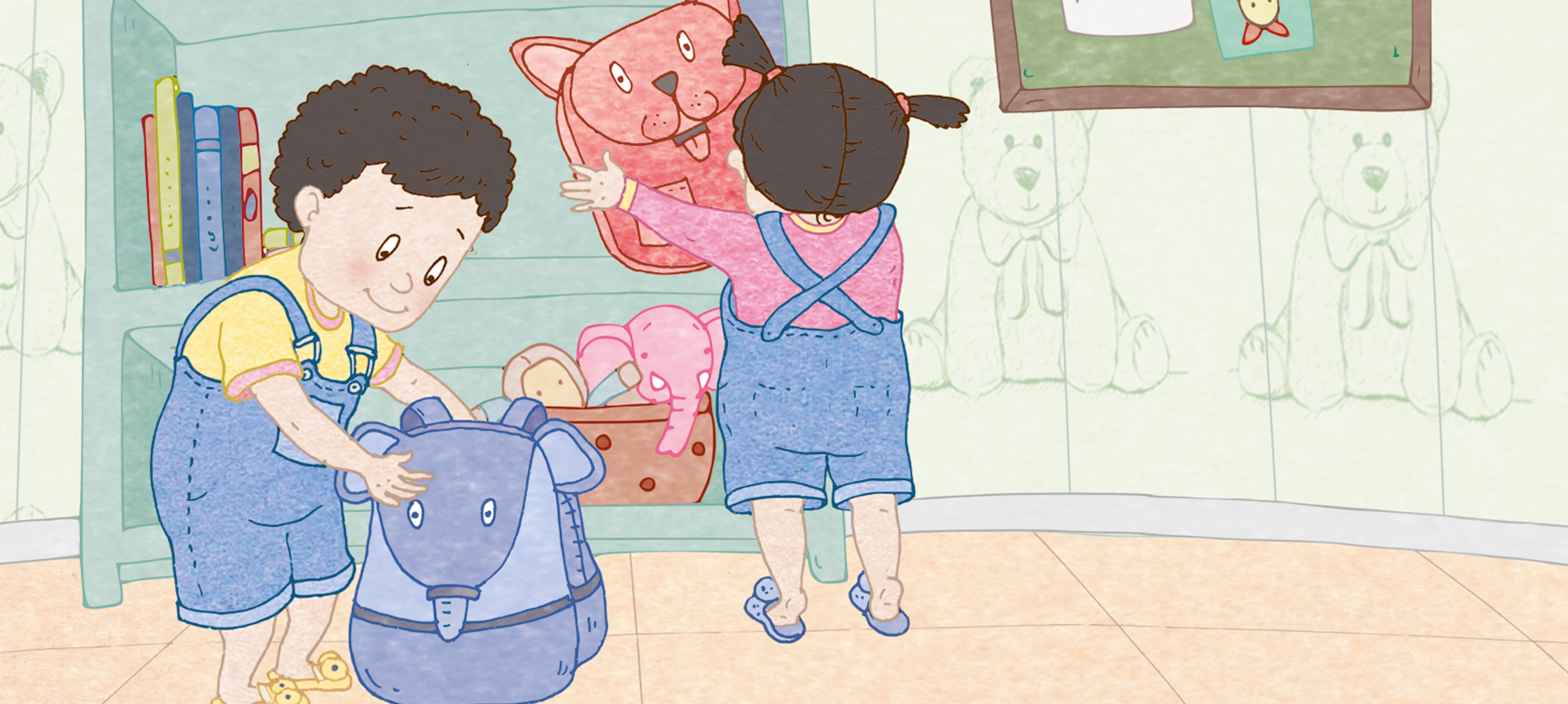
Sonia Mehta’s super cool twins, Nicky and Noni, are in some trouble again! This time over sharing a tub of popcorn.
From her newest series — My Book of Values, Sonia Mehta explores how totally cool it is to instill and nurture some important values in children from an early age. While value education classes might be preachy, boring even, Sonia Mehta’s books make it fun for one and all, especially for your little one.
In Sharing is Cool, Sonia Mehta lets Nicky and Noni show us why indeed it is cool to share. How? Let’s find out!


That fight over the popcorn seems far from over! Do you think Nicky and Noni make peace finally? Grab a copy for your child today and find out!

The Interesting Story of the Pandavas’ Forefather: ‘The Serpent’s Revenge’ — An Excerpt
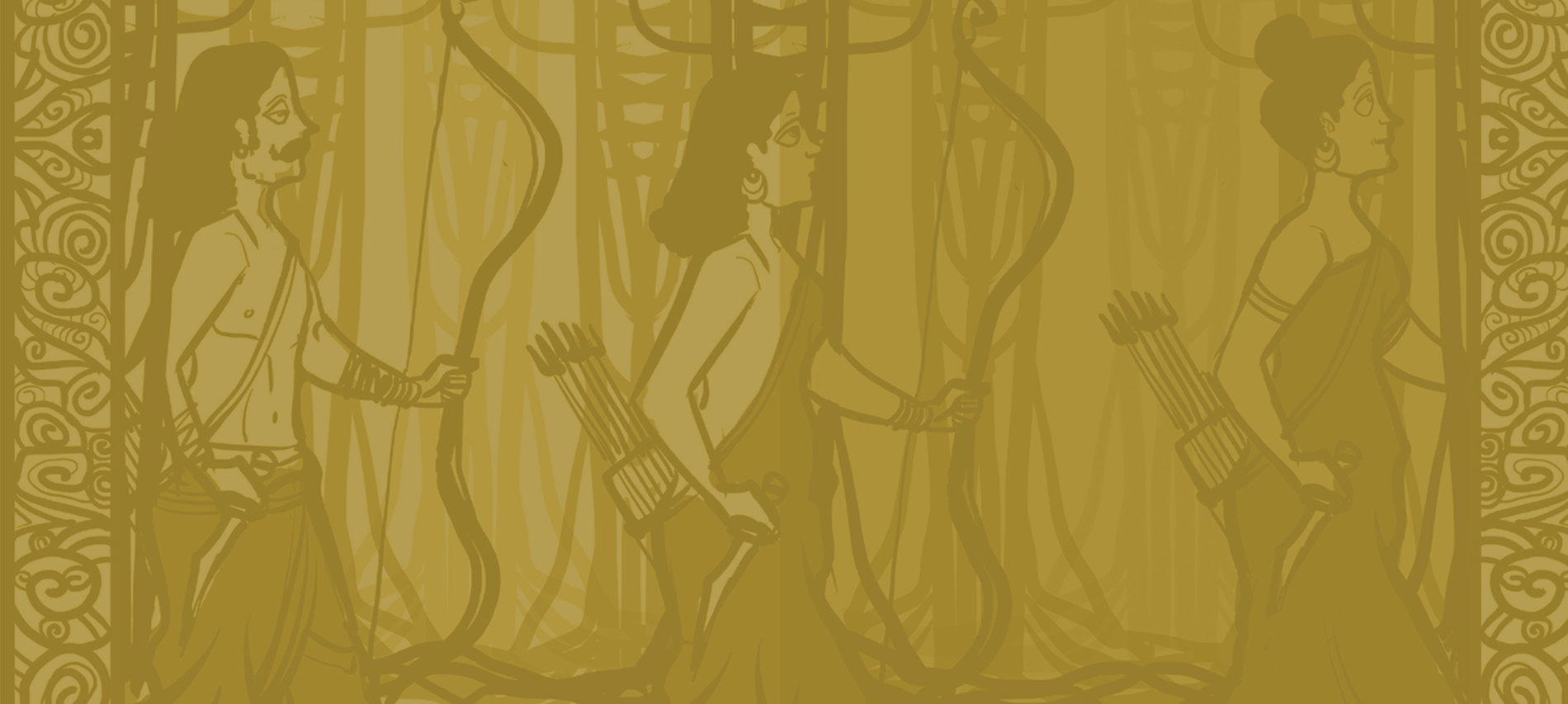
The great war of Kurukshetra is synonymous with the epic ‘Mahabharata’, a war fought between brothers and sons — stories that have lived on through generations. But have you ever wondered about where it all began for the Pandavas?
Sudha Murty’s ‘The Serpent’s Revenge: Unusual Tales From the Mahabharata’ brings to life hidden gems from the pages of the ‘Mahabharata’ that are sure to leave your little one enthralled and asking for more.
Here’s a snippet from the book.
The Man Who Became a Woman
According to the Mahabharata, the lunar dynasty (also called Chandravansha or Somavansha) is one of the most prominent warrior houses in India. As the name suggests, it is believed that this dynasty descended from the moon.
A long time ago, there lived a man named Vaivasvata Manu, considered to be the first man on Earth, and his wife, Shraddha. The couple didn’t have a child for many years, so they decided to perform a yagna in the hope of pleasing the gods. However, Shraddha secretly hoped for a daughter, while Manu wanted a son. In time, their prayers were answered and a son was born to them, whom they named Sudyumna.
Years passed and Sudyumna grew up to be a fine young man. One day, he went hunting with his friends to the beautiful forest of Sharavana (the forest of reeds). No sooner had the all-male troupe entered an enchanted portion of the forest than they were magically transformed into young women. None of them had any idea how it had happened or what they were to do.
As the troupe began wandering deeper into the forest as women, Sudyumna decided to reinvent himself according to the body he now had, and called himself Ila. When Ila and her friends became desperate to leave their beautiful surroundings and return to their homes, Goddess Parvati appeared in front of them. ‘You and your friends have entered my garden,’ she said. ‘Look around you—this is no ordinary place. In fact, no men are allowed to come here. If they do, they turn into women immediately and permanently.’
Seeing Ila’s dismayed face, Parvati smiled. ‘I know you came here by accident,’ she said gently. ‘So I will bless you, child. May you lead a happy life irrespective of your gender. From this day on, you will be able to choose what you want to be—male or female—whenever you want.’
To everyone’s surprise, beautiful Ila chose to remain a girl, and embraced her new identity with her heart and soul. Meanwhile, Budha, the god of the planet Mercury and the son of the moon-god, Chandra, noticed Ila’s exquisite beauty and fell hopelessly in love with her. Ila reciprocated his feelings and the two were wed. In due course, Ila gave birth to a son called Pururava.
Time passed and Ila chose to revert to her male form, Sudyumna. He returned to his kingdom and ruled it wisely. As was expected of a king, Sudyumna got married and had many children of his own. He continued taking care of his subjects until he was old, after which he handed over the kingdom to his first son, Pururava, and retired to the forest to live out the remainder of his days.
Pururava, the grandson of Chandra, thus introduced the lunar dynasty. He ruled from his kingdom’s capital, Pratishthana (today’s Allahabad in Uttar Pradesh).
The great Pandavas of the Mahabharata are a part of this dynasty. King Yayati, one of the ancestors of the Pandavas, was succeeded by his youngest son, Puru. His dynasty came to be known as the Puru dynasty.
Another one of Puru’s descendants was Emperor Bharata, the son of King Dushyanta and Shakuntala. Bharata was such a great king that our country was named after him and called Bharat or Bharatvarsha.
King Kuru was born after twenty-five generations of the Puru dynasty, and gave rise to the Kuru dynasty. After fifteen more generations, the Pandavas and the Kauravas were born. In theory, both the Pandavas and the Kauravas are descendants of King Kuru, but the Pandavas, who were the sons of Pandu, chose to carry their father’s name and not the identity of the clan.
How fascinating is this story! Get a copy of this charming book for your little one and dive right into those corners of ‘Mahabharata’ you missed out on before!
And oh, while you’re at it, don’t forget to pre-order your copy of ‘The Man from the Egg: Unusual Tales about the Trinity’ by Sudha Murty. The second in this series of a Pandora’s box of stories is just about to open up!

5 Things You Probably Didn’t Know About Orhan Pamuk
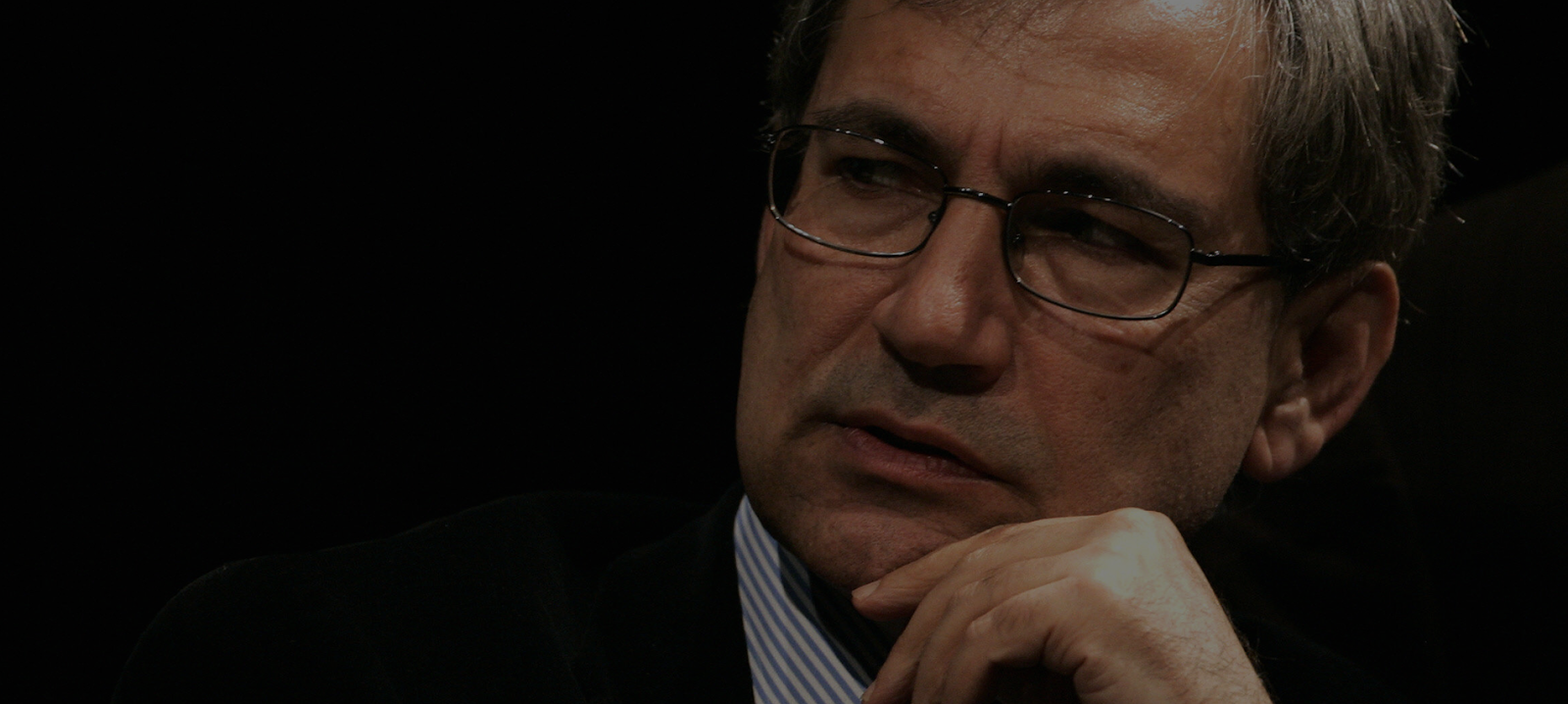
A critically acclaimed author, and winner of Nobel Prize in Literature in 2006, Orhan Pamuk is one of the most iconic authors of our times. Pamuk is a multi-dimensional writer whose novels have witnessed major success over the years. His style of writing is described as ‘unsettling but intriguing’ as he often explores the East and West dichotomy.
Here are some interesting facts about the wordsmith


How many of these facts did you already know?
Prince Amritsena Saves the Day!: ‘The Bird With Golden Wings’ — An Excerpt

Master storyteller, Sudha Murty, weaves magical tales of princesses and little girls, talking animals and an enchanting world of the good and the evil for children in her book, ‘The Bird With Golden Wings: Stories of Wit and Magic’.
In the short story, ‘Skills for a Prince’, Amritsena, a young and intelligent prince finds a unique way to test the honesty and integrity of a few of his subjects. How? Let’s find out!
Skills for a Prince
Amritsena, a young prince, was very popular with his subjects. Everyone praised his sense of fairness. He also loved to play pranks and made the courtiers laugh. He often disguised himself and roamed the streets of the capital city, listening to what the people were saying and learnt about the problems of the common man in this way.
During one such tour, he came across three young men in the outskirts of the city. From their attire they appeared to be strangers. They were huddled together, talking to each other.
Amritsena walked up to them and said, ‘You look new to this city. Can I help you?’
One of the men replied, ‘We are students of the sage Kashyapa and have recently finished our studies. We are looking for work, where we can put our special skills to use.’
At once, Amritsena’s ears pricked up. ‘And what are these special skills? I work in the king’s court and I may be able to help you find a job there.’
One young man said, ‘Just by tapping my feet, I can make out what is below the ground.’
The second one said, ‘I can always tell in which direction one may find hidden treasure.’
The third said, ‘Once I have seen a person, I can recognize him anywhere, even if he is in disguise.’
Amritsena heard them out, thought for a minute and said, ‘I am also a man with a special quality.’
‘What is that?’ they asked.
‘If anyone is in difficulty, I can always find a solution and rescue the person.’
‘From where did you get this gift? Who taught you?’
‘I have always had this gift, since I was a child,’ replied Amritsena with a smile. Then he said, ‘Why don’t you show me a sample of your special skills as we walk to the city? I can then tell the king about you.’
The four men began walking. After some time, one stopped and said, ‘Below us lies a tunnel.’
They started digging and, sure enough, they found a tunnel. They began to walk through the tunnel, which led them into the palace.
Now the second man stopped suddenly and said, ‘Just around the corner there is a secret treasury.’
Amritsena, who knew this to be true, was amazed. He smiled secretly to himself and said,
‘You three wait here. If the guards see you they will mistake you for thieves. Let me go and check.’ Then he walked quickly ahead, turned a corner where he stripped off his disguise, and presented himself before the guards.
‘There are three men in the tunnel plotting to loot the treasury,’ he told them. ‘Go and arrest them immediately. They should be produced in court first thing tomorrow morning.’ Saying this he walked away to his room and went to bed.
‘There are three men in the tunnel plotting to loot the treasury,’ he told them. ‘Go and arrest them immediately. They should be produced in court first thing tomorrow morning.’ Saying this he walked away to his room and went to bed.
The next morning, the three men were presented in the king’s court. Seeing Amritsena on the throne, the third man realized he was the same man who had got them arrested. He whispered this to his friends. Now they were scared that the prince would punish them for having entered the royal treasury just to show off.
‘How did you find the way into the secret tunnel?’ thundered the king, Amritsena’s father.
‘We…we j-just…’ stammered the men, shaking in fear.
Amritsena watched them, trying not to laugh. Then he stepped in and whispered in his father’s ear, ‘They are not thieves. I met them last night just outside the city. They are learned men with wonderful gifts. I only wanted to test them to see if they were telling the truth or not. We should keep them in our kingdom as their talents will help us in many ways.’
The king nodded, and said, ‘On the request of the prince I release you. You will work for me from now on, and use your gifts for the betterment of this kingdom.’
The three men sighed in relief. Amritsena had rescued them—just as he had said he could!
Dive into the world of fascinating tales in Sudha Murty’s ‘The Bird With Golden Wings: Stories of Wit and Magic’ and get to know some amazing stories of wit, humour and love!

‘Shoot. Dive. Fly’, Foreword by M.S. Dhoni

Rachna Bisht Rawat’s ‘Shoot. Dive. Fly’ aims to introduce teenagers to the armed forces and what it is like to have a career in the forces. The book is a collection of twenty-one nail-biting stories of adventure and thrill of a career in uniform. The book also has army personnel talk about what the armed forces have taught them.
Here’s the foreword by Mahendra Singh Dhoni, ex-Indian cricket team captain.
My dear friends,
It gives me great pleasure to write the foreword for Shoot. Dive. Fly. The Indian Army is one of the most respectable and exciting careers our country offers young people and it surprises me that the Army faces a shortage of officers year after year. This is probably because most of us do not know what an amazing variety of jobs it offers. Perhaps this is also because Army officers are not permitted to talk to the media and so we never get to hear about the amazing things they do.
I compliment the Army on giving Rachna Bisht Rawat access to young serving officers to share with us the experiences of the fascinating jobs they do.
This book will help bust the false belief that an Army officer is a man with a gun who lives on the borders of the country, cut off from the rest of civilization, waiting for a war to begin, which might sound like a boring job to a lot of teenagers. They do that, of course, and we are very proud of them for it, but that’s not the whole truth. Army officers do a lot of other things too that most teens want from a career. The Army has engineers, doctors, helicopter pilots, drone fliers, cyber warriors, Olympians, Everest summiteers, skydivers, sailors, marathon runners, shooters—and yes, even cricketers—and a host of other professionals that we often don’t get to hear about. These are men and women who are all trained for combat but they work in their particular fields with all the support of the Indian Army to reach the top. You, too, can choose one of these opportunities and get paid to be trained and excel in your dream job. Not many, if any, industries or institutions give you this freedom. And how do I know all this? Because I happen to be an officer in the Indian Territorial Army too.
I am sure you will enjoy reading the real-life stories of young officers who went beyond the ordinary to reach great heights. This book includes the story of Colonel Ivan J. Crasto, SC, who climbed down a rope from a hovering helicopter to rescue all ten tourists trapped on board a trolley hanging from a snapped wire. It also tells of Colonel Rajesh Unnikrishnan who climbed down forty feet into a dark, gaping borewell to rescue a small child who had fallen in. In these pages, you will meet Colonel Sameer Singh Bisht, SM, whose gun jammed in an encounter with Kashmiri terrorists but he managed to keep his nerve and emerge victorious. You will read of young mountaineer Major Deepika Rathore, who has climbed the mighty Mount Everest twice and of my fellow paratrooper Major Sandesh Kadam, who jumped out of a plane at 8,500 feet to find that both his main and emergency parachutes would not open. How did he land alive and undamaged in spirit to the extent that he is raring to recover completely and go back to his duty, you might ask? To know that, you will need to read this book, and/or join the Army.
I shall sign off by wishing you the best in whatever career you choose. When I am old and sitting in front of the TV watching some of you play cricket for India, or some of you do amazing things that the news channels report, I shall smile and applaud for you—just like you do for me, when I hit a six or take a catch. I shall be proud of all of you. Go on and do your best in life. But do consider wearing the uniform once before you make a final choice. I did!
Jai Hind! Jai Hind ki Sena!
Lieutenant Colonel Mahendra Singh Dhoni

"Where are the words I wrote yesterday?"

Do you remember the last time you took a moment from your busy life to celebrate its little joys?
Ruskin Bond gives us a solution with ‘Words From the Hills’ — a journal that urges you to stop, take a breath, and appreciate the gift of life.
Here’s a short snippet from the book and a prompt for you to pick it up, if you haven’t already!
When I opened my window, the wind came in and snatched my words away. And perhaps that’s where all words go in the end—over the hills and far away, to be lost forever.
A few stray words found their way to the desks of Penguin’s editor Premanka Goswami and design head
Ahlawat Gunjan, and these good souls decided to preserve them for no special reason other than that they were words of love and joy (if not wisdom), and had emanated from my abode in the hills and lent themselves to lyrical watercolours from Ahlawat’s favourite paintbox.
Among other favourite things, he has depicted the rubber plant that flourishes on my bedroom wall. I am not
sure if it wants to make love to me, or simply strangle me. When I returned from a trip to Delhi (or rather Gurgaon,
where everything seems to happen now), I found the rubber plant had spread its tentacles across my pillow, almost as though it was lying in wait for me.
As this is a book of a few words and many colours, I must make this introduction a brief one. The book is really intended for your words, dear reader, and you will find that we have given you the freedom of every page, with space for you to put down your thoughts, feelings and observations before they are carried away by the wind.
This is your book, and the words and decorations are simply there to persuade you to use it.
Ruskin Bond
Ivy Cottage, Landour
August 2017


Inspiring, isn’t it? So grab a pen and get started, because every memory is worth remembering.
