




From the endless number of books written by Indian writers in multiple languages, there have been a few which have broken barriers of time and language successfully. Read by millions of people down in India and across the world, here are nine classics that you should include in your ‘must-read’ list, if you haven’t already.
Abhijnanashakuntalam

Arthashastra

Baburnama

Home and the World

I, Lalla

Kamasutra

Kural

My Name is Radha

Tamas

Grab your set of these timeless stories here today!

Category: Uncategorized
7 Lessons of Communal Harmony from India’s first President that are the Need of the Hour
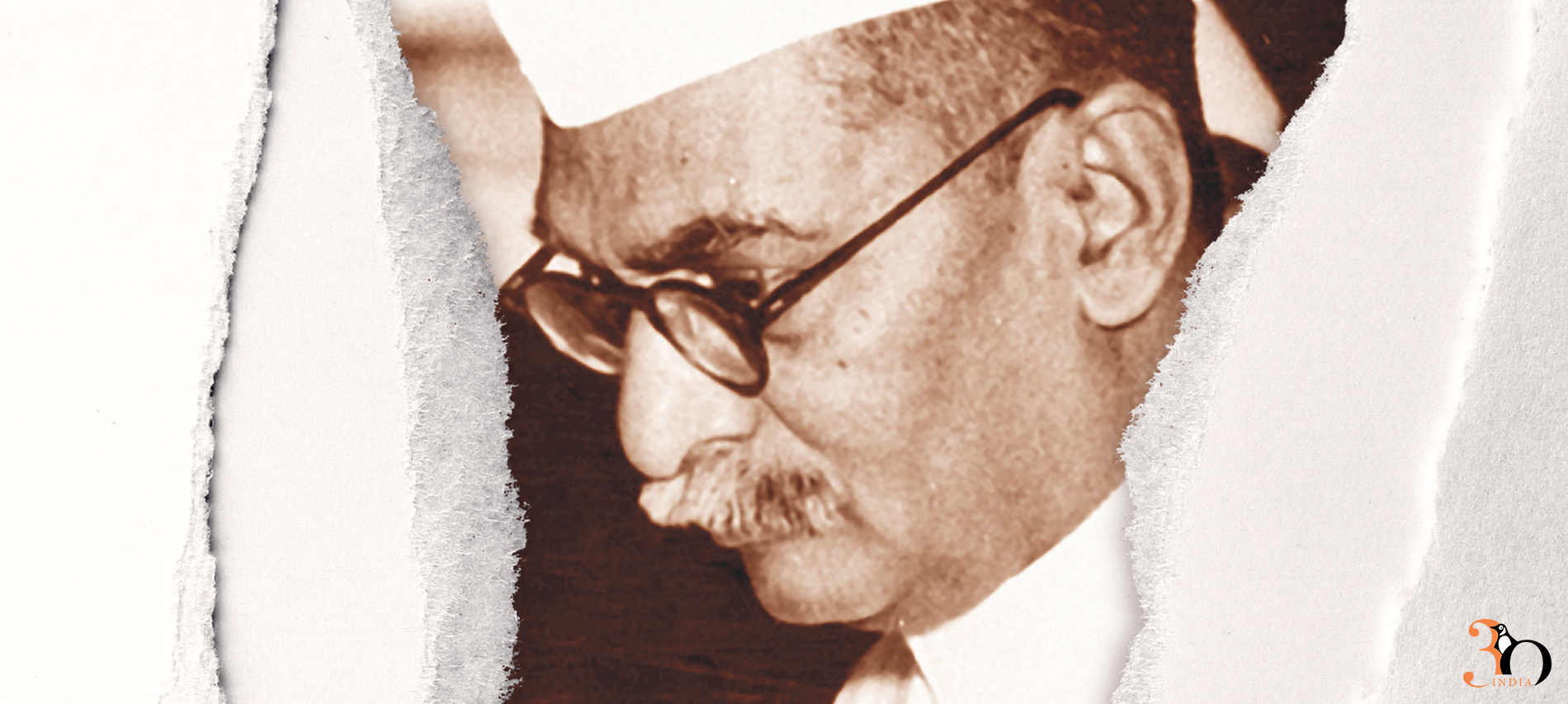
Written by Dr. Rajendra Prasad, India Divided is a first-hand testimony of what went on behind the Partition that forever changed the lives of the people in the Indian subcontinent.
Dr. Prasad’s book not only traces the origins of the Hindu-Muslim conflict but also explores how Partition was an unviable solution to a question that has remained unresolved till today.
Here are seven instances from India Divided which show us why it’s important to seek peace, love and mutual respect on either side of the line
When one must not forget to remember that a society does not thrive in isolation and that history does not begin with loss.

When the stakeholders must remember that a solution does not seek lives, but is in the interest of one and all.

When one must not forget that ‘homogenous’ people is perhaps not an answer to the question.

When one must realise that oppression, in any form, can never help a society progress.

When one must emphasise on the importance of an inclusive society.

When one should hark back to the times of complete peace and harmony, a state that is perhaps not unachievable.

And when one must not forget that years ago, the natural state of cohabiting for Hindus and Muslims, was not in neighbouring nations.

Dr. Rajendra Prasad’s words help us find our bridge over troubled waters even years after he wrote them. Grab your copy of India Divided here today!
Journey to the Circuit House: ‘The Adventures of Feluda: The Golden Fortress’ — An Excerpt

Satyajit Ray’s much celebrated Bengali detective — Feluda, is now on a mission in the royal sands of Rajasthan!
In ‘The Adventures of Feluda: The Golden Fortress’, the detective dodges impostors, deadly scorpions and bullets to rescue young Mukul, a boy who can recall his past life.
Here’s a peek into Feluda’s spine-chilling chase to the end of the mystery.
The train started. Feluda took out the book on Rajasthan from his shoulder bag. I took out Newman’s Bradshaw timetable and began looking up the stations we would stop at. Each place had a strange name: Galota, Tilonia, Makrera, Vesana, Sendra. Where had these names come from? Feluda had told me once that a lot of local history was always hidden in the name given to a place. But who was going to look for the history behind these names?
The train continued to chug on its way. Suddenly, I could feel someone tugging at my shirt. I turned to find that Lalmohan Babu had gone visibly pale. When he caught my eye, he swallowed and whispered, ‘Blood!’
Blood? What was the man talking about?
Lalmohan Babu’s eyes turned to the Rajasthani. The latter was fast asleep. His head was flung back, his mouth slightly open. My eyes fell on the foot on the bench. The skin around the big toe was badly grazed. It had obviously been bleeding, but now the blood had dried. Then I realized something else. The dark stains on his clothes, which appeared to be mud stains, were, in fact, patches of dried blood.
I looked quickly at Feluda. He was reading his book, quite unconcerned. Lalmohan Babu found his nonchalance too much to bear. He spoke again, in the same choked voice, ‘Mr Mitter, suspicious blood marks on our new co-passenger!’
Feluda looked up, glanced once at the Rajasthani and said, ‘Probably caused by bugs.’
The thought that the blood was simply the result of bites from bed bugs made Lalmohan Babu look like a pricked balloon. Even so, he could not relax. He continued to sit stiffly and frown and cast the Rajasthani sidelong glances from time to time.
The train reached Marwar Junction at half past two. We had lunch in the refreshment room, and spent almost an hour walking about on the platform. When we climbed into another train at half past three to go to Jodhpur, there was no sign of that Rajasthani wearing a red shirt.
Our journey to Jodhpur lasted for two-and-a-half hours. On the way, we saw several groups of camels. Each time that happened, Lalmohan Babu grew most excited. By the time we reached Jodhpur, it was ten past six. Our train was delayed by twenty minutes. If we were still in Calcutta, the sun would have set by now, but as we were in the western part of the country, it was still shining brightly.
We had booked rooms at the Circuit House. Lalmohan Babu said he would stay at the New Bombay Lodge. ‘I’ll join you early tomorrow morning, we can all go together to see the fort,’ he said and went off towards the tongas that were standing in a row.
We found ourselves a taxi and left the station. The Circuit House wasn’t far, we were told. As we drove through the streets, I noticed a huge wall—visible through the gaps between houses—that seemed as high as a two-storeyed house. There was a time, Feluda told me, when the whole of Jodhpur was surrounded by that wall. There were gates in seven different places. If they heard of anyone coming to attack Jodhpur, all seven gates were closed.
Our car went round a bend. Feluda said at once, ‘Look, on your left!’
In the far distance, high above all the buildings in the city, stood a sprawling, sombre-looking fort—the famous fort of Jodhpur. Its rulers had once fought for the Mughals.
I was still wondering how soon I’d get to see the fort at close quarters, when we reached the Circuit House. Our taxi passed through the gate, drove up the driveway, past a garden, and stopped under a portico. We got out, collected our luggage and paid the driver.
A gentleman emerged from the building and asked us if we were from Calcutta, and whether Feluda was called Pradosh Mitter.
‘Yes, that’s right,’ Feluda acknowledged.
‘There is a double room booked in your name on the ground floor,’ the man replied.
We were handed the Visitors’ Book to sign. Only a few lines above our own names, we saw two entries: Dr H.B. Hajra and Master M. Dhar.
The Circuit House was built on a simple plan. There was a large open space as one entered. To its left were the reception and the manager’s room. In front of it was a staircase going up to the first floor, and on both sides, there were wide corridors along which stood rows of rooms. There were wicker chairs in the corridors.
A bearer came and picked up our luggage, and we followed him down the right-hand corridor to find room number 3. A middle-aged man, sporting an impressive moustache, was seated on one of the wicker chairs, chatting with a man in a Rajasthani cap. As we walked past them, the first man said, ‘Are you Bengalis?’ Feluda smiled and said, ‘Yes.’ We were then shown into our room.
We bet you can’t wait to find out what happens next! Grab your copy of ‘The Adventures of Feluda: The Golden Fortress’ today!

Stepping Into the Golden Temple: ‘Amma, Take Me to the Golden Temple’ — An Excerpt
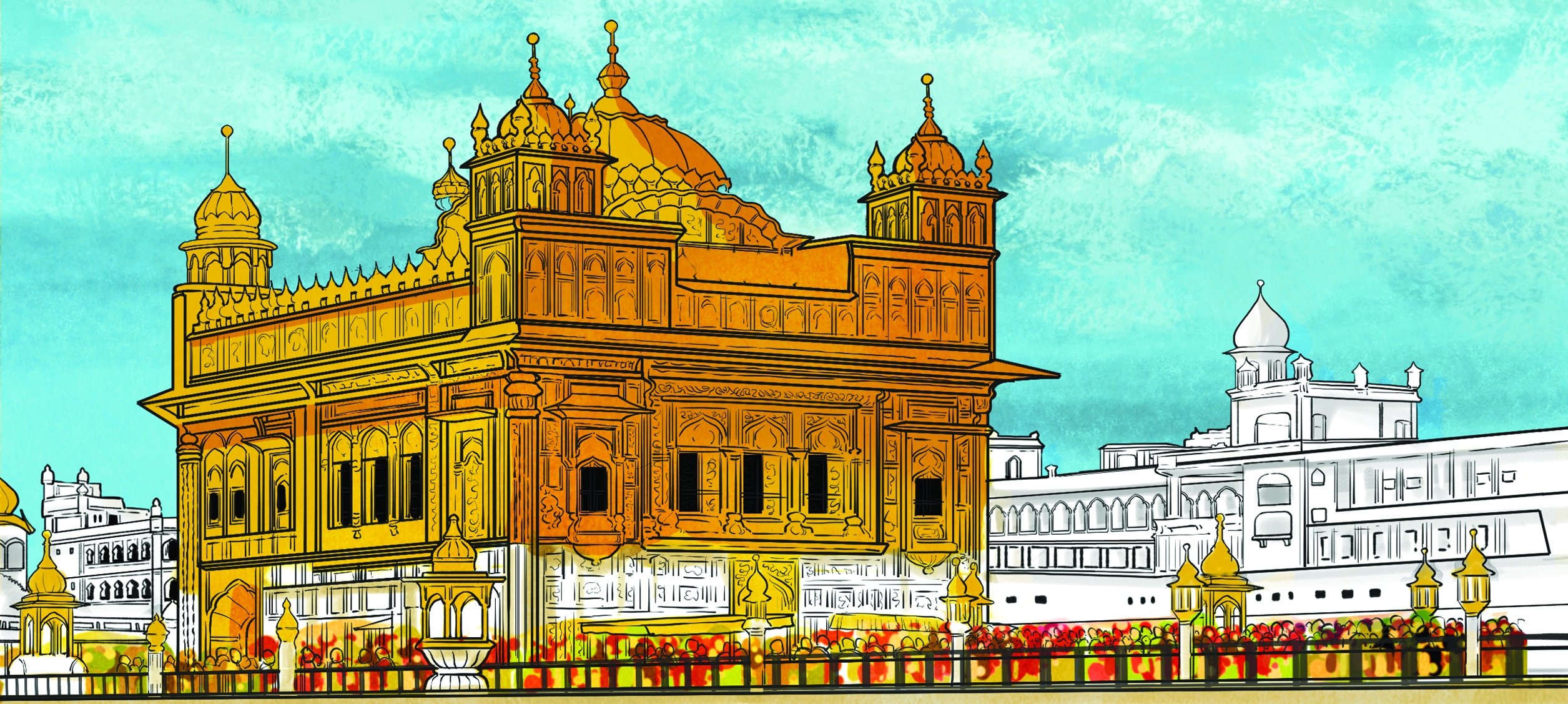
Bhakti Mathur’s ‘Amma, Take Me to the Golden Temple’, is a fascinating guide through the rich history and architecture of the magnificent Darbar Sahib in Amrtisar.
As Amma takes her children, Shiv and Veer, through the corridors of the temple, following the stories of all the Sikh Gurus and getting a taste of the langar from the world’s biggest kitchen, we immediately wish we would be transported to the Golden Temple with them!
Before you get ready for your trip to the Golden Temple with your children, here’s a glimpse of the grandeur you’re about to witness!
It was well before the sun woke up. Amma and the two boys walked barefoot in the darkness across the vast courtyard. Amma cajoled the children with quiet words of encouragement. ‘Just a little bit more, Shiv.’ And a few steps later, ‘We are almost there, Veer.’ The boys, half asleep and too tired to protest, stumbled along, holding on tightly to Amma’s hands. What had seemed like a great idea the evening before—getting up early to meet a 400-year-old guru who lived in a floating temple made of gold—wasn’t looking so grand now!
‘Here we are!’ announced Amma. They had finally reached the magnificent arched gateway that led to the temple complex. The boys got a jolt as they stepped into the shallow pool of cold water meant to cleanse one’s feet before entering the holy grounds beyond. Shiv rubbed his eyes to check that he wasn’t still warm in his bed, dreaming. A Sikh man with a long black beard and wearing a blue tunic stood guard, towering over them, holding a tall spear in one hand.
‘Veer, look!’ Shiv whispered loudly. His brother was doing exactly that, staring at the impressive figure of the guard, as he too rubbed the sleep from his eyes. White teeth peeked from under the guard’s thick moustache as he offered a broad welcoming smile to the boys. They smiled back, relieved at the display of friendliness.
‘Come along now,’ urged Amma, her heart beginning to beat quickly. She gently pushed the boys across the wide threshold of the massive doorway. They stopped. Straight ahead, in the middle of a large lake, brilliantly lit and bright against the background of the dark sky, stood an elegant domed square structure seemingly carved out of solid gold. There it was. The Golden Temple of Amritsar!
Lost for words, the three took in the wondrous sight for a few long moments. A f lock of pigeons flew off their perch atop the shiny dome of the temple and the sound off lapping wings broke their trance. Amma, Shiv and Veer started walking down a f light of steps, taking in their magnificent surroundings. The temple stood in the middle of a square shaped lake, bordered on all four sides by a wide walkway of tiled marble. A narrow causeway connected the temple to the walkway. An array of buildings, shrines and monuments of different shapes and sizes, with minarets and domes rising above them, enclosed the complex.
They stepped on to the walkway and the marble felt soothingly cool under their bare feet. There was a smattering of people around. Some sat quietly by the water’s edge, moved by the soul-stirring calmness of the beauty surrounding them. Some prayed with their foreheads touching the ground or simply with their hands folded. Some were busy at work, sweeping the night’s accumulation of dust and dirt from the black-and-white marble f loor, while others still lay asleep, wrapped in light cotton blankets.
Soothing hymns sounded softly from loudspeakers attached to the walls along the edge of the walkway. Even though Shiv and Veer did not understand the words, the simplicity of the music stirred them. The loud sound of drumbeats came rolling from one part of the temple complex. Fully awake now, Shiv and Veer ran in the direction of the drums and it was now Amma’s turn to try and keep up with them. Where the drumbeats were coming from, a crowd had gathered in front of a multi-storeyed building made of white marble with brightly lit golden domes topping its roof.
‘This is the Akal Takht, the timeless throne,’ Amma told them.
In the middle of the crowd stood a golden palki, a palanquin. Its walls were engraved with intricate designs and it was lined with red velvet on the inside. It was exquisite. As one group of people decorated it with strands of marigold and roses, another group made its way towards it from the Akal Takht. In their midst, a man with a long silver beard stood wearing a brightblue turban, a sword hanging from a cloth belt tied around his waist. On his head he carried, with great reverence, a bundle wrapped in white silk.
‘Is that the guru, Amma?’ Shiv asked, tugging at Amma’s dupatta. ‘Is he really 400 years old?’
Amma smiled mischievously and said, ‘Yes and no. Yes, that is the guru and it is indeed 400 years old. But if you are asking me whether that man is the guru, then no, he is not. That man is carrying the guru.’
‘What!’ Veer exclaimed. ‘What do you mean, he is carrying the guru?’
‘The bundle on his head is the guru. It is a book called the Guru Granth Sahib, a collection of hymns, poems and words of wisdom of the real gurus from their lifetime, and of other wise men from more than 400 years ago. The Sikhs consider this book to be their guru.’
Shiv and Veer looked at Amma as if they had been cheated.
‘Don’t look so disappointed, boys! There is a wonderful story about how this book came to be the guru and I will tell you about it later. Now, let’s not miss out on the ceremony!’
People were craning their necks to look above those in front of them for a glimpse of the precious bundle as it was being carefully placed inside the palki. Then a group of men lifted the palanquin. Others ran towards it, some to take turns at helping to carry it, others just to touch it. People showered rose petals on the bearers and a single chant arose from the crowd: ‘Wahe Guru! Wahe Guru! Wahe Guru!’ A long procession soon formed behind the palki, swallowing Amma, Shiv and Veer as they moved along with it.
Get ready for your child to guide you through the Golden Temple the next time you visit!
Coming soon — ‘Amma, Take Me to Tirupati’.

What the Readers Had to Say About the Award-Winning Book ‘Wild Child and Other Stories’

Paro Anand was awarded the ‘Sahitya Akademi Bal Puraskar’ 2017 for her book ‘Wild Child and Other Stories’ now published as ‘Like Smoke: 20 Teens 20 Stories’.
Stories of young teenagers, standing at the precipice of some of the toughest years of their lives, ‘Like Smoke’ found tremendous resonance among its readers.
Here is what some of the award-winning writer’s readers had to say about her book.
Tara Chawla
What did the story make you aware of?
Never judge a book by its cover. This is what Like Smoke has made me aware of. There is always so much more to a person than meets the eye. One can have an ugly appearance but be good at heart. Deep down in all our hearts that beauty lurks waiting to be discovered by someone who understands us. As they say, looks can be deceptive.
Likewise human beings tend to have pre-conceived notions about places as well- often formed by the views of others. Every place has its own and the same not being noticed via the superficial glance till it is explored properly and extensively without any preconceived notions.
Another thing that Paro Anand has taught me through this uniquely written book of hers is that labels are just words. The word Hindu or Sikh just creates boundaries. Why should we assume all Muslims are terrorists? Why should a person not be liked because they are ‘fat’? Why should labels define us? We judge others and ourselves with these labels. Doesn’t every one of these people with the labels have two eyes, a nose and a beating heart? Isn’t that what should define us?
What does this awareness inspire you to do?
After reading this book I have been inspired to create a change in my own behavior. I am going to put aside any assumptions that come to my mind due to the name and other’s opinions of the place. As Gandhi Ji rightly said ‘Be the change you wish to see in the world’. Instead of telling others to change themselves I am going to change myself so that others change. I am going to forget all the labels, the opinions and the assumptions. I am going to look at the world with my own eyes; I am going to decide for myself. I am the one who is going to make the change.
Nohreen Madha
What did the story make you aware of?
The story which I liked the most is ‘THOSE YELLOW FLOWERS OF AUGUST’. The first three words ‘I HATE MUSLIMS’ divert my mind towords this story. In this story, there is a girl named Nitya whose father was killed in a bomb blast. This bomb blast took place near a temple. As Hindus and Muslims are considered as enemies ( which they are not) Nitya felt that this bomb blast was done by Muslims. After her father died, they went to stay with their grandparents as her mother was depressed. Nitya joined new school. On the first day of school, Nitya like a boy named Khalid. Nitya came to known that khalid was a muslim boy and she started ignoring him. Nitya and khalid were sitting behind a big bunch of yellow flowers where they had to think about a topic for role play. Khalid came to known that Nitya was avoiding him, then too he kept on talking. Nitya told Khalid about her father and about her feeling she had for Muslims. Khalid got hurt. He explained to Nitya that bomb blast was done by Terrorist , and there is a vast difference between Muslims and Terrorist. Nitya understood and hence, forward they both became friends. That is what I too realized not to judge people because of their religion.
Shifa Azmi
What did the story make you aware of?
“Like smoke” includes 20 different stories of 20 different teenagers. Every story touches upon the emotion which every teenager may have felt during a point of their life. Stories includes factors like friendship, religion, love, hate, death…we all sometime feel depressed, stressed and feel like we just can’t take it anymore. The book is a collection of young adults fiction short stories. I think anyone who reads this book can imagine the stories. Each story will help you look inside the mind of teenagers. Each of the stories deals with some or other conflicts in a teenager’s life there are many types of conflicts- There is story related with terrorist conflicts, which led to loss of lives, people lose their parents, siblings, etc.
Experiences of teenagers, their prejudices and resolutions are predominant themes in their stories.
For example- The first story called, ‘Those Yellow Flowers of August’ deals with a teenager girl’s hatred for Muslims because she loses her Father in a bomb blast. She believes all Muslim are violent and she just used to hate them a lot, unless she met a boy names Khalid.
What does this awareness inspire you to do?
A story called, ‘They called Her fats’ is a story of Fatima Whitebread who went to win an Olympic bronze and silver medals and later in 1987, the World Championship in the field of Javelin throw. The struggle and Hard work she goes through was very inspiring.
Through this book I learnt many values, lessons, morals.
This book is a book which can change people’s perspective on many things. This book gives us message that — “No matter how many thing that matters is, we should always have positive mind, no matter what happen we should be determined and strong.
Soorya Balasubramanian
What did the story make you aware of?
The book made me aware of society’s deplorable condition. We are willing to single out an entire religion to blame for the terrorist actions of madmen. This stems a new fear- Muslimophobia. A word, I believe was never to be conceived. The author’s fury at this ideology led her to write a line that rouses anger and fury, yet makes you aware of the plight of muslims in this world. It says: “Bombs don’t have a religion. Terrorists don’t have a religion. So don’t put my belief into the same bracket as bombs.” These stories need to be placed in the hands of every world leader, commoner and terrorist.
I have learnt of Courage, not as we perceive it, but on a different level altogether. I once heard a line that bests illustrates the kind of courage I’m inspired to take up. The line is, “Courage is not the absence of fear, but the belief that something is more important than fear.” The manner with which Gaurav, a boy in one story, guides his enemy out of the vicious cycle of vices and addictions, The way Zeenat, a girl rebelling against the harsh laws in PoK, develops the amazing singing talent in her and promotes other talented people from her region, as illustrated in the book; these examples are examples of true courage. Chilling ironies accompany many stories, making me aware of the consequences of our seemingly inconsequential statements. The stories allow us to be a spectator to loss, yet, experiencing in the same measure, the emotions experienced by the characters. After all, I realized that, love and courage are 2 things prevailing over all the hardships that accompany this worldly life, while keeping us together as a society.
The 20 stories made me realize the different ways of life we live, and how this molds our character. Divorced children, Children in the heart of terrorism, abandoned, led astray, abused, sold; I am thankful I’m born into a good home. It made me realize the insignificant appearance of petty fights at home in front of the circumstances of these children.
What does this awareness inspire you to do?
It has made me look at terrorist acts differently. I now know it’s conducted by a rogue faction of a peaceful people, and that has caused me to completely change my mindset. Simple monetary aid to children in any of the above conditions wouldn’t help. It would be snatched away by greedier, idiotic minds. It has made me realize my helplessness as a child. But, as a team, I’m sure we can help make a difference. Therefore, when I’m a little older, I would like to start a group, to help evacuate those trapped in PoK, with help from the Indian Army. I would like to make an Impact with at least a few children, by rescuing them from the deplorable conditions of state run orphanages, and console them. Truly, the world needs love now, and not money. Love is the currency that keeps this world turning
Simran Zaveri
What did the story make you aware of?
Like all great books that induce powerful emotions to the readers, Like Smoke tells the tale of 20 different teenagers who are struggling with their lives. It read to me 20 different riveting and heart wrenching stories about the teenage struggles. It spoke of the different things that teenagers undergo during adolescence in today’s day and age. From reading this book, I understood the fact that teenagers feel pressured into ‘fitting in’. They are constantly being bullied into meeting the harsh standards that society makes for them. If you’re short, it’s a problem. If you’re fat it’s problem. If you’re too manly it’s a problem. I learned that a teenage life is that of loneliness, but I also learned that teenagers have fought back. Like when Anita defied her coach and with the help of her best friend made it onto the basketball team despite being very short. Or when the overweight girl who loved to cook found a friend who loved her for her and she was happy. Or even when Fatima didn’t care what any had to say about her muscles because she loved herself and loved why she had those muscles. The teens describes in this book were dangerously strong as they challenged everything that they were taught to believe. They didn’t follow society’s standards which is truly a beautiful thing. From this book I learned teenagers are scared, vulnerable and just try to fit in. But I also learned that they’re smart, powerful and they can fight back
What does this awareness inspire you to do?
I already know about a teenager’s life being hard. After all, I am one. But what I didn’t know is that it’s every teen that faces the same problems and choices that I do. I realized that every teenager goes trough a lot of difficult things and when I realized this, I made a promise to myself that I would never judge anyone based on their appearances. I promised myself I wouldn’t degrade anyone. I wouldn’t call anyone names. I would try to be kinder, try to make people feel better about themselves. I would try to help people be more accepting of themselves, teach them to love themselves and not be ashamed of who they are, or something they can’t change. If I could, I would dive into the book and tell Anita that she’s an excellent basketball player, or I would tell the Fatima to not listen to anyone and to follow her dreams, like she was already doing. Reading this book has taught me that even smiling at someone could make their day infinity better. The book inspired me to be a better person, and that is what I am going to do. Become someone better and kinder than who I am now.
Yashasvi Mehta
What did the story make you aware of?
I had never before read a book written for teenagers, featuring their true stories of courage, hope, emotions, fear and love.
These 20 stories opened my eyes to the real world, a world very different from my protected, secure, happy cocoon. I realized that many children my age were going through so many problems in different corners of the country. Some had to fight religion- based issues, others had to face violence, heartbreak and abuse, still others were bullied for being fat, ugly or uncool. Some had seen death so closely that it brought tears to my eyes and made me realise the value of our loved ones.
Stories like ‘See You Shortly’ and ‘In the Shadow of Greatness’ taught me that nothing is impossible if you believe in yourself. ‘Santa’s not so Little Helper’ was a hilarious story that showed that essays need not be boring, serious or mundane. ‘Like Father, Like Son’ sent shivers down my spine and gave me a taste of the paranormal. Reading ‘I am Old and Tired Now’ put me in a lion’s shoes and I felt the emotions of an animal which longed for peace as much as man did. ‘Susu’ was great fun to read and still brings a naughty smile on my face and has now become a hit word in my friend circle! ‘Teenagers are Pack Animals’ made me see us teenagers from a teacher’s viewpoint and forced me to ask myself, ‘Are we really pack animals?’
In all, this book was an insight into how the world looks at us and how we look at the world and how we could contribute greatly to make it a better place to live.
We congratulate Paro Anand on achieving this great milestone!
Order your copy of ‘Like Smoke’ here now!
5 Priceless Things We Learn from Ruskin Bond’s Books

Ruskin Bond’s stories have never failed to thrill us and leave us feeling warm inside every time we read one. Our growing up years would not have remained the same had it not been for Bond’s beautiful characters and anecdotes that immediately take us back to the best years of our lives.
But through his enchanting stories of childhood, friendship, family, love and nature, we unknowingly learn a few precious things which, perhaps, none of our school books could have ever taught us.
Here are 5 times Ruskin Bond quietly told us something invaluable about life and the world that will stay with us forever.
When he told us why we should aim for excellence and not settle for being a mediocre “anybody”.

When he told us that nature is our best home.

When he showed us that the will to do something is greater than any obstacle.

When he pointed out the perils of disturbing nature.

When he showed us that the beauty of life lies in its changes, like the changing seasons.

Share with us what you have learned from Ruskin Bond’s delightful stories on the occasion of Teachers’ Day!
Rusty’s New Room: ‘The Room on the Roof’ — An Excerpt
‘The Room on the Roof’, by Ruskin Bond, is the celebrated writer’s first venture into literature. The heart-warming story of Rusty, a seventeen-year-old orphaned Anglo-Indian boy, looking for a ‘home’ in the charming hills of Dehradun has lived on through decades.
Here is an excerpt from the book on Rusty’s search for a corner he can call his own.
Rusty had never slept well in his guardian’s house, because he had never been tired enough; also his imagination would disturb him. And, since running away, he had slept badly, because he had been cold and hungry. But in Somi’s house he felt safe and a little happy, and slept; he slept the remainder of the day and through the night.
In the morning Somi tipped Rusty out of bed and dragged him to the water tank. Rusty watched Somi strip and stand under the jet of tap water, and shuddered at the prospect of having to the same.
Before removing his shirt, Rusty looked around in embarrassment; no one paid much attention to him, though one of the ayahs, the girl with the bangles, gave him a sly smile; he looked away from the women, threw his shirt on a bush and advanced cautiously to the bathing place.
Somi pulled him under the tap. The water was icy-cold and Rusty gasped with the shock. As soon as he was wet, he sprang off the platform, much to the amusement of Somi and the ayahs.
There was no towel with which to dry himself; he stood on the grass, shivering with cold, wondering whether he should dash back to the house or shiver in the open until the sun dried him. But the girl with the bangles was beside him holding a towel; her eyes were full of mockery, but her smile was friendly.
At the midday meal, which consisted of curry and curd and chapattis, Rusty met Somi’s mother, and liked her.
She was a woman of about thirty-five; she had a few grey hairs at the temples, and her skin—unlike Somi’s—was rough and dry. She dressed simply, in a plain white sari. Her life had been difficult. After the partition of the country, when hate made religion its own, Somi’s family had to leave their home in the Punjab and trek southwards; they had walked hundreds of miles and the mother had carried Somi, who was then six, on her back. Life in India had to be started again, right from the beginning, for they had lost most of their property: the father found work in Delhi, the sisters were married off, and Somi and his mother settled down in Dehra, where the boy attended school.
The mother said: ‘Mister Rusty, you must give Somi a few lessons in spelling and arithmetic. Always, he comes last in class.’
‘Oh, that’s good!’ exclaimed Somi. ‘We’ll have fun, Rusty!’ Then he thumped the table. ‘I have an idea! I know, I think I have a job for you! Remember Kishen, the boy we passed yesterday? Well, his father wants someone to give him private lessons in English.’
‘Teach Kishen?’
‘Yes, it will be easy. I’ll go and see Mr Kapoor and tell him I’ve found a professor of English or something like that, and then you can come and see him. Brother, it is a first-class idea, you are going to be a teacher!’
Rusty felt very dubious about the proposal; he was not sure he could teach English or anything else to the wilful son of a rich man; but he was not in a position to pick and choose. Somi mounted his bicycle and rode off to see Mr Kapoor to secure for Rusty the post of Professor of English. When he returned he seemed pleased with himself, and Rusty’s heart sank with the knowledge that he had got a job.
‘You are to come and see him this evening,’ announced Somi, ‘he will tell you all about it. They want a teacher for Kishen, especially if they don’t have to pay.’ ‘What kind of a job without pay?’ complained Rusty.
‘No pay,’ said Somi, ‘but everything else. Food—and no cooking is better than Punjabi cooking; water—’
‘I should hope so,’ said Rusty.
‘And a room, sir!’ ‘Oh, even a room,’ said Rusty ungratefully, ‘that will be nice.’
‘Anyway,’ said Somi, ‘come and see him, you don’t have to accept.’.
Find out more about Rusty and his delightful adventures today!

Love Will Find A Way — Prologue

Anurag Garg is the bestselling author of A Half-Baked Love Story and Love Not for Sale.
Here is an excerpt from his latest novel Love Will Find A Way.
10 July 2016
New Delhi Railway Station
As soon as the delayed train reached the platform, passengers rushed to board. We quickened our pace as clouds began to gather in the sky. Looking up, I saw insidious grey encroaching on the blue expanse. The city was ready to welcome its first rain.
As the first few drops fell, we entered the carriage along with the other disgruntled passengers. When we found our berth, Gitanjali grabbed the window seat, as always, and asked me to buy a bottle of water from one of the stalls in the platform after placing our luggage in the overhead bin. I gave her an exasperated look. She looked outside as raindrops began to trickle down the window pane. She was wearing a pair of skinny black jeans and a turquoise T-shirt. Her warm chestnut hair rested on her neck and her long eyelashes swept alluringly against her rouged cheeks, from time to time.
‘Get me a packet of chips, too.’ She thoroughly enjoyed it when I catered to her every need, especially when we were on vacation. Three years into our relationship and we still bickered like teenagers! I handed her the requested goods while she plugged in her headphones.
I rummaged through my bag to find my neck pillow and settled down with my Saadat Hasan Manto book as the train pulled out of the station.
There was a couple with two children in the seats next to us. We exchanged smiles as a man selling tea came our way. They attempted to engage me in small talk even though I tried to keep to myself and buried my head in my book. Gitanjali, however, adores making conversation. With her legs folded under her and her hands gesturing wildly, her face glows when she narrates one of her tales. She began talking to the couple and playing with the kids. It made me immeasurably happy seeing her bright eyes and animated smile.
The TTE came to check our tickets.
‘They’re on your phone,’ I said to her, as she continued playing with the little boy.
‘No, they’re not with me, Anurag,’ she said, her attention focused on playfully tickling the boy, oblivious to the TTE who was breathing down our necks. She turned to me when the little boy suddenly started crying.
‘Were you asking for the tickets?’ she asked as she showed the TTE the IRCTC message on her phone. I heaved a sigh and said, ‘Thank you, madam!’ Gitanjali just smiled and began consoling the wailing kid. She had this uncanny ability to comfort those around her.
Just as the train left the Anand Vihar station, I went to the toilet to change into comfortable clothes for the long journey ahead since mine were slightly wet from the rain.
On returning to our compartment, I saw a beautiful middle-aged woman sitting there, dressed in a floral knee-length kurta and smart trousers. I presumed she had boarded at Anand Vihar. The woman wore spectacles and had green eyes, just like Gitanjali. As she smiled at me, I was struck by an eerie feeling, as though I somehow knew her.
Most of the passengers were going to their hometowns for the summer vacations, whereas some of them, like us, were going to Nainital on holiday. We had to get off the train at Haldwani, which was the closest town to Nainital, from where we had to take a taxi or bus to reach the hill station. I gazed at the scenic vistas as the train trundled through the countryside.
In Amroha, we saw farmers harvesting crops and cows grazing in the paddy fields. Little huts made of bamboo and mud dotted the scenes that rushed by. Gitanjali nudged me as I wrote down the plot points for my next book.
‘Have you decided on the theme of the story?’ she inquired loudly.
‘Yes, I’ve been thinking about something . . . but I’m not sure. I want my character’s motives and emotions to be driven by some sort of psychological disorder.’ My words drew the attention of the beautiful woman and she looked up curiously from her book.

When the Going Gets Tough, the Tough Gets Going: An Excerpt from ‘Millionaire Housewives’

Twelve stories of ordinary women who achieved extraordinary things out of sheer will and determination come together in Rinku Paul and Puja Singhal’s ‘Millionaire Housewives’, to inspire readers to achieve anything one wants to.
One such story is that of the well-known make-up artist Ambika Pillai. There is a monumental struggle that went behind the glitter and glamour of her life that we see today. Displaying unbridled courage when the going got tough, the story of Pillai is one to stay with us forever.
Here is an excerpt of her story from the book, ‘Millionaire Housewives’:
At the tender age of seventeen, my life took a decisive turn when a prospective groom came to see me. I didn’t even know his name. The one thing about him that impressed me though was his impeccable English. He had an MBA degree, was a gold medallist no less, and I gave up my world without any reservations to follow him to his. The excitement didn’t last long though. Despite his seemingly bright prospects, the reality check arrived as soon as I moved in with him to a tiny single-room apartment in Calcutta, a far cry from my sprawling home in Kerala. I was expected to wear a saree, be up at 5 a.m., cook, clean—things that I had never done before. I didn’t protest, refusing to let any of this affect me since I wanted to make my marriage work. I began to take many other things in my stride; being made to feel that I was not good enough on account of my lack of education was only one of them. I would have lived with all of this, but ours really wasn’t a marriage at all.
Not once in five years did we have a physical relationship. It was hard to explain this to my parents, who were convinced that my inability to bear a child meant there was something medically wrong with me. Trips to doctors, medical tests and even surgeries were my lot as I found it very hard to tell my parents the real issue with my marriage. I had to literally beg my husband to have a child and, thankfully, my daughter, Kavitha, was born after five years of marriage. If I had thought that a child would improve matters, I was living in a fool’s paradise as things started going from bad to worse.
Finally, with a two-year-old child in tow, I mustered up the courage to walk out of my seven-year-old marriage. I went back to my parents’ place. In retrospect, those seven years were one of the scariest times of my life. Kids should not get married as young as I did; at that age, you don’t even know your own mind, forget the other person’s. From wanting to be a happy housewife to coming back to my parental home in the throes of depression, I had come a long way. I had spent the last seven years of my life in a loveless relationship and had absolutely nothing to fall back on. If there was one thing I was grateful for, it was Kavitha. In fact, till this day, if anyone asks me if I regret my marriage, my answer is a vehement no, only on account of my daughter.
I just had no idea what I would do next. In my seven years of marriage, I hadn’t acquired any skills that could stand me in good stead. While my parents were supportive, my dad’s suggestion of letting him ‘look after’ my child and me financially didn’t go down well with me. With my other sisters married by then, I remember asking my father if I could help him with his cashew business—wanting to become the son he had never had. His answer, however, was a resounding ‘no’ as he felt it wasn’t a woman’s job. He couldn’t picture his daughter socializing with his many customers—a part and parcel of his cashew export business.
Never in my life had I felt like such a total loser. I wanted to stand on my own feet, but in the absence of any skills, I saw all doors closing in on me. In my desperation, I even came up with naive options like selling T-shirts on the beaches of Goa, where my lack of education would not be a deterrent. It was on one such day, when I was feeling totally dejected, that I saw an advertisement by Shahnaz Hussain in the local newspaper, inviting students for a hairstyling course in New Delhi. I made up my mind to join it. More than anything else, my decision was based on the fact that being a beautician didn’t require me to be a graduate. My father, of course, was devastated by the idea of me stepping out of the home turf. My mom tried to buy peace by explaining to my dad that at least I was choosing a ‘woman-oriented’ career and that I would be back home after finishing my course.
I landed in Delhi, a totally unknown city, with my daughter in my arms, utterly terrified of what the future held. I had never lived all by myself before or taken any independent decisions. Yet, here I was, fending for myself, looking for accommodations to rent. The problem was further compounded by the fact that I didn’t speak any Hindi. Irrespective of the many problems staring me in my face, I knew that there was no turning back now. I had to do this—more for my daughter than anyone else. While Delhi now feels like home, in those days I was a rank outsider. I remember people calling me ‘kali kaluti (dark complexioned)’. Of course, the saving grace was that since I didn’t know the language, I couldn’t quite understand what it meant. I somehow held on, and managed to finish two beauty courses.
Upon finishing my courses, although my parents were keen that I return home, I took up a job at a small two-seater parlour, which paid me Rs 2000 per month. I paid Rs 1000 as house rent and tried to stretch the balance to take care of my child. Money was something I never had to worry about in the past and these were trying times to say the least. While my father had paid for my courses, I was now determined to seek minimal financial help from him. I remember trying to save money from the measly Rs 1000 I had left after paying rent in order to buy a moped bike that would make commuting easier. Today, if one of my staff members tells me that they want to leave because they have a better offer, I never hold them back for I have witnessed the struggle for money first-hand.
The one bright spot of my life throughout this period remained my daughter, who was three years old by then and had just about started school. I remember telling Kavi stories of my own childhood—how I visited Disneyland when I was thirteen years old and how I would ensure that she did the same, although I had no clue how I would fulfil this promise.
Grab your copy of ‘Millionaire Housewives’ now!

5 Close Parallels Between Mahatma Gandhi and His ‘Brother in Spirit’
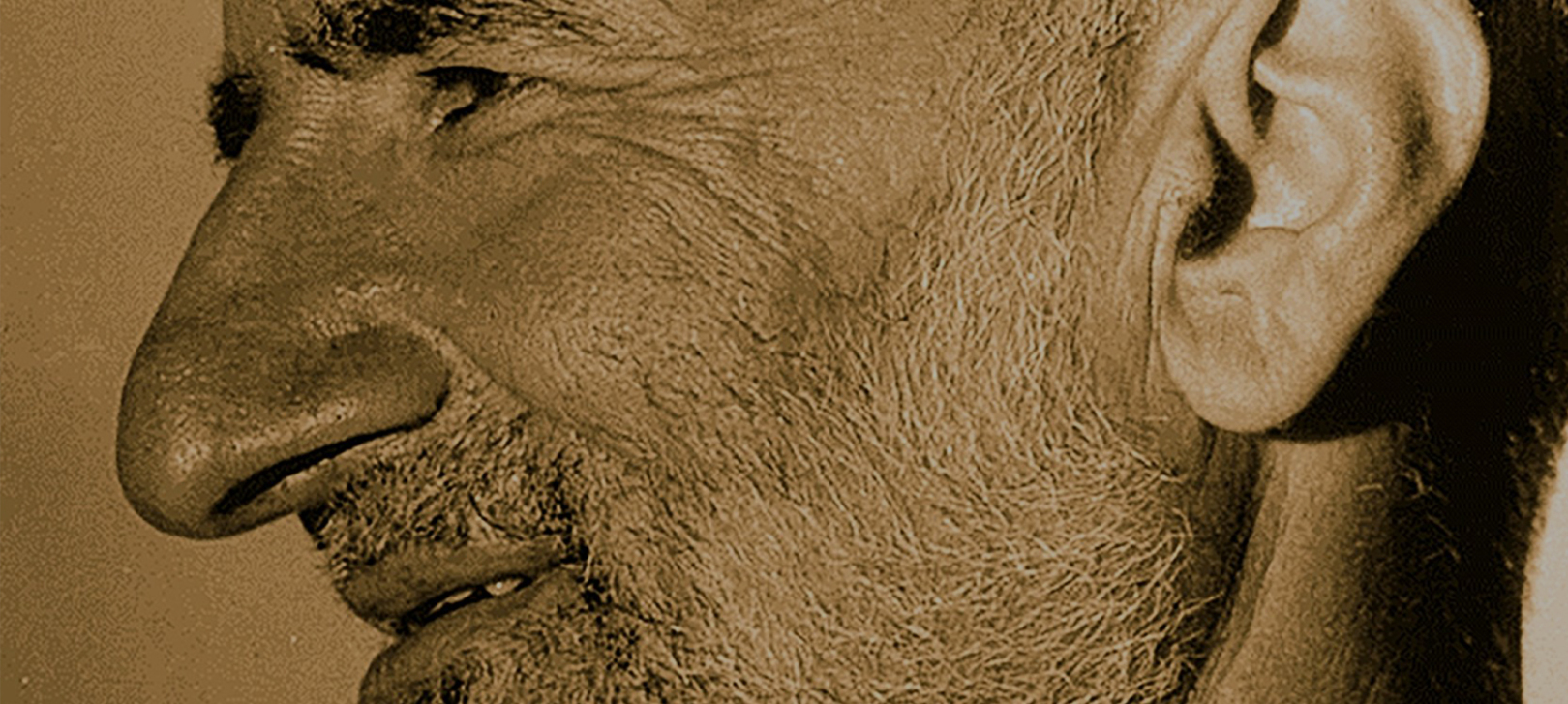
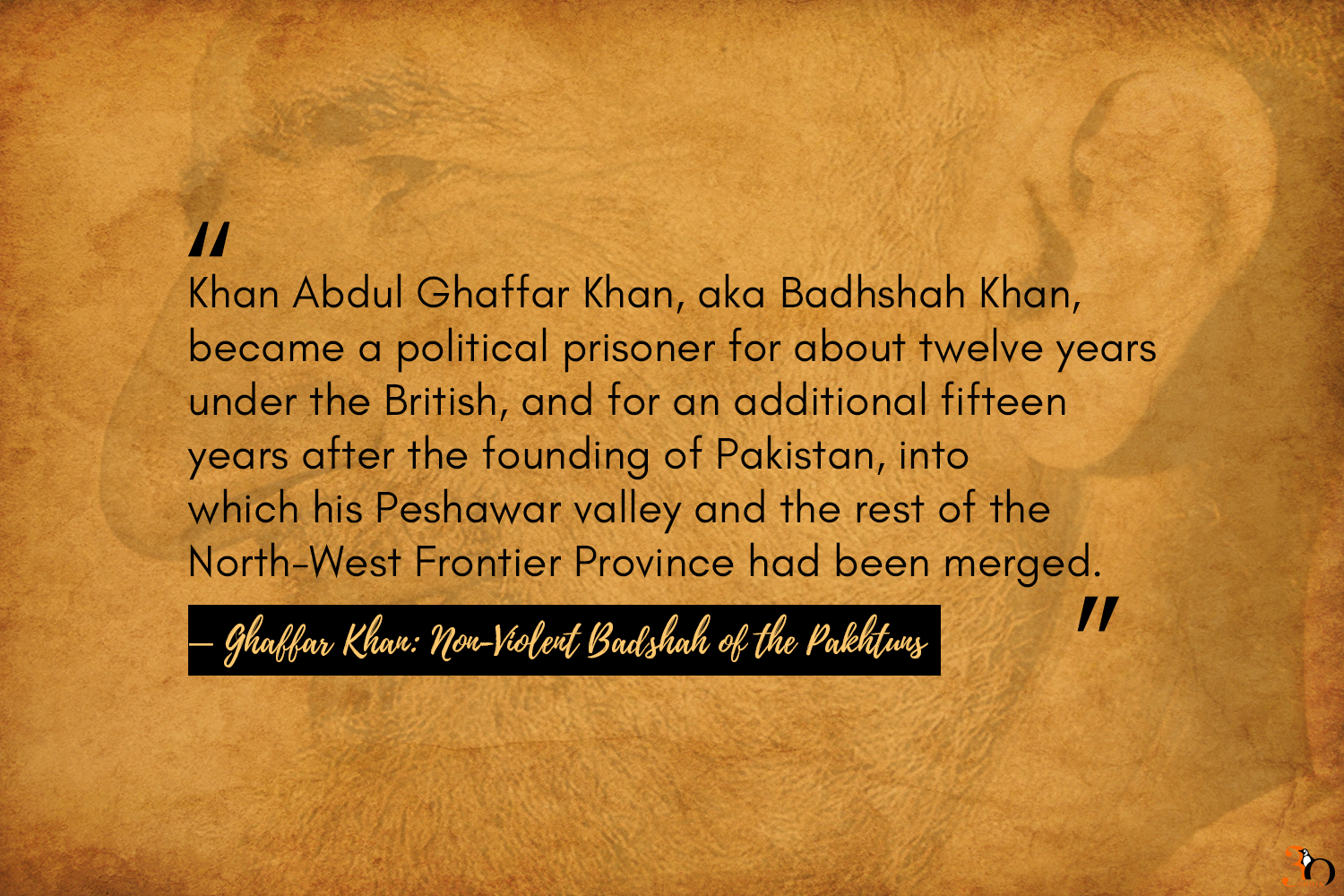
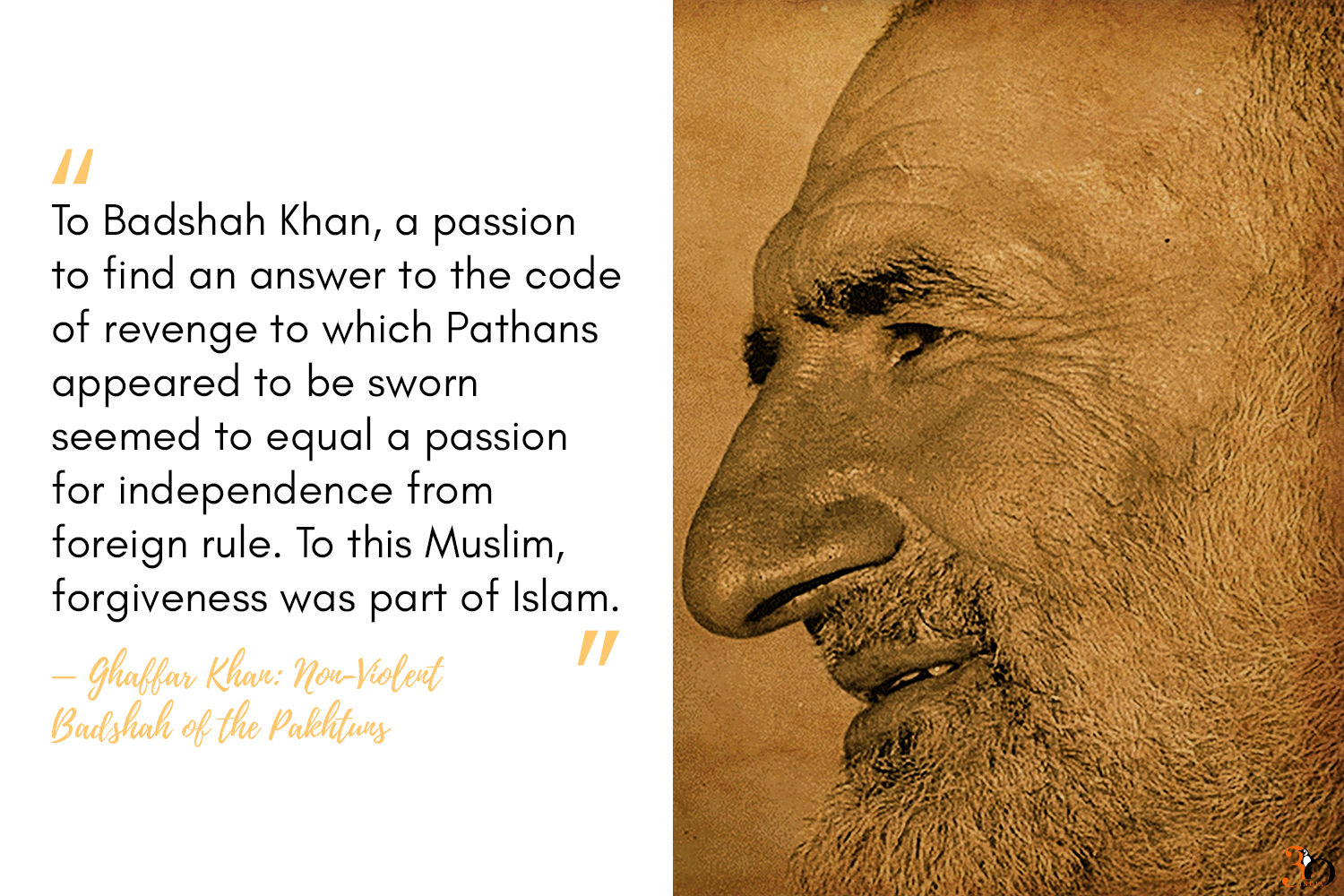
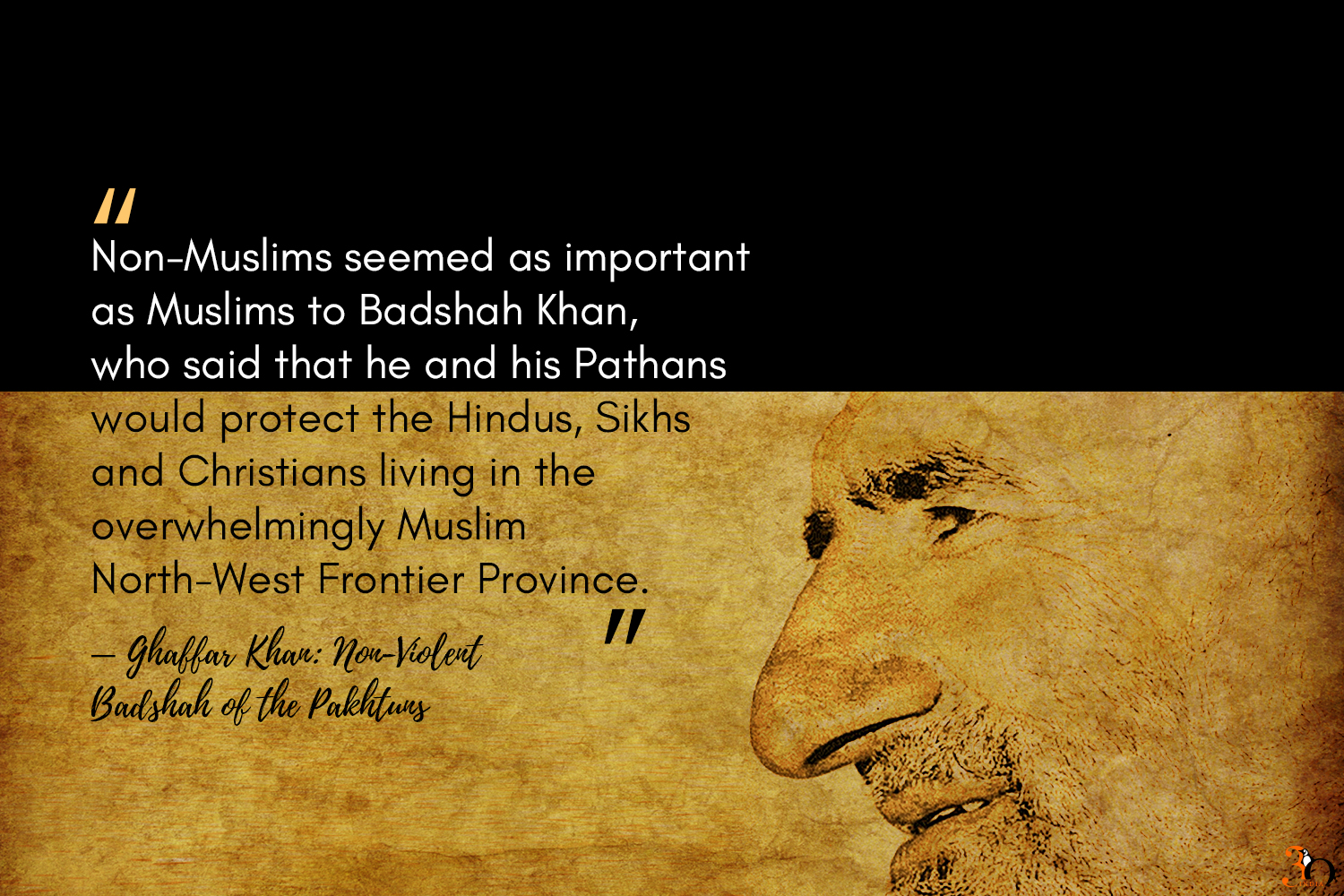
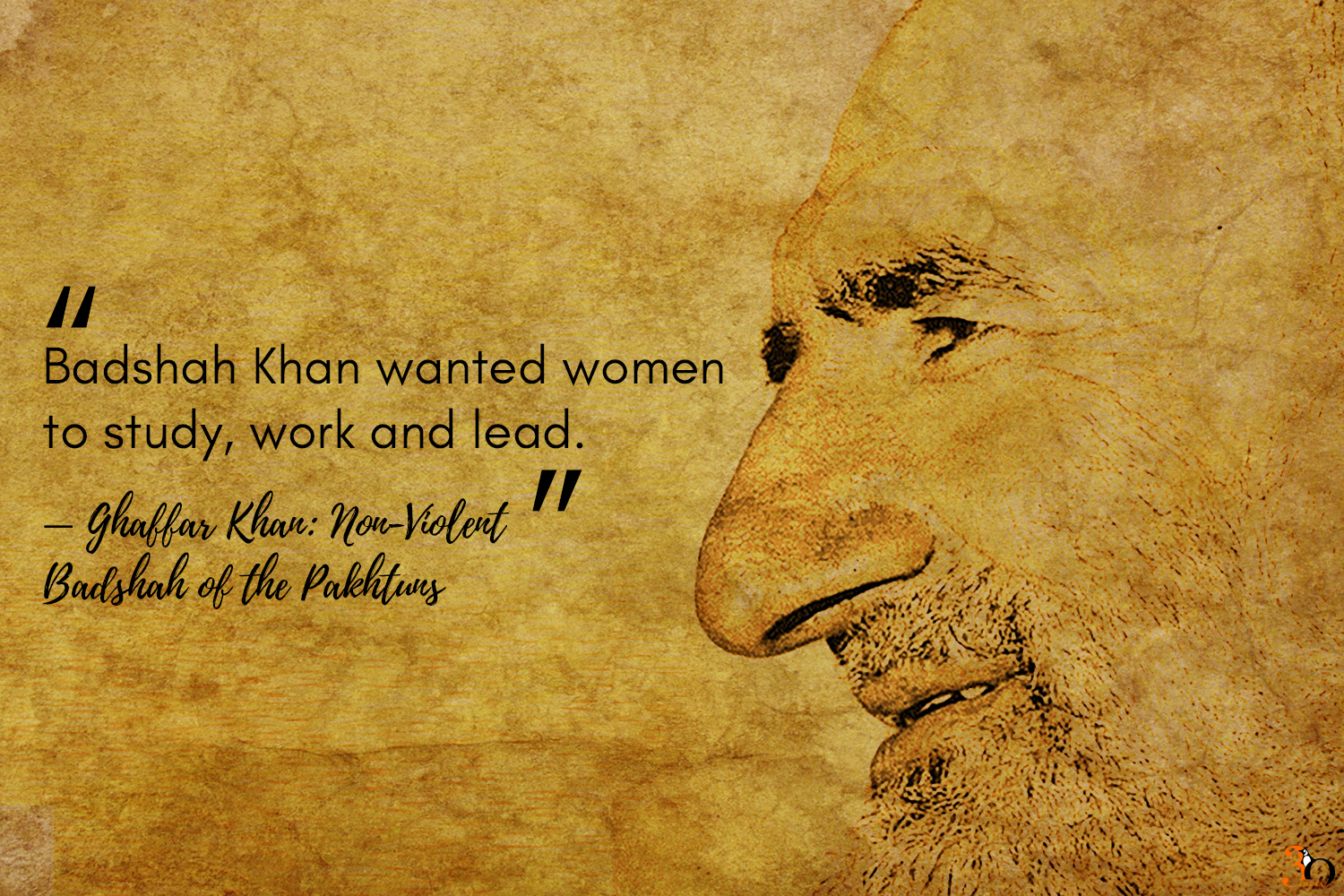
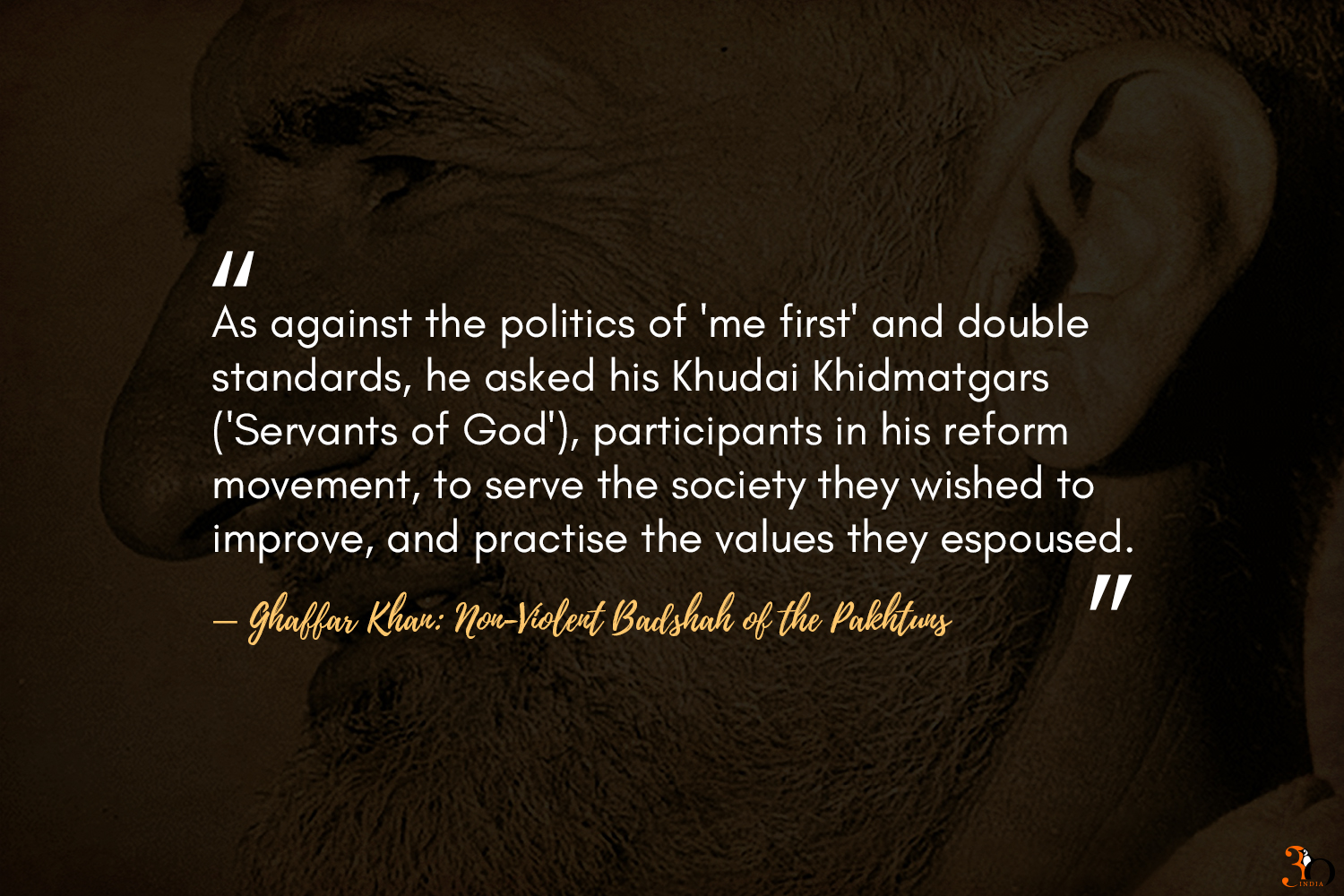
Khan Abdul Ghaffar Khan, born in the Charsadda valley in the Pakhtun heartland, believed in the non-violent core of Islam. He sought to dissuade his people, the Pathans of the North-West Frontier Province, from adopting violent means for a separate Pakhtun land.
Rajmohan Gandhi’s biography — Ghaffar Khan: Non-Violent Badshah of the Pakhtuns, takes a discerning look into the larger than life trajectory of Badshah Khan’s life, drawing close parallels with the life of Mahatma Gandhi.
Here are five instances when Ghaffar Khan’s actions reminded one of Mahatma Gandhi.
Grab your copy of Rajmohan Gandhi’s Ghaffar Khan: Non-Violent Badshah of the Pakhtuns today!