




I feel privileged to write this foreword for Anna Chandy’s book.
This book is about Anna Aunty’s life. A life that has been strife with trauma, pain and difficulties. And yet what emerges from all of this is a person with immense grit, courage and acceptance.
Anna Aunty has been a family friend for years. I’ve literally grown up in front of her. She has more recently been my therapist when I went through clinical depression two years ago.
In all the years I’ve known her, I have experienced her to be authentic, effective, focused yet empathic. There is a sensitivity and acceptance towards life that is very rare to come by.
Anna Chandy is now the chairperson of The Live Love Laugh Foundation that we set up to create awareness about and destigmatize mental health in India.
Many of us are on our own journeys of self-discovery, or aspire to be. This book has something for all of us to connect with. More importantly, this book communicates energy, resilience and hope for people struggling with various kinds of mental health issues.
This is an excerpt from Anna Chandy’s Battles in the Mind.

Category: Uncategorized
‘Only Idiots Aren’t Afraid of Flying’: Scaachi Koul and Her Fear of Flying

Only idiots aren’t afraid of flying. Planes are inherently unnatural; your body isn’t supposed to be launched into the sky, and few people comprehend the science that keeps them from tumbling into the ocean. Do you know how many planes crash every year? Neither do I, but I know the answer is more than one, WHICH IS ENOUGH.
My boyfriend finds my fear of flying hilarious at best and deeply frustrating at worst. For my twenty-fourth birthday, he booked us a trip to Southeast Asia for two weeks, the farthest I’ve been from home in more than a decade. Plenty of people take a gap year between high school and university to travel, or spend a summer back- packing through Europe to “find” themselves. (A bullshit statement if ever there was one. Where do you think you’ll be? No one finds anything in France except bread and pretension, and frankly, both of those are in my lap right now.) I never did this. I talked about wanting to, sure, listing all the places I would go one day, hoping to have my photo taken next to a crumbling edifice in Brazil or with a charming street merchant in Laos. When I was thirteen, my mom asked me where I’d get the money to travel and I said, “From you, of course.” She laughed me straight out of her kitchen nook. Travelling tells the world that you’re educated, that you’re willing to take risks, that you have earned your condescension. But do you know what my apartment has that no other place does? All my stuff. All the things that let me dull out the reminders of my human existence, that let me forget that the world is full of dark, impenetrable crags. I have, I think, a healthy fear of dying, and marching forward into the uncharted is almost asking for it. But it was my birthday, and my beautiful idiot boyfriend was offering to take me some – place exciting. He suggested Thailand and Vietnam, because he likes the sun and I like peanut sauces. I agreed, my haunches already breaking out in a very familiar rash.
As we made our way from Toronto to Chicago, then Chicago to Tokyo, then Tokyo to Bangkok, he was a paragon of serenity. (He’s older than me by more than a decade, and acts it whenever we do something new, largely because, comparatively, almost everything is new to me and nothing is new to him.) He was a latchkey kid, permitted to wander his small town in the ’80s and ’90s in a way that feels nostalgic to him and like the beginning of a documentary about child abduction to me. He smoked and drank and cried and laughed and was freer at twelve than I have ever been. While our plane started to taxi, I squeezed his meaty forearm as if I was tenderizing a ham hock—rubbing his white skin red and twisting his blond arm hair into little knots— and he just gazed dreamily out the window. When we took off, my throat started to close and I wanted to be home, stay home, never leave home.
I wasn’t raised with a fear of flying. My parents were afraid of plenty of things that would likely never affect us—murderers lurking in our backyard, listeria in our sandwich meat, vegans—but dying on a plane was all too mundane for them. We used to take plenty of trips together and separately, and lengthy air travel played an unavoidable role in their origin story. They emigrated from India in the late 1970s and flew back for visits every few years. For vacations or my dad’s business trips, they flew to St. Thomas and Greece and Montreal and New York. Mom didn’t like bugs and Papa didn’t like small dogs, but I don’t remember either of them being particularly fearful.
I wasn’t always afraid of flying either. When I travelled with my parents as a kid, air travel was exciting. I got to buy new notebooks and travel games, and flight attend- ants packed cookies and chips and mini cans of ginger ale in airsickness bags and handed them out to the kids mid-flight. 9/11 hadn’t happened, so our family wasn’t yet deemed suspicious at Calgary’s airport. I once loudly asked my brother while standing in a security queue how, exactly, people made bombs out of batteries while waving around a pack of thirty AAs intended for a video game. My parents let me eat a whole Toblerone bar and then I threw up in a translucent gift bag while we waited in line to board. I was alive!
Flying became a necessity by the time I was seventeen, the only way to stay connected with my family rather than a conduit for mile-high vomiting. When I graduated from high school, instead of doing what so many of my classmates did—a month in Italy here, three months in Austria there—I moved across the country almost immediately to start university. If I wanted to see my parents (and I did, as my homesickness burst wide open the second my parents dropped me off at my residence), I would have to fly. Three, sometimes four times a year, I’d take a four-hour flight to see people who I knew were at least legally obligated to love me.
But by my early twenties, years into this routine, something shifted and made room for fear to set in. Turbulence wasn’t fun anymore; it didn’t feel like a ride, it felt like the beginning of my early death. I’d start crying during take-off, sure that the plane would plummet. Flight attendants assumed I was travelling for a funeral and would offer extra orange juice or cranberry cookies to keep me from opening the emergency exit. Before I take off now, I text or email or call anyone I think would be sad about my death and tell them I love them and that the code for my debit card is 3264 and please help yourself to the $6.75 that may or may not still be in there, depending on if I purchased a pre-flight chewy pizza-pretzel, the World’s Saddest Final Meal. My stomach churns and my palms sweat and I think about all the things I should have said and done before his plane nosedives and the army finds parts of my body scattered across the Prairies. My legs in Fort McMurray, my arms in Regina, my anus somewhere in Edmonton.
This is an excerpt from Scaachi Koul’s ‘One Day We’ll All Be Dead and None of This Will Matter’

6 Essential Spices from Masterchef Pankaj Bhadouria’s Kitchen

Straight from the kitchen of India’s first Masterchef, Pankaj Bhadouria, here is a glimpse of her book — The Secret’s in the Spice Mix. Now you’re just a teaspoon away from stirring magic in your pan with these 6 spice mixes you must have in your kitchen:
Greek Seasoning

Za’atar

Pizza Seasoning

Barbecue Sauce

Tawa Subzi Masala

Panch Phoron

So, what is the best kept secret in your kitchen? Tell us as we make our way to gastronomic heaven.

5 Books To Gift Your Dad This Father’s Day
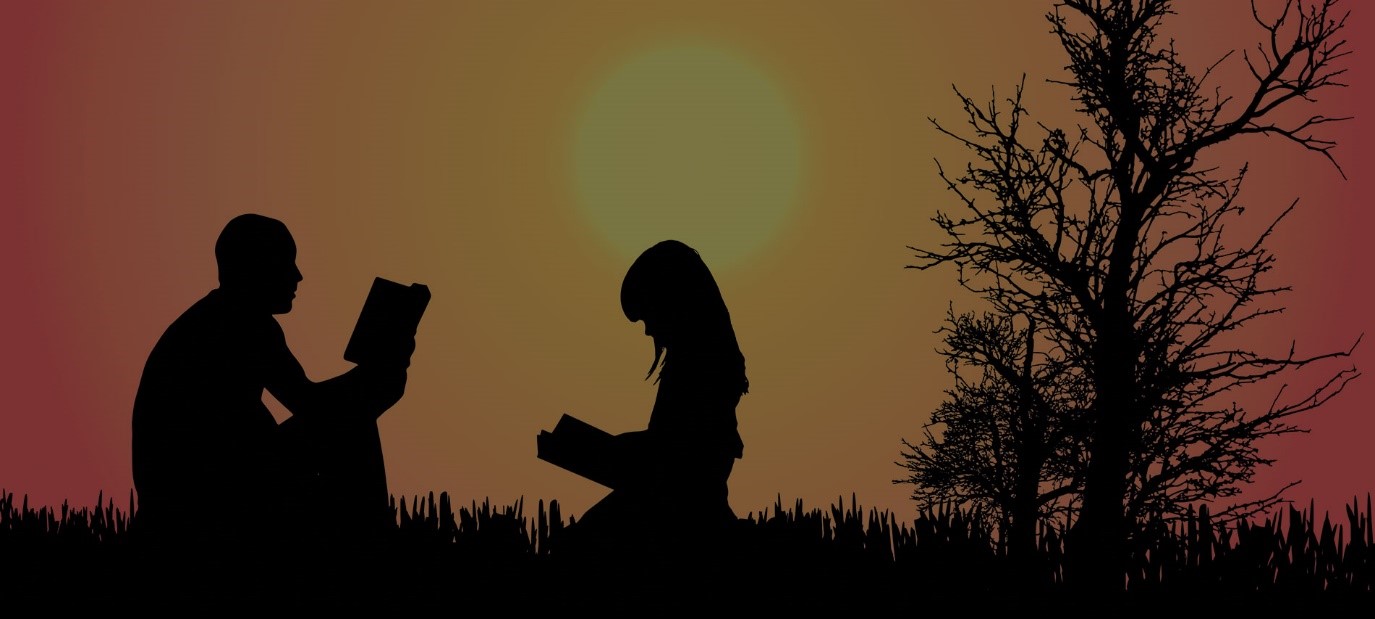
Fathers have been our first superheroes, first teachers, and best friends.
So what do you say to a man who leaves you speechless with his actions and immense love? If you too find it difficult to articulate your feelings in words, here are five books that will do the job for you and will make for the perfect gift this Fathers’ Day:
The Digital Matrix
 Venkat Venkatraman simplifies industrial and digital companies. It is a management framework that will help you understand the forces that influence your business. If your father is also your best advisor, Digital Matrix will give you the opportunity to discuss the new coming of age business landscape with him and will make for a great gift!
Small-Town Sea

Anees Salim’s book is a tale of a thirteen year old boy who is uprooted from a bustling city and is planted in his father’s home town. Small-Town Sea captures his adventures with a new friend, settling in a new life and once again being unsettled by his father’s death. The book is sharply hilarious and painfully sad, it is everything your father would love to read on a relaxed afternoon.
Dastan-e-Ghadar

Zahir Dehlvi’s memoir chronicles the fading glory of the Mughal court and describes the horrifying account of the 1857 revolt. Dastan-e-Ghadar is a compelling read by the poet who lived through the revolt of 1857, known for changing the course of history. Translated in English for the first time, the book is gripping, moving and rich in insight. For a father who is a history buff!
Friend of My Youth

A writer in the search of a city he grew up in, and barely knows. Friend of My Youth, is an observation on the power of memory, a brilliant writing expressing the interference of childhood with adult life. Your first friend, your father will definitely appreciate this tale of friendship and life.
Marching With A Billion

Do you also enjoy sitting down with your dad and discussing politics? Marching With A Billion, a book that analyses Modi Government’s three year in power is an interesting read about key areas of governance like infrastructure, power, and social sector. Uday Mahurkar gives answers to all such questions about Modi’s test of governance.
So, what is going to be your dad’s Fathers’ Day gift? Tell us.
The Missed Opportunities in India’s Development
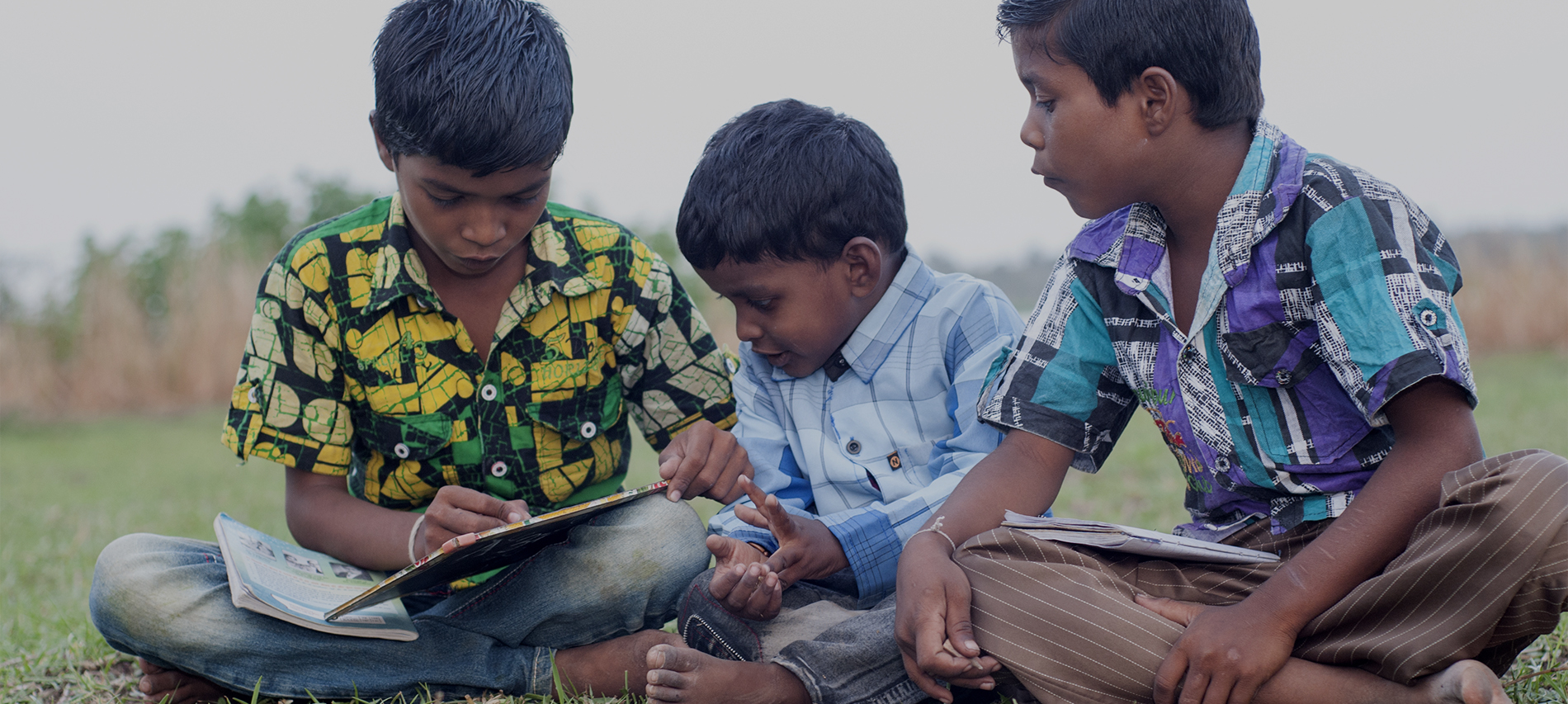
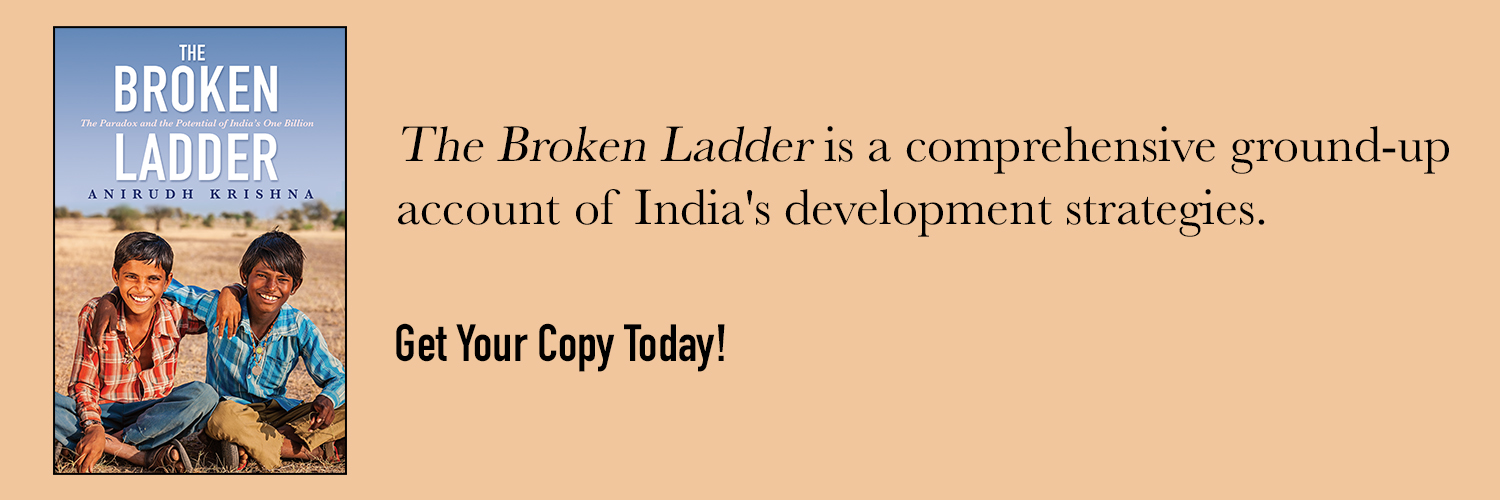
Anirudh Krishna in ‘The Broken Ladder’ presents a ground-up view of India’s development strategies by delving into common people’s lives. He also ponders on questions like despite being an economic force why are so many Indians living under the poverty line. Through stories of individuals, Krishna reveals the heartbreaking and eye-opening details of missed opportunities and untapped talent that India houses.
Here are a few stories that show the inequality of opportunities in the country:
Children who grow up in poor neighbourhoods suffer from an acute lack of knowledge about the range of career pathways.

With a rare few exceptions, people growing up in villages have not made it big in terms of professional achievements.

In India, for many people like Keshu, the ladders leading upward are broken.

Jaitram and Gopal lead a harsher lifestyle in comparison to their family members who live in the city.

Due to lack of good institutions many students feel that their aim in unassailable.

Growth in the country has not been directly and proportionately experienced by every individual. Tell us how can India better improve the prospects for people like Keshu while simultaneously growing its globally-influential economy?
5 Things You Didn’t Know About Vikrant Khanna
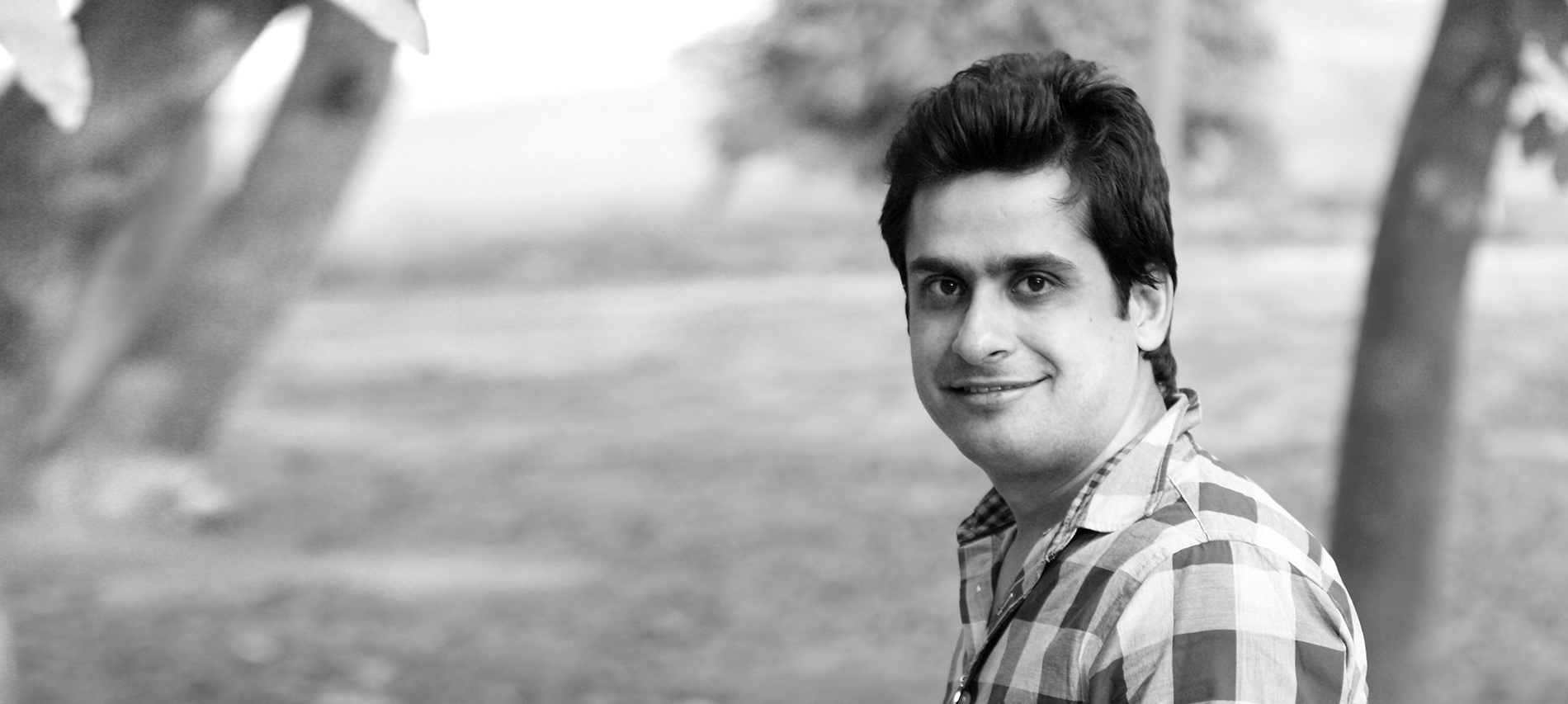
Vikrant Khanna is the best-selling author of When Life Tricked Me, Love Lasts Forever, Secretly Yours, and The Girl Who Knew Too Much.
His latest novel, The Girl Who Knew Too Much is an edge-of-the-seat paranormal romance. It tells the story of a 14-year-old girl Akshara who hears about the miraculous reunion of a young woman and her dead boyfriend, and believes she will see her dead mother again.
Here are the 5 little known things about the best-selling author:


How many of these facts did you know about Vikrant Khanna?

6 Hindu Concepts Made Easy by India’s Bestselling Mythologist
Mythology is layered with legends within legends, full of perplexing and astonishing anecdotes, and buzzing with a cast of larger-than-life figures.
India’s bestselling mythologist – Devdutt Pattanaik simplifies the complex concepts of Hindu mythology.
Here are six Hindu concepts that Devdutt Pattanaik makes easy in his compilation – Devlok with Devdutt Pattanaik 2!
Have you ever wondered what Aatma or Soul really means

A lot of us would have seen the ritual of Aarti

Dhyan and Darshan be like Introspection and Extrospection

Amrit – the nectar of immortality!

Prakriti – the Nature, and Sanskriti – the Human World

Fasting has deep meanings through Hindu mythology

After the sensational response to Devlok with Devdutt Pattanaik part 1, prepare to be educated, entertained and moved as the author delves into the exhilarating variety of Hindu mythology in Devlok with Devdutt Pattanaik 2.

10 Lessons from Lilly Singh’s Book, “How To Be A Bawse”

Lilly Singh is a multi-faceted comedian, entertainer and now an international bestselling author. In her book, HOW TO BE A BAWSE: A Guide to Conquering Life, Lilly teaches readers how to be their own bawse, a person who exudes confidence and reaches goals. Inspired by hilarious and honest stories from Lilly’s own experiences, this book proves that there are no shortcuts to success and becoming a bawse requires handwork and dedication.
Here are 10 of our favorite lessons from Lilly (aka Superwoman) in How To Be A Bawse:


Tell us how are you conquering life.

The Boy Who Loved — An Exclusive Excerpt

1 January 1999
Hey Raghu Ganguly (that’s me),
I am finally putting pen to paper. The scrunch of the sheets against the fanged nib, the slow absorption of the ink, seeing these unusually curved letters, is definitely satisfying; I’m not sure if writing journal entries to myself like a schizophrenic is the answer I’m looking for. But I have got to try. My head’s dizzy from riding on the sinusoidal wave that has been my life for the last two years. On most days I look for ways to die—the highest building around my house, the sharpest knife in the kitchen, the nearest railway station, a chemist shop that would unquestioningly sell twenty or more sleeping pills to a sixteen-year-old, a packet of rat poison—and on some days I just want to be scolded by Maa–Baba for not acing the mathematics exam, tell Dada how I will beat his IIT score by a mile, or be laughed at for forgetting to take the change from the bania’s shop.
I’m Raghu and I have been lying to myself and everyone around me for precisely two years now. Two years since my best friend of four years died, one whose friendship I thought would outlive the two of us, engraved forever in the space– time continuum. But, as I have realized, nothing lasts forever. Now lying to others is fine, everyone does that and it’s healthy and advisable—how else are you going to survive the suffering in this cruel, cruel world? But lying to yourself? That shit’s hard, that will change you, and that’s why I made the resolution to start writing a journal on the first of this month, what with the start of a new year and all, the last of this century.
I must admit I have been dilly-dallying for a while now and not without reason. It’s hard to hide things in this house with Maa’s sensitive nose never failing to sniff out anything Dada, Baba or I have tried to keep from her. If I were one of those kids who live in palatial houses with staircases and driveways I would have plenty of places to hide this journal, but since I am not, it will have to rest in the loft behind the broken toaster, the defunct Singer sewing machine and the empty suitcases.
So Raghu, let’s not lie to ourselves any longer, shall we? Let’s say the truth, the cold, hard truth and nothing else, and see if that helps us to survive the darkness. If this doesn’t work and I lose, checking out of this life is not hard. It’s just a seven-storey drop from the roof top, a quick slice of the wrist, a slip on the railway track, a playful ingestion of pills or the accidental consumption of rat poison away. But let’s try and focus on the good.
Durga. Durga.
12 January 1999
Today was my first day at the new school, just two months before the start of the tenth-standard board exams. Why Maa– Baba chose to change my school in what’s said to be one of the most crucial year in anyone’s academic life is amusing to say the least—my friendlessness.
‘If you don’t make friends now, then when will you?’ Maa said. They thought the lack of friends in my life was my school’s problem and had nothing to do with the fact that my friend had been mysteriously found dead, his body floating in the still waters of the school swimming pool. He was last seen with me. At least that’s what my classmates believe and say. Only I know the truth.
When Dada woke me up this morning, hair parted and sculpted to perfection with Brylcreem, teeth sparkling, talcum splotches on his neck, he was grinning from ear to ear. Unlike me he doesn’t have to pretend to be happy. Isn’t smiling too much a sign of madness? He had shown the first symptoms when he picked a private-sector software job over a government position in a Public Sector. Undertaking which would have guaranteed a lifetime of unaccountability. Dada may be an IITian but he’s not the smarter one of us.
‘Are you excited about the new school, Raghu? New uniform, new people, new everything? Of course you’re excited! I never quite liked your old school. You will make new friends here,’ said Dada with a sense of happiness I didn’t feel. ‘Sure. If they don’t smell the stench of death on me.’ ‘Oh, stop it. It’s been what? Over two years? You know how upset Maa–Baba get,’ said Dada. ‘Trust me, you will love your new school! And don’t talk about Sami at the breakfast table.’ ‘I was joking, Dada. Of course I am excited!’ I said, mimicking his happiness.
Dada falls for these lies easily because he wants to believe them. Like I believed Maa–Baba when they once told me, ‘We really liked Sami. He’s a nice boy.’ Sami, the dead boy, was never liked by Maa–Baba. For Baba it was enough that his parents had chosen to give the boy a Muslim name. Maa had more valid concerns like his poor academic performance, him getting caught with cigarettes in his bag, and Sami’s brother being a school dropout. Despite all the love they showered on me in the first few months after Sami’s death, I thought I saw what could only be described as relief that Sami, the bad influence, was no longer around. Now they use his name to their advantage. ‘Sami would want you to make new friends,’ they would say. I let Maa feed me in the morning. It started a few days after Sami’s death and has stuck ever since.
Maa’s love for me on any given day is easily discernible from the size of the morsels she shoves into my mouth. Today the rice balls and mashed potatoes were humungous. She watched me chew like I was living art. And I ate because I believe the easiest way to fool anyone into not looking inside and finding that throbbing mass of sadness is to ingest food. A person who eats well is not truly sad. While we ate, Baba lamented the pathetic fielding placement of the Indian team and India’s questionable foreign policy simultaneously.
‘These bloody Musalmans, these filthy Pakistanis! They shoot our soldiers…

First Stories: A Mother’s Day Tribute to the First Storyteller of Our Lives
A mother is usually our first friend in this world and our first storyteller! From bedtime stories to explaining the world to us, mothers fulfil our most passionate curiosity – the desire to be told stories.

And we loved her most.
We held her hands and walked to the bookshop – ogling at the colourful editions, leafing through them, and falling in love with the smell of new books – for the first time ever!
 Her smile did hug us!
Sometimes, when we wouldn’t eat, she would distract us with the world of stories, nourishing us: body and soul
 Just like the Runaway Bunny’s mum.
And when night befell, we would snuggle next to her with a good book. Her storytelling voice gently guiding us into our world of dreams!
 Bliss.
This Mother’s Day, join us in celebrating the first storyteller of our lives.
Do you remember the first story you ever heard from your mum that you would like to share? We would love to know!
*