



Mr Unwin, meet Bilal.
He is the taller of the two who stand under the arch of bougainvillea, the wooden gate open behind them. I am the shorter one, the one who is squinting. That is a temporary squint, and I squinted at the time of being photographed not because of the sun, I was just trying to hide my discomfort at being looked at through a viewfinder. The picture was taken on the first Small Eid after we came to live in Bougainvillea, and I invited him for the feast because I owed him a treat. That is another story, but let me narrate it now because it may not fit anywhere else in this book.
A week after I joined the town school, of which Vappa, Uncle Yazin and Aunt Yasmin were the alumni of, I ran into Bilal on the cliff path. At school we sat on the same bench because we were of the same height, almost, and I willed him to quickly grow a head taller so I would not have to sit next to him any more: he smelled like cashew orchards in springtime and I always associated the smell of cashew flowers with death. But the chance encounter on the cliff path triggered off a chain of events that finally made us friends and partners in petty villainies.
It was one of those days when Vappa momentarily regained his old self and craved outdoors, and we were strolling down the path that frilled the north cliff, lined with shacks that sold curios and curiously-named food. Outside a cafe, I spotted Bilal, but for a long moment I could not reconcile what I saw. He was standing on his toes, leaning over the railing the café had put up around the dining area. He had one hand cupped in front of a white couple who sported identical pairs of sunglasses, the other repeatedly tapped his stomach to mime hunger. The couple, their skin tanned to the colour of sandpaper, were watching him the way people watch street stuntmen, with a mild scowl that betrayed neither indulgence nor disapproval.
My face stung at the sight of Bilal begging. I had never seen anybody outside television serials beg with such flourish. Nor had I imagined that anyone who attended school on weekdays would beg at weekends. I passed him with my eyes averted to the sea, my ears tuned to its roar. We were walking past a fish stall – catch of the day sat with sleepy eyes on a bed of crushed ice, traded by a man who knew the English name of every fish and spoke with the civility of a trained salesman because his clients were foreign tourists and hence his wares were unimaginably dear – when I heard my name being called. It took me an effort to not hear him, and I walked faster as his voice grew louder.
‘Are you deaf?’ Vappa snapped. ‘Someone is shouting your name.’
I turned around and saw Bilal, his face flushed from running, his breathing uneven.
‘Hello,’ he panted.
I wanted to say hello and goodbye in the same breath and move on, but Vappa was already holding Bilal’s hand and asking him his name and the location of his residence.
‘Behind the town mosque,’ he said, gasping for breath.
‘Behind the town mosque?’ Vappa pulled a face. ‘Behind the mosque there are railway lines.’
‘In the same premises as the mosque,’ Bilal said and, as Vappa was beginning to knit his eyebrows, he added almost inaudibly, ‘I live in the orphanage.’
Vappa forced a smile and, as if to hide his embarrassment, asked tenderly, ‘What brings you to the cliff?’
I expected Bilal to lie, but he smiled sheepishly and said nothing. The white couple Bilal had begged to walked past us, hand in hand, wind in the hair. The man puffed up his cheeks at the sight of Bilal, the lady removed her sunglasses and rolled her eyes comically at him.
‘You got lots of friends around here,’ Vappa said.
The sun had nearly set, and the lights were coming on in the shacks. Vappa reminded Bilal to start his journey back to the town as it would soon be dark. As if the mere thought of darkness frightened him, Bilal rushed off, blending into little groups of people that drifted down the cliff path. All night I wondered if smiles were all that Bilal could coax out of the white couple with his charade of hunger. But the moment I stepped through the school gates the next morning the riddle solved itself.
‘I have a dollar,’ said Bilal. He was standing by the bird cage, feeding love birds. ‘We will spend it at lunch break.’
This is an excerpt from Anees Salim’s The Small-Town Sea.

Category: Uncategorized
9 Things You Didn’t Know About the Pakistani Army
The military is one of the vital organs of the state. However, in Pakistan, the military plays a far more deep-rooted role in the politics of the country, and dominates all other institutions.
Ayesha Siddiqa, in her extensively-researched book, Military Inc. aims to explain the role of personal economic stakes in commercial ventures as a driver of the armed forces’ political ambitions.
Pakistan’s military runs a huge commercial empire. Here are nine facts that will give you a glimpse of the military’s involvement in the various institutions of the country:


Find out more about the army’s involvement in Pakistan’s economy in Ayesha Siddiqa’s Military Inc.

How Tata Tea and Apple Came To Be — An Excerpt

Steve Jobs created Apple, one of the most successful brands on this planet. Apple is remarkable because it has married design and technology marvelously, time and again, generating sensuous products that millions of human beings across the world lust for. Jobs himself attributes a good part of this Apple magic to his curiosity.
In his famous commencement speech delivered at Stanford University in 2005, he gave an example of how, during his student days, he decided to take a calligraphy class at Reed College out of sheer curiosity. He said he learnt about serif and sans serif typefaces in this class, about varying the space between different letter combinations, about what makes great typography truly great. He called this learning experience beautiful, historical and artistically subtle in a way that science cannot quite capture.
He went on to say, ‘None of this had even a hope of any practical application in my life. But ten years later, when we were designing the first Apple Macintosh computer, it all came back to me. And we designed it all into the Mac. It was the first computer with beautiful typography. If I had never dropped in on that single course in college, the Mac would have never had multiple typefaces or proportionally spaced fonts. And since Windows just copied the Mac, it’s likely that no personal computer would have them.’ He added, ‘Much of what I stumbled into by following my curiosity and intuition turned out to be priceless later on.’ The sheer beauty of Apple products, which is a huge contributor to the brand’s success, owes something to its creator’s curiosity.
Just like Apple, so many great brands have their roots in the curiosity of marketers. Consider Tata Tea, the leading brand of tea in India today. This brand was born out of the curiosity of Darbari Seth, who was chairman of several Tata companies in the mid-1980s. He wondered why tea could not be packaged in an airtight polythene pillow pack (polypack), rather than in the cardboard cartons that were the norm at that time. His visits to various Indian towns had shown that consumers were very happy with these flat pillow packs for another commonly used kitchen product: salt. Seth had, a few years earlier, already launched the popular Tata Salt brand.
In addition, his own explorations into two very different spaces gave rise to some thoughts that he could toss around. From his numerous informal conversations with traders during the early days of Tata Salt, he had learnt that the strong smell of spices permeates all Indian kirana stores, which, in turn, taints various products stocked in these stores, including tea. Seth’s explorations into the world of science—he spent many decades working as a chemical engineer—had left in his mind the clear impression that polypacks made from a laminate of polythene and polyester would be significantly better than cardboard cartons, ensuring tea leaves were safe from these strong spice smells. So, driven by these curiosity inspired reflections, he went ahead and launched Tata Tea in laminate polypacks in 1987. This kept the plantation-packed tea fresh and untainted, and the brand went on to become a huge success.
I had the good fortune of working as a junior member of Seth’s team in Tata Tea during those years, and have seen at close quarters how curious he was by nature. I would accompany him on his visits to London, and I was often dumbfounded by the sheer number of questions he would ask me on just about everything. He inspired the creation of two of India’s strongest consumer brands—Tata Salt and Tata Tea. Interestingly, quite similar to how Microsoft copied the amazing typography of the Apple Macintosh, hundreds of other Indian tea brands have copied Tata Tea’s winning polypack. You will find them available across the country today.

5 Things You Didn’t Know About Mohammad Ali Jinnah
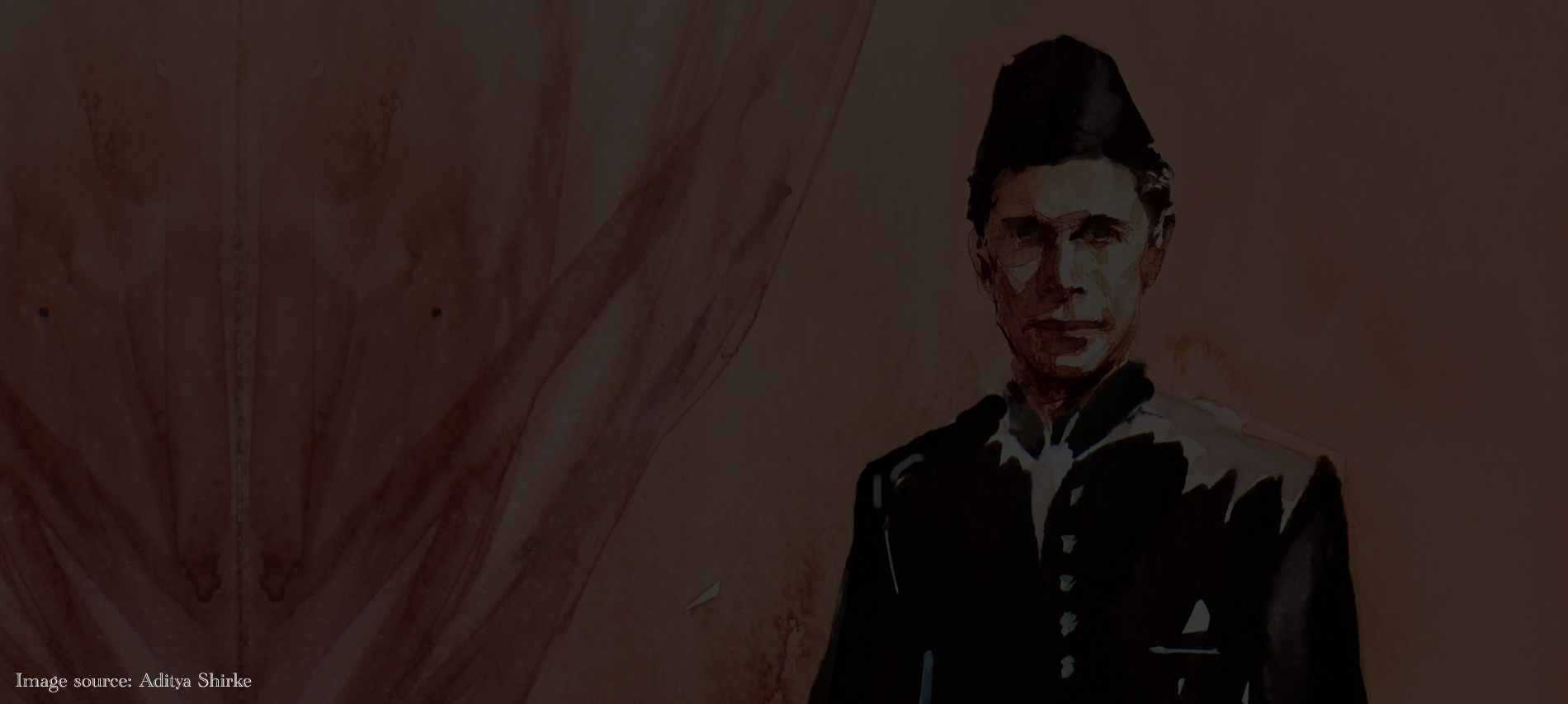
Mohammad Ali Jinnah is well known as a world leader who rose during the freedom struggle against British colonization. Personally, he was often described as stern or cold and singularly obsessed with his political ambitions, however , there are many unknown facets to him.
Sheela Reddy uncovers some of these in her new book, Mr and Mrs Jinnah:


Sheela Reddy in her exhaustive account, chronicles the unknown facets of the man known as Mohammad Ali Jinnah. Get your copy here.
5 Characters from Dr. Seuss’ Books That You Will Have Definitely Met in Your Life

Spring is here and so is the full blast of colours. The blue of clear skies, the green of swaying trees, the many shades of the sun – from orange to yellow to pink! It is, therefore, only fitting that Dr Seuss’ birthday – a writer who is credited with creating some of the most vibrant stories and characters – befalls in this lovely season.
The author has created many fascinating characters. They carry within them a refreshing slice of life and traits that all of us can identify with.
Here are five of Dr Seuss’ most brilliant characters that you MUST have come across in your life!
Lorax
You can’t chop down trees on his watch. And if you need a lesson in environmental issues, he’s the one you call!

Horton
Ever so kind and compassionate, he’s a soul with a big heart!

The Cat in the Hat
His is a take-it-easy policy. So what if there’s chaos, you can’t stop him from having a grand time!

The Grinch
He hates Christmas, but that’s only because he thinks the festival is a corporate-manufactured event aimed at securing profits. He likes to think beyond presents.

Sam I Am
As persuasive as one can get, he can even sell you green eggs!

Did you find similarities between any of the above and someone you know? Go ahead and share it with that soul!
And here’s wishing Dr. Seuss a wonderful birthday!
12 things you didn’t know about Vivekananda
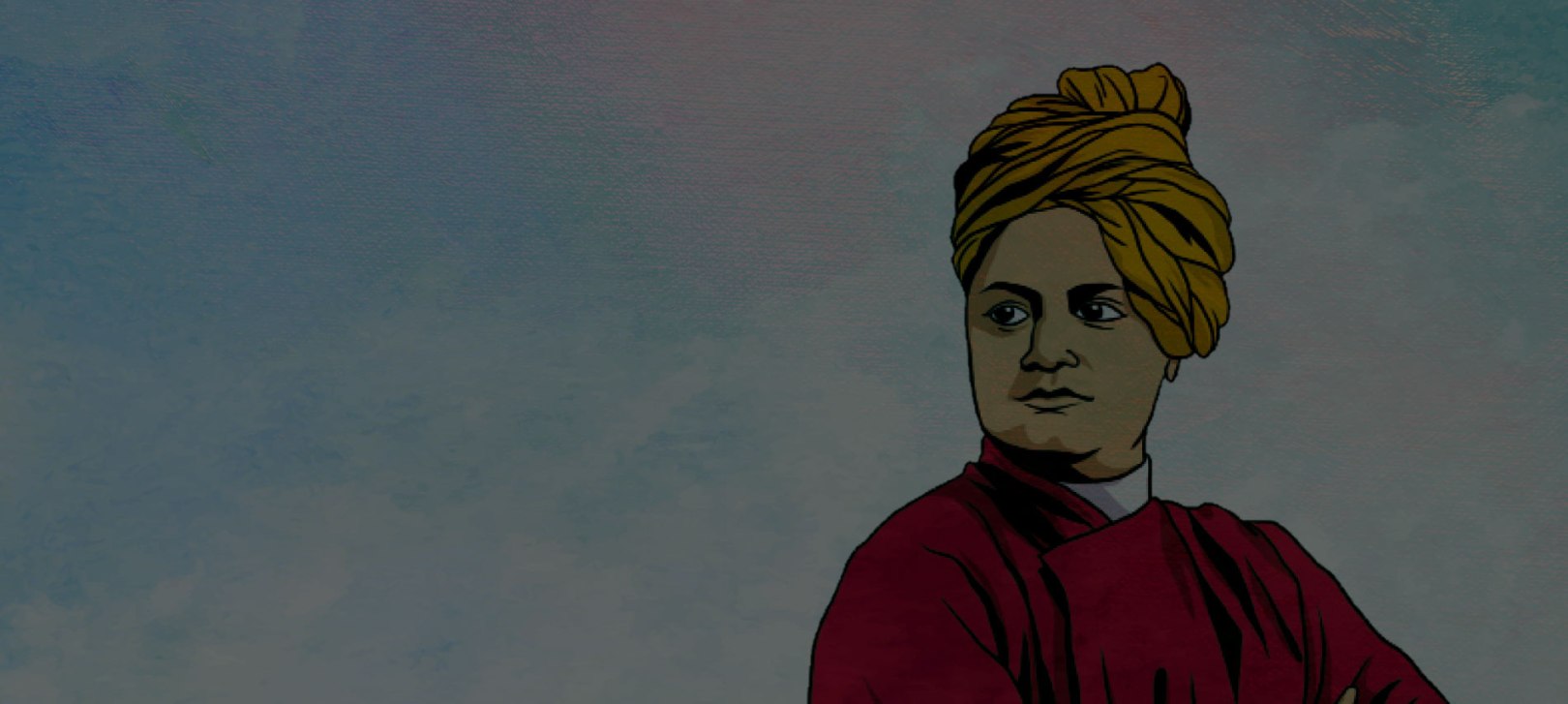
When we think of Vivekananda, the image is that of a saintly monk. But was he really that?
Swami Vivekananda was nothing like the monks we have known forever. He was confined neither by history nor by ritual, and was constantly questioning everything around him – including himself. He broke numerous stereotypes which he deemed regardless and harmful for mankind. There’s a lot that we can learn from him and more importantly, there’s a lot we can learn about him.
Here are 12 things we can bet you didn’t know about Swami Vivekananda:


***
With his book The Modern Monk, Hindol Sengupta deconstructs the accepted, idolised image of Swami Vivekananda, giving us the coolest monk, whose ideas and thoughts are relevant even today.
***
Announcement: Soha Ali Khan’s debut book!

Penguin India is proud to announce that it will publish Soha Ali Khan’s debut book in 2017.
Titled The Perils of Being Moderately Famous, the book will be a collection of humorous, and sometimes bizarre, stories on her life as a royal princess (her official title is Nawabzadi Soha Ali Khan of Pataudi and Bhopal) and a ‘moderately famous’ celebrity, as she likes to call herself.
Soha Ali Khan: ‘If I had a dollar for every person who told me to write a book, I would have umm . . . six dollars. I do love to read and I do that quite well (510 words a minute), so it can’t be much harder to write, right? I also have some time on my hands, as most actors often do (stop sniggering). I can use this time creatively to pen down memories, some insights from what surely must be a life less ordinary. I am a princess after all. Try not to imagine me saying that whilst stamping my feet in a silver sequined dress with a tiara on my head. And as a person of royalty, surely I am entitled to some royalties! But a word of caution—if you are hoping I will reveal the secret behind Kareena’s glowing complexion or how Bhai trains for an action film then, I am afraid you are barking up the wrong book. Although, in its pages there may be a passing reference to some of the idiosyncrasies of the more famous members of my family, the bulk of it, I’m afraid, is about . . . well, me. Just me. Is my life really worth writing about, or more to the point worth you paying to read about? Well, the good news is you’d be right not to wait for the movie.’
Editor’s Statement: ‘Having read a few chapters, I can safely say Soha was born to write. She has amassed a huge fan following not only for her movies but also for her witty repartee on Twitter, and her charm and wit continue to shine in this brilliant collection of personal essays where she recounts with self-deprecating humour some of the most poignant moments of her life—from growing up as a modern-day princess to life as a celebrity in the times of social media culture.’—Gurveen Chadha, Commissioning Editor
About Soha Ali Khan: Soha is an Indian film actor who has appeared in movies such as Rang De Basanti, Tum Mile and Go Goa Gone. She studied modern history at Balliol College, Oxford and earned a Masters’ degree in International Relations from the London School of Economics and Political Science.
She is the youngest daughter of actor Sharmila Tagore and Mansoor Ali Khan Pataudi, the 9th nawab of Pataudi. Both her father and paternal grandfather, Iftikhar Ali Khan Pataudi, were former captains of the Indian cricket team. Her older brother is Saif Ali Khan and she’s married to actor Kunal Kemmu.
Soha’s most recent release was 31st October, a true story focussing on the aftermath of Indira Gandhi’s assassination.
Photo credit: Shivaji Storm Sen
***
"Why is it that we barely know anything of Islamic lore?" – An Excerpt

It was 11 a.m. on 21 September 2013. I had just sat down with my pen and notebook. I had been working on my historical novel, Idris, when news came of unidentified gunmen opening fire in one of Nairobi’s upscale malls.
The mass shooting had left 67 people dead and more than 175 people injured.
Amidst all the kerfuffle of reportage, one thing struck me in particular. An eyewitness was reported to have said that the attackers had asked Muslims to leave, declaring that only non-Muslims would be targeted. Among other aspects of the vetting process, the hostages were asked to name Prophet Muhammad’s mother as a litmus test that would distinguish Muslims from non-Muslims.
It seemed both astounding and horrific that a piece of information could have saved a life. But why was this information not out there for all to know?
In many parts of the world, including India, almost every non-Christian knows that Jesus’s mother was Mary and his father, Joseph; and of the story of Jesus’s birth and his crucifixion. Non-Hindus know that the Ramayana is about Rama and Sita and Rama’s battle against Ravana; that the Mahabharata is about the Kauravas and the Pandavas, that Krishna was an avatar of Vishnu. But even the most erudite among non-Islamic people know nothing about the Quran or what is in it.
If you had asked me then what Prophet Muhammad’s mother’s name was, I would have stared back too, clueless.

Teaching a faith demands expertise; but what of the accompanying lore that goes into fleshing out the wisdom? Why is it that we barely know anything of Islamic lore? Religious preachers have always sought parables to explain a tenet. But even in isolation and removed from doctrine, these allegorical stories have an appeal of their own. The storyteller in me roused and shook herself.
Acts of terrorism perpetrated by Muslim fundamentalists had already made many non-Muslims wary of the religion. And I thought this was grossly unfair to Islam and what it taught. I had been brought up as a secular individual and felt a calling to clear this misinterpretation in my own way.
No religion preaches hate or violence. No religion condones killing or the taking of human life. However, flawed interpretations do lend a religion a misguided twist that it does not claim in the first place. Those with vested interests manipulate aspects of a religion to justify heinous crimes and the massacre of innocents. And so it had happened with Islam. And yet why was it that no one was actually trying to redeem the understanding of Islam?
Why was no one willing to try and make Islam more accessible to the world so that the teachings in the Quran would be seen for what they truly are—a call to righteousness and peace—and not for what we have beguiled ourselves into believing?
During the writing of Idris, I had studied the Quran and tried to understand what I could of its lessons and the associated Islamic fables. But now I had another purpose. I had already written two books on mythology for children. One was based on Hindu mythology and the other drew on lesser-known world myths. I would now try and write about Islamic lore— stories culled from the Quran and the Hadith. And I was certain that the book had to be for children—for young minds are what we need to invest in for a chance of change.
Let children everywhere—Hindu, Christian, Muslim, Jewish, Buddhist, Jain or otherwise—discover the stories from the Quran and delight in them and learn from them. Stories are, after all, stories; and no religion can stake claim to them.
In what could only be termed providential, I found a translation of a book of stories drawn from Ibn Kathir’s Al-Bidayah Wan-Nihayah (The Beginning and the End). The author was born in AD 1300 and died in AD 1373. A Sunni scholar and historian of great repute, Ibn Kathir hailed from the Shafi’i school of Islamic law and lived during the reign of the Mamluk Sultanate in Syria.
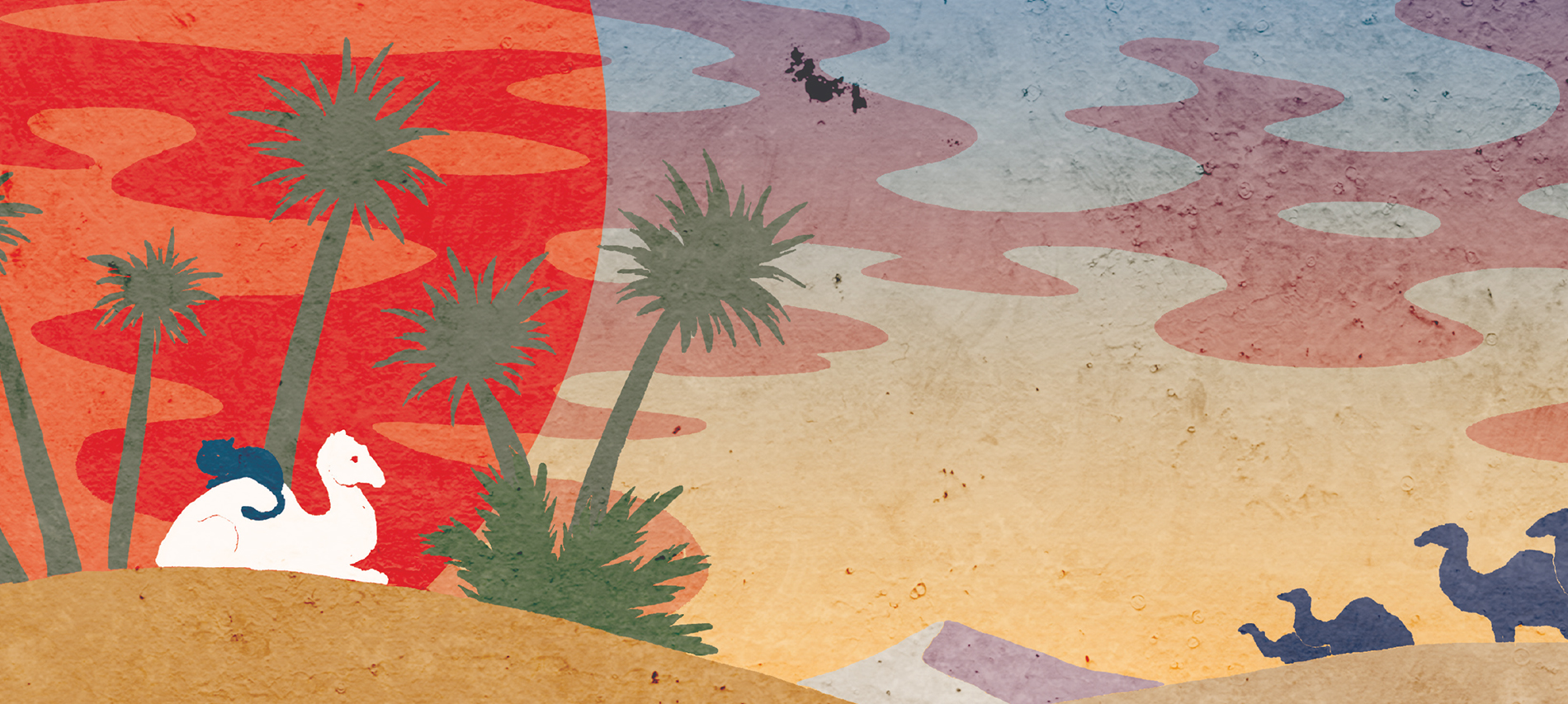
Suddenly I knew where to begin. And then, as it usually happens with each book I write, two characters—a cat and a camel, in this case—appeared from nowhere, and I had my epiphany on how to take the book forward.

This is a book for young readers. But it is also a book for anyone who wonders what the Quran contains, apart from the teachings of a religion.
In fact, al-Quran literally means ‘the reading’; and how can a work that means this most beautiful of phrases be limited to just being a scripture? The wealth of its stories, and the lyricism, poetry and flow of its narrative make it as much a literary text as a holy book.
I have been told that I am entering dangerous territory. That, as a Hindu writing about the holy book of Islam, I’m inviting trouble. That to me smacks of prejudice more than anything else. How can any religion close its doors to someone who knows nothing of it? How does one learn about a religion unless one is given access to it?
And that is my only act of faith here. To lead from ignorance to the beginnings of knowledge; from prejudice to comprehension; and to reaffirm, in these times that are wreaked with discrimination and terror, that all religions are the same. That all religions just strive to make of us better human beings.
If only we would make an effort to understand their truth.
PS: The name of Prophet Muhammad’s mother is Amina.
A djinn in the form of a baby camel and Prophet’s favourite cat come together in their shared exploits and a mutual education. As their chance meeting and tender bond is delicately explored, we are offered a fascinating array of teachings from the Quran. Read more in Muezza and Baby Jaan