Publish with Us

Follow Penguin

Follow Penguinsters

Follow Penguin Swadesh

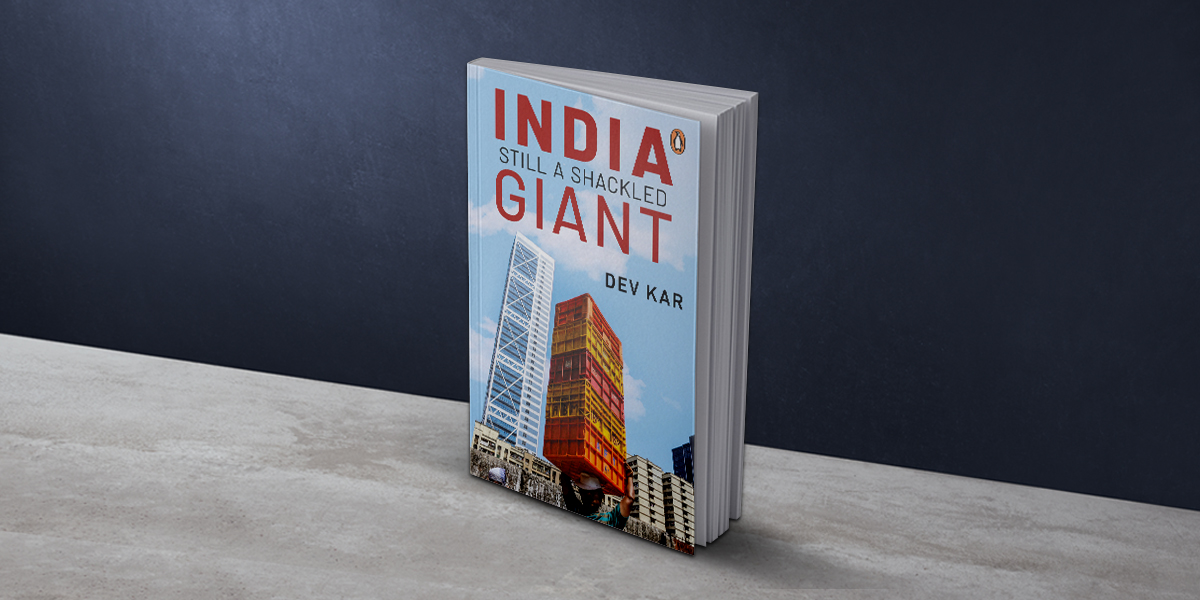
5 Specific Weaknesses that Have Prevented India from Realizing its Full Potential from ‘India: Still a Shackled Giant’

India is one of the largest economies in the world today and it has been predicted that it would become the third largest economy by 2030. Yet, an average Indian is worse off than his counterpart in other developing nations like Algeria, Indonesia, Mongolia and Morocco. The tethers of corruption and fragility have prevented it from becoming an Asian Tiger.

In India: Still A Shackled Giant, Dev Kar, a former senior economist at the International Monetary Fund shines light on why India is still, even after 70 years of independence, unable to reach its full potential to join democratic giants like the United States, Germany, and Japan.


Fragility

Fragility is a state of affairs, consisting of many economic, social, demographic, political, environmental, and security-related pressure points that either strengthen or weaken a nation state. If fragility is left unchecked, the nation can slide towards civil war and break up. The overall fragile states index (FSI) is derived from twelve sub- indices which are: demographic pressures, economic inequality, economy, external intervention, factionalized elites, group grievance, human flight and brain drain, human rights, public services, security apparatus, state legitimacy, and refugees and internally displaced persons (IDPs). (page 15)

India’s overall fragility increased from the ninety-third rank in 2006 to the seventy-second rank in 2018. India’s slide by twenty-one ranks over this period was mainly driven by uneven development (such as rising income inequality), human flight and brain drain, state legitimacy, demographic pressures and security apparatus.

Dirty Politics

There is no doubt that the source of corruption in India is its rotten politics. If politicians can use black money to get elected, criminals can contest elections and win, and if they can all play vote bank politics, what kind of example do they set for the rest of the country? These days, it seems every political party needs criminals to intimidate the opposition, suppress dissent, and extract rent in order to ensure its hold over power. Under the circumstances, there can be neither raj (rule) nor neeti (ethics) left in rajneeti (politics).

Another way of looking at this sad state of affairs is that many voters perceive the criminal politicians to be more effective in delivering government services. I think, either way, from the supply of criminal politicians to the demand for them, they pose a huge problem for any democracy and its governance.

A Taxing Problem

Ever since Independence, India has had two main problems with taxation—a narrow tax base and significant tax evasion. A narrow tax base means only a small portion of India’s population is paying income taxes. Out of a population of some 1.3 billion people, only about 4 per cent file pay income taxes, which make up the largest part of direct taxes. (page 141)

A country trying to raise adequate tax revenues from a narrow base ends up running large fiscal deficits given increasing government expenditures to meet multiple development objectives. Fiscal deficits in turn hamper economic growth and lead to economic instability through rampant inflation, higher interest rates, or increasing foreign debt. It is the poor who suffer disproportionately.

According to the Centre for Monitoring Indian Economy (CMIE), nearly thirty-one million Indians are unemployed and looking for jobs. While economic growth has been humming along around 7–8 per cent per annum recently, the pace of job creation has been poor. While unemployment is naturally an emotive issue in a country of 1.3 billion people with a young workforce, the capacity to generate jobs is not in the hands of any politician, regardless of their promises. The bottom line is that for unemployment to come down during any period, the number of new jobs created must be greater than the number of people entering the labour market during that period. The problem of employment in India is twofold. First, India needs to invest in more education, vocational training and health. Second, there is a need to shrink the size of the informal sector by helping more workers to switch to jobs in the formal sector.

No Care about Healthcare

Healthcare in India still has a long way to go in terms of access to good facilities and reliable doctors, particularly in smaller towns and villages. While the rich in India can afford to get reasonable treatment at a price they can afford, the poor can’t. The quality of public hospitals is extremely poor and they pose serious risks to the life and well-being of patients. Moreover, the credentials of many doctors are suspect. To make matters worse, there are no independent regulatory bodies to accredit, monitor and disseminate reviews of medical providers.


Grab your copy of this book today to know learn about these barriers in detail and discover how India can find the road to redemption.
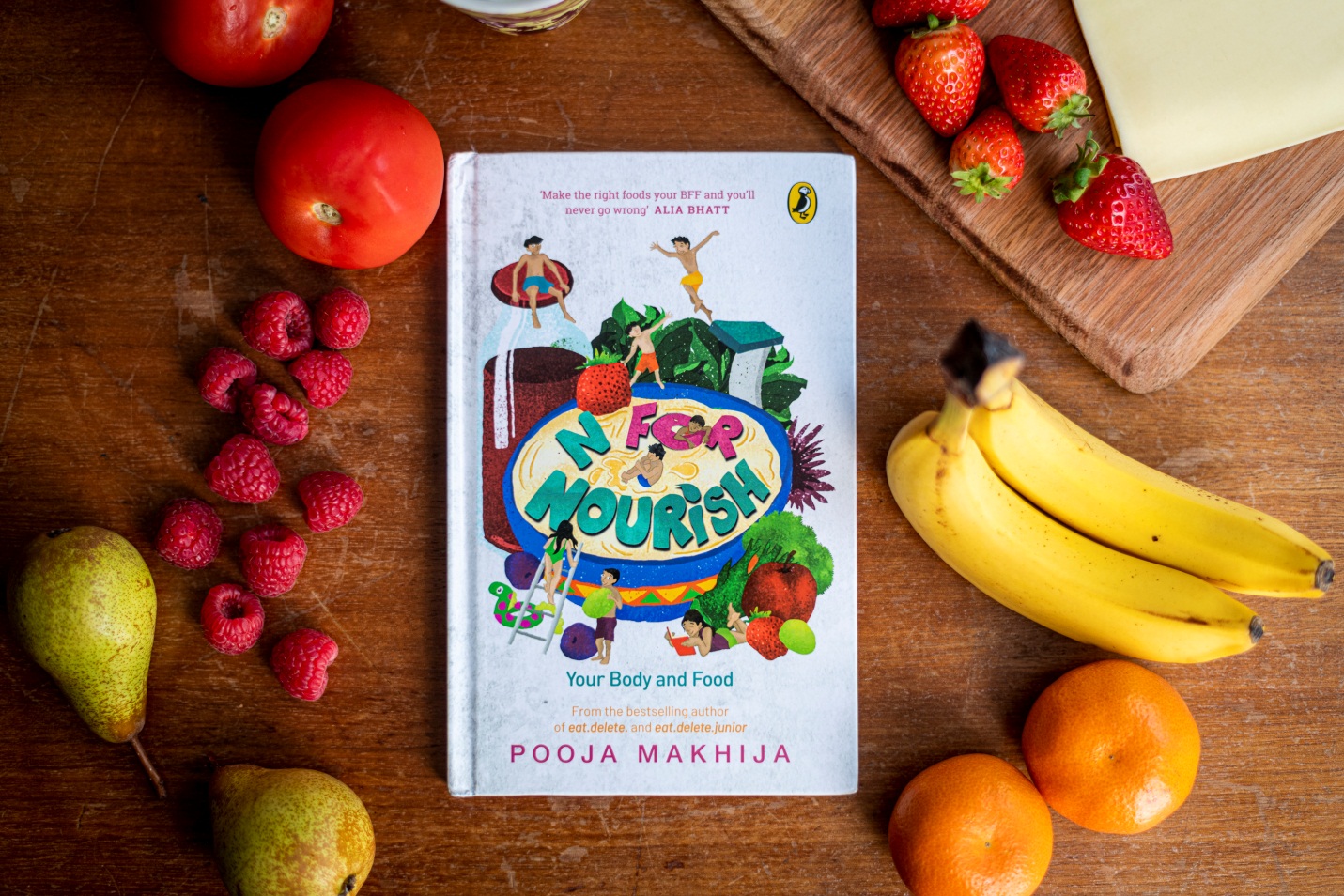
To Eat or Not to Eat- N for Nourish Sets the Record Straight

In N for Nourish, celebrity nutritionist Pooja Makhija demystifies the misleading theories about food that float around in a market driven by commercial interests of corporate giants. Her book draws attention to the inherent relationship our bodies have with food so that what we eat determines the quality of life we enjoy.

‘You will never not need food. Breakfast, lunch, dinner, snacks—these will be part of your life for the rest of your life. When you’re feeling sick, food can heal you. When you’re feeling tired, food can pick you right back up. By eating right and eating well, food will always be your BFF.’ writes Pooja.


Here are 6 food myths from her new nutrition book for children above the age of 10, N for Nourish, that are finally being busted-


Myth 1: Dieting and fasting help you lose weight

Skipping meals counters your weight-loss plans as it puts your body in a state of panic and consequently, change gears to crisis management mode. Expecting lack of nourishment in the future, the body begins to store fat to supply energy over a longer period.

‘[Pooja Makhija] finds that a lot of older children skip breakfast or have just a small meal because they think that it will make them lose weight. In fact, skipping breakfast or any meal increases fat storage and decreases fat burning. And leads to weight gain. In other words, the more you starve, the more weight you gain.’

 Myth 2: If you feel hungry, you are hungry

Hunger and thirst trigger off similar signals in the brain and this can make us feel hungry when, actually, the body needs water to rehydrate.

‘There is a special centre in your brain that tells you how hungry you are. Similarly, there’s another part of your brain that tells you how thirsty you are. But, here’s the catch: both the thirst and hunger centres are located very close to each other. In fact, they are so close to each other that they are almost like neighbours. This becomes a problem when you are dehydrated as your confused brain cannot make up its mind about whether you are hungry or thirsty. And in this chaos, it makes you feel like eating when you should be drinking.’

Myth 3: All carbs are made equal

Complex carbs are better for your health than simple carbs.

‘When you eat simple, sugary carbs, your body does not have to do much to     convert the sugar in the food into blood sugar. Your sugar levels shoot up, which is why you suddenly feel energized. But it is also why you feel tired later—because your levels crash as quickly as they rise. But complex carbs, with all their fibre and starch, take more time to be converted into energy. And even though it takes longer, the glucose also stays in your body longer, to give you just the right amount of energy you need with none of the side effects.’

Myth 4: Fats make you fat    

An age-old vendetta against Fats is laid to rest here as Pooja Makhija clarifies    how Fats, in the right proportion, form an essential component of a balanced diet.

‘Your body needs fat. Fat is what protects your organs, including your brain. About 60–70 per cent of your brain is made up of fat. In other words, if your brain cells don’t have enough fat, they will not be able to do their job.’

Myth 5: Choose Sugar-free foods for weight loss

Artificial sweeteners imitate the taste of sugar and play on the fragile sensibilities of weight watchers. They dupe consumers into thinking that sugar-free means less calories, which tends to increase consumption and eventually lead to weight gain. This, in addition to the various side effects, makes these a bad gimmick to fall prey to.


‘One of the worst offenders is HFCS or High Fructose Corn Syrup. HFCS has many horrible side effects including the possible development of heart disease, cancer, cholesterol and diabetes, as you may get older. And, to top it all, it leads to quick weight gain.’

Myth 6: Only exercise can burn calories


Eating at regular intervals offers fuel to the body in the form of calories which it burns to aid digestion. The external exercise we do is additional to this ongoing process.


‘Digestion, like eating, breathing or even sleeping, burns calories. So, if you eat every two hours, you can burn calories even without running, jumping, playing or exercising. It’s almost like going to the gym!


Keeping the fun in food alive, N for Nourish shines a light on the hidden devils of the food world. Perfect for kids ages 10+ .Get your child a copy today!

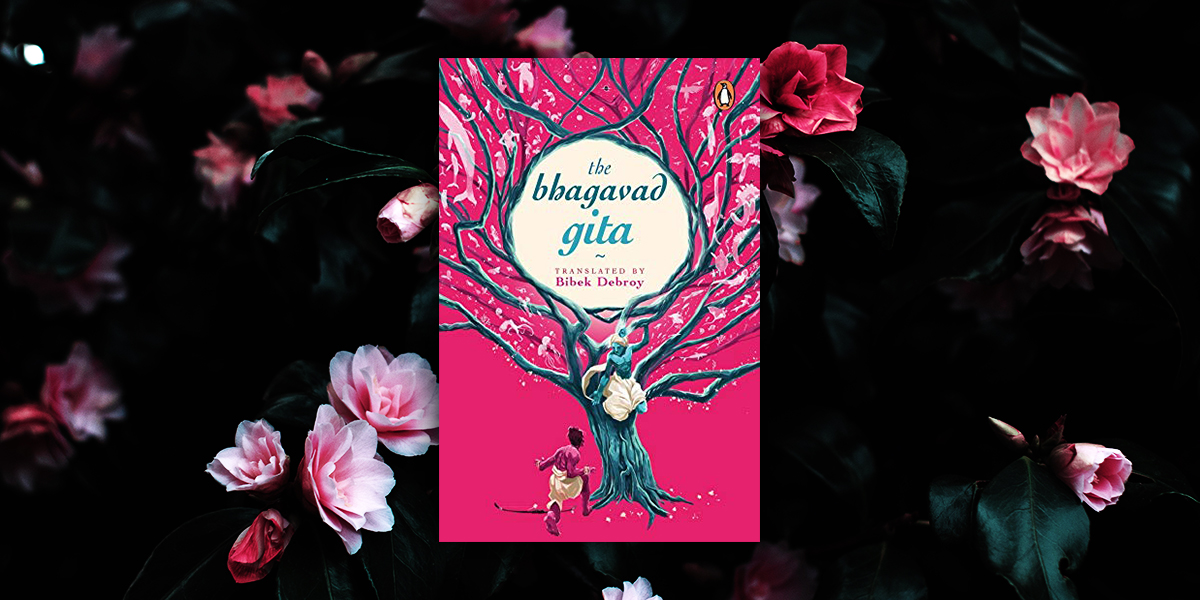
An Excerpt from Bibek Debroy’s Translation of ‘The Bhagavad Gita’

As far as traditional Indian stories and lore go, The Bhagavad Gita is an enduring and nuanced reflection of the relationship between action and consequence, agency and choice. Bibek Debroy’s translation of the book is highly relevant and now accessible to a whole new generation of readers.

Here’s an excerpt that presents a glimpse into the insights this book has to offer!


‘Without performing action, man is not freed from the
bondage of action. And resorting to sannyasa does not
result in liberation.’

~

‘No one can ever exist, even for a short while, without
performing action. Because the qualities of nature force
everyone to perform action.’

~

‘The ignorant person who exists by controlling his organs of
action, while his mind remembers the senses, is said to be
deluded and is a hypocrite.’

~

‘O Arjuna! But he who restrains the senses through his mind
and starts the yoga of action with the organs of action, while
remaining unattached, he is superior.

~

‘Therefore, do the prescribed action. Because action is
superior to not performing action. And without action, even
survival of the body is not possible.’

~

‘O son of Kunti! All action other than that for sacrifices
shackles people to the bondage of action. Therefore, do
action for that purpose, without attachment.

~

‘Earlier, Prajapati created beings, accompanied by a
sacrifice and said, “With this, may you increase, and may
this grant you all objects you desire.’

~

‘Through this, cherish the gods and those gods will
cherish you. By cherishing each other, you will obtain that
which is most desired.’

~

‘Because, cherished by the sacrifice, the gods will give you all
desired objects. He who enjoys these without giving them
their share is certainly a thief.’

~

‘Righteous people who enjoy the leftovers  of sacrifices
are freed from all sins. But those sinners who cook only for
themselves live on sin.’

~

‘Beings are created from food and food is created from rain
clouds. Rain clouds are created from sacrifices and sacrifices
are created from action.’


Full of life-lessons and thought-provoking debates on morals, Bibek Debroy’s Bhagavad Gita is more relevant than ever.

5 Things ‘Listen to the Whispers’ will Teach your Little One

‘You are more than you think you are.
More than a girl or a boy. More than your name.
More than the number of years you have lived.’


Author Trishla Jain writes books for children that bring families together to explore spirituality in a light, magical way. Here’s why you should read her book Listen to the Whispers to your little one to enlighten them with a deep mindful living.


This book allows you to have a beautiful conversation about their individuality and their full potential through simple words.

This beautifully realized picture book offers answers to questions such as ‘Who am I?’ and ‘Why am I here?’


With easy-to-follow prose, teach your young ones to never stop reaching for the stars

.

As the kids run with the tigers and dance with the wolves in Listen to the Whispers, let them explore the majesty of the earth and recognize how magnificent they are!


Teaches them to always listen to the whispers within, their consciousness, and let love light the way.


Grab your copy of Listen to The Whispers today!


Battling Bullies with the Heroes of the 1857 Uprising

Deftly weaving the everyday battles of siblings Rattu and Poorie into those of the famed heroes of the past such as Rani Lakshmi bai of Jhansi and Nana Sahib of Kanput to the last Mughal Emperor, Bahadur Shah Zafar, Parvati Sharma brings history home to her young readers.  Her soldiers don’t come charging onto the pages of her new book, Rattu & Poorie’s Adventures in History; instead they gently pat their horses goodnight and eat ice cream cones with their young friends. And yet, they tell stories of legendary battles where they took extraordinary decisions in a crisis, stood up for what they believed in and refused to be cowed into submission.

Here are the heroes who took Rattu and Poorie on their adventures and the lessons they teach the children:

LAKSHMI BAI AND JHALKARI BAI

Like two sides of a coin, victory and defeat come to each one of us. It is important to celebrate one and learn from the other. Having fought many wars, the courageous Lakshmi bai and Jhalkari bai share this wisdom with the children-

As the horses carried the soldiers, the two sisters and Damodar Rao, back home, Rattu said, ‘Did you fight many wars?’

‘Yes,’ said Lakshmi Bai, ‘lots.’

 ‘Did you win all of them?’ asked Poorie.

 ‘Nobody can win all wars,’ said Jhalkari Bai.

NANA SAHIB AND AZIMULLAH KHAN

Azimullah Khan emphasizes the need to stand up to bullies with courage and to never give up without trying –

‘Another way,’ said Azimullah Khan, ‘would be to say we tried.’

‘Trying is not the same as winning,’ said Poorie.

‘Maybe not,’ said Azimullah Khan. ‘But if some big bullies took your ice-cream, wouldn’t you want to try and get it back?’

Poorie thought about it. ‘I suppose so,’ she said.

BAHADUR SHAH ZAFAR

Grampa Ajju and Mughal badshah Zafar reflect on how anger makes us take bad decisions that we tend to regret later-

‘Poor cook,’ said Poorie.

‘Yes,’ said Zafar.

‘It wasn’t really his fault,’ said Rattu.

 ‘Babur was angry,’ said Ajju. ‘Anger makes you take bad decisions.’

‘Once I stomped on Poorie’s bed,’ said Rattu.

‘Oh, I see,’ said Zafar. ‘Did you take your shoes off?’

 ‘No,’ said Rattu. ‘I made a muddy mess.’

‘Well,’ said Zafar, ‘better stomp on beds than heads!’

‘Did you make bad decisions?’ said Poorie.

‘I suppose I did,’ said Zafar. ‘And I certainly had my share of foes!’


Vividly illustrated and peppered with engaging dialogues, Parvati Sharma presents to children a slice of history along with a lesson in life. Read Rattu and Poorie’s Adventures in History.

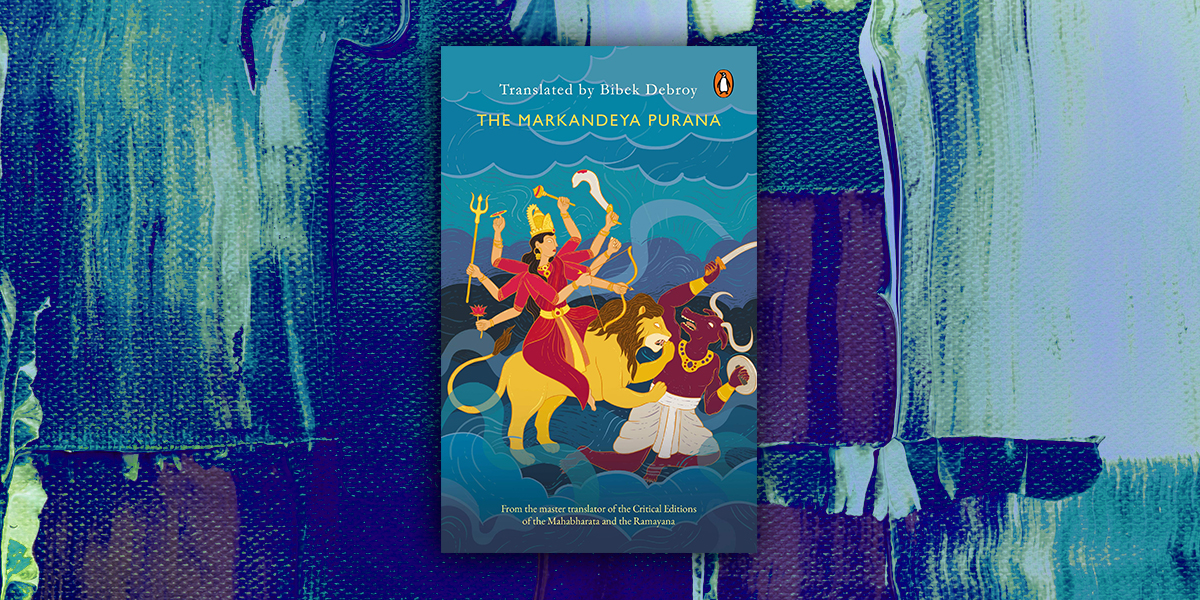
Words of the Sage: Excerpt from ‘The Markandeya Purana’

Celebrated author and scholar Bibek Debroy’s masterful translation allows a whole new generation of readers to discover Sage Markandeya’s wisdom. His narrative unfolds as a series of conversations with Markandeya that explore the deep, fundamental questions raised by the Mahabharata.

Join in the conversation through this excerpt:

“The Indra among men must not succumb to desire. The lord of the earth must first control himself, then the ministers, servants and citizens. It is only after he knows this has been done that he acts against the enemy. If a king tries to conquer the enemy without conquering these, he is conquered by advisers who have not conquered themselves. He is then bound down by arrays of the enemy. O son! Therefore, a lord of the earth must first conquer desire and the other vices. When he has conquered them, the king conquers. If he has not conquered them, he is destroyed. A wicked king is destroyed by enemies like desire, anger, avarice, insolence, pride and delight. It is remembered that Pandu was brought down because he was addicted to desire. Since he could not control his anger, Anuhlada killed his own son. Aila was killed because he was greedy. Because of his insolence, Vena was killed by brahmanas. The son of Anayusha was killed because of his pride. Puranjaya was destroyed because of delight. Having conquered these enemies, the great-souled Marutta  conquered everything. Remembering this, a lord of the earth must cast aside the six vices. A king must learn from the conduct of a crow, a cuckoo, a bee, a crane, a snake, a peacock, a swan, a cock and iron. Towards the enemy, a lord of men must behave like an owl. At the right time, the lord of the earth must act like an ant. His acts will be known as much as fire in kindling or seeds in silk-cotton. Like the sun and the moon, he must protect the earth through his policy. He must learn from a courtesan, a lotus, a sharabha, a shulika and a woman with heavy breasts. The lord of the earth must formulate policy on the basis of sama, dana, danda and bheda and protect the earth. Like a chandala woman, he must use his wisdom and serve. If he wishes to protect the earth, the lord of the earth must follow the conduct of the five—Shakra, Surya, Yama, Soma and Vayu. For four months, Indra sustains the earth through his showers. Like that, the lord of the earth must nurture the world through his generosity. For eight months, Surya draws up the water through his rays. In that way, the king must collect taxes through subtle means. When it is the right time, Yama acts against both friend and foe. Like that, the king must be impartial in his treatment of the virtuous and the wicked, regardless of whether he likes them or dislikes them. The sight of the full moon fills a man with delight. Like that, when all the subjects are satisfied, the king has followed auspicious conduct.”


Full of wit and enlightenment about life, Bibek Debroy’s The Markandeya Purana is a must-read for adults and children alike.

For the Love of Coffee: Excerpt from ‘Extreme Love of Coffee’

In a lush green plantation in Coorg lurks a friendly ghost with a pocket watch, a mop of grey hair and a large, white mug of steaming hot black coffee. The apparition breathes in the deliciously deep aromas of medium roasted robusta coffee wafting from his mug as he waits, in anticipation, for a conversation with one who loves coffee as much as he did.

Read on for a whiff of the magic that transports Rahul and Neha to a world of dark brews and darker grudges!

The coffee was softly sweet and refreshing. And then, slowly, they sensed the nutty aroma—of walnuts, mild but deliciously bitter. Rahul knew from his readings about coffee that such a delicate sweetness could only come from a fully ripened coffee berry that had been carefully picked and pulped on the ground under bright, clean summer sunshine. Because then the richness of the raw soil would mingle with the golden heat of the sand and soak in the sun to create this rare, luxurious and nutty taste.

The myriad tastes of coffee continued to amaze him, each one so different from the previous and each teasing the senses so delicately. He decided to use this opportunity to educate Neha, who sat nice and close by his side.

‘How do you like the old lady’s coffee, Neha? Isn’t it so beautiful? Can you taste the walnuts?’

There was no response. So, he asked her again. He turned to find Neha sprawled across the cane sofa in deep slumber. She was awake a few minutes ago. When had she fallen asleep, that too so deeply? He shook her, but she was like a log, muscles locked and eyes shut.

Then, without any warning, he felt sleep overcome him too. From far away, it penetrated his body through his eyes, swimming in like a gentle cloud. It narrowed his eyes when it came in and brought a general sense of growing calm that wasn’t there seconds ago. There was a tender but overpowering silence that it cast on him, which was impossible to counter with words, hands or legs, because they were going dead too. In this twilight zone before deep sleep, the mind has no thoughts because it goes pleasantly numb in anticipation of the rest ahead. We love sleep, don’t we?

Rahul could feel himself levitating. He saw the coffee cup on the cane table going farther and farther away, initially a sharp image, but hazy after a few seconds. It then looked like the cup was being taken away by Pooviah or by someone else with a red and white turban; it did not really matter because within a few seconds he too was deep in sleep.

He woke up almost immediately, not in Cottabetta Bungalow or his familiar room in Mumbai, but in some place that looked like a very small café. There were people around him who looked like they were Japanese, seated on low wooden tables, speaking in Japanese and drinking coffee. The entire place smelt of coffee. Neha was there too, sitting by his side, her left hand resting softly on his lap. On the wall was a beautiful painting of a monkey on a horse, with Mount Fuji in the background. A lady in a red and golden kimono came around with white coffee mugs on a lovely looking oval wooden tray.

As the bright red of her dress approached them, she spoke in highly accented English. ‘Welcome back, Rahul-san and Neha-san. Will you have your usual coffee today?’ She then bowed before them. Are we in Japan? Rahul thought.


‘This story has its roots in my long-time love for coffee and a somewhat recent fascination for storytelling and magic realism.’ writes Harish Bhat, author of the bestselling book Tatalog and chairman of Tata Coffee Ltd.

Will Rahul and Neha’s intense love for the aromatic brew help them find their way on their bewildering quest? Read An Extreme Love of Coffee to find out!

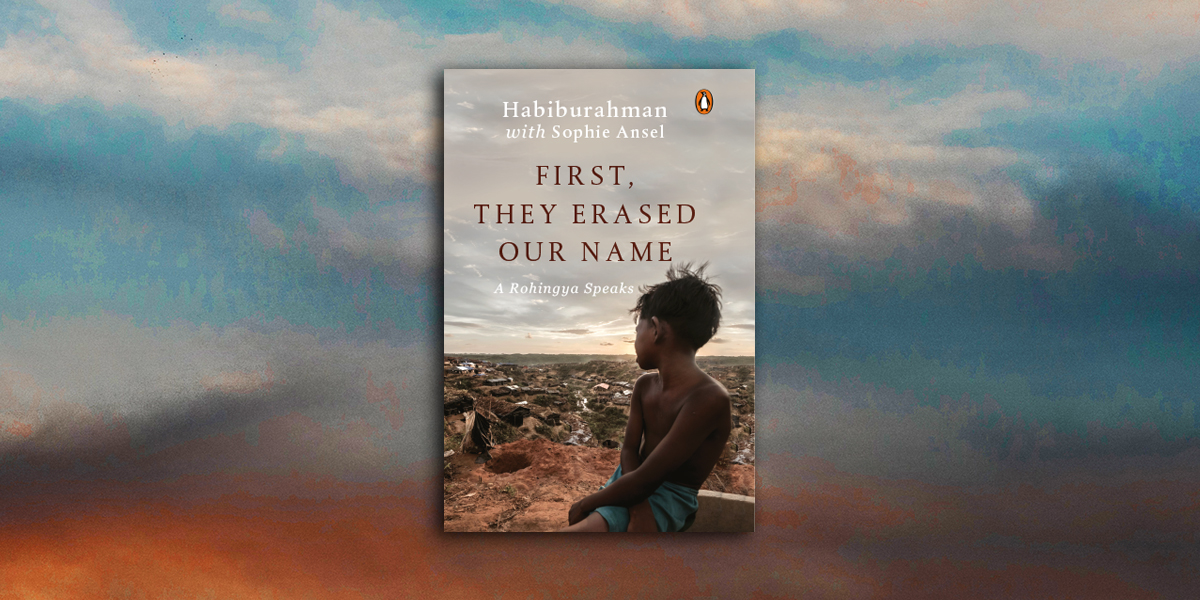
Story of Trauma and Survival: Excerpt from ‘First, They Erased Our Name’

In First, They Erased Our Name, for the first time, a Rohingya speaks up to expose the truth behind a global humanitarian crisis. Through the eyes of a child, we learn about the historic persecution of the Rohingya people and witness the violence young Habiburahman endured throughout his life until he escaped the country in 2000.

The narrative is an intimate and personal portrayal of trauma that endures even today. Here is a glimpse into Habiburahman’s story of survival and his struggles to exist:

“The dictator U Ne Win has presided over a reign of terror in Burma for decades. In 1982, he has a new project. He is planning to redefine national identity and fabricate an enemy to fuel fear. A new law comes into force. Henceforth, to retain Burmese citizenship, you must belong to one of the 135 recognised ethnic groups, which form part of eight ‘national races’. The Rohingya are not among them. With a stroke of the pen, our ethnic group officially disappears. The announcement falls like a thunderbolt on more than a million Rohingya who live in Arakan State, our ancestral land in western Burma. The brainwashing starts. Rumours and alarm spread insidiously from village to village. From now on, the word ‘Rohingya’ is prohibited. It no longer exists. We no longer exist.

I am three years old and am effectively erased from existence. I become a foreigner to my neighbours: they believe that we are Bengali invaders who have entered their country illegally and now threaten to overrun it. They call us kalars, a pejorative term expressing scorn and disgust for dark-skinned ethnic groups. In a different time and place, under different circumstances, kalar would have meant wog or nigger. The word is like a slap in the face; it undermines us more with each passing day. An outlandish tale takes root by firesides in thatched huts across Burma. They say that because of our physical appearance we are evil ogres from a faraway land, more animal than human. This image persists, haunting the thoughts of adults and the nightmares of children.

I am three years old and will have to grow up with the hostility of others. I am already an outlaw in my own country, an outlaw in the world. I am three years old, and don’t yet know that I am stateless. A tyrant leant over my cradle and traced a destiny for me that will be hard to avoid: I will either be a fugitive or I won’t exist at all.”


Habiburahman’s First, They Erased Our Name is an urgent, moving memoir about what it feels like to be repressed in one’s own country and a refugee in others. It gives voice to the voiceless.

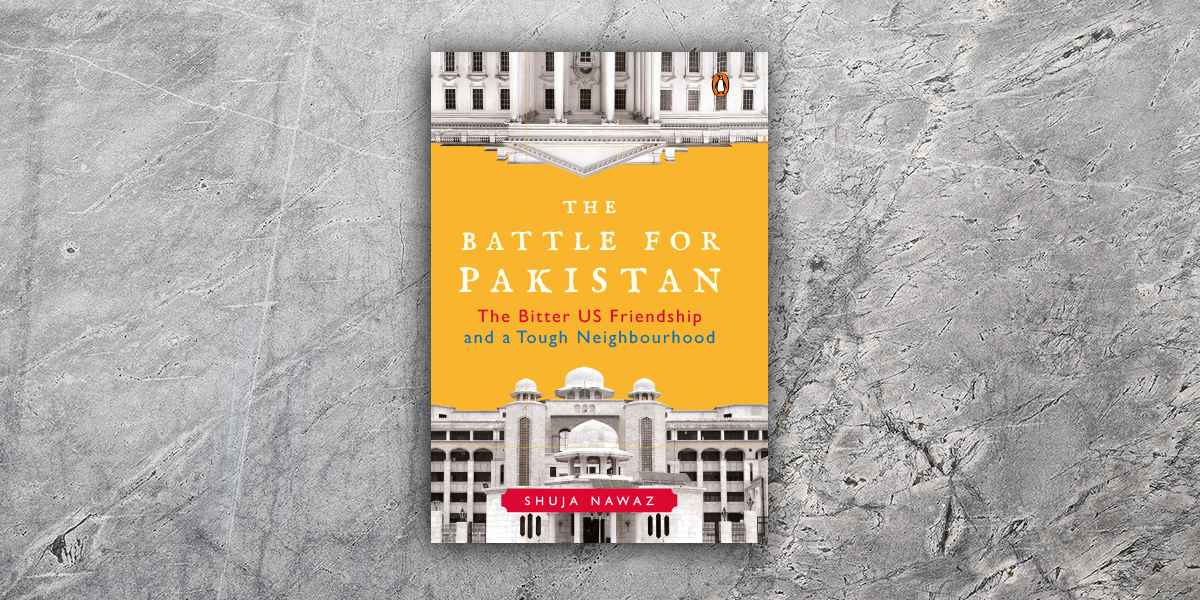
Important Facts about the Pakistan-Afghanistan Relationship We Can Learn from ‘The Battle for Pakistan’

Located at a strategically important point on the map, Pakistan abuts Afghanistan, Central Asia, Russia, China, Iran, India and the Arabian Peninsula. But what sort of relationship does Pakistan share with its neighbors and the US?

The Battle for Pakistan by Shuja Nawaz sheds light on the same. Based on the author’s deep and first-hand knowledge of the regions and his numerous interactions with leading civil and military actors, coupled with his access to key documentation, this book helps understand the complex relationship Pakistan has shared with the USA and its neighbors, Afghanistan and India.

Read on to discover interesting facts about Pakistan’s relationship with Afghanistan.


Little trust between the countries.

There was also little communication or trust between Afghanistan and Pakistan.

As evident by the following event:

On 23 October 2017, President Ashraf Ghani of Afghanistan stated that the Afghanistan–Pakistan Transit Trade Agreement of 2010 is to end since Pakistan did not allow Afghan trucks to go into Pakistan, while Pakistani trucks could enter Afghanistan fully loaded. (milestones chapter)

~

Aid from the US.

(In fact these) two countries had never seen eye-to-eye since the birth of Pakistan in 1947, yet they pretended to go along in order to benefit from the massive US economic and military assistance that was expected to head their way….even as the unlikely alliance crumbled over time.

Pakistan ranked fourth in terms of overall foreign assistance from the US, at 3.4 per cent of total US aid, well behind Afghanistan, which received 26.1 per cent of aid. It was ranked fifth in economic assistance with 3.2 per cent of such aid, again well behind Afghanistan which accounted for 8.4 per cent of economic aid. It also ranked fifth behind Afghanistan in military aid at 3.8 per cent, with Afghanistan leading the pack at 57.5 percent.

This was ironic, since in the eyes of the vice-president of the United States, Joseph Biden, Pakistan ranked much higher on the value chain for the US.

 `

Pakistan’s cooperation with the US for the war in Afghanistan.

Afghanistan, a landlocked country, presented an obvious challenge to the amphibious assault forces, but Mattis brokered a secret agreement with the government (sic) of Pakistan to provide landing beaches and access to an airstrip. Task Force 58 was airlifted into Afghanistan in late November 2001 and was instrumental in the capture of Kandahār, a city regarded as the spiritual home of the Taliban.

 ~

Afghanistan’s relationship with India.

Kayani saw a direct linkage between the stability and future of Afghanistan and Pakistan. ‘It cannot, therefore, wish for Afghanistan anything other than what it wishes for itself.’ He stated firmly: ‘Pakistan has no right or desire to dictate Afghanistan’s relations with other countries. This includes relations with India.’ This must have been music to the Americans’ ears, but the reality on the ground was at a tangent from this statement of Pakistani policy; Pakistan wanted Afghanistan, at every step, to expunge India’s presence and influence.

~

Looking at the future.

Meanwhile, in Pakistan’s western border region, the potential for economic interaction with Afghanistan still remains more a hope than a reality. Decades of distrust and the underlying Indo-Pakistani rivalry inside Afghanistan will stand in the way of better integration, despite the aspirations of the new Afghan leadership to make Afghanistan a regional trade hub and a revived terminus of the Grand Trunk Road that links Kabul to Dhaka.

 ~

The book claims: The future of Afghanistan is inextricably linked to the future of its neighbor Pakistan. To discover more interesting facts about Pakistan’s relationship with Afghanistan and the US, grab your copy today!

Spooky Books to Read this Halloween!

Halloween is here and we know how you can make it even more spooky!

Check out these books which will make you want to sleep with the lights on:

The Puffin Book of Spooky Ghost Stories

In this spine-chilling collection you will encounter a creepy spirit that occupies a deserted bungalow, the reincarnation of a goddess who wants the sacrifice of blood, an ominous swing that makes one fly far away into a dark, deathly world, and the sheer wrath of the dead.

Written by the best contemporary authors including Ruskin Bond, Jerry Pinto among others, The Puffin Book of Spooky Ghost Stories will have horror-story addicts craving for more.

Whispers in the Dark: A Book of Spooks

For all those who have trembled through Ruskin Bond’s tales of horror and mystery, here’s another collection of strange and dark stories from the master storyteller. Within these pages you will befriend Jimmy the jinn who has trouble keeping his hands to himself, be witness to the mischief of the Pisaach and Churel who live in the peepul tree, and find yourself in the company of a bloodthirsty vampire cat, among other tales and curiosities that are guaranteed to send a delicious shiver down your spine! Written in Bond’s inimitable style and riveting to the core, this beautifully illustrated book is a must-have for anyone with a taste for the macabre.

The Curious Case of the Sweet and Spicy Sweetshop 

Making and selling sweets day after day is the life of Vishnudas Mithaiwala, the owner of The Sweet and Spicy Sweetshop. However, when Laddoo appears at his doorstep one night, claiming to be his estranged sister Revati’s son, Vishnu’s life is thrown into confusion.
And Laddoo, worried about his parents, who have suddenly disappeared, is thrown another curveball-he senses a ghostly presence in the house! When a plot to steal the Mithaiwala family’s valuable recipe book is hatched, Laddoo tries to use this new psychic ability to save the day.

The Wind on Haunted Hill


The wild wind pushes open windows, chokes chimneys and blows away clothes as it huffs and puffs over the village by Haunted Hill, where Usha, Suresh and Binya live. It’s even more mighty the day Usha is on her way back from the bazaar.
In search of shelter, Usha rushes into the ruins on Haunted Hill, grim and creepy against the dark sky. Inside, the tin roof groans, strange shadows are thrown against the walls and little Usha shivers with fear. For she isn’t alone.

House of Screams 

When Muneera finds out she’s inherited her uncle’s old house on Myrtle Lane, she decides to move in with her husband, Zain, and their three-year-old son, Adnan. The promise of saving money and living in one of Bangalore’s nicest areas has them packing up their old lives at their tiny apartment and shifting to this sprawling bungalow.
But they soon realize there’s more to the house than its old-world charm.

Boo 


A collection of short stories, Boo by Shinie Antony will give life to your fears. Penned by Shashi Deshpande, Kanishk Tharoor, K.R. Meera, Jerry Pinto, Usha K.R., Jahnavi Barua, Manabendra Bandyopadhyay, Ipsita Roy Chakraverti, Jaishree Misra, Kiran Manral, Madhavi S. Mahadevan, Durjoy Datta and Shinie Antony, the tales in Boo will send chills down your spine.

Haunted


Haunted chronicles the real-life adventures of paranormal investigator Jay Alani in ten of the spookiest locations in India. Co-authored by Neil D’Silva, these exploits provide a ringside view of these hair-raising paranormal journeys for everyone who has an interest in exploring the dark side of the normal.


Which book will you be reading this Halloween?

error: Content is protected !!