Publish with Us

Follow Penguin

Follow Penguinsters

Follow Penguin Swadesh

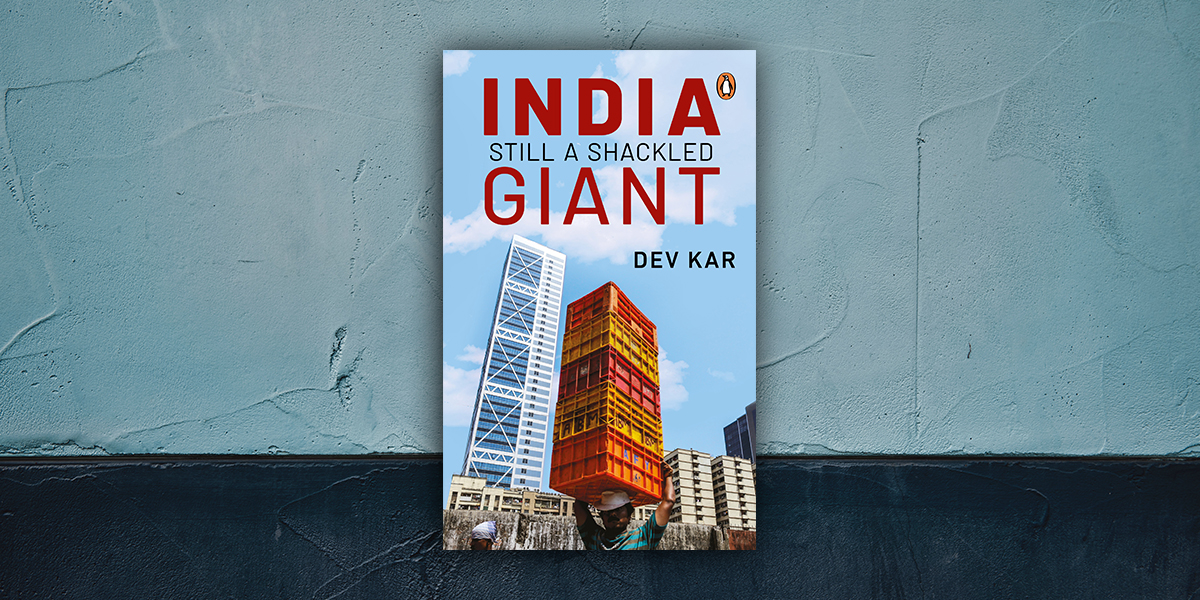
Growth and Governance: Excerpt from ‘India: Still a Shackled Giant’

India is one of the largest economies in the world today and it has been predicted that it would become the third largest economy by 2030. Yet, an average Indian is worse off than his counterpart in other developing nations like Algeria, Indonesia, Mongolia and Morocco. The tethers of corruption and fragility have prevented it from becoming an Asian Tiger.

Author Dev Kar, a former senior economist at the International Monetary Fund, delves into the nooks and crannies of the Indian economy in a closely researched narrative in an attempt to chart out a path forward.


While a number of books have been written on India’s governance, this is the first to assess specific weaknesses in relation to other countries in the world. Assessments of governance and fragility are necessarily subjective in nature. Nevertheless, readers will find a clear picture of the country’s state of democracy and how it has evolved under successive governments. The central message is that good governance is fundamentally important. As I describe, even strongly governed advanced countries have paid a steep price for relaxing institutional oversight and overlooking corruption. Surely, then the risks arising out of a failure to govern are much higher for India. Yet, in the pursuit of high rates of economic growth, economists often lose sight of the need for inclusivity and sustainability. Together, these determine the quality of life of citizens, regardless of whether they are rich or poor. Truly, even the rich cannot insulate themselves from the fallout of poor governance. After the book went to press, signs have emerged of a sharp slowdown in economic growth. Policy measures such as tax cuts, liberalizing business regulations, increasing government expenditures and lowering interest rates may indeed counter the slowdown and avoid a crash. However, if underlying weaknesses in governance remain unaddressed, the slowdown can again emerge to derail growth. Tagore once said that when designing a chariot, we need to think not only of how fast it can go but also consider the depth of the ditches lying across its path. Without good governance, growth tends to occur in spurts and fails to improve the lives of the vast majority. A large part of the problem is that policymakers often avoid asking a basic question—whose growth are we talking about? Does growth further enrich the rich or are the benefits shared equitably by all? There is no denying that economic growth, over the past two decades, have lifted millions out of poverty. Yet, India has one of the world’s most unequal distributions of income. A main reason is that even though India achieved impressive rates of growth, entrenched corruption led to bad investment choices. Meanwhile, poorly educated and unhealthy workers could not take advantage of economic growth no matter how high they were. Thus, the benefits of growth accrued mainly to the top income brackets. In time, rising income inequality can align with other factors to undermine the sustainability of economic growth. You would think politicians would boost investments in health and education to preempt these forces. Not necessarily. Because the return on such investments takes a long time to mature, they remain unattractive to politicians fixated on short-term electoral cycles. The book deals with a wide range of such issues explained in a manner that can be appreciated by the general public. For instance, how do dirty politics nurture poor governance, corruption impact economic growth, black money drive income inequality, and weak institutions breed more corruption? Sometimes issues are explained through the lens of current events and personal experience while in other instances, I cite developments in the United States and other countries to contrast differences in governance. It took me a year and a half to write the book. In the process, I discovered an India I was unaware of. Perhaps, these discoveries would also surprise readers. Under the glare of evidence, my criticisms of the status quo may seem harsh but ultimately it was an abiding love for India that led me to write the book.


India: Still a Shackled Giant is a critical roadmap to understand the strengths and weaknesses of our country’s economical structures. Get your copy today!
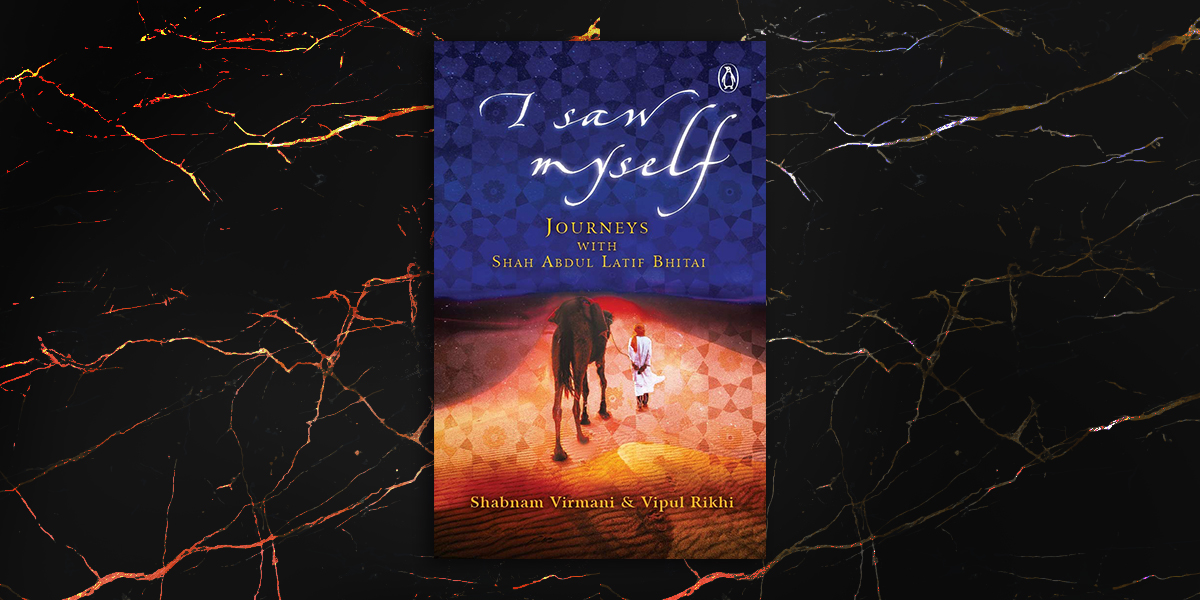

 

Who was Shah Abdul Latif Bhitai?

Travelling into the stark deserts of Kutch, I Saw Myself by Shabnam Virmani and Vipul Rikhi explores the contemporary presence of epic love legends of the region, such as Sohini-Mehar and Sasui-Punhu, brought to throbbing verse by the powerful eighteenth-century Sufi poet Shah Abdul Latif Bhitai. As the authors travel to villages to meet folk singers and lovers of Latif’s poetry, immersing in sessions that stretch into the night, they unearth a unique, thriving love-soaked ethos in which the call to oneness rings out like a defiant manifesto for our divisive times.

Retelling epics along with other tales and historical events that created the field of experience from which Shah Latif’s poems sprang, I Saw Myself brings into English a selection of his finest poems. A spell is cast, of story and song, of metaphor and meaning. The insights that emerge are subtle, even startling, radical at times, solace-giving at others, but always deeply meaningful.

Here’s what you should know about the famed poet!

Shah Abdul Latif lived from 1689 to 1752 CE, writing most of his poetry in the first half of the eighteenth century.

Soon after his birth, the Mughal empire in Delhi began to collapse and a Sindhi religious sect from Balochistan— the Kalhoras—gained ascendancy, ruling Sindh during much of Shah Latif’s later life, a time of relative political stability in Sindh

Latif is widely held to be the greatest poet of the Sindhi language. Most of his poetry was collected into a single work now referred to as Shah Jo Risalo.

Latif was born in a village called Hala Haveli in Sindh in a prominent Sayyad family (held to be descendants of Prophet Muhammad himself).


To read more about him, get your copy of I Saw Myself today!

The Encounter Specialists: An Excerpt from ‘The Class of 83’ 

At a time when Mumbai was plagued by underworld gangsters like Dawood Ibrahim, Iqbal Kaskar and Chhota Rajan, the batch of 1983 from the Police Training School (PTC) in Nashik-trained by the legendary Arvind Inamdar-produced a group of prominent encounter specialists who have been credited with bringing back the rule of law in the city.

Famed even within this batch, trigger-happy senior police inspector Pradeep Sharma understood that to save the city from the clutches of the underworld, he would need to dilute rival gangs. The Class of 83 delves deep into the most famous (or infamous) encounters conducted by Sharma and his batch mates. Pradeep Sharma was arrested by the same department he had served for two-and-a-half decades. He faced the ignominy of jail, clubbed in the same cell as the criminals he had arrested. However, he fought for his honour, was acquitted and reinstated into service.

Here is an excerpt from this one-of-a-kind story of a policeman’s triumphs, struggles and redemption-


‘I will get you this man, sir,’ Sharma said, even though he was not sure how he was going to do so.

‘Shabaash,’ Karkare said. ‘Keep it confidential, Pradeep. This is a matter of national security.’

Initially, Sharma’s search for Abdul Latif led him to many dead ends. The phone number turned out to be a prepaid number which had been issued without proper scrutiny of the address. These were early days for the mobile service providers in India. Document verification was not stringent. Sharma tapped his entire network of informants but gave them only the details they needed to know without revealing the context.

Sharma’s hunch was that Latif was in a Muslim dominated locality near a mosque. The possibilities of this theory were endless. In fact, every Muslim dominated locality would have a mosque nearby, similar to other religions and their places of worship. Yet, Sharma made one of his most trusted informers, Saleem, speak with many imams of mosques in the suburbs to find out if any suspicious person had turned up for offering namaz at their mosque recently. Saleem also got in touch with several real estate agents to see if any untoward person had rented out a flat in their locality. But unfortunately, no leads emerged from these efforts.

In 1998, Mumbai Police had come across a bizarre case of a bleeding man walking out of a toilet of a masjid in south Mumbai. It turned out that the man was trying to assemble explosives in the toilet, and it had detonated accidentally and injured him. The bleeding man abruptly left his device in the toilet and escaped on foot, while his white clothes were drenched with blood and he was bleeding all over his face and neck. Then Police commissioner R.H. Mendonca and Crime Chief R.S. Sharma had stepped into a Mumbai masjid for the first time to inspect the spot. However, the crime branch eventually found out that it was a Pakistani who had been staying in a Muslim locality in Nirmal Nagar in Santacruz for six months with a different name.

Sharma presumed that people who visited mosques frequently would notice a stranger and they would share this information with the police. But this time Sharma drew a blank. The only fall-back option now was the mobile number Karkare had given him. Back then there weren’t any sophisticated cellphone tapping capabilities, but Sharma had managed to procure a crude telephone tapping equipment from his sources in the department and set it up in the CIU office at Andheri. Over a listening period of two days, Sharma had figured out that Latif was in an area which had a mosque nearby because the azaan of morning prayer which could be heard distinctly in the background. The area also had a cowshed nearby because the mooing of cows and buffaloes was loud and clear. Sharma called a team of constables into his cabin.

‘How many mosques in Mumbai have a cowshed nearby?’ he asked.

His men were stunned by the question. They were unsure if Sharma was testing their knowledge as many Mumbaikars take immense pride in knowing trivial details about the city like the routes of the BEST buses, the famous delicacies of each area, renowned roadside shops located in the many by-lanes of Mumbai. The constables merely smiled and stared back at Sharma.

‘No one is allowed to go back home until I have this information,’ Sharma said, looking serious.

The constables rushed out of his room. In a few hours, they reported back to Sharma. There were five possible areas matching his description: Cheetah Camp in Mankhurd, Kurla Pipe Road, Amrut Nagar in Mumbra, Thane, and places in Jogeshwari and Goregaon.

Sharma had been continually discussing the case with Hemant Karkare, who was aghast to hear that the terrorists had bigger plans up their sleeves. Kandahar was being tracked by media across the globe. Already, India was being portrayed as a soft state which had been forced to the negotiating table by a rogue group of terrorists. Prime Minister Atal Bihari Vajpayee had climbed down from his aggressive posturing that the Indian government would not engage in any negotiations under the threat of the gun. Now, the government was seeking solace in the fact that the terrorists had apparently scaled down a lot of their demands. India’s image was being tarnished by the international media.

But the government was also concerned for the lives of the 190 civilians. The Indian national whom the hijackers had stabbed had bled to death. The innocent man was returning from his honeymoon trip with his newly wed wife. The pressure on the government was immense, and it was understandable that the lives of the citizens were being made a priority over other considerations. Indian agencies like RAW had also taken a severe beating that an incident like this had occurred in the first place. Meanwhile, Sharma briefed Karkare about the four locations he had zeroed in on. But launching a manhunt at these locations required sizeable manpower which could compromise the secrecy of Karkare’s mission.

‘We can’t take any more damage,’ Karkare told Sharma.

‘Sir, I am close to catching our man.’

‘Pradeep, only the result will count!’ Karkare said. ‘What is your next plan of action?’

‘I’m tapping my resources in the telecom operator to get a tower location on Latif’s number.’

‘Time is against us,’ Karkare replied. ‘Arrest Latif at all costs and soon.’


Hussain Zaidi takes us deep into the brutal world of the men in uniform who put their lives on the line to fight terror.

Read The Class of 83 to meet the men who made dreaded criminals fear death by encounter!

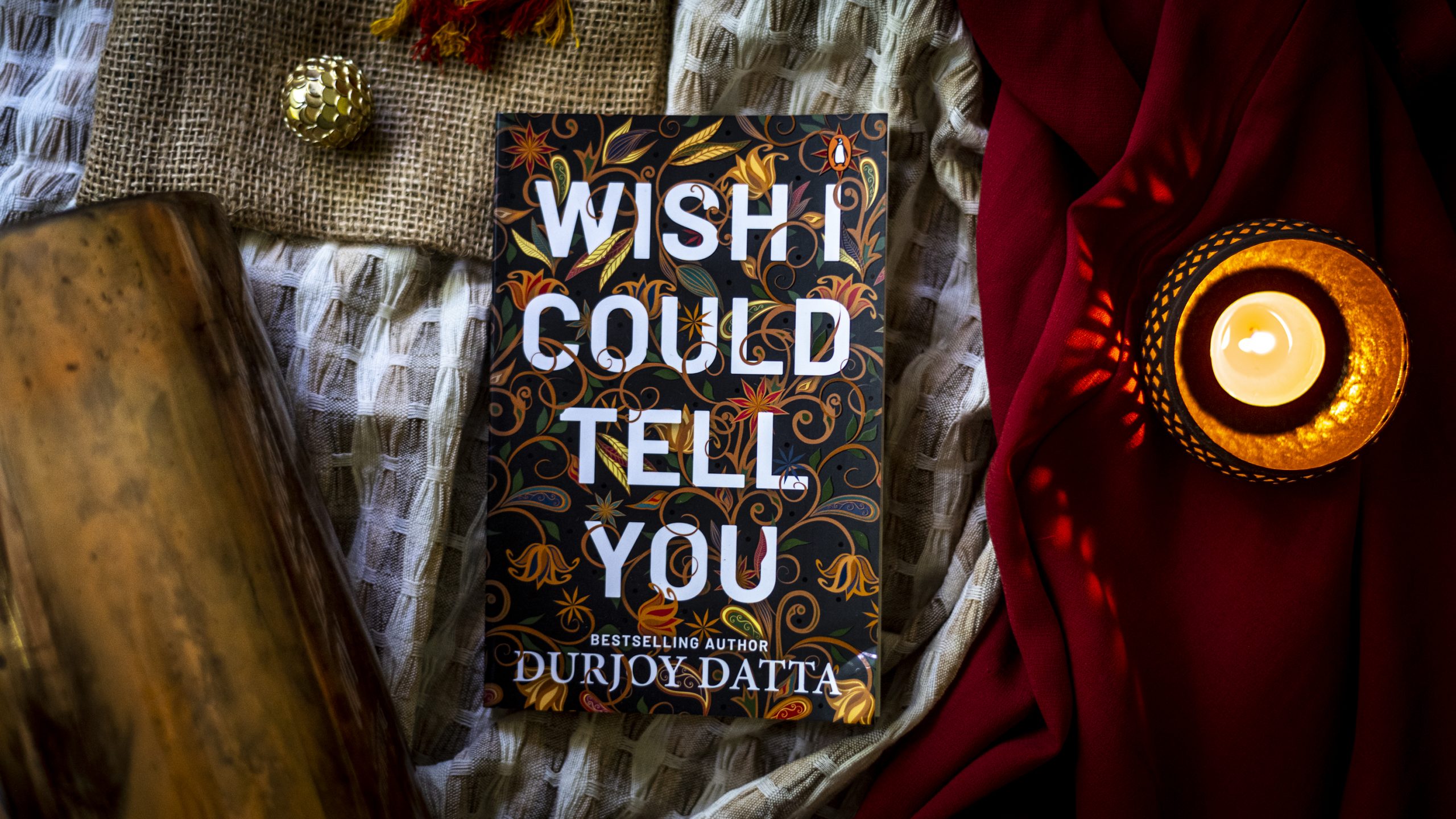
Meet the Characters from ‘Wish I Could Tell You’

Anusha is disillusioned and heartbroken, she finds herself struggling to work for WeDonate.com, a charity. On the opposing side is Ananth who finds no cause to be too small to support.

They can’t escape each other when their lives entangle in a way that moving together is the only solution.

Meet the complex characters from Durjoy Datta’s new book,Wish I Could Tell You:

Ananth Khatri:

A young twenty-three year old boy who is the only son of a set of religious, over-protective and sometimes possessive set of parents. Ananth is  sincere, loving and filled with endless empathy. At 5’10”, He is the tallest member of his family.

“My growing up has been hard on them. If they could, they would choose the three-year-old in a white frock over the twenty three- year-old they are struggling to get into a blazer.”

Anusha Sardana:

She is an only child living with her mother and aspires to be a writer someday. Her father’s death left a big hole in her and her mother’s lives and they have not been able to recuperate and move on since it happened seven years ago.

“At night, to celebrate, Mumma and I ordered Chinese. We put out a plate for Baba. The chowmein on his plate swam in soya sauce and chilli vinegar. Just like Baba used to like it.”

Saraansh Gupta:

He is a fresh out of movie-school graduate. His family is against him pursuing his education in this field and have stopped talking to him, cut a huge chunk of his finances and they are threatening to take away his car the driver. They want him to get into the family business of buttons.

“Saraansh orders a skinny latte and sits in the far corner of Starbucks. He’s nervous but pumped. This meeting is going to be his big break, he can feel it in his bones. He’s smiling thinking of the future…”

Rachita Somani:

She has been at WeDonate for three years. The job is leaving tell-tale signs on her face. The intricate crow’s feet at the corner of her eyes, the huge bags underneath, the despondent look on her face,  are unmissable.

“Rachita had come to WeDonate with idealistic notions about people’s niceness, about their philanthropic tendencies. Now she knew that people who donated money to medical campaigns did it for another dopamine hit.”


Find out more about these characters and follow their story in Durjoy Datta’s new book Wish I Could Tell You.

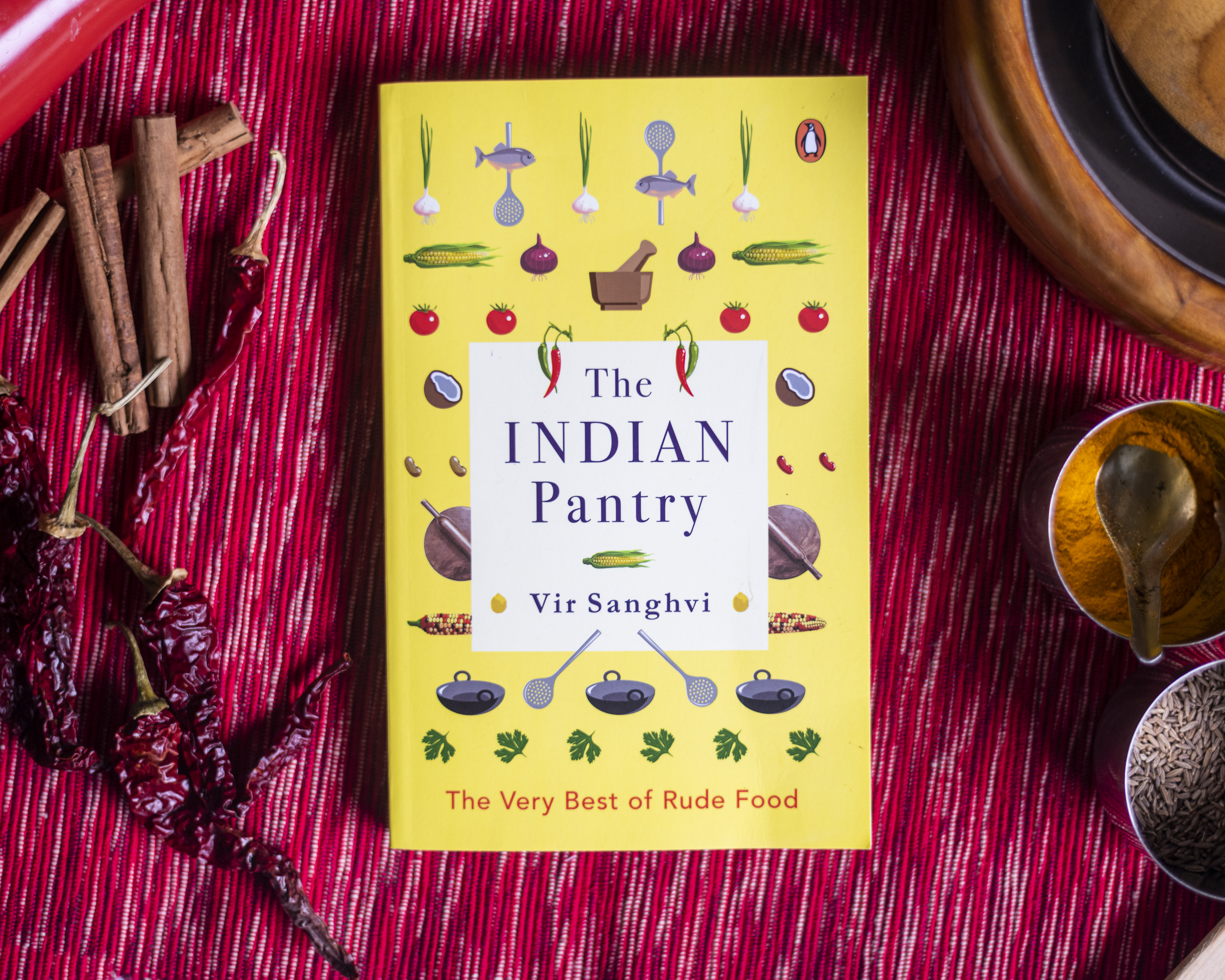
6 Lesser-Known Facts behind Everyday Ingredients!

As the Indian middleclass discovers the world it finds that it has money to spend, that new prosperity is finding its first expression in its food choices.

This is a book that focuses on Indians in the kitchen. It looks at the ingredients that have become available to us, and traces the history of many that we often take for granted.

It also looks at some of the dishes that we regard as essential components of Indian cuisine and considers their origins and the way in which they have spread all over India—and in many cases, all over the world.

Vir Sanghvi’s  Indian Pantry talks about everyday ingredients and unknown facts about them.


Potato can be considered the king of vegetables.You can cook the potato any way you like. You can boil it,roast it, bake it, fry it or cook it in a subzi, and it will still taste as good.

~

There’s a whole generation in the West that has never seen a pea pod and regards the fresh pea as a strange and exotic vegetable.

~

No matter which part of India you go to, there is a great baingan dish: the begun bhaja of Bengal, the bharta of north India, the simple ringan nu shaak of Gujarat or the many wonderful baingan preparations of Andhra, such as vankaya peanut kura.

~

Goans, like the Brazilians, prize the cashewnut, while in the rest of South America, it is the outer cashew apple that is the delicacy.

~

Emperor Akbar planted 1,00,000 mango trees all over India— one reason why the mango’s popularity perhaps extends to every part of the country.

~

The strawberry that we know today, is a hybrid. It was created from the American variety in the nineteenth century when British gardeners cross-bred strawberry plants to create the ‘Keens Seedling’ (one of the gardeners was called Michael Keens), which was a large flavourful strawberry of the sort we eat today.


As the Indian middle class discovers the world, it finds that it has money to spend, that new prosperity is finding its first expression in its food choices.

The food boom is a symptom of a nation that is now confidently exploring the world, if not with its mind, certainly with its stomach! Get your copy of The Indian Pantry for the very best of (rude) food!

Feeling the True Essence of Unconditional Bhakti: Voices from ‘The Love of God’

Between the third centuries BC and AD were written thousands of verses in Tamil that have collectively come to be known as Sangam literature. The expressions of love between a man and a woman in these love poems gave way to passionate expressions of devotional love, where the heroine became the devotee and the hero became God. Through the centuries of patriarchy, women negotiated varied levels of existence and largely went unnoticed until they found a path for self-expression through bhakti or devotion. While the dominant form of worship was to prostrate before God, women found innovative ways of personal expression, often seeing the lord as a lover, friend, husband, or even son. The individual outpourings and the unfettered voices of these women refused to be drowned in the din of patriarchy gathering momentum until this became a pan India movement.

Here are some pertinent voices from For The Love of God!

Muktabai

Where darkness is gone, I live, where I am happy. I am not troubled by coming and going I am beyond all vision above all spheres His spirit lives in my soul. Mukta says: He is my heart’s only home.

~

Meerabai

Your gorgeous kingdom does not please me O king, there are no holy men in your kingdom All are liars and good-for-nothings. I have given up my ornaments Even my bangles O king I do not plait my hair Or apply kajal to my eyes Meera’s lord is the courtly Giridhara.

~

Roopa Bhavani

Selflessness is the sign of the Selfless

Bow down at the door of the Selfless

The selfless are of the highest authority

The Kings of the time and the weavers of the crest and crown.

~

Lal Ded

The trouble of all existence is removed If you call upon Rama Today you will receive happiness If you call upon Rama Let  divali pray to Thee and call Upon Rama.

~

Akka Mahadevi

I have fallen in love, O mother with the Beautiful One, who is without any family, without any country and without any peer; Chenna Mallikarjuna, the Beautiful, is my husband. Fling into the fire the husbands who are subject to death and decay.


In For the Love of God, Sandhya Mulchandani delves deep into historical accounts of these women who fell in love with God.

Curious About Bollywood’s Favourite Chef? Meet Shilarna Vaze!

Shilarna Vaze, chef and founder of Gaia Gourmet, has cooked for the best parties and the biggest stars in Bollywood. In her book Party like a star, she shares the secrets of her scrumptious recipes, advice on picking the right party professionals and the key to indispensible checklists. Thrown into the mix are essential tips for décor, service, and menu planning, as well as expert and celebrity inputs on how to put together a perfect soiree.

Shilarna’s journey from a budding epicurean to becoming a name to reckon with in the catering industry has all the sweet and savoury of her recipes.

Read on to know more about Shilarna Vazé and her super successful brand!

The Cordon Bleu–trained chef Shilarna Vazé has ten years of experience in creating sensational recipes for all preferences. She has successfully curated menus for varied events such as citrus-themed baby showers, all vegan birthdays and delectable brunches.

Juhu girl Shilarna met her chef husband, Christophe, on the beaches of Goa. Being obsessed with food as they are, she calls their union a ‘match made in culinary heaven’ and their daughter Zanskar the ‘star in their universe.’

Shilarna and Christophe opened a restaurant called Gaia, in Goa, where the menu was inspired by all their favourite food. Their decision to move to a big city brought the restaurant and their Goa dream to an end.

While planning a larger canvas for her skills, Shilarna ran a short-lived sushi delivery service called Ninja Sushi.

Agreeing to a request made by a Ninja Sushi client, Shilarna and Christophe catered for a small baby shower which eventually led to the conception of Gaia Home Chef, their wildly popular catering service.

The phenomenal success of Gaia Home Chef led to a change in gears and Shilarna and team launched a gourmet catering company, Gaia Gourmet, which went on to become one of the better-known catering services in Mumbai and Goa.

With Gaia Gourmet, Shilarna and Christophe began catering for big international and domestic brands such as Raw Mango, Chandon and Christian Louboutin while continuing to arrange private home parties.

Shilarna is Bollywood’s go-to chef when it comes to impeccably organised events. She has catered for high-profile celebrities like Priyanka Chopra, Sonam Kapoor, Shahid Kapoor and Aamir Khan.

Shilarna was voted one of the fifty most influential people in the Indian food scene by Conde Nast Traveller.

Shilarna Vazé (popular as Chef Chinu Vaze on Instagram and TV) is a chef, TV host, writer, influencer and mum. She also writes for several publications and blogs.


Putting the spirit of celebrations centre-stage Shilarna writes, ‘There’s going to be laughter in the air and shots going down gullets and hugging and kissing and good cheer. Forget about the society ladies who will dissect whatever outfit you might wear. Forget about the disapproving in-laws who might frown on the money spent. Forget about the stain on the carpet and the crash of wine glasses from behind the scenes. Look for magic and a pinch of salt.’

In a first of its kind, Shilarna’s book offers unique recipes with engaging anecdotes from events she has catered interspersed with messages from her famous clients.

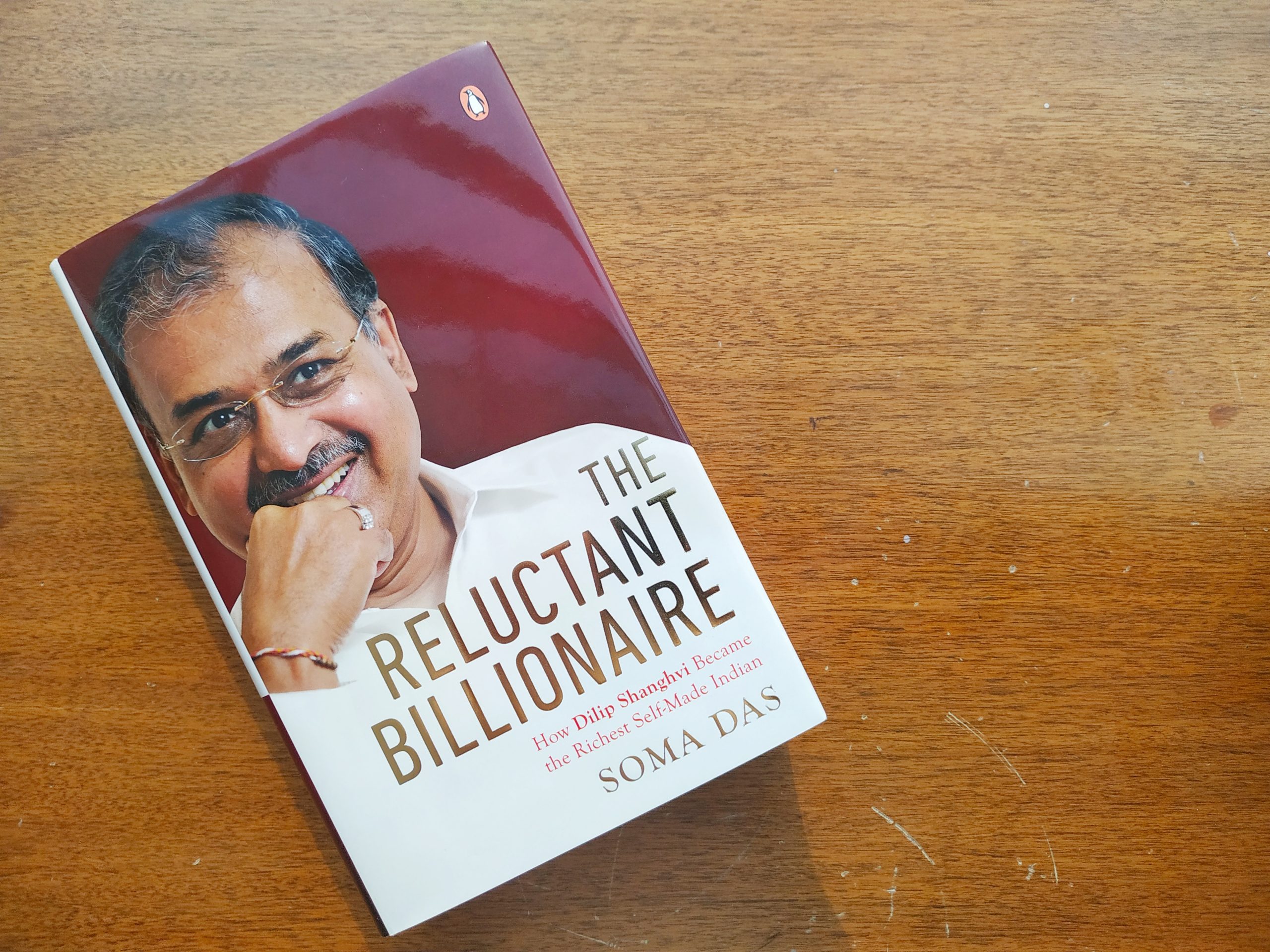
7 Business Lessons from ‘The Reluctant Billionaire’

Dilip Shanghvi, the richest Indian in 2015, is one of the most interesting and least understood business minds whose journey has been shrouded in mystery because of his reticence.

Read on to learn 7 lessons from Dilip Shanghvi’s riveting story of success:

Ambition is the fuel that gives momentum to dreams

Inspired by Ayn Rand’s Fountainhead, Dilip Shanghvi believed in the single-minded pursuit of a singular objective- which, for him, was a flourishing business.

‘Whichever link of the chain Dilip stood on, he didn’t keep standing there but looked forward and backward. In no time, he ended up demystifying the entire chain. What are the margins of those who are supplying to me and of those whom I am supplying to, what exactly are they doing to command that price? Can there be a cheaper way to make, a better way and more alluring market to sell?’

The Best B-school is the world around us

‘Even when I saw a roadside tea stall, my mind would be calculating how many cups would this boy be selling, what would be the quantity of the ingredients—milk, sugar, tea leaves—that he would need, how much money would he be making, and can he do it any better if he changed anything about his business.’

Frugality helps business flourish

‘Luxuries of lifestyle shouldn’t dictate work choices. Once luxuries become   personal habits, they force their way into professional decisions. Keeping your needs simple is a good way to keep your life simple.’

Profit is more important than turnover

‘How much you count at the shop doesn’t matter so much as how much you take home. It’s like this: the cashier at the bank you see deals with lakhs but doesn’t take home more than a few hundred at the end of the month.’

Building trust is key to generating business

‘You make money quick indulging in short cuts but these don’t serve you well if you take long-term view of life because business is all about reputation, and sooner than later, your wrongs catch up with you, the word spreads. And in business, if you lose your reputation, you lose trust, no one is willing to do business with you, the game is over.’

Connecting with clients creates goodwill

‘As Sun grew, this ‘warm efficiency’ culture with customers turned into its single most effective marketing strategy. The ‘professional’ had always been dealt with a personal touch, never in a ‘strip off emotion’ or ‘dry formality’ mode. And every one responds to warm care and respect…’

Mistakes promote progression

‘Dilip believed that if one person made a mistake and owned up to it, it gave thousands of others in the company a chance to learn from; and if people were not allowed to make mistakes, they froze at work.’

Sharing his vision with his friend Hitesh, Dilip Shanghvi once said, ‘Never set a financial limit for your growth. You set out to achieve something. Money will follow. What you need to do is just focus on what you want to do.’


In a nation where a billion dreams gather force on waves of aspiration and ambition generated by success stories such as Dilip Shanghvi’s, The Reluctant Billionaire is a guide for the bold dreamers who set out to make things happen.

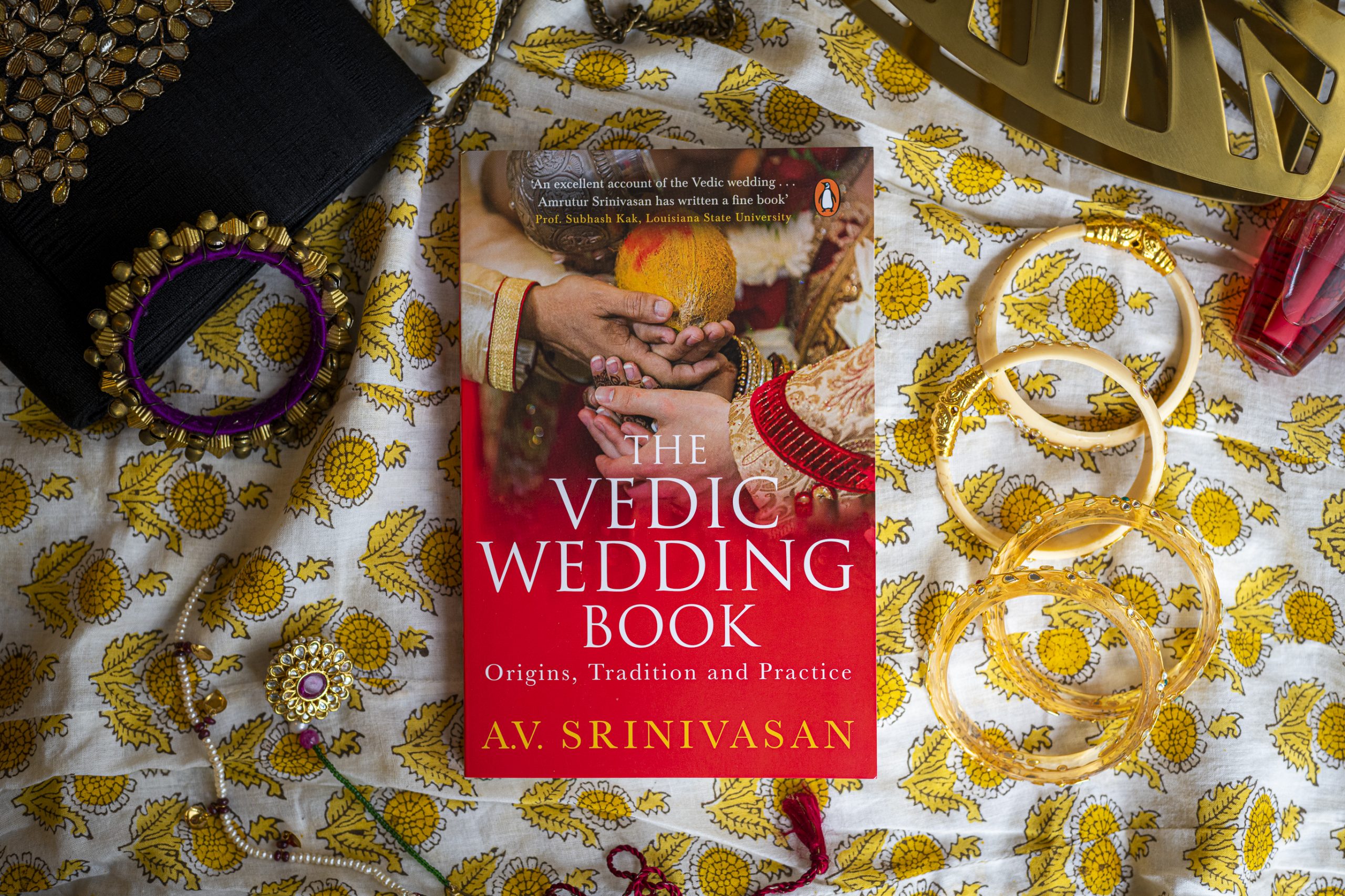
4 Wedding Rituals You (Probably) Didn’t Know About

The Vedic Wedding Book by A.V. Srinivasan digs into the roots of the Hindu wedding ceremony. Mapping the rituals and the traditions from the Rig Vedic times to the present, the author puts forth his exceptional knowledge as a Hindu priest and a scholar. Explaining the origins, variations and significance of each ritual and tradition in a Hindu wedding, the book will make you appreciate the rich Indian wedding culture.

Here we tell you a few wedding rituals which you might have not known about:

In the olden times in India, families used maintain their allegiance to one of the four Vedas. The mantras chanted at a wedding ceremony would depend on the Vedic tradition that was followed by the particular family. Therefore, the meaning of the rituals in these ceremonies also resulted in being different.

During the ancient era, a ritual of worshipping a cow was performed before the wedding. Although this ritual is not followed in modern times, there have been variants of this ritual which are performed in today’s wedding ceremonies when ghee is used as an oblation to be put in a holy fire.

While a wedding ceremony used to be carried out, the bridegroom would show were made the polar star, also known as Dhruva, to the bride, in the night sky, symbolising stability in the marital life of the bride. In recent times, this ritual is not followed literally owing to many factors however it is still performed symbolically in some families.

In some traditions, the ritual of saptapadi is performed where the bride and the bridegroom are made to tale seven steps together. Some variations of this ritual require the bridegroom to hold the right toe of the bride with his right hand, in order to help her take each step. It signifies that Mahavishnu is blessing the bride with the fulfilment of each wish that the bride and groom pray for on each step.


Accessible and engaging, The Vedic Wedding Book presents rich insights into the nuances of India’s wedding culture and its true significance.

Meeting the Queen Bees: Excerpt from ‘Behind Bars in Byculla’

Renowned journalist Jyotirmoy Dey – fondly known as J, Dey – was murdered by members of the Chhota Rajan gang in 2011. A few months later, a fellow journalist and crime reporter Jigna Vora was arrested in connection with the murder. Seven years later, some of which were spent in prison, Jigna was acquitted of all charges.

In the barracks of Byculla, occupying the top rung of a disturbingly hierarchal system are women like the saffron-clad sadhvi Pragya Thakur, accused in the 2008 Malegaon Blasts, and the unforgiving Jaya Chheda- revered by the inmates for her demigod status as Jaya Maa- accused for orchestrating the murder of her millionaire ex-husband. From the cramped corners of her cell, Jigna Vora observes the women she wrote about emerge from the creased folds of old newspapers to wield their power in the uniquely complex world of the prison.


Sadhvi Pragya told me that the article was about a witness recording a statement under Section 164 of the Cr.PC (Criminal Procedure Code) against me. Such a statement recorded in the presence of a magistrate holds weight even if the witness turns hostile at a later stage of the trial, unlike a statement recorded under Section 161, which is recorded in the presence of only the police and is not admissible as evidence in the court. The article claimed that the case against me was now watertight. But I feigned indifference even as my heart beat faster due to what Pragya had told me.

‘People write a lot of things,’ I said. ‘Not all of it may be true.’

‘Exactly,’ she said. ‘You wrote articles about me too. But do you really know what the truth is?’

I stood still, at a loss for words. All this time, I had written about her based on what I had heard, read or investigated. Now, I was on the receiving end from the media, and the most absurd reports were being written about me. I had begun to believe in the innocence of anyone in the jail who claimed to have been framed in the crimes they were accused of. Pragya seemed to sense the unease on my face.

‘I know you haven’t committed the crime,’ she said. ‘These bad times will pass.’

I just nodded and looked through the gaps into her room. It was remarkably clean and well maintained. Some of her clothes had been hung to dry over the clothes line in the passage. Her belongings were neatly organized. The bathrooms inside the cell had no doors. There was a tubelight in the room, and an earthen pot for storing drinking water. She also had a bed to sleep in, because she was suffering from severe back pain. There was also a murti of Lord Krishna, in his childhood avatar. She told me she did puja every day. Looking at the idol, I remembered how my grandmother too used to pray to Lord Krishna.

‘All of this has been allowed by the court,’ she said, referring to the concessions that were made available to her. ‘And don’t worry. Lord Krishna will guide you out of these troubled waters.’

The woman whom I had written against extensively was praying for my safety. I had reported every minute detail on her case, because I had a source in the team that was investigating the Malegaon blasts. Yet, she hadn’t taken it personally. I thanked her for the prayers. In many ways, this interaction planted the first seeds of spirituality in my heart, which I have pursued even after my release from jail. I felt a kind of solidarity towards Pragya.

*

When I approached her, Jaya showed no upfront signs of hostility and offered me a bowl of aam ras laced with saffron. I had grown up in a Gujarati household where mango pulp was a staple for breakfast during the mango season. Tempted, I reached for the pulp, but realized my mistake and pulled back. Jaya coaxed me with a smile, and I gave in. I scooped up a spoonful, and it was the finest Alphonso pulp I had tasted in my life—in Byculla Jail of all places. Jaya smiled with the calmness of a god, as if she had bestowed a favour and turned a sceptic into a believer.

‘Mahale arrested you?’ she asked, in her Kutch dialect.

‘Yes.’

‘I can get you out in no time.’

‘Really?’

‘Yes,’ she said. ‘First, we’ll get them to drop the MCOCA charges.’

I tried to appear impressed, answering in Gujarati and humouring her brouhaha. Senior Inspector Ramesh Mahale was also responsible for Jaya’s arrest, and all her talk of being able to get me out was nothing but a cock and bull story. If that were true, why was she still in jail? But ticking off Jaya would be the wrong move inside the walls of Byculla Jail. I tactfully displayed my acceptance of her superiority by making her feel she ruled the place, and she appeared pleased by the end of our conversation.


Raw moments from a seven-year long battle for freedom make Behind Bars in Byculla pulsate with the undercurrents of prison life. Listen to Jigna Vora’s story, in her own words, of her life behind bars.

error: Content is protected !!