Publish with Us

Follow Penguin

Follow Penguinsters

Follow Penguin Swadesh

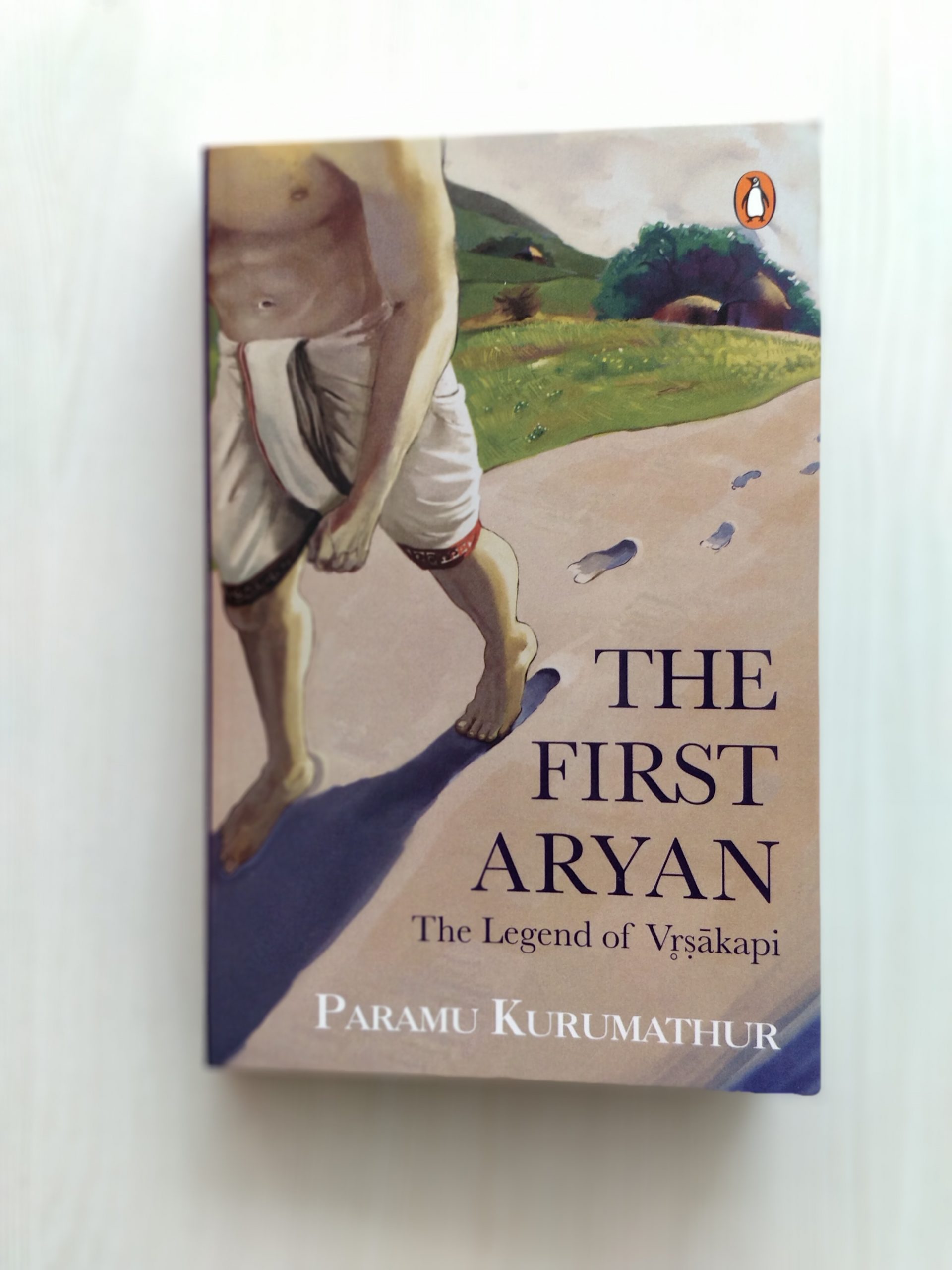
An Excerpt from ‘The First Aryan’

A series of murders have taken place in Parsupur, the capital city of Parsuvarta. Kasyapa and Agastya, two students training to become priests, are asked by their guru to investigate the deaths.

It is an age when Vedic gods are worshiped, religious sacrifices are performed regularly, commerce flourishes and kings are guided by their loyal head priests. But beneath this façade of order lie prejudices and political rivalries, jealousy and power games. This is why the murders, which at first seem to be unconnected, soon lead in the same direction. It is now up to Kasyapa and Agastya to find out the common thread and identify the killer.

Read an excerpt from The First Aryan below:

Kaśyapa’s involvement in the intrigues of the royal family and the priestly circles started that morning. Though he had not wanted it, he was dragged into the middle of a series of extraordinary events that were about to unravel in the kingdom of Parśuvarta.

It all started in the capital city, Parśupur, which was located on the gentle inward curve of the Sarasvatī. There were walls, one hasta thick, on the other three sides of the city. Its area was approximately one eighty-first of a square yojana. The city had three gates—one in the south, about one-third the wall’s distance from the river; another in the north wall, halfway into the west–south-west angled section; and the third in the west wall, halfway into the south–southeast section of the wall.

Eleven of Vasiṣṭha’s twelve students were there, in the study hall outside his house. The younger ones were poring over the alphabet and mathematical tables. Kaśyapa and three of his fellow students were working on astronomical and logic treatises. They would first recite the appropriate verses, as they had been taught by their guru, discuss the meaning and implications among themselves and ask their guru or a senior student questions in case they had doubts. Two older students were working on the theory of sacrifices and the esoteric sciences. It was early morning and Kaśyapa was feeling sleepy. However, he toiled on.

Suddenly, he heard somebody mention a senior student, Atharvan’s, name and looked around to notice that he was missing. He asked aloud, to no one in particular, ‘Where is Atharvan? He should have been here by now.’

‘Maybe the guru sent him somewhere on an errand? Maybe he is back at his house? Was he unwell?’

The study hall was in a thatched shed next to their guru’s house. This was no ordinary shed. It was from here that their guru, Vasiṣṭha, had given the kingdom some of its most accomplished priests and scholars. He trained them rigorously—they had to undergo twelve years of basic education, and then a few more of specialized education if they displayed special talent for any of the subjects.

Kaśyapa shivered slightly. It was winter and the woollen shawl he had around him was not warm enough. A feeble sun was just starting to peep through the trees around Vasiṣṭha’s house. There was a cold breeze that entered the shed through the gaps in the wooden planks that made up its walls.

The smell of burning ghee and soma wafted in from the sacrificial field nearby. It was a smell they had grown up with and had got used to. There were other smells in the air too—the smell of the guru’s wife’s cooking and the distant, though distinct, smell of the river in the air. Kaśyapa listened to the cacophony with a smile, as the sound of several students memorizing their lessons seemed to have grown louder. It reminded him of frogs croaking during the rains.

Just then, Bhārgava got into an argument with one of his peers. ‘Well, the gods either respond to our sacrifices or they don’t. We have to decide which.’ The other student was persistent in his scepticism, ‘They certainly do. I have no argument with that. But . . .’

Kaśyapa interjected, ‘Why can’t it be in between? They respond to some sacrifices and don’t respond to others. Logically, there needn’t even be a disjunction between these two propositions. It is not always an either/or situation.
There can be any number of options in between. Let’s not fall into the trap of a false dilemma. We don’t need more reasons for conflict.’

One of the senior students said, ‘Keep quiet. You don’t understand these things. Are you saying that it is always something in between?’

‘No, I am not suggesting a false compromise either. But whatever be the situation, logically, the gods have no choice.They have to give us what we ask for in our sacrifices. Our guru has told us this many times.’

‘Yes. That is what our guru told us. You, on the other hand, are far too young to argue on the matter.’

‘Well, think about it. If you are fed enough, even if you are a god, you will be happy, won’t you?’

Bhārgava was not happy. ‘You are irreverent. I have half a mind to report you to our guru. Now, shut up and do your astronomy.’

Kaśyapa turned to his fellow pupil, Agastya, and said, ‘It is known that the planets go around the earth. It can be proved by the fact that . . .’

They were interrupted by their guru’s wife, Arundhatī, bringing in their morning snacks.


The First Aryan is a one-of-its-kind murder mystery set in the Vedic times.
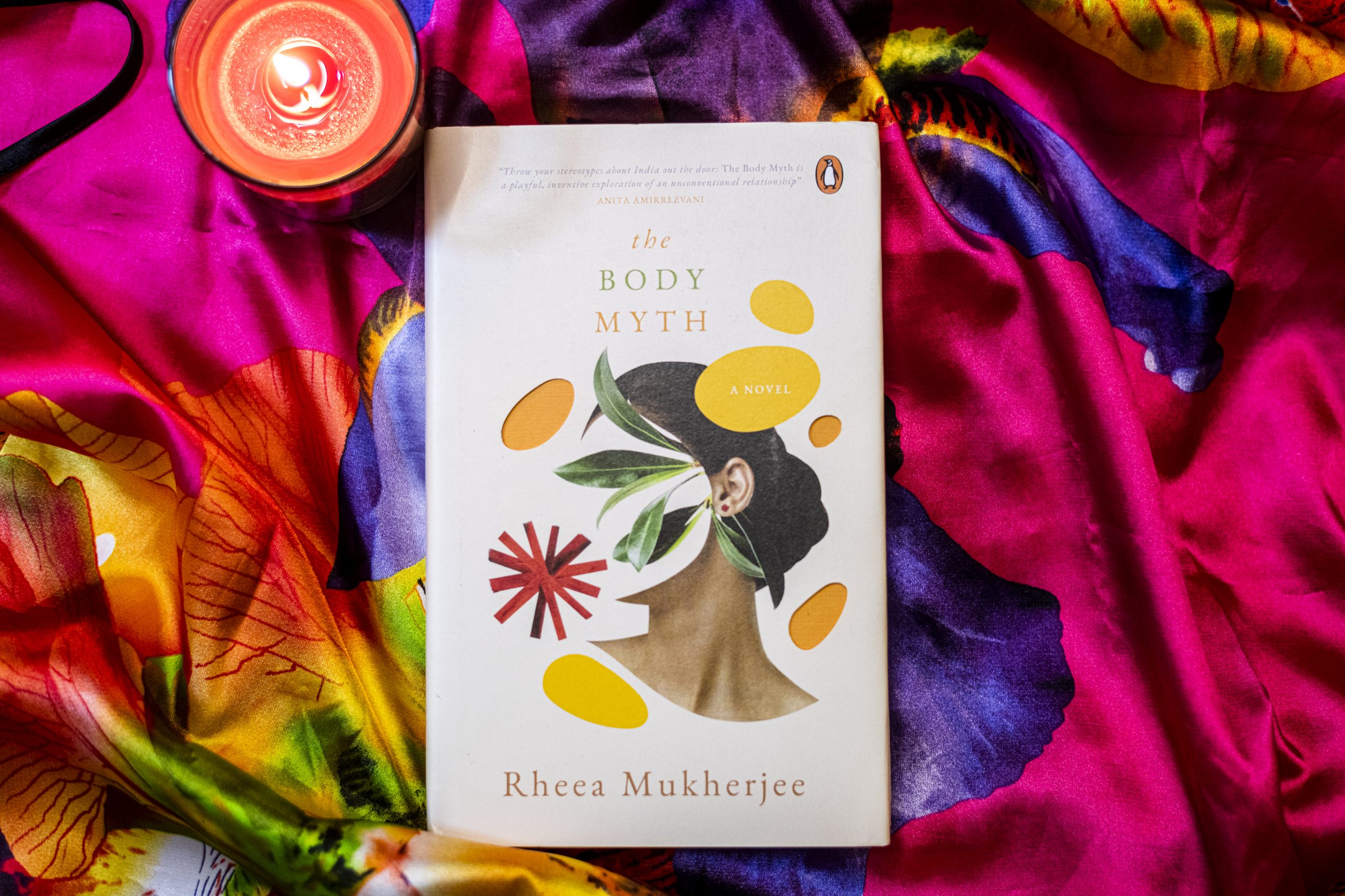
 

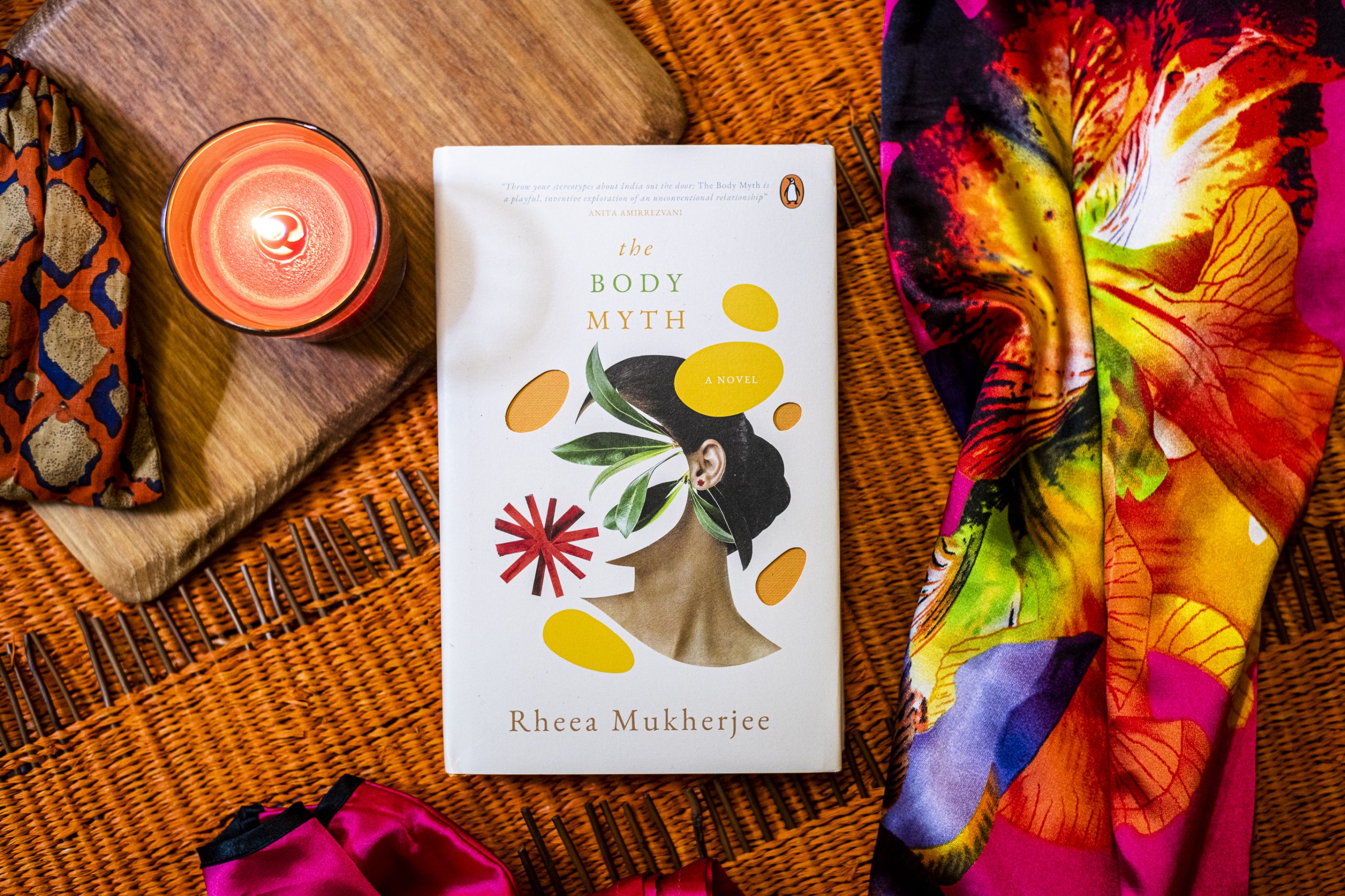
6 Moments that Make ‘The Body Myth’ Such a Fascinating Read!

Rhea Mukherjee’s debut novel, The Body Myth features Mira, a teacher living in the heart of Suryam, the only place in the world the fickle Rasagura fruit grows. Mira lives alone, and with only the French existentialists as companions, until the day she witnesses a beautiful woman having a seizure in the park. Mira runs to help her but is cautious, for she could have sworn the woman looked around to see if anyone was watching right before the seizure began.

Mira is quickly drawn into the lives of this mysterious woman Sara, who suffers a myriad of unexplained illnesses, and her kind, intensely supportive husband Rahil, striking up intimate, volatile and fragile friendships with each of them that quickly become something more.

Through Mira’s observant, deeply introspective viewpoint, The Body Myth, explores the questions that haunt all of us at some point, how much do our bodies and minds respectively influence our experiences, history of trauma and the nature of love.

Here are some raw moments from the book that will make you want to turn the page for more!

The exploration of the mind and body connect and the rendering of the body as a source of both agony and healing.

Do we trust what our body is telling us? And how separate is the body from the mind, if at all? Sara’s mental state appears to have a real physiological effect as well. In Mira’s. Mira is drawn to Sara both spiritually and physically, and her sexual relationship with both Sara and Rahil, Mira begins to emerge from intellectual cocoon that she has sought refuge in after her husband’s death and begins to find that she can enjoy simple pleasures once again.


“Emotional pain can be so severe, so profound, so soul breaking that it must reflect on the body. But I couldn’t seem to find my scars when I stood in front of the mirror. Perhaps they disguised themselves moving across my body like a flea on a cat.”

 The seamless blending of existentialist philosophy into what Mira considers her very mundane life.

The post-war philosophers play unexpected roles in The Body Myth, Mira’s recovery from her husband’s death is due to her reading a shelf full of them, Foucault pops up in her correspondence and conversations with Sara, and De Beauvoir plays a hilarious role in the loss of her job.

“You might think it was teaching that saved me from the blunt darkness that comes with the loss of a spouse. It was not, I almost committed suicide true, but it was Camus, Sartre, Foucault and De Beauvoir who led me back to life. These philosophers who embraced the absurd made my pain feel silly.”

The faint but tantalizing element of magical realism.

The very mundane but fictional town of Suryam in which the book is set is given a distinct edge of the surreal by being the only place in the world where the exotic Rasagura fruit grows. While the Rasagura’s significance is never explained, its description has a heightened sensual lusciousness. ‘Soaked berry with a hint of mango’ sounds truly celestial!

“We had one other thing that no other town, city or village had, the Rasagura fruit. Pink on the outside, yellow on the inside, speckled with tiny brown seeds, Rasagura thrived in Suryam’s microclimate and no other.”

The exquisite rendering of both the physical and mental aspects of grieving.

Mira’s anguish at her young husband’s death, a pain so sharp she takes a full year to recover, is explored in wrenching detail.

“Like I had no idea what had happened when in fact I could remember every little insult I’d screamed, every word I’d said to Ketan’s dead body. My anger was only artificially tamed. I could feel myself being medicated like a hot water bag on top of a raging, crampy, menstrual tummy.”

The sensitive and nuanced exploration of a polyamorous relationship.

Mira’s intense attraction to Sara, borders on extreme admiration and fascination whereas her sexual relationship with Rahil appears comparatively casual at first. Though Rahil sleeps with Mira he makes it evident that his Sara’s happiness is priority. He also seems almost resentful of Mira’s independent connection with Sara. The uneasiness, the envy, and the mutual attraction-the strange codes of this strange triad are fascinating as they unfold.

“The language of forbidden love has no common book. It’s a series of coded sentences, its meaning created in the head of an individual and choked out to the other. Words that dangle between lovers, each of them finding the meaning they want to hear at the time. And what I wanted to hear that it was okay to love Sara. It was okay to love her and find support and sexual intimacy with her husband at the same time.”

The exploration of trauma through the multiple sources of pain explored in the novel.

There are the buried traumas of childhood caused by a depressed and suicidal parent and by excessively coddling parents in the other, there is the more recent and raw grief of the loss of a husband, and the trauma of the body—of an intensely debilitating and inexplicable illness, of physical pain and open sores and wounds. Running through it all is the thread—is the mind or the body the source and site of trauma?

“Could bliss last forever after you had a lifetime of pain to provide you with context?”

The delicate exploration of the subjective and shifting nature of reality.

The idea of reality as a matter of perspective and the theme of ‘fakeness’ is extensively explored—is intellectualism fake, is Sara ‘faking it’ or is truth simply a function of belief? Can we completely trust either our own bodies or minds?

“For you to understand that untruths, labels and freedom all come together eventually you must walk at my pace.”


Get your copy of The Body Myth today!

Meet the Expert behind the ‘Magic Weight Loss Pill’, Luke Coutinho!

The Magic Weight-loss Pill by Luke Coutinho and Anushka Shetty, is an anthology on the benefits of sustained lifestyle changes to have a healthier life. The book gives out various ways of dealing with the problems of excess weight, chronic diseases such as diabetes, hyperthyroidism, kidney and liver stones. By explaining the very reasons of the beginning of such diseases to talking about some of the easiest habits which people can inculcate in their lives to achieve their health goals, this book is a must-have for every health freak!

Following are a few things about the successful Holistic Lifestyle Coach, Luke Countinho that you ought to know!

Luke Coutinho is a Holistic Lifestyle Coach practising in the field of Integrative Medicine.
Apart from creating personalized wellness plans regarding weight and disease management and being a motivational speaker, Luke Coutinho along with his team of qualified doctors and trained nutritionists are known for providing expert care when it comes to cancer. 
The Mumbai based holistic lifestyle coach, Luke Coutinho believes that lifestyle changes is the key to prevention and healing. He started off by counselling people on various subjects such as lifestyle, health and exercise. He now has a global presence with his clientele across New York, Dubai, London, Middle East and many more. He truly believes that “The New Religion is Lifestyle”.  
Luke Coutinho and his team work in an integrative manner where the patients continue with their doctors treatment while they work on building their immunity & making a lifestyle change so that they can possibly heal with ease.
Luke Coutinho is a firm believer of the powerful intelligence of the human body and its ability to heal itself. He believes that no one – whether a nutritionist or a doctor ever heal people. They simply enable, fix, guide, etc. It’s the human body that finally heals itself. If we give the human body, mind, and spirit – the foundation it needs to do what it does and knows best, we can provide a platform of recovery or healing.
Luke and his team are currently involved in training and working closely with nutritionists and doctors of Tata Memorial Hospital of Cancer Research to enhance nutrition and lifestyle amongst patients and with autistic kids and adults as well.
Luke Coutinho co-authored the well-known books The Great Indian Diet with Shilpa Shetty and the bestseller – The Dry Fasting Miracle – From Deprive to Thrive.
Luke Coutinho is an active proponent of meditation, advocating about its benefits in combating stress. Luke Coutinho talks at global events across the world on health, lifestyle, disease, children’s health and integrative and lifestyle medicine. From WPO, YPO, EO, FICCI, ICA to schools, colleges, private events and corporates, he uses this platform to inspire, share knowledge and coach people into the right lifestyle. 
Luke has a strong social media presence where he uses platforms like Facebook, Instagram and Twitter to educate and impart learning to the public. His talks are holistic in nature and revolve around disease, prevention, recovery, spirituality, life coaching, remedies for skin, hair, beauty, exercise, sleep, in general, lifestyle medicine.
Luke Coutinho was included in 2018’s GQ 50 Most Influential Young Indians.  
Luke Coutinho was awarded the Elle award for the Best Health Expert of the Year 2018 and Best in the Industry (Nutritionist) by Vogue in the year 2018. 
Luke is a co-founder of GOQII & RESET – Holistic Living Concepts. Luke believes that holistic living is a drug that prevents, heals, builds a great body and mind, motivates, inspires and helps you connect with your core element. 

Get your copy of Luke Coutinho and Anushka Shetty’s The Magic Weight Loss Pill today!

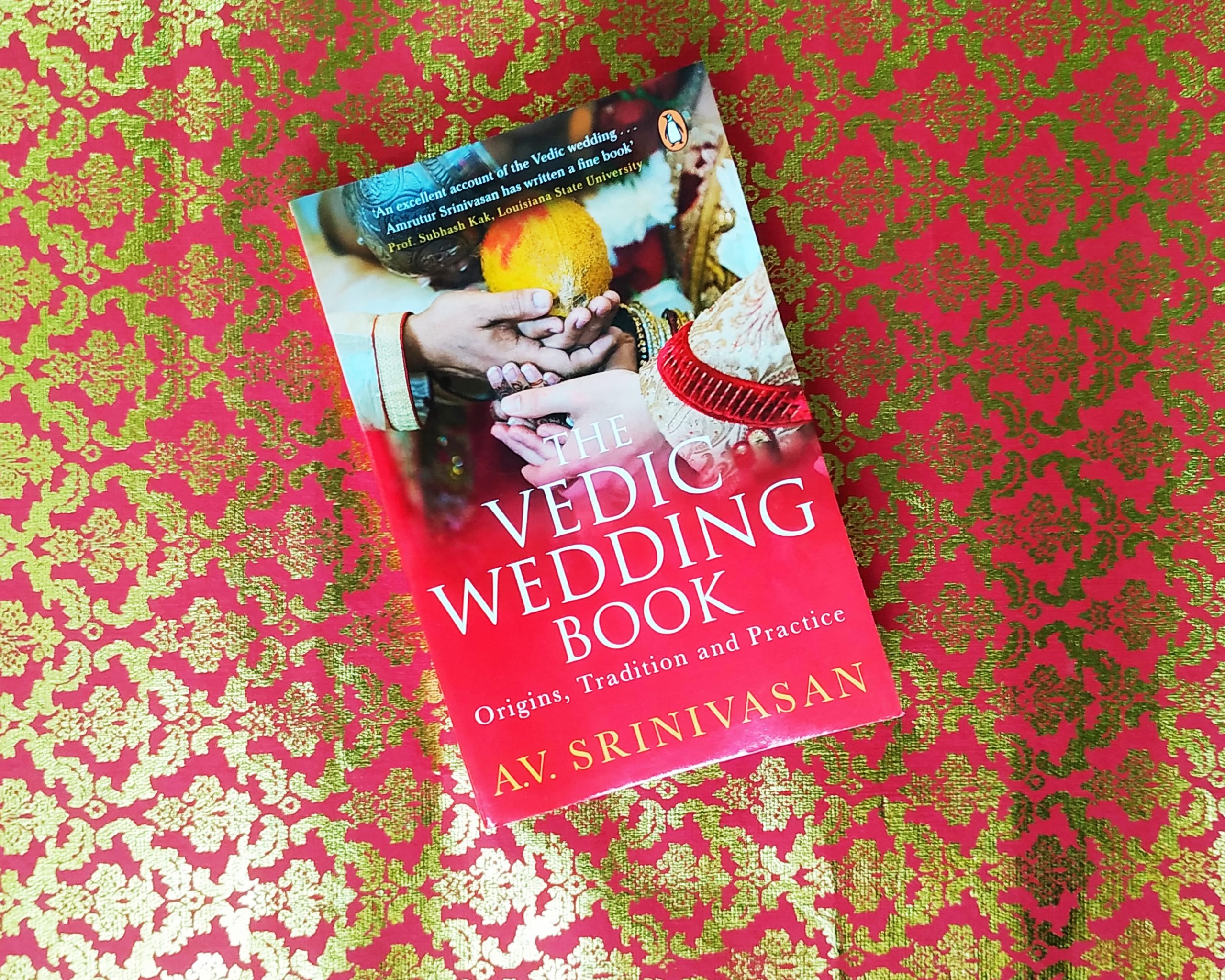
Understanding the Kanyaadaan Ceremony : An Excerpt from Vedic Wedding Book

In Vedic Wedding Book, A.V. Srinivasan brings the best of his experiential wisdom as a Hindu priest and scholar in the US in uniquely accessible explanations of each ritual of the traditional ceremony, along with a wealth of knowledge about their origin, variations and significance. One of its kind, this book will help you understand and appreciate, as well as execute, the traditional Vedic wedding ceremony and get a flavour of India’s wedding culture, its true meaning and significance.

Here is an intriguing excerpt from the book that explains the tradition of Kanyadaan!

——————————————————————-

Kanyaadaan

This important ritual begins with a call to the audience to bless this moment. This and similar requests throughout the ceremony not only engage the audience but convey the message that the assembled are witness to an important commitment being made at the mandap. Everyone present is requested to respond with ‘tathaastu’ at the end of each phrase:

Permissions

ayaṁ muhūrtassumuhūrtostviti bhavānto mahānto
anugṛhṇantu
kartavye asmin śubha vivāha karmaṇi bhavānto
mahānto adhibruvantu
oṁ puṇyāhaṁ bhavanto adhibruvantu
oṁ ṛddhiṁ bhavanto adhibruvantu
oṁ svasti bhavanto adhibruvantu

May you, the great assembled, grant this present time to be
auspicious.
May you, the great assembled, express that this wedding task
be auspicious.
May you express this day to be auspicious.
May you express this to be successful.
May you express your blessings.

With this set of permissions granted, the kanyaadaan ceremony begins:

kanyāṁ kanaka sampannāṁ kanakābharaṇairyutāṁ
dāsyāmi viṣṇave tubhyaṁ brahma loka jigīṣayā
kanye mamāgrato bhūyāt kanyeme deviparśvayoh
kanyeme sarvato bhūyāt tvaddānānmokṣamāpnuyāṁ
viśvambharāh sarvabhūtah sākṣiṇyah sarvadevatāh
imāṁ kanyāṁ pradāsyāmi pitṝṇāṁ tāraṇāyaca
kanyāṁ sālaṅkṛtvā sādhvīṁ suśīlāya sudhīmate
prayatoham pradāsyāmi dharma kāmārtha siddhaye

May I offer to you, the embodiment of Vishnu, this, my
daughter, foremost among all young women, by my side,
covered with golden ornaments, so that I may obtain
salvation in Brahmaloka.

With all the gods and these witnesses, in order to liberate
my ancestors and to achieve dharma, artha and kama, I give
away this gift, my daughter who is virtuous, intelligent and
beautifully adorned.

Upon these statements of purpose the priest arranges the palms of the principals as follows:

1. On the outstretched palms of the groom, place the palms of the bride and on these place those of the bride’s
father.

2. Now keep a coconut smeared with kumkum and haldi on the topmost palm.

3. The bride’s mother is now positioned behind the three such that she is facing the audience squarely.

4. As the priest (or the bride’s father) chants the following mantras, the bride’s mother pours water over the coconut in a thin stream and the audience is requested to say ‘tathastu’ at the end of each phrase.

5. A child is positioned to hold a bowl below to collect the water, which is poured until all the phrases are
chanted.

During this sequence, the mangalasutra is taken around by a family member to be blessed by the elders present.

śrīrūpiṇīṁ imāṁ kanyāṁ śrīdhara rūpiṇe
tubhyaṁ ityukta udaka pūrvāntāṁ
kāyenavācāmanasā dadāmyasmai
kanyā tārayatu
puṇyaṁ vardhatāṁ
saumanasyamastu
akṣataṁ cāriṣṭañcāstu
dīrghamāyuh śreyah śāntih puṣṭih tuṣṭih cāstu
yachreyastadastu
yat pāpaṁ tatpratihatastu
puṇyāhaṁ bhavanto bruvantu
svasti bhavanto bruvantu
ṛddhiṁ bhavanto bruvantu
śrīrastviti bhavanto bruvantu

With this in my mind, and with this ritual and before the ceremonial water is poured,
May I offer you, who are in the form of Vishnu, my daughter
in the form of Lakshmi.

May my daughter gain protection. May holiness prosper. May
there be joy. May she be whole. May she live long, flourish,
be at peace, well-nourished and content. May prosperity
prevail. May any ills be struck down. May you grant this day
to be a happy one. May you bless her well-being. May you
grant her abundance. May you grant her respect and status.


An immensely accessible guide, The Vedic Wedding Book will take you to the roots of the Hindu wedding ceremony, on a journey of its evolution from the Rig Vedic times to the present day.

Explore the Volatile and Fragile Side of Love with Mira, Sara and Rahil!

Rhea Mukherjee’s debut novel, The Body Myth features Mira, a teacher living in the heart of Suryam, the only place in the world the fickle Rasagura fruit grows. Mira lives alone, and with only the French existentialists as companions, until the day she witnesses a beautiful woman having a seizure in the park. Mira runs to help her but is cautious, for she could have sworn the woman looked around to see if anyone was watching right before the seizure began.

Mira is quickly drawn into the lives of this mysterious woman Sara, who suffers a myriad of unexplained illnesses, and her kind, intensely supportive husband Rahil, striking up intimate, volatile and fragile friendships with each of them that quickly become something more.

Through Mira’s observant, deeply introspective viewpoint, Rhea Mukherjee evokes the lives of three extraordinary characters in an ordinary Indian city, exploring but never fully revealing, their desires, motives and beliefs.

Here’s a look at the main protagonists from the story!

Mira

Mira, a young teacher, at a progressive international school, turned from her corporate job after a near-breakdown following the death of her young husband, Ketan. She is perceptive, contemplative and introspective, and views her experiences through the prism of the existentialist philosophers. A fraught childhood with a once-loving but depressive mother has made her too aware of the frailties of the mind.  After a strange chance encounter with the mysterious and magnetic couple, Sara and Rahil, she is drawn into a complex relationship with each and both, that leaves her simultaneously vulnerable and fulfilled. Mira’s focus shifts from the mind to learning more about the body-her own and theirs’ and its frailties, strengths and its significance.

“You might think it was teaching that saved me from the blunt darkness that comes with the loss of a spouse. It was not, I almost committed suicide true, but it was Camus, Sartre, Foucault and De Beauvoir who led me back to life. These philosophers who embraced the absurd made my pain feel silly.”

Sara

Sara is the mysterious centre of the story, and the obsession for the other two characters. Sickly, suffering, and yet incomparably attractive, her magnetism is as palpable to us as it is to Mira. Seen from Mira’s initial viewpoint she seems almost ethereally beautiful, a beauty enhanced by her suffering. Sara, the daughter of two devoted parents and wife of a devoted husband has been suffering for years with unexplained seizures, headaches, physical aches, mouth sores, fatigue and anemia, among other symptoms—symptoms that she pays close attention to. Yet, she retains her beauty, her perfection in everything including housekeeping and her fascination with Sufi philosophy. Even as the complex pieces of Sara’s issues take on a more discernible pattern, she remains an enigma to the end with her reflections on Sufi mysticism, on the collective soul, and her extended philosophies on the mind-body equation. Is she ‘fake’ in the most outright sense of the word or are illnesses of the mind as physically debilitating as those of the body?

“Our bodies are like the world, Mira. Beautiful, hysterical, hypocritical, mysterious, poor, and temporary. Mine just happens to be all of those at once.”

Rahil

Rahil appears the perfect husband, a painstaking caretaker to his wife, almost far too understanding of his wife’s frailties, moods and mysticism. Or is there a dark side to his too, too complacent acceptance of his wife’s illnesses. Does he simply not think too much or is there a sinister aspect to a man who needs dependence to such an extent? However even as he enters into a sexual relationship with Mira, he prioritises Sara above all. Even as the individual relationships between Mira, Sara and him become a ménage a trois, Sara’s needs, and concerns come above everything else. He alternates between a sexual relationship with Mira and an uncomfortable jealousy of her emotional connect with Sara. Does he draw a certain satisfaction from having his wife so dependent on him, or is he simply guilty of indulging her complacently, finding it easier to satisfy her whims than navigate the complexities of her mind?

“Almost as if Rahil was a caretaker, a watchman, to the relationship between Sara and I. But one thing was clear, Rahil’s primary responsibility and priority was Sara.”


Read Rheeas Mukherjee’s The Body Myth to know how Mira, Rahil and Sara’s lives intertwine in this complicated love story!

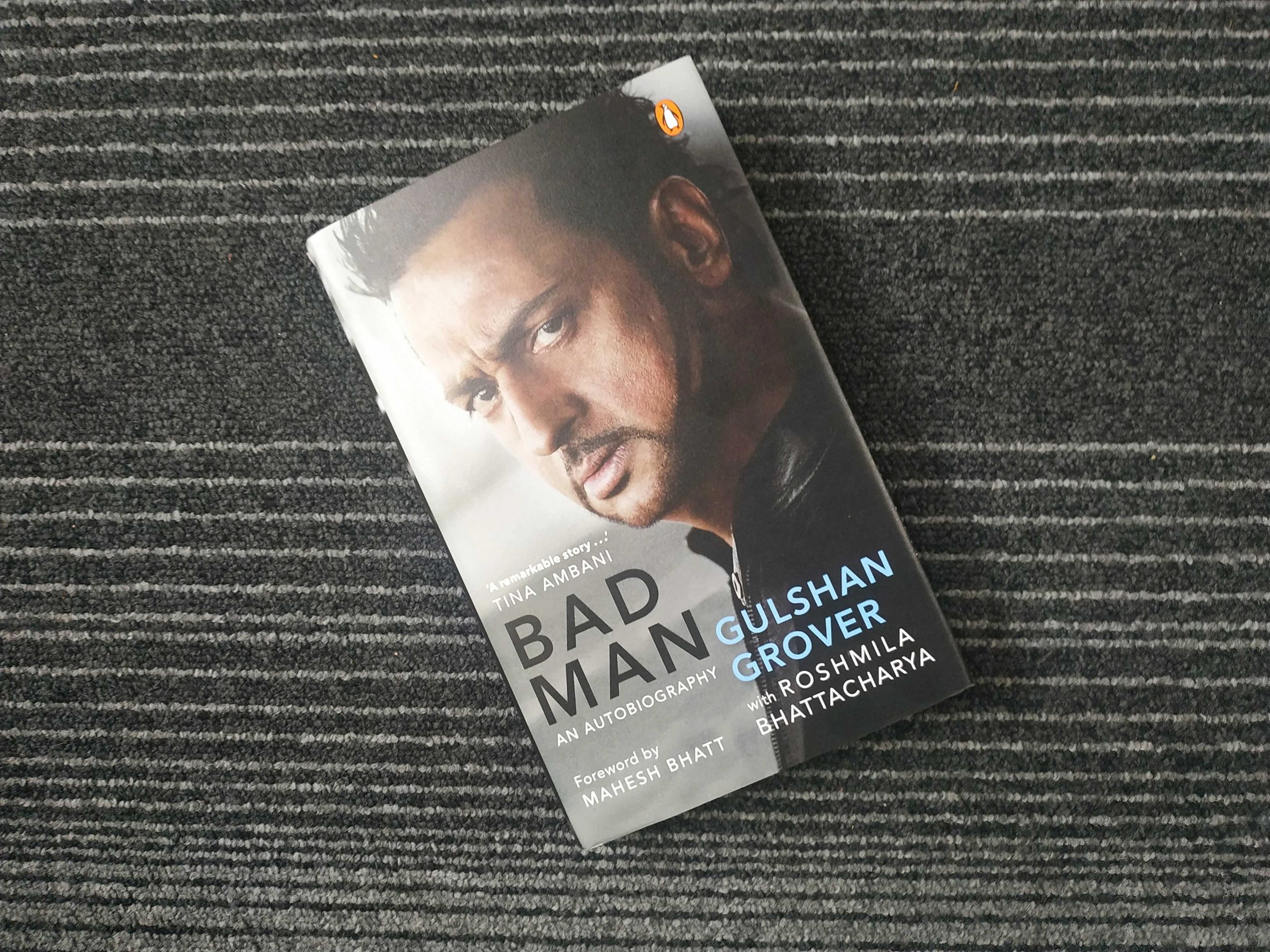
6 Incidents that Shaped Gulshan Grover to become the Quintessential ‘Bad Man’

Bad Man written by Gulshan Grover with Roshmila Bhattacharya is the inspiring story of the rise of the most successful villain on the Bollywood screen. Telling his story in his own words, Gulshan Grover illuminates his life, the films, the journey, the psychological and personal toll that it took on him in a bid to sustain ‘bad man’ image, the competition and many more challenges that he faced while making it big in the film industry.

Here we tell you a few incidents that shaped Gulshan Grover in becoming one of the most sought after and seasoned actor that we have all come to know!

Gulshan Grover hailed from a humble household and so, learnt the importance of hard work and sincerity from a very early age. Managing his academics at school while doing a part-time job grounded him into realizing the significance of struggling and this is the lesson that he has carried with him throughout his successful journey in the world of cinema.

Gulshan Grover’s passion for acting grew further when he joined the Fine Arts Society of his college, Shri Ram College of Commerce. Mr. Grover, along with his friend Sunil Sethi, who is now a well known name in Indian Fashion industry, took part in various plays together. This made Mr. Grover a popular actor at college.

As a child, Gulshan Grover did not have access to watching many movies but managed to watch a few movies of Manoj Kumar, Dev Anand and Dharmendra, which mesmerized him. These were the movies which made his passion for acting stronger over the years.

While in Mumbai, Gulshan Grover went through an unsuccessful series of attempts trying to get a break in a film. He soon realized the struggles that well-known actors such as Dharmendra, had to go through. He realized the scope of him making it big in the industry was difficult as hundreds of others were vying for the same opportunity and thus, decided to alter his strategy according to his unique capabilities.

After coming back to Mumbai for a second time to pursue his dreams, Gulshan Grover realized that he needed to approach in a more organized way towards this aim. He realized that he needed to be more patient with his struggle and therefore, joined an acting course to counter his weaknesses, which further helped him in his career.

While doing an acting course, Gulshan Grover soon realized that he was more suited to intense roles rather than the trope of the romantic-hero. The course helped him realize his strong points and he further polished his skills to become the Bad Man, that we have all come to know.

Get your copy of Bad Man today!

Seven Lifestyle Habits to Swear By for Weight Management!

The Magic Weight Loss Pill by Luke Coutinho and Anushka Shetty, is a book that emphasises the crucial part lifestyle plays in controlling diabetes, hyperthyroidism, kidney and liver stones and excess weight. Listing the reasons of these few diseases, the book also proves to be instrumental in getting one closer to their health goals without the rigour of a strenuous diet or fitness regime.

The “magic weight loss pill”, as the author, Luke Countinho describes, is the change in one’s lifestyle. This inexpensive and organic way of losing weight requires only three things to be followed: consistency, discipline and, when one fails to follow the changes strictly, acceptance and then making an effort to inculcate those changes again.


Here are a few pointers that constitute the habits and lifestyle changes for the magic weight loss pill:

Switching to having only raw foods until lunch is a great way to combat your weight issues. By the virtue of raw food being detoxifying in nature, raw foods like – fruits, vegetable juices, soaked nuts and seeds, flush out toxins and fat from your body.

The technique of how you breathe is important in losing weight too. This is a simple and inexpensive way of taking deep and long breaths thereby increasing your intake of, what the author calls ‘vitamin O’. It helps in the breakdown of fat in the body and makes it easier for intestines to absorb the nutrition from the food. 

Today many people are deficient in Vitamin D3. It is a crucial vitamin for the body as it strengthens the bones, increases immunity and also helps I the weight loss process. Some of the best sources that are rich in this vitamin are – mushrooms, Brussels sprouts, sprouted mung, fish, egg yolk and chicken. 

Practicing a regimented meal plan with regular intervals between each meal is of utmost importance. After every 3-3.5 hours, one should make it a point to eat something. Failure to do so may result in issues such as acidity and indigestion. 

As the human body gets used to expecting food at certain times of the day, one should never deviate from their appropriated time to have their main meals. This is known to aide in the process of digestion of the food, maintains hormonal balance and also facilitates in the process of weight loss. 

Another healthy habit to inculcate is the proper chewing of one’s food. As it is a step which precedes the food digestion process, it also helps in reducing the risk of heartburn and acidity consequently making a person eat less.

The accumulation of belly fat is known to be directly related to the high intake of alcohol and alcoholic beverages. Having these drinks in moderation is the key to reducing this belly fat.

Reach your fitness goal with Luke Coutinho and Anushka Shetty’s A Magic Weight Loss Pill

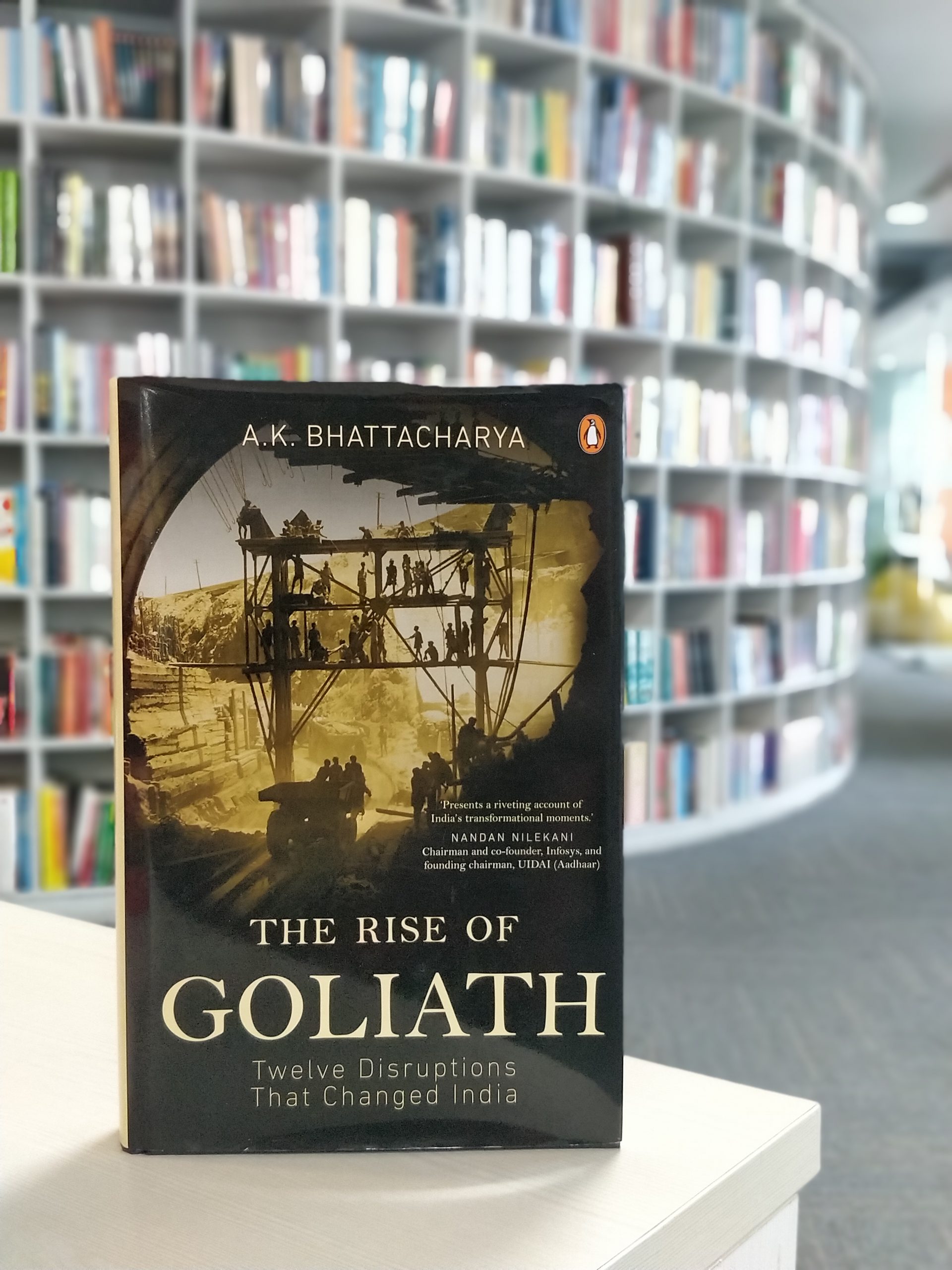
Disruptions That Changed India in the Last 7 Decades

Demonetization and the GST were not the only disruptions that changed India. In The Rise of Goliath, A.K. Bhattacharya provides a fresh perspective on many more such disruptive events that shaped India in the last seven decades.

The basic premise of this book is that the Modi regime may have caused as many as three major economic policy disruptions in a relatively short period of five years, but disruptions per se have not been uncommon in India’s journey of more than seven decades as an independent country. Indeed, it can be argued that India’s journey as an independent country can be better understood if seen through the prism of disruptions. This book, therefore, will take you through such disruptions, starting right from India’s Partition in 1947 to the launch of the GST in 2017.

1947:

India after Partition in 1947 saw 24 per cent of its total land area being hived off as a new country—Pakistan. This was perhaps the first and immediate consequence of the disruption caused by Partition.

1954:

In July 1954, less than a decade after India’s Independence from British rule, its first prime minister, Jawaharlal Nehru, went to Punjab to inaugurate the Bhakra-Nangal Dam, constructed on the Indian side of the Sutlej River. Nehru’s inaugural address, delivered in Hindi, would mark a significant turn in the way the government would become a key player in rebuilding India’s economic infrastructure and industry after Independence.

1966-67:

The second phase of nationalization of economic activities in the country from 1966-77 began under the prime ministership of Indira Gandhi. It caused no less disruption than the first round of nationalization in the 1950s. But this time there was a crucial difference. The second phase of the rise of the State had deeper political roots.

1968:

In 1968, Indian farmers harvested about 17 million tonnes of wheat, surpassing by a long margin the previous highest output level of 12 million tonnes recorded in 1964.Such a quantum jump in production and productivity led Indira Gandhi to announce the Wheat Revolution in July 1968.

1973:

For most Indians, 19 October 1973 does not ring a bell. But this was the day when a decision taken by twelve members of the OPEC fundamentally altered the way India would manage its economy for all times to come. That day at Vienna, OPEC decided to place an embargo on oil exports to the United States and raise prices of crude oil. In six months or so, oil prices spiked by over 300 per cent. India, among many other countries, was a major sufferer.

1975:

At around 8 a.m. on 26 June, Indira Gandhi walked into the studios of the All India Radio to deliver an address to the nation—to announce that she had declared an internal emergency. A Cabinet meeting had approved her proposal earlier at an emergency session convened at 6 a.m. And the President, Fakhruddin Ali Ahmed, had already signed the proclamation of the ordinance to declare the Emergency.

1992:

The demolition of the Babri Masjid happened on 6 December 1992, under the watch of the P.V. Narasimha Rao government at the Centre. The role of the BJP and the VHP is quite well-publicized, but that the Congress too had an equally significant role is what makes the entire disruption of the temple demolition more problematic.

1994:

A new policy recommending the entry of the private sector to help the government overcome its resources gap was unheard of in India till then. The Telecom Policy 1994 in that sense marked a new phase in India’s economic reforms. What followed in May 1994 was nothing short of a disruption—but a positive one that fundamentally changed the contours of India’s telecommunications system. This development ushered in technology without restrictions, allowed capacity to grow unhindered and offered more choices to consumers at lower costs.

2016:

Nine days after Diwali was celebrated on 30 October 2016, Prime Minister Narendra Modi decided to address the nation on the evening of 8 November. Notes of Rs 500 and Rs 1000 denomination, which accounted for about 86 per cent of the total currency in circulation, were to be denotified or annulled by midnight and a detailed action plan was outlined on how the demands for cash would be met over the next few months and how individuals could exchange their old annulled notes with the new ones in the next fifty-odd days.

2017:

The three-year journey the Narendra Modi government traversed before launching the GST on 1 July 2017 was marked by many exciting phases of development. It took almost a decade of planning before India could introduce what is arguably its biggest and also the most disruptive tax reform in the country—the GST.


How did these disruptions impact India? How did they influence the rise of this Goliath? Find out in The Rise of Goliath 


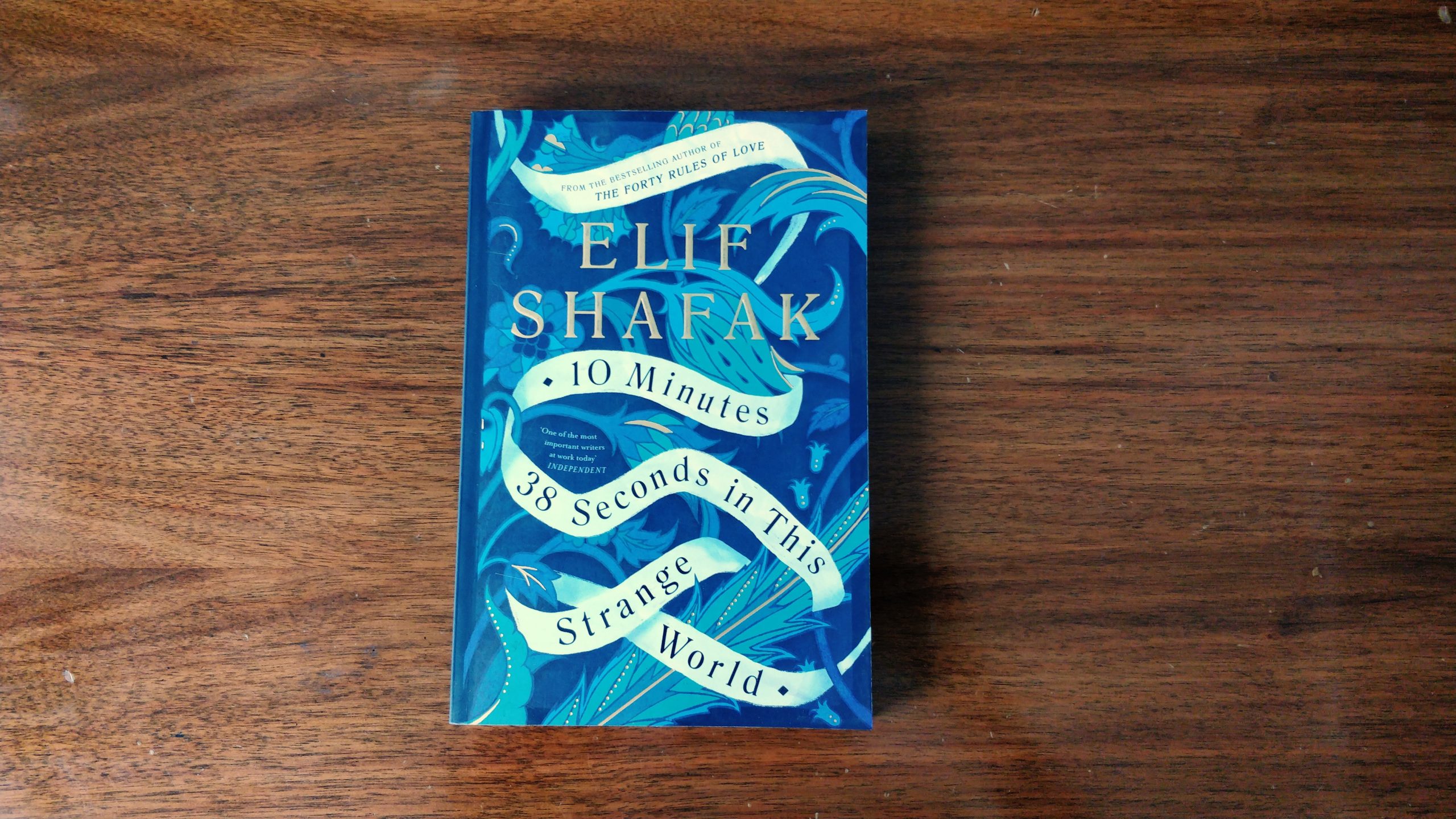
Meet The Characters from Elif Shafak’s Booker 2019 Longlisted Book!

‘In the first minute following her death, Tequila Leila’s consciousness began to ebb, slowly and steadily, like a tide receding from the shore. Her brain cells, having run out of blood, were now completely deprived of oxygen. But they did not shut down. Not right away . . . ‘

Our brains stay active for ten minutes after our heart stops beating. For Tequila Leila, each minute brings with it a new memory. Most importantly, each memory reminds Leila of the five friends she met along the way – the friends who are now desperately trying to find her.

Meet Tequila Leila’s friends in 10 Minutes 38 Seconds in This Strange World:


Sabotage Sinan

Sabotage Sinan’s was Leila’s only friend in school. He was brilliant at math and extremely fascinated by code-breaking. He was beguiled by the secret wartime transmission, which he called ‘ Sabotage broadcasts’. Thus, he earned this nickname.

“As she stood up and dusted herself off, Leila said, ‘Maybe I should call you Sabotage Sinan.’

‘You serious? I’d love that!’

And so it was that the only child of the only woman pharmacist in town earned the nickname of Sabotage.”


Nostalgia Nalan

Nostalgia Nalan was one of Leila’s strongest friends. The adjective ‘Nostalgia’ was attached to her name, not because she reminisced the past, but because she was homesick and missed the country side.

“Spirited and spunky, ferocious to her enemies, loyal to her dearest: Nostalgia Nalan – Leila’s bravest friend.

Nostalgia Nalan, one of the five.”

Jameelah

Originally from Africa Jameela’s  encounter with Leila gave birth to a beautiful friendship. Jemeelah had scarred wrists, which she covered by wearing bracelets she made for herself. Then one day, after talking to Leila for months, she made a purple colored bracelet for Leila, which was a symbol of their friendship.

“It was a braided bracelet in periwinkle and heather and dark cherry– shades of purple.

‘For me?’ Leila asked softly.

A nod. ‘Yes, your colours.’

Jameelah, the woman who looked into people’s souls and, only when she saw what she needed to see, decided whether to open up her heart to them.”

Zaynab122

She was a woman who claimed she could write her name in 122 different ways and was 122 centimeters tall.  In her free time, Zaynab was a fortune teller. She was a woman who liked to live in the present moment and not dwell over the past or the future.

“Zaynab122, the diviner, the optimist, the believer; for whom the word ‘faith’ was synonymous with the word ‘love’ and for whom God, therefore, could only be Beloved.”

Hollywood Humeyra

Humeyra was one of Leila’s most compassionate friends. Both of them met when they were trying to save a cat which had been badly injured. It was only due to their undeterred efforts that the cat survived. This marked the beginning of an ever- lasting friendship between them.

“ Hollywood Humeyra, the woman who knew by heart the most beautiful ballads of Mesopotamia, and whose life resembled somewhat the sad stories many of them told.”


Elif Shafak is the author of the best-selling , The Bastard of Istanbul. Her newest book 10 Minutes 38 Seconds in This Strange World has been longlisted for the Booker Prize 2019! The book is available now.


Meet the Unforgettable Women of ‘A Promised Land’

In the wake of the Partition, as millions of refugees pour into Pakistan, Sajidah and her father find their way to the Walton refugee camp, uncertain of their future in the ‘promised land’

Sajidah longs to be reunited with her beloved Salahuddin, but her journey out of the camp takes an altogether unforeseen route. Drawn into the lives of another family-refugees like herself-she is wary of its men, but it is the women of the household whose lives and choices will transform her the most: the passionately beseeching Saleema, her domineering mother Khala Bi, the kind but forlorn Amma Bi, and the feisty young housemaid Taji.

With subtlety and insight, in her book A Promised Land, Khadija Mastur conjures a dynamic portrait of spirited women whose lives are wrought by trial and intra-community misogyny and violence even as they cling defiantly to the promise of a better future.


Sajidah

The story unfolds through the viewpoint of Sajidah an educated young refugee as she waits for rehabilitation with her father at the Walton Camp, Lahore and dwells upon her father’s aspirations for her, her own desire to study further and hopes to be reunited with her childhood sweetheart Salahuddin. She first meets Nazim, a rehabilitation officer when her father lies about his lost assets, under Nazim’s coaching after a lifetime of honest bookkeeping, an offence for which Sajidah blames Nazim for many years, even after her eventual marriage to him. After her father’s death, Sajidah is taken into Nazim’s dysfunctional household, in a morally ambiguous ‘abduction’, though rather than allow herself to be treated as a servant she asserts herself as an equal and insists upon continuing her studies. Despite her resentment towards Khala Bi, the de-facto controller of the female part of the household, she eventually comes to identify and sympathize with her especially as she becomes her mother herself.

‘The whole time she bathed, she wondered how long she would stay there. She had no idea what life would be like if she stayed. Would she complete her education? Would she become independent? Some kind person wanted her intelligence to survive, but who was he? He wasn’t related to her, they shared no ties; there was nothing between them but a wall of hatred.’

Saleema

Saleema remains an enigma through the course of her novel, as her past, motives and ‘shame’ are never fully revealed.  The young emotional shy-faced’ girl who befriends Sajidah, has an argumentative, resentful side, which seems to stem from her role in the strange joint family dynamic, as the daughter of Amma Bi’s cousin, Aminah who has had a long-running affair with Malik, the master of the house. She shuns the intimacy of sexual relationships and later appears to live a fairly radical single teaching and spending time with the other women teachers at her college. Saleema’s anger,her independence, her attitude towards love and romance, all give her character a startlingly contemporary resonance.


‘I cannot even imagine having a man in my life. For me, the eternal bond between man and woman has no meaning. That’s why the question of being fond or not doesn’t arise, understand, Sajidah Bibi?’ said Saleema, placing a hand on Sajidah’s shoulder.’

 Aminah/Khala Bi

She was beautiful, but there was a strange rigidity to her face.’ A cousin of Nazim and Kazim’s mother (Amma Bi), Khala Bi moved into Malik’s household with her young daughter after her husband died. Malik was in love with her, and thus Khala Bi ‘stole’ his love from Amma Bi, in Saleema’s (and Amma Bi’s) eyes. Her chief love seems to be reserved for the  morally corrupt Kazim, Malik’s younger son, who she has raised as her own. While she is domineering and rude to Sajidah, attempting to keep her in her place, they both come to achieve some empathy for each other as women attempting to find security in a patriarchal household.

‘I have sacrificed my entire life for the happiness of this household, but no one has ever understood,’ cried Saleema’s mother, her face flushed.’

Sabirah Baji/Ammi

Nazim and Kazim’s mother, and Malik’s wife she is described as being almost ‘priestess like;’ having hidden her sorrow at being displaced in her husband’s affection. Distanced from hers sons’ affections she transfers her quiet fondness to Sajidah.

‘There was sympathy in her tone. She was small and weak, with a wheat-coloured complexion and sharp features clouded by the sort of desolation one hears in the cries of jackals on long, cold nights.’

Taji

The feisty, assertive young ‘servant girl’ comes from a disadvantaged family, and was abandoned by her mother during Partition. She was brought into Malik’s household from the refugee camp and put to work. Though at first she tries to equate herself with the newcomer, Sajidah she is abruptly ‘put in her place’ and eventually begins to confide in Sajidah. As part of her precarious place in the household, she is regularly raped by Kazim, in exchange a few coins and half-smoked cigarettes, and forced through repeated abortions.


‘Baji, that would have beetears.n expensive. I was the sacrifice. That’s what the smell was.’She stubbed out her cigarette, got up and left, fighting back her tears’

Lali

The wife of a neighbouring zamindar, she admires Sajidah, not being very well educated herself. She is regularly beaten by her husband, on the basis of some forty acres of land, that her father promised in dowry and never given. Despite the assault, she defends and ‘loves’ her husband, blaming her father for not giving him the ‘promised land’.

‘No, it’s just that he has a bad temper, and my father also wronged him. He deceived him,’ she said, coming to his defence. ‘I couldn’t live in a house like the one you live in, Sajidah Apa! I don’t even wash my own feet!


Khadija Mastur’s A Promised Land is a story that will linger with you. Get your copy today!

error: Content is protected !!