Publish with Us

Follow Penguin

Follow Penguinsters

Follow Penguin Swadesh

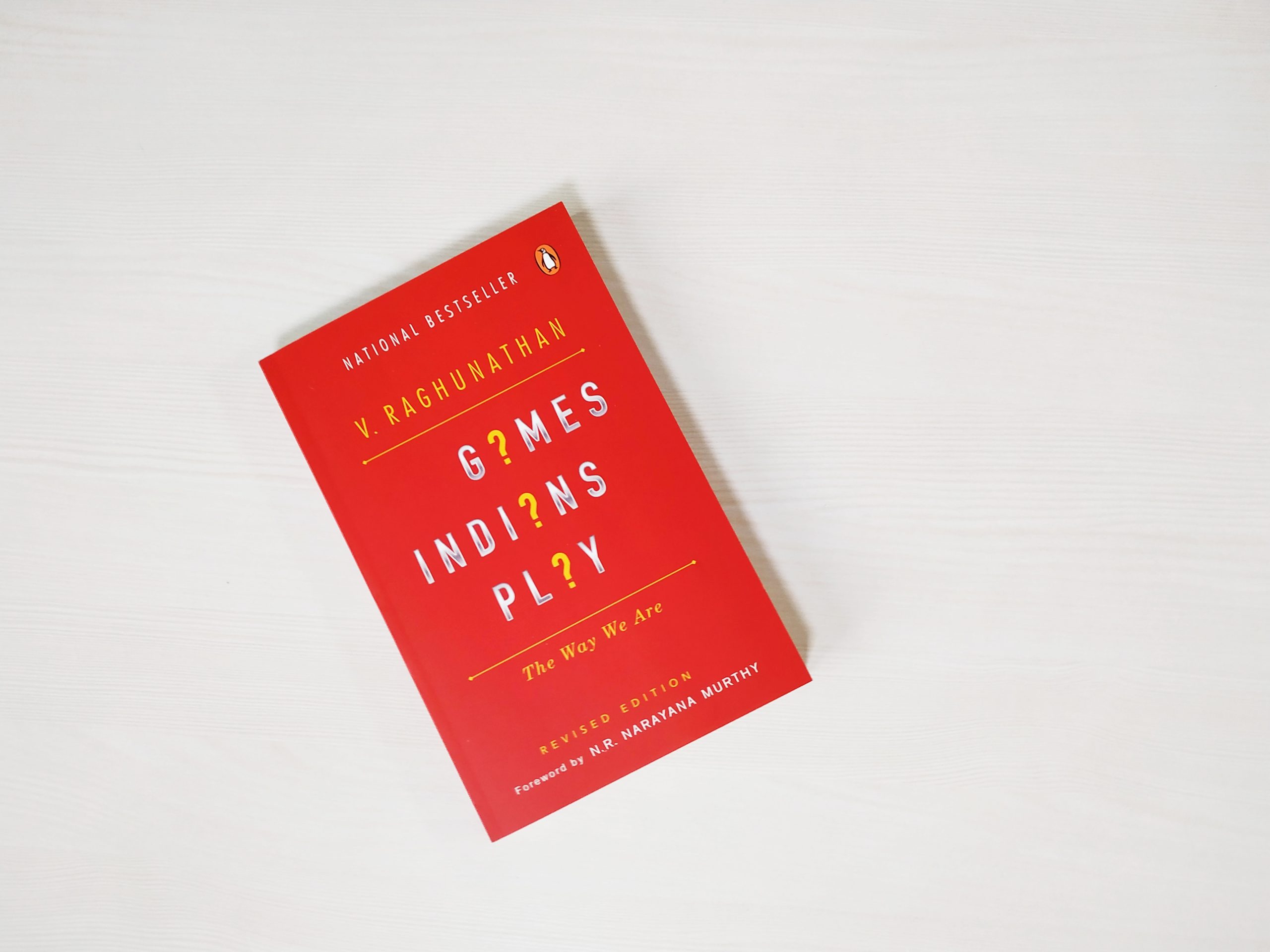
Games Indians Play – An Excerpt

Drawing examples from the way we behave in day-to-day situations, an all-new and revised edition of Games Indians Play tries to show how in the long run each one of us-whether businessmen, politicians, bureaucrats, or just plain us-stand to profit more if we were to assume a little self-regulation, give fairness a chance and strive to cooperate and collaborate a little more even if self-interest were to be our main driving force.

In a rare attempt to understand the Indianness of Indians-among the most intelligent people in the world, but also, to a dispassionate eye, perhaps the most baffling- V. Raghunathan uses the props of game theory and behavioural economics to provide an insight into the difficult conundrum of why we are the way we are.


Here’s an excerpt from the first chapter of the book!


NOT WHO BUT WHY

‘Who am I?’ is not a question that occupies me much. I have neither the intellectual curiosity nor the intellectual endowment to ask or answer that question. But, off and on, like when I have just returned from a visit abroad (by ‘abroad’ I mean not only countries like the USA, UK and UAE but also the Philippines, Malaysia and Indonesia or Botswana, Burkina Faso and Burundi), I find myself asking some less philosophical questions. For example:

Why is my sense of public hygiene so porcine? Why do I throw my garbage around with the gay abandon of an inebriated uncle flinging 500-rupee notes at a Punjabi wedding? Why do I spit with a free will, as if without that one right I would be a citizen of a lesser democracy? Why do I tear off a page from a library book, or write my name on the Taj Mahal? Why do I light a match to a football stadium, a city bus or any other handy public property, or toot my horn in a residential locality at 3 a.m.? Why do I leave a public toilet smelling even though I would like to find it squeaky clean as I enter it? Why don’t I contribute in any way to help maintain a beautiful public park? Why is my concern for quality in whatever I do rather Lilliputian? Why is my ambition or satisfaction threshold at the level of a centipede’s belly button? Why do I run the tap full blast while shaving even when I know of the acute water shortage in the city? Why don’t I stop or slow down my car to allow a senior citizen or a child to cross the road? Why do I routinely jump out of my seat in a mad rush for the overhead baggage even before the aircraft comes to a halt, despite the repeated entreaties of the cabin crew?

Why do I routinely disregard an airline’s announcement to board in orderly groups in accordance with seat numbers? Why does it not hurt my national pride that in international terminals abroad extra staff is appointed at gates from which flights to India are to depart? Why don’t I vote? Why don’t I stand up or retaliate against social ills? Why is it that every time the government announces a well-intended measure like a higher rate of interest for senior citizens I am not averse to borrowing my ageing parents’ names, or the old family maid’s for that matter, to save my money? Why is it that, every time the government announces no tax deduction at source for small depositors, I split my bank deposit into fifteen different accounts, with the active connivance of the bank manager? Why do I jump red lights with the alacrity of a jackrabbit leaping ahead of a buckshot? Why do I block the left lane, when my intention is to turn right? Or vice versa? Why do I overtake from the left? Why do I drive at night in the city with the high beam on? Why do I jump queues with the zest of an Olympic heptathlon gold hopeful?


Get your copy of Games Indians Play today!
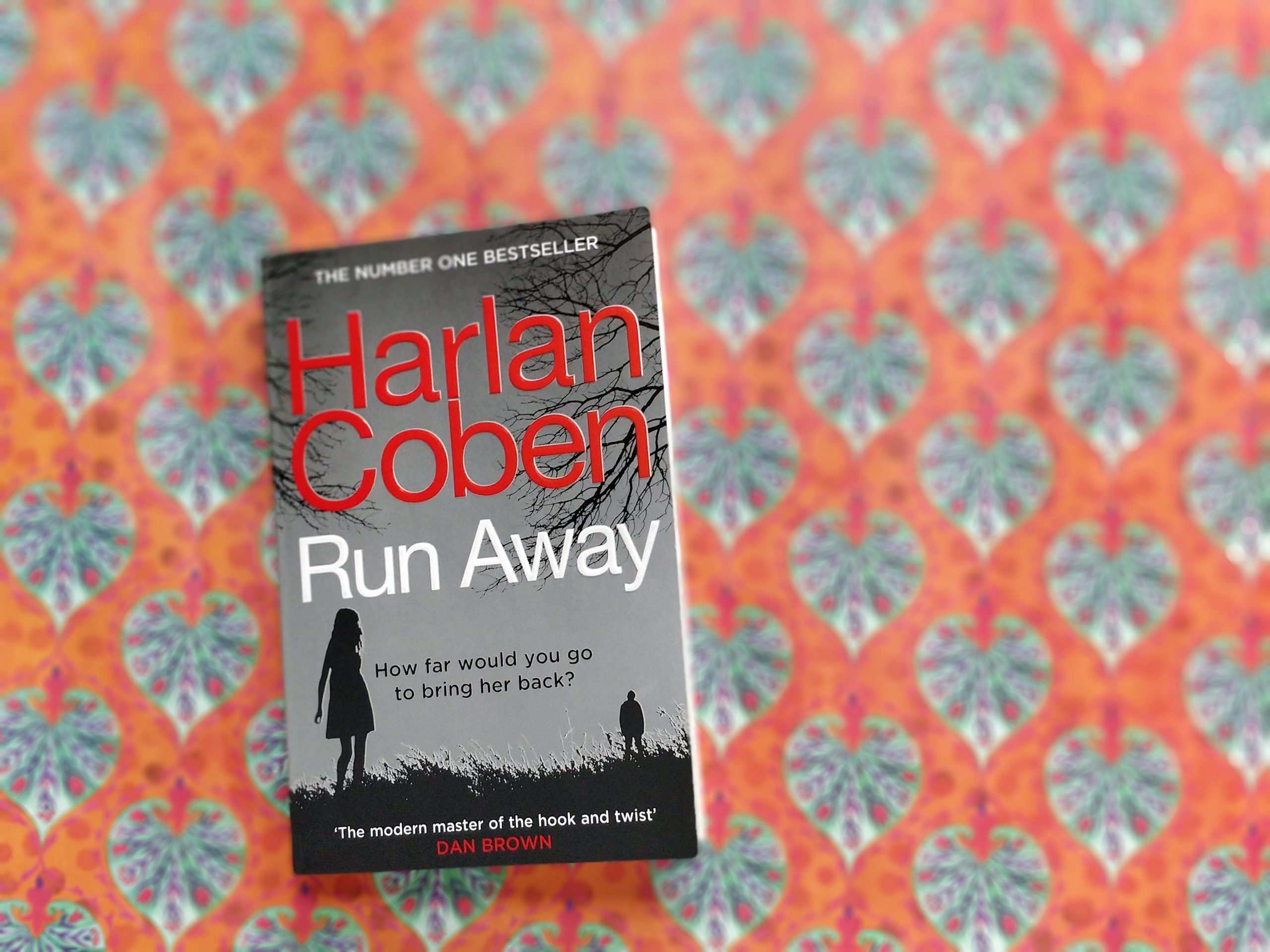
5 Reasons You Can’t Run Away from Harlan Coben’s’Run Away’

You’ve lost your daughter, and she’s made it clear that she doesn’t want to be found…And then you see her – living on the edge, frightened and clearly in trouble.

You approach her, beg her to come home.

She runs.

And you do the only thing a parent can do. You follow her into a dark and dangerous world you never dreamed existed.

Here are 5 reasons to read Run Away by Harlan Coben:


This is Coben’s 31st Novel. 


Harlan Coben was the first ever author to win all three major crime awards in the US.This makes the new standalone thriller from the master of domestic suspense a must read!

~

The author was inspired to write the first line when he was in the exact same location 

“Simon sat on a bench in Central Park- in Strawberry Fields, to be more precise- and felt his heart shatter.”

~

Coben’s wife is a pediatrician, just like Ingrid, Simon’s wife, in the book. Does art imitate life in more ways? 

“…Ingrid, a wonderful mother,a caring pediatrician who dedicated her life to helping children in need, said, “I don’t want her back in this house.”

~

The book showcases how dealing with the seedier underbelly involves sticking to their unlikely schedules.

” Dave texted him:
11AM today. I never told you. I ain’t a snitch.
Then:
But bring my money at 10AM. I got yoga at 11.

~

Simon is a man on a mission, and that mission is getting his daughter back.

” ‘Is Paige hiding from us?’
‘I’m not going to tell you that.’
‘Would you tell me for ten thousand dollars?’ Simon asked.
That caused a hush.”


Run Away is a brilliant new thriller from the international bestselling author described by Dan Brown as ‘the modern master of the hook and twist’.

Know Sadhguru, the Yogi, Mystic and Visionary –A Spiritual Master With a Difference 

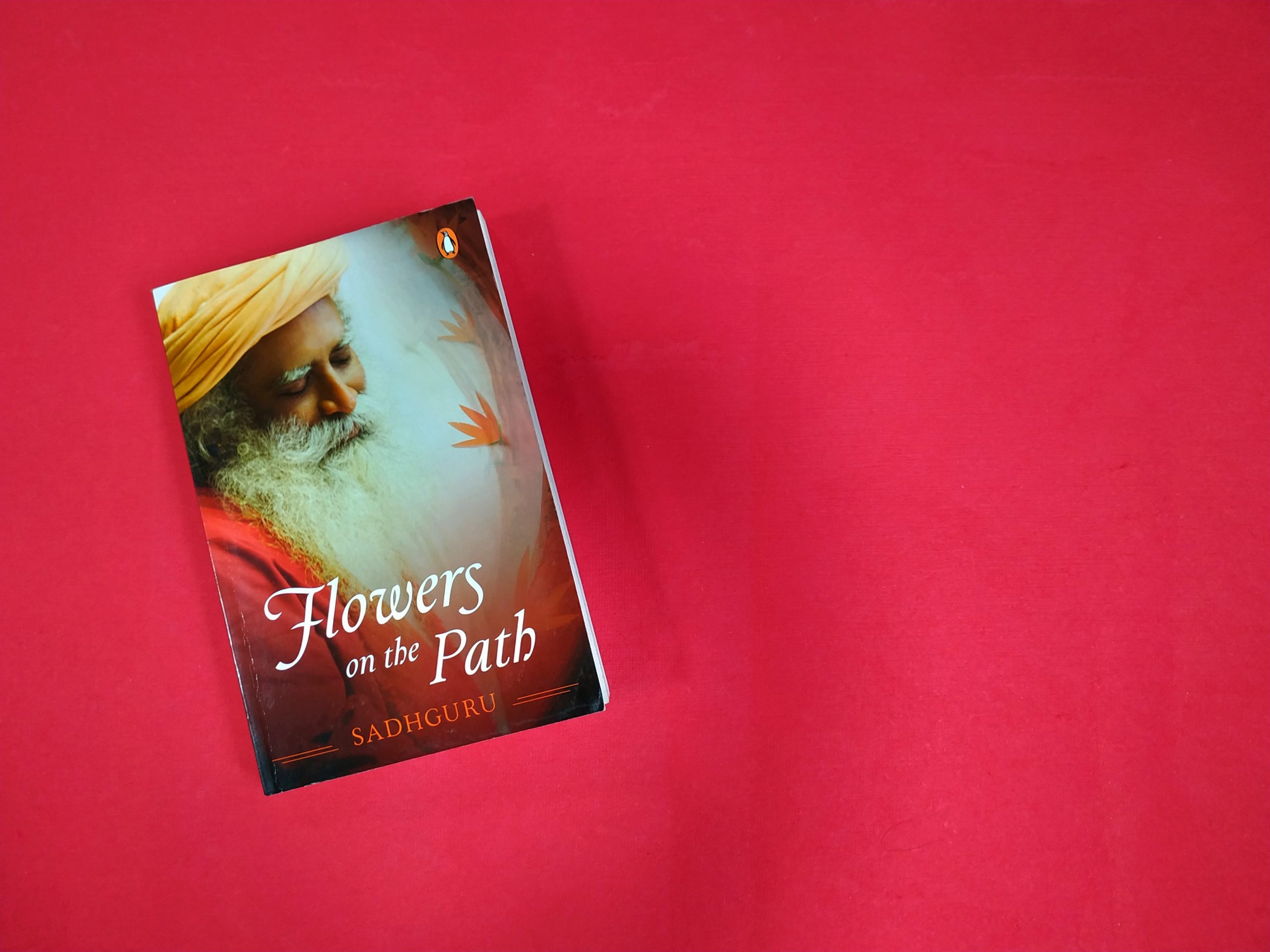
Yogi, mystic, and visionary, Sadhguru is a spiritual master with a difference. His book Flowers on the Path offers insights that spark you with their incisive clarity, delight you with humour, or even render you in profound stillness within. Whether the subject covers social issues and worldly affairs, individual challenges, or dimensions of the beyond, Sadhguru’s ability to delve to the root and look at life in its totality is evident.

Here we give you some interesting facts about Sadhguru:


Get your copy of Flowers On The Path today!

Books You Should Be Reading This Election Season!

With the General Elections going on in full swing, it’s needless to say that there’s no better time than now, to get updated with the current political environment, in order to vote consciously!

Here’s a list of books that will help you understand the A to Z of governance!

The Lost Decade (2008-18)

The Lost Decade (2008-18)

Before the global financial meltdown of 2008, India’s economy was thriving and its GDP growth was cruising at an impressive 8.8 per cent. The economic boom impacted a large section of Indians, even if unequally. With sustained high growth over an extended period, India could have achieved what economists call a ‘take-off’ (rapid and self-sustained GDP growth). The global financial meltdown disrupted this momentum in 2008.

In the decade that followed, each time the country’s economy came close to returning to that growth trajectory, political events knocked it off course.

In 2019, India’s GDP is growing at the rate of 7 per cent, making it the fastest-growing major economy in the world, but little on the ground suggests that Indians are actually better off. Economic discontent and insecurity are on the rise, farmers are restive and land-owning classes are demanding quotas in government jobs. The middle class is palpably disaffected, the informal economy is struggling and big businesses are no longer expanding aggressively.

India is not the star it was in 2008 and in effect, the ‘India growth story’ has devolved into ‘growth without a story’. The Lost Decade tells the story of the slide and examines the political context in which the Indian economy failed to recover lost momentum.


Didi: The Untold Mamata Banerjee

Didi

Mamata Banerjee, with her unique style of politics, was able to defeat the formidable three-decade-old Left Front Government in 2011. Exploring her struggles and achievements, Didi opens a window to the life and times of one of the most dynamic politicians of our country.

‘The general elections of 2019 can see [Mamata Banerjee] play kingmaker . . . She is the only regional leader who can claim to have that kind of clout. Jayalalithaa is no more and Nitish Kumar has changed over to the NDA. The year 2018 also witnessed the demise of another pedagogue of Dravidian politics, K. Karunanidhi. With the Congress showing signs of resurgence, and regional parties agreeing to forge a Federal Front, Mamata is more than aware that if she gets her electoral mathematics right, she could play a decisive role in the next Lok Sabha polls-maybe even stand a chance at prime ministership.’


Behenji

Behenji

“This revised edition of Behenji, first published in 2008, examines Mayawati’s record as chief minister since 2007. It pinpoints the reasons behind the BSP’s poor performance in the 2009 Lok Sabha polls, her return to the Dalit agenda prior to the 2012 assembly elections, as well as its surprising results. Also scrutinized are Mayawati’s performance as a Dalit leader and administrator, besides the rampant corruption and failure of her social engineering project during these years. Though no longer likely to become prime minister, the author sees Mayawati playing a pivotal role in UP, and, indeed, Indian politics post the 2014 elections.”


Rahul

Rahul

“Perceptions of Rahul Gandhi have ranged from the great Indian hope to that of an over- promoted dynastic scion. Everyone has an opinion, but the man himself remains opaque, his public persona confined to positions on political events, policies or programmes. Who is Rahul Gandhi—the real man—beneath the hype and the hatchet jobs? What are the ideas and influences that propel him? Who are his advisers? And how will he tackle his new responsibilities as his mother, Sonia Gandhi, makes way for him? Two young journalists, Jatin Gandhi and Veenu Sandhu, trace the evolution of the Rahul brand and explore the fascinating relationship between modernity and dynasty in this incisive political biography. ”


The Great Disappointment

The Great Disappointment

As the National Democratic Alliance (NDA) government completes its current term ahead of the General Elections 2019, it is time to evaluate its performance, specifically in terms of its management of the economy. This book is a critical assessment of five years of the brand of economics Prime Minister Narendra Modi has championed, often referred to as ‘Modinomics’.

Brought into power with the biggest political mandate in almost three decades, did the NDA government succeed in gainfully transforming India’s economic trajectory or did it squander a once-in-a-generation opportunity? The book conjectures it is the latter, and analyses why the Modi government’s stewardship of the economy is a ‘great disappointment’.


Half-Lion

Half-Lion

“When P.V. Narasimha Rao became the unlikely prime minister of India in 1991, he inherited a nation adrift, violent insurgencies, and economic crisis. Despite being unloved by his people, mistrusted by his party, and ruling under the shadow of 10 Janpath, Rao transformed the economy and ushered India into the global arena. With exclusive access to Rao’s never-before-seen personal papers and diaries, this definitive biography provides new revelations on the Indian economy, nuclear programme, foreign policy and the Babri Masjid. Tracing his early life from a small town in Telangana through his years in power, and finally, his humiliation in retirement, it never loses sight of the inner man, his difficult childhood, his corruption and love affairs, and his lingering loneliness. Meticulously researched and brutally honest, this landmark political biography is a must-read for anyone interested in knowing about the man responsible for transforming India. ”


Rajneeti: A Biography of Rajnath Singh

Rajneeti

Rajneeti mein “”neeti”” hai, to “”aneeti”” kyon?’ – Rajnath Singh

Rajnath Singh rose from a Swayamsevak in the RSS to the Chief Minister of Uttar Pradesh, and also served as a Cabinet Minister in the Vajpayee Government. Jailed during the Emergency, Singh was the president of the BJP’s youth wing, the Bharatiya Janata Yuva Morcha. A two-term President, Singh saw the elevation of Narendra Modi as the party’s PM candidate and delivered BJP’s biggest elections victory in 2014. Since then, as India’s Home Minister, he has ushered in a new phase in the country’s security where both internal and external threats have been minimised. Under Singh, the Red Menace from Naxalites and Maoists has been nearly wiped out, and the state of Jammu and Kashmir saw the first local body elections in over a decade. Read on to know more about one of the tallest politicians in present-day India. In a career spanning nearly fifty years, Rajnath Singh has not only witnessed but also played a significant role in shaping the history of this country. Drawing from a vast amount of research and in-depth interviews, Gautam Chintamani’s engaging narrative reveals for the first-time a politician who never shied away from doing the right thing.


Democracy on the Road

Democracy on the Road

On the eve of a landmark general election, Ruchir Sharma offers an unrivalled portrait of how India and its democracy work, drawn from his two decades on the road chasing election campaigns across every major state, travelling the equivalent of a lap around the earth. Democracy on the Road takes readers on a rollicking ride with Ruchir and his merry band of fellow writers as they talk to farmers, shopkeepers and CEOs from Rajasthan to Tamil Nadu, and interview leaders from Narendra Modi to Rahul Gandhi.

No book has traced the arc of modern India by taking readers so close to the action. Offering an intimate view inside the lives and minds of India’s political giants and its people, Sharma explains how the complex forces of family, caste and community, economics and development, money and corruption, Bollywood and Godmen, have conspired to elect and topple Indian leaders since Indira Gandhi. The ultimately encouraging message of Ruchir’s travels is that, while democracy is retreating in many parts of the world, it is thriving in India.


The Verdict

The Verdict

What are the key factors that win or lose elections in India? What does, or does not, make India’s democracy tick? Is this the end of anti-incumbency? Are opinion polls and exit polls reliable? How pervasive is the ‘fear factor’? Does the Indian woman’s vote matter? Does the selection of candidates impact results? Are elections becoming more democratic or less so? Can electronic voting machines (EVMs) be fiddled with? Can Indian elections be called ‘a jugaad system’?

Published on the eve of India’s next general elections, The Verdict uses rigorous psephology, original research and as-yet-undisclosed facts to talk about the entire span of India’s electoral history from the first elections in 1952. Crucially, for 2019, it provides pointers to look out for, to see if the incumbent government will win or lose.
Written by Prannoy Roy, renowned for his knack of demystifying electoral politics, and Dorab R. Sopariwala, this book is compulsory reading for anyone interested in politics and elections in India.


How to Win an Indian Election

How to Win an Indian Election

What role do political consultants play in election campaigns? How are political parties using technological tools such as data analytics, surveys and alternative media to construct effective, micro-targeted campaigns? How does the use of money impact election results? What aids in the en masse dissemination of divisive propaganda and fake news? What does it take to win an election in India today? What is the future of politics in the country?
Written by a former election campaign consultant for a major political party, How to Win an Indian Election takes readers into the forbidden world of election war-rooms and gives them a glimpse of how strategy is formulated, what works with voters on the ground and what doesn’t. Based on research, interviews and the author’s own experiences, this book is invaluable for its insight into the inner workings of politics, political parties and what really makes for a winning election campaign.

Love Knows No LoC- An Excerpt

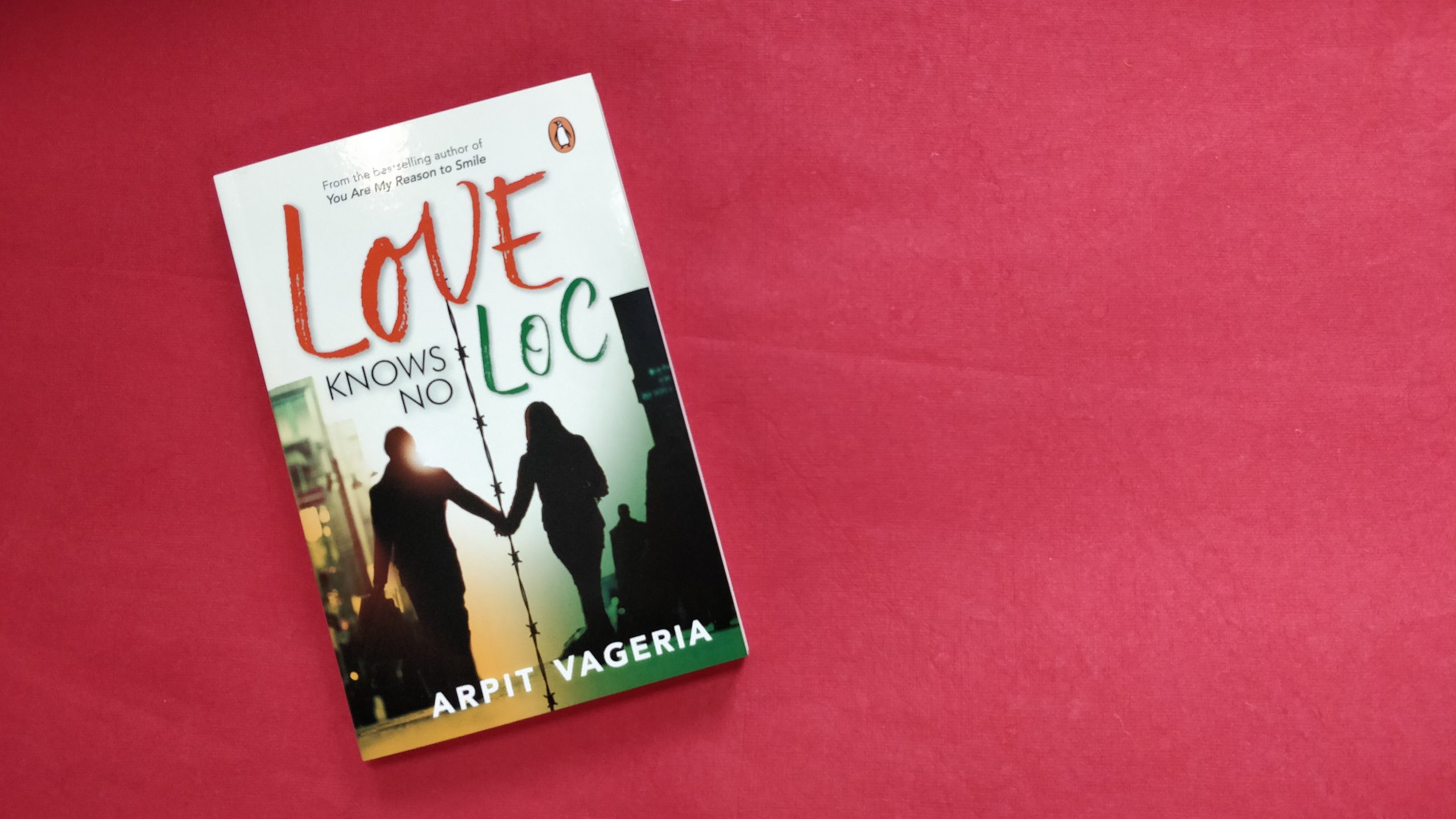
Zoya, a twenty-five-year-old Pakistani pop star, meets emerging Indian cricketer Kabeer while he is on tour in the country to play a match to promote Indo-Pak friendship.

One thing leads to another and soon Kabeer and Zoya are inseparable.

As their relationship is put to the test in the wake of mounting tensions between the two countries, they both stumble across a long-buried truth that will forever change the course of their lives.

Here’s an excerpt from Arpit Vageria’s Love Knows No LOC:

———

As Kabeer settled into his seat on the flight, memories of his last meeting with Zoya came flooding back. This was the last leg of his tour. It was also his last chance to restore the selectors’ faith in him and secure a place for himself in India’s international cricket team. On his way from the airport to the hotel in the bus with his other teammates, he read his last WhatsApp chat with her over and over again until the bus drew up at the Taj hotel in Mumbai. Even though he wanted to stay completely focused on the game to avoid disappointing his city, as he had done the last time, his thoughts repeatedly drifted to Zoya. He wondered where she was. Whether she had fallen in love with somebody else or, worse, forgotten Kabeer like a bad past and moved on.

There’s enough time to watch an entire movie when commuting through Mumbai’s gridlocked traffic, he thought. He wasn’t aware how long he had been listening to the playlist being fed into his earphones; it had already been repeated twice or thrice; all were tracks sung by Zoya. He remembered her telling him that every song she sang was inspired by him and that she had conceptualized these lyrics in his very presence.

That made him feel special.

Kabeer barely noticed the crowd of fans waiting outside the hotel, holding up placards with his name on it. The girls in the crowd frantically waved to catch his attention; some of them were wearing masks with his face painted on them—all for one smile in return.

A hand on his shoulder shook him out of his reverie. Arko was a teammate from Team India A, playing for Mumbai Riders in the T20 tournaments. He nodded to Kabeer indicating that it was time to disembark. Kabeer felt a tightness in his throat. He quickly looked around, hoping no one had noticed his emotional state.

Arko stared at Kabeer as he saw him sniffling and wiping his nose. ‘This is affecting your game, Kabeer; however, I’ve seen you in worse phases before. You can snap out of this as well.’

‘I’m just not used to being without Zoya,’ Kabeer said gruffly, picking up his rucksack and moving down the aisle of the bus.

‘You just have to get used to living without people who don’t belong with you in the first place,’ whispered Arko over his shoulder.

‘She was mine.’

‘She is a Pakistani,’ Arko stated flatly.

‘So?’

‘She was a habit; you’ll get over her. After what she did to you, you didn’t have any other choice. There were a million things that you could have done, but you did the right thing.’

Kabeer took a moment to register his words.

‘Don’t blame yourself, Kabeer,’ Arko encouraged. ‘It wasn’t your fault.’


Love Knows No LOC is a cross-border romance like no other! Available Now!

The Begum-Rediscovering Shared History

A conversation between the Indian and Pakistani authors of The Begum, Deepa Agarwal and Tahmina Aziz Ayub


Deepa:

Dear Tahmina, writing this book has been an amazing process of discovery for me and I’m sure for you too. I had heard a lot about Ra’ana Liaquat Ali Khan while growing up in the small town of Almora in Kumaon. Her name was mentioned in awestruck tones—the fact that this local girl, Irene Pant, had married Liaquat Ali Khan, the first prime minister of Pakistan and after his death, served as ambassador to different countries and been the governor of a province was the stuff of legends. My father was close to her younger brother Norman Pant so there was a connection with her family, which created a personal interest in me. However, since she never visited her home town after marrying Liaquat Ali Khan in 1933 and left for Pakistan in 1947 my image of her was hazy and distant. When the idea of her biography came up, I felt it would be a fascinating to find out how she had travelled so far from her birthplace. The events of her life convinced me that she was a woman whose story needed to be told. What was the source of your interest in Ra’ana Liaquat Ali Khan, Tahmina, this woman who played an significant role in sub-continental history, but is unknown in India and almost forgotten in Pakistan today?


Tahmina:                                     

Deepa dear, first of all I must share with you my delight at the choice of the words for describing this joint blog of ours, “Rediscovering Shared History”. Yes, and this is precisely the reason for my spontaneous response in accepting this writing cum research project when it was offered to me by Namita Gokhale in August 2016 during our meeting in Thimpu at the Mountain Echoes, Bhutan’s Lit Fest.

We here in Pakistan had heard about the achievements of this great lady in so many fields and yet we knew so little about her roots and her early life in India.   So for the first time this biography would manage to bring to light so many of those facets of her life which helped to shape her personality and prepare her for the tests of time she was to face in her later years.

The other aspect that made me wake up to the need for this biography was the fact, as you rightly pointed out, that many people of the present generation had mostly forgotten about the unusual and amazing story of this great lady and more so the trials and tribulations she had to face and soon after their arrival here, especially when she was to lose her husband to an assassin’s bullet.


Deepa:

The freedom movement was a long drawn out struggle, which ended in the Partition of India and Pakistan. While researching the life of Begum Ra’ana I uncovered many facts that I had only been superficially acquainted with. For example, the history of the Muslim League and Liaquat Ali Khan and Ra’ana’s contribution to its revival and growth and their relationship with Muhammad Ali Jinnah. Also, the undercurrents among the political parties that led to the formation of separate countries and the role World War II played in bringing freedom from colonial rule. Your research must have led you through the growing pains of a new nation and the movement for women’s emancipation to which Ra’ana made a huge contribution. You also discovered the extraordinary personality of a woman who was determined to soldier on against all odds. What have you taken away from the experience of writing this book?


Tahmina:

Yes, my primary take away from this experience of charting her life’s journey that it was no easy task that she fulfilled all that she had decided to undertake. It was obvious that she was no ordinary woman but one who had always a goal ahead that she was to focus on which took her far beyond the confines of her own personal existence. She left no stone unturned and allowed nothing to stand in her way in order to fulfil the mission she had started, along with her husband right from the early years of her marriage to him. She was indeed a unique personality and stands tall even today among the pantheon of leaders of Pakistan’s history.


Deepa:

For me one of the most fascinating experiences in writing this book was that it led me through the journey of the development of education for women in India. Ra’ana’s life is an outstanding example of how education transformed the career course of one particular woman. She was the product of missionary institutions like Wellesley School in Nainital, Lal Bagh and Isabella Thoburn College in Lucknow. Her closest lifelong friend and companion, the British lady Kay Miles, was the principal of Karamat Husain College set up for the education of Muslim girls in the same city. Irene/Ra’ana later taught in Gokhale Memorial School in Kolkata and Indraprastha College, the first women’s college in Delhi. Sifting through my sources, it was a revelation to learn how difficult it was for the pioneers in this field to find qualified women for teaching jobs, as Leonora G’meiner, the Australian principal of Indraprastha College bemoans in her correspondence. Then the hostility from the patriarchal system which early educators had to counter—from Isabella Thoburn’s need to hire guards against irate opponents when Lal Bagh School began, to Ra’ana’s own experiences of harassment during the course of her MA in Economics at Lucknow University. Do you think these early battles honed Ra’ana’s fighting mettle and prepared her for the greater challenges that she had to face in Pakistan?


Tahmina:

The first part of her story which you so painstakingly researched and penned Deepa tells us about her steely determination to secure a firm educational base for herself and later a career too as lecturer in her chosen subject of Economics. In this respect she was far ahead of her times as this was a subject that did not interest females in general at the time.  Interestingly many years later my own M Phil thesis would be on the subject of Women’s Labour in Agriculture as was hers in her M.A. thesis. Her firm belief in the role of formal education in the substantive lives of women led her to adopting this as her primary mission for helping women adopt a meaningful role in the fledgling state of Pakistan. She was an instrumental figure in setting up many centers of learning both formal and non- formal all over the country for the benefit of women, in the very early years of the development of new state of Pakistan.


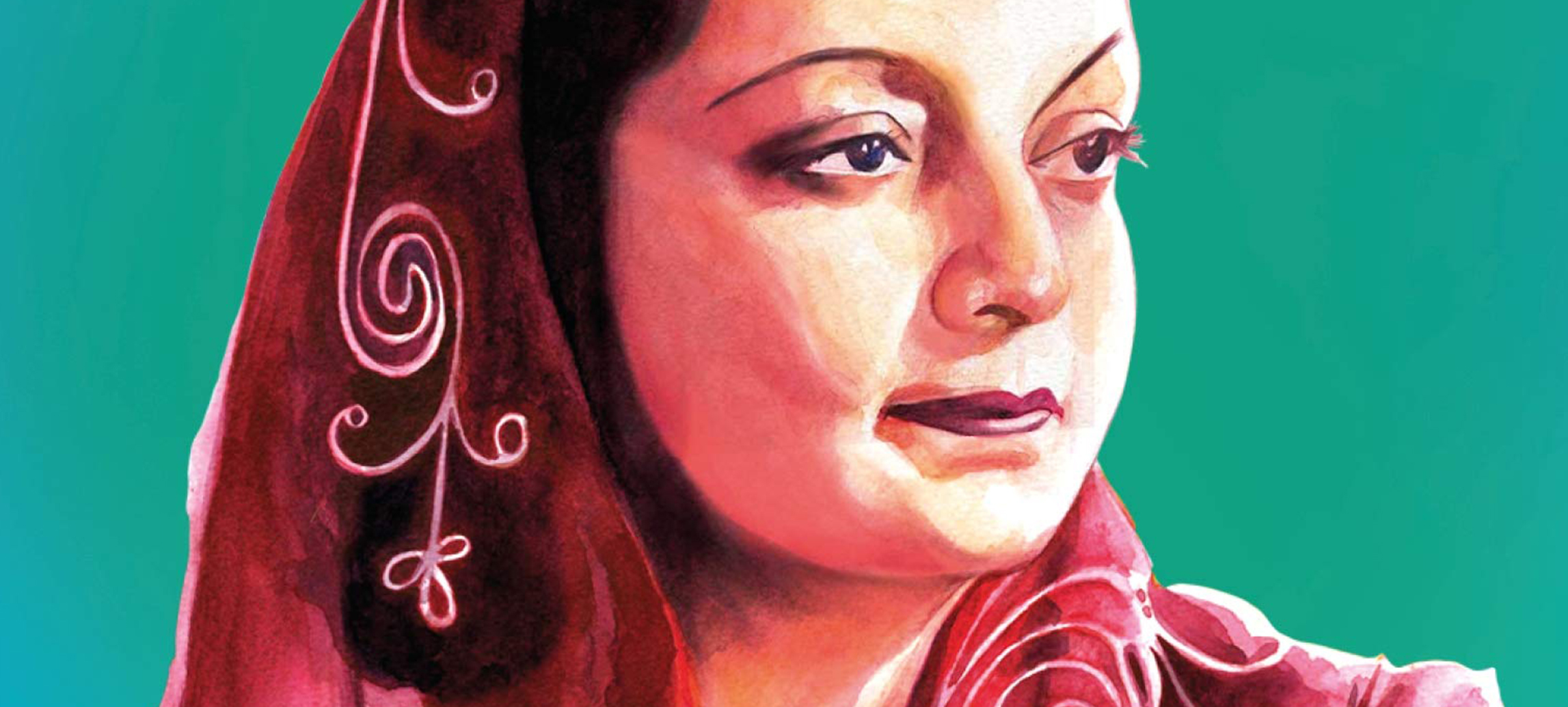
Begum Ra’ana Liaquat Ali Khan was the wife of Pakistan’s first prime minister. Three religions-Hinduism, Christianity and Islam-had an immense impact on her life, and she participated actively in all the major movements of her time-the freedom struggle, the Pakistani movement and the fight for women’s empowerment. She occasionally met with opposition, but she never gave up. It is this spirit that The Begum captures.

The Essential Mom Bookshelf for this Mother’s Day

This Mother’s Day, Penguin brings you a list of books to read and navigate through the different stages of motherhood.

As Michelle Obama says, “My most important title is still ‘mom-in-chief.'”

Take a look at this essential list specially curated for all the moms-in-chief!


All You Need To Know About Parenting

As parents, we all face fear and doubt about bringing up children. It helps to have a guide who can prepare and take us through every single aspect of the formative years. You can rely on All You Need to Know about Parenting to be your guide, best friend and window into this world, knowing you’re not the only one who’s on this incredibly difficult but also rewarding journey. From the day you step into the hospital and welcome your baby to the time they become toddlers, this book will help you develop your parenting instinct.

Own the Bump

Motherhood is a life-changing event in a woman’s life. Keeping in mind the fast-paced lives of nuclear families and sometimes unhealthy lifestyles, Bollywood’s most celebrated yoga expert, Payal Gidwani Tiwari, brings to fore the importance of preparing the body and soul for such a change. From pre-pregnancy to post-natal, Gidwani utilizes her age-old knowledge of yoga and provides essential advice to take care of oneself before, during and after the birth. Her workout sessions are especially designed for modern parents.

Birthing Naturally

Birthing Naturally is a comprehensive book on pregnancy wellness that aims to increase the chances of expecting mothers in giving a successful and less-stressful natural birth. This book will help you as a friend and as an antenatal caregiver so you can enjoy your pregnancy, and provide valuable tips for your postnatal period to complete your experience of motherhood.

Drama Teen:A Cool-Headed Guide for Parents and Teenagers

In Drama Teen, Lina Ashar explores concepts from both sides of the fence. Helicopter parenting, parent–teen conflicts and ways to resolve them, and the habits that lead to a successful life are among the topics discussed here. She also explores ways to minimize the pain and trauma the ‘drama-teen’ phase can cause both to the teens and their parents. Packed with practical advice, tips, what-not-to-dos and activities, Ashar expertly guides you to keep your cool through those complicated years. ”

Picky Eaters: and Other Meal-Time Battles

Does your child revolt at the mere thought of eating greens? Are you running out of nutritious lunch-box ideas?

In Picky Eaters, celebrity chef and culinary expert Rakhee Vaswani guides parents and kids on how they can make everyday food fun, exciting and yummy. From delicious, healthy recipes to party-planning and cooking together, this book will tell you how to get your child to eat right. So banish all those mind-boggling questions about what to feed your children—and start cooking!

#MomsNeedABreak-Books to gift this Mother’s Day

This Mother’s Day, Penguin presents a list of books to gift and help mothers escape their daily grind. After all, moms need a break too!

Take a look!

Sitayana

Countless retellings, translations, and reworkings of the Ramayana’s captivating story exist-but none are as vivid, ingenious and powerful as Amit Majmudar’s Sitayana. Majmudar tells the story of one of the world’s most popular epics through multiple perspectives, presented in rapid sequence-from Hanuman and Ravana, down to even the squirrel helping Rama’s army build the bridge.

I Owe You One

Fixie Farr can’t help herself. Straightening a crooked object, removing a barely-there stain, helping out a friend . . . she just has to put things right. So when a handsome stranger in a coffee shop asks her to watch his laptop for a moment, Fixie not only agrees, she ends up saving it from certain disaster. To thank her, the computer’s owner, Sebastian, scribbles her an IOU – but of course Fixie never intends to call in the favour. Soon the pair are caught up in a series of IOUs – from small favours to life-changing debts – and Fixie is torn between the past she’s used to and the future she deserves.


Kaifiyat: Verses on Love and Women

Kaifi Azmi’s literary legacy remains a bright star in the firmament of Urdu poetry. His poetic temperament-ranging from timeless lyrics in films like Kagaz Ke Phool to soaring revolutionary verses that denounced tyranny-seamlessly combined the radical and the progressive with the lyrical and the romantic. This beautifully curated volume brings together poems and lyrics that reflect Kaifi’s views on women and romance.

The Mister

The thrilling new romance from E L James, author of the bestselling Fifty Shades trilogy..

London, 2019. Life has been easy for Maxim Trevelyan. But all that changes when tragedy strikes and Maxim inherits his family’s noble title, wealth, and estates, and all the responsibility that entails. But his biggest challenge is fighting his desire for an unexpected, enigmatic young woman who’s recently arrived in England, possessing little more than a dangerous and troublesome past. The Mister is a roller-coaster ride of danger and desire that leaves the reader breathless to the very last page.

The Travel Gods Must be Crazy: Wacky Encounters in exotic lands

Dreaming of glorious sunrises and architectural marvels in exotic places, Sudha often landed up in situations that were uproariously bizarre or downright dangerous. Tongue firmly in cheek, she recounts her journeys through the raw wildernesses of Borneo and the African savannah, into the deserts of Iran and Uzbekistan, and up the Annapurna and the Pamirs, revealing the quirky side of solo travel to side-splitting effect. Punctuating her droll stories with breathtaking descriptions and stunning photographs, Sudha invites readers on an unexpected and altogether memorable tour around the world!

Autumn Light: Season of Fire and Farewells

Returning to his long-time home in Japan after a sudden death, Pico Iyer picks up the steadying patterns of his everyday rites: going to the post office, watching the maples begin to blaze, engaging in furious games of ping-pong every evening. As he does so, he starts to unfold a meditation on changelessness that anyone can relate to: parents age, children scatter, and he and his wife turn to whatever can sustain them as everything falls away.

The Begum: A Portrait of Ra’ana Liaquat Ali Khan, Pakistan’s Pioneering First Lady

Begum Ra’ana Liaquat Ali Khan was the wife of Pakistan’s first prime minister. Always intelligent, outgoing and independent, she was teaching economics in a Delhi college when she met the dashing Nawazada Liaquat Ali Khan, a rising politician in the Muslim League and an ardent champion of the cause for Pakistan. In August 1947 they left for Pakistan. Ra’ana threw herself into the work of nation building, but in 1951 Liaquat Ali Khan was assassinated, and the reasons for his murder are still shrouded in mystery.

Ra’ana continued to be active in public life-and her contribution to women’s empowerment in Pakistan is felt to this day. She occasionally met with opposition, but she never gave up. It is this spirit that The Begum captures.

Cities and Canopies: Trees in Indian Cities

 Trees are storehouses of the complex origins and histories of city growth, coming as they do from different parts of the world, brought in by various local and colonial rulers. From the tree planted by Sarojini Naidu at Dehradun’s clock tower to those planted by Sher Shah Suri and Jahangir on Grand Trunk Road, trees in India have served, above all, as memory keepers. They are our roots: their trunks our pillars, their bark our texture, and their branches our shade. Trees are nature’s own museums.
Drawing on extensive research, Cities and Canopies is a book about both the specific and the general aspects of these gentle life-giving creatures.

The Satapur Moonstone

India, 1922. A curse seems to have fallen upon the royal family of Satapur,  where both the maharaja and his teenage son have met with untimely deaths. The state is now ruled by an agent of the British Raj on behalf of Satapur’s two maharanis, the dowager queen and her daughter-in-law.

When a dispute arises between the royal ladies , a lawyer’s counsel is required to settle the matter. Since the maharanis live in purdah, the one person who can help is Perveen Mistry, Bombay’s only female lawyer. But Perveen arrives to find that the Satapur Palace is full of cold-blooded power play and ancient vendettas.

Too late she realizes she has walked into a trap. But whose?

Queens of Crime: True Stories of Women Criminals from India

Dysfunctional families, sexual abuse, sheer greed and sometimes just a skewed moral compass. These are some of the triggers that drove the women captured in these pages to become lawbreakers.
Queens of Crime demonstrates a haunting criminal power that most people do not associate women with. The acts of depravity described in this book will jolt you to the core, ensuring you have sleepless nights for months.
Based on painstaking research, these are raw, violent and seemingly unbelievable but true rendition of India’s women criminals.

The Empress: The Astonishing Reign of Nur Jahan

Acclaimed historian Ruby Lal uncovers the rich life and world of Nur Jahan, rescuing this dazzling figure from patriarchal and orientalist cliches of romance and intrigue, while giving a new insight into the lives of the women and the girls during the Mughal Empire, even where scholars claim there are no sources. Nur’s confident assertion of authority and talent is revelatory. In Empress, she finally receives her due in a deeply researched and evocative biography that awakens us to a fascinating history


It’s Adventure Time with These Books for the Holidays!

Ah, they’re here – the holidays! It’s the time of the year our little ones look forward to the most. They’re off school and ready to get into some mischief. How can we keep them busy this summer, while ensuring they nourish their little brains?

We say, with books! Here is a list of new titles that will be the perfect summer companion for your little one!

Astra: The Quest for Starsong

The winds speak of a terror from the south. Ravana, the Lord of Lanka, is on the march. Seers whisper that he has awakened Starsong, a mythical astra of the gods. And that he thirsts for this weapon that will make him invincible.

Today is the day Varkan, the young prince of Ashmaka, will taste freedom. Today is the day he will lay claim to his destiny as the wielder of Starsong. And along the way, perhaps he will change the destiny of the world itself.


Coming round the Mountain: In the Year of Independence

Thirteen-year-old Ruskin is back at school, doing what he loves-reading, goal-keeping, spending time with his friends and eating lots of jalebis. But things seem to be rapidly changing all around him. Whispers of a partition haunt the corridors of his school. Does the formation of a new, independent India mean saying goodbye to old friends-and, with it, the shenanigans they got up to?


Vocabulary Enhancer: Wuthering Heights

Word power is an integral part of being able to express yourself-whether you’re in college, appearing for competitive exams or attending a job interview. It makes you an effective and confident communicator. This handy guide brings to you an abridged version of the beloved gothic romance Wuthering Heights by Emily Brontë to familiarize you with a must-read and equip you with new words.


Vocabulary Enhancer: 1984

Accessible and engaging, each book in the Vocabulary Enhancer series simplifies a classic and helps you memorize a list of carefully curated, frequently used words through their definitions, antonyms, examples of usage as well as word exercises and puzzles to recap your learning. This handy guide brings to you an abridged version of the dystopian masterpiece 1984 by George Orwell to familiarize you with a must-read and equip you with new words.


One Lonely Tiger

One Lonely Tiger illustrates this urgent threat of extinction and loss of habitat among valuable species, and asks the pressing question: are our trees, wild animals, birds and insects safe amidst us? Gorgeously illustrated and thoughtfully narrated, this book sensitizes young readers to the pathos and loneliness of our wildlife and the ecological crisis around us.


Skill Builder: Math series

This series contains mathematics activities, puzzles and problems to help young learners practise basic arithmetic and hone their logic, reasoning, creative and critical thinking skills. Through fun and challenging scenarios, your child will learn and master mathematics skills that are also applicable in a wide range of everyday contexts.

Are Marriages Arranged in Heaven? ‘Ayesha at Last’ Clarifies!

Ayesha Shamsi has a lot going on. Her boisterous Muslim family, and numerous (interfering) aunties, are professional naggers. And her flighty young cousin, about to reject her one hundredth marriage proposal, is a constant reminder that Ayesha is still single.

Ayesha might be a little lonely, but the one thing she doesn’t want is an arranged marriage.

Ayesha at Last by Uzma Jalaluddin sheds some light on arranged marriage in the Muslim community. Read on to find out if Ayesha should give arranged marriage a chance…


Love is a part of the equation but not before marriage

“Love comes after marriage, not before. These Western ideas of romantic love are utter nonsense. Just look at the American divorce rate.”

~

The guest list requires a lot more thought than expected

 “The wedding will be in July. Everyone will want an invitation, but I will limit the guest list to six hundred people. Any more is showing off.”

~

Mothers can get a little carried away during the process

“Because while it is a truth universally acknowledged that a single Muslim man must be in want of a wife, there’s an even greater truth: To his Indian mother, his own inclinations are of secondary importance.”

~

Sometimes it is the only way some people can find a partner

He had been raised to believe that non-related men and women should never get too close- socially, emotionally and especially physically. “ When an unmarried man and woman are alone together, a third person is present: Satan,” Ammi often told him.”

~

Religion is not part of the process but is an integral part of the individual’s identity

“His white robes and beard were a comfortable security blanket, his way of communicating without saying a word. Even though he knew there were other, easier ways to be, Khalid had chosen the one that felt most authentic to him, and he had no plans to waver.”

~

First impressions are very important

“Well, I hope you aren’t comparing your situation to our little Hafsa’s many rishta proposals. Even if you are seven years older and only received a handful of offers. Only consider Sulaiman’s status in the community and Hafsa’s great beauty, her bubbly personality.”

~

Everyone who participates doesn’t believe in the ‘Happily Ever After’

“A woman should always have a backup plan, for when things fall apart. You must know how to support yourself when they leave.”


Ayesha at Last is a big-hearted, captivating, modern-day Muslim Pride and Prejudice, with hijabs instead of top hats and kurtas instead of corsets. .

error: Content is protected !!