Publish with Us

Follow Penguin

Follow Penguinsters

Follow Penguin Swadesh

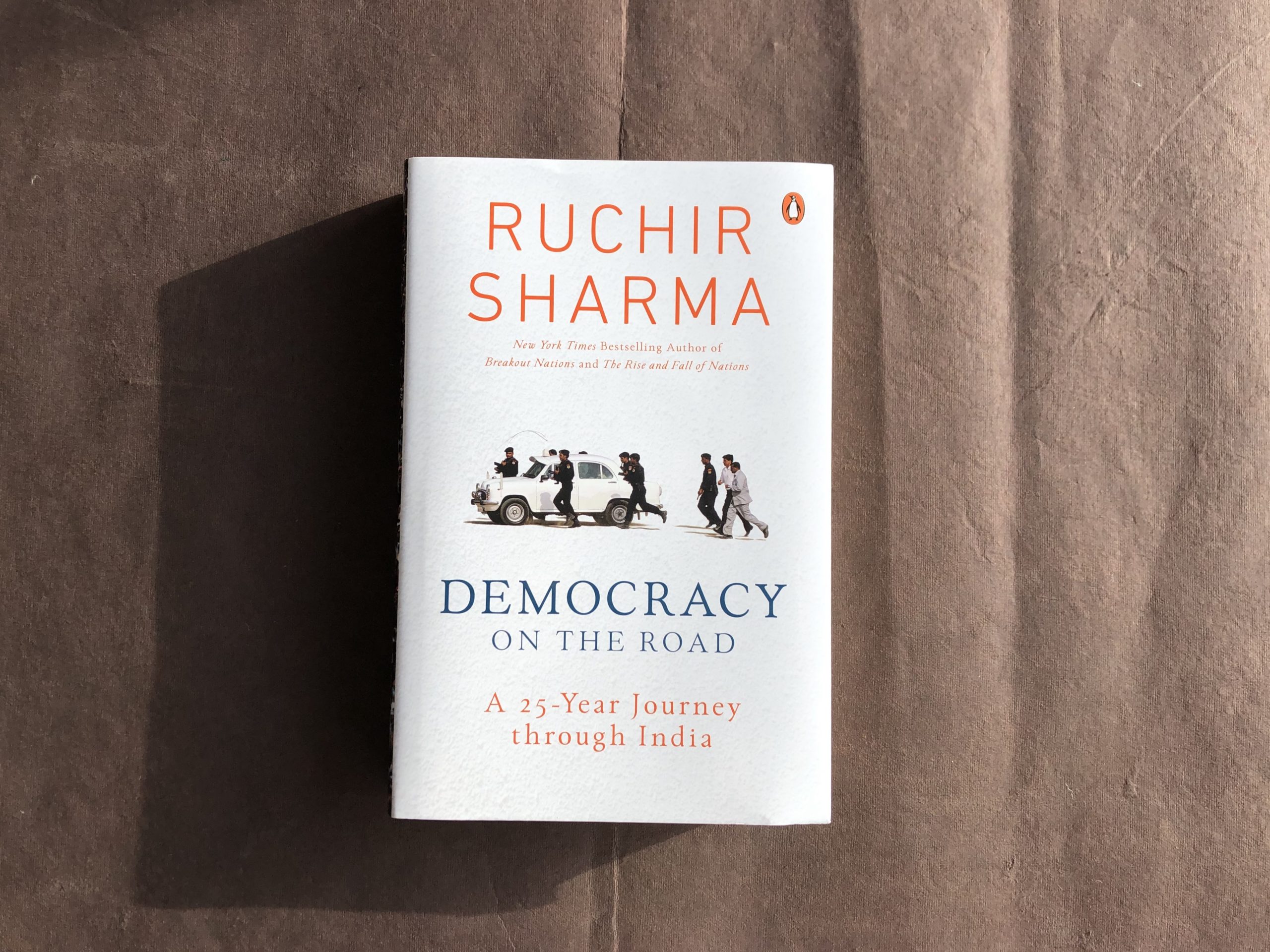
Jaya Prada: the Multilingual Celebrity – an excerpt from ‘Democracy on the Road’

On the eve of a landmark general election, Ruchir Sharma offers an unrivalled portrait of how India and its democracy work, drawn from his two decades on the road chasing election campaigns across every major state, travelling the equivalent of a lap around the earth.

In this excerpt from his book, Democracy On The Road, Ruchir Sharma talks about Jaya Prada’s election contest against Noor Bano in the 2009 elections.


We found yet another spin on the byzantine turns of Indian alliance politics unfolding in the city of Rampur, best known for its Mughlai cuisine, lilting poetry and Rampuri chakus—the long knives once favoured by small-time villains in Hindi movies. As we often do we arranged a meeting with the DM, the district magistrate, and outside his office I noticed a wooden board listing all the previous DMs of Rampur.

The list ran long, implying that the tenure of any one DM was quite short—likely because state governments come and go so quickly, and each new ruling party brings its own roster of local officials. I asked the DM about this and he said with a wry smile that Hinduism recognizes four sequential stages of life, from Brahmacharya (student), Grihastha (householder), Vanaprastha (retired) and finally Sannyasa (renunciation). But the life of a district magistrate bounces between these stages in no apparent order, and they ‘can never be sure which will come next’.

In Rampur, Congress candidate Noor Bano, a scion of Rampur’s royal family, was plotting her comeback against the former film star Jaya Prada, whose rootless career symbolized the fluid loyalties of Indian politics. We met Jaya Prada in a luxury suite at The Modipur Hotel, itself a classically Indian mash-up of garishly colourful decoration and gold-plated religion, with miniatures of Hindu gods dotting the makeshift dining-room temple where Jaya Prada prayed.

Jaya Prada had been a coveted ally not for her Hindu piety or her caste but for her multilingual celebrity: she was the rare actress who had starred in both Telugu and Hindi films. After appearing in more than 300 movies over three decades, she became a favourite of Chandrababu Naidu and later a member of parliament representing his Telugu Desam Party in the Rajya Sabha.

Then she not only switched parties, she switched to a new state and a capital city nearly 1500 kilometres away. After falling out with Naidu she had left his party in 2004 and accepted an invitation to join Mulayam Singh Yadav’s Samajwadi Party in UP. Milling about Jaya Prada’s expansive hotel suite in Rampur we found a mix of her relatives and their kids, Samajwadi Party functionaries and Muslim clerics—all moving around carefully so as not to knock over the Hindu statuettes.

Asked how her transition across state, party and religious lines had gone so far, Jaya Prada smiled and said, ‘AP+UP=JP’, or Andhra Pradesh plus Uttar Pradesh equals Jaya Prada, the kind of formula that could describe the hybrid backgrounds of many itinerant Indian politicians.

There were, however, signs of strife. Some Samajwadi Party members appeared to be secretly manoeuvring to tar Jaya Prada as an immoral ex-starlet, apparently as punishment for showing insufficient respect to their local party boss, the Muslim leader Azam Khan. Though Jaya Prada carried herself with cinematic aplomb, her optimistic glow did crack once—when she described these machinations against her.

She was particularly upset about photos that had surfaced online, doctored to show her in compromising poses. Leaving the interview we made our way past Bollywood movie star and Rajya Sabha member Jaya Bachchan, who had flown in to campaign for Jaya Prada and appeared quite angry that a bunch of journalists had kept her waiting.

Next we went to see the Congress stalwart whom Jaya Prada unseated back in 2004, Noor Bano, and found her dressed sari-tosandals all in pure white, but dark with resentment at losing her Lok Sabha seat to this film industry interloper from Andhra Pradesh.

Bano, seventy, pitched herself as the opposite of a ‘shifty’ ex-actress: as a daughter of Rampur royalty, she was not a migrant politician and could be relied on to remain true to the locals. Whatever progress the Rampur area had enjoyed of late had nothing to do with Jaya Prada or the Samajwadi Party, Noor said. It was all the work of the national government under Prime Minister Manmohan Singh, which had done so much for farmers and the poor.

The most uplifting thing about the Jaya Prada versus Noor Bano battle was that it pitted two women against each other, in a country where women had been rising in politics but at a painfully slow rate. The number of women in the Lok Sabha had risen from just nineteen in 1977 to fifty-nine here in 2009, and we had seen how the constant struggle to command respect in a male-dominated political culture had left many prominent female leaders battle-hardened and suspicious, including supremos like Jayalalithaa and Mayawati. The one clear thing about the Rampur contest was that a woman would win, and be beaten by a woman.


Democracy on the Road takes readers on a rollicking ride with Ruchir and his merry band of fellow writers as they talk to farmers, shopkeepers and CEOs from Rajasthan to Tamil Nadu, and interview leaders from Narendra Modi to Rahul Gandhi.
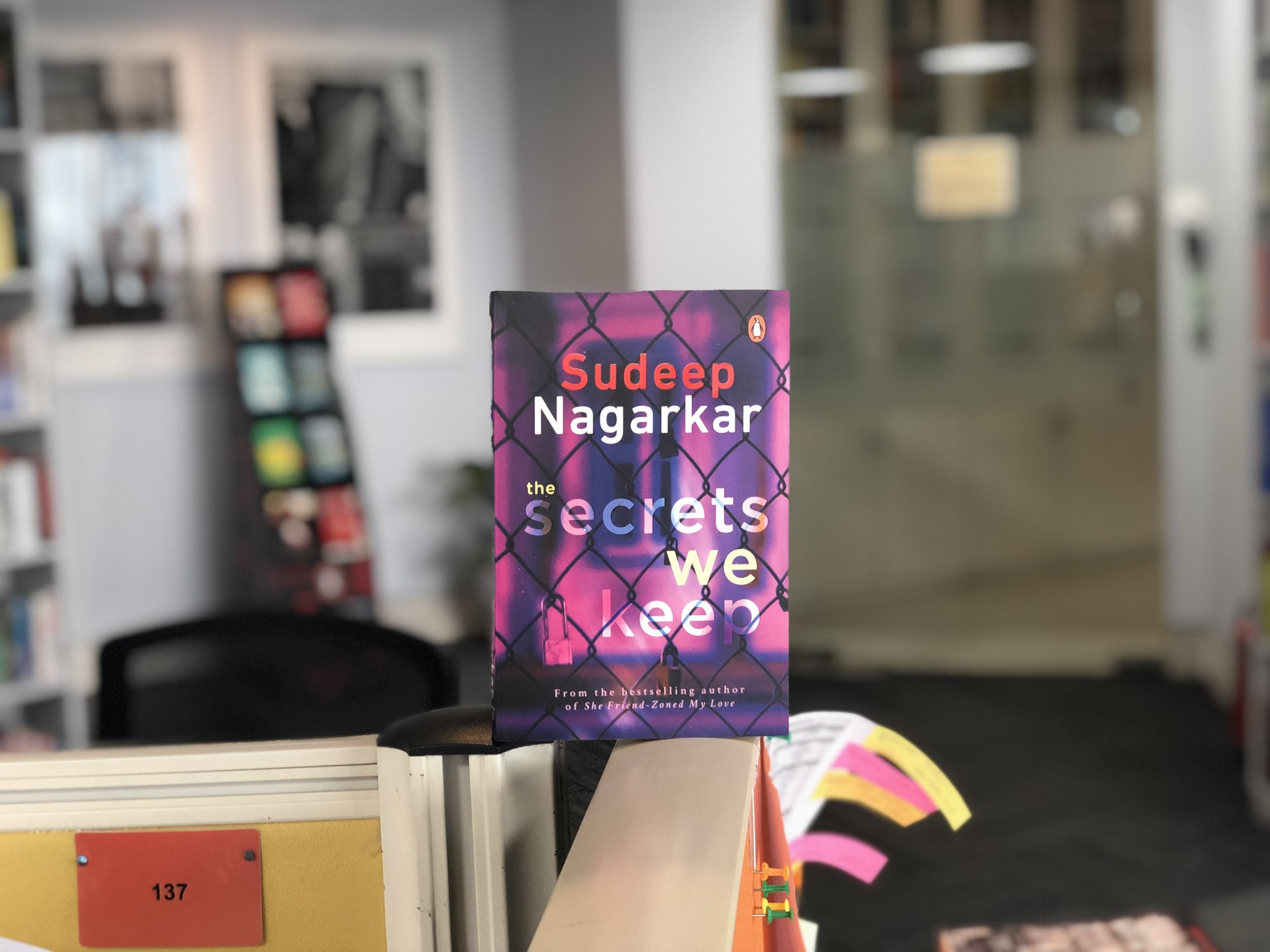
 

The Secrets We Keep – An Excerpt

Rahul, an intelligence officer on a secret mission, is undercover at a major’s house. In the process, he falls in love with the major’s daughter, Akriti, unknowingly putting her in danger. To protect her, Rahul decides to hide her at his parents’ house. However, estranged from his family for years, he must first make amends with them.

Just when he thinks he has found a haven for Akriti, she goes missing…

Here’s an exclusive excerpt from Sudeep Nagarkar’s much-awaited The Secrets We Keep:

—————————————-

If you could forget a relationship that fleetingly existed in the past, would you? If your past could be erased,
would you erase it?

Sadly, you have no choice in this matter because I—your past—am invincible.

Mysterious and unseen, I am the master of the dark and light and everything in between.

I am a force of nature, an unstoppable wave that’ll tame you by taking away every last bit of your strength until you regret ever standing in my path. A king of manipulation at its finest, I will see into the soul of the characters in this story long before they catch a glimpse, and change the way they think. I am the only God and the only devil, and I am here to destroy you because without destruction there’s no creation.

If you think you can escape me, you’re already doomed.


Grab your copy today!

Amma, Let’s Explore India’s Monuments

Come, explore the places where we worship with Amma and the boys! Bhakti Mathur’s books in this series is sure to inform and excite your little one to travel to the different monuments in India. Told through interesting stories with captivating illustrations, this new series introduces readers to the history of different faiths and their associated monuments. Here are three of her books that you must take a look at!

Amma, Take Me to Tirupati

Enjoy the scenic drive uphill, while listening to captivating lore about the snake that became a hill range and how Vishnu came to reside on the very same hill, first as a boar and then as a heartbroken husband. Wake up bright and early to the hymns of Suprabhatam. Savour the delicious Tirupati laddu as prasad. Relish a few quiet moments by the lake Swami Pushkarini. Witness the adoration of Venkateshwara’s devotees.


Amma, Take Me To The Golden Temple

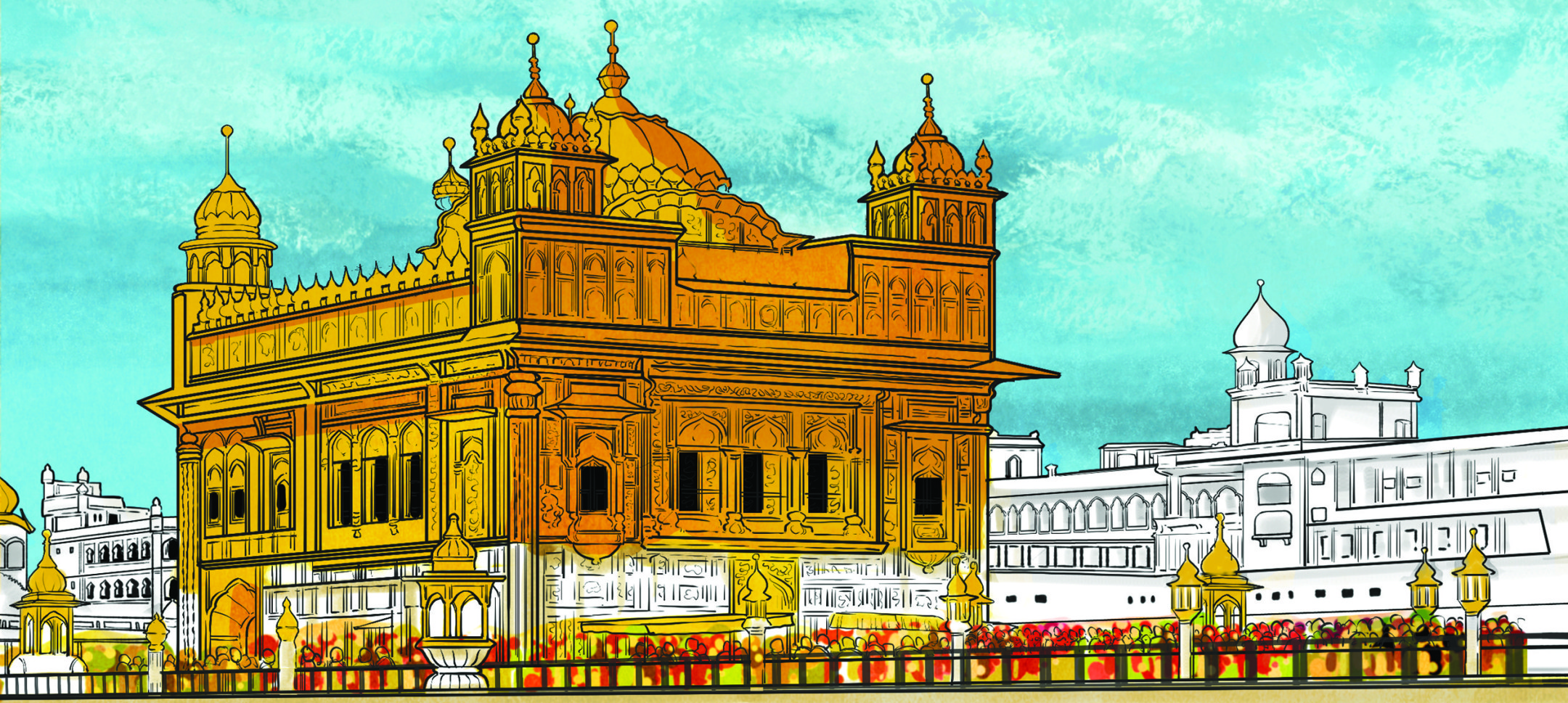
Join Amma and her children as they travel to the famous Golden Temple in Amritsar. Take a tour through the wonderful sights, sounds and history of Darbar Sahib. Hear stories about the Sikh gurus. Visit Darshani Deori and Akal Takht. Savour a drink from the sacred waters at Har Ki Pauri and the langar from the world’s biggest kitchen! Learn Guru Nanak’s eternal message of equality, love and service.


Amma, Take Me to the Dargah of Salim Chishti

Hear the story of why the great Mughal emperor Akbar visited the Sufi saint Shaikh Salim Chishti and then had a mausoleum built in his honour. Walk through the imposing Buland Darwaza. Admire the majestic architecture of the sprawling quadrangle. Hear the soulful notes of azan wafting from the Jama Masjid. Tie a thread in the delicate jali screens as you make a wish. Behold the dargah of Salim Chishti shining like a white pearl in an oasis of red sandstone. Listen to Amma with your eyes and ears wide open, for this whirlwind of a journey promises to leave you mesmerized!


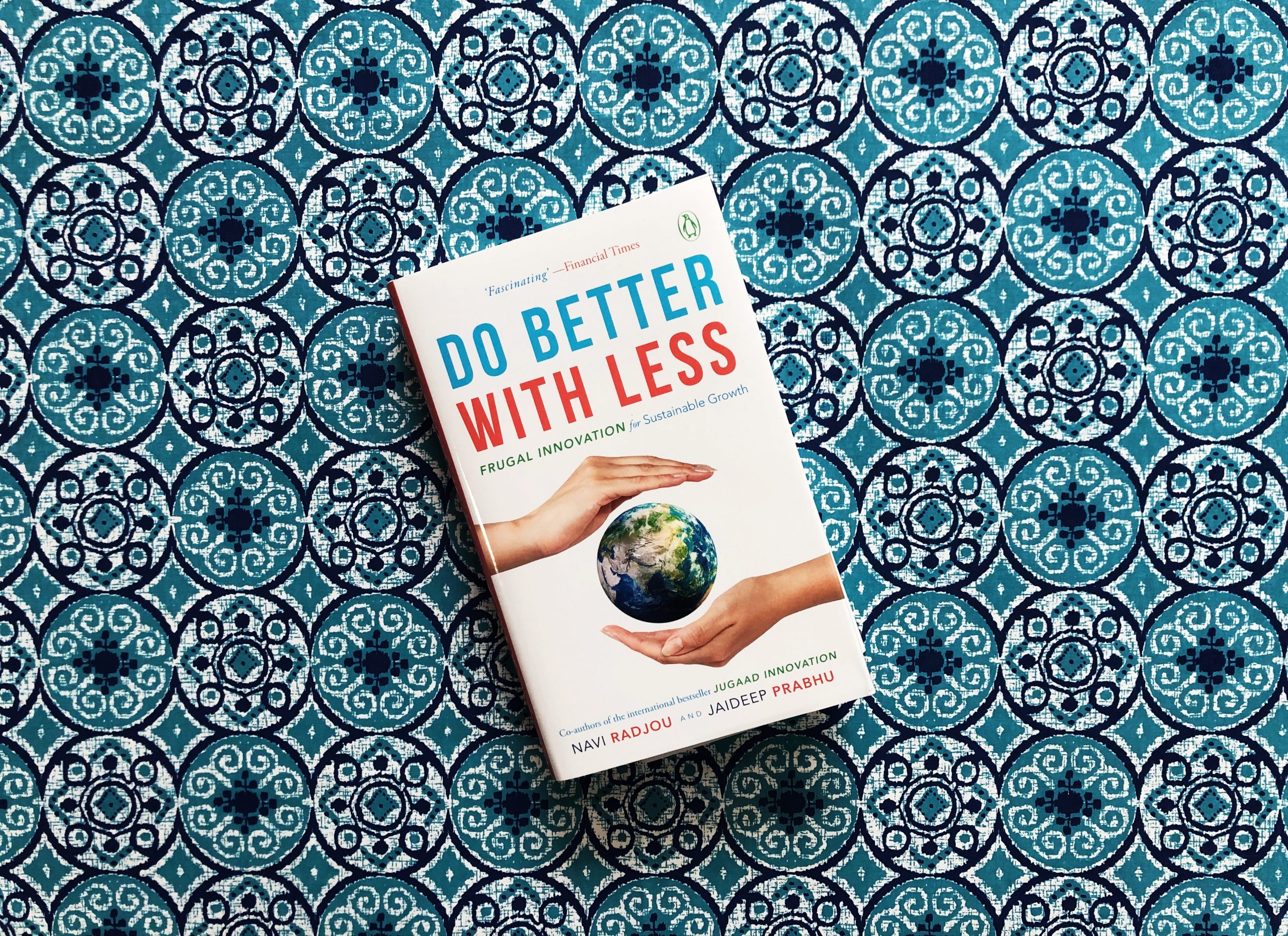
Do Better with Less – An Excerpt

The world faces a stark challenge: meeting the needs of over 7 billion people without bankrupting the planet. India, with its large population and limited resources, is at the very epicentre of this challenge.

Packed with over fifty case studies, Do Better with Less: Frugal Innovation for Sustainable Growth by the bestselling authors of Jugaad Innovation offers six proven principles that Indian entrepreneurs and businesses can use to co-create frugal solutions in education, energy, healthcare, food and finance that are highly relevant to India and the world.

Here is an excerpt from the first chapter:


In 1999, Jean-Marie Hurtiger, a senior manager at Renault, a French carmaker, was given what seemed like an almost impossible task. His boss, Louis Schweitzer, then Renault’s CEO, wanted him to create a modern, reliable and comfortable car that would retail at $6,000.

Two years earlier, Schweitzer had visited Russia where, to his dismay, he had discovered that the Lada—a locally made car priced at $6,000—was selling fast, while Renault’s fancier cars—twice as expensive as the Lada—had few buyers. As Schweitzer recalls: ‘Seeing those antiquated cars, I found it unacceptable that technical progress should stop you from making a good car for $6,000. I drew up a list of specifications in three words—modern, reliable and affordable—and added that everything else was negotiable.’

Schweitzer instructed Hurtiger, an engineer by training, with international management experience, to build a $6,000 car that matched these specifications.

Technically, Hurtiger could engineer a stripped-down version of a car for that price. But, like the Lada, this car would be clunky and uncomfortable, and customers would question its safety. Renault had a reputation for elegance and quality to protect; launching a shoddy product would be a form of brand suicide. Hurtiger therefore realized that what his boss was asking him to do was not just create a cheaper car,
but one that married high quality and affordability.

This ‘more for less’ proposition was at odds with Hurtiger’s long experience. R&D engineers in the West are taught to push the frontiers of automobile technology by adding features to existing products. Indeed, Western car companies invest billions in R&D to create increasingly more sophisticated products in order to differentiate their brands from do better with less competitors’ and charge customers more for the privilege. Schweitzer’s ‘more for less’ proposition seemed to flout the conventional ‘more for more’ business model that had proven so lucrative in consumption driven Western economies over the previous five decades.

Both Hurtiger and Schweitzer recognized that they would first have to change the way Renault employees think. Creating a $6,000 car required not just a new business model, but a new mental model. This would amount to an immense cultural shift in a company that was over 100 years old and for decades had designed high-quality cars—some for the premium market—primarily for Western middle-class consumers. All Renault’s French engineers had grown up in a resource-rich and relatively stable economy with a ‘bigger is better’ R&D philosophy. Schweitzer and Hurtiger needed a new breed of engineers, with a different outlook, who could innovate under severe constraints and turn adversity into opportunity.


Do Better with Less is India’s guide to claiming global leadership in frugal innovation.

Evocative Lines from ‘Mouth Full Of Blood’ that Reshape our Worldview

Spanning four decades, the essays, speeches and meditations in Mouth Full Of Blood interrogate the world around us. They are concerned with race, gender and globalisation. The sweep of American history and the current state of politics. The duty of the press and the role of the artist. Throughout Mouth Full of Blood our search for truth, moral integrity and expertise is met by Toni Morrison with controlled anger, elegance and literary excellence.

The collection is structured in three parts and these are heart-stoppingly introduced by a prayer for the dead of 9/11, a meditation on Martin Luther King and a eulogy for James Baldwin.

Here are some powerful lines from Toni Morrison’s book that will leave an imprint on you!

“Certain kinds of trauma visited on peoples are so deep, so cruel that unlike money, unlike vengeance, even unlike justice or rights or the goodwill of others, only writers can translate such trauma and turn sorrow into meaning, sharpening the moral imagination.”

“The fall of communism created a bouquet of new or reinvented nations who measured their statehood by ‘cleansing’ communities. Whether the targets were of different religions, races, cultures – whatever – reasons were found first to demonize then to expel or murder them.”

“If education is about anything other than being able to earn more money( and it may not be about any other thing), that other thing is intelligent problem-solving and humans relating to one another in mutually constructive ways.”

“For if education requires tuition but no meaning, if it is to be about nothing other than careers, if it is to be about nothing other than defining and husbanding beauty or isolating goods and making sure enrichment is the privilege of the few, then it can be stopped in the sixth grade or the sixth century when it had been mastered.

“Biology and bigotry are the historical enemies – the ones women have long understood as the target is sexism is to be uprooted.

“Complicity in the subjugation of race and class accounts for much of the self-sabotage women are prey to, for it is straight out of that subjugation that certain female- destroying myths have come.”

“I am alarmed by the violence that women do to one another: professional violence, competitive violence, emotional violence. I am alarmed by the willingness of women to enslave other women. I am alarmed by the growing absence of decency on the killing floor of professional women’s worlds.”

“I have never lived, nor have any of you, in a world in which race did not matter. Such a world, a world free of racial hierarchy, is frequently imagined or described as a dreamscape, Edenesque, utopian so remote are the possibilities of its achievement.”

“The defenders of Western hegemony sense the encroachment and have already described, defined and named the possibility of imagining race without dominance, without hierarchy, as ‘barbarism’; as destroying the four-gated city; as the end of history – all of which can be read as garbage, rubbish, an already damaged experience, a valueless future.”


Mouth Full of Blood is a powerful, erudite and essential gathering of ideas that speaks to us all.


Delhi or Mumbai? Get a Chance to Discover India City By City!

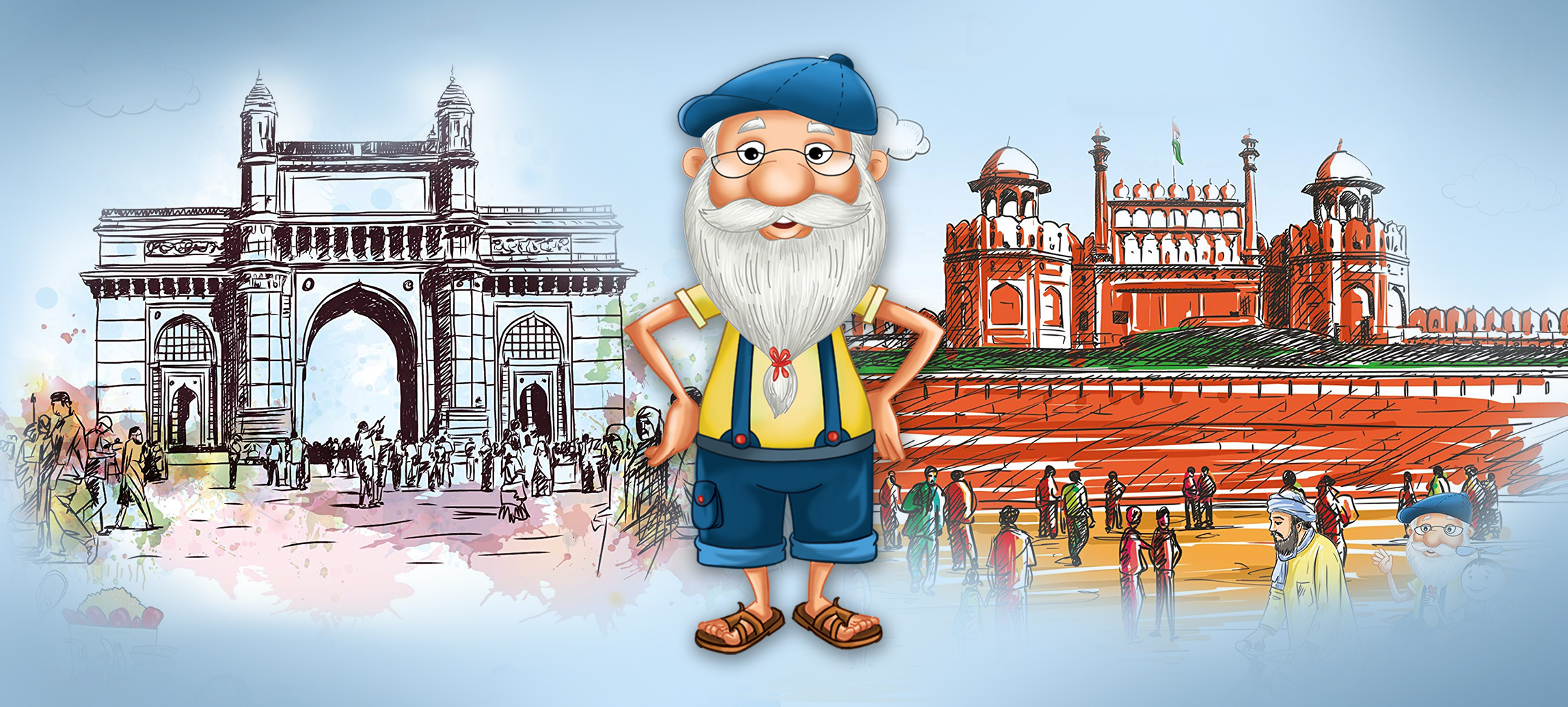
Daadu Dolma, Mishki and Pushka are off to explore Delhi and Mumbai. They have heard about Delhi’s incredible history, its amazing food, the stunning monuments, the unique Delhi lifestyle and Mumbai’s amazing people, its film industry and its buzz of activity. They’re going to have some great adventures in the two cities so be sure to join them in Mumbai, Here we Come (Discover India City by City) and Delhi, Here we Come (Discover India City by City) by Sonia Mehta.

Here are some incredible facts about both the cities:


A Walk Amidst Nature

Shopper’s Paradise

Transport Tales

Cities Of National Importance

Local USP’s

Undying Spirit

Tempting Delicacies


Are you going to join them? Then keep your cameras ready and get set for a wonderful trip!

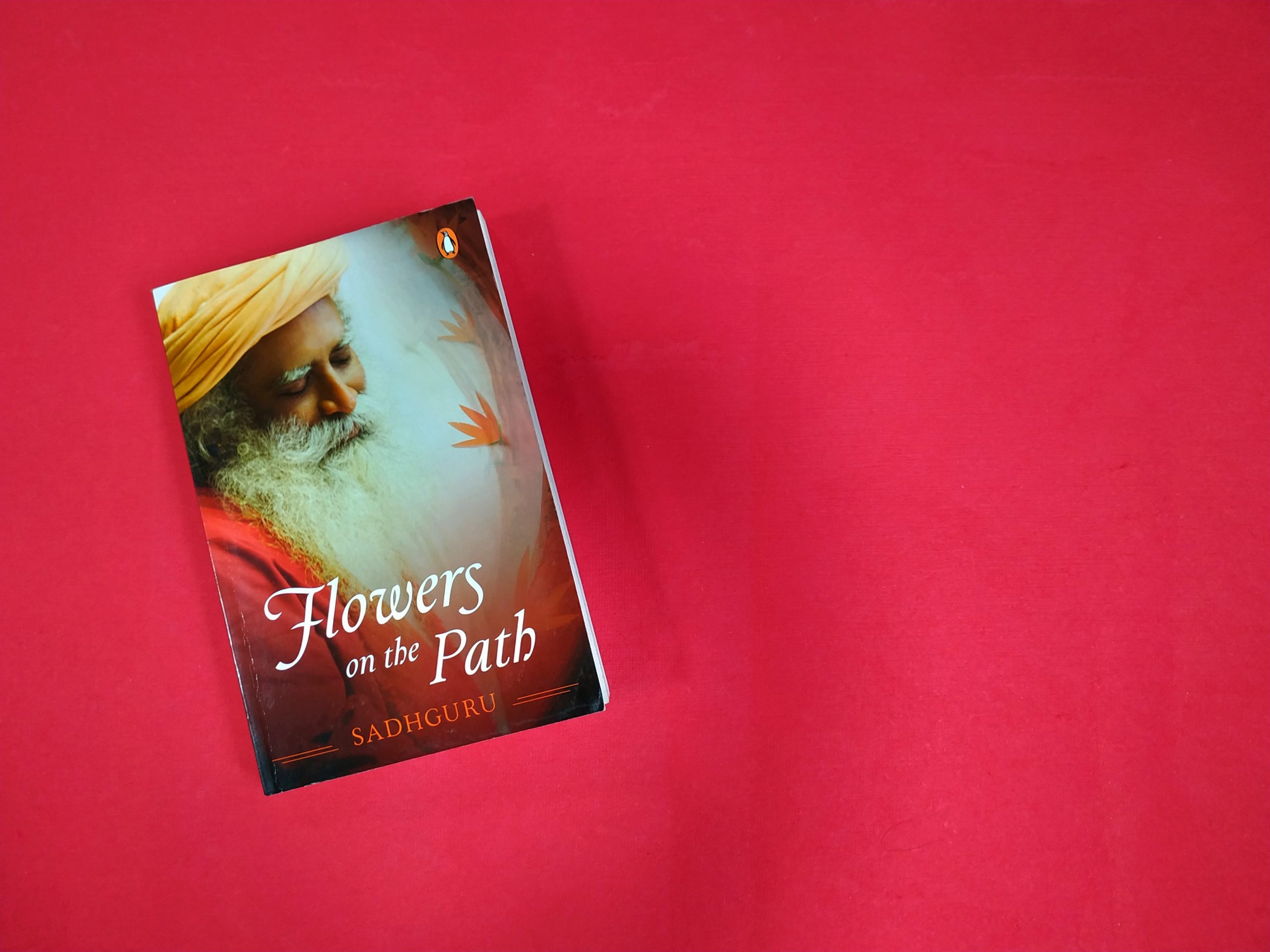
Bite-sized wisdom from Sadhguru

A motley bouquet, the articles that comprise Flowers on the Path offer insights from Sadhguru that spark you with their incisive clarity, delight you with humour, or even render you in profound stillness within.

Whether the subject covers social issues and worldly affairs, individual challenges, or dimensions of the beyond, Sadhguru’s ability to delve to the root and look at life in all its totality is evident.


Health Is Wholeness


Life Afresh With Children


 Rising Beyond Religion


Mind: The Dumping Ground


Dynamic Stillness, Static Stagnation


The Snakes and Ladders of Comfort


Spiritual Allergy


Choosing Your Destiny


What We Are Not


Front cover of Flowers on the Path
Flowers on the Path || Sadhguru

As a flower can confound you with its brilliance and beauty, so too does each article in Flowers On The Path  hold the possibility to confuse you out of your conclusions, and pave the way towards true knowing.


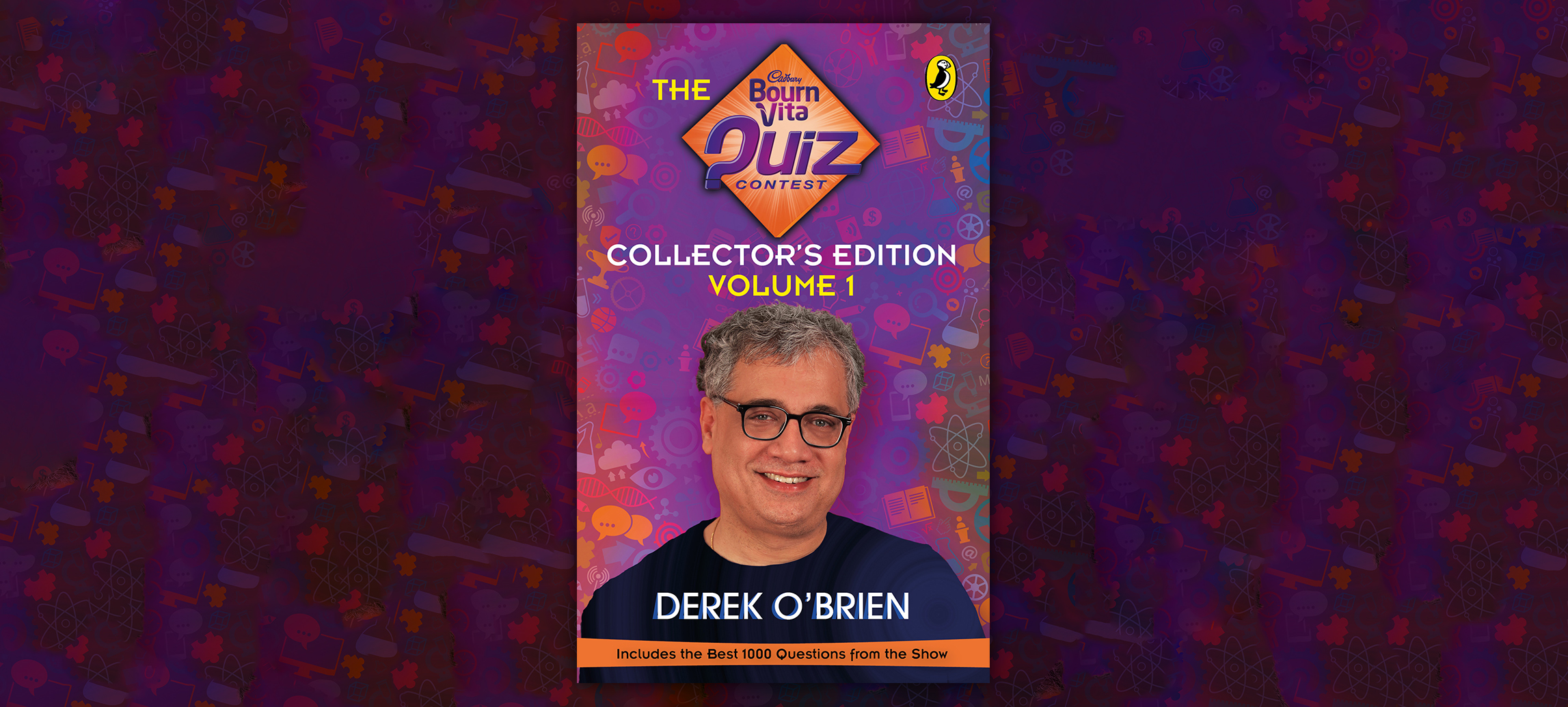
Going Down the Memory Lane with Fun Moments from ‘The Bournvita Quiz Contest’

The award-winning Bournvita Quiz Contest started as a radio programme in 1972, then shifted to television in the 1990s. Since 1994, it has been hosted by Asia’s best-known quizmaster, Derek O’Brien, in his inimitable style, and it holds the record for being the longest-running knowledge game show on Indian television. This definitive edition, The Bournvita Quiz Contest Collector’s Edition comprises a selection of the best Q & As from this iconic children’s show.

Here’s what our readers have to say about the must-watch show of the ’90s!

“I used to buy 1kg packs of Bournvita to be a prodigy child after reading this…amazing book!!”

– @karankumbria20

 “The best thing that happened on the weekends. He was fun watching and learning.”

– @bookaville

“Every Sunday glueing on to TV and competing with cousins in who answers the most!!!”

– @amimehta

 “The buzzer rounds!!”

-@nishtha.shah11

“I used to tune in and realise how much I don’t know( every time!). Derek was amazing throughout.”

-@richa_reads

 “The amazing way Derek used to narrate the questions and our real-time contest with cousins.”

– @goodreadpoetry

“The orange Bournvita mugs– Also our school hosted it once.”

-@ashrey_official

 “His voice”

-@divya_katta

 “DEREK! The opening.”

-@parinitie

“the jingle”

-@pradishabrar

“Challenging questions which increased my knowledge.”

-@a2kamat


Featuring 1000 questions, carefully curated from the exhaustive twenty-year-old archives, this book is dotted with heartening anecdotes, fun trivia and thoughtful essays by people who worked on this much-loved show.


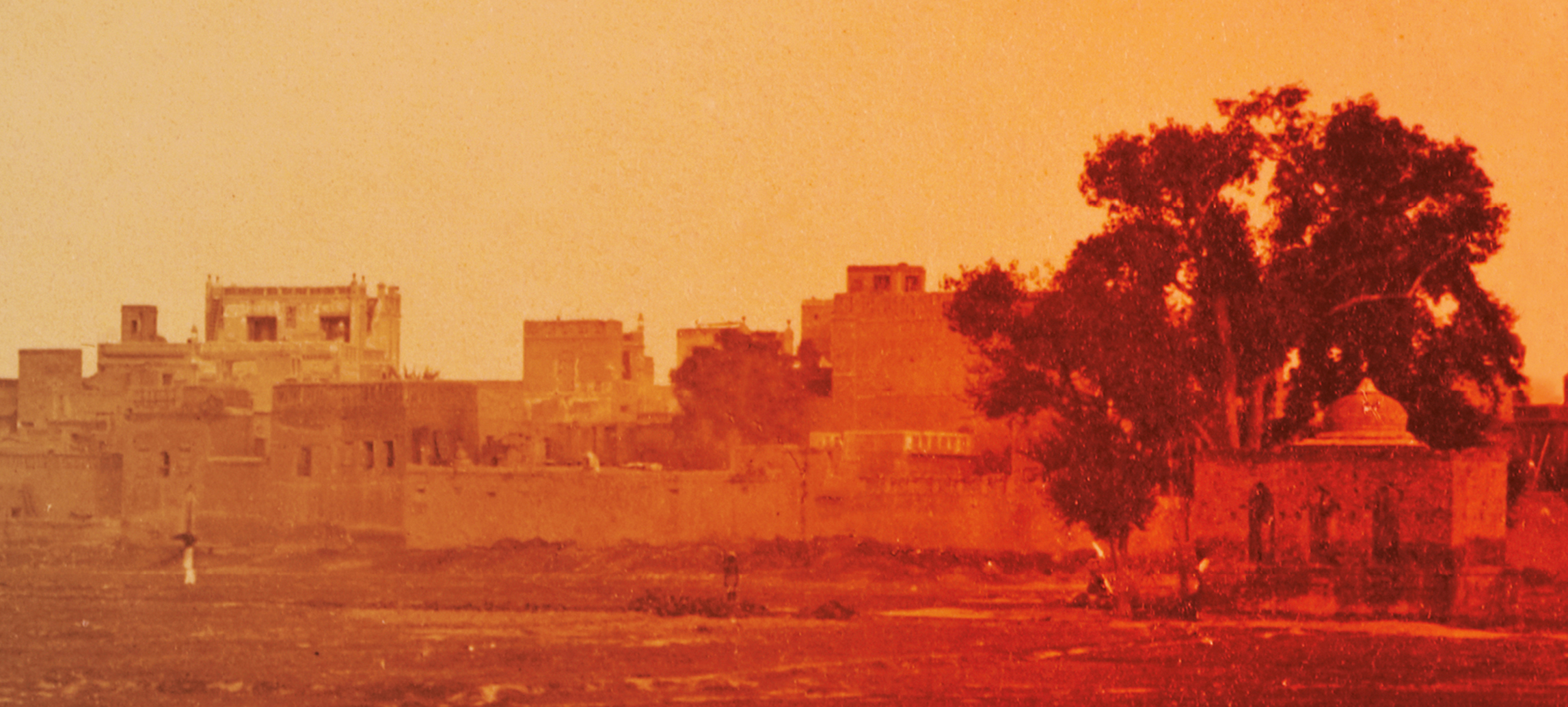
Kim Wagner on New Discoveries while Writing ‘Jallianwala Bagh’

The Amritsar Massacre of 1919 was a seminal moment in the history of the Indo-British encounter, and it had a profound impact on the colonial relationship between the two countries.

In Kim Wagner’s Jallianwala Bagh, which takes the perspectives of ordinary people into account, the event and its aftermath are strikingly detailed. Wagner argues that General Dyer’s order to open fire at Jallianwala Bagh was an act of fear and its consequences for the Indian freedom struggle were profound. Situating the massacre within the ‘deep’ context of British colonial mentality and the local dynamics of Indian nationalism, Wagner provides a genuinely nuanced approach to the bloody history of the British Empire.

In this piece by the author, he talks about his learnings while writing and researching for the book.


As I was writing the book about the Jallianwala Bagh massacre, one of the things that struck me was the abiding belief in the benevolence of the British Raj on the part of the local residents of Amritsar. Above the entrance to the memorial there is today a sign that says: ‘A Landmark in Our struggle for Freedom’, and the events of April 1919 are often referred to as a key moment in the independence movement that came to its fruition in 1947. In this narrative, the hundreds of civilians who were massacred by General Dyer, were martyrs to the cause of an independent India and it is as such that they are today commemorated. The interesting thing is that no-one in Punjab in 1919 even thought of independence.

Indian nationalists at the time, such as Drs Kitchlew and Satyapal, were thinking exclusively in terms of dominion-status within the British Empire – similarly to Australia or Canada. Despite the socio-economic dislocation and hardship caused by the First World War, the global flu pandemic, high food-prices and failed crops, the disappointment of the Montagu-Chelmsford reforms and the anger caused by the Rowlatt Act, the population of Amritsar never lost their faith in the Sarkar, or British Government.

As locals sought to petition the authorities for the release of their two leaders who had been deported on 10 April, they did so using the terms Ma Bap – the traditional supplication entailed by the line ‘You, My Lord, are my mother and father!’ After the confrontation turned violent and stones were thrown at the military pickets, who responded with indiscriminate shooting, people were shocked that the British would open fire on ‘innocent’ people. That is also why crowds twice sought to cross the railway bridges leading from the old city of Amritsar and into the Civil Lines, and twice were fired at.

As late as 13 April, local residents maintained their faith in the British Government whom they believed would ultimately act in a benevolent and righteous manner. Shortly before Dyer arrived at Jallianwala Bagh with his strike-force, a British airplane flew over the city and when people in the crowd became restless, the Satyagraha activists, who had organised the meeting, reassured them: ‘We need not fear anything. The Sarkar is our father and mother: why should Government kills its own children.’ While Dyer mistakenly believed that he was facing an armed crowd of rebels, and therefore opened fire to prevent a second ‘Mutiny’, people in the crowd did not see themselves as engaging in anything unlawful. The ban on public meetings had not been widely disseminated in the city and there was widespread confusion as to the actual nature of the meeting at Jallianwala Bagh, which furthermore coincided with the festival of Baisakhi.

The massacre, and its aftermath, brutally disabused Indians as to the true nature of British oppression and it was from April onwards, as a result of what had occurred, that people more generally began to think of independence. Before any details of what had occurred in Amritsar reached beyond Punjab, the poet and writer Rabindranath Tagore famously returned his knighthood at the end of May 1919, stating that: ‘The enormity of the measures taken by the Government in the Punjab for quelling some local disturbances has, with a rude shock, revealed to our minds the helplessness of our position as British subjects in India.’ It was not, however, till the following year that Gandhi initiated the non-cooperation movement and finally took up the cause of independence.

The Amritsar Massacre has since been recognised as a crucial watershed in the history of British India, and the in the freedom struggle, yet it is important to remember that this was far from evident to the people involved at the time. It was not till 1947 that the events of 1919 could be seen as the beginning of the end of British rule in India.

*

When it comes to British contemporary perceptions of the ma

Know the Environment Better with ‘The Green World’

Meet the Econuts -Dewy, Woosh, Petals, Pebbles and Waggy call themselves the Econuts because they’re simply nuts about ecology and the environment! Learn all about the many ways in which you can help save Planet Earth in this series of story-and-activity books, aimed at generating ecological awareness through a mix of fiction, puzzles, games, activities and more.

Here are some eye-opening facts from The Green World book series to help you understand the growing environmental issues!

The Mystery Of The Lost Waterfall (The Green World)


The Mystery Of The Nasty Grey Cloud (The Green World)


The Mystery Of The Weird Noise (The Green World)


The Mystery Of The Plastic Rings (The Green World)


The Mystery Of The Strange Paw Prints (The Green World)


Get ready for some exciting times with the Econuts!


error: Content is protected !!