Publish with Us

Follow Penguin

Follow Penguinsters

Follow Penguin Swadesh

An Unsuitable Boy by Karan Johar – An Excerpt

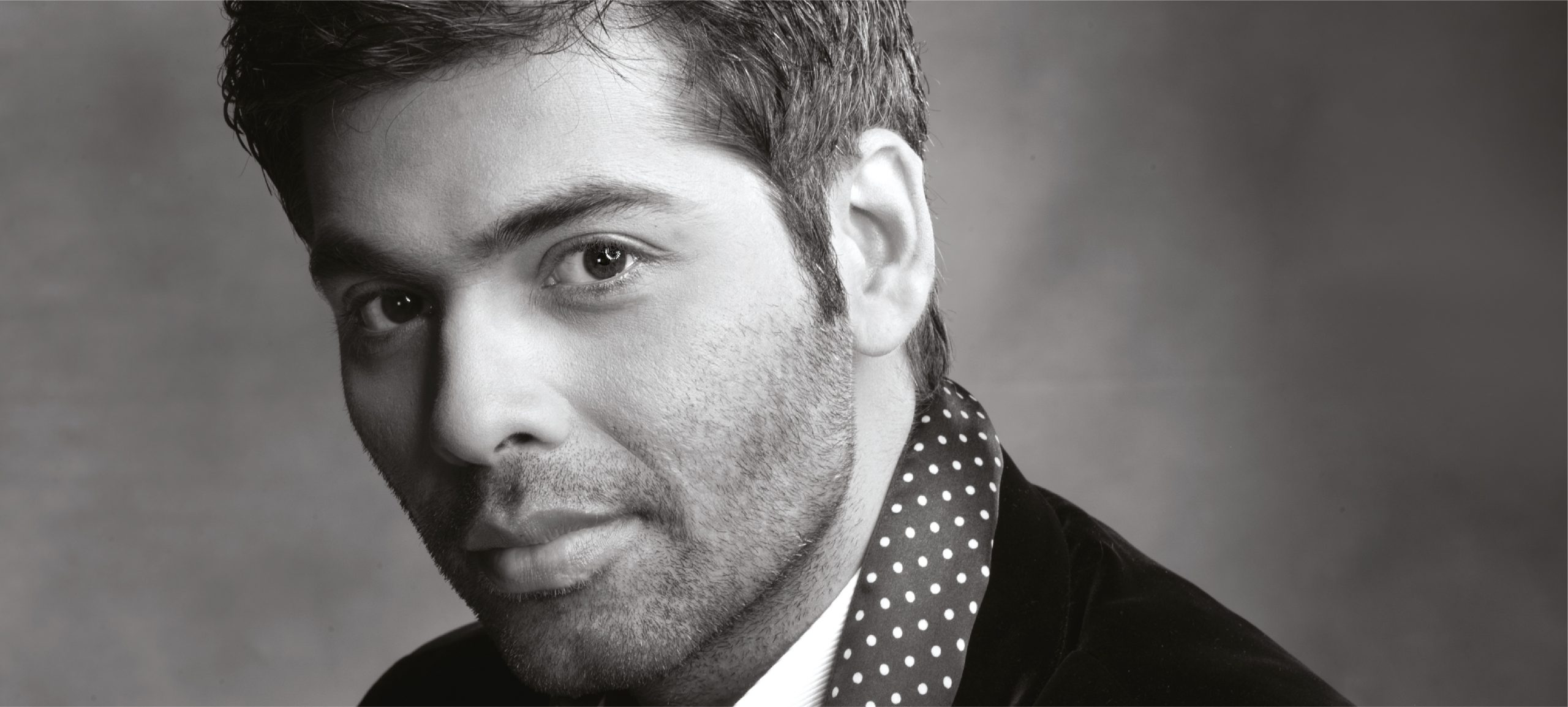
Karan Johar is synonymous with success, panache, quick wit, and outspokenness, which sometimes inadvertently creates controversy and makes headlines. KJo, as he is popularly called, has been a much-loved Bollywood film director, producer, actor, and discoverer of new talent. Baring all for the first time in his autobiography, An Unsuitable Boy, is both the story of the life of an exceptional film-maker at the peak of his powers and of an equally extraordinary human being who shows you how to survive and succeed in life.
Let’s read an excerpt from his best selling book, An Unsuitable Boy
—————————————————————————————————————————————————–
My first proper meeting with Shah Rukh Khan was on the sets of Karan Arjun with my dad. Then I met him on the sets of Dilwale Dulhania Le Jayenge where I told him that many years ago, I had sat across him in Anand Mahendroo’s office. He said he remembered being there but didn’t remember seeing me. Now when I look back, it was a really weird first meeting. Who knew what life had in store for both of us?
My father had taken me along to the sets of Karan Arjun. I knew Kajol was going to be there; she was somebody I had known as a child (she was one of the few people who lived in South Bombay, on Carmichael Road). I was a bit nervous because my father had started taking me around a little (he said I should go out there and meet people). He wanted to sign Shah Rukh for Duplicate. This was before I started to assist Adi (Aditya Chopra) in Dilwale Dulhania Le Jayenge. So I called Kajol and said, ‘I’m coming for the shooting of your film. Will you be there?’ She said, ‘Yeah, I’m doing a song sequence, “Jaati Hoon Main” [which went on to become quite popular].’

Karan Johar has detailed his long friendship with Shah Rukh Khan in his autobiography, ‘An Unsuitable Boy’. Karan writes that after the duo went through a slightly distant patch, they reconciled at a party for Deepika Padukone’s ‘Piku’ success.

I had this preconceived notion about Shah Rukh. I thought he was this young brat, borderline arrogant. But within five minutes of that meeting in Film City, my opinion of him changed. He was warm and chatty.
I remember my father got out of the red car we had and Shah Rukh came up to the car and opened the door for him. It was meant to be a ten-minute meeting, but they had broken for lunch or something and Shah Rukh spoke non-stop for two hours! He was so accessible, friendly and respectful of my father that he won me over in those two hours. I was very sensitive about how people treated my father because I knew what he had gone through. He said, ‘I’ve heard so much about you, sir, and such wonderful things about you as a human being.’
… That was my first meeting with him. I remember coming back and telling my father what a nice guy Shah Rukh was. He was so different from what I thought movie people were like. I had seen my father dejected and disappointed with so many of his fraternity people. I was not cynical but I was apprehensive about them. But Shah Rukh was an outsider and he was new. His syntax as a human being was very different from others in the film zone. I remember being completely enamoured by how he connected as a human being. He was so charming. He was not my favourite actor; I was a big Aamir Khan fan. But somehow in that two-hour meeting, my entire perception of him changed. I felt he was magnetic, charming, funny and sensitive. All these qualities came jumping out at me.

There’s so much that’s been said about Shah Rukh and me. Yes, there was definitely a distance between us in recent years but that was because we were not working with each other. There’s no other reason. And there were a lot of people who broadened this gap. There were people who said things to him, and who said things to me.

I sent him a message to come on Koffee with Karan in the last season, for the New Year episode, to which he didn’t reply. But he replied to every other message I sent him, about everything else. Maybe, he didn’t want to come for the show. I understood he didn’t want to come, and he expected me to understand. I didn’t ask him after that. It’s not that I called him and said, ‘Why are you not replying?’ But I called him when there was a problem or a situation I needed his advice on. Or I would go and have a drink with him in his house.

 When two people are so close, when they’ve done six feature films together and then haven’t worked together on the set for a while, there’s bound to be a gap. That’s the way the industry is. The fault is mine because I went on record to say I would never make a film without Shah Rukh Khan. I should not have said that because I put that seed in his and everybody else’s head. I don’t blame people for saying things because I went on record and then didn’t live up to my promise. So it’s my fault. I don’t blame him. Also, you get attached to somebody, and Shah Rukh is a very possessive person. He’s a possessive friend. I think I may have hurt him when I made a film without him. And I think I got hurt because when I did, I felt he didn’t give me that paternal or fraternal feeling that I had from him otherwise. I think we were two hurt friends for no reason.

Shah Rukh and I have the most awesome chemistry at work. When we work together, it’s magic. And when the right film is to be made, it’ll be made. But it has to be something that we both love. Even when there was this minor or mild distance between us, on many levels, he was still my first go-to person in a situation of distress, or to seek help or advice. When I had a falling out with Kajol, the first call I made was to Shah Rukh. He came to meet me, spoke about it to me. Then I called Adi, and we discussed it. But my instinct was to call Shah Rukh first.
He had nothing to do with the problem. But I still called him because somewhere Shah Rukh, Kajol and I have been so close. We’ve built a very solid part of each other’s careers together. I called him to discuss the situation, to know whether what I was saying was valid and right. And he was very helpful. He called me right through every day that week to check whether I was okay.
When Gori Tere Pyaar Mein bombed — and I was not used to having that kind of a big failure — he called me to ask, ‘Are you okay?’ I said, ‘Yeah, things happen, shit happens. Once in a while you have to deal with a film that doesn’t work.’ So while admittedly there was a distance between us, it did not take away from the largeness of our relationship.
I think Shah Rukh and I are aware of the fact that people are envious of our relationship, which is why we’ve never had a blowout with each other. There was a simmering, silent, respectable distance between us. But there’s also an equal amount of love and affection we have for each other. That’s never going to go. I have a huge amount of respect for him. He can ask anything of me and I will do it. And I know that if I were in dire straits, and if he could do something to change that situation, if it was in his power, he would do everything to help me. There’s a big layer of love and respect still, and no one can come in the way of that.
—————————————————————————————————————————————————–

Eleven Different Ways to Love

People have been telling their love stories for thousands of years. It is the greatest common human experience. And yet, love stories coach us to believe that love is selective, somehow, that it can be boxed in and easily defined. Eleven Ways to Love, is a collection of eleven remarkable essays that widen the frame of reference: transgender romance; body image issues; race relations; disability; polyamory; class differences; queer love; long distance; caste; loneliness; the single life; the bad boy syndrome . . . and so much more.
Let’s have a look at 11 different ways to love from this book.
A Letter to My Lover(s) by Dhrubo JyotiThe Shade of You by Anushree MajumdarSize Matters by SangeetaA Cross-Section of My Bad Boyfriends by Meenakshi Reddy MadhavanWhen New York Was Cold and I Was Lonely by Maroosha MuzaffarThe One but Not the Only by DThe Aristoprats by Shrayana BhattacharyaWhere Are My Lesbians? by SreshthaThe Other Side of Loneliness by Preeti VanganiI Am Blind, so Is Love! by Nidhi GoyalThe Smartphone Freed Me: Dating as a Trans Woman by Nadika Nadja

Thin Dividing Line by Paranjoy Guja Thakurta & Shinzani Jain – An Excerpt

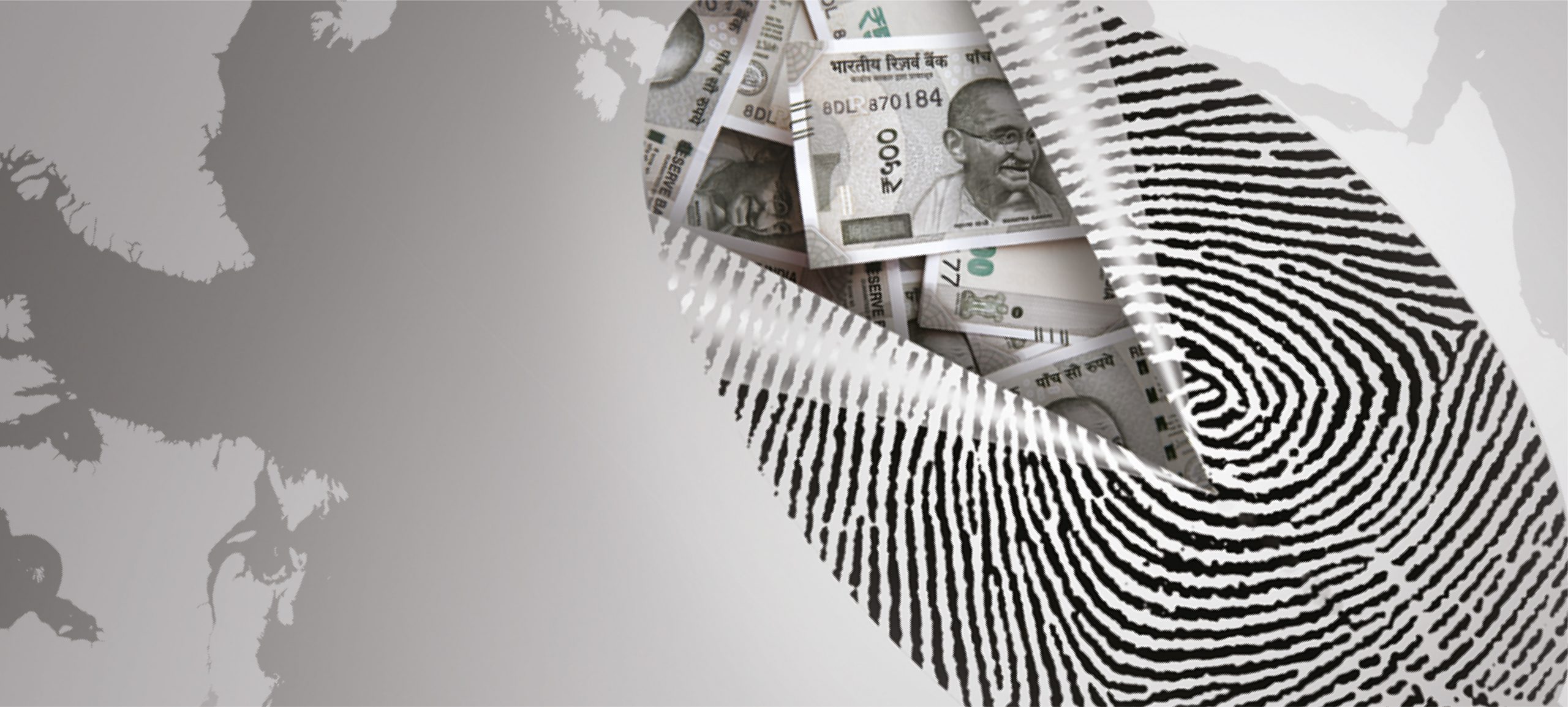
The book, Thin Dividing Line: India, Mauritius and Global Illicit financial flows  talks about scandals surrounding the IPL, international companies that came under the scanner for tax evasion, black money, havala and an international criminal industry employing bankers, lawyers and corrupt bureaucrats who run an economy parallel to the world economy.
Let’s read an excerpt from the book here:
—————————————————————————————————————————————————–
The use of tax havens to not just avoid payment of taxes but evade them as well has attracted considerable attention across the world and in India. Governments levy taxes for a variety of purposes which include providing a range of services, goods and infrastructural facilities to their peoples. Tax havens, also known as low-tax or no-tax jurisdictions, enable wealthy individuals and corporate entities controlled by them to not pay taxes, legally and illegally. There is a thin dividing line between tax avoidance (often described as ‘good’ tax planning by accountants, analysts and financial consultants) and tax evasion (including money laundering and moving funds across multiple jurisdictions at high velocity, often described as round-tripping and treaty shopping). In fact, the dividing line is so thin as to be virtually non-existent.
In recent times, the governments of many developed and developing countries have been seeking to discourage the use of tax havens. One of the most talked-about such moves is the Base Erosion and Profit Shifting (BEPS) initiative of the Organization for Economic Cooperation and Development (OECD). The
OECD is a grouping of some of the richest countries in the world. The countries that had at one time actively encouraged, or even turned a blind eye towards the use of tax havens to avoid and evade payment of taxes, have today veered round to the view that such jurisdictions not only deprive governments of revenues, but also connive in a host of illicit activities. Tax havens have been used by the rich and the powerful to benefit themselves at the expense of the poor and the underprivileged, thereby widening inequalities within countries and on occasion, across nation states as well.
This book looks at the India-Mauritius Double-Taxation Avoidance Agreement (DTAA) in a global context of growing illicit financial flows. As a case study, the India-Mauritius agreement is extremely important. Roughly 40 per cent of the total inflows of foreign money into India (in the form of foreign direct investments, as well as investments in stocks, shares and other financial instruments) have been routed through this small clutch of islands in the Indian Ocean since the early 1990s. But why has Mauritius been favoured by foreign investors over more than ninety other tax havens to route their funds to India?
Two-thirds of the population of Mauritius is people of Indian origin. The country is strategically located as Mauritius is not only the easternmost point of the continent of Africa, but the westernmost point of Asia as well. In May 2016, the governments of India and Mauritius revised the tax avoidance agreement that had been in force since 1984 so as to minimize its misuse for tax evasion and money laundering. Similar amendments have been made in India’s treaties, with Cyprus and Singapore being contemplated.
The Indian government has also sought to discourage the use of overseas derivative instruments including what are called participatory notes (P-Notes) that have been used to conceal identities of those investing in the country’s financial markets. The use of P-Notes has enabled less-than-honest ‘beneficial owners’ of companies to work outside the ambit of the regulatory authorities. These steps are part of a larger effort by the government to curb the use of black money in the economy. Even as these moves are to be welcomed, they clearly constitute a case of ‘better late than never’. For decades, the so-called Mauritius Route was consciously and deliberately kept open to assist a host of dubious businesspersons, their political mentors as well as their well-wishers in the bureaucracy, and collaborators across the globe. Everyone knew exactly what was going on, but chose to look the other way.
The Mauritius Route is an integral part of the infamous nexus between business and politics in India that has fuelled the country’s political economy, and contributed enormously to furthering crony capitalism in the world’s largest democracy.
—————————————————————————————————————————————————–

5 quotes from Unforgettable Poems in Gitanjali

Rabindranath Tagore received the Nobel Prize for Literature in 1913. He produced some sixty collections of verse, nearly a hundred short stories, several novels, plays, dance dramas, essays on religious, social and literary topics, and over 2500 songs, including the national anthems of India and Bangladesh.
Translated into English by William Radice , Gitanjali a collection of poems by Rabindranath Tagore known for their unmatched style of presentation, fresh poetic structure and spiritual musings.
Here are some of our favorite quotes from Gitanjali.


————————————————————————————————————————————————–


Quotes from Kalidasa’s Ritusamharam That Will Make You Fall in Love with All Seasons

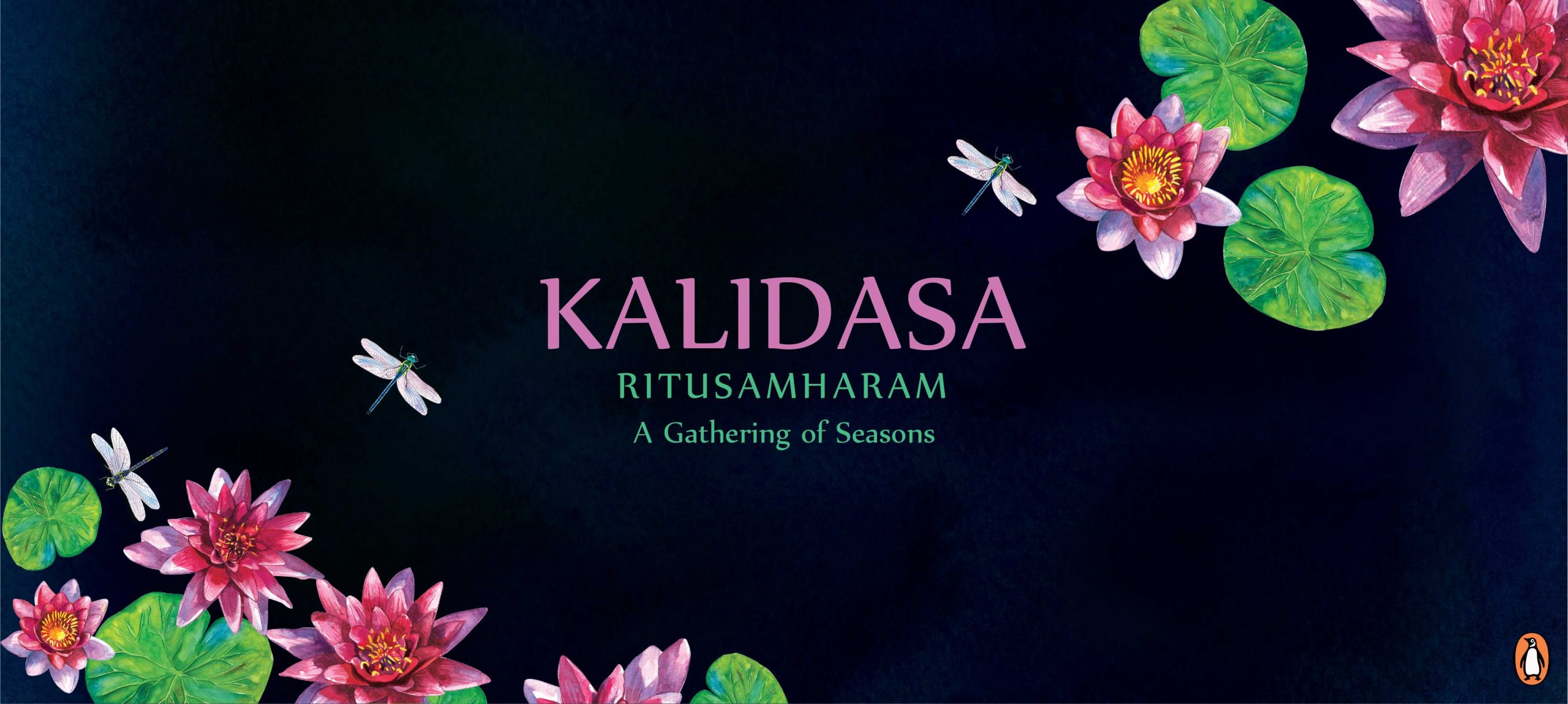
Perhaps the most lively and exuberant of Kalidasa’s extant works, Ritusamharan is a glorious ode to nature’s bounty and the enduring emotional response it evokes in mankind as a whole. It is perhaps the simplest and lightest of the great poet’s seven extant works, which include two each of epic and lyrical poetry, and three dramatic plays.
Ritusamharan is a collection of subhashita, or ‘well said’ poetic epigrams about the different seasons according to which ancient Indians divided the whole year, with a supple and spirited translation by A.N.D. Haksar.
Here are six poems that are sure to make you fall in love with all seasons.


The Tremendous Transformation of Indian Media- from 1947 to 2017

In seventy years of Independence, India’s people have experienced varying and uneven benefits, but what is unquestionable is that their media world- their ability to communicate- has been transformed.  
Check out how this tremendous transformation took place during the seven decades of Independence.

Macbeth by Jo Nesbo – Excerpt

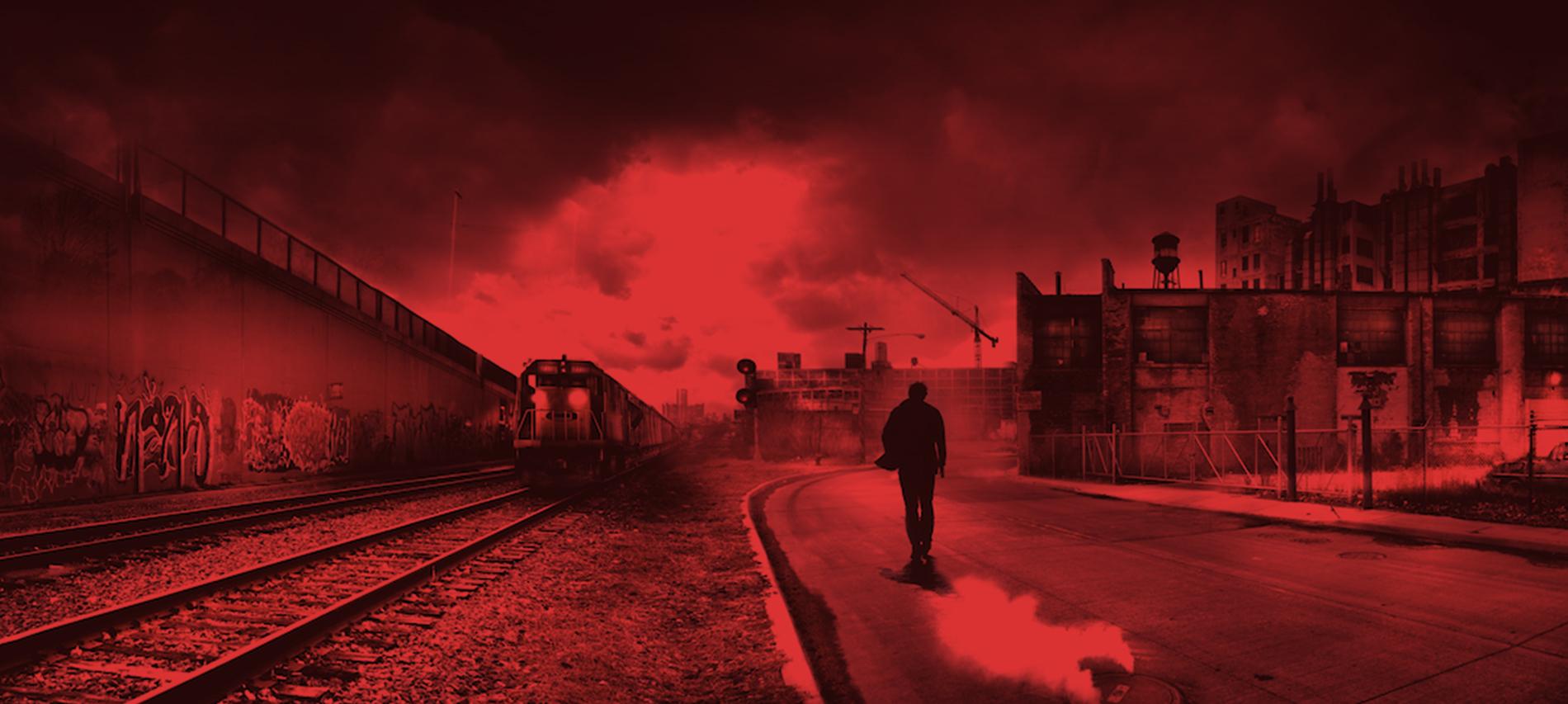
When a drug bust turns into a bloodbath, it’s up to inspector Macbeth and his team to clean up the mess. He’s rewarded for his success. Power. Money. Respect. They’re all within reach. Plagued by hallucinations and paranoia, Macbeth starts to unravel. He’s convinced he won’t get what is rightfully his.
Here is an excerpt from Jo Nesbo’s new thriller, Macbeth
—————————————————————————————————————————————————–
The man hadn’t shown himself for months, but only one person owned that helmet and the red Indian Chief motorbike. Rumour had it the bike was one of fifty the New York Police Department had manufactured in total secrecy in 1955. The steel of the curved scabbard attached to its side shone.
Sweno.
Some claimed he was dead, others that he had fled the country, that he had changed his identity, cut off his blond plaits and was sitting on a terrazza in Argentina enjoying his old age and pencil-thin cigarillos.
But here he was. The leader of the gang and the cop-killer who, along with his sergeant, had started up the Norse Riders some time after the Second World War. They had picked rootless young men, most of them from dilapidated factory-worker houses along the sewage-fouled river, and trained them, disciplined them, brainwashed them until they were an army of fearless soldiers Sweno could use for his own purposes. To gain control of the town, to monopolise the growing dope market. And for a while it had looked as if Sweno would succeed, certainly Kenneth and police HQ hadn’t stopped him; rather the opposite, Sweno had bought in all the help he needed. It was the competition. Hecate’s home-made dope, brew, was much better, cheaper and always readily available on the market. But if the anonymous tip-off Duff had received was right, this consignment was big enough to solve the Norse Riders’ supply problems for some time. Duff had hoped, but not quite believed, what he read in the brief typewritten lines addressed to him was true. It was simply too much of a gift horse. The sort of gift that – if handled correctly – could send the head of the Narco Unit further up the ladder. Chief Commissioner Duncan still hadn’t filled all the important positions at police HQ with his own people. There was, for example, the Gang Unit, where Kenneth’s old rogue Inspector Cawdor had managed to hang on to his seat as they still had no concrete evidence of corruption, but that could only be a question of time. And Duff was one of Duncan’s men. When there were signs that Duncan might be appointed chief commissioner Duff had rung him in Capitol and clearly, if somewhat pompously, stated that if the council didn’t make Duncan the new commissioner, and chose one of Kenneth’s henchmen instead, Duff would resign. It was not beyond the bounds of possibility that Duncan had suspected a personal motive behind this unconditional declaration of loyalty, but so what? Duff had a genuine desire to support Duncan’s plan for an honest police force that primarily served the people, he really did. But he also wanted an office at HQ as close to heaven as possible. Who wouldn’t? And he wanted to cut off the head of the man out there.
Sweno.
He was the means and the end.
Duff looked at his watch. The time tallied with what was in the letter, to the minute. He rested the tips of his fingers on the inside of his wrist. To feel his pulse. He was no longer hoping, he was about to become a believer.
‘Are there many of them, Duff?’ a voice whispered.
‘More than enough for great honour, Seyton. And one of them’s so big, when he falls, it’ll be heard all over the country.’
Duff cleaned the condensation off the window. Ten nervous, sweaty police officers in a small room. Men who didn’t usually get this type of assignment. As head of the Narco Unit it was Duff alone who had taken the decision not to show the letter to other officers; he was using only men from his unit for this raid. The tradition of corruption and leaks was too long for him to risk it. At least that is what he would tell Duncan if asked. But there wouldn’t be much cavilling. Not if they could seize the drugs and catch thirteen Norse Riders red-handed.
Thirteen, yes. Not fourteen. One of them would be left lying on the battlefield. If the chance came along.
—————————————————————————————————————————————————-

Meet Judy Moody, The Queen of Moods!

Judy Moody is a third grader with plenty of attitude and a mood for every occasion. This delightful series, created by Megan McDonald, is loaded with laughs and moments of wisdom as readers follow Judy through her hilarious adventures.
The fabulous Judy Moody will delight any child who’s known a bad mood or a bad day—and managed to laugh and learn along the way!
————————————


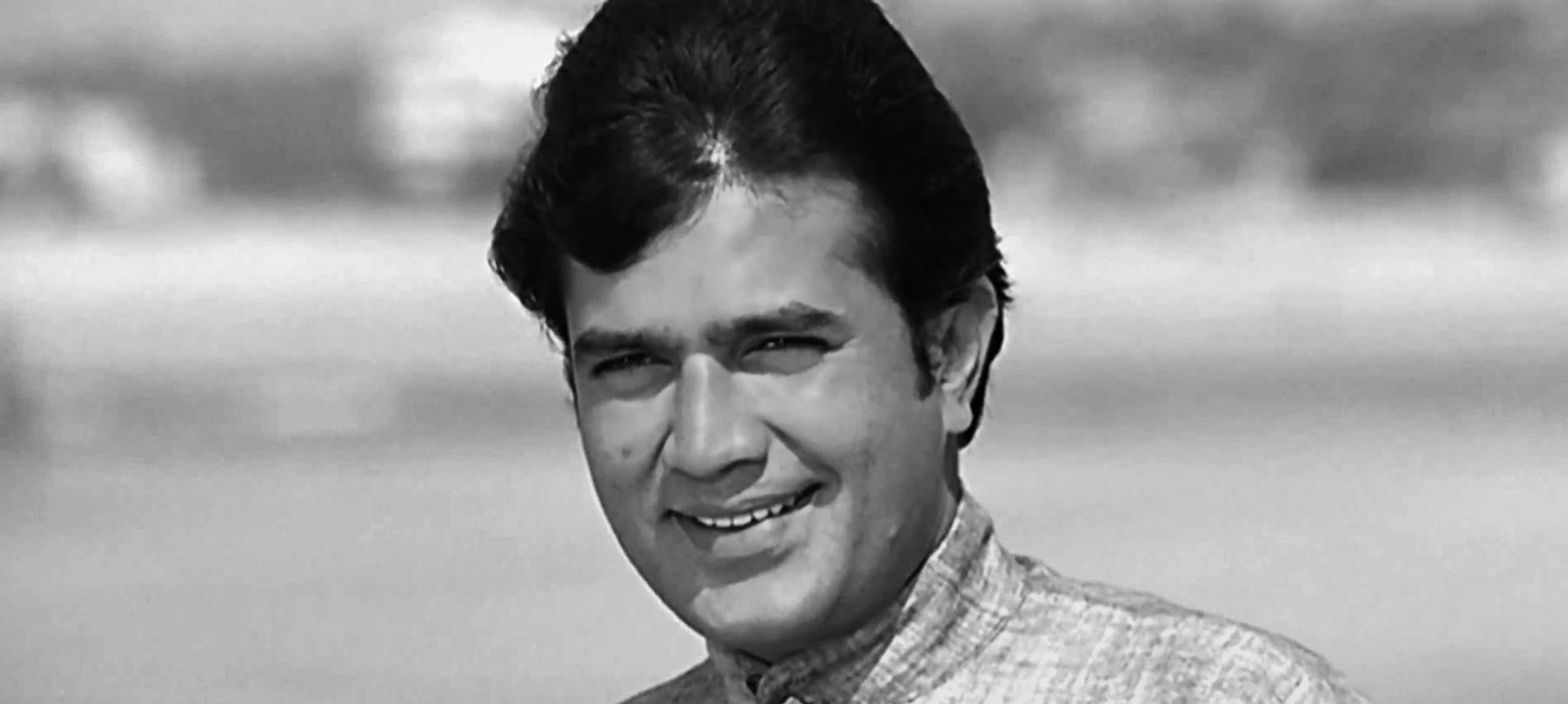
Rajesh Khanna: Enter into the Life of India’s First Superstar

In the 1970s, Rajesh Khanna achieved the kind of fame that no film star had ever experienced before-or has since. The actor is hailed as India’s first superstar after 15 consecutive solo superhits between 1969 and 1972.
Rajesh Khanna: The Untold Story of India’s First Superstar is a riveting biography by award winning journalist Yasser Usman in which he examines Rajesh Khanna’s dramatic, colourful life in its entirety. What emerges is a tantalizingly written, meticulously researched chronicle of a fascinating and mercurial man-one who was both loved and feared by those closest to him. It is a story that encapsulates the glittering, seductive, cut-throat world of Bollywood at its best and its worst.
In it he includes little-known facts about his childhood – back when he was Jatin Khanna and years before he became the superstar Rajesh Khanna. Here are five things you should know about little Jatin Khanna.


—————————————————————————————————————————————————

7 Quotes That Show Different Constraints Shashi Deshpande’s Protagonists Had To Overcome

Shashi Deshpande is the author of eleven novels, two novellas, and four books for children. Her short stories have gone into a number of collections and various anthologies, and her essays have been collected in a book, Writing from the Margin.  Deshpande received the Sahitya Akademi Award for her novel That Long Silence.
 Here are 7 quotes from Deshpande’s books- That Long Silence and The Dark Holds No Terrors that highlight the different struggles her protagonists experience:


error: Content is protected !!