




Rajat Sethi is an alumnus of IIT Kharagpur and Harvard University. Shubhrastha is an alumnus face of Miranda House, Delhi University. Both of them are actively involved in impacting politics in various North-Eastern states of India.
Their book The Last Battle of Saraighat is the first-ever account of BJP’s landslide victory in the 2016 Assam legislative assembly elections.
Here are five things you should know about the power couple:


Aren’t they fascinating?

5 Books You Must Read This Christmas

The joy of Christmas can be found anywhere, whether it be in presents or in the pages of your favourite book. To get yourself more immersed in the festive spirit, here is a list of five books that you should curl up with this Christmas.
A Christmas Carol
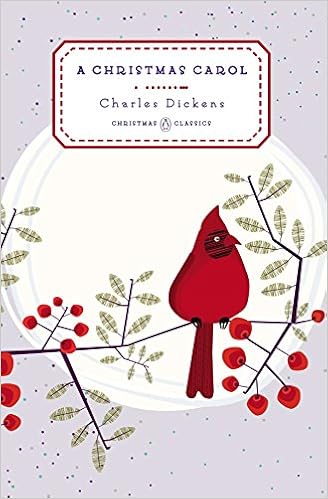
Who can forget the memorable characters Ebenzer Scrooge and Tiny Tim? This classic by Charles Dickens was originally conceived as a pamphlet against exploitative capitalism. This delightful story was credited with helping to revive interest among the Victorians in Christmas traditions. So, if you are looking to get closer to the Christmas spirit, this is the book for you.
The Night Before Christmas
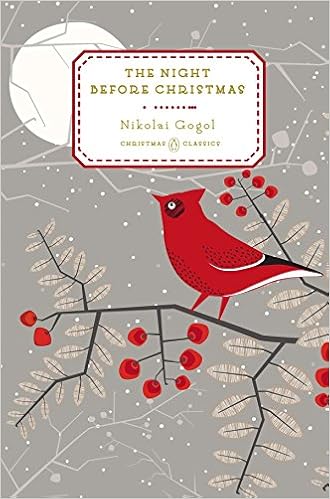
Written in 1831 by Nikolai Gogol, The Night Before Christmas tells the story of a blacksmith called Vakula and his fight against the devil who has stolen the moon and is wreaking havoc on the inhabitants of his village. This uproarious tale is full of hope, fun, nostalgia and everything you need for an ideal Christmas eve read.
A Merry Christmas

The spirits of generosity and charity are synonymous with the Christmas spirit. In Merry Christmas, find yourself drenched with Louisa May Alcott’s familiar Yuletide benevolence of some dear characters like Marmee and her ‘little women’.
The Life and Adventures of Santa Claus
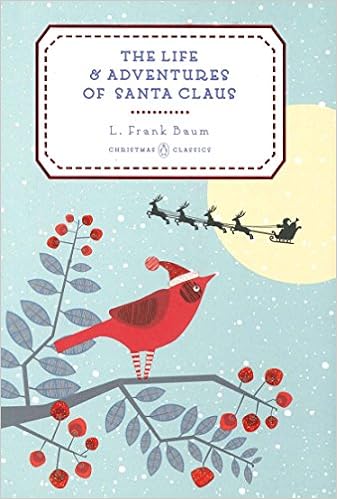 Frank Baum in The Life and Adventures of Santa Claus chronicles everything you need to know about Santa Claus, from his origins in an enchanted forest to his vocation of giving gifts and spreading joy to people in the world. So, if you ever wondered about the life of Father Christmas, this is the book for you!
How The Grinch Stole Christmas
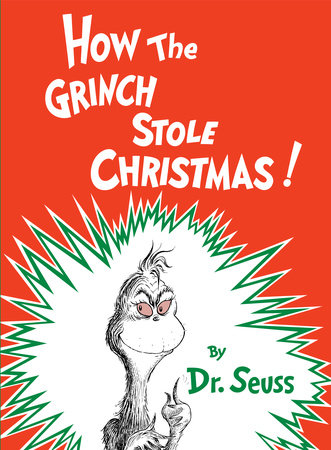
No Christmas is ever complete without the Grinch of Who-ville. This tale about the effects of Christmas spirit is full of so much warmth that it will melt the coldest of the hearts. Just like Santa Claus, Grinch is one of the most recognizable figures associated with Christmas and his story is one of the must-reads this Christmas.
So what are you reading on Christmas?
5 Books That Make for Perfect Christmas Gifts

Christmas or the festival of spreading joy is here and so is the time to buy presents for your loved ones. But if you are still mulling over presents for your loved ones, look no further.
Here are five books that would make perfect presents:
The Uncommon Type
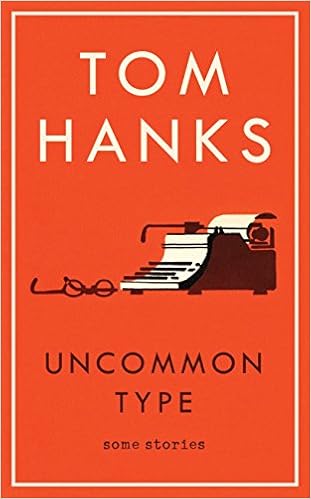
The Uncommon Type marks the debut as a writer of the award-winning actor Tom Hanks. This delightful collection of seventeen short stories dissects with great affection, humour and insight, the human condition and all its foibles. This book also establishes Hanks as a fresh voice in the genre of contemporary fiction.
The Golden House
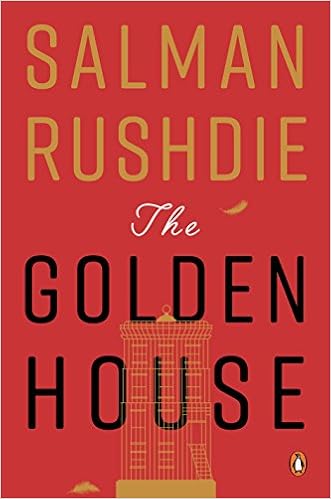
The Golden House´ is Salman Rushdie’s another stellar addition to his already magnificent bibliography. Switching genres from magic realism to thriller, Rushdie in this intriguing novel tells the story of the Golden family who are housing some very dark secrets. Copiously detailed and sumptuously inventive, the novel makes for a thrilling gift.
Origin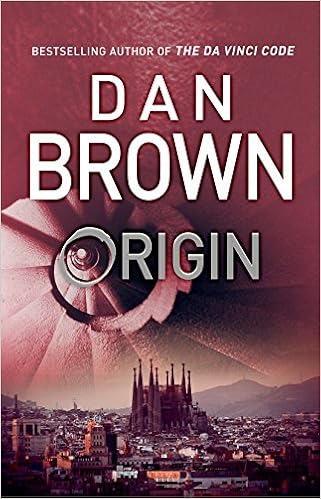
Dan Brown is the bestselling author of many acclaimed novels. He is back with the latest addition to his Robert Langdon series. This fifth book in the series spans around Langdon’s travels in Spain that brings him face-to-face with a world-shaking truth that has remained buried, till now. So, if you know a Langdon fan, you know what to gift them!
Turtles All The Way Down
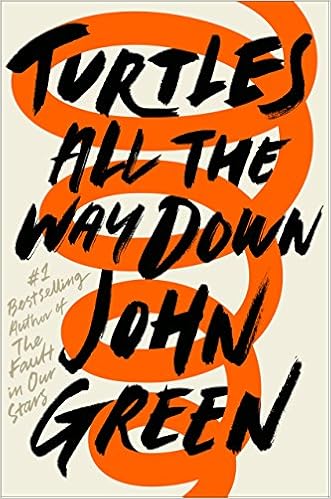
John Green is no stranger to the Young Adult genre and his works have been immortalized on the big screen as well. He is back with his fifth solo novel, Turtles All The Way Down. The novel spans around lifelong friendship, the intimacy of an unexpected reunion, Star Wars fan fiction and tuatara.
We That Are Young
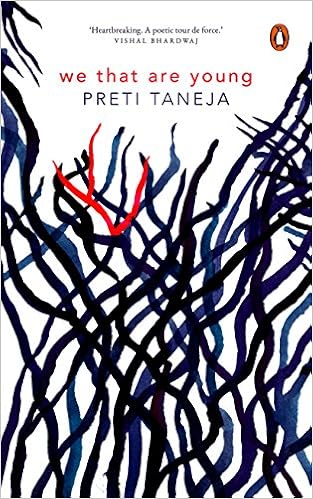
Preti Taneja in her debut novel retells William Shakespeare’s King Lear as a devastating commentary on contemporary India. The novel spans around Devraj, founder of India’s most important company, who on retiring demands daughterly love in exchange for shares. From Delhi mansions to luxury hotels, from city slums to the streets of Kashmir, from palace to wayside, Preti Taneja recasts an old tale in fresh, eviscerating prose that bursts with energy and fierce, beautifully measured rage.
So, have you picked out your Christmas presents?
5 books that will help you cook Christmassy goodness

The holiday season is synonymous with fun, frolic and feasts. With a party or a get-together happening almost every day, we have brought to you a list of five books that will make whipping up a feast as easy as hosting a party.
On the Dessert Trail
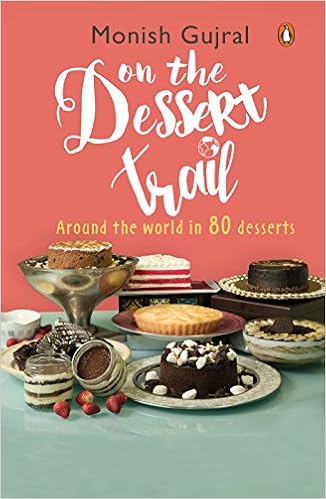
Restaurateur, chef, cookbook author Monish Gujral in On the Dessert Trail has picked more than eighty signature recipes from his travels around the world and presented them with his own unique twist. So, whip up a dessert and carve a sweet place in your guests’ hearts.
Shaken And Stirred
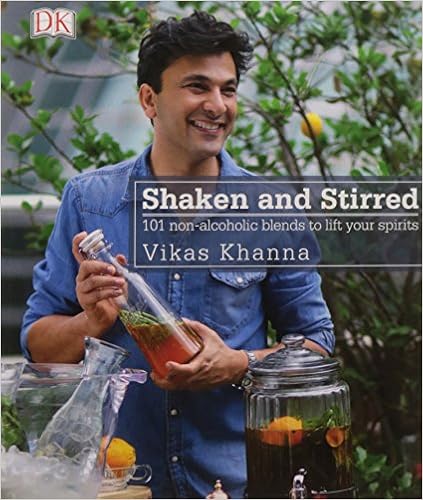
Parties are incomplete without drinks. In Shaken and Stirred, celebrity chef Vikas Khanna brings together a collection of non-alcoholic drinks that go a long way in creating a room full of happy guests. The versatile recipes are full of imagination and will help you create drinks for any occasion.
A Chef in Every Home
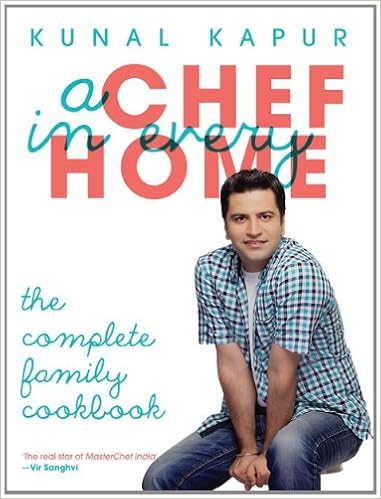
Celebrity chef Kunal Kapur with this book will allow you to transform into a star chef. This cookbook brings you simple and fuss-free techniques and a delectable recipe for every mood and moment. Use this book to not only host a magnificent feast but also to make cooking an enjoyable and valuable experience.
The Suriani Kitchen
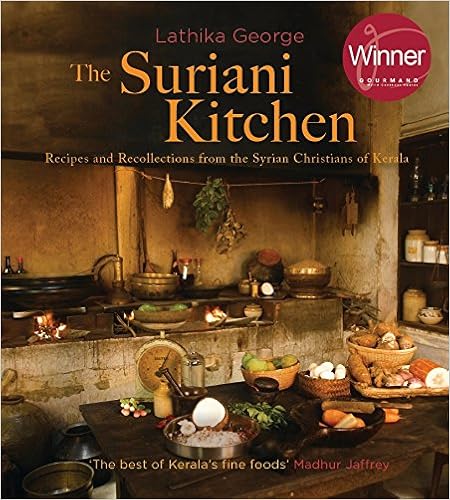
Lathika George’s The Suriani Kitchen gives us a glimpse into the fascinating kitchen of the Syrian Christians of Kerala with their unique stories of cooking and mouth-watering dishes. Authentic and easy to execute, these recipes are accompanied by a guide to spices, herbs and equipment which help your guests have a sumptuous experience.
My First Kitchen
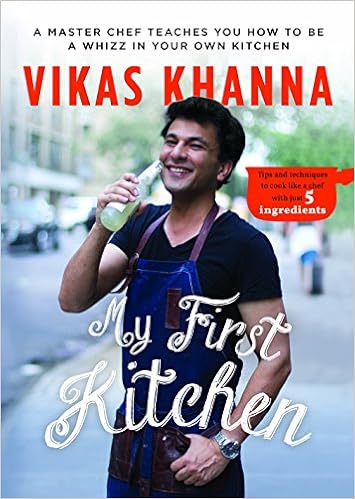
Is this the first party you are hosting? Are you worried what to have on the menu? Your worries end here. Vikas Khanna in My First Kitchen teaches you how to take the first steps in establishing a cooking haven of your own. With more than 100 recipes to suit every kind of palate, this cookbook is all you need to become a cooking genius.
So which recipe will you pick to delight your friends and family?
The Birth of Prithviraj Chauhan, An Excerpt

Prithviraj Chauhan was destiny’s chosen one, singled out for glory and greatness. Anuja Chandramouli is back with an endearing tale of the legendary warrior who lives on in the hearts of those who remember his unmatched valour and timeless heroism.
Here’s an excerpt from the book.
The queen tossed and turned; her sweat-streaked body caused the soft sheets to cling to her contours as she stifled a scream that fought to burst from her lips. A good girl must be seen not heard, she had been taught since childhood.
Silently she pleaded with she knew not whom, begging to escape the terror that was engulfing her. When that failed, she tried to wake up. Her efforts were entirely futile. No matter how much she tried, a force she could not withstand tore her apart, dragging her along the serpentine alleys of her simmering subconscious.
Propelled along a rocky slope, she felt the flesh scraped off her delicate feet, which were decorated with intricate henna patterns, leaving them battered and bloodied. Dragged along sandy plains, under a blazing sun, her skin, softened with milk and honey, caught fire. She wrapped her burning arms protectively around her tender belly and snarled savagely at the elements.
Then she was swimming against the currents of a raging river as predators with serrated teeth and spiked tails pursued her ruthlessly. The wind snatched her from their jaws as they were about to swallow her and lifted her high up in the air. Shrieking its terrible intent into her ears, it ripped off her garments before releasing her in endless space.
As she plunged into the depths below, she could not hold back the primeval screams of agony from bursting out in a shrill cacophony. Then she was falling through emptiness, plummeting towards certain death. Shutting her eyes tight, her arms flailing, she forced her leaden legs to move, desperate to arrest her fall.
Then with a suddenness that made her dizzy, everything went still. Holding her swollen belly in her arms, she opened her eyes. She was standing at the threshold of a stone temple. Before her, was an altar where a smokeless fire was burning. Vigorous and strong, it was brighter than her eyes could bear.
Shining with divine vehemence, it beckoned her forward. Helpless in front of the hypnotic pull of those ancient flames, she stood before it, so close that the heat scoured her clean even as her heart grew hot. And yet, she could not draw back.
Enraptured, she stared into its depths. She watched the mesmerizing dance of the flames as they swayed in discord to the crackling cadence of the age-old rhythms, orchestrated by the divine father out of his deep love for the sacred mother. The sky and the earth—always together; forever apart.
Tears sprang into her eyes and she clasped her hands in prayer as the earth mother addressed her throbbing heart.
What is it that you would know of me?
‘Tell me of the child I bear in my womb.’
A mother always knows. A mother must.
‘My boy will be the greatest of kings. A mighty warrior. A lion among men and as such will be entitled to the king’s share of success, prosperity and happiness. He will shine with the brilliance of a thousand suns. His name will live forever.’
So it shall be. The flame in his soul is destined to burn for as long as his lion’s heart can bear it. Blessed as he is with the tejas of the divine, he will shine brightest when he makes the ascent to the pinnacle of glory, just before his swift descent to darkness and the depths of abject failure. For so it must be.
‘Never! I will never allow such fate to befall my son.’
A mother is a fool! He was never yours alone. And never will be. Prepare yourself for the reign of the king of the earth. For fame and fortune, love and death, glory and grief!
The flames rose higher and higher, oblivious to the mother who wailed in misery. Blinded by the all-encompassing radiance, magnified by the strength of her tears, she was ill-prepared for the darkness that descended without warning, snuffing out every trace of the sacred fire.
The silence was broken only by infernal howls of abject sorrow—a mother’s terrible lament—amid the hushed murmur of a premonition, repeated over and over.
Prithviraj! Prithviraj! Prithviraj! King of the earth!
All around there was nothing but darkness. And the memory of light.

5 Reads on Family to Gift Your Child Returning Home for Christmas!

If your young one is on their way back home for Christmas, here are a few super reads for them that are sure to feel like the long-pending hug from their dearest ones.
My Family and Other Animals by Gerald Durrell
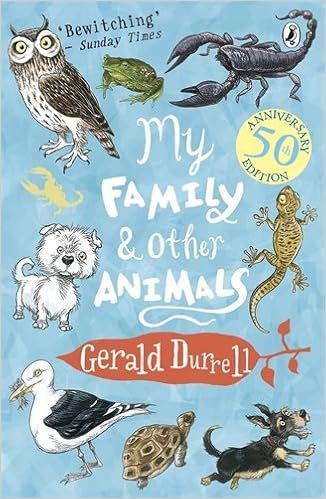
A work of autobiography, My Family and Other Animals is a story of five years of the author’s crazy and colourful childhood spent with his family on a Greek island, spread over three villas and a lot of heart-warming memories.
A Vicarage Family by Noel Streatfeild
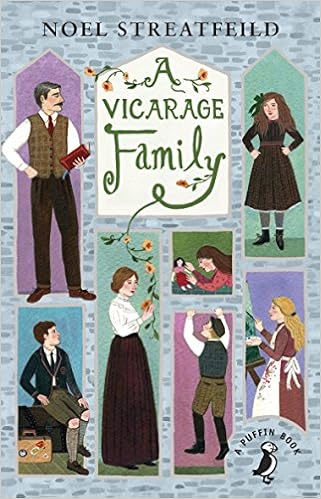
The Vicarage family was living through the First World War, some of the most trying times known to mankind. The three girls in the house grow up to find themselves fitting into different roles in the family, except the youngest. A Vicarage Family is a moving, fictionalized work of autobiography where the little protagonist ultimately finds her true self.
The Wind in the Willows by Kenneth Grahame
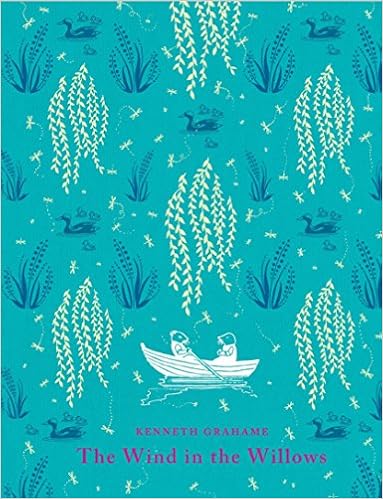
One of the most widely read and much-loved classics of all times, Kenneth Grahame’s The Wind in the Willows is a story of finding family among friends. Wouldn’t you want your little one to spend a blissful Christmas with the best people by the riverside?
The Family from One End Street by Eve Garnett
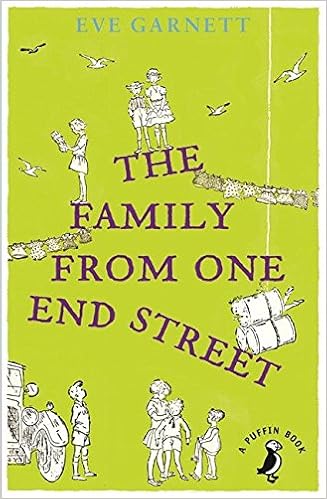
This is your story, this is my story. This is the story of finding joy in the every day life of a family, like The Family from One End Street. An award-winning novel by Eve Garnett, the novel brings to life the beautiful little happinesses one finds in their every day lives, much like the Ruggles who live in the small town of Otwell.
Diary of a Wimpy Kid: The Getaway by Jeff Kinney

What better way to end the Christmas extravaganza than with Wimpy Kid? Jeff Kinney’s latest in the series, Diary of a Wimpy Kid: The Getaway, is a riot of misadventures as the Heffleys escape the stress of ‘Christmas holidays’ by going to a resort. Little did they know that their relaxed getaway would soon turn into an unforgettable holiday nightmare!
Could homecoming on Christmas get any better than this?
5 Books that Will Help You Answer those Christmas Questions From Your Kids!

Who is Father Christmas? Is he the same person as Santa Claus? What was Christmas like many, many years ago? Why do only reindeers get to pull the sleigh?
When it’s Christmas around the corner, make sure your little one finds Christmas under the tree, and within the pages too!
Here is a list of 5 wonderful reads for your young one that will not only set the Christmas in their hearts, but help you find them the answers to those Christmas questions too!
The Christmasaurus by Tom Fletcher
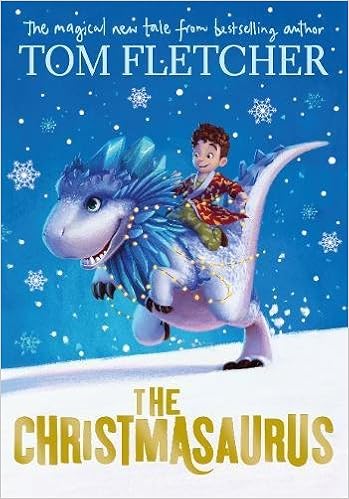
A Christmasaurus? What is that? Sounds like a dinosaurus for Christmas…Maybe it is just that and much, much more! Tom Fletcher’s magical tale of elves singing, reindeers flying and tonnes of Christmas magic is just the right kind of friend for your little one this Christmas!
A Christmas Carol by Charles Dickens
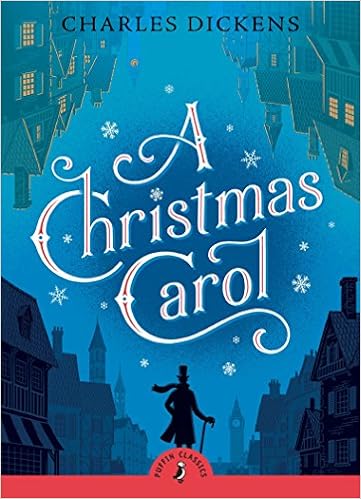
As the famous saying goes – If Christmas can’t be found in your heart, Christmas can’t be found under a tree. The powerful, moving story of Ebenezer Scrooge whose life changes forever on a Christmas Eve, has remained timeless through the ages. What better time to share it with your little one than Christmas itself?
The Puffin Book of Christmas Stories
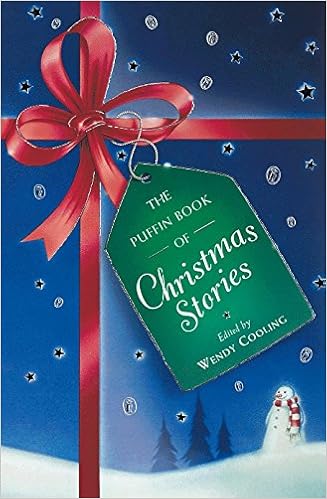
It’s definitely THE essential read for your child on Christmas! A marvellous collection of Christmas tales from across eras, The Puffin Book of Christmas Stories tells traditional and real stories of Christmas, and spreads the Christmas cheer like no other!
Christmas with the Savages by Mary Clive
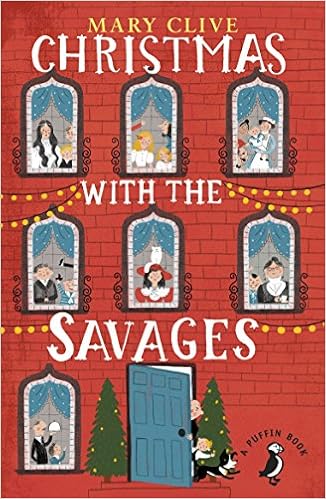
What was Christmas really like a hundred years ago? Did they celebrate it the way we do? Mary Clive’s amusing and delightful book answers those questions as her little eight-year-old protagonist, Evelyn, “survives” a Christmas of the kind we could never have imagined!
Father Christmas by Raymond Briggs
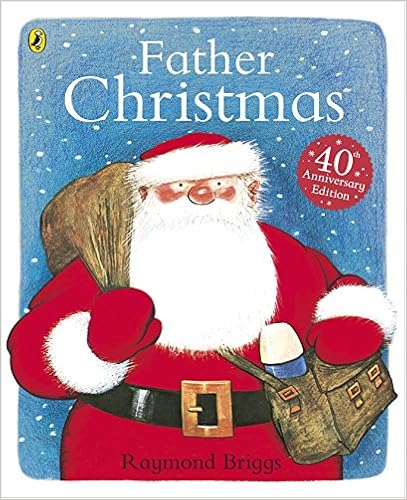
Why is Father Christmas also called Santa Claus? What does he do the rest of the year? Raymond Briggs’ award-winning book Father Christmas tells us the magical story we’ve always wanted to know!
Oh what a wonderful list of books to read, isn’t it? We’re sure your little one would not want to miss out on this magical treat!
“An entire year without school! What more could an eight-year-old boy ask for?”: ‘Looking for the Rainbow’ — An Excerpt
Ruskin Bond ran away from his prison-like boarding school in the hills to go and live with his father in Delhi. In ‘Looking for the Rainbows’, Ruskin Bond regales in his past and revisits the beautiful days he spent with his father going to the cinema, singing songs, reading books and taking long walks.
Here’s a short glimpse from ‘Looking for the Rainbow’, holding Ruskin’s hand and going back to where it all started.
An entire year without school! What more could an eight-year-old boy ask for? Not what his parents would ask for, certainly; but after serving a two-year sentence in a fun-less convent school in the hills, I was more than happy to take a long, enforced break from gloomy classrooms, smelly dormitories, an overcrowded playing field and a diet of cabbage soup and boiled meat.
That was the sort of school I’d escaped from— or rather, been plucked out of by my father in the middle of the summer term.
It was 1942, the middle of World War II, and my parents too had been at war with each other. They had, in fact, separated, and my mother was about to marry again. My father was serving in the Royal Air Force, and was living on his own in an Air Force hutment in New Delhi, working in the Codes and Cyphers section at Air Headquarters. I was particularly close to my father, and I insisted on going to live with him rather than to a new and unknown home.
My mother took me out of the hill school near her home in Dehradun and put me on the train to Delhi.
My father was on the station platform in Delhi, looking very smart in his RAF uniform. He hugged me, took me by the hand and led me to the station restaurant, where we had a healthy breakfast. Even a railway breakfast was better than the fare we had at school!
We were joined by my uncle Fred, who was then the station superintendent at the Old Delhi station. He had a bungalow nearby. But my father’s quarters, or hutments as they were called, were at the other end of Delhi, on Humayun Road, where the new capital of India had been created.
We must remember that up until then, Calcutta had been the capital of British-ruled India, and Simla, the summer capital. Now the capital was New Delhi, still very new and still coming up, and Simla, of course, was much nearer.
The hutment was a bit of a surprise. It consisted of two brick-walled rooms, a kitchen and a bathroom. And it was in the middle of nowhere.
Humayun Road, in those far-off days, was simply a lane running through a scrub forest. It had been cleared in places so that these wartime hutments could come up. But there were more jackals than people in the area. And snakes too.
As Ruskin prepared to spend some of the most wonderful days of his life with his father in ‘Looking for the Rainbow’, let’s gear up for the next part in the enchanting series where Ruskin’s life is about to take a drastic turn! Pre-order your copy of ‘Till the Clouds Roll by’ today!

5 Facts About Sonu Bhasin You Might Not Know

Sonu Bhasin has devoted a considerable time to management of family businesses..
As a banker, she has helped many family business owners work their way successfully within the family related complexities.
Bhasin’s newly released The Inheritors explores the growth of inheritors in business, and how they take business to a new high.
Here are 5 things you should know about the author.


How many of these facts did you know about her?

When Young Chintamani Woke Up in a Place He Had Only Read About: ‘Lost in Time: Ghatotkacha and the Game of Illusions’ — An Excerpt

Chintamani Dev Gupta is on a trip to a bird camp near Lake Sat Tal! Away from the drudgery of urban life in Gurgaon, Chintamani finds himself near the cool, blue water of the lake and dives in for a swim. But when he emerges out of it, things look different. Where is he?
Find out with Namita Gokhale’s beautiful new novel for your little one, ‘Lost in Time: Ghatotkacha and the Game of Illusions’.
Here’s an excerpt from the book telling you where it all started.
A figure was approaching. He, she, it, was holding a burning branch of wood and breathing deeply. I had slouched down, suddenly tired and drowsy, in a bed of dry leaves. An enormous face came into view a long way above me. I wondered if I was dreaming, but the warmth from the flaming torch seeped into my bones, as did the long, careful breaths of this giant. I sat up bolt upright.
He was sniffing me, and I could smell him too. The tang of leaves and the forest, with a whiff of animal and the scent of human.
‘Who are you?’ he asked in a language I didn’t understand. And yet, strangely enough, I did. Was this telepathy?
‘And who are you?!’ I asked back, the question was put forward in sheer panic mixed with some cunning. I was still trying to take in the awesome size of this Godzilla, and figured my question might help establish a bond with this primeval creature. But then, how would he understand my question, which probably sounded more like a squeal?
‘I am Ghatotkacha,’ he replied. ‘I am the rakshasa Ghatotkacha, born of the lord Bhimasena and the lady Hidimbi. I rule over hill and vale, forest and stream to protect the spirit of the forest and all who live in it.’
I understood this too, through some sort of teleprompter that seemed to have lodged itself somewhere in the left lobe of my brain like a Google Translate implant.
‘I am Chintamani Dev Gupta,’ I replied tentatively. But it wasn’t me speaking at all, perhaps some sort of decoder that seemed to be picking up on signals from my brain. Take control, I told myself, take control, or you will lose this mind game.
‘I am speaking Paisachi, but I am fluent in Prakrit and Sanskrit too,’ the giant replied.
He had huge red eyes that were lit up by the burning torch he held in his hand. But they were kind eyes . . . there was not even a hint of cruelty in them.
‘And don’t worry, I am not trying to take control of your mind!’
Weird, weirder, weirdest. He could actually read my mind! Holy cow! This situation was just impossible. I pinched myself even harder this time, so that I might now wake up from this fast-accelerating nightmare.
It only gets “weird, weirder, weirdest” from here on! You wouldn’t want to miss it! Grab your copy and dive right into the charming world of Ghatotkacha!
