



‘The Room on the Roof’, by Ruskin Bond, is the celebrated writer’s first venture into literature. The heart-warming story of Rusty, a seventeen-year-old orphaned Anglo-Indian boy, looking for a ‘home’ in the charming hills of Dehradun has lived on through decades.
Here is an excerpt from the book on Rusty’s search for a corner he can call his own.
Rusty had never slept well in his guardian’s house, because he had never been tired enough; also his imagination would disturb him. And, since running away, he had slept badly, because he had been cold and hungry. But in Somi’s house he felt safe and a little happy, and slept; he slept the remainder of the day and through the night.
In the morning Somi tipped Rusty out of bed and dragged him to the water tank. Rusty watched Somi strip and stand under the jet of tap water, and shuddered at the prospect of having to the same.
Before removing his shirt, Rusty looked around in embarrassment; no one paid much attention to him, though one of the ayahs, the girl with the bangles, gave him a sly smile; he looked away from the women, threw his shirt on a bush and advanced cautiously to the bathing place.
Somi pulled him under the tap. The water was icy-cold and Rusty gasped with the shock. As soon as he was wet, he sprang off the platform, much to the amusement of Somi and the ayahs.
There was no towel with which to dry himself; he stood on the grass, shivering with cold, wondering whether he should dash back to the house or shiver in the open until the sun dried him. But the girl with the bangles was beside him holding a towel; her eyes were full of mockery, but her smile was friendly.
At the midday meal, which consisted of curry and curd and chapattis, Rusty met Somi’s mother, and liked her.
She was a woman of about thirty-five; she had a few grey hairs at the temples, and her skin—unlike Somi’s—was rough and dry. She dressed simply, in a plain white sari. Her life had been difficult. After the partition of the country, when hate made religion its own, Somi’s family had to leave their home in the Punjab and trek southwards; they had walked hundreds of miles and the mother had carried Somi, who was then six, on her back. Life in India had to be started again, right from the beginning, for they had lost most of their property: the father found work in Delhi, the sisters were married off, and Somi and his mother settled down in Dehra, where the boy attended school.
The mother said: ‘Mister Rusty, you must give Somi a few lessons in spelling and arithmetic. Always, he comes last in class.’
‘Oh, that’s good!’ exclaimed Somi. ‘We’ll have fun, Rusty!’ Then he thumped the table. ‘I have an idea! I know, I think I have a job for you! Remember Kishen, the boy we passed yesterday? Well, his father wants someone to give him private lessons in English.’
‘Teach Kishen?’
‘Yes, it will be easy. I’ll go and see Mr Kapoor and tell him I’ve found a professor of English or something like that, and then you can come and see him. Brother, it is a first-class idea, you are going to be a teacher!’
Rusty felt very dubious about the proposal; he was not sure he could teach English or anything else to the wilful son of a rich man; but he was not in a position to pick and choose. Somi mounted his bicycle and rode off to see Mr Kapoor to secure for Rusty the post of Professor of English. When he returned he seemed pleased with himself, and Rusty’s heart sank with the knowledge that he had got a job.
‘You are to come and see him this evening,’ announced Somi, ‘he will tell you all about it. They want a teacher for Kishen, especially if they don’t have to pay.’ ‘What kind of a job without pay?’ complained Rusty.
‘No pay,’ said Somi, ‘but everything else. Food—and no cooking is better than Punjabi cooking; water—’
‘I should hope so,’ said Rusty.
‘And a room, sir!’ ‘Oh, even a room,’ said Rusty ungratefully, ‘that will be nice.’
‘Anyway,’ said Somi, ‘come and see him, you don’t have to accept.’.
Find out more about Rusty and his delightful adventures today!

Love Will Find A Way — Prologue

Anurag Garg is the bestselling author of A Half-Baked Love Story and Love Not for Sale.
Here is an excerpt from his latest novel Love Will Find A Way.
10 July 2016
New Delhi Railway Station
As soon as the delayed train reached the platform, passengers rushed to board. We quickened our pace as clouds began to gather in the sky. Looking up, I saw insidious grey encroaching on the blue expanse. The city was ready to welcome its first rain.
As the first few drops fell, we entered the carriage along with the other disgruntled passengers. When we found our berth, Gitanjali grabbed the window seat, as always, and asked me to buy a bottle of water from one of the stalls in the platform after placing our luggage in the overhead bin. I gave her an exasperated look. She looked outside as raindrops began to trickle down the window pane. She was wearing a pair of skinny black jeans and a turquoise T-shirt. Her warm chestnut hair rested on her neck and her long eyelashes swept alluringly against her rouged cheeks, from time to time.
‘Get me a packet of chips, too.’ She thoroughly enjoyed it when I catered to her every need, especially when we were on vacation. Three years into our relationship and we still bickered like teenagers! I handed her the requested goods while she plugged in her headphones.
I rummaged through my bag to find my neck pillow and settled down with my Saadat Hasan Manto book as the train pulled out of the station.
There was a couple with two children in the seats next to us. We exchanged smiles as a man selling tea came our way. They attempted to engage me in small talk even though I tried to keep to myself and buried my head in my book. Gitanjali, however, adores making conversation. With her legs folded under her and her hands gesturing wildly, her face glows when she narrates one of her tales. She began talking to the couple and playing with the kids. It made me immeasurably happy seeing her bright eyes and animated smile.
The TTE came to check our tickets.
‘They’re on your phone,’ I said to her, as she continued playing with the little boy.
‘No, they’re not with me, Anurag,’ she said, her attention focused on playfully tickling the boy, oblivious to the TTE who was breathing down our necks. She turned to me when the little boy suddenly started crying.
‘Were you asking for the tickets?’ she asked as she showed the TTE the IRCTC message on her phone. I heaved a sigh and said, ‘Thank you, madam!’ Gitanjali just smiled and began consoling the wailing kid. She had this uncanny ability to comfort those around her.
Just as the train left the Anand Vihar station, I went to the toilet to change into comfortable clothes for the long journey ahead since mine were slightly wet from the rain.
On returning to our compartment, I saw a beautiful middle-aged woman sitting there, dressed in a floral knee-length kurta and smart trousers. I presumed she had boarded at Anand Vihar. The woman wore spectacles and had green eyes, just like Gitanjali. As she smiled at me, I was struck by an eerie feeling, as though I somehow knew her.
Most of the passengers were going to their hometowns for the summer vacations, whereas some of them, like us, were going to Nainital on holiday. We had to get off the train at Haldwani, which was the closest town to Nainital, from where we had to take a taxi or bus to reach the hill station. I gazed at the scenic vistas as the train trundled through the countryside.
In Amroha, we saw farmers harvesting crops and cows grazing in the paddy fields. Little huts made of bamboo and mud dotted the scenes that rushed by. Gitanjali nudged me as I wrote down the plot points for my next book.
‘Have you decided on the theme of the story?’ she inquired loudly.
‘Yes, I’ve been thinking about something . . . but I’m not sure. I want my character’s motives and emotions to be driven by some sort of psychological disorder.’ My words drew the attention of the beautiful woman and she looked up curiously from her book.

5 Things You may not have Known about the Landmark Case that Led to the 1975 Emergency in India

The history of independent India changed forever on the night of June 25, 1975, as then Prime Minister, Indira Gandhi, declared a state of Emergency to be imposed on the nation for a period of 21 months.
What acted as the catalyst to this infamous moment in Indian history was the watershed case of Indira Gandhi vs Raj Narain, which has been documented in detail by advocate Prashant Bhushan in his book The Case that Shook India.
Taking a peek into the book, here are five facts from The Case that Shook India that take us back in time to witness the most riveting courtroom drama in Indian history from front row seats.
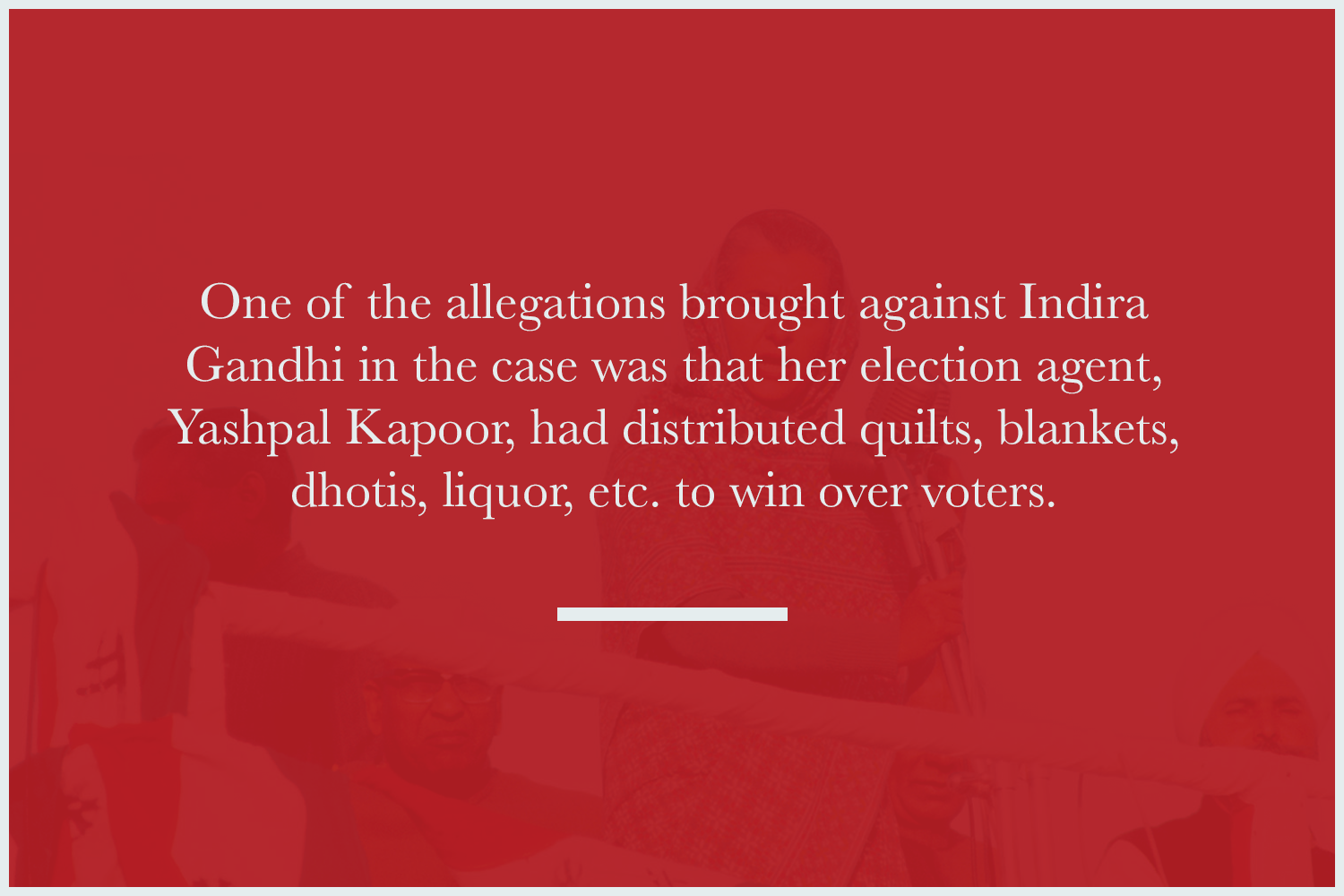

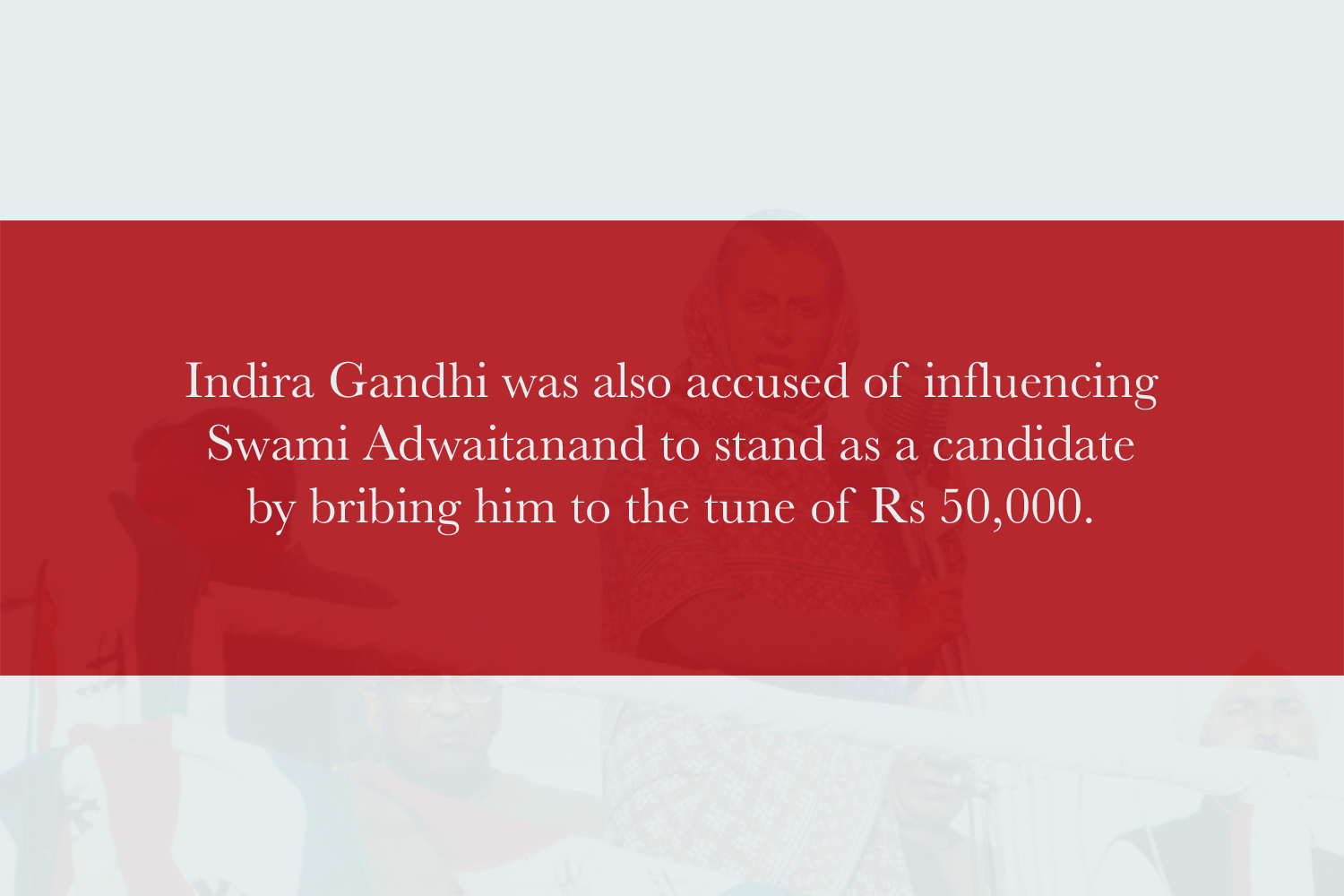
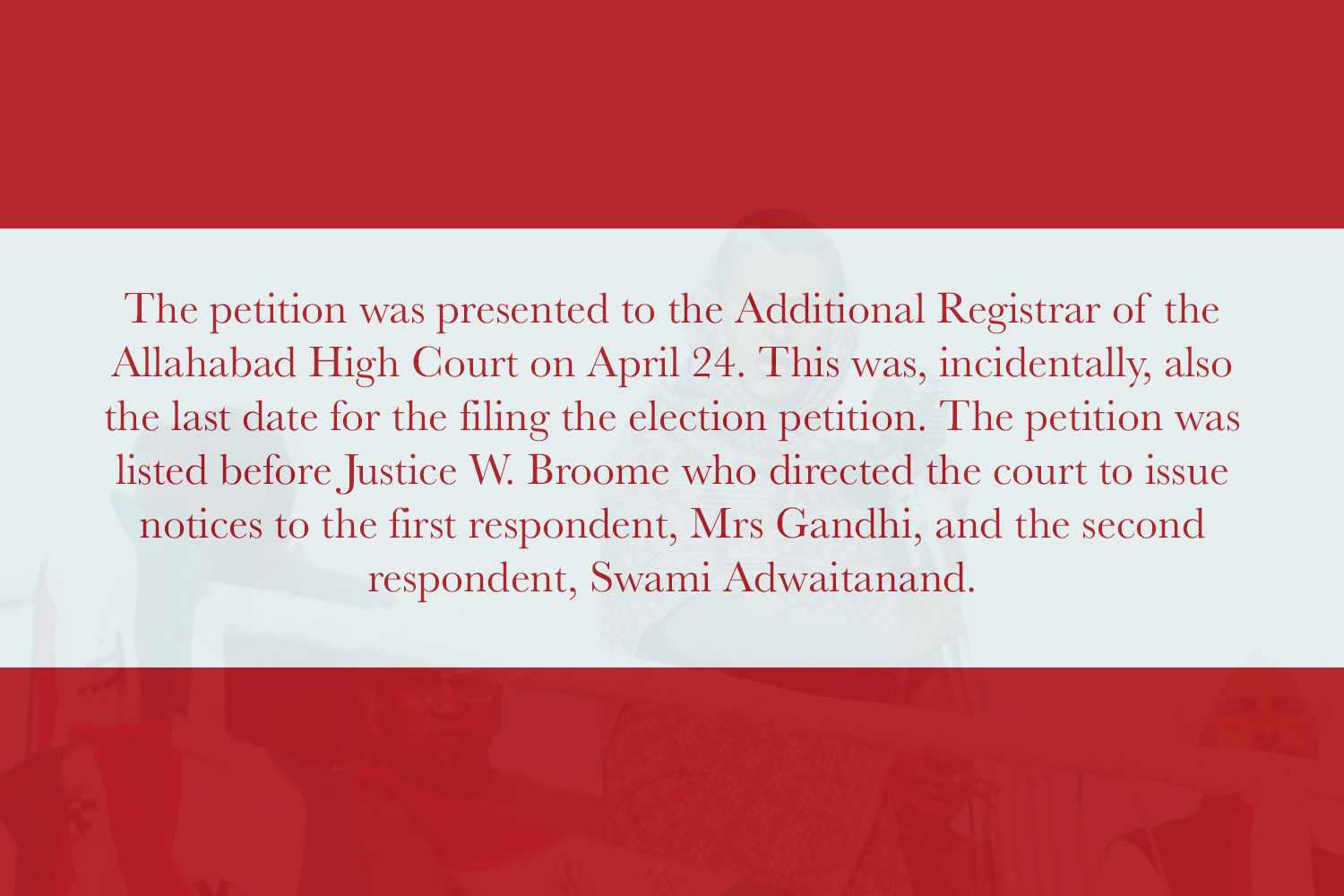
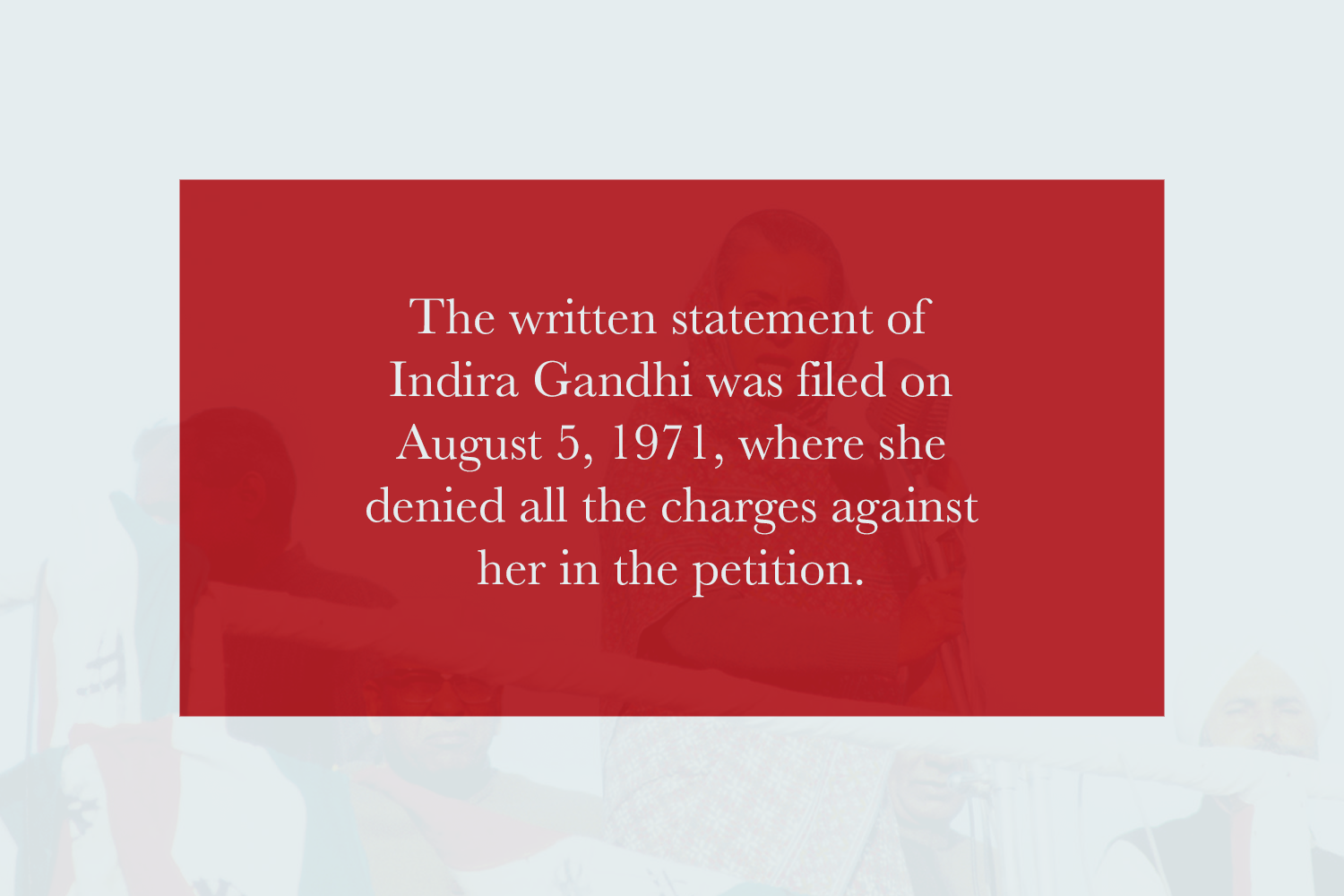
The Emergency finally concluded on March 21, 1977, thereby ending a period of not just political controversies, but heavy censorship, suspension of civil liberties and personal freedoms. Read more about it in Prashant Bhushan’s The Case that Shook India.

Forever Is A Lie: An Excerpt

Novoneel Chakraborty is the bestselling author of nine romance thrillers and he is back with another beguiling dark romance thriller. The first of a two-part series, Forever Is a Lie is about an eighteen year old girl who falls in love with a man, almost double her age. But what she doesn’t know is that whoever the man loves, dies.
Here is an excerpt from the book.
This was her profile information on Facebook. Ditto on Tinder, a dating app. With moist eyes, she checked the about me section on the app, which she had just filled up:
I’m here to hook up for a night. Anyone who wants anything that goes beyond a night, please swipe left.
Prisha forced herself not to think as she started browsing through men’s profiles on the app. Tinder was recommended to her by Zinnia, her roommate. Two years her senior in college, Zinnia was from the same neighbourhood as Prisha in Faridabad. She had shifted to Bengaluru to pursue media management from Cross University.
Prisha had followed in her footsteps and shifted to Bengaluru a month ago and had taken admission at the same university. She had enrolled herself as a BA student, with a major in mass communication. Zinnia and Prisha stayed together in a rented apartment on BTM Layout.
It was Zinnia who had first described Tinder as a saviour of singles in the city. But Prisha hadn’t made an account on the dating site because she was single, but because she had been feeling emotionally violated for a few months now.
Anyone remotely good-looking and Prisha would swipe right. In fact, looks didn’t matter at all for what she had in mind. She had heard about Tinder earlier from a number of friends but had never imagined using it one day. Why would she? She had been in a committed relationship since she had turned thirteen—until two months ago when she had stepped into her penultimate teenage year. In all these years there had been only one boy she was doggedly, single-mindedly and with utmost sincerity committed to.
Utkarsh Arora had wooed her for an entire summer vacation before she had finally said yes. She was in Class VII and he was in Class X. (Love, then, was an alien feeling. It slowly turned real as they gave it time). And just when Prisha had started believing that there could be no one better than Utkarsh, he let her down.
She had invited him to a family function. It was a dream to see her boyfriend enjoy with her family and cousins; everyone had approved of him. Three weeks later, she had noticed that Utkarsh’s Facebook relationship status had changed from: in a relationship with Prisha Srivastav to in a relationship with Shelly Srivastav. Shelly was her cousin and two years older than her. Prisha demanded an explanation but all Utkarsh said was that he was now in love with Shelly. Now? Is love a prisoner of time? Not only did Utkarsh not give her any plausible explanation, but he repeatedly dodged her calls and then blocked her on social media and on his phone. When she turned to Shelly for an answer, she simply said, ‘He loves me, not you.’
At eighteen, when one’s world collapses, it also brings down with it the beliefs one has grown up on. You stop trusting in truths altogether. You start believing that a truth is nothing but an illusion. Some call it the loss of innocence. It is then that people start giving in to the collective lies that makes everyone sorted adults. Prisha’s attempt at creating a Tinder profile was proof enough that she had given in to it as well.
Love, Prisha concluded within a month of her break-up, was a fallacy. Lust was real; the body was real. And henceforth, she would get real too. Even if it meant living a life she didn’t believe in.
Seven hours after she had made her Tinder profile, there were thirteen matches. When Zinnia came back from college, Prisha gave the phone to her.
‘I think this dude looks cute. What do you think?’ Zinnia said, looking at the fifth match. Prisha couldn’t care less. Zinnia chatted with the guy on Prisha’s behalf and in no time fixed a date later in the night at Harry’s in Koramangala. Zinnia knew Prisha’s story, but she wasn’t the one who had given her the idea of a one-night stand. It was something Prisha had inquired herself when Zinnia kept ranting about some guy who went by the name the ‘Mean Monster’ in the Bangalore party circuit. Mean because he was infamous for his edging technique—a method by which orgasm could be delayed, pushing the body to feel pleasure like never before. And monster because what he carried between his legs was two inches more than that of an average Indian’s. Zinnia was more than excited when she was finally able to trace the elusive guy and pin him down for a date, coincidentally on the same night that Prisha was supposed to meet her Tinder date.
‘You’ll have to come with me, Zin,’ Prisha said as soon as Zinnia had fixed the place for her to meet the Tinder guy.
‘Of course! But I too have a date, sweets,’ she said. Prisha noticed that Zinnia was blushing slightly, which was very unlike her.
‘What?’ Prisha asked, surprised.
‘Finally I’m going to meet him tonight.’
‘Who?’
‘The Mean Monster.’

When the Going Gets Tough, the Tough Gets Going: An Excerpt from ‘Millionaire Housewives’

Twelve stories of ordinary women who achieved extraordinary things out of sheer will and determination come together in Rinku Paul and Puja Singhal’s ‘Millionaire Housewives’, to inspire readers to achieve anything one wants to.
One such story is that of the well-known make-up artist Ambika Pillai. There is a monumental struggle that went behind the glitter and glamour of her life that we see today. Displaying unbridled courage when the going got tough, the story of Pillai is one to stay with us forever.
Here is an excerpt of her story from the book, ‘Millionaire Housewives’:
At the tender age of seventeen, my life took a decisive turn when a prospective groom came to see me. I didn’t even know his name. The one thing about him that impressed me though was his impeccable English. He had an MBA degree, was a gold medallist no less, and I gave up my world without any reservations to follow him to his. The excitement didn’t last long though. Despite his seemingly bright prospects, the reality check arrived as soon as I moved in with him to a tiny single-room apartment in Calcutta, a far cry from my sprawling home in Kerala. I was expected to wear a saree, be up at 5 a.m., cook, clean—things that I had never done before. I didn’t protest, refusing to let any of this affect me since I wanted to make my marriage work. I began to take many other things in my stride; being made to feel that I was not good enough on account of my lack of education was only one of them. I would have lived with all of this, but ours really wasn’t a marriage at all.
Not once in five years did we have a physical relationship. It was hard to explain this to my parents, who were convinced that my inability to bear a child meant there was something medically wrong with me. Trips to doctors, medical tests and even surgeries were my lot as I found it very hard to tell my parents the real issue with my marriage. I had to literally beg my husband to have a child and, thankfully, my daughter, Kavitha, was born after five years of marriage. If I had thought that a child would improve matters, I was living in a fool’s paradise as things started going from bad to worse.
Finally, with a two-year-old child in tow, I mustered up the courage to walk out of my seven-year-old marriage. I went back to my parents’ place. In retrospect, those seven years were one of the scariest times of my life. Kids should not get married as young as I did; at that age, you don’t even know your own mind, forget the other person’s. From wanting to be a happy housewife to coming back to my parental home in the throes of depression, I had come a long way. I had spent the last seven years of my life in a loveless relationship and had absolutely nothing to fall back on. If there was one thing I was grateful for, it was Kavitha. In fact, till this day, if anyone asks me if I regret my marriage, my answer is a vehement no, only on account of my daughter.
I just had no idea what I would do next. In my seven years of marriage, I hadn’t acquired any skills that could stand me in good stead. While my parents were supportive, my dad’s suggestion of letting him ‘look after’ my child and me financially didn’t go down well with me. With my other sisters married by then, I remember asking my father if I could help him with his cashew business—wanting to become the son he had never had. His answer, however, was a resounding ‘no’ as he felt it wasn’t a woman’s job. He couldn’t picture his daughter socializing with his many customers—a part and parcel of his cashew export business.
Never in my life had I felt like such a total loser. I wanted to stand on my own feet, but in the absence of any skills, I saw all doors closing in on me. In my desperation, I even came up with naive options like selling T-shirts on the beaches of Goa, where my lack of education would not be a deterrent. It was on one such day, when I was feeling totally dejected, that I saw an advertisement by Shahnaz Hussain in the local newspaper, inviting students for a hairstyling course in New Delhi. I made up my mind to join it. More than anything else, my decision was based on the fact that being a beautician didn’t require me to be a graduate. My father, of course, was devastated by the idea of me stepping out of the home turf. My mom tried to buy peace by explaining to my dad that at least I was choosing a ‘woman-oriented’ career and that I would be back home after finishing my course.
I landed in Delhi, a totally unknown city, with my daughter in my arms, utterly terrified of what the future held. I had never lived all by myself before or taken any independent decisions. Yet, here I was, fending for myself, looking for accommodations to rent. The problem was further compounded by the fact that I didn’t speak any Hindi. Irrespective of the many problems staring me in my face, I knew that there was no turning back now. I had to do this—more for my daughter than anyone else. While Delhi now feels like home, in those days I was a rank outsider. I remember people calling me ‘kali kaluti (dark complexioned)’. Of course, the saving grace was that since I didn’t know the language, I couldn’t quite understand what it meant. I somehow held on, and managed to finish two beauty courses.
Upon finishing my courses, although my parents were keen that I return home, I took up a job at a small two-seater parlour, which paid me Rs 2000 per month. I paid Rs 1000 as house rent and tried to stretch the balance to take care of my child. Money was something I never had to worry about in the past and these were trying times to say the least. While my father had paid for my courses, I was now determined to seek minimal financial help from him. I remember trying to save money from the measly Rs 1000 I had left after paying rent in order to buy a moped bike that would make commuting easier. Today, if one of my staff members tells me that they want to leave because they have a better offer, I never hold them back for I have witnessed the struggle for money first-hand.
The one bright spot of my life throughout this period remained my daughter, who was three years old by then and had just about started school. I remember telling Kavi stories of my own childhood—how I visited Disneyland when I was thirteen years old and how I would ensure that she did the same, although I had no clue how I would fulfil this promise.
Grab your copy of ‘Millionaire Housewives’ now!

5 Close Parallels Between Mahatma Gandhi and His ‘Brother in Spirit’

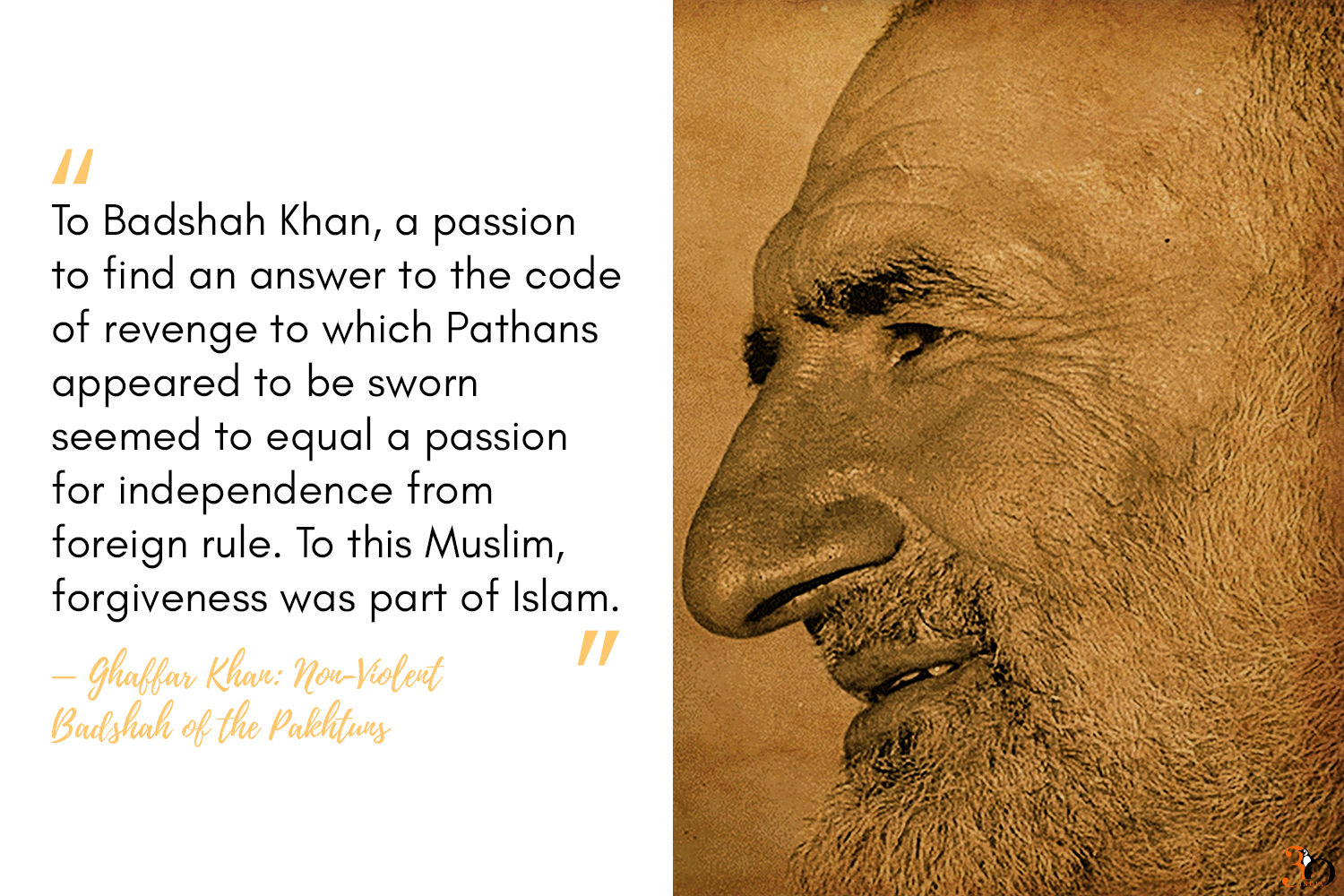
Khan Abdul Ghaffar Khan, born in the Charsadda valley in the Pakhtun heartland, believed in the non-violent core of Islam. He sought to dissuade his people, the Pathans of the North-West Frontier Province, from adopting violent means for a separate Pakhtun land.
Rajmohan Gandhi’s biography — Ghaffar Khan: Non-Violent Badshah of the Pakhtuns, takes a discerning look into the larger than life trajectory of Badshah Khan’s life, drawing close parallels with the life of Mahatma Gandhi.
Here are five instances when Ghaffar Khan’s actions reminded one of Mahatma Gandhi.


Grab your copy of Rajmohan Gandhi’s Ghaffar Khan: Non-Violent Badshah of the Pakhtuns today!
5 Things You Did Not Know About Lee Child

James D. “Jim” Grant, popularly known by his pseudonym Lee Child, is a British author widely known and admired for his thriller novels, especially his Jack Reacher novel series where his protagonist, an ex-military policeman travels the country with nothing but a toothbrush and has incredible encounters and unforgettable adventures.
Here are 5 things you didn’t know about the man behind the eminent novels:
From law to theatre to television to writing

Grant went to law school in 1974 at the Sheffield University in England. However, he had no intention of becoming a lawyer. He spent much of his time in the university theatre, so much that he failed quite a few exams and had to repeat the courses. After graduating, he joined a commercial TV channel, Granada television. He did not start writing until he was 40 and his 18 year old career at the television channel ended because of corporate restructuring.
He wrote his first novel with a pencil

At the age of 40 Jim Grant got fired from his job, bought six dollars worth of pencils and paper and started to write his first novel, Killing Floor. The book that he wrote as fast as he could was an instant hit and went on to win more awards than any of his other books. Killing Floor (1997) received the Anthony Award, the Barry Award and the Japan Adventure Fiction Association Prize. The pencil that Grant used is still a prized possession that he keeps in his New York home.
Jim Grant becomes Lee Child

Jim Grant writes under the pen name, Lee Child. The story behind this is a rather remarkable one. On hearing an American mispronounce Le Car as Lee car, calling anything ‘lee’ became a joke in Grant’s household. His daughter was ‘lee child’. Choosing ‘Lee Child’ as his pseudonym turned out to be an amazing marketing strategy for the author since it came earlier in the alphabet than Jim Grant , would fit on the bookshelves between Raymond Chandler and Agatha Christie, and many of the best-selling authors of his time had last names that began with “C”.
September 1st

Grant started writing his first book on September 1st without a plot in his mind, without any idea of what the story would be, without in fact a name for his protagonist. Ever since, he sits down to write his novel every year on the same day. It has become a ritual for him.
Jack Reacher

Just like Lee Child himself, Jack Reacher has to leave his job. The character hitchhikes across America and finds noble causes, and trouble. Interestingly, the first book was written without the main character having a name. The author’s wife once said to him that with his size, he could become a ‘reacher’ in a supermarket, to reach things on the top shelves, and that gave the author the idea for his protagonist’s name!
Get your share of suspense and thrills in Lee Child’s new book Blue Moon
6 Ways in Which You Can Achieve Your Dreams In 5 Years

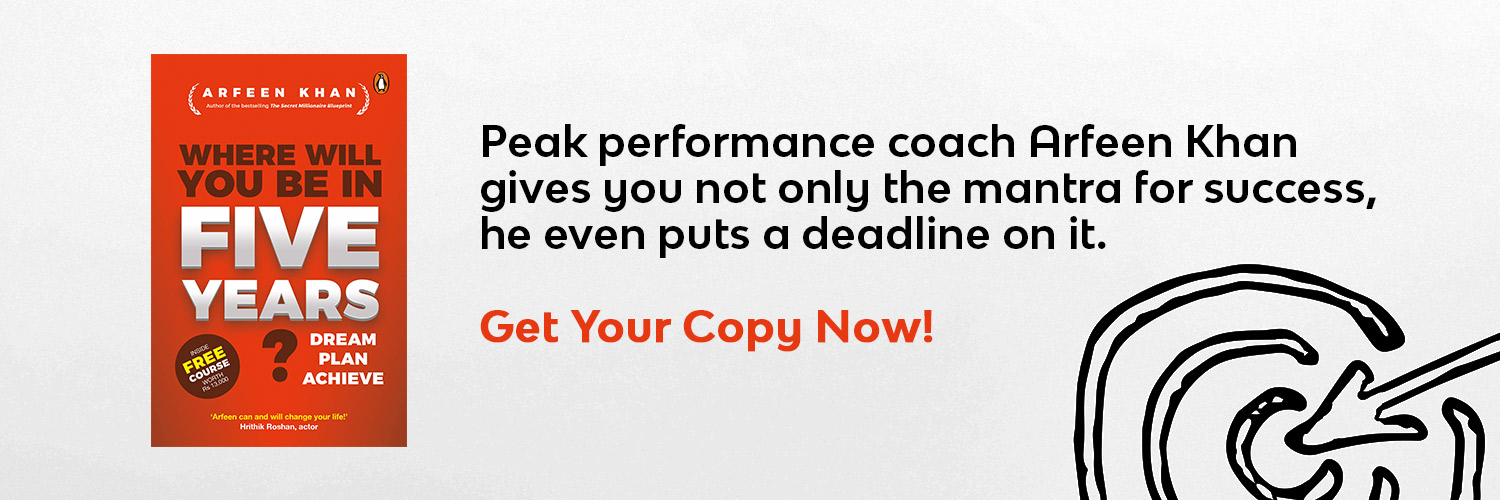
Peak performance coach Arfeen Khan, who has been long associated with Bollywood, gives you the mantra to turn your dreams into reality. He says 5 years’ time is all you need to make it happen. His approach is practical, effective and can be implemented from day one. He helps you make your own plan, overcome your personal problems and move on a path of growth and change.
Here are six tips to nail success on its head:
Self-belief is everything!

Value all aspects of life equally

Your choices frame your personality

Pressure can bring out the best in you
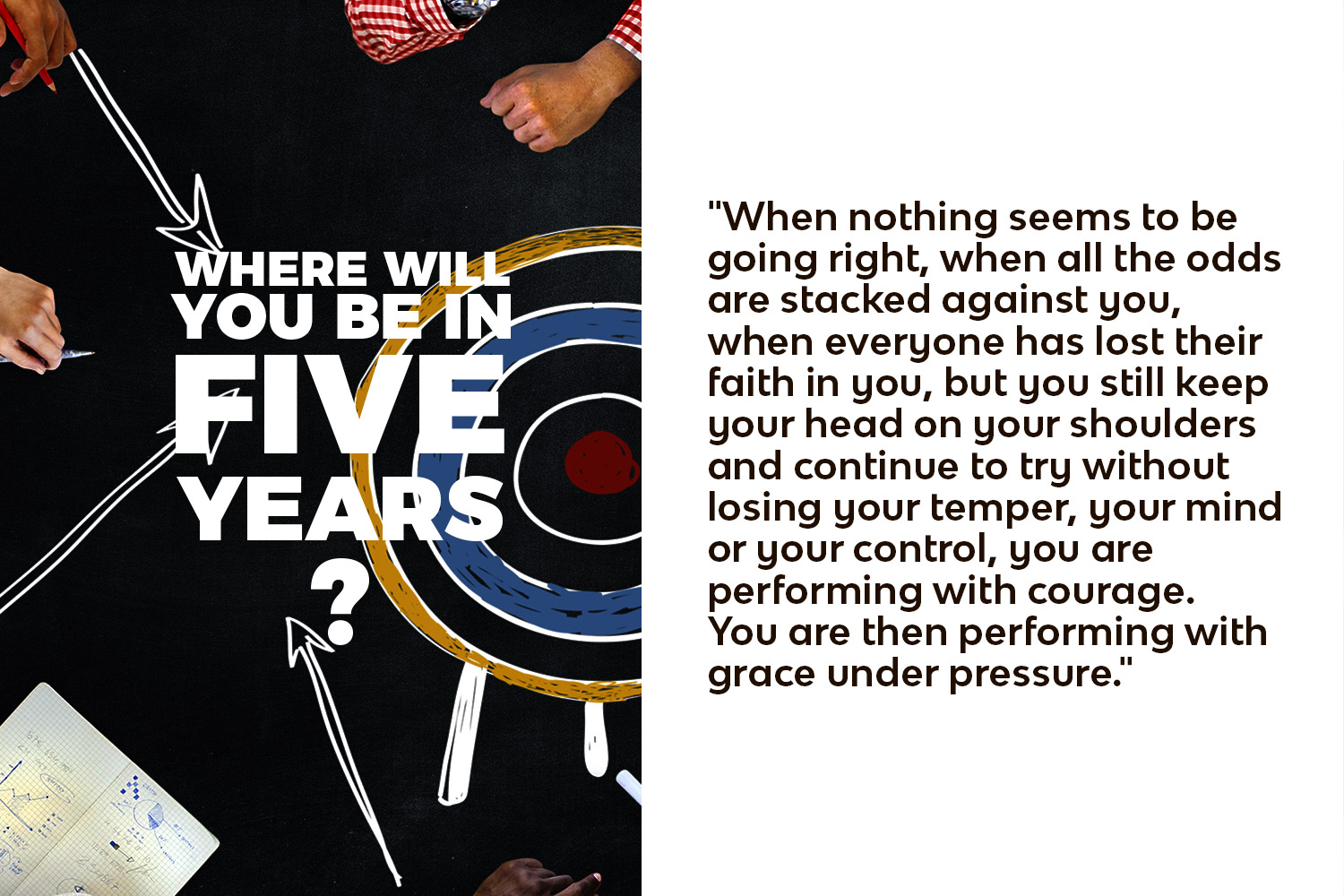
Passion will push to achieve greater things

Planning always helps!

So, are you ready to take on the world?
4 Ways in Which You Can Improve Your Concentration in Mathematics

Mathematics is an integral part of our life but many of us think of it only as a subject to be studied in school or college. In How to Be A Mathemagician, Aditi and Sudhir Singhal not only make mathematical principles fun and easy-to-learn but also show a different a side to this subject – a side that can help us improve our concentration skills and increase our attention span.
Blocks (such as shown below) help improve concentration, reading speed and problem-solving skills. Here are 4 ways in which you can improve your skills using the block below:

Always count!

Your brain is all you need!

Abide by the time limit

Practice till you get it right

Tell us what you do to improve your concentration.

Toddy Pancakes: A Gem from the Suriani Kitchen

The state of Kerala serves as a pandora’s box for culinary and gastronomically exquisite dishes. Since time immemorial, the spices of Kerala have drawn seafarers and traders to this state and the tradition has remained unchanged till date.
Drawing on this rich culinary heritage, Lathika George’s The Suriani Kitchen brings us unique recipes straight from the cookbooks of Syrian Christians.
Here’s a delicious sneak-peek into the book.
Toddy Pancakes
Kallappams
As the name implies, these appams get their name from kallu, the toddy that is traditionally used to prepare the batter. Yeast is substituted here, with good results. Kallappams are cooked on a griddle like thick pancakes. Serve these pancakes hot or cold with curries and stews.
Ingredients

Grind the soaked rice with the 2 cups of water in a blender or food processor until it becomes a smooth batter. Add the coconut and cooked rice, and process for 2 more minutes.
Pour the batter into a deep bowl and add the sugar, salt, and yeast mixture. Set aside to rise in a warm place for an hour or longer. When ready, the mixture should be like a frothy cake batter.
Pour 3⁄4 cup of batter on a hot, lightly greased griddle, and cook the thick pancakes over medium heat for 1 minute on each side. Repeat until all the batter has been used, keeping the cooked pancakes warm.
Does your kitchen smell like heaven yet?
