




Twelve stories of ordinary women who achieved extraordinary things out of sheer will and determination come together in Rinku Paul and Puja Singhal’s ‘Millionaire Housewives’, to inspire readers to achieve anything one wants to.
One such story is that of the well-known make-up artist Ambika Pillai. There is a monumental struggle that went behind the glitter and glamour of her life that we see today. Displaying unbridled courage when the going got tough, the story of Pillai is one to stay with us forever.
Here is an excerpt of her story from the book, ‘Millionaire Housewives’:
At the tender age of seventeen, my life took a decisive turn when a prospective groom came to see me. I didn’t even know his name. The one thing about him that impressed me though was his impeccable English. He had an MBA degree, was a gold medallist no less, and I gave up my world without any reservations to follow him to his. The excitement didn’t last long though. Despite his seemingly bright prospects, the reality check arrived as soon as I moved in with him to a tiny single-room apartment in Calcutta, a far cry from my sprawling home in Kerala. I was expected to wear a saree, be up at 5 a.m., cook, clean—things that I had never done before. I didn’t protest, refusing to let any of this affect me since I wanted to make my marriage work. I began to take many other things in my stride; being made to feel that I was not good enough on account of my lack of education was only one of them. I would have lived with all of this, but ours really wasn’t a marriage at all.
Not once in five years did we have a physical relationship. It was hard to explain this to my parents, who were convinced that my inability to bear a child meant there was something medically wrong with me. Trips to doctors, medical tests and even surgeries were my lot as I found it very hard to tell my parents the real issue with my marriage. I had to literally beg my husband to have a child and, thankfully, my daughter, Kavitha, was born after five years of marriage. If I had thought that a child would improve matters, I was living in a fool’s paradise as things started going from bad to worse.
Finally, with a two-year-old child in tow, I mustered up the courage to walk out of my seven-year-old marriage. I went back to my parents’ place. In retrospect, those seven years were one of the scariest times of my life. Kids should not get married as young as I did; at that age, you don’t even know your own mind, forget the other person’s. From wanting to be a happy housewife to coming back to my parental home in the throes of depression, I had come a long way. I had spent the last seven years of my life in a loveless relationship and had absolutely nothing to fall back on. If there was one thing I was grateful for, it was Kavitha. In fact, till this day, if anyone asks me if I regret my marriage, my answer is a vehement no, only on account of my daughter.
I just had no idea what I would do next. In my seven years of marriage, I hadn’t acquired any skills that could stand me in good stead. While my parents were supportive, my dad’s suggestion of letting him ‘look after’ my child and me financially didn’t go down well with me. With my other sisters married by then, I remember asking my father if I could help him with his cashew business—wanting to become the son he had never had. His answer, however, was a resounding ‘no’ as he felt it wasn’t a woman’s job. He couldn’t picture his daughter socializing with his many customers—a part and parcel of his cashew export business.
Never in my life had I felt like such a total loser. I wanted to stand on my own feet, but in the absence of any skills, I saw all doors closing in on me. In my desperation, I even came up with naive options like selling T-shirts on the beaches of Goa, where my lack of education would not be a deterrent. It was on one such day, when I was feeling totally dejected, that I saw an advertisement by Shahnaz Hussain in the local newspaper, inviting students for a hairstyling course in New Delhi. I made up my mind to join it. More than anything else, my decision was based on the fact that being a beautician didn’t require me to be a graduate. My father, of course, was devastated by the idea of me stepping out of the home turf. My mom tried to buy peace by explaining to my dad that at least I was choosing a ‘woman-oriented’ career and that I would be back home after finishing my course.
I landed in Delhi, a totally unknown city, with my daughter in my arms, utterly terrified of what the future held. I had never lived all by myself before or taken any independent decisions. Yet, here I was, fending for myself, looking for accommodations to rent. The problem was further compounded by the fact that I didn’t speak any Hindi. Irrespective of the many problems staring me in my face, I knew that there was no turning back now. I had to do this—more for my daughter than anyone else. While Delhi now feels like home, in those days I was a rank outsider. I remember people calling me ‘kali kaluti (dark complexioned)’. Of course, the saving grace was that since I didn’t know the language, I couldn’t quite understand what it meant. I somehow held on, and managed to finish two beauty courses.
Upon finishing my courses, although my parents were keen that I return home, I took up a job at a small two-seater parlour, which paid me Rs 2000 per month. I paid Rs 1000 as house rent and tried to stretch the balance to take care of my child. Money was something I never had to worry about in the past and these were trying times to say the least. While my father had paid for my courses, I was now determined to seek minimal financial help from him. I remember trying to save money from the measly Rs 1000 I had left after paying rent in order to buy a moped bike that would make commuting easier. Today, if one of my staff members tells me that they want to leave because they have a better offer, I never hold them back for I have witnessed the struggle for money first-hand.
The one bright spot of my life throughout this period remained my daughter, who was three years old by then and had just about started school. I remember telling Kavi stories of my own childhood—how I visited Disneyland when I was thirteen years old and how I would ensure that she did the same, although I had no clue how I would fulfil this promise.
Grab your copy of ‘Millionaire Housewives’ now!

5 Close Parallels Between Mahatma Gandhi and His ‘Brother in Spirit’

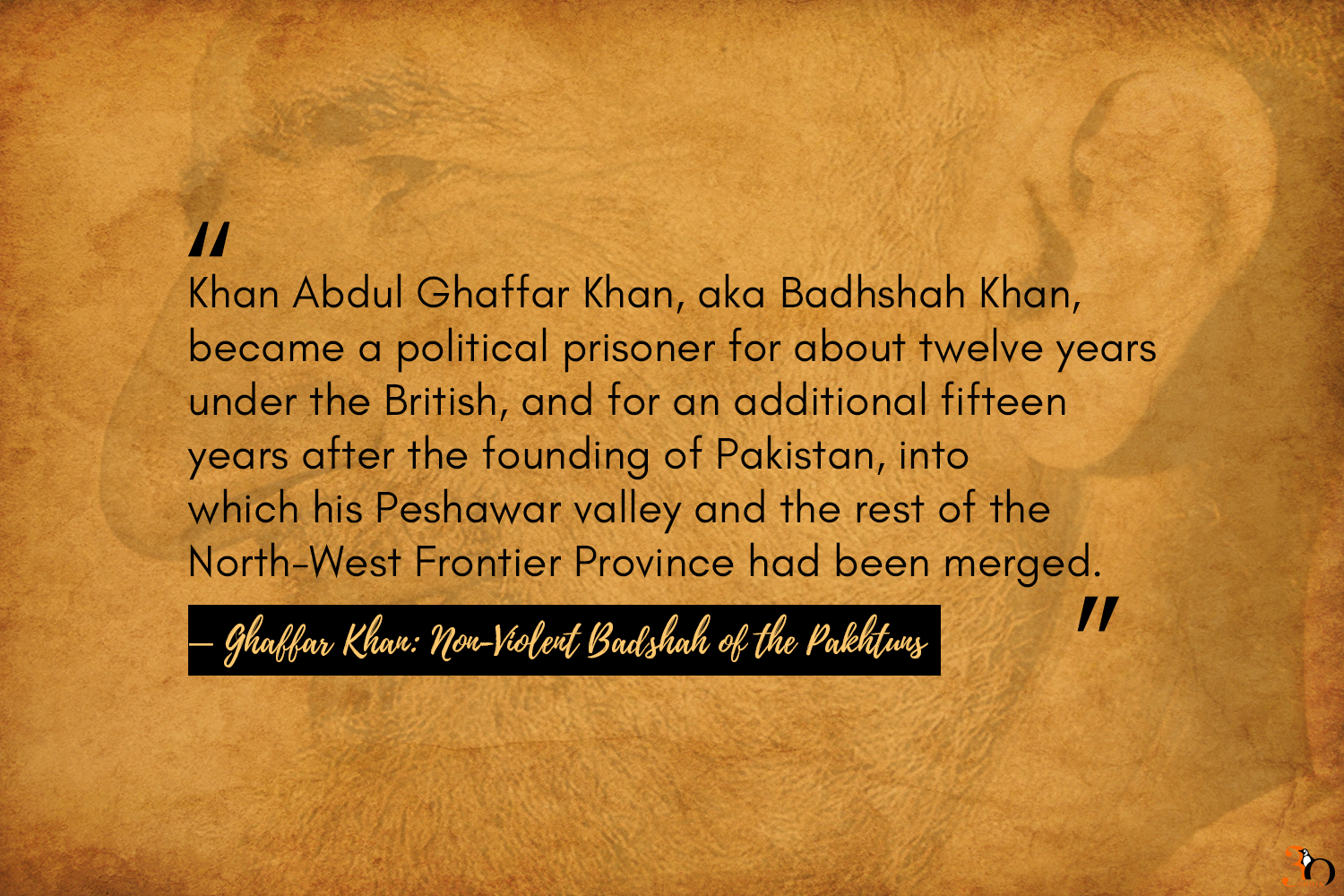
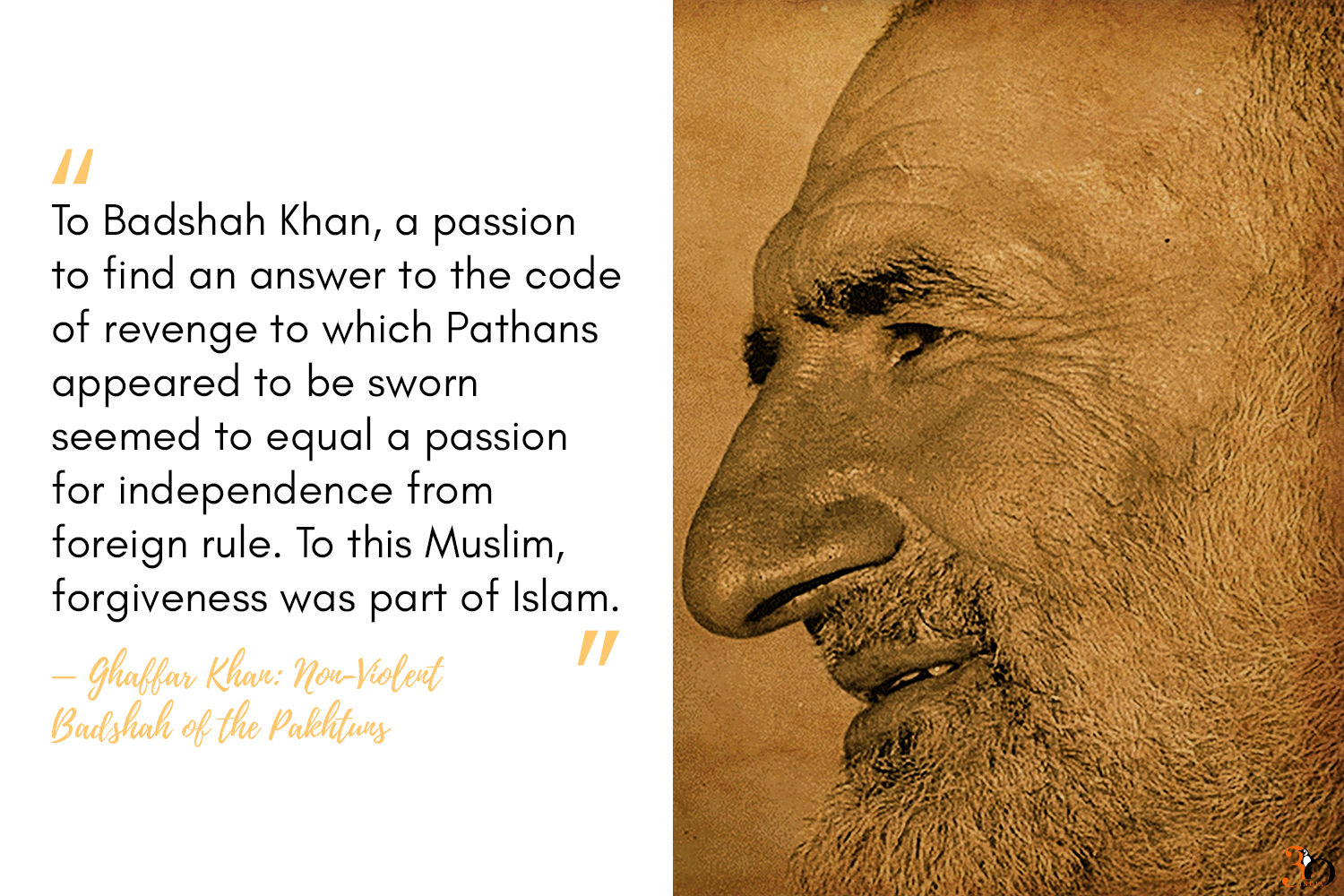
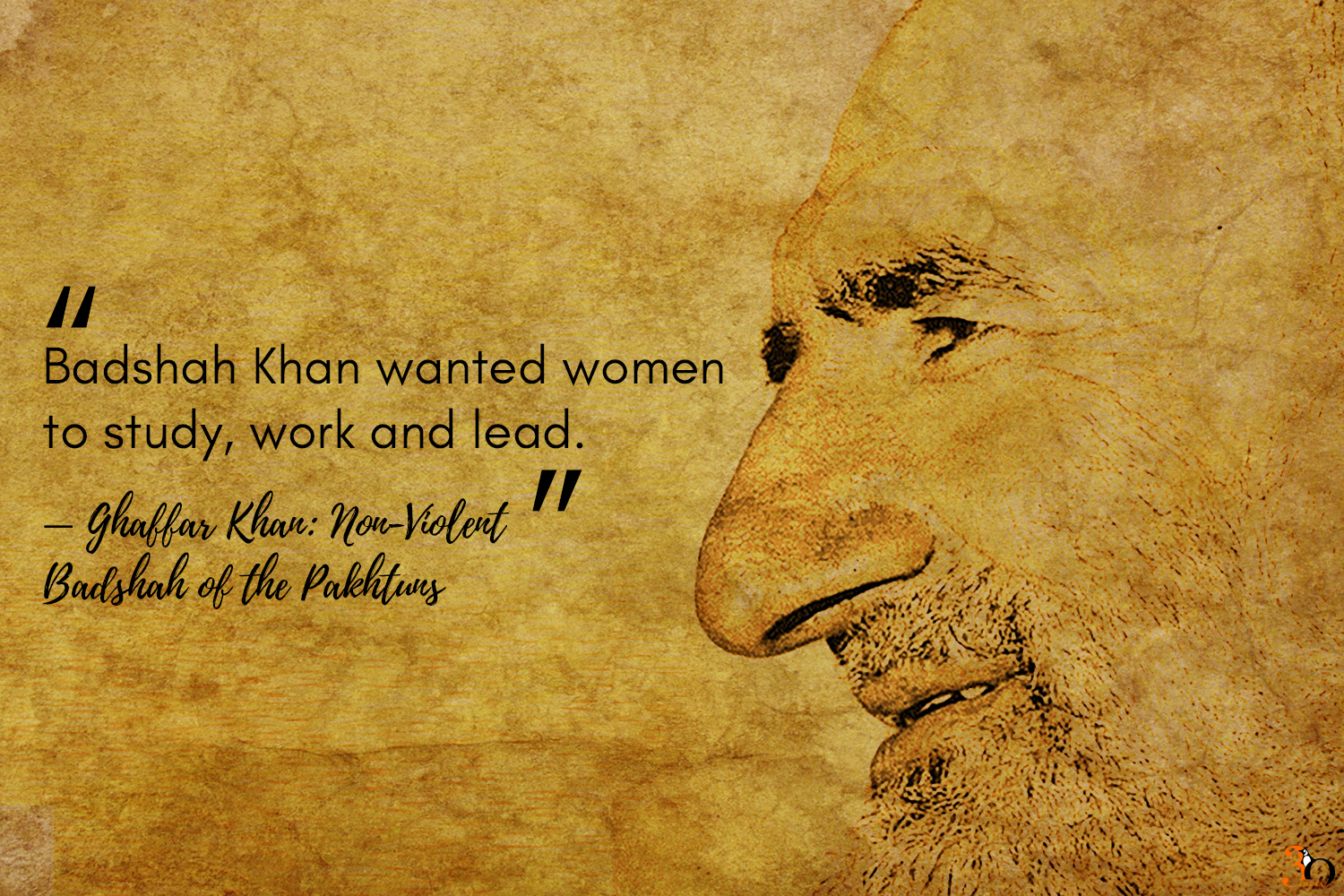
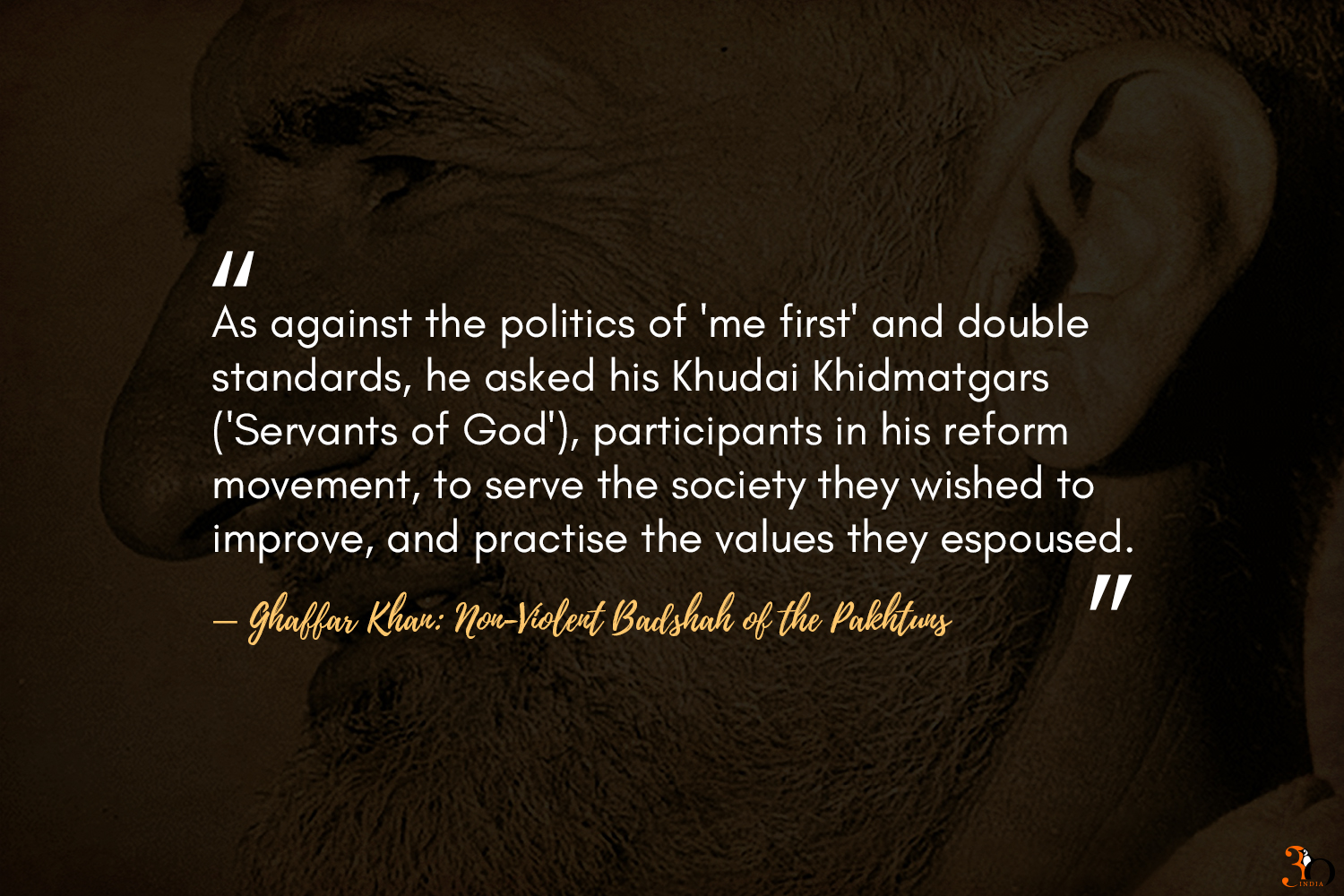
Khan Abdul Ghaffar Khan, born in the Charsadda valley in the Pakhtun heartland, believed in the non-violent core of Islam. He sought to dissuade his people, the Pathans of the North-West Frontier Province, from adopting violent means for a separate Pakhtun land.
Rajmohan Gandhi’s biography — Ghaffar Khan: Non-Violent Badshah of the Pakhtuns, takes a discerning look into the larger than life trajectory of Badshah Khan’s life, drawing close parallels with the life of Mahatma Gandhi.
Here are five instances when Ghaffar Khan’s actions reminded one of Mahatma Gandhi.

Grab your copy of Rajmohan Gandhi’s Ghaffar Khan: Non-Violent Badshah of the Pakhtuns today!
5 Things You Did Not Know About Lee Child

James D. “Jim” Grant, popularly known by his pseudonym Lee Child, is a British author widely known and admired for his thriller novels, especially his Jack Reacher novel series where his protagonist, an ex-military policeman travels the country with nothing but a toothbrush and has incredible encounters and unforgettable adventures.
Here are 5 things you didn’t know about the man behind the eminent novels:
From law to theatre to television to writing

Grant went to law school in 1974 at the Sheffield University in England. However, he had no intention of becoming a lawyer. He spent much of his time in the university theatre, so much that he failed quite a few exams and had to repeat the courses. After graduating, he joined a commercial TV channel, Granada television. He did not start writing until he was 40 and his 18 year old career at the television channel ended because of corporate restructuring.
He wrote his first novel with a pencil

At the age of 40 Jim Grant got fired from his job, bought six dollars worth of pencils and paper and started to write his first novel, Killing Floor. The book that he wrote as fast as he could was an instant hit and went on to win more awards than any of his other books. Killing Floor (1997) received the Anthony Award, the Barry Award and the Japan Adventure Fiction Association Prize. The pencil that Grant used is still a prized possession that he keeps in his New York home.
Jim Grant becomes Lee Child

Jim Grant writes under the pen name, Lee Child. The story behind this is a rather remarkable one. On hearing an American mispronounce Le Car as Lee car, calling anything ‘lee’ became a joke in Grant’s household. His daughter was ‘lee child’. Choosing ‘Lee Child’ as his pseudonym turned out to be an amazing marketing strategy for the author since it came earlier in the alphabet than Jim Grant , would fit on the bookshelves between Raymond Chandler and Agatha Christie, and many of the best-selling authors of his time had last names that began with “C”.
September 1st

Grant started writing his first book on September 1st without a plot in his mind, without any idea of what the story would be, without in fact a name for his protagonist. Ever since, he sits down to write his novel every year on the same day. It has become a ritual for him.
Jack Reacher

Just like Lee Child himself, Jack Reacher has to leave his job. The character hitchhikes across America and finds noble causes, and trouble. Interestingly, the first book was written without the main character having a name. The author’s wife once said to him that with his size, he could become a ‘reacher’ in a supermarket, to reach things on the top shelves, and that gave the author the idea for his protagonist’s name!
Get your share of suspense and thrills in Lee Child’s new book Blue Moon
6 Ways in Which You Can Achieve Your Dreams In 5 Years

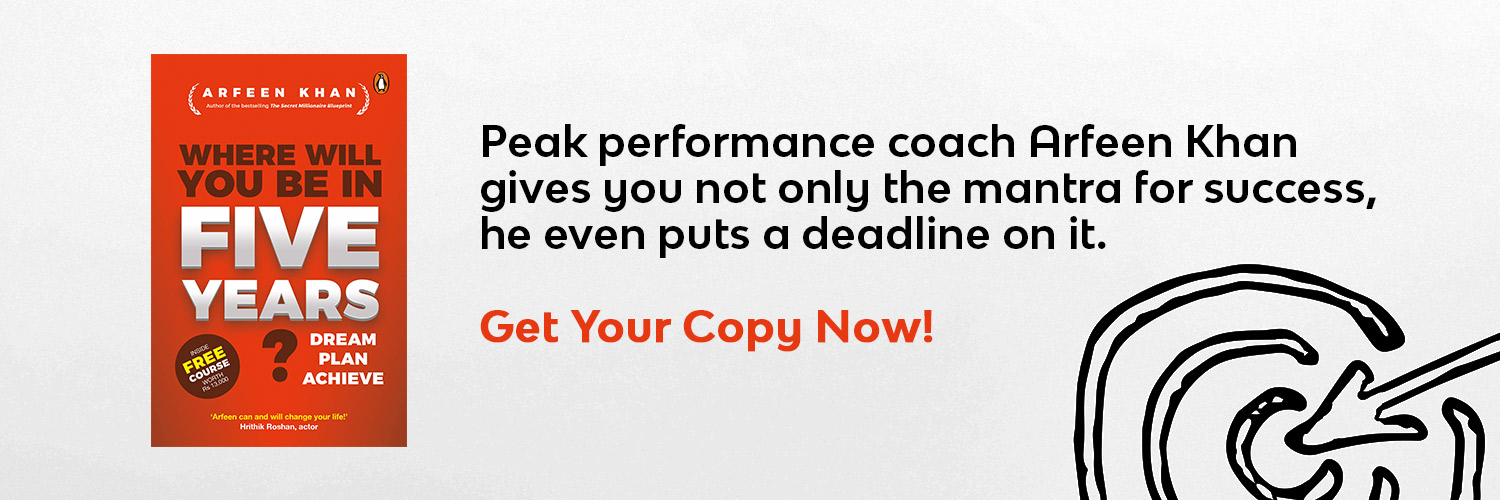
Peak performance coach Arfeen Khan, who has been long associated with Bollywood, gives you the mantra to turn your dreams into reality. He says 5 years’ time is all you need to make it happen. His approach is practical, effective and can be implemented from day one. He helps you make your own plan, overcome your personal problems and move on a path of growth and change.
Here are six tips to nail success on its head:
Self-belief is everything!

Value all aspects of life equally

Your choices frame your personality

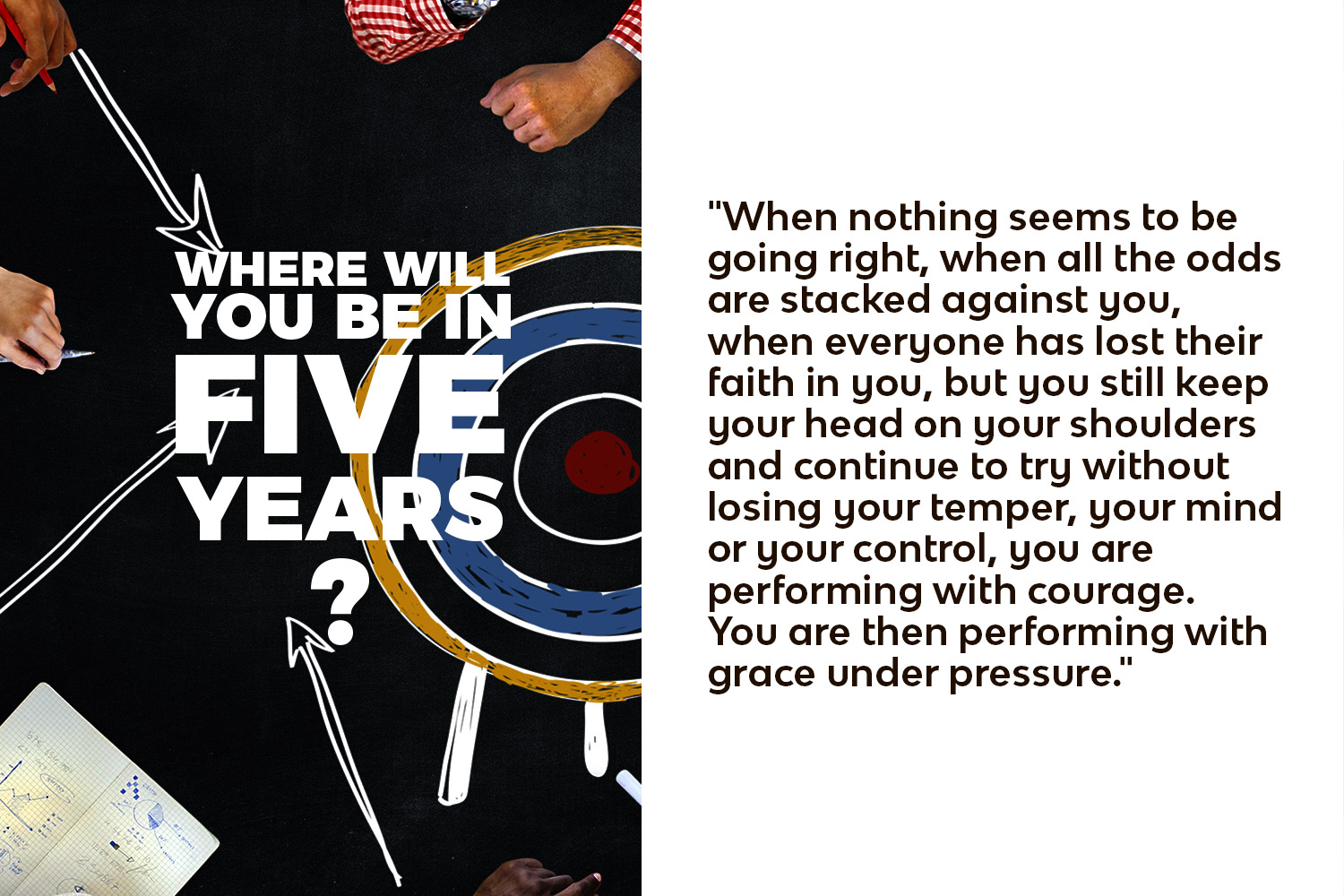
Pressure can bring out the best in you
Passion will push to achieve greater things

Planning always helps!

So, are you ready to take on the world?
4 Ways in Which You Can Improve Your Concentration in Mathematics

Mathematics is an integral part of our life but many of us think of it only as a subject to be studied in school or college. In How to Be A Mathemagician, Aditi and Sudhir Singhal not only make mathematical principles fun and easy-to-learn but also show a different a side to this subject – a side that can help us improve our concentration skills and increase our attention span.
Blocks (such as shown below) help improve concentration, reading speed and problem-solving skills. Here are 4 ways in which you can improve your skills using the block below:

Always count!

Your brain is all you need!

Abide by the time limit

Practice till you get it right

Tell us what you do to improve your concentration.

Toddy Pancakes: A Gem from the Suriani Kitchen

The state of Kerala serves as a pandora’s box for culinary and gastronomically exquisite dishes. Since time immemorial, the spices of Kerala have drawn seafarers and traders to this state and the tradition has remained unchanged till date.
Drawing on this rich culinary heritage, Lathika George’s The Suriani Kitchen brings us unique recipes straight from the cookbooks of Syrian Christians.
Here’s a delicious sneak-peek into the book.
Toddy Pancakes
Kallappams
As the name implies, these appams get their name from kallu, the toddy that is traditionally used to prepare the batter. Yeast is substituted here, with good results. Kallappams are cooked on a griddle like thick pancakes. Serve these pancakes hot or cold with curries and stews.
Ingredients

Grind the soaked rice with the 2 cups of water in a blender or food processor until it becomes a smooth batter. Add the coconut and cooked rice, and process for 2 more minutes.
Pour the batter into a deep bowl and add the sugar, salt, and yeast mixture. Set aside to rise in a warm place for an hour or longer. When ready, the mixture should be like a frothy cake batter.
Pour 3⁄4 cup of batter on a hot, lightly greased griddle, and cook the thick pancakes over medium heat for 1 minute on each side. Repeat until all the batter has been used, keeping the cooked pancakes warm.
Does your kitchen smell like heaven yet?

6 Times Sister Nivedita had to Struggle Between her Heart and Mind
Margaret Noble arrived at India’s shores in the late nineteenth century, took the vows of a brahmacharini and devoted the rest of her life to the cause of India. She was enchanted by Swami Vivekananda but their vows of celibacy kept her from expressing her feelings for him. Regardless, she went on to worship him, making her heart and mind work in tandem.
Here are six times Sister Nivedita faced a struggle between her heart and mind.
Nivedita was filled with an overwhelming sense of devotion and love for Swami Vivekananda

Nivedita’s love for her King, astonished many

For Sister Nivedita, Swami Vivekananda’s visit to London was a divine intervention

For Sister Nivedita, being close to her King was all that mattered

She felt guilty for ignoring her family but she couldn’t help it

Going against her impulsive nature, Sister Nivedita vowed to practice the wisdom of restraint as advised by her dear Guru

Tell us which aspect of Nivedita’s love for her King astonished you the most.

Understanding Strategic Positioning
Three key principles underlie strategic positioning.
- Strategy is the creation of a unique and valuable position, involving a different set of activities: Strategic position emerges from three distinct sources:
- serving few needs of many customers (Jiffy Lube provides only auto lubricants)
- serving broad needs of few customers (Bessemer Trust targets only very high-wealth clients)
- serving broad needs of many customers in a narrow market (Carmike Cinemas operates only in cities with a population under 200,000)
- 2. Strategy requires you to make trade-offs in competing—to choose what not to do. Some competitive activities are incompatible; thus, gains in one area can be achieved only at the expense of another area. For example, Neutrogena soap is positioned more as a medicinal product than as a cleansing agent. The company says “no” to sales based on deodorizing, gives up large volume, and sacrifices manufacturing efficiencies. By contrast, Maytag’s decision to extend its product line and acquire other brands represented a failure to make difficult trade-offs: the boost in revenues came at the expense of return on sales.
- Strategy involves creating “fit” among a company’s activities. Fit has to do with the ways a company’s activities interact and reinforce one another. For example, Vanguard Group aligns all of its activities with a low-cost strategy; it distributes funds directly to consumers and minimizes portfolio turnover. Fit drives both competitive advantage and sustainability: when activities mutually reinforce each other, competitors can’t easily imitate them. When Continental Lite tried to match a few of Southwest Airlines’ activities, but not the whole interlocking system, the results were disastrous.
Employees need guidance about how to deepen a strategic position rather than broaden or compromise it. About how to extend the company’s uniqueness while strengthening the fit among its activities. This work of deciding which target group of customers and needs to serve requires discipline, the ability to set limits, and forthright communication. Clearly, strategy and leadership are inextricably linked.
This is an excerpt from HBR’s 10 Must Reads (On Strategy). Get your copy here.
Credit: Abhishek Singh
India Transformed — An Excerpt
Rakesh Mohan is the former deputy governor of the RBI. He has also served as the executive director of the IMF and secretary, Department of Economic Affairs, and Ministry of Finance. He is currently a Distinguished Fellow with Brookings India.
India underwent a major economic reform in the form of liberalization in 1991. In India Transformed, India’s top business leaders and economists come together and provide a balanced picture of the consequences of the economic reforms, initiated in 1991. They ask themselves some imperative questions: What were the reforms? What were they intended for? How have they affected the overall functioning of the economy?
Here is an exclusive excerpt from the foreword of the book, written by Strobe Talbott, the former Deputy Secretary of United States of America.
This timely, authoritative and policy-relevant volume sheds light on India’s dramatic changes over the past quarter century. That transformation has not only been a boon to the people of India, it has also contributed to the progress of the human enterprise as a whole. The world’s largest democracy is a major player on the world stage. It is certainly viewed and valued that way by my own country, the United States of America.
The economic and commercial dimension of India’s evolution is, of course, crucial. Hence, the focus of submissions in the pages that follow is political economy, financial development, trade and globalization, technology and innovation, agricultural and industrial development, and the interaction between the private and public sectors. The contributors include some of the original designers and implementers of the reform process, along with the prominent business leaders who have been the most successful builders of the economy.
There is also, thanks to the inclusion of wisdom from Shivshankar Menon, Shyam Saran and Sanjaya Baru, due attention paid to India’s foreign and security policy.
Over the course of the last half-century, I have had numerous opportunities to watch India’s evolution, first from the vantage point of a student of international relations and then for two decades as a journalist. During my eight years in government during the 1990s, I also had a chance to participate in the effort by the Indian and the US governments to put the bilateral relationship on a sounder—indeed, a transformed—footing than had been the case in the first four decades after Indian Independence. Dennis Kux captured the perception on both sides of that star-crossed backstory in the subtitle of his 1992 book, India and the United States: Estranged Democracies.
What stymied a robust bond between these two countries? After all, both had wrested their independence from British rule while adopting and adapting many of the features of British constitutional governance (minus, of course, the monarchy).
The key factor, I’ve always believed, was the Cold War.
It was approximately at the midpoint of that global schism that I first visited India forty-two years ago. I owe that enriching and informative experience to a glitch in my career as a Sovietologist.
In those days, I was a reporter for Time magazine concentrating on East–West relations and was assigned to the State Department beat. This often meant whirling around the world, coping with what seemed like a permanent case of jetlag, trying to keep up with the then secretary of state Henry Kissinger.
In October 1974, Kissinger embarked on a seven-nation diplomatic tour starting with Moscow. The Kremlin was eager to welcome the secretary of state as the personification of continuity in the US policy of détente, in the wake of Richard Nixon’s resignation and Gerald Ford’s ascension to the presidency. The Soviets, however, were not about to extend their hospitality to me. I was persona non grata because of my role in translating and editing Nikita Khrushchev’s memoirs. The material for the two volumes was surreptitiously recorded and spirited out of the country while he was under virtual house arrest, since his ouster from the leadership ten years before. The second volume, published earlier in 1974, particularly irked Foreign Minister Anatoly Gromyko, who sent a message to Kissinger’s plane over the Atlantic, denying me a visa.
After I was unceremoniously dropped off in Copenhagen during a fuelling stop, I hopscotched to New Delhi, which would be Kissinger’s second stop after Moscow.
On the personal front, my several days of free time were immensely gratifying. I made friendships that lasted for decades. I also came to know Ambassador Daniel Patrick Moynihan (whose desk officer at the State Department was none other than Dennis Kux). Moynihan’s wife, Elizabeth, took me under her wing and drove me out to—where else?—the Taj Mahal, where she was already deeply into studying the Mughal gardens.

6 Quotes by Lee Child To Fill Your Hearts With A Sense Of Adventure
James D. Grant, popularly known by his pseudonym Lee Child, is a British author widely known and admired for his thriller novels, especially his Jack Reacher series. His books are power-packed, taking you on some epic adventures.
Here are six quotes by Lee Child that will make you feel adventurous:
Always!

Are you afraid of death?

Never!

The road of non-violence is paved with wisdom

Do you feel the same?

Do you also have a favourite Lee Child quote? Tell us.
