



Mr Unwin, meet Bilal.
He is the taller of the two who stand under the arch of bougainvillea, the wooden gate open behind them. I am the shorter one, the one who is squinting. That is a temporary squint, and I squinted at the time of being photographed not because of the sun, I was just trying to hide my discomfort at being looked at through a viewfinder. The picture was taken on the first Small Eid after we came to live in Bougainvillea, and I invited him for the feast because I owed him a treat. That is another story, but let me narrate it now because it may not fit anywhere else in this book.
A week after I joined the town school, of which Vappa, Uncle Yazin and Aunt Yasmin were the alumni of, I ran into Bilal on the cliff path. At school we sat on the same bench because we were of the same height, almost, and I willed him to quickly grow a head taller so I would not have to sit next to him any more: he smelled like cashew orchards in springtime and I always associated the smell of cashew flowers with death. But the chance encounter on the cliff path triggered off a chain of events that finally made us friends and partners in petty villainies.
It was one of those days when Vappa momentarily regained his old self and craved outdoors, and we were strolling down the path that frilled the north cliff, lined with shacks that sold curios and curiously-named food. Outside a cafe, I spotted Bilal, but for a long moment I could not reconcile what I saw. He was standing on his toes, leaning over the railing the café had put up around the dining area. He had one hand cupped in front of a white couple who sported identical pairs of sunglasses, the other repeatedly tapped his stomach to mime hunger. The couple, their skin tanned to the colour of sandpaper, were watching him the way people watch street stuntmen, with a mild scowl that betrayed neither indulgence nor disapproval.
My face stung at the sight of Bilal begging. I had never seen anybody outside television serials beg with such flourish. Nor had I imagined that anyone who attended school on weekdays would beg at weekends. I passed him with my eyes averted to the sea, my ears tuned to its roar. We were walking past a fish stall – catch of the day sat with sleepy eyes on a bed of crushed ice, traded by a man who knew the English name of every fish and spoke with the civility of a trained salesman because his clients were foreign tourists and hence his wares were unimaginably dear – when I heard my name being called. It took me an effort to not hear him, and I walked faster as his voice grew louder.
‘Are you deaf?’ Vappa snapped. ‘Someone is shouting your name.’
I turned around and saw Bilal, his face flushed from running, his breathing uneven.
‘Hello,’ he panted.
I wanted to say hello and goodbye in the same breath and move on, but Vappa was already holding Bilal’s hand and asking him his name and the location of his residence.
‘Behind the town mosque,’ he said, gasping for breath.
‘Behind the town mosque?’ Vappa pulled a face. ‘Behind the mosque there are railway lines.’
‘In the same premises as the mosque,’ Bilal said and, as Vappa was beginning to knit his eyebrows, he added almost inaudibly, ‘I live in the orphanage.’
Vappa forced a smile and, as if to hide his embarrassment, asked tenderly, ‘What brings you to the cliff?’
I expected Bilal to lie, but he smiled sheepishly and said nothing. The white couple Bilal had begged to walked past us, hand in hand, wind in the hair. The man puffed up his cheeks at the sight of Bilal, the lady removed her sunglasses and rolled her eyes comically at him.
‘You got lots of friends around here,’ Vappa said.
The sun had nearly set, and the lights were coming on in the shacks. Vappa reminded Bilal to start his journey back to the town as it would soon be dark. As if the mere thought of darkness frightened him, Bilal rushed off, blending into little groups of people that drifted down the cliff path. All night I wondered if smiles were all that Bilal could coax out of the white couple with his charade of hunger. But the moment I stepped through the school gates the next morning the riddle solved itself.
‘I have a dollar,’ said Bilal. He was standing by the bird cage, feeding love birds. ‘We will spend it at lunch break.’
This is an excerpt from Anees Salim’s The Small-Town Sea.

5 Rabindranath Tagore Poems that Make Him the Master of Our Hearts
Rabindranath Tagore was a poet-philosopher who inspired a whole generation through his writings. Rabindranath Tagore became a literary sensation and went on to win the Nobel Prize in Literature in 1913.
To celebrate Tagore’s birthday, we bring here sections of five of his most beloved poems!
On the Hypocrisy of Faith

On the Vulnerability at the Time of Death

On the Soul of Countries and People

On Missing a Dear One

On Longing

Do you, too, have a Rabindranath Tagore poem to share? What are your favourite lines of his? Tell us, we would love to know!



5 Momentous Performances of Sonal Mansingh

At the tender age of 18, Sonal Mansingh began dancing professionally. In a career of fifty-five years, she has given many mesmerizing performances in Bharatnatyam, Odissi, and Chhau.
Mansingh has travelled the world for her dance and won many accolades. Here are five momentous performances by her that make us want to go back in time and witness them.


Read more about her illustrious dance career in Sonal Mansingh: A Life Like No Other.
6 Quotes by Amit Chaudhuri that Showcase His Brilliance

The author of six novels, his first major work of non-fiction, Calcutta: Two Years in the City, was published in the UK and India in 2013. His first novel, A Strange and Sublime Address, is included in Colm Toibin and Carmen Callil’s Two Hundred Best Novels of the Last Fifty Years.
Here are 6 quotes by Amit Chaudhuri that’ll enrich every reader’s life.
On the nature of history.

A poet’s view on love.

On the bottomless depths of a woman’s heart.

How class division changes perceptions.

His views on writing.

On a feeling many share.

Amit Chaudhuri’s latest – Friend of my Youth is, like all his previous works, a treasure trove of beautiful moments and glorious quotes that’ll leave you breathless.

5 Ways to Transform the Space in Your House to Eden

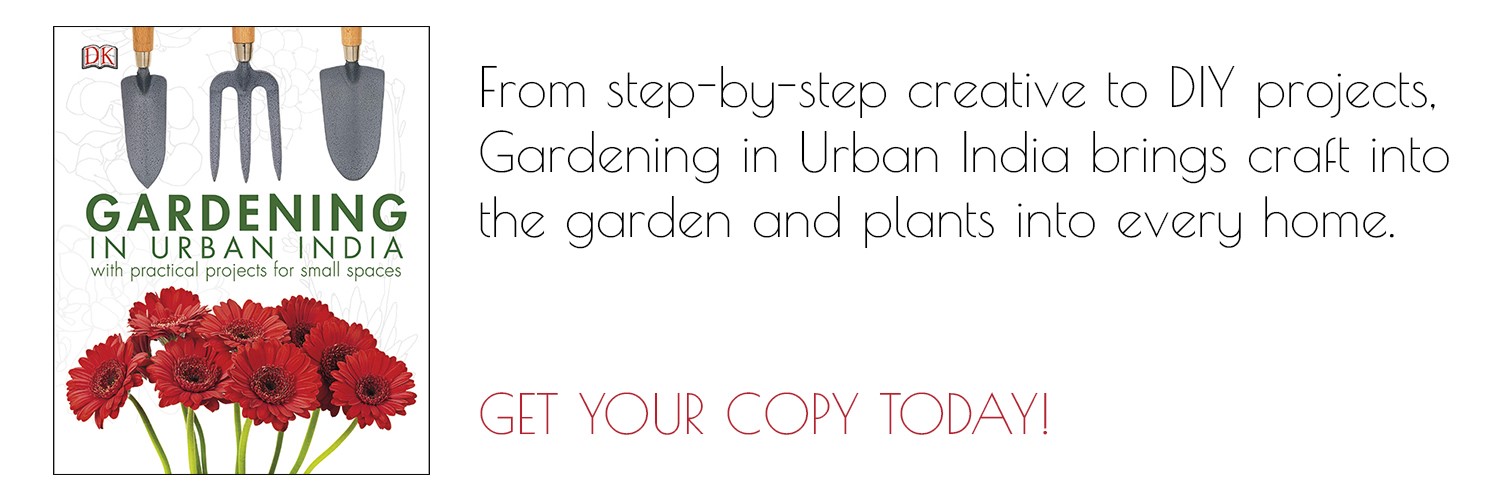
Whether it’s a neglected balcony, a cluttered verandah, or a bare stairway, Gardening in Urban India will show you ways on how these spaces can be revived with a careful selection of plants and accessories. Get inspired by a range of styles, layouts, and techniques to create your own green space.
Here are just 5 of the many ways you can transform that extra space into a beautiful area.
Patio and Verandah
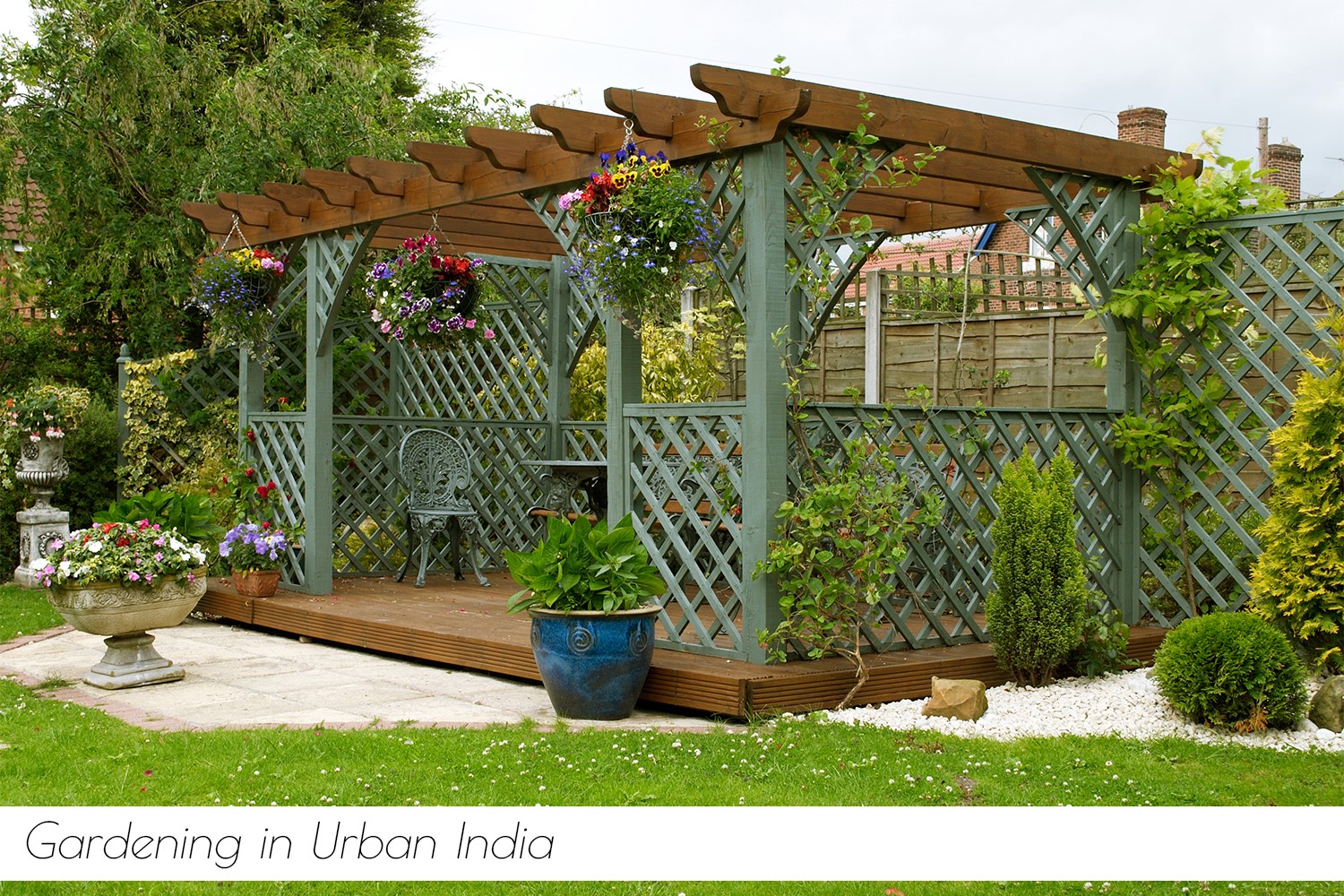
An extension of the living area, patios and verandahs are just the right spaces for small gardens. Most patios are made on concrete or stone bases. A raised wooden base, or deck, lends a more warm and natural look to a patio.
Balcony
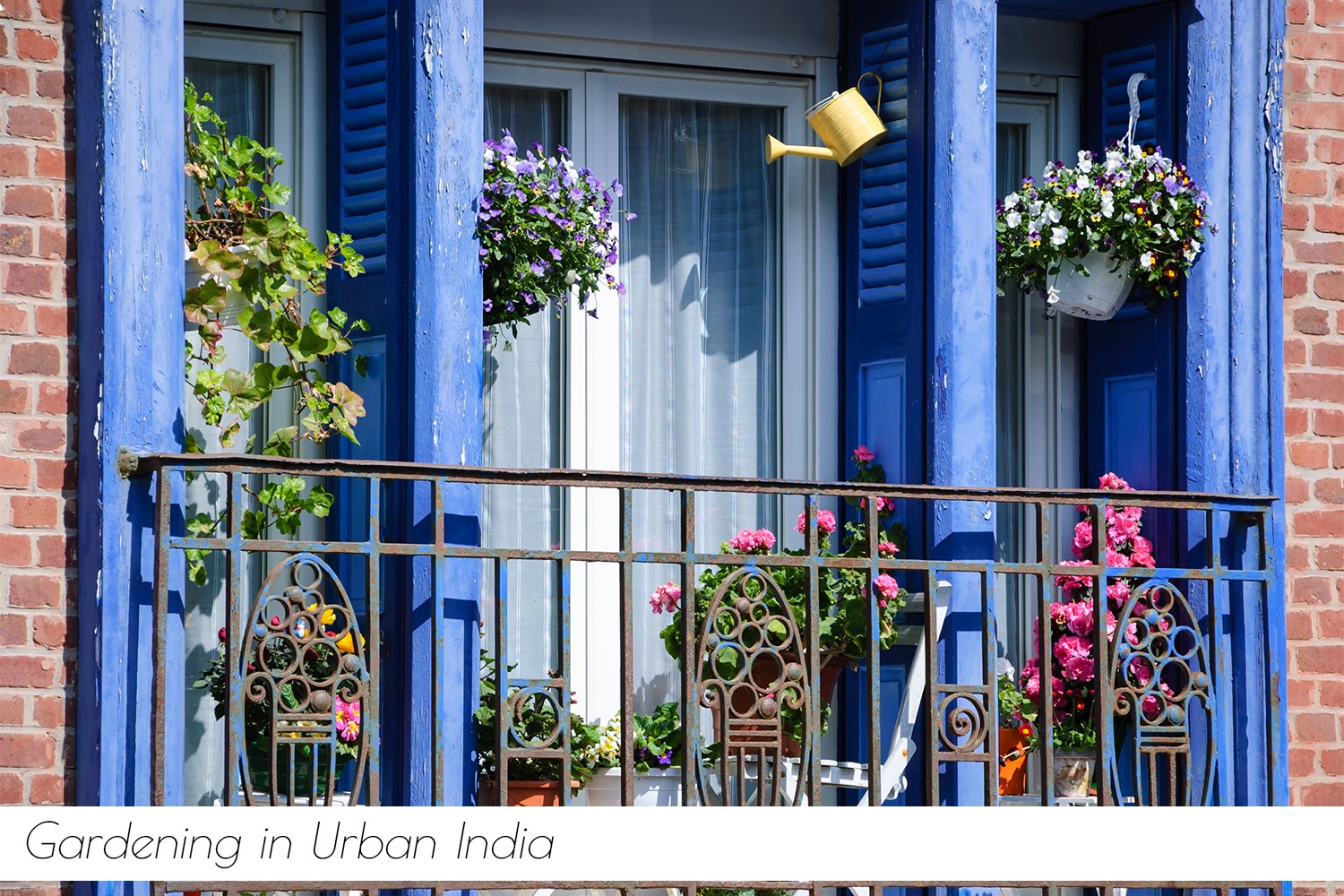
Give your apartment’s balcony a makeover by using the walls, railings, and the floor for creating multiple levels of greenery. Assess the space available, and factor in the amount of sun and wind your space gets to determine the plants that will do well in your balcony.
Outdoor Space
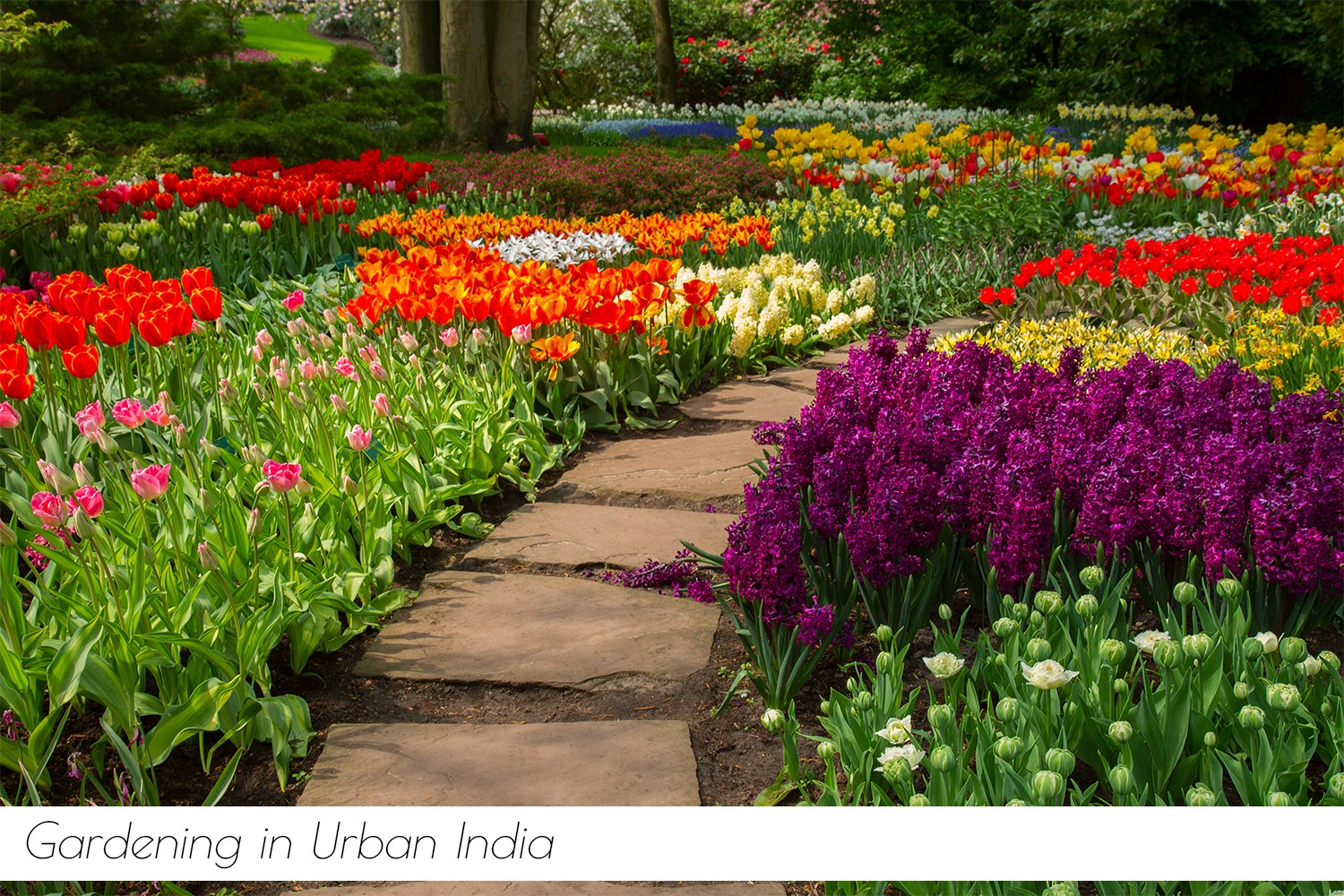
Be it a moderately sized front lawn, or a small, cosy backyard, outdoor spaces can be designed to reflect your personal style. Experiment with different seating ideas, varieties of foliage, accessories and pathways.
Terrace
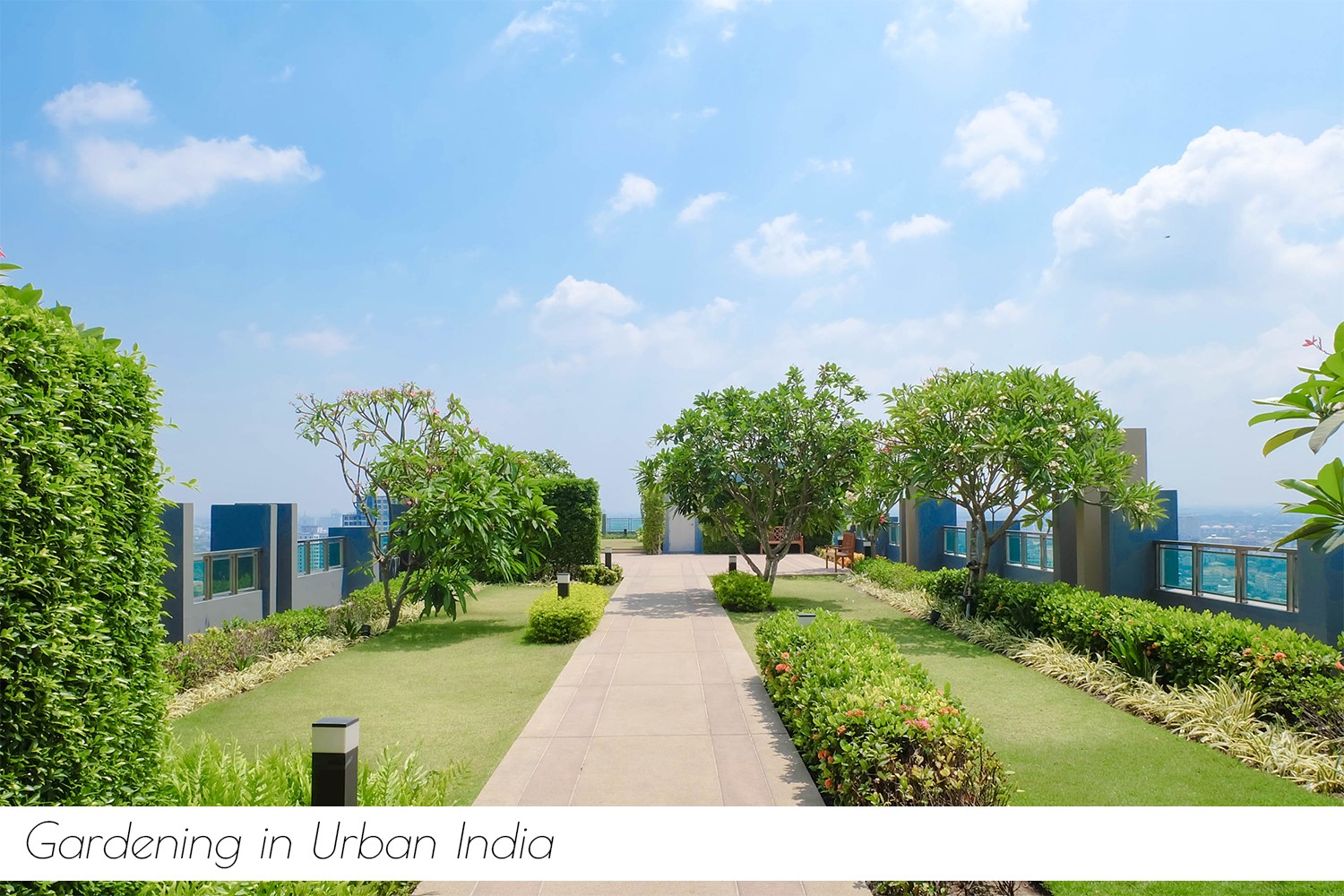
Rooftop gardens are excellent examples of breaking away from the traditional ground-level garden. Make sure you place the major weight of your pots along the edges, and keep the middle, the weakest part of your terrace structure, free
Window
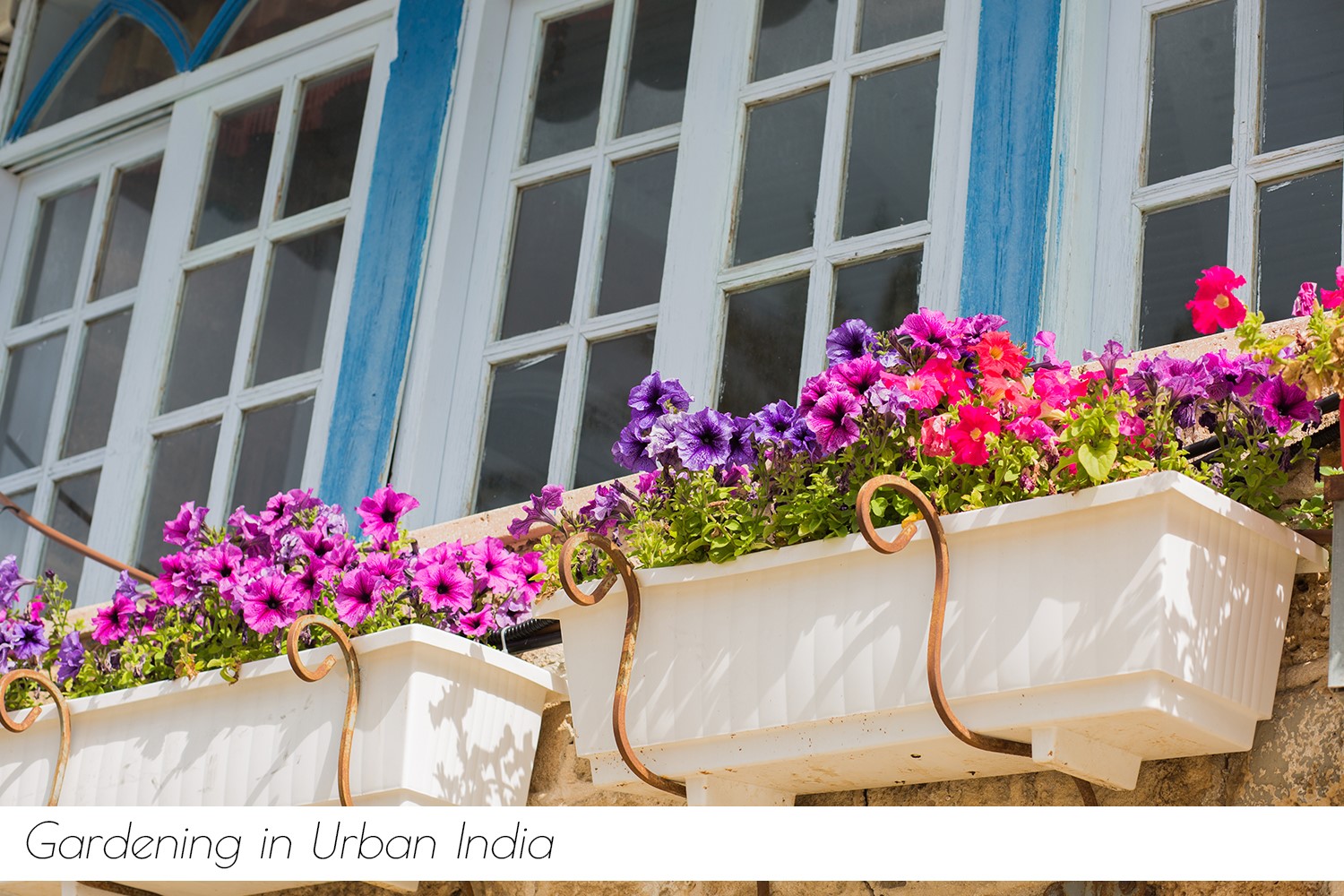
Instead of leaving windows bare, treat them as small extensions of your home. Paint them in bright colours, hang plants in pots, or frame them with trailing climbers. For apartment windows, use planters that can withstand strong winds and sun on the outside.
How excited are you to start transforming your home?
8 Quotes for the Rebel Inside Every Girl
What if Cinderella didn’t want to go to the ball but rather go out with her friends? What if Rapunzel didn’t need ‘saving’? And why didn’t Eric become a merman to have a ‘happily ever after’ with Ariel?
How much, do the stories we tell our little girls, shape their views about being a woman?
Elena Favilli’s Good Night Stories for Rebel Girls introduces us (and our impressionable girls) to one hundred remarkable women and their extraordinary lives. From Cleopatra to Malala, Charlotte Bronte to Serena Williams, these tales are truly empowering for heroines who definitely don’t need rescuing.
Here are a few quotes from the book.
A message that, unfortunately, seems to get lost quite often.

Aiming for the stars is in every girl’s blood!

Your voice isn’t small. Your voice isn’t weak. You were meant to ROAR!

You are perfect the way you are.

Touch the skies. You’re meant to be with the birds.

You are a fighter. No obstacle is ever ‘too big’ for you.

Why be something else when you’re PERFECT.

Be bold. And you will be free.

Feeling like a rebel with a cause? Tell us what you think in the comments below.

Master on the Doyens of Indian Classical Music

Veteran musician and sarod maestro, Ustad Amjad Ali Khan, in his Master on Masters, writes a deeply personal book about the lives and times of some of the greatest icons of Indian classical music. Having known these stalwarts personally, he recalls anecdotes and details about their individual musical styles, bringing them alive.
In writing about them, the maestro transcends the Gharana and north-south divide and presents portraits of these great artists that are drawn with affection, humour and warmth.


Have you heard these legends before?

7 Quotes by Perumal Murugan that Describe a Difficult Childhood
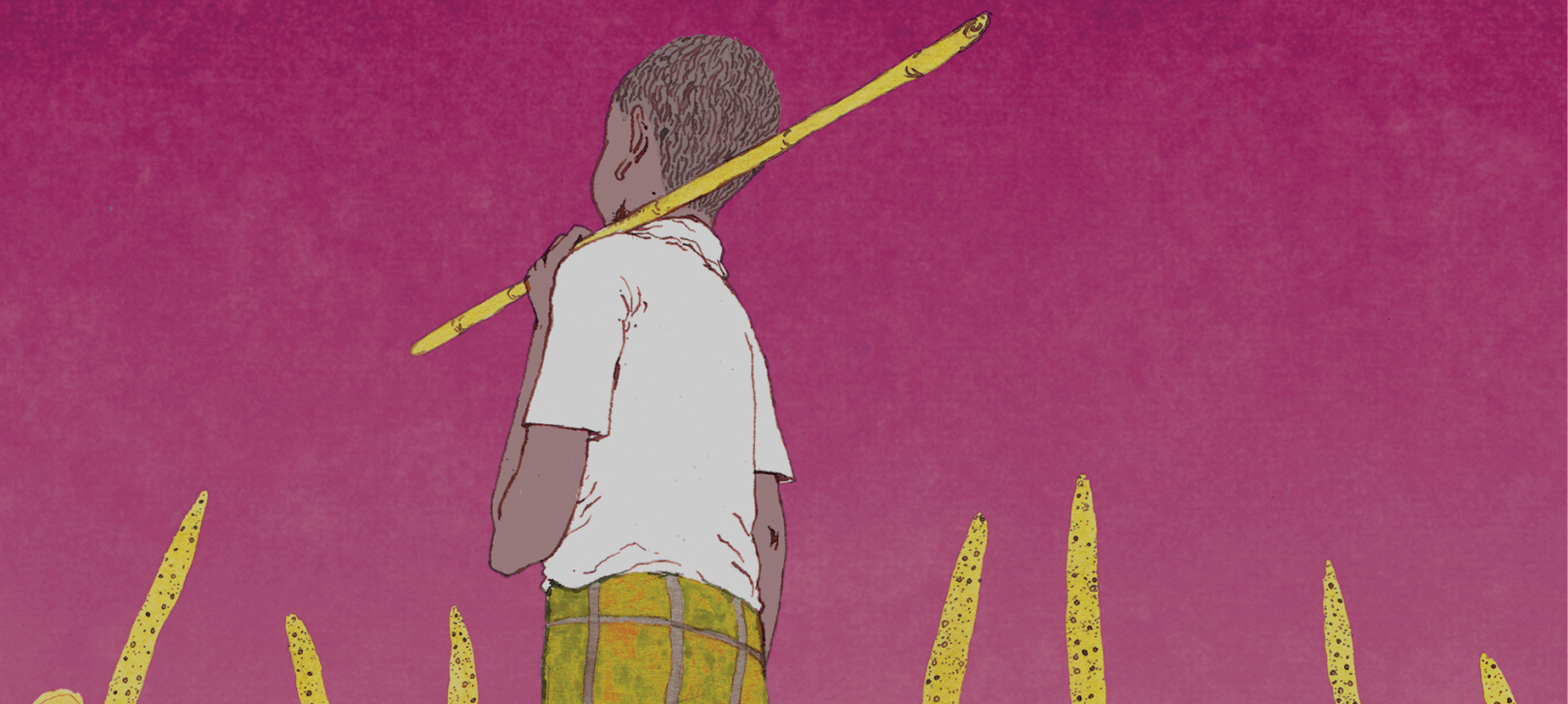
Perumal Murugan’s works provide a poignant commentary on the religious and caste practices prevalent in the society. His stories vividly capture the pain a person from the lower strata of society goes through every day.
His novel Seasons of the Palm, which was shortlisted for the Kiriyama Award, is merciless in its portrayal of the daily humiliations of untouchablility. It also evokes the grace with which the oppressed come to terms with their dark fate. Shorty, the central character of Murugan’s novel is one such young untouchable who is in bondage to a powerful landlord.
Here are a few quotes from the book that will give you a glimpse of Shorty’s hardships:
Being Awakened by a Stinging Whiplash

When You Can’t Wash Off Your Stink

Untouchable and Barred from Touching

When the Bare Necessities Turn into Luxury

A Paid Slave

Not-so-Good-Morning

When Your Days Are Like Empty Bowls

Aren’t they painful yet powerful? Tell us what do you think.

A Peek into a Reader’s World

Books are fascinating! They house many worlds, people, and emotions in them. And people who read them, i.e.: booklovers, slowly begin to embody these worlds. The reader often walks into the world of a book, but have you ever thought about how a book or its story become a part of a reader’s daily life? Has it ever happened to you that a story or character’s words seemed most appropriate in your life situation? (Happens to us every day!)
As the day of books is upon us, we decided to take you through some daily life situations where words from a book seemed to fit in all too perfectly.
When your always hungry colleague announces it’s lunch time during a meeting.

When your BFF throws you a Draw 4 card in UNO. Oh, the betrayal!

Your colleague when you need to stay back late. On a Friday.

When your in-laws decide to stay at your place for some time.

When you stay away from home for the first time and all you can cook is Maggi.

The salesman trying to get you to buy that Rs. 8,000 shawl.

Your dog, when he doesn’t care you are going to punish him.

Can you relate?